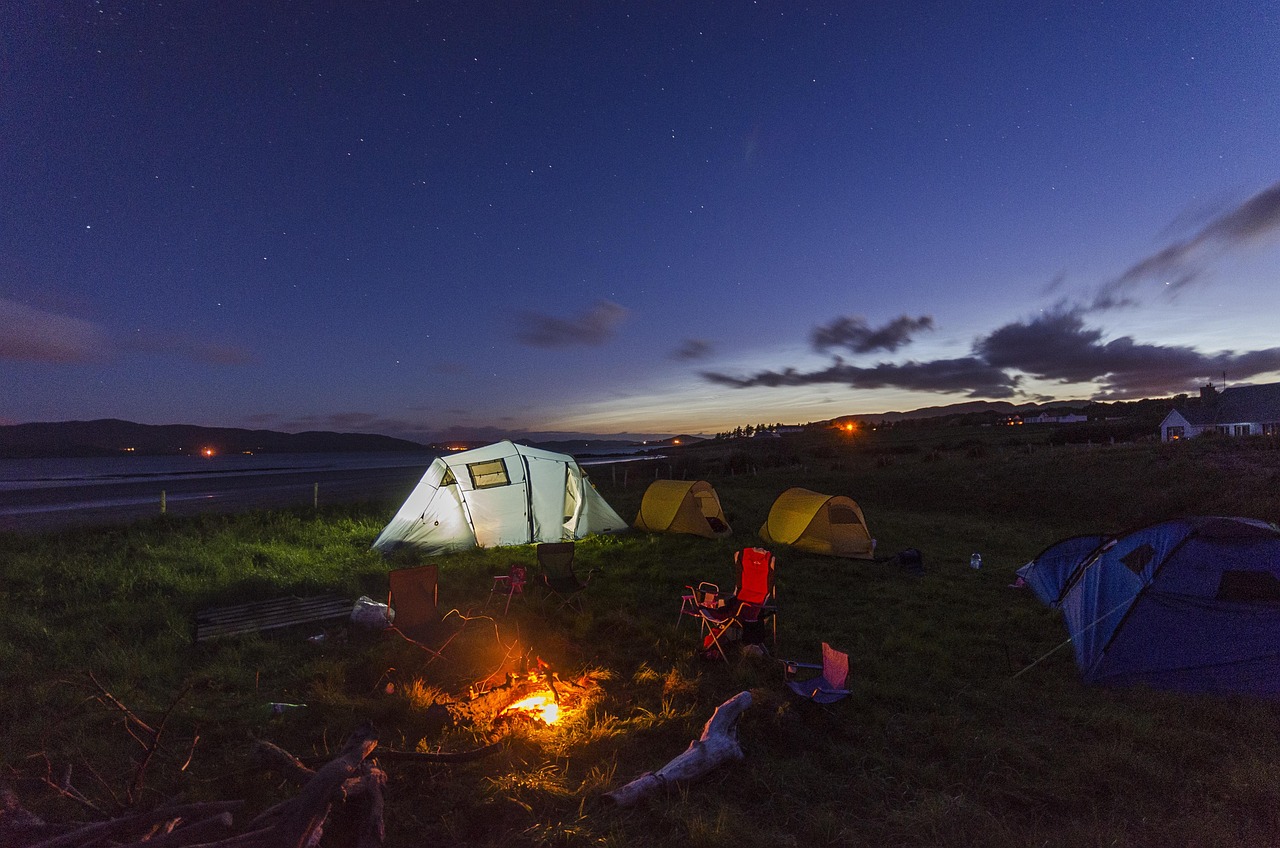
Campsite comfort often depends on thoughtful setup choices that help manage moisture, wind exposure, and insect activity. The way a tent is positioned and how gear is arranged can influence temperature, airflow, and cleanliness throughout overnight stays. Attention to terrain, sunlight, and vegetation plays a key role in reducing common disruptions that affect sleep quality and shelter performance. Simple adjustments can significantly improve overall comfort without requiring specialized equipment. With an understanding of how natural features behave across changing conditions, campsite setups become far more dependable and consistent for extended outdoor use.
Choosing Higher Ground
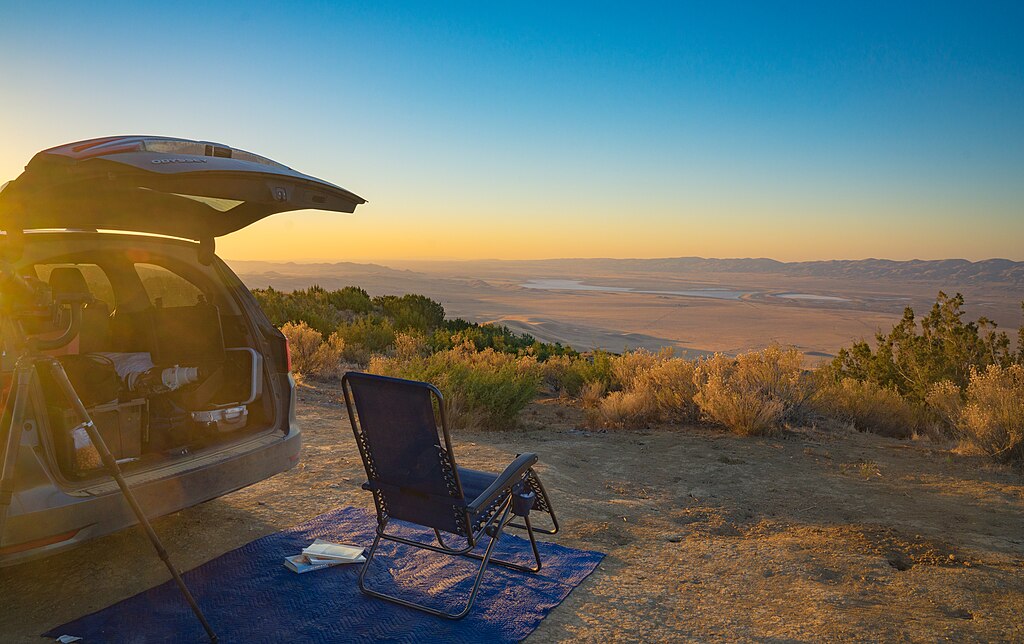
Choosing higher ground helps reduce condensation because cool air tends to settle in lower terrain, creating damp pockets that increase overnight moisture inside shelters. Elevated positions also improve drainage and prevent water from pooling during storms or rapid temperature shifts. Wind movement across higher areas promotes better ventilation without overwhelming the tent structure. These locations typically attract fewer insects, since saturated lowland environments support more bug activity. Selecting a raised area combines airflow, dryness, and stability to create a more comfortable and efficient campsite foundation.
Positioning the Tent Door Leeward
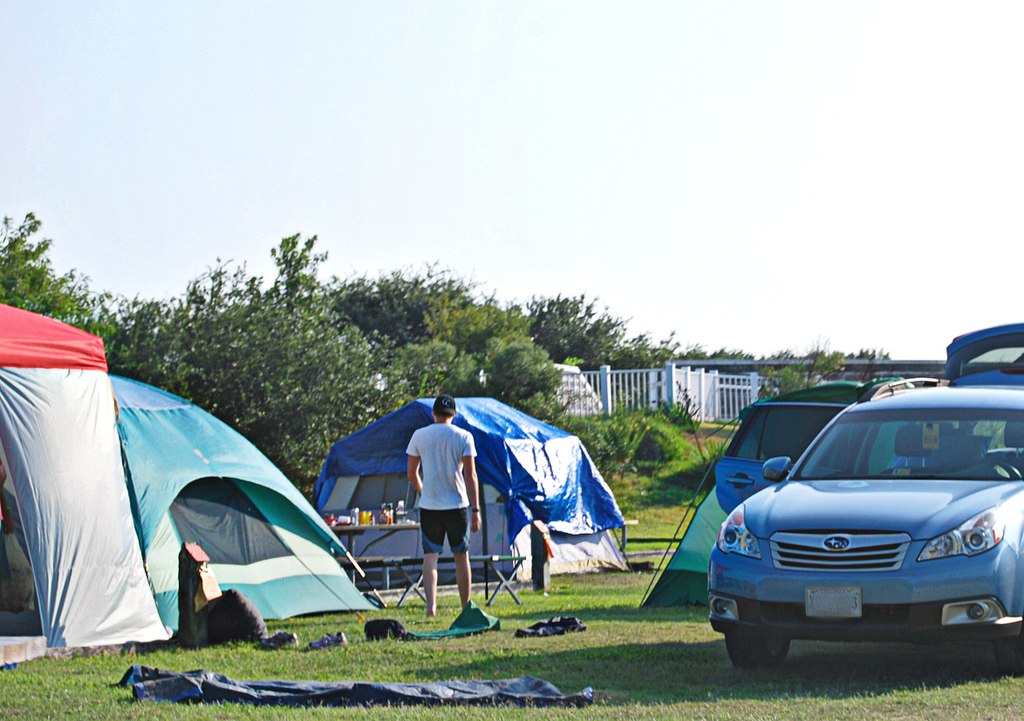
Positioning the tent door on the leeward side reduces the impact of prevailing winds that can force cold air into the shelter and disrupt interior warmth. Wind hitting directly at the entrance often stirs debris and increases noise from fabric movement. Shifting the door away from these currents softens airflow and improves temperature retention through the night. This arrangement also limits the number of insects carried inward by strong gusts. Aligning the tent with natural wind direction patterns enhances overall shelter performance in unpredictable outdoor environments.
Creating a Ventilation Gap
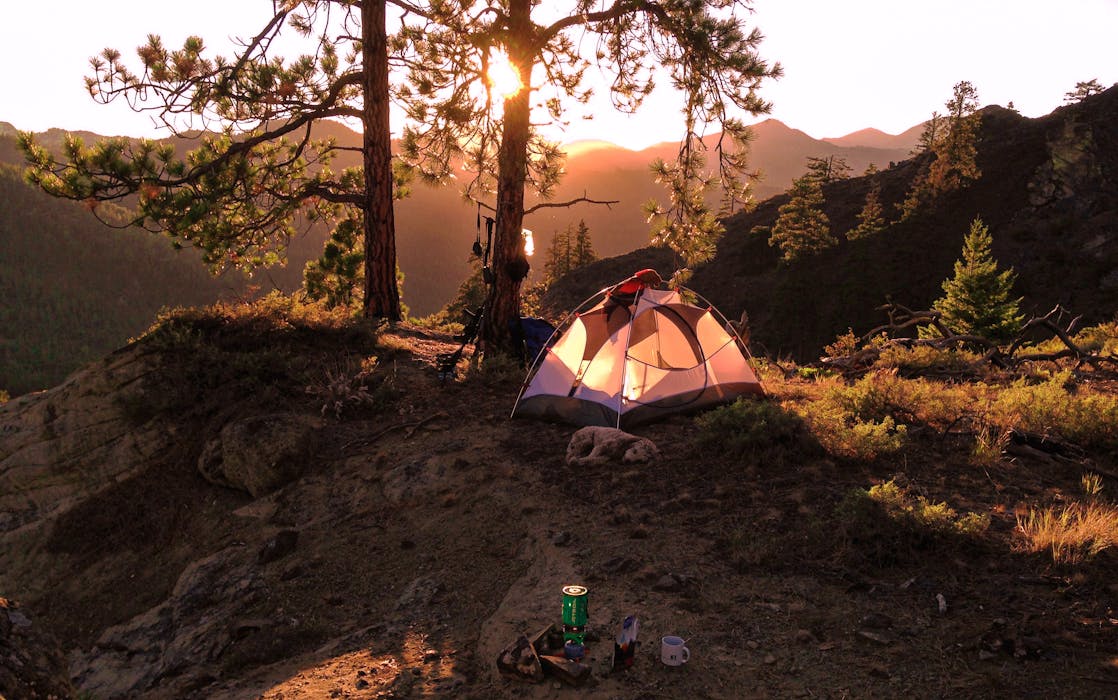
Creating a ventilation gap by adjusting the rainfly or opening built-in vents helps warm internal air escape before it condenses on the tent walls. Moisture buildup contributes to damp sleeping bags, wet clothing, and an uncomfortable atmosphere. A consistent flow of fresh air prevents humidity from accumulating inside the shelter, especially on milder nights when air remains still. Properly managed ventilation also stabilizes temperature by allowing heat to dissipate gradually rather than becoming trapped. This technique remains one of the most effective ways to regulate moisture in compact camping shelters.
Using Natural Windbreaks
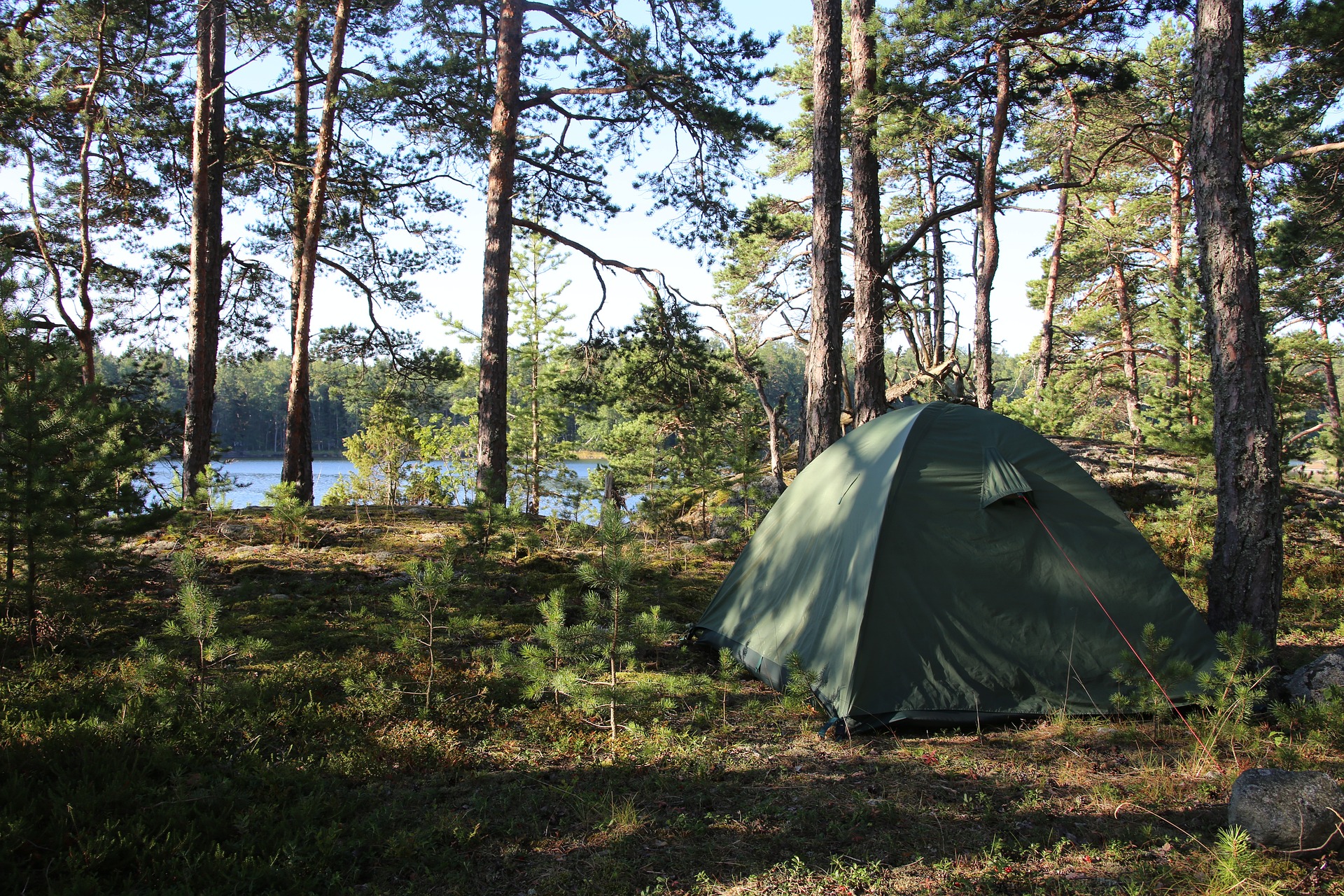
Using natural windbreaks such as rock outcrops, dense shrubs, or stands of trees offers valuable protection from gusts that strain tent poles and fabric. These features redirect winds upward or sideways, allowing calmer space for setup while reducing noise caused by constant flapping. Natural barriers also help limit dust and fine debris from entering the camp. Windbreaks further stabilize cooking areas and gear storage zones. By selecting a site bordered by natural formations, campers gain the advantages of reduced exposure without relying on artificial shielding or additional equipment.
Facing the Tent Toward the Morning Sun
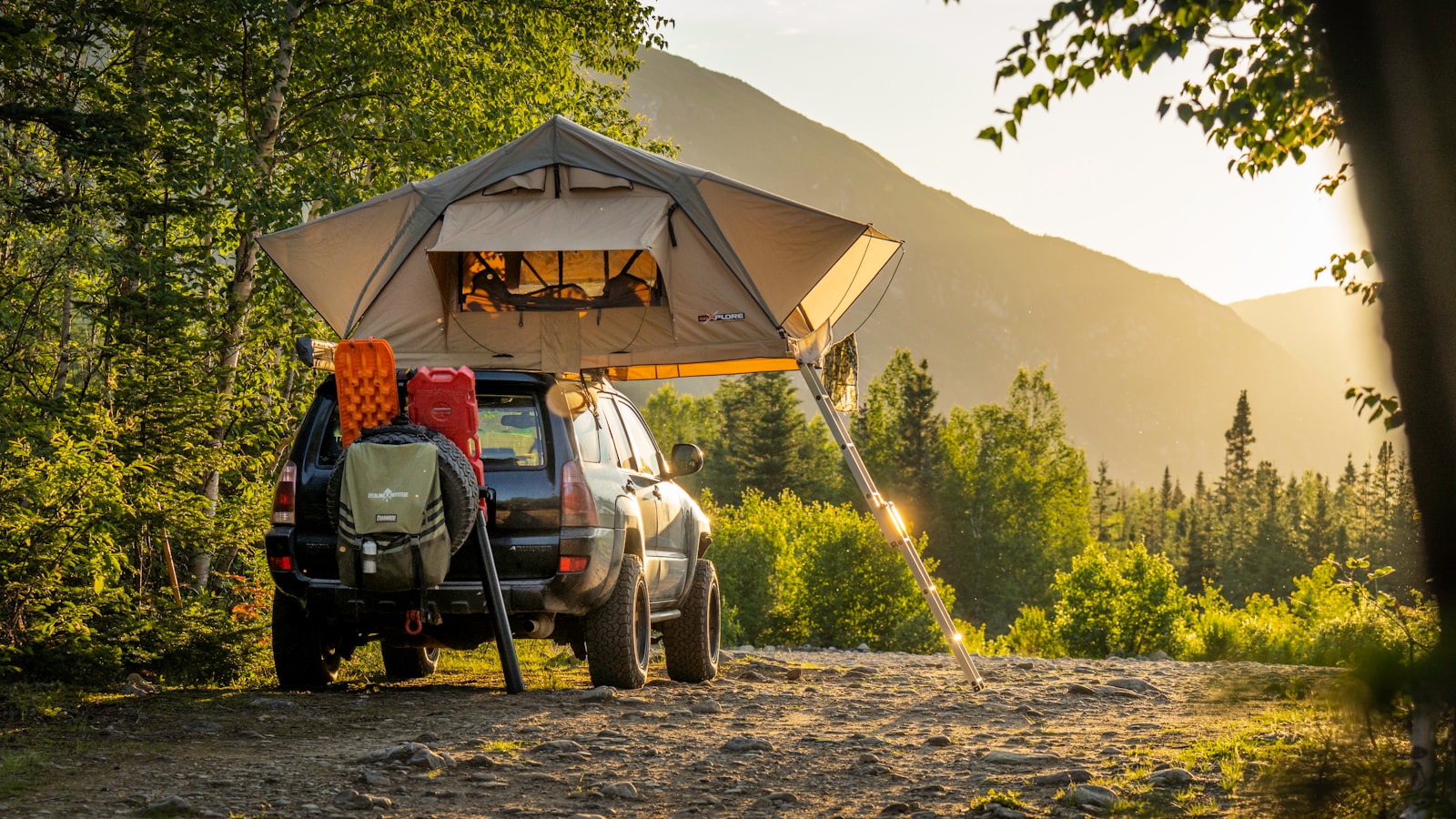
Facing the tent toward the morning sun accelerates drying by allowing early light to reach the rainfly and evaporate overnight condensation. Cold temperatures and still air often encourage moisture accumulation that lingers well into the morning. Direct sunlight helps warm the shelter and reduces the likelihood of packing damp equipment, which can produce odors or mold during multi-day trips. Sun exposure also improves visibility for morning organization. Considering sunrise direction when orienting the tent supports cleaner, drier, and more efficient campsite transitions each day.
Clearing Vegetation Before Setup
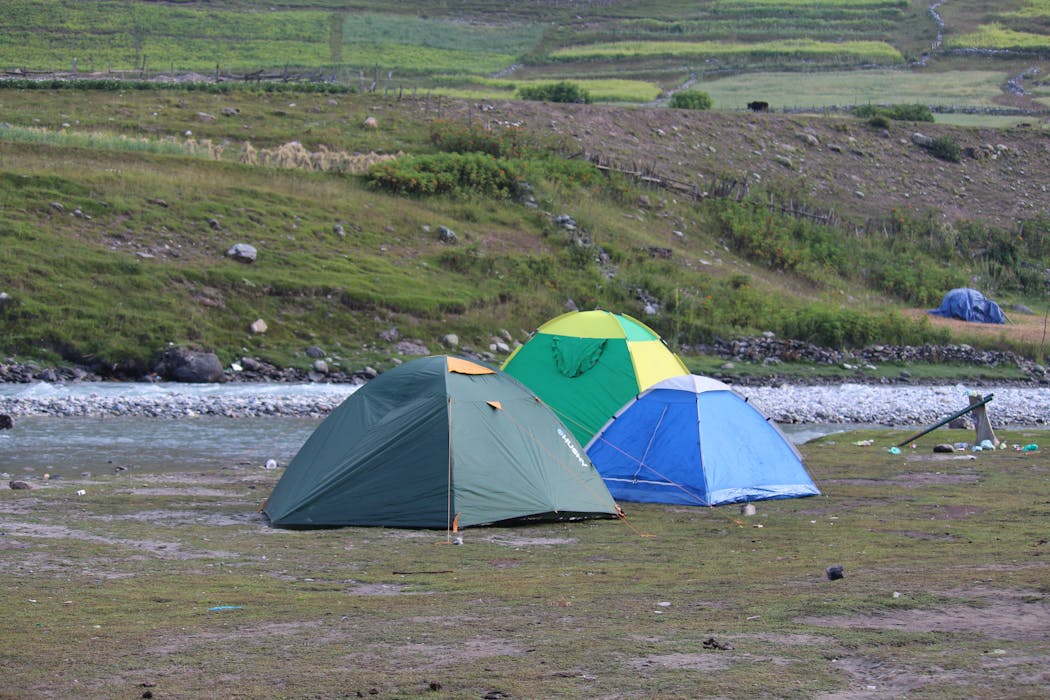
Clearing vegetation before setup eliminates hiding places for insects and removes moisture-heavy plants that press against the tent base. Dense ground cover collects dew and rainfall, transferring dampness to the shelter floor. Creating a smooth, clear space improves stability, reduces abrasion on tent fabric, and enhances overall safety. Removal of weeds and debris supports better airflow around the tent perimeter, accelerating drying after rain. This preparation step also prevents small animals from nesting beneath warm shelter surfaces, maintaining a cleaner environment throughout the stay.
Creating a Dry Entry Zone
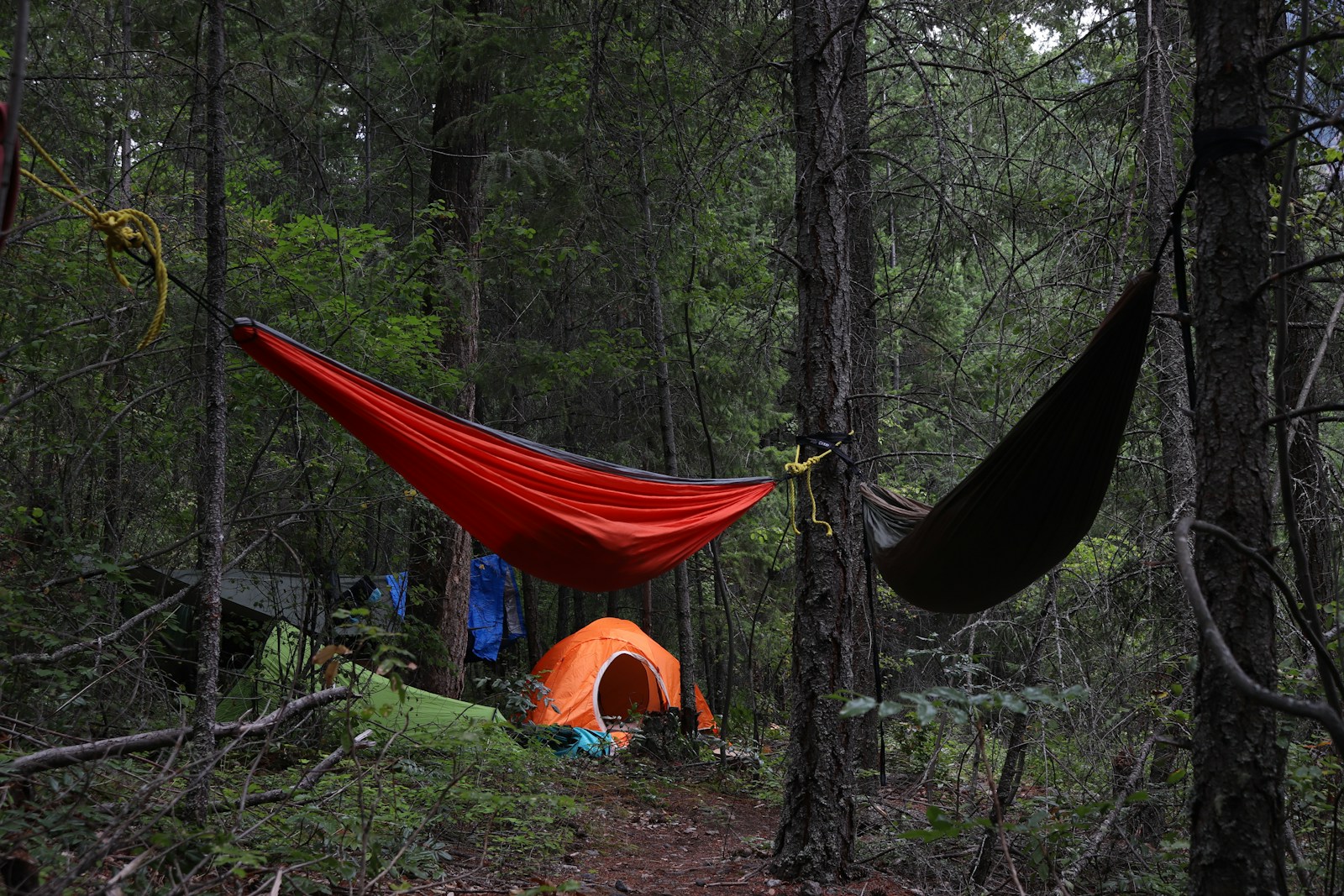
Creating a dry entry zone with a tarp or compact groundsheet protects the tent interior from dirt, water, and insects that gather near doorways. This transitional space allows wet shoes and equipment to remain outside while staying elevated from damp ground. When angled slightly uphill, the entry zone diverts runoff away from the shelter. A designated landing area helps maintain cleanliness and reduces clutter inside the tent. This barrier system also creates a predictable location for organizing essential gear before sleeping or preparing morning activities.
Pitching Away From Water Sources
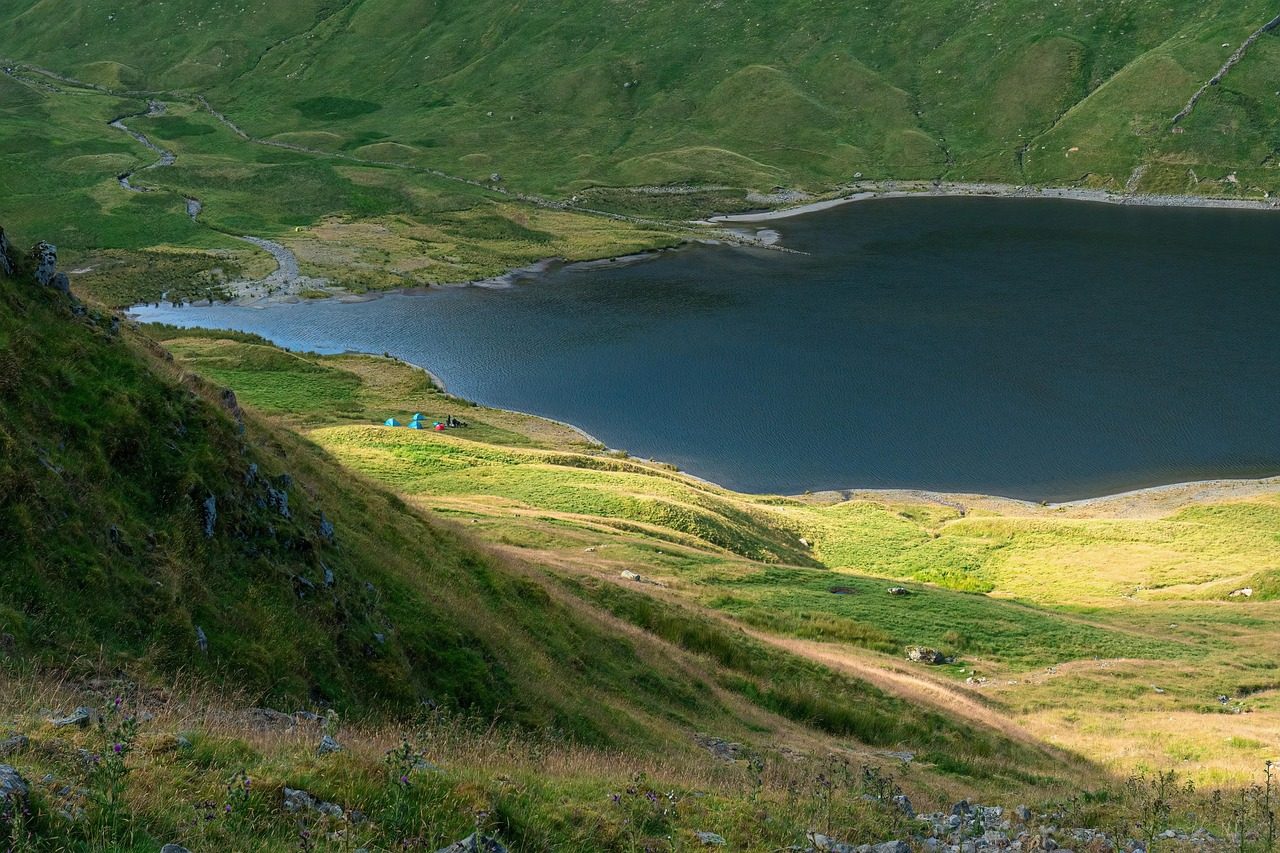
Pitching away from water sources lowers insect concentration since mosquitoes and other bugs thrive near humid shorelines. Distance also prevents cold, moisture-rich air from gathering beneath the tent, reducing condensation risk during the night. Campsites placed too close to rivers or lakes often experience louder wildlife disturbances and unexpected water level changes after storms. Moving farther inland provides a more controlled environment with steadier temperatures. This practice improves safety, comfort, and site durability, especially across multi-day trips in changing weather conditions.
Elevating Gear Off the Ground

Elevating gear off the ground improves airflow around items that tend to collect moisture when resting directly on soil. Dampness beneath equipment encourages mildew, odors, and reduced insulation efficiency in sleeping bags and clothing. Placing gear on rocks, low platforms, or simple camp furniture limits insect access, since raised obstacles disrupt common travel paths for ants and beetles. Elevated storage also makes items easier to locate in low light. Enhanced circulation and cleanliness support better equipment longevity and more efficient campsite organization across extended stays.
Using Light-Colored Fabrics
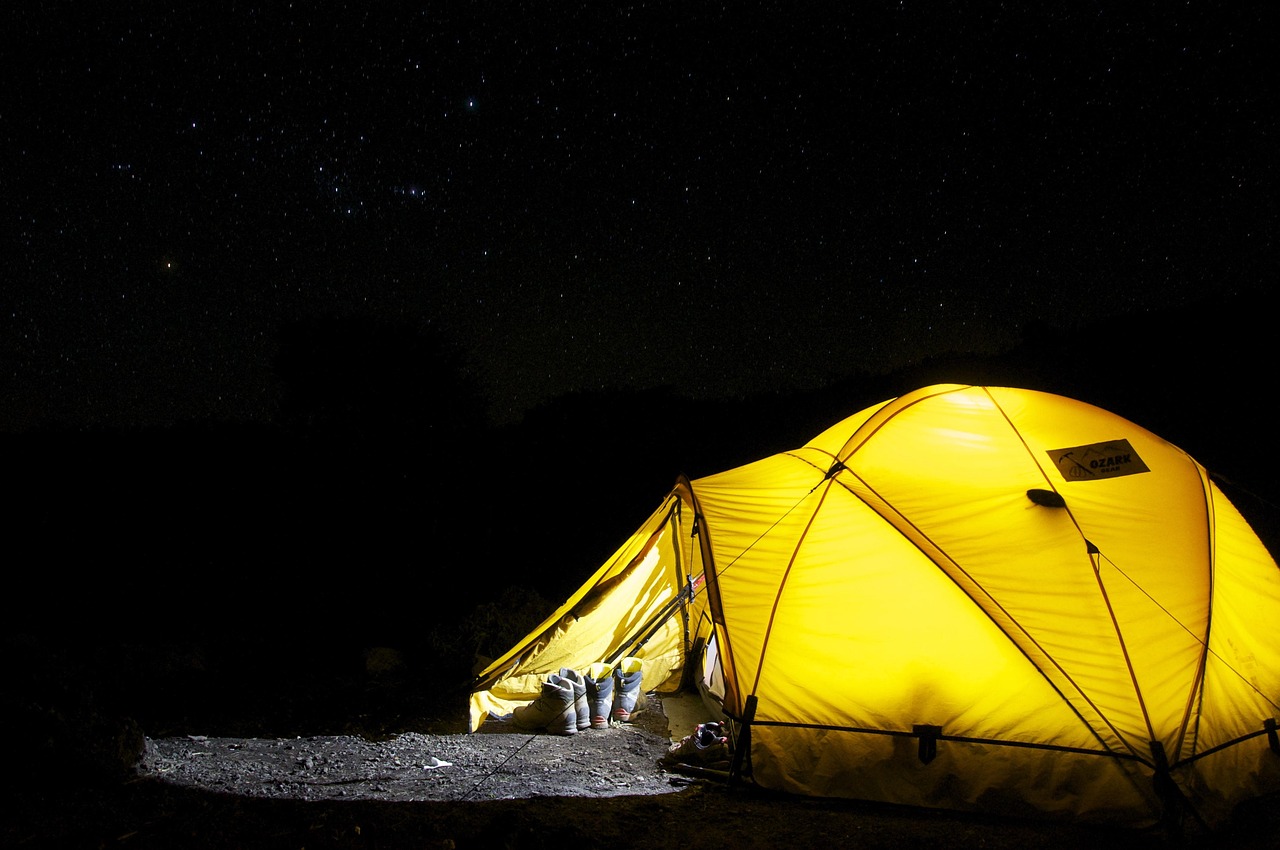
Using light-colored fabrics for tarps and camp accessories reduces insect attraction because many species navigate toward darker contrasts that resemble natural shelter. Pale materials reflect sunlight and help moderate internal temperatures during warm afternoons. Increased visibility improves safety by making smaller items easier to spot around the campsite. Light-colored surfaces also reveal dirt or insects more readily, aiding housekeeping. These benefits combine to create a cleaner, brighter, and more comfortable outdoor environment suited to long-term or repeated tent use across seasonal conditions.
Setting Up a Perimeter of Airflow

Setting up a perimeter of airflow by spacing equipment evenly ensures breezes can travel naturally through camp, reducing stagnant pockets where condensation and insects accumulate. Crowded layouts restrict circulation and trap humidity that clings to tent walls or ground surfaces. Intentional spacing prevents tripping hazards and creates more efficient pathways for moving around the site. Increased airflow assists in drying clothing, coolers, and cooking areas. Thoughtful arrangement of gear supports cleaner and more predictable campsite behavior across a range of weather conditions.
Using Citronella and Natural Scents

Using citronella and natural scents creates an aromatic barrier that discourages common insects from approaching sleeping or cooking areas. These scents help mask environmental cues that attract pests, offering steady protection during calm evening hours when insect activity increases. Placement of scent sources should maintain a safe distance from open flames while allowing fragrance to disperse throughout the site. Natural repellents complement physical barriers such as netting and sealed food storage. Their controlled use promotes a quieter and more comfortable environment across extended outdoor stays.
Creating a Low-Profile Tent Shape
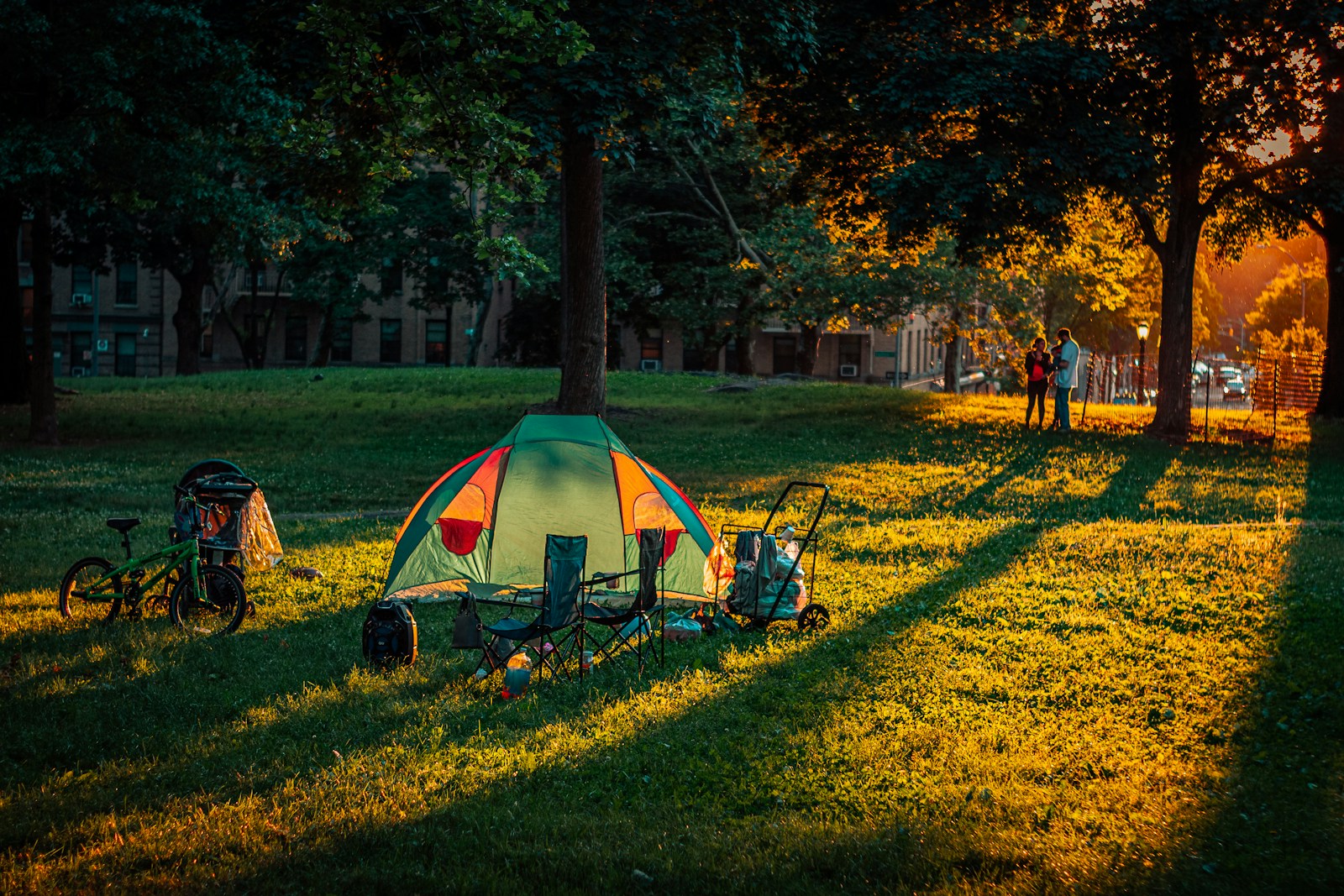
Creating a low-profile tent shape reduces wind resistance by limiting the amount of fabric exposed to strong gusts that destabilize shelters in open terrain. A compact structure lowers the strain on stakes and guylines while diminishing noise from rapid fabric movement. Streamlined shapes also retain warmth more effectively as air moves smoothly across surfaces. Balanced height and width produce greater resilience during unpredictable wind shifts. This design principle supports reliable shelter performance across ridgelines, meadows, and transitional weather zones.
Keeping Food and Waste Sealed

Keeping food and waste sealed prevents insects and small animals from detecting scent trails that guide them toward the campsite. Airtight containers restrict odor dispersion and protect stored items from moisture and contamination. Isolating waste away from sleeping zones reduces nighttime disturbances and maintains hygiene around the cooking area. Sealed storage also promotes environmental responsibility by minimizing accidental spills. Consistent containment practices create a healthier campsite atmosphere and reduce pest encounters across extended outdoor stays.