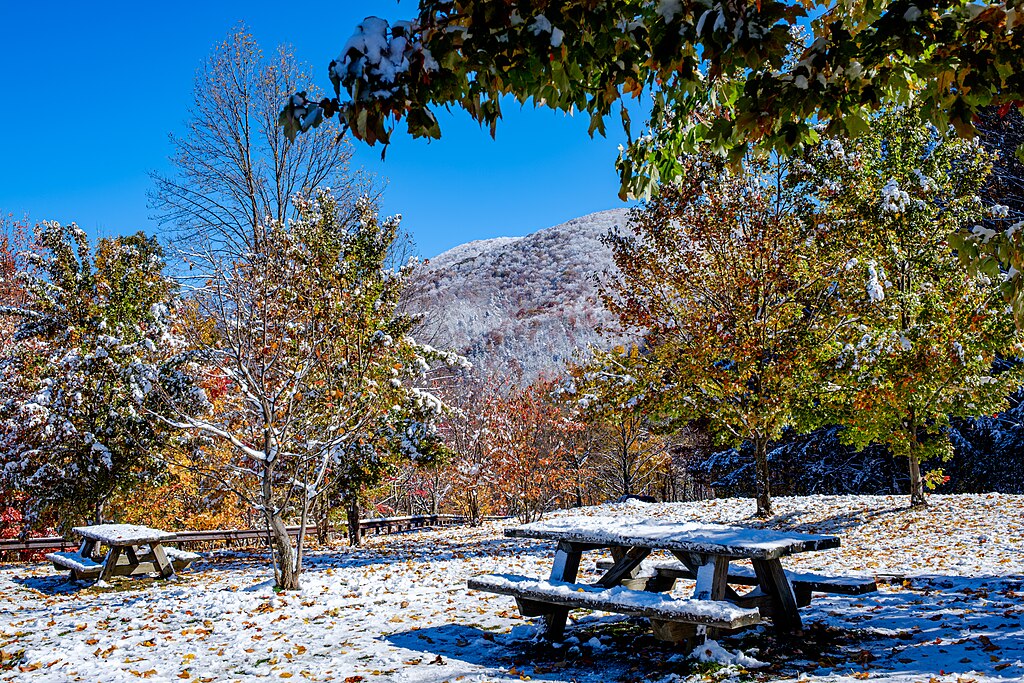
Winter environments often appear harsh at first glance, yet experienced bushcrafters recognize that snow can simplify many traditional outdoor skills. Snow changes how landscapes behave by covering obstacles, stabilizing footing, and reducing biological activity that complicates tasks in warmer months. Insects disappear, vegetation retreats, and the ground becomes more predictable once frozen. Snow also preserves evidence of movement, reflects light, and provides natural insulation that supports shelter building and energy management. While cold temperatures demand preparation and awareness, they also reward careful planning with efficiency and clarity. Tasks that feel exhausting in summer heat often become more manageable when the environment cooperates instead of resisting effort. Understanding how snow alters terrain, materials, and visibility allows bushcrafters to work smarter rather than harder. These advantages explain why many foundational skills feel more reliable, controlled, and effective once winter conditions take hold.
Tracking Wildlife
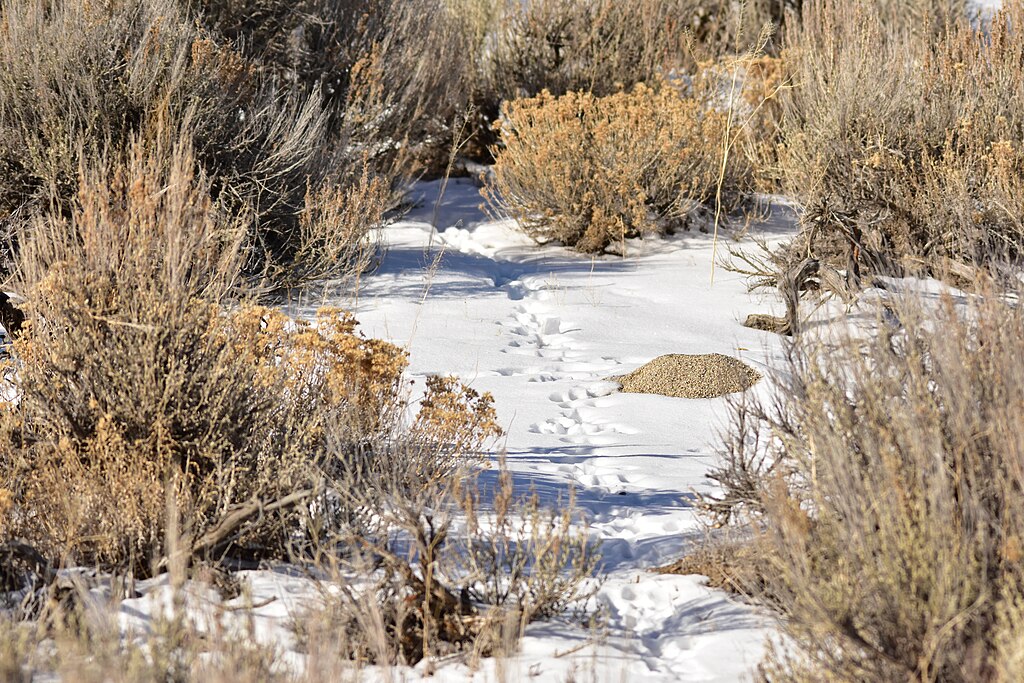
Tracking wildlife becomes significantly easier in snow because footprints, stride patterns, and travel direction remain sharply defined across the landscape. Snow preserves tracks that would vanish quickly in dirt, sand, or leaf litter, allowing bushcrafters to follow movement over long distances. Fresh snowfall resets the ground, making it easier to distinguish new tracks from older ones and estimate timing accurately. Subtle details such as weight distribution, gait changes, and stopping points become visible without interference from vegetation. Snow also reveals feeding areas, bedding sites, and travel corridors with remarkable clarity. Without dense plant growth obscuring the ground, observation improves dramatically. These conditions make winter tracking an ideal learning environment for understanding animal behavior, movement efficiency, and habitat use with far less guesswork.
Firewood Identification
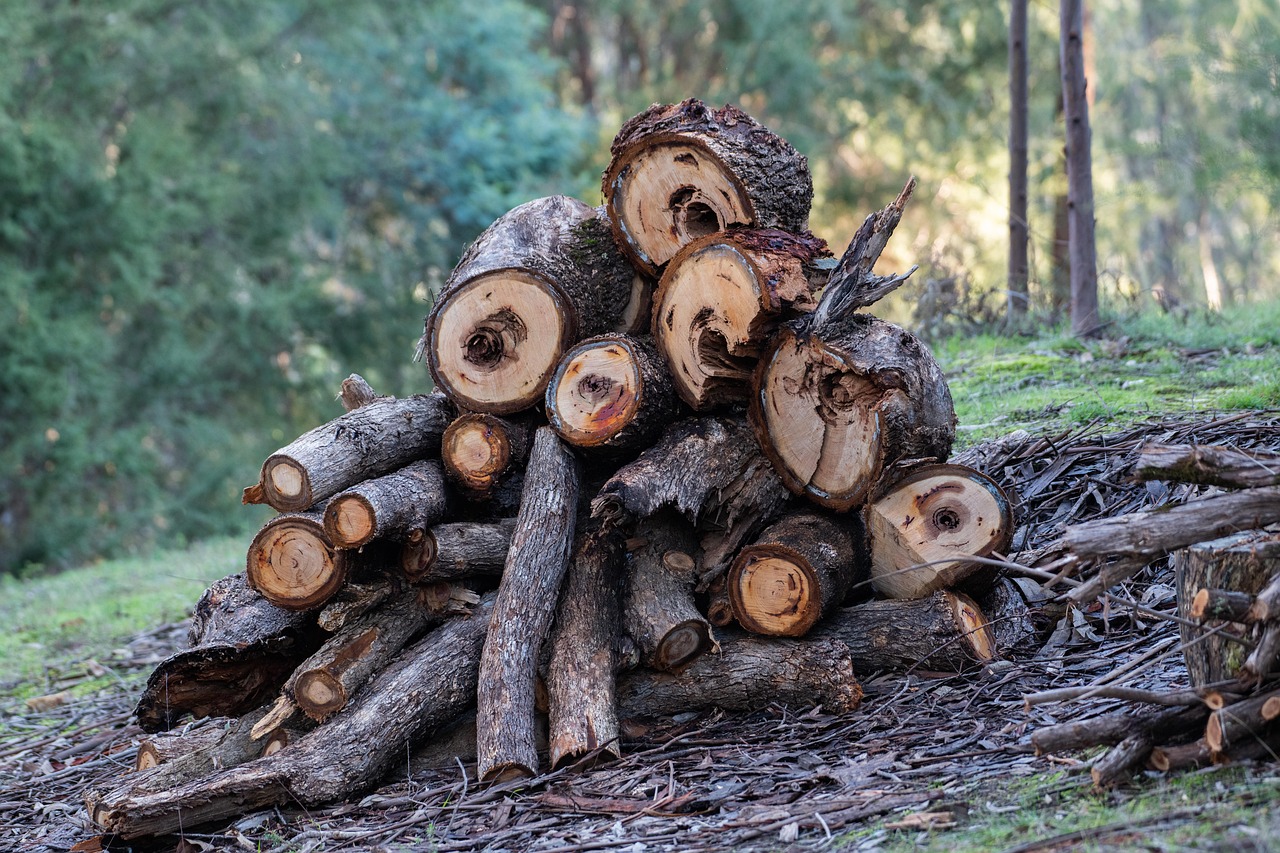
Identifying quality firewood becomes more straightforward in snow because dead standing trees and fallen branches contrast clearly against the white ground. Bushcrafters can quickly spot seasoned wood without digging through dense undergrowth or competing vegetation. Snow suppresses insects and nesting animals, reducing unexpected encounters during collection. Cold, dry winter air often lowers the moisture content in dead wood, improving burn reliability. Frozen ground provides stable footing while cutting, sawing, or splitting, reducing fatigue and improving safety. Snow also offers a clean surface for stacking, sorting, and drying firewood near camp. These combined factors make winter firewood identification and preparation far less frustrating than during humid or overgrown summer conditions.
Shelter Construction
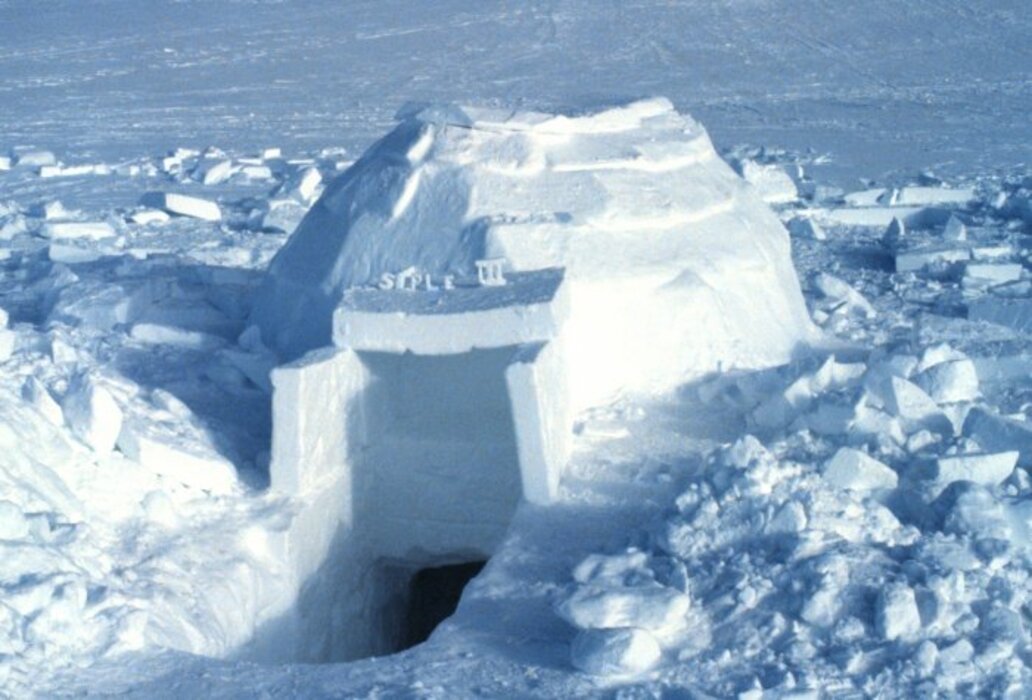
Shelter construction benefits greatly from snow because packed snow functions as both an insulating material and a structural resource. Snow walls, windbreaks, and platforms trap warmth effectively and block chilling air movement. Frozen ground supports shelters without shifting, allowing structures to remain stable overnight. Snow smooths uneven terrain, creating level sleeping areas with minimal effort. Bushcrafters can carve, shape, and compact snow using basic tools, reducing reliance on gathered wood or fabric. Snow also reflects firelight and body heat back toward shelters, improving warmth retention. These properties allow winter shelters to remain durable, efficient, and surprisingly comfortable when designed with environmental awareness.
Water Collection
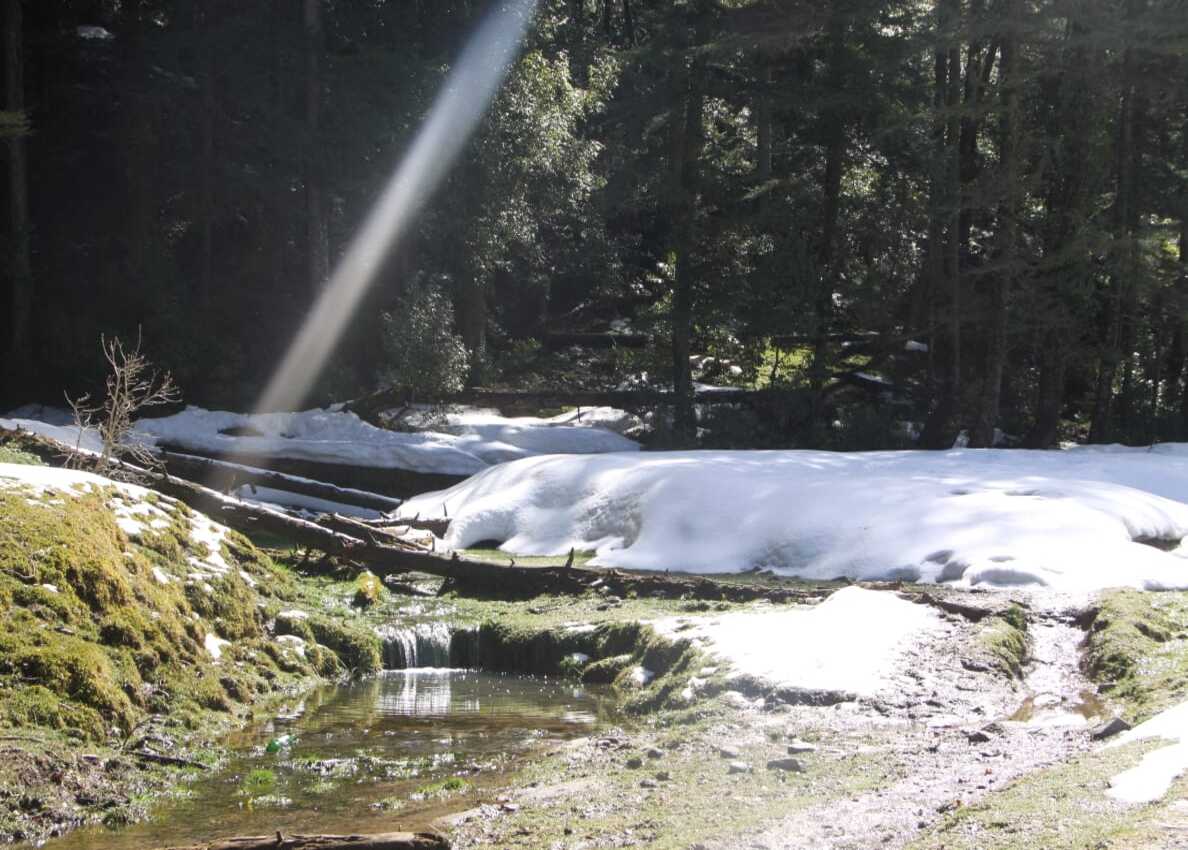
Water collection becomes more predictable in snowy environments because snow itself provides a widespread and consistent source. Bushcrafters can melt snow to produce drinkable water once properly filtered or treated. Streams, springs, and seeps reveal themselves through ice patterns, steam, or areas that remain unfrozen. Snow highlights drainage channels and low points where water continues flowing beneath the surface. Cold temperatures limit algae growth and sediment disturbance, improving water clarity. While melting snow requires fuel, the reliability of snow availability often offsets the effort. Compared to summer conditions, where water sources may dry unexpectedly, winter water collection follows more dependable patterns.
Navigation
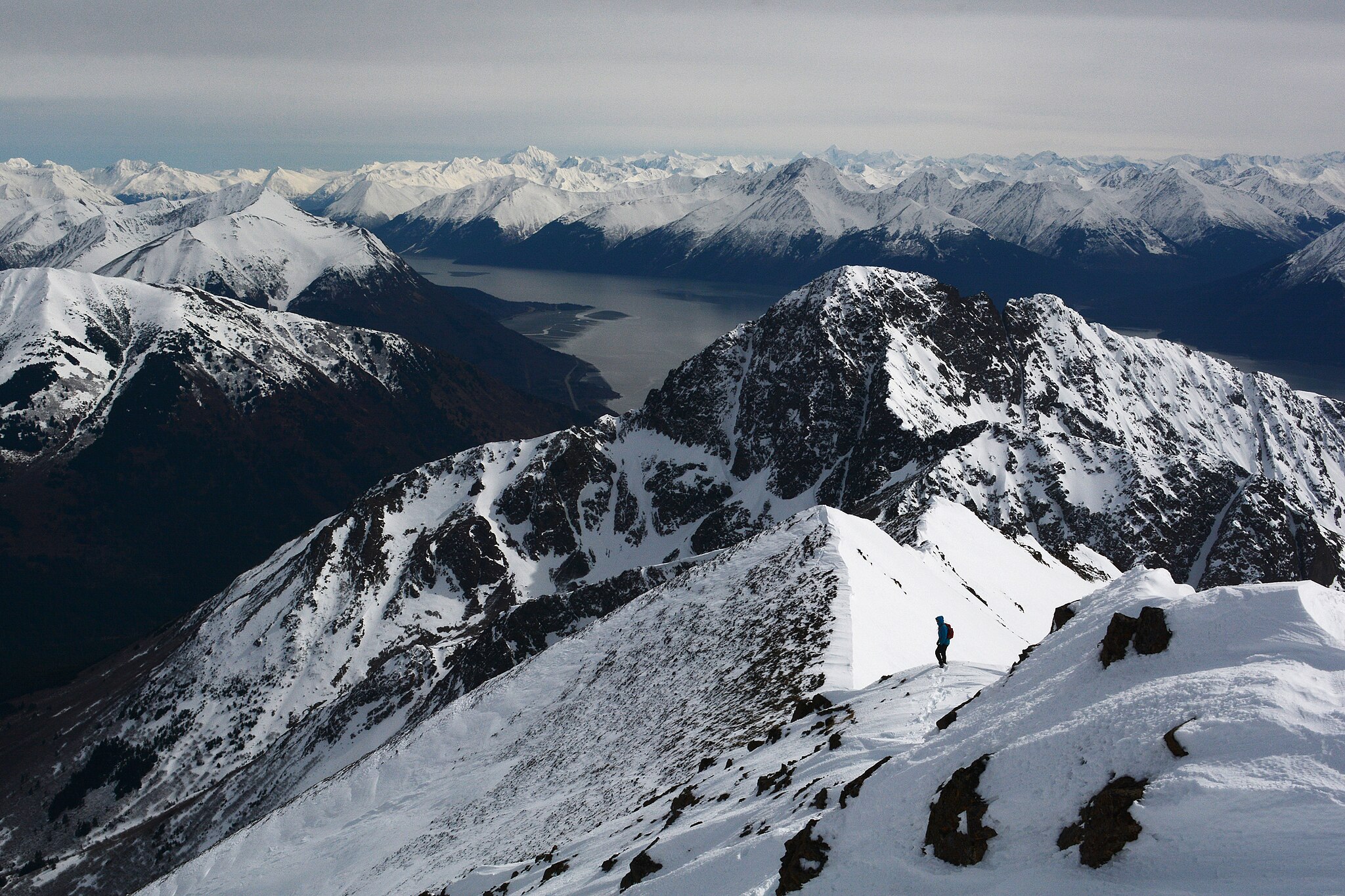
Navigation improves in snow because terrain features become more visible without vegetation obscuring the landscape. Hills, valleys, ridgelines, and drainage lines stand out clearly against snow cover. Footprints and established travel routes remain visible, aiding orientation and backtracking. Snow enhances shadow contrast, revealing subtle elevation changes that assist map reading. Frozen wetlands and shallow streams may become passable routes unavailable in warmer seasons. Reduced visual clutter allows stronger alignment between terrain and navigation tools. These factors make winter travel more direct and easier to interpret, especially in unfamiliar areas where summer vegetation complicates movement and route planning.
Camp Hygiene
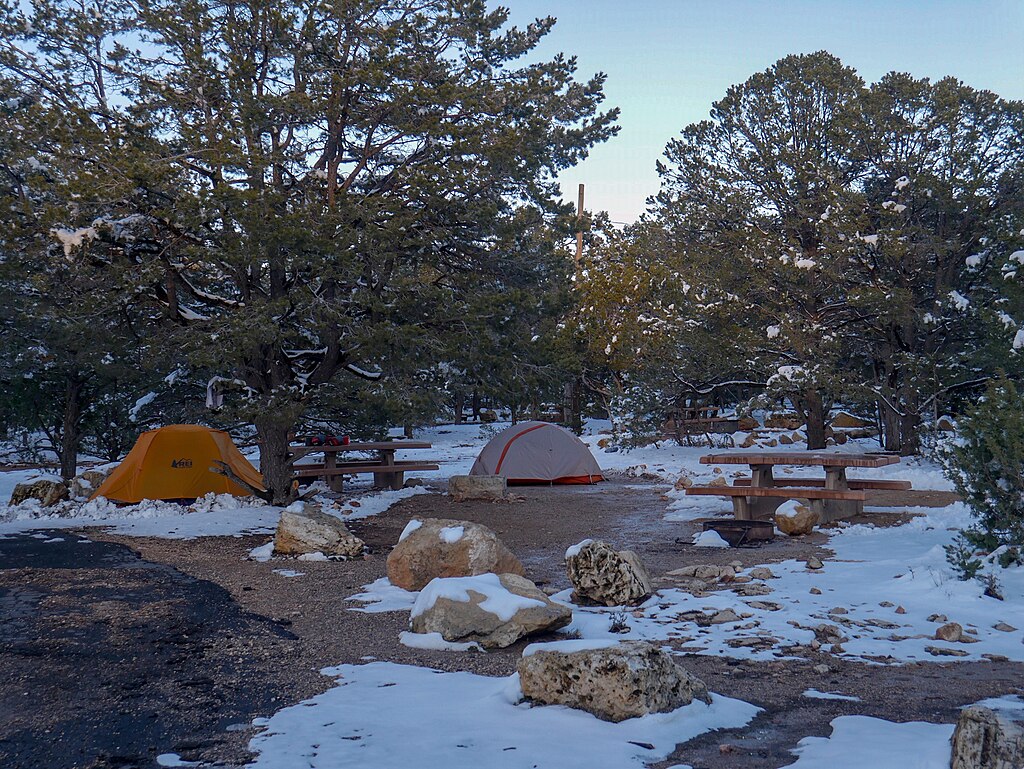
Camp hygiene becomes easier in winter because cold temperatures slow bacterial growth and eliminate insects that spread contamination around campsites. Waste odors dissipate more slowly in cold air, making camps easier to manage discreetly over multiple days. Frozen ground limits decomposition, helping contain waste until proper disposal becomes possible at designated locations. Snow can serve as a temporary cleaning medium for cookware, tools, and hands before final sanitization with treated water. Reduced moisture minimizes mold and mildew issues that commonly develop in humid summer conditions. Clothing, bedding, and gear dry more predictably in cold, dry air when properly ventilated. These combined advantages help bushcrafters maintain cleaner camps with less daily effort, supporting health, morale, and long-term comfort during extended winter outings.
Tool Maintenance
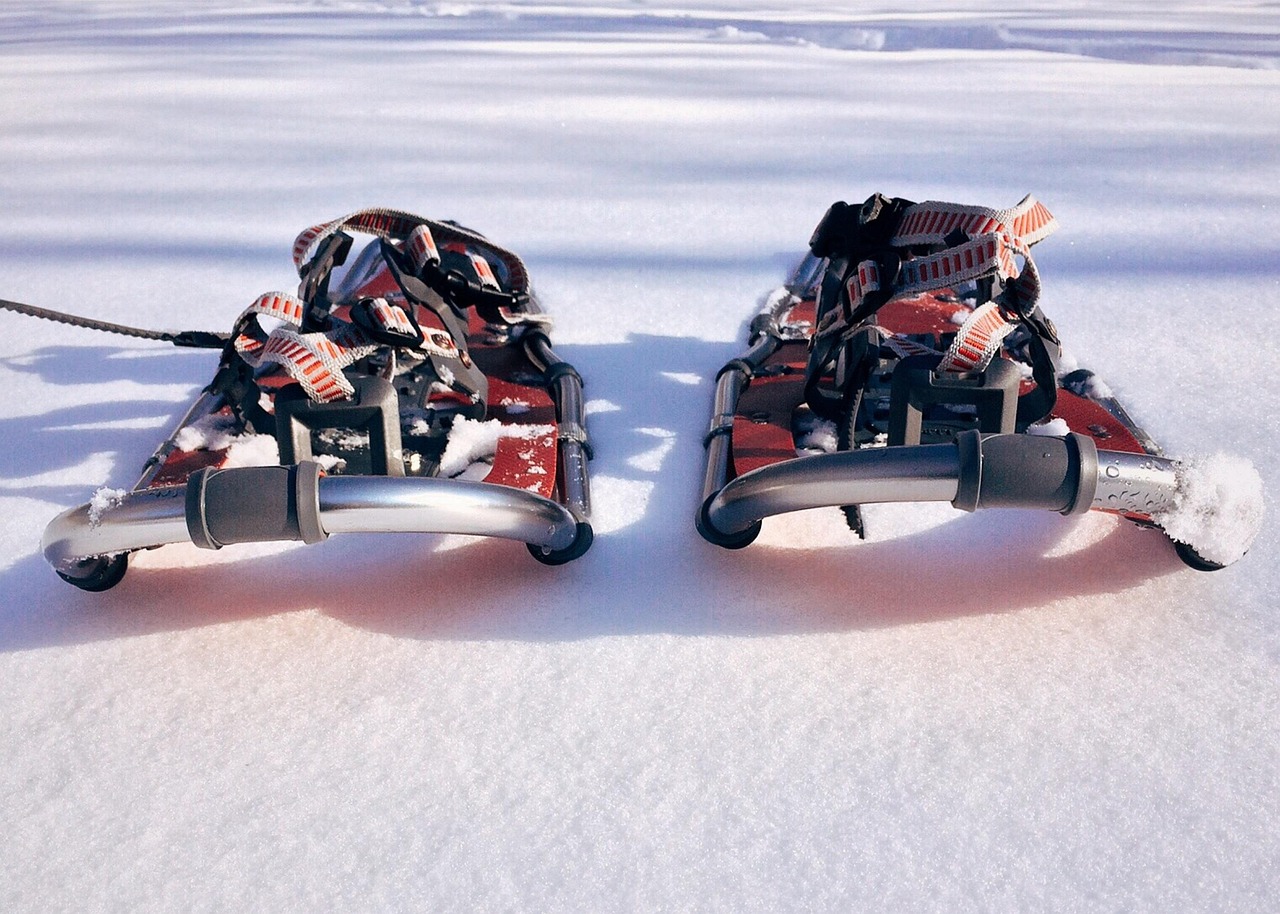
Tool maintenance improves during winter because cold, dry air significantly reduces rust and corrosion on metal surfaces. Tools remain cleaner without constant exposure to sap, mud, standing water, or sticky plant residue common in warmer seasons. Snow provides a clean, abrasive-free surface for sharpening blades and inspecting edges without contamination. Reduced humidity improves handle grip and control, limiting slippage during repetitive tasks. Tools experience less wear without sand or grit grinding into moving parts. Cold conditions also discourage insects and rodents from nesting in gear or storage areas. These factors help tools maintain performance longer while reducing maintenance demands, making winter an excellent season for extended tool reliability and consistent field use.
Food Preservation

Food preservation becomes more manageable in snow due to naturally low temperatures that slow spoilage and bacterial growth. Meat, fish, and foraged foods last longer when stored properly in cold conditions without rapid degradation. Snow and frozen ground act as natural refrigeration, allowing safe caching away from scavenging animals. Insects that quickly contaminate food in warmer months are entirely absent during winter. Traditional methods such as freezing, cold smoking, and air drying benefit from stable temperatures and reduced humidity. Reduced spoilage pressure allows more deliberate food planning and preparation. Compared to summer preservation challenges driven by heat and moisture, winter provides a forgiving environment for managing food resources efficiently and safely.
Energy Management
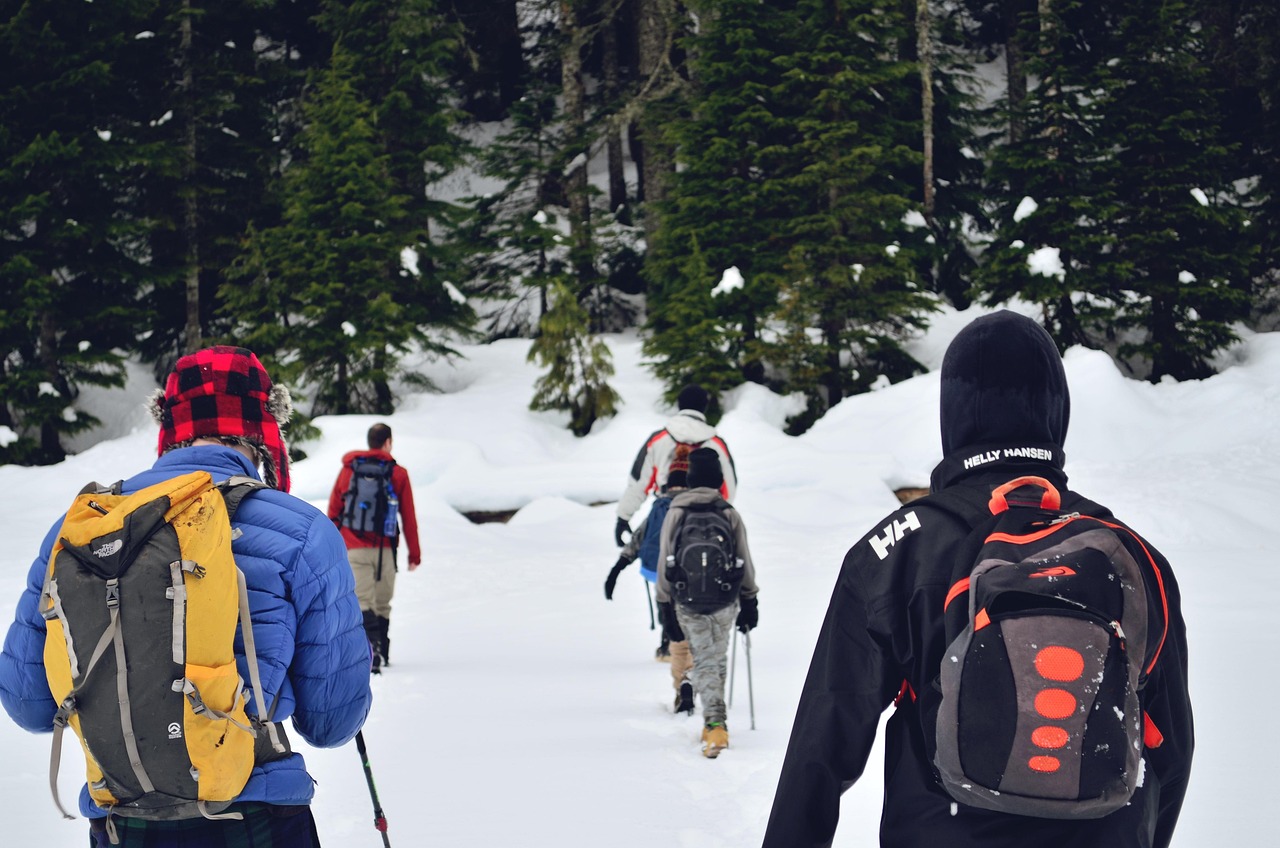
Energy management improves in winter because cooler temperatures reduce dehydration and heat exhaustion during physical activity. The body expends energy steadily instead of constantly regulating overheating, allowing more consistent work output. Physical tasks such as chopping wood, hauling gear, or building shelters feel more controlled without intense sun exposure. Snow can reduce friction when transporting loads using sleds, toboggans, or improvised drags. Cold air improves endurance by lowering cardiovascular strain caused by heat stress. With proper insulation, pacing, and nutrition, bushcrafters maintain productivity longer. Winter conditions support a sustainable rhythm that conserves energy across demanding survival tasks without rapid fatigue buildup.
Camp Visibility

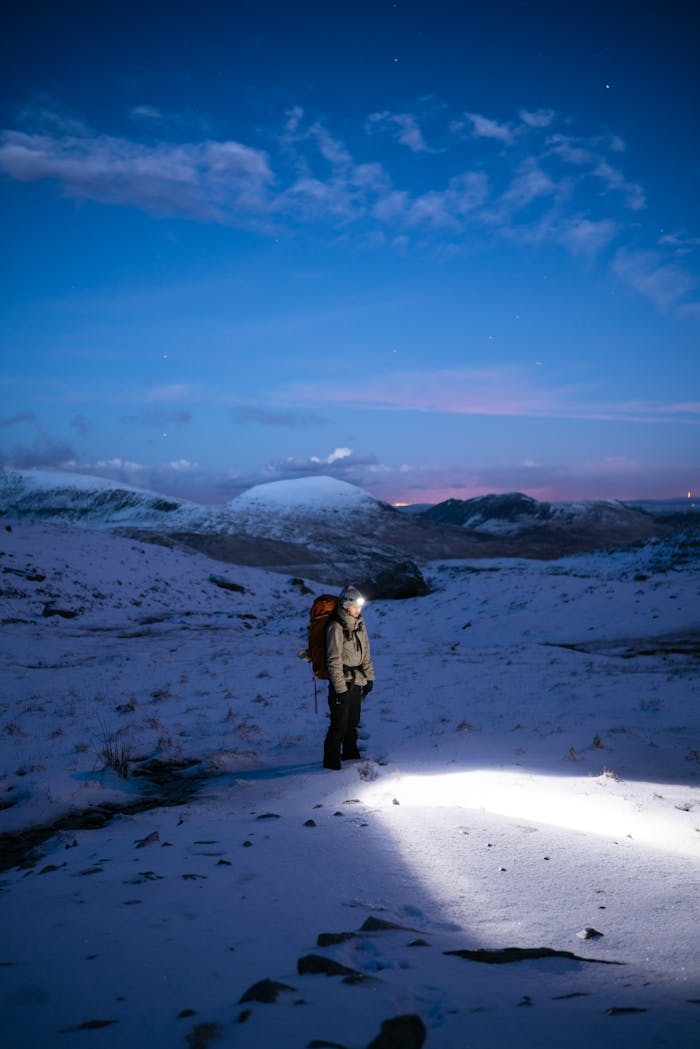
Camp visibility improves in snow because reflective surfaces amplify available light from the moon, stars, headlamps, or fire. Snow brightens surroundings, making equipment, shelters, and pathways easier to locate after dark. This improved visibility reduces trip hazards and improves nighttime safety within camp boundaries. Camps remain easier to monitor without dense foliage blocking sightlines or creating shadowed areas. Snow contrast highlights movement around camp, improving situational awareness and wildlife detection. Enhanced visibility supports safer navigation, cooking, and tool use during low-light conditions. These benefits make winter camps feel more controlled, organized, and secure compared to darker summer environments.
Wind Direction Assessment
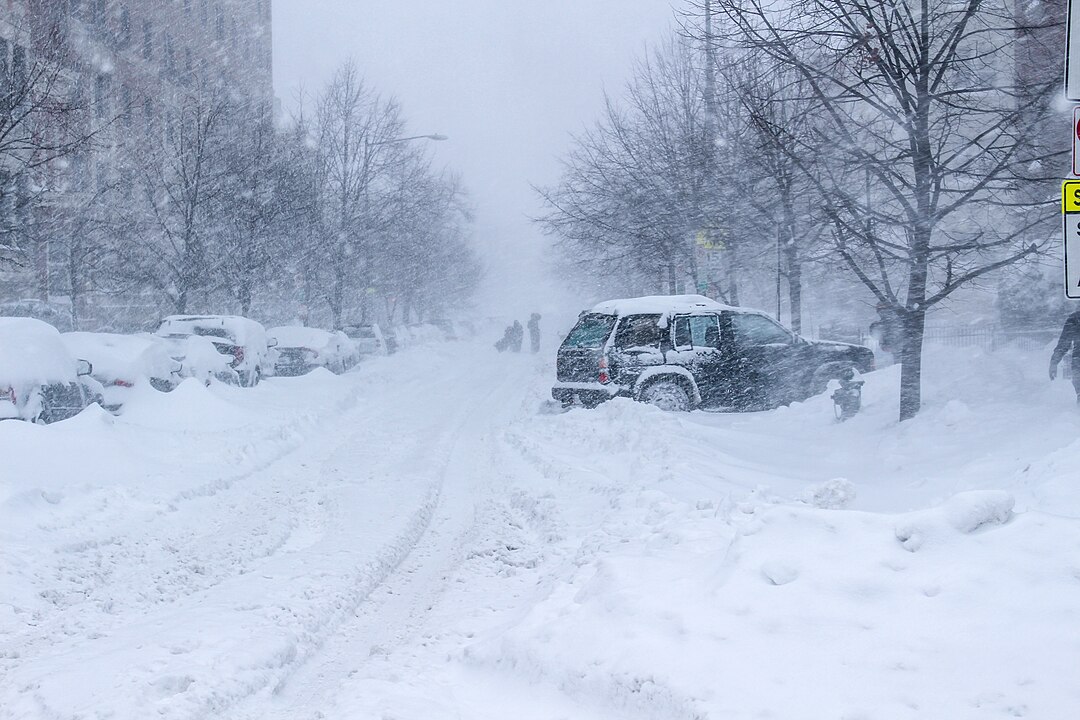
Assessing wind direction becomes easier in snow because drifting patterns clearly reveal airflow behavior across the landscape. Snow accumulation highlights prevailing winds, sheltered zones, turbulence areas, and leeward sides of terrain features. Bushcrafters can position shelters, fires, and cooking areas more effectively by reading these visible indicators. Wind behavior remains consistent without thermal shifts caused by intense summer heat. Snow movement provides immediate visual feedback that supports smart campsite placement decisions. Understanding wind patterns helps reduce heat loss and smoke problems overnight. This clarity improves comfort, fire efficiency, and protection from chilling drafts during extended winter stays.
Terrain Modification
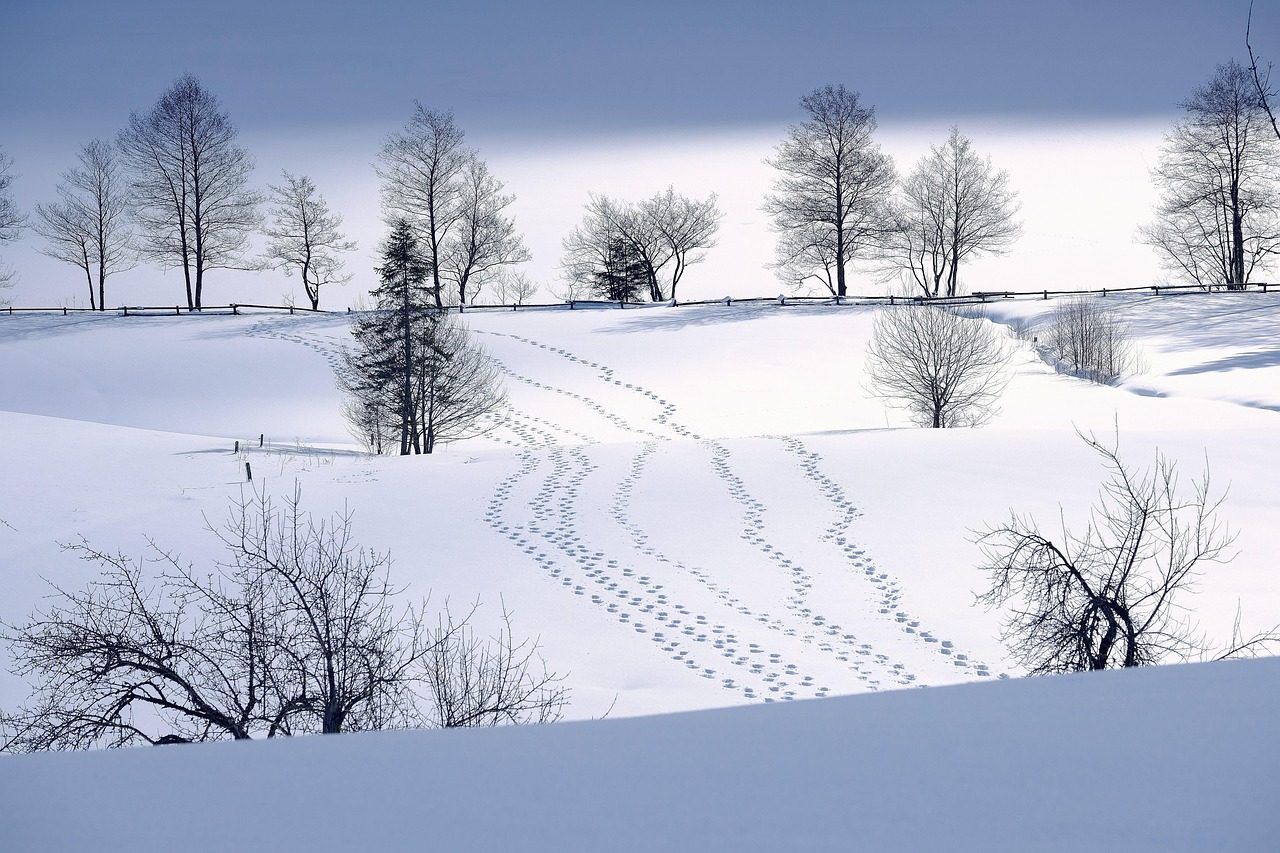
Terrain modification works better in snow because it can be packed, carved, and reshaped easily using minimal tools. Snow allows the creation of steps, platforms, seating, and wind barriers without digging into hard ground. Bushcrafters can level uneven surfaces or redirect airflow efficiently through simple shaping techniques. Compacted snow forms durable surfaces that remain stable overnight and support weight evenly. These modifications improve safety, mobility, and comfort with relatively little effort. Snow-based terrain work often outperforms bare-ground adjustments that require moving rocks or roots. Winter conditions allow rapid campsite improvements with lasting structural reliability.
Fire Management
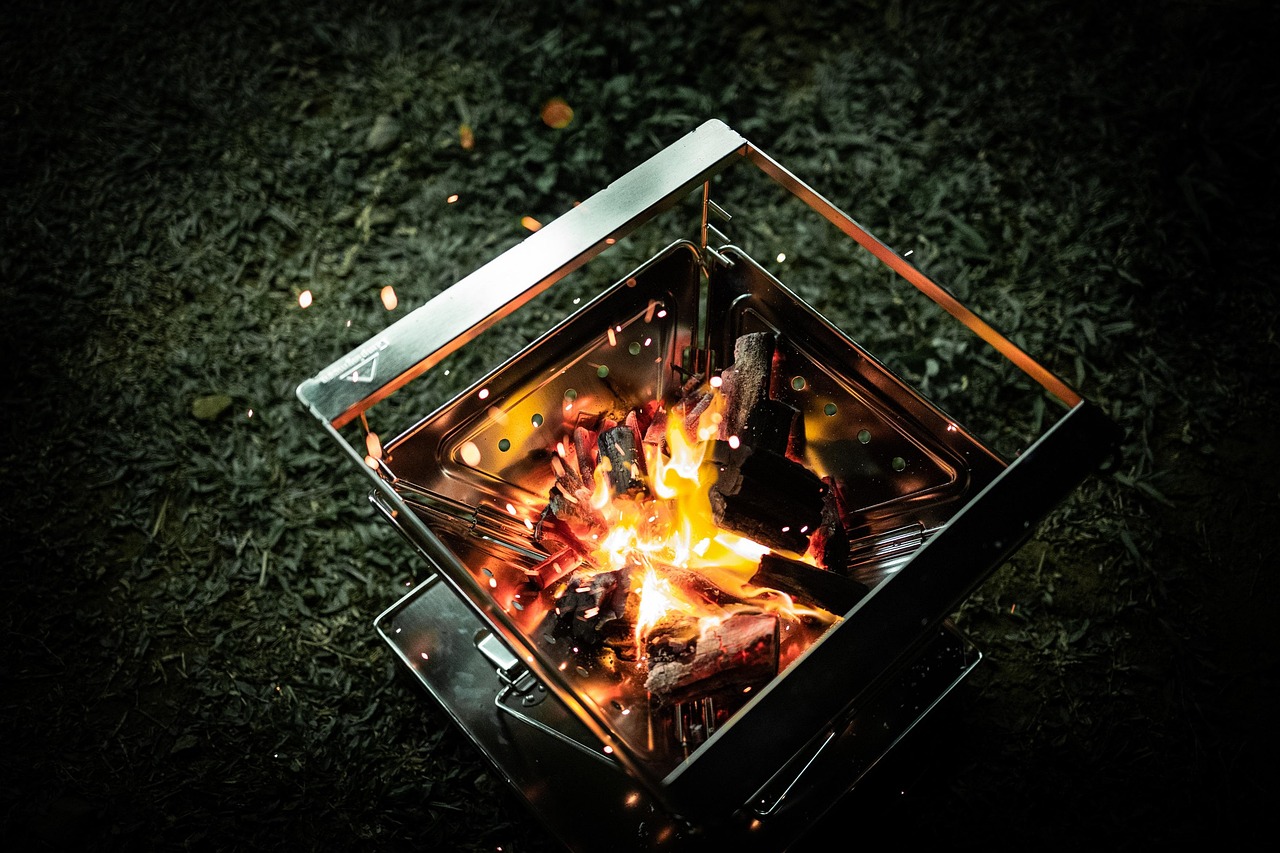
Fire management improves in snow because fires remain contained, visible, and easier to control. Snow prevents ground fires and significantly limits the risk of fire spread beyond the fire ring. Reflective snowbanks direct heat toward shelters, seating areas, and cooking zones, increasing efficiency. Fire sites remain clean and well-defined without dry debris accumulation. Ash disposal becomes simpler against snow contrast, improving site cleanliness. Fire behavior stays predictable without gust-driven embers common in dry seasons. These factors make winter fire use safer, more efficient, and easier to manage than during hot, dry summer conditions.
Environmental Awareness

Environmental awareness sharpens in the snow because tracks, disturbances, and weather changes remain visible for extended periods. Snow preserves evidence of animal movement, wind shifts, snowfall patterns, and temperature changes across the landscape. Bushcrafters receive clearer feedback from the environment with less visual and sensory clutter. Reduced vegetation improves focus and observation of subtle terrain cues. Snow transforms the landscape into a readable surface that supports learning, adaptation, and informed decision-making. Changes become easier to interpret and remember. Winter conditions encourage careful observation, making this season exceptionally valuable for refining bushcraft awareness and environmental literacy skills.