The United States is home to an astonishing variety of wildlife, ranging from familiar animals like deer and raccoons to creatures so unusual that many people hardly believe they exist. While some exotic species live deep in remote wilderness, others quietly survive in wetlands, deserts, forests, and even suburban neighborhoods. These animals often remain unnoticed because of camouflage, nocturnal habits, or simply because people rarely look closely enough. Yet when seen up close, many of them appear downright strange, with unusual bodies, bizarre behaviors, or evolutionary traits that seem almost alien. From fish that walk on land to mammals that glow under ultraviolet light, America’s wildlife includes some remarkably odd species.l.
1. Star-Nosed Mole
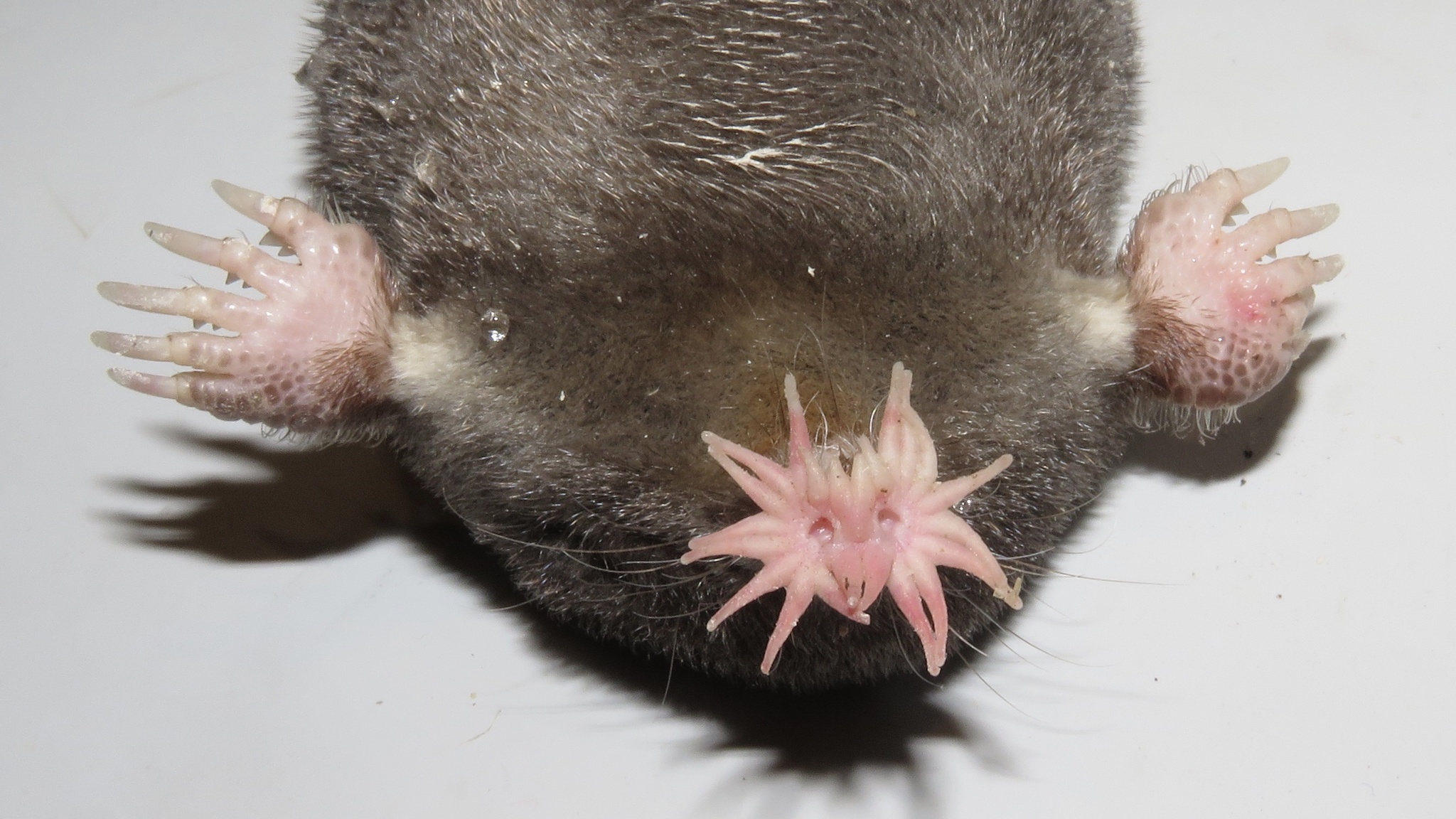
The star-nosed mole is one of the strangest mammals found in North America, yet it spends most of its life hidden beneath the soil of wetlands and marshy areas. What makes this small creature so unusual is the fleshy star-shaped structure surrounding its nose. This strange feature contains thousands of highly sensitive touch receptors that allow the mole to detect tiny prey in complete darkness. The star-nosed mole can identify and consume insects faster than almost any other mammal, sometimes locating food in fractions of a second. Despite its unusual appearance, the animal plays an important role in wetland ecosystems by controlling insect populations.
2. Hellbender Salamander
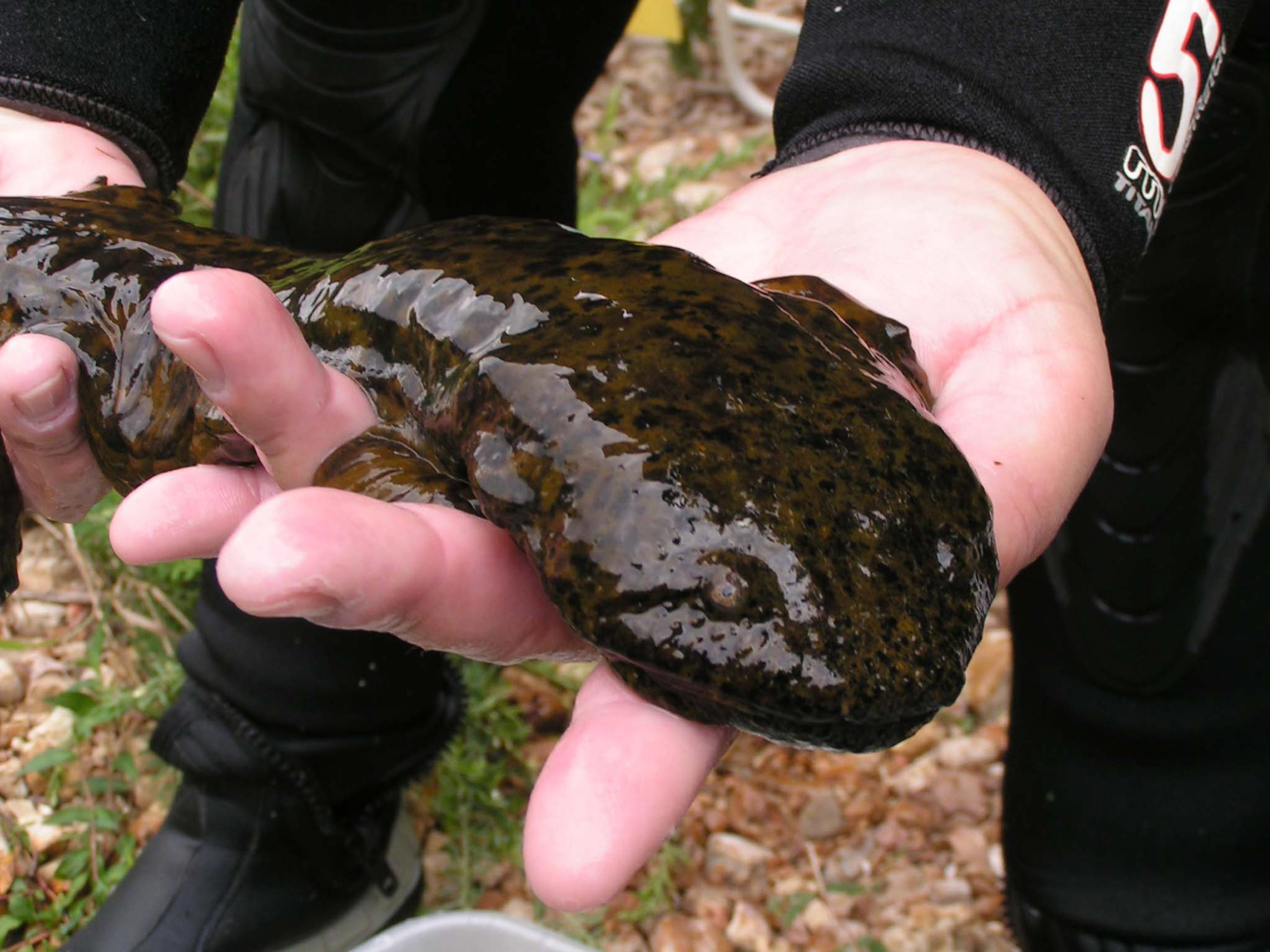
The hellbender salamander is a massive amphibian that lurks beneath rocks in clean, fast-moving streams across parts of the eastern United States. Reaching lengths of more than two feet, it is one of the largest salamanders in North America. Its flattened body, wrinkled skin, and wide mouth give it a prehistoric appearance that surprises anyone encountering it for the first time. Hellbenders breathe primarily through their skin, which is why the folds along their sides are so important. These wrinkles increase surface area and help absorb oxygen from the surrounding water. Despite their intimidating look, hellbenders are harmless and mostly feed on crayfish and small aquatic animals. Because they require extremely clean water to survive, their presence often indicates a healthy ecosystem. Many people living near rivers where they exist never notice them, as the animals spend most of their lives hidden beneath submerged rocks.
3. Axolotl
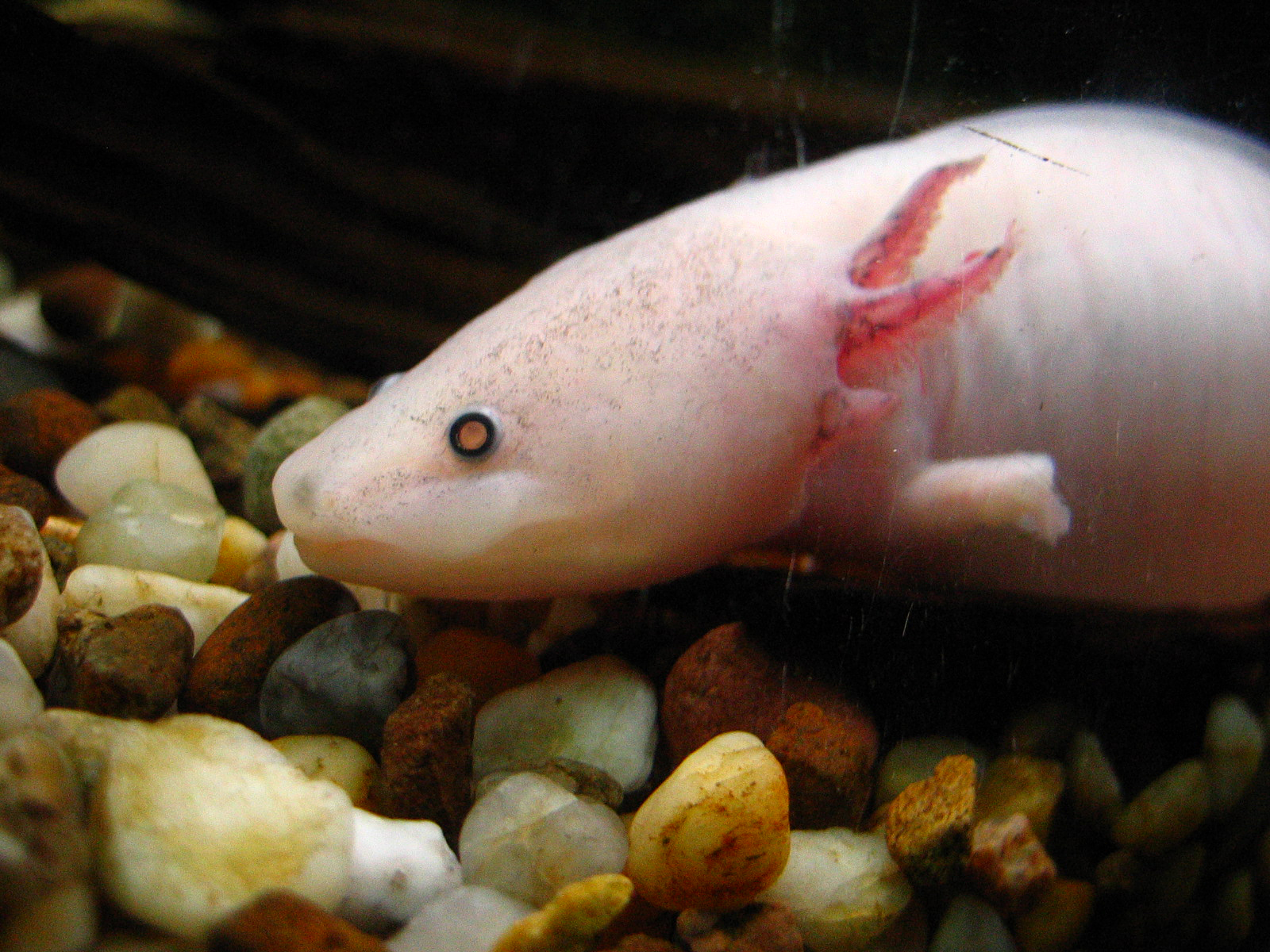
The axolotl is widely known for its unusual appearance and remarkable biological abilities. Although most people associate it with Mexican lakes, closely related species and introduced populations have appeared in parts of the United States through research facilities and controlled environments. The axolotl looks strange because it retains juvenile features throughout its life, a process known as neoteny. Instead of developing into a fully terrestrial salamander, it keeps its feathery external gills and aquatic lifestyle. Even more astonishing is its ability to regenerate limbs, spinal tissue, and portions of vital organs. Scientists study axolotls extensively to better understand tissue regeneration and healing.
4. Alligator Gar
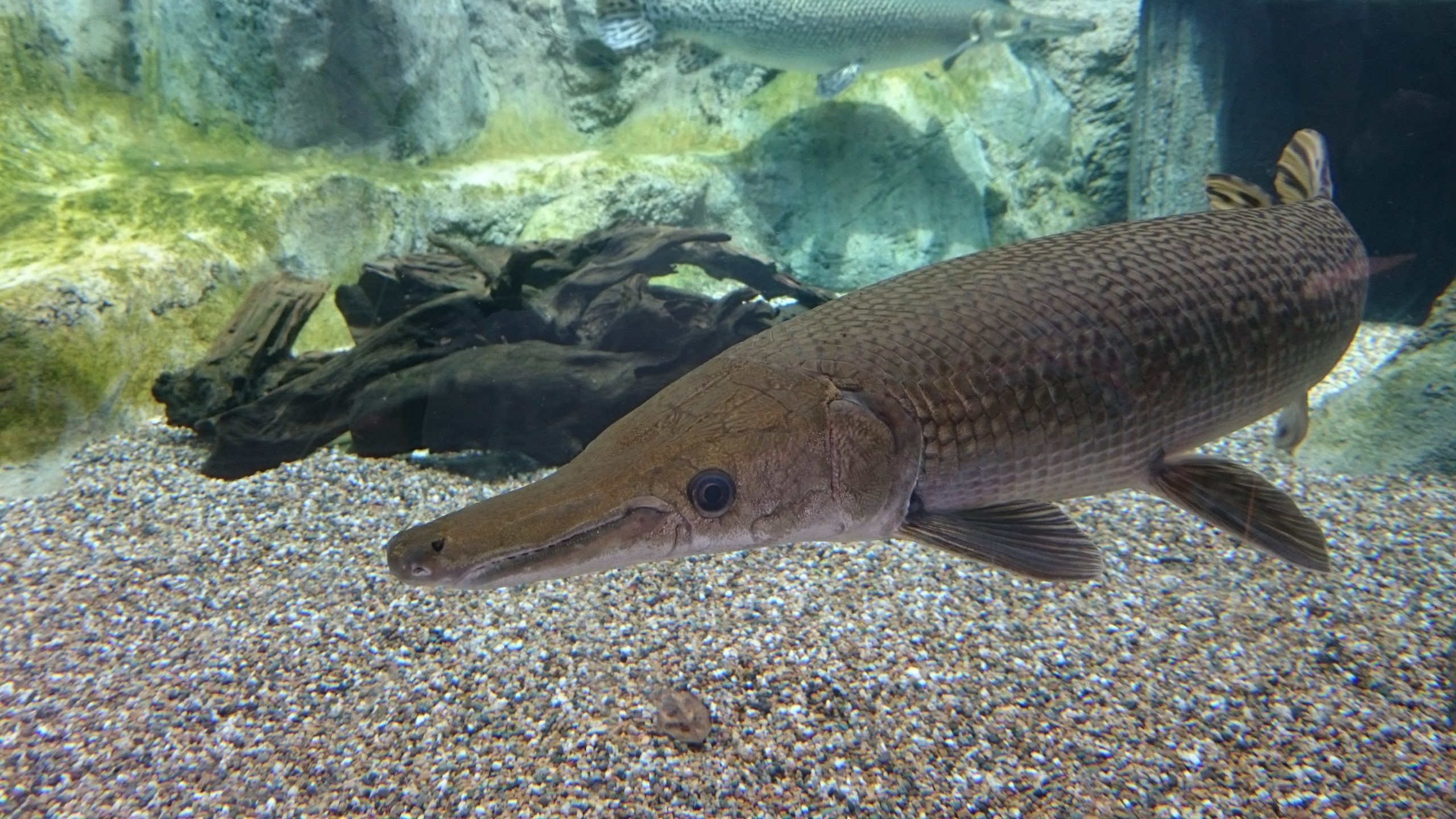
The alligator gar is one of the most unusual fish species found in American waters. Native to rivers and lakes throughout the southern United States, this massive fish can grow over eight feet long. Its name comes from its broad snout and rows of sharp teeth that resemble those of an alligator. Covered in thick armor-like scales, the fish appears almost unchanged from ancient prehistoric ancestors. Alligator gars are powerful predators that feed on fish, birds, and small animals when opportunities arise. Despite their intimidating appearance, they rarely pose any threat to humans. One unusual feature is their ability to gulp air from the surface, allowing them to survive in water conditions that would suffocate many other fish species.
5. Naked Mole Rat
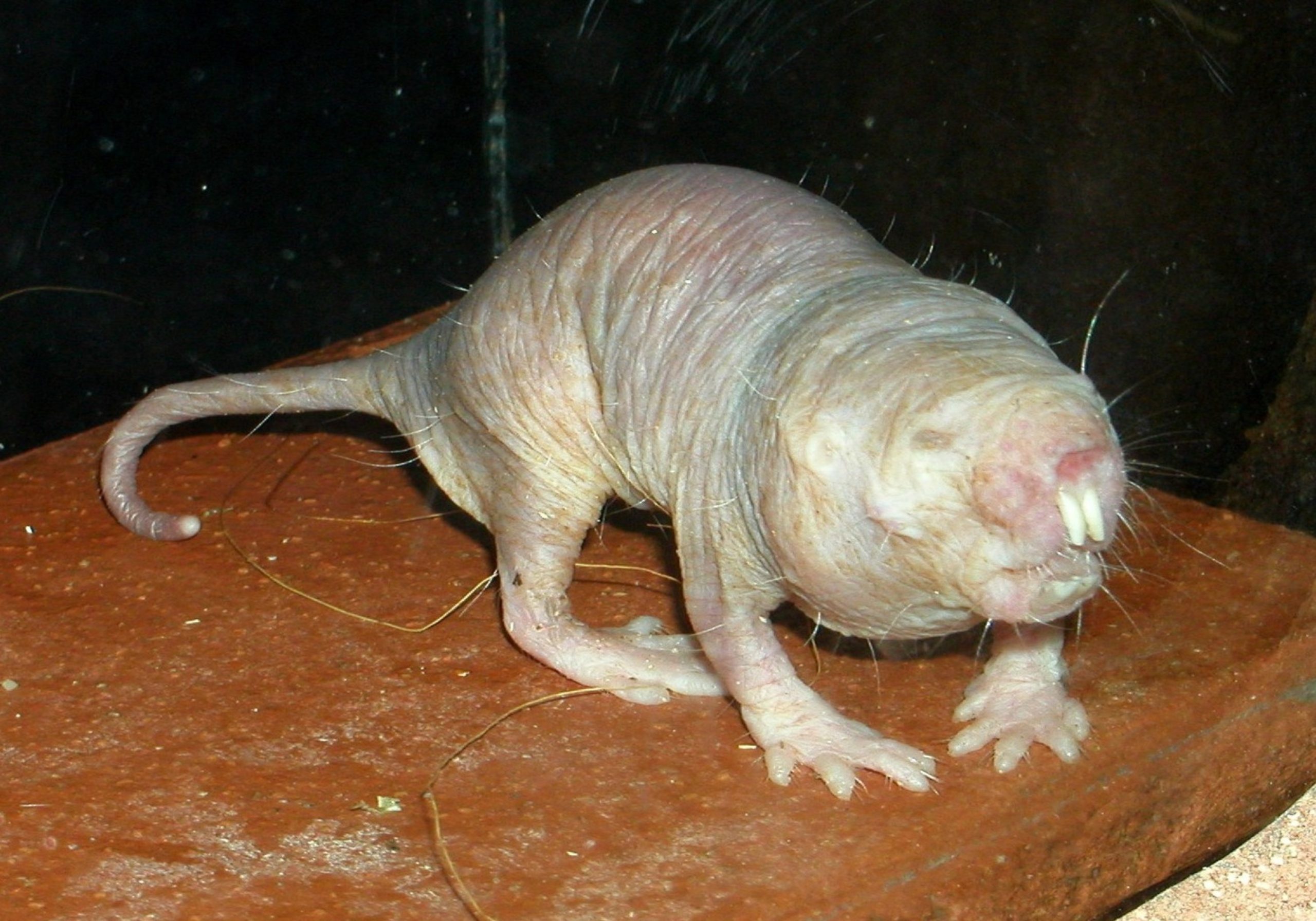
The naked mole rat is one of the strangest mammals known to science, and while its natural range lies mainly outside the United States, it has become widely studied in American research institutions. Its wrinkled pink skin, oversized teeth, and nearly hairless body give it an appearance that many people find unsettling. Yet the animal’s biology is remarkably fascinating. Naked mole rats live in underground colonies structured somewhat like insect societies, with a single breeding queen and many worker individuals. Even more surprising is their resistance to certain diseases and their ability to tolerate extremely low oxygen levels.
6. Hagfish
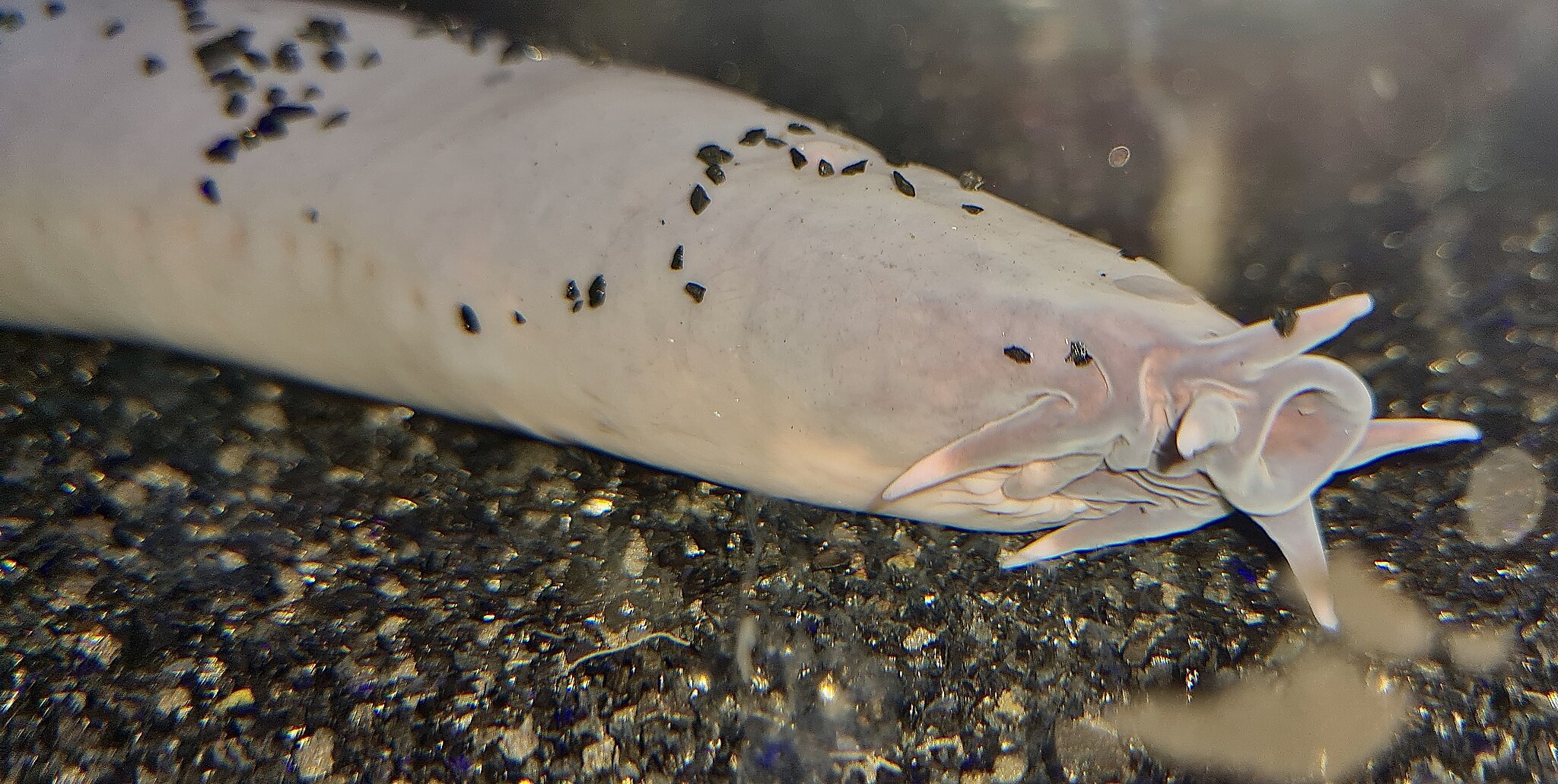
Hagfish are among the most bizarre creatures living along the coasts of the United States. These eel-like animals inhabit deep ocean environments and possess one of the strangest defense mechanisms in the animal kingdom. When threatened, a hagfish can produce enormous quantities of slime from specialized glands along its body. This slime expands rapidly when mixed with seawater, creating a thick substance that can clog the gills of predators and allow the hagfish to escape. Despite their primitive appearance, hagfish are highly specialized scavengers that feed primarily on dead or dying marine animals. Their skull structure is simple, and they lack true jaws, which adds to their unusual reputation.
7. Eastern Spotted Skunk
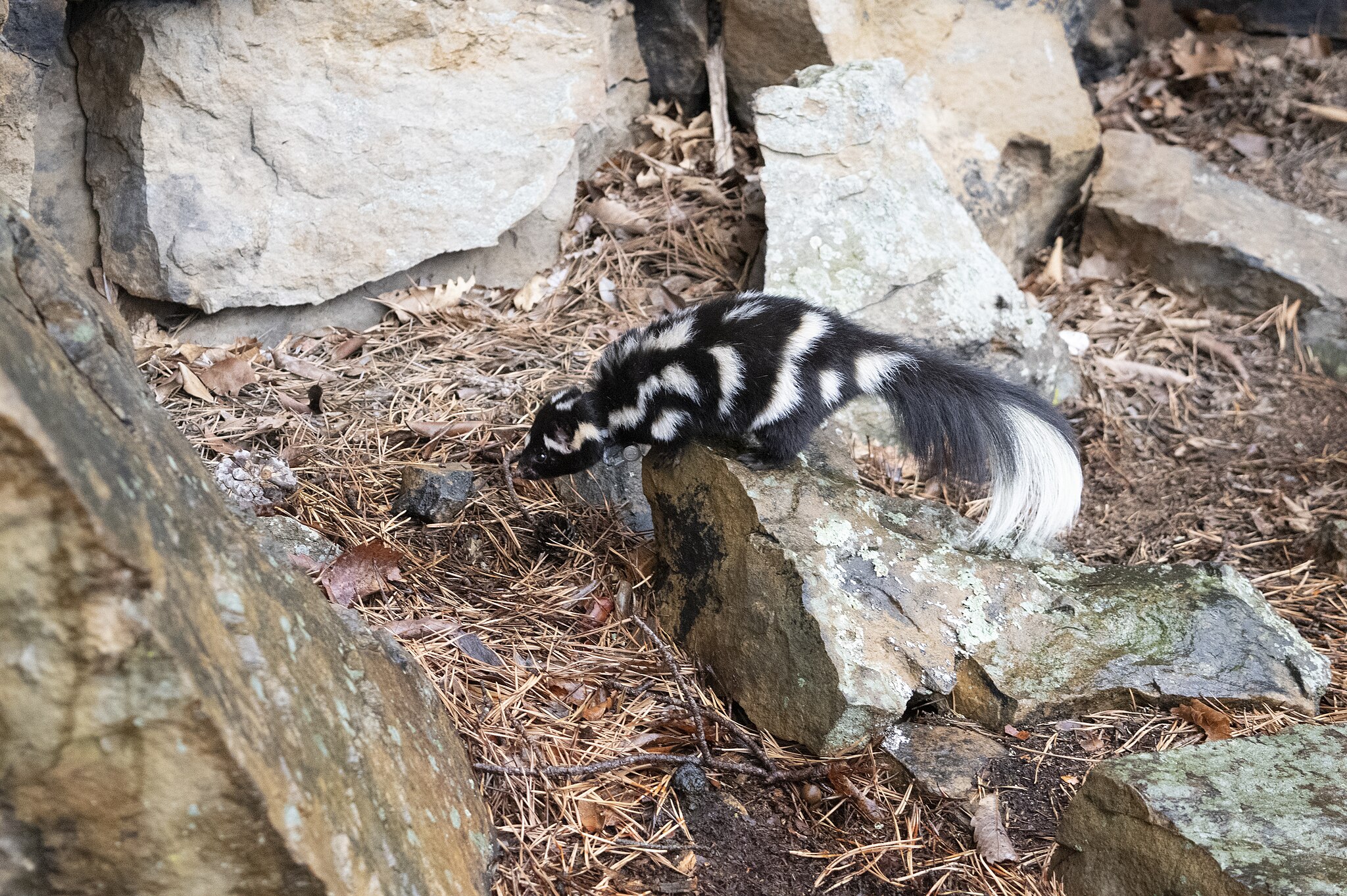
The eastern spotted skunk is often mistaken for the more common striped skunk, but it behaves in far stranger ways. This small mammal is known for performing an unusual defensive display when threatened. Instead of immediately spraying its well-known scent, the animal often stands on its front legs and raises its hindquarters into the air in a dramatic handstand. This acrobatic posture serves as a warning to predators that a powerful defensive spray may follow. The spotted skunk is also more agile than many people realize, capable of climbing trees and moving quickly through dense vegetation. Because it is primarily nocturnal, many people living in its range never see one in the wild. usual mammals.
8. American Paddlefish
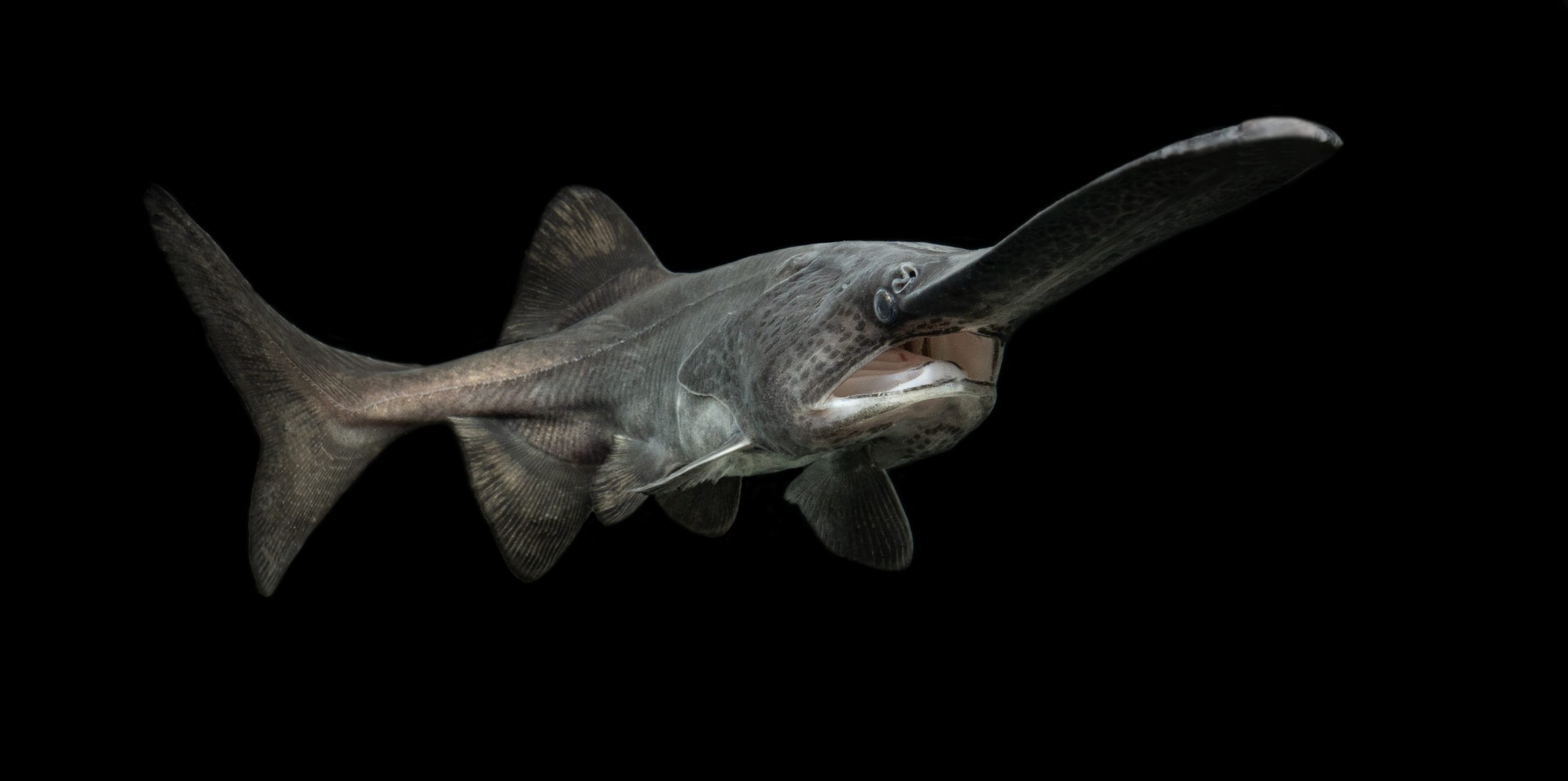
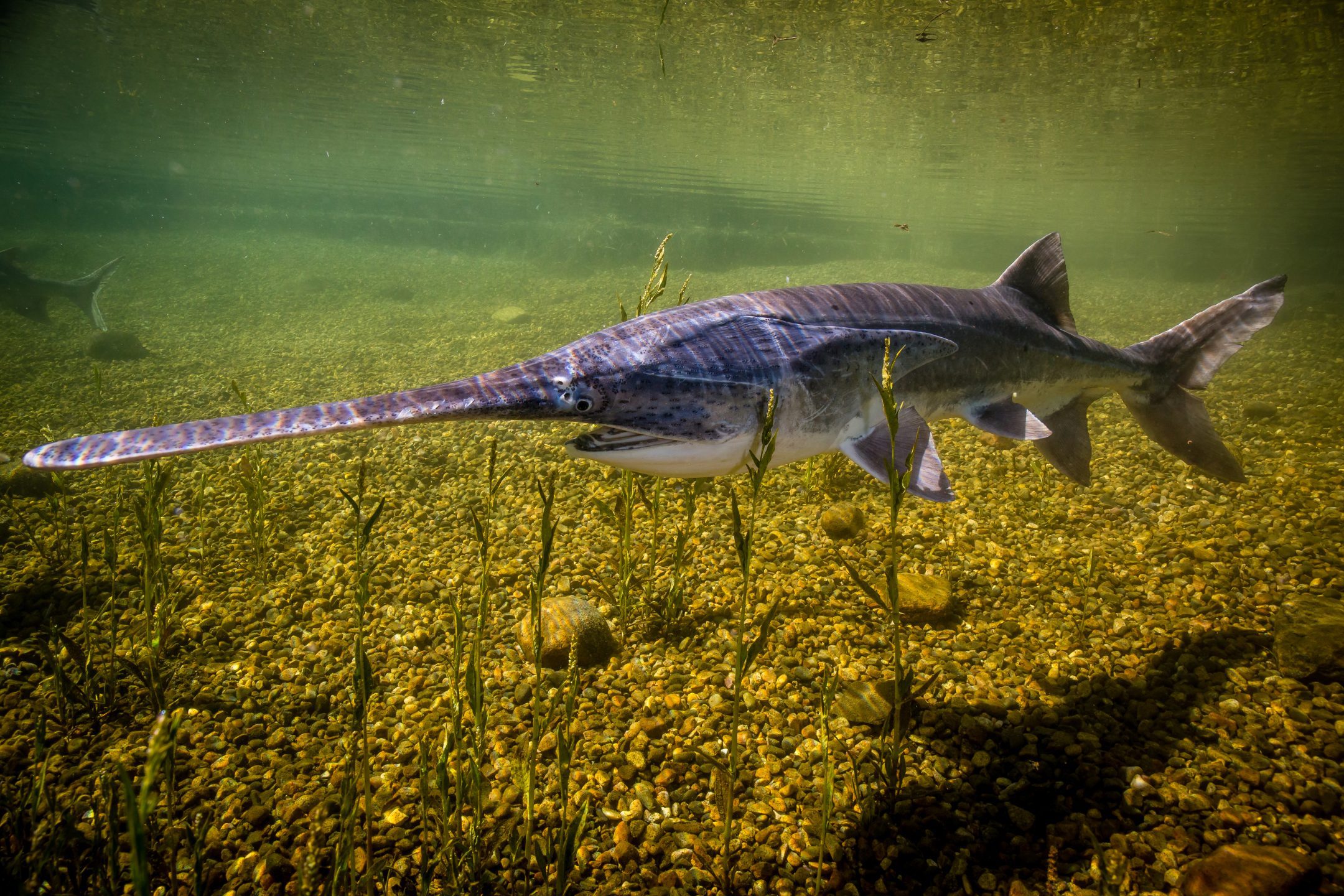
The American paddlefish is a remarkable freshwater fish known for the long paddle-shaped extension on the front of its head. This unusual structure is not simply decorative. Instead, it functions as a highly sensitive organ that helps detect tiny electrical signals produced by plankton and other microscopic organisms in the water. Paddlefish feed by swimming with their mouths open, filtering enormous quantities of water to capture tiny food particles. Despite their gentle feeding habits, they can grow impressively large, sometimes reaching more than seven feet in length. Their appearance is so unusual that people encountering one for the first time often assume it belongs to an ancient or prehistoric species.
9. Texas Blind Salamander
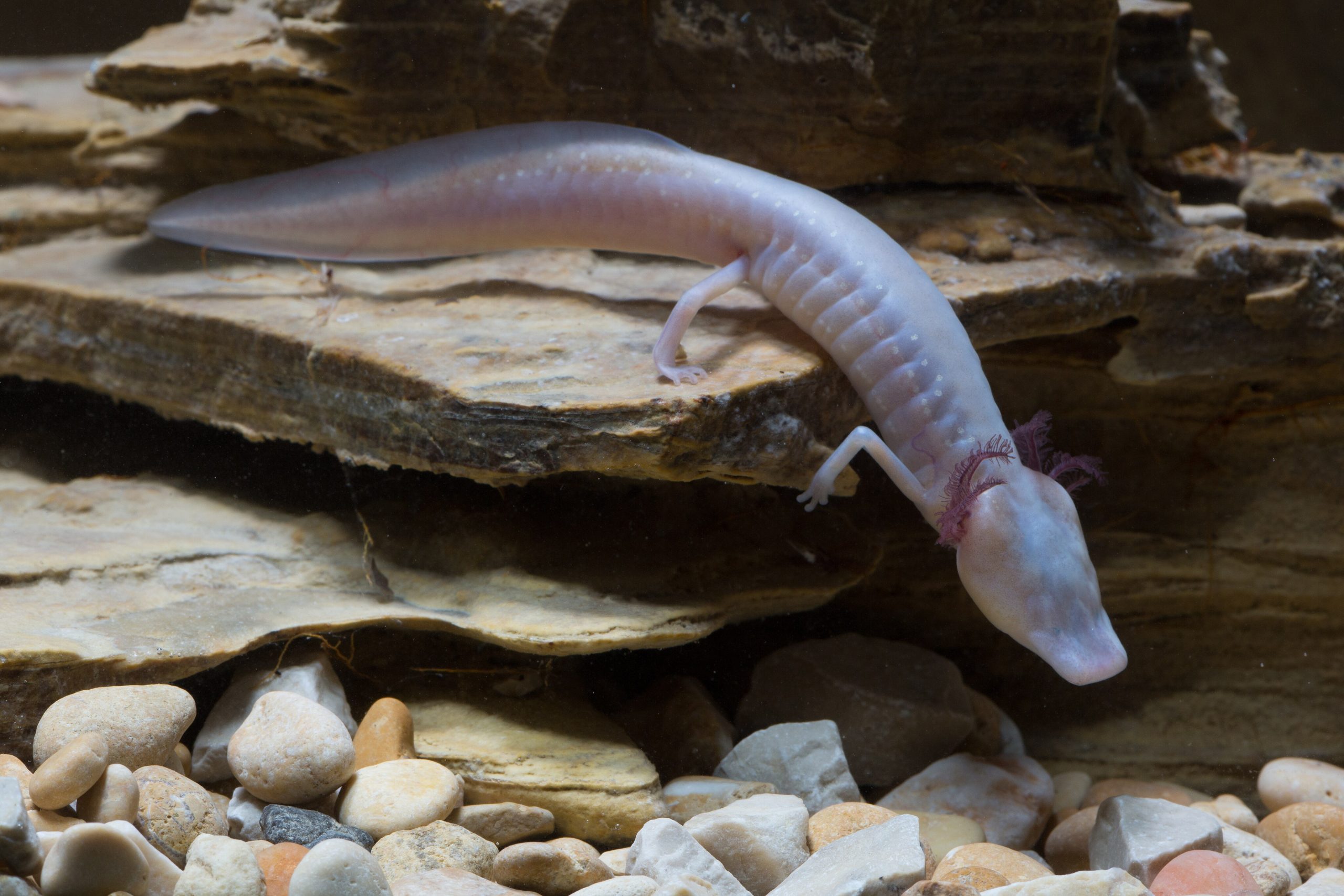
The Texas blind salamander is one of the most mysterious amphibians in North America. This pale, almost translucent creature lives entirely within underground water systems connected to caves and aquifers in Texas. Because it spends its life in total darkness, the salamander has no functional eyes. Instead, it relies on other senses to navigate through submerged cave passages. Its delicate body and external gills give it a ghostlike appearance that fascinates scientists studying subterranean ecosystems. Very little is known about its full life cycle because its hidden habitat makes direct observation extremely difficult. The species feeds on small aquatic invertebrates found within underground waterways.
10. Eastern Mole Cricket
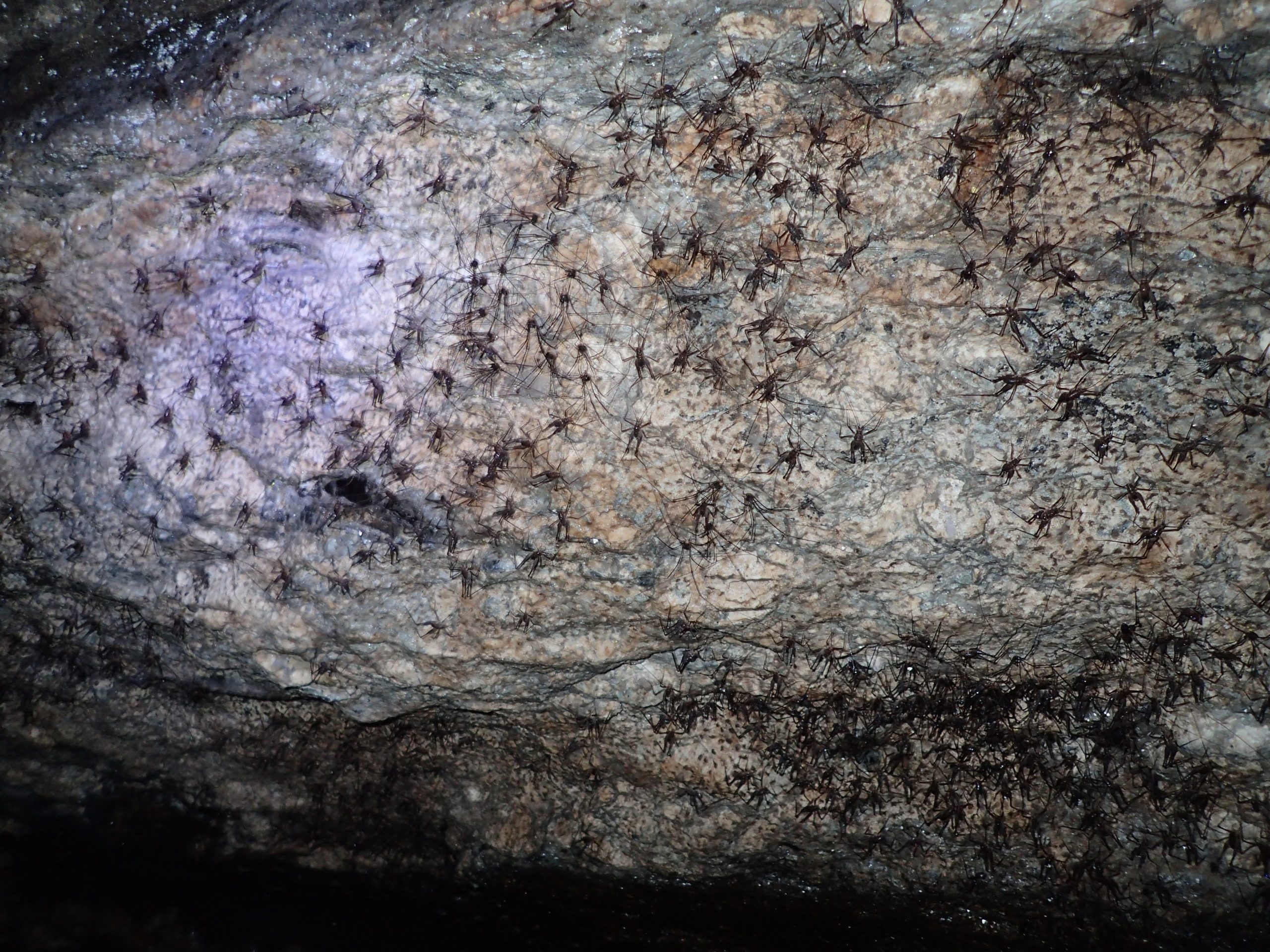
The eastern mole cricket is one of the strangest insects quietly living across the southeastern United States. At first glance, it appears like a cross between a cricket and a small burrowing mammal. Its most unusual feature is the pair of large, shovel-shaped front legs that allow it to dig efficiently through soil, much like a mole. These powerful limbs help the insect create underground tunnels where it spends most of its life feeding and hiding from predators. Mole crickets are primarily nocturnal and rarely seen above ground unless they are attracted to lights at night. Their tunneling behavior can sometimes damage lawns and gardens, yet it also plays a role in soil aeration.
11. Glowing Flying Squirrel
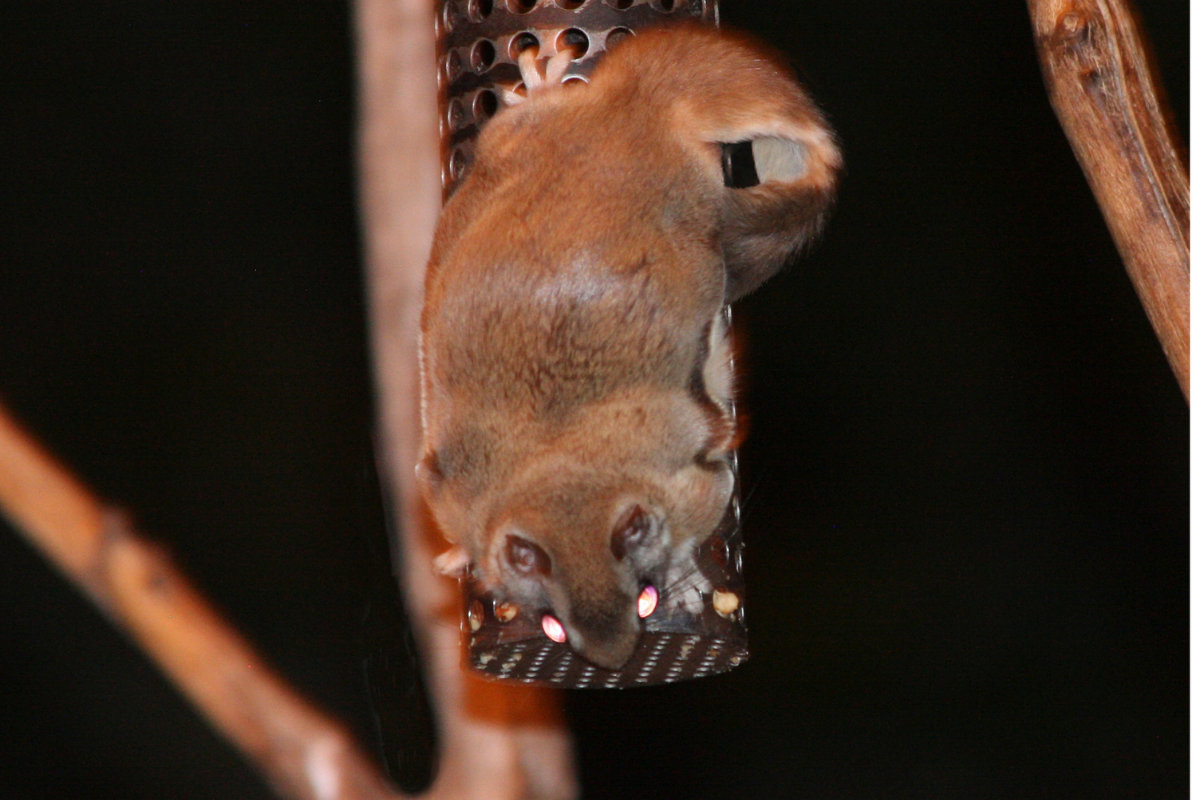
The flying squirrel already seems unusual because of its ability to glide between trees using a membrane stretched between its limbs. However, scientists recently discovered an even stranger feature. Under ultraviolet light, the fur of some flying squirrel species glows with a pinkish fluorescence. Researchers are still studying why this phenomenon occurs, but several theories exist. Some believe it may help the animals communicate or recognize one another in low-light conditions. Others suspect it may play a role in camouflage against predators that see ultraviolet light differently. Flying squirrels themselves are rarely noticed because they are nocturnal and glide silently through forest canopies at night.
12. Pacific Lamprey
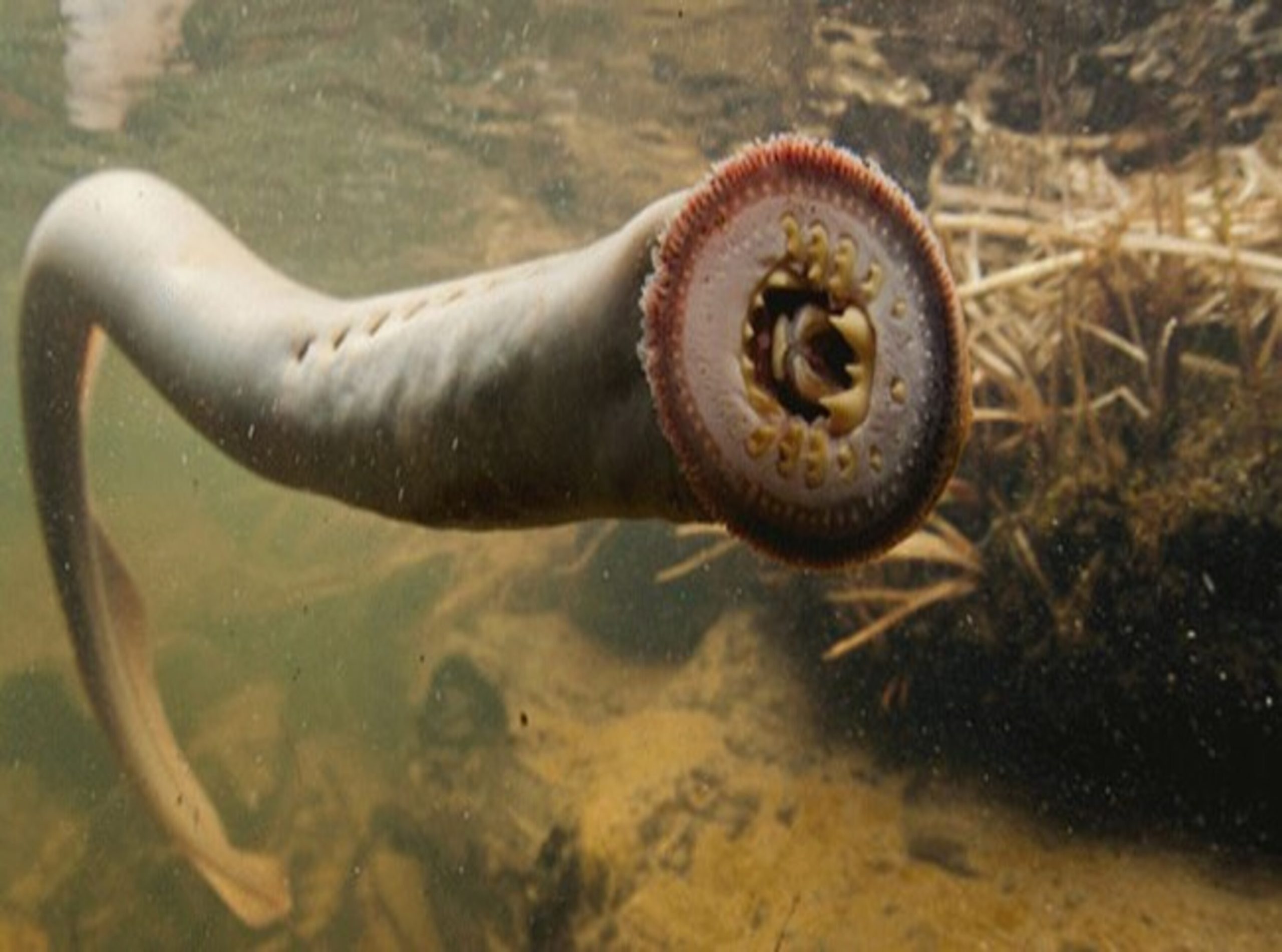
The Pacific lamprey is an ancient fish species that looks unlike most modern fish. Its long, eel-like body lacks jaws, and its circular mouth is lined with rows of small teeth used to attach temporarily to other fish. This unusual feeding behavior allows the lamprey to consume body fluids from host fish while traveling through ocean waters. Despite their strange appearance, lampreys have existed for hundreds of millions of years and represent one of the oldest surviving vertebrate lineages. Pacific lampreys migrate between ocean environments and freshwater rivers along the western United States during their life cycle. Indigenous communities have historically harvested them as a traditional food source.
13. Giant Desert Hairy Scorpion
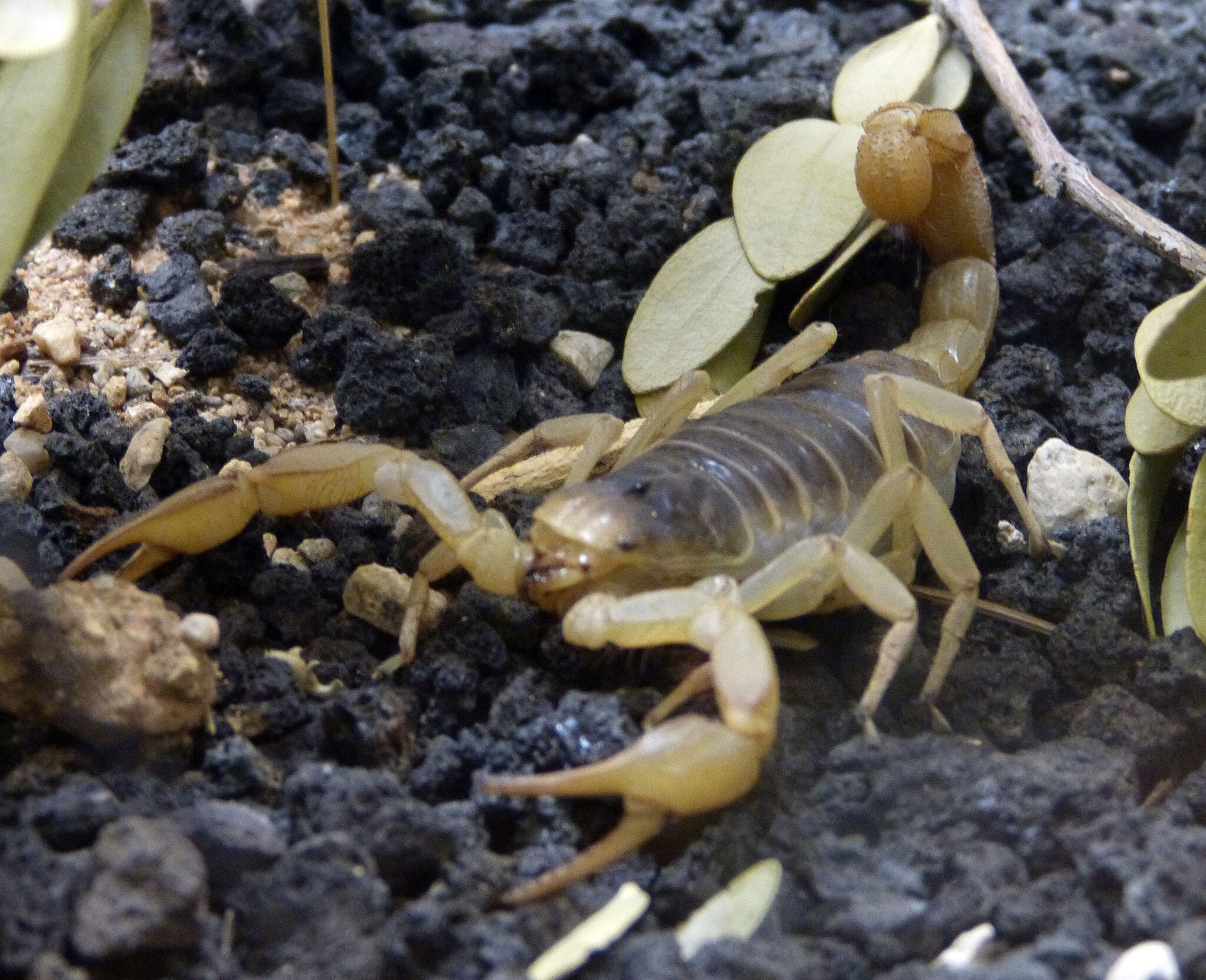
The giant desert hairy scorpion is one of the largest scorpions found in North America. Native to the deserts of the southwestern United States, this intimidating-looking creature can reach several inches in length. Despite its fierce appearance, its venom is generally considered mild compared with that of more dangerous scorpion species. The scorpion’s body is covered with fine hairs that help detect vibrations in the ground, allowing it to sense approaching prey or predators. It typically hunts insects, spiders, and other small desert animals during nighttime hours. During the heat of the day, it hides beneath rocks or inside burrows to avoid extreme temperatures.