Preparing for the outdoors does not always require a remote adventure. Many useful wilderness skills can be learned right in a backyard or at a nearby park. From building a campfire to navigating with a compass, small spaces offer great opportunities for practice. Taking time to develop these abilities at home builds confidence, safety, and awareness before facing the challenges of the wild.
Building a Proper Campfire
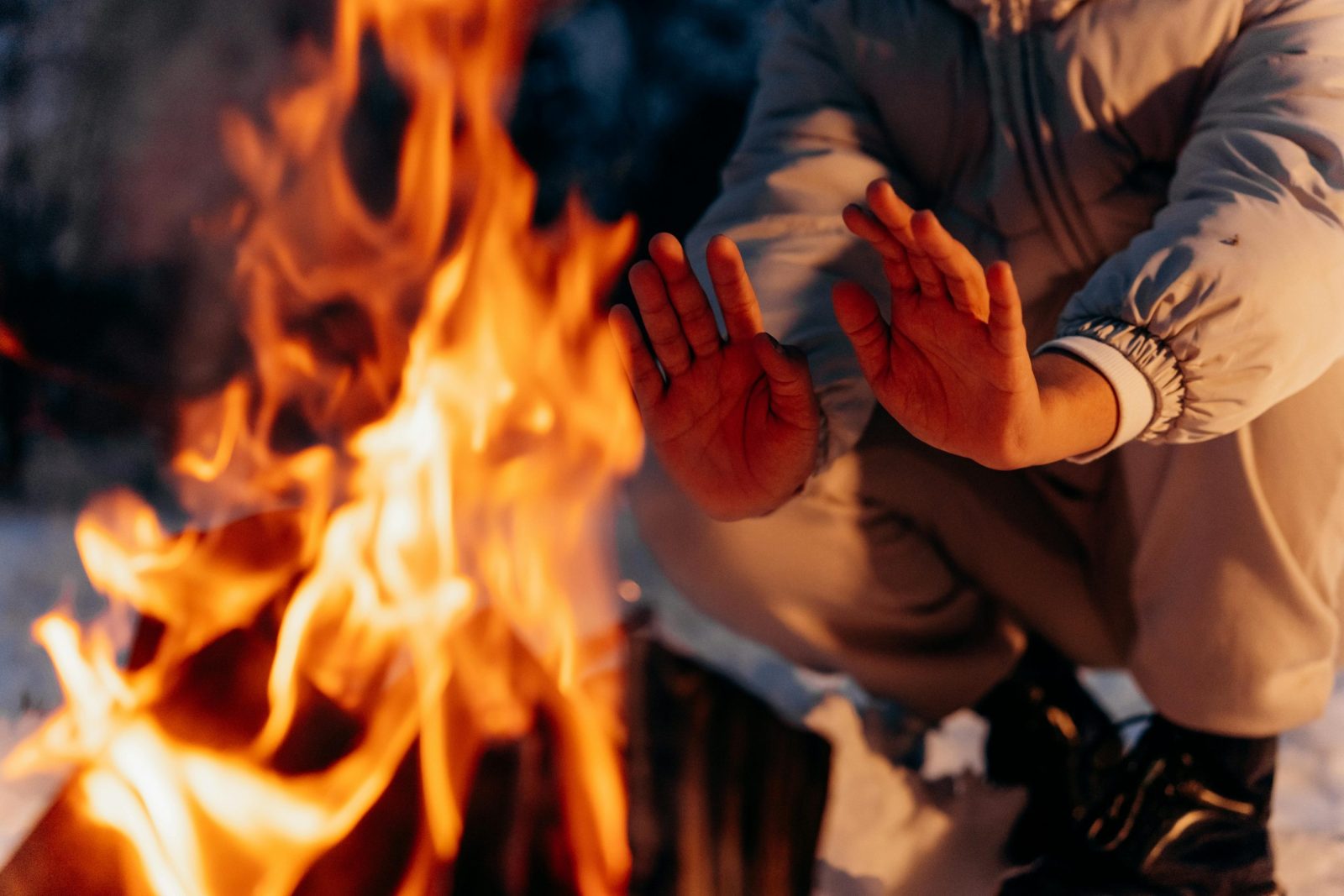
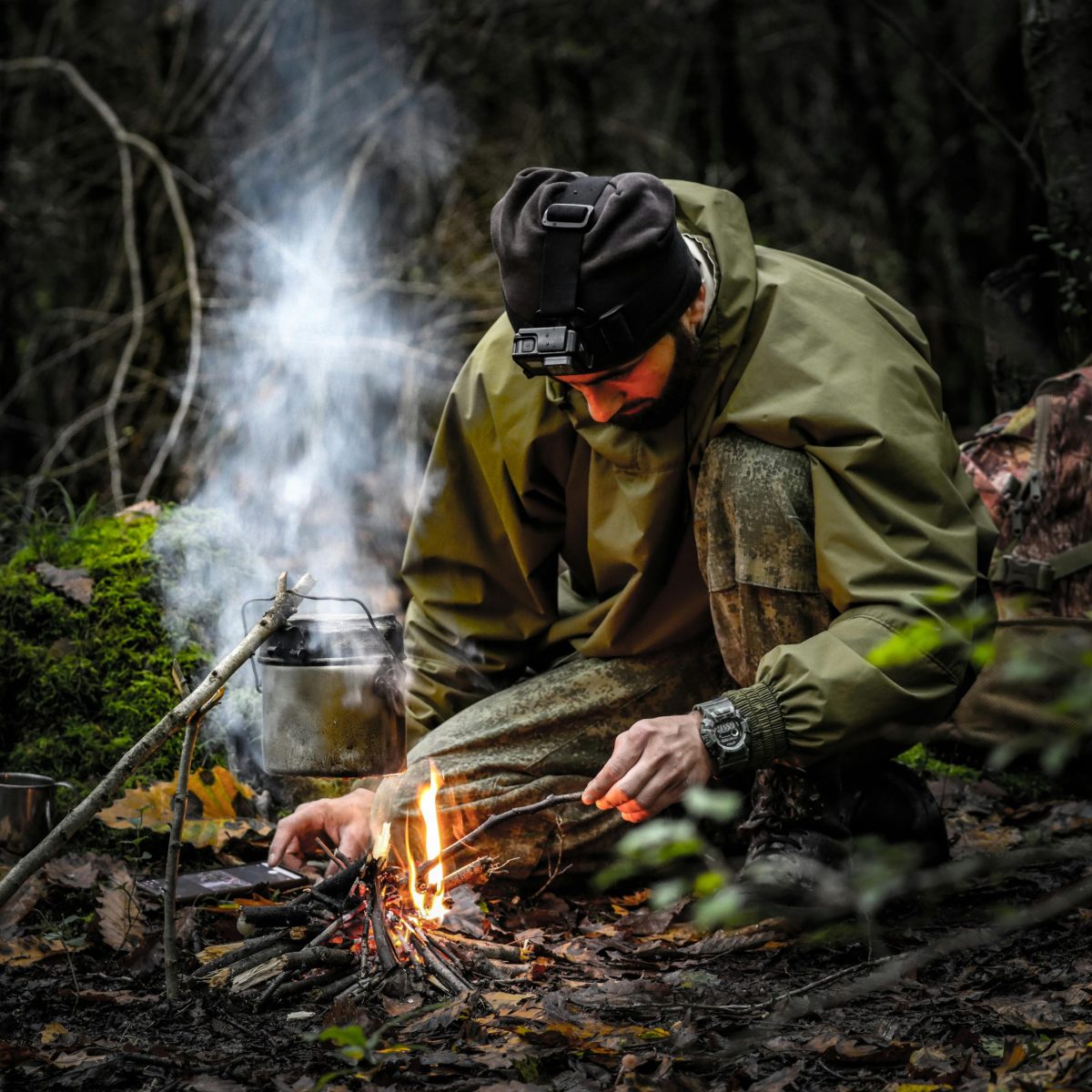
Starting with the basics, building a safe and efficient campfire teaches patience and control. Gathering the right mix of tinder, kindling, and fuel helps create a steady flame. Practicing different fire structures improves understanding of airflow and heat control. Even in a small space, fire-making builds essential outdoor awareness.
Setting Up a Shelter
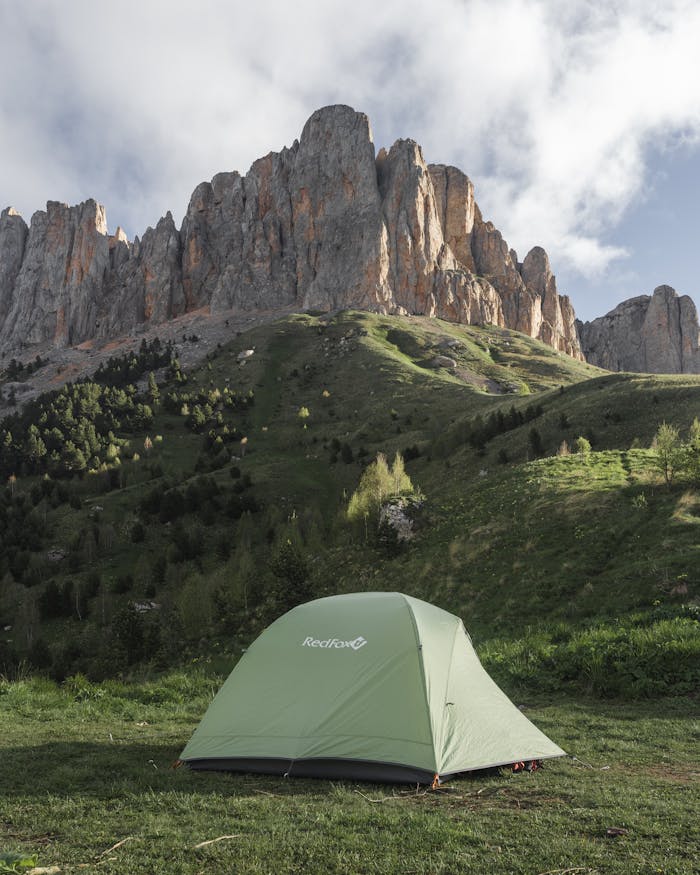
Learning to pitch a tent or build a tarp shelter improves problem-solving and adaptability. Experimenting with placement, knots, and wind direction helps refine setup techniques. Practicing at home removes pressure and allows time to correct mistakes. Shelter-building is one of the most important foundations of outdoor preparedness.
Mastering Knot Tying
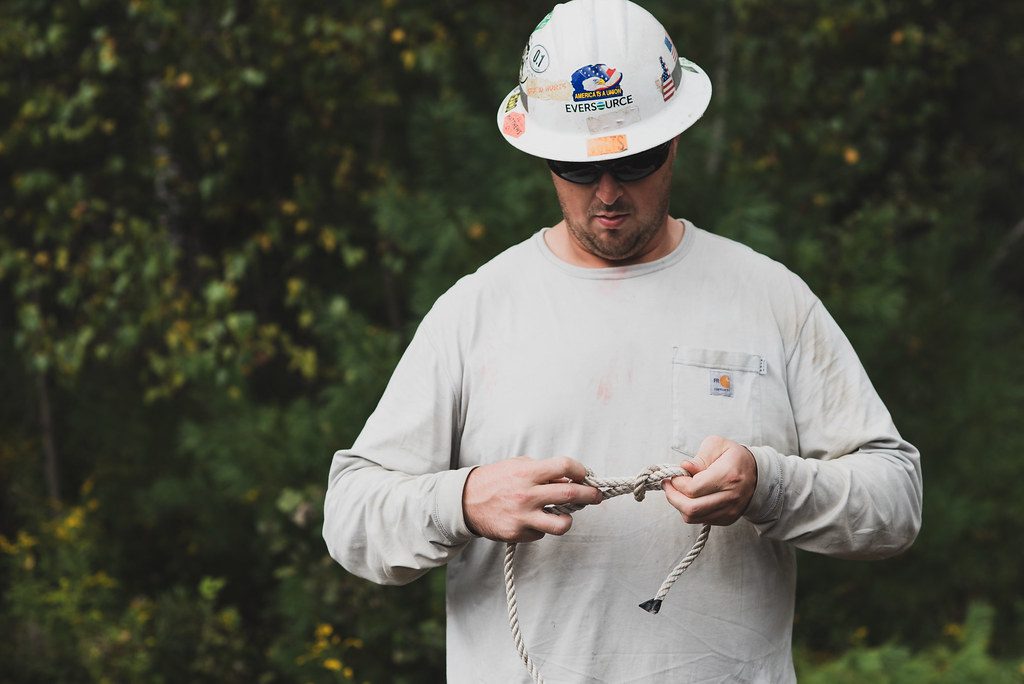
Knot tying remains one of the most versatile outdoor skills. Practicing common knots such as the bowline, square knot, and clove hitch improves coordination and memory. A simple rope and daily repetition are all that is needed. Strong knots make everything from gear setup to shelter construction easier and safer.
Starting a Fire Without Matches
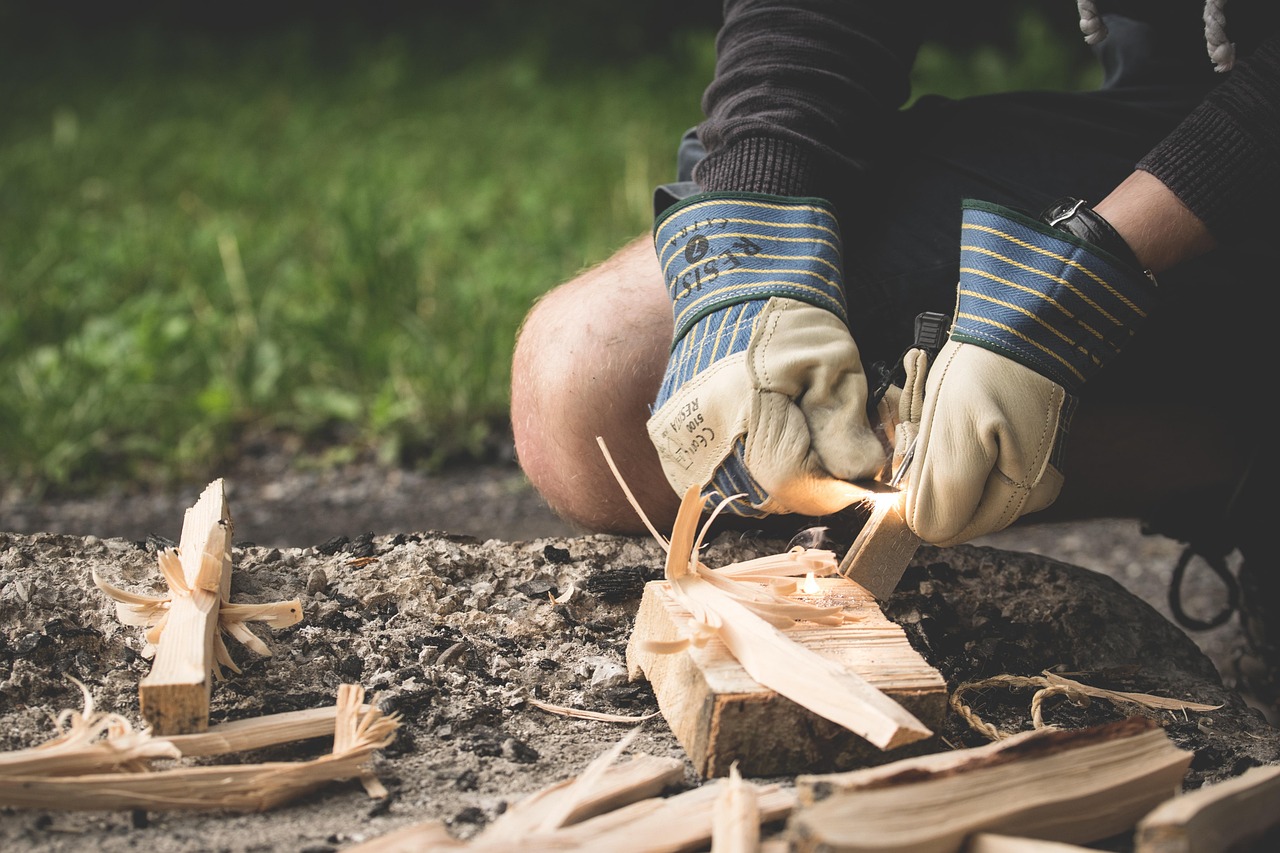
Learning to light a fire without matches tests patience and technique. Using a ferro rod or magnifying glass helps develop skill with alternative ignition methods. Practicing with dry materials in a controlled setting builds confidence for real-world use. It also reinforces the importance of preparation and precision.
Navigating with a Compass
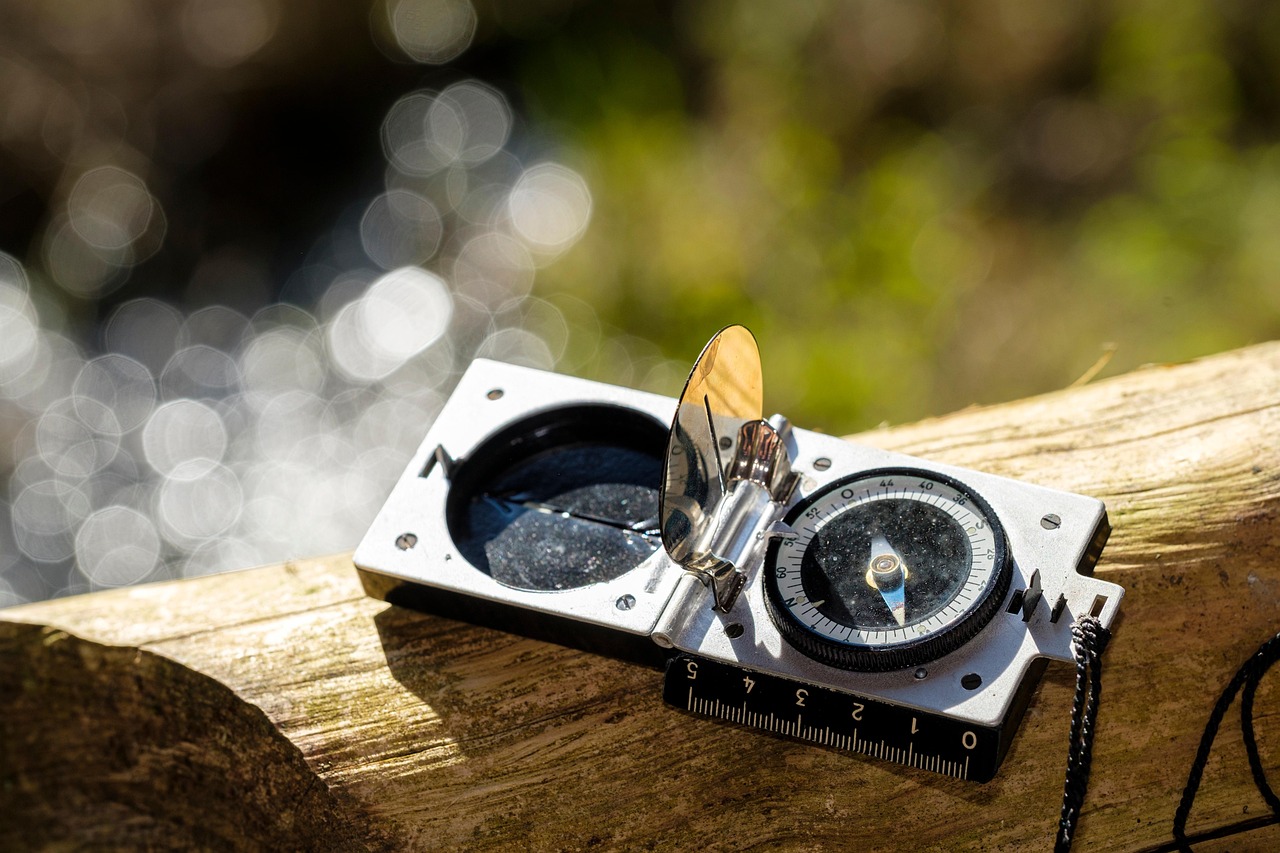
Basic navigation can be practiced almost anywhere with a compass and a map. Following bearings between landmarks sharpens direction sense and situational awareness. Regular practice teaches how to trust the tools rather than intuition alone. These skills are essential when traveling in areas without clear trails.
Identifying Edible and Toxic Plants
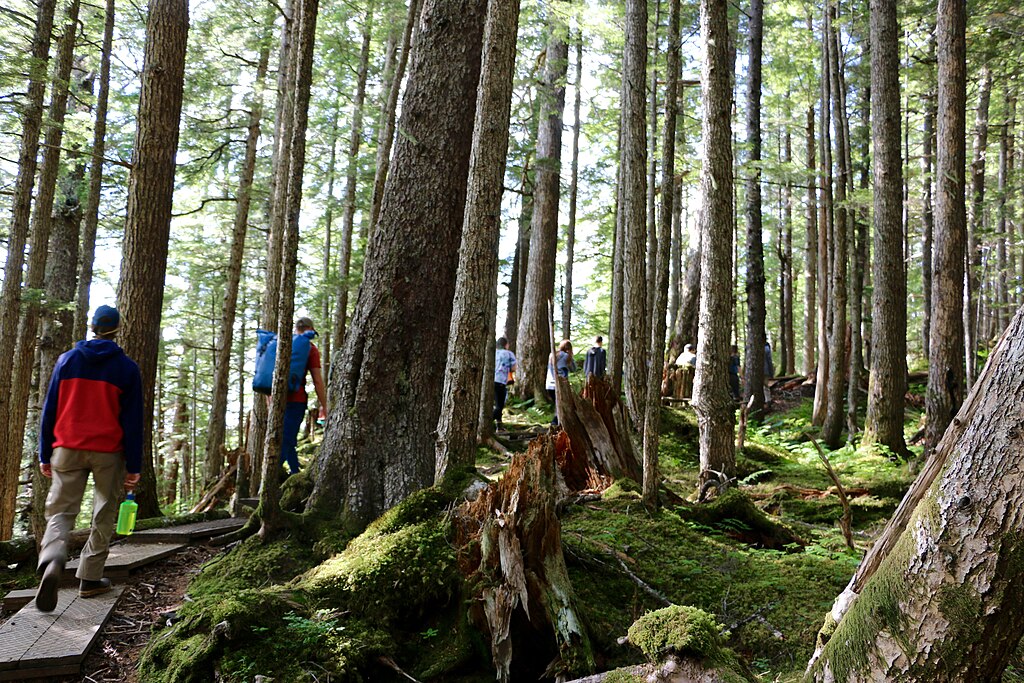
Learning to distinguish between edible and toxic plants improves observation and environmental understanding. Using field guides or mobile apps helps identify local flora safely. Practicing without foraging builds familiarity with shapes, colors, and patterns. Recognizing plants accurately can become a valuable survival skill in the wild.
Filtering and Purifying Water
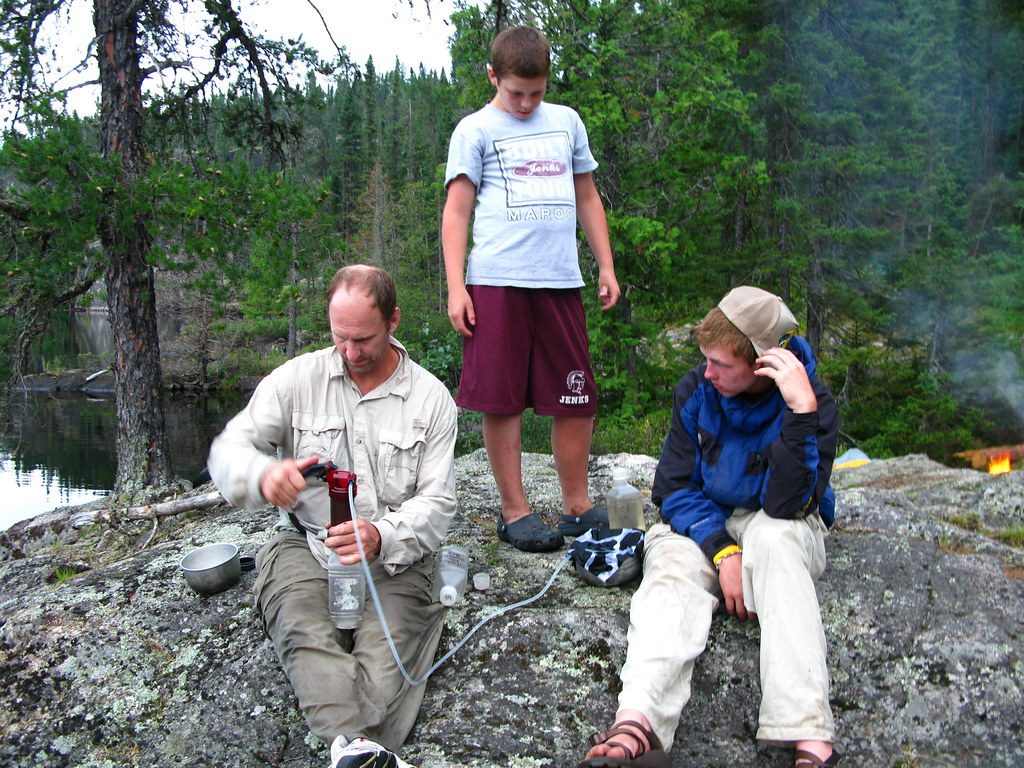
Practicing water purification demonstrates the importance of clean drinking sources. Testing filters or boiling methods in a backyard shows how each approach works. Understanding these techniques prevents illness and builds self-sufficiency. It is one of the most practical skills for any outdoor setting.
Reading the Weather
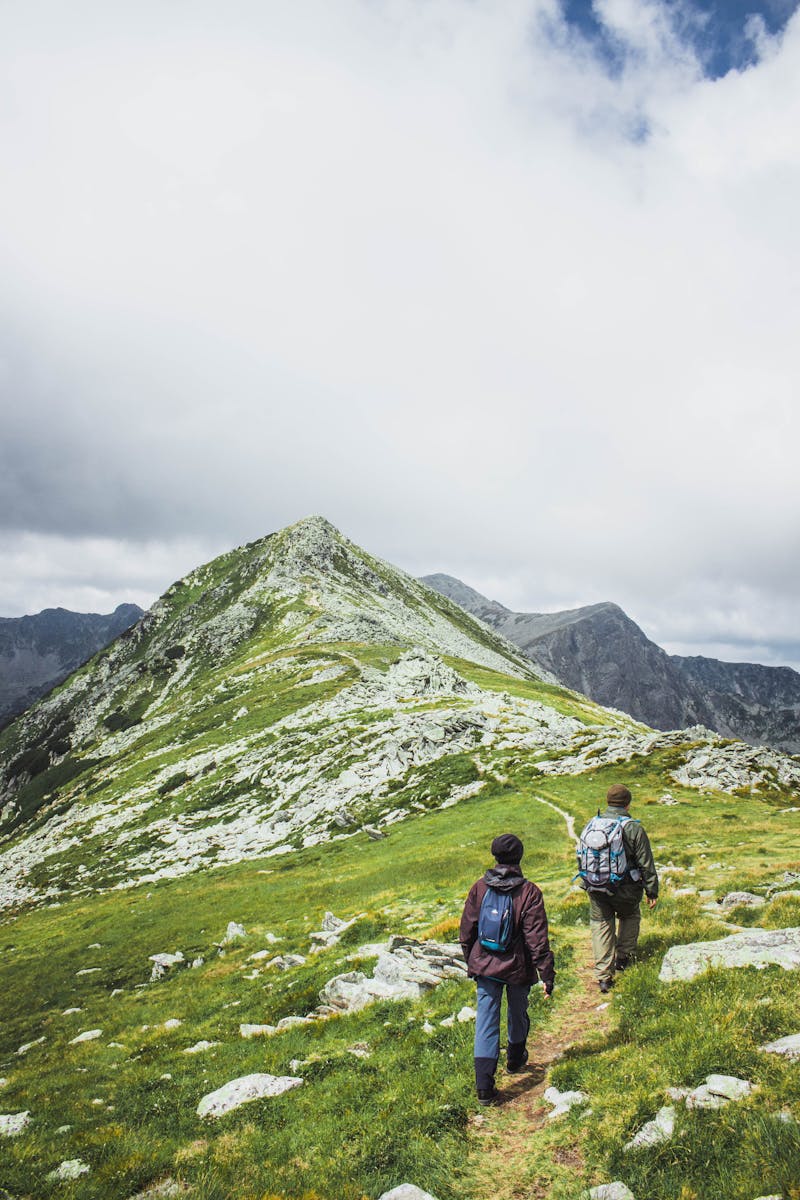
Watching cloud patterns, wind shifts, and temperature changes helps develop an understanding of weather behavior. Observing how conditions evolve teaches what to expect before rain or storms arrive. This awareness improves planning and safety during outdoor trips. Even simple daily observation builds useful instincts.
Cooking Over an Open Flame
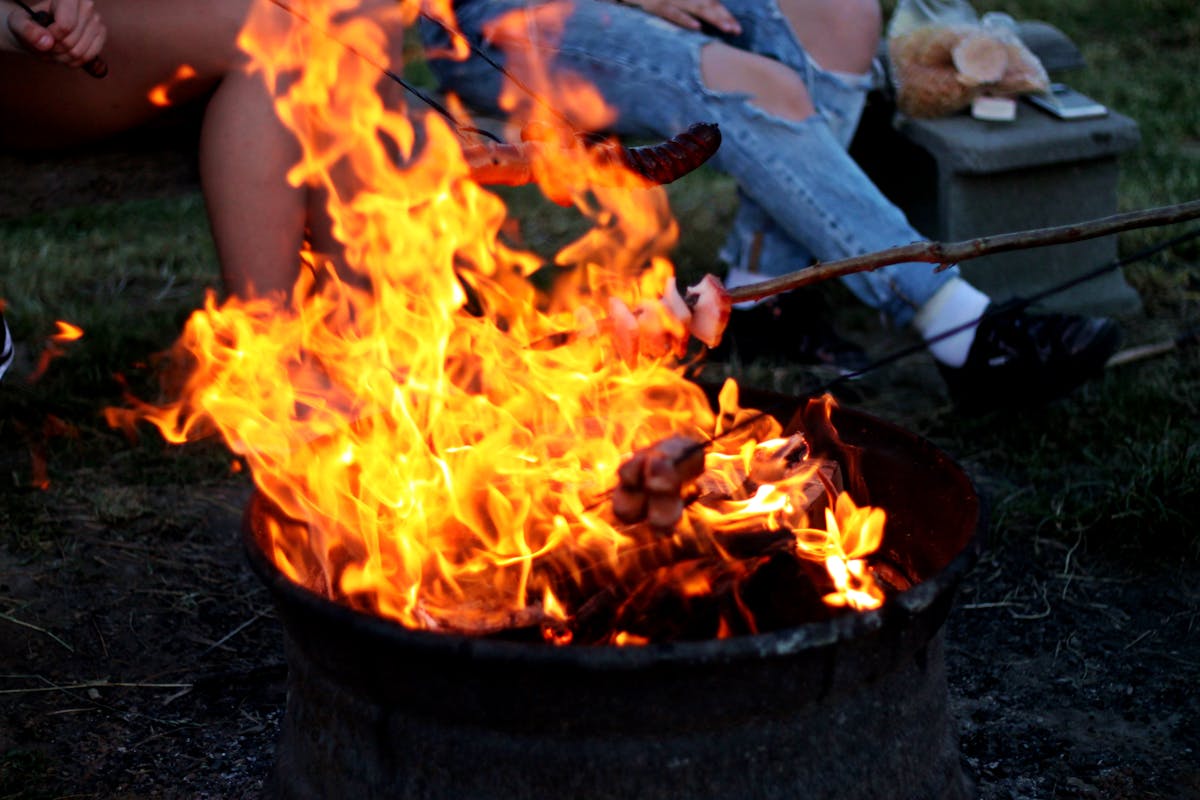
Outdoor cooking is both fun and educational. Trying simple meals over a small fire or grill teaches timing, heat control, and resourcefulness. Experimenting with different cooking methods also helps reduce food waste. Practicing these techniques in advance makes mealtime easier and more enjoyable on longer trips.
Practicing First Aid Techniques

Basic first aid training provides essential confidence in emergencies. Learning to treat wounds, manage sprains, and apply bandages can be practiced with minimal equipment. Simulating scenarios at home builds calm and readiness. Strong first aid knowledge is vital for any outdoor environment.
Planning Efficient Camp Layouts
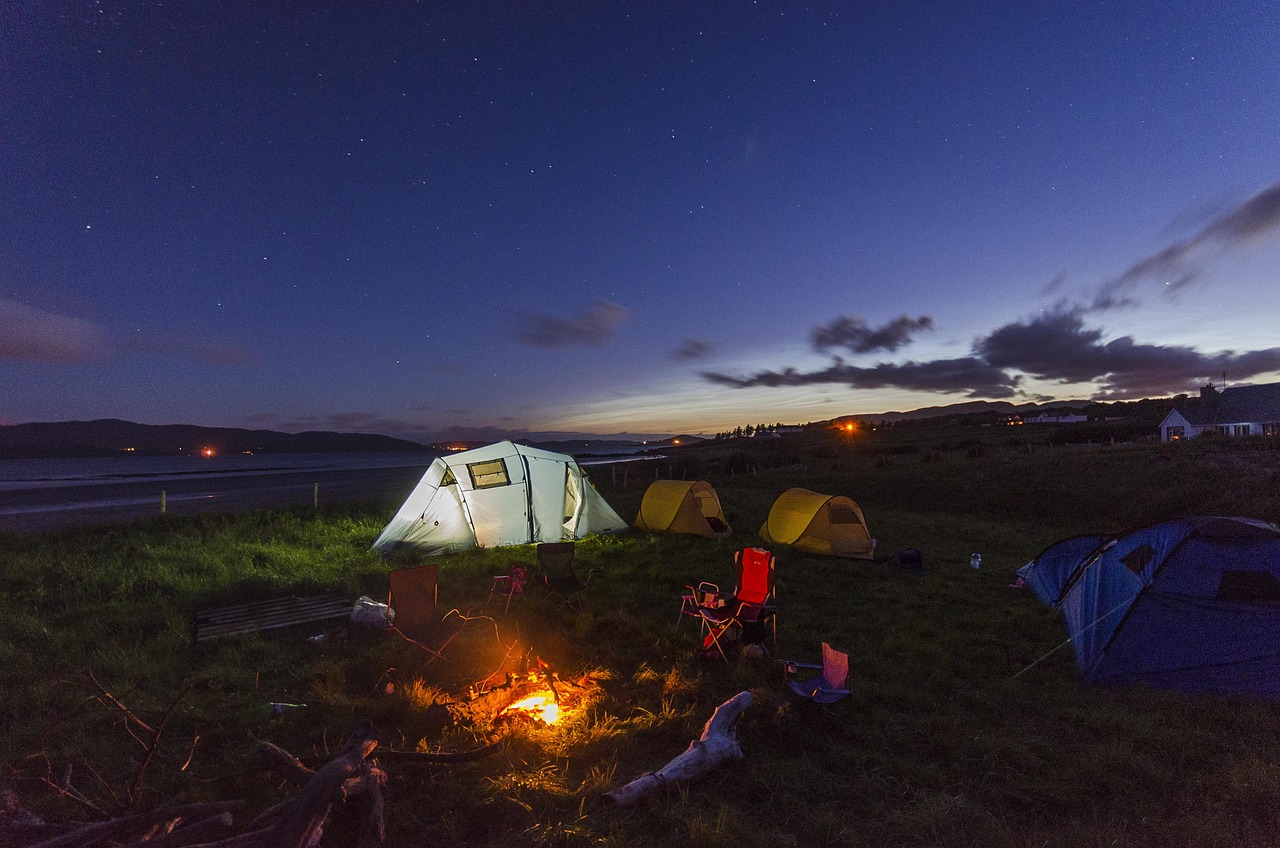
Experimenting with camp layouts teaches how to use space wisely. Organizing areas for sleeping, cooking, and storage improves comfort and safety. Practicing efficient setups at home saves time later in the field. It also reinforces the value of preparation and thoughtful planning.
Improving Stealth and Awareness
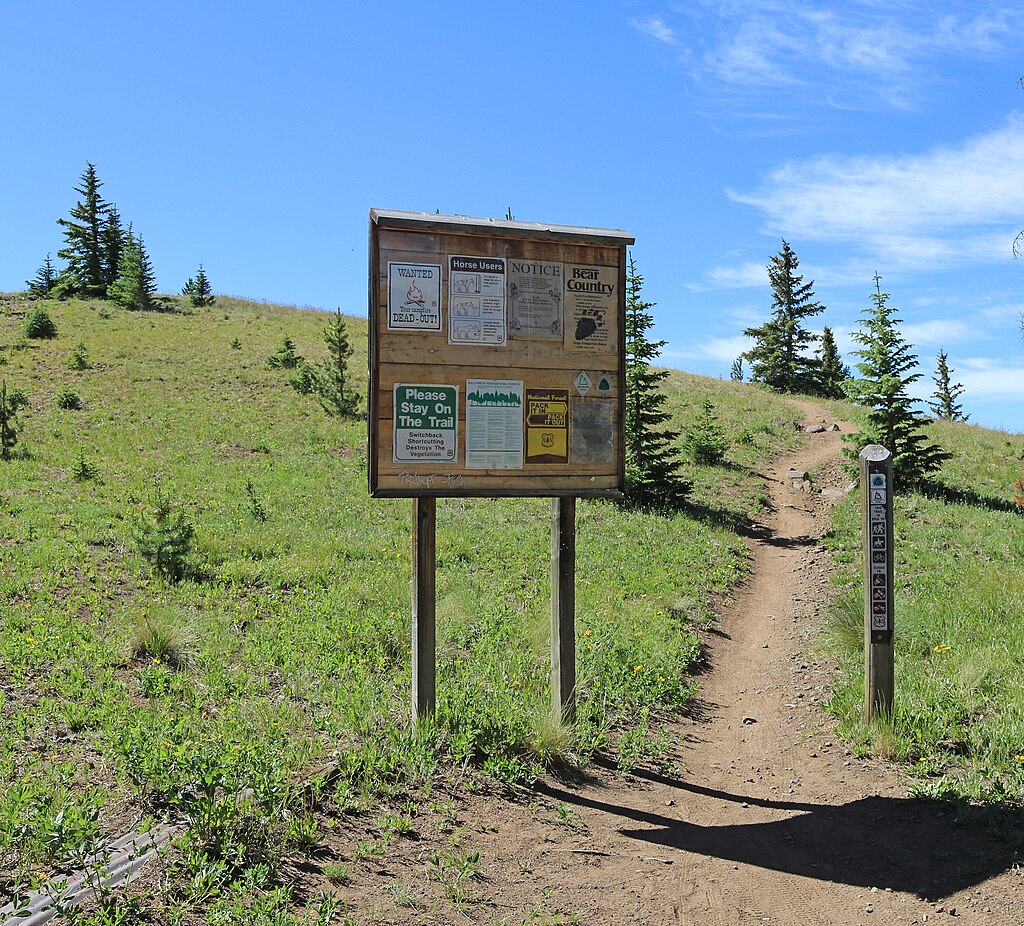
Moving quietly through natural spaces helps sharpen awareness and focus. Observing birds, animals, or subtle environmental sounds builds patience and attention to detail. Practicing mindfulness in motion strengthens the ability to adapt calmly in nature. Awareness becomes one of the most valuable skills outdoors.
Learning Basic Tool Handling
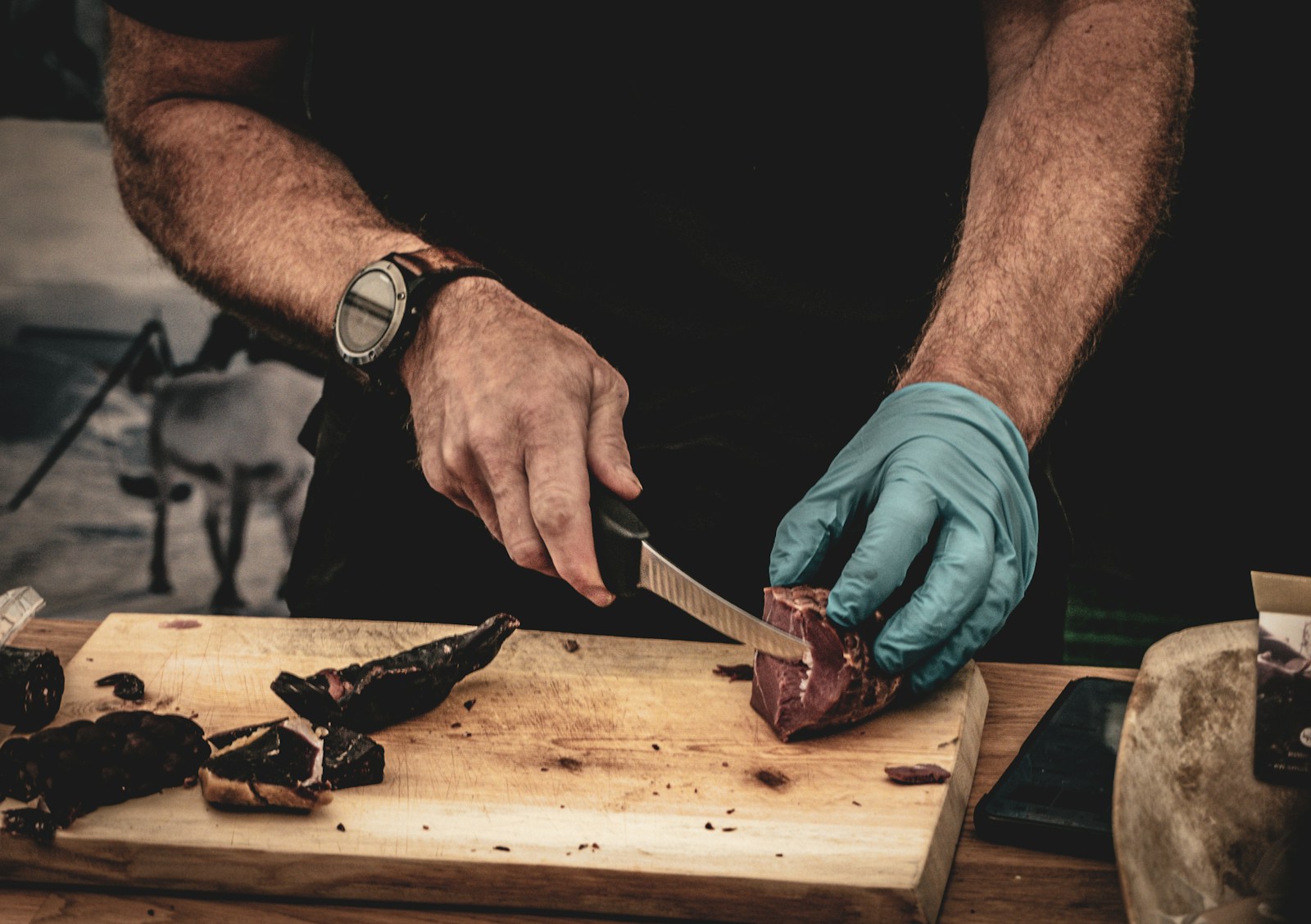
Practicing with knives, axes, or multitools helps develop control and safety habits. Simple tasks like carving or chopping small pieces of wood build skill and confidence. Regular maintenance and proper grip reduce the risk of accidents. Understanding how to handle tools effectively ensures both safety and efficiency in the wild.