
Exploring the 13 oldest dog breeds still winning hearts today reveals a fascinating connection to our distant past. Genetic studies often point to specific lineages that share the closest DNA with wolves compared to modern designer mixes. These resilient canines accompanied early civilizations through harsh climates and shifting empires while remaining loyal companions. Owning one of these living artifacts offers a unique opportunity to preserve a distinct piece of human history. This guide examines the enduring appeal of these primitive dogs that have survived for millennia. We look at why they remain such popular choices for families everywhere.
Basenji
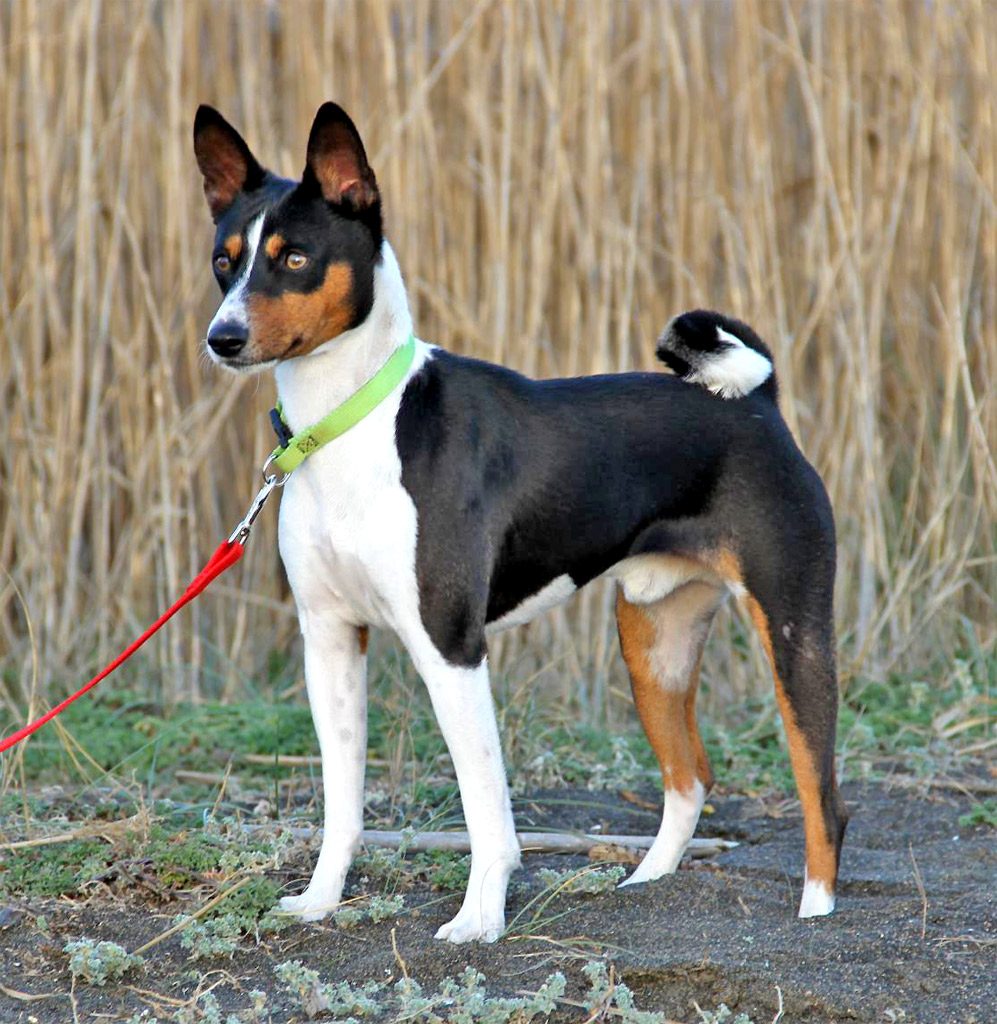
The Basenji is frequently cited as one of the oldest breeds in existence and originates from the dense forests of central Africa. Ancient Egyptian tomb paintings often depict dogs that bear a striking resemblance to this distinct hunting companion. Owners value this breed because it lacks the ability to bark and instead produces a unique yodel sound known as a baroo. Their catlike grooming habits and high energy levels make them fascinating but demanding pets for active households. They represent a primitive lineage that developed independently from most European breeds. Their independence and cleverness charm enthusiasts around the globe.
Saluki
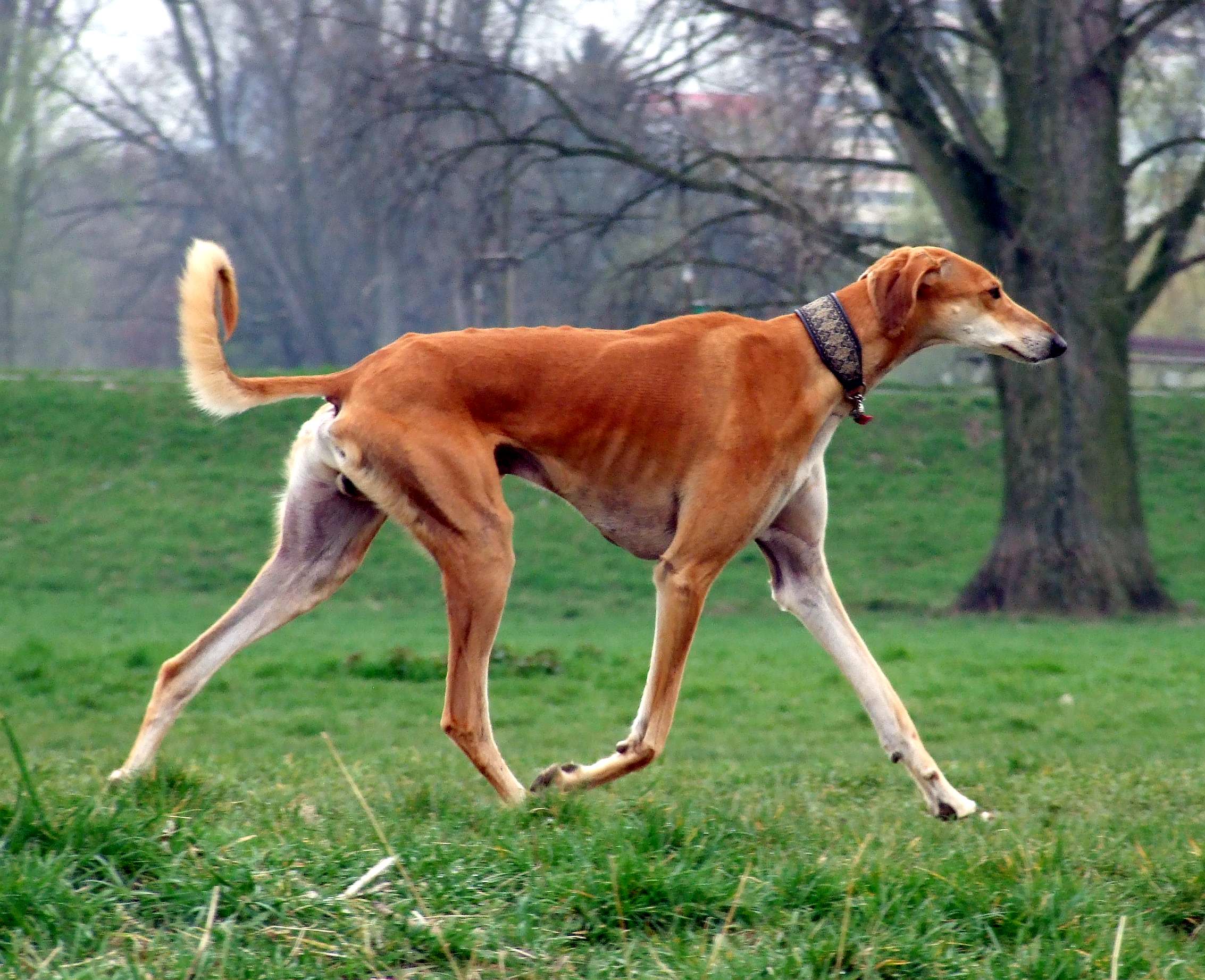
Historians consider the elegant Saluki to be the royal dog of Ancient Egypt due to its presence in numerous archaeological sites. These swift sighthounds were mummified alongside pharaohs to accompany them into the afterlife as honored companions. Their slender bodies and deep chests allow them to run at incredible speeds while hunting gazelles across sandy desert terrain. Modern owners appreciate their gentle and reserved nature inside the home despite their intense prey drive outdoors. They require a significant amount of exercise to stay happy and healthy. This breed offers a living link to the very dawn of civilization.
Afghan Hound
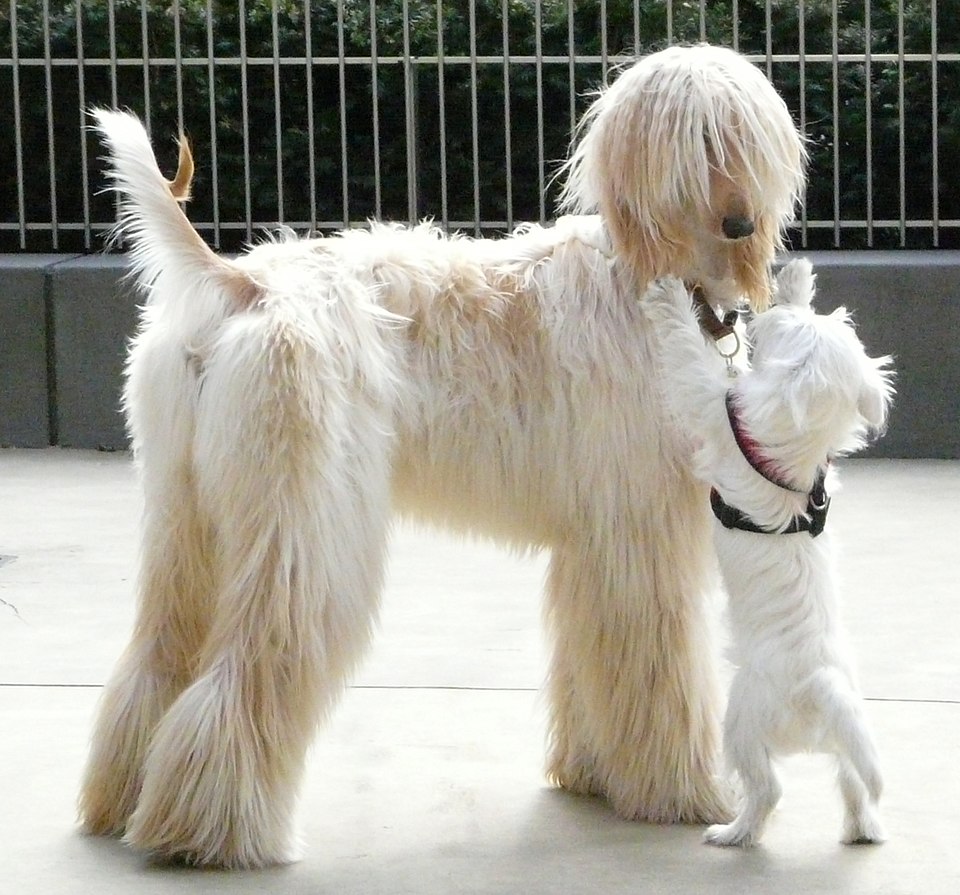
The Afghan Hound originated in the cold mountains of Afghanistan, where its long, silky coat protected it from the harsh climate. This breed is instantly recognizable by its glamorous hair and regal posture that commands attention in any show ring. Beneath the elegant exterior lies a rugged hunter capable of traversing rough terrain with agility and speed. They are known for a distinct aloofness that some describe as catlike independence toward strangers. Grooming this magnificent animal requires a serious commitment of time and effort from owners. They remain a symbol of beauty and ancient resilience in the canine world.
Akita Inu
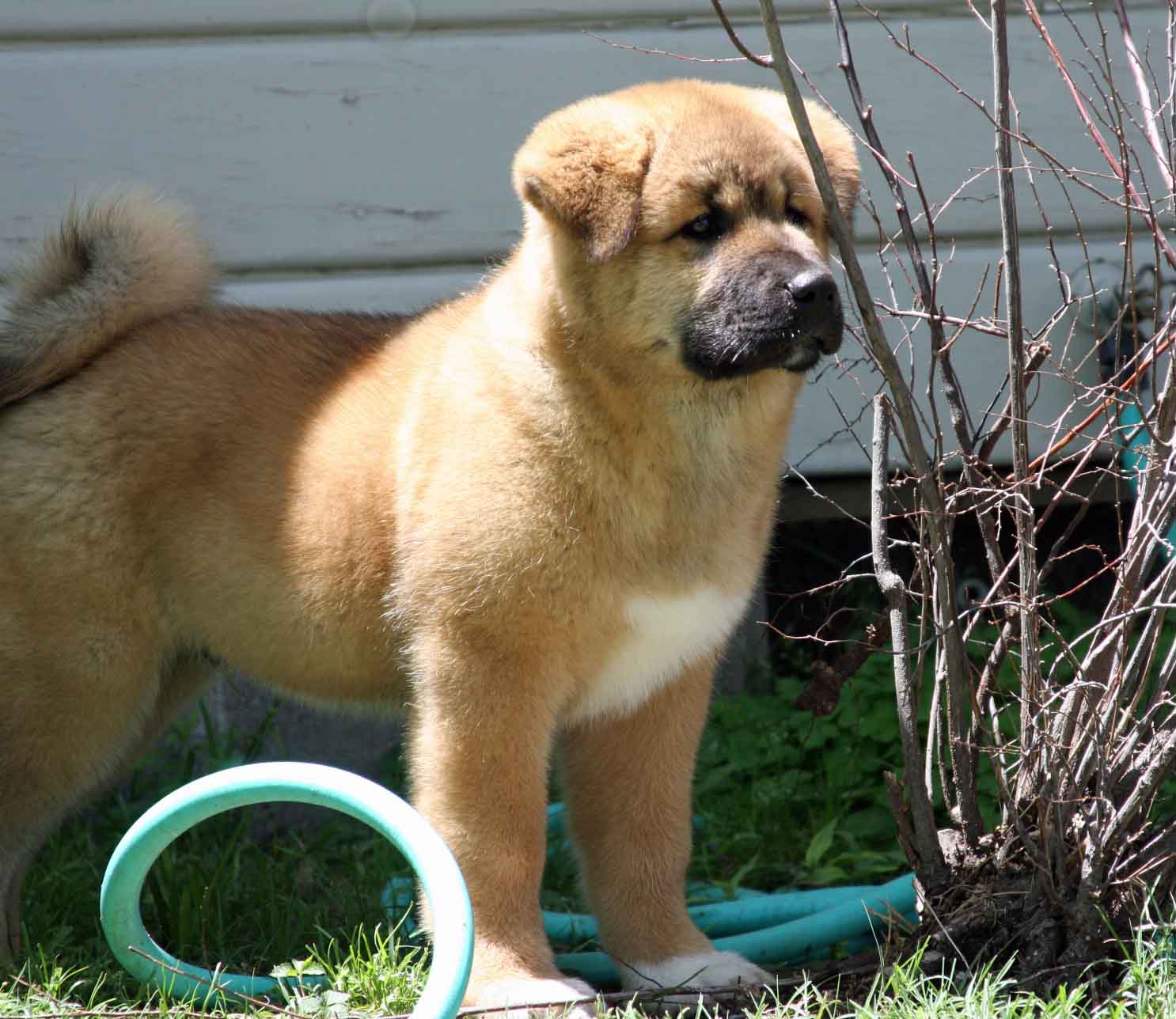
Japan regards the powerful Akita Inu as a designated natural monument and a national symbol of protection and good health. These large spitz dogs were originally bred for hunting bears and guarding property in the snowy northern regions. They gained worldwide fame through the story of Hachiko, who waited faithfully for his deceased master for nearly a decade. Akitas are fiercely loyal to their families but can be wary and reserved when meeting new people. Their thick double coats require regular brushing to manage heavy shedding seasons. They embody the spirit of unshakeable loyalty and dignified strength perfectly.
Shiba Inu
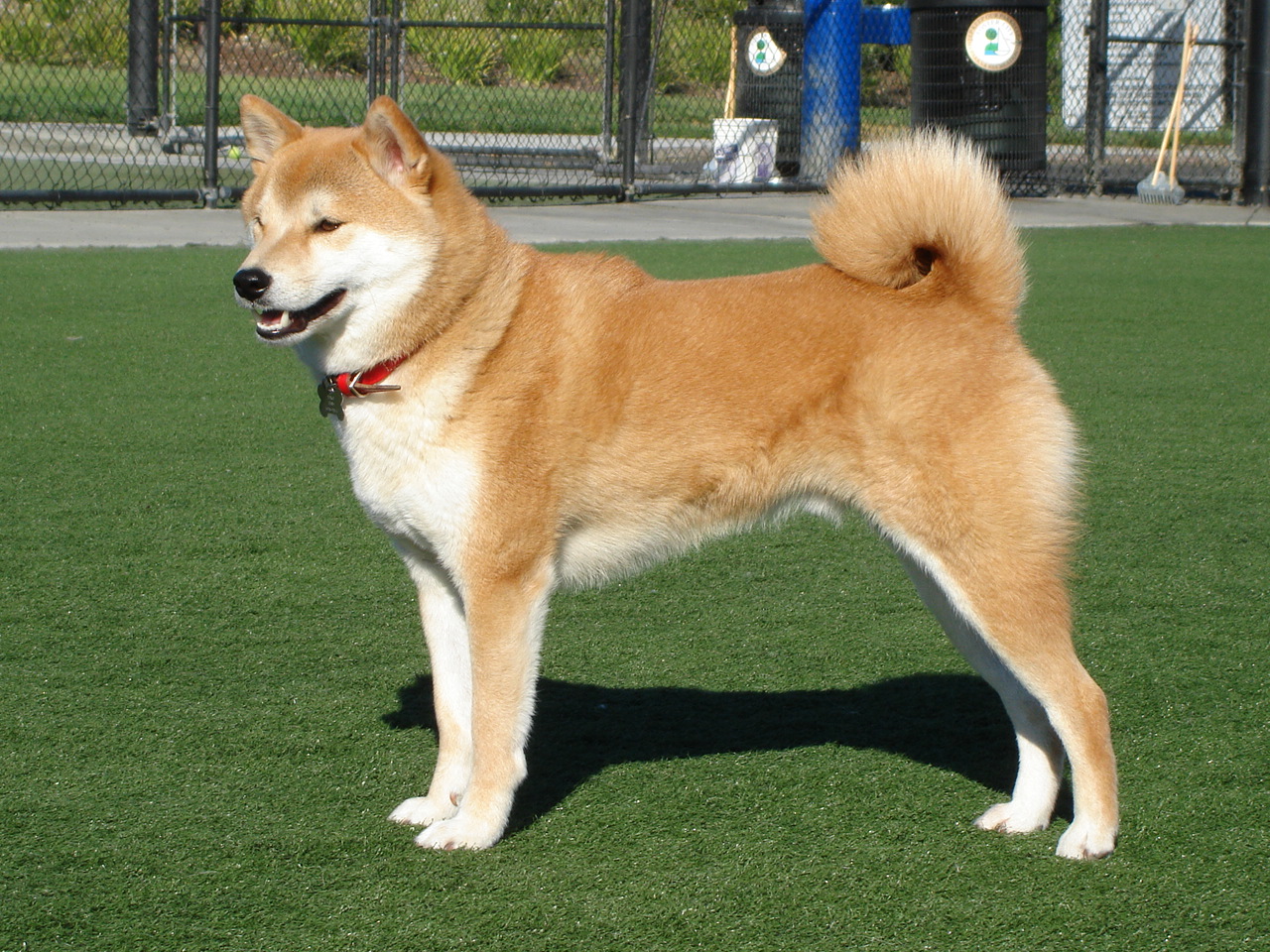
The Shiba Inu is the smallest of the six original and distinct spitz breeds native to the mountainous regions of Japan. These spirited dogs were originally used to flush birds and small game out of heavy brush for hunters. Their foxlike appearance and confident personality have made them an internet sensation and a popular companion worldwide. They are known for the Shiba scream, which is a high-pitched vocalization used to express displeasure or excitement. Owners must provide consistent training to manage their independent streak effectively. They pack a bold and big personality into a compact frame.
Chow Chow
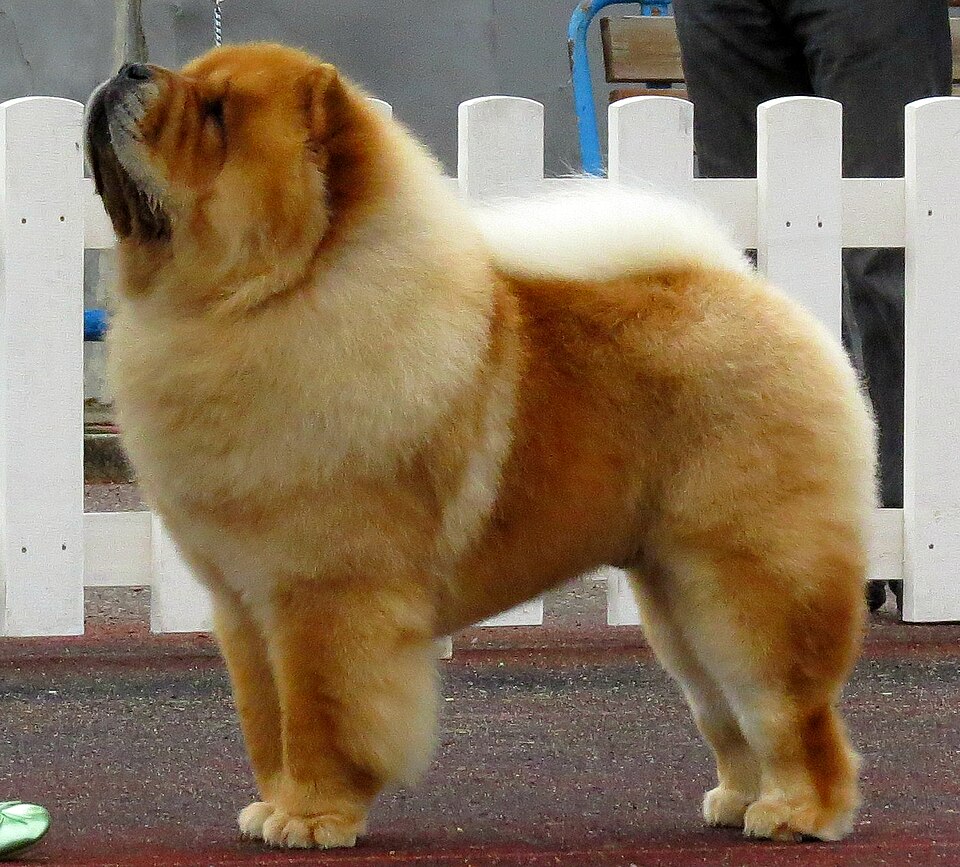
The Chow Chow is an ancient breed from northern China that is famous for its unique black-blue tongue and lion-like mane. Artifacts from the Han Dynasty depict dogs that look identical to the modern version we see today. These sturdy dogs served as temple guards and haulers for centuries in their native land. They possess a dignified and serious temperament that often makes them seem aloof with strangers but loyal to family. Their thick double coat requires extensive grooming to prevent painful mats from forming. They stand as a stoic reminder of ancient Chinese imperial history.
Shar Pei
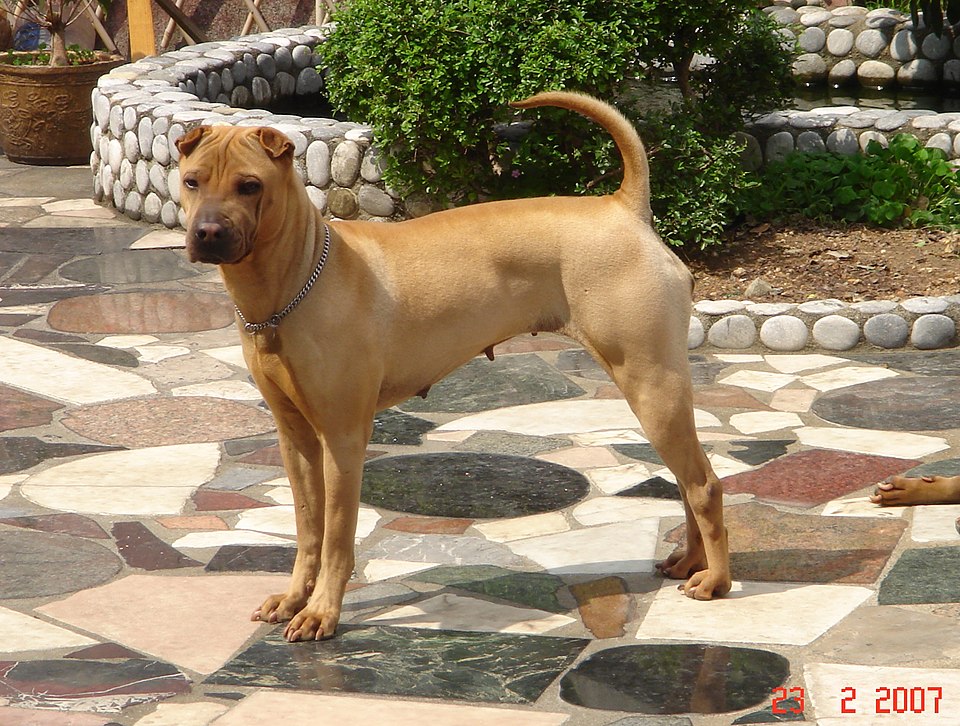
The Chinese Shar Pei is instantly recognizable by its deep wrinkles and rough sandpaper coat that once protected it during fights. This ancient breed originated in the southern provinces, where it served as a versatile farm dog and guardian. They nearly went extinct in the twentieth century, but dedicated breeders saved the unique lineage from disappearing completely. Modern Shar Peis are devoted companions that guard their families with a calm but firm presence. Owners must pay close attention to cleaning their skin folds to prevent infections. They are a unique example of specialized breeding survival against all odds.
Alaskan Malamute
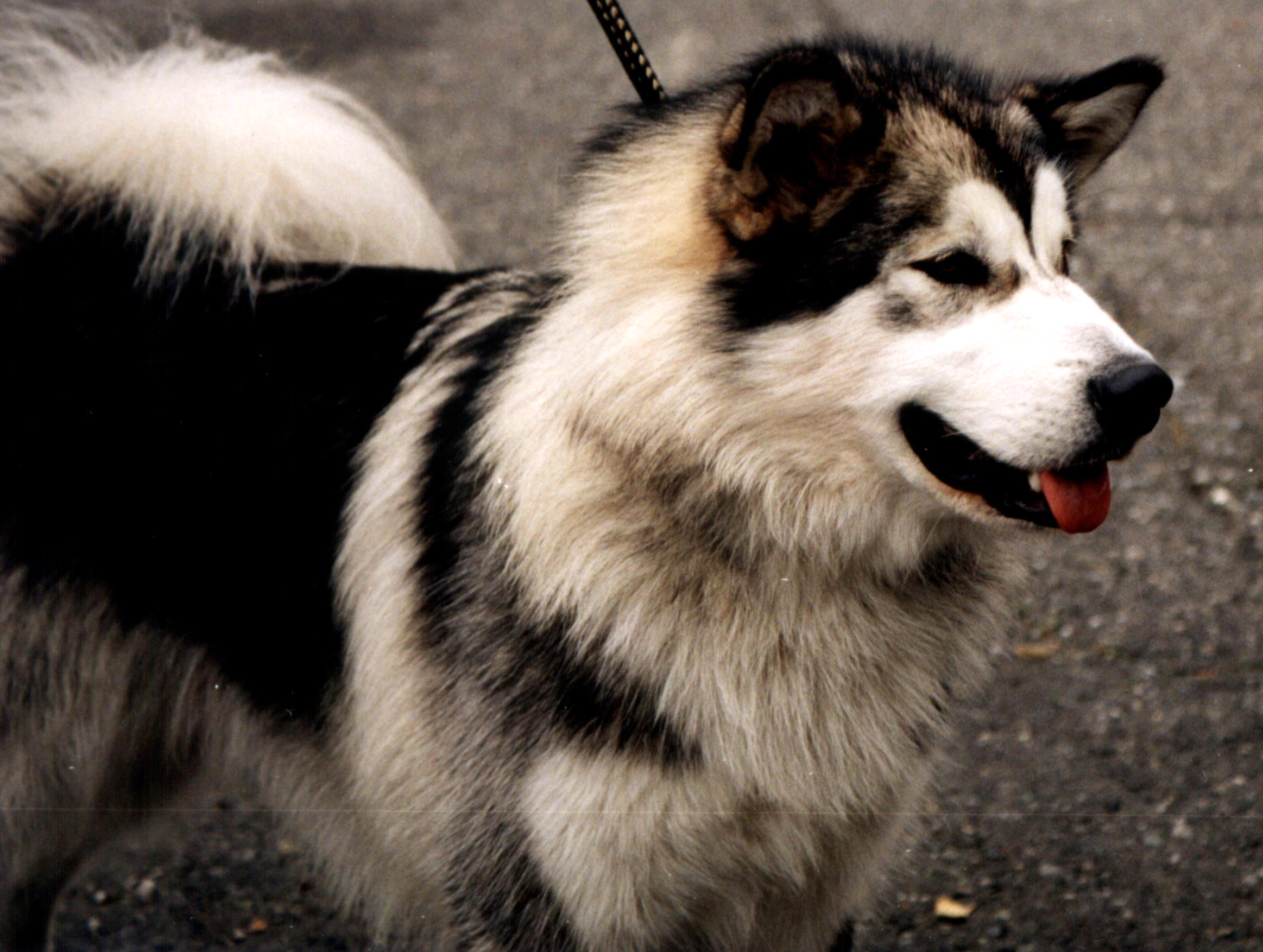
The Alaskan Malamute is a heavy freighting dog that was developed by the Mahlemut tribe of northwestern Alaska centuries ago. These powerful animals were bred to haul heavy sledges over long distances in brutal winter conditions rather than racing for speed. Their immense strength and endurance allowed indigenous people to survive and travel across the frozen landscape. They are known for their friendly and affectionate nature toward humans, which makes them poor guard dogs. Their thick waterproof coats require a cold climate to be truly comfortable. They represent the enduring partnership between humans and dogs in the Arctic.
Siberian Husky
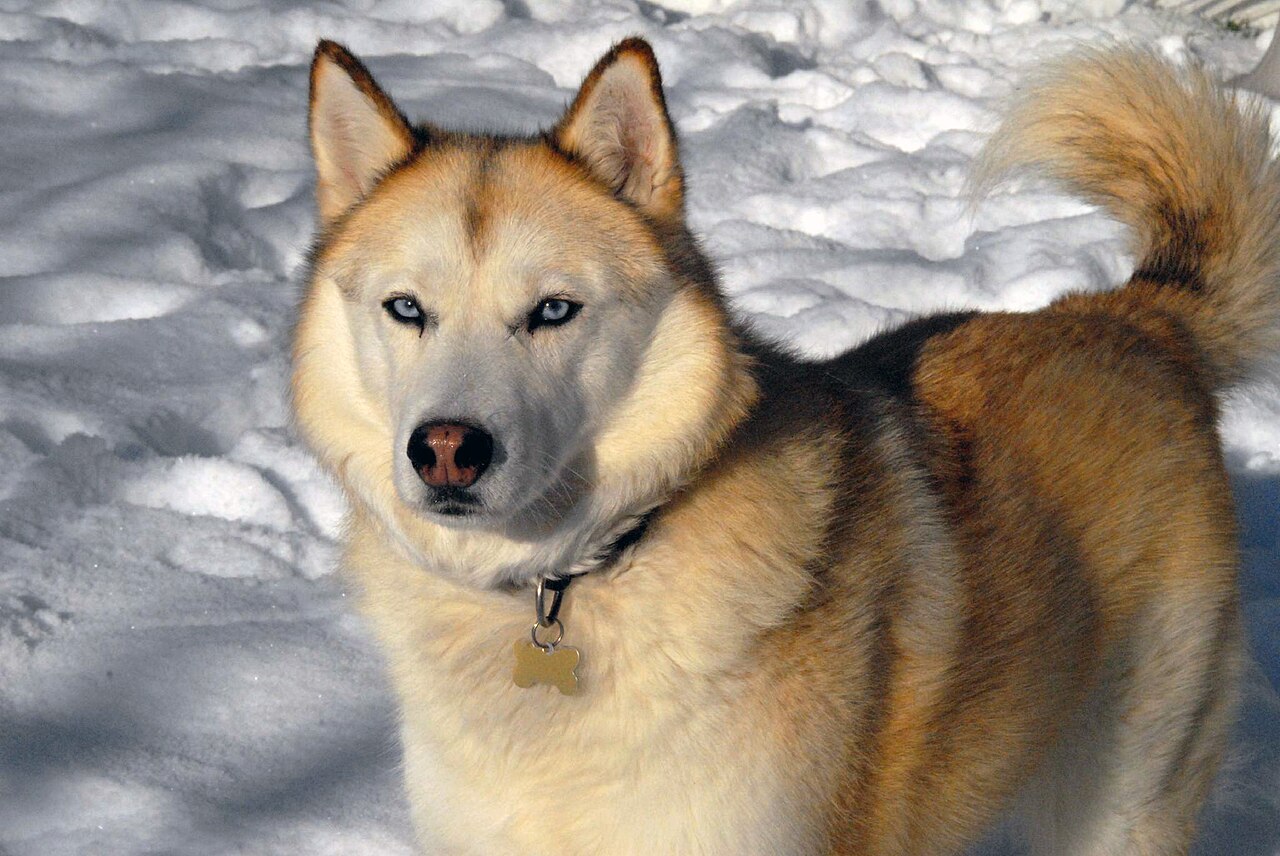
The Chukchi people of northeastern Asia developed the Siberian Husky to pull light loads at fast speeds over vast frozen distances. These athletic dogs possess incredible endurance and a metabolism that allows them to work hard on very little food. They are famous for their striking blue eyes and wolf-like appearance that captivate dog lovers everywhere. Huskies are pack animals that require constant social interaction and plenty of vigorous exercise to prevent boredom. Their friendly and mischievous personality makes them a fun but demanding addition to the home. They are born to run and explore the winter world.
Samoyed
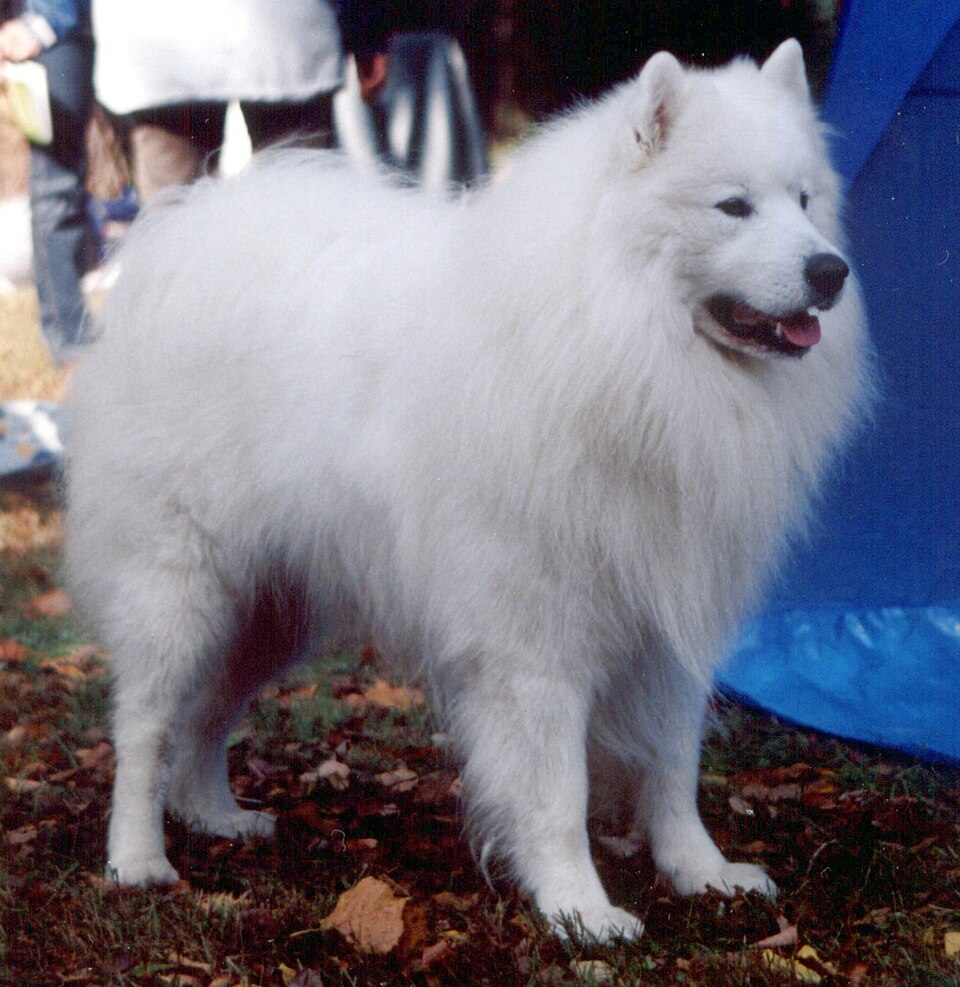
The Samoyed takes its name from the Samoyede people of Siberia, who used these fluffy white dogs for herding reindeer and keeping warm. Their famous Sammy smile serves a practical purpose by preventing drool from freezing into icicles on their face. These dogs lived closely with their owners inside tents, which fostered a gentle and trusting bond with humans. Their profuse white coat is beautiful but requires daily brushing to maintain its condition and manage shedding. They are known for being vocal and happy companions that thrive on attention. They bring warmth and joy to even the coldest climates.
Greyhound
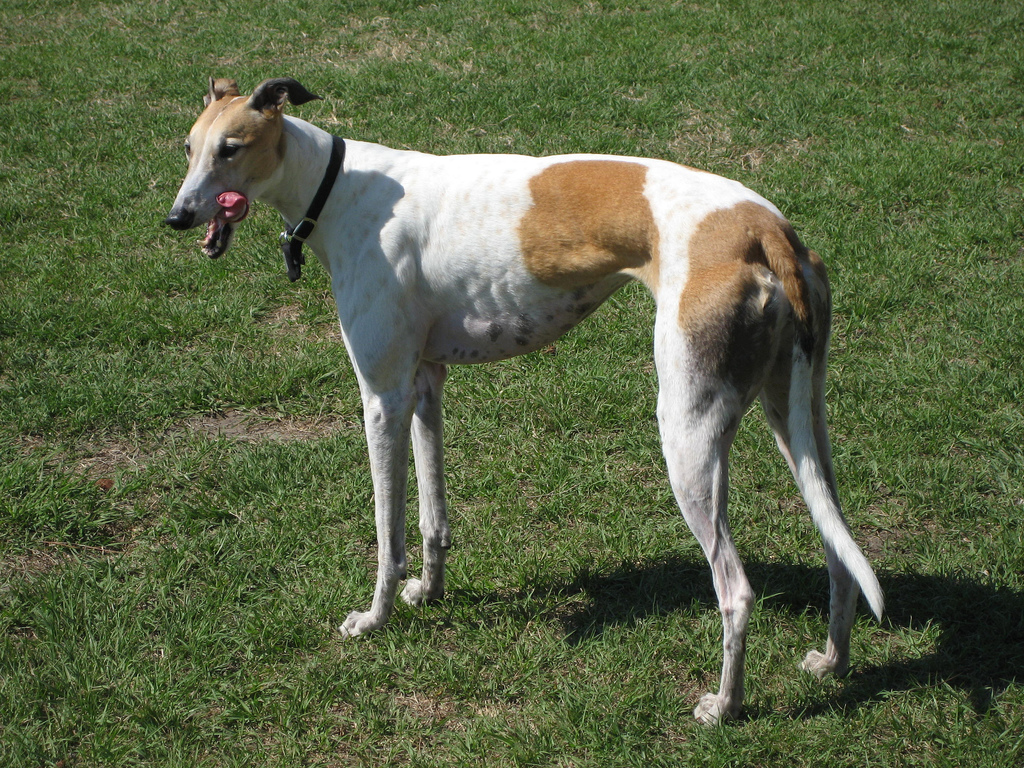
Greyhounds are the fastest dog breed on earth and have been depicted in art and literature for thousands of years. Their aerodynamic shape and powerful leg muscles allow them to reach speeds of forty-five miles per hour. These ancient sighthounds were revered by many cultures, including the Greeks and Romans, for their hunting prowess. Despite their racing reputation, they are actually calm and lazy house dogs that love to sleep on soft sofas. Their short coats and low body fat mean they need sweaters in cold weather. They are gentle giants that sprint fast and nap hard.
Pekingese
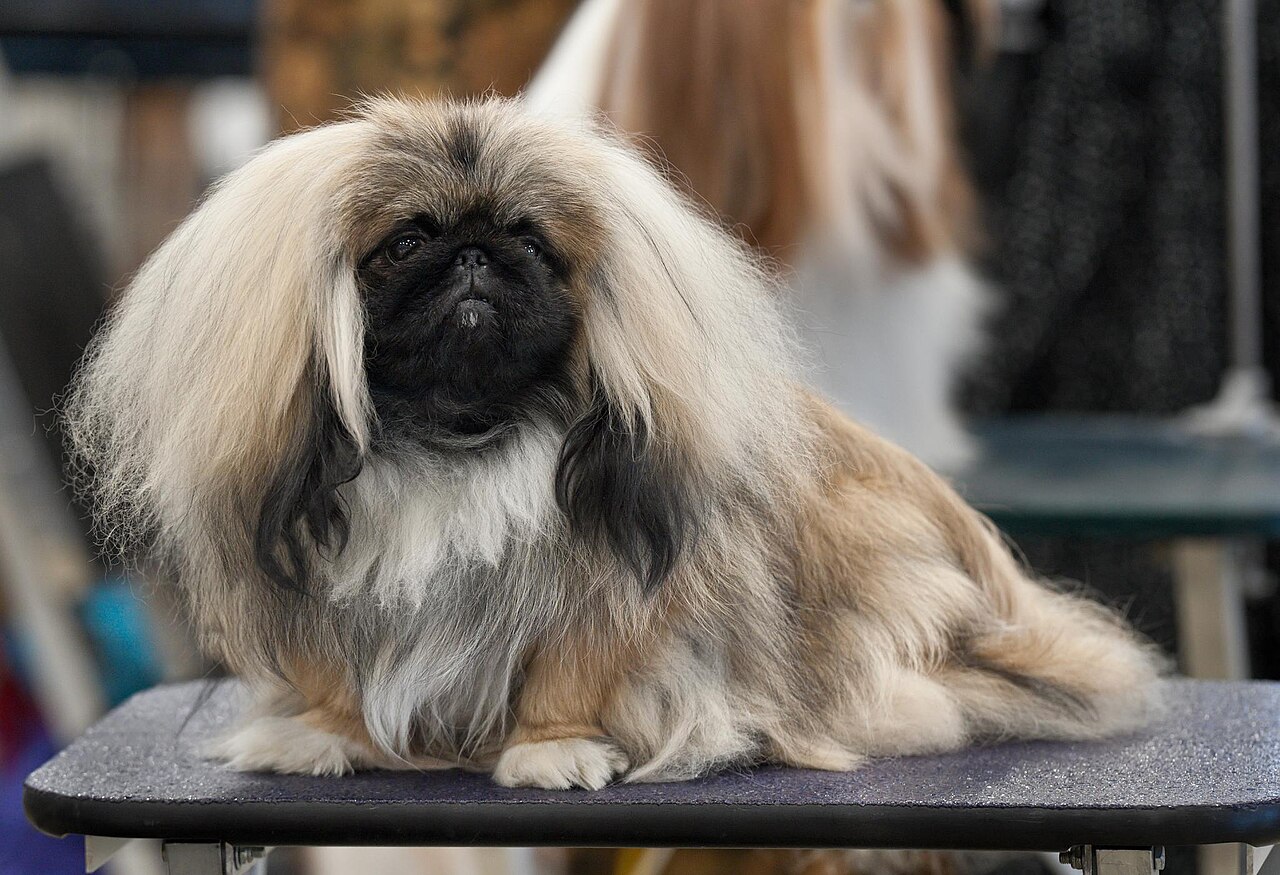
The Pekingese was bred centuries ago to be the cherished lapdog of the Chinese imperial family in the Forbidden City. Legend says that these small dogs were created by the Buddha himself by shrinking a lion down to a miniature size. Commoners were strictly forbidden from owning them, and they were treated with immense reverence and luxury. Their rolling gait and heavy mane give them a dignified and courageous appearance despite their small stature. They are affectionate with their owners but can be stubborn and independent when trained. They remain a symbol of ancient eastern luxury and royalty.
Lhasa Apso
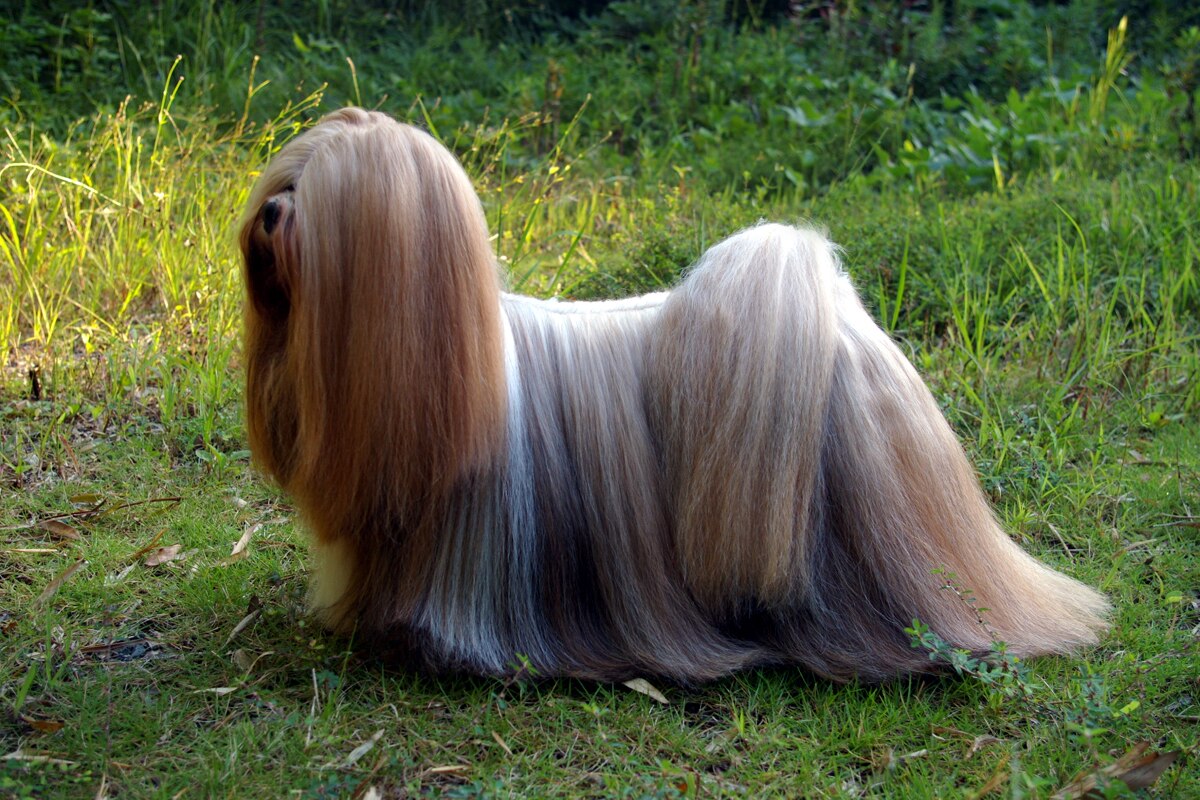
Buddhist monks in the mountains of Tibet bred the Lhasa Apso to serve as an internal sentinel for their secluded monasteries. These small dogs used their keen hearing to alert the monks to any intruders that slipped past the large mastiffs outside. Their long and dense coat protected them from the extreme cold and wind of the high Himalayas. They believe that the souls of deceased monks often enter the bodies of these dogs while waiting for reincarnation. Modern owners appreciate their watchful nature and longevity. They are small but mighty guardians with a deeply spiritual history.