Exploring the vast American wilderness offers breathtaking scenery but certain destinations present significant dangers to even the most prepared adventurers. National parks across the country contain trails where emergency search and rescue teams respond to hundreds of incidents every single year. Many travelers underestimate the physical toll of extreme heat or the technical difficulty of narrow cliffside paths found in these iconic locations. Understanding the specific risks associated with these popular routes remains essential for anyone planning a safe outdoor excursion this season. This guide highlights the thirteen national park hikes where people most often need assistance.
Bright Angel Trail
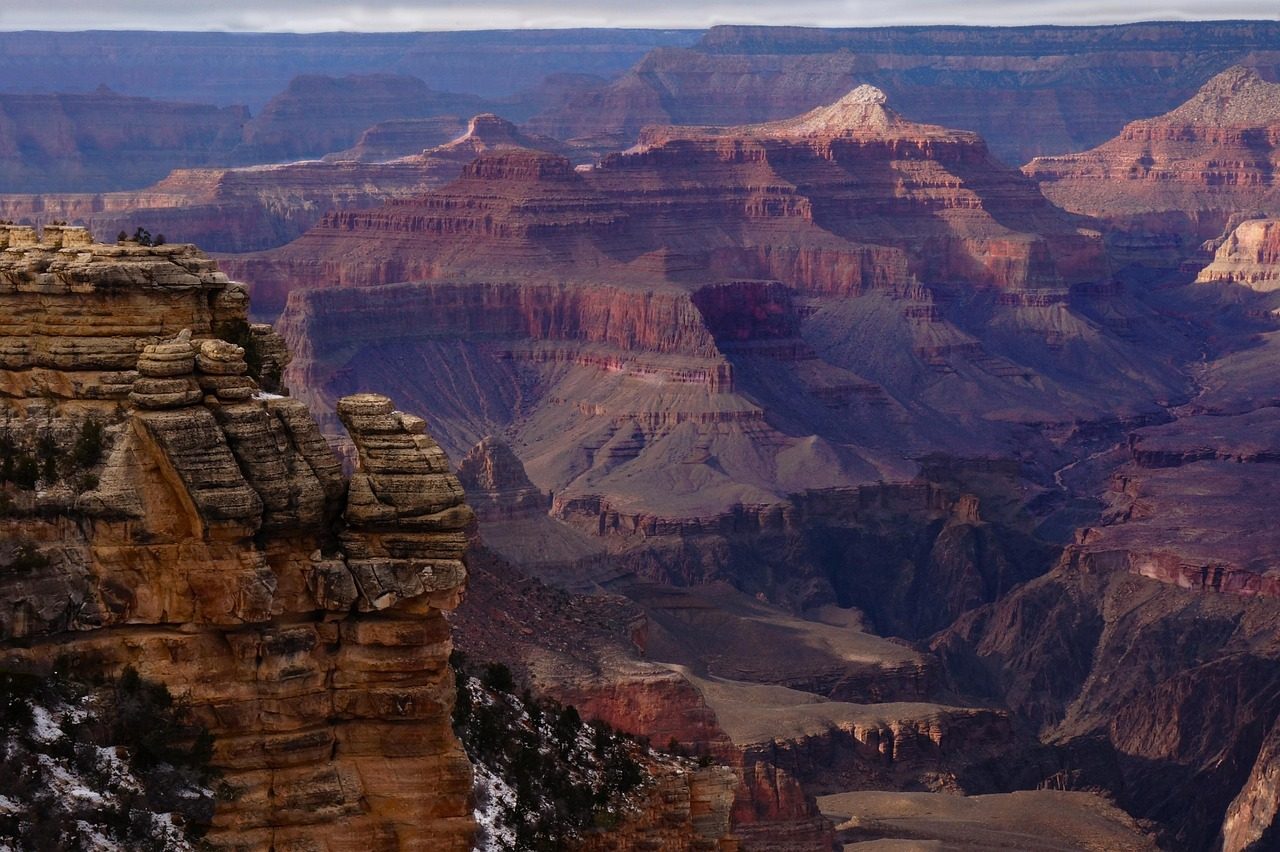
The Bright Angel Trail in the Grand Canyon is famous for its massive heat related rescue numbers during the summer months. Many visitors mistakenly believe that descending into the canyon is the easy part while they ignore the grueling climb back up. Temperatures at the bottom of the trail frequently exceed one hundred degrees which leads to severe dehydration and heat exhaustion for the unprepared. Rangers often patrol this route to identify struggling hikers before they suffer from life threatening conditions like hyponatremia. Proper hydration and salt intake are absolutely critical for surviving this iconic journey.
Angel’s Landing
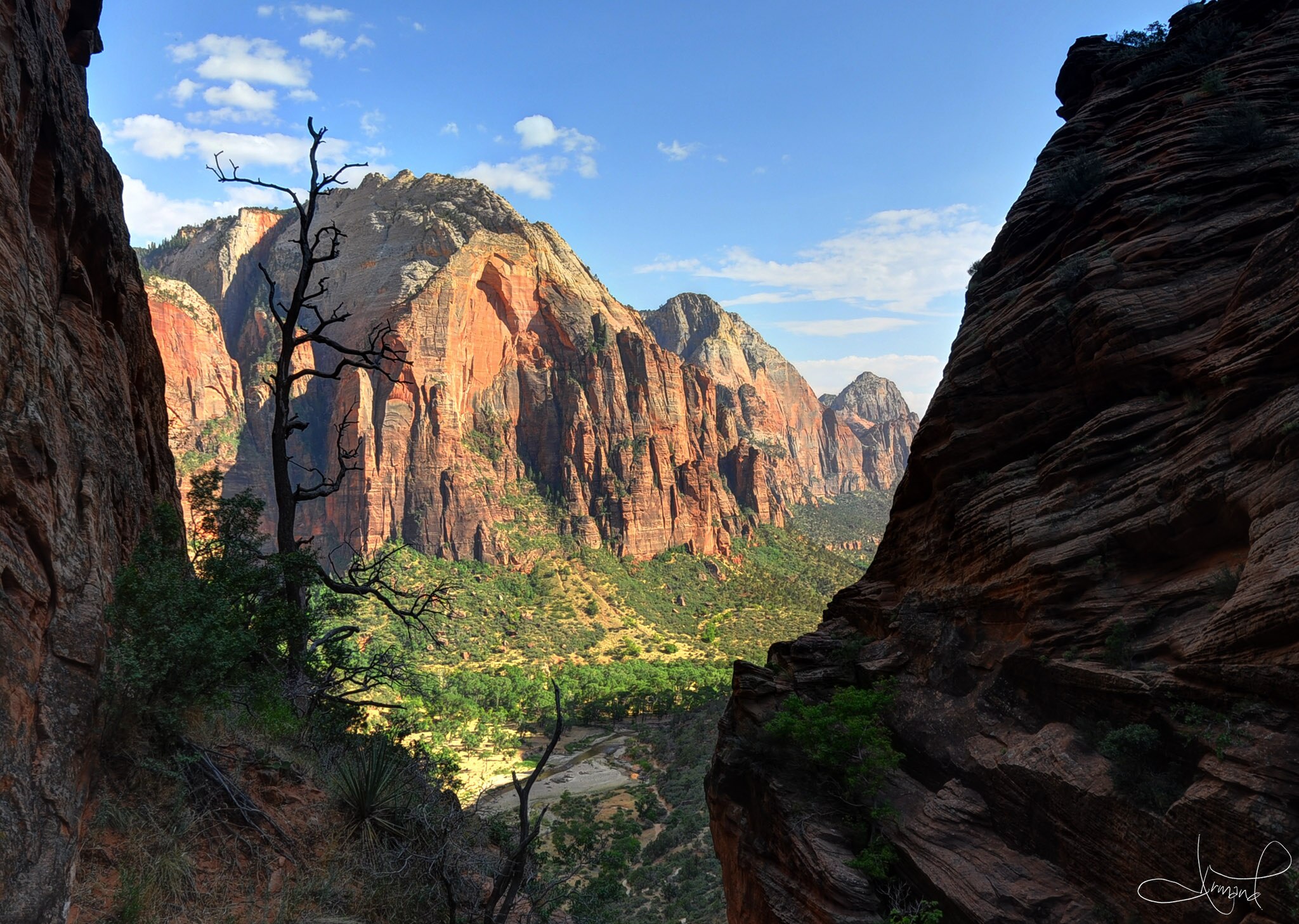
Angel’s Landing in Zion National Park presents a terrifying challenge for those who fear heights or struggle with physical balance. This narrow sandstone ridge features massive drop-offs of over one thousand feet on both sides of the final ascent path. Heavy crowds often create dangerous traffic jams on the chains which increases the risk of a fatal fall for everyone involved. Rescuers frequently respond to medical emergencies caused by heat or extreme anxiety as people navigate the exposed segments. Obtaining a permit is now required to help manage the volume of visitors on this peak.
Half Dome
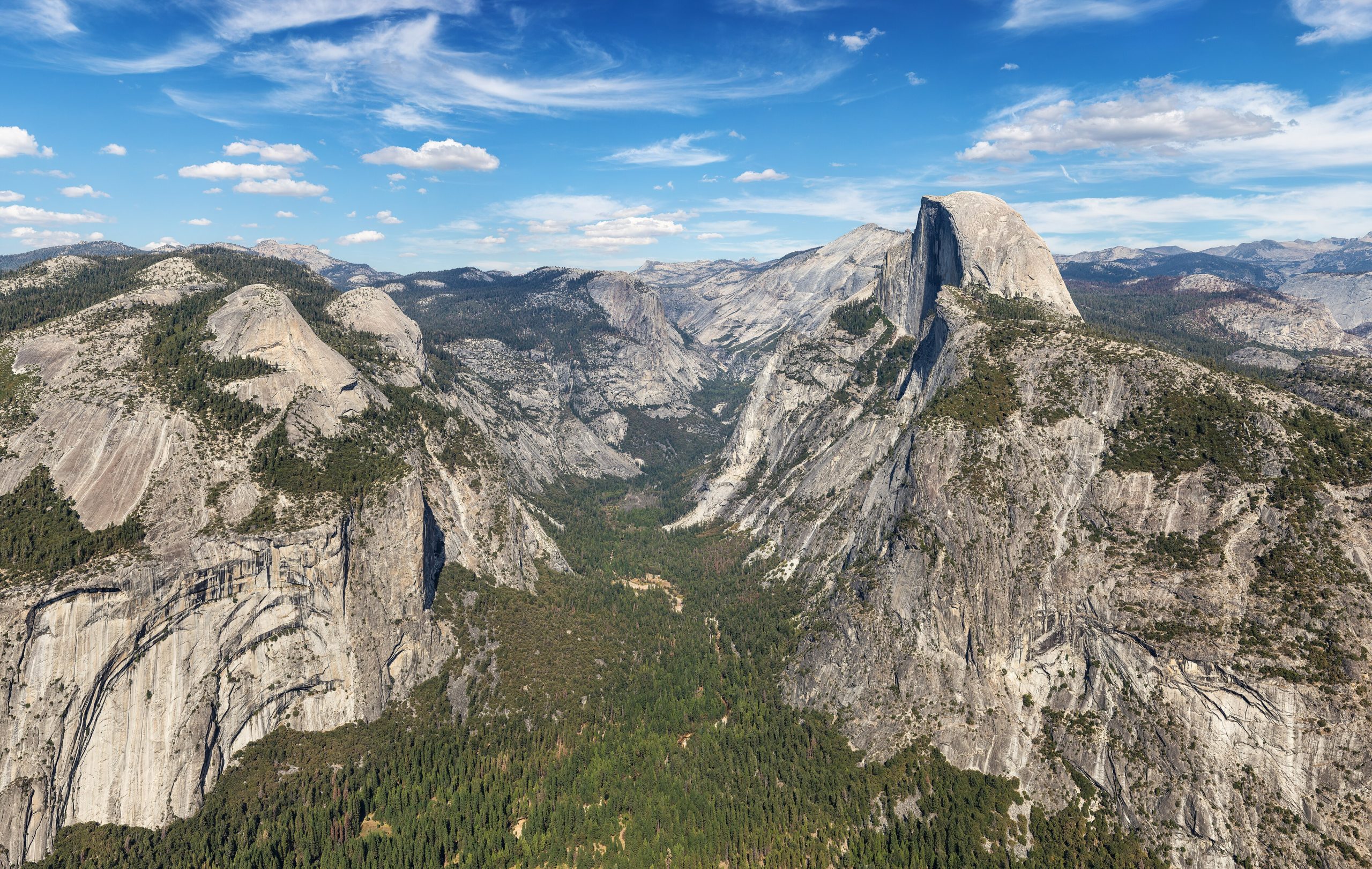
The cables on Half Dome in Yosemite National Park provide a unique and very demanding experience for adventurous travelers. This steep granite slope becomes incredibly slippery during sudden rainstorms which has led to many tragic falls over the decades. Hikers often experience total exhaustion by the time they reach the base of the final climb to the summit. Emergency teams frequently perform technical rescues for individuals who become stuck or injured on the slick rock during high traffic periods. Being physically fit and monitoring the weather are essential for a safe trip always.
Muir Snowfield
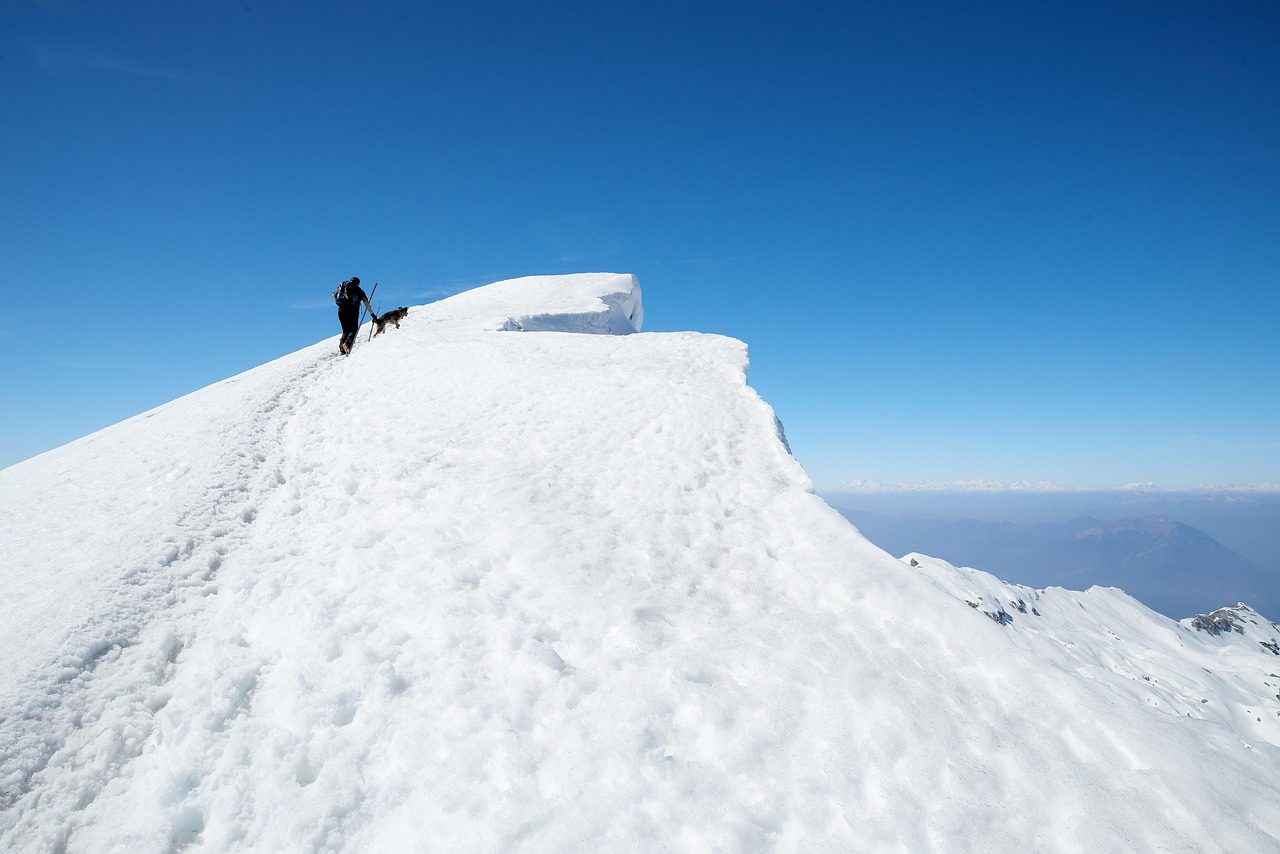
The Muir Snowfield on Mount Rainier in Washington state is notorious for sudden and very dangerous weather shifts at high altitudes. Hikers often lose their way during whiteout conditions and wander off into treacherous glacial crevasses located just off the main path. Hypothermia remains a constant threat even during the summer because temperatures can drop below freezing in a matter of minutes. Rescue teams stay busy searching for disoriented travelers who lack the proper navigation tools or warm clothing for the mountain. Preparing for winter conditions is mandatory for everyone on this trail today.
Longs Peak
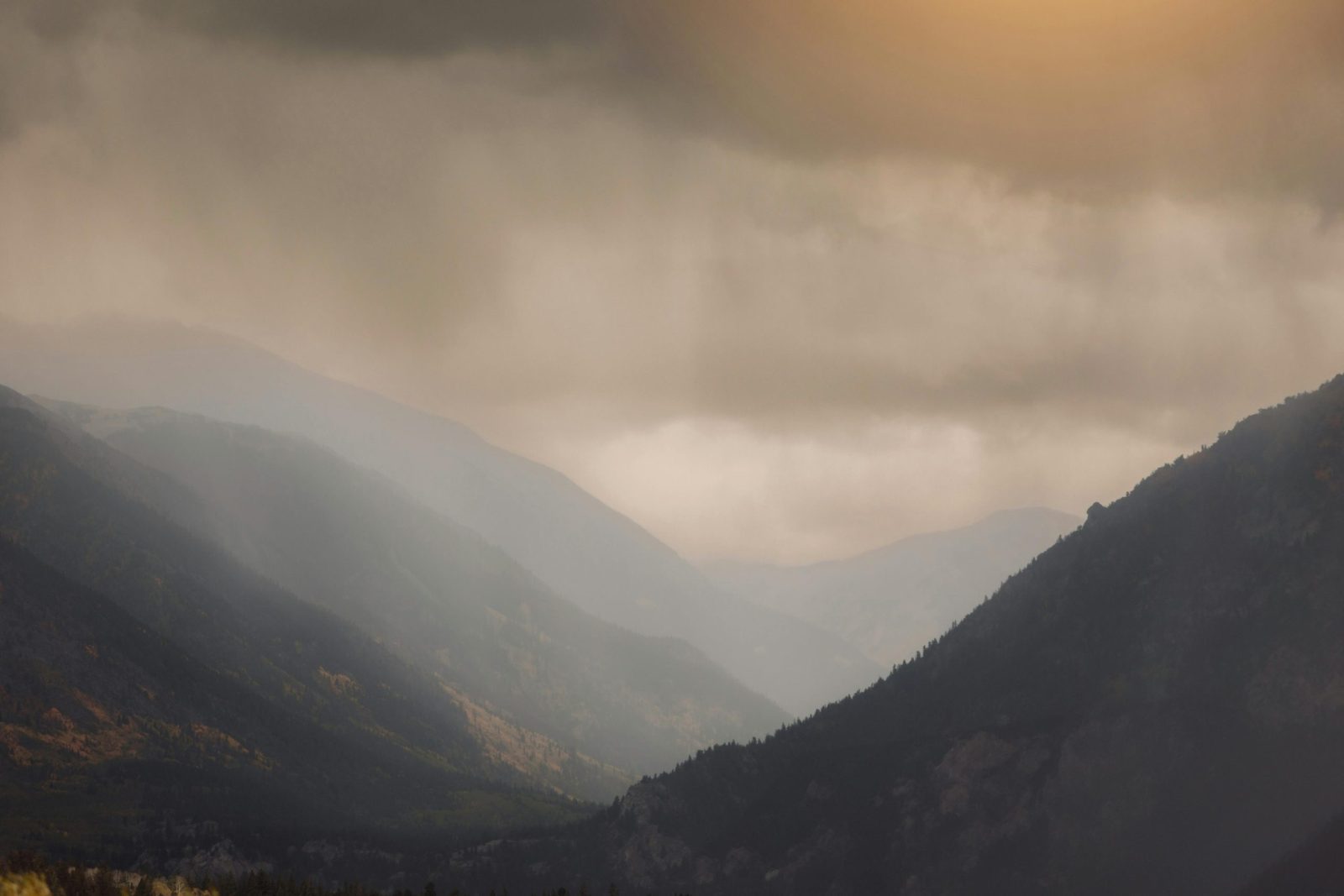
Longs Peak in Rocky Mountain National Park features the infamous Keyhole Route which requires significant scrambling and high altitude endurance. Many people underestimate the technical difficulty of the final sections where a simple slip can lead to a fatal fall. Afternoon thunderstorms bring the immediate threat of lightning and hail which makes the granite rock extremely dangerous for descending hikers. Rescue operations on this peak are often complicated by the rugged terrain and the long distances from the nearest roads. Starting early and knowing when to turn back are vital survival skills for any climber.
Precipice Trail
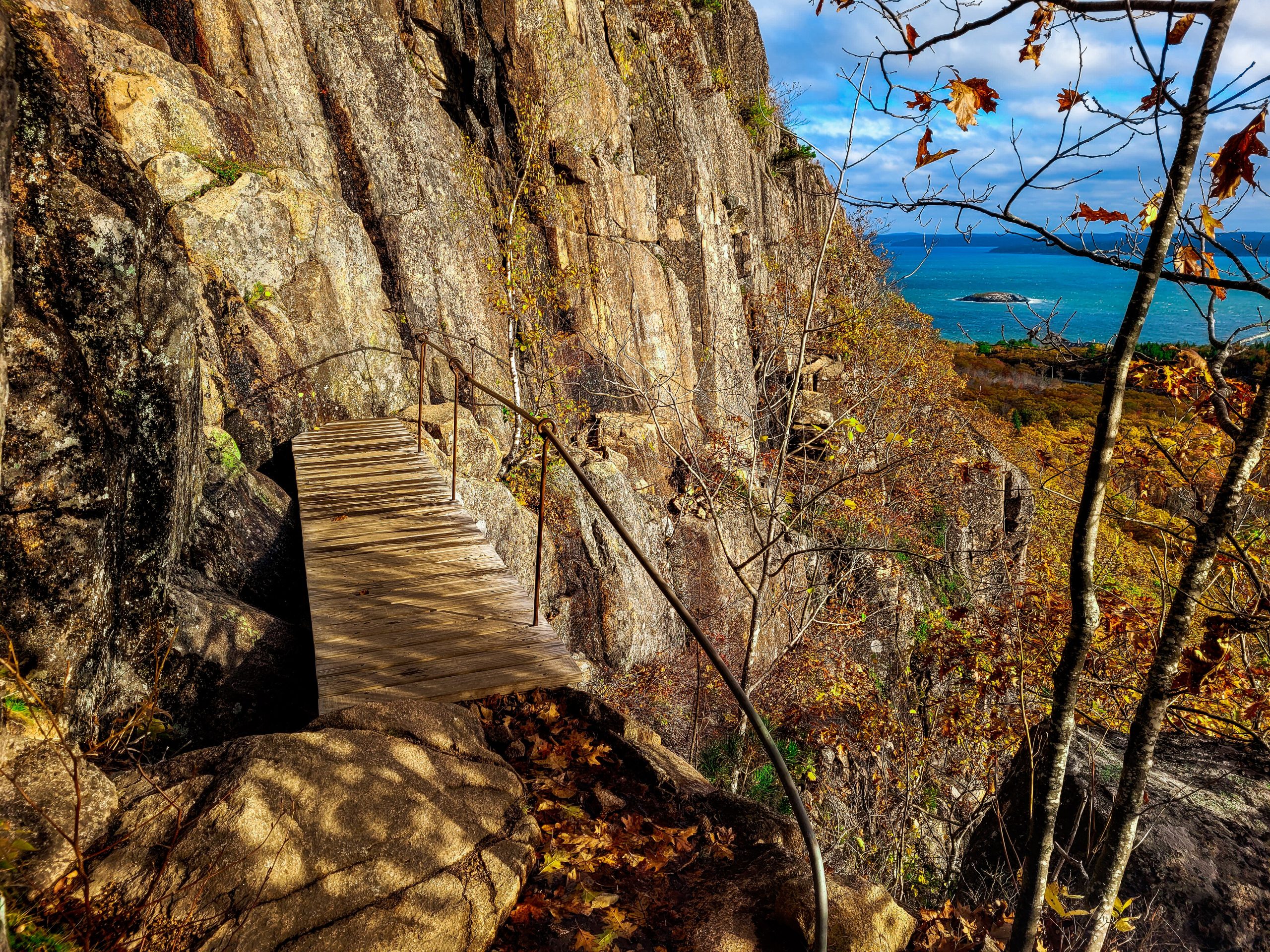
The Precipice Trail in Acadia National Park offers a vertical challenge that utilizes iron rungs and ladders on a cliff face. This short but intense hike is not for the faint of heart or anyone with a fear of heights. Rain can turn the smooth granite into a slick surface that makes every step a potential hazard for the traveler. Rangers often respond to rescues involving hikers who become paralyzed by fear or suffer from injuries on the steep ledges. This trail demands absolute focus and proper footwear to ensure a safe and successful ascent.
Mist Trail
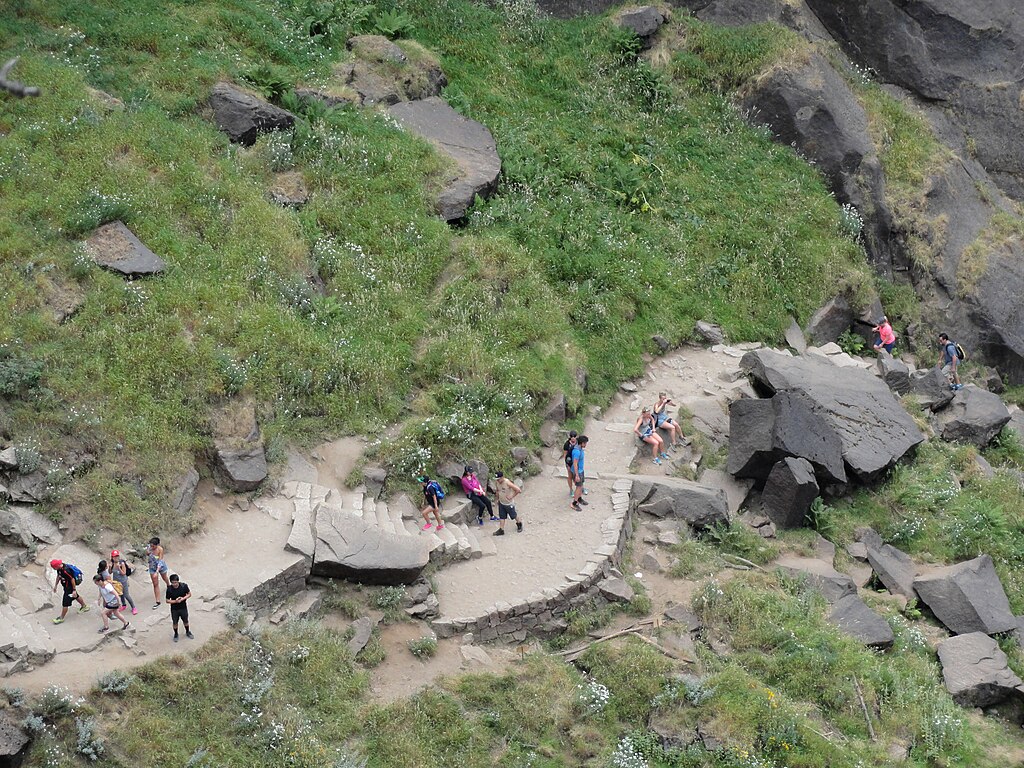
The Mist Trail in Yosemite National Park features a series of steep granite stairs that stay perpetually wet from waterfalls. These slippery steps often cause hikers to lose their footing and suffer from lower extremity injuries like sprained ankles. Thousands of visitors crowd the narrow path every day which increases the likelihood of accidents and various medical emergencies. Rescue teams frequently assist people who have slipped or become exhausted while navigating the relentless vertical climb. Staying alert and maintaining a firm grip on the metal railings can prevent many of these common accidents in the park.
South Kaibab Trail
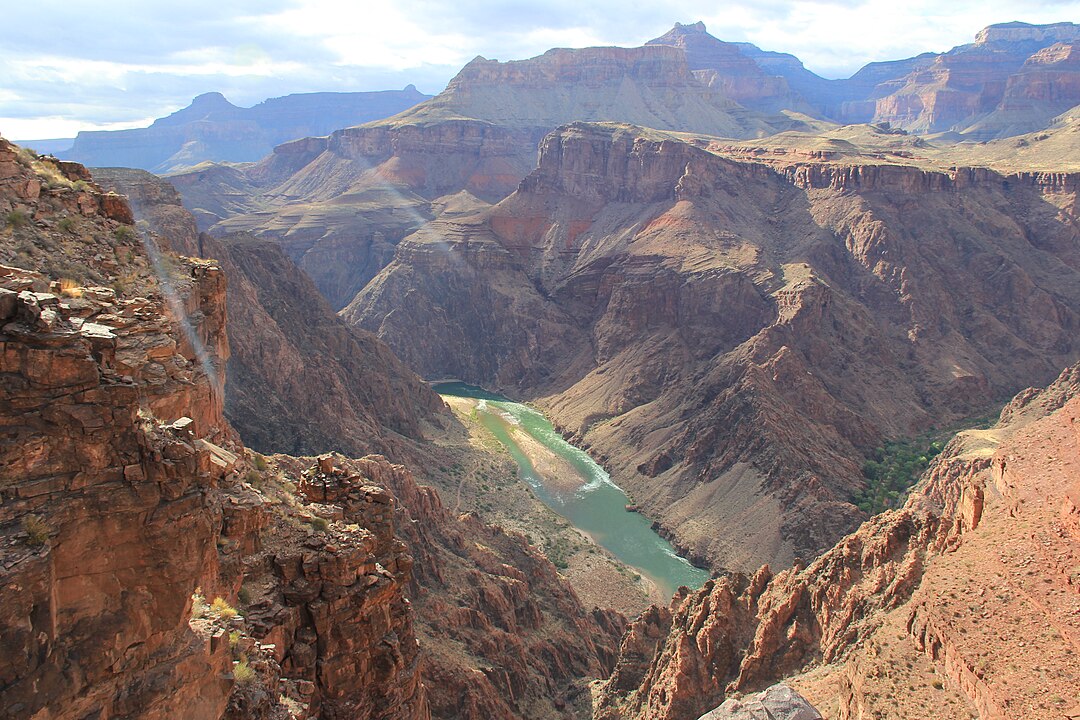
South Kaibab Trail in the Grand Canyon offers stunning panoramic views but very little shade for the exposed hiker. This route is steeper than others and places a massive amount of physical stress on the knees and heart. Many people suffer from heat stroke because there are no water sources along the entire length of the path. Search and rescue teams must often utilize helicopters to evacuate individuals who collapse from the intense heat and dry air. Carrying an ample supply of water and snacks is the only way to stay safe during the journey.
Yosemite Falls Trail
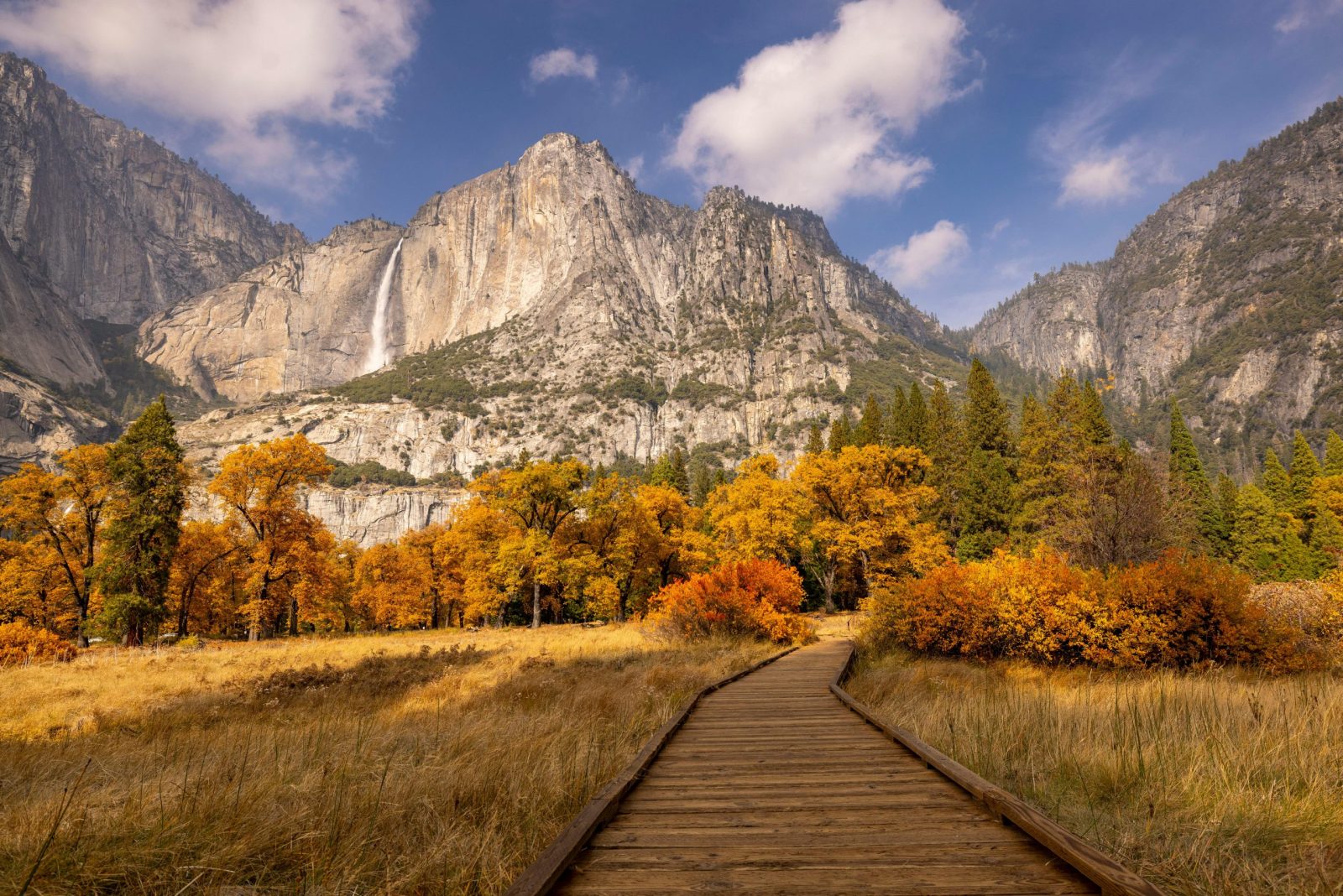
Yosemite Falls Trail involves a brutal elevation gain over a relatively short distance which leads to rapid physical fatigue. Hikers often experience muscle cramps and severe dehydration as they climb the switchbacks under the hot California sun. The trail features loose gravel near steep drop-offs that can cause people to slip and fall toward the edge. Rescuers are frequently called to assist travelers who have underestimated the difficulty of the return trip after reaching the top. Taking frequent breaks and drinking plenty of water will help prevent a dangerous medical situation on the exposed rock.
The Maze
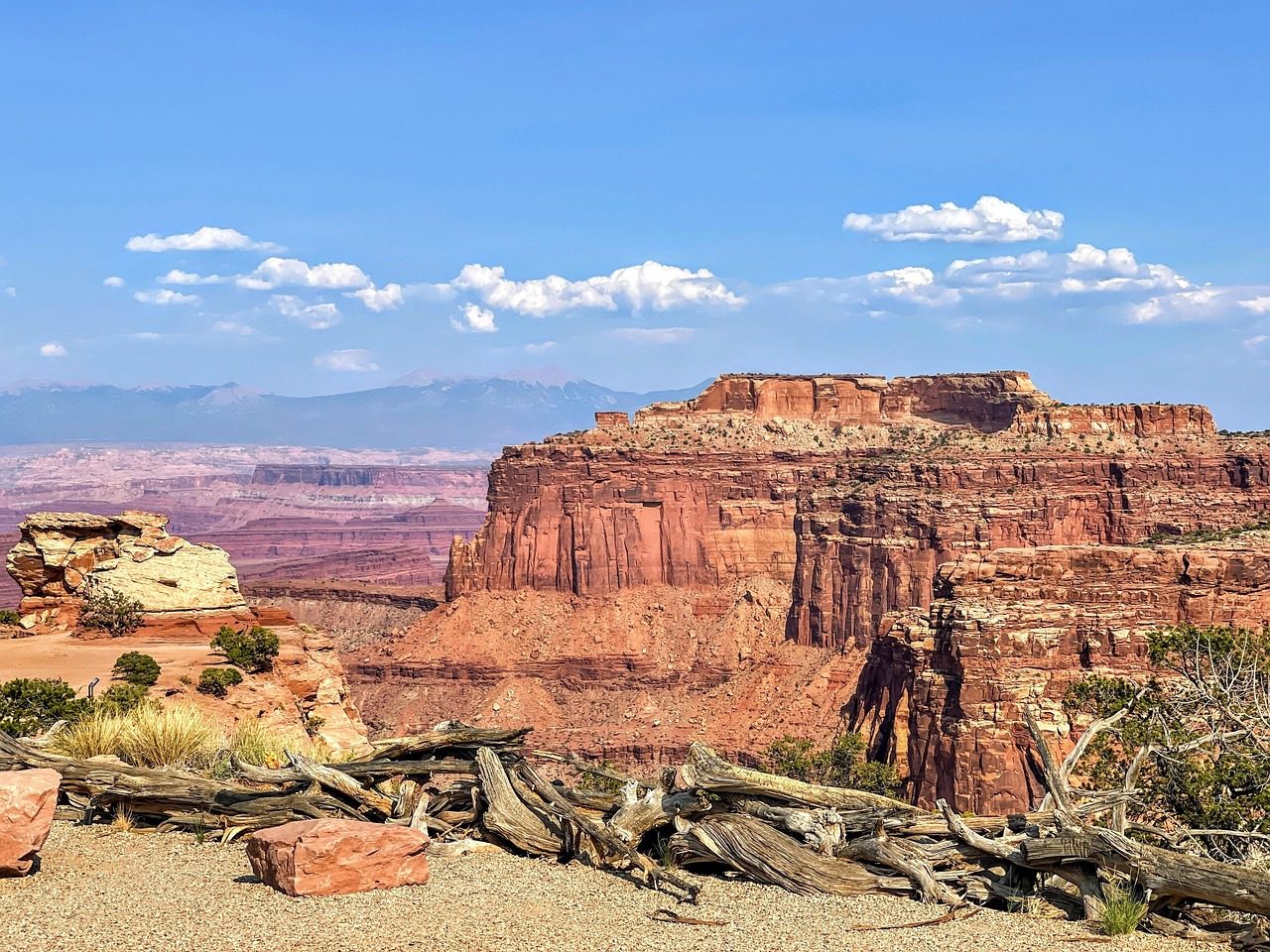
The Maze in Canyonlands National Park is a remote labyrinth of deep sandstone canyons that demands advanced navigation skills. This wilderness area offers no marked trails and requires visitors to be completely self sufficient for several days. Temperatures in the Utah desert frequently reach over one hundred degrees while water remains extremely scarce and hard to find. Rescuers are exceptionally complicated due to the rugged geography and the massive distance from any paved roads or services. It is a place where isolation and the extreme heat create a high stakes survival scenario for anyone today.
Old Rag Mountain
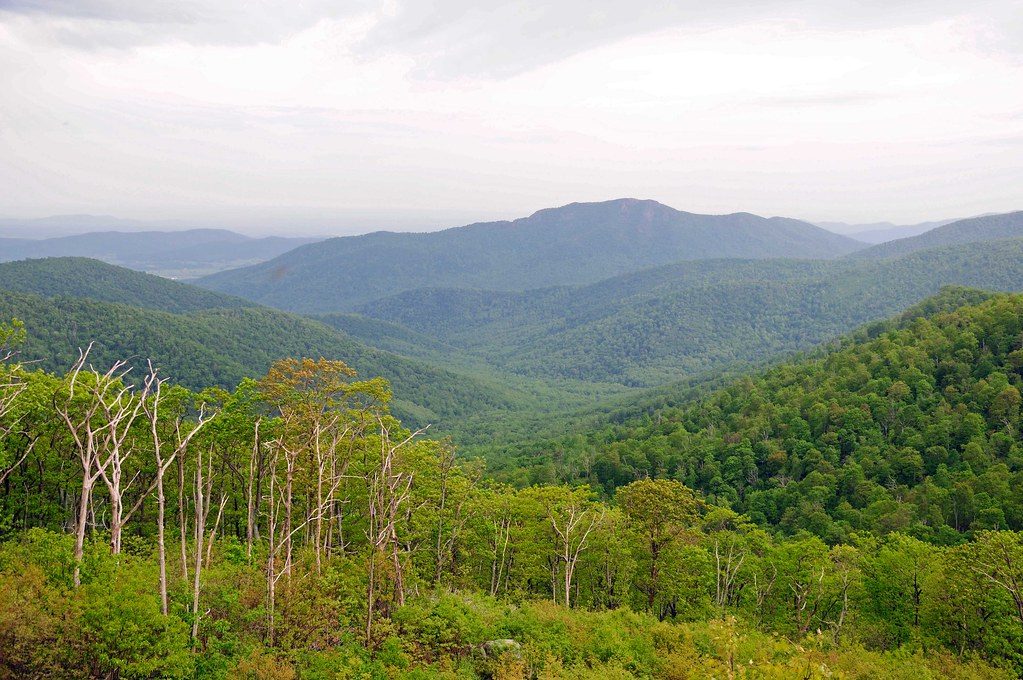
Old Rag Mountain in Shenandoah National Park is famous for its challenging rock scramble that requires full body physical effort. Many hikers suffer from ankle injuries and exhaustion while navigating the narrow crevices and massive granite boulders on the ridge. The high volume of visitors often leads to bottlenecks where accidents are much more likely to occur during busy weekends. Rescue teams spend significant time assisting people who have become dehydrated or injured in sections that are difficult to access. Proper planning and a high level of fitness are essential for this very demanding Virginia hike.
Mount Whitney
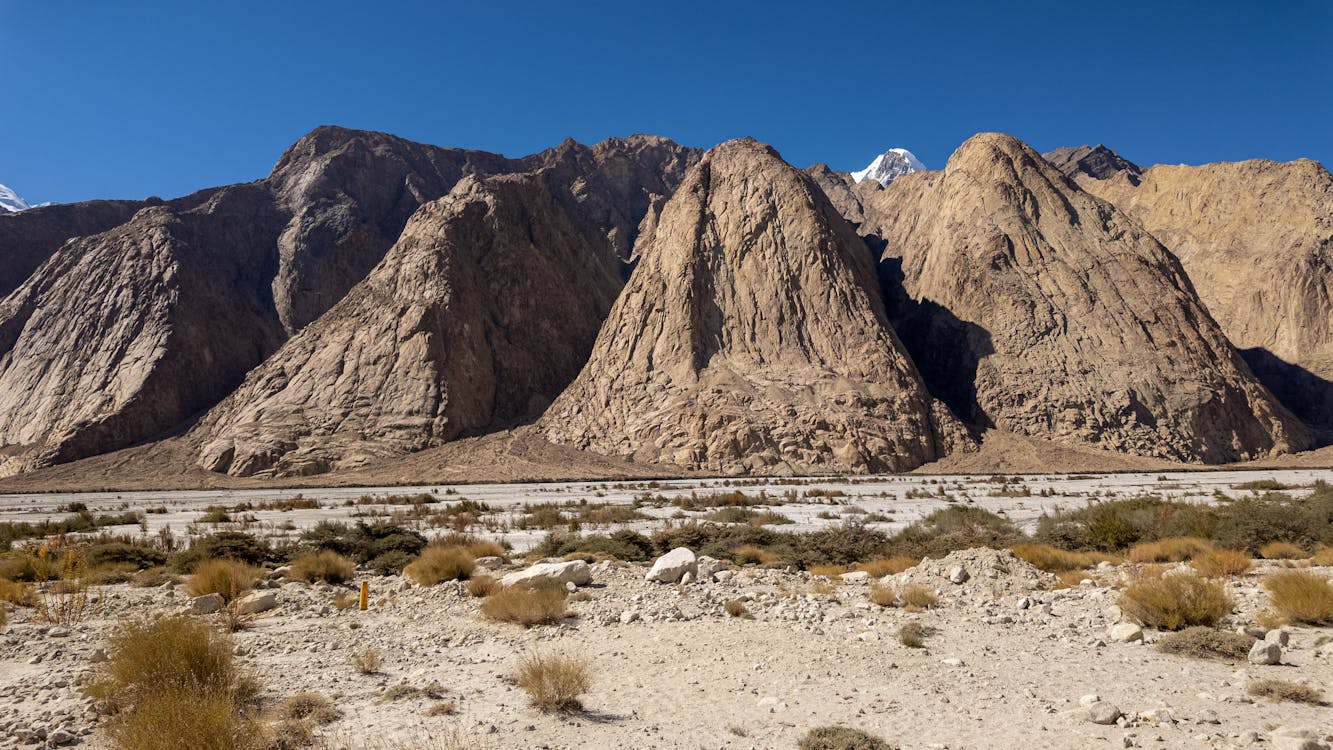
Mount Whitney stands as the tallest peak in the lower forty eight states and attracts thousands of ambitious hikers annually. The high altitude frequently causes severe mountain sickness and headaches that can progress into life threatening conditions if ignored. Sudden storms bring freezing rain and lightning to the exposed slopes which makes the descent extremely hazardous for everyone involved. Search and rescue operations on this mountain often require specialized teams and aerial support to evacuate injured or sick travelers. Success on this peak requires careful acclimatization and a deep respect for the extreme alpine environment.
Abrams Falls
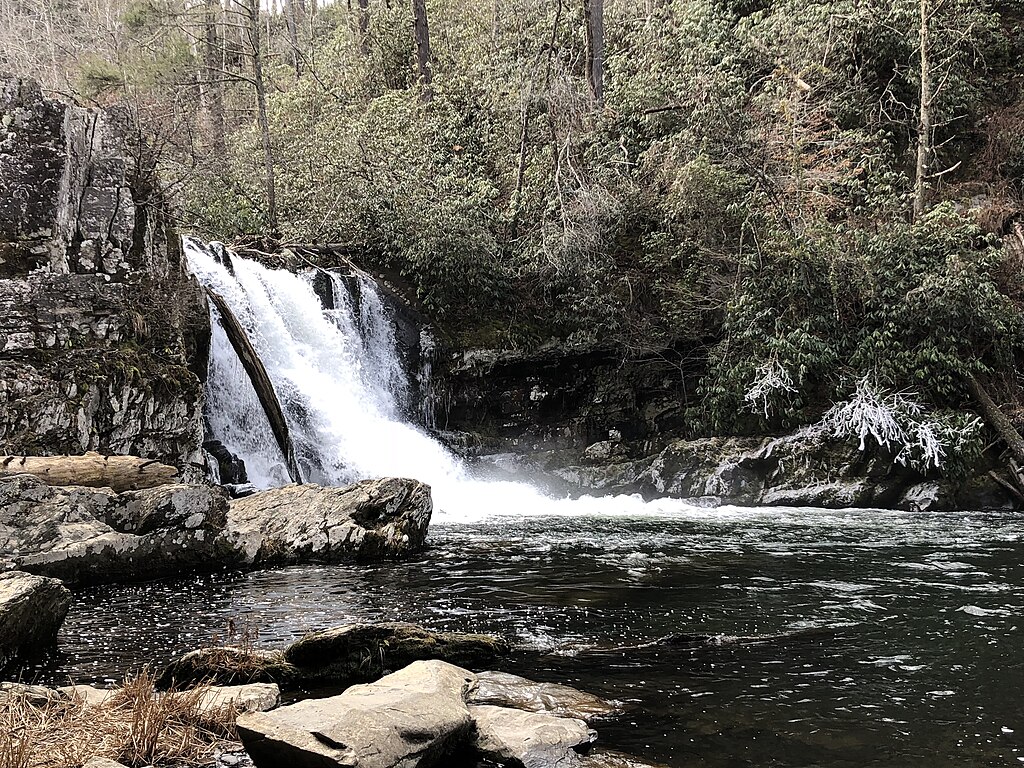
Abrams Falls in the Great Smoky Mountains National Park is a beautiful destination that holds a deceptively high risk. The trail features slippery terrain and strong currents that have led to numerous drownings and serious injuries over the years. Many hikers underestimate the power of the water and the slickness of the rocks near the base of the waterfall. Rescue teams are frequently called to assist individuals who have fallen or become trapped in the churning pools. Staying on the established path and avoiding the water is the best way to ensure a safe visit.