Home defense discussions often focus on power, reputation, and popularity. Many firearms look perfect for protection when you read about them on paper. Magazine capacity, raw stopping power, or military heritage can make a gun sound like the ultimate solution. However, real indoor environments create very different challenges. Tight hallways, thin walls, loud noise, and limited visibility change everything. Some guns that appear ideal actually become difficult, uncomfortable, or even unsafe inside a house. Weight, recoil, muzzle blast, and over-penetration quickly become serious concerns. Owners often realize these issues only after training with the firearm indoors or attempting home-defense drills. The following firearms are frequently mentioned as home-defense options, yet many experienced owners say they perform poorly in confined indoor spaces despite their strong reputations.
1. Desert Eagle .50 AE
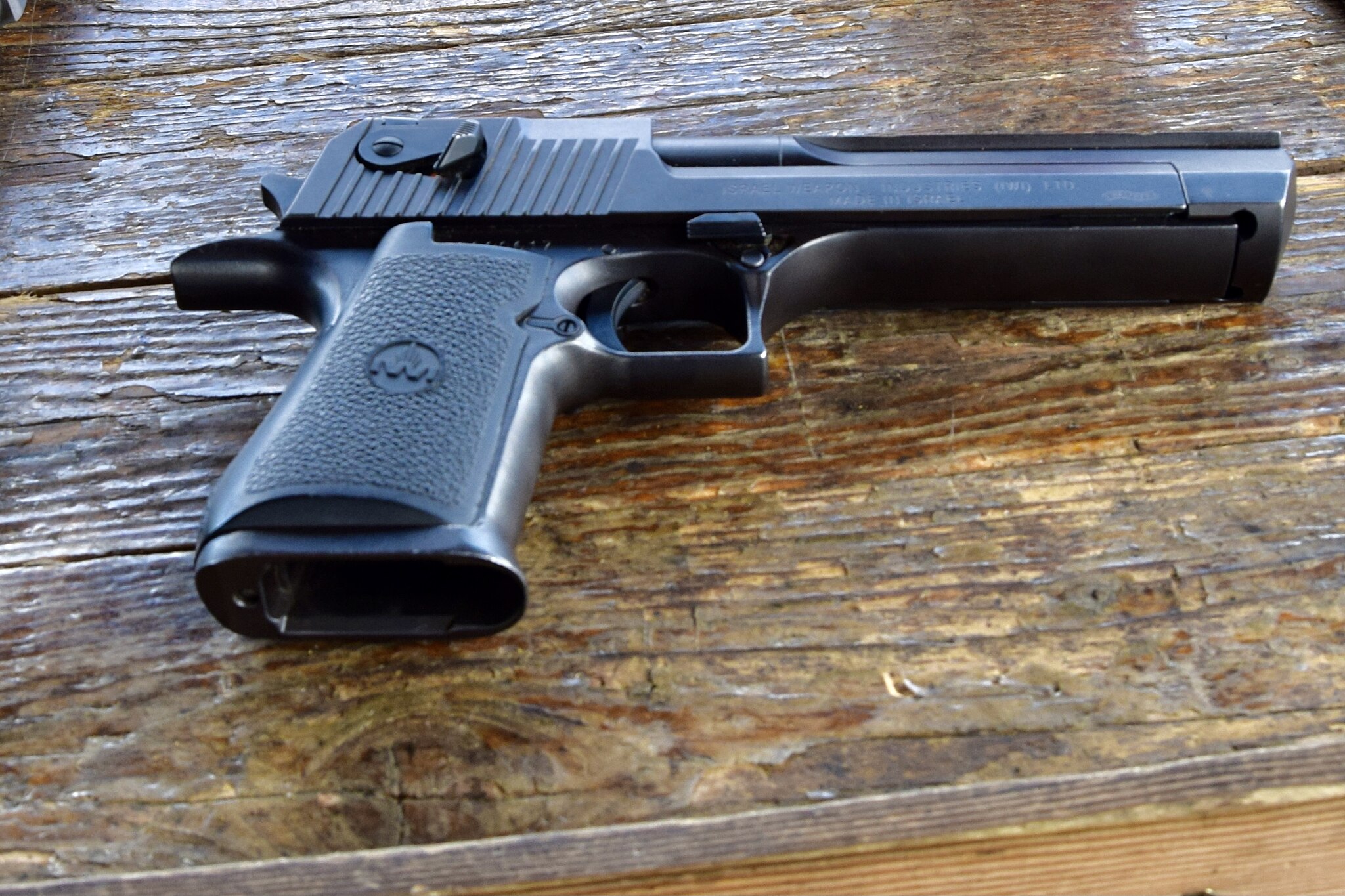
The Desert Eagle .50 AE has an enormous reputation thanks to movies and video games. On paper, it seems powerful enough to stop any threat immediately. In reality, it is one of the least practical firearms for indoor defense. The pistol is extremely large and heavy, making quick handling difficult in tight hallways or bedrooms. Its recoil is intense and requires significant practice to control properly. The muzzle blast inside a room is overwhelming and can temporarily disorient the shooter. Follow-up shots are slow because of the gun’s size and recoil impulse. Another serious concern is over-penetration. The .50 AE cartridge can easily pass through interior walls, creating major safety risks in a home environment. Many owners eventually realize that the dramatic power of this handgun creates more problems than advantages when used inside confined spaces.
2. Mossberg 500 with Full-Length Hunting Barrel

The Mossberg 500 is widely respected as a reliable shotgun. However, versions equipped with long hunting barrels often disappoint indoors. These barrels are typically designed for bird hunting or field use, where wide open space allows easy movement. Inside a house, the long barrel becomes a liability. Maneuvering through doorways and narrow hallways becomes awkward and slow. The length also increases the chance of bumping the barrel into walls or furniture during stressful moments. Many owners buy the shotgun thinking any shotgun is perfect for defense, only to realize that barrel length dramatically affects handling. The gun remains dependable, but its configuration matters greatly. A long hunting barrel may be excellent for outdoor shooting, but it feels clumsy in confined rooms where compact control is far more important than an extended sight radius.
3. Ruger Super Redhawk
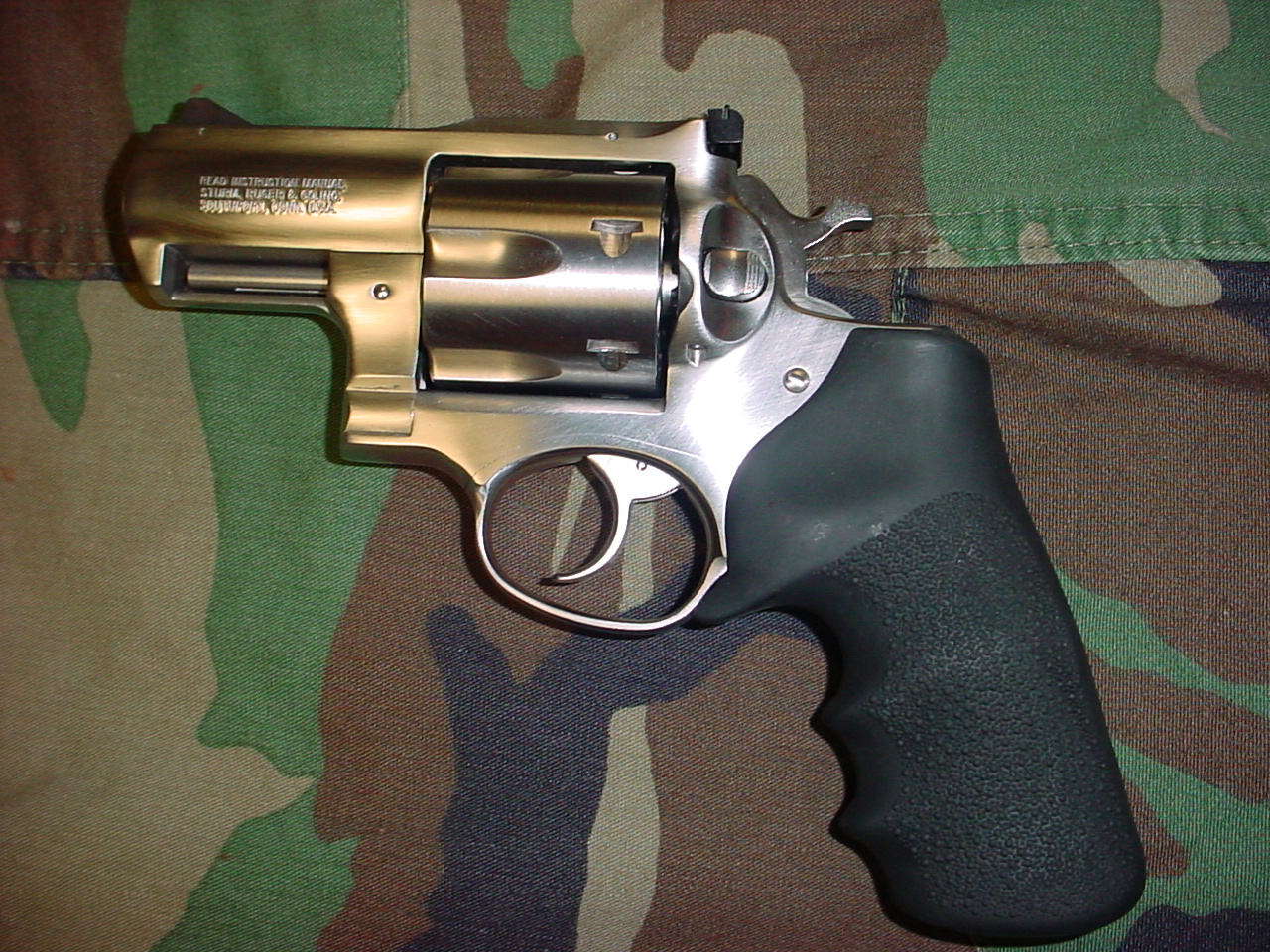
The Ruger Super Redhawk is famous for its strength and durability. It was designed for powerful magnum cartridges used in hunting large animals. That purpose makes it impressive in outdoor environments but problematic indoors. The revolver is large, heavy, and built to handle extreme recoil. Inside a house, those same traits become drawbacks. The gun’s weight slows down quick target transitions, which are essential in defensive situations. The recoil of heavy magnum rounds produces intense muzzle flash and blast in enclosed spaces. Shooting indoors without hearing protection can cause immediate disorientation. Another concern is penetration through walls, which is significant with magnum ammunition. Owners often admire the revolver’s rugged design but discover that its hunting-oriented power and size are not well suited for the tight, controlled conditions of home defense.
4. AK-47 Style Rifles
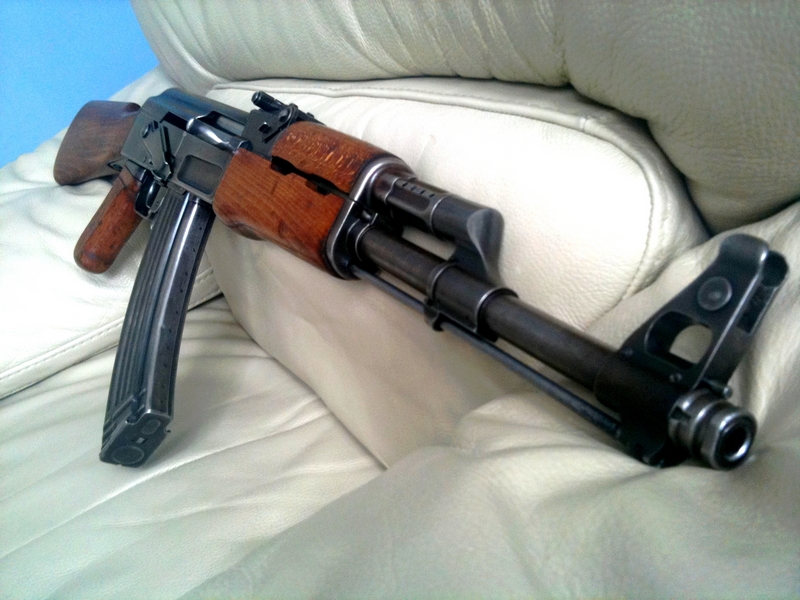
The AK-47 is one of the most recognizable rifles ever produced. Its legendary reliability makes it appealing to many people considering defensive firearms. However, indoor use reveals several drawbacks. The rifle’s 7.62×39 cartridge is powerful and capable of penetrating multiple interior walls. This raises major safety concerns in residential settings. The rifle’s length also makes movement through tight spaces challenging. While the AK platform is rugged and dependable, its design prioritizes battlefield durability rather than indoor maneuverability. Muzzle blast and recoil are also more intense than many shooters expect when fired inside a building. Owners who initially choose an AK for its reputation often realize that rifles built for open terrain and military engagements may not translate well to confined home-defense scenarios.
5. Smith & Wesson .500 Magnum
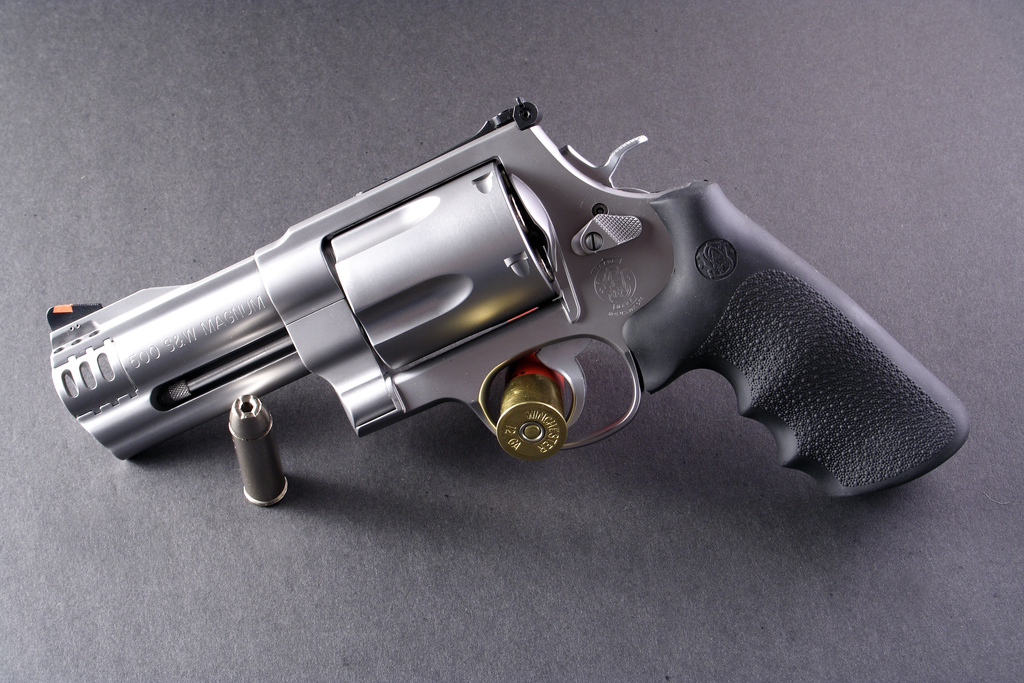
The Smith & Wesson Model 500 represents one of the most powerful production handguns ever made. On paper, its enormous stopping power sounds reassuring for defense. In reality, that power becomes excessive for indoor environments. The revolver produces tremendous recoil and an extremely loud muzzle blast. Firing it inside a room can be physically and mentally overwhelming, especially for inexperienced shooters. The large frame also makes the handgun difficult to handle quickly under stress. Ammunition designed for hunting large animals easily penetrates multiple layers of walls and furniture. This creates serious safety concerns in residential areas. Many owners admire the engineering and raw power of the revolver, but they quickly realize that a handgun designed for big game hunting is far from ideal for protecting a home.
6. Kel-Tec KSG Shotgun
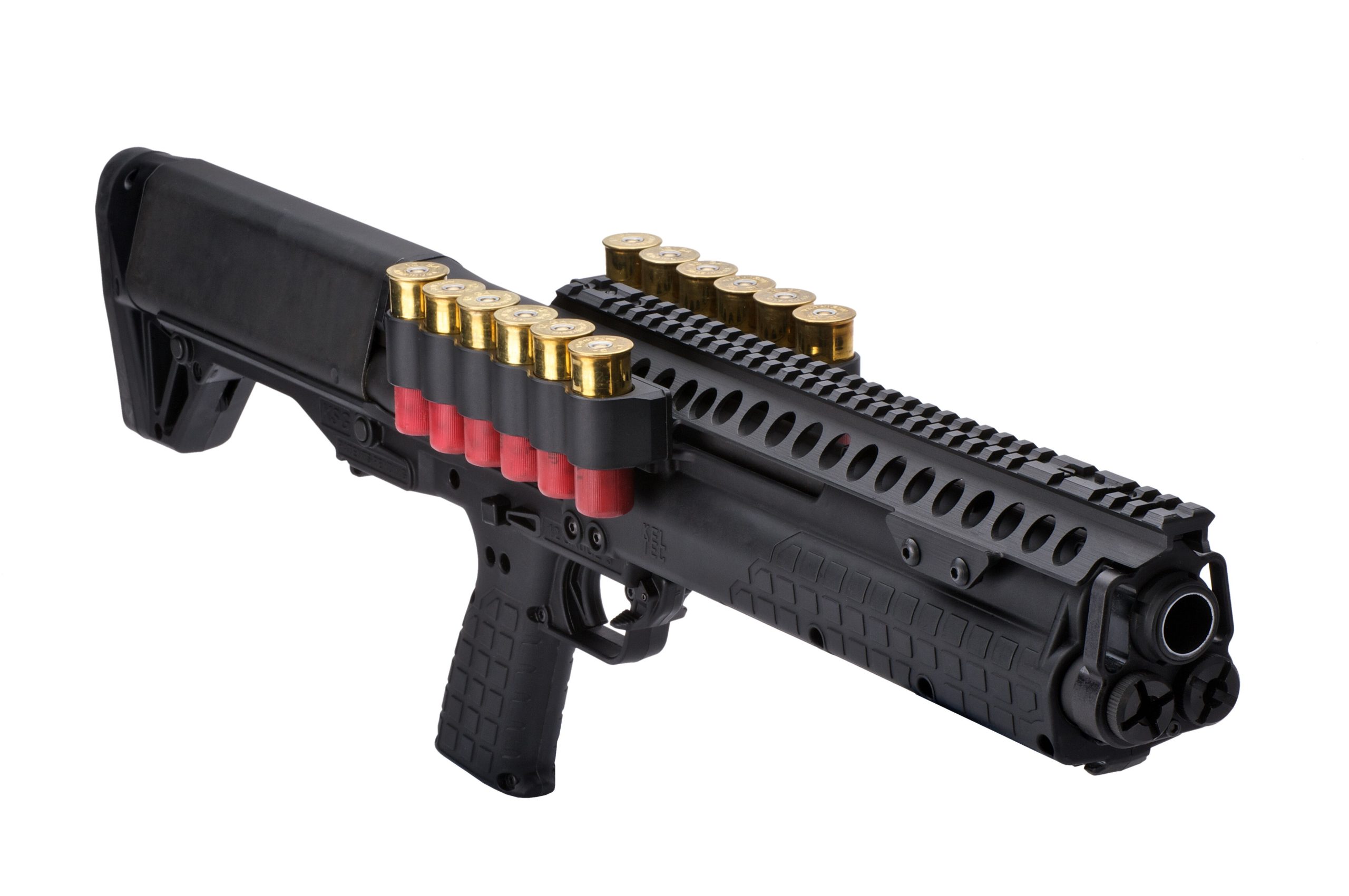
The Kel-Tec KSG attracts attention because of its compact bullpup design and dual magazine tubes. On paper, these features appear perfect for home defense. In practice, many owners report difficulties during actual use. The shotgun requires manual switching between magazine tubes, which can become confusing under stress. Its pump action can also feel stiff compared to traditional shotguns. Because of the bullpup layout, the controls are positioned closer to the shooter’s face, which can feel awkward for some users. Reloading is also slower than expected because shells must be inserted into tubes located behind the grip. While the design is innovative and compact, many shooters eventually conclude that its unusual ergonomics complicate operation during high-pressure defensive situations.
7. Barrett M82
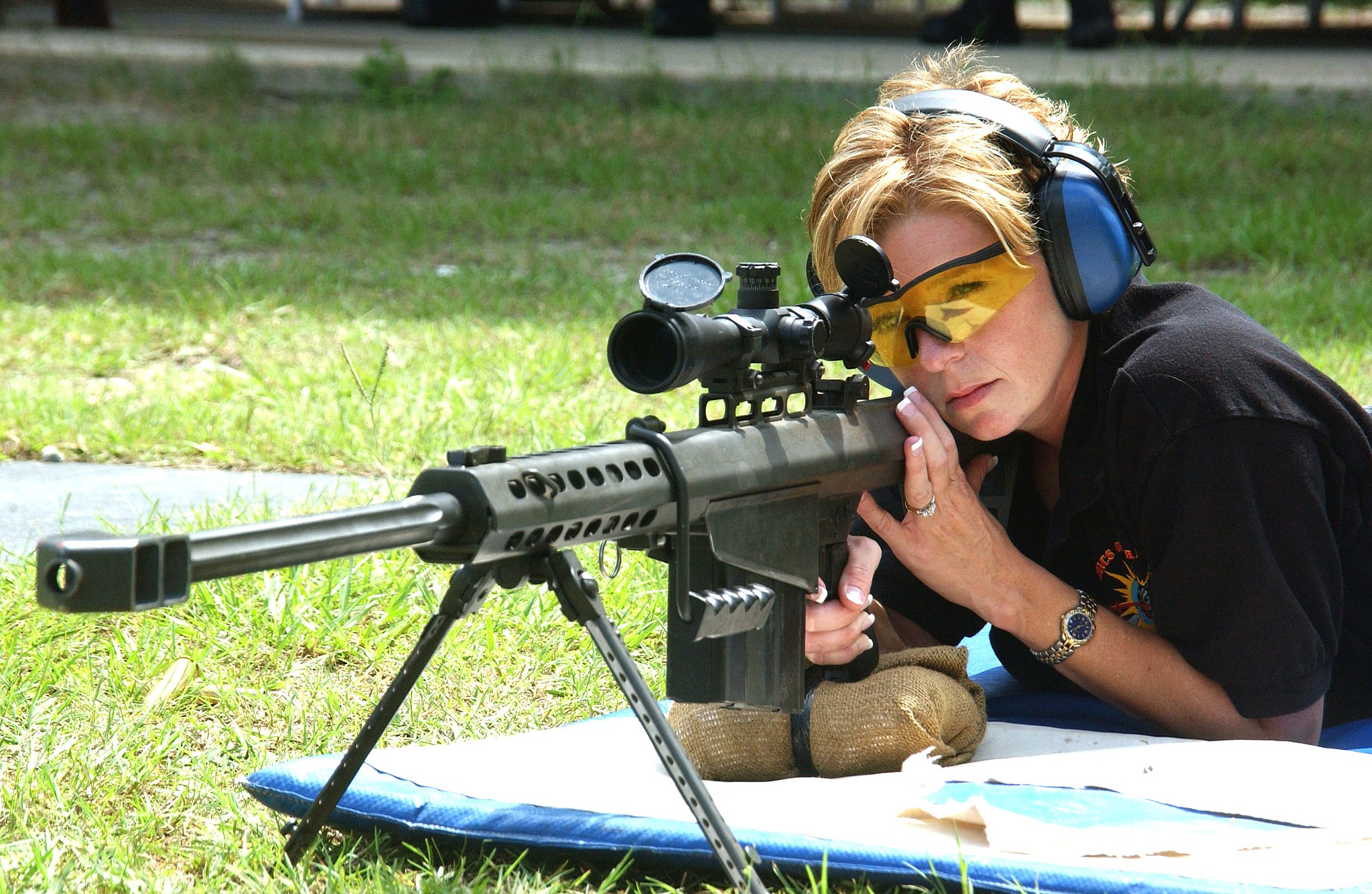
The Barrett M82 is famous as a powerful long-range rifle. Its reputation for extreme distance and power makes it legendary in military history. However, it is completely impractical for indoor defense. The rifle is extremely large and heavy, measuring well over four feet in length. Maneuvering such a firearm inside a house is nearly impossible. The .50 BMG cartridge produces tremendous recoil and a deafening blast even in open spaces. Indoors, the shockwave alone would be overwhelming. The rifle was designed for long-distance engagements and anti-material roles rather than personal protection. Its size, weight, and destructive power make it unsuitable for confined environments. While the rifle is impressive from a technological standpoint, it clearly demonstrates how firearms built for specialized roles rarely translate into effective home-defense tools.
8. Taurus Judge
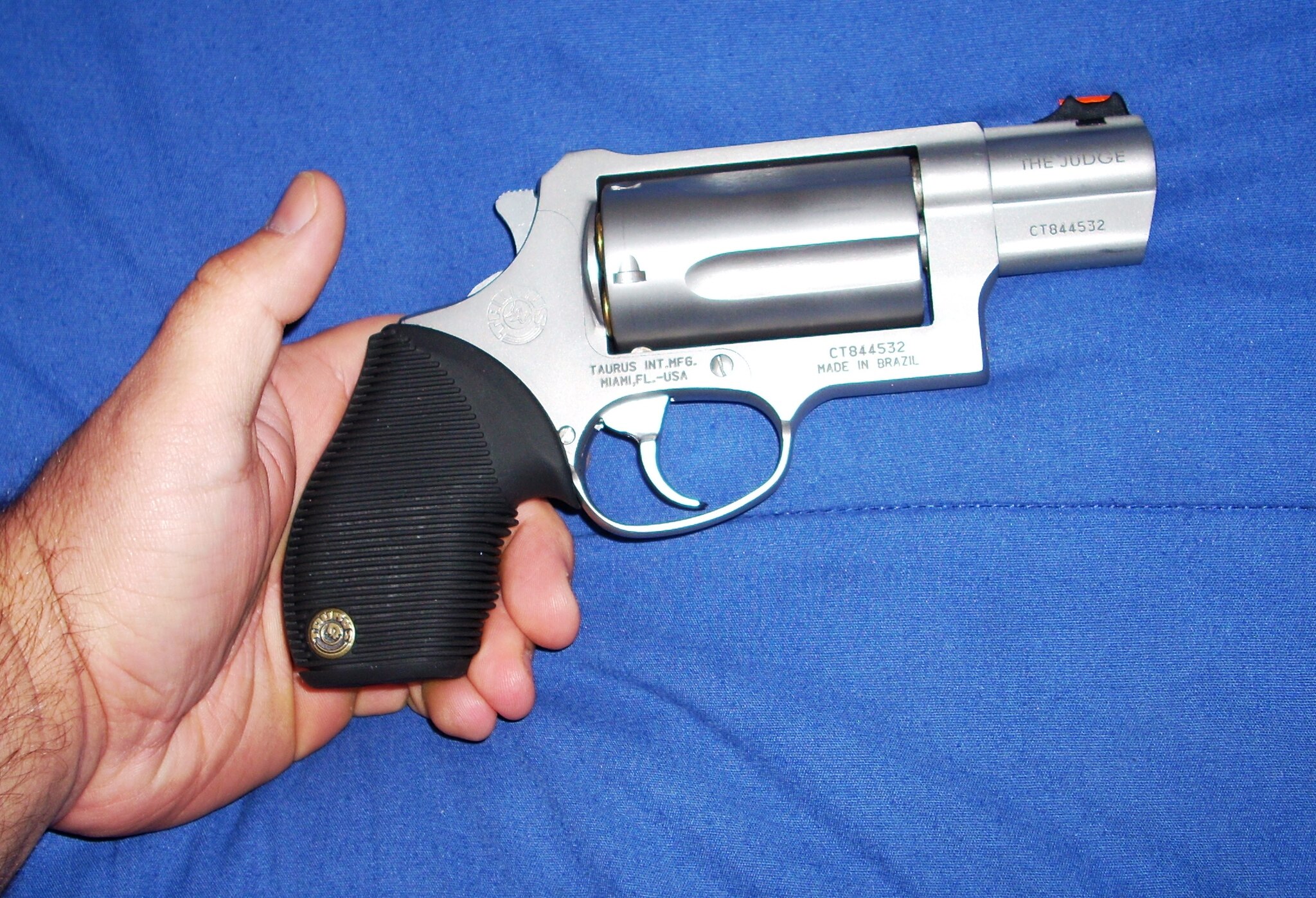
The Taurus Judge became popular because it can fire both .45 Colt cartridges and .410 shotgun shells. This unusual capability makes it sound extremely versatile. Many buyers believe the shotgun shell option provides an advantage indoors. In practice, performance can be inconsistent. .410 shells fired from a short revolver barrel often produce limited velocity and unpredictable spread patterns. At typical room distances, the pellets may not spread enough to provide the effect many owners expect. The revolver is also bulky for a handgun, which can make concealed storage or quick handling awkward. While the concept is creative and appealing, real-world experience shows that the hybrid design does not always deliver the reliability and predictable performance that home-defense situations demand.
9. Remington 870 with Heavy Recoil Loads
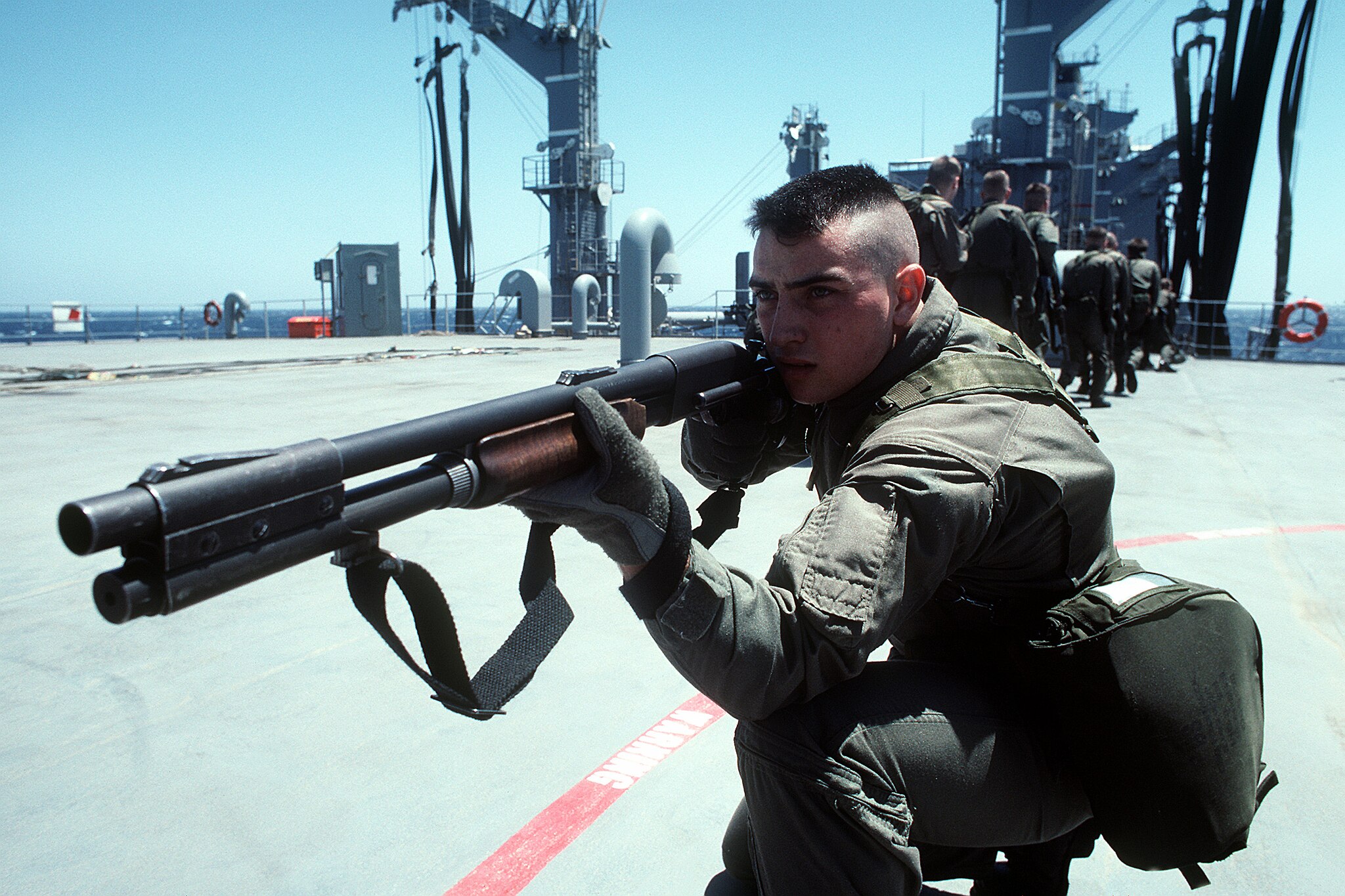
The Remington 870 is one of the most respected pump-action shotguns ever built. However, some owners choose extremely powerful loads, believing they will improve defensive performance. Heavy magnum shells can create significant recoil and muzzle blast indoors. This makes rapid follow-up shots difficult for many shooters. In confined rooms, the sound and pressure can be disorienting without hearing protection. While the shotgun itself remains highly reliable, ammunition choice can dramatically affect usability. Many people discover that lighter defensive loads offer far better control and accuracy during training. The lesson here is not that the shotgun is flawed. Instead, it demonstrates how equipment that appears powerful and impressive on paper can become harder to manage when used inside the tight spaces of a home.
10. FN SCAR 17
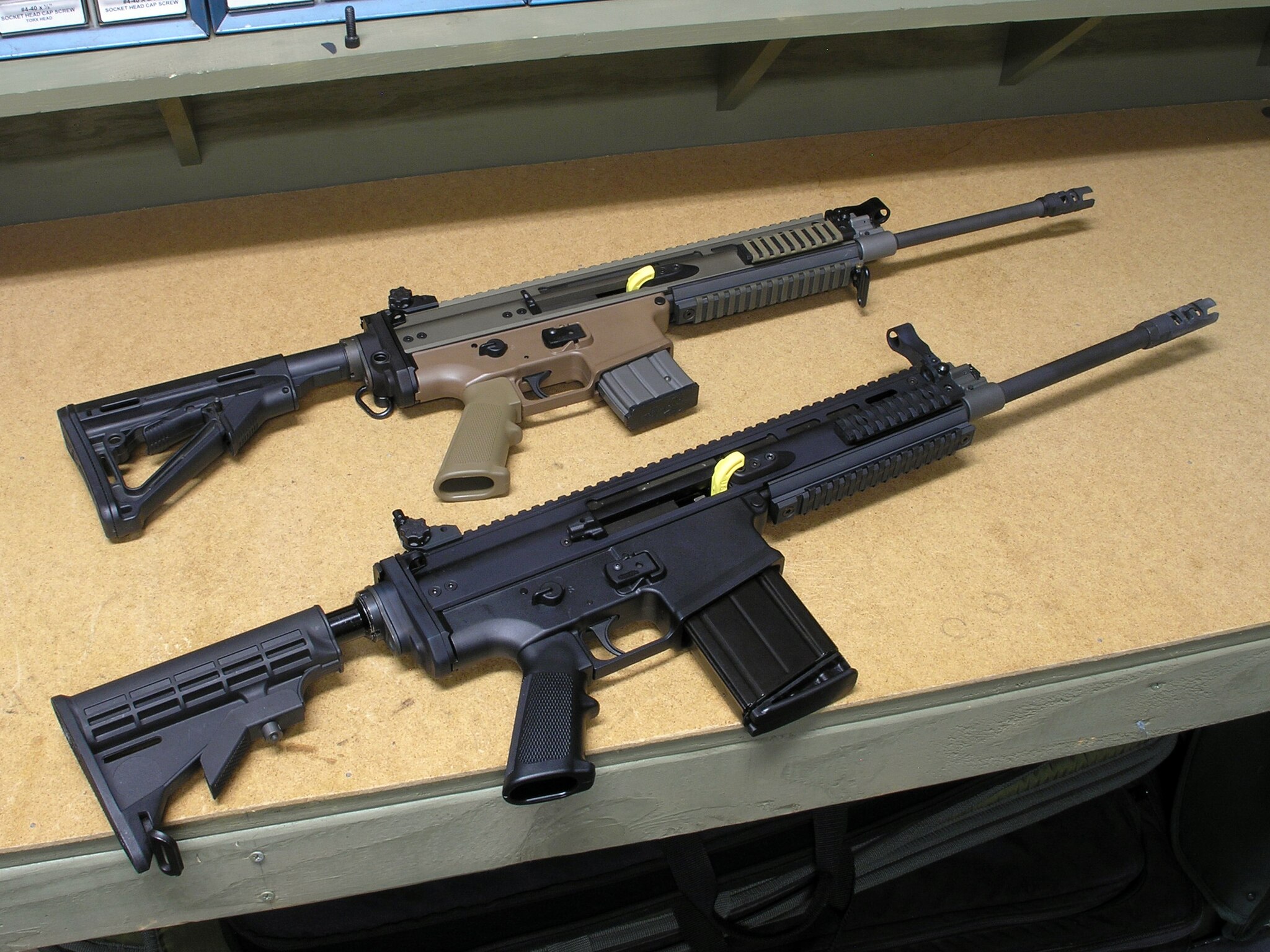
The FN SCAR 17 is a modern battle rifle chambered in 7.62 NATO. It has an excellent reputation for accuracy and military reliability. Despite these strengths, it often proves excessive for indoor defense. The powerful cartridge generates strong recoil and significant muzzle blast. The rifle’s overall length also complicates movement through tight hallways or staircases. Another concern is penetration. The 7.62 NATO round can easily pass through several interior walls, creating serious risks in residential areas. Owners frequently admire the rifle’s engineering and combat pedigree, yet many eventually realize that a rifle designed for battlefield engagements offers far more power than necessary inside a home.
11. Magnum Snub-Nose Revolvers
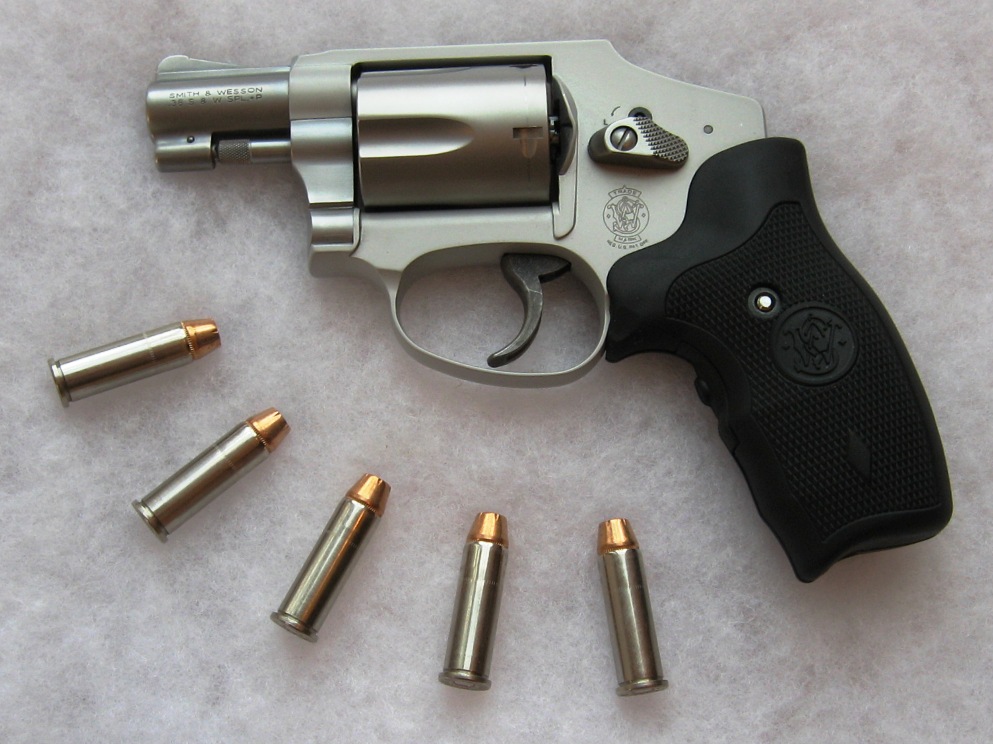
Short revolvers chambered for magnum cartridges appear attractive because they are compact and powerful. However, many owners find them surprisingly difficult to control indoors. The short barrel increases muzzle flash and blast dramatically. Recoil from magnum rounds in lightweight revolvers can be extremely sharp. This makes accurate follow-up shots challenging during stressful situations. The limited capacity of most revolvers also means fewer chances to correct mistakes under pressure. While the compact size helps with storage and accessibility, the harsh recoil and loud blast often discourage regular practice. Many shooters eventually switch to firearms that offer softer recoil and greater capacity, realizing that comfort and controllability are crucial for effective defensive use.
12. Lever-Action Hunting Rifles
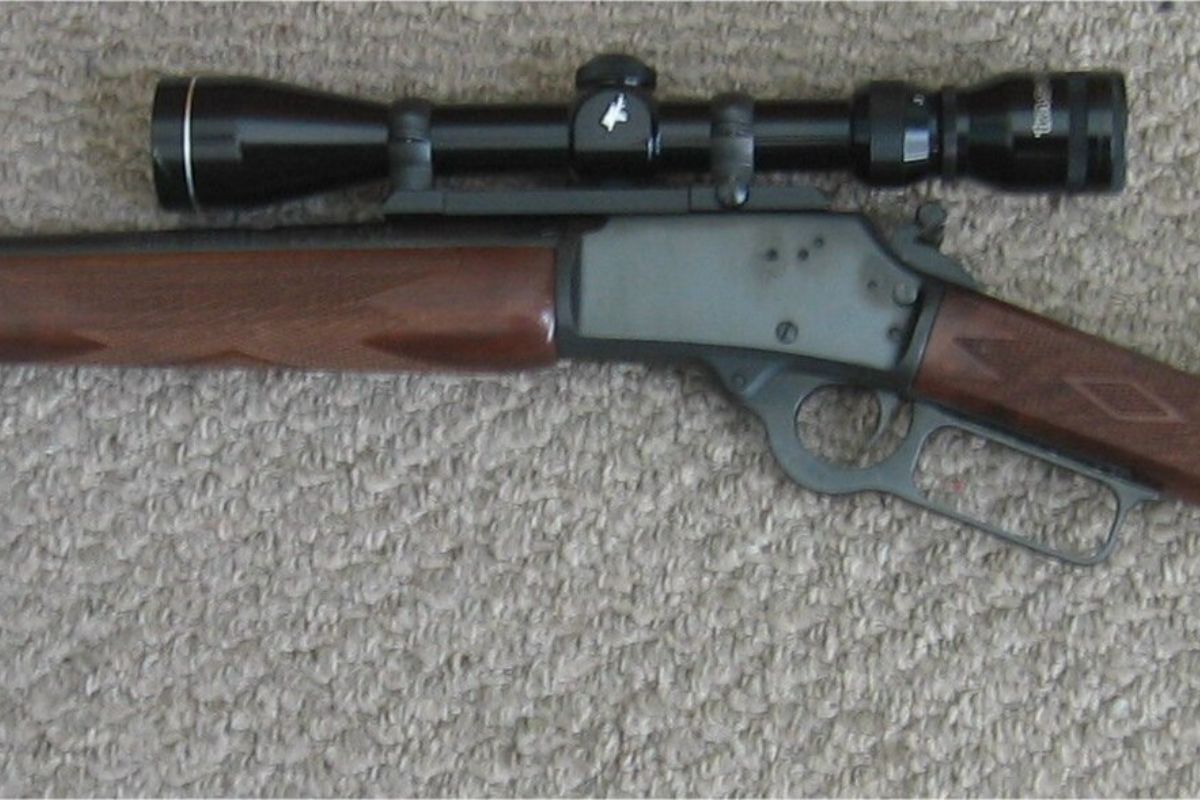
Traditional lever-action rifles such as the Winchester Model 94 are iconic pieces of American firearm history. They are admired for reliability and classic design. However, rifles built for hunting or ranch work may feel awkward indoors. Their longer barrels make navigation through tight spaces difficult. Cycling the lever action quickly also requires practice and can disrupt the shooter’s aim if done improperly. Many lever-action cartridges are powerful enough to penetrate interior walls easily. The rifles remain excellent for outdoor use, but their design reflects a different purpose. Owners sometimes choose them for nostalgic reasons or familiarity, yet discover that modern defensive firearms are typically easier to operate within the confined layout of a house.
13. High-Caliber Bolt-Action Rifles
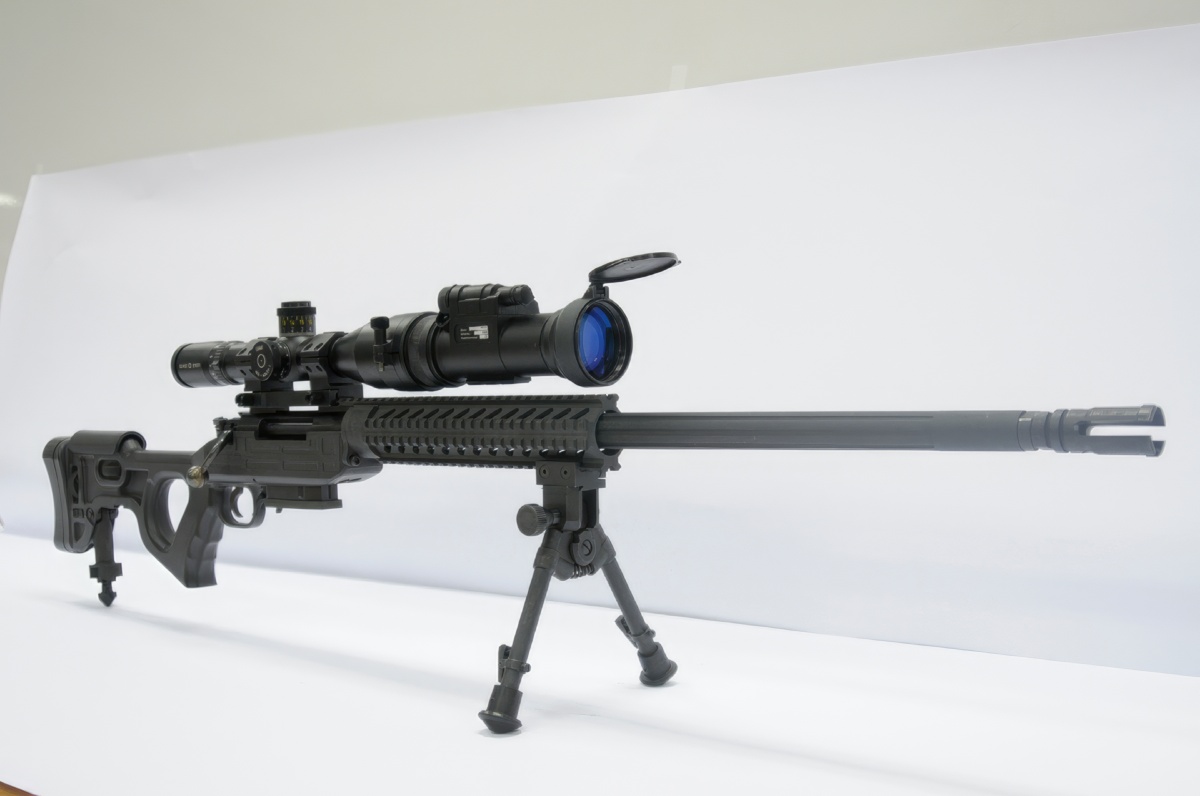
Bolt-action rifles such as the Remington Model 700 are legendary for precision and reliability. They dominate the world of hunting and long-range shooting. However, they rarely perform well in indoor defensive roles. The bolt-action mechanism requires manual cycling between shots, which slows response time during emergencies. These rifles are also usually long and heavy, making them awkward in tight rooms. High-powered hunting cartridges generate significant recoil and muzzle blast. Over-penetration becomes a major safety concern when fired inside a house. While these rifles are exceptional for their intended purpose, their design priorities do not align with the quick handling and controlled power that indoor defensive situations demand.