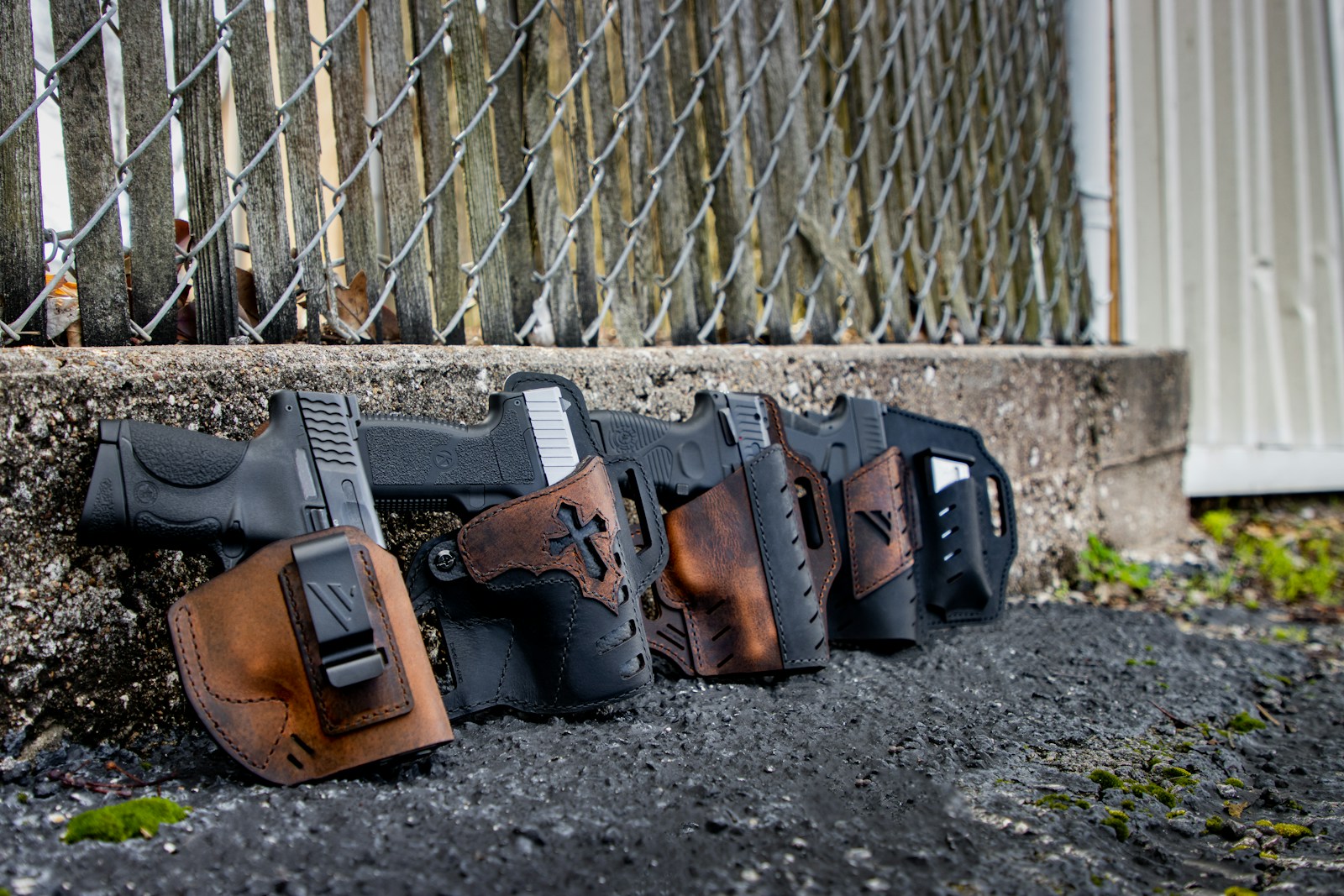
These handguns that fail when you’re rushed reveal how mechanical complexity and specific design choices can hinder performance during high stress defensive encounters. While these firearms might function perfectly during a relaxed afternoon at the shooting range they often present significant challenges when a person must act with extreme speed. Factors such as intricate safety mechanisms and small controls or sensitive triggers can lead to catastrophic errors when fine motor skills diminish under pressure. Understanding these potential pitfalls is essential for anyone selecting a reliable tool for personal protection. This guide examines the models that require extra care.
Nagant M1895 Revolver
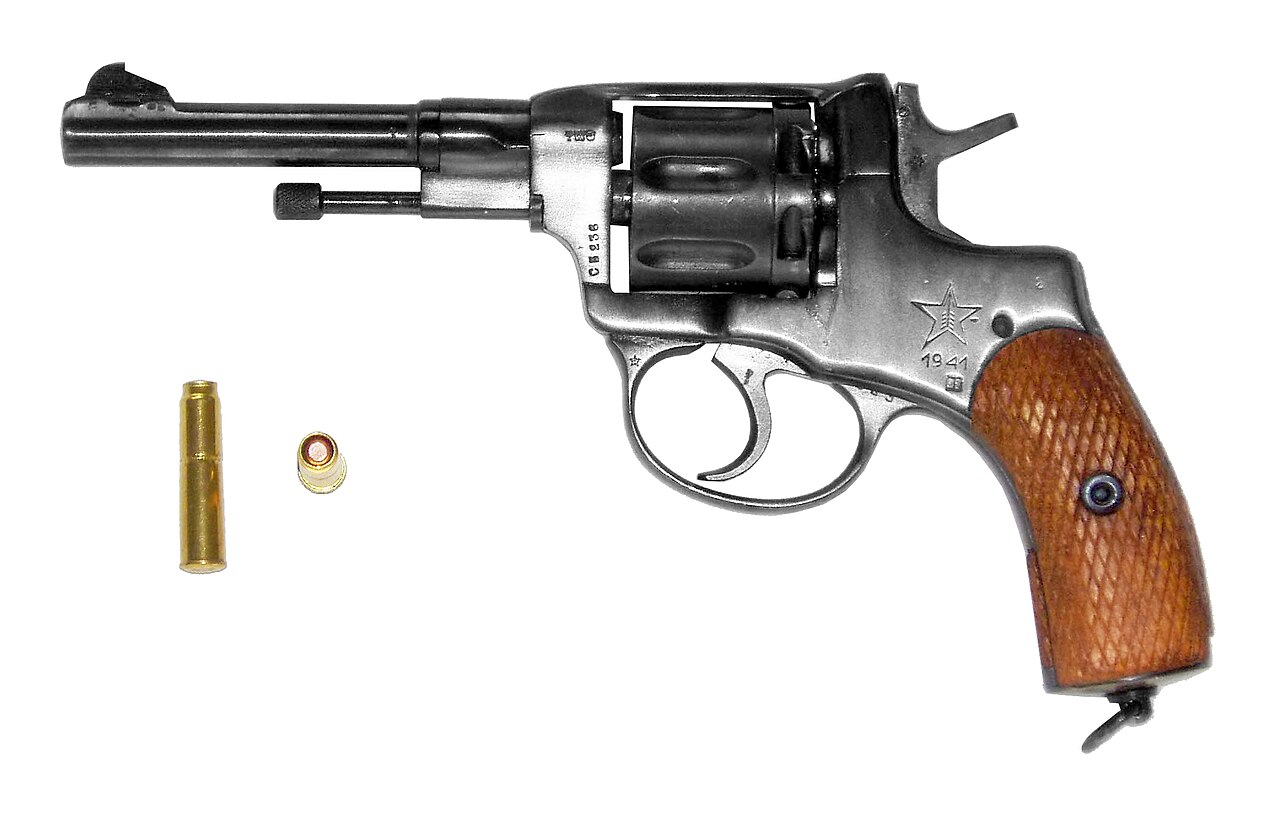
The Nagant M1895 revolver features an incredibly heavy double action trigger pull that makes rapid firing nearly impossible for the average shooter. This unique gas seal design requires the cylinder to move forward before every shot which creates a massive amount of mechanical resistance within the internal system. When a person is rushed the sheer physical effort needed to cycle the trigger can lead to significant target deviation or total muscle fatigue. While the historical significance of this Russian sidearm remains high its practical application in a modern emergency is severely limited by its slow and very clunky operation.
Luger P08
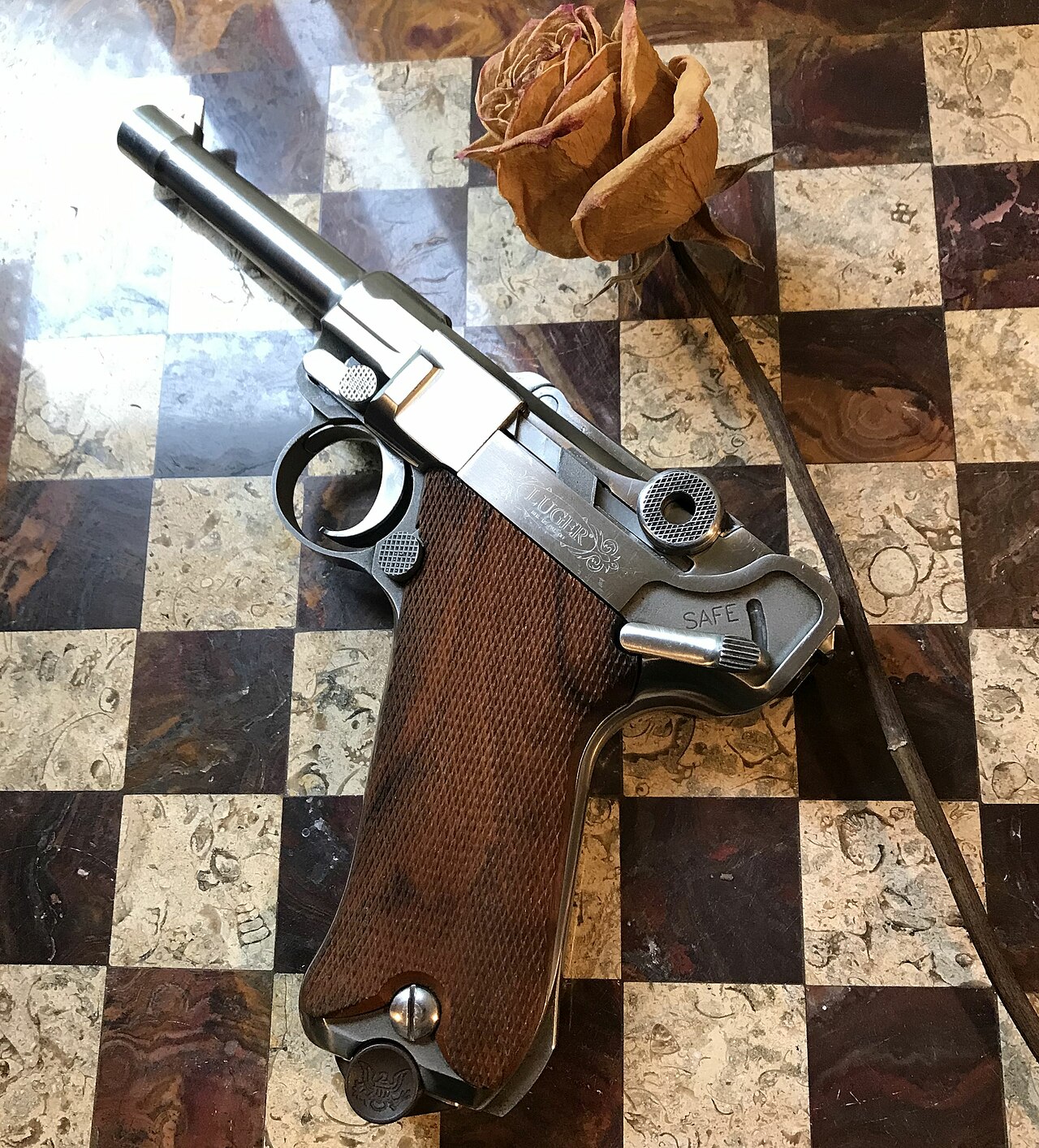
The Luger P08 is a masterpiece of early twentieth century engineering but its delicate toggle lock action is notoriously sensitive to dirt and debris. This pistol requires a very firm and consistent grip to cycle reliably which often fails when a shooter is moving quickly or under intense stress. The small sights and thin grip safety can be difficult to manage when adrenaline is pumping through the body during a crisis. If the toggle does not fully lock the weapon will fail to fire and leave the user vulnerable. This iconic firearm demands a level of precision that disappears when rushed.
Nambu Type 14
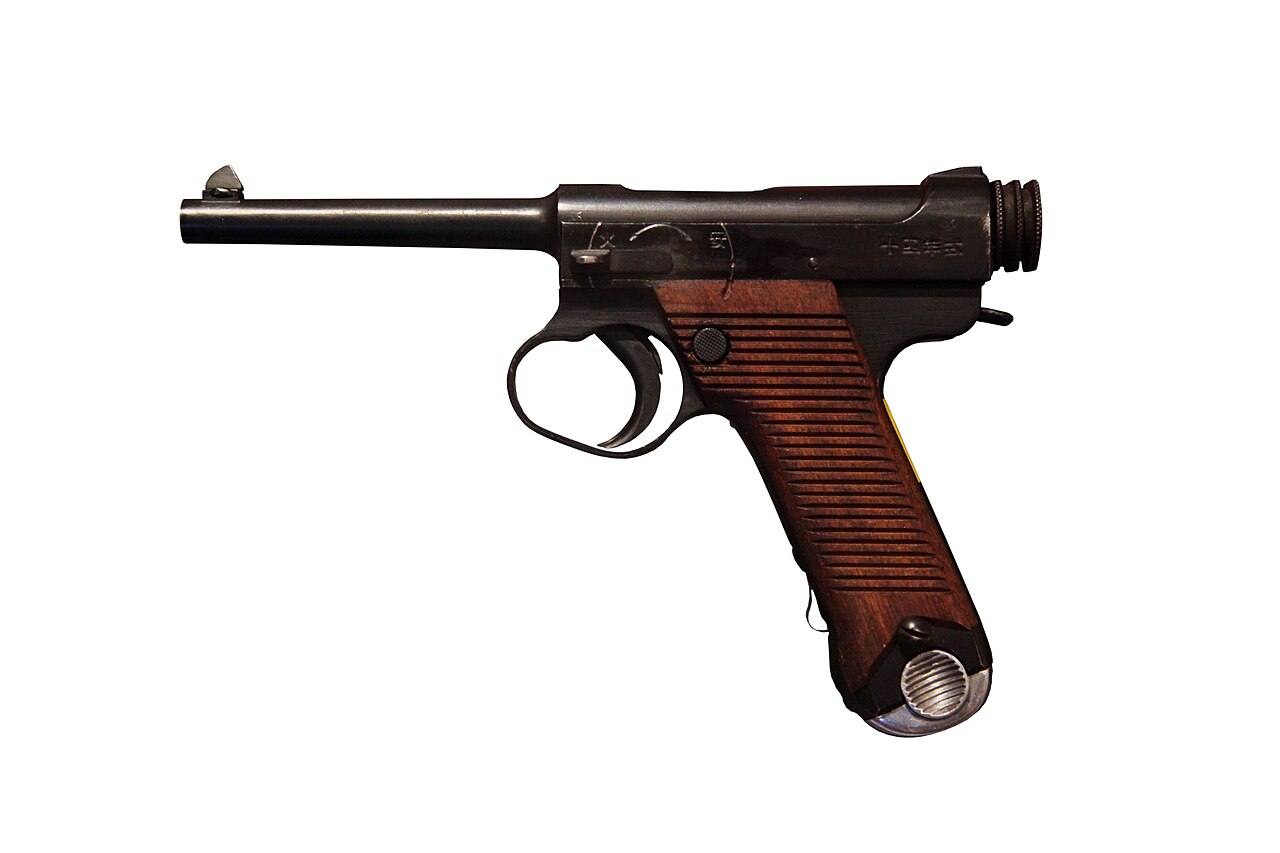
The Nambu Type 14 was the primary sidearm for Japanese officers but it suffered from several significant design flaws that make it unreliable today. Its weak firing pin and poorly designed safety lever are difficult to operate quickly especially when wearing gloves or dealing with sweaty hands. The magazine release is positioned in a way that makes rapid changes extremely awkward and prone to snagging on clothing or gear. In a rushed environment the complex internal springs often fail to feed rounds properly into the chamber. This pistol proves that aesthetic beauty does not always translate into reliable field performance.
Colt Model 1908 Vest Pocket
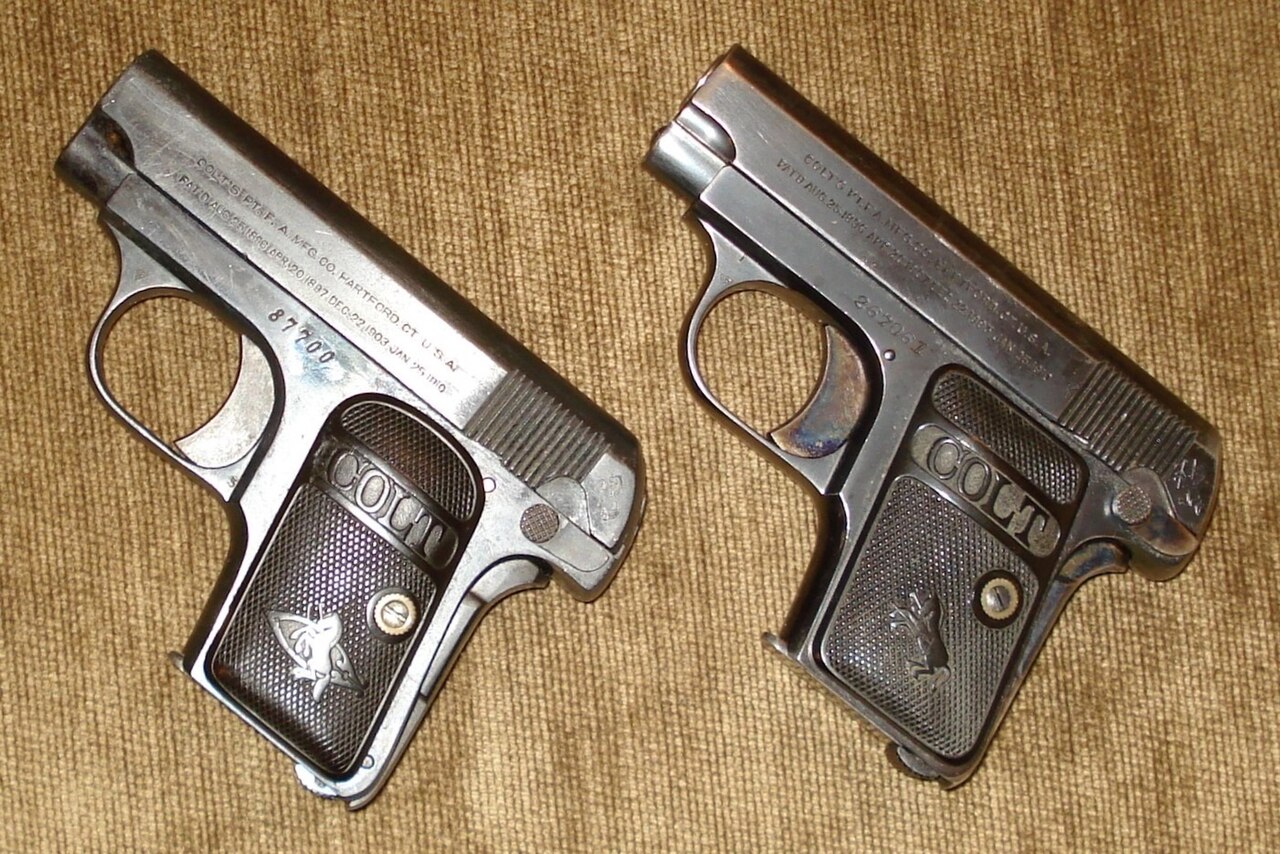
The Colt Model 1908 Vest Pocket is a diminutive firearm designed for deep concealment but its tiny size makes it very difficult to handle. The small slide and lack of substantial grip area mean that a shooter often struggles to find a secure hold when acting with speed. Its safety lever is microscopic and nearly impossible to disengage quickly under the pressure of a real world threat. The low caliber and minimal sights further complicate the ability to deliver effective hits on a target during a chaotic moment. This pocket pistol is a classic example of size compromising true functional utility.
Walther PPK
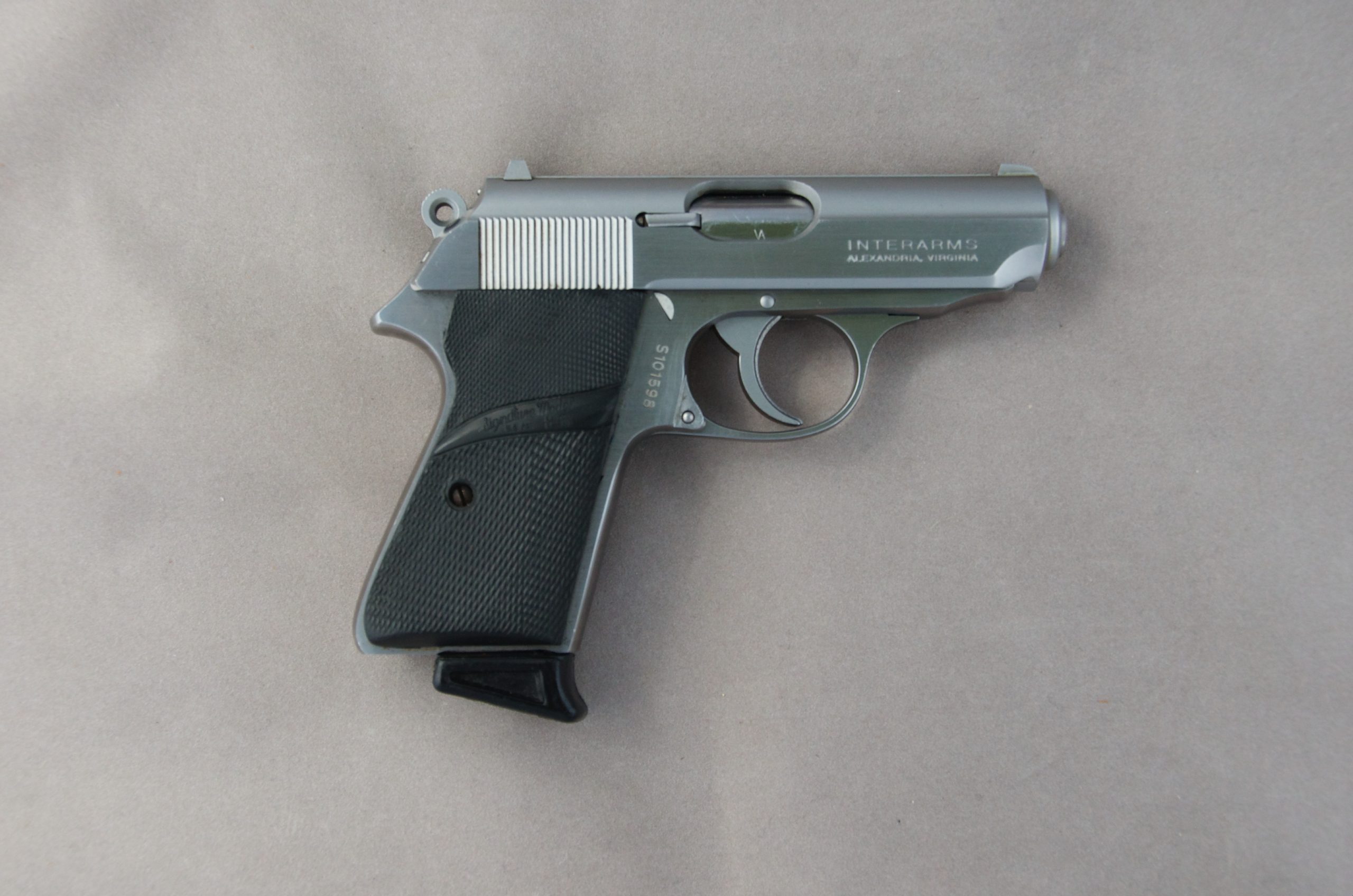
The Walther PPK is famous as a cinematic icon but many modern shooters find its heavy double action trigger and sharp recoil difficult. The small frame often results in slide bite where the moving parts cut the hand of the shooter if they use a high grip. When rushed the transition from the heavy first pull to the light second pull can cause significant accuracy issues for the person. Its small sights are hard to acquire quickly in low light conditions or during a rapid draw from a holster. This elegant firearm requires immense training to master for defensive use.
Beretta 21A Bobcat
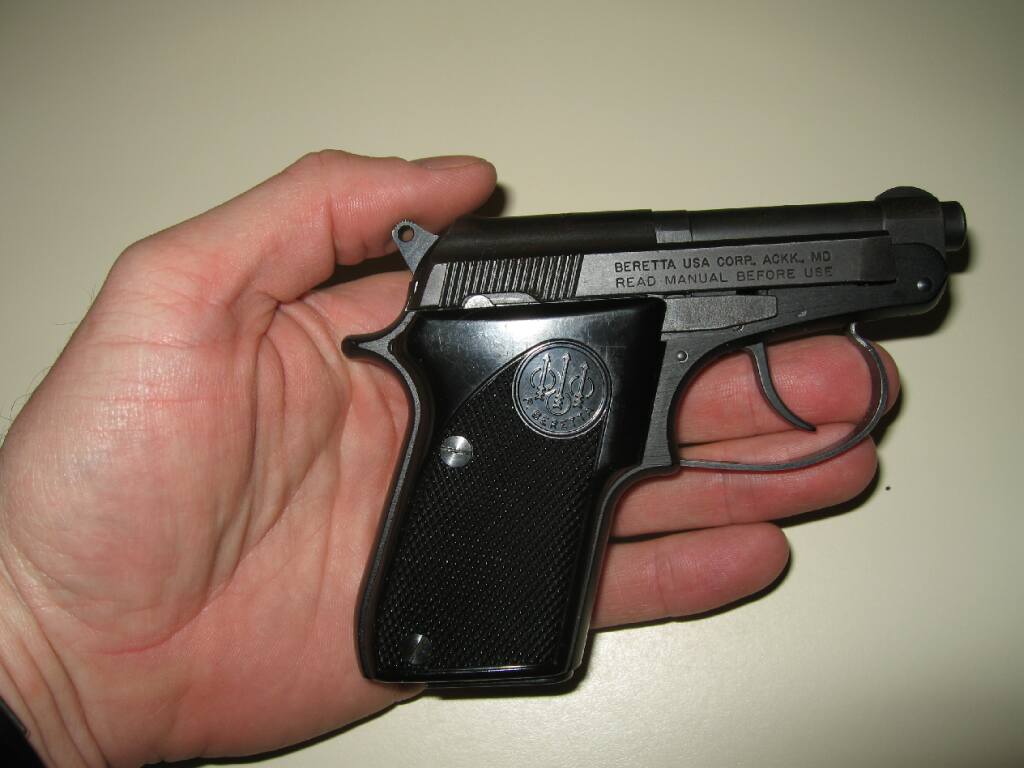
The Beretta 21A Bobcat utilizes a unique tip up barrel design that eliminates the need to rack the slide for the first round. However this small twenty two caliber pistol lacks an extractor which means it relies solely on blowback energy to clear spent casings from the chamber. If the firearm is slightly dirty or if the ammunition is weak it will frequently experience failure to eject malfunctions during rapid fire. Clearing these jams while rushed is a slow and frustrating process that can be very dangerous. This model is best suited for casual plinking rather than high stakes protection.
Kel-Tec P3AT
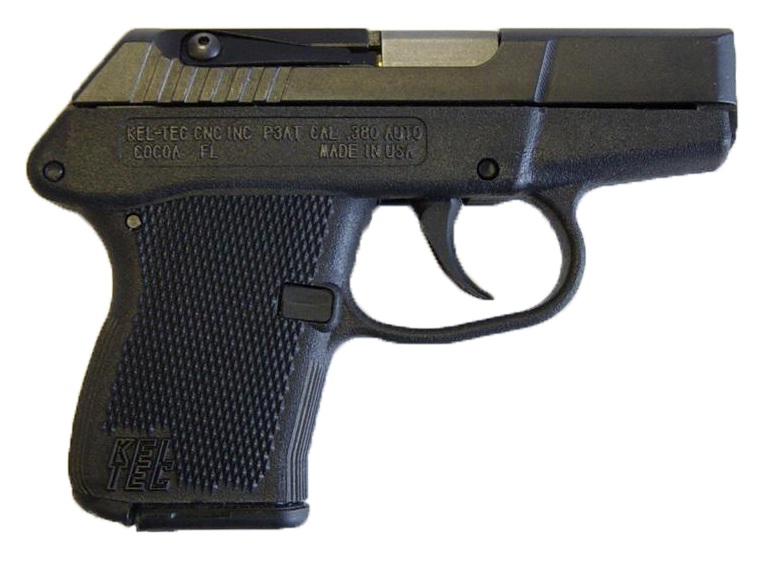
The Kel-Tec P3AT was a pioneer in the ultra lightweight pocket pistol market but its minimal weight results in very snappy recoil. This harsh movement makes follow up shots difficult to track and can cause the shooter to lose their proper grip during a sequence. The long and somewhat vague trigger pull requires a full reset which is easy to short stroke when a person is panicked and moving fast. Its lack of prominent sights makes it strictly a point shoot weapon at very close ranges. This firearm demands significant practice to overcome its inherent and very small physical limitations.
Rohrbaugh R9
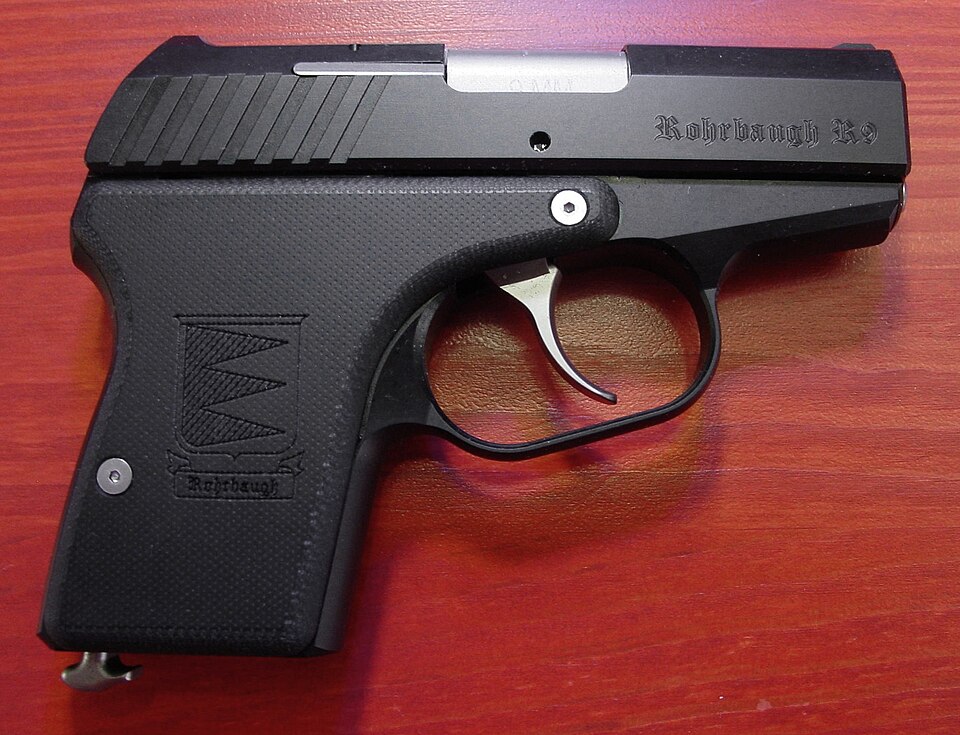
The Rohrbaugh R9 was once the smallest nine millimeter pistol available but its extreme miniaturization came at the cost of long term durability. This handgun requires the recoil spring to be replaced every few hundred rounds to ensure the timing of the action remains consistent and safe. When rushed the intense recoil can be painful and lead to a poor shooting technique that causes frequent stovepipe malfunctions. The lack of a slide lock means the user must manually rack the weapon after every magazine change which is slow. It is a precision tool that fails under rugged conditions.
Seecamp LWS 32
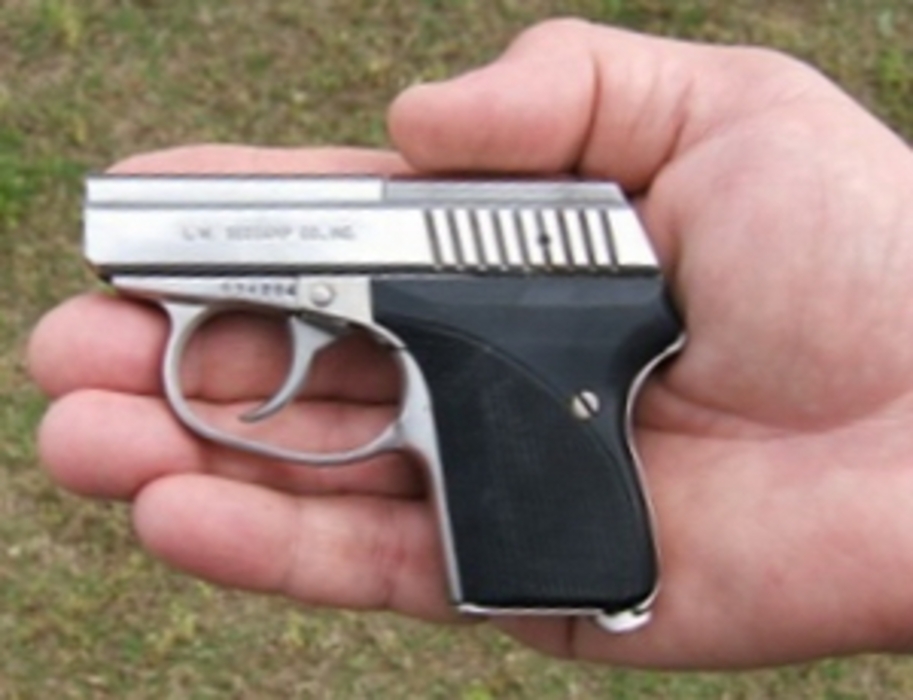
The Seecamp LWS 32 is a beautifully machined pocket pistol that lacks any traditional sights to prevent snagging during a rapid draw. While this makes it excellent for concealment it makes accurate shot placement nearly impossible beyond a few feet in a crisis. The firearm is also extremely picky about ammunition and will only function reliably with specific hollow point brands of a certain length. If a user grabs the wrong box or encounters a slight dud the weapon becomes a paperweight. This level of sensitivity is a major drawback when someone is rushed and needs absolute mechanical certainty.
Smith & Wesson Bodyguard 38
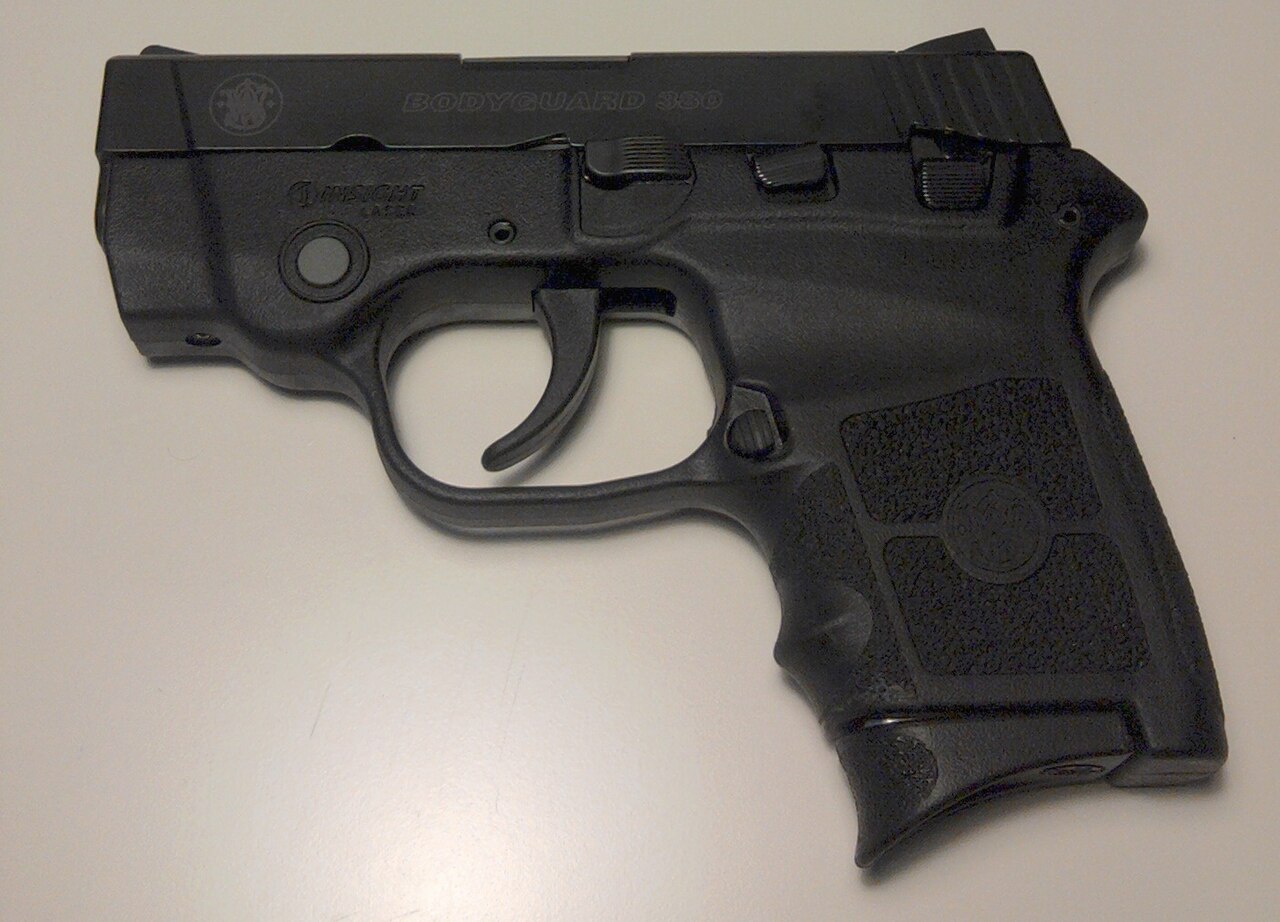
The Smith and Wesson Bodyguard 38 revolver features an integrated laser and a cylinder release located on the top of the frame. This unconventional placement can be confusing for those who are used to the traditional side mounted release found on most other models. When rushed a shooter might fumbled with the controls while trying to reload or activate the laser during a dark encounter. The long and heavy trigger pull also makes it difficult to maintain accuracy during rapid fire sequences. This revolver requires a dedicated commitment to learning its unique and somewhat non standard ergonomics.
Mauser C96
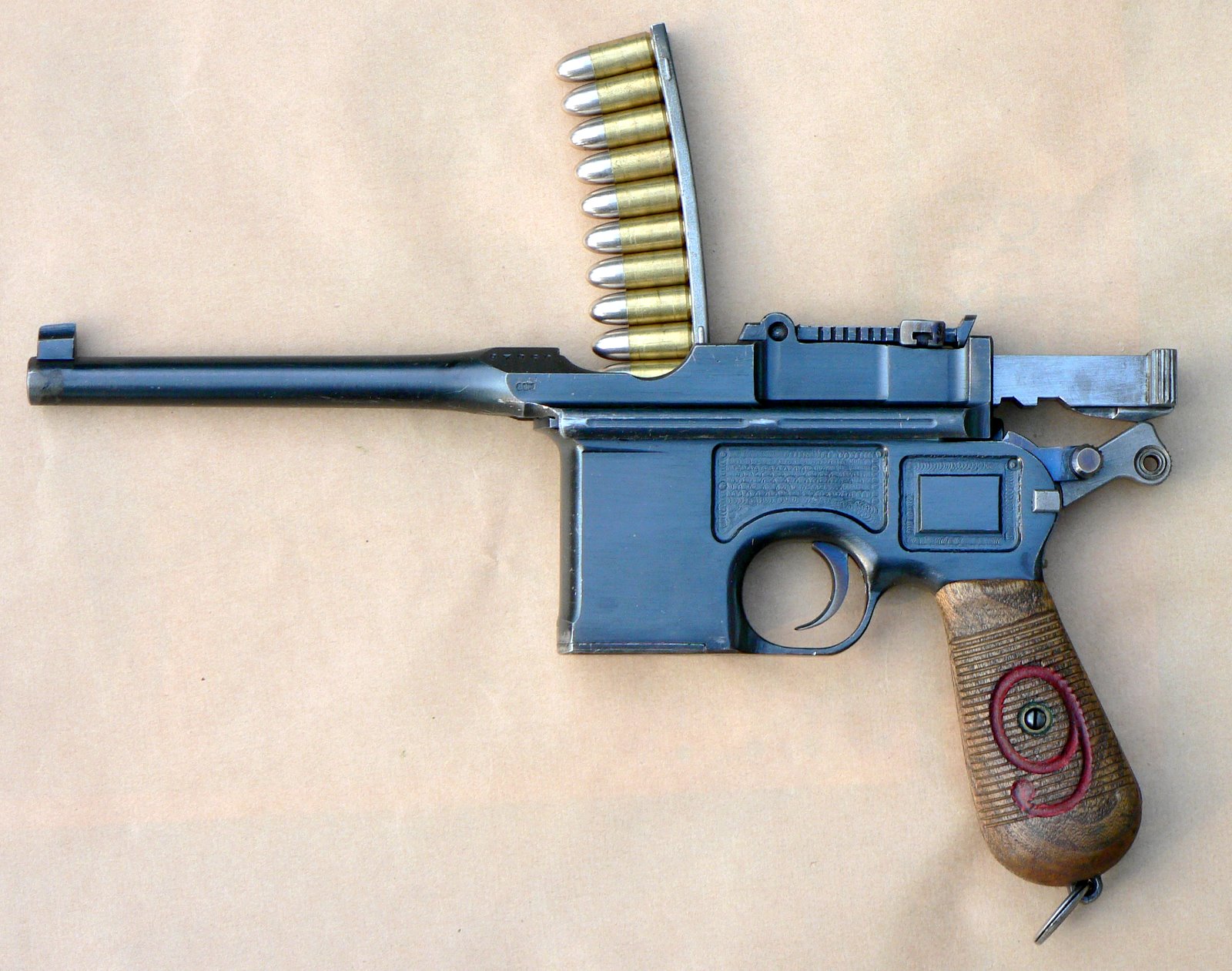
The Mauser C96 Broomhandle is a legendary historical firearm but its front heavy balance and awkward grip make it difficult to point. Loading the weapon requires the use of stripper clips which is a slow and meticulous process compared to modern detachable magazines. If the clip is not aligned perfectly the rounds will jam in the internal box and require manual clearing. The complex internal mechanism is also prone to failure if it is not kept perfectly clean and well oiled. This pistol is a fascinating piece of history that is simply too slow for modern needs.
Taurus Curve
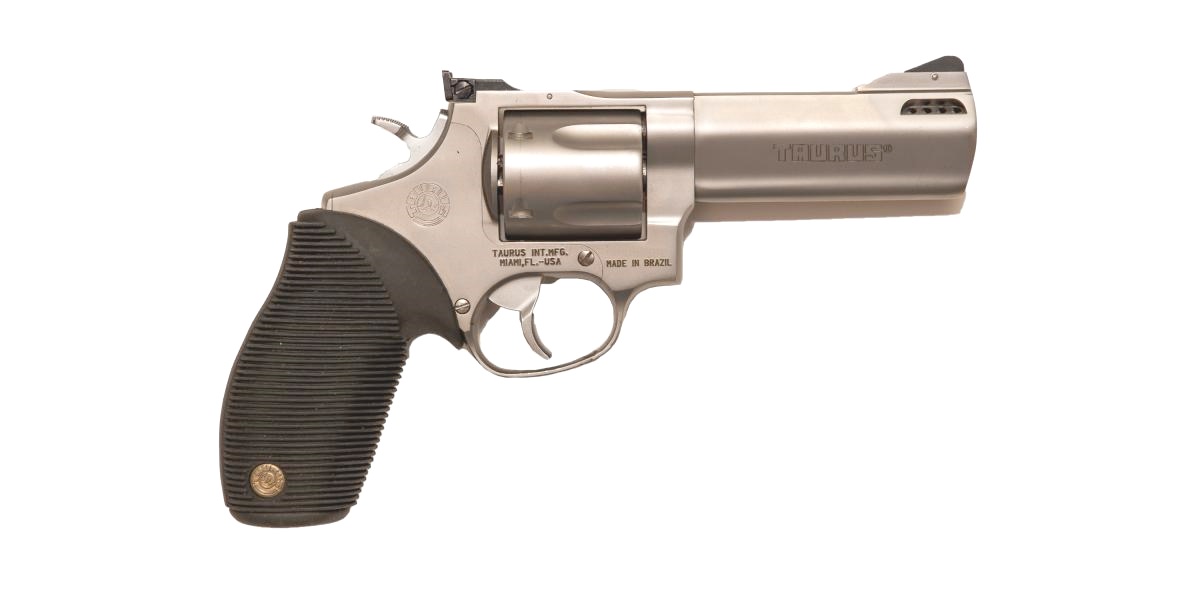
The Taurus Curve featured a unique contoured frame designed to fit the shape of the human body for more comfortable carry. However the lack of traditional sights and the odd shape made it very difficult for many shooters to aim accurately when rushed. The integrated belt clip could also snag on clothing during a draw which added a dangerous delay to the response time. Its small controls and unconventional design often led to a lack of confidence in the mechanical reliability of the weapon. This experimental design proved that innovation must still prioritize the basic fundamentals of fast shooting.
Remington R51
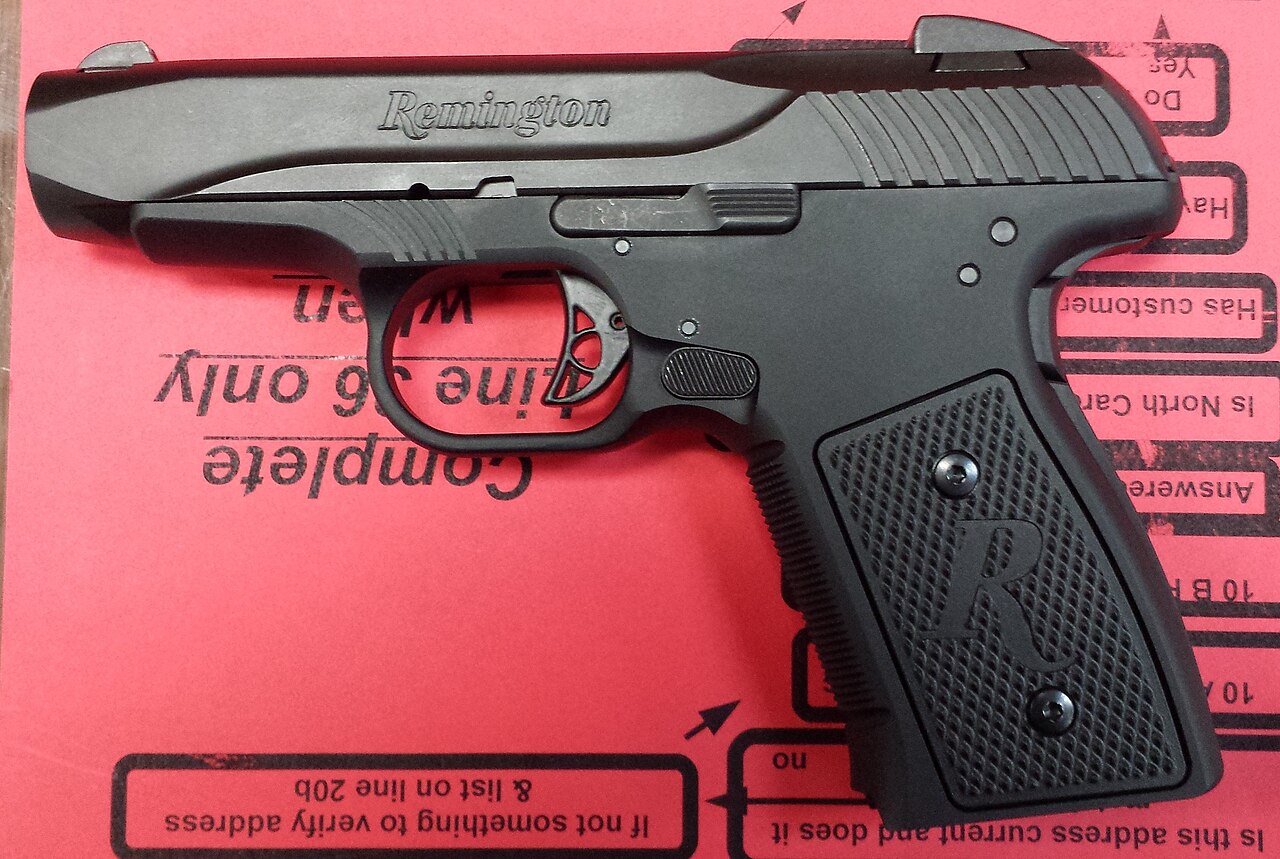
The Remington R51 utilized a unique Pedersen hesitation lock action that was supposed to reduce felt recoil and allow for faster shots. Unfortunately the modern production models suffered from significant reliability issues and frequent jams that occurred even during light use at the range. The complex assembly process also meant that any field maintenance was a difficult task for the average owner to perform. When rushed the unpredictable nature of the action often resulted in failures to feed or extract the ammunition properly. This pistol serves as a reminder that complex engineering can sometimes lead to failure.