Price and performance do not always move together in the firearms world. Certain guns arrive with impressive marketing, premium positioning, and bold promises, only to leave buyers wondering where the value actually went. High cost can be justified by reliability, durability, innovation, or craftsmanship, yet some models struggled to meet expectations once they reached real-world use. Complaints often centered on inconsistent quality, excessive complexity, or simply being overshadowed by more affordable competitors. The firearms listed below gained attention, sometimes even strong early sales, but developed reputations that made many enthusiasts question their price tags. Each example highlights how reputation, user experience, and practicality ultimately shape long-term perceptions of value.
1. Remington R51
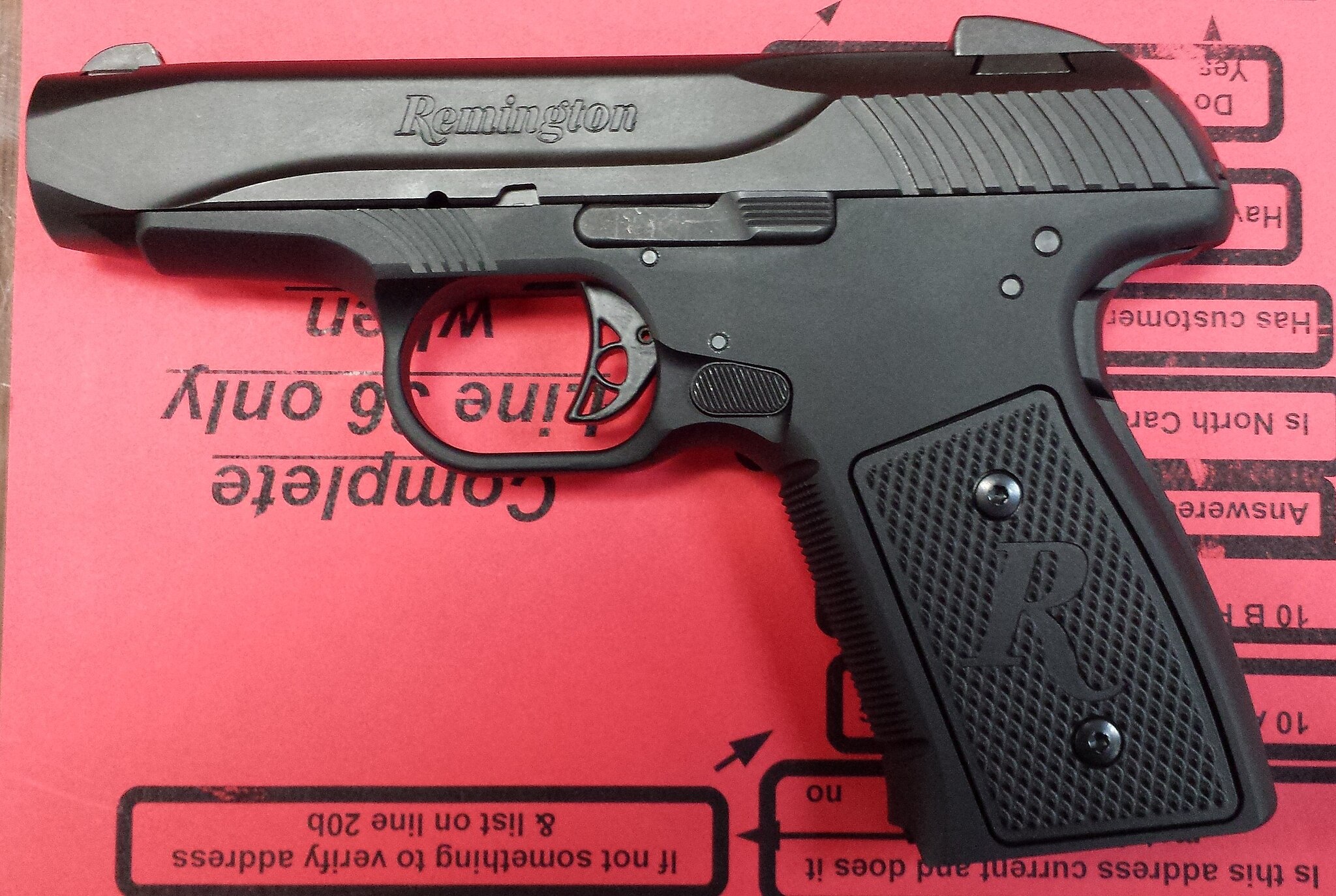
The Remington R51 generated enormous anticipation due to its historical lineage and distinctive design, yet early production models quickly disappointed many buyers. Reliability concerns surfaced almost immediately, with reports of feeding problems and inconsistent performance at the range. For a pistol positioned at a relatively premium price, expectations were understandably high. Unfortunately, execution issues overshadowed the innovative Pedersen-inspired action that initially attracted attention. While later revisions attempted to address these shortcomings, the damage to consumer confidence had largely been done. Competing handguns offered proven reliability at similar or lower costs, making the R51 difficult to justify financially. The pistol remains a cautionary example of how launch quality can permanently shape a firearm’s reputation.
2. Chiappa Rhino
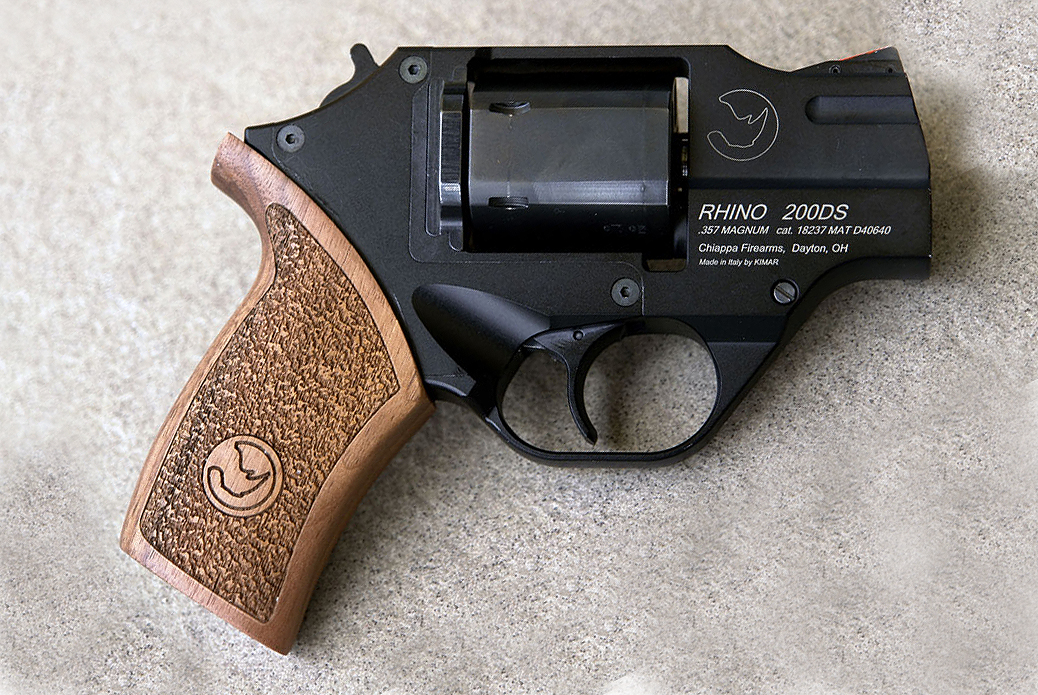
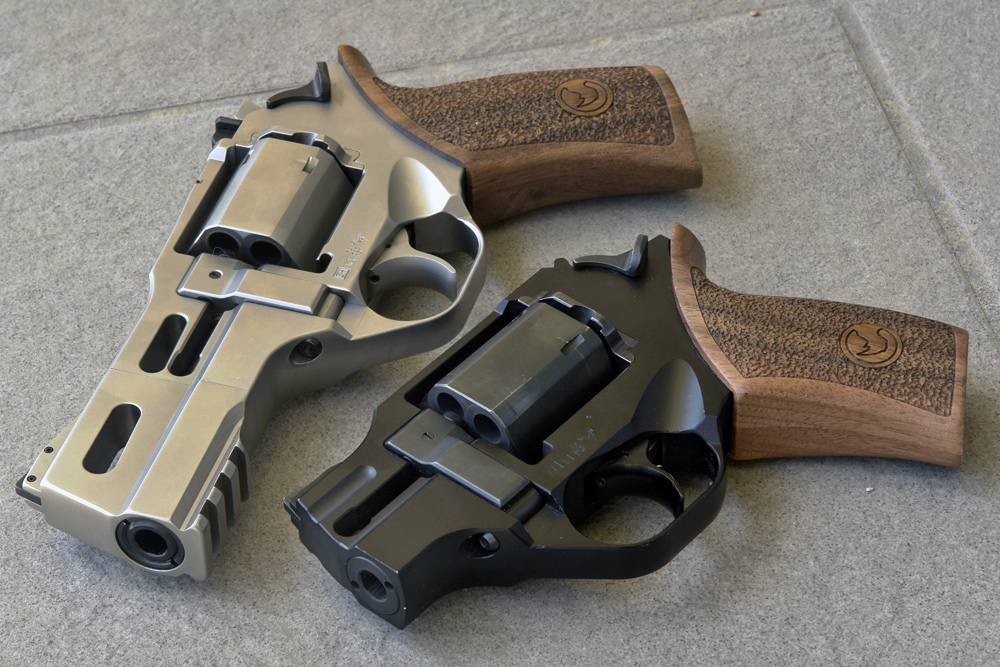
The Chiappa Rhino stood out visually with its unconventional barrel alignment and futuristic styling, attracting buyers seeking something different. However, early production examples drew criticism for fit, finish, and durability concerns inconsistent with the asking price. While the low bore axis provided genuine recoil advantages, some users felt the overall refinement did not match its premium positioning. Trigger feel and mechanical smoothness varied, leading to mixed impressions among revolver enthusiasts. Later manufacturing improvements enhanced the platform, yet initial buyer experiences strongly influenced public perception. Many shooters concluded that similarly priced revolvers delivered more predictable quality and longevity. The Rhino’s story underscores how innovative design alone does not guarantee perceived value.
3. Cobray M11 / M12 Pistols
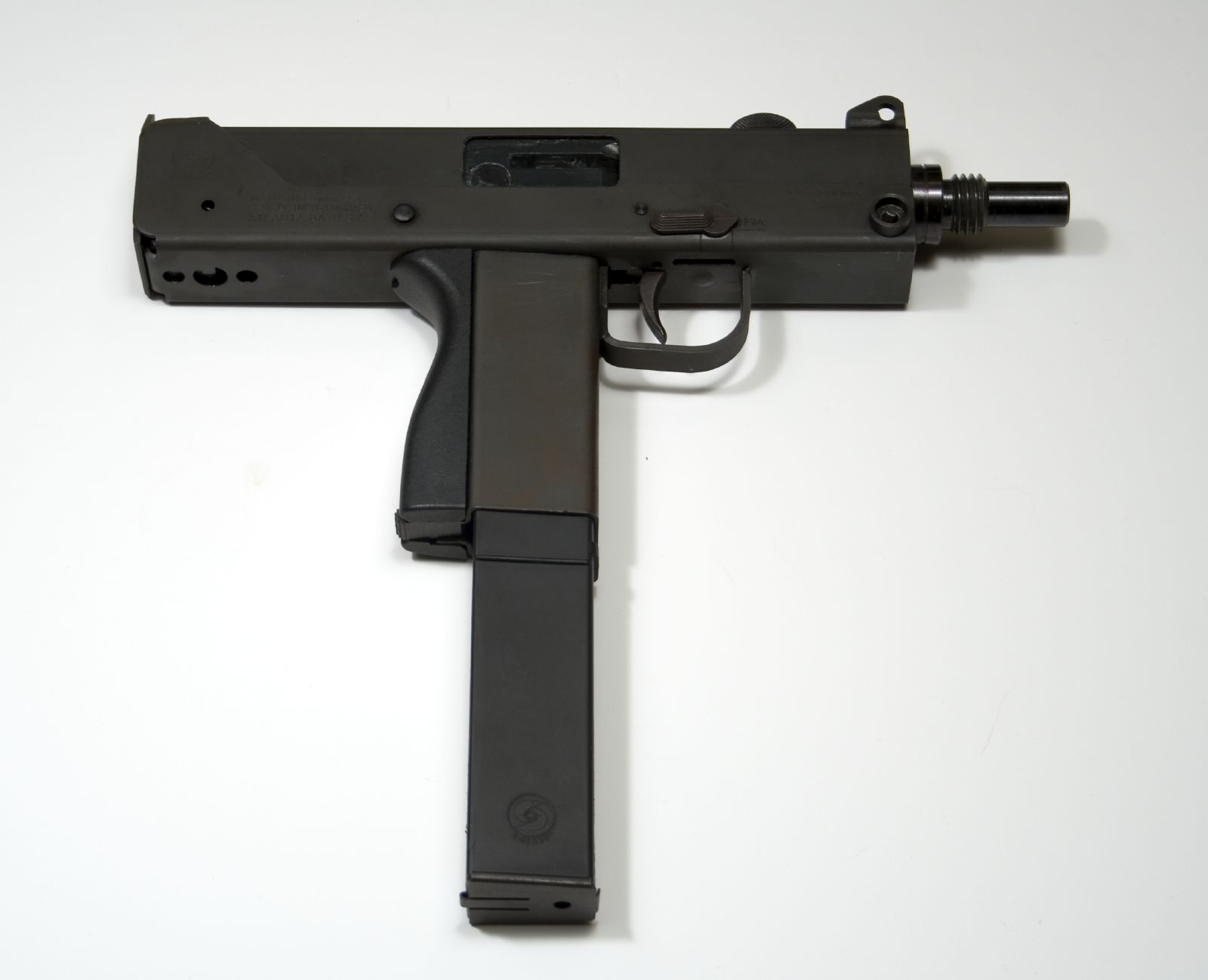
The Cobray M11 and M12 pistols gained attention largely because of their military-inspired appearance, which suggested performance and durability beyond what many owners ultimately experienced. Marketed as affordable, high-impact firearms, they appealed strongly to buyers drawn to their distinctive styling. However, practical use revealed limitations that raised questions about the overall value relative to price. Build quality, materials, and handling characteristics often fell short of expectations, particularly when compared with similarly priced alternatives offering greater refinement. While undeniably recognizable, these pistols illustrate how visual appeal can sometimes overshadow functional considerations. For many enthusiasts, perceived value depends far more on reliability, longevity, and shootability than on dramatic aesthetics alone.
4. Colt All American 2000

The Colt All American 2000 entered the market with considerable fanfare, backed by a legendary brand name and ambitious design goals. Unfortunately, practical performance failed to align with expectations. Shooters frequently cited heavy triggers, awkward ergonomics, and inconsistent reliability. For a pistol priced with brand prestige in mind, buyers expected refinement and confidence-inspiring handling. Instead, many found the experience underwhelming compared with established competitors. The model’s commercial struggles reflected these concerns, leading to a relatively short production life. Despite Colt’s storied reputation, the All American 2000 demonstrated that brand recognition alone cannot secure consumer satisfaction. Value, as many owners concluded, ultimately depends on function rather than heritage.
5. Smith & Wesson Sigma
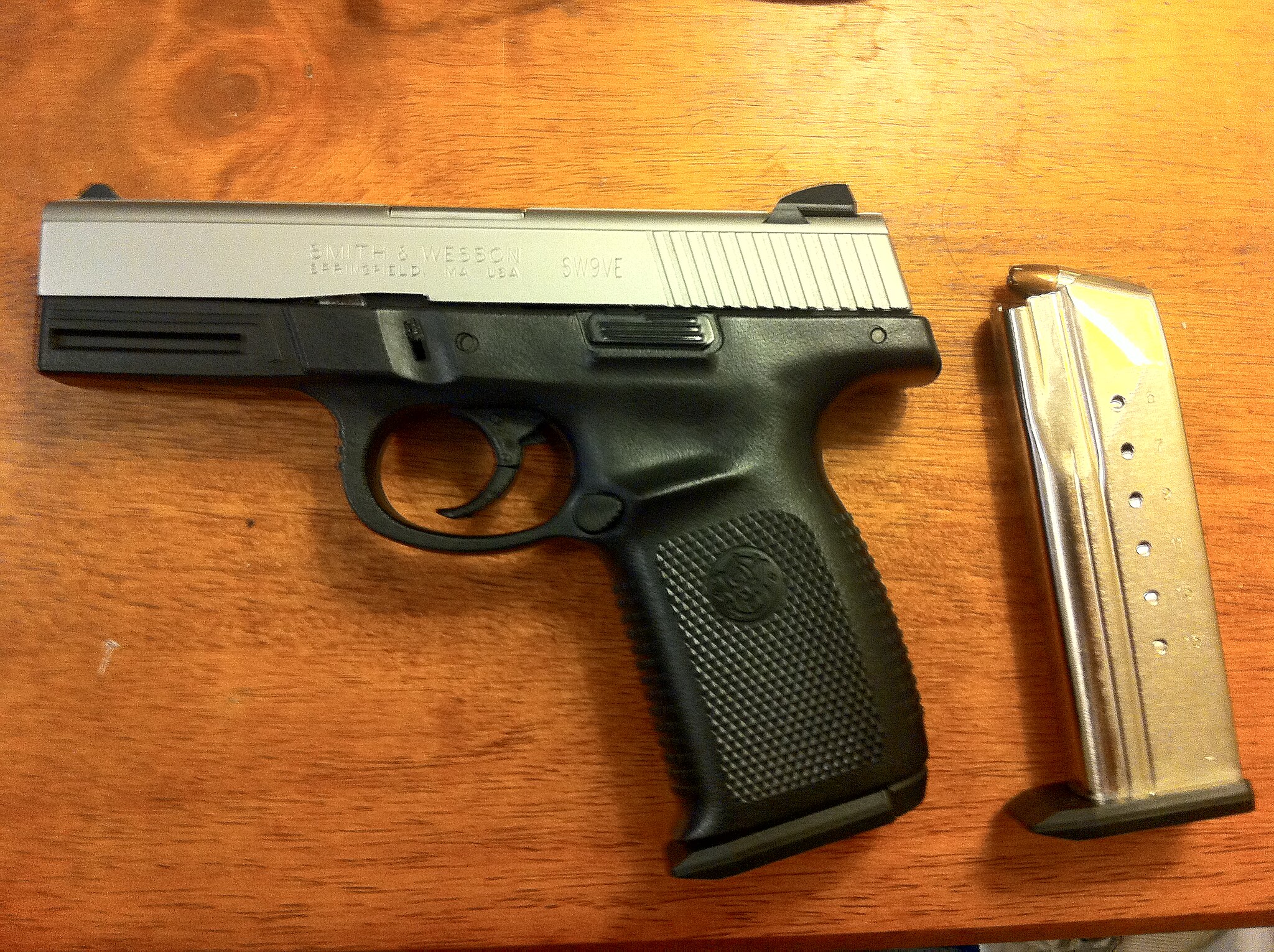
Early Sigma series pistols from Smith & Wesson often faced criticism disproportionate to their intended market role. Although designed as affordable polymer-framed handguns, initial pricing sometimes placed them near more proven alternatives. Trigger characteristics became a common complaint, with many users describing the pull as excessively heavy and less refined than expected. Reliability perceptions varied, contributing to cautious buyer sentiment. Later iterations improved substantially, yet early impressions influenced the platform’s reputation for years. Buyers comparing options frequently encountered competing models with smoother triggers and stronger track records. The Sigma illustrates how even moderately priced firearms can struggle if performance or user experience fails to clearly justify cost relative to alternatives.
6. Bushmaster Carbon 15
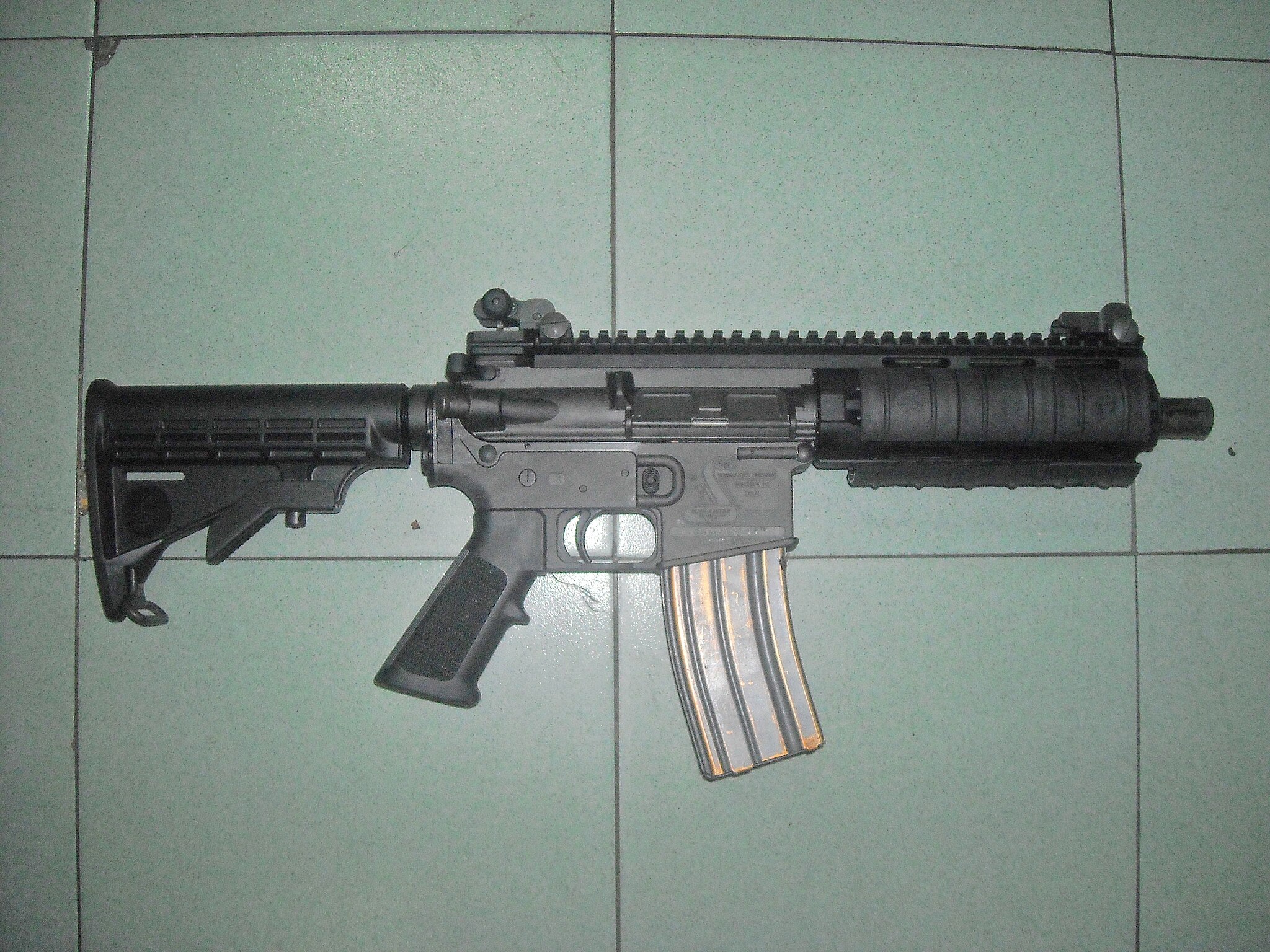
The Bushmaster Carbon 15 attracted attention through its lightweight construction and modern materials, promising portability and reduced fatigue. However, durability concerns soon emerged, particularly under sustained or demanding use. For a rifle positioned above many entry-level options, buyers expected resilience alongside weight savings. Reports of component wear and structural weaknesses raised doubts about long-term reliability. While the concept appealed to those prioritizing minimal weight, practical performance left some owners unconvinced. Competing rifles offered traditional materials with stronger reputations for ruggedness at similar prices. The Carbon 15’s mixed reception highlights how innovative materials must deliver consistent real-world benefits to justify a higher cost in a competitive market.
7. Walther P22
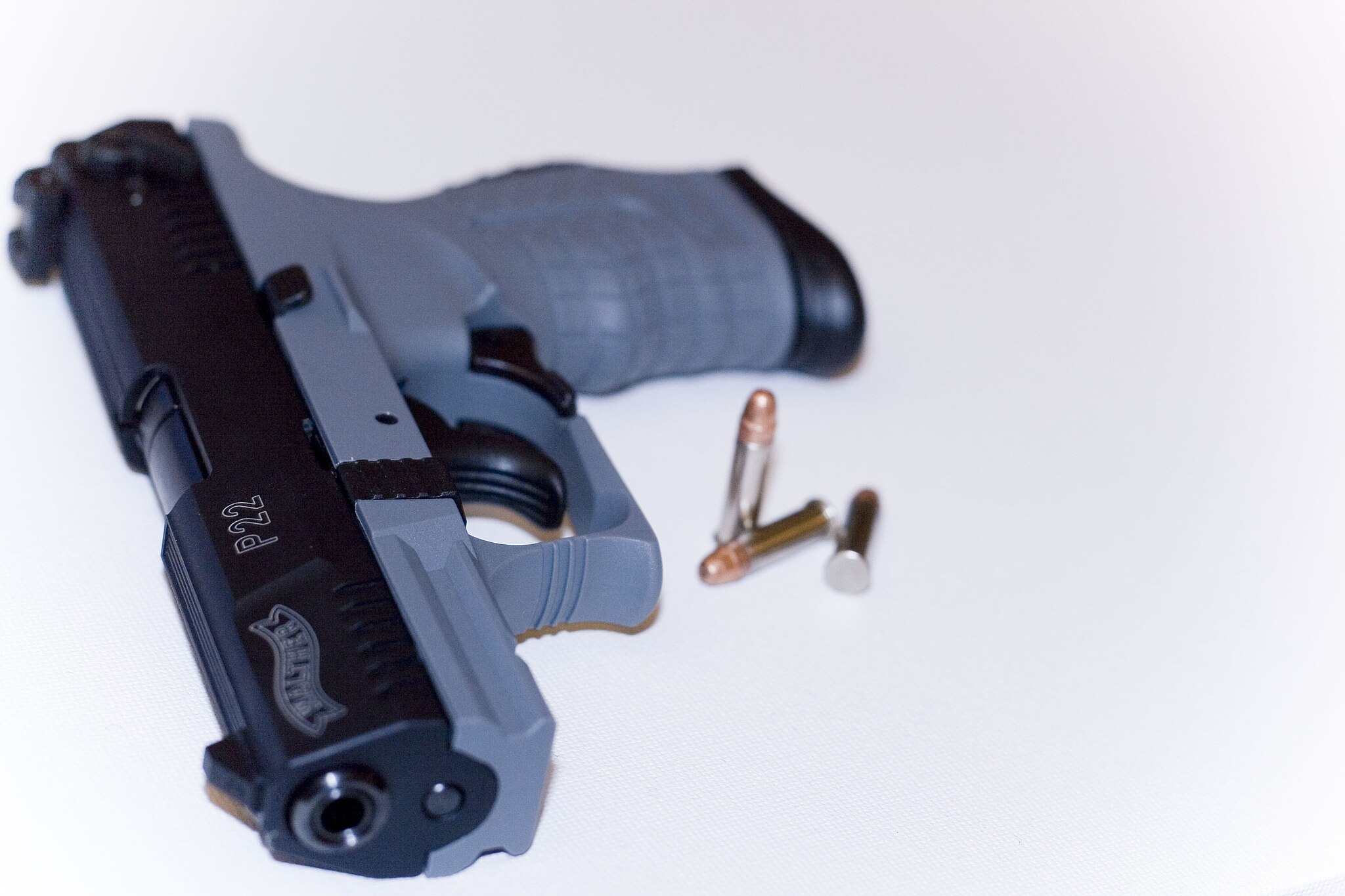
The Walther P22 gained popularity as a compact rimfire pistol styled after defensive handguns, yet early production models often disappointed buyers. Ammunition sensitivity became a recurring concern, with reliability varying noticeably depending on load selection. For a pistol priced higher than many rimfire alternatives, expectations centered on consistent, trouble-free shooting. Instead, some users encountered frequent malfunctions and accelerated wear. Although later versions improved, early experiences shaped lasting skepticism. Competing rimfire pistols frequently delivered greater reliability at lower costs, influencing purchasing decisions. The P22 remains a reminder that even recreational firearms must meet practical expectations when positioned at premium or near premium price levels.
8. Remington 770
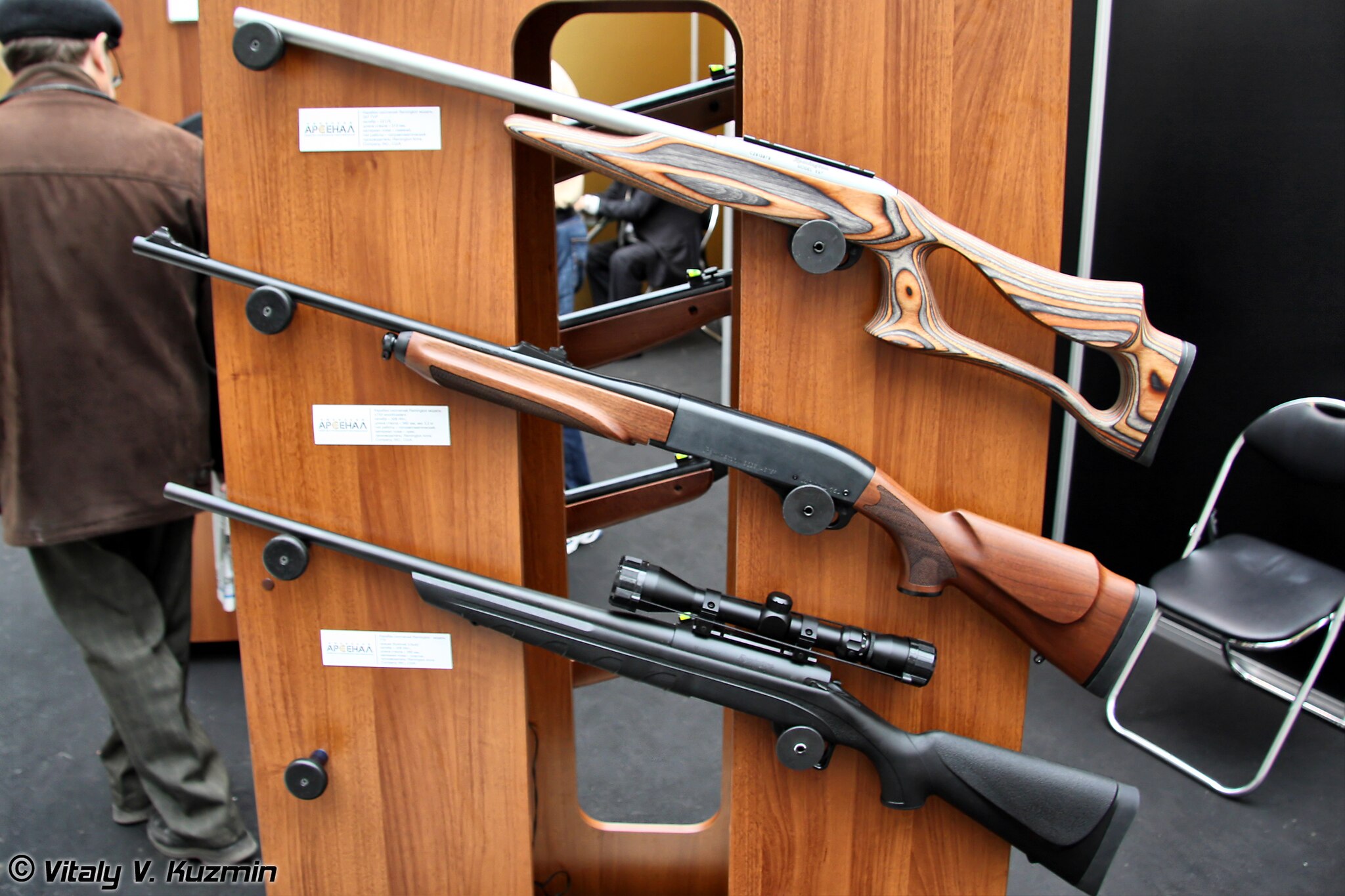
The Remington 770 sought to provide a budget-friendly bolt-action rifle, but build quality perceptions limited its acceptance. Despite relatively modest pricing, many buyers felt the rifle did not offer value comparable to similarly priced competitors. Complaints often referenced rough actions, inconsistent triggers, and materials that conveyed a sense of cost-cutting. Hunters and new shooters expected reliability and smooth operation, even in entry-level products. When alternatives offered better refinement at a similar cost, the 770 struggled to inspire confidence. While some units performed adequately, reputation challenges persisted. The rifle demonstrates that value judgments arise not only from absolute price but also from comparisons within the same market segment.
9. Taurus Judge
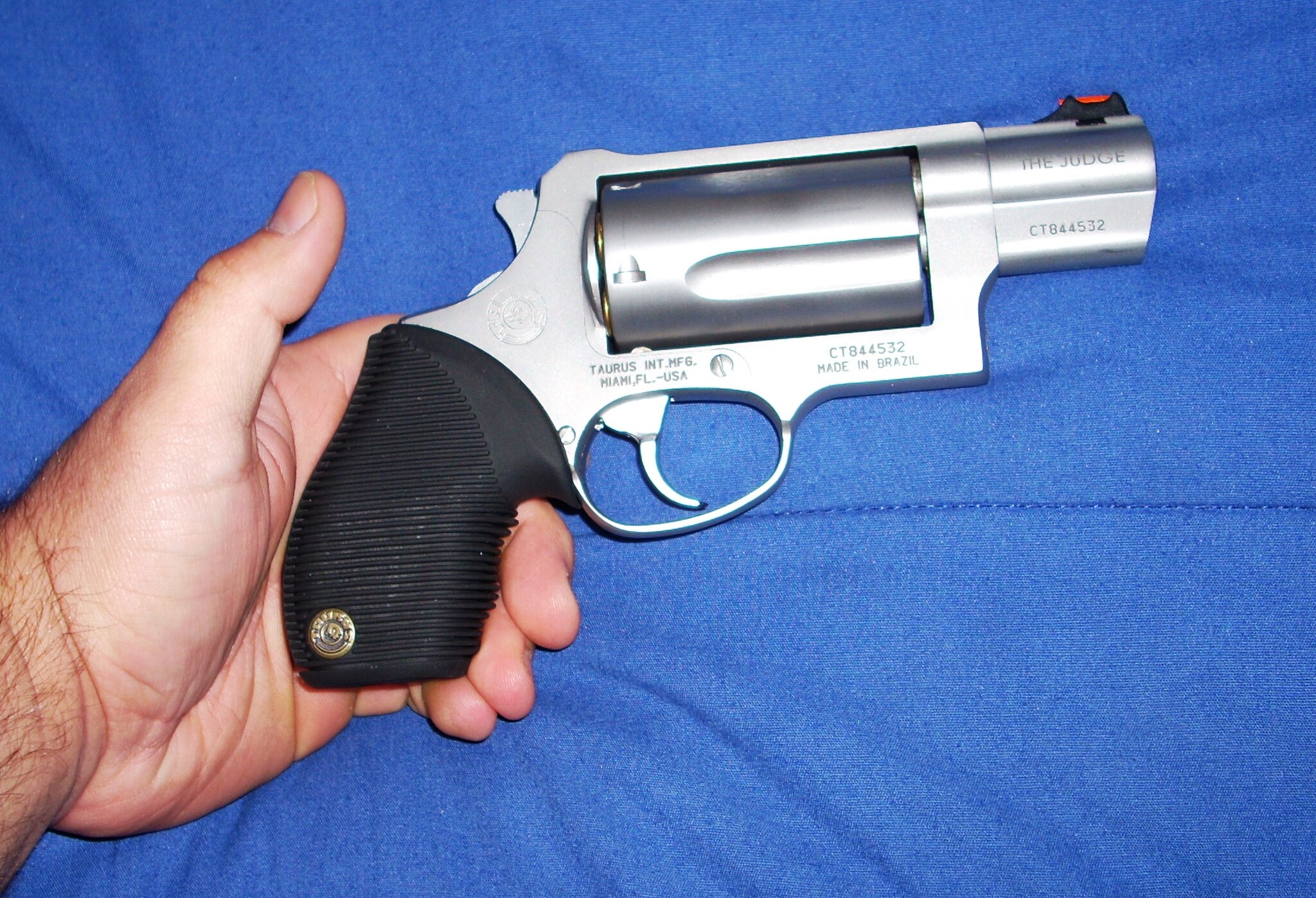
The Taurus Judge achieved commercial success through its distinctive chambering concept, blending revolver and shotgun characteristics. However, debates about its practical utility frequently accompanied discussions of its price. While undeniably versatile on paper, real-world performance often fell short of buyer expectations. Patterning limitations and ballistic compromises reduced effectiveness across intended roles. For a firearm priced above many conventional revolvers, users questioned whether novelty justified the premium. Enthusiasts seeking specialized performance frequently preferred dedicated platforms. Though popular and enjoyable for some owners, the Judge exemplifies how marketing appeal does not always translate into perceived value. Cost effectiveness ultimately depends on how well a firearm fulfills realistic usage needs.
10. Kel Tec Sub 2000
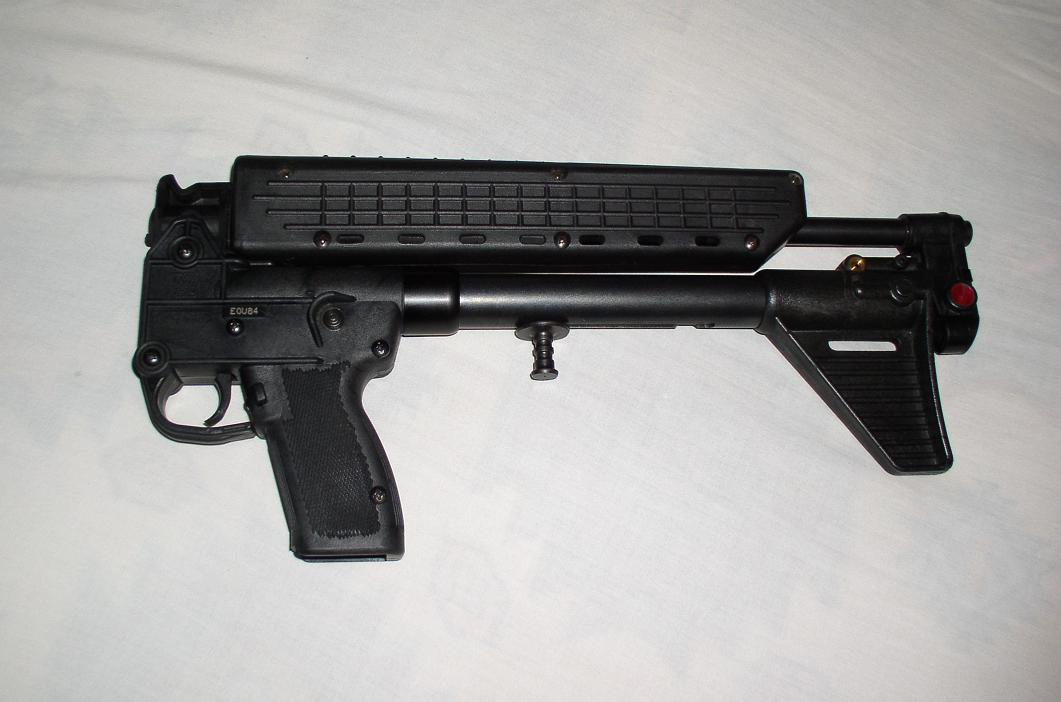
The Kel-Tec Sub 2000 earned praise for portability and clever folding design, yet pricing debates persisted among enthusiasts. While innovative and lightweight, construction quality and refinement occasionally drew criticism relative to cost. Some users reported variability in fit, finish, and component durability. Buyers comparing carbines often encountered sturdier alternatives within similar price ranges. Although the Sub 2000 offered undeniable convenience advantages, perceived value depended heavily on individual priorities. Those emphasizing ruggedness sometimes felt underwhelmed. Others appreciated its uniqueness despite limitations. The platform’s reception underscores how value assessments vary widely, particularly when unconventional design choices trade traditional robustness for compactness and reduced weight.
11. Mossberg 715T
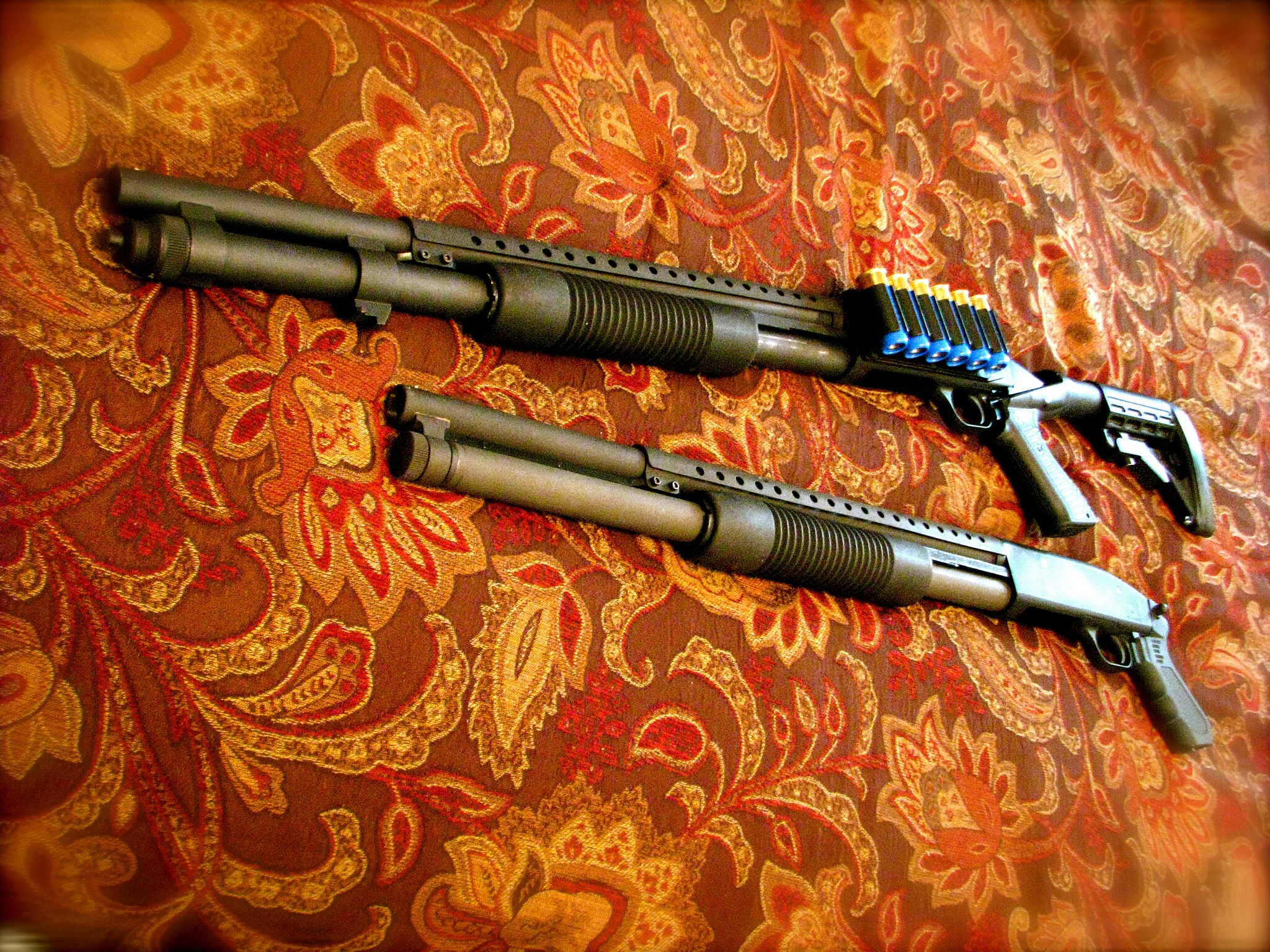
The Mossberg 715T presented itself as a tactical styled rimfire rifle, appealing visually to buyers seeking modern aesthetics. Beneath the exterior, however, many users discovered a platform whose performance and materials did not fully align with its pricing. Critics often cited heavy reliance on polymer components and a shooting experience comparable to less expensive alternatives. While the rifle functioned adequately for casual plinking, expectations shaped by appearance sometimes exceeded reality. Competing rimfire rifles frequently delivered similar accuracy and reliability at lower cost. The 715T highlights how styling alone rarely determines value. Practical performance and perceived durability remain dominant factors influencing buyer satisfaction.
12. SIG Sauer Mosquito
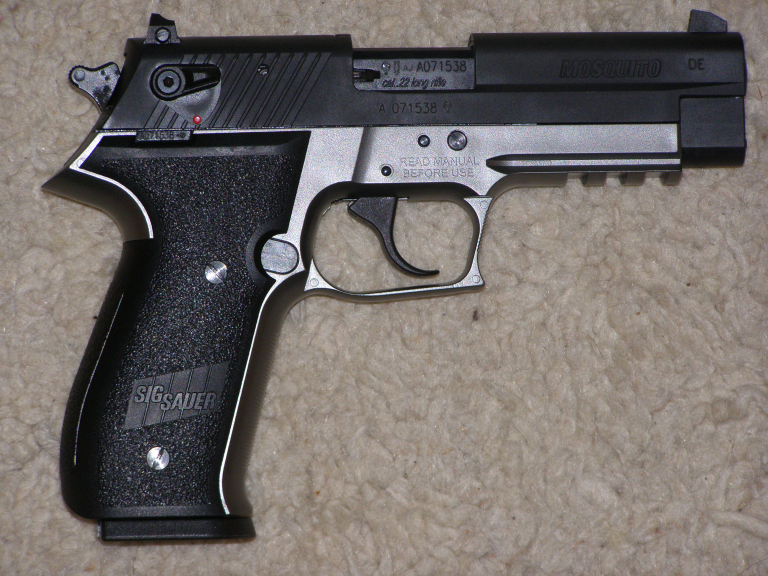
The SIG Sauer Mosquito entered the rimfire market with strong brand recognition, yet early reliability complaints complicated its reception. Ammunition sensitivity and cycling issues became common discussion points among owners. For a pistol carrying a premium associated with its manufacturer’s reputation, buyers anticipated consistent performance. Instead, many experienced frustrations that contrasted sharply with expectations. While later adjustments improved outcomes for some users, the initial reputation proved difficult to overcome. Competitors offered dependable rimfire pistols at comparable or lower prices, influencing consumer choices. The Mosquito serves as an example of how brand prestige amplifies disappointment when real-world performance fails to meet elevated buyer assumptions.
13. Olympic Arms Pistols

Certain Olympic Arms pistol offerings generated divided opinions, particularly regarding quality relative to price. While some owners reported satisfactory performance, others encountered concerns involving reliability and finishing consistency. For firearms positioned beyond budget categories, such variability influenced perceived value. Buyers frequently compared these models with competitors boasting stronger reputations for durability and refinement. In a market where consumer trust plays a critical role, mixed user experiences carry significant weight. Although not universally criticized, the brand’s pistols illustrate how inconsistent perceptions can shape purchasing decisions. Ultimately, value is defined not solely by design or intent but by whether users feel their investment delivers dependable, predictable results.