
Firearm design always balances complexity, durability, and function. When engineering leans too heavily toward novelty, excessive mechanisms, or cost-cutting shortcuts, reliability can suffer in ways owners quickly notice. History offers many examples where creative ideas did not translate into dependable performance. This discussion is not about ridiculing specific manufacturers or declaring any platform universally bad. Instead, it explores common design patterns and mechanical decisions that have historically introduced unnecessary failure points. In real-world use, simplicity often proves more valuable than ambitious but fragile innovation. Understanding how complexity affects function provides insight into why certain firearms gain reputations for frustration rather than confidence.
1. Overly Complex Internal Mechanisms
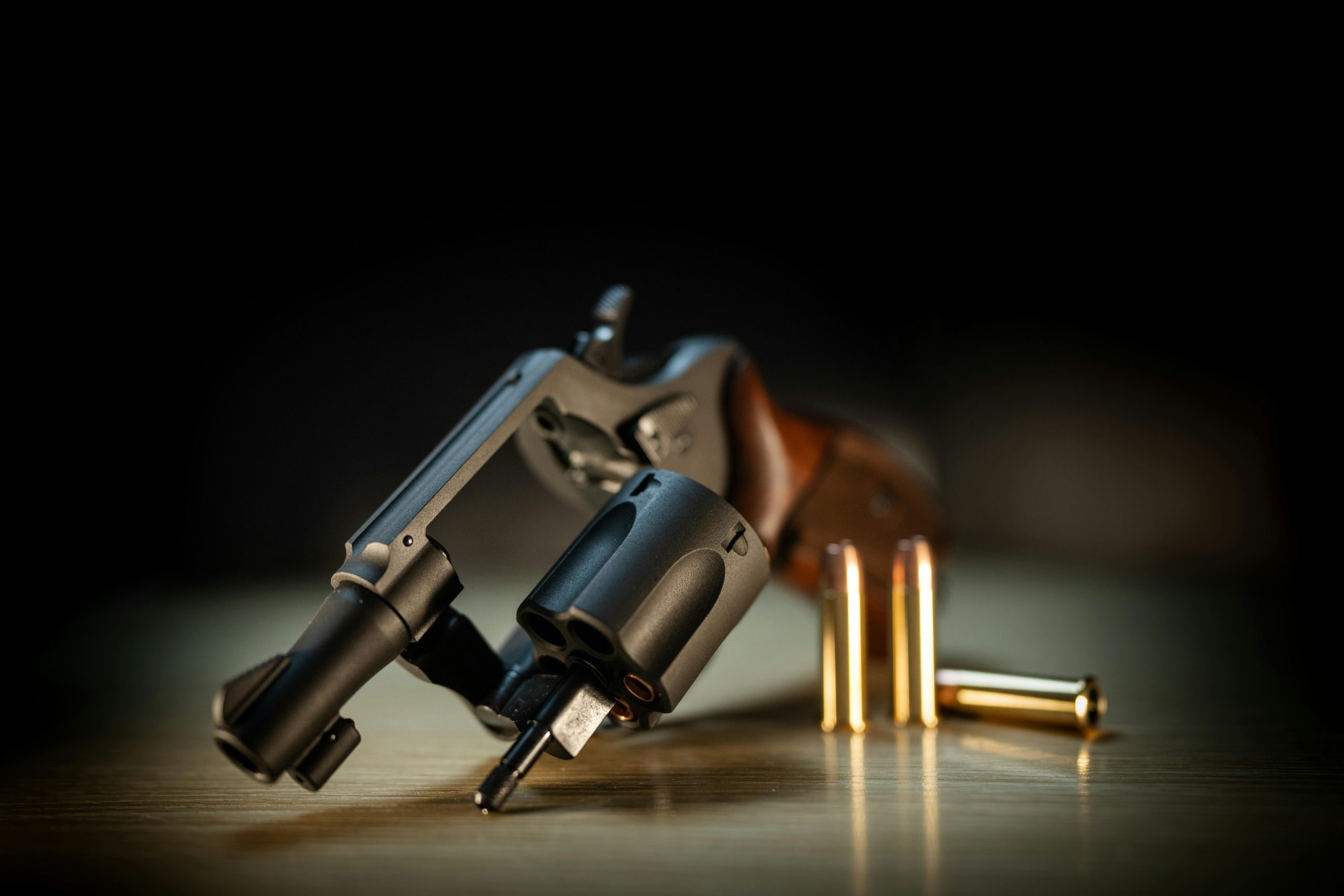
Some firearms attempt to incorporate elaborate internal systems intended to improve accuracy, recoil management, or cycling behavior. While innovative on paper, intricate arrangements of springs, levers, and linkages increase the number of components that must operate in perfect harmony. Each additional part becomes another potential source of wear, tolerance stacking, or breakage. Under field conditions, dirt, fouling, or minor manufacturing variation may disrupt these tightly balanced interactions. Owners often discover that maintenance demands increase alongside mechanical complexity. Designs that prioritize simplicity typically tolerate environmental stress more effectively. Complexity alone is not inherently flawed, but excessive mechanical dependence can transform routine operation into a persistent reliability challenge.
2. Experimental Gas System Designs
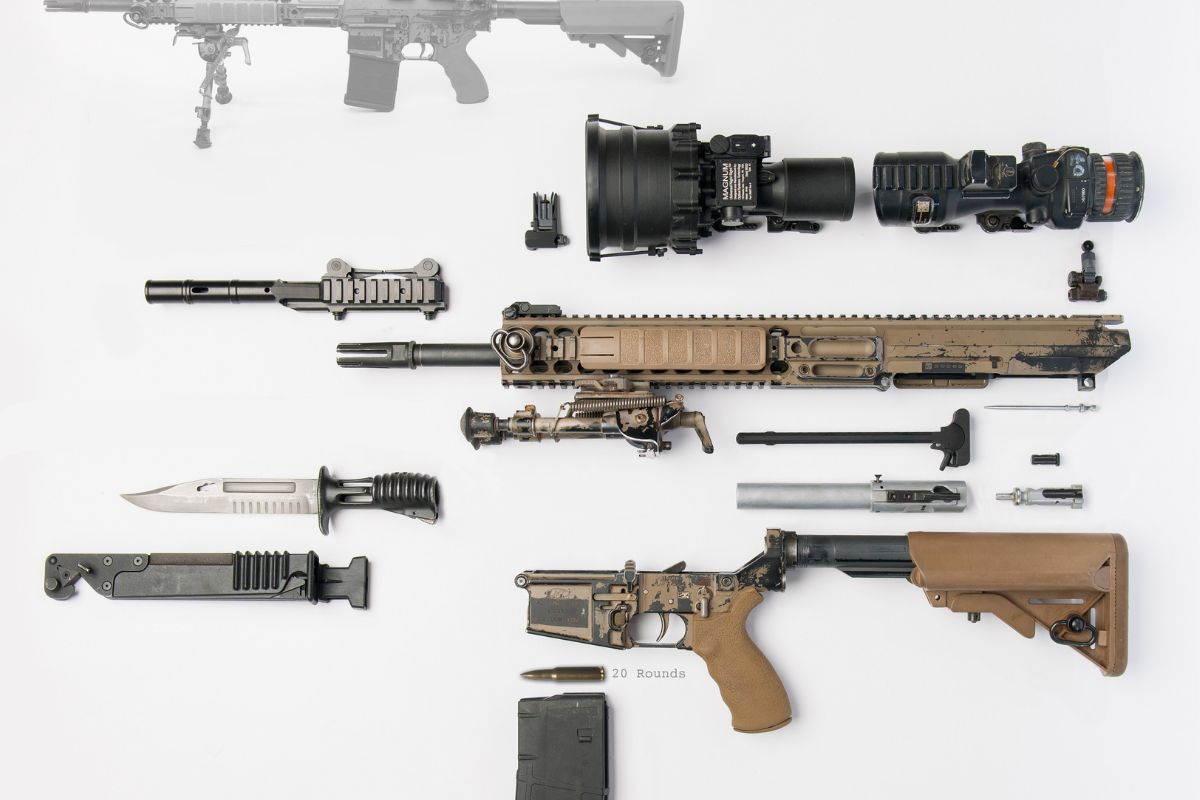
Gas-operated firearms rely heavily on precise pressure timing. Experimental or unconventional gas systems sometimes introduce sensitivity that standard configurations avoid. Minor deviations in ammunition pressure, residue buildup, or temperature may significantly alter cycling behavior. When such systems lack forgiving tolerances, stoppages become more likely. Shooters may experience inconsistent extraction, short stroking, or erratic ejection patterns. Traditional gas designs earned longevity partly because of their ability to function across varying conditions. Novel systems occasionally sacrifice this resilience in pursuit of theoretical advantages. The result can be a firearm that performs well under controlled circumstances but struggles outside ideal parameters. Reliability often benefits more from proven stability than from ambitious redesign.
3. Lightweight Materials with Structural Limits
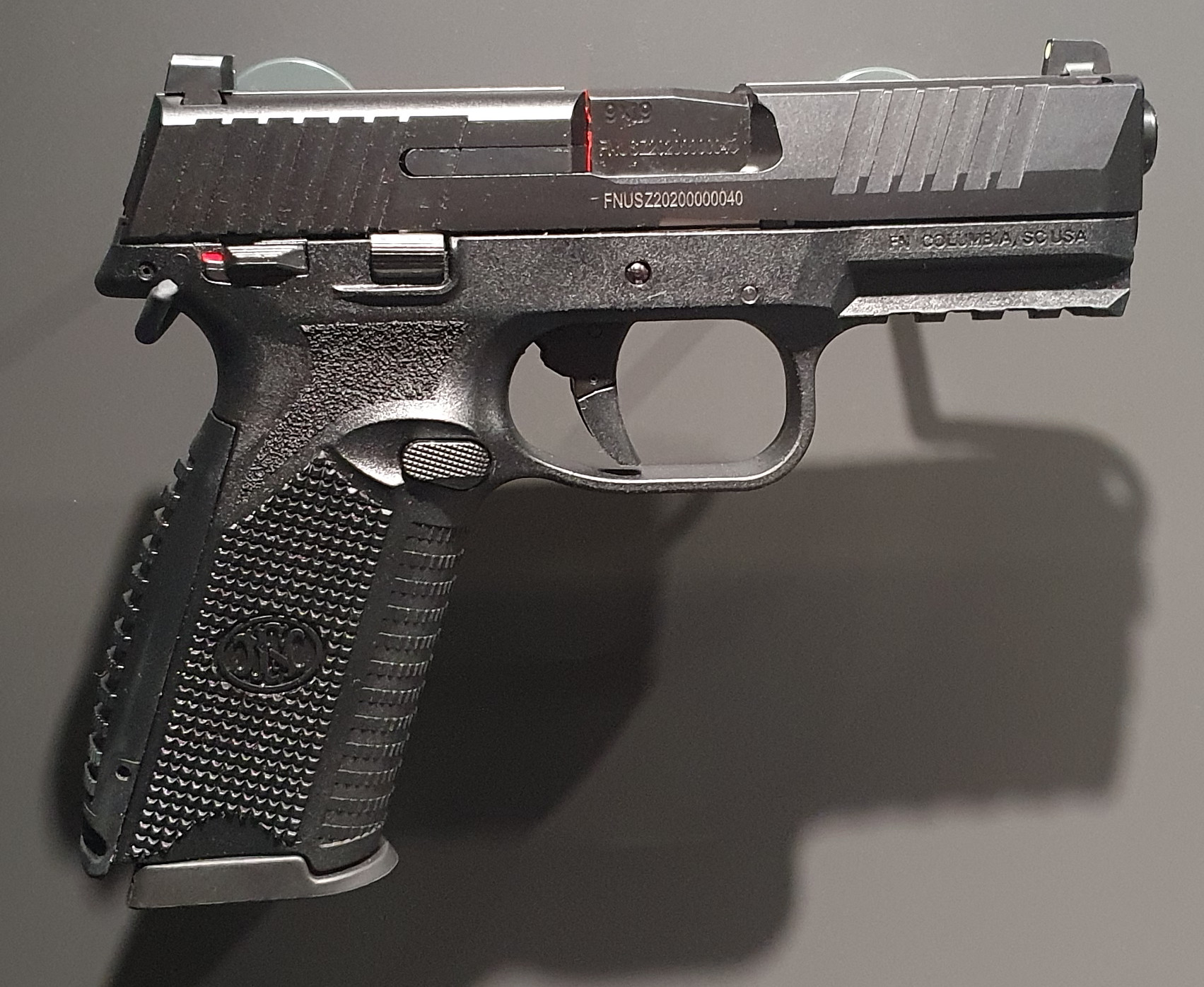
Reducing weight remains an appealing goal, particularly for carry or extended use firearms. However, aggressive material reduction or reliance on alloys with limited fatigue resistance may compromise longevity. Components subjected to repeated stress cycles require sufficient strength margins. When these margins shrink, cracking, deformation, or accelerated wear may appear earlier than expected. Lightweight construction itself is not problematic, yet improper application creates vulnerabilities. Owners sometimes report loosening tolerances or diminished consistency over time. Durable materials historically gained preference because they absorb mechanical stress without dramatic degradation. Balancing weight savings with structural reliability remains a delicate engineering challenge, and miscalculations often reveal themselves through premature part failures.
4. Excessive Reliance on Small Springs
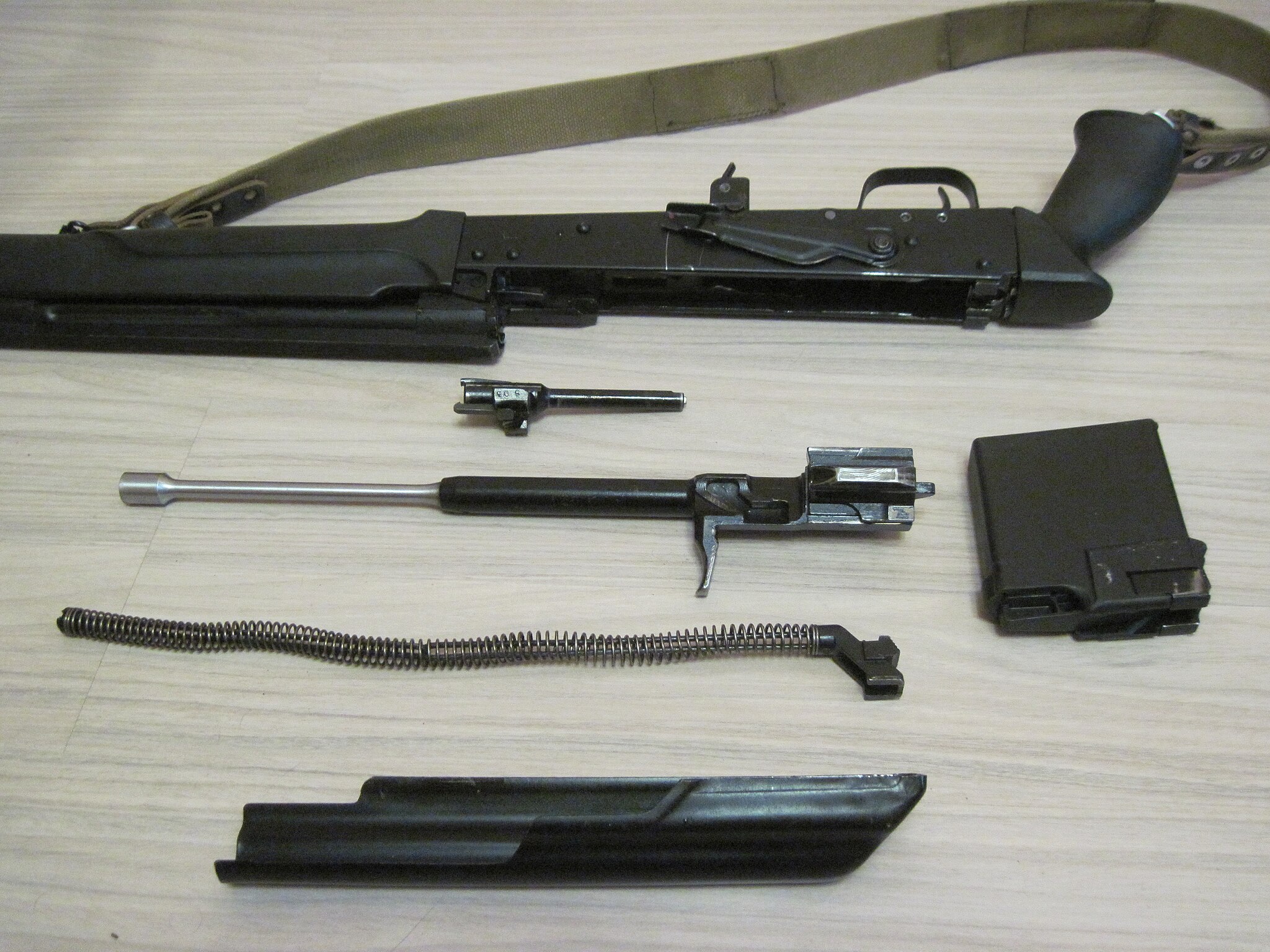
Springs perform essential roles in firearm function, governing everything from trigger reset to feeding dynamics. Designs heavily dependent on numerous small springs may introduce hidden fragility. Springs fatigue, lose tension, or break, particularly when exposed to repeated compression cycles. Failure of even a minor spring can interrupt critical operations. Diagnosing such issues can also prove frustrating due to the difficulty of identifying the specific failed component. Simpler mechanisms typically reduce reliance on delicate spring networks. Durability improves when fewer elements bear repetitive mechanical stress. While springs remain unavoidable, excessive dependence increases maintenance sensitivity. Designs that minimize spring count often demonstrate greater long-term consistency and resistance to unexpected malfunctions.
5. Tight Tolerances Without Environmental Margin
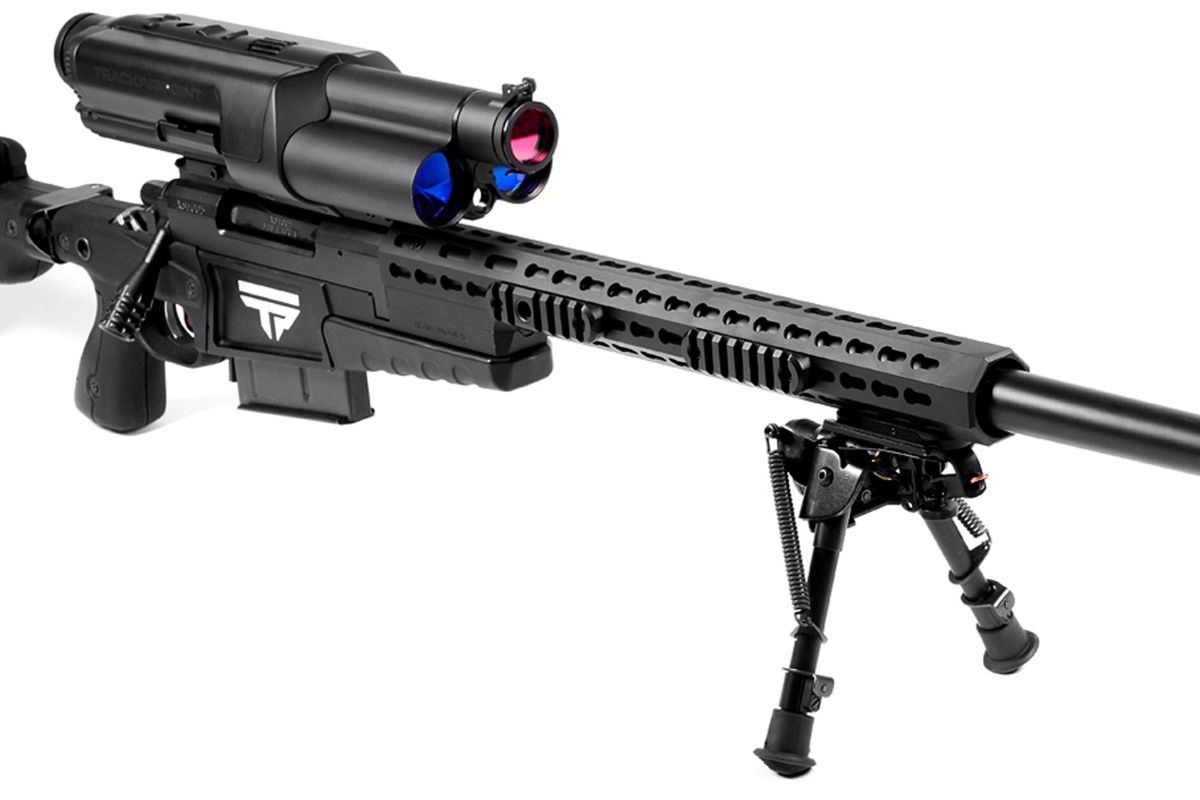
Precision engineering sometimes produces exceptionally tight tolerances intended to enhance accuracy or smooth operation. Yet insufficient allowance for fouling, debris, or thermal expansion may reduce functional reliability. Firearms operate in dynamic environments where residue and contamination are inevitable. When moving parts lack adequate clearance, minor buildup can impede cycling. Shooters may encounter failures that seem disproportionate to the level of use. Robust designs frequently incorporate tolerance margins that accommodate real-world conditions. Extreme precision without environmental consideration can undermine practicality. Reliability depends not only on exact fit but also on predictable function despite imperfect circumstances. Successful designs balance accuracy goals with tolerance resilience.
6. Unconventional Feeding Pathways
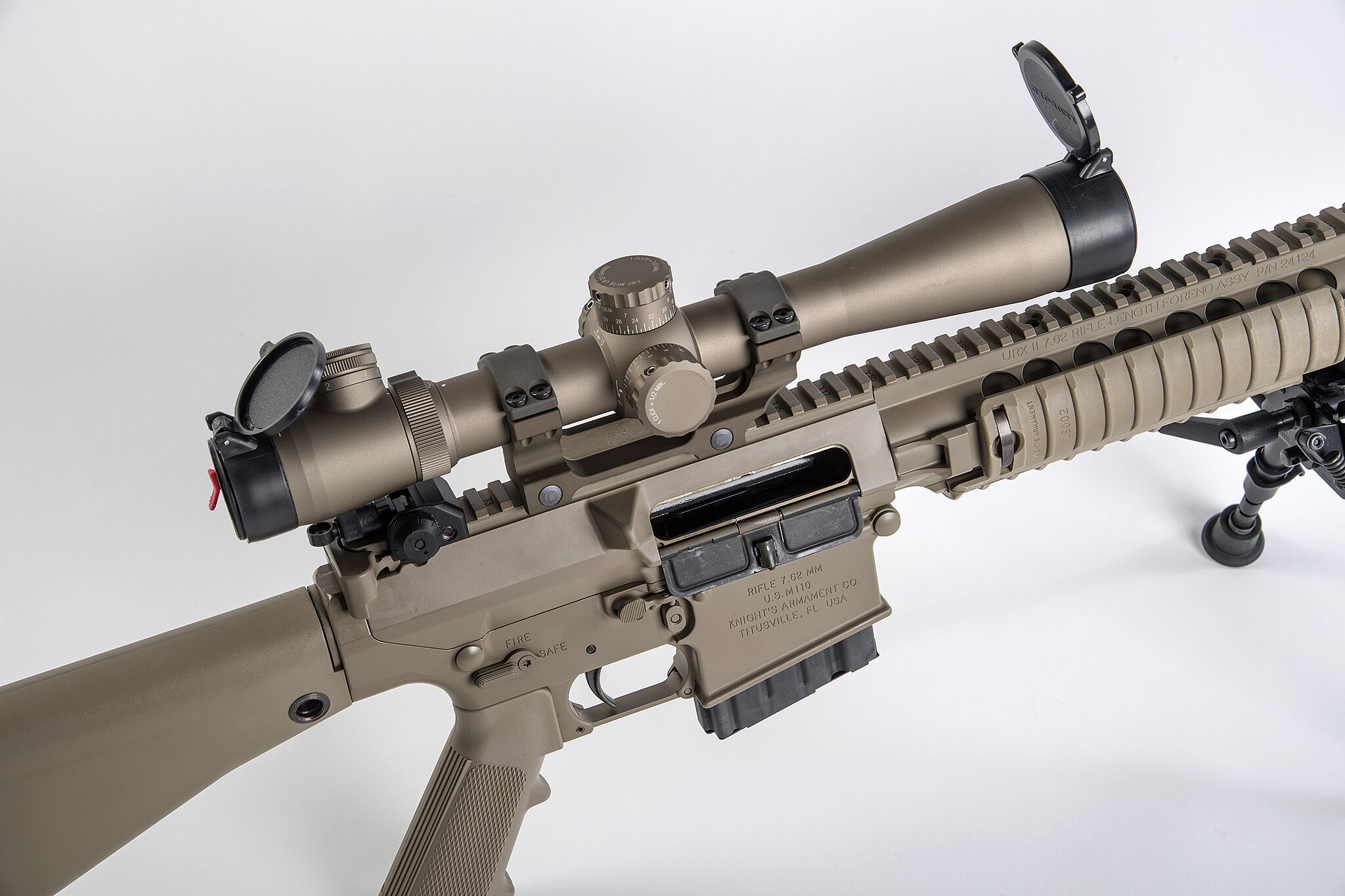
Feeding reliability represents a critical factor in semi-automatic firearms. Unconventional magazine geometry or cartridge presentation angles sometimes introduce complications. Cartridges must transition smoothly into the chamber under variable speeds and forces. Complex pathways or abrupt directional shifts increase opportunities for misalignment. Even slight dimensional variation can disrupt feeding cycles. Traditional magazine and feed ramp arrangements evolved through extensive refinement. Deviations from these patterns occasionally reduce tolerance for imperfect ammunition or component wear. Owners may observe intermittent stoppages that resist simple explanation. Reliable feeding often emerges from mechanical simplicity and forgiving geometry rather than from creative but sensitive configurations.
7. Early Generation Bullpup Challenges

Bullpup firearms offer compact dimensions by relocating the action behind the trigger. Early implementations sometimes encountered reliability concerns linked to extended linkages and unique ejection systems. Longer mechanical connections between the trigger and firing components introduced additional wear points. Maintenance complexity also increased due to unconventional internal layouts. While many modern bullpups perform admirably, early designs highlighted the risks of rearranging established mechanics. Sensitivity to component alignment occasionally affected consistency. User familiarity also influenced perceived reliability, as atypical handling required adaptation. The concept itself remains viable, yet historical examples illustrate how structural reconfiguration can introduce new mechanical dependencies and potential failure points.
8. Budget Designs with Cost-Driven Compromises

Affordability plays a significant role in firearm accessibility. However, aggressive cost reduction may influence material quality, heat treatment, or dimensional consistency. Components produced under strict budget constraints sometimes exhibit reduced durability. Wear surfaces may degrade faster, affecting function over time. Reliability issues in such designs often stem from longevity limitations rather than immediate defects. Users may initially experience acceptable performance followed by a gradual decline. Durable construction generally requires investment in materials and machining precision. Budget platforms can succeed when compromises are carefully managed, but excessive economizing historically correlates with increased maintenance needs and a higher probability of part failure.
9. Overengineered Safety Mechanisms

Safety systems serve vital protective functions, yet excessive mechanical layering can complicate operation. Designs incorporating numerous interlocks, disconnectors, or passive safeties may increase internal complexity. Each additional mechanism introduces interaction dependencies. Minor misalignment or wear may affect trigger behavior or cycling consistency. Simpler safety arrangements often achieve comparable protection with fewer moving elements. Reliability benefits when essential functions depend on minimal mechanical chains. Overengineering sometimes prioritizes theoretical redundancy over practical durability. A balanced safety design protects users without imposing an unnecessary mechanical burden. Historical trends suggest that streamlined solutions frequently deliver both security and functional stability.
10. Novel Recoil Mitigation Systems
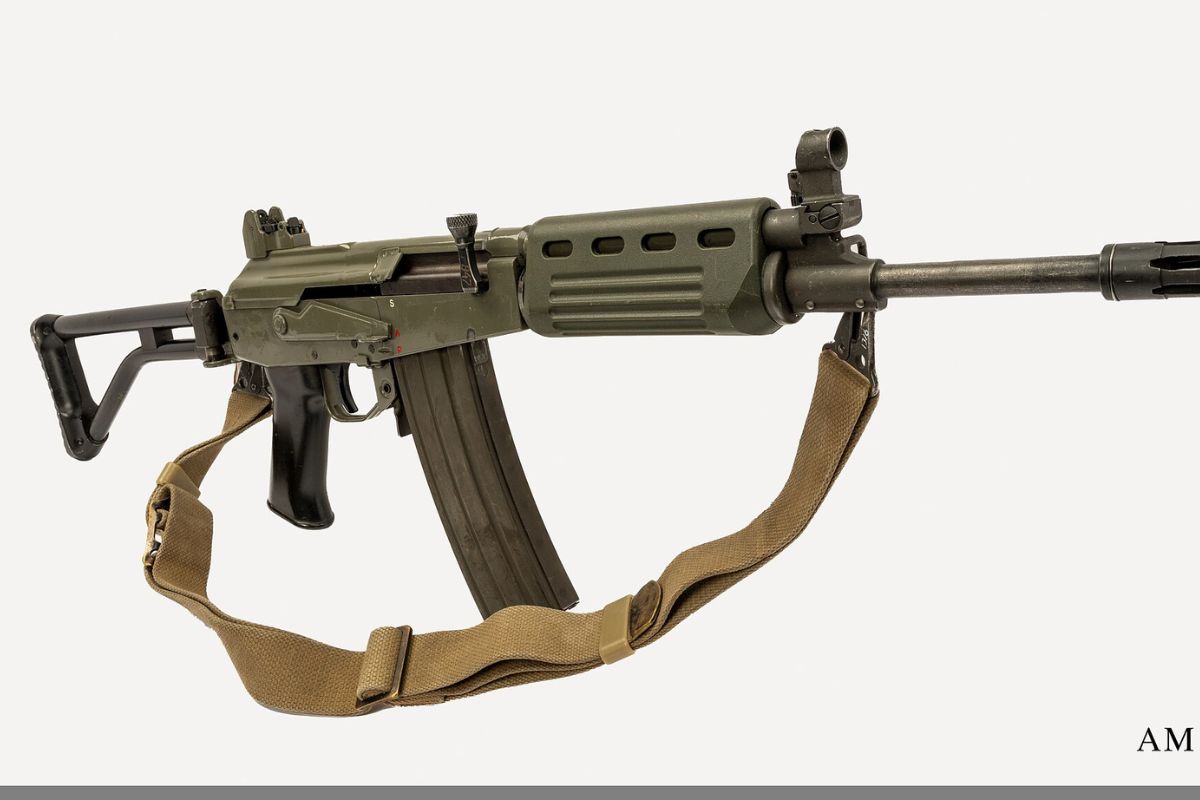
Attempts to soften recoil occasionally involve unconventional buffering assemblies or counterbalancing components. While innovative, these systems can introduce sensitivity to maintenance, lubrication, or part condition. Moving masses and dampening elements must remain precisely synchronized. Deviation may affect cycling reliability. Traditional recoil management methods emphasize predictable mechanical behavior. Novel alternatives sometimes struggle with long-term durability or tolerance drift. Users may observe inconsistent performance across ammunition types. Reliability typically improves when recoil systems remain mechanically straightforward and tolerant of variation. Innovation can succeed, yet complex mitigation strategies occasionally generate more operational variables than practical benefits.
11. Sensitive Extraction Configurations
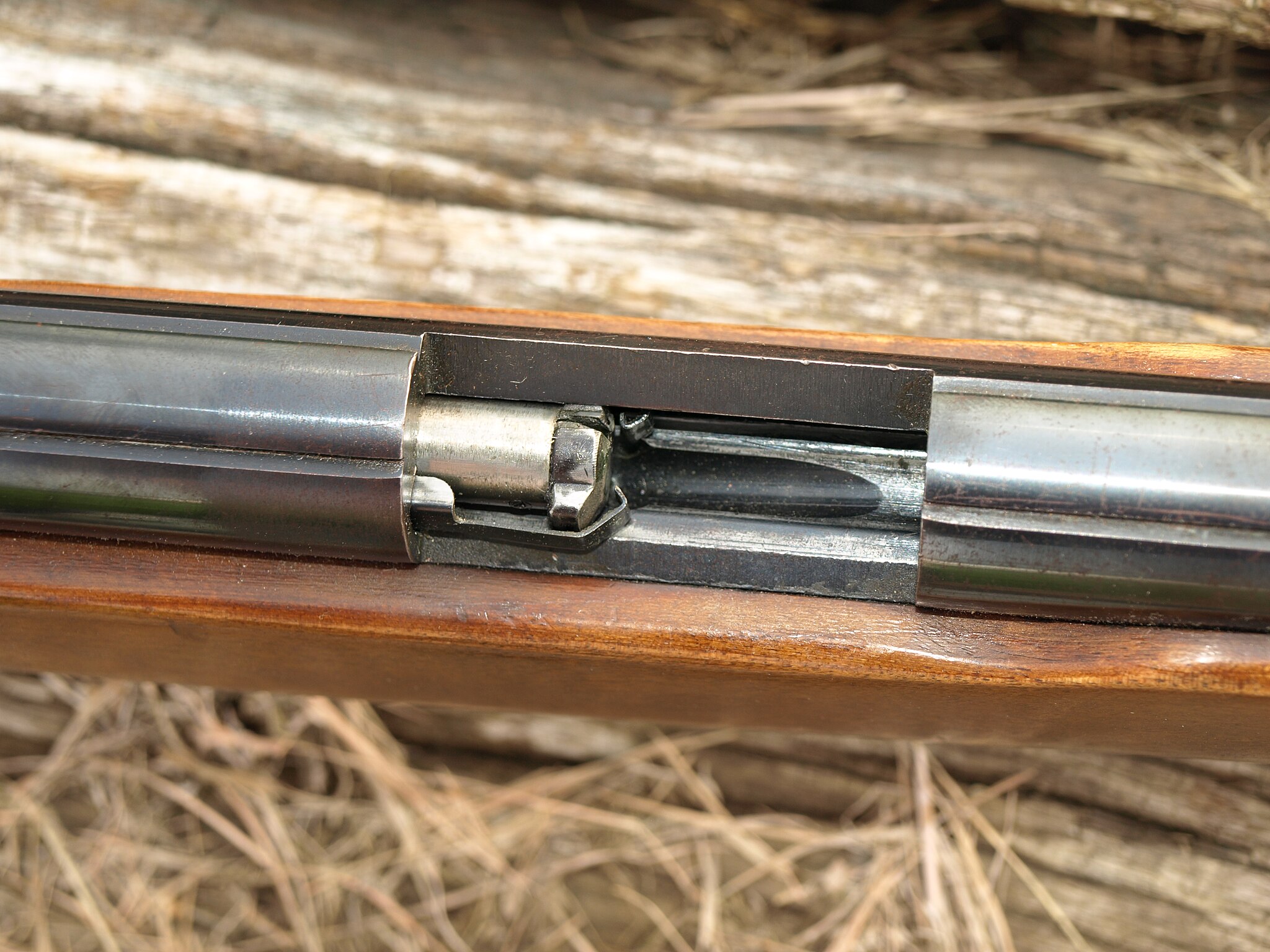
Extraction depends on secure cartridge engagement and controlled mechanical timing. Designs employing unusual extractor geometry or minimal engagement surfaces may display increased sensitivity. Variations in chamber condition or ammunition dimensions can influence consistency. Failures to extract often arise from tolerance or wear interactions rather than singular defects. Proven extraction systems evolved to maintain function across diverse conditions. Deviations may reduce tolerance for fouling or case irregularities. Owners sometimes encounter intermittent stoppages difficult to reproduce predictably. Reliability tends to correlate with robust engagement surfaces and forgiving mechanical timing rather than experimental minimalism.
12. Excessive Miniaturization Effects

Compact firearms satisfy demand for concealability, yet extreme miniaturization introduces engineering constraints. Reduced component size limits durability margins and mechanical leverage. Springs, pins, and bearing surfaces endure higher relative stress. Heat dissipation also becomes more challenging. While many small firearms function reliably, designs approaching mechanical limits may exhibit accelerated wear. Users occasionally report greater maintenance sensitivity or shortened service intervals. Size reduction must preserve structural integrity and timing stability. Reliability improves when compact dimensions remain balanced with sufficient material strength. Historical patterns show that aggressive scaling can amplify failure probabilities if engineering margins narrow excessively.
13. Designs Prioritizing Novelty Over Proven Function
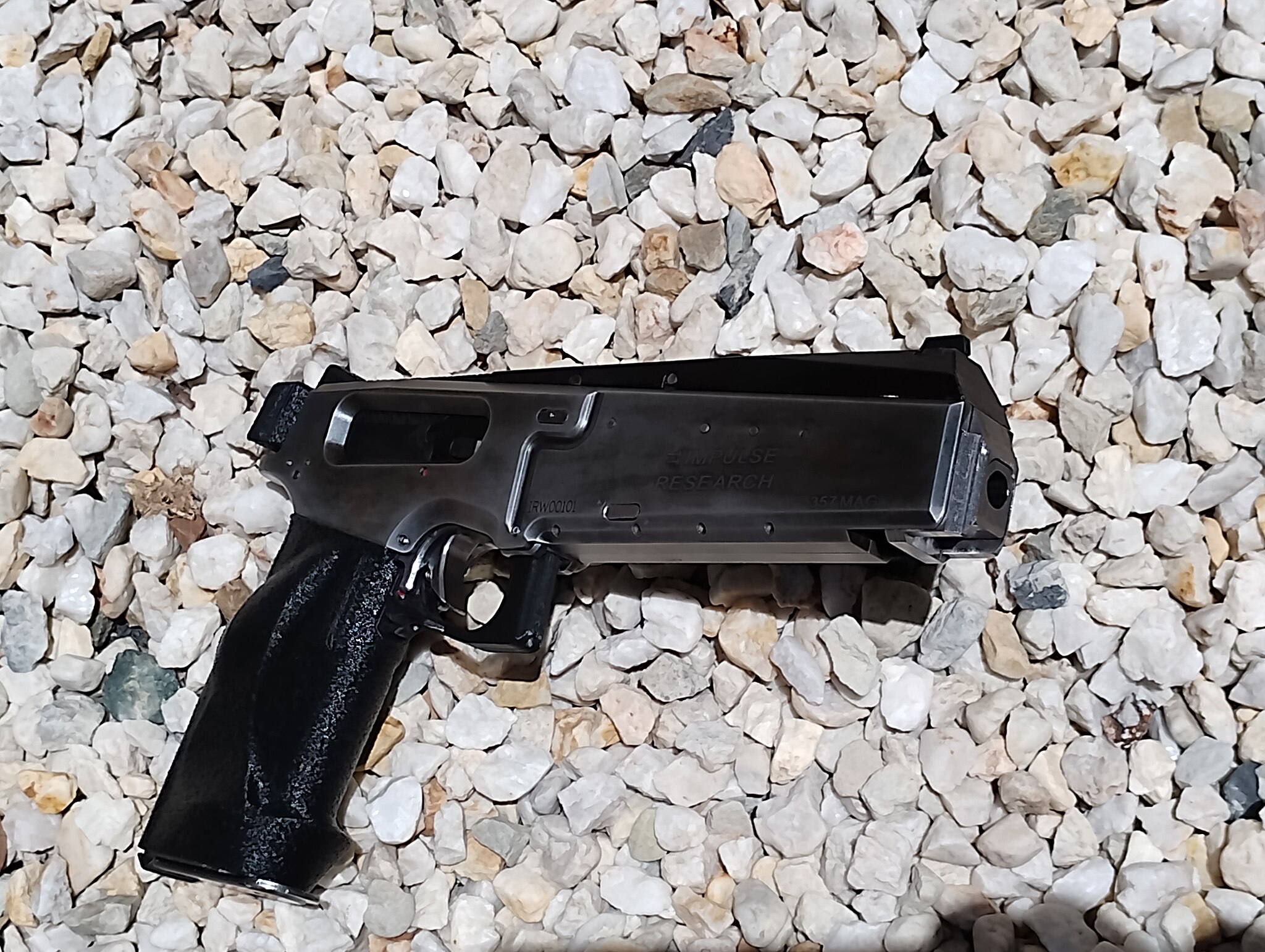
Innovation drives technological progress, but prioritizing uniqueness without adequate endurance testing may create vulnerabilities. Firearms introducing multiple unconventional features simultaneously compound mechanical uncertainty. Interactions between novel elements sometimes produce unpredictable results. Proven platforms typically refine one variable at a time. Reliability thrives on incremental improvement rather than sweeping experimentation. Owners may appreciate originality yet encounter operational inconsistency. Successful innovation requires balancing creativity with durability validation. Historical examples repeatedly demonstrate that dependable function often emerges from evolutionary design principles. Novelty captivates attention, but reliability secures long-term respect.