The United States is home to an incredible range of wildlife, from deserts and forests to wetlands and mountain ranges. While most animals prefer to avoid humans, some species possess defensive traits that can become dangerous when encounters happen unexpectedly. Venom, powerful jaws, strong territorial instincts, or protective behavior around young can all lead to serious incidents. Understanding where these animals live and how they behave helps people appreciate nature while staying safe outdoors. The following animals represent some of the most dangerous species found across different parts of the United States, reminding us that wilderness always deserves respect and caution.
1. American Alligator

The American Alligator is one of the most powerful reptiles found in the southeastern United States, especially in states such as Florida and Louisiana. This massive predator can grow over thirteen feet long and possesses a crushing bite capable of overpowering large prey. Alligators generally avoid humans, yet dangerous encounters can occur when people approach too closely to lakes, marshes, or slow-moving rivers. They are most active during warm months when they hunt fish, turtles, birds, and mammals. Attacks on humans remain rare but can be deadly due to the animal’s immense strength and ambush hunting style.
2. Grizzly Bear
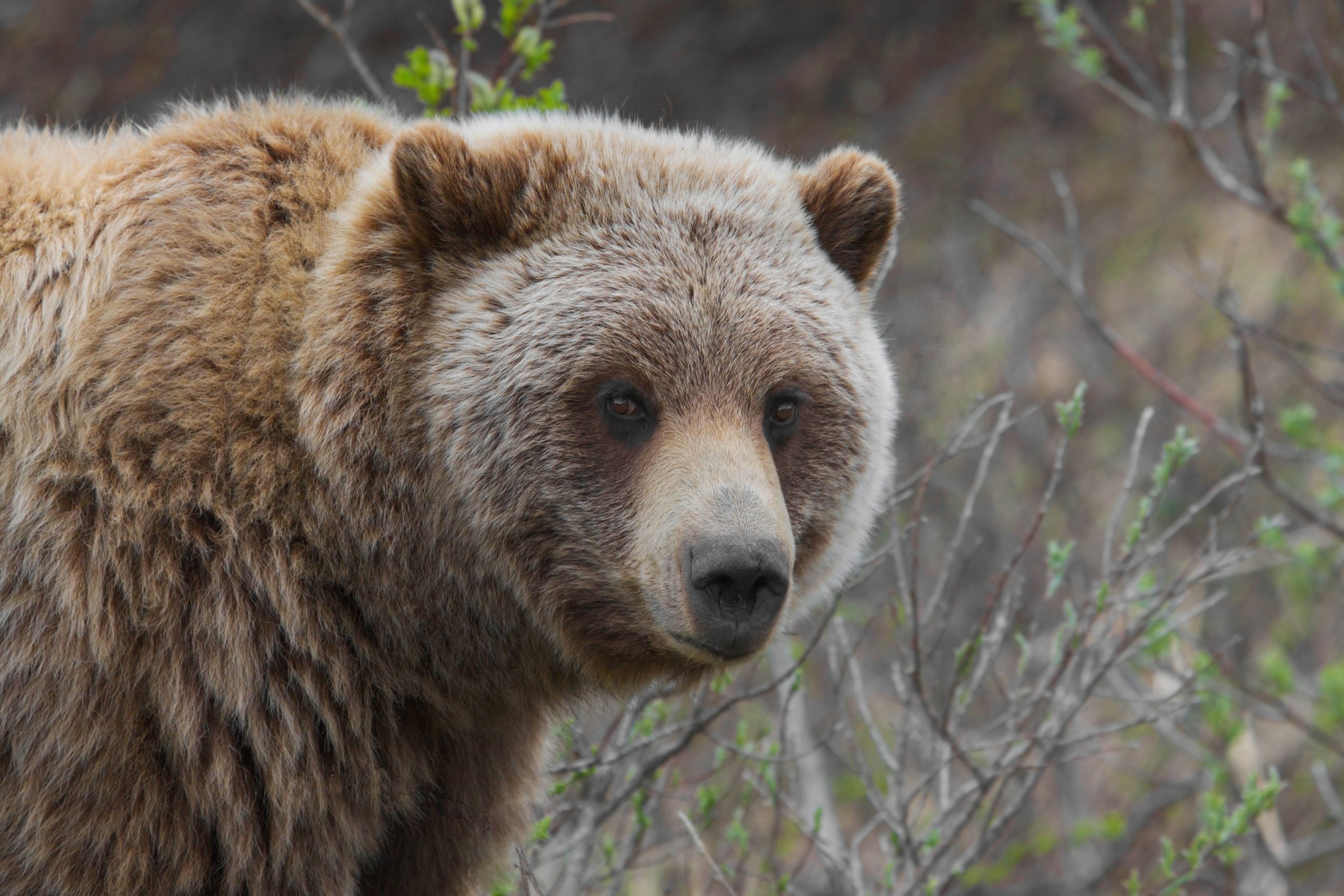
The Grizzly Bear is one of North America’s most formidable land predators. It lives primarily in the mountainous regions of Montana, Wyoming, and Alaska. Adult males can weigh several hundred pounds and possess enormous strength, sharp claws, and powerful jaws. Most grizzlies avoid human contact, yet they may become aggressive if surprised, threatened, or defending cubs. Hikers and campers sometimes encounter them in remote wilderness areas. While attacks are uncommon, the potential severity makes this species one of the most dangerous animals in the country.
3. American Black Bear
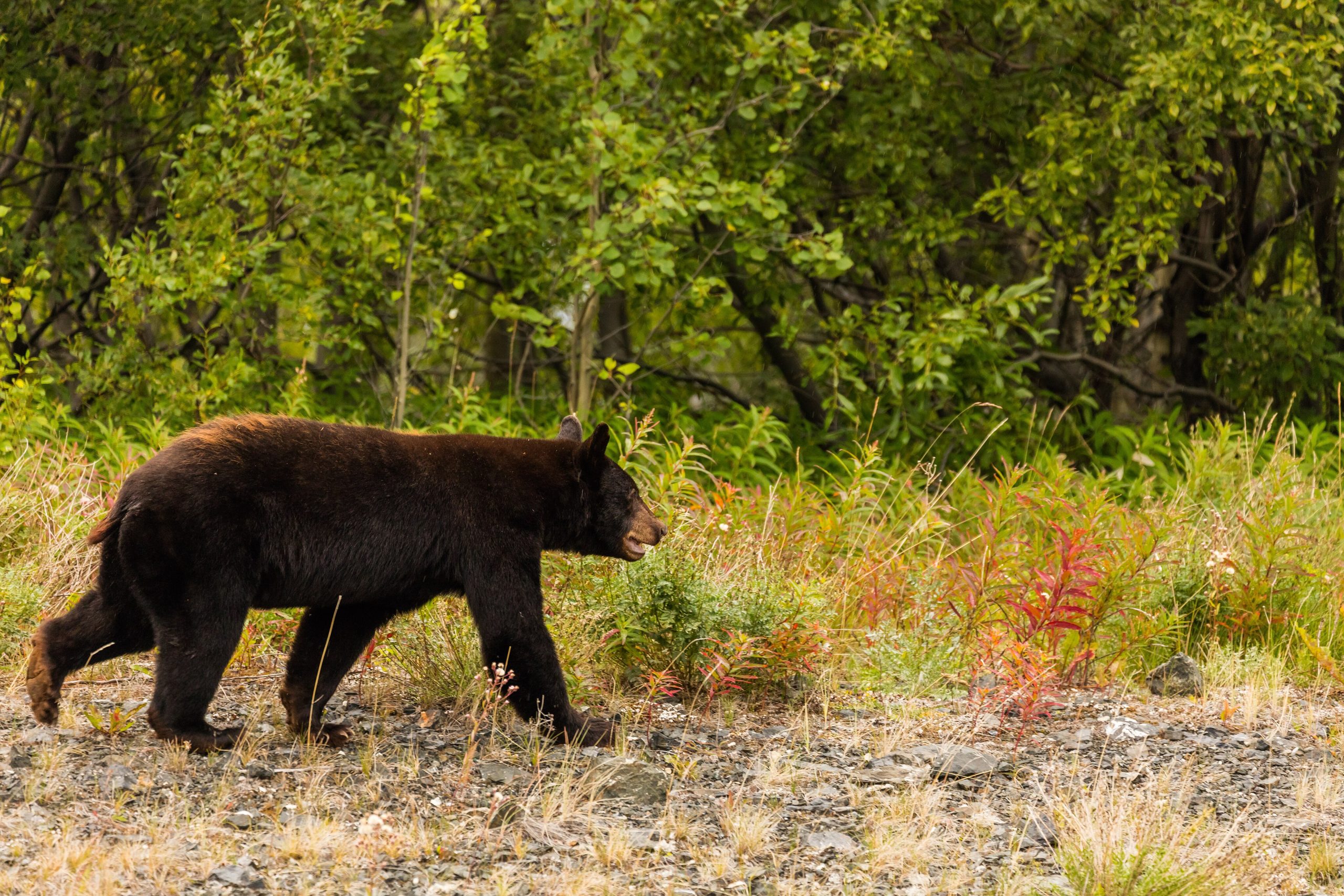
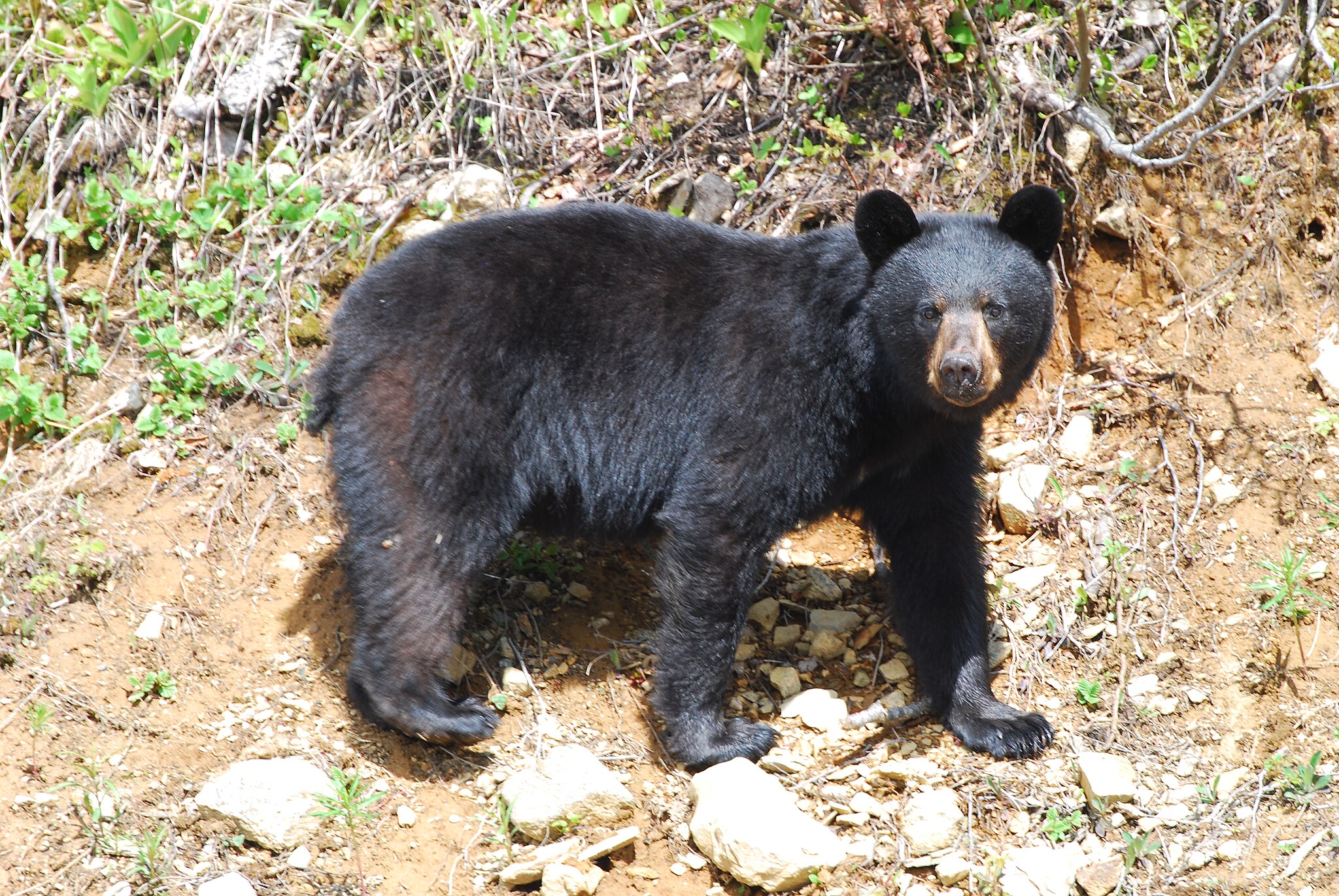
The American Black Bear is the most widely distributed bear species in the United States. It lives in forested regions across states such as North Carolina, Pennsylvania, and Colorado. Although smaller than the grizzly, black bears can still weigh several hundred pounds and possess impressive strength. They typically avoid people but may approach campsites or residential areas when attracted by food. Defensive behavior can occur if a bear feels cornered or surprised. Understanding proper food storage and wildlife awareness helps reduce encounters with this powerful animal.
4. Mountain Lion
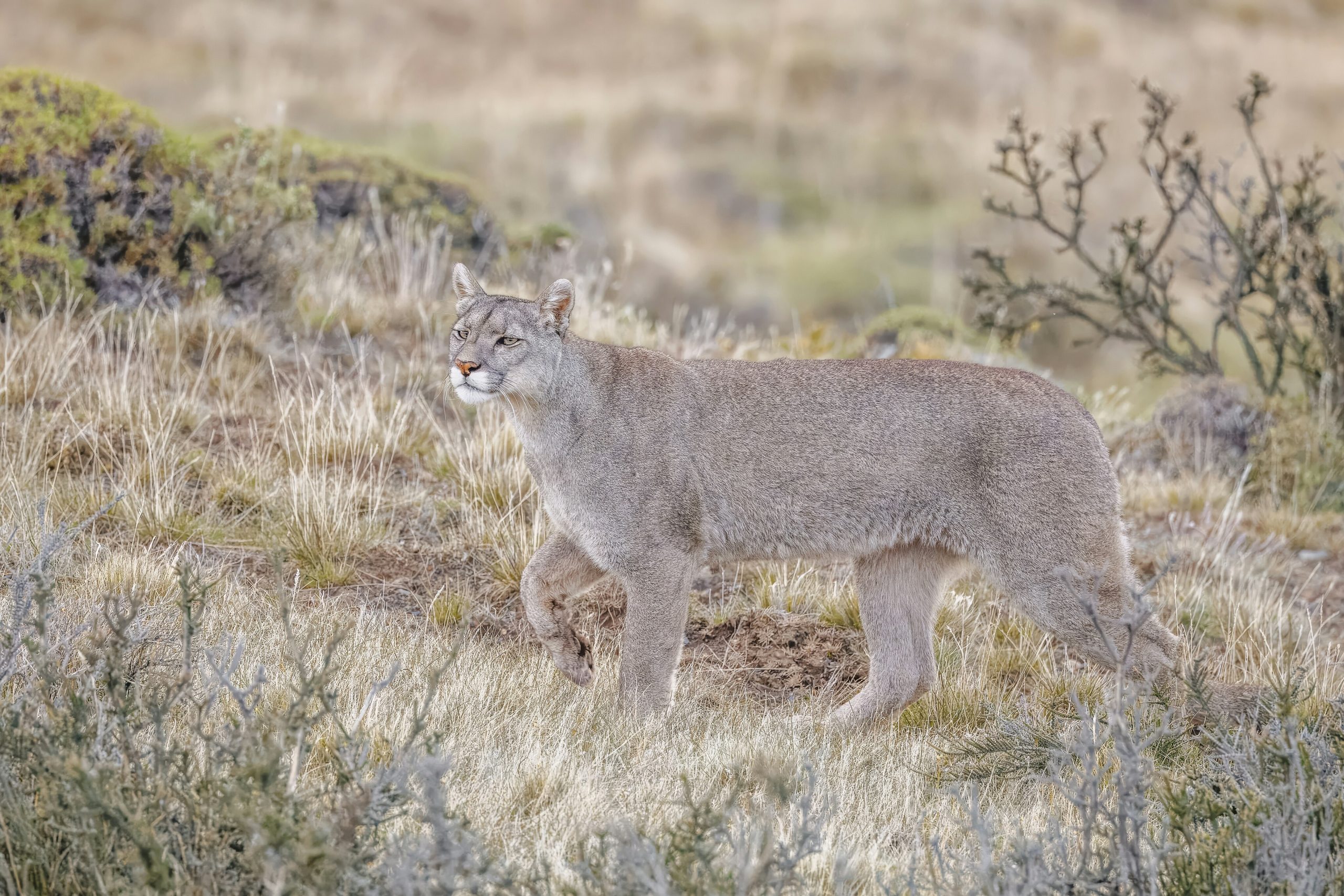
The Mountain Lion, also known as a cougar or puma, is a stealthy predator that inhabits large portions of the western United States, including California and Arizona. This solitary cat relies on ambush hunting and remarkable agility to capture deer and other prey. Adult mountain lions are capable of powerful leaps and possess sharp claws and teeth designed for taking down large animals. Encounters with humans are rare, but attacks have occurred in remote hiking areas. Because the animal moves silently and blends well with its surroundings, it can be difficult to detect before an encounter occurs.
5. Timber Rattlesnake
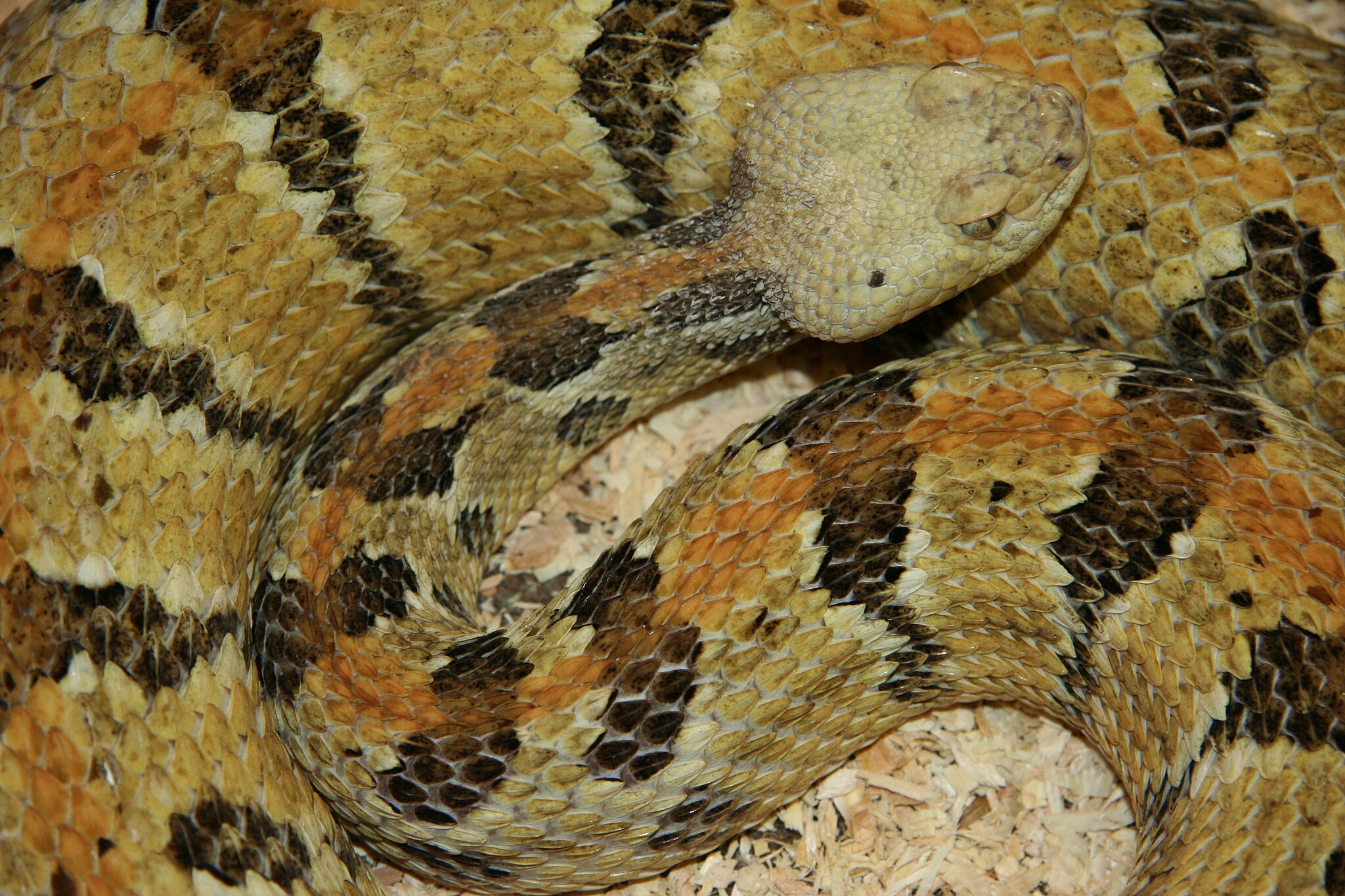
The Timber Rattlesnake is one of the most recognized venomous snakes in the eastern United States. It inhabits forests and rocky hillsides in states such as Virginia and New York. This snake uses heat-sensing pits and a distinctive rattle to warn potential threats. Its venom can cause severe medical complications if a bite occurs. Fortunately, rattlesnakes usually prefer to remain hidden and will often retreat when given space. Problems arise when hikers accidentally step too close or disturb a resting snake along trails or in wooded areas.
6. Eastern Diamondback Rattlesnake
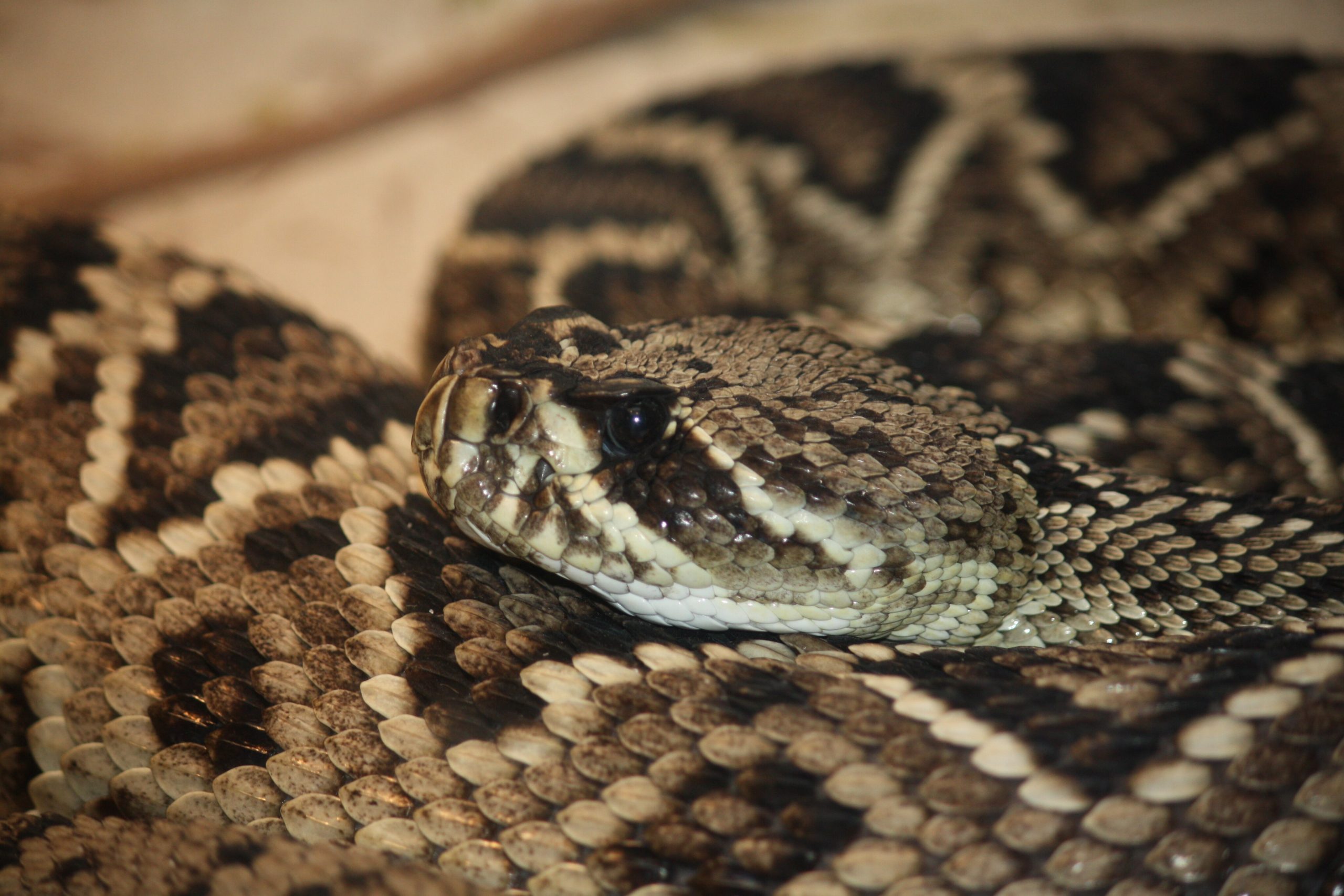
The Eastern Diamondback Rattlesnake is the largest venomous snake in North America and lives primarily in the southeastern states, especially Georgia and Florida. Its distinctive diamond pattern makes it recognizable, yet the snake often remains well camouflaged in dry forests and coastal plains. This species delivers a powerful venom designed to immobilize prey quickly. Although it usually avoids humans, accidental encounters can occur during outdoor activities. Because of its size and potent bite, it is considered one of the most dangerous snakes in the United States.
7. Western Diamondback Rattlesnake
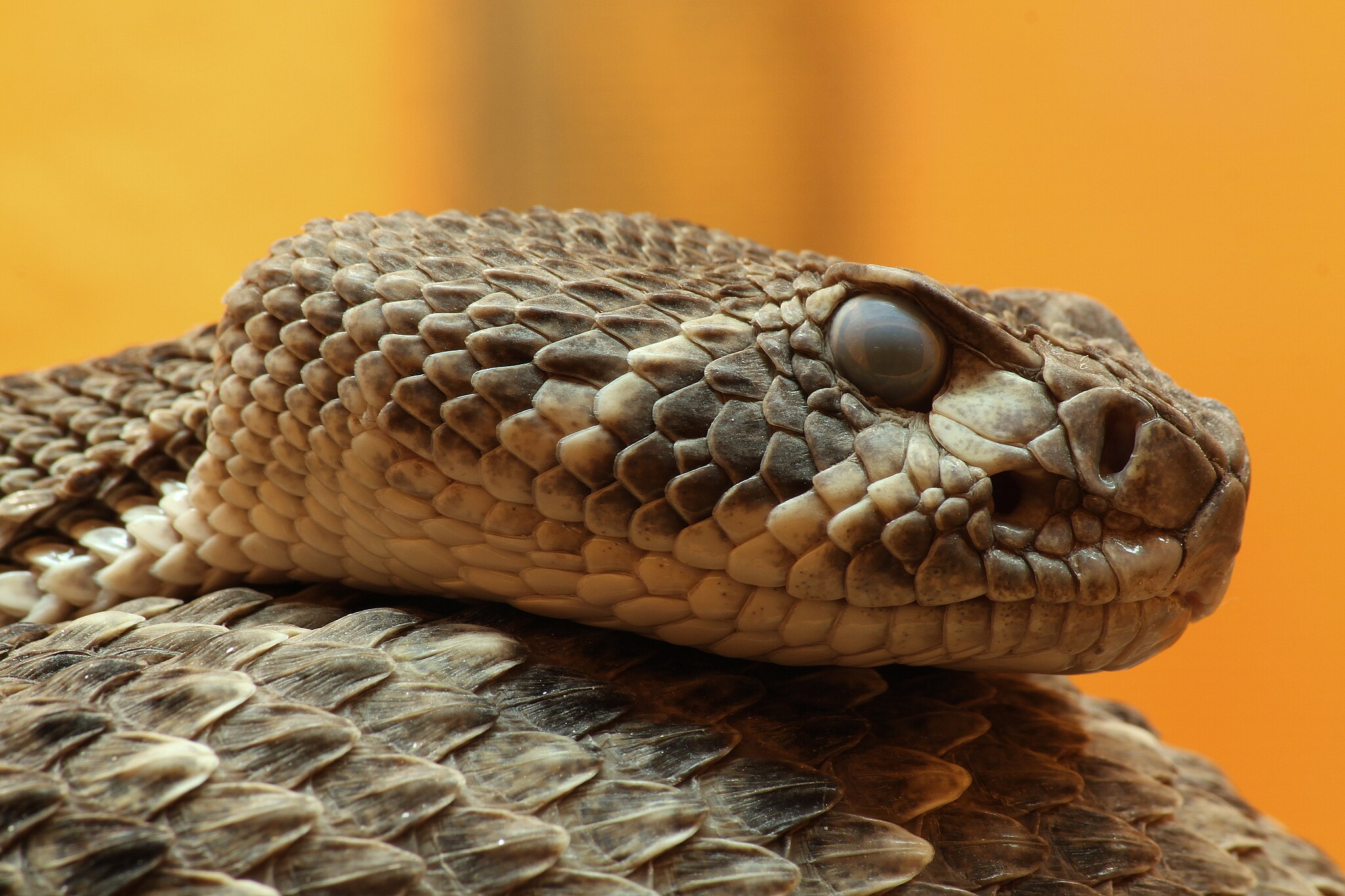
The Western Diamondback Rattlesnake is widely distributed across desert and semi-desert regions of the southwestern United States. It is particularly common in states like Texas and New Mexico. This snake is responsible for a significant number of venomous snakebites in the country each year. It relies on camouflage and ambush tactics while hunting rodents and small animals. When threatened, it raises its body and produces a loud warning rattle. Most bites occur when people accidentally step near the snake or attempt to handle it.
8. Brown Recluse Spider
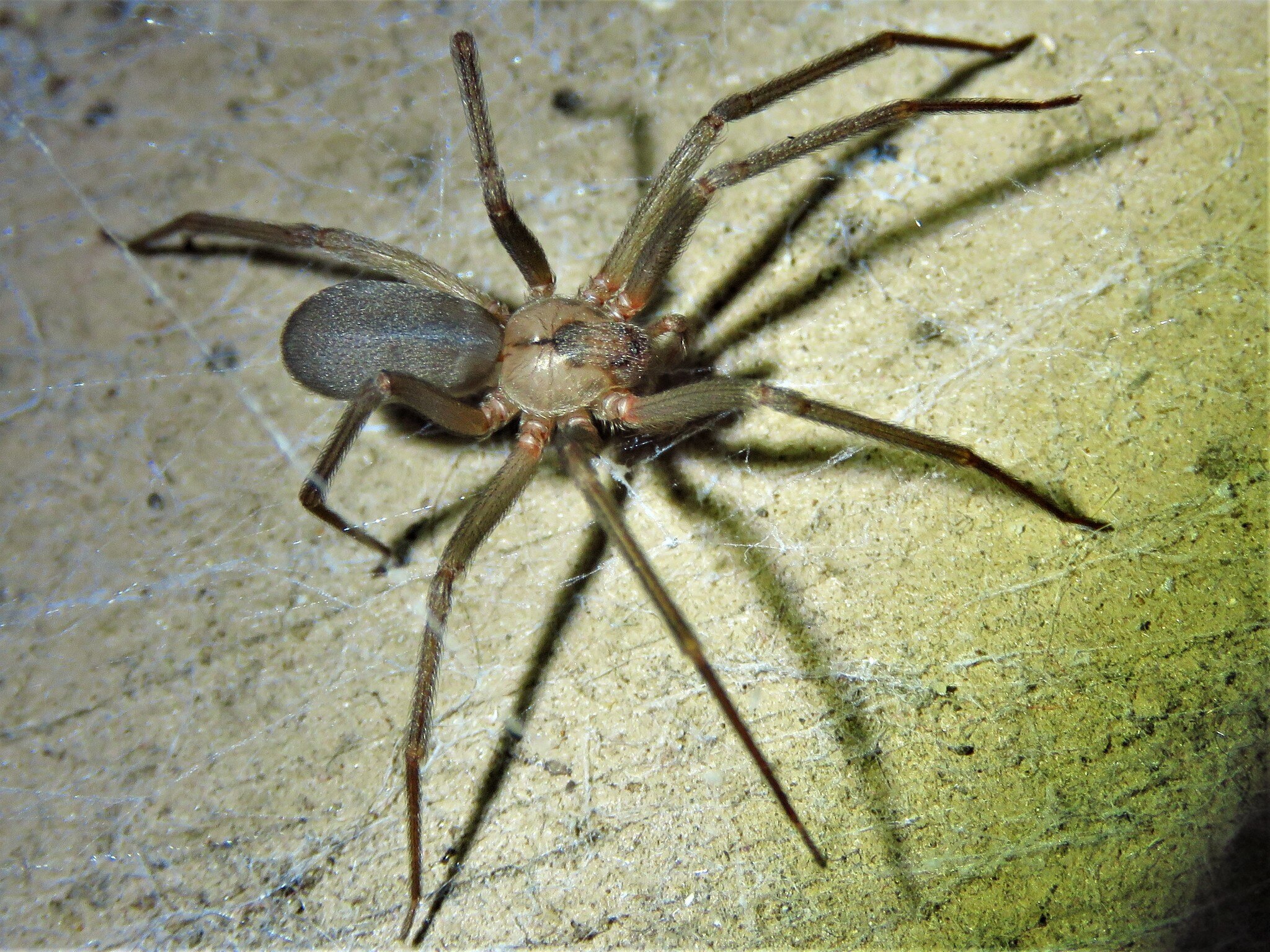
The Brown Recluse Spider is a small but medically significant species found across several central and southern states, including Missouri and Oklahoma. This spider prefers quiet indoor spaces such as closets, storage boxes, and rarely disturbed corners. Its venom can cause tissue damage in severe cases, although most bites occur accidentally when the spider becomes trapped againstthe skin. Brown recluse spiders are shy and usually avoid contact. However, their ability to live inside homes increases the chance of unexpected encounters compared to many other wildlife species.
9. Black Widow Spider
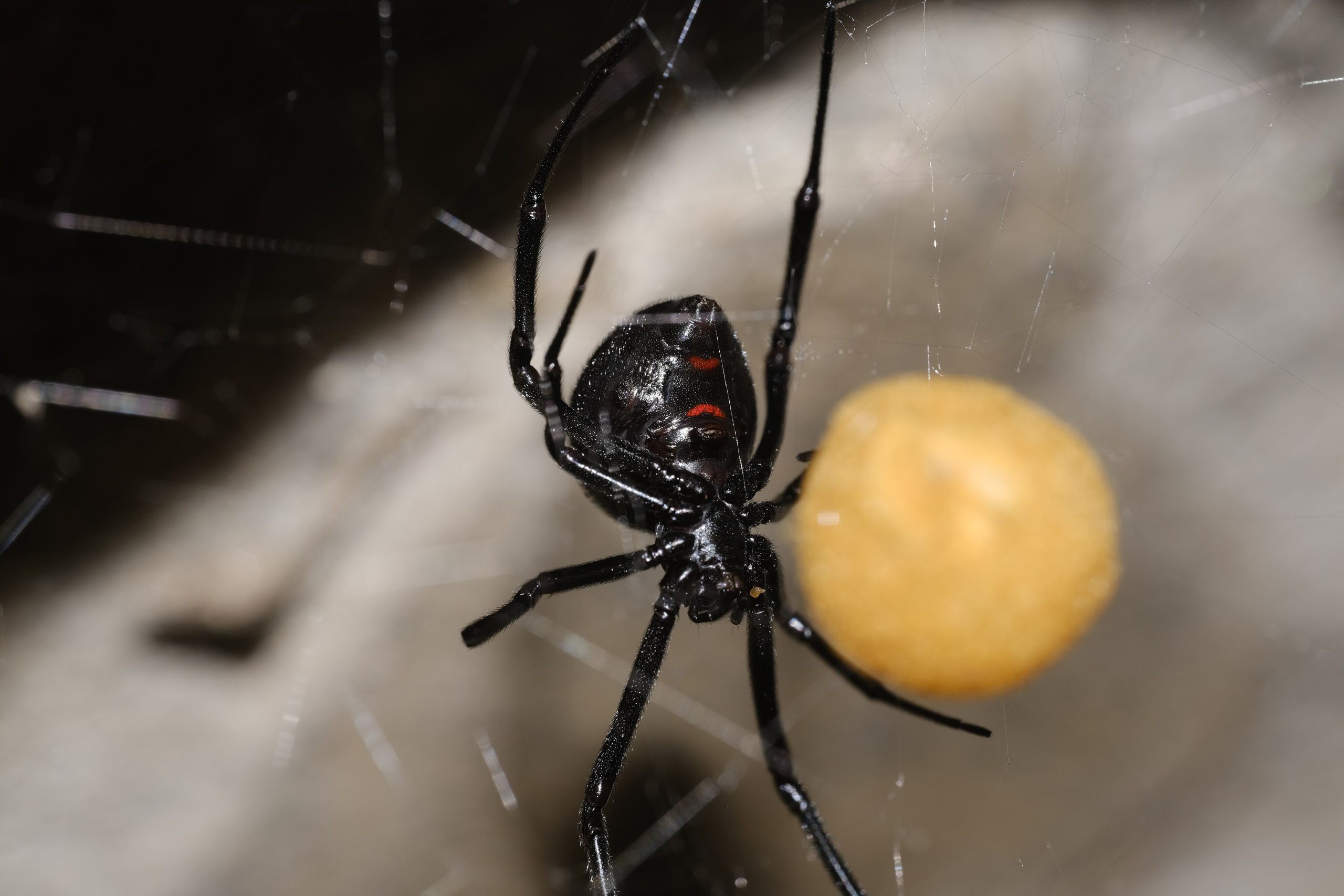
The Black Widow Spider is one of the most recognizable venomous spiders in North America. It is commonly found in warm regions such as California and Nevada. Female black widows are known for their glossy black bodies and distinctive red hourglass marking. Their venom affects the nervous system and can cause intense pain and muscle symptoms. Although bites rarely become fatal with modern medical care, they still require immediate attention. These spiders often build webs in dark outdoor structures like sheds, woodpiles, and garages.
10. Bull Shark
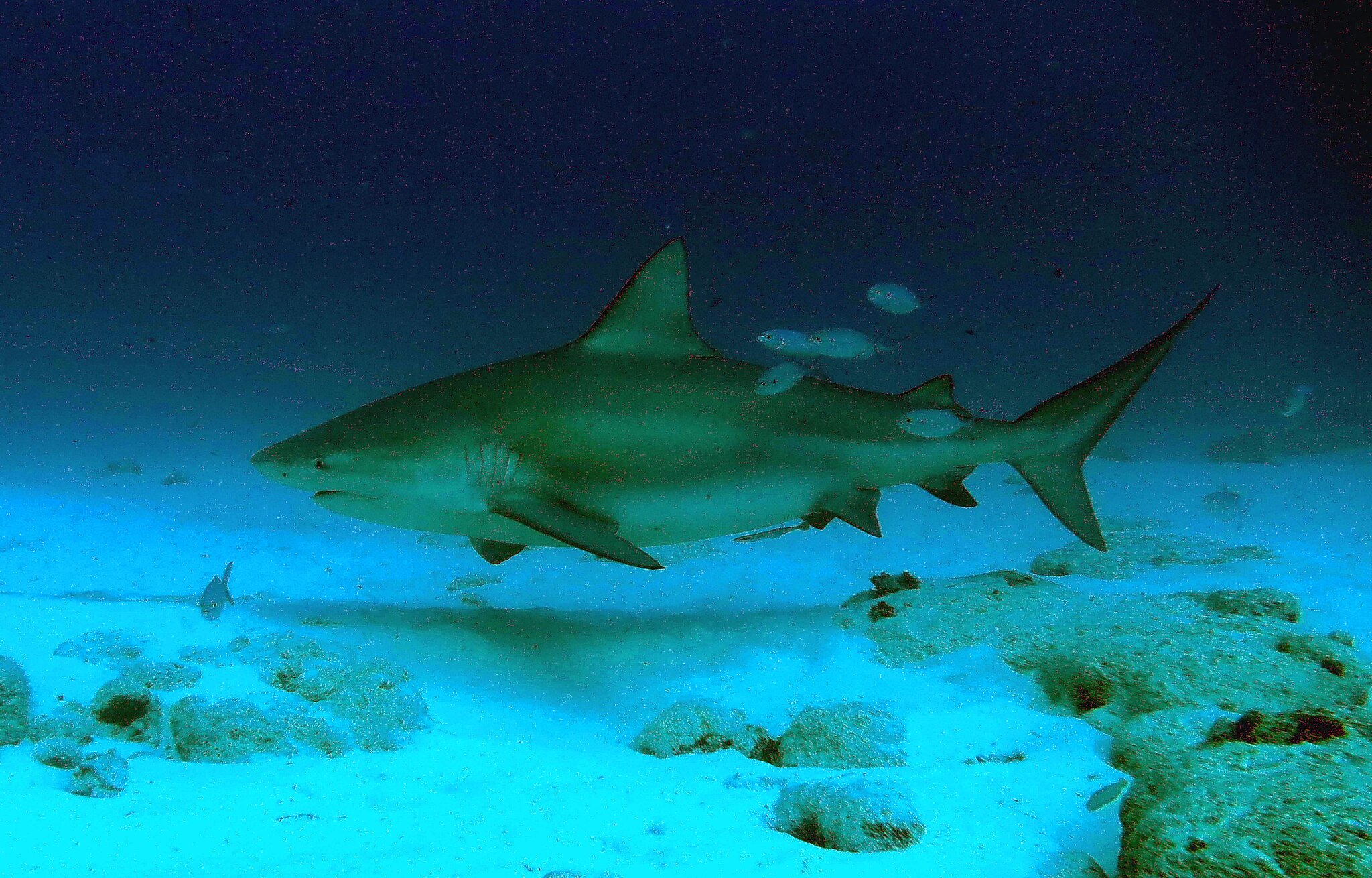
The Bull Shark is considered one of the most dangerous shark species because it can tolerate both saltwater and freshwater environments. It inhabits coastal waters along states like Florida and Texas, and sometimes travels far into river systems. Bull sharks are strong, aggressive hunters with powerful jaws capable of delivering devastating bites. While shark attacks remain extremely rare compared to the number of people entering the ocean each year, bull sharks are frequently mentioned in studies of serious shark encounters due to their behavior and habitat range.
11. Moose
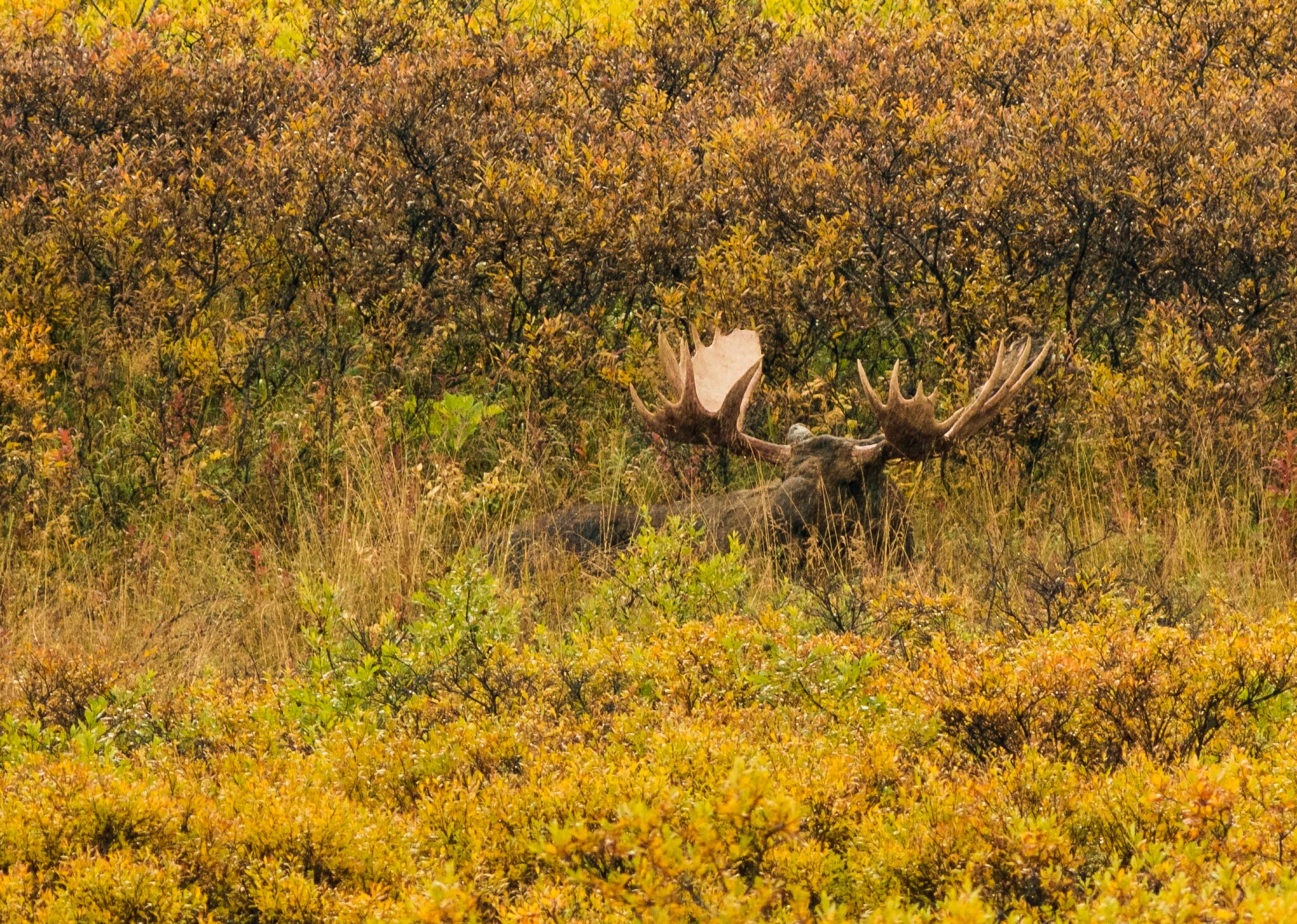
The Moose is the largest member of the deer family and can be surprisingly dangerous despite its herbivorous diet. It is commonly found in northern states such as Alaska and Maine. Adult moose stand extremely tall and possess powerful legs capable of delivering serious kicks. They may become aggressive if approached too closely, particularly during mating season or when protecting calves. Many incidents occur when people unknowingly enter the animal’s personal space. Because of their size and strength, moose encounters require careful distance and awareness.
12. American Bison
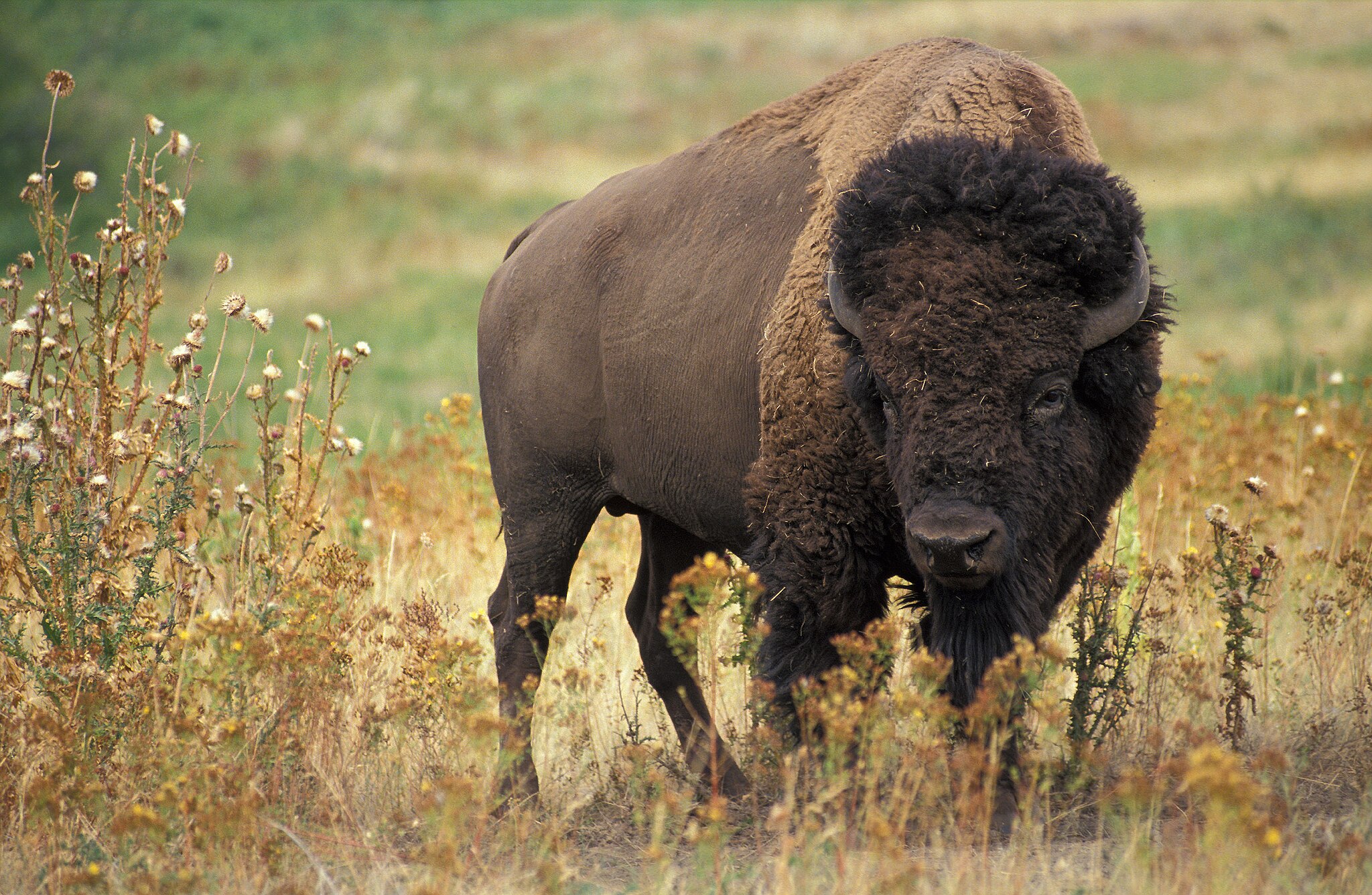
The American Bison is the largest land animal in North America and primarily lives in protected areas such as Yellowstone National Park. Despite their calm appearance, bison can run at surprising speeds and react aggressively if people approach too closely. Each year, visitors underestimate their power and attempt to take photos at unsafe distances. A charging bison can weigh over a ton and possesses massive horns capable of causing serious injury. Respecting wildlife viewing guidelines is essential when observing these impressive animals in their natural habitat.
13. Box Jellyfish
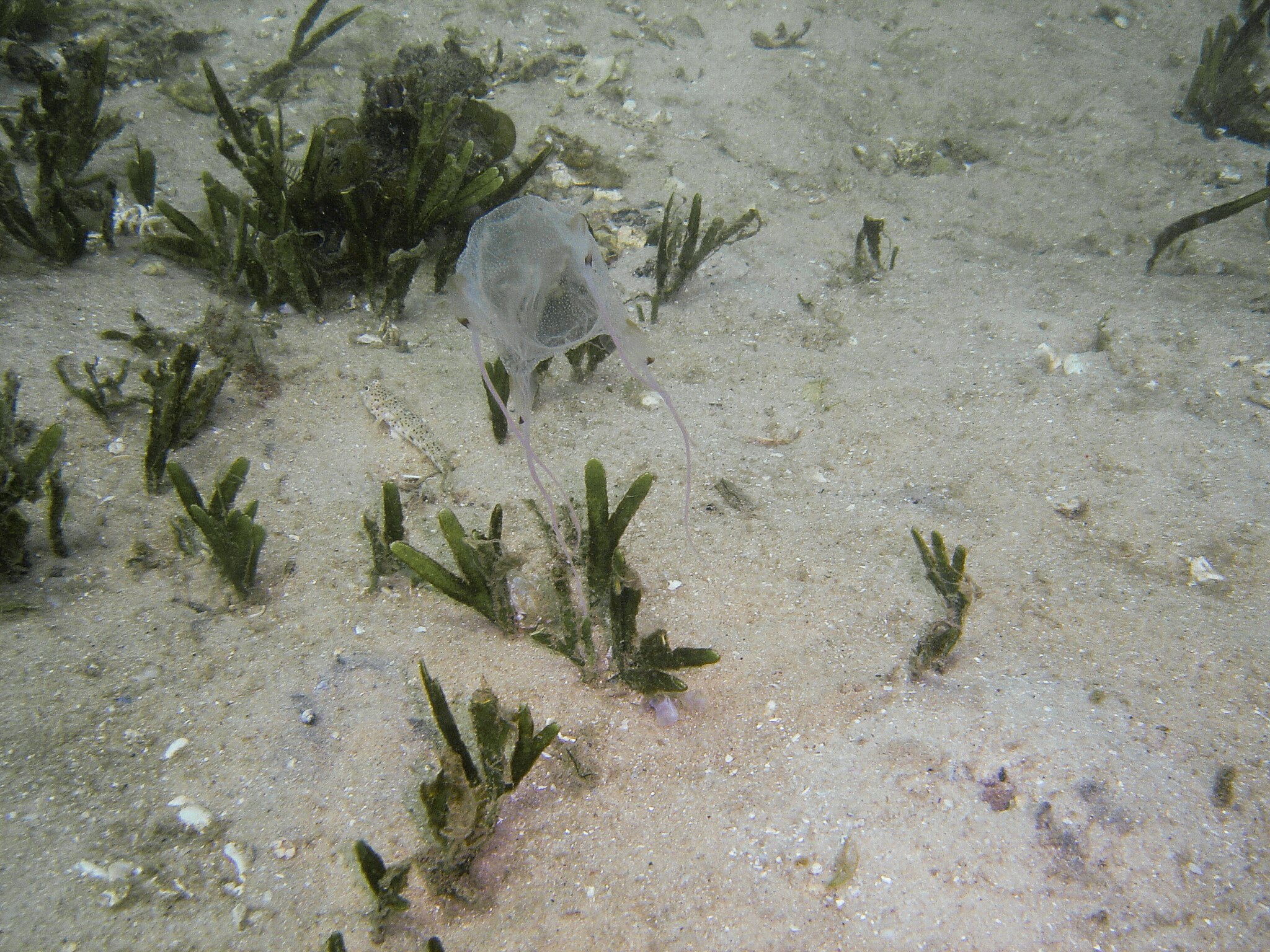
Although more common in Indo-Pacific waters, certain box jellyfish relatives occasionally appear near warm coastal areas of the United States, particularly around Hawaii. These translucent creatures possess tentacles lined with microscopic stinging cells that release venom upon contact. Their stings can cause intense pain and serious medical complications. Because they are difficult to see in the water, swimmers may accidentally encounter them without warning. Coastal monitoring programs and public advisories help reduce risks during peak jellyfish seasons along certain beaches.