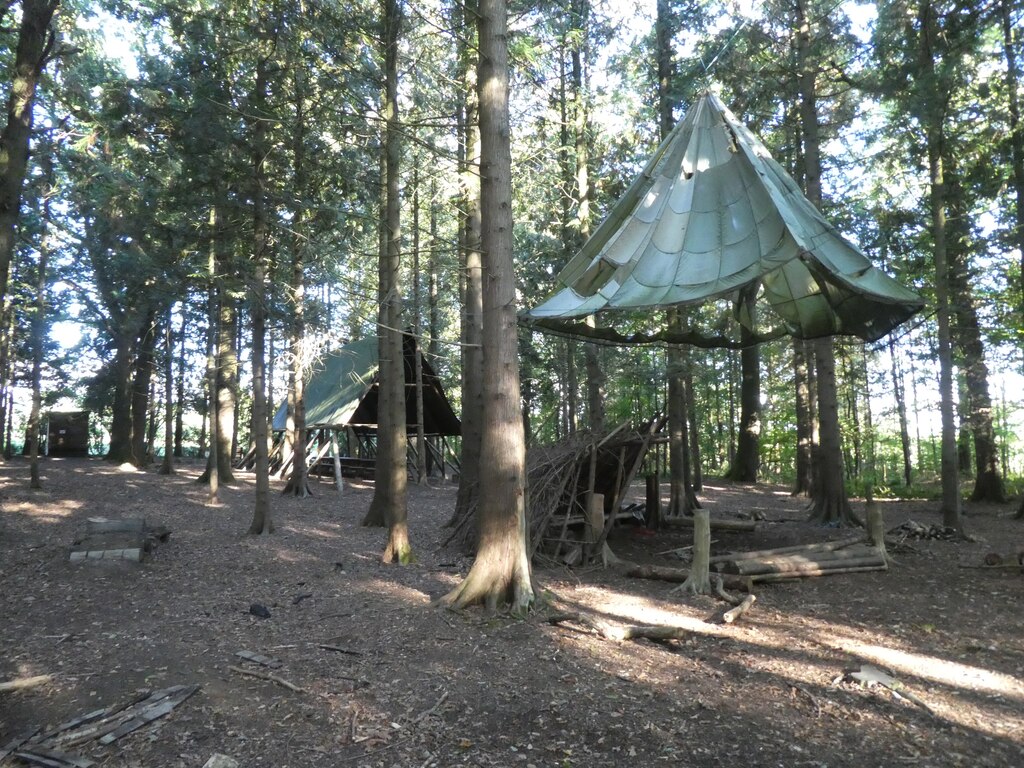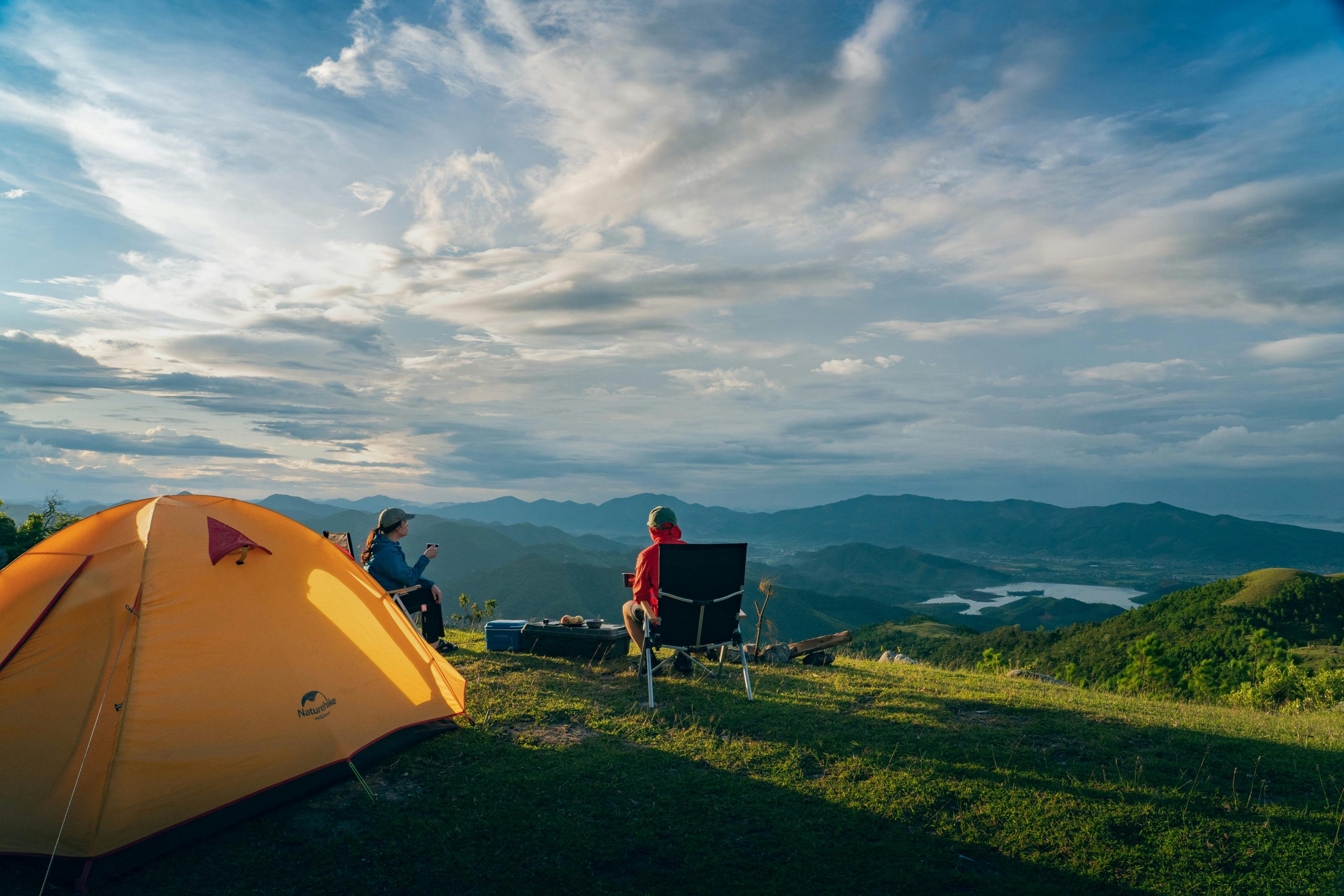
Most camping problems do not begin with carelessness. They begin with optimism. People want to pack light, save time, explore freely, or make the trip feel more relaxed. These good intentions often lead to small compromises that seem harmless at first. Over time, those choices create discomfort, stress, or real safety concerns. Camping environments are unforgiving of shortcuts, especially when weather, terrain, or fatigue enter the picture. Understanding how common problems start helps campers make smarter decisions before issues grow. The following situations are easy to visualize and photograph, showing how simple intentions can quietly turn into major camping challenges.
1. Packing Light and Leaving Out Essential Gear
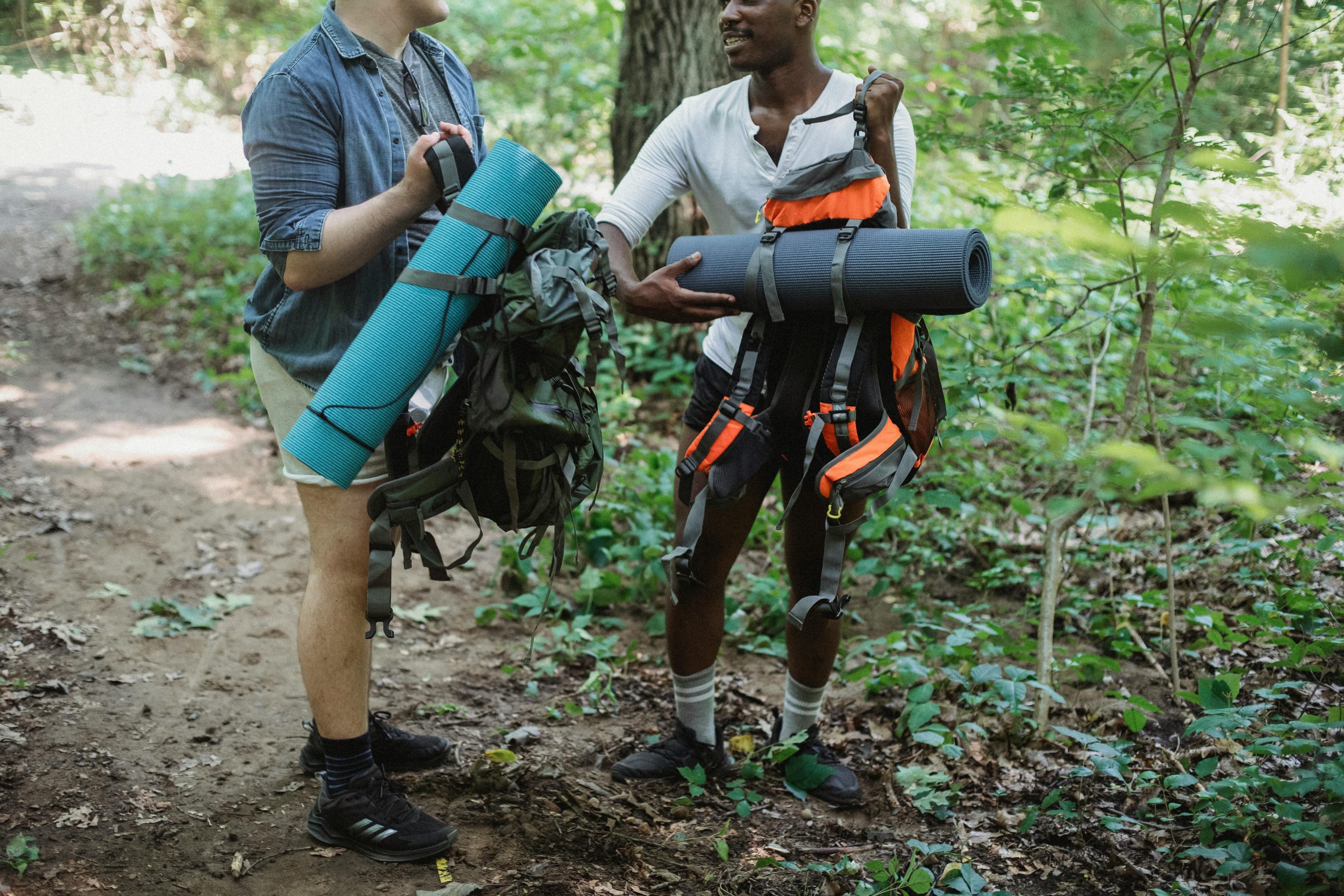
Packing light feels efficient and responsible, especially when weight and space are limited. Campers often remove items they believe they will not need, assuming conditions will remain predictable. The problem appears when the weather shifts, the gear breaks, or the plans change unexpectedly. Missing layers, lighting, repair tools, or backups reduces comfort and safety quickly. Without essentials, small challenges demand improvisation, which increases stress and risk. What begins as minimalism becomes dependency on luck. Good intentions to simplify packing often underestimate how quickly outdoor conditions expose missing gear and reduce margin for error.
2. Choosing a Campsite Based on Views Alone
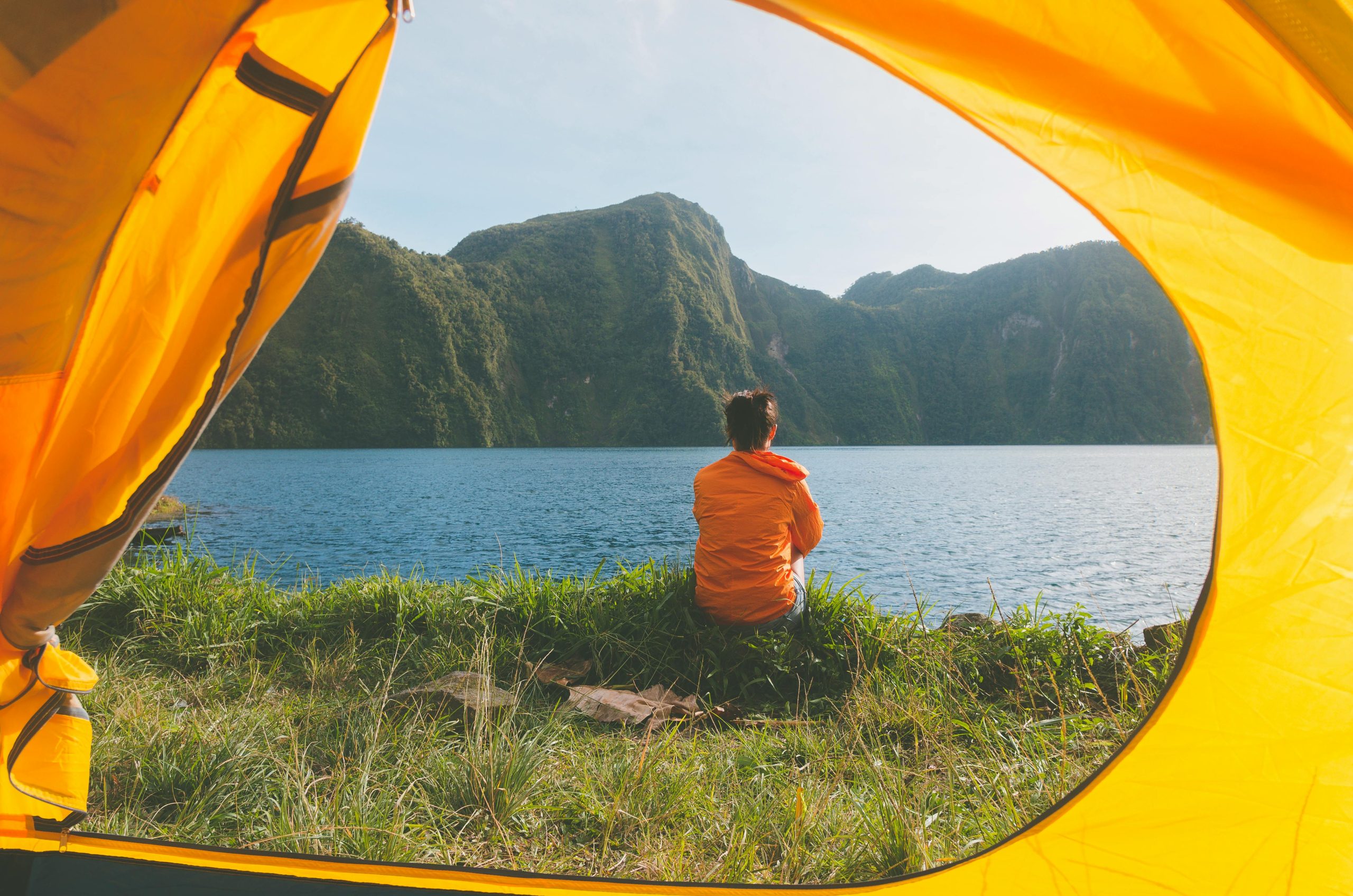
Selecting a campsite based on appearance feels rewarding after travel or hiking. Campers may prioritize views, proximity to water, or openness while ignoring practical factors. Drainage, wind exposure, ground stability, and nearby hazards often go unchecked. These issues surface later, especially overnight or during weather changes. Water levels rise, wind increases, and ground conditions worsen. Comfort declines as safety concerns grow. The intention to enjoy surroundings can overshadow the need for functional site selection. Campsite choice requires balance, not preference alone, to prevent avoidable problems after setup.
3. Delaying Camp Setup to Explore First
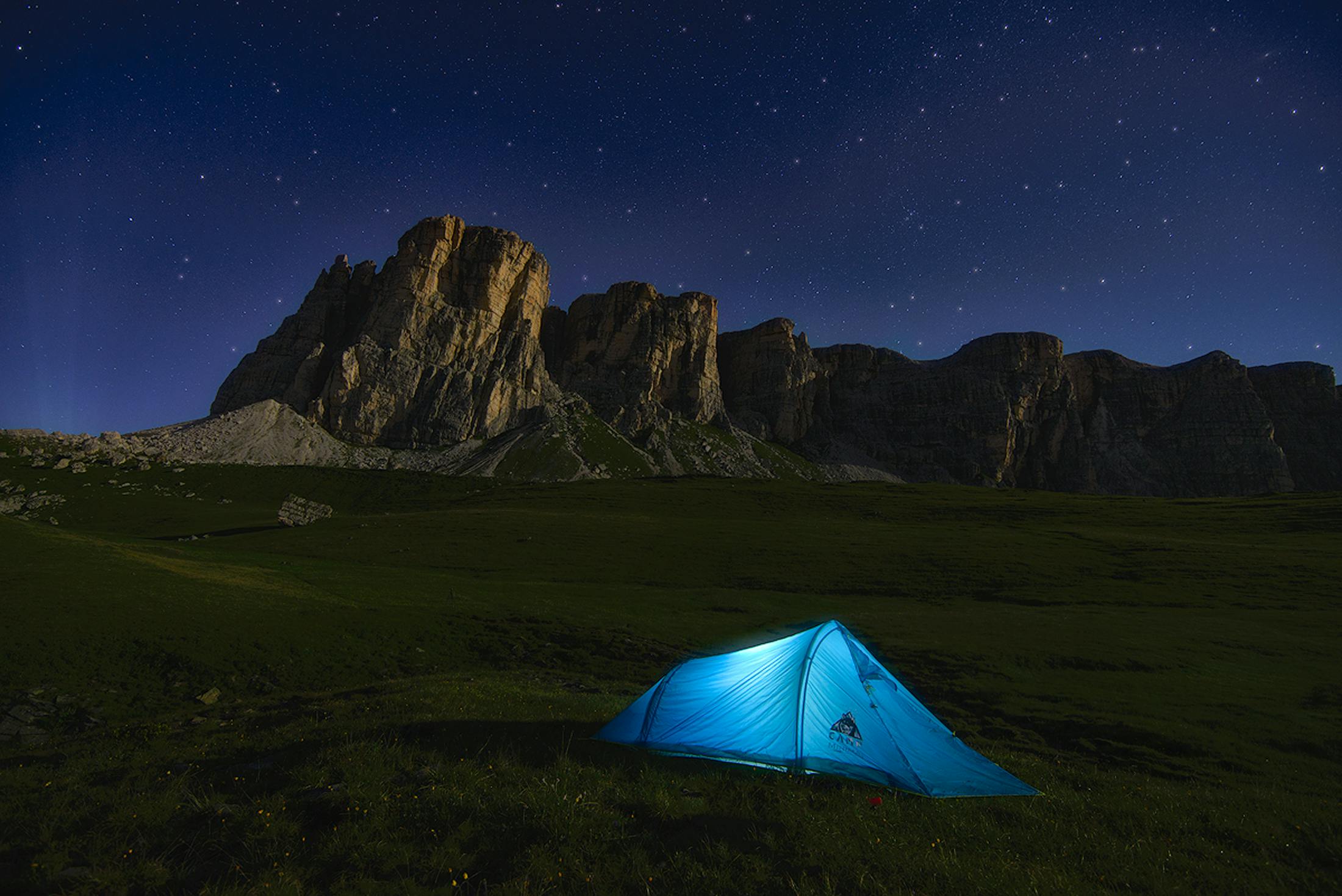
Arriving early encourages campers to relax or explore before establishing camp. This decision feels harmless when daylight remains, and energy is high. Problems arise when time passes unnotice,d and conditions shift. Light fades, fatigue increases, and the weather can change suddenly. Setting up camp under pressure leads to mistakes, disorganization, and frustration. Essential tasks take longer, and errors become harder to fix. The intention to enjoy free time often replaces prioritizing readiness. Delayed setup reduces flexibility when it is needed most and increases stress when the camp should already be secure.
4. Bringing Too Much Food Without Planning Storage

Campers often bring extra food to ensure comfort and avoid shortages. Without planning how it will be stored, excess food creates multiple issues. Improper storage attracts animals, increases waste, and complicates campsite management. Perishable items spoil faster than expected, and packaging accumulates quickly. Managing food becomes time-consuming and distracting. The intention to eat well turns into constant concern over protection and cleanup. Food planning requires limits and organization. Without them, abundance creates more problems than security during a camping trip.
5. Relying on Technology Instead of Redundancy
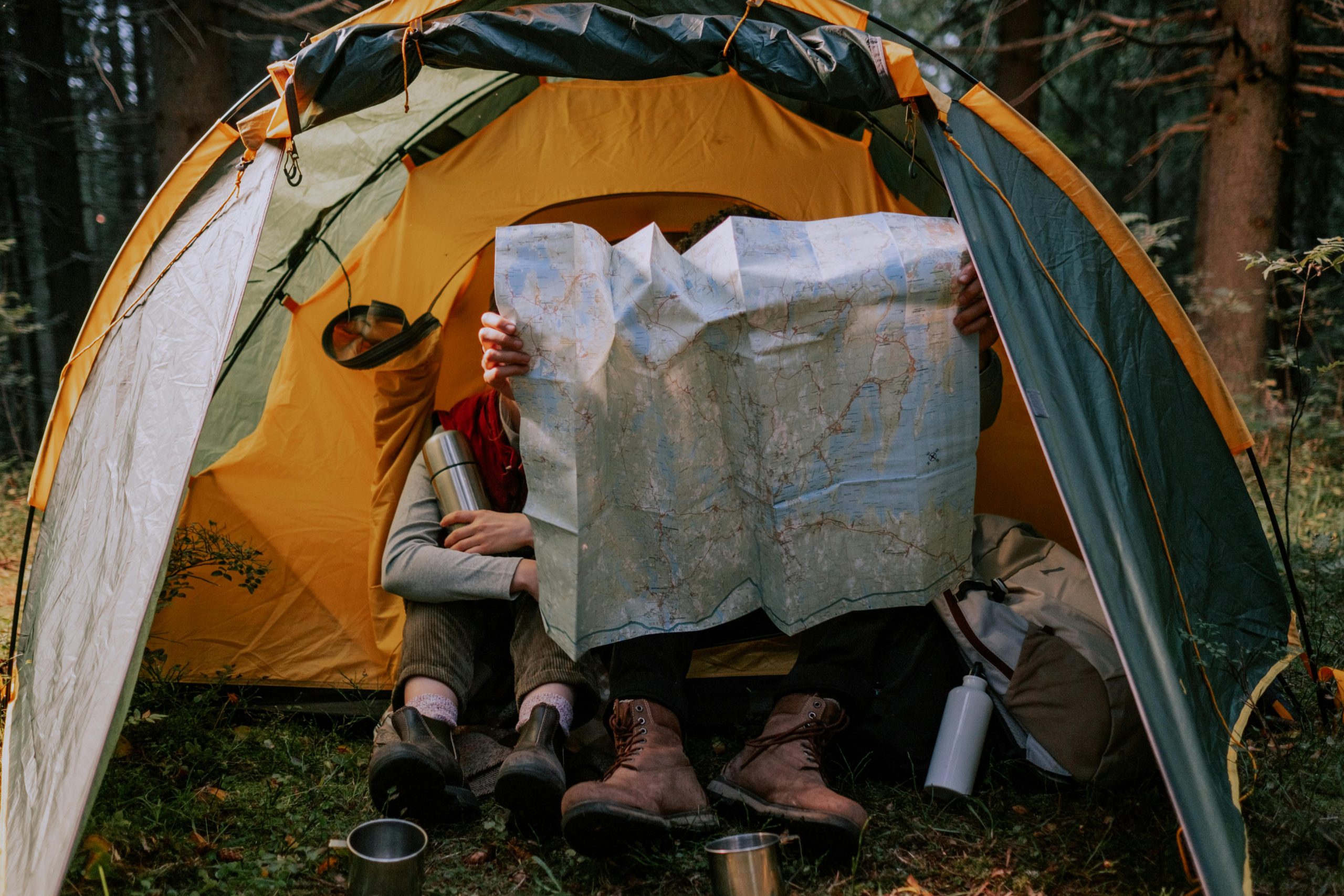
Modern camping relies heavily on phones, navigation apps, and battery-powered equipment. These tools feel reliable and convenient, encouraging campers to skip analog backups. Problems begin when batteries drain, signals disappear, or devices fail. Navigation, lighting, and communication become difficult or impossible. Stress increases as options disappear. The intention to simplify tasks with technology replaces resilience. Without redundancy, a single failure affects multiple needs. Technology works best as support, not a sole solution. Overreliance increases vulnerability in environments where failure is expected.
6. Overestimating Physical Ability or Endurance
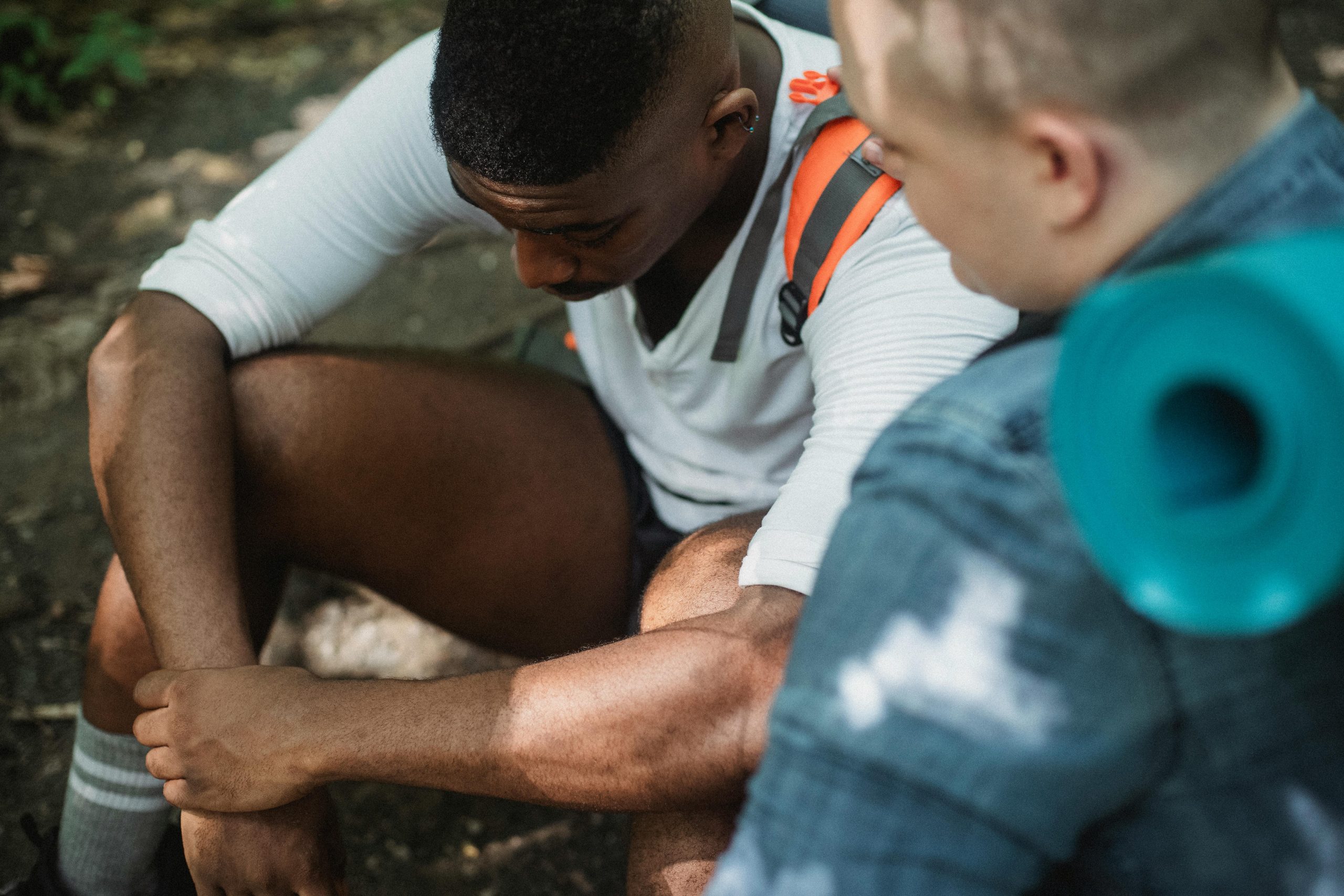
Optimism often leads campers to plan demanding activities based on best-case assumptions. Terrain, weather, altitude, and load weight quickly reduce stamina. Fatigue affects balance, judgment, and pace, increasing injury risk. Camps may be reached later than expected or not at all. Recovery takes longer outdoors, especially without rest or nutrition. The intention to push limits can compromise safety and enjoyment. Accurate self-assessment matters more than ambition. Overestimating endurance leads to exhaustion that impacts the entire trip rather than enhancing it.
7. Ignoring Weather Forecasts to Stay Flexible
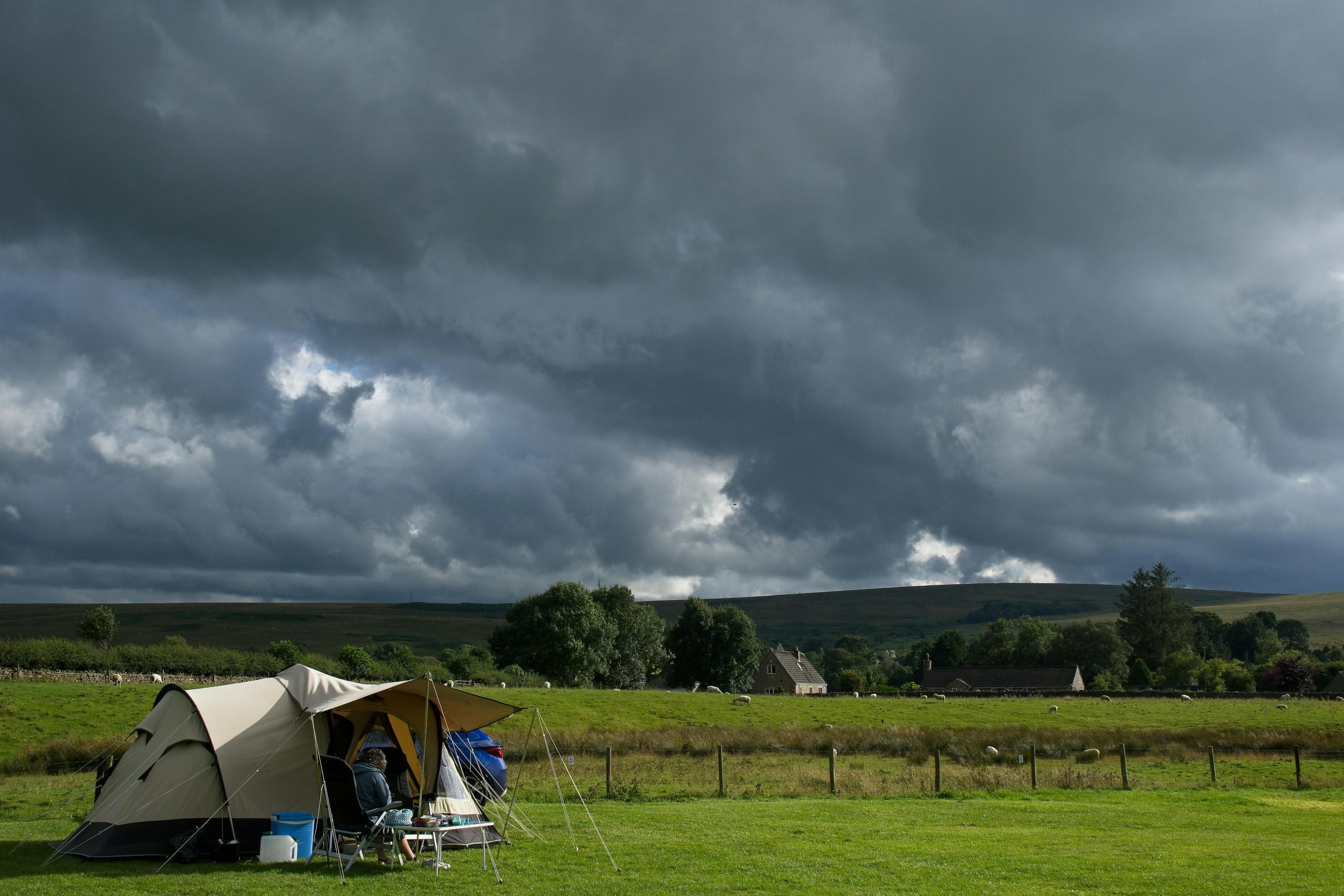
Some campers avoid checking forecasts to keep plans open and avoid disappointment. Weather changes regardless of intentions. Rain, wind, heat, or cold can overwhelm unprepared camps. Gear becomes inadequate, travel becomes unsafe, and schedules collapse. Adaptation becomes reaction rather than planning. The intention to remain flexible removes the ability to make informed choices. Awareness does not limit freedom. It enables safer adjustments. Ignoring forecasts trades preparation for uncertainty and increases exposure to avoidable discomfort and risk.
8. Choosing Comfort Over Campsite Safety
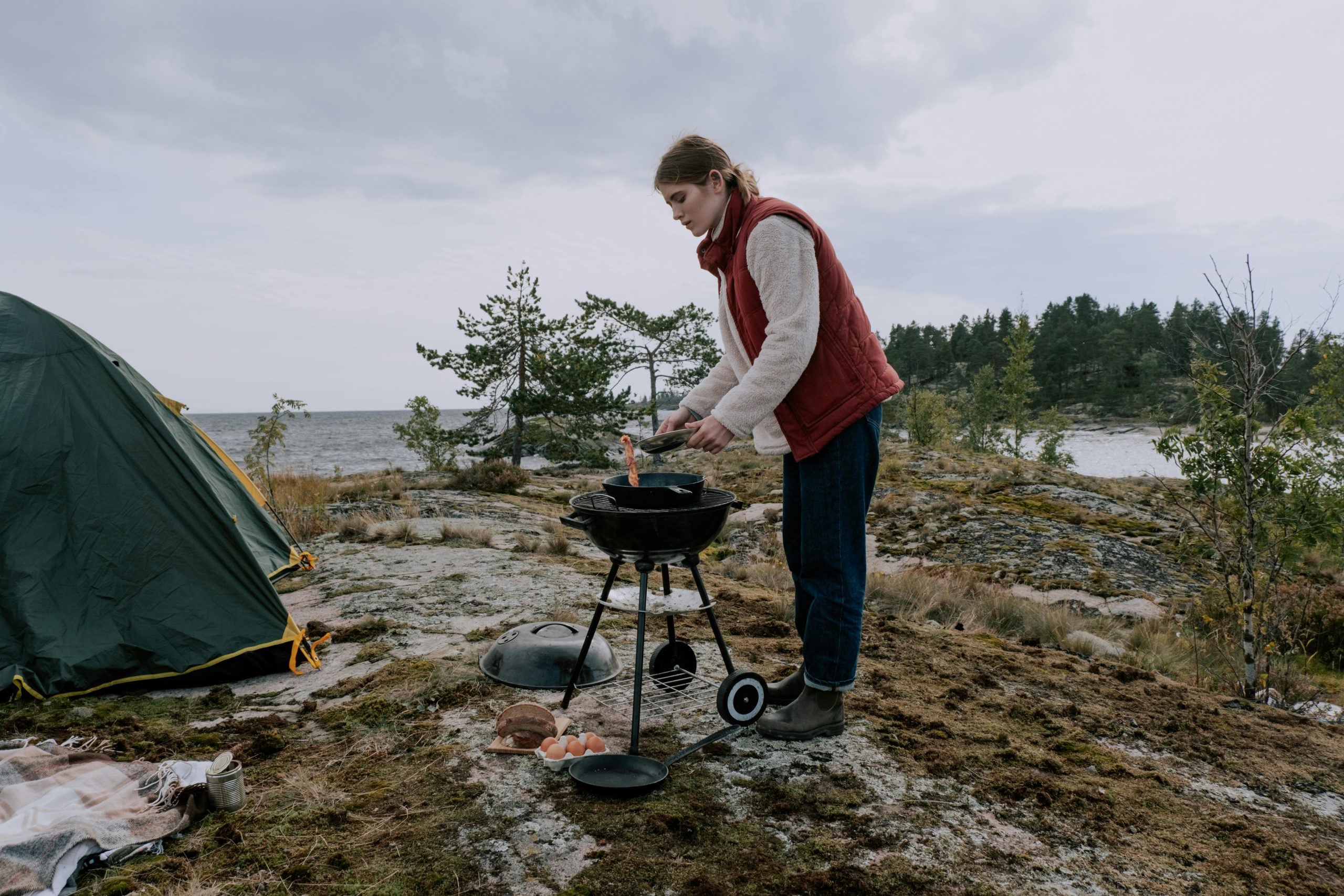
Comfort often guides campsite and gear decisions. Soft ground, shade, or convenience may outweigh safety considerations. Overnight conditions reveal consequences such as flooding, temperature shifts, or increased animal activity. What felt comfortable initially becomes problematic hours later. The intention to rest easily ignores how environments change over time. Comfort should support safety, not replace it. Prioritizing immediate ease often sacrifices long-term stability, leading to disrupted sleep, increased stress, and unnecessary relocation or early departure.
9. Skipping Practice With New Gear
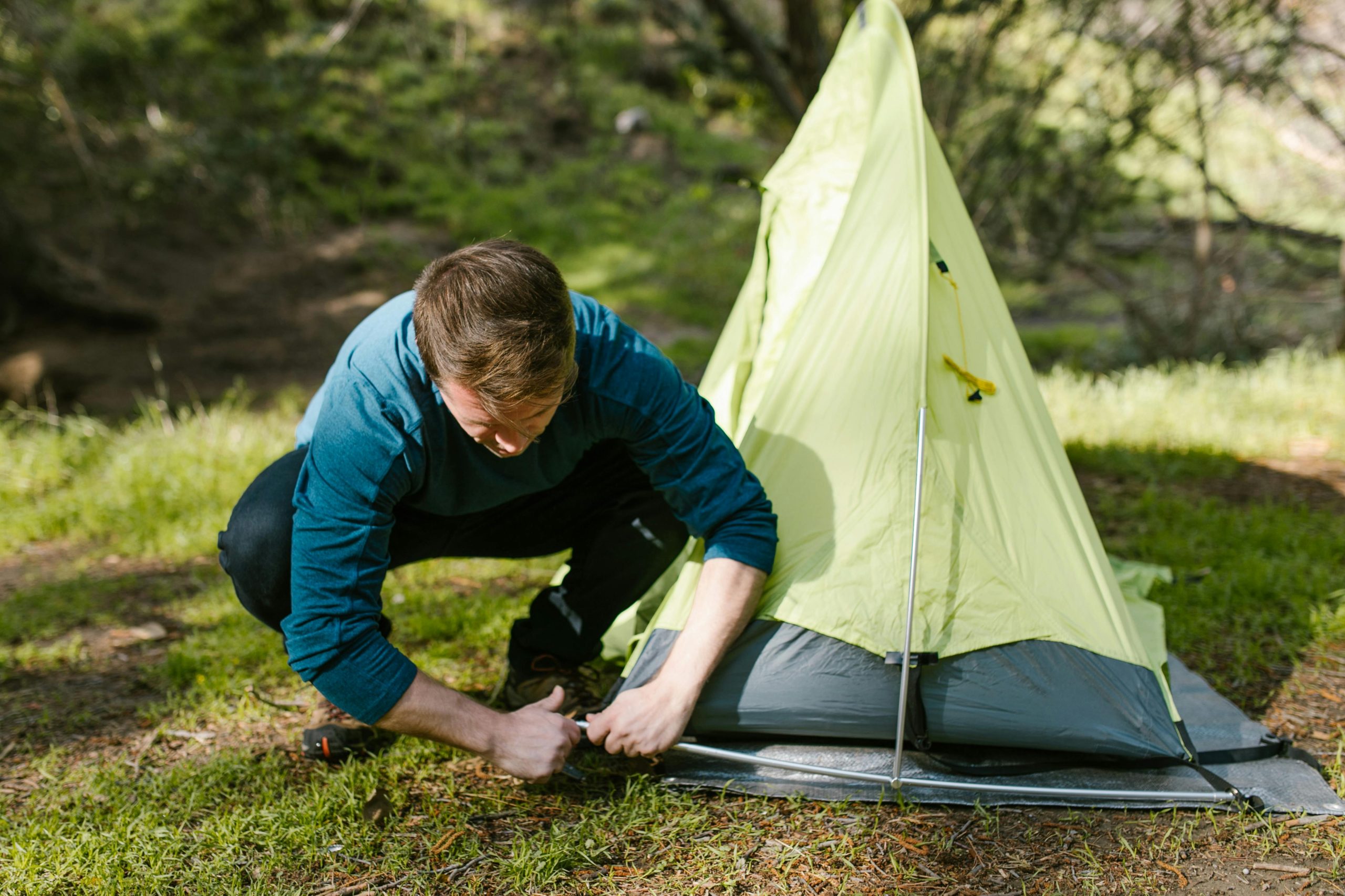
New gear inspires confidence and excitement. Campers assume instructions will be clear and setup will be intuitive. Problems arise when unfamiliar equipment behaves unexpectedly or fails under real conditions. Learning while tired or in poor weather increases frustration. Errors waste time and reduce effectiveness. The intention to upgrade gear replaces the need to understand it. Familiarity matters more than novelty. Practicing beforehand prevents small misunderstandings from becoming trip-altering issues when conditions demand efficiency.
10. Planning Tight Schedules Without Buffer Time
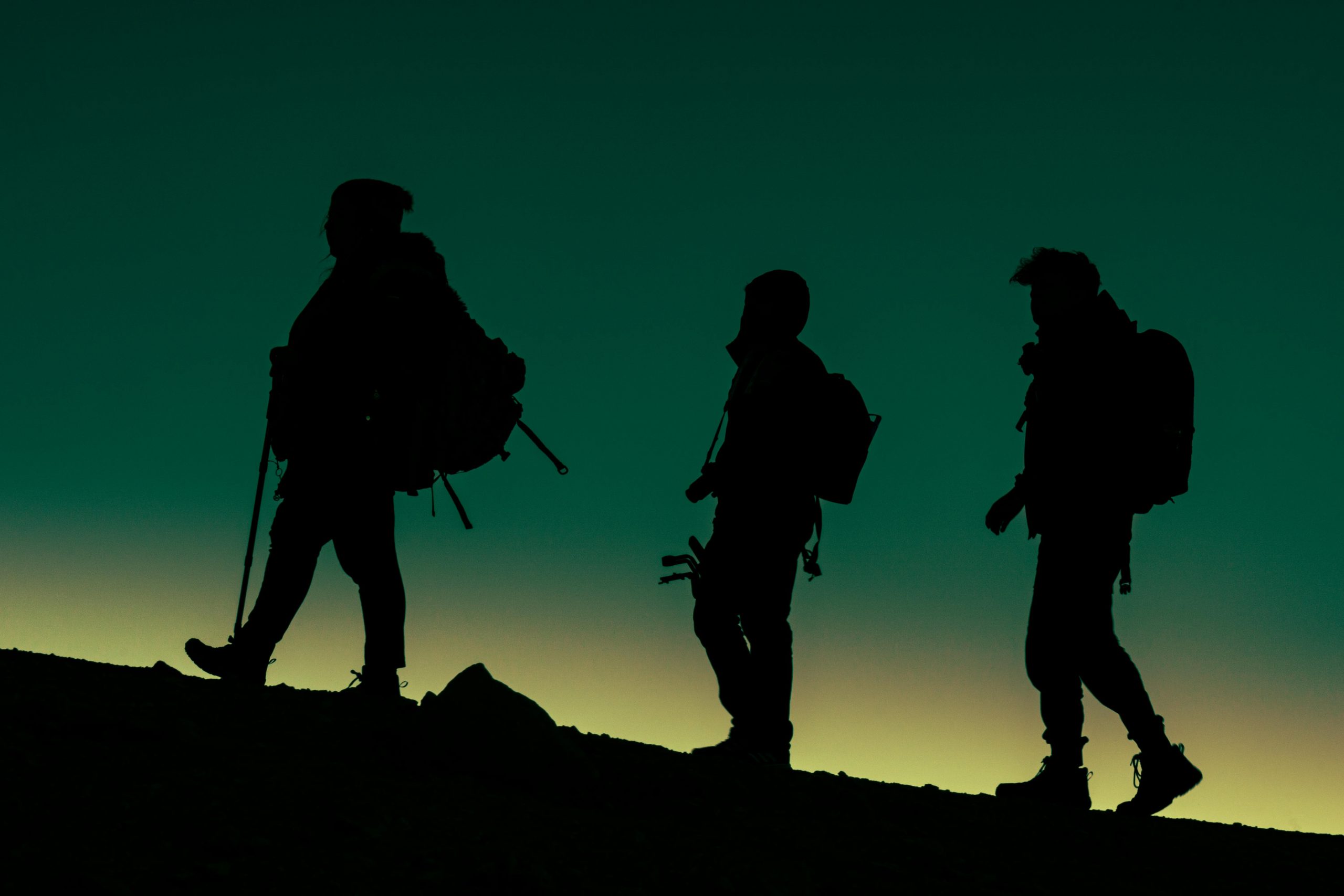
Efficient schedules feel productive and organized. Campers plan tightly to maximize activities. Delays caused by navigation errors, weather, or fatigue quickly disrupt plans. Without buffer time, decisions become rushed, and safety margins disappear. Late arrivals force travel or setup under poor conditions. The intention to use time wisely removes flexibility when it is most needed. Realistic pacing protects safety and morale. Tight schedules turn minor setbacks into cascading problems that affect the entire trip.
11. Bringing Pets Without Proper Preparation
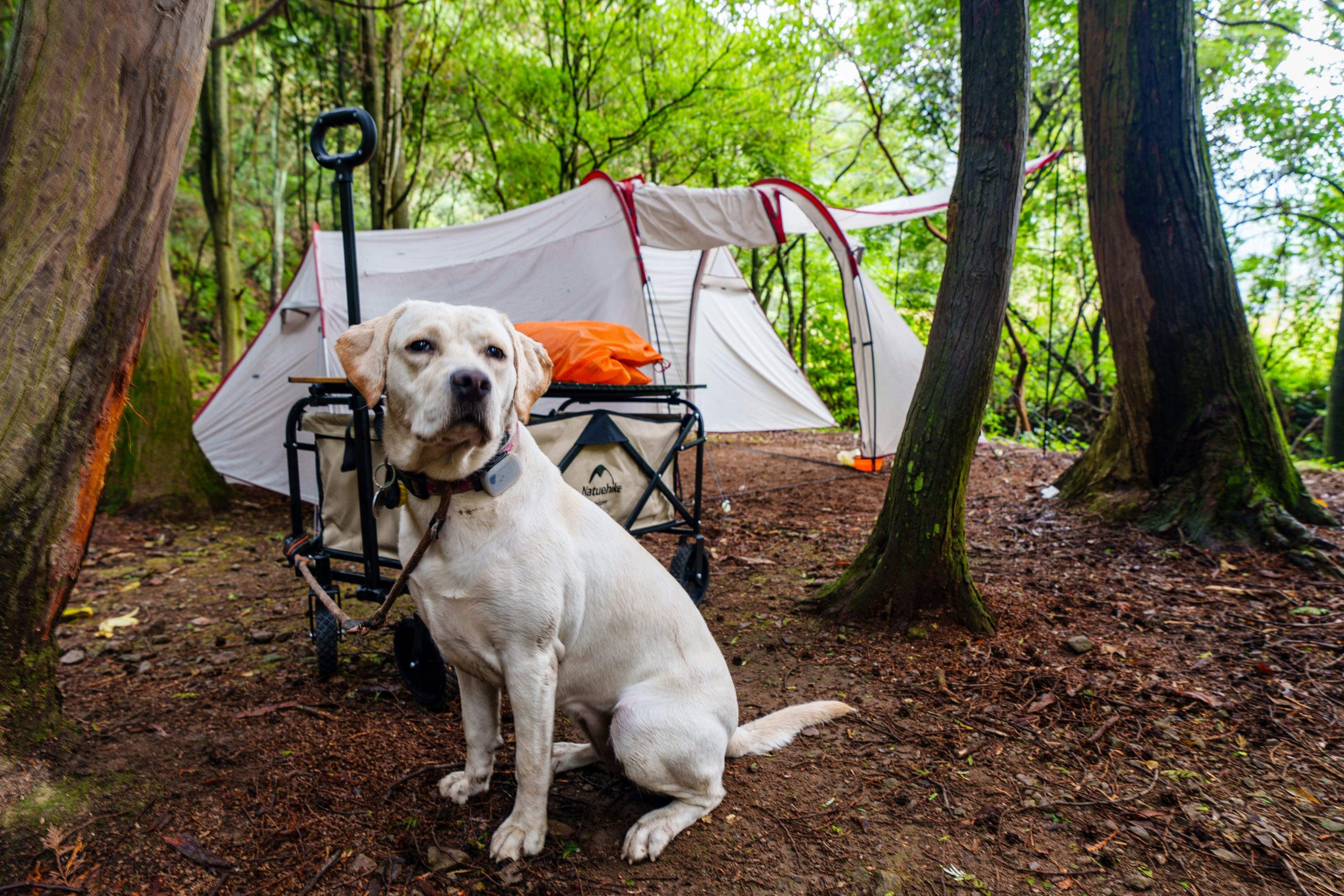
Camping with pets feels inclusive and rewarding. Without proper preparation, pets face environmental risks and behavior challenges. Owners must manage safety, containment, and comfort while navigating unfamiliar terrain. Distractions increase,e and attention shifts from planning to problem-solving. The intention to share the experience adds responsibility that is often underestimated. Pets require specific gear, training, and awareness. Without preparation, their presence complicates decisions and increases risk for everyone involved.
12. Assuming Help Is Nearby
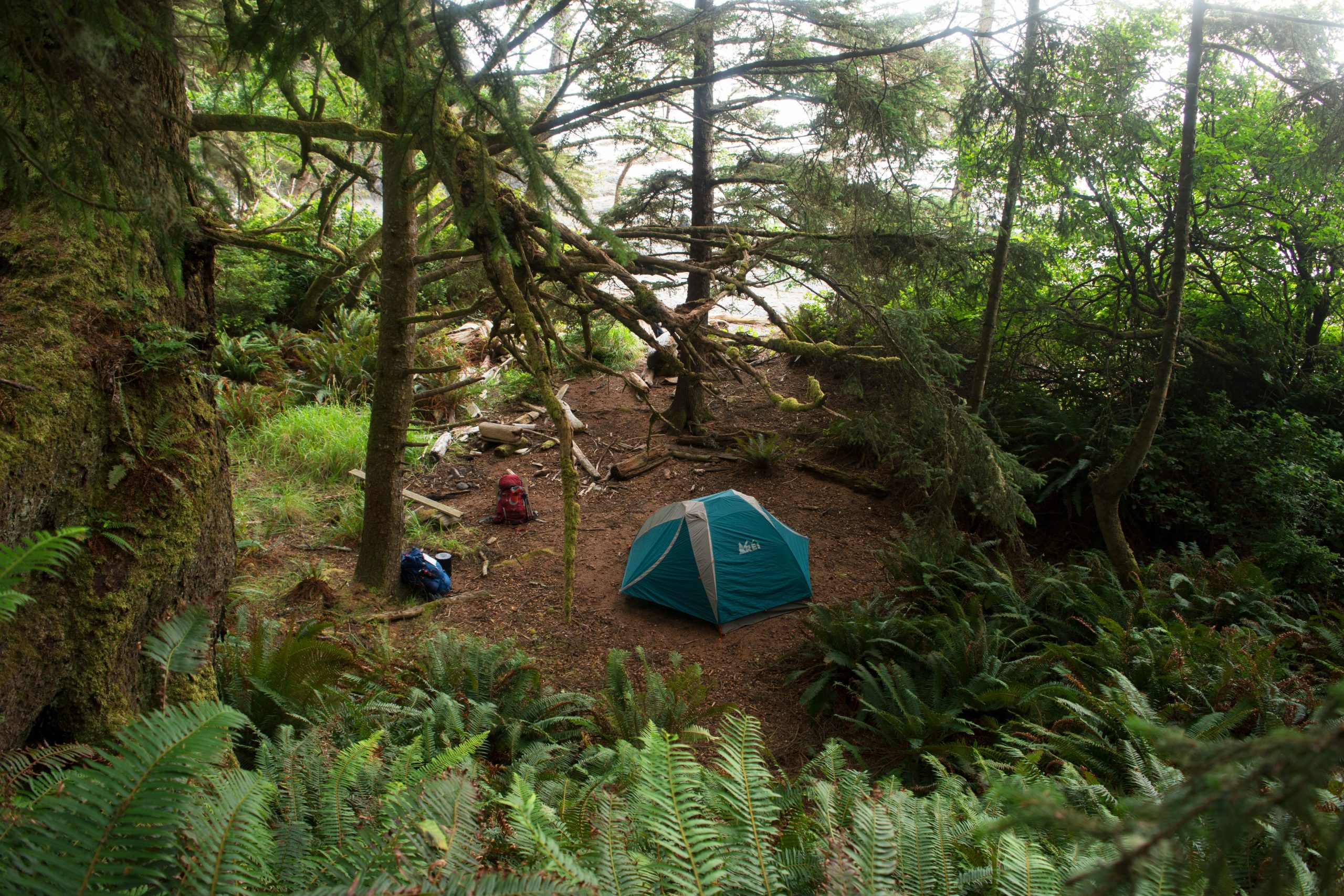
Familiar locations create a false sense of security. Campers assume help will be nearby if problems occur. Response times slow after hours, and communication may fail entirely. Self-reliance becomes essential when assistance is delayed or unavailable. The intention to trust surroundings replaces preparedness. Even popular areas can feel isolated quickly. Assuming help exists reduces urgency in planning and increases consequences when reality differs from expectations.
13. Trying to Keep the Trip Too Relaxed
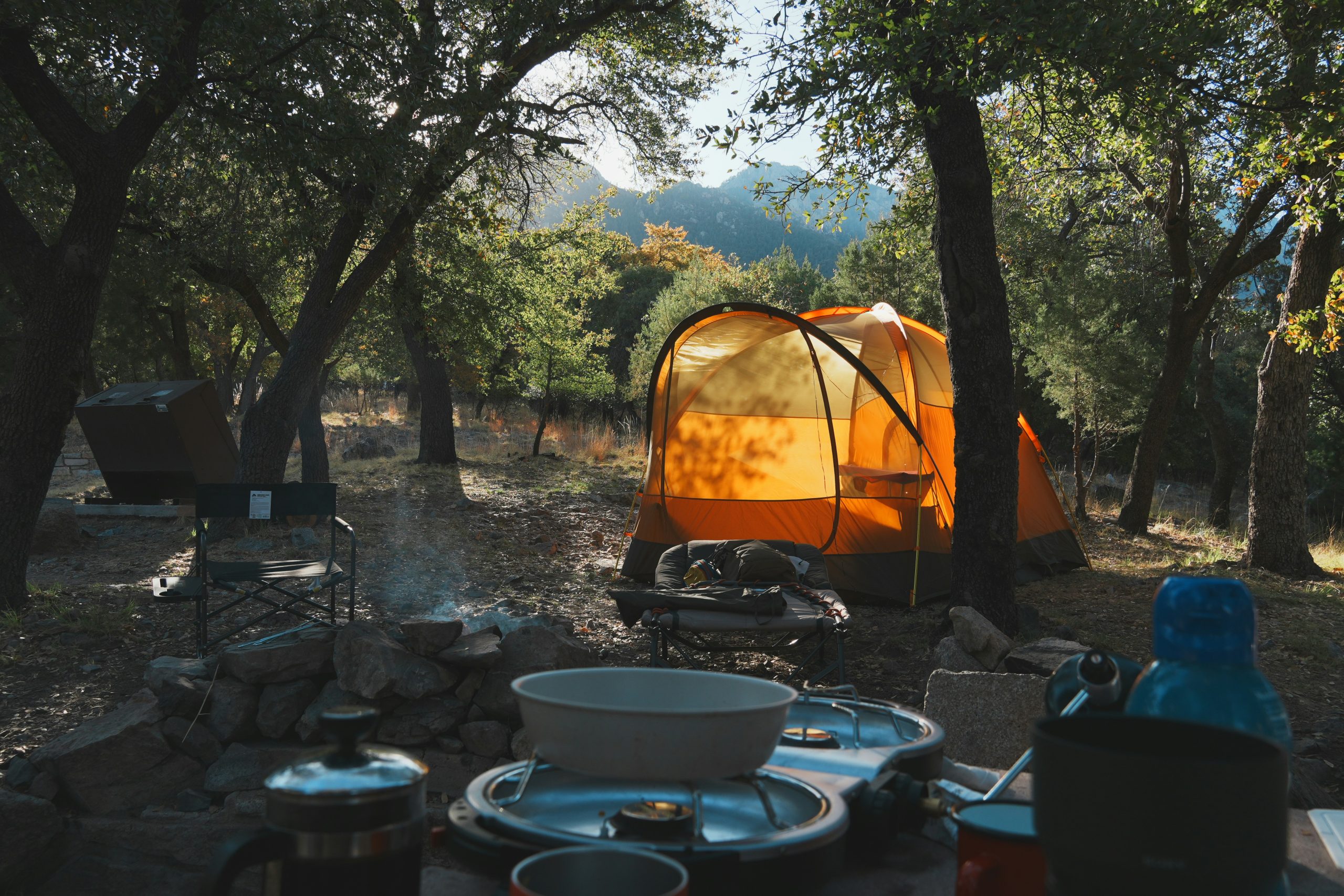
Many campers aim to avoid structure to keep trips stress-free. Skipping routines like gear checks, planning, and organization feels liberating. Small oversights accumulate and create frustration later. Misplaced items, forgotten steps, and poor coordination increase effort and tension. The intention to stay relaxed often removes the systems that reduce stress. Preparation supports relaxation rather than opposing it. Without structure, calm intentions produce the very stress they were meant to avoid.