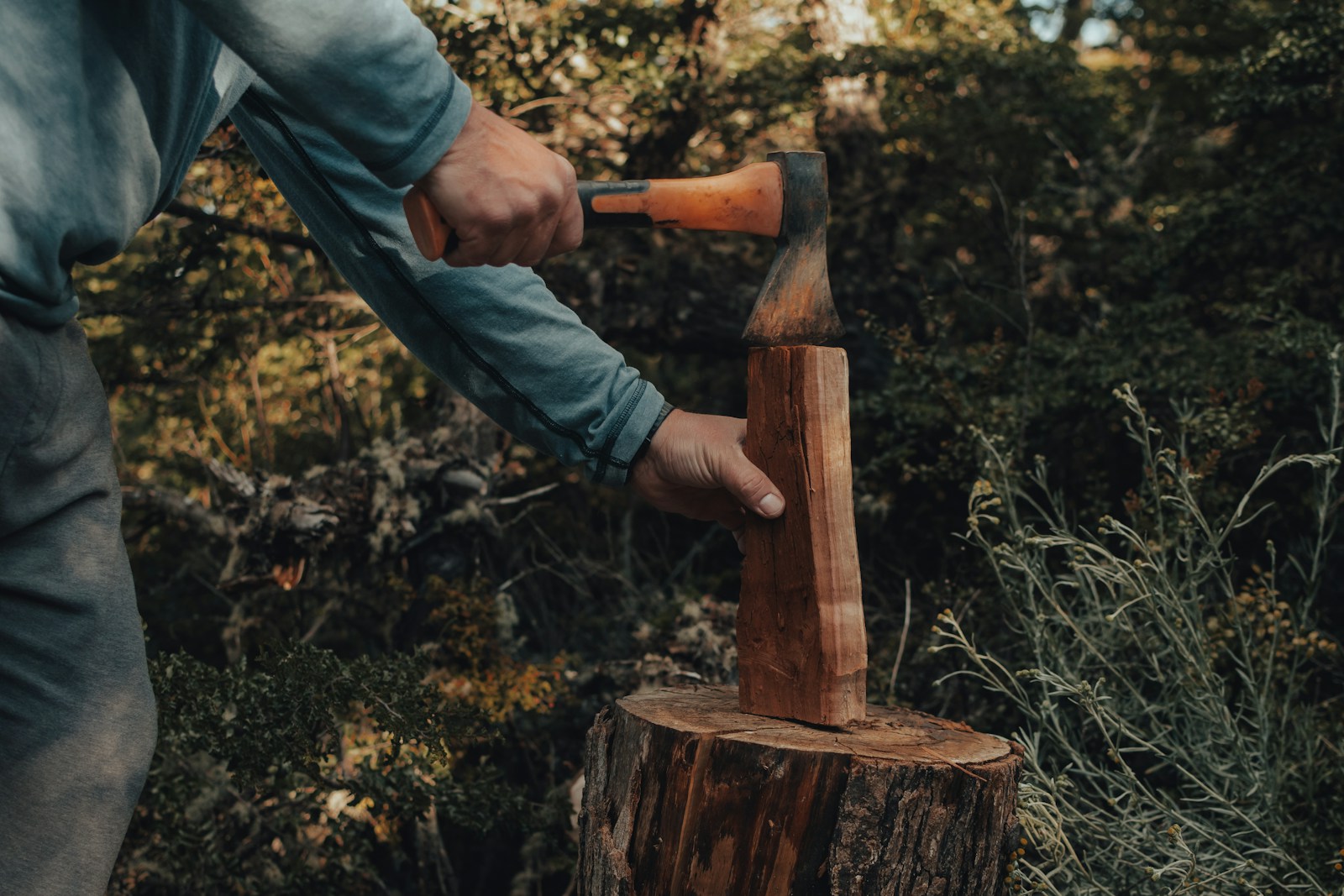
Online bushcraft content often blends skill sharing with entertainment, but safety nuance frequently gets lost. Influencers simplify complex techniques for short videos, making risky practices appear routine. Viewers may underestimate danger when hazards are edited out or minimized. Many traditional bushcraft skills require training, context, and restraint to perform safely. Without that foundation, injuries and environmental damage increase. The following examples highlight skills commonly portrayed as harmless but carry real risk when copied casually. Understanding these dangers helps separate responsible outdoor knowledge from performative demonstrations that prioritize aesthetics, views, or bravado over long term safety and sound judgment in wilderness settings.
Freehand Batoning Large Logs
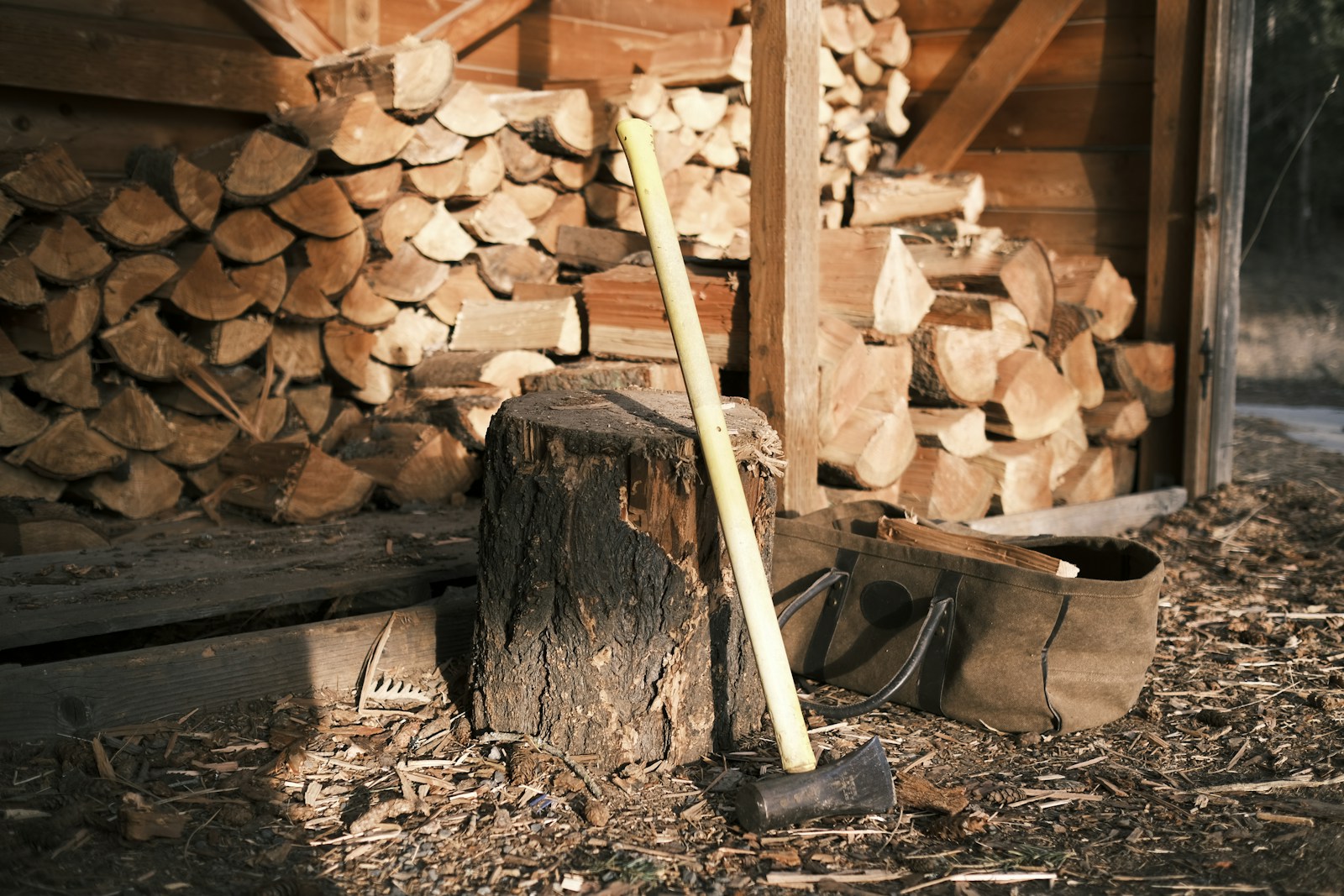
Freehand batoning large logs appears controlled on video but carries significant risk. Striking a blade without stabilizing wood properly can cause deflection. Knives may glance sideways, striking hands or legs. Larger logs require excessive force, increasing loss of control. Blade steel can chip or snap unpredictably. Uneven grain worsens instability. Influencers often omit setup steps and safety spacing. Viewers replicate techniques without experience. In reality, batoning should involve small, stable wood and deliberate positioning. Attempting oversized logs elevates injury risk dramatically, especially without gloves, controlled stance, or awareness of rebound forces present in dense or twisted wood.
Hand Carving Toward The Body
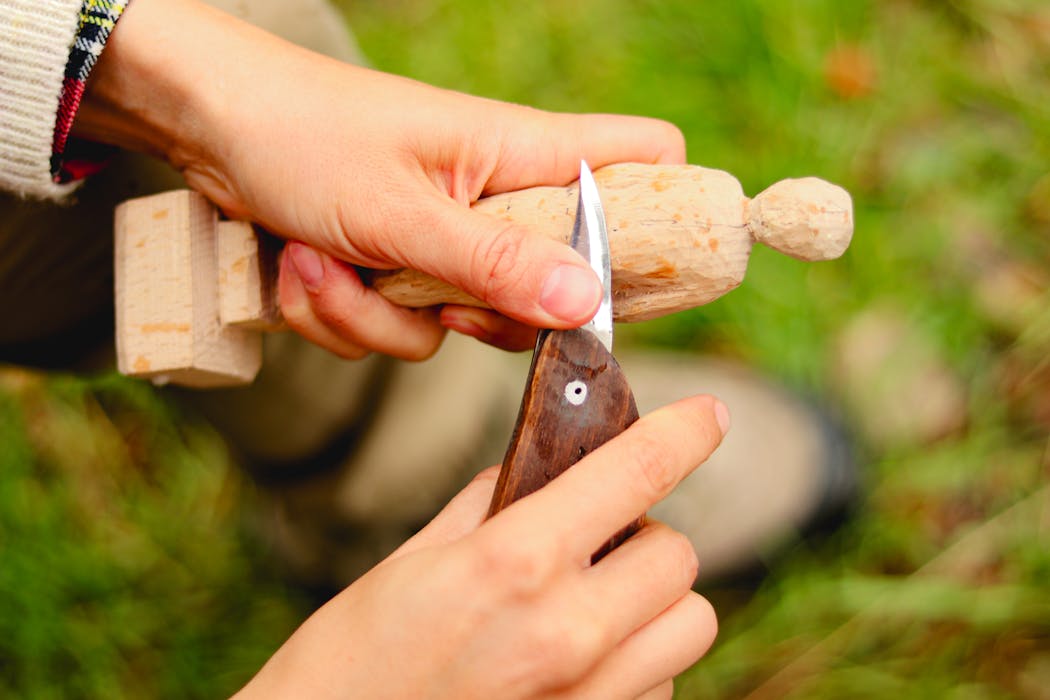
Hand carving toward the body is frequently shown for dramatic effect. Influencers emphasize control while ignoring slip potential. Wet wood, dull blades, or fatigue increase danger. A single slip can cause deep lacerations to thighs, torso, or hands. Videos rarely show close calls. Safe carving relies on cutting away from the body and bracing wood against fixed surfaces. Beginners lack refined pressure control. The technique looks precise on camera but assumes advanced skill. In uncontrolled environments, carving toward the body remains one of the most common causes of bushcraft injuries, despite its repeated normalization online.
One-Handed Knife Techniques
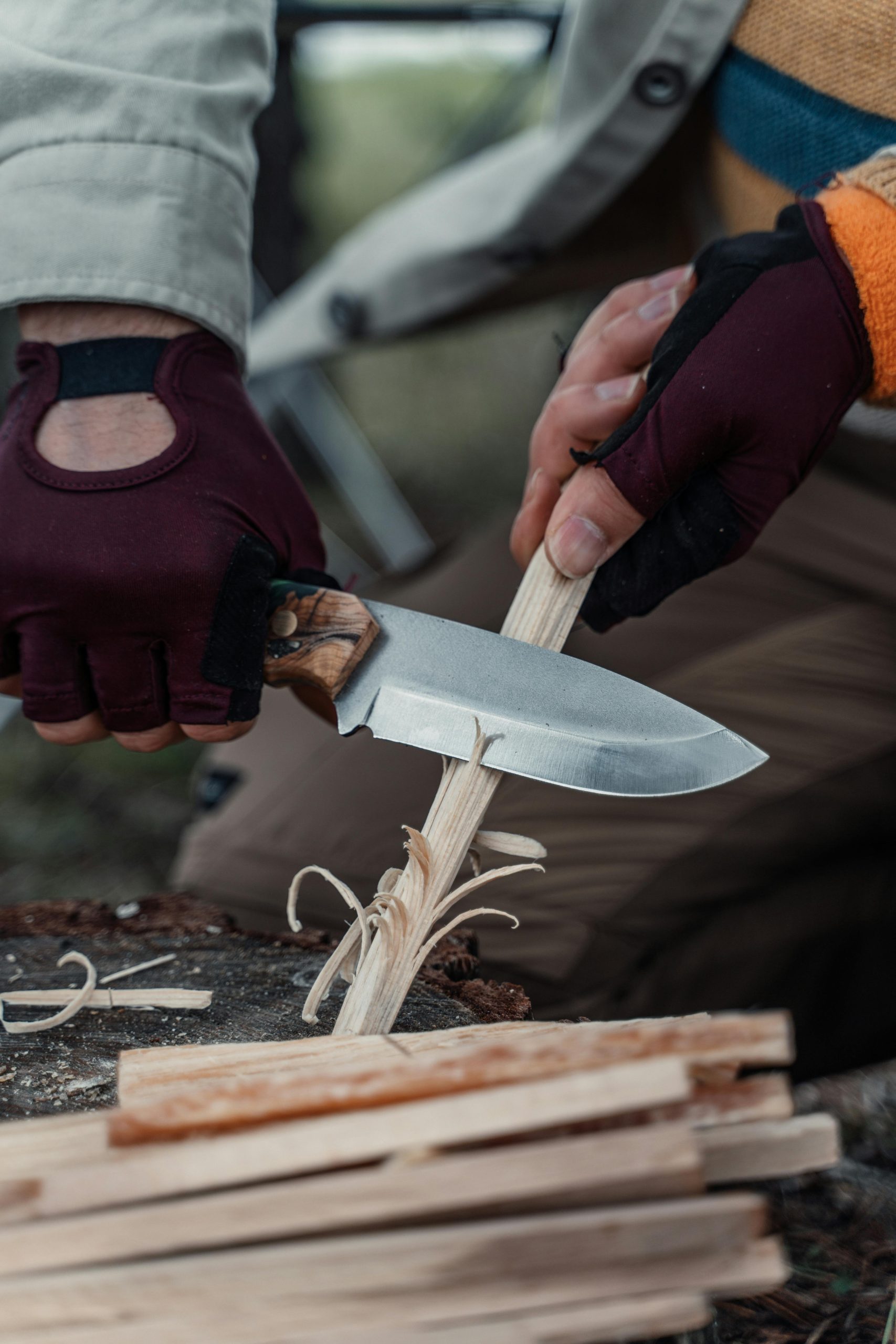
One-handed knife techniques appear efficient and impressive on social media. Influencers demonstrate feather sticks or notches without support. These methods reduce stability and magnify error. Grip fatigue sets in quickly. A minor distraction can cause slips. Without a second hand stabilizing material, blades travel unpredictably. Videos cut before mistakes occur. In practice, two-handed control provides far greater safety. One-handed use should remain limited to specific, trained contexts. Normalizing casual one-handed carving encourages risky shortcuts, especially among beginners who lack muscle memory, situational awareness, and emergency response readiness if an accident happens.
Ground-Level Fire Building
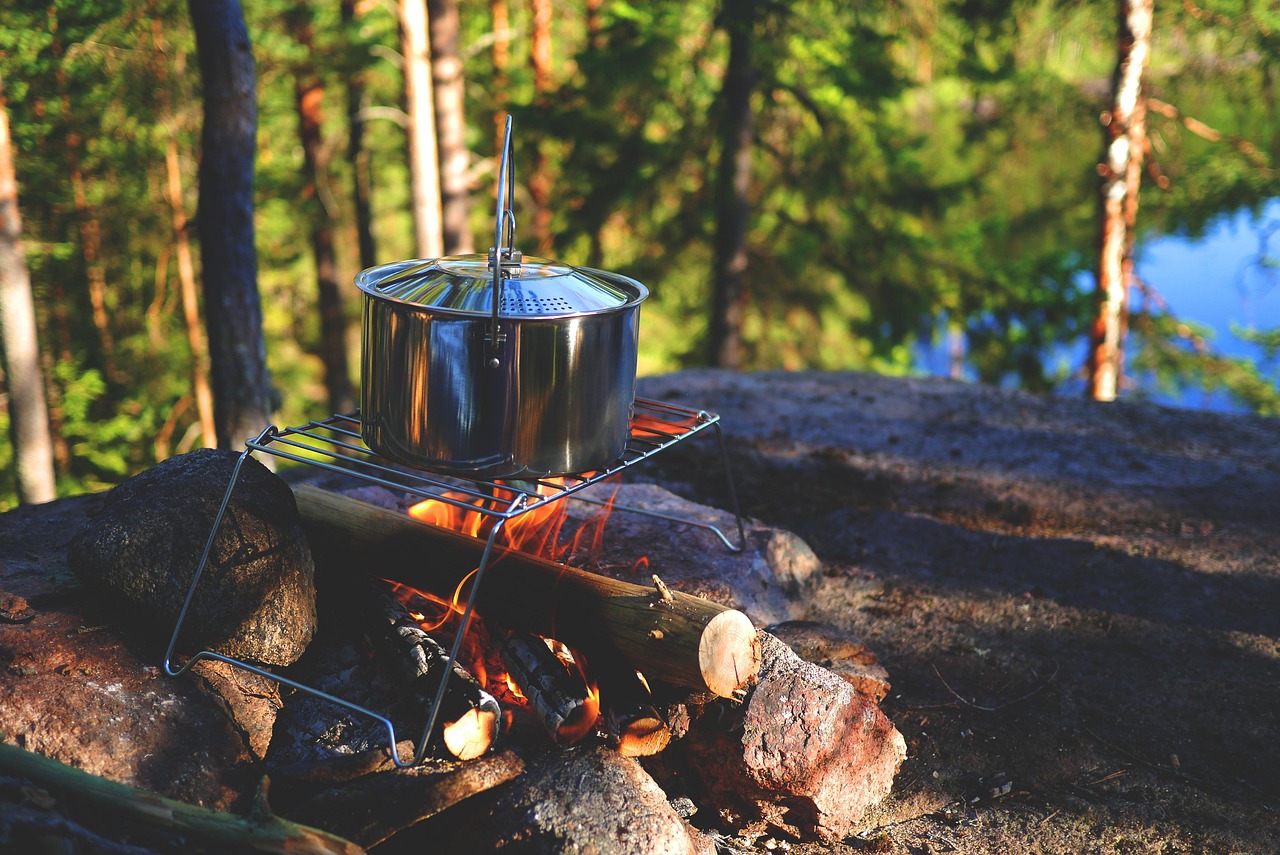
Ground-level fire building looks traditional but creates hidden hazards. Fires built directly on soil can smolder underground through roots or peat. Wind shifts spread embers unpredictably. Influencers often skip fire pan use or mineral soil preparation. Viewers may ignite areas prone to wildfire. Ground fires also damage ecosystems, sterilizing soil layers. Proper fire building requires elevation, containment, and clearance. Online demonstrations rarely emphasize extinguishing protocols. What appears simple on camera can result in long-lasting damage or dangerous flare-ups. Treating ground fires casually undermines fire safety principles critical for responsible wilderness use.
Sleeping Beside Open Fires
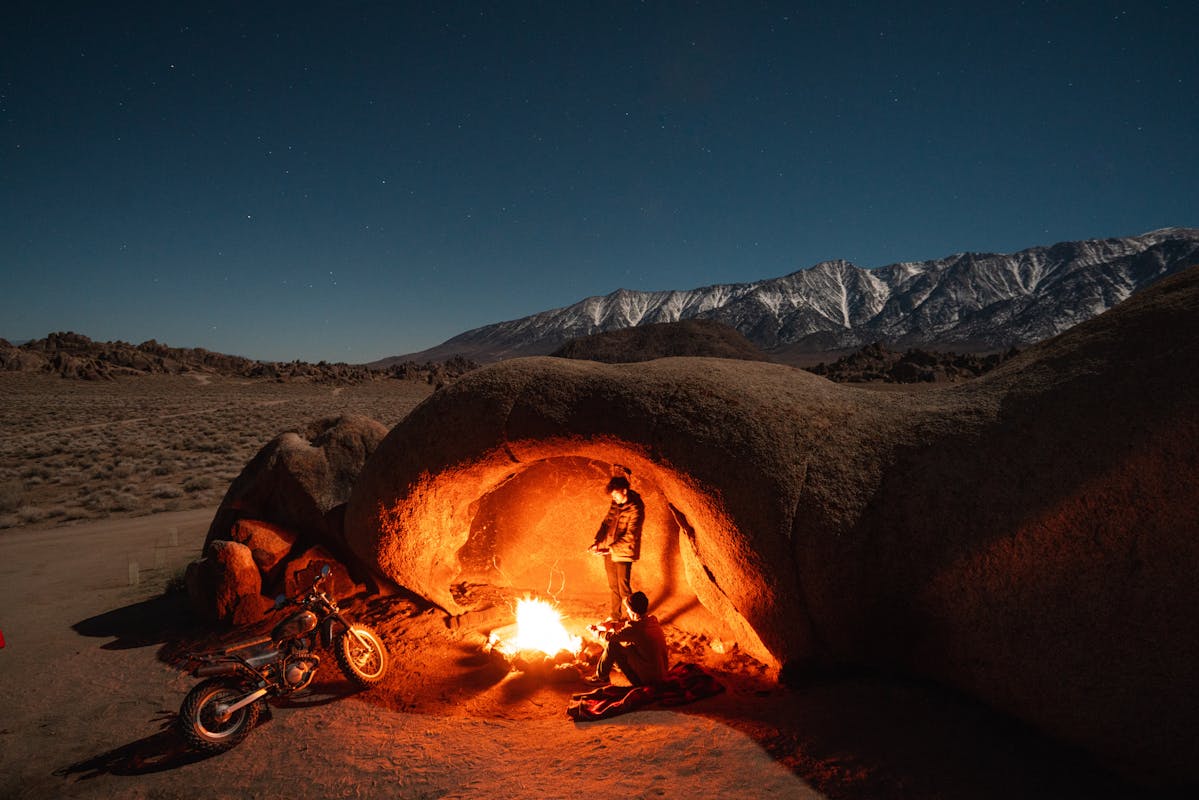
Sleeping beside open fires is often romanticized. Influencers show cozy setups without acknowledging risk. Shifting winds can send sparks onto bedding or clothing. Fatigue reduces response time. Rolling embers cause burns or ignite shelters. Carbon monoxide buildup occurs in enclosed spaces. Fire intensity changes overnight. Responsible practice requires distance, barriers, and extinguishment before sleep. Videos frequently omit night conditions and emergency plans. Viewers replicate scenes without safeguards. In reality, sleeping next to open flames remains one of the most dangerous bushcraft habits, combining exhaustion, reduced awareness, and unpredictable fire behavior into a high-risk scenario.
Drinking Untreated Natural Water
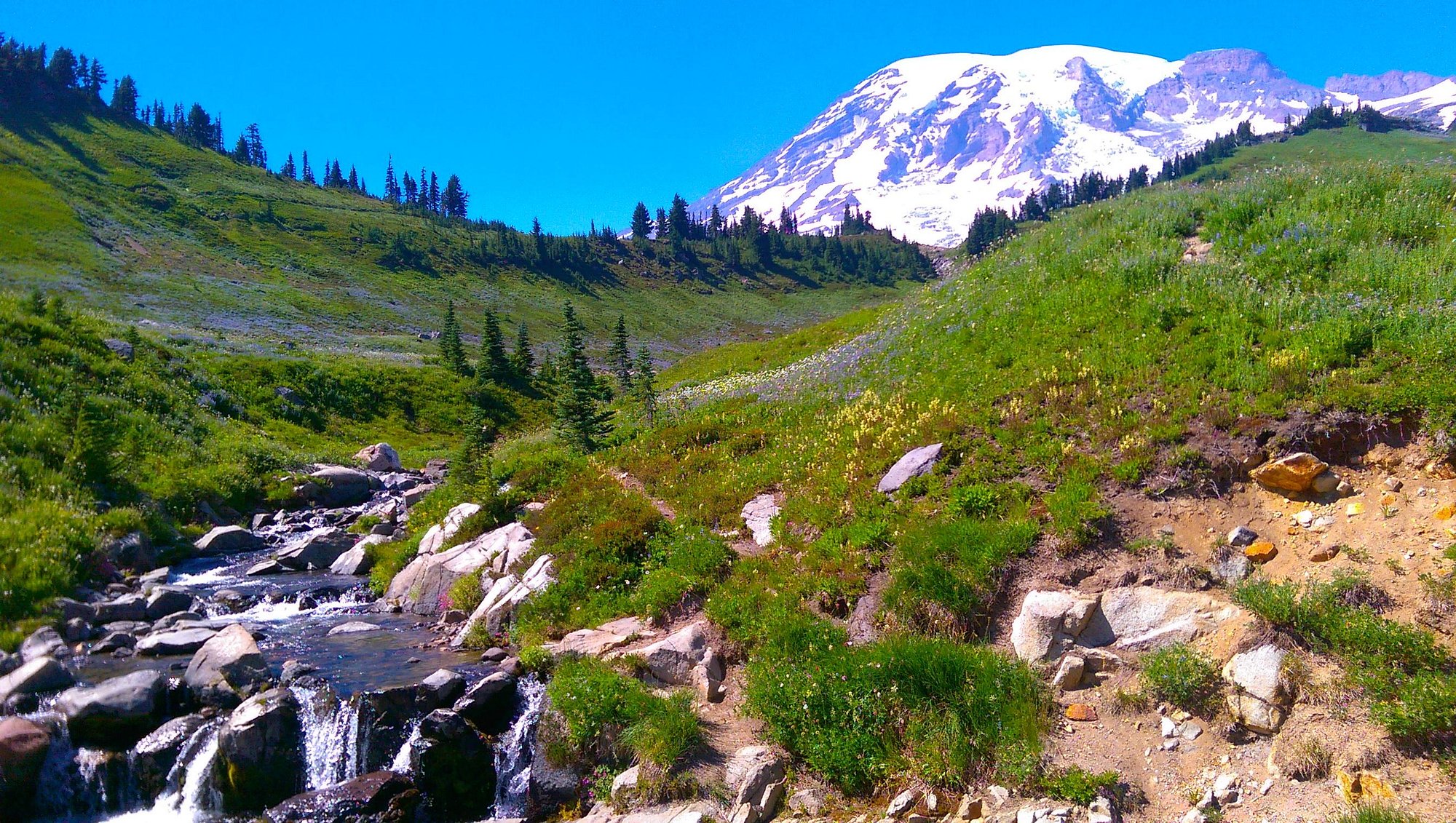
Drinking untreated natural water is often portrayed as rugged self-reliance. Influencers sip from streams without context. Clear water can still carry pathogens. Giardia, bacteria, and parasites cause serious illness. Videos rarely mention upstream contamination sources. Filtration, boiling, or chemical treatment are essential steps. Immunity assumptions mislead viewers. Illness may appear days later, disconnecting cause and effect. Normalizing untreated drinking undermines basic wilderness health practices. Safe bushcraft emphasizes water treatment consistently. Skipping these steps for aesthetics or bravado encourages dangerous habits that can quickly turn a trip into a medical emergency far from assistance.
Improvised Shelter Without Weather Assessment
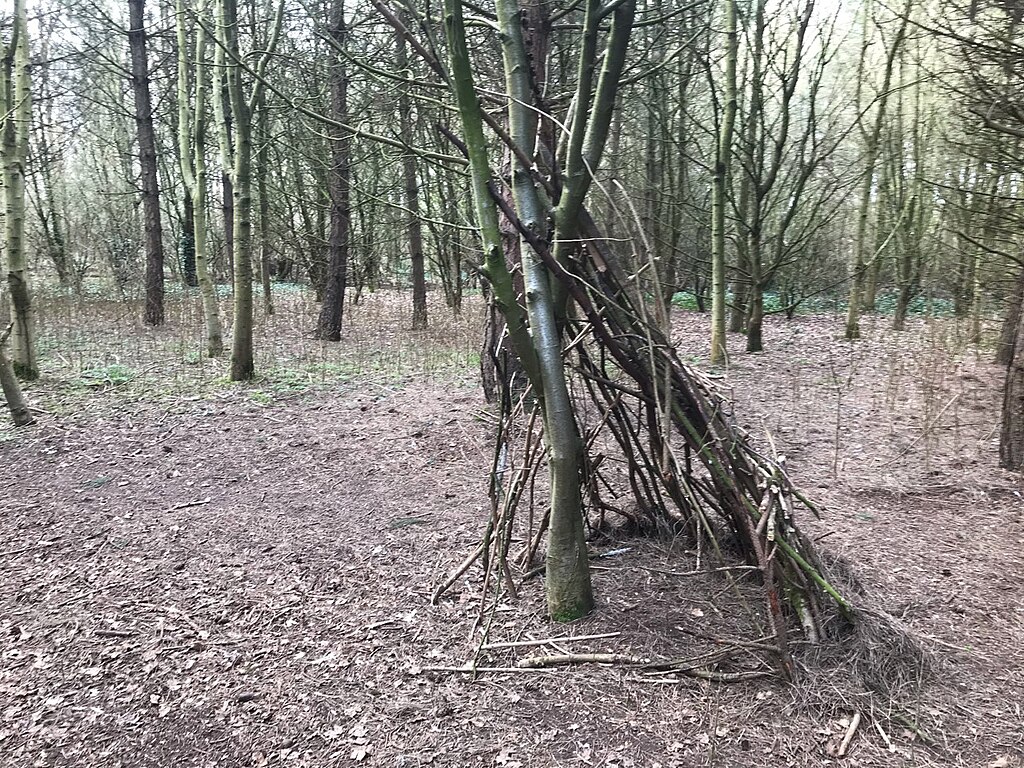
Improvised shelters look minimalist and clever online. Influencers build quickly without discussing weather forecasting. Shelters adequate for calm nights fail during storms. Wind direction, runoff, and temperature shifts matter. Aesthetic designs ignore insulation needs. Viewers underestimate exposure risk. Hypothermia can occur even in mild conditions. Proper shelter building requires planning, materials, and contingency awareness. Videos compress time and remove context. Without assessment skills, copying shelters becomes dangerous. What works briefly for filming may not sustain real overnight conditions, especially in changing environments where weather patterns shift faster than expected.
Barefoot Wood Processing
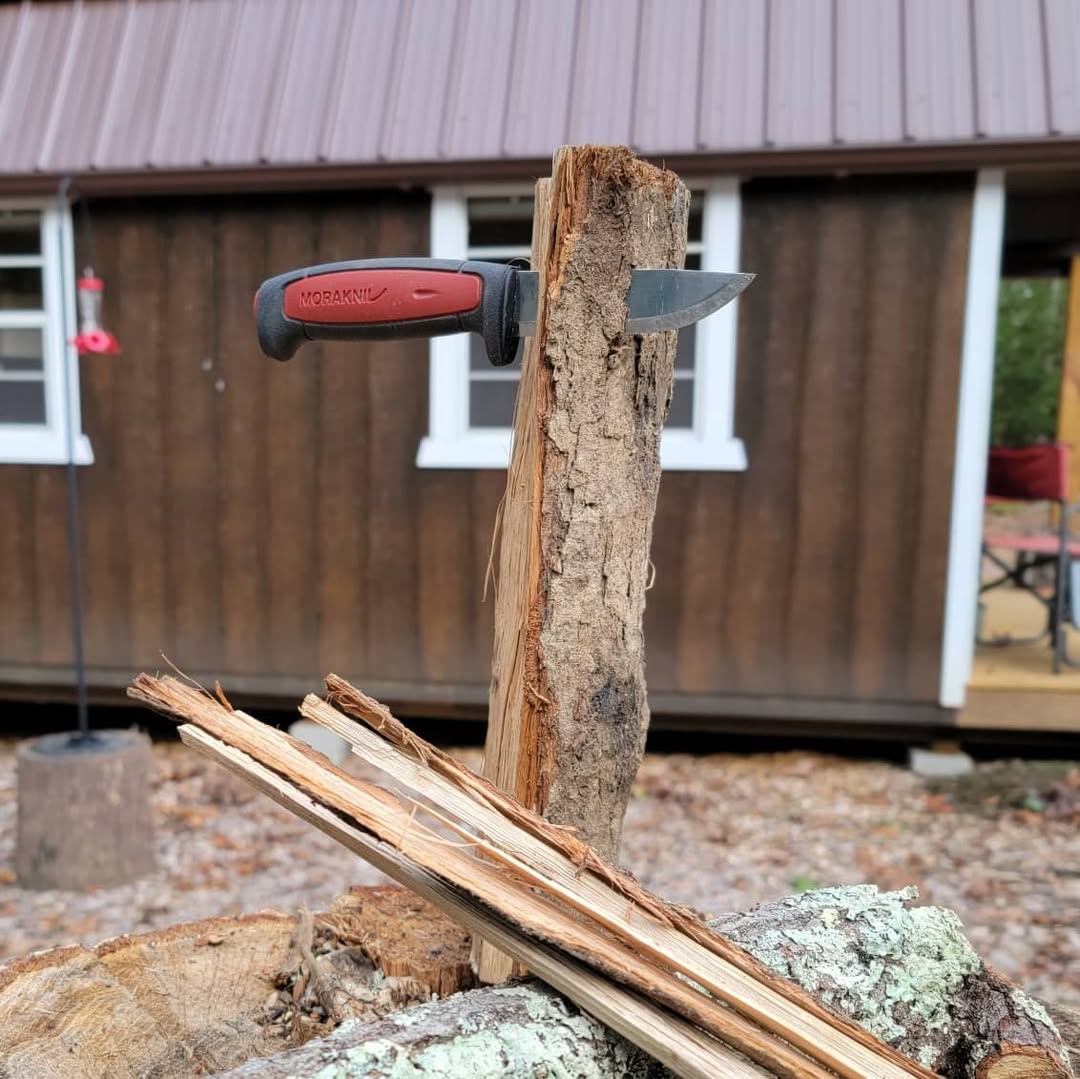
Barefoot wood processing is shown to emphasize connection with nature. Influencers chop, baton, or carve without footwear. Dropped tools cause severe foot injuries. Sharp debris punctures skin. Reduced traction increases slips. Protective footwear exists for a reason. Videos frame barefoot work as mindfulness. In reality, it removes a critical safety layer. Experienced practitioners still risk injury. Encouraging barefoot processing ignores consequences. Wilderness medical care is limited. A single dropped blade can end a trip. Normalizing this practice prioritizes visual appeal over basic risk mitigation principles fundamental to safe outdoor skill use.
Fast Bow Drill Demonstrations
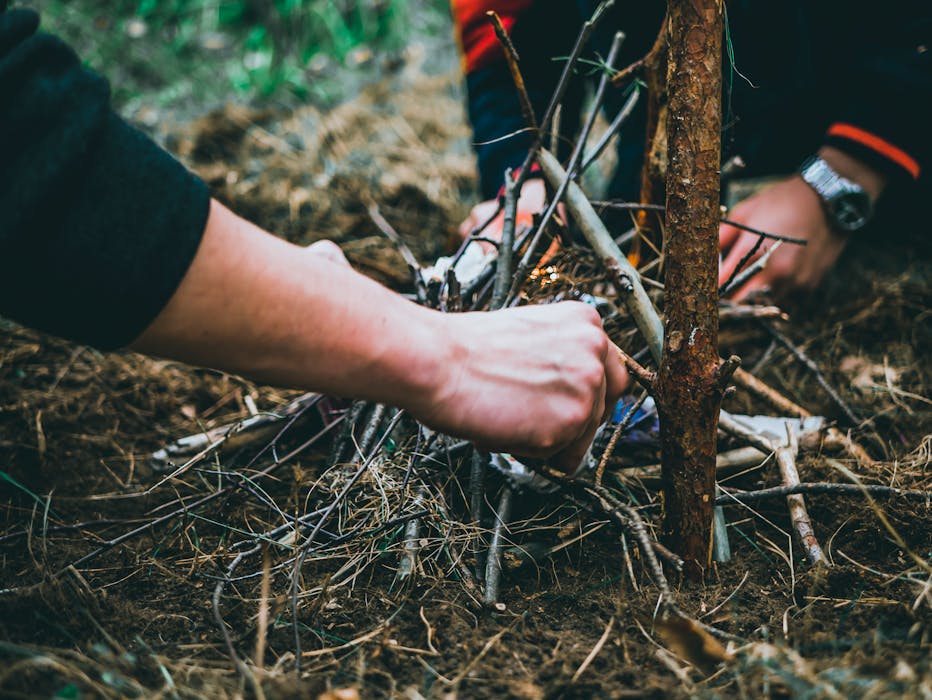
Fast bow drill demonstrations make friction fire look effortless. Influencers skip failure attempts and conditioning steps. Viewers attempt rapid drilling without technique. Overexertion causes blisters, strains, and heat exhaustion. Improper posture injures shoulders and wrists. Materials require preparation rarely shown. Environmental conditions matter. Fire-starting takes patience and practice. Presenting it as quick discourages learning fundamentals. Beginners push harder instead of refining form. This increases injury risk and frustration. Bow drilling safely requires pacing, understanding materials, and stopping when conditions deteriorate, not forcing success for dramatic effect.
Solo Tree Felling
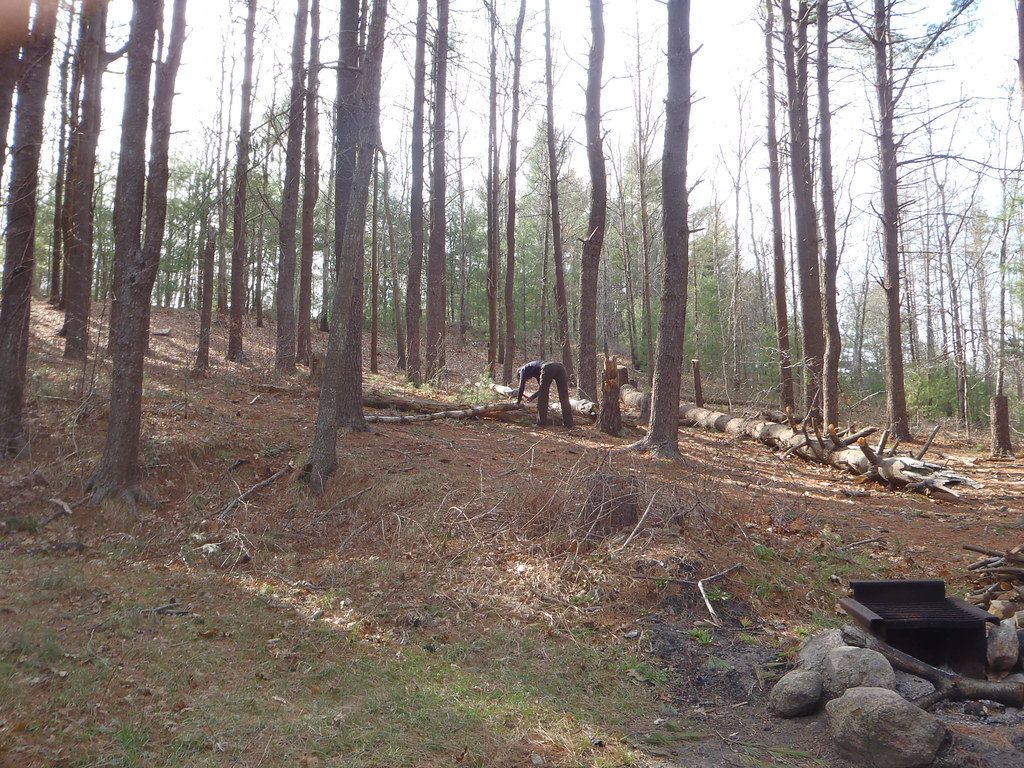
Solo tree felling appears controlled in videos but remains extremely dangerous. Influencers cut trees alone without spotters. Fall direction misjudgments cause severe injury or death. Hidden rot alters behavior. Wind changes trajectory. Escape routes require planning. Professional training emphasizes teamwork and spacing. Videos rarely show planning cuts or safety zones. Viewers copy techniques without experience. Tree felling ranks among the most hazardous outdoor skills. Presenting it casually ignores risks inherent even for professionals. Attempting solo felling without training significantly increases likelihood of catastrophic accidents in remote environments.
Cooking Over Improvised Tripods
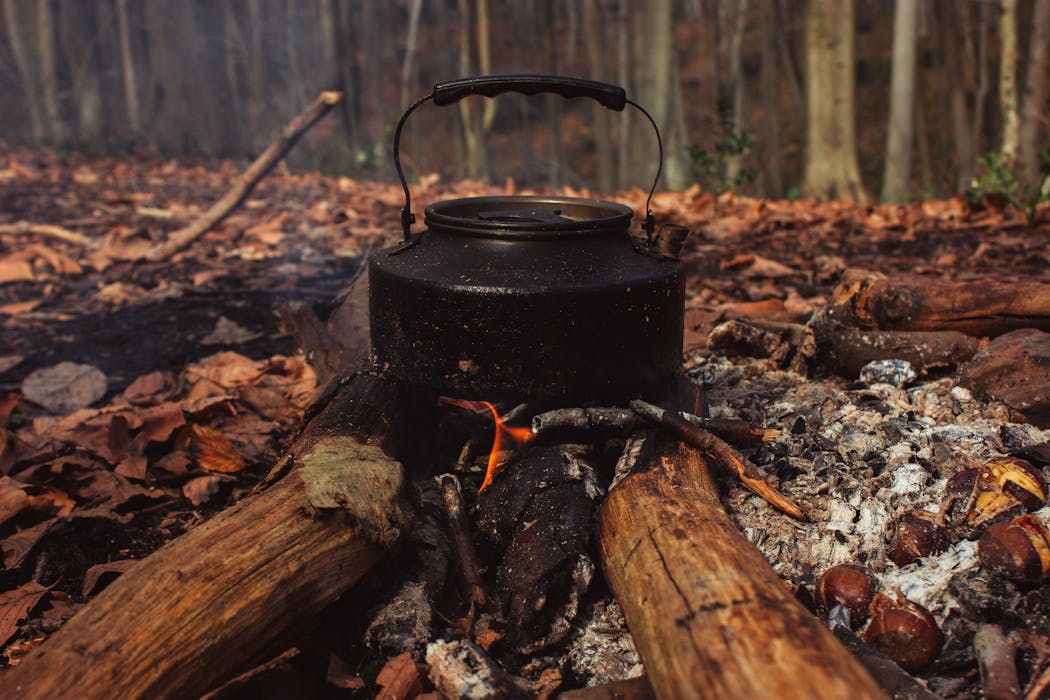
Cooking over improvised tripods seems simple but hides hazards. Poorly balanced supports collapse under heat. Knots loosen as cordage stretches. Pots tip easily. Burns occur quickly. Influencers often edit out failures. Fire intensity weakens materials. Without testing, collapse happens suddenly. Safer cooking requires stable platforms and fire management. Viewers underestimate load dynamics. Improvised rigs demand experience and adjustment. Treating them as beginner-friendly ignores burn risk and food loss. In wilderness settings, spilled boiling water or collapsing cookware can cause serious injury with limited treatment options available.
Night Navigation Without Light
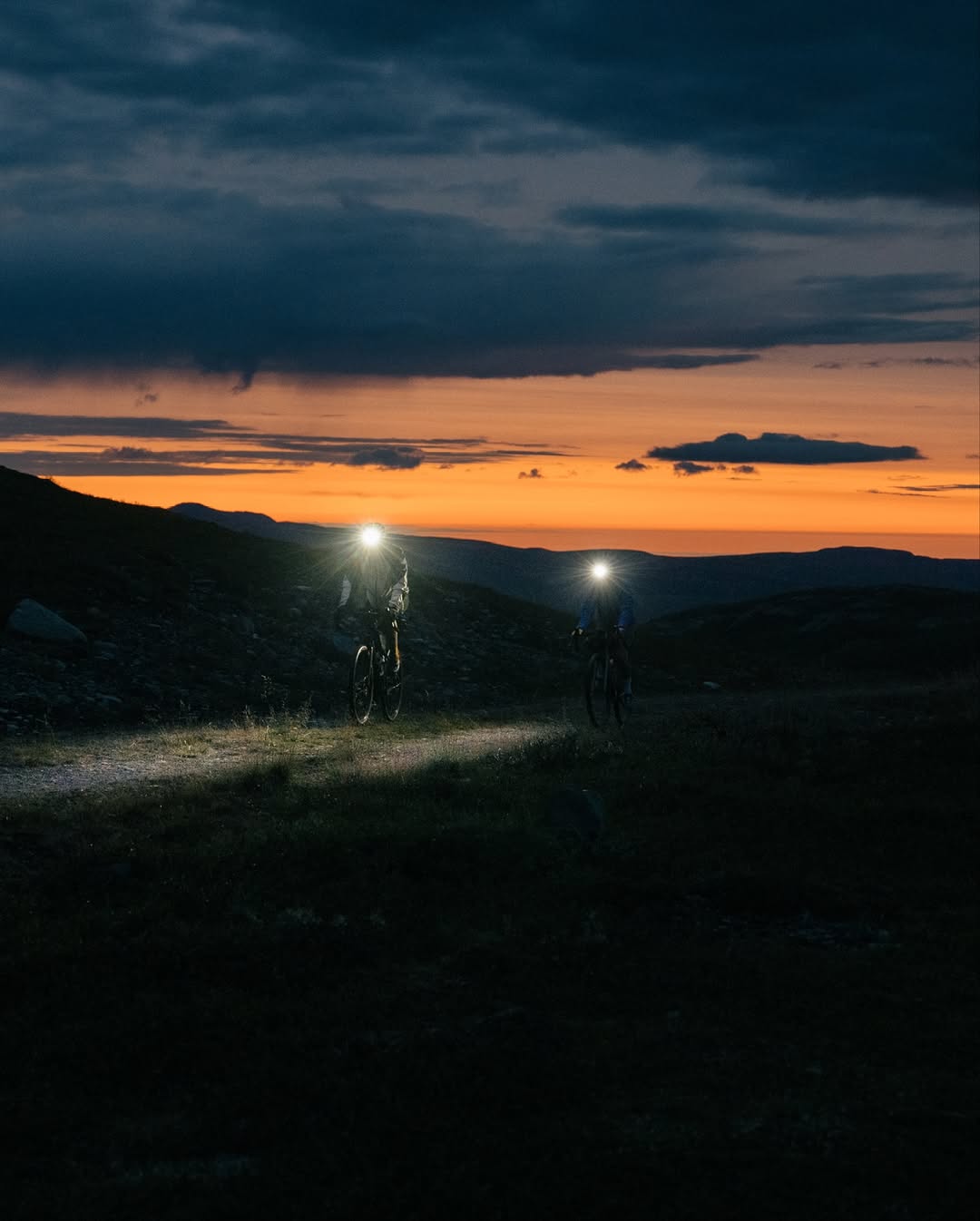
Night navigation without light is framed as sensory mastery. Influencers walk confidently in darkness. Depth perception drops sharply. Obstacles become invisible. Falls and ankle injuries increase. Wildlife encounters surprise travelers. Videos rely on camera sensors enhancing visibility. Human eyes cannot replicate this. Practicing dark navigation requires controlled environments and gradual adaptation. Promoting it casually encourages reckless movement. In unfamiliar terrain, darkness multiplies risk. Safe navigation emphasizes adequate lighting and caution. Removing light for performance undermines situational awareness essential for injury prevention and route management after sunset.
Ignoring First Aid Preparedness
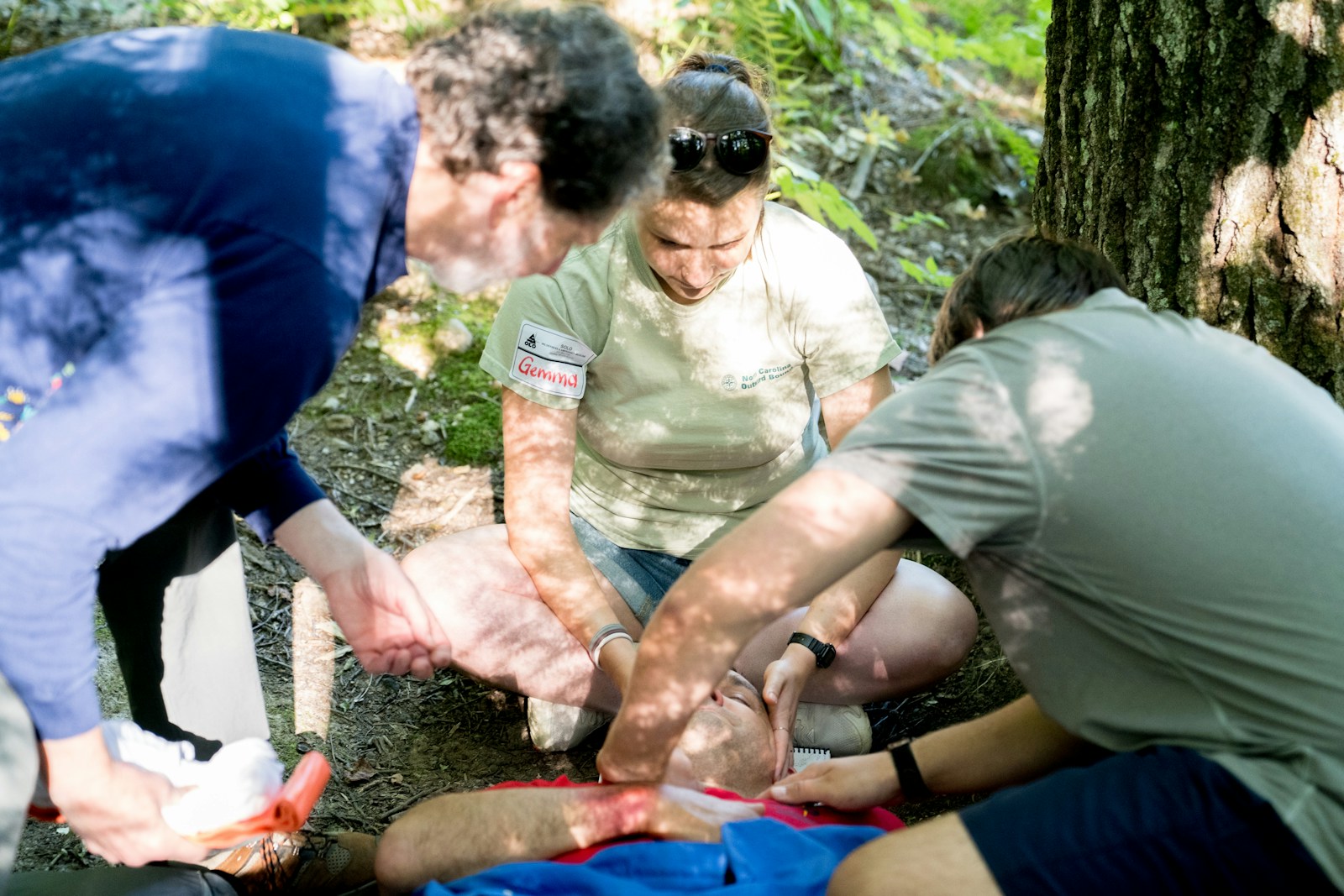
Ignoring first aid preparedness contradicts responsible bushcraft. Influencers downplay injury likelihood. Minor cuts escalate without treatment. Infections develop quickly. Bleeding control matters. Videos show skills, not consequences. Viewers neglect kits. Remote locations delay help. Preparedness reduces severity of accidents. Carrying first aid is foundational. Treating it as optional glamorizes risk. Bushcraft skills inherently involve sharp tools, fire, and exposure. Normalizing minimal medical readiness ignores reality. True competence includes planning for failure, injury, and recovery, not assuming flawless execution or cinematic outcomes in unpredictable outdoor environments.