
Even well-planned hikes can present surprises. Trails change, weather shifts, gear fails, and small inconveniences sometimes escalate into genuine safety concerns. Experienced hikers understand that backup items are not about pessimism; they are about resilience and self-reliance. Carrying a few lightweight, multipurpose safety extras can dramatically improve your ability to handle delays, discomfort, or unexpected situations. These items rarely take center stage during a perfect hike, yet they become invaluable the moment conditions deviate from the plan. Smart preparation is less about packing more and more and more about packing smarter. The following backup essentials are practical, easy to carry, and consistently useful across different terrains, distances, and seasons.
1. Emergency Thermal Blanket
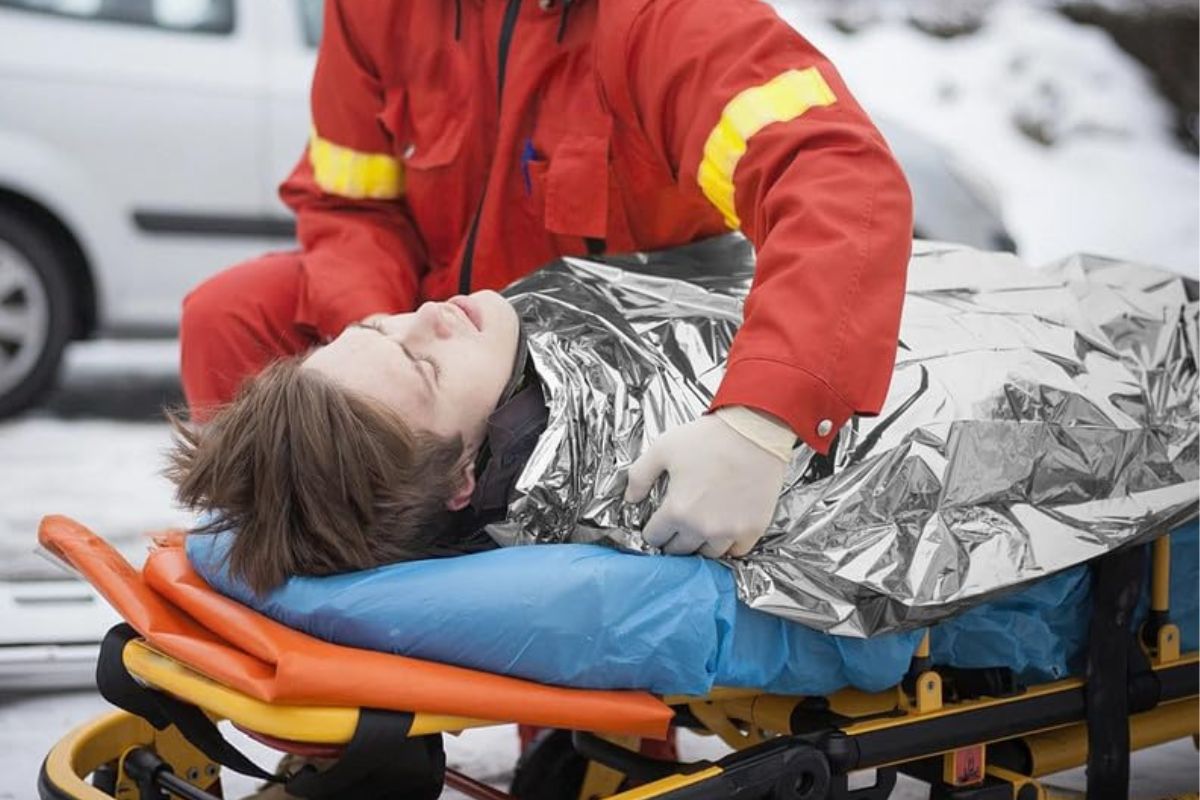
An emergency thermal blanket is one of the most compact yet powerful safety items you can carry. Designed to reflect body heat, it helps reduce the risk of hypothermia if temperatures drop unexpectedly or if you become immobile due to fatigue or injury. Lightweight and foldable, it occupies almost no space while offering critical protection against wind and cold. Sudden weather changes, especially in higher elevations, can rapidly create uncomfortable or dangerous conditions. Even during warm seasons, extended exposure combined with sweat and wind can lower body temperature. A thermal blanket provides a quick insulation solution that preserves warmth and buys valuable time. Many hikers never need it, but those who do often consider it indispensable. Its simplicity, reliability, and minimal weight make it a smart inclusion for nearly any hike.
2. Backup Light Source
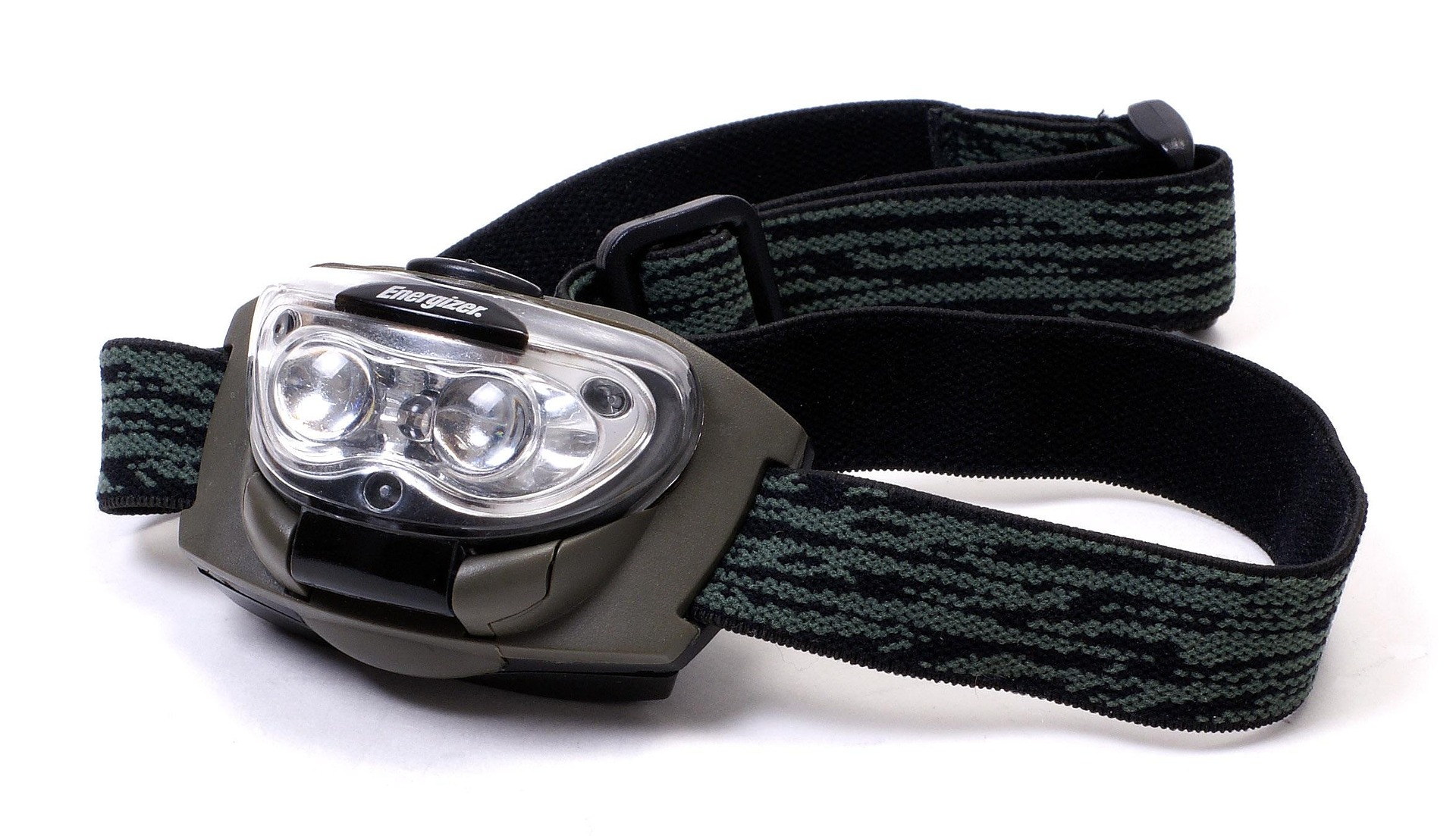
A secondary light source is essential insurance against unexpected delays. Hikes frequently take longer than planned due to navigation adjustments, slower pacing, or extended rest stops. Darkness increases the risk of missteps, poor visibility, and difficulty following trail markers. Carrying a compact flashlight or headlamp ensures you are not dependent on daylight alone. A backup light is particularly important if your primary illumination fails or runs out of power. Modern devices are lightweight and provide strong brightness without adding a noticeable burden. Illumination enhances both safety and confidence, allowing you to move carefully and maintain awareness of your surroundings. Even a short period of low light can complicate an otherwise manageable return. A reliable secondary light source prevents minor timing issues from turning into stressful or hazardous situations.
3. Portable Water Purification

Water availability is not always guaranteed, and carrying purification options provides flexibility in emergencies. A lightweight filter, purification tablets, or UV purifier allows you to safely use natural water sources if supplies run low. Dehydration can impair judgment, reduce energy, and increase physical strain. Trails sometimes extend beyond expectations, particularly in unfamiliar terrain. Having purification capability transforms nearby streams or lakes into usable resources. Compact purification tools are easy to carry and require minimal effort to use. They offer reassurance when planning longer hikes or exploring remote locations. Clean drinking water is fundamental to endurance and safety, making this backup measure highly practical. Even if unused, purification equipment strengthens preparedness and reduces vulnerability to unforeseen circumstances.
4. Blister Care Supplies

Blisters are among the most common hiking discomforts and can quickly derail an otherwise enjoyable trip. Carrying basic blister care items such as protective pads, medical tape, or moleskin allows early intervention before irritation worsens. Foot friction increases with distance, moisture, and uneven terrain. Small hot spots often develop unnoticed until pain becomes significant. Treating them promptly preserves mobility and prevents further injury. Blister supplies are lightweight, inexpensive, and easy to pack. Ignoring foot discomfort frequently leads to shortened hikes or painful descents. Prepared hikers recognize that prevention and rapid response matter equally. Simple protective materials can dramatically improve comfort and endurance. This small backup kit often proves far more valuable than hikers initially expect.
5. Extra High-Energy Snacks

Unexpected exertion, route changes, or delays can increase energy demands. Carrying extra calorie-dense snacks helps stabilize blood sugar and maintain performance. Hunger contributes to fatigue, irritability, and reduced concentration. Portable foods that combine carbohydrates and protein provide sustained fuel rather than short bursts. Lightweight options require minimal space yet deliver significant benefits. Many hikers underestimate how quickly energy reserves decline, especially on climbs or long distances. Having backup nutrition supports steady pacing and better decision-making. Snacks also provide psychological comfort during demanding segments. Proper fueling keeps the experience enjoyable and productive. Extra energy supplies are a simple precaution with a disproportionately positive impact.
6. Compact Repair Tape

Gear failures are unpredictable but manageable with simple repair materials. Durable tape can temporarily fix torn fabric, damaged straps, leaking containers, or loose components. Minor equipment issues often escalate when left unaddressed. Carrying repair tape adds versatility without meaningful weight. It allows quick solutions that restore function and prevent further damage. Improvisation becomes easier when basic tools are available. Many hikers discover its usefulness only after encountering problems. Repair tape exemplifies practical preparedness by enabling self-sufficiency. This small addition frequently resolves inconveniences that might otherwise disrupt a trip.
7. Emergency Whistle
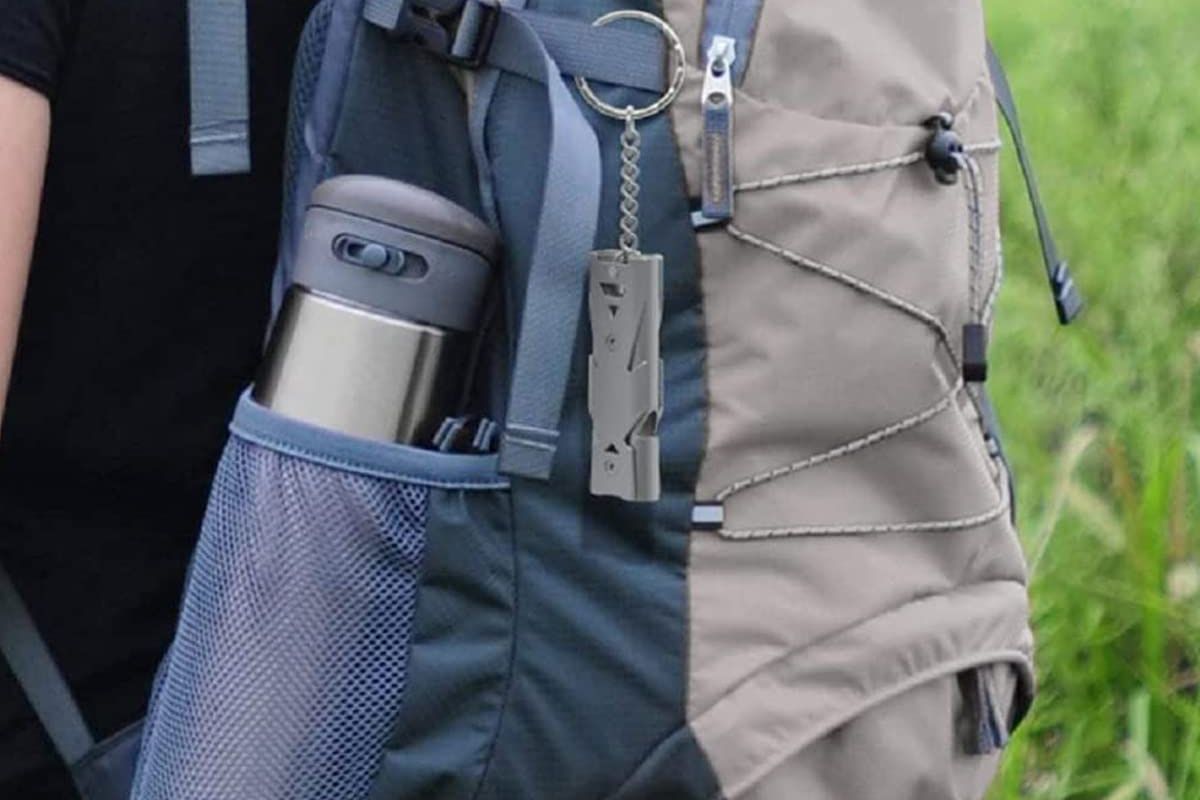
An emergency whistle is a highly effective signaling tool in low-visibility or distress scenarios. Sound travels farther and more consistently than the human voice, conserving energy while improving detection chances. Whistles are lightweight, weather-resistant, and simple to use. They assist in communication with companions or rescuers. Remote trails often limit traditional communication methods. Carrying a whistle strengthens safety without complexity. Its value becomes evident precisely when needed. Many safety experts consider it a fundamental outdoor backup item. This tiny device provides significant reassurance and practical utility.
8. Backup Navigation Method

Technology occasionally fails, and having a secondary navigation method prevents disorientation. A physical map or compass complements digital tools and ensures continued guidance. Navigation errors frequently stem from overreliance on devices. Battery depletion or signal loss can create unnecessary stress. Backup navigation supports confidence and route awareness. Understanding direction improves timing and energy management. Lightweight alternatives provide dependable orientation assistance. Prepared hikers treat navigation redundancy as essential rather than optional. This precaution reduces risk and enhances overall trip control.
9. Hand Sanitizer or Wipes

Maintaining hygiene during outdoor activities supports health and comfort. Sanitizers or wipes allow quick cleaning before meals or after contact with dirt. Clean hands reduce illness risk and improve overall well-being. Lightweight options are easy to carry and highly practical. Hygiene often becomes important only when neglected. Small preventative measures contribute to safer experiences. This backup item combines convenience with meaningful benefit. Cleanliness directly influences comfort and confidence.
10. Lightweight Gloves

Weather fluctuations and terrain conditions can affect hand comfort and protection. Lightweight gloves preserve warmth, prevent abrasions, and improve grip. Cold or wind exposure can rapidly reduce dexterity. Gloves are compact and adaptable across seasons. They enhance safety when navigating rough surfaces. Prepared hikers value simple protective layers. Gloves frequently provide unexpected comfort advantages. Their versatility makes them a practical backup inclusion.
11. Spare Socks
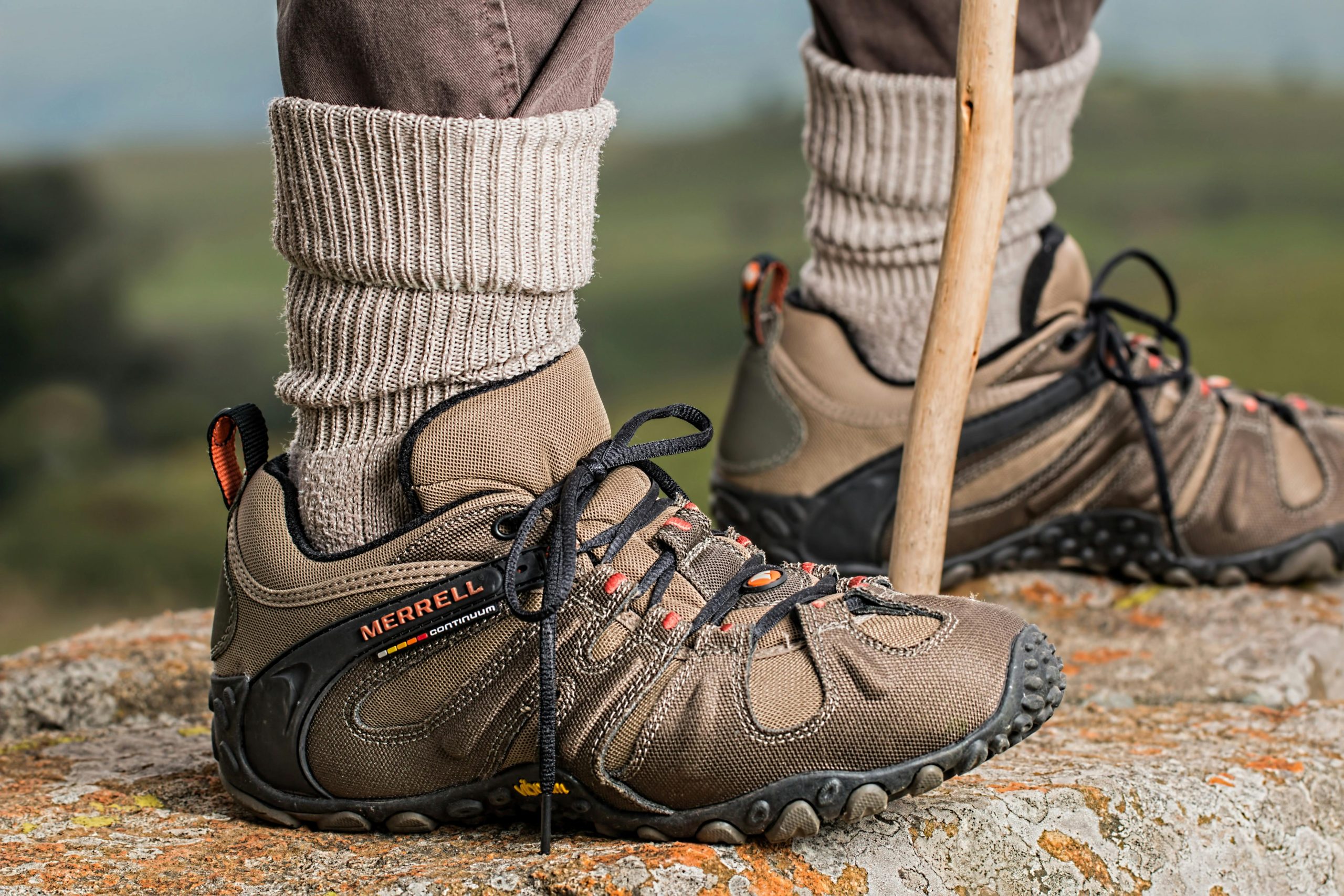
Dry, clean socks can dramatically improve foot comfort during long hikes. Moisture contributes to friction, blisters, and discomfort. Carrying an extra pair allows for quick refreshment. Sock changes help regulate temperature and reduce irritation. Lightweight fabrics minimize space requirements. Spare socks support endurance and morale. This simple backup item often proves surprisingly valuable. Comfort preservation enhances safety and enjoyment.
12. Personal Identification Copy

Carrying identification assists responders if emergencies occur. Basic details enable efficient support and contact notification. Lightweight copies are easy to store securely. Prepared hikers consider response readiness alongside prevention. Identification contributes to responsible exploration. This precaution adds safety without inconvenience. Clear information can influence outcomes positively.
13. Positive Attitude and Patience

Mental preparedness shapes how hikers handle unexpected challenges. Flexibility supports better decisions and reduces stress. Calm thinking improves safety and problem-solving. Hiking involves variability, not perfection. Patience enhances enjoyment and resilience. A positive mindset transforms difficulties into manageable adjustments. Confidence and awareness sustain motivation. Mental readiness is a powerful yet often overlooked backup resource.