Nature is beautiful, but danger lurks everywhere because some creatures are known for their short tempers. 13 animals that attack first and ask questions later prove that size does not always matter. These species rely on preemptive strikes to neutralize threats before they escalate into battles. Many of these beasts are territorial and perceive any intrusion as a declaration of war. Hikers and tourists often underestimate the speed at which these encounters turn violent. Understanding the behavioral triggers of these aggressive animals is crucial for staying safe in the wild. This guide explores the most volatile species found across the globe.
Cape Buffalo
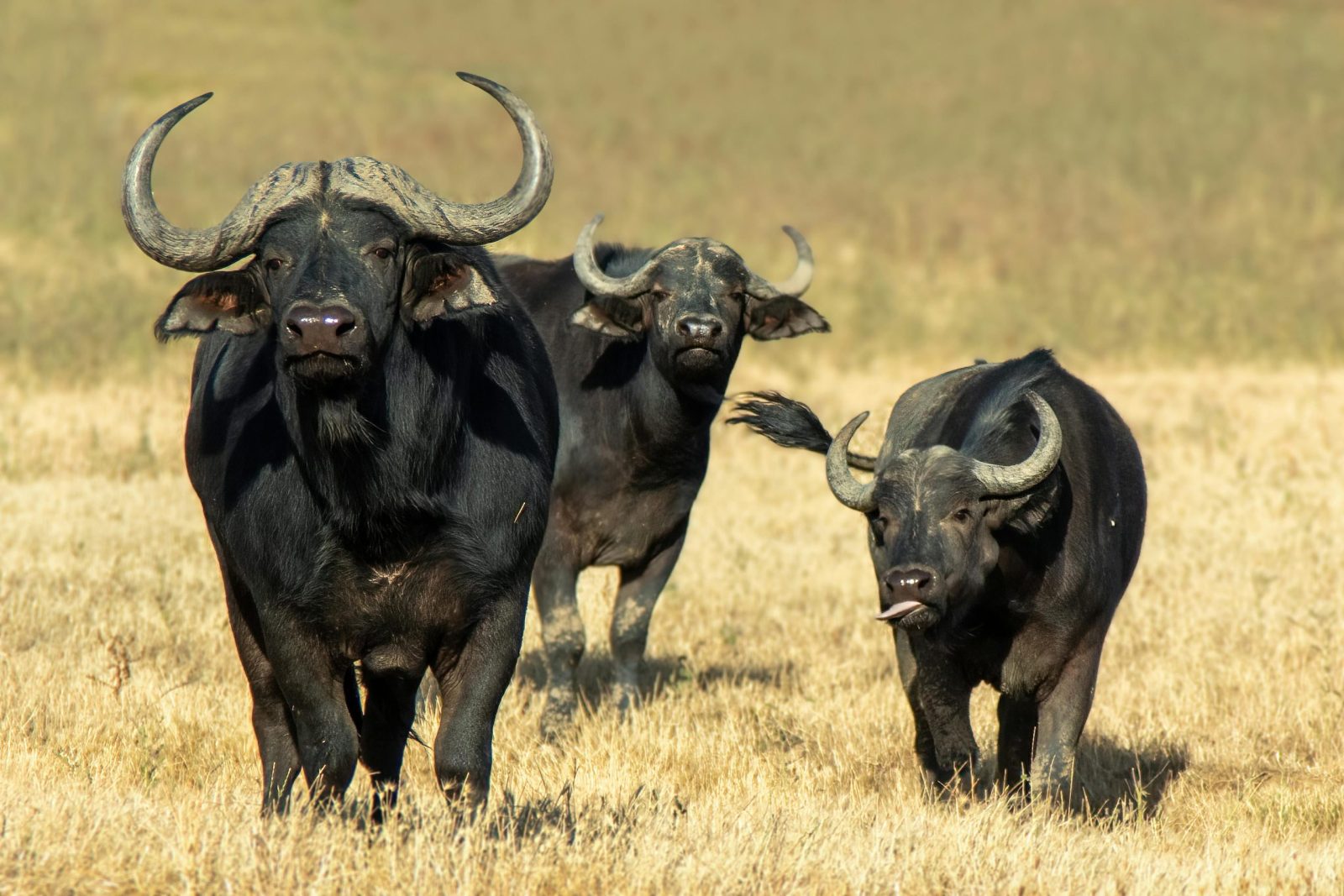
Known as the Black Death, the Cape buffalo is responsible for killing more hunters in Africa than any other large animal. These massive bovines have exceptional memories and will ambush humans who have previously harmed them. They charge without warning and trample their victims with immense power and fury. Even lions hesitate to attack a healthy adult buffalo due to its aggressive herd mentality. Their fused horns act as a battering ram that can crush bone instantly upon impact. Injured individuals become even more dangerous and vindictive. Respecting their space is the only way to avoid a fatal charge.
Hippopotamus

The hippopotamus is deceptive because it looks slow and clumsy while resting in the water. However, this semi-aquatic giant is highly territorial and defends its stretch of river with lethal force. They can sprint faster than a human on land and will capsize boats that venture too close. Their massive jaws open wide to display tusks that can slice through metal and flesh easily. Most attacks occur when a person unknowingly blocks their path to deep water. Hippos claim hundreds of lives annually across Africa. They are widely considered one of the most dangerous mammals on the continent.
Saltwater Crocodile
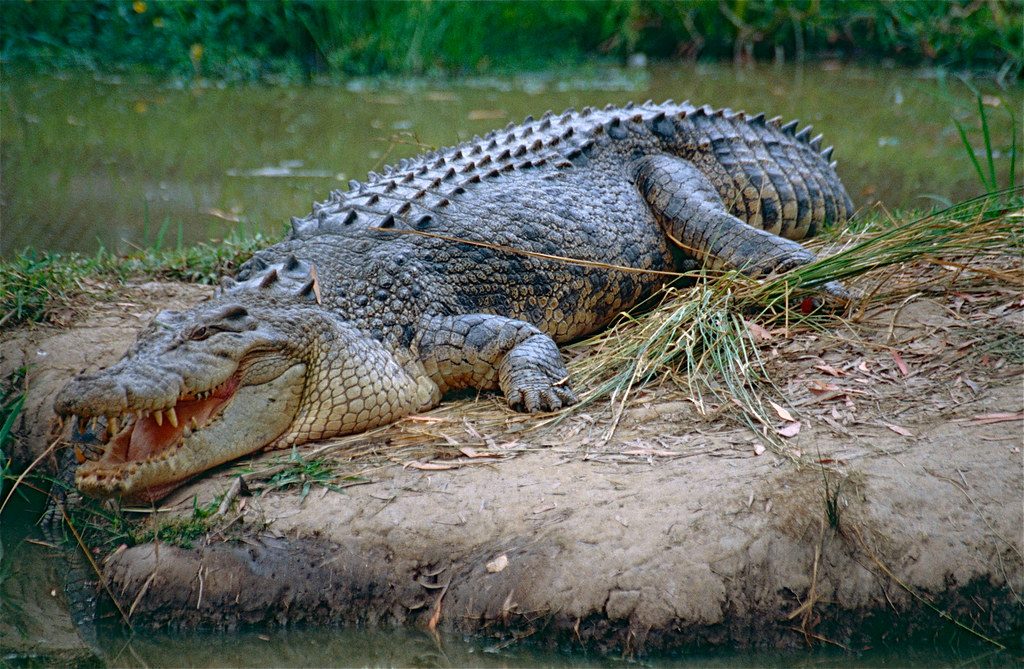
Saltwater crocodiles are the ultimate ambush predators that see humans as just another source of protein. They observe their prey from beneath the murky surface before launching a lightning-fast strike. These reptiles possess the strongest bite force in the animal kingdom and drag victims underwater to drown them. They are extremely territorial and will attack anything that enters their domain, regardless of size. Survivors are rare because the crocodile executes a death roll to disorient and disable its prey. Their aggression is instinctual and immediate. Swimming in their habitat is a guaranteed recipe for a disastrous encounter.
Polar Bear
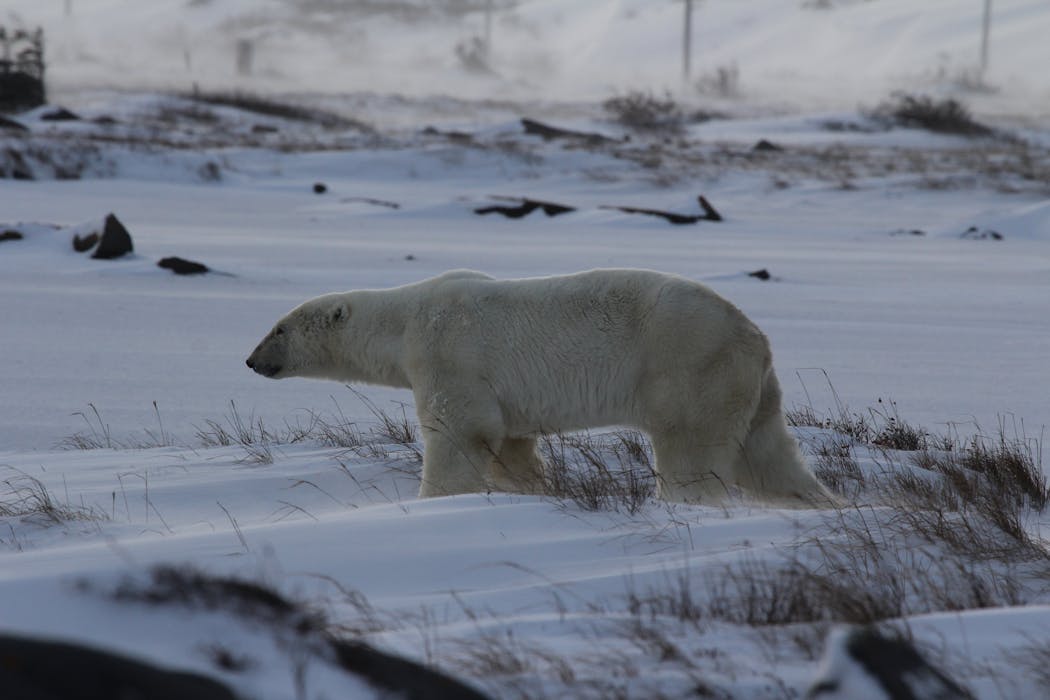
Polar bears are the only large predators that actively hunt humans for food rather than defense. Living in the harsh Arctic environment means they cannot afford to bypass any potential meal. They will stalk people for miles across the ice before launching a silent and deadly attack. Their immense strength allows them to break into buildings or tents with little effort. Unlike other bears that might bluff-charge, a polar bear intends to kill when it approaches. Climate change is forcing them closer to towns, which increases conflict. They are beautiful but completely ruthless survivalists of the north.
Cassowary
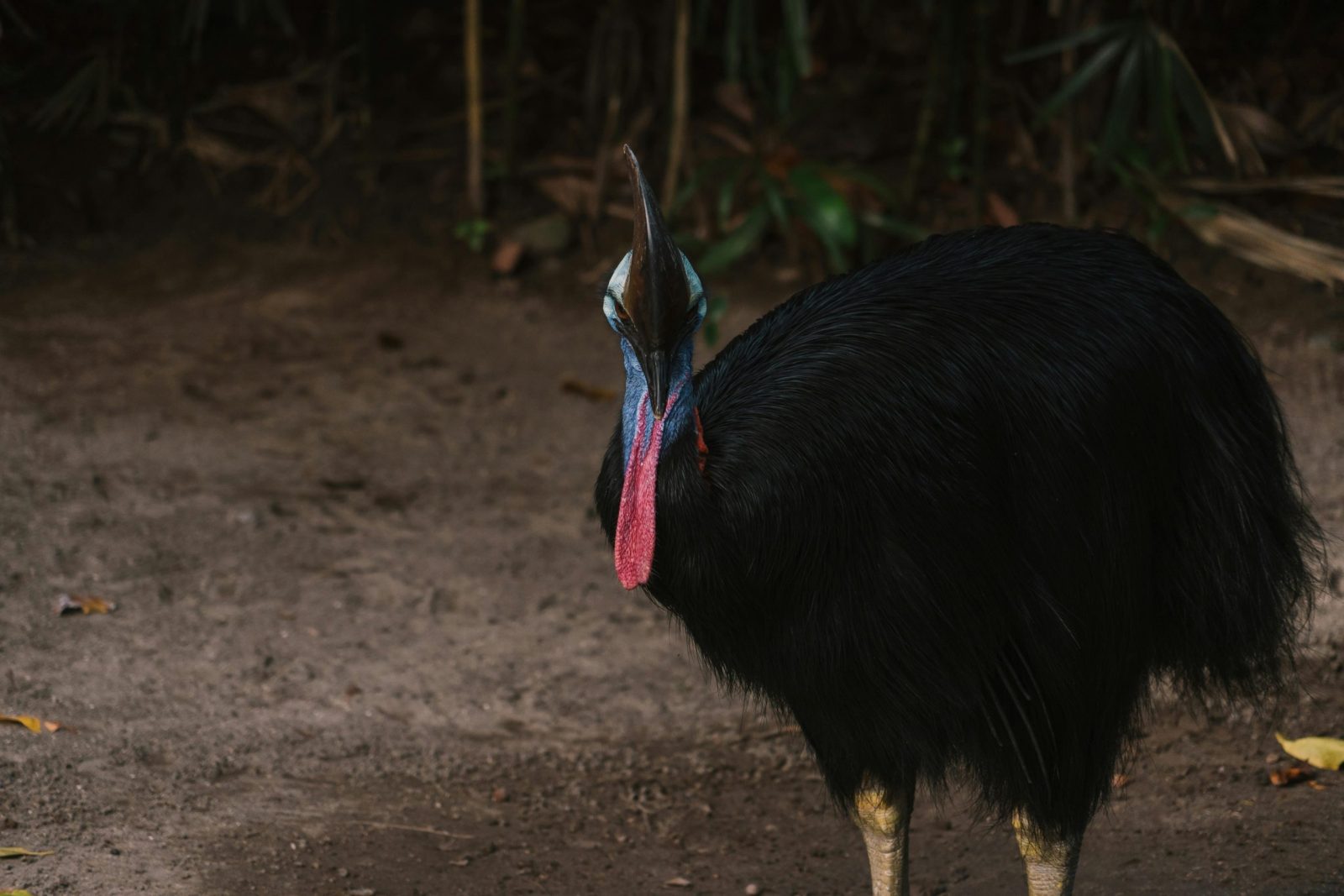
This flightless bird from Australia is often called the most dangerous bird on the planet today. The cassowary possesses a dagger-like claw on each foot that can disembowel a predator with one kick. They are extremely territorial and will attack humans who invade their rainforest habitat without hesitation. Their striking blue necks and helmet-like casques make them look prehistoric and intimidating. Attacks usually involve the bird jumping feet-first to deliver slashing blows to the victim. They run surprisingly fast through dense brush to catch intruders. Feeding them associates humans with food and increases the likelihood of aggression.
Honey Badger
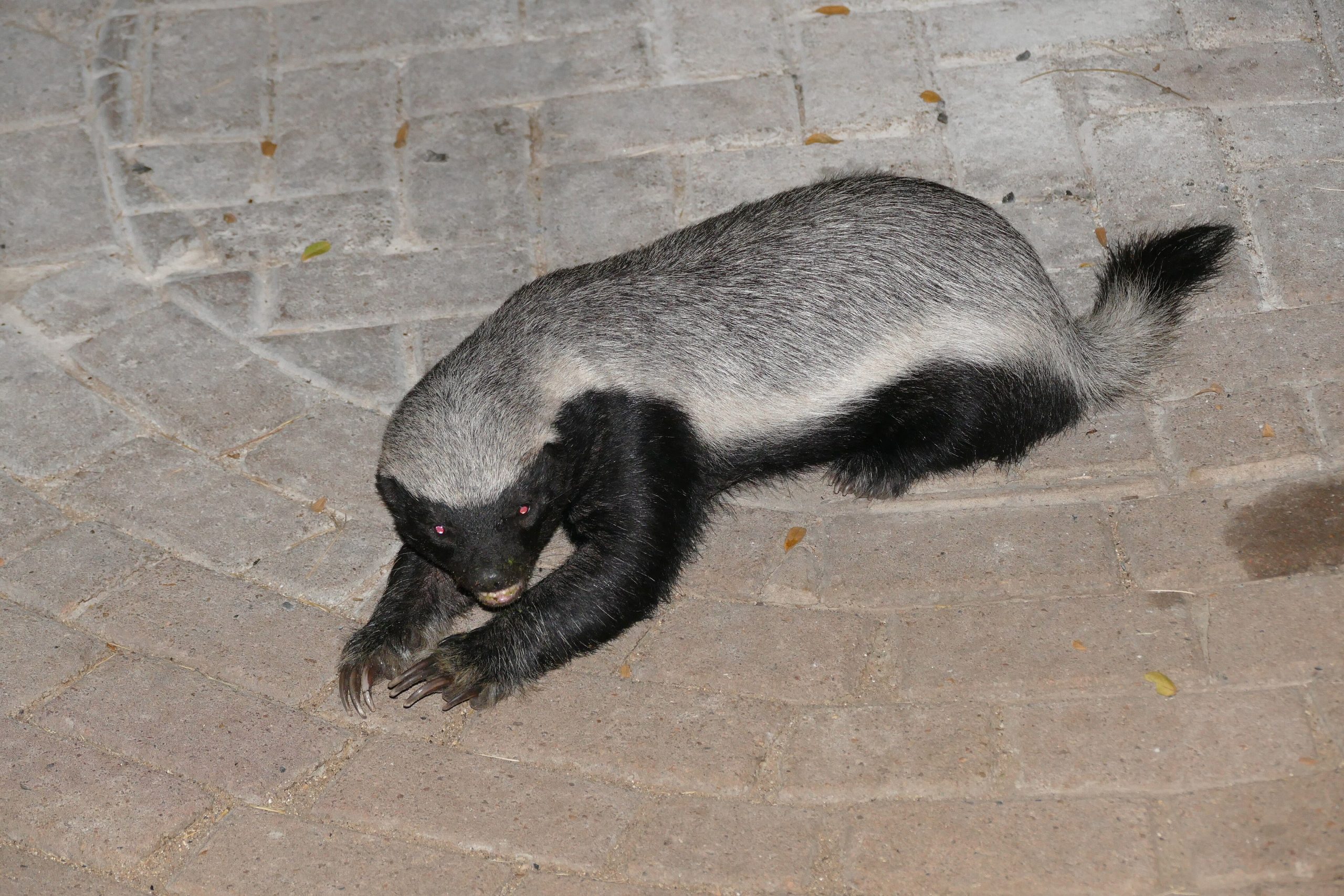
The honey badger holds a legendary reputation for being absolutely fearless when facing larger opponents. This small carnivore has thick, loose skin that allows it to twist around and bite even when held. They will attack lions and hyenas and venomous snakes without showing any sign of retreat. Their primary defense mechanism is an overwhelming offense that startles and confuses enemies. Honey badgers possess powerful jaws that can crack turtle shells and crush bones. They simply do not possess the instinct to back down from a fight. Their tenacity makes them one of the toughest animals pound for pound.
Sun Bear
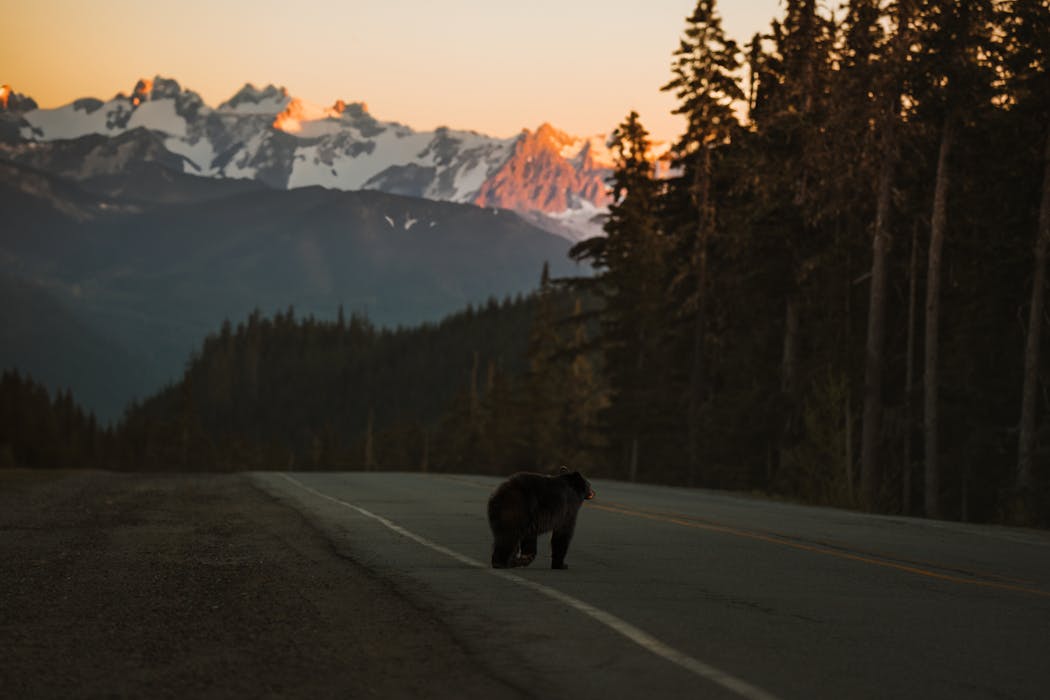
Sun bears are the smallest bear species, but they are notoriously aggressive and unpredictable in the wild. They live in the dense forests of Southeast Asia, where surprise encounters happen frequently. Because they are preyed upon by tigers, they have evolved to attack instantly rather than flee. Their loose skin allows them to turn inside the grip of a predator and bite back ferociously. Sun bears have very long claws and sharp teeth that cause severe damage in seconds. They are known to attack without provocation if startled. Their fierce temperament compensates for their diminutive physical stature.
Wild Boar.
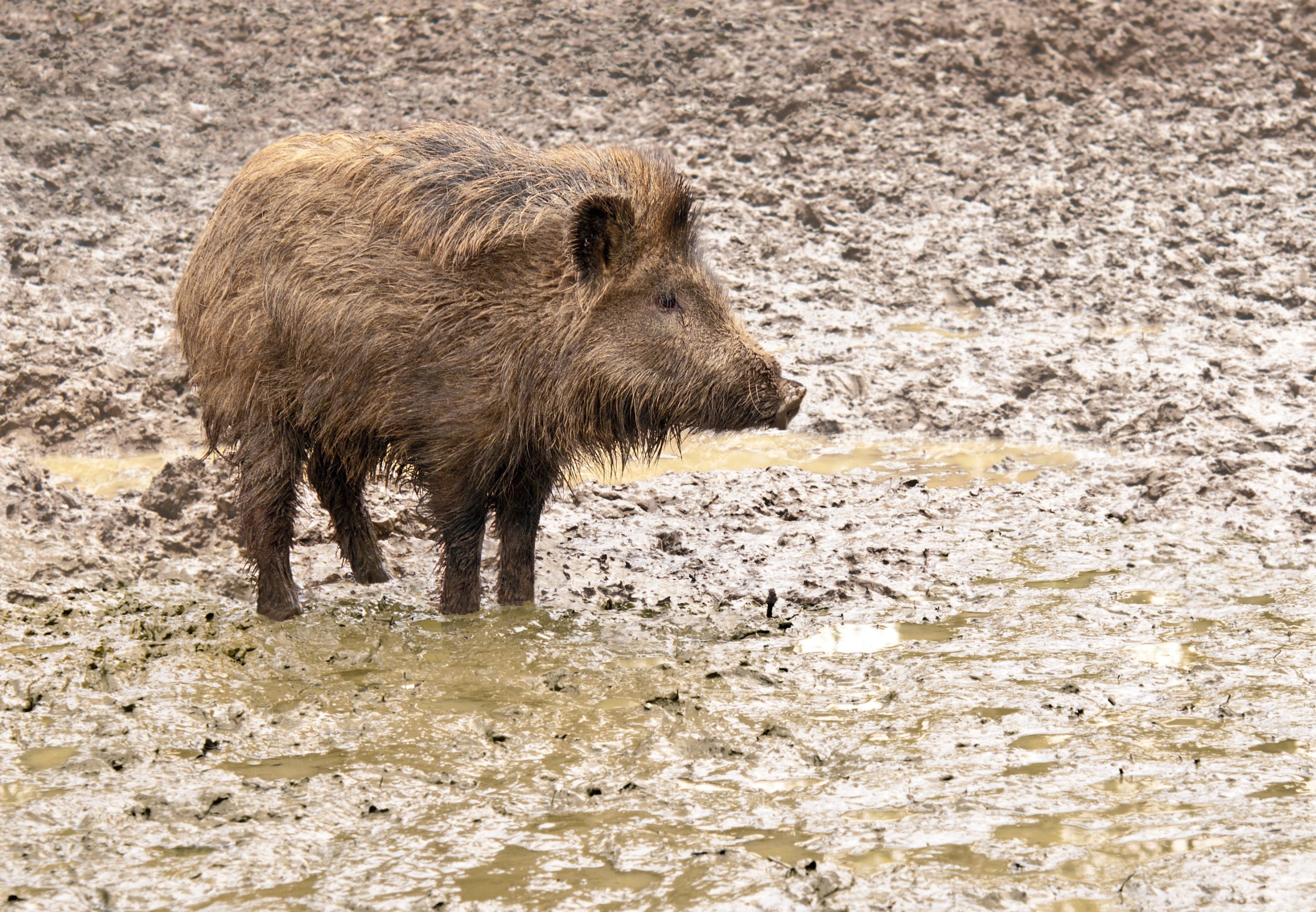
Wild boars are incredibly dangerous due to their unpredictable nature and razor-sharp tusks. These feral pigs will charge with significant speed and force if they feel threatened or cornered. Sows with piglets are particularly aggressive and will defend their young against any perceived danger. Their tusks can inflict deep lacerations that often hit major arteries in the legs of victims. Boars are smart and tenacious fighters that ignore pain during an adrenaline-filled confrontation. Their population is exploding in many regions, which leads to more frequent conflicts with humans. Hikers should climb a tree immediately if they spot one.
Moose
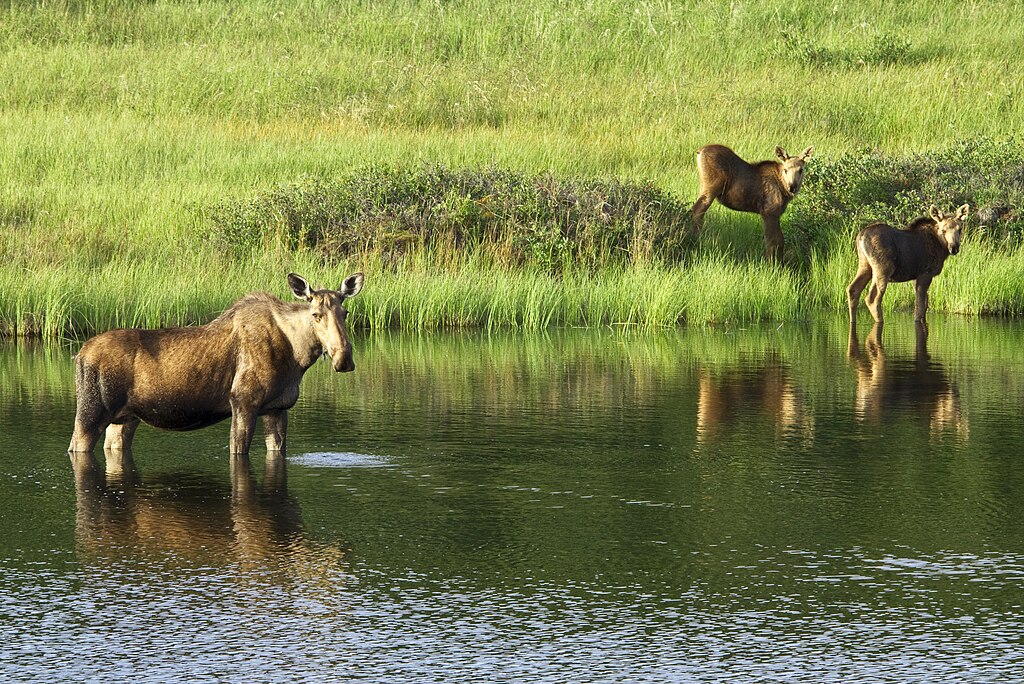
A moose appears docile, but it causes more injuries to humans than bears and wolves combined. These massive herbivores are easily agitated by dogs or people who get too close for a photo. A cow moose protecting her calf is one of the most dangerous forces in the woods. They strike with their front hooves and can kick in any direction with lethal precision. Their towering height makes them intimidating and difficult to deter once they decide to charge. Signs of aggression include flattened ears and raised hackles. Ignoring these warnings usually results in a severe trampling.
Black Rhinoceros
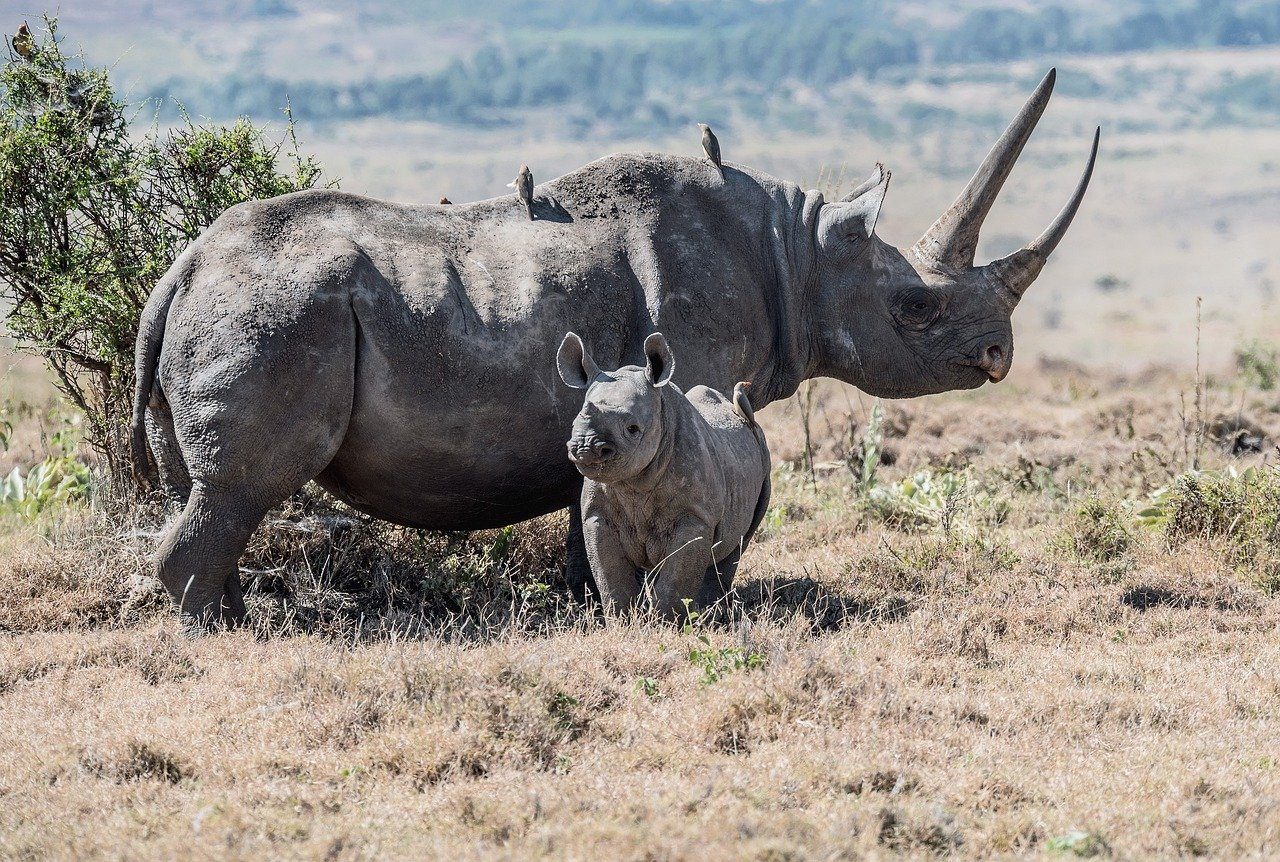
The black rhinoceros is notorious for its poor eyesight and extreme nervousness in the bush. This combination leads them to charge blindly at any unfamiliar sound or scent they detect. They will attack trees, termite mounds, and vehicles with equal ferocity. Their massive horns can puncture metal and flip safari jeeps effortlessly. This preemptive aggression is their primary defense mechanism against potential threats in the savannah. Because they cannot see well enough to identify the danger, they choose to eliminate it immediately. Staying downwind and keeping a safe distance is critical when observing these volatile giants.
Bull Shark
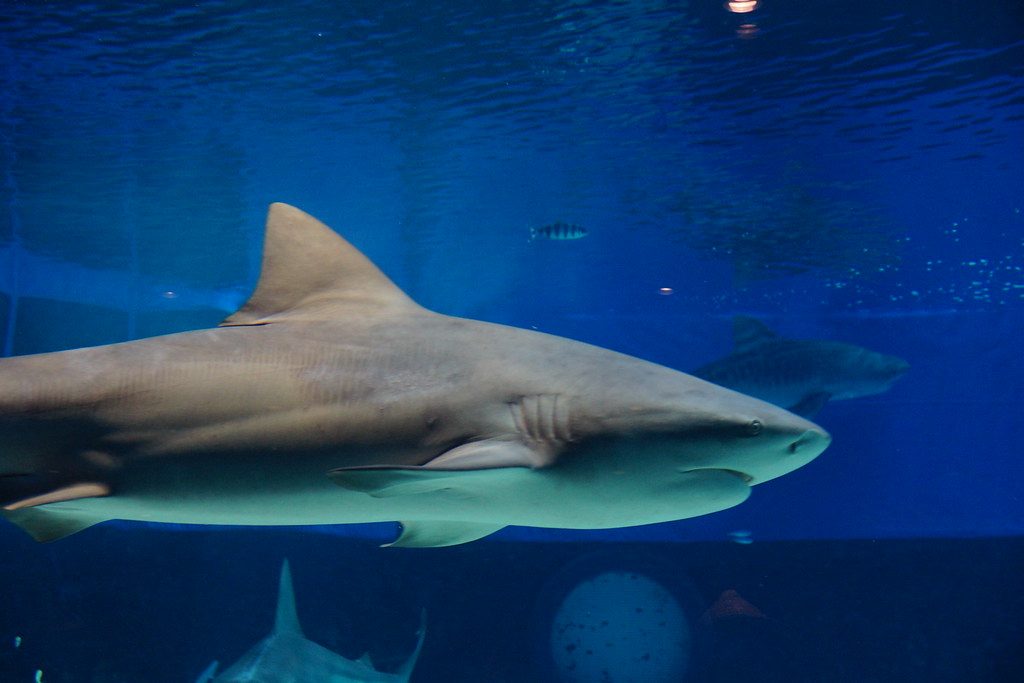
Bull sharks are unique because they can survive in both saltwater and freshwater environments. They are responsible for many near-shore attacks due to their preference for shallow coastal waters. High testosterone levels make them exceptionally aggressive and prone to bumping prey before biting. They frequent turbid waters where visibility is low, which leads to mistaken identity strikes on swimmers. Their unpredictable behavior makes them more dangerous to humans than great whites in many areas. They have been found swimming miles up rivers near populated cities. This adaptability puts them in close contact with people more often than other sharks.
Wolverine
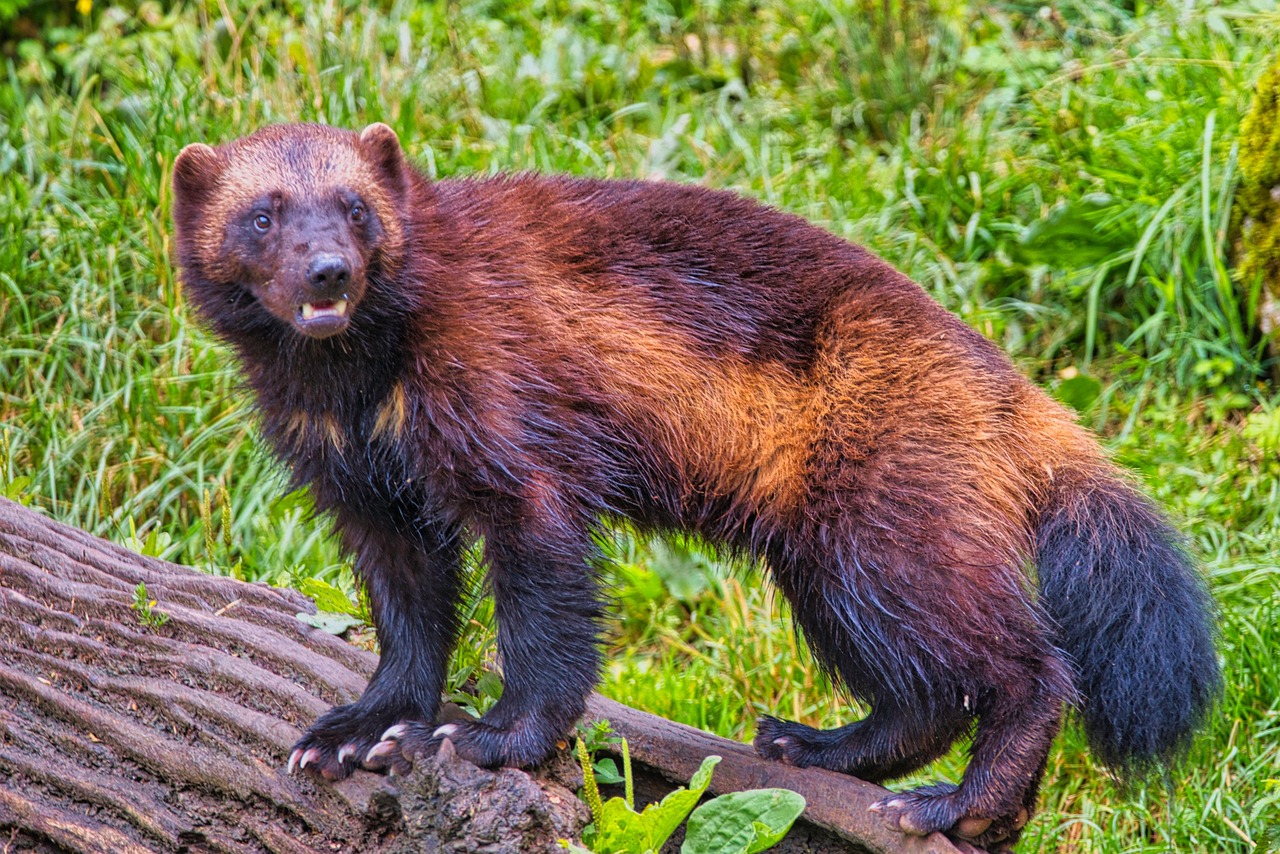
The wolverine is a solitary scavenger that possesses strength disproportionate to its medium size. It will defend its food against bears and wolves with a ferocity that borders on insanity. Wolverines have powerful jaws and sharp claws designed for tearing into frozen meat and bone. They are tireless wanderers that traverse vast distances in harsh winter conditions. If cornered or threatened, a wolverine attacks with a blinding rage that often forces larger predators to retreat. Their reputation for nastiness is well-earned in the northern wilderness. They embody the spirit of survival through sheer aggression and determination.
Komodo Dragon
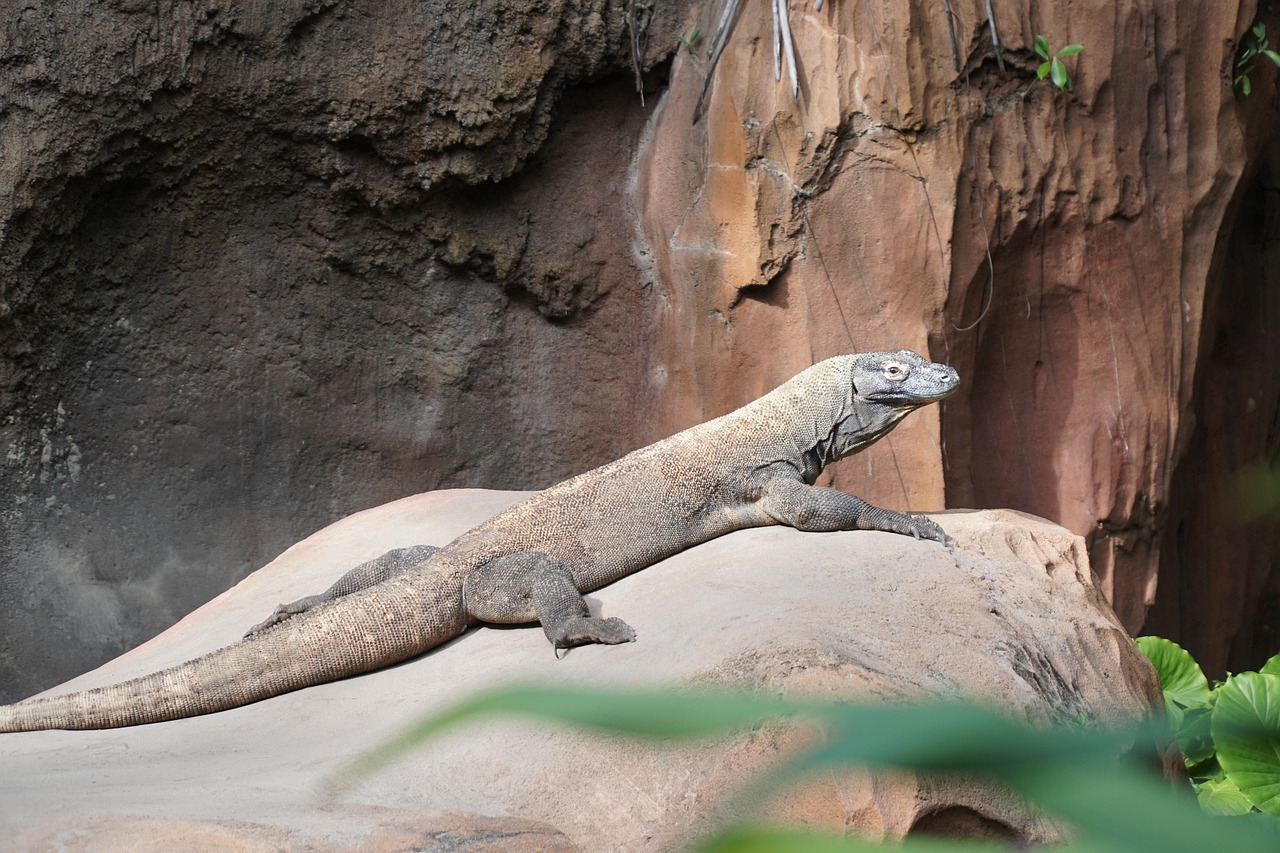
Komodo dragons are the largest lizards on earth, and they dominate their island ecosystem completely. These reptiles hunt by ambushing deer and boar with a venomous bite that induces shock. They will approach humans with a fearless curiosity that can quickly turn into a predatory attack. Their saliva contains anticoagulants that cause victims to bleed profusely after a bite. Komodo dragons are surprisingly fast sprinters and can knock a person down with their powerful tails. They consume their prey in large chunks and leave nothing behind. Visitors to their islands must be accompanied by rangers armed with forked sticks.