Solo camping strips every decision down to its essentials. There is no backup plan, no second opinion, and nobody nearby to help if something goes wrong. The firearm you bring into that environment carries a weight far beyond its physical dimensions because it may genuinely be the only tool standing between you and a serious threat, whether that threat walks on two legs or four. Choosing the wrong gun for that situation is not just a minor inconvenience. It can mean a weapon that fails in wet conditions, runs dry after two shots, handles so poorly under stress that accuracy becomes impossible, or simply lacks the stopping power needed for the wildlife realities of the terrain you are crossing. Over the years, certain firearms have repeatedly proven themselves poorly matched to the demands of backcountry solo carry, and the reasons are always specific and measurable. This list covers twelve of the worst offenders, with the precise details, dimensions, and performance figures that explain exactly why each one earns its place here and what makes it a liability when you are genuinely on your own.
1. Desert Eagle .50 AE
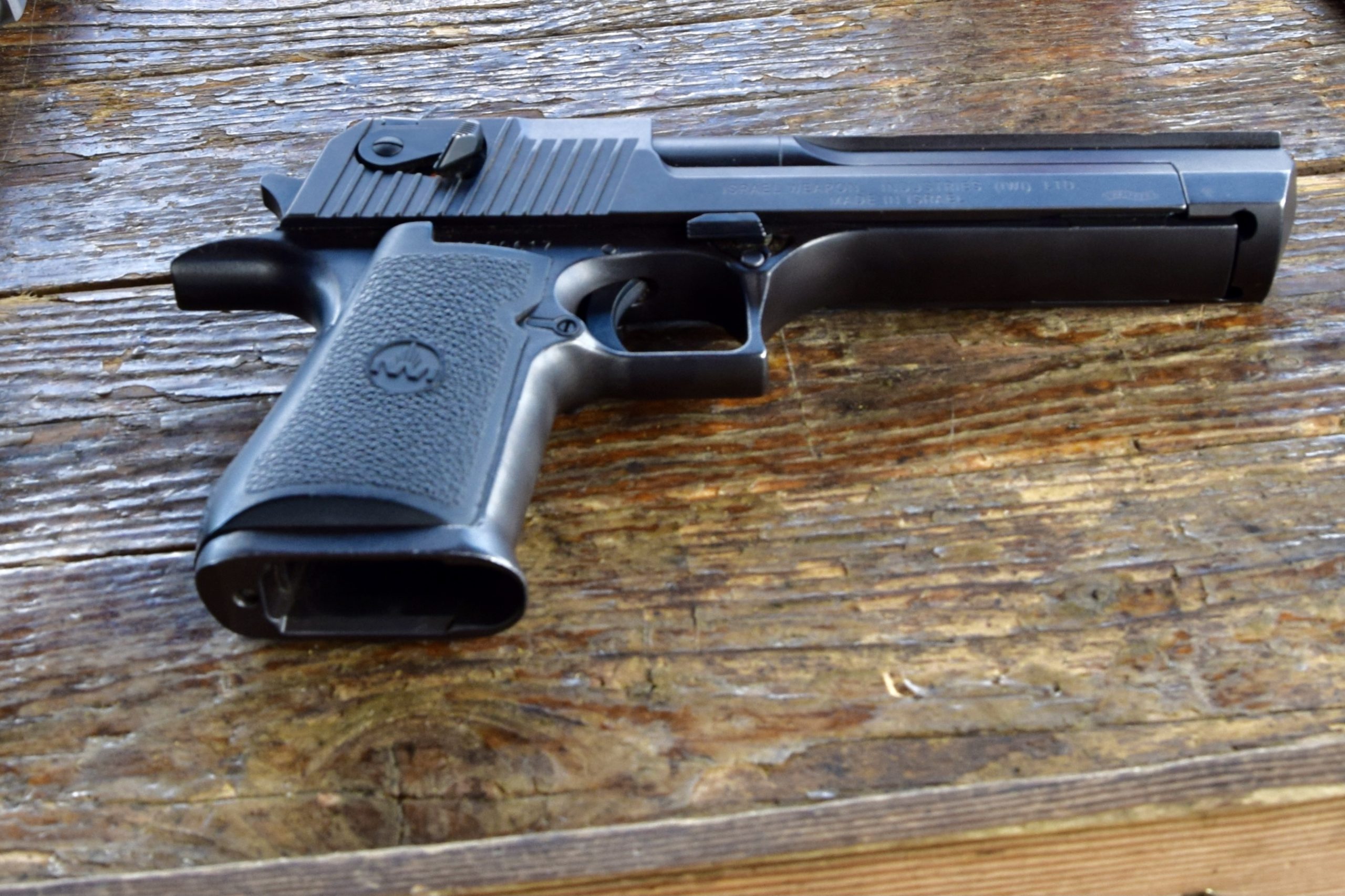
The Desert Eagle is many things, but a practical wilderness carry gun is not among them. Weighing 4.4 pounds fully loaded and measuring 14 inches in length, simply transporting it through dense terrain for hours becomes a physical burden that compounds with every mile. The gas-operated rotating bolt system is exquisitely sensitive to ammunition quality, and in backcountry conditions where dust, moisture, and debris are constant companions, failure rates climb significantly beyond the already problematic 12 to 18 per 100 rounds recorded in controlled testing with off-spec loads. The .50 AE cartridge generates 1,449 foot-pounds of energy, which sounds appropriate for large predator defense until you consider that follow-up shots after a miss are nearly impossible due to extreme muzzle flip. Grizzly encounters, which account for roughly 11 fatal attacks annually across North America, demand fast, accurate repeat shots. The Desert Eagle’s combination of weight, bulk, mechanical sensitivity, and poor recovery between shots makes it a genuinely dangerous choice when the consequences of a malfunction are measured in seconds rather than inconvenience.
2. Taurus Judge
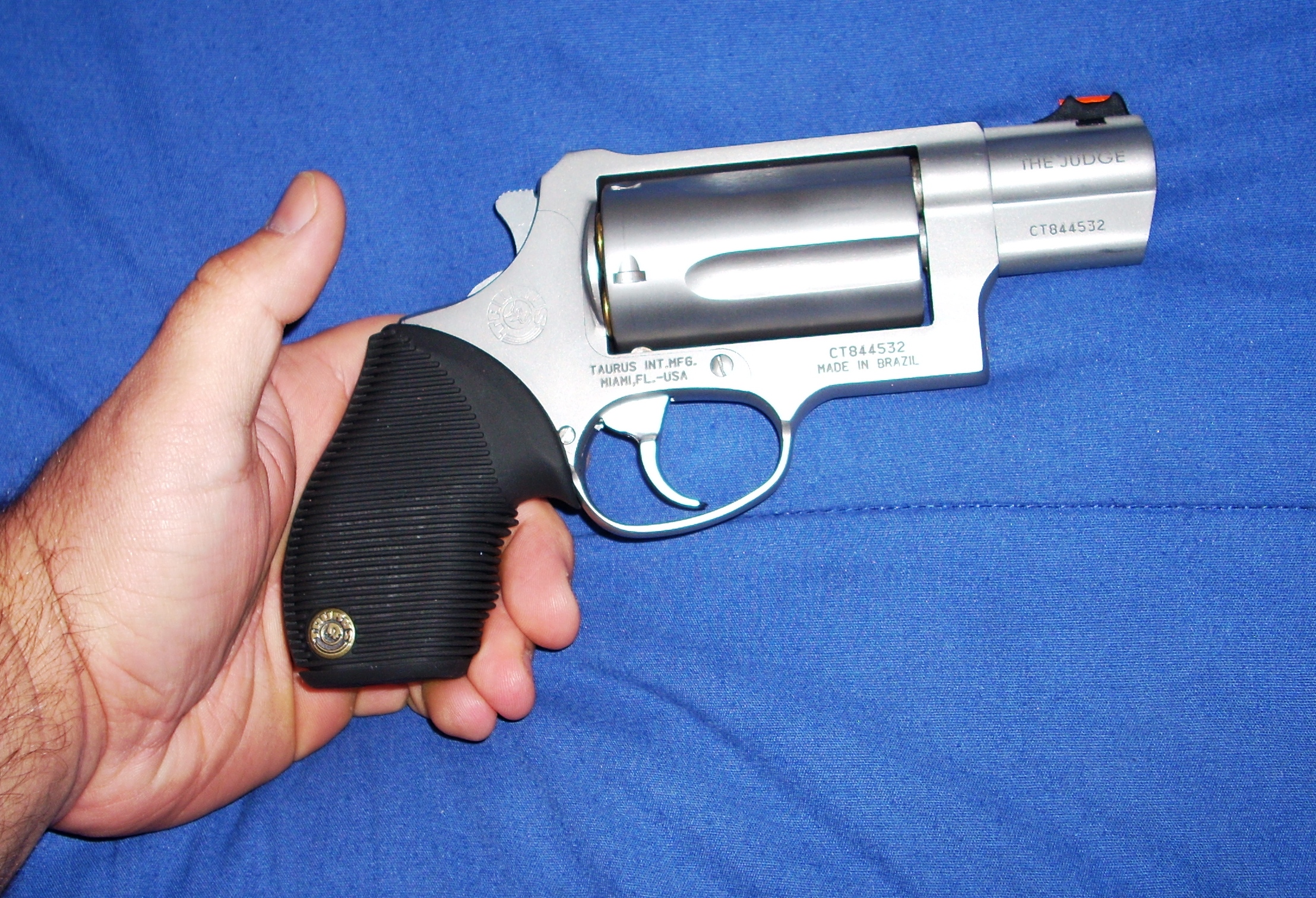
The Taurus Judge’s dual-caliber concept seems appealing for wilderness carry until the actual ballistic performance is examined honestly. Firing .410 shotshells through its 3-inch barrel, pellet patterns spread so inconsistently beyond 10 feet that stopping a charging predator becomes genuinely uncertain. Independent ballistics testing has repeatedly shown that .410 defensive loads fail to meet the FBI’s minimum 12-inch penetration standard when fired from the Judge’s short barrel. Switching to .45 Colt, the lengthened cylinder gap bleeds velocity by 50 to 75 fps, reducing energy delivery on target. At 29 ounces unloaded, the weight is substantial for what is essentially a two-caliber compromise that excels at neither task. Bears require deep penetration into vital organs, and the Judge’s fragmented approach to ballistics simply does not deliver that reliably. The double-action trigger pull, averaging 14 to 16 pounds, further degrades accuracy under the elevated stress of a real wildlife encounter. It looks capable in a display case and performs like a liability when the terrain gets serious.
3. Raven Arms MP-25
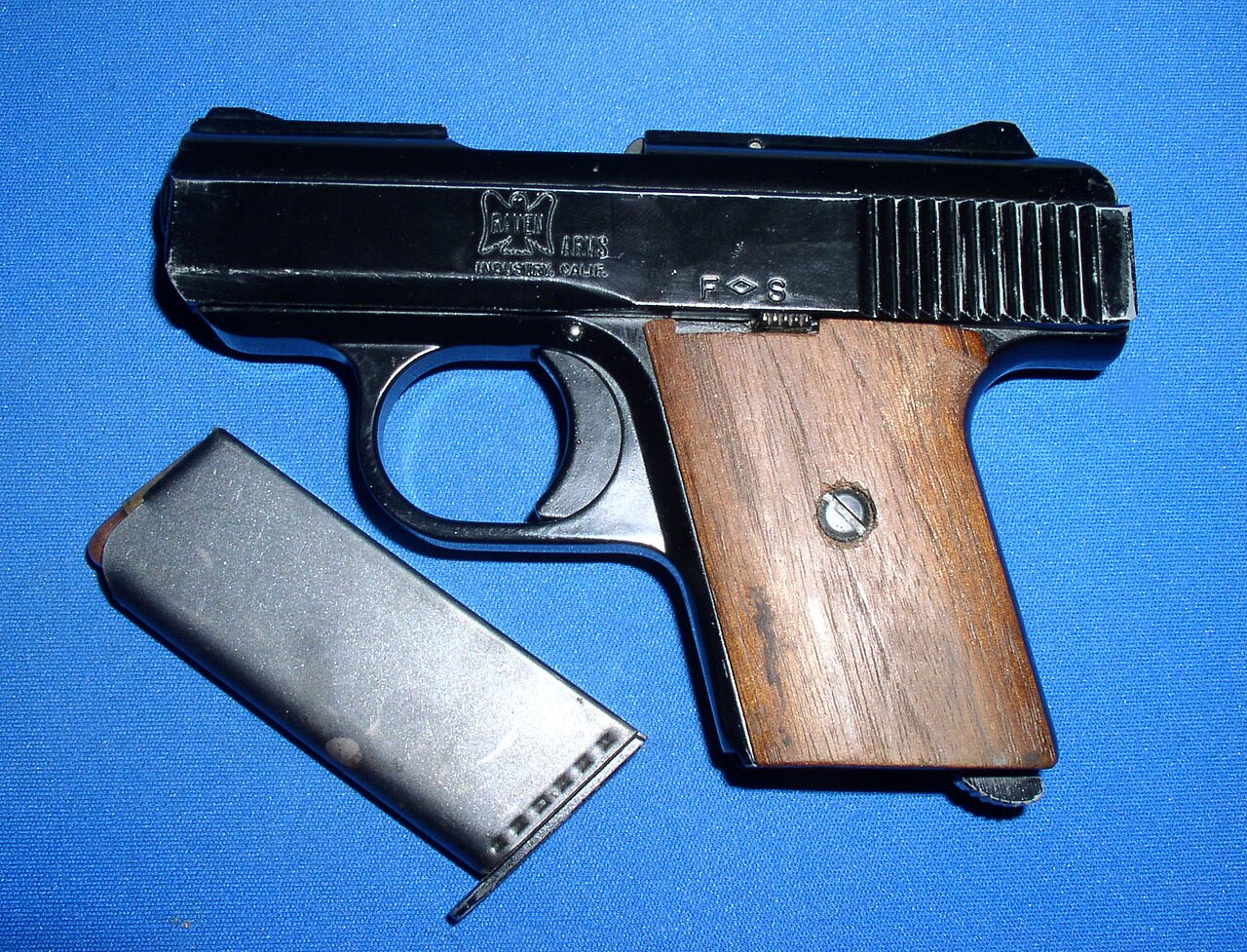
The Raven Arms MP-25 is a .25 ACP pocket pistol that weighs just 15 ounces and retailed for under $70 during its production run, which tells you almost everything relevant about its suitability for backcountry carry. The .25 ACP cartridge generates a mere 64 foot-pounds of muzzle energy from a 50-grain bullet traveling at approximately 760 fps. For comparison, wildlife defense against black bears, which are involved in roughly 19 fatal attacks per decade in North America, requires calibers producing a minimum of 400 foot-pounds according to most professional guides and wildlife biologists. The MP-25 delivers less than 16 percent of that threshold. Beyond caliber inadequacy, the zinc alloy construction is vulnerable to corrosion from moisture and temperature cycling that backcountry environments constantly produce. The 6-round magazine empties in seconds, and the rudimentary fixed sights offer no meaningful accuracy at distances beyond 10 feet. Carrying a Raven MP-25 into serious wilderness is not just ineffective. It creates false confidence that is arguably more dangerous than carrying nothing at all.
4. Kel-Tec KSG
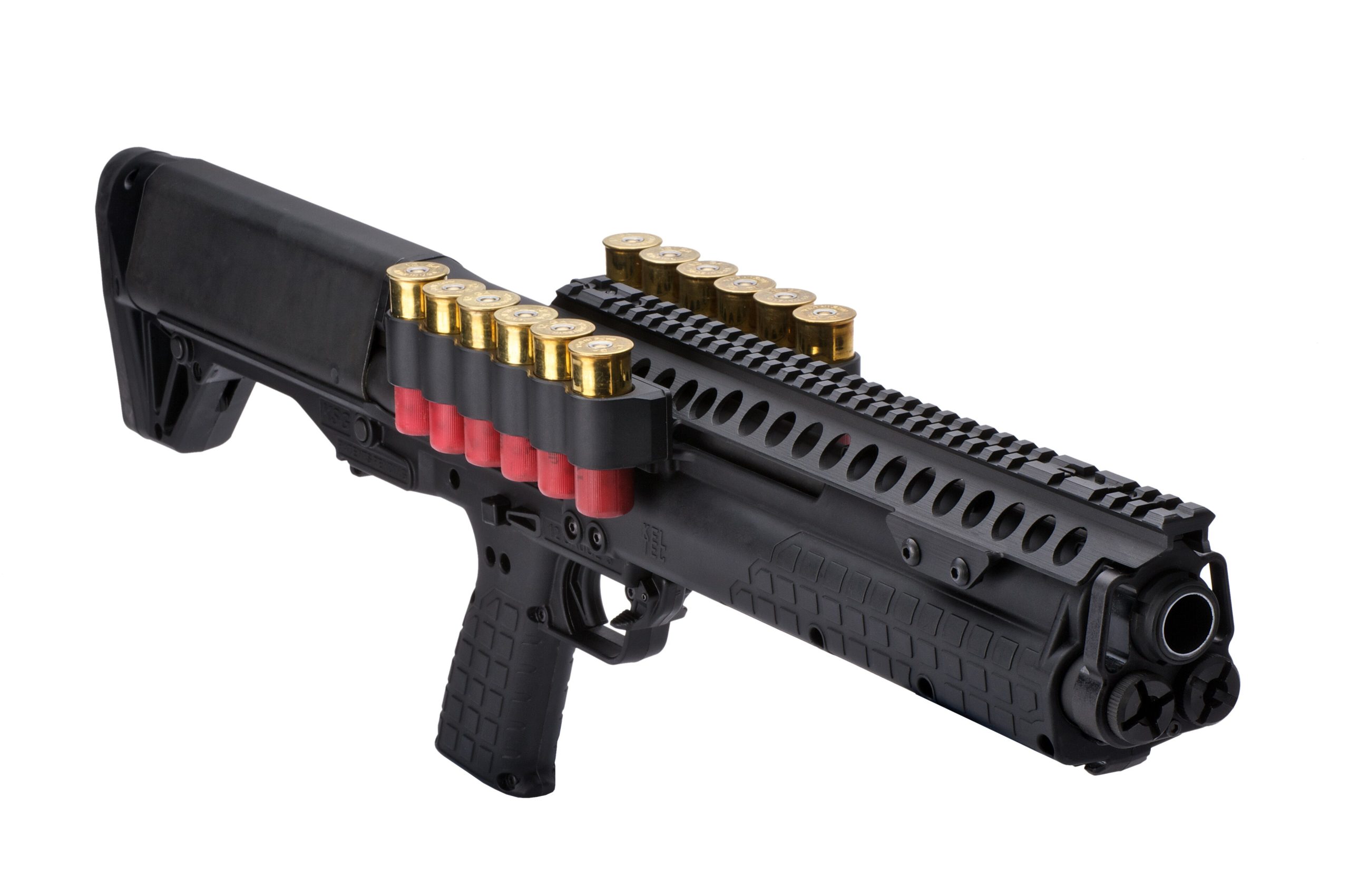
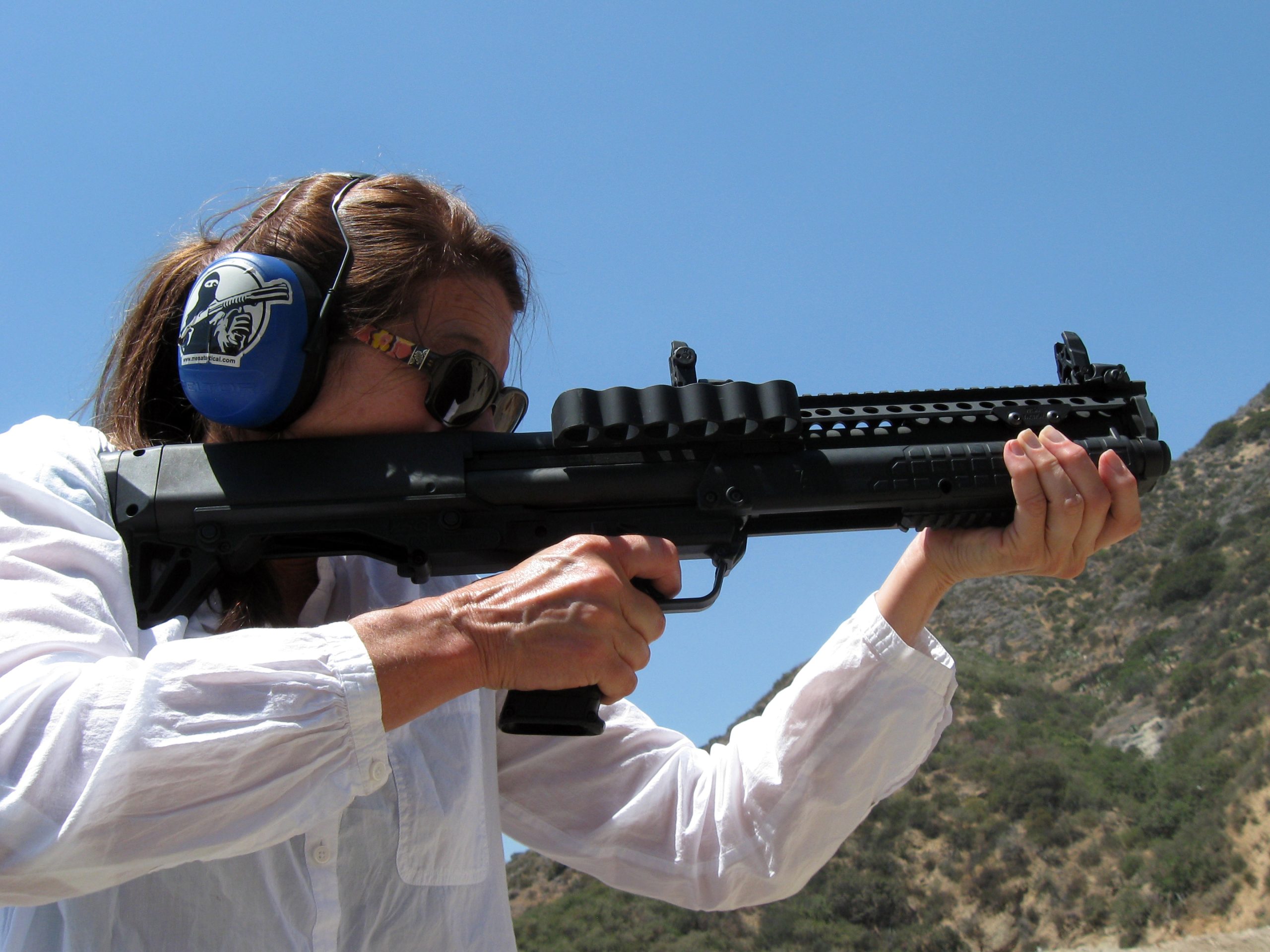
The KSG’s dual tube magazines and 14-shell capacity make it look purpose-built for serious situations, but its specific mechanical demands make it a poor fit for solo wilderness carry. The pump action requires deliberate, full-stroke cycling to avoid short-stroke failures that occur at rates as high as 1 malfunction per 8 rounds during initial use, and fatigue, cold hands, or stress during a backcountry emergency all increase that likelihood substantially. The manual tube selector switch between magazines demands conscious thought at exactly the moment when conscious thought is hardest to produce. At 26.1 inches long and weighing over 8 pounds loaded, maneuvering it through dense brush, across streams, or while wearing a loaded pack creates constant handling challenges. The downward ejection system ejects spent hulls unpredictably, which matters when footing is uncertain. In wet Pacific Northwest or Alaskan terrain, the polymer-heavy construction and intricate action require meticulous maintenance that solo campers cannot always provide. Its complexity, bulk, and mechanical sensitivity combine to make it a gun that demands too much from its operator precisely when the operator has the least to give.
5. Hi-Point CF380
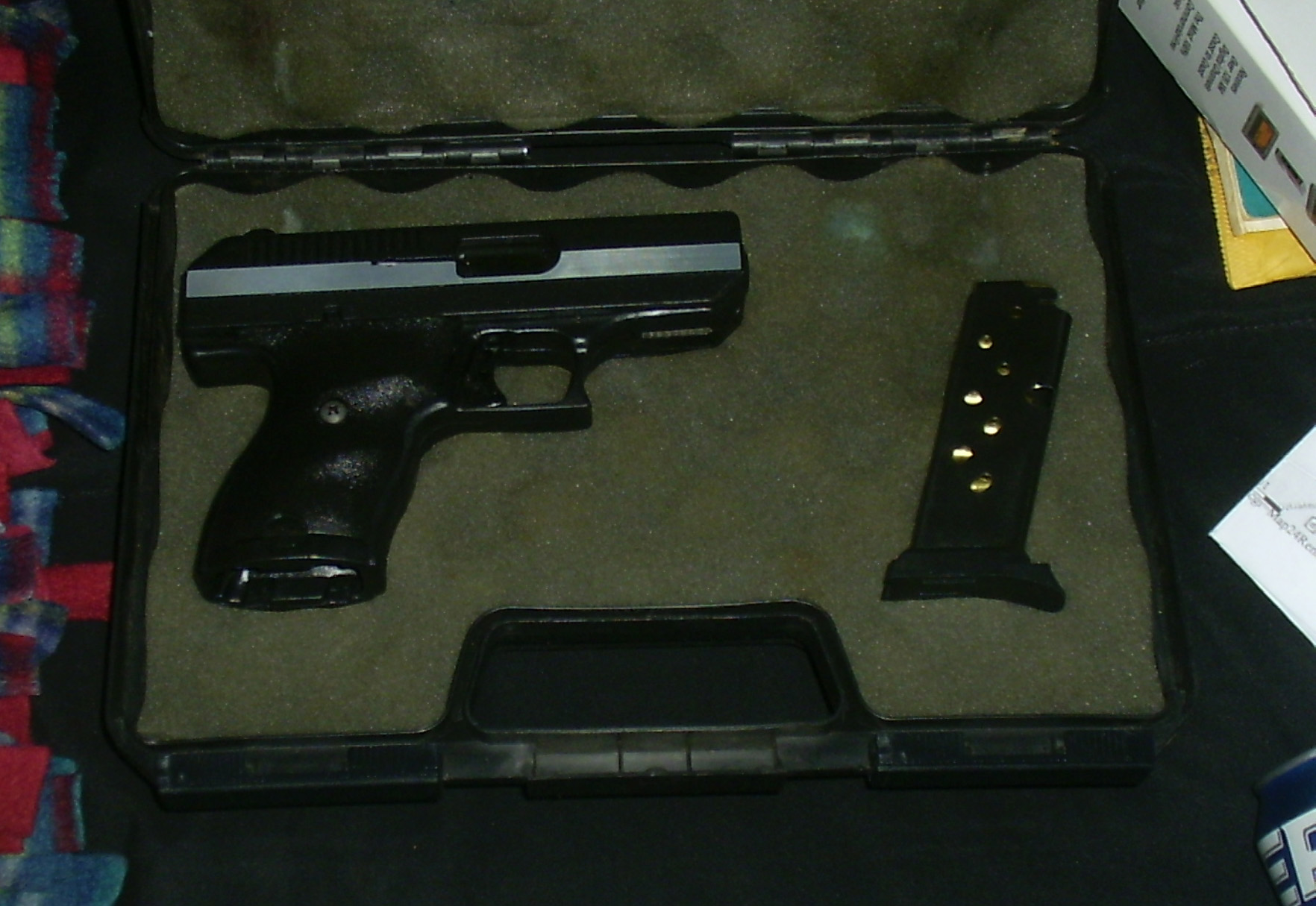
The Hi-Point CF380 chambers a cartridge generating approximately 190 foot-pounds of muzzle energy from its 3.5-inch barrel, which places it dramatically below any reasonable wildlife defense threshold. Its 8-round single-stack magazine and blowback operation produce acceptable reliability in controlled environments, with failure rates below 3 per 100 rounds in some independent tests. But that reliability depends heavily on consistent ammunition and clean operating conditions, neither of which solo wilderness camping reliably provides. The zinc alloy slide is genuinely vulnerable to corrosion in humid or wet environments, with surface oxidation appearing after as little as 48 hours of unprotected exposure to moisture. The trigger pull averages 8 to 10 pounds, with a gritty break that reduces accuracy at the distances where defensive shots against wildlife are most likely needed. At 29 ounces, it is heavy for what it offers. Carrying a .380 ACP into territory where black bears, mountain lions, or moose encounters are possible is a caliber decision that professional wilderness guides almost universally advise against, and the Hi-Point’s additional mechanical limitations only compound that fundamental problem.
6. Beretta 21 Bobcat
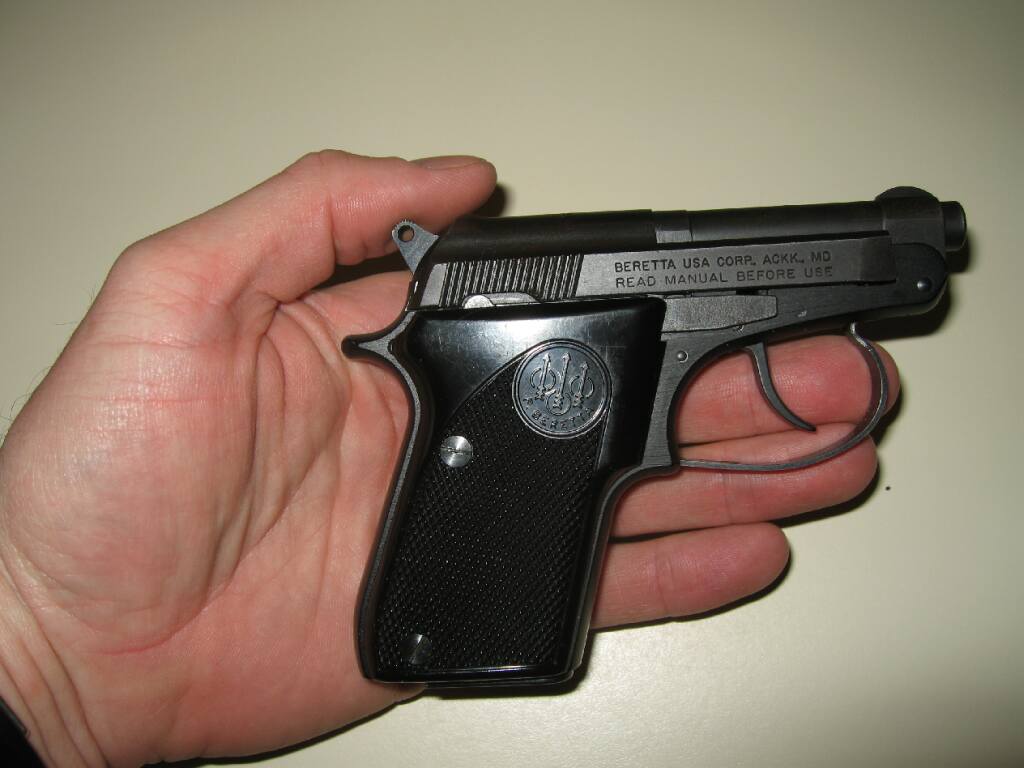
The Beretta 21 Bobcat is a beautifully engineered pocket pistol chambered in either .22 LR or .25 ACP, both of which are spectacularly inadequate for wilderness defense. The .22 LR version generates roughly 100 to 140 foot-pounds of muzzle energy, depending on the load, which is appropriate for small pest control and nothing beyond that. The tip-up barrel design is genuinely clever for administrative loading, but it introduces an additional mechanical joint that accumulates debris in field conditions. The 7-round magazine empties almost instantly under stress. At 11.5 ounces, the gun is light enough that shooters sometimes underestimate recoil management challenges with rapid fire. Accuracy at 15 yards is reasonable for its size, with groups around 2.5 to 3 inches, but distance means little when the caliber cannot produce adequate tissue disruption on a large animal, regardless of shot placement. Wildlife encounter data from the Alaska Fish and Game consistently shows .22-caliber handguns producing zero reliable stops on bears across documented incidents. The Bobcat is a fine urban backup gun. In serious wilderness, it is a dangerous illusion of protection.
7. North American Arms .22 Mini Revolver
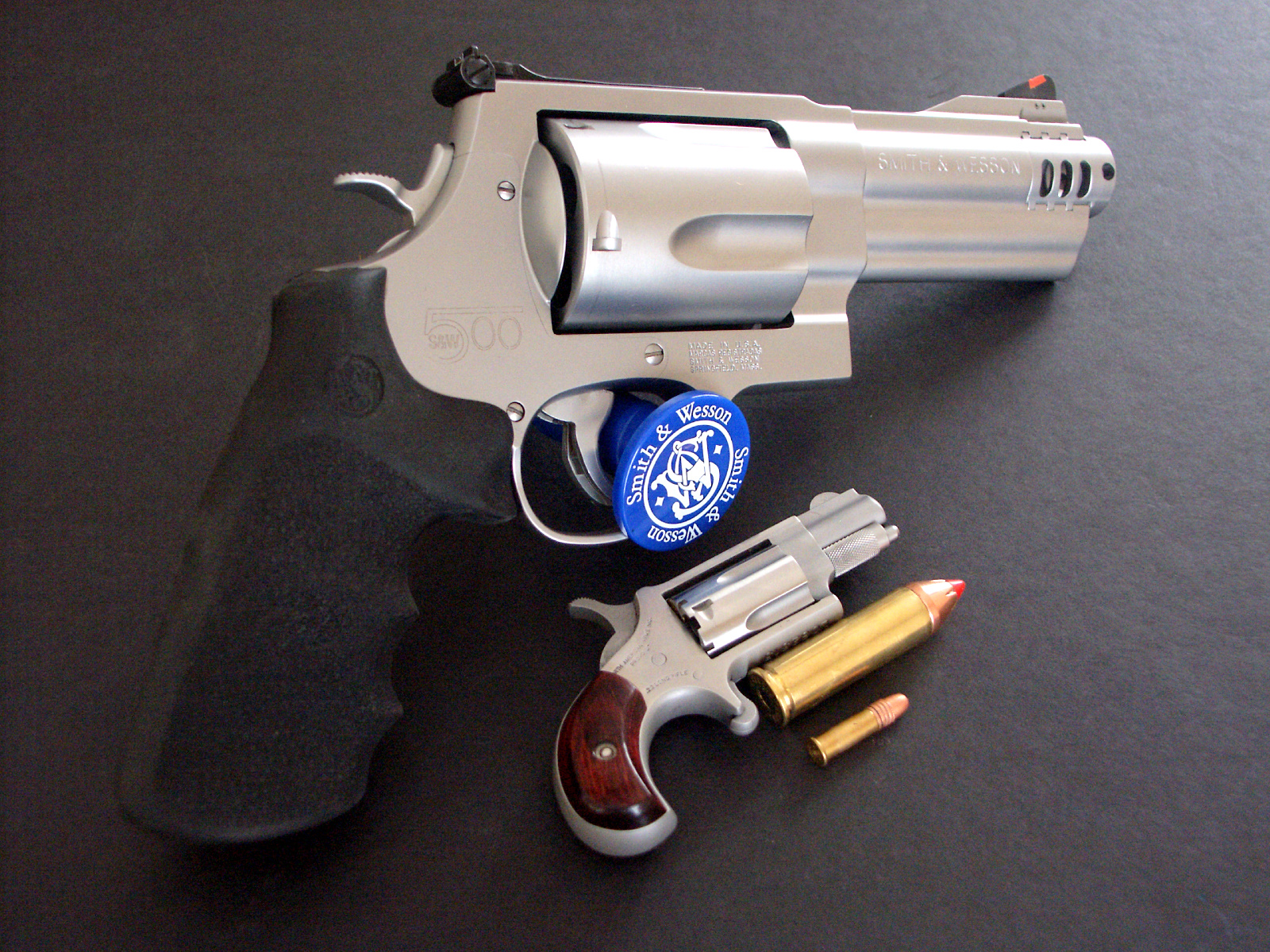
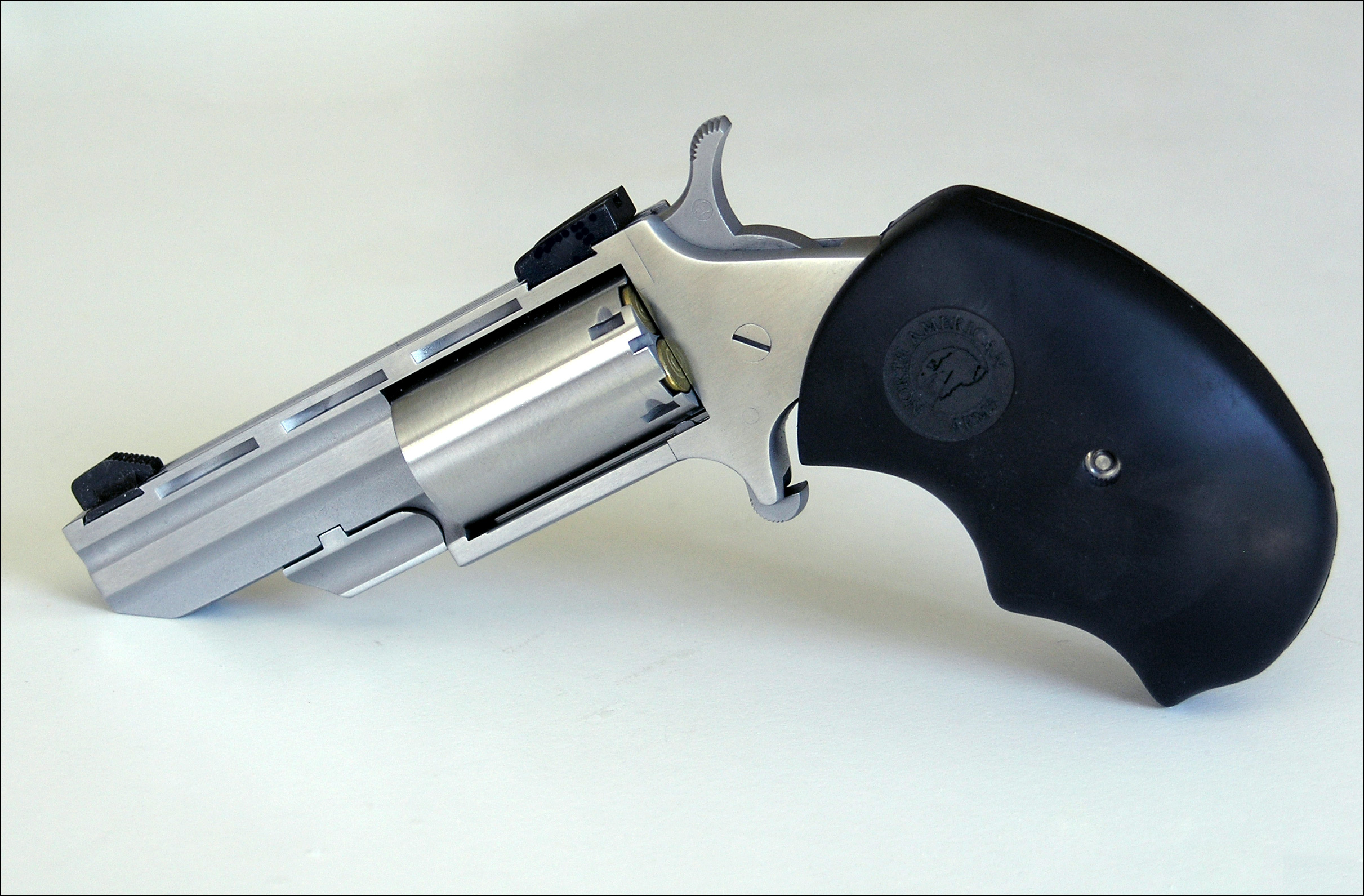
The NAA Mini Revolver is genuinely impressive as an engineering achievement in miniaturization, fitting a functional 5-shot revolver into a package weighing just 4 ounces with a 1.125-inch barrel. As a wilderness carry firearm, however, it is almost comically mismatched to the environment’s actual demands. The .22 Short chambering generates approximately 27 foot-pounds of muzzle energy, and even the .22 LR version produces only around 70 foot-pounds from that tiny barrel due to severe velocity loss in short tubes. The grip is so small that most adults cannot achieve a meaningful firing grip without practice, and reloading under stress requires removing the cylinder entirely, a process taking 30 to 45 seconds for unpracticed hands. The 5-round capacity is exhausted in seconds. Fixed sights provide no meaningful adjustability. At $200 to $250 retail, it is not even a budget option. Solo wilderness campers sometimes carry the NAA Mini as a backup to a primary gun, which is reasonable, but carrying it as a primary wilderness defense firearm represents a fundamental misunderstanding of what backcountry threats actually require from a defensive tool.
. Jennings J-22
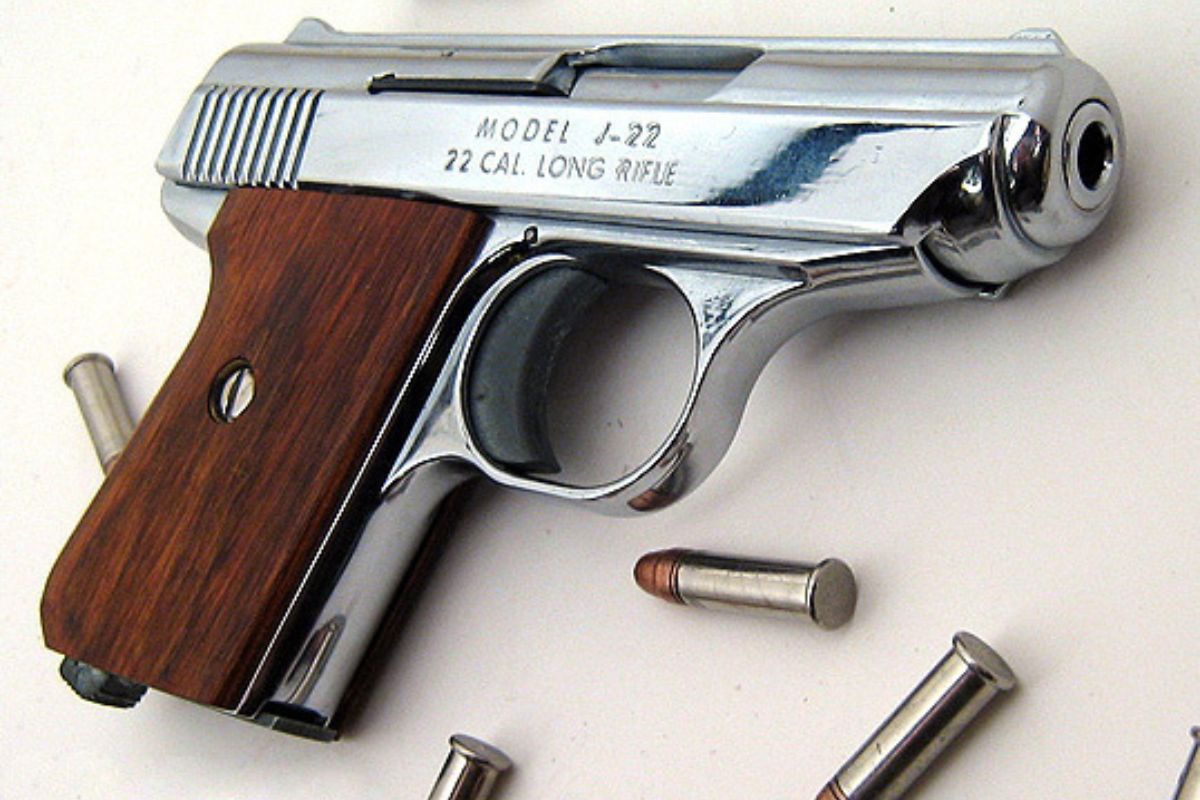
The Jennings J-22 occupies a particularly troubling position on this list because it combines inadequate caliber with genuinely poor mechanical reliability in a single inexpensive package. Chambered in .22 LR and generating around 100 foot-pounds of muzzle energy from its 2.5-inch barrel, it starts with a caliber deficit that nothing about its construction compensates for. The zinc alloy frame and slide construction, common to the entire Jennings product family, is notorious for cracking under sustained use, with structural failures reported after as few as 500 rounds in some documented cases. The trigger pull is heavy and inconsistent, averaging 8 to 10 pounds with significant variation between pulls on the same gun. Magazine feeding reliability is poor, with failure rates in some independent evaluations exceeding 10 per 100 rounds even with quality ammunition. Finish quality provides minimal corrosion protection in wet field environments. Retail pricing historically under $100 reflects manufacturing priorities that place economy firmly above durability or precision. Trusting a Jennings J-22 as your sole defensive firearm in remote terrain, far from emergency services, is a decision whose consequences could genuinely be irreversible.
9. Cobray M11/9
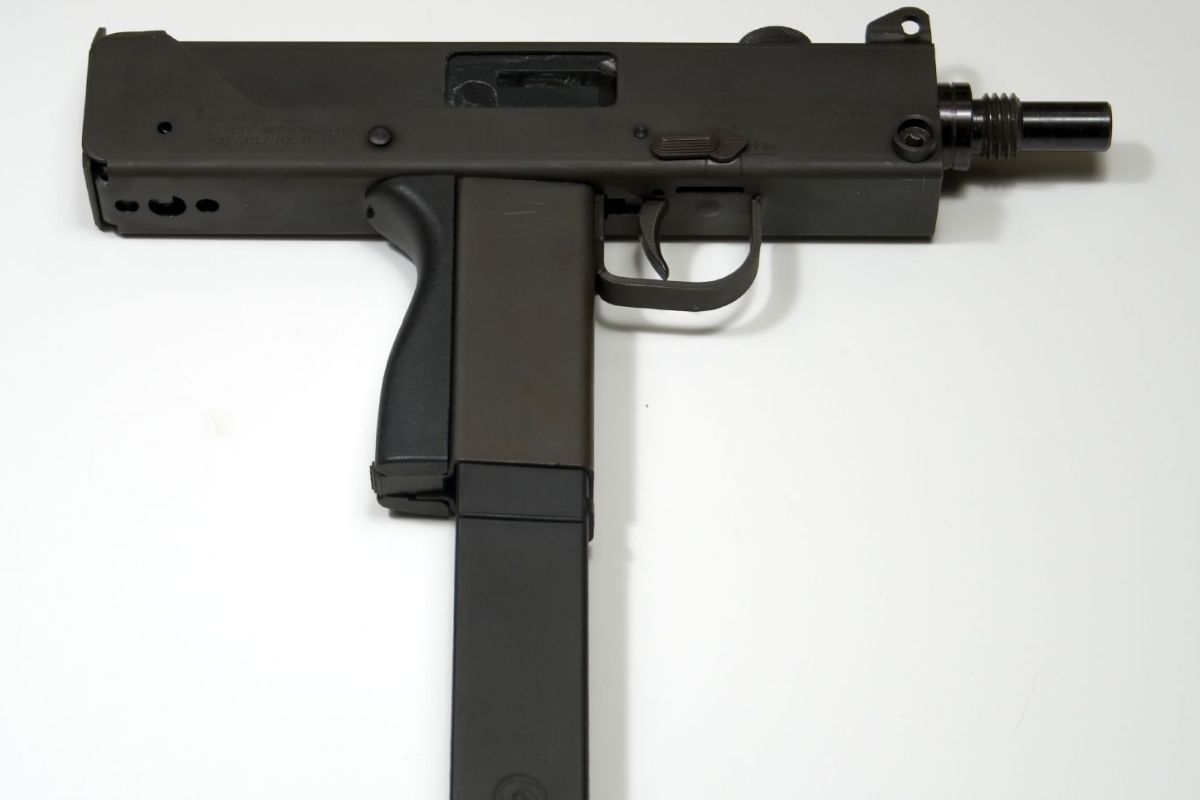
The Cobray M11/9 is a semi-automatic pistol that fires from an open bolt, weighs approximately 5.5 pounds empty, and holds 32 rounds of 9mm in a stick magazine that extends well below the grip. It looks like something designed for maximum intimidation, and in a wilderness context, that aesthetic is the entirety of its practical value. Open bolt designs are mechanically vulnerable to debris ingestion, as the bolt face sits exposed to the environment when the action is cocked. Backcountry conditions involving dust, sand, pine needles, and moisture create exactly the contamination scenarios where open bolt pistols demonstrate their worst reliability characteristics. The sights are rudimentary stamped metal offering no meaningful accuracy beyond close distances, with most shooters producing groups exceeding 8 inches at 25 yards. At over 5 pounds empty, holstering or pack-carrying it for extended wilderness travel is impractical. The 9mm cartridge at least provides adequate energy at 350 to 400 foot-pounds with standard loads, but caliber adequacy cannot rescue a platform this poorly suited to field conditions. It is a range curiosity that has no honest business in serious backcountry carry.
10. Rohm RG-14 Revolver
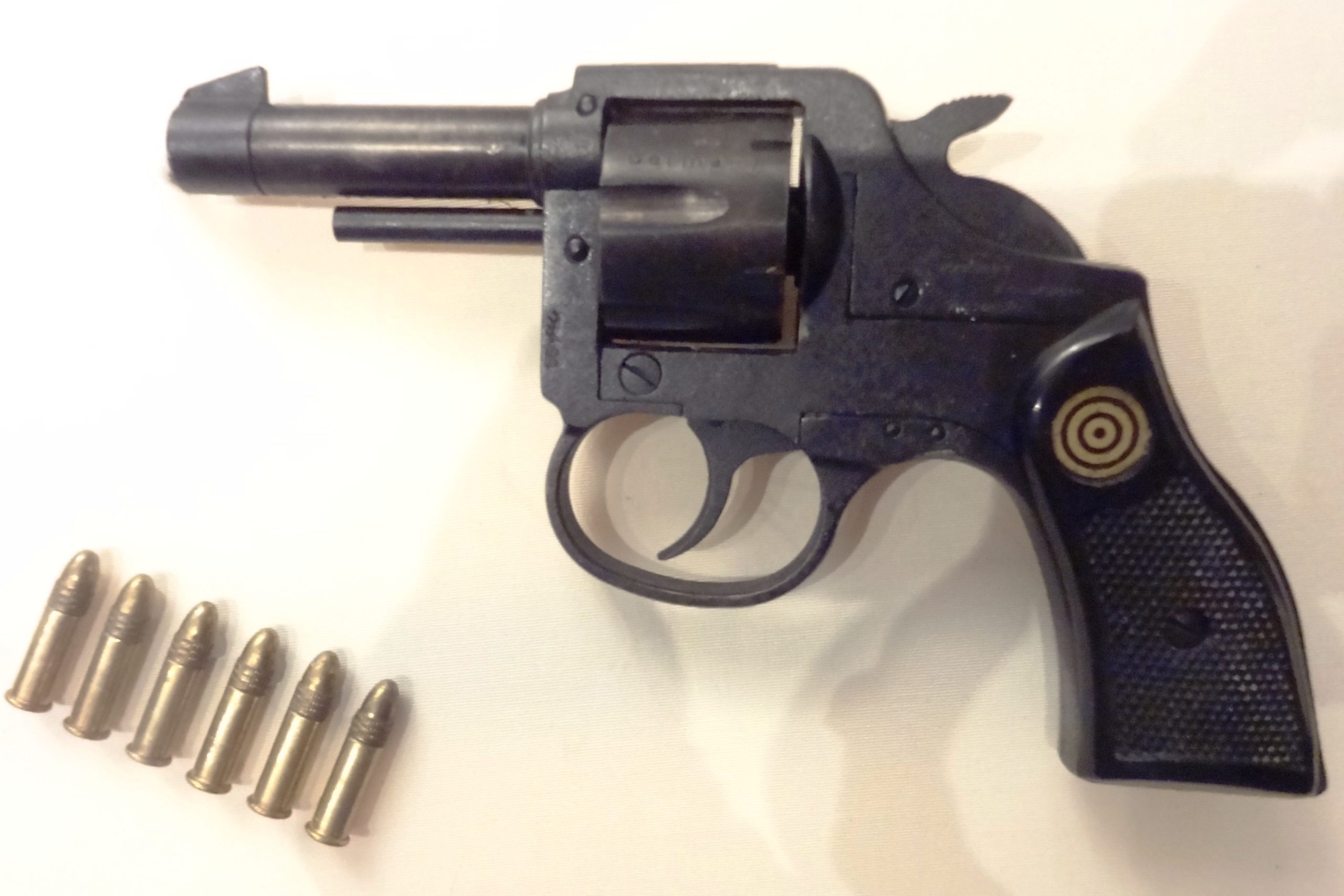
The Rohm RG-14 is a .22 LR revolver that earned its place in American legal history as the firearm used in the 1981 Reagan assassination attempt, an event that directly triggered the Gun Control Act amendments of 1986. Its place on this list is earned through mechanical inadequacy rather than historical notoriety. The zinc alloy construction, which Rohm used throughout its budget revolver line, produces a frame that is genuinely unsuitable for sustained use, with documented cases of forcing cone cracking and cylinder pin loosening after relatively modest round counts. The 6-round capacity fires .22 LR cartridges, generating 100 to 140 foot-pounds of energy, which is insufficient for any credible wilderness defense scenario. Trigger pull is heavy and inconsistent, averaging 12 to 14 pounds, double action with significant variation. Cylinder timing issues develop quickly with use, allowing gas to escape at the gap in ways that affect both velocity and safety. Originally retailing under $50, the RG-14 was designed as an entry-level plinker, not a serious defensive tool. Carrying one into remote wilderness represents a gap between perceived protection and actual capability that experience and common sense both argue strongly against.
11. American Derringer Model 1
The American Derringer Model 1 is a beautifully crafted two-shot pistol available in calibers ranging from .22 LR up to .45-70 Government, stainless steel construction, and dimensions so compact it disappears into a shirt pocket. It looks like it means business. The reality of depending on it in a solo wilderness emergency is considerably less reassuring. Two shots is the entire defensive package before manual reloading begins, a process requiring opening the action, extracting two spent cases, inserting two fresh cartridges, and closing the action, which takes a minimum of 8 to 12 seconds under optimal conditions with practiced hands. In the .38 Special configuration that most buyers choose, muzzle energy runs approximately 264 foot-pounds, adequate for human threats but marginal for large predators. The trigger pull averages 10 to 12 pounds, and the fixed sights provide no precision at distances beyond 15 feet. Accuracy testing consistently produces groups exceeding 6 inches at 15 yards. At $400 to $500 retail, it is priced as a serious firearm. Two shots into a wilderness situation where a bear requires multiple center hits to stop is a mathematical problem that price and craftsmanship cannot solve.
12. Charter Arms Undercover .38 Special
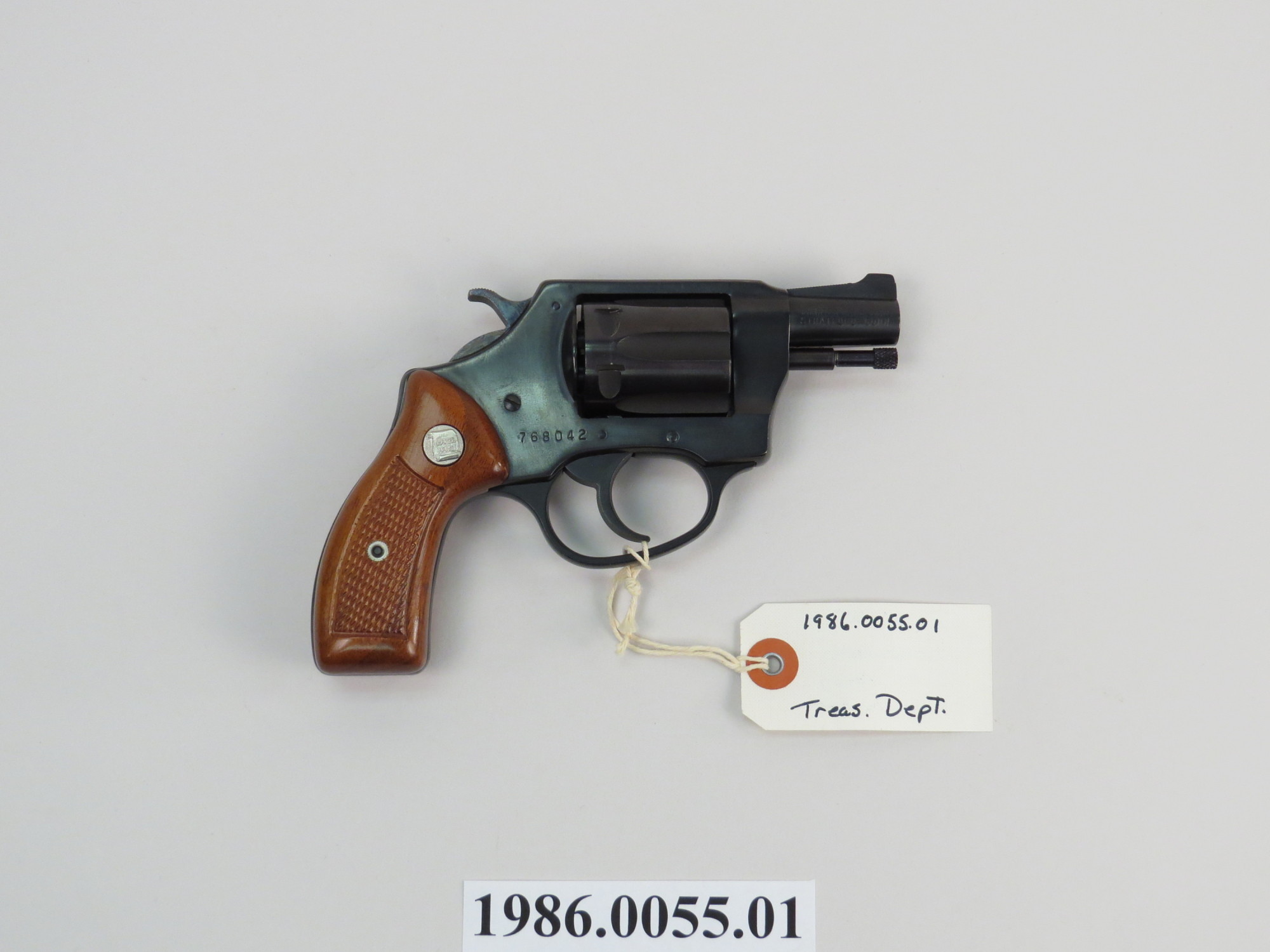
The Charter Arms Undercover is a lightweight snub-nose revolver chambered in .38 Special that weighs just 16 ounces unloaded and measures 6.5 inches in length. Its compact dimensions make it genuinely easy to carry, and the 5-round cylinder fires cartridges, generating approximately 264 foot-pounds of muzzle energy from its 2-inch barrel, which is adequate for close-range human defense but falls meaningfully short of what wildlife professionals recommend for large predator encounters in serious backcountry terrain. The aluminum alloy frame keeps weight down but creates durability concerns under sustained firing, with frame wear accelerating noticeably after 1,000 to 1,500 rounds of full-power +P ammunition. Charter Arms specifically limits +P use to occasional defensive loads rather than regular practice, which creates a gap between carry ammunition performance and training familiarity. The double-action trigger pull averages 12 to 14 pounds, degrading accuracy under stress. At 15 yards, average shooters produce groups of 5 to 7 inches. Reloading 5 rounds manually in a field emergency, particularly with cold or wet hands, routinely exceeds 15 seconds. For solo wilderness carry where a charging animal allows no margin for error, those limitations compound into a genuinely concerning liability.