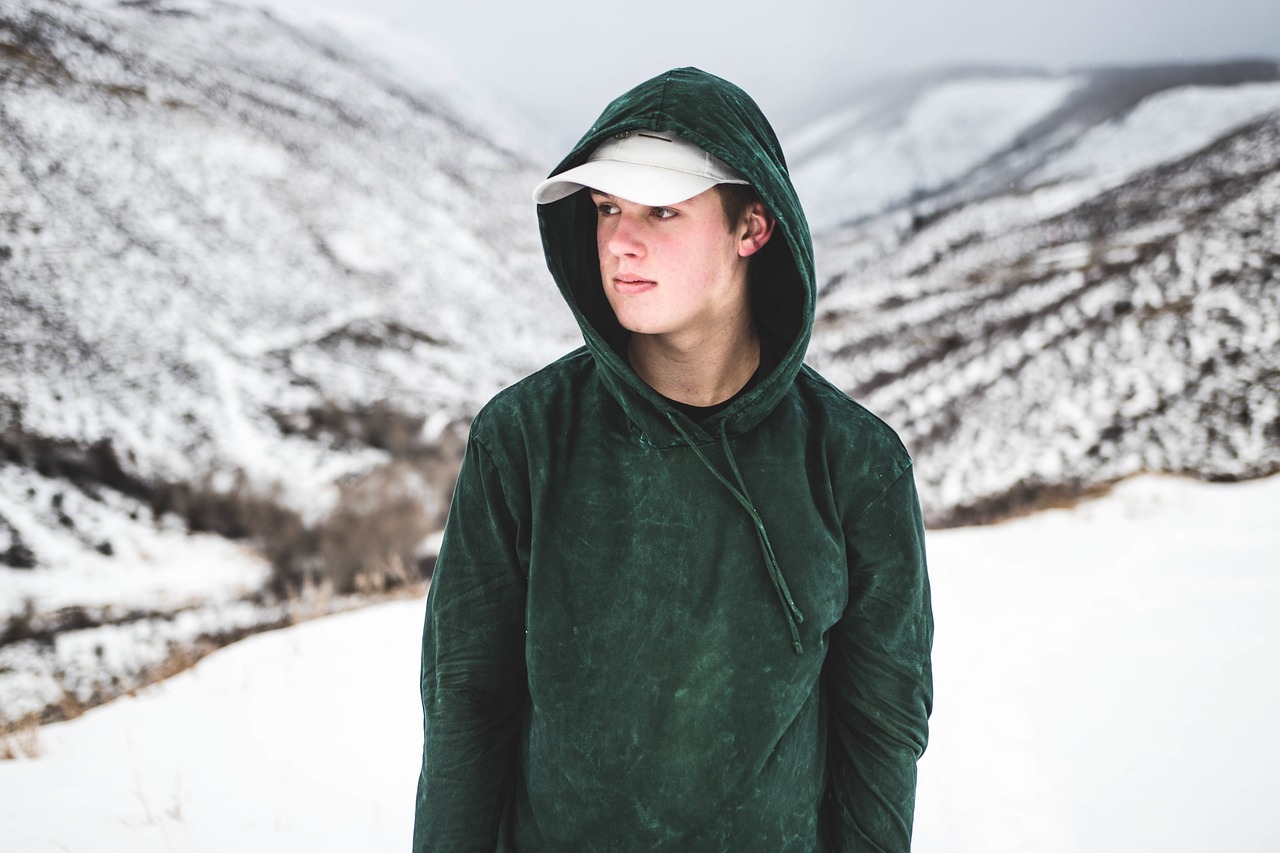
Cold-weather hunting demands more than just heavy clothing. Staying warm while remaining mobile, quiet, and comfortable requires a smart layering system that works together rather than piling on thick garments. The right layers trap heat, manage moisture, block wind, and regulate body temperature without restricting movement. Bulky clothing causes fatigue, noise, and slow reactions, all of which can cost opportunities in the field. Modern winter layering focuses on efficiency, breathability, and fit. The following twelve systems explain how hunters can stay warm in freezing conditions while maintaining flexibility and comfort. Each system emphasises balance, allowing heat retention without unnecessary weight or stiffness.
1. Lightweight Base Layer With Moisture Control
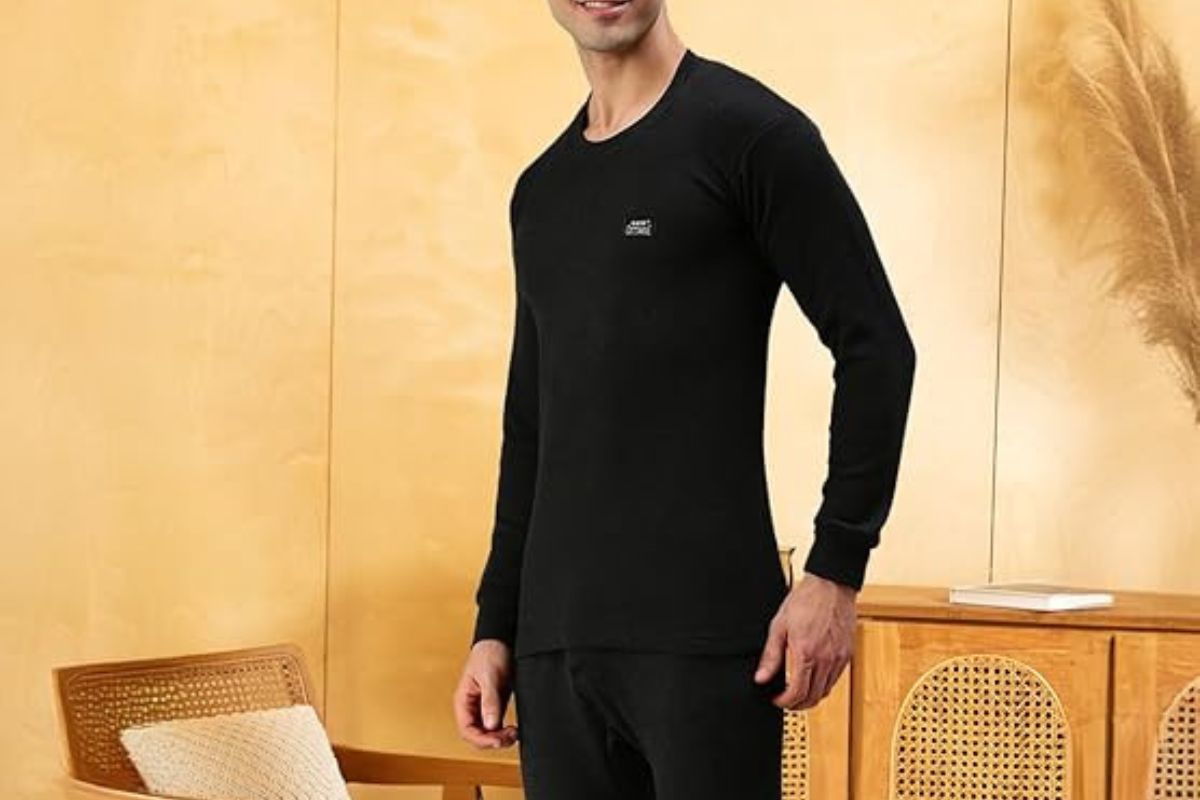
A proper winter layering system starts with a lightweight base layer that sits directly against the skin. This layer manages sweat by pulling moisture away before it can cool the body. When moisture stays trapped, heat loss accelerates, even with heavy outer clothing. A fitted base layer keeps warmth close without adding bulk. It should feel smooth and flexible, allowing natural movement. Hunters benefit from consistent temperature control during active hikes and long sits. This layer also reduces friction between garments, improving comfort. A high-quality base layer creates the foundation for warmth by keeping skin dry and body heat stable throughout changing activity levels.
2. Midweight Insulating Layer for Heat Retention
The mid-layer is responsible for trapping body heat efficiently. It should provide insulation without stiffness or excess thickness. This layer works best when it holds warm air while still allowing airflow. Hunters need insulation that adapts to movement and rest periods. A flexible mid-layer keeps muscles warm without restricting shoulders or arms. It should compress easily under outer layers and expand when stationary. This balance helps prevent overheating during movement and chilling during pauses. A well-designed insulating layer adds warmth where needed without making the hunter feel heavy or slowed down in cold conditions.
3. Breathable Soft Shell Outer Layer
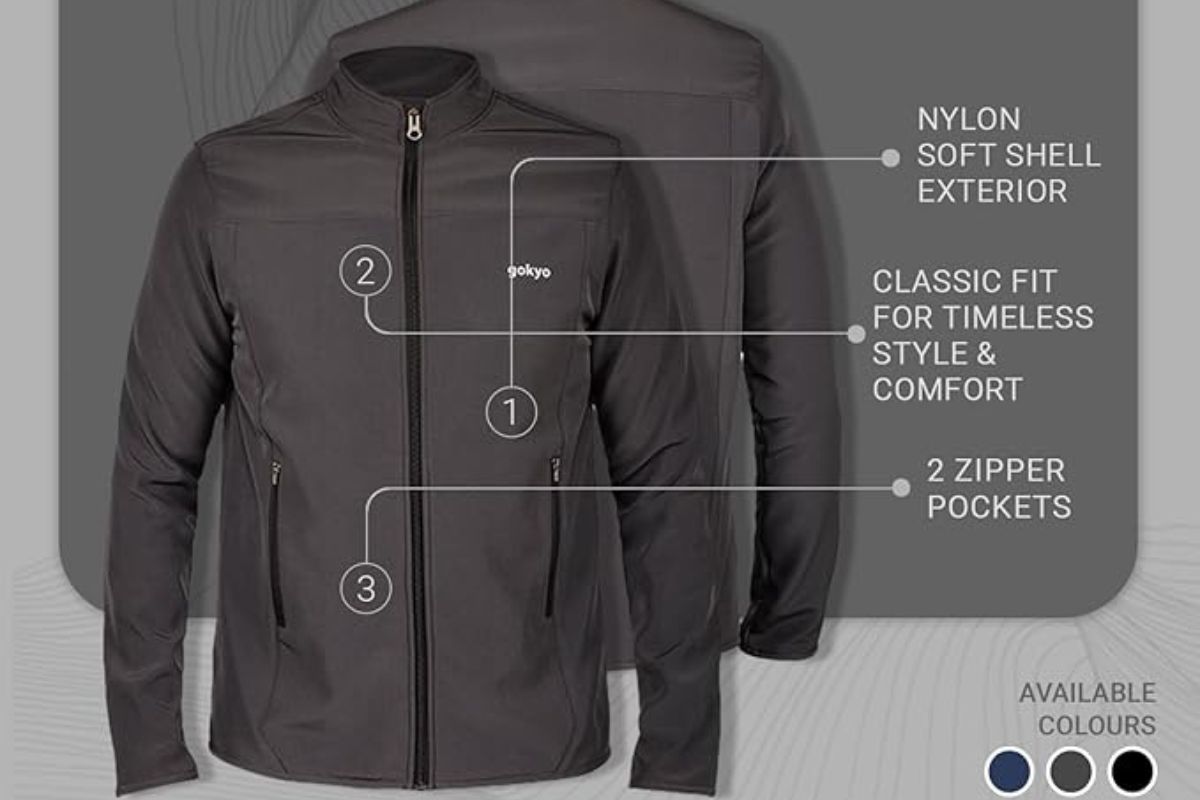
A breathable soft shell outer layer blocks wind while allowing excess heat to escape. This layer is critical for hunters who move frequently and want protection without overheating. Unlike stiff shells, soft shells flex naturally and remain quiet during movement. They reduce heat loss caused by wind while maintaining comfort. Hunters benefit from improved temperature regulation during active tracking or climbing. This layer also protects insulation beneath it from moisture and abrasion. When paired correctly, a soft shell outer layer adds warmth and efficiency without the weight or noise associated with heavy outer garments.
4. Insulated Vest Layering Strategy
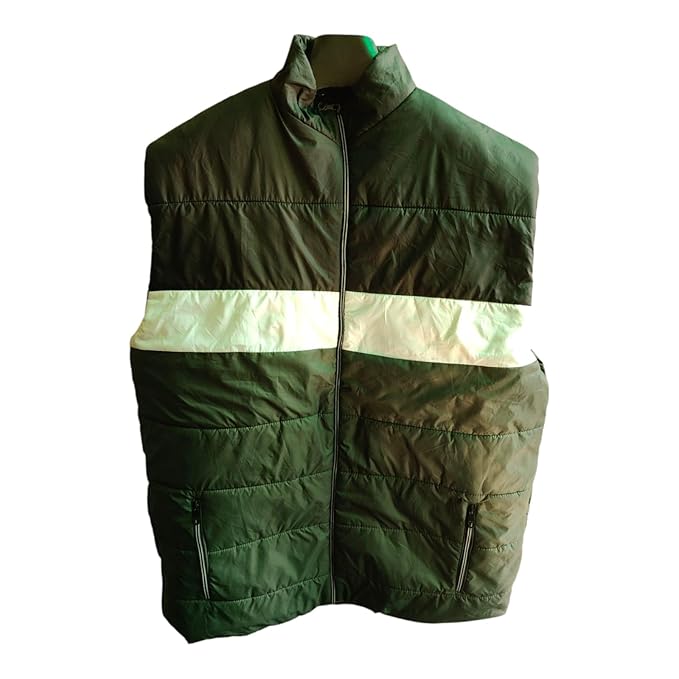
An insulated vest provides core warmth without adding bulk to the arms. The body loses heat rapidly through the torso, making targeted insulation highly effective. Vests allow full arm mobility for drawing a bow or shouldering a rifle. This layering option works well over a base layer and under a shell. Hunters can regulate warmth by adding or removing the vest easily. It also improves comfort during long sits by protecting vital organs from cold. A vest-focused system keeps the hunter warm where it matters most while maintaining freedom of movement and reduced overall bulk.
5. Grid Fleece Mid Layer System
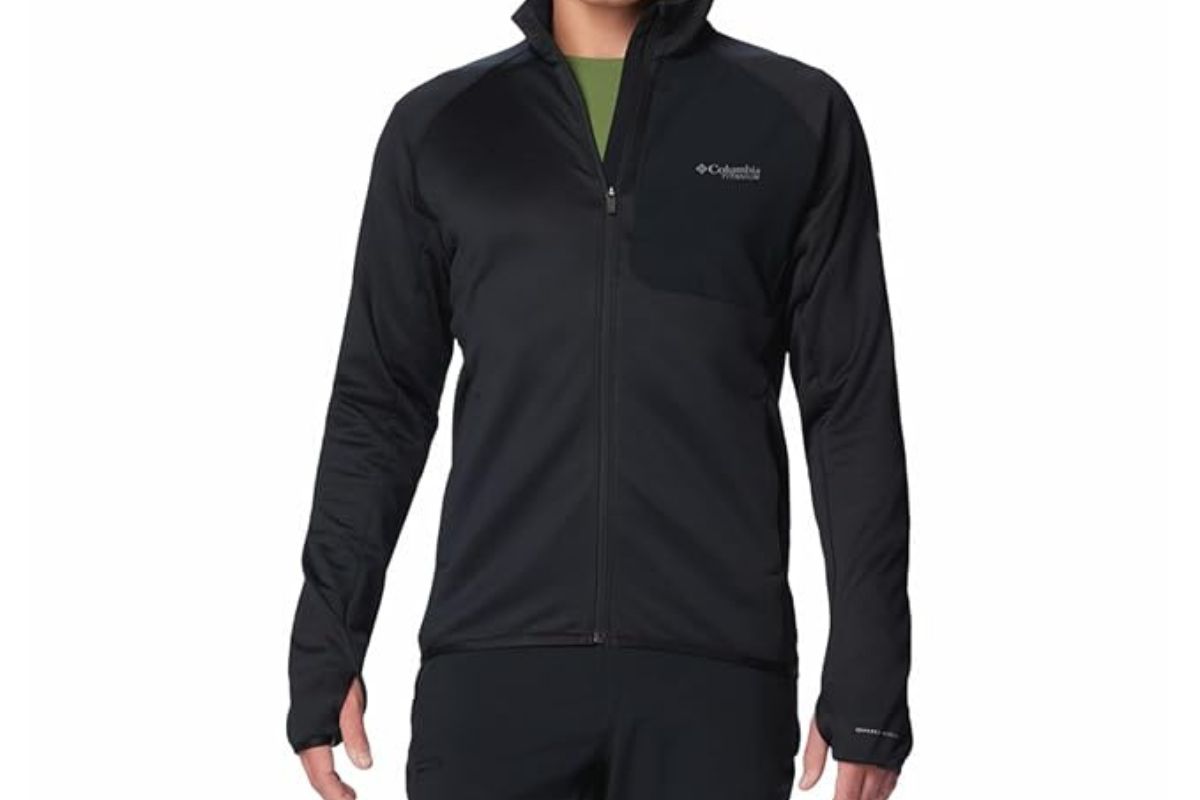
Grid fleece designs trap warmth while allowing airflow through patterned channels. This structure improves breathability and reduces sweat buildup. Hunters benefit from insulation that adjusts naturally to body heat levels. The fabric stretches easily, preventing restriction during movement. Grid fleece layers are lightweight and compressible, fitting comfortably under shells. They perform well during stop-and-go activity common in hunting. When stationary, trapped heat keeps the body warm. When moving, excess heat escapes. This system offers warmth without the stuffy feeling associated with traditional thick fleece layers.
6. Wind Blocking Layer Focused on Core Areas
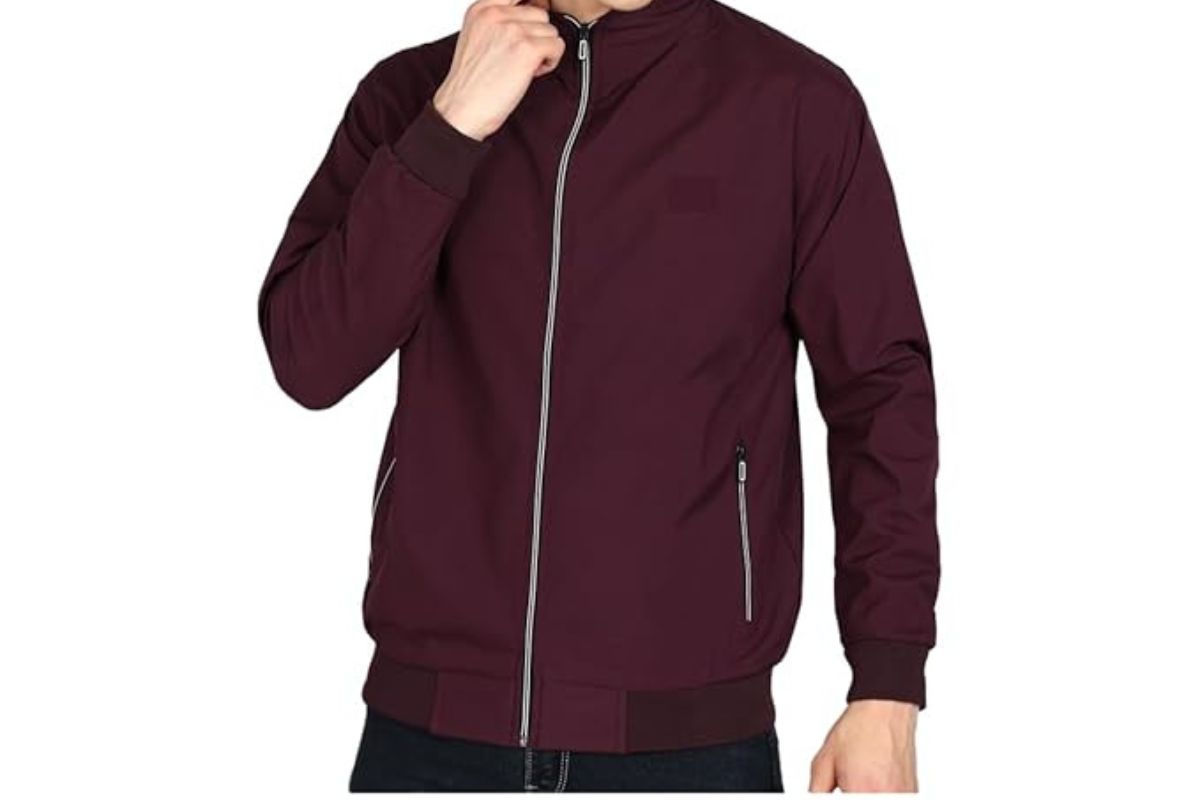
Targeted wind blocking layers focus protection where cold air causes the most heat loss. The chest, shoulders, and upper back receive the most exposure to the wind. By reinforcing these areas, hunters stay warmer without thick full coverage garments. This approach reduces overall weight and improves breathability. Movement remains smooth and unrestricted. Wind blocking panels work especially well during elevated sits or open terrain hunts. The rest of the garment remains breathable, preventing moisture buildup. This system balances protection and ventilation, allowing hunters to remain warm without the fatigue caused by heavy outerwear.
7. Packable Insulation Layer for Stationary Periods
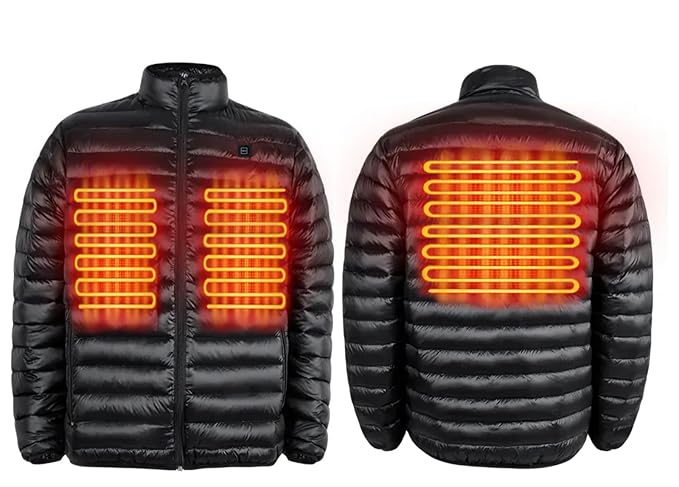
A packable insulation layer adds warmth only when needed. Hunters can carry this layer compressed and deploy it during extended periods of sitting or glassing sessions. When movement resumes, it packs away easily without adding bulk. This system prevents overheating during activity while ensuring warmth during rest. Lightweight insulation provides efficient heat retention without stiffness. Hunters stay adaptable to changing conditions. The ability to layer dynamically helps maintain comfort throughout the day. Packable insulation supports warmth without forcing the hunter to wear excessive layers at all times.
8. Slim Fit Layering for Reduced Air Gaps
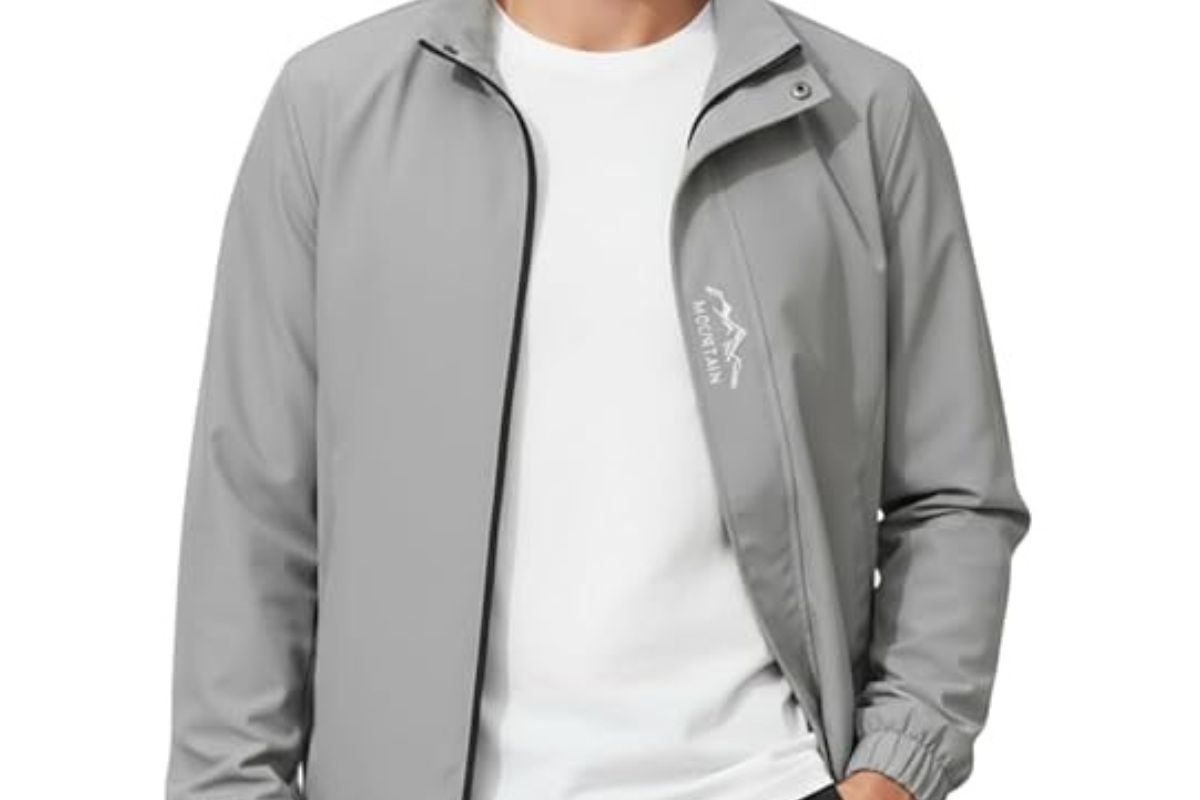
A slim-fit layering system minimises excess air pockets that allow heat to escape. Each layer works together closely, improving insulation efficiency. Loose garments create cold zones and unnecessary bulk. A tailored fit keeps warmth close to the body without restricting movement. Hunters benefit from smoother transitions between layers and reduced friction noise. This approach improves comfort during long hunts. Slim fit systems feel lighter while performing better. Proper sizing is key to warmth without weight. This method ensures heat stays where it belongs while maintaining mobility.
9. High Collar and Neck Seal Layer Design
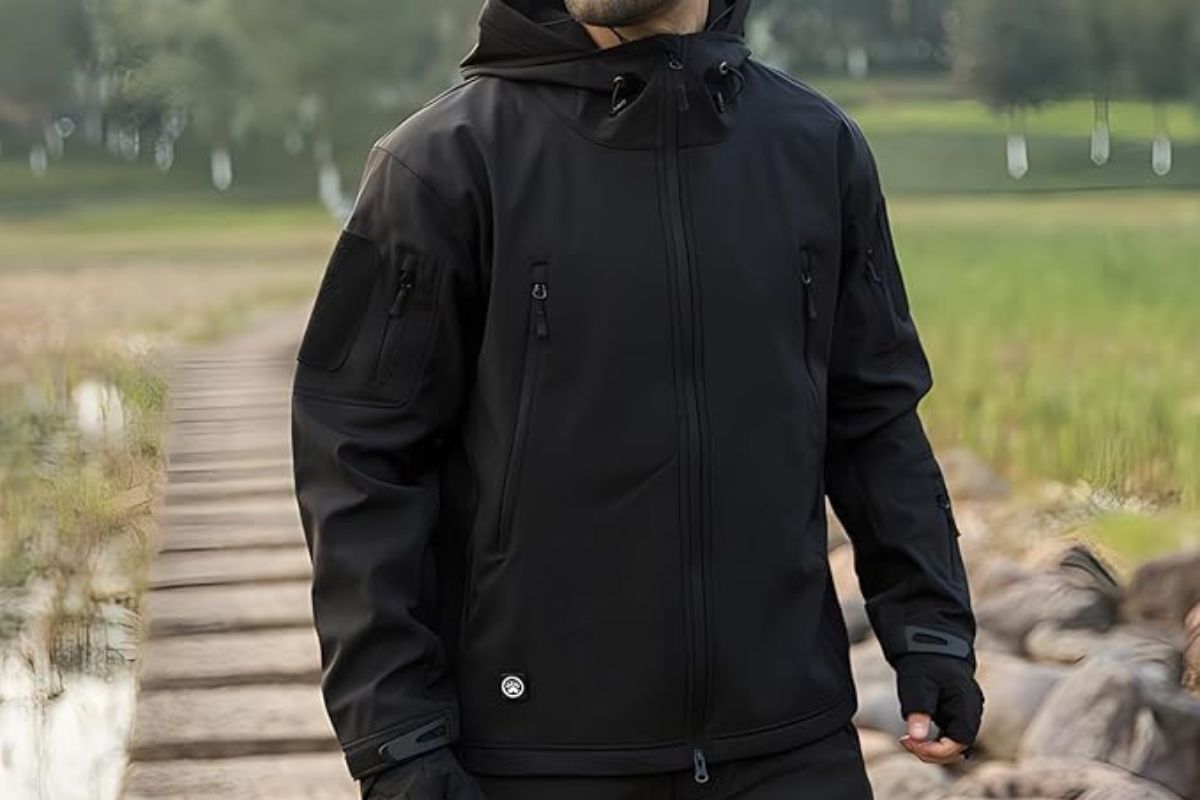
Heat loss through the neck is often overlooked. Layers designed with high collars or sealing neck designs prevent warm air from escaping upward. This small feature greatly improves overall warmth. Hunters experience less need for bulky scarves or additional layers. A sealed neck also blocks wind penetration during cold conditions. When combined with breathable fabrics, comfort remains high. This design enhances warmth without adding weight. Proper neck coverage keeps core temperature stable and reduces overall cold exposure during long periods outdoors.
10. Stretch Fabric Layering System
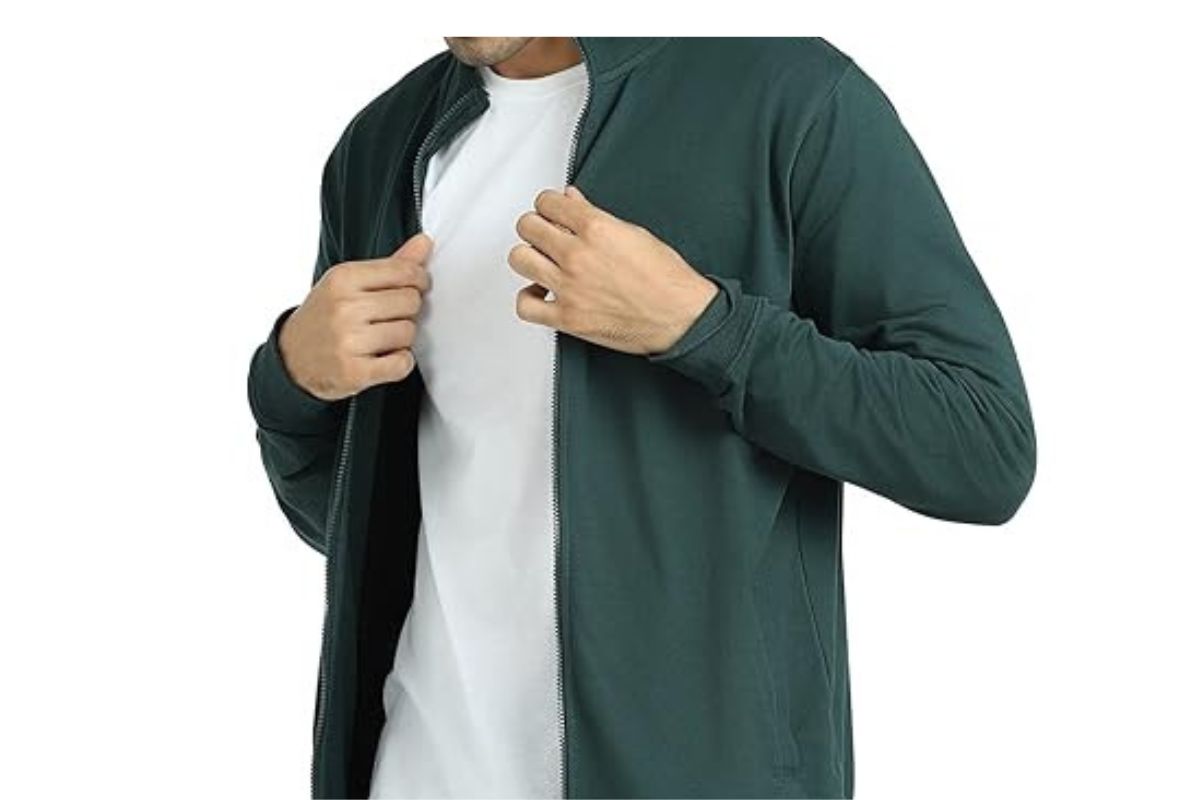
Stretch fabrics improve warmth by allowing layers to stay close to the body during movement. Gaps created by stiff clothing let cold air in. Stretch materials move with the hunter, maintaining insulation efficiency. They also improve comfort during kneeling, climbing, and reaching. This system reduces fatigue and stiffness. Hunters feel less restricted and more balanced. Stretch layers support silent movement and consistent warmth. Flexibility becomes a key factor in staying warm without adding bulk or sacrificing mobility.
11. Moisture-Resistant Outer Shell Integration
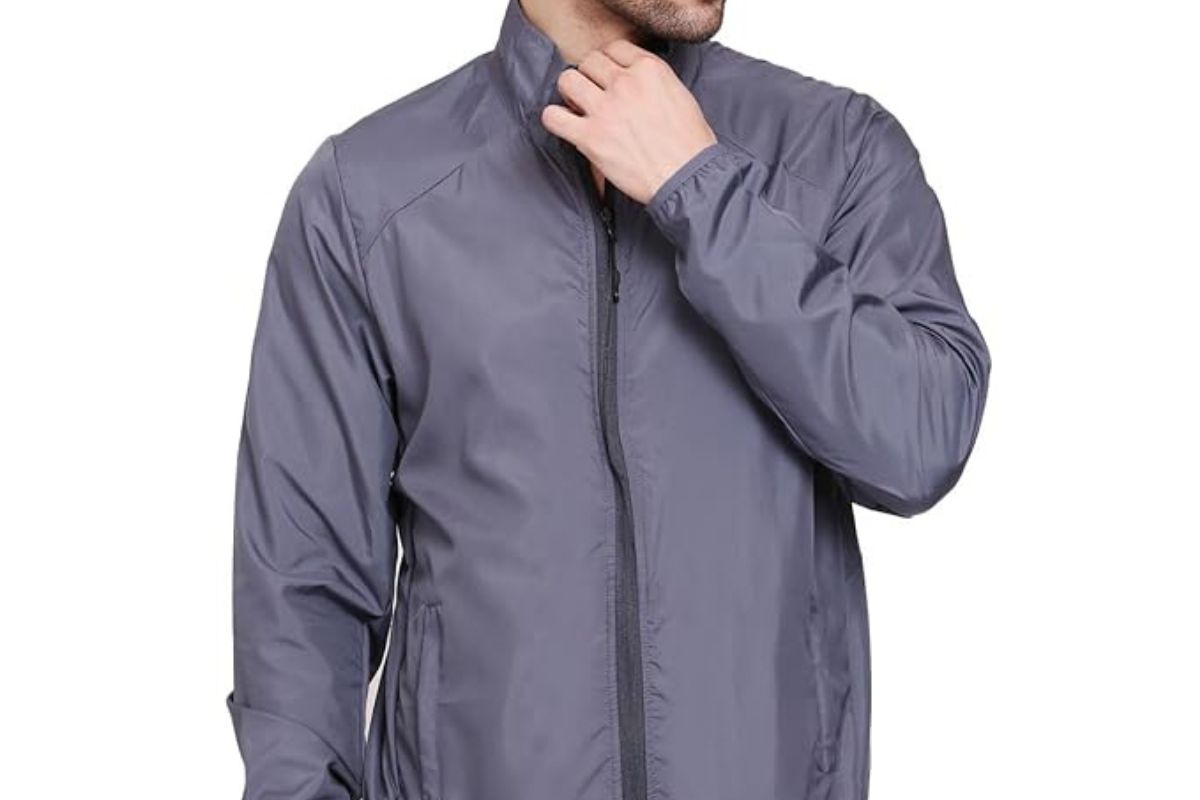
A moisture-resistant outer shell prevents snow, light rain, and condensation from compromising insulation. When insulation stays dry, warmth remains consistent. Hunters benefit from protection without the heaviness of fully waterproof layers. This shell works as a barrier while remaining breathable. It supports layered insulation underneath without trapping moisture. This balance keeps the body warm and dry during extended exposure. A moisture-resistant shell enhances overall layering performance without adding unnecessary weight or stiffness.
12. Layering System Focused on Activity Level
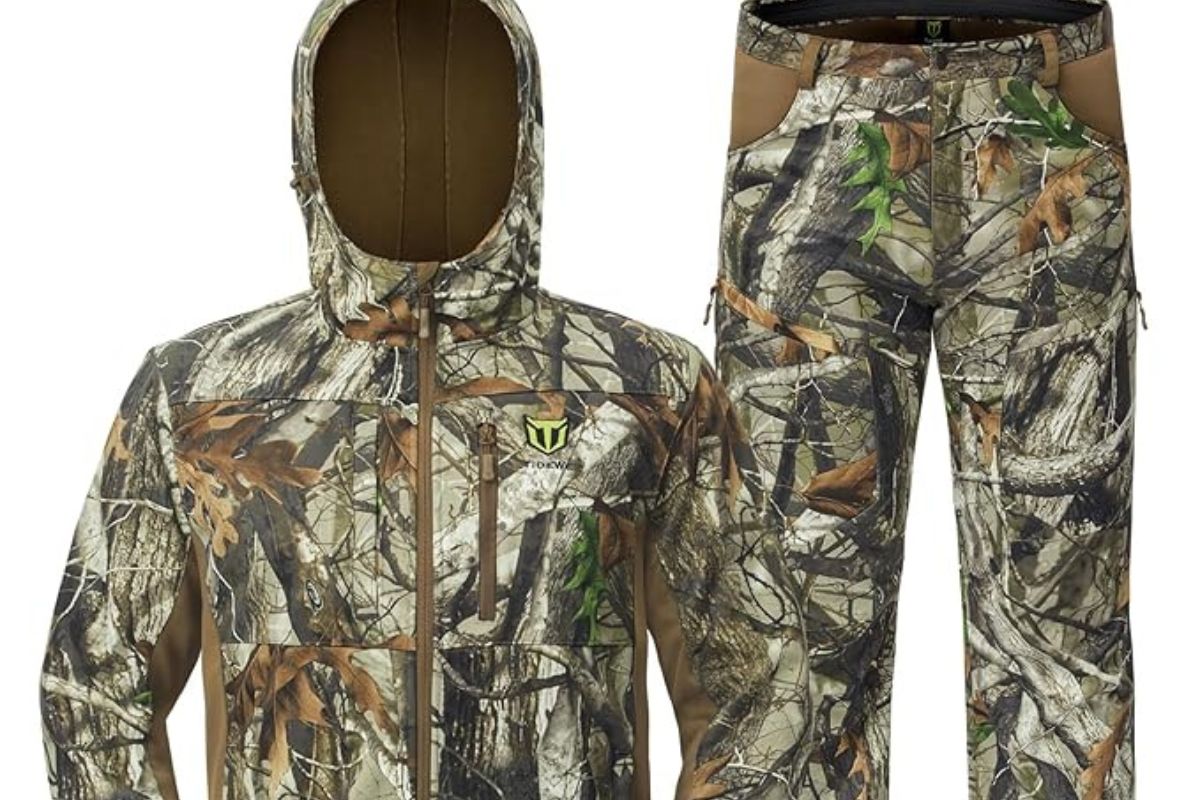
The most effective winter layering system adapts to how the hunter moves. Layers should be easy to add or remove as activity changes. Overheating during movement and chilling during rest both reduce comfort and performance. A flexible system allows quick adjustment without disruption. Hunters stay warm without sweating excessively. This approach prioritises efficiency over thickness. By managing heat through smart layering choices, hunters remain comfortable, alert, and mobile in cold weather without relying on bulky clothing.