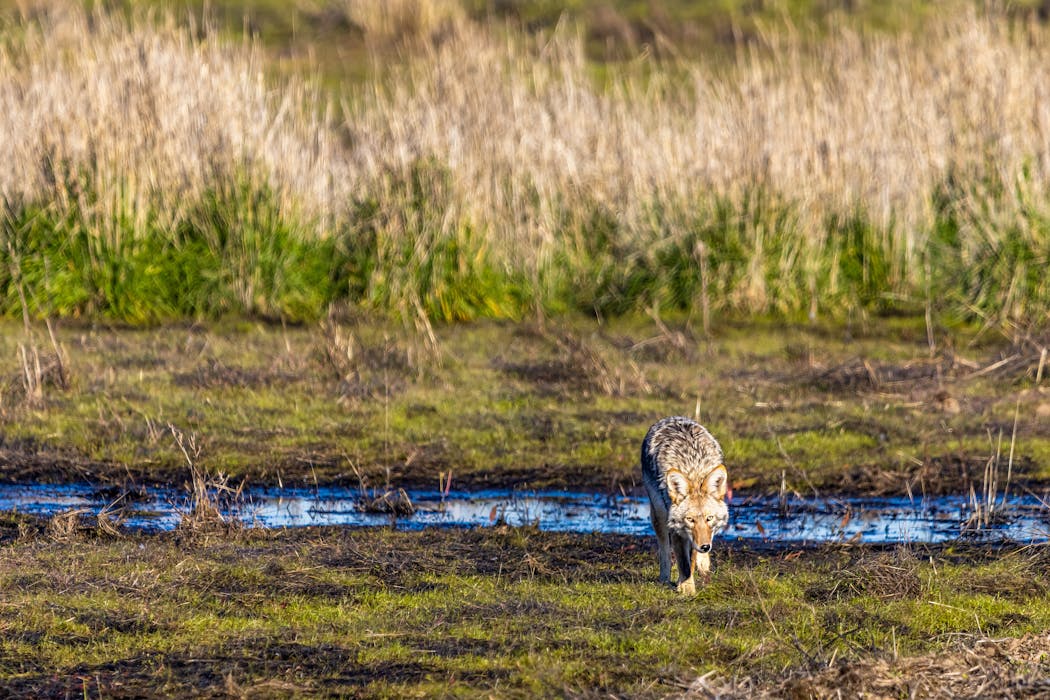
Wild animals don’t just react to human presence; they react to details most people never think about. Clothing color, fabric noise, reflective surfaces, carried gear, and even scent residue all influence how wildlife interprets a human encounter. To an animal, these cues signal danger, curiosity, dominance, or vulnerability. Hunters, hikers, photographers, and researchers often assume animals respond only to movement or distance, but many reactions are shaped by subtle visual and sensory information humans unintentionally broadcast. Understanding how wildlife reads these signals can explain sudden flight responses, unexpected aggression, or complete indifference. By recognizing how what we wear or carry alters animal behavior, people can reduce stress on wildlife, improve safety, and create more predictable interactions in natural environments.
1. Bright Clothing Triggers Early Flight Responses
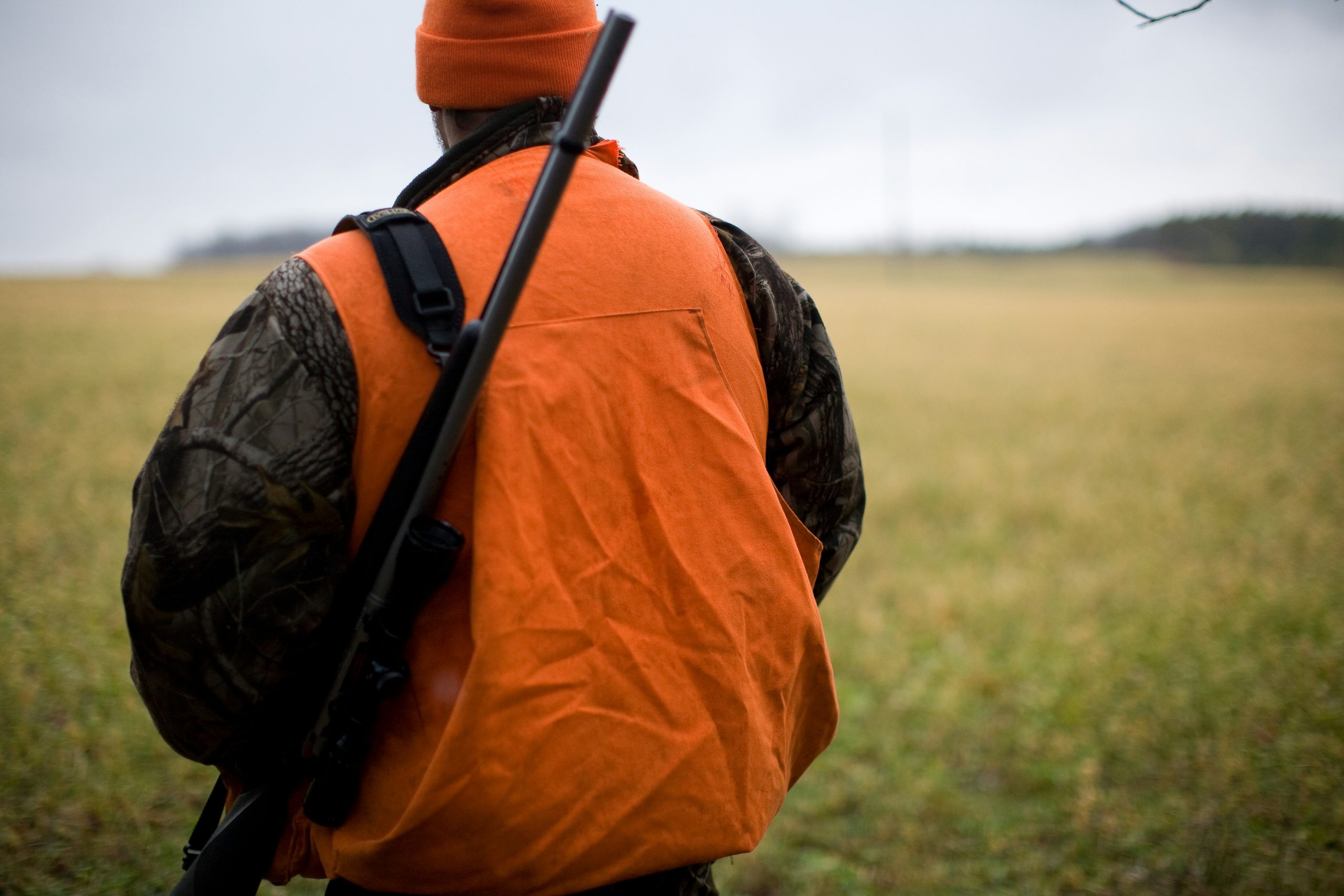
Brightly colored clothing often causes wildlife to flee sooner than expected, even when movement is minimal. Many prey species are wired to notice high-contrast shapes because predators rarely display unnatural colors. Blaze orange may be safe for hunters, but it still appears visually alarming to deer, elk, and antelope, especially against muted natural backgrounds. Birds are particularly sensitive to sudden color contrast and may abandon feeding or nesting areas when exposed repeatedly. While bright clothing helps humans see each other, it can unintentionally increase detection distance for animals, reducing opportunities for calm observation and increasing stress-driven escape behavior long before humans believe they’ve been noticed.
2. Dark Silhouettes Appear Larger and More Threatening
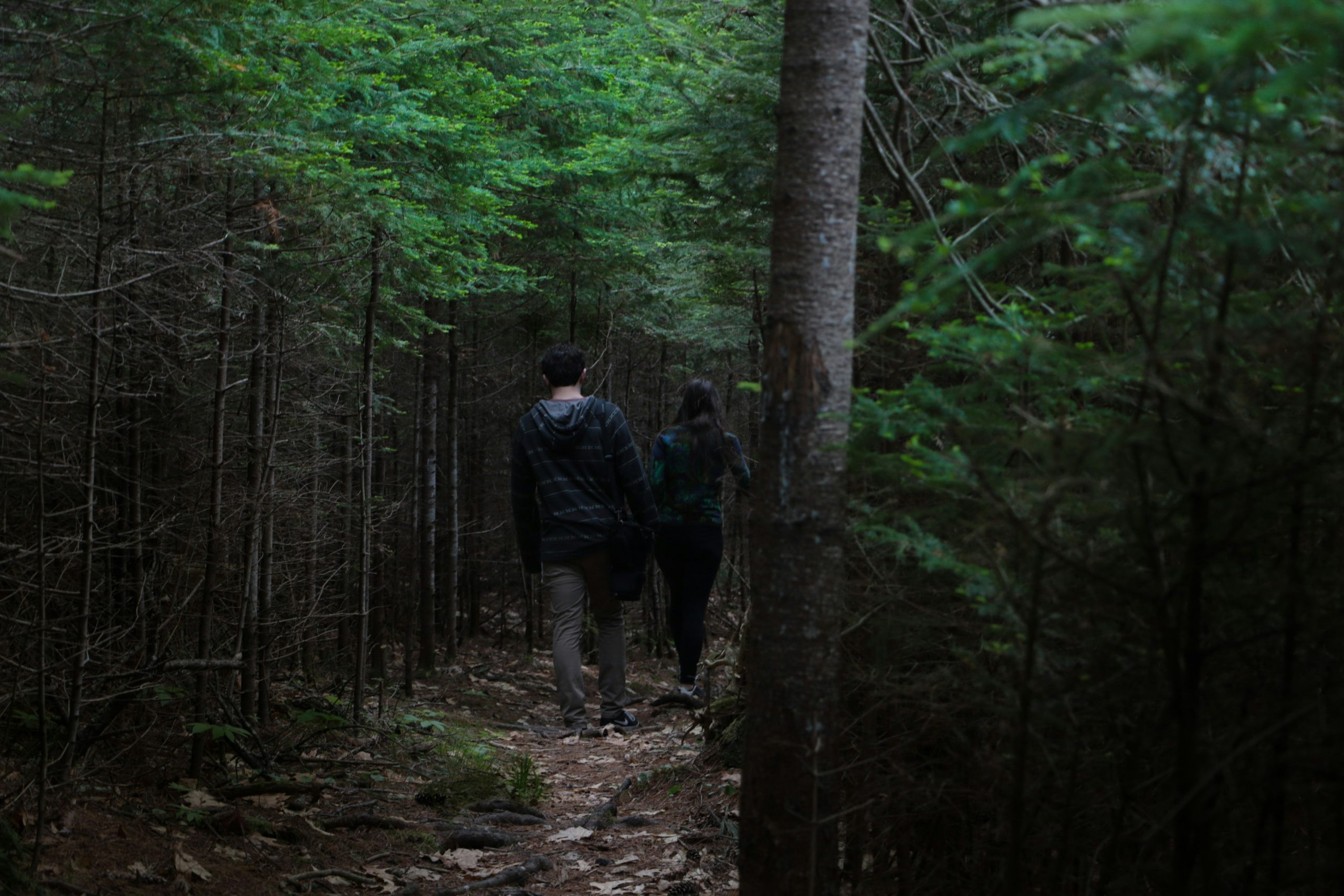
Dark clothing can create a solid, exaggerated silhouette that animals interpret as a large predator. When worn against open terrain or bright skies, dark shapes eliminate visual detail, making it harder for animals to assess intent. This uncertainty often triggers defensive reactions, including alarm calls or sudden flight. Large mammals like moose and bears may respond more aggressively when they cannot clearly read body posture or facial cues. Dark backpacks and jackets can also merge into a single mass, amplifying perceived size. Wildlife tends to prefer known patterns over ambiguous threats, and dark silhouettes often represent the latter.
3. Shiny Gear Signals Unnatural Movement

Reflective items such as metal buckles, watch faces, binocular lenses, and glossy fabric finishes catch sunlight in quick flashes. These sudden light changes don’t exist naturally in most ecosystems, making them highly noticeable to animals with motion-sensitive vision. Deer, birds, and predators alike may lock onto brief reflections faster than slow movement. This often results in head snapping, alert postures, or immediate retreat. Even small flashes can undo careful stalking or quiet observation. Wildlife associates unpredictable glints with danger, especially when combined with upright human posture, making reflective gear one of the most overlooked triggers of early detection.
4. Fabric Noise Signals Intent Before Visibility
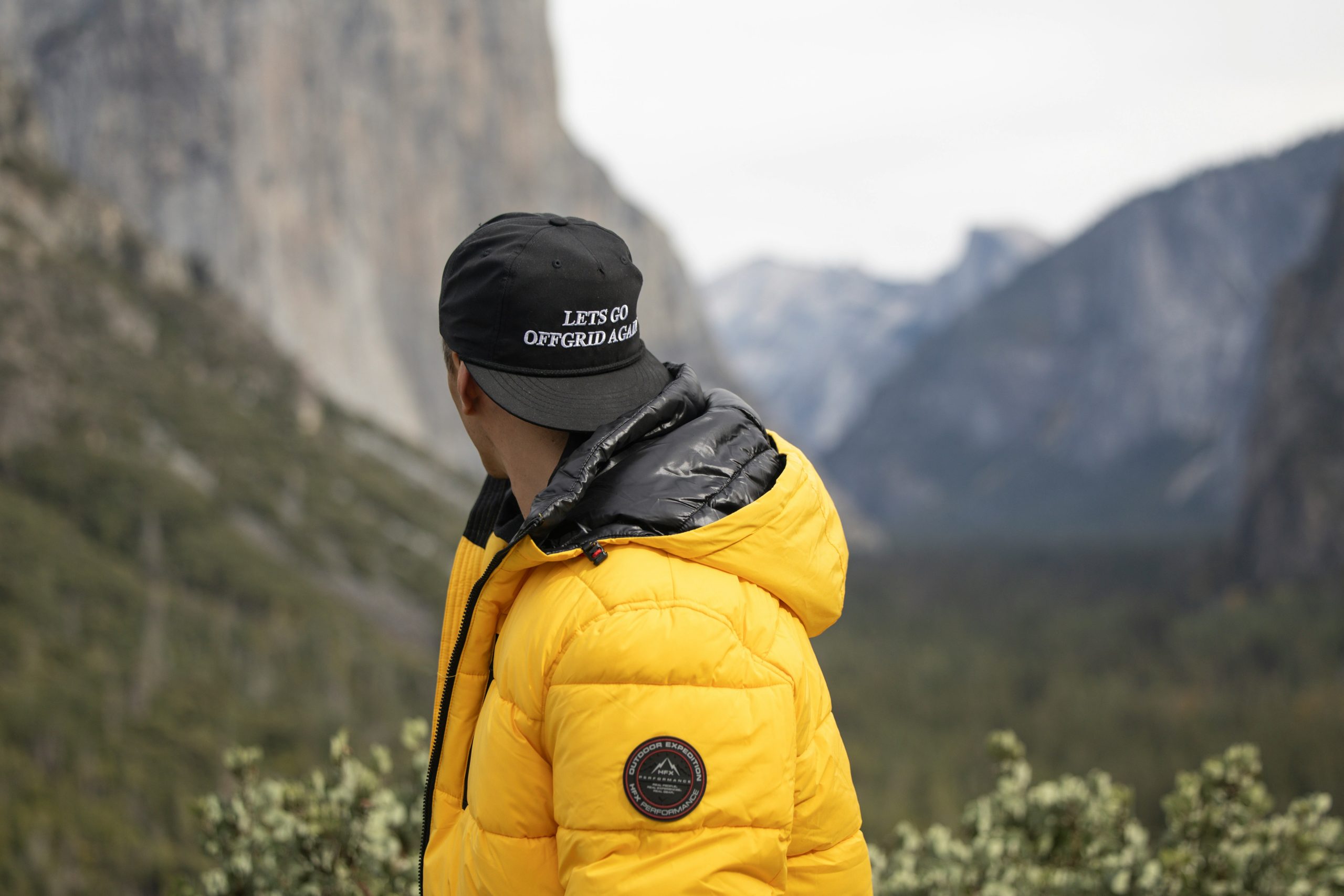
The sound of clothing often reaches animals before humans come into view. Synthetic fabrics that swish, scrape, or crackle broadcast movement patterns that wildlife recognizes instantly. Even soft sounds repeated rhythmically can signal purposeful travel rather than natural animal movement. Predators may avoid the noise entirely, while prey species interpret it as an approaching threat. In quiet environments, fabric noise can travel surprisingly far, especially during calm mornings or evenings. Natural fibers tend to produce irregular, less alarming sounds, while stiff modern materials often create consistent noise that animals associate with human presence and potential danger.
5. Backpacks Change Human Shape and Gait
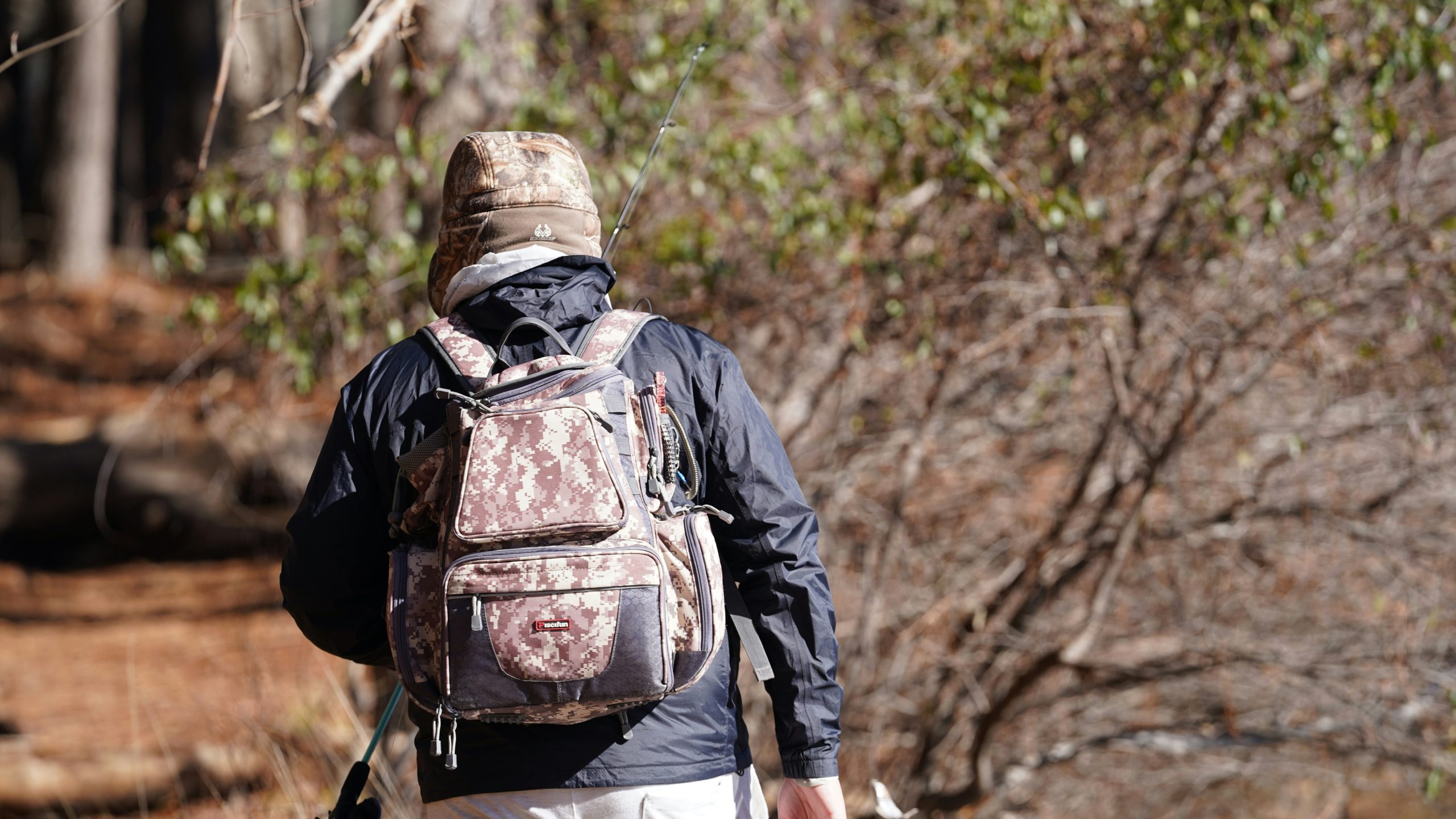
Carrying a backpack alters a human’s outline, posture, and walking rhythm in ways animals notice. The added bulk raises shoulder height, widens the torso, and creates unnatural movement patterns when straps or gear shift. Some animals interpret this altered shape as larger or more dominant, triggering avoidance. Others, particularly predators, may become curious because the silhouette doesn’t match known threats or prey. Sudden stops to adjust gear further reinforce human identity. Wildlife reads body shape as much as movement, and backpacks unintentionally exaggerate features animals rely on for quick threat assessment.
6. Weapon Shapes Elicit Learned Avoidance
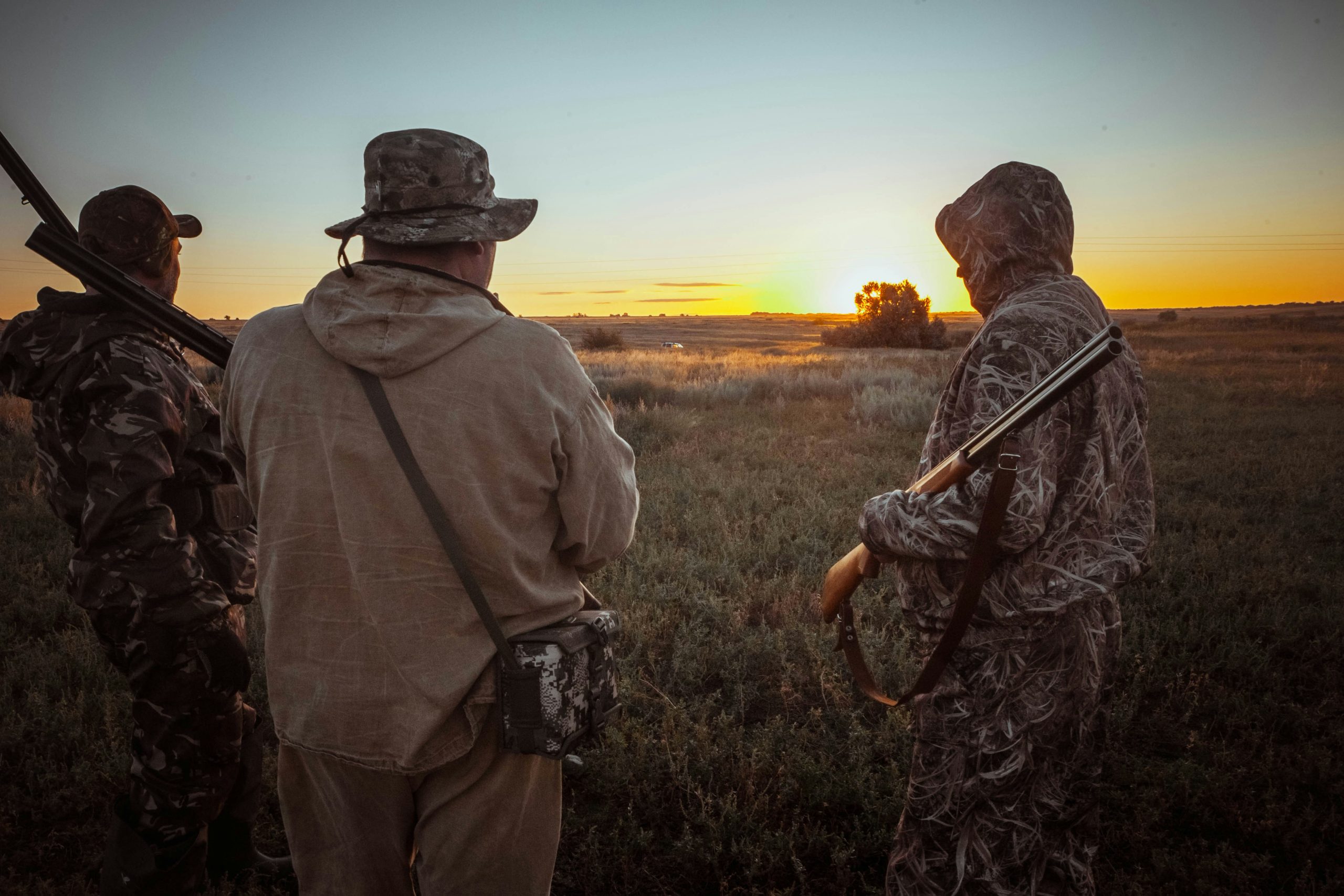
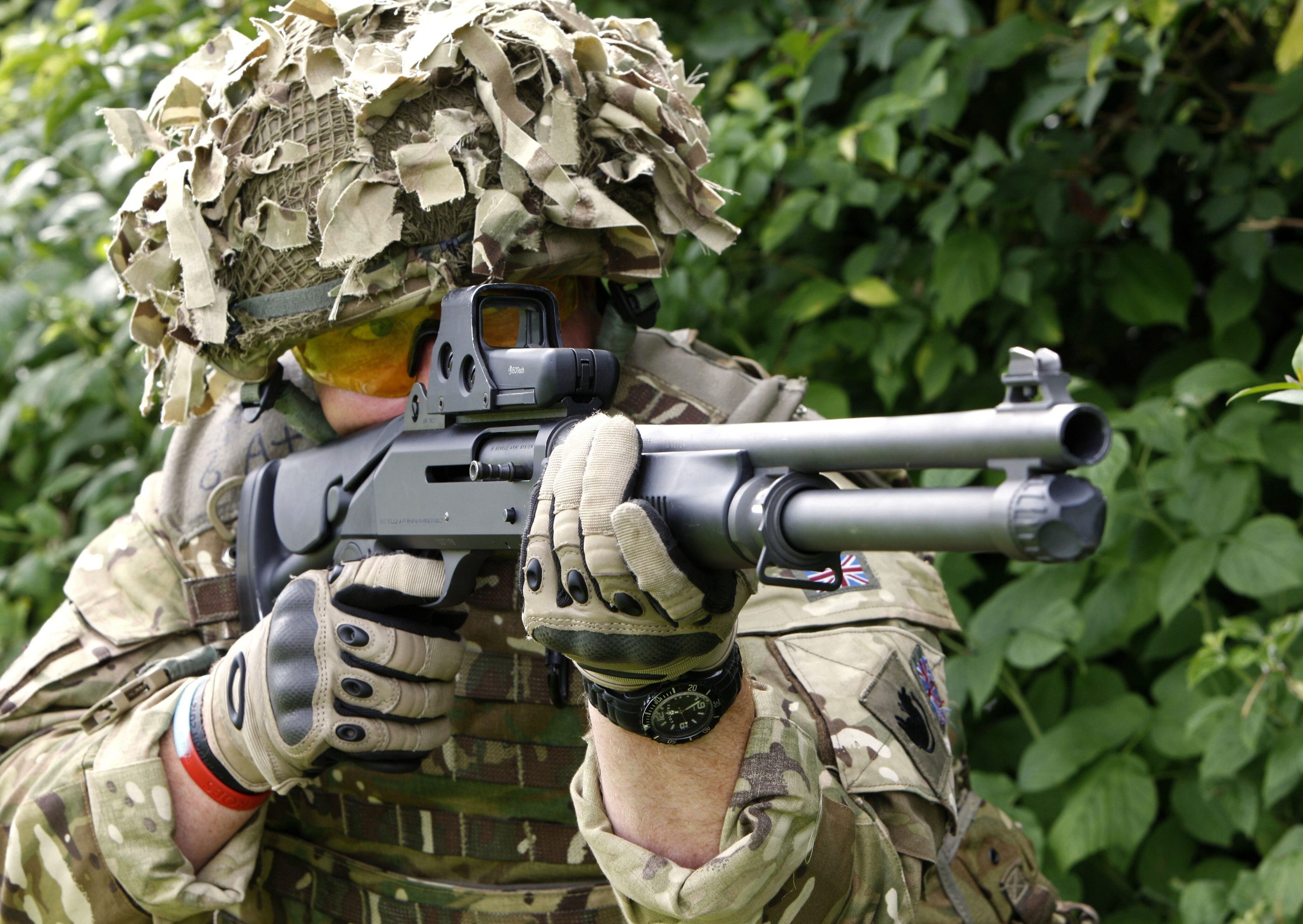
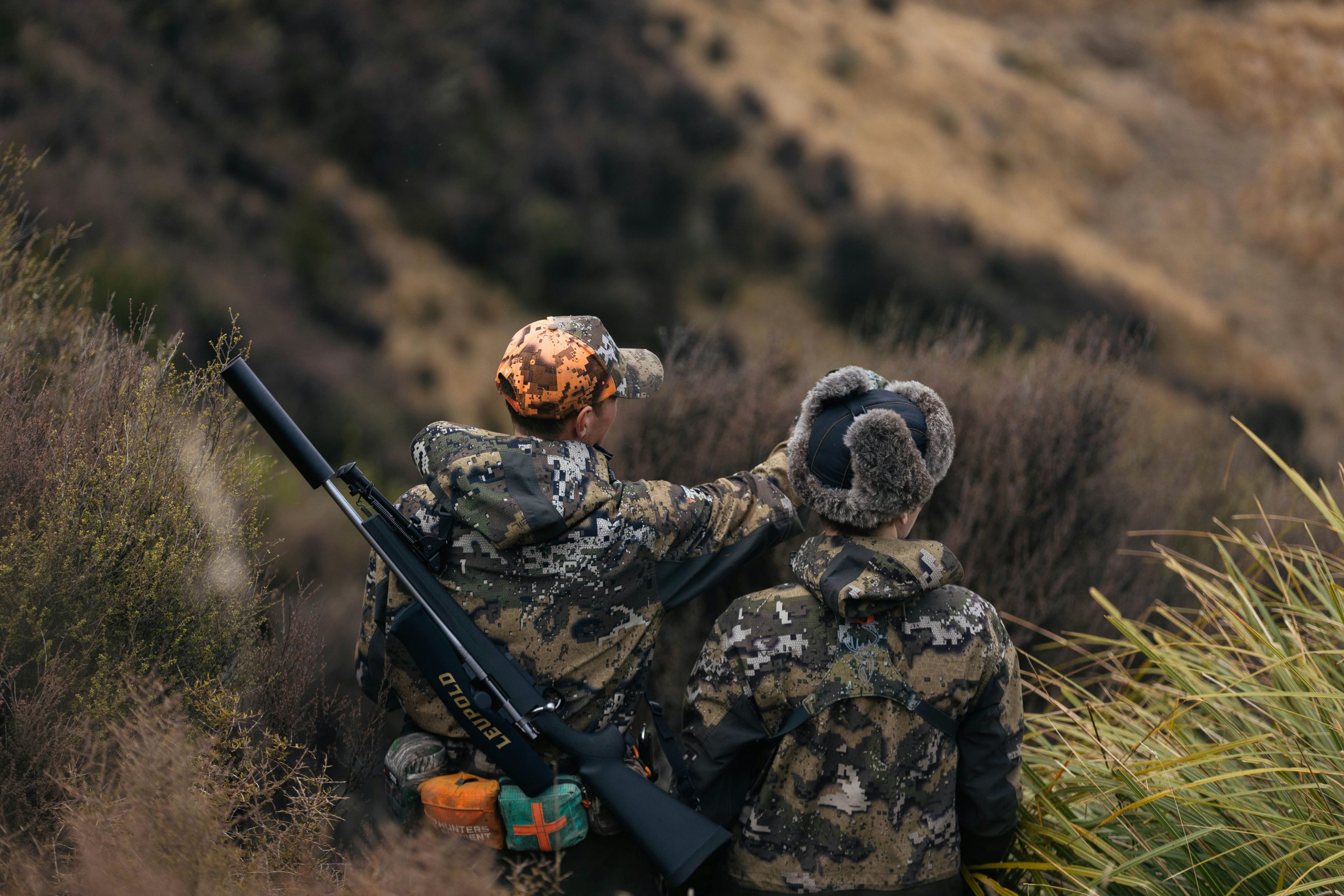
In heavily hunted areas, wildlife can associate long, straight objects with danger. Rifles, bows, and even trekking poles held upright resemble tools animals have learned to fear through repeated exposure. Deer and elk often react faster to humans visibly carrying weapons than to unarmed hikers, even at similar distances. This response isn’t instinctive but learned over generations. Animals that survive encounters pass on cautious behavior. The visible outline of a weapon can trigger immediate flight, regardless of clothing or scent, showing how strongly animals link carried objects with human threat patterns.
7. Footwear Influences Sound and Scent Trails
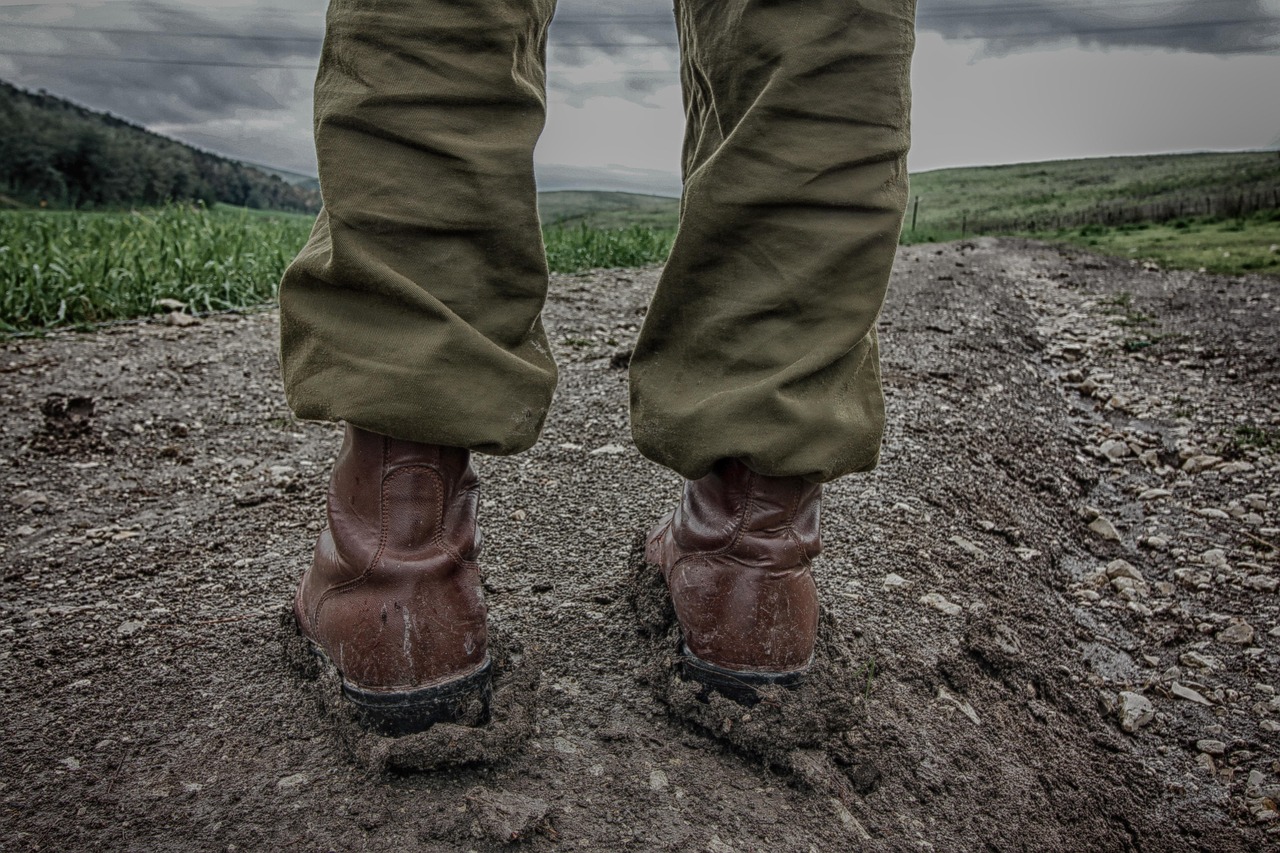
Footwear affects both noise production and scent distribution. Hard soles striking rock or dry ground produce sharp, unnatural sounds that alert animals quickly. Boots also trap and release scent differently than lighter footwear, leaving concentrated odor patches that linger. Some species follow these scent trails cautiously, while others avoid them entirely. The rhythm of human footsteps differs from animal movement, and footwear amplifies this pattern. Wildlife often recognizes the combination of sound and scent as distinctly human, making boots a powerful signal long before visual contact occurs.
8. Artificial Scents Cause Confusion or Alarm

Laundry detergent, deodorant, insect repellent, and fuel residues introduce chemical signals that wildlife doesn’t recognize. Some animals react with curiosity, approaching cautiously, while others respond with immediate avoidance. Predators may investigate unfamiliar scents, whereas prey species often associate strong odors with danger. These artificial smells can linger on vegetation and gear, altering animal behavior long after humans leave. In some cases, repeated exposure conditions animals to associate certain scents with food or threat, changing movement patterns. Scent isn’t just about concealment; it actively shapes wildlife decision-making.
9. Loose Hanging Gear Suggests Unnatural Movement
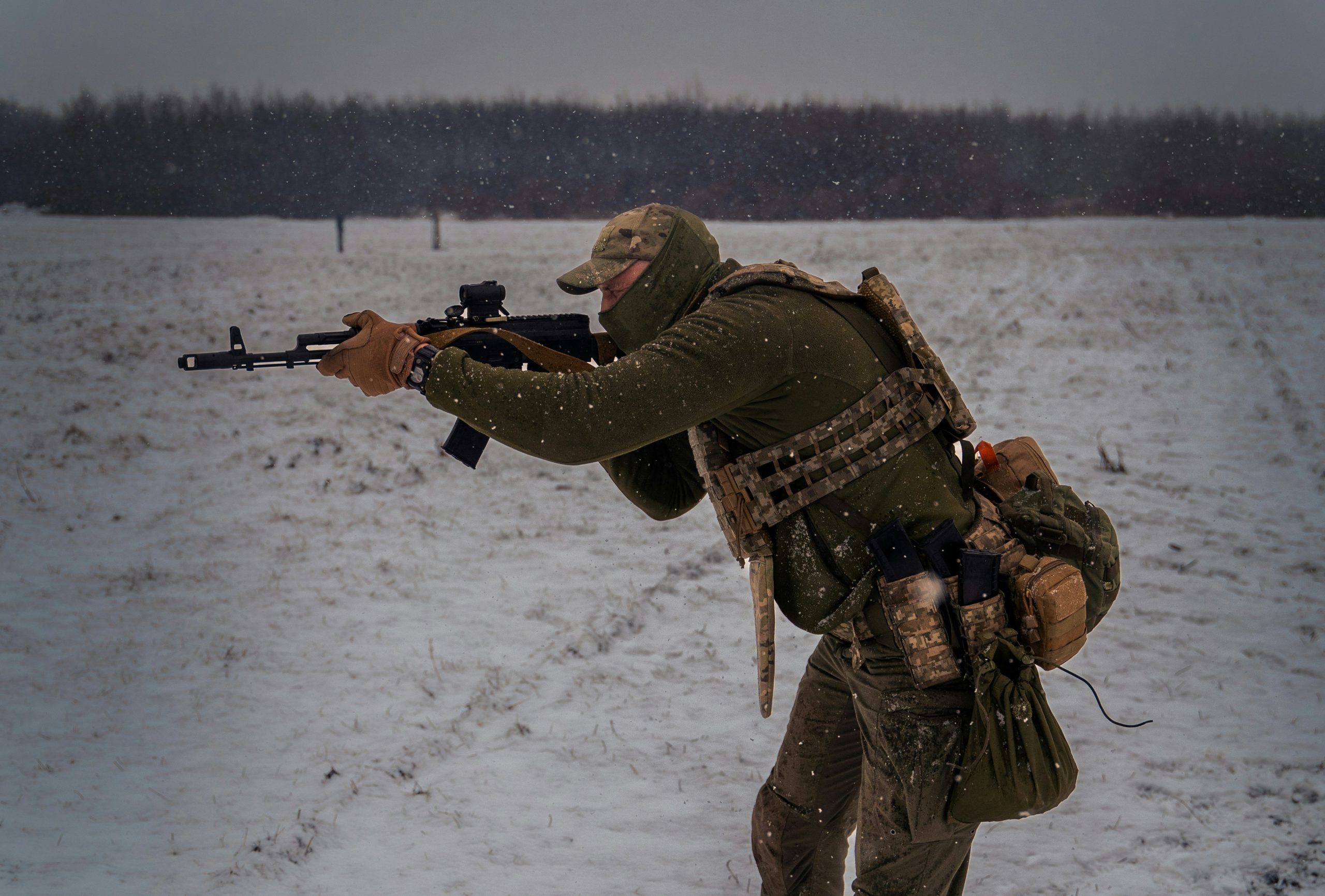
Items dangling from packs, water bottles, straps, and tools create irregular motion that animals notice quickly. Unlike natural movement, these objects swing independently, violating patterns that wildlife expects from living creatures. This can trigger alarm responses even when the human remains still. Birds are especially sensitive to secondary movement and may vocalize warnings immediately. Large mammals may freeze, assess, and then retreat. Hanging gear adds visual noise that disrupts camouflage and increases detection risk, reinforcing how wildlife pays attention not just to the body, but to everything attached to it.
10. Color Patterns Affect Species Differently

Not all animals see color the same way, leading to unexpected reactions. Deer perceive blues strongly, while many predators focus more on contrast and motion. Camouflage effective for one species may stand out to another. High-contrast patterns can break up shape but also create sharp edges that animals detect easily. Uniform earth tones often appear less threatening across species. Misunderstanding animal vision leads people to assume invisibility when they are actually highly visible. Wildlife responds based on its own visual system, not human perception, making color choice more complex than many realize.
11. Technology Alters Behavioral Expectations
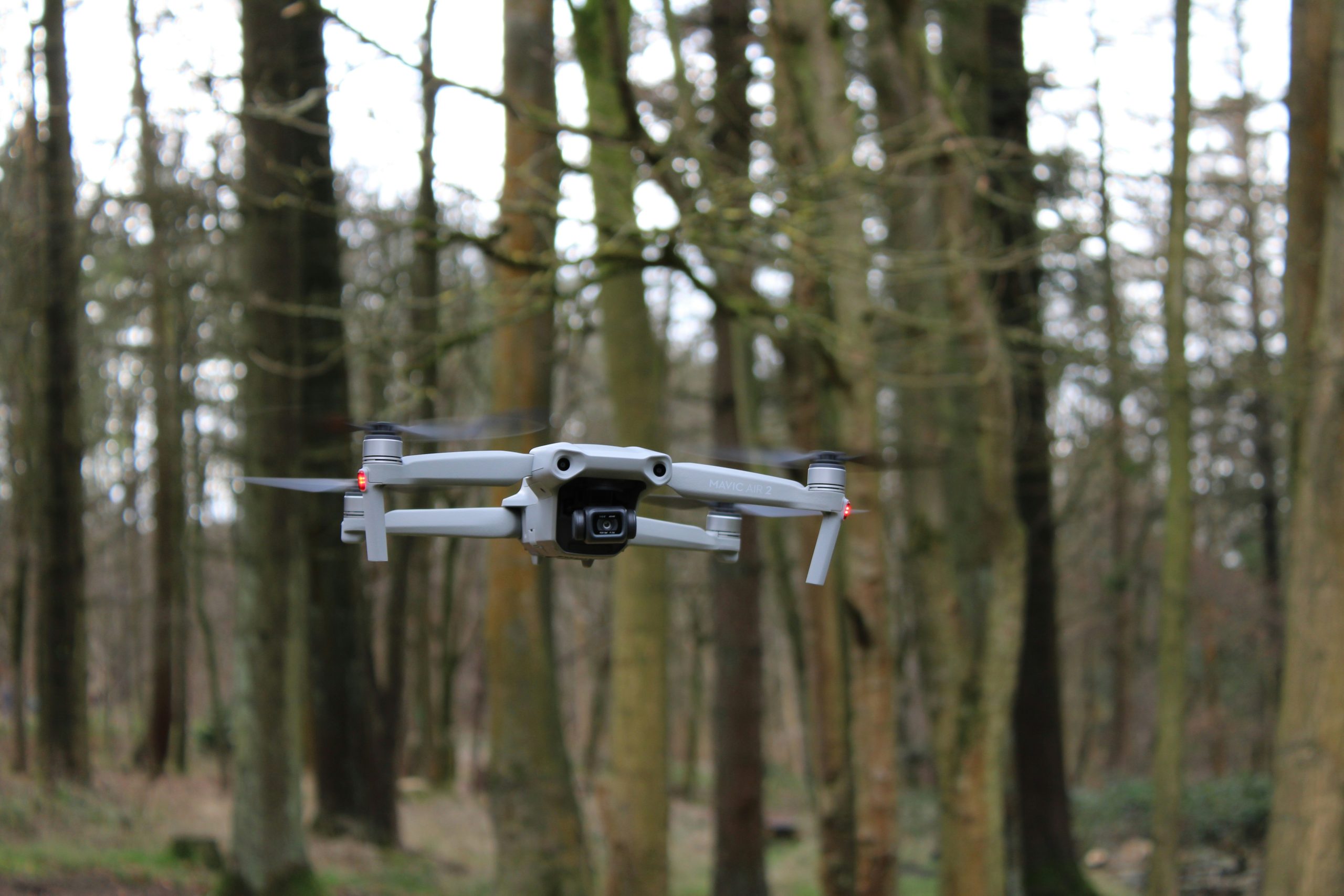
Cameras, drones, GPS units, and phones introduce shapes and sounds that animals are increasingly learning to recognize. Clicking shutters, electronic beeps, and hovering devices can provoke stress responses or defensive behavior. Some wildlife becomes habituated, while others grow more cautious. The presence of technology often changes how long animals tolerate human proximity. Repeated exposure teaches wildlife to associate certain devices with disturbance, even if humans behave quietly. As outdoor technology increases, animals adapt their reactions, altering feeding, resting, and movement patterns in subtle but lasting ways.
12. Consistency Reinforces Long-Term Reactions
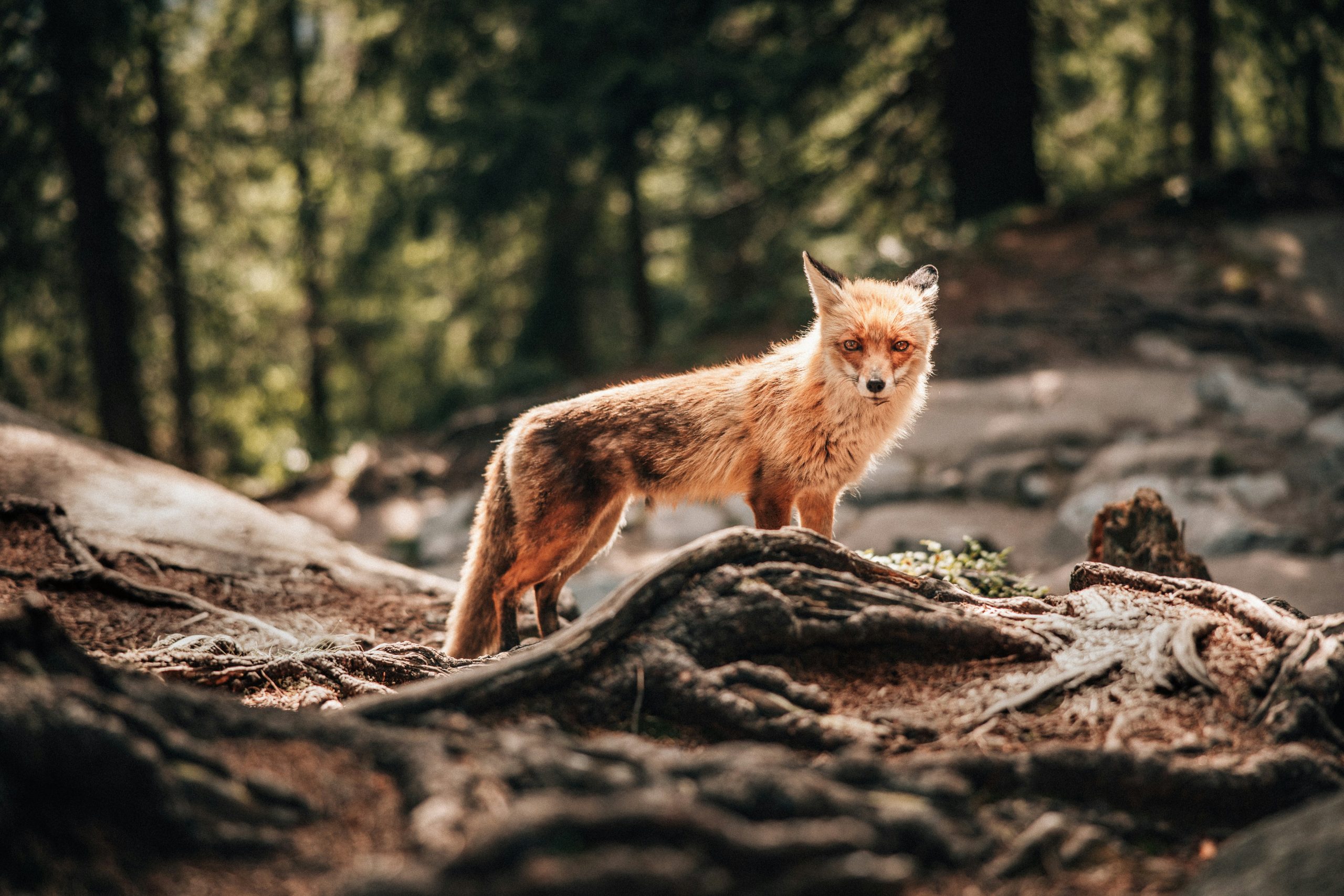
Animals don’t just react once; they learn. When clothing, gear, and behavior repeatedly signal threat, wildlife adjust patterns permanently. Trails become avoidance zones, feeding times shift, and animals increase nocturnal activity. Even neutral encounters can accumulate into learned caution. What humans wear or carry contributes to this conditioning process. Small choices, repeated over time, shape wildlife behavior far beyond a single interaction. Understanding this reinforces responsibility in wild spaces, reminding people that their presence leaves behavioral footprints that last much longer than physical ones.