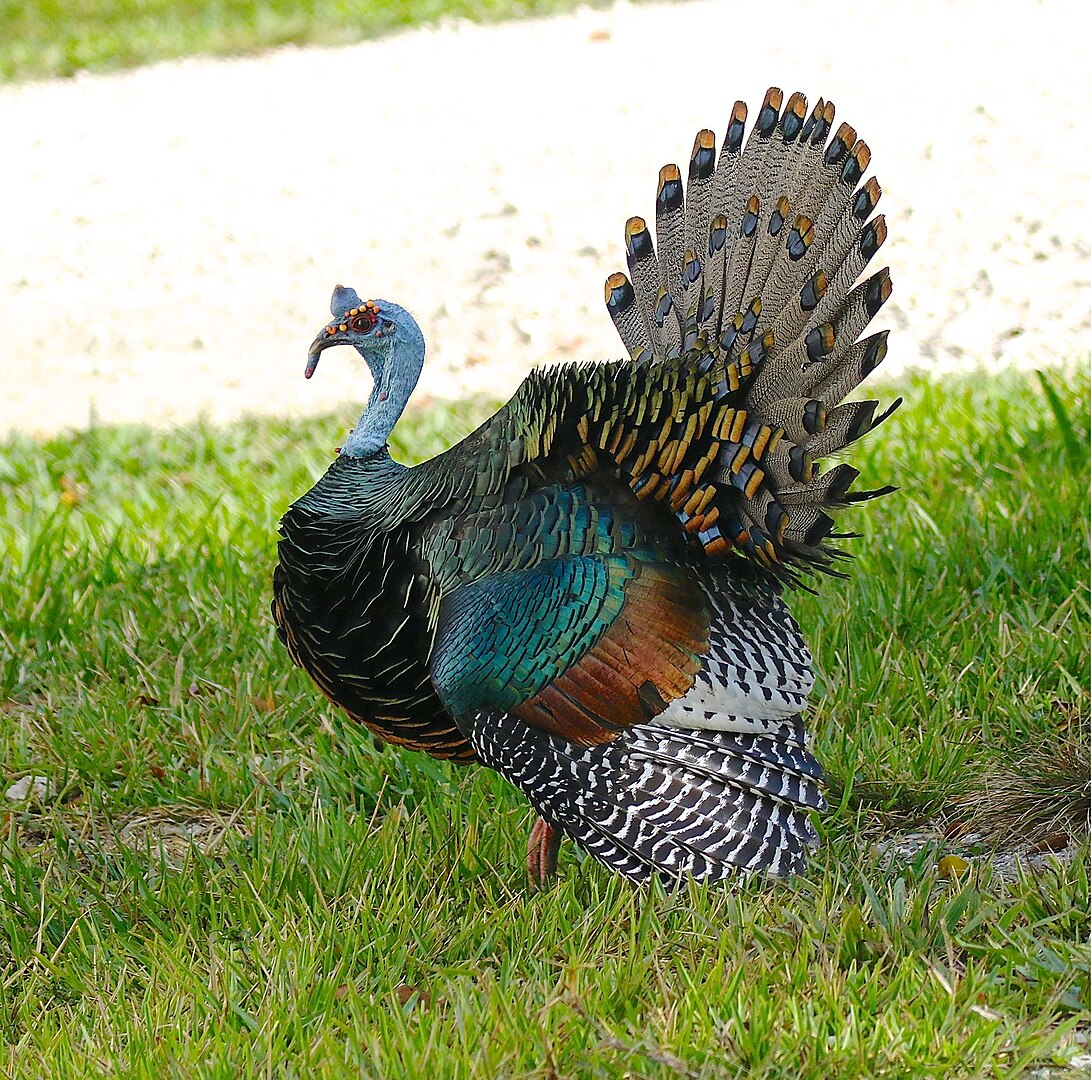
Wild turkeys follow daily patterns shaped by light, temperature, terrain, and flock dynamics during fall and spring seasons. Morning movement rarely happens at random, and experienced observers notice subtle behaviors that signal when birds will leave roosts or change direction. From vocalizations to feeding choices, each action reflects internal timing and environmental awareness. Understanding these behaviors helps explain why turkeys appear suddenly or remain silent for long stretches. The following guide explores specific, observable actions that reliably indicate morning movement, offering insight into how wild turkeys interact with landscapes as daylight gradually reshapes their priorities.
Roost Tree Departure Timing
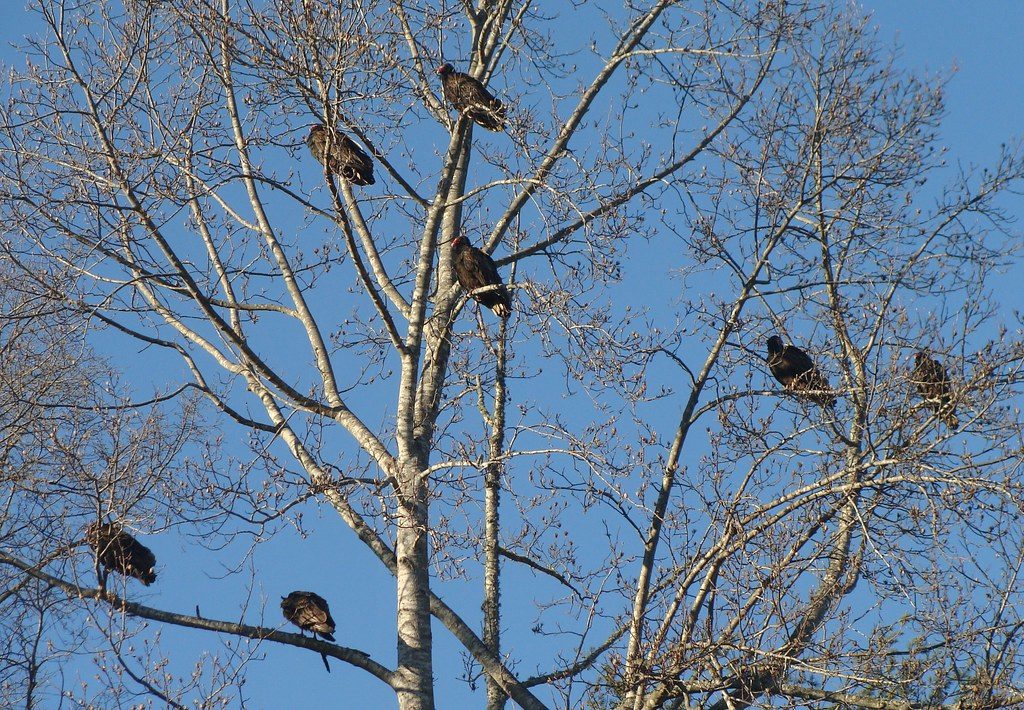
Roost departure timing offers one of the clearest signals of impending morning movement. Turkeys typically fly down shortly after first usable light, but delays often indicate nearby disturbance or weather shifts. Calm conditions encourage earlier movement toward feeding areas. When birds linger quietly, movement may slow or redirect. Observers noting consistent fly down times across mornings gain insight into flock routines. Changes of even fifteen minutes can suggest pressure or altered food priorities. This behavior reflects how turkeys balance safety with hunger as daylight strengthens and ground visibility improves across familiar territory each day naturally.
Tree Yelping At Dawn

Tree yelping at dawn often signals readiness to move once light increases. Soft, measured calls allow flock members to locate each other before leaving roosts. Increased frequency usually precedes fly down, while silence may indicate caution. Hens often initiate these calls, setting morning tone. Listening for consistent pitch and spacing provides clues about confidence levels. Abrupt changes can reflect predator awareness or human pressure nearby. This vocal behavior demonstrates how communication supports coordinated movement, helping turkeys descend safely and regroup quickly before traveling toward feeding or strutting areas together during early morning woodland hours regularly.
Wing Stretching And Preening
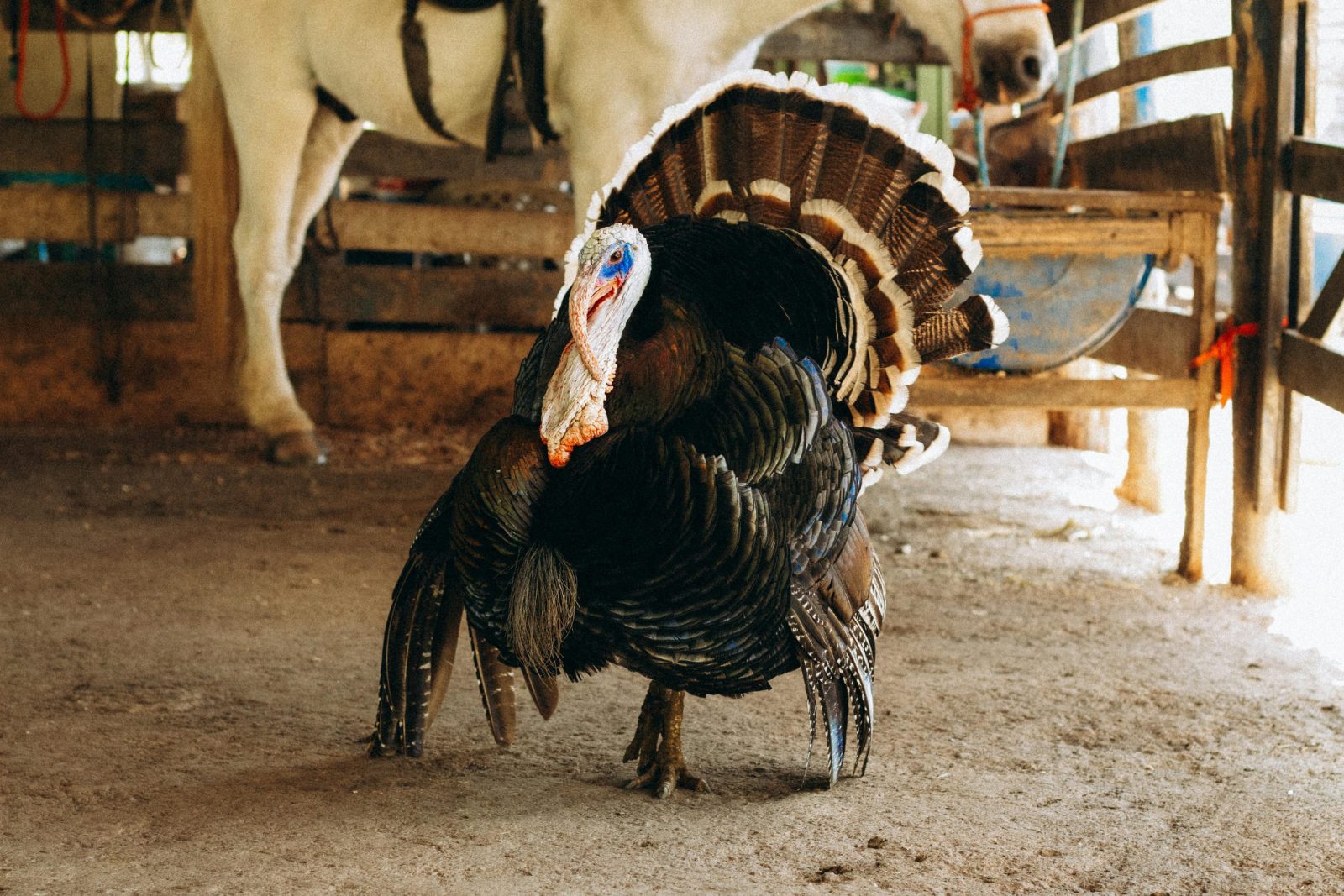
Wing stretching and preening on roost limbs often precede morning movement. These actions prepare muscles and feathers for flight and ground travel. Turkeys that preen extensively tend to fly down soon after. Limited movement can signal hesitation or alertness. Observing synchronized stretching across multiple birds suggests comfort within surroundings. This behavior also helps shake off moisture from overnight conditions. When combined with soft vocalizations, stretching provides a reliable indicator that the flock will transition from resting to active foraging as daylight expands and visual awareness increases across the forest floor during calm early morning periods.
Direction Of Initial Fly Down
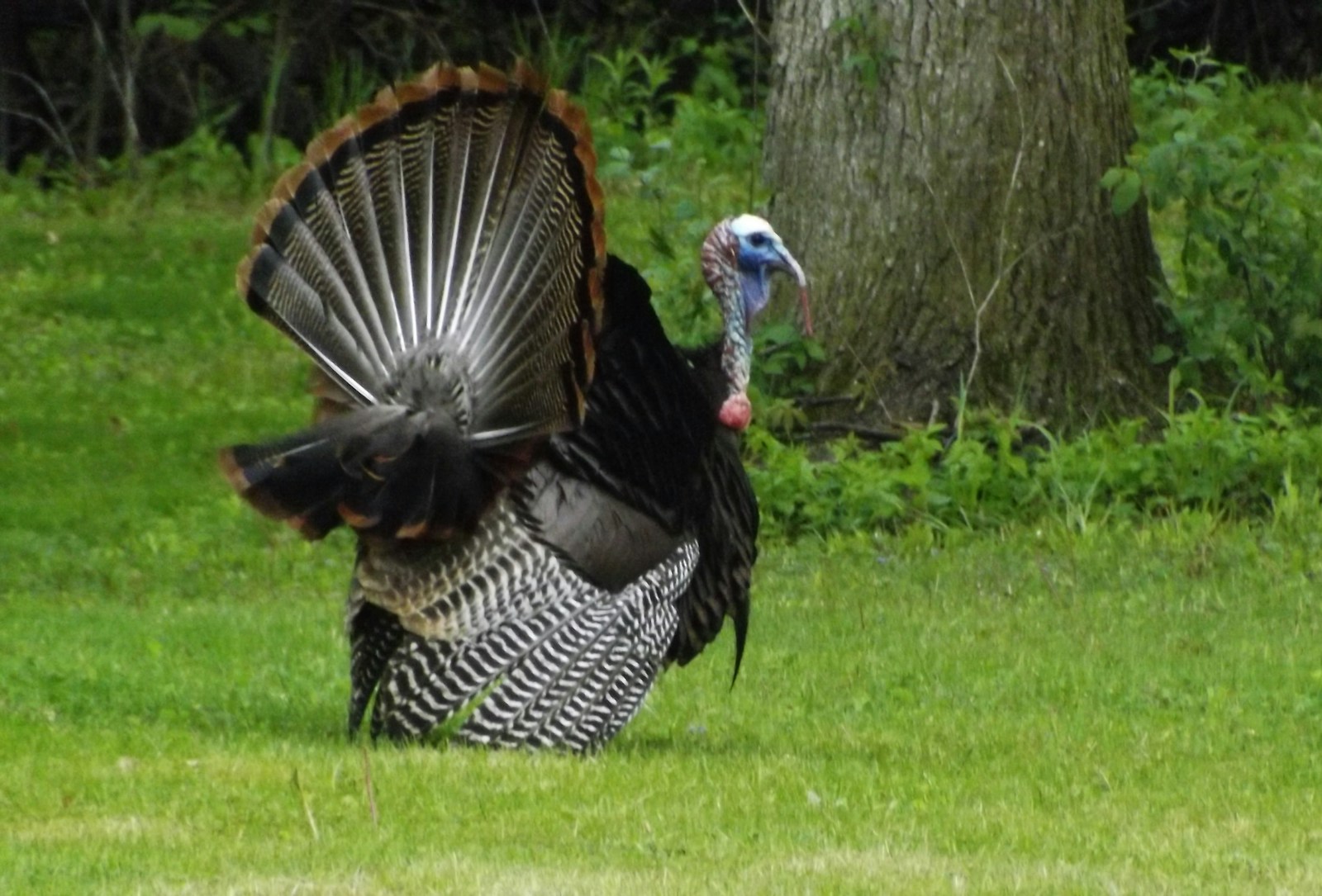
The direction of initial fly down frequently predicts where turkeys will travel after leaving roosts. Birds often choose downhill or open routes that allow quick regrouping. Consistent landing zones suggest established morning pathways. A sudden shift in direction may indicate disturbance or changing food availability. Observers tracking repeated landings learn preferred travel corridors. This behavior reflects efficiency and safety priorities during vulnerable moments. Understanding fly down direction helps explain later sightings, since turkeys usually continue moving along the same contour lines, ridges, or edges established during descent across familiar landscapes each morning cycle naturally unfolding.
Ground Feeding Immediately After Landing
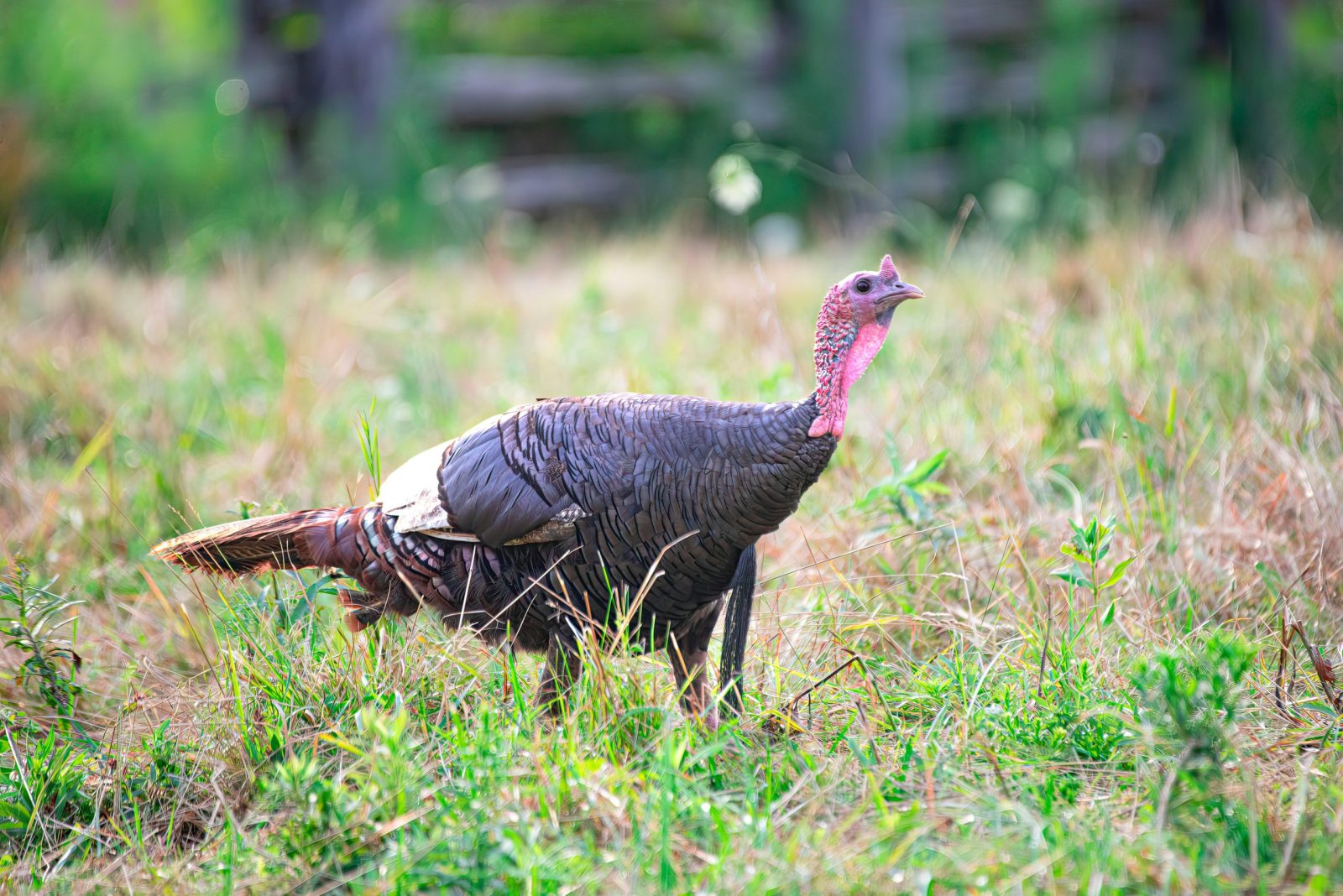
Ground feeding immediately after landing often confirms active morning movement. Turkeys that begin scratching and pecking quickly feel secure enough to focus on nutrition. This behavior commonly occurs near mast, grasses, or agricultural remnants. Hesitation or delayed feeding may signal caution. Observers noticing energetic feeding can expect steady movement afterward. Feeding direction frequently aligns with known food sources. This early activity reflects metabolic needs following overnight fasting. When feeding begins promptly, turkeys typically continue traveling methodically, covering ground as they balance foraging with alertness to surrounding conditions during calm clear early morning hours each season.
Response To Early Sunlight
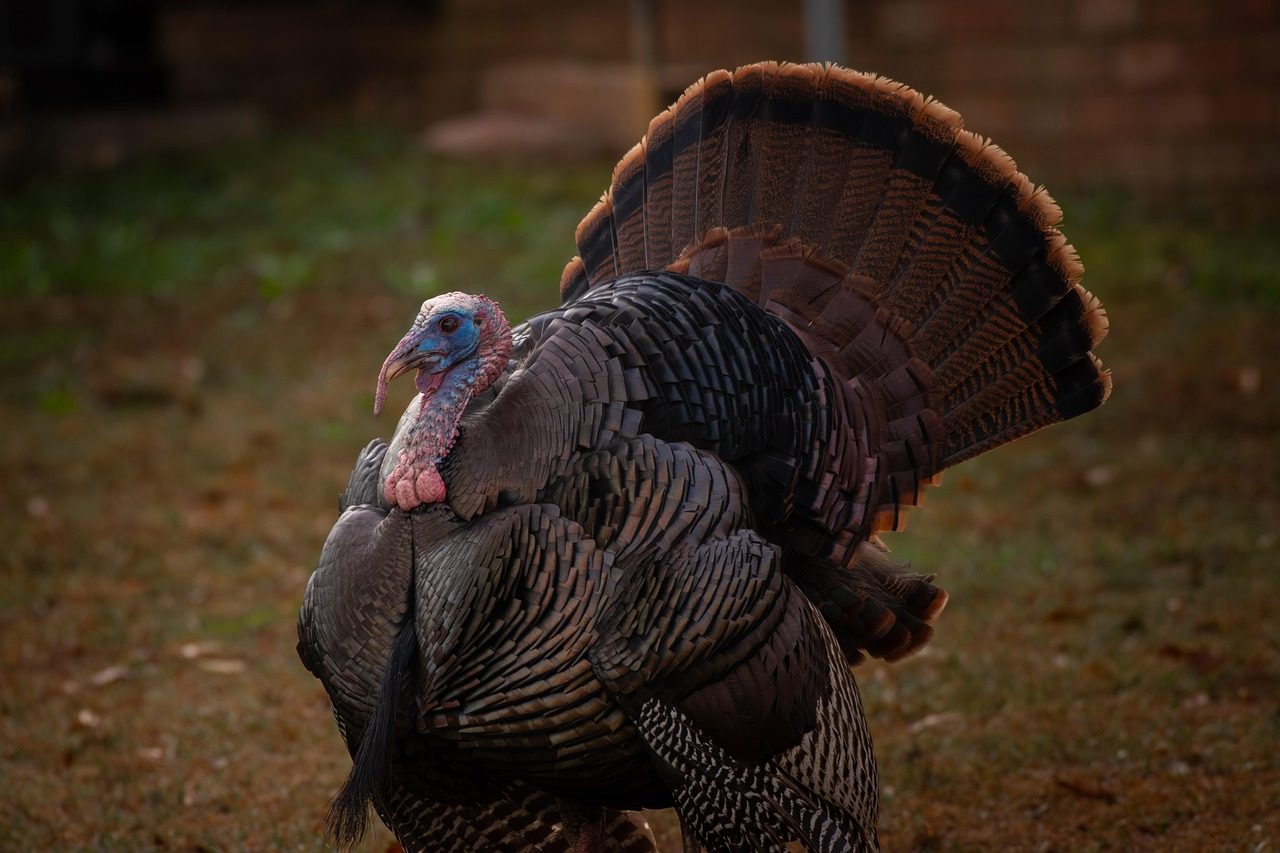
Response to early sunlight influences how quickly turkeys initiate movement. As light reaches roost height, birds gain improved predator detection. Bright, clear mornings often prompt earlier fly down times. Overcast conditions may delay activity. Observers noting sunlight angles can anticipate movement patterns. Turkeys favor warming rays on cold mornings, which encourages ground activity. This behavior shows how environmental cues shape daily routines. When sunlight spreads across feeding areas, turkeys often increase pace and range, using visibility to move confidently through open spaces and along field edges nearby throughout changing seasonal daylight conditions each winter spring.
Flock Reassembly Speed
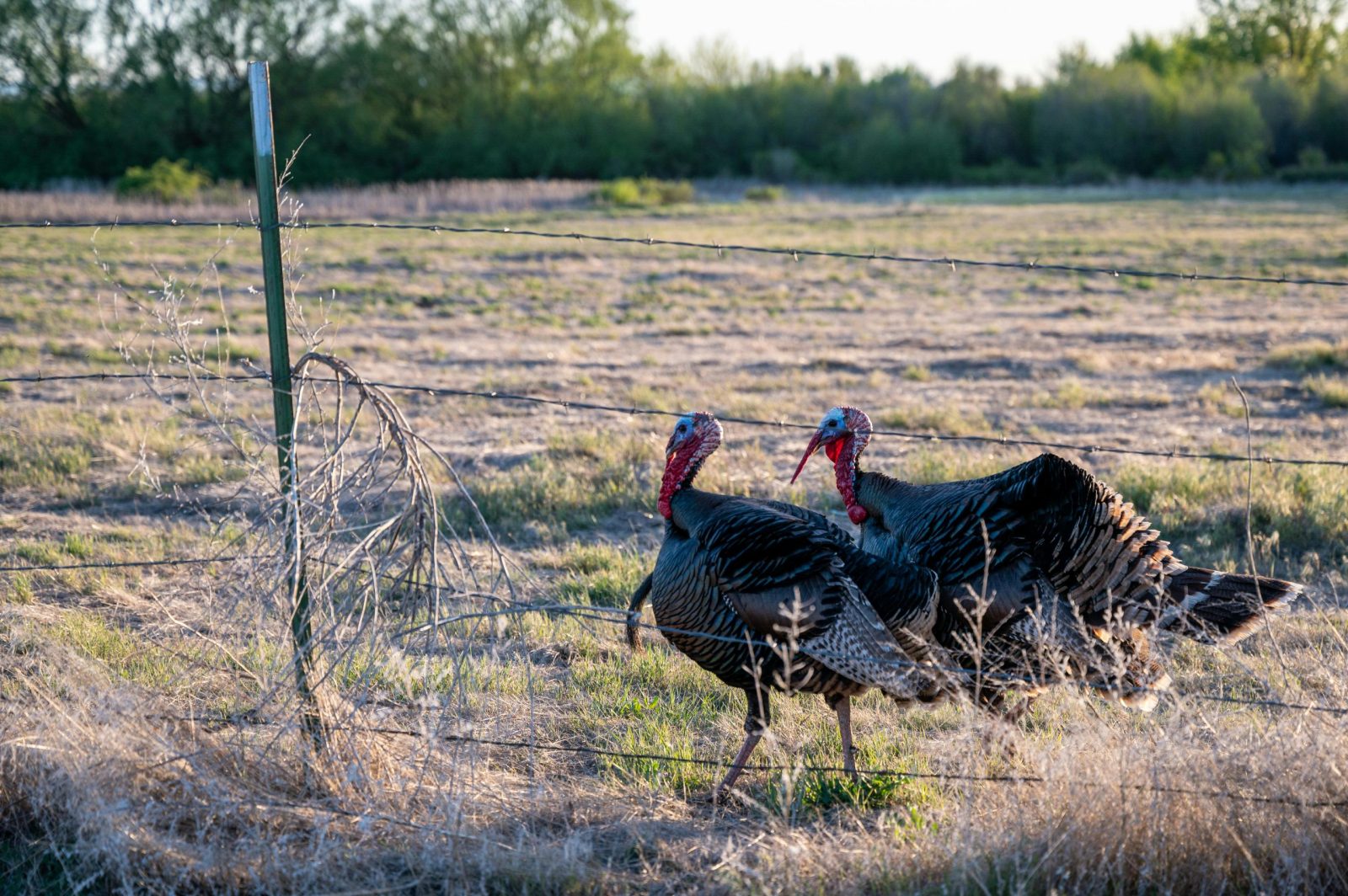
Flock reassembly speed after fly down offers insight into morning intentions. Turkeys that regroup quickly often plan immediate travel. Slow, scattered reassembly may signal caution or feeding pauses. Observers watching how birds orient themselves can anticipate direction changes. Dominant birds frequently influence regrouping location. This behavior highlights social structure shaping movement decisions. When flocks tighten rapidly, movement tends to be purposeful and steady. Loose spacing suggests localized feeding. Understanding regrouping speed helps explain whether turkeys will roam broadly or remain within smaller areas during early daylight hours across familiar morning travel routes each day consistently.
Reaction To Distant Sounds
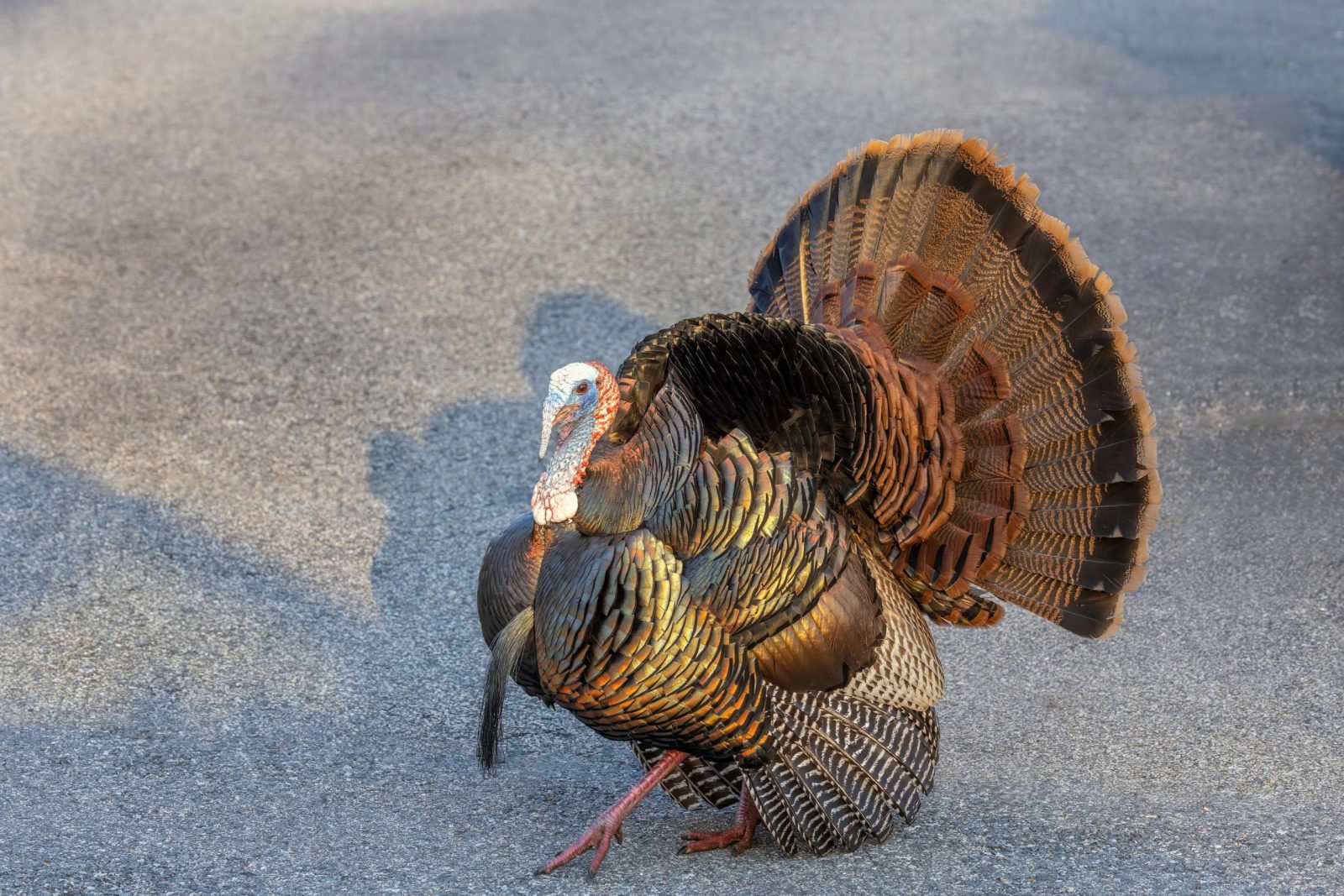
Reaction to distant sounds can predict delayed or altered morning movement. Turkeys possess sharp hearing and respond quickly to unfamiliar noises. Soft, continuous sounds often cause brief pauses rather than retreat. Sudden loud noises may freeze movement entirely. Observers noting head posture and stillness gain valuable clues. Calm flocks resume activity within minutes. Nervous flocks may redirect travel paths. This behavior reflects constant risk assessment. When birds tolerate distant sounds without alarm, movement usually continues along planned routes, suggesting confidence in safety and familiarity with surrounding activity levels during early morning woodland environments regularly observed.
Dusting Site Interest
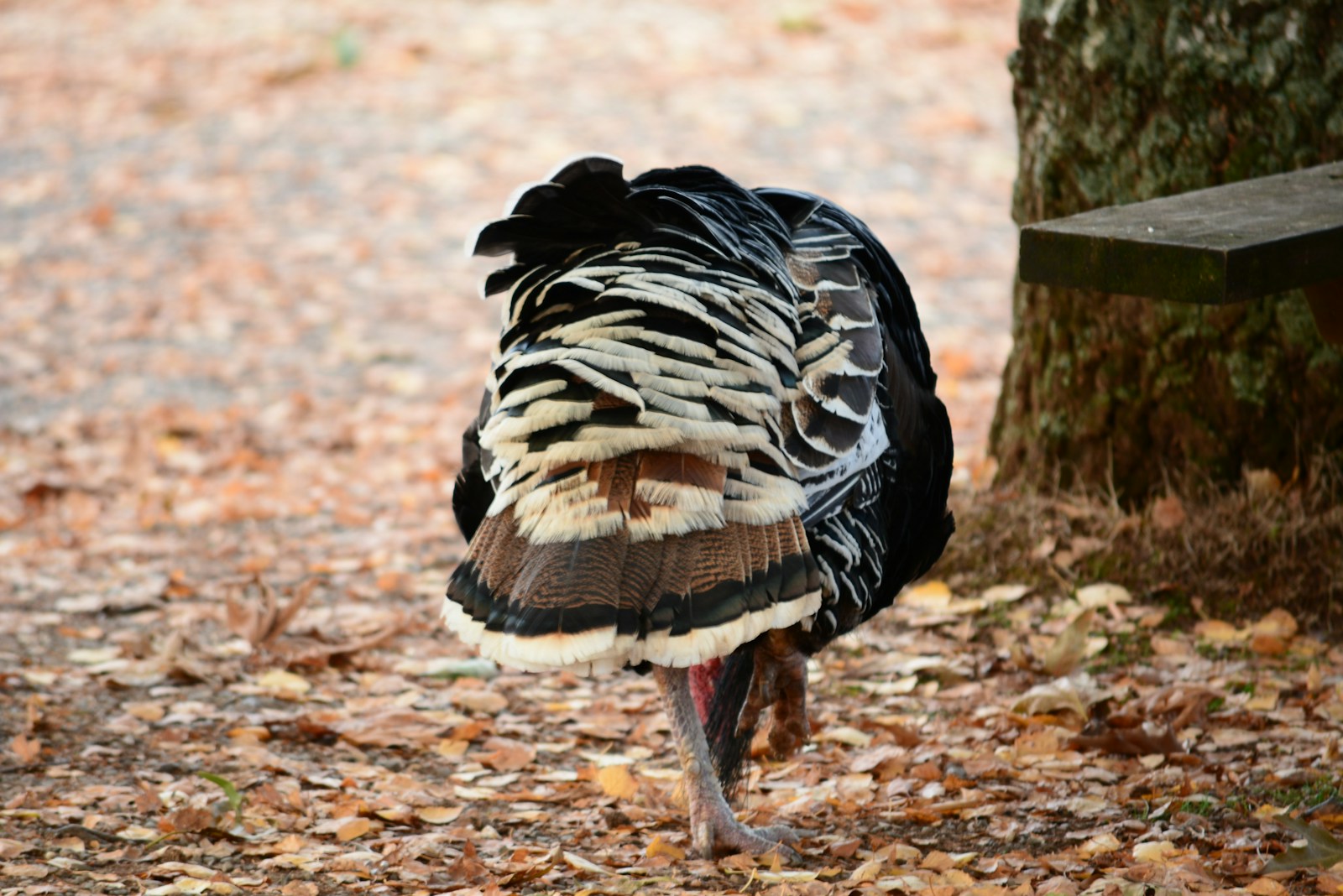
Interest in dusting sites during early morning indicates comfort and extended movement plans. Turkeys dust to maintain feather condition, usually when feeling secure. Pausing near dusting areas suggests limited immediate travel. Skipping these sites often means purposeful movement toward feeding or strutting zones. Observers recognizing known dusting locations can predict behavior shifts. This activity reflects health maintenance priorities. When turkeys ignore dusting opportunities, morning movement tends to remain steady and directional. Engagement with dusting often slows pace, keeping flocks within localized areas longer as daylight continues to strengthen across familiar terrain during calm weather conditions.
Strut Zone Avoidance Or Use
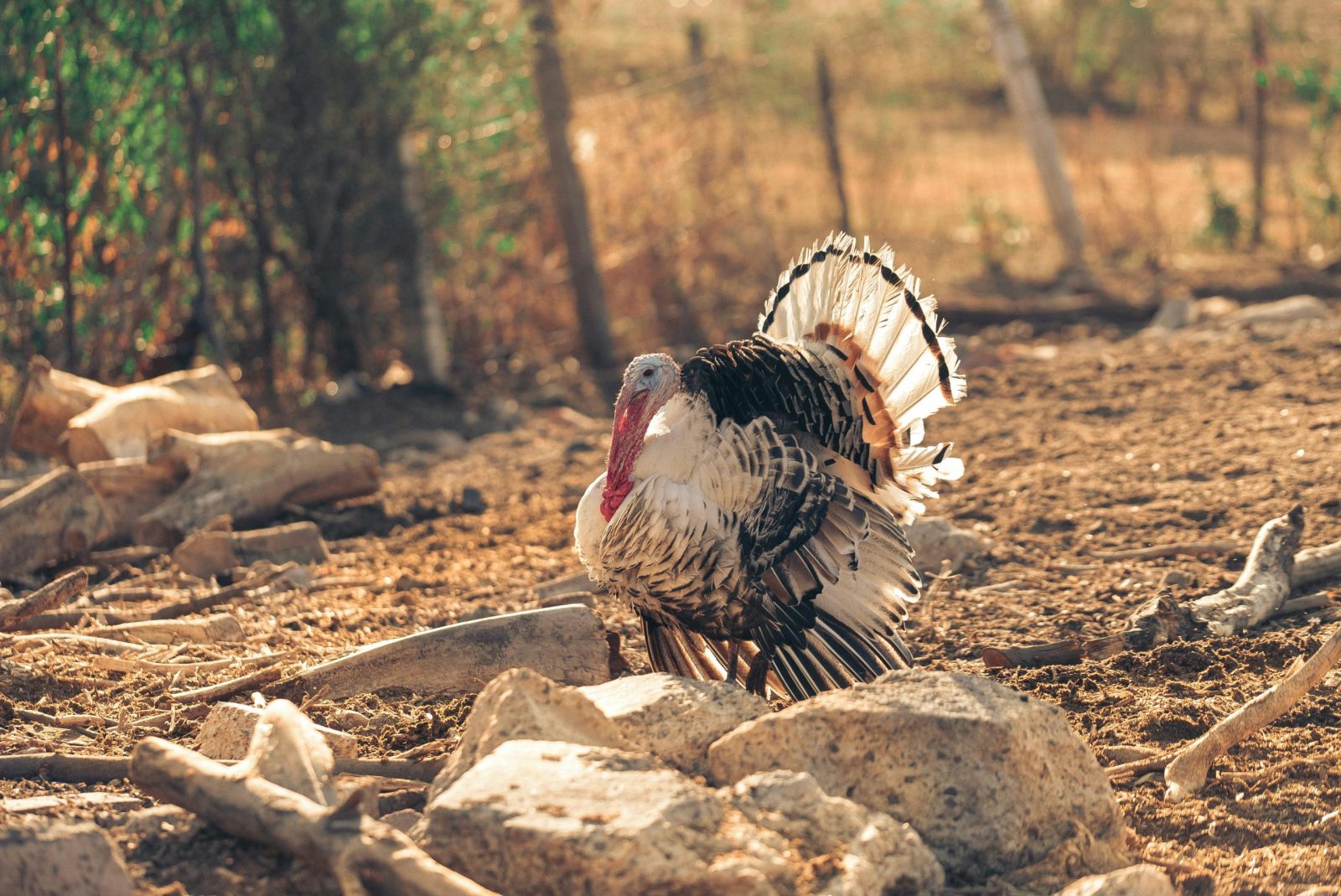
Use or avoidance of strut zones in the morning signals movement intentions. During breeding season, toms often approach strut areas soon after fly down. Avoidance may indicate competition or caution. Hens lingering nearby suggest upcoming activity. Observers noting tracks and openings can anticipate presence. This behavior varies seasonally but remains predictable. When turkeys bypass strut zones, movement typically favors feeding routes. Consistent use suggests localized movement. Understanding this pattern helps explain why birds concentrate in specific openings while ignoring others during early daylight hours across known breeding territories within established seasonal ranges each spring morning.
Trail And Road Crossing Choices
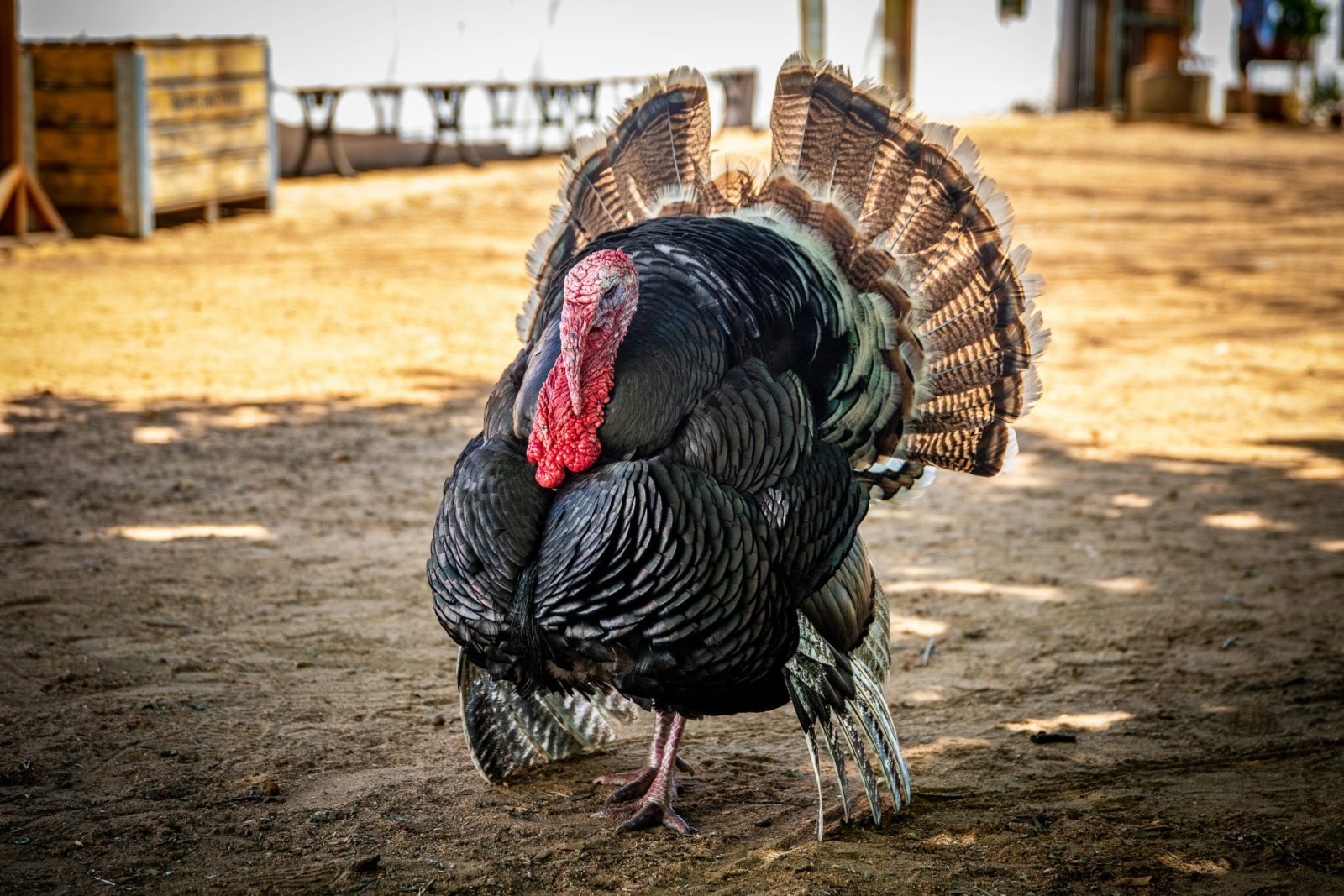
Trail and road crossing choices reveal confidence levels during morning movement. Turkeys often cross open paths quickly when feeling secure. Hesitation or detours suggest heightened alertness. Observers watching crossing angles can infer travel direction. Frequent use of the same crossings indicates routine movement corridors. This behavior reflects learned landscape navigation. When birds cross early, movement usually continues steadily beyond. Avoidance of crossings may slow progress. Understanding these choices helps explain sudden appearances in new areas as turkeys navigate human made features while maintaining safety priorities during early daylight hours across familiar managed landscapes each morning.
Pace Of Early Travel
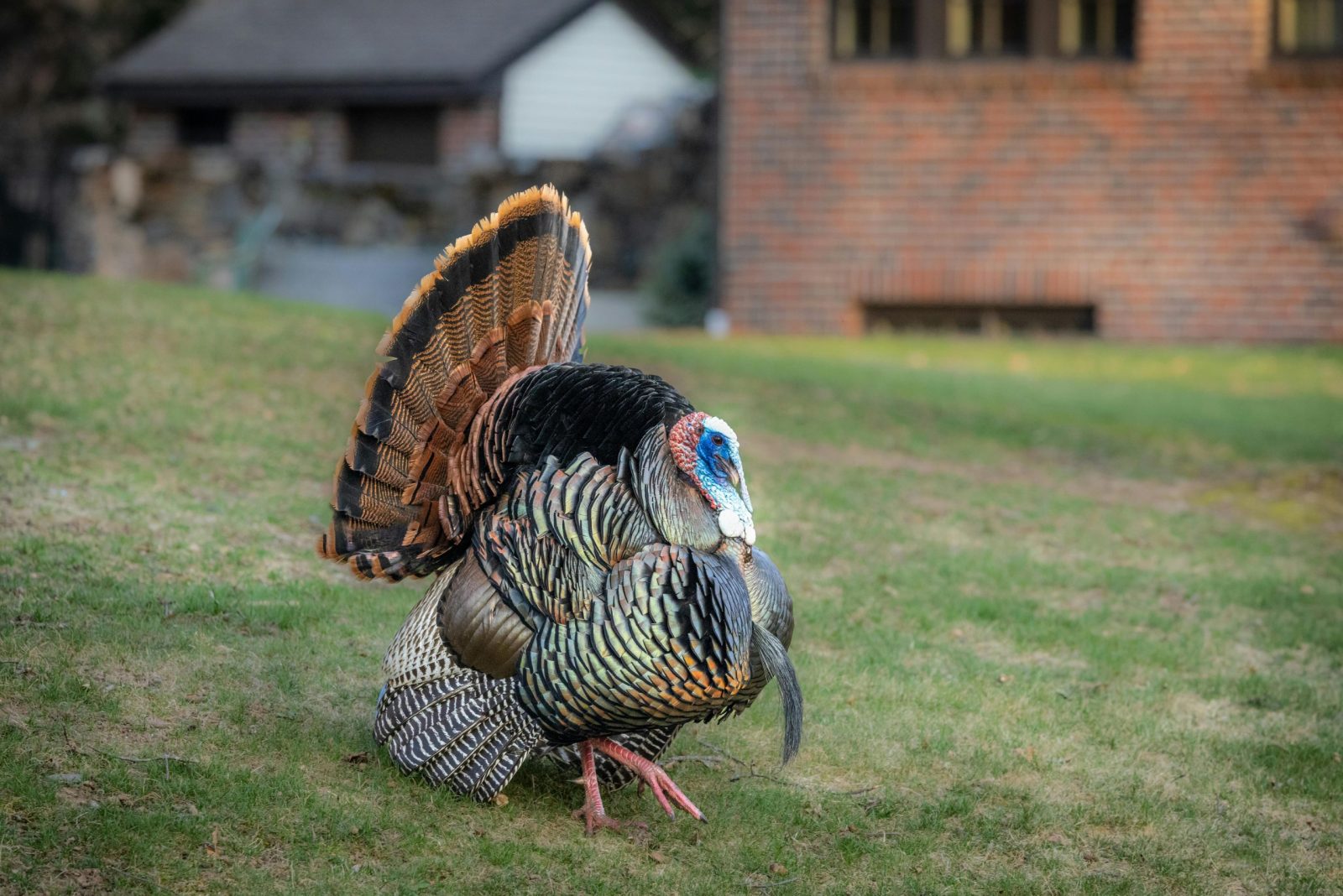
Pace of early travel provides a final clue to sustained morning movement. Steady, moderate walking suggests planned routes and confidence. Rapid movement often indicates relocation from disturbance. Frequent stops may signal feeding or caution. Observers timing distance covered gain insight into daily patterns. This behavior reflects energy management and security assessment. When turkeys maintain consistent pace, they usually continue traveling through morning hours. Slowing pace often precedes settling into feeding areas. Understanding travel speed helps predict whether movement will expand across large tracts or remain localized as daylight progresses across seasonal habitats during calm mornings.