Nature is full of creatures that seem almost unbelievable at first glance. Evolution has produced animals with bizarre bodies, unusual behaviors, and survival strategies that appear closer to science fiction than real life. Some glow in the dark, some have transparent heads, and others look like they were designed from spare parts of several different animals. These strange species often live in remote forests, deep oceans, or isolated ecosystems where unique adaptations help them survive. Learning about them reminds us how creative nature can be. Below are twelve wild creatures that are so unusual in appearance or behavior that many people are surprised they truly exist on Earth.
1. Axolotl
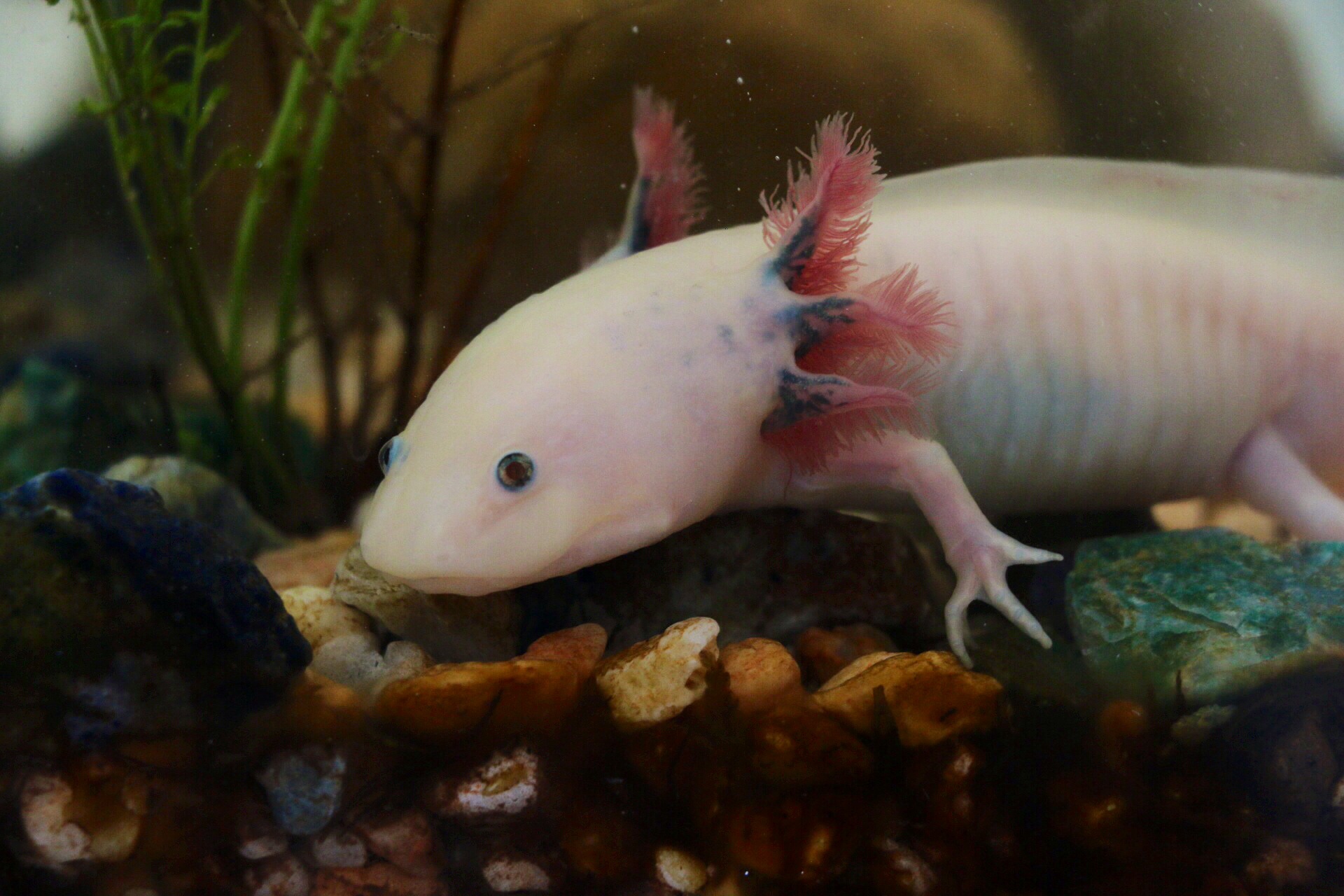
The axolotl is one of the strangest amphibians in the world. Native to lakes around Mexico City, this small salamander looks permanently young because it never fully transforms into its adult form. Instead of losing its gills and moving onto land like most salamanders, the axolotl stays aquatic for its entire life. Its feathery external gills stick out from the sides of its head, giving it a unique and almost cartoonlike appearance. What makes this creature even more remarkable is its ability to regenerate body parts. Axolotls can regrow lost limbs, parts of their spinal cord, and even sections of their heart and brain. Scientists study them closely for clues about human healing and tissue regeneration. Despite their strange beauty, wild axolotls are now critically endangered.
2. Star-Nosed Mole
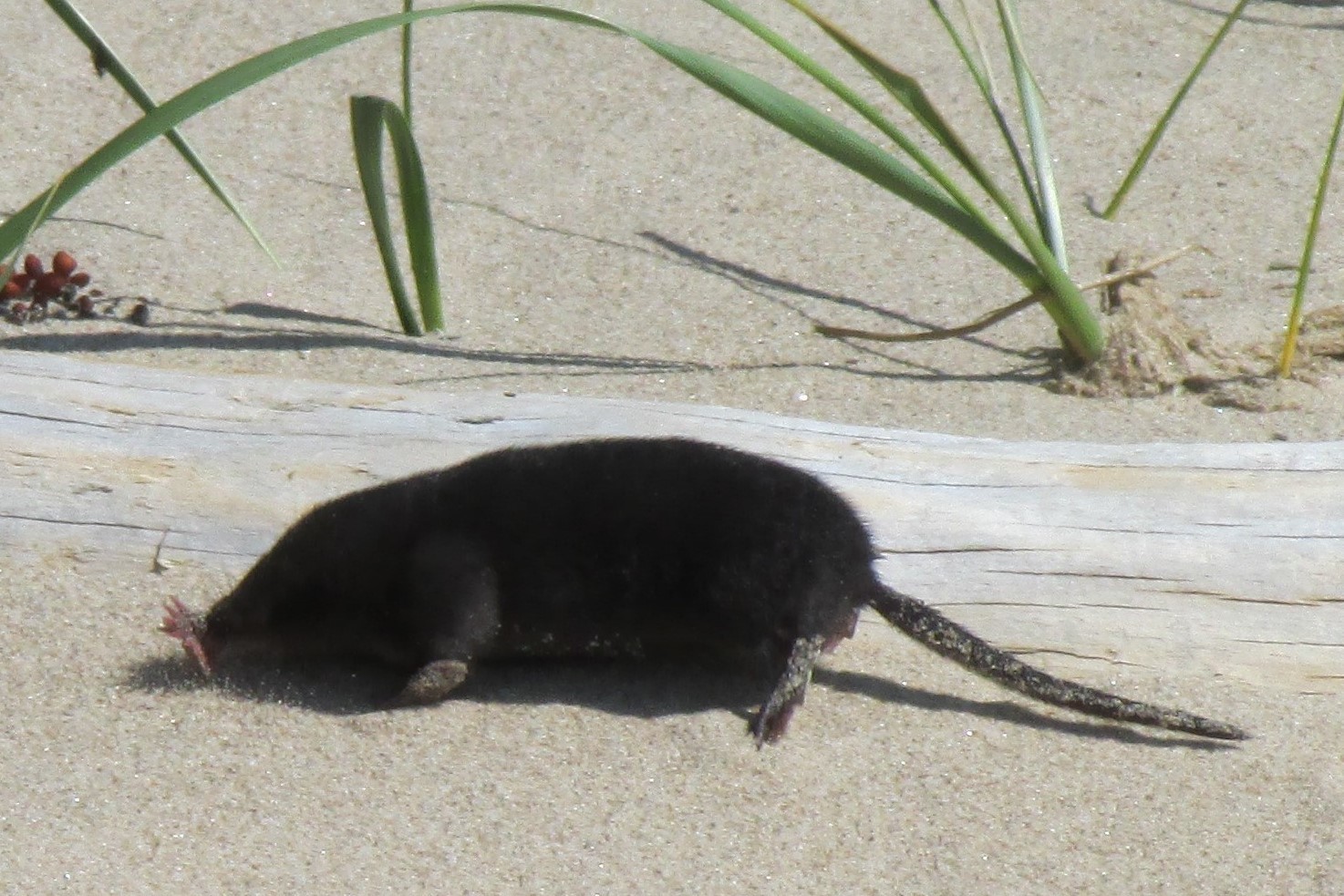
The star-nosed mole looks like something imagined in a science fiction movie. This small underground mammal has a distinctive star-shaped nose made up of twenty-two fleshy appendages. These sensitive tentacles act as a powerful sensory tool that helps the mole detect food in dark tunnels. The star is packed with thousands of tiny nerve receptors that can identify prey faster than almost any other mammal. Because it spends most of its life underground or underwater, the mole relies heavily on touch rather than sight. Its unusual nose allows it to locate insects, worms, and small aquatic prey in just milliseconds. While the appearance may look strange or even unsettling, the star-nosed mole is actually one of the fastest foraging animals in the natural world.
3. Goblin Shark
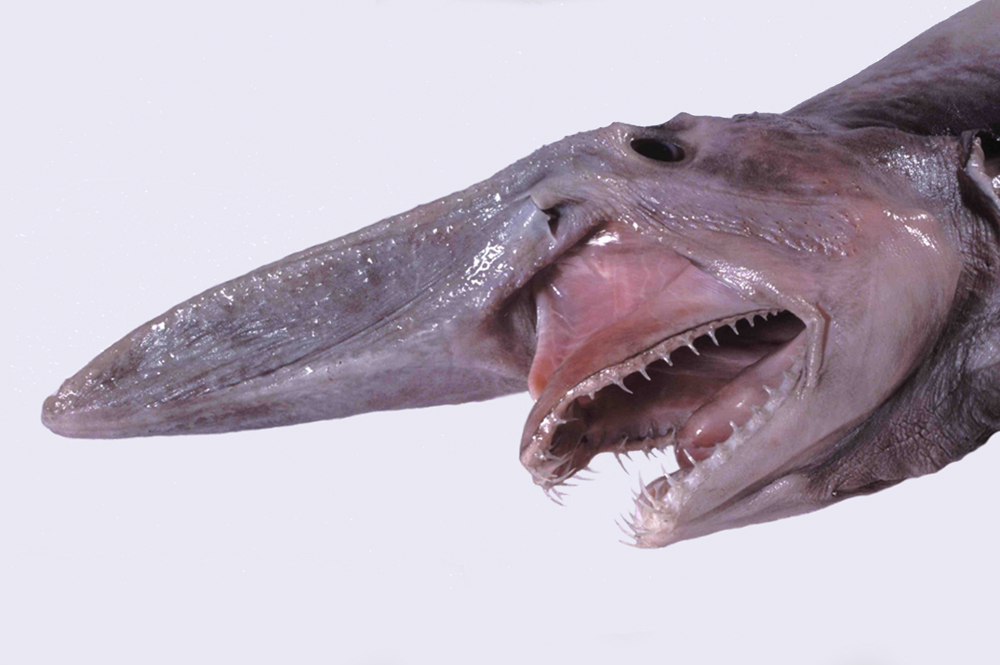
The goblin shark is often called a living fossil because it has remained mostly unchanged for millions of years. Found in deep ocean waters, this rare shark has a long, flattened snout and a jaw that can suddenly extend forward to capture prey. When feeding, its mouth shoots outward at incredible speed, grabbing fish or squid before they can escape. Its pinkish skin gives it a ghostly look because blood vessels are visible beneath the surface. The goblin shark lives so deep in the ocean that humans rarely encounter it. Because of its strange face and dramatic feeding mechanism, it is often considered one of the most bizarre sharks on the planet. Despite its frightening appearance, it poses little danger to humans.
4. Aye Aye
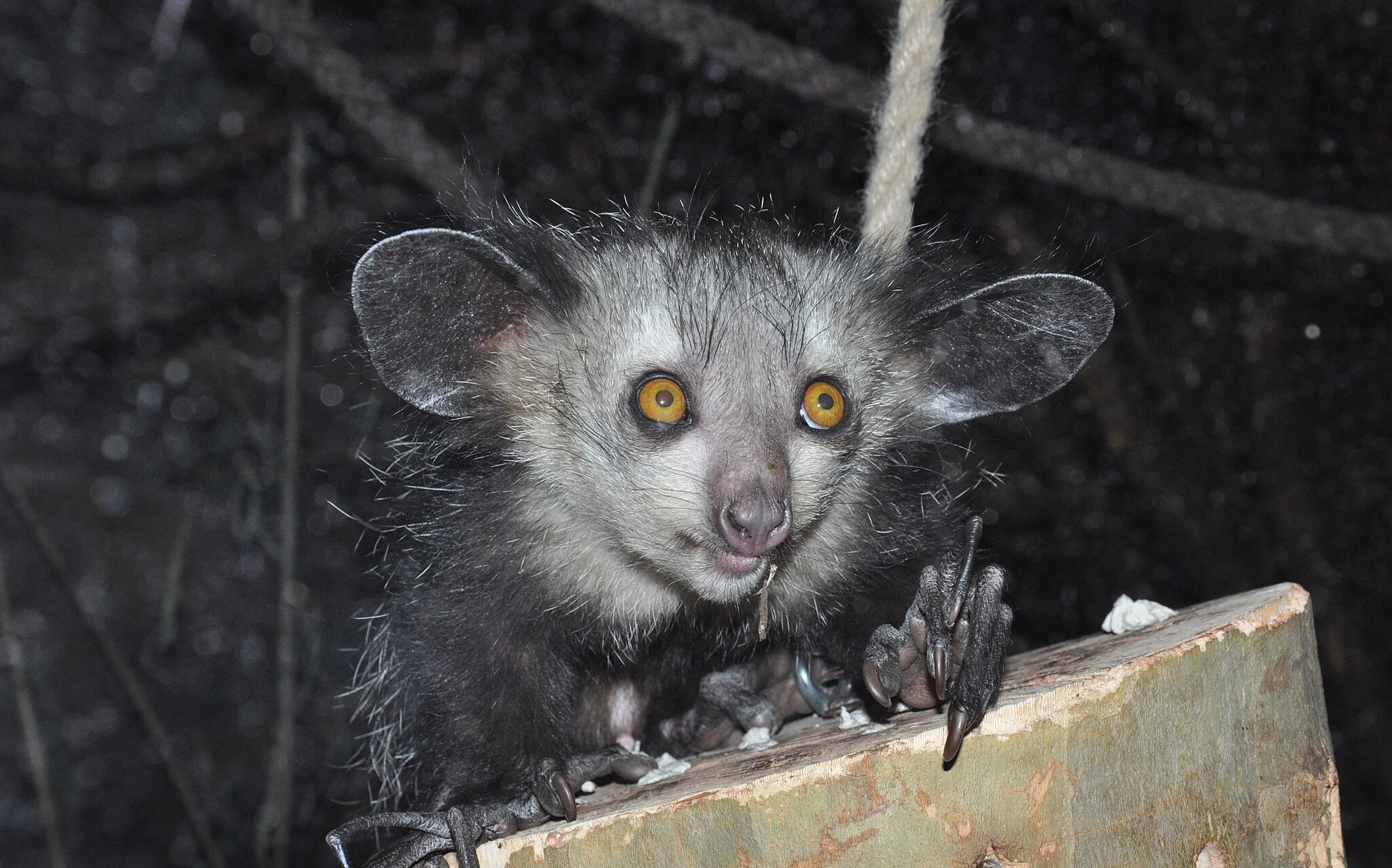
The aye-aye is one of the most unusual primates in the world. Native to Madagascar, this nocturnal animal has large glowing eyes, batlike ears, and a long, thin middle finger that looks almost skeletal. It uses this special finger to tap on tree bark and listen for hollow spaces where insects might be hiding. Once it finds a target, the aye-aye chews a hole in the wood and uses its finger to pull the insect out. This unique feeding technique is known as percussive foraging. Unfortunately, its strange appearance has caused local superstition in some regions, where people believe the animal brings bad luck. Because of this fear, aye-ayes have sometimes been killed on sight, making conservation efforts extremely important.
5. Shoebill
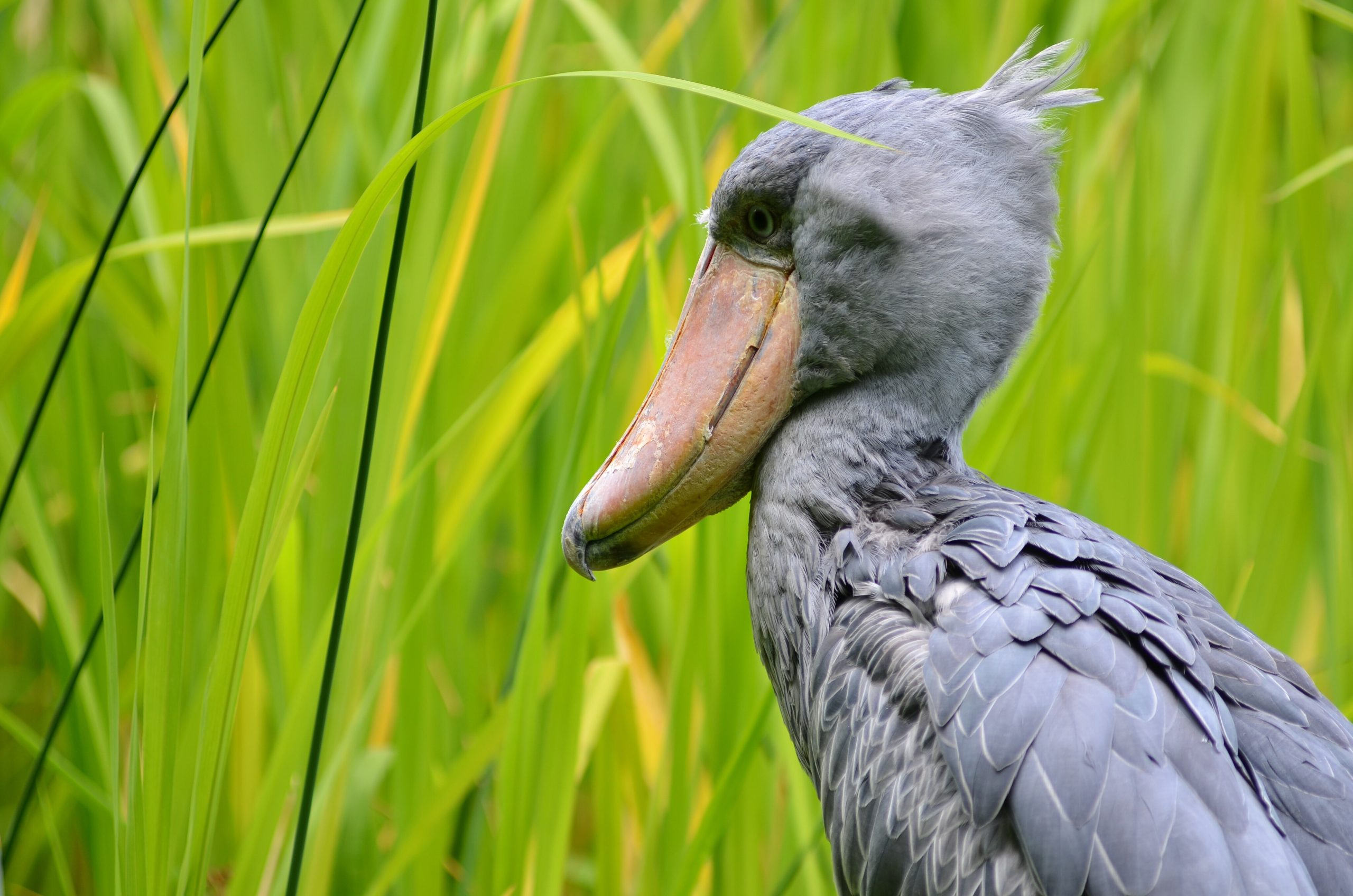
The shoebill is a massive bird found in the wetlands of central Africa. Its name comes from its enormous shoe-shaped bill, which looks oversized compared to the rest of its body. Standing over four feet tall, this bird has a prehistoric appearance that makes it seem like a creature from another era. Shoebills are patient hunters that often stand completely still for long periods while waiting for prey. When the moment comes, they strike quickly with powerful precision. Their diet includes fish, frogs, and even small reptiles. The bird’s calm but intense stare has become famous among wildlife photographers. Although they may look intimidating, shoebills are generally quiet and solitary birds that spend most of their lives in remote swamp habitats.
6. Glass Frog
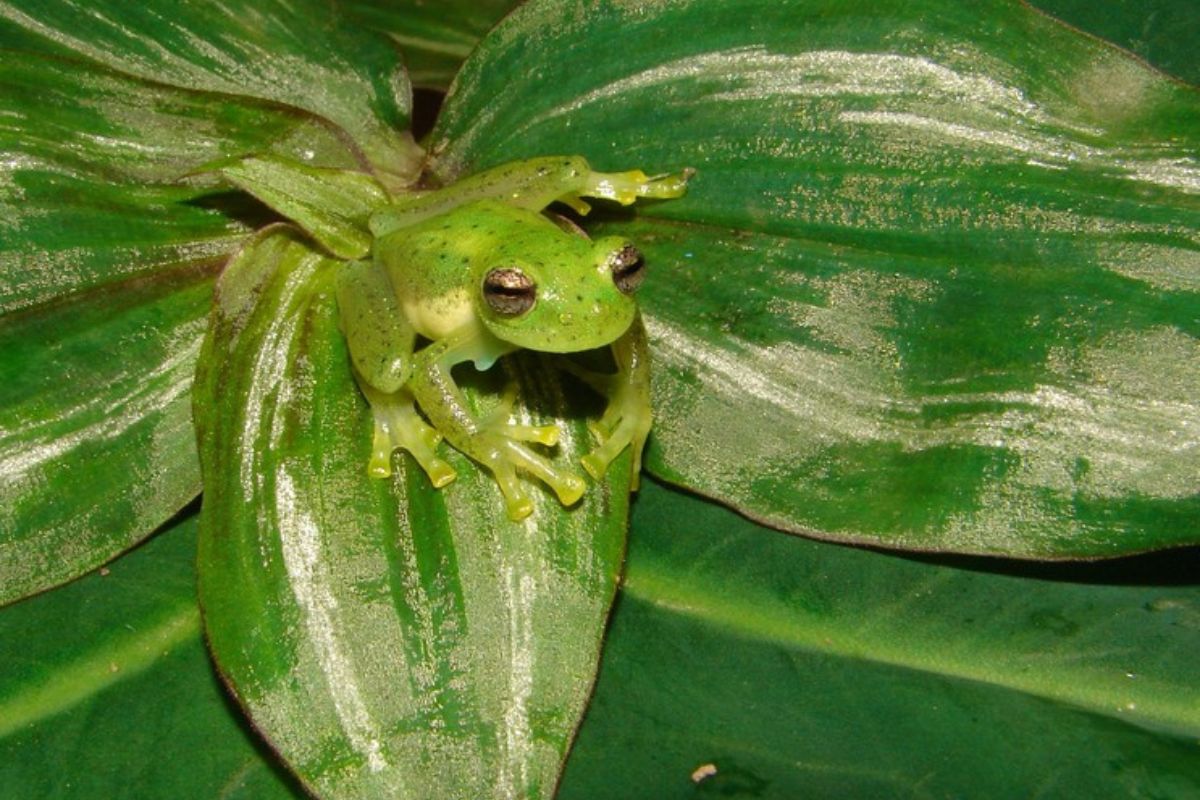
Glass frogs are small tree frogs found in Central and South American rainforests. Their name comes from their transparent skin, especially on the underside of their bodies. Through this see-through belly, it is sometimes possible to see their internal organs, including the heart and digestive system. This unusual transparency is believed to help them blend into leaves by making their bodies less visible to predators. During the day, glass frogs rest quietly on vegetation near streams. At night, males call to attract females while guarding their eggs. After the eggs hatch, the tiny tadpoles drop into the water below to continue their development. Their delicate appearance and remarkable transparency make glass frogs one of the most fascinating amphibians in the rainforest.
7. Saiga Antelope
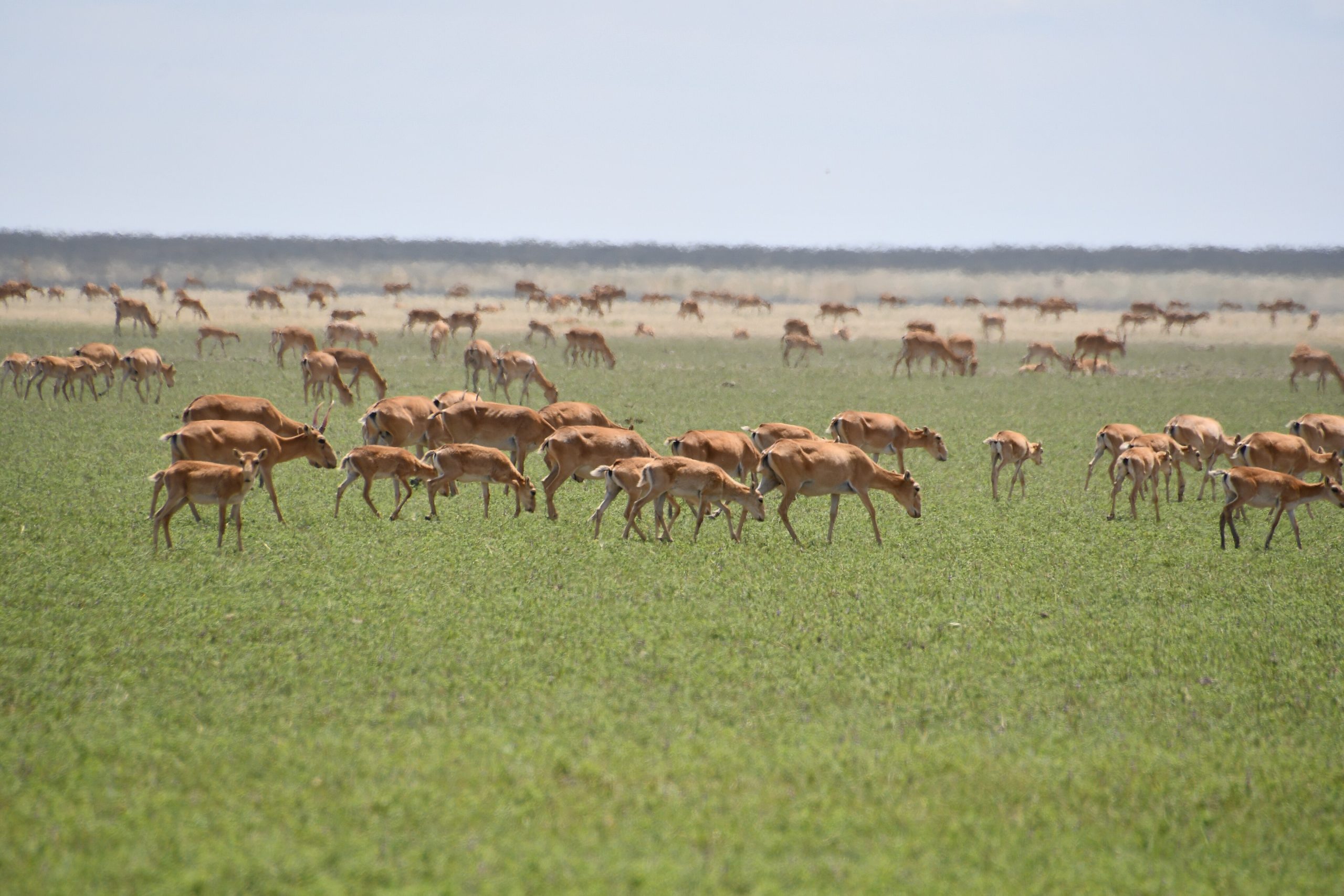
The saiga antelope stands out because of its oversized, flexible nose that looks almost like a short trunk. Native to the grasslands of Central Asia, this unusual nose actually serves several important purposes. It helps filter dust during dry seasons and warms cold air before it reaches the lungs during freezing winters. The saiga once roamed across vast areas in huge herds, but today its population has declined dramatically due to habitat loss and poaching. Despite its odd appearance, the saiga is perfectly adapted to survive in harsh steppe environments. Its speed, endurance, and specialized nose allow it to cope with extreme temperatures and dusty winds that would challenge many other animals.
8. Dumbo Octopus
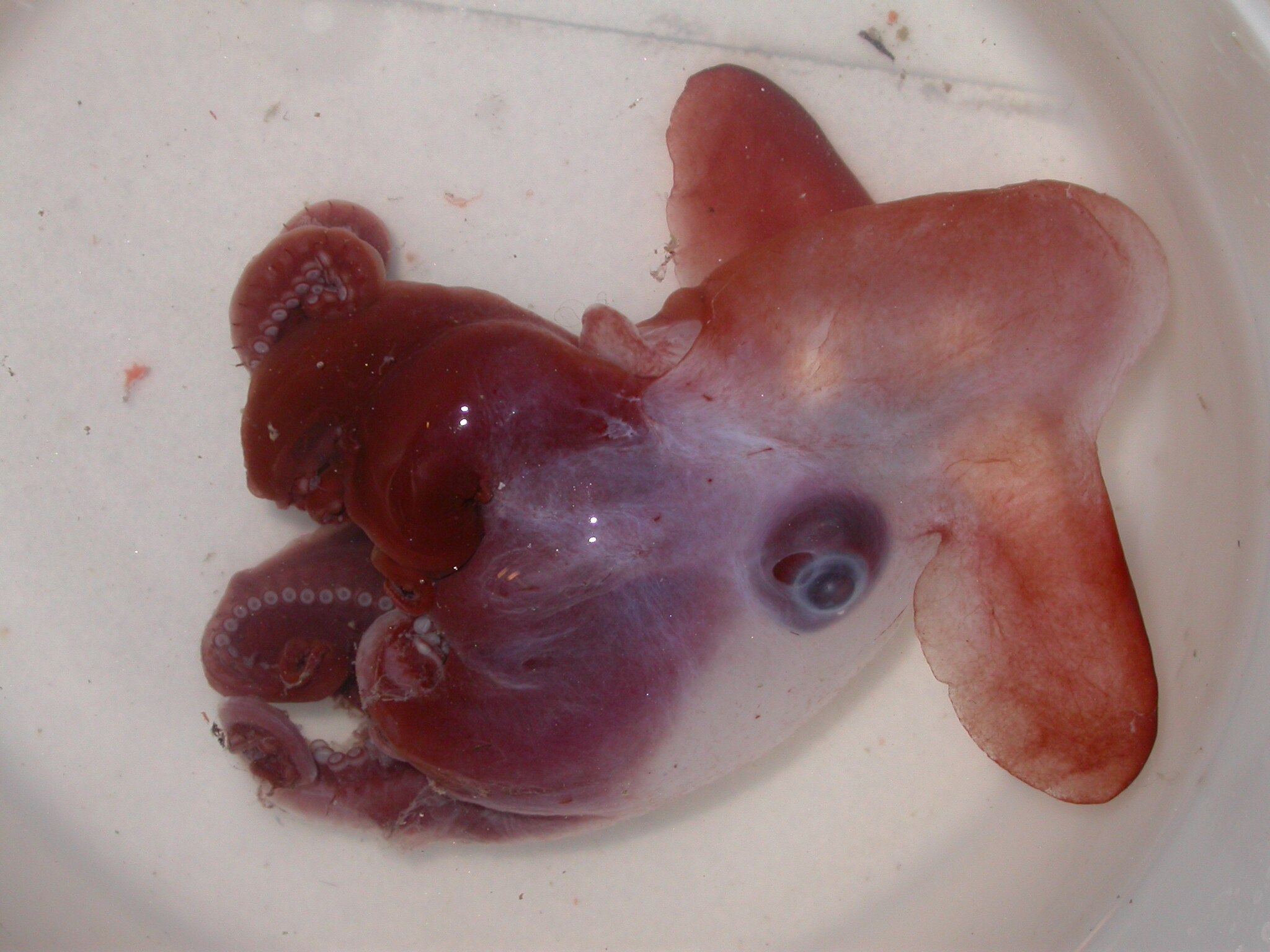
The dumbo octopus is one of the cutest yet strangest creatures in the deep sea. Named after the famous cartoon elephant because of its ear-like fins, this octopus lives thousands of feet below the ocean surface. Instead of swimming like typical octopuses, it gently flaps these fins to glide through the water. Its soft, rounded body and slow movements give it a surprisingly graceful appearance. Dumbo octopuses feed on small crustaceans and worms found on the ocean floor. Because they live in such deep environments, scientists still know relatively little about their behavior. However, their unique shape and calm swimming style make them one of the most fascinating animals discovered in deep ocean exploration.
9. Pangolin
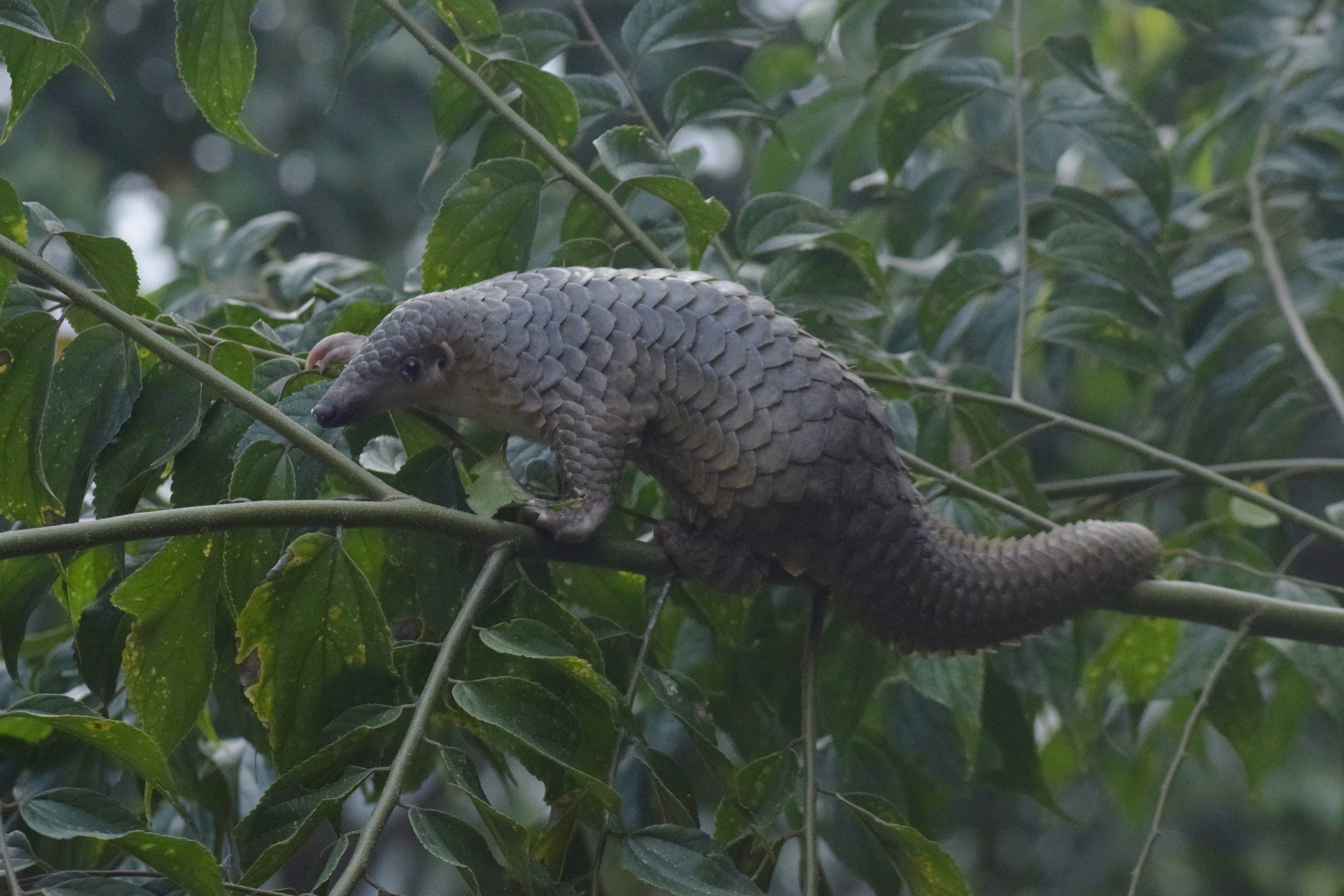
Pangolins are often called scaly anteaters because their bodies are covered in protective keratin scales. These scales form a natural armor that helps protect them from predators. When threatened, a pangolin curls into a tight ball, making it extremely difficult for predators to bite through the tough scales. They use long sticky tongues to capture ants and termites from nests and tunnels. Pangolins have poor eyesight but an excellent sense of smell that helps them locate food underground. Sadly, they are among the most heavily trafficked animals in the world because of illegal wildlife trade. Their unusual armored appearance and shy behavior make them one of the most distinctive mammals on Earth.
10. Blue Dragon Sea Slug
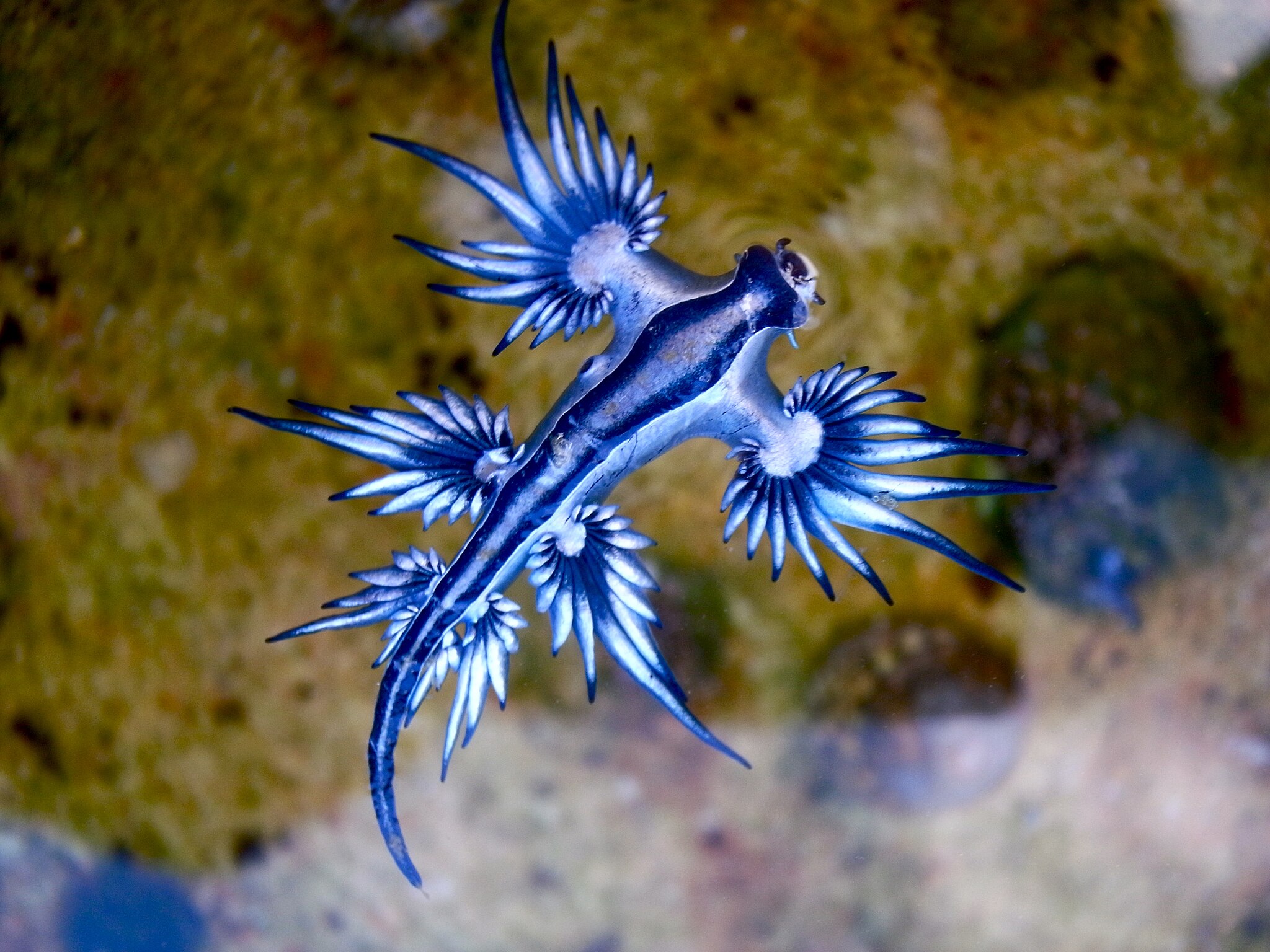
The blue dragon sea slug is a tiny but striking marine creature that floats along the ocean surface. Its bright blue and silver body helps camouflage it against both the sky and the water. Despite its small size, this sea slug has an incredible defense strategy. It feeds on venomous creatures such as the Portuguese man of war and stores their stinging cells inside its own body. When threatened, it can release these stolen stingers against predators. The blue dragon’s winglike appendages spread outward in delicate patterns that make it look almost like a tiny floating dragon. Its beauty and unusual survival tactics make it one of the most extraordinary sea slugs in the ocean.
11. Okapi
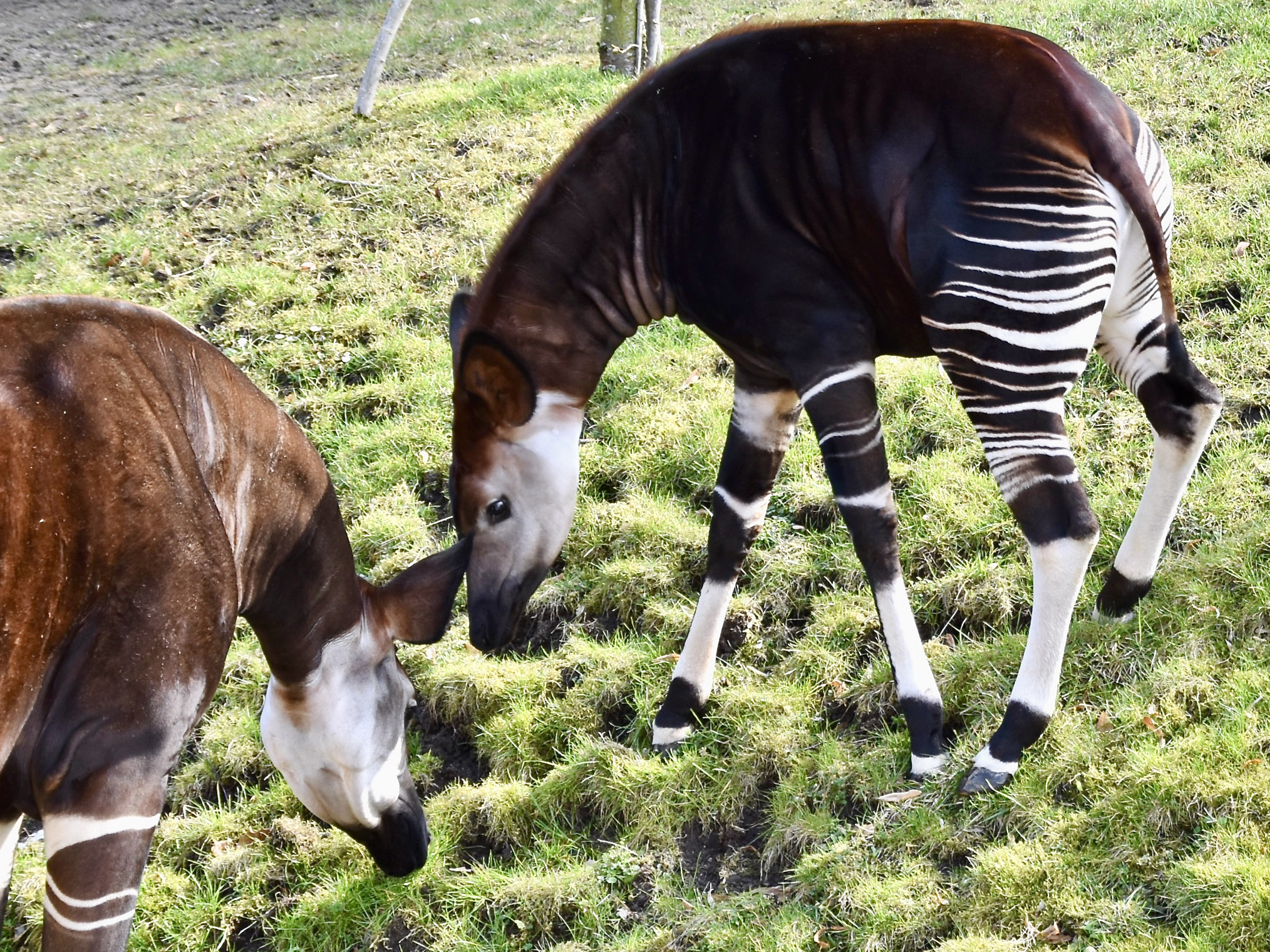
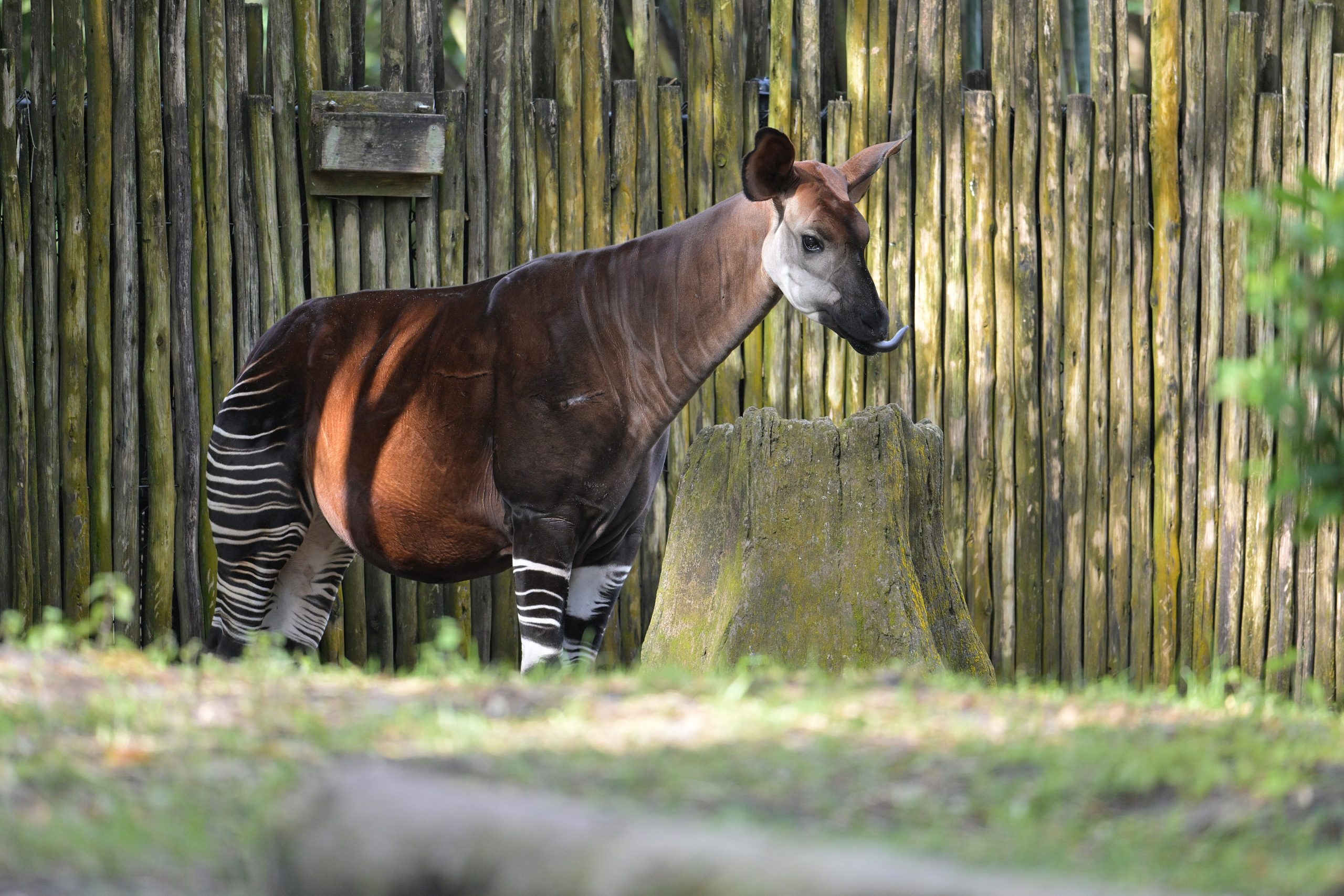
The okapi looks like a strange mix between a giraffe and a zebra. Native to the dense rainforests of the Democratic Republic of Congo, it has the body shape of a giraffe but bold striped legs similar to a zebra. Despite this appearance, the okapi is actually the giraffe’s closest living relative. Its long, flexible tongue helps it pull leaves and buds from trees in the forest understory. Because okapis live in thick jungle habitats, they remained unknown to the outside world until the early twentieth century. Their quiet nature and excellent camouflage make them difficult to spot in the wild. The combination of zebra-like stripes and giraffe heritage makes the okapi one of nature’s most unusual mammals.
2. Naked Mole Rat
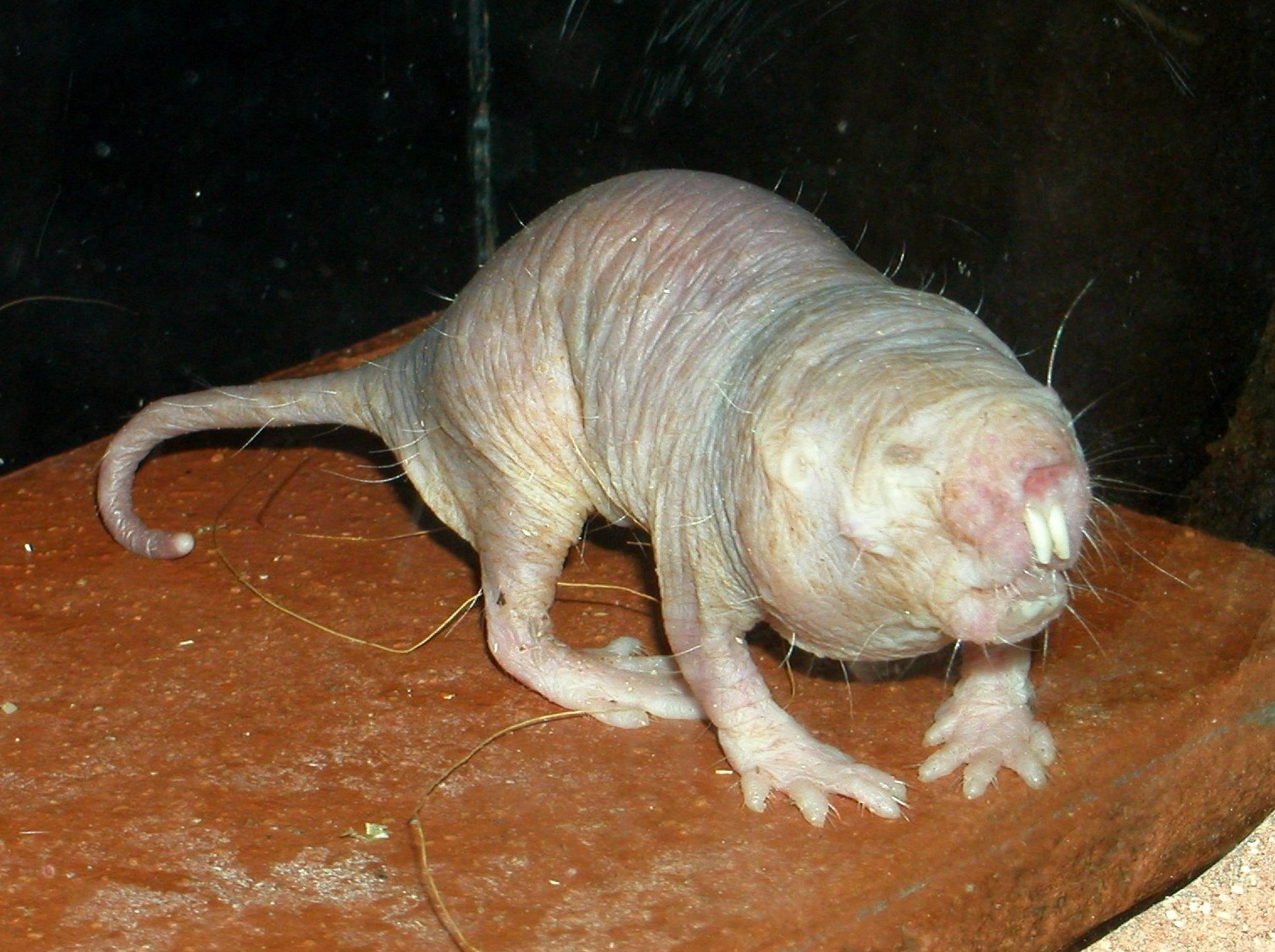
The naked mole rat is a small burrowing rodent with wrinkled pink skin and almost no hair. At first glance, it may look unusual or even comical, but this animal has remarkable biological traits. Naked mole rats live in large underground colonies similar to ants or bees, with a single breeding queen and many worker members. Even more surprisingly, they show an unusual resistance to cancer and can survive in extremely low oxygen environments. Their bodies are adapted for life in narrow tunnels, with strong teeth that dig through hard soil. Scientists study naked mole rats closely because their unique biology may offer clues about aging and disease resistance in humans.