Keeping warm outdoors is often a balancing act between comfort and pack weight. Many hikers try to solve the problem by stuffing extra layers into their bags, only to end up carrying more than they need. The real solution comes from learning how to trap heat, reduce exposure, and use smart techniques that work with what you already have. These methods help you stay comfortable on cold nights, long treks, and unpredictable weather changes without adding bulk or extra gear. With a few adjustments, you can stay warm while keeping your pack light.
1. Use Your Layers More Efficiently
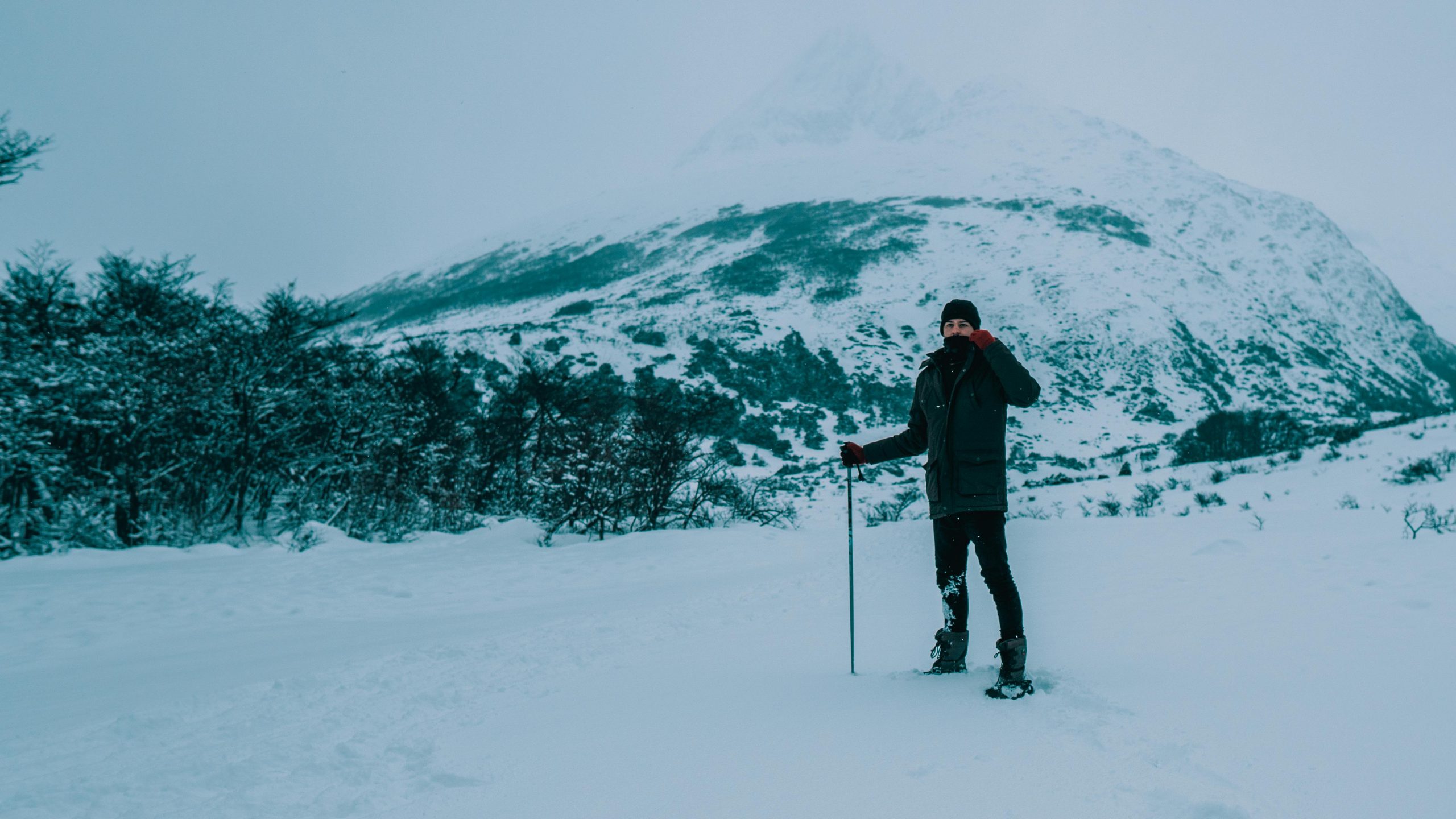
Most hikers carry enough layers, but do not use them at the right time. Instead of waiting until you feel cold, add layers during rest breaks to prevent heat loss before it starts. Wearing a thin base layer under your main clothing improves insulation by trapping body heat. Adjusting layers early keeps sweat from cooling you down and helps maintain a steady temperature. Smart timing avoids the need for heavier clothing and allows your existing gear to work more effectively, giving you warmth without increasing pack weight.
2. Eat Higher-Calorie Foods Before Sleeping

Your body generates heat while digesting food, so eating a calorie-dense snack before bed helps raise your internal temperature. Foods with fats and complex carbs burn slowly, keeping you warm through the night. Many hikers overlook how powerful this natural heat production can be. Even a small serving of nuts, peanut butter, or cheese can make a noticeable difference. This simple technique boosts warmth inside your sleeping system without requiring heavier gear, making it an efficient way to stay comfortable in low temperatures.
3. Warm Your Core First
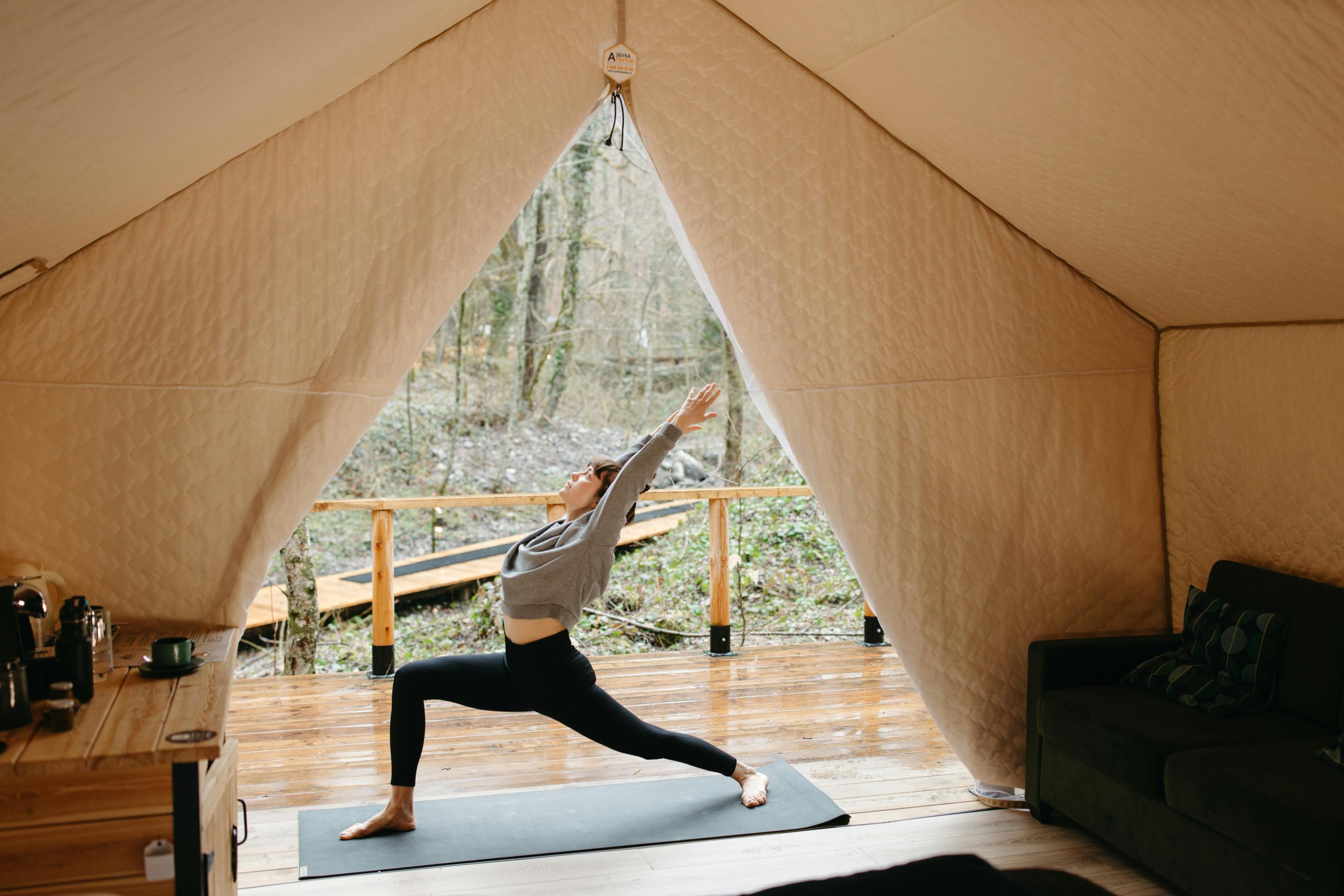
Focusing on warming your core helps maintain overall body heat, since your body naturally prioritizes vital organs. Doing quick exercises like squats or brisk walking creates warmth that spreads through your limbs. Even swinging your arms or tightening your abdominal muscles increases circulation. This active heating can prepare you for sleep or help you warm up before adding layers. By concentrating on your core, you rely less on extra clothing and more on generating your own heat, which keeps your pack weight lower and your comfort level higher.
4. Use a Hot Water Bottle in Your Bag
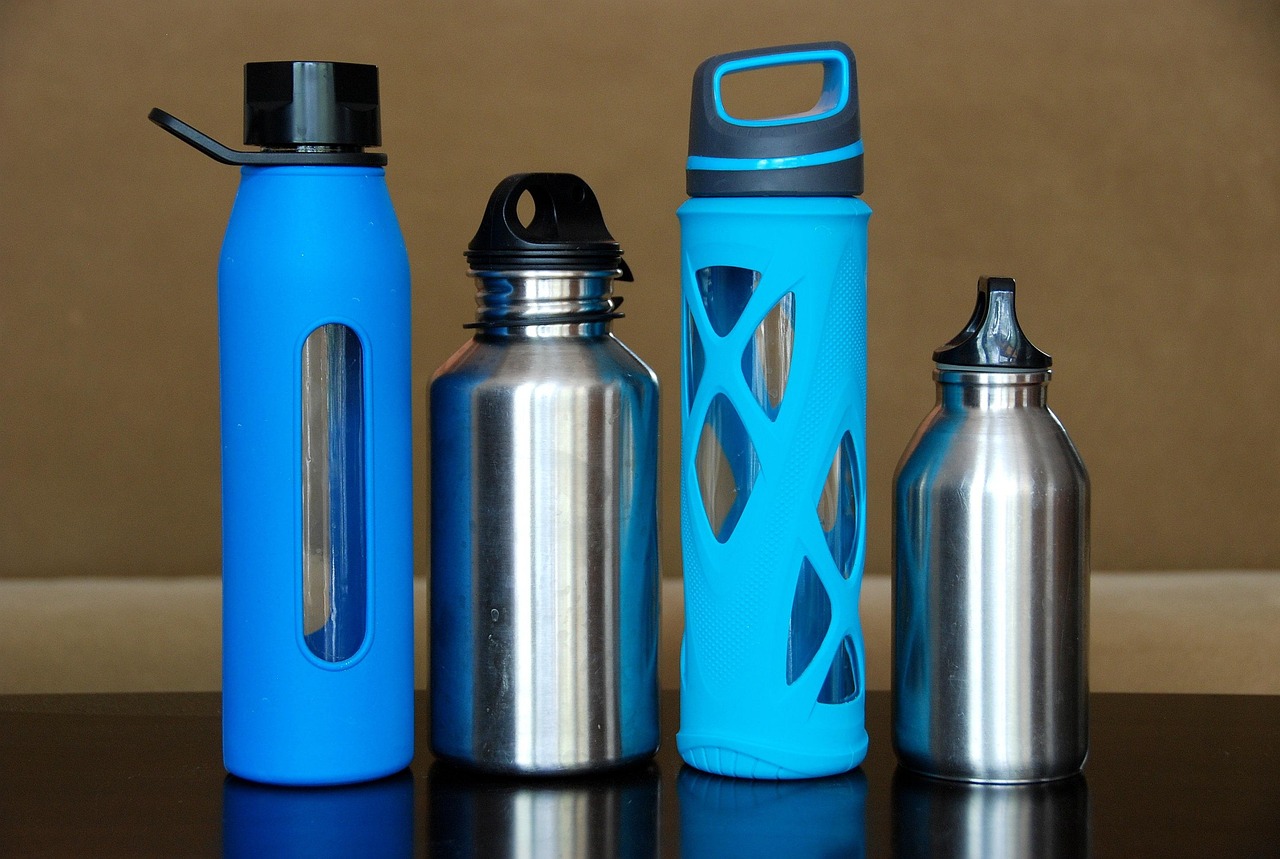
Filling a metal or durable plastic bottle with hot water and placing it inside your sleeping bag adds significant warmth without extra insulation. Positioning the bottle near your core or between your thighs helps warm blood flow to the rest of your body. This technique works especially well in cold conditions when your sleeping bag needs an extra boost. The bottle provides steady warmth for hours and helps reduce the need for thicker or heavier sleeping gear. It is a lightweight solution that delivers strong results.
5. Block Wind and Create Micro Shelters
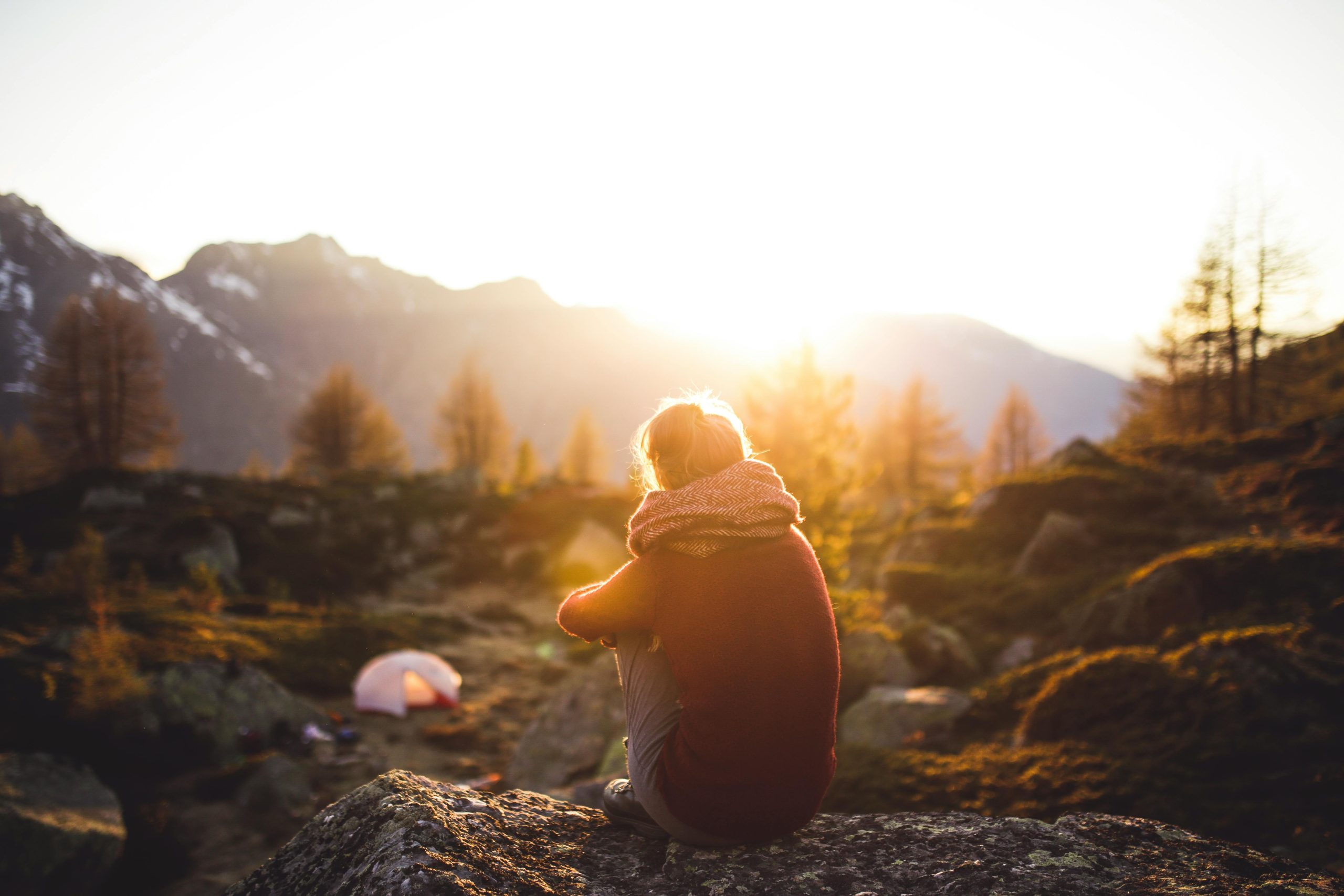
Even light wind can steal warmth fast, so creating a small wind break or micro shelter can make a big difference. Using rocks, branches, or the natural curve of terrain reduces exposure and traps warmth around you. Setting your tent or bivy behind natural barriers improves insulation without additional weight. This technique takes advantage of the environment to protect your body from heat. When you reduce wind exposure, your existing clothing and sleeping system work better, allowing you to stay warm without carrying heavier or bulkier gear.
6. Keep Your Sleeping Bag Dry and Fluffed

A sleeping bag performs best when it is fully lofted, since its trapped air is what creates insulation. Moisture from sweat, rain, or condensation reduces loft and makes you feel colder. Fluffing your bag before bed restores its insulating power, and airing it out during breaks keeps it dry. Heat retention improves without the need for extra layers or heavier material. Maintaining the bag you already have ensures maximum performance and helps you stay warm with the same amount of gear you typically carry.
7. Insulate From the Ground More Effectively

Heat loss through the ground is one of the most common causes of nighttime cold. Even a lightweight sleeping pad can feel warmer if you add natural insulation beneath it. Using dry leaves, pine needles, or spare clothing increases separation from cold surfaces. This added barrier helps your sleeping system retain more heat without adding real pack weight. By improving ground insulation with materials already at camp, you strengthen your warmth strategy while keeping your load light and your overall comfort more dependable.
8. Stay Dry by Managing Moisture Early
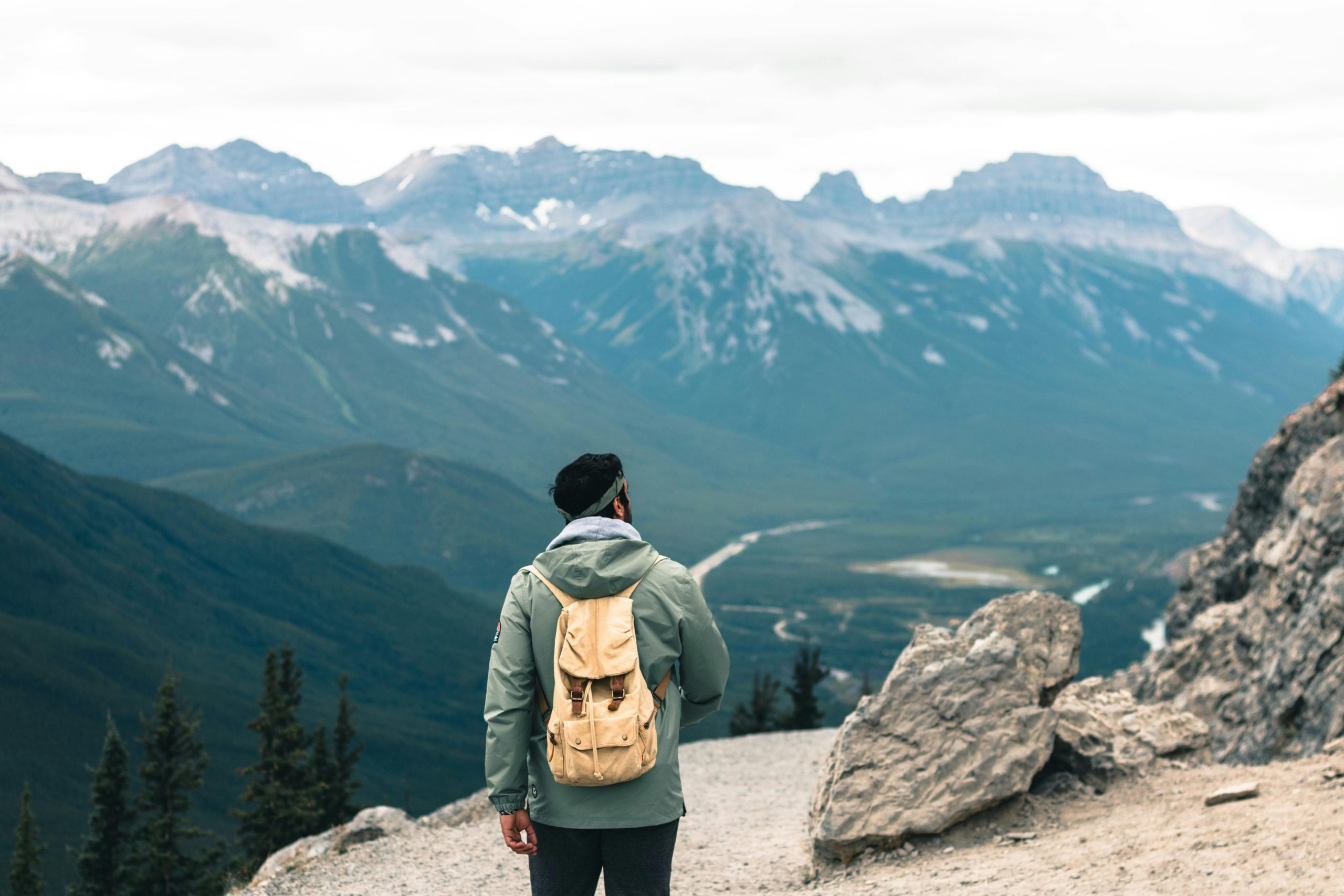
Wet clothing dramatically reduces your ability to stay warm because moisture pulls heat away from your skin. Managing sweat by adjusting layers early prevents dampness, while changing into dry clothes before sleeping protects your body heat. Even small amounts of moisture can make you feel significantly colder. Taking a few minutes to stay dry pays off more than carrying heavier gear. This moisture control strategy strengthens your existing insulation and improves comfort during cold nights while keeping your pack weight as low as possible.
9. Trap Heat With a Light Sleeping Bag Liner
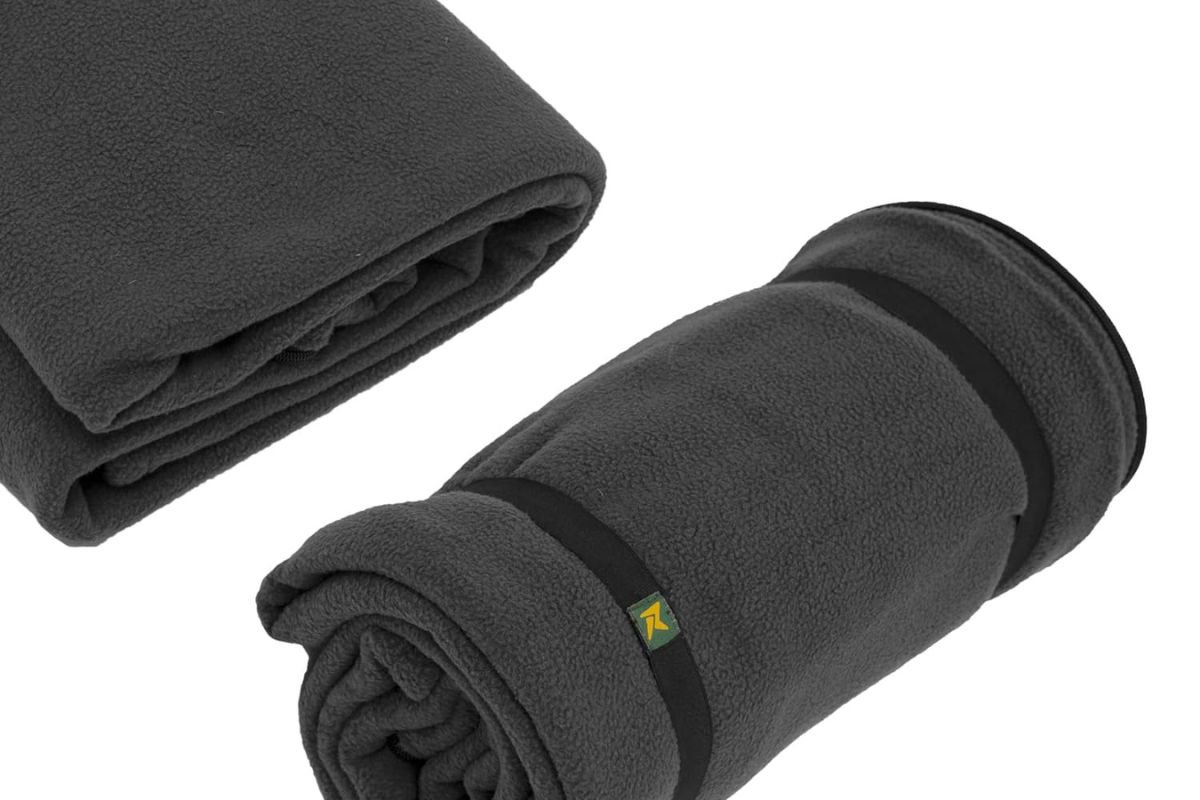
A lightweight sleeping bag liner can increase the warmth of your setup by several degrees without adding much bulk. Liners trap heat close to the body and create a barrier between you and the sleeping bag, reducing heat loss. They also help keep the inside of the bag clean, which maintains loft and extends its performance. Many liners weigh very little yet offer noticeable warmth improvements. This small addition supports better heat retention while avoiding the need for a heavier sleeping bag or extra layers.
10. Use Your Backpack and Gear as Extra Insulation
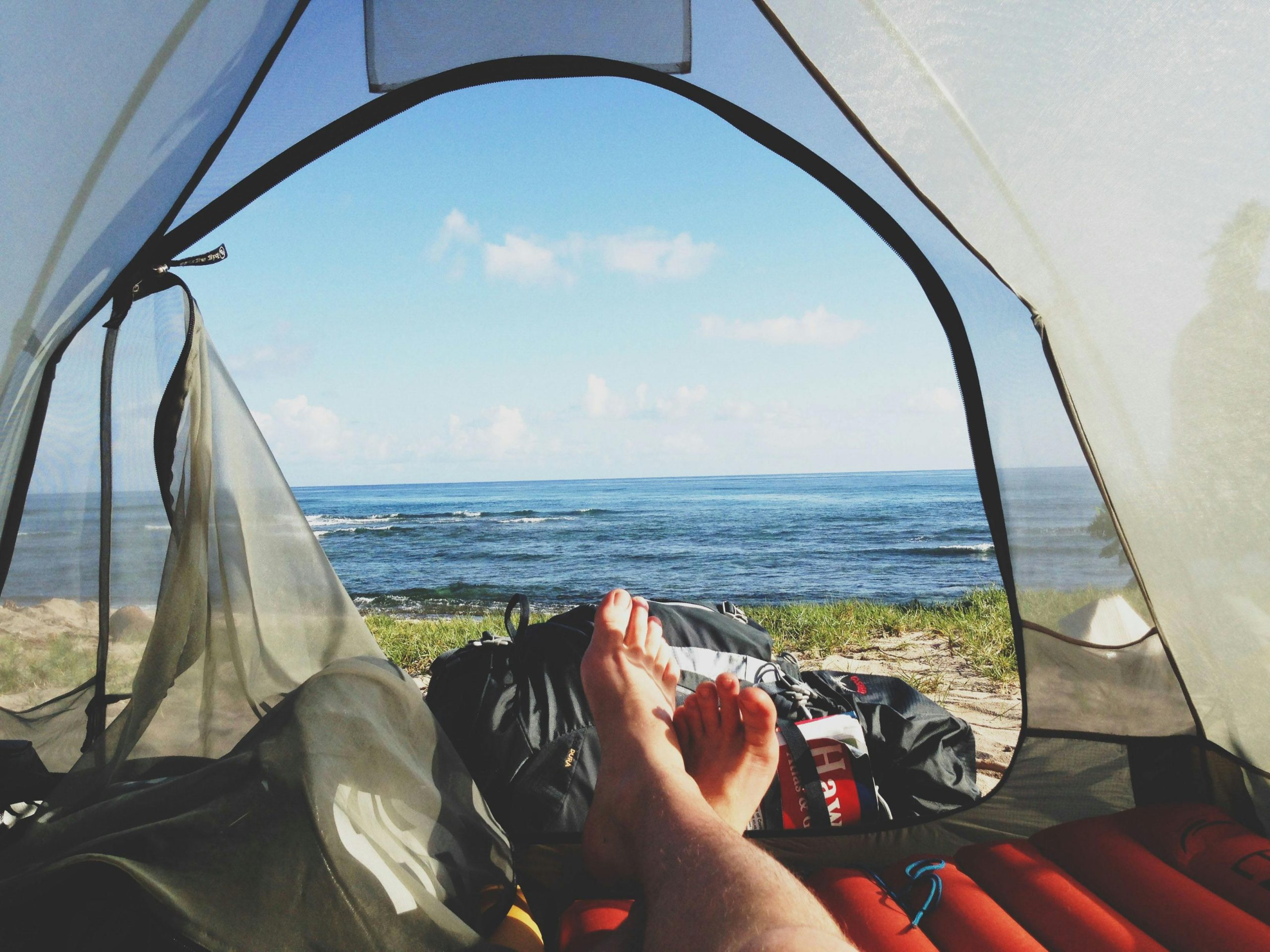
Your pack and unused clothing can help seal gaps where cold air enters your sleeping area. Placing your backpack at the foot of your sleeping bag reduces heat loss from your legs, while stuffing spare clothes around your shoulders or hips helps trap warmth. This practical use of gear you already carry improves insulation without adding extra weight. By positioning items strategically, you create a more efficient micro environment that keeps you comfortable even when temperatures drop unexpectedly.
11. Warm Up Your Clothes Before Wearing Them

Putting on cold clothing in the morning can shock your system and make it harder to stay warm. Instead, keep essential clothing inside your sleeping bag overnight so it stays warm and dry. Your body heat naturally warms the fabric, making it more comfortable to put on when you get up. This technique reduces the need for extra morning layers and keeps your core temperature stable. Using the heat you generate while sleeping is a simple but effective way to enhance warmth without adding heavier gear.
12. Protect Your Neck and Head to Avoid Heat Loss
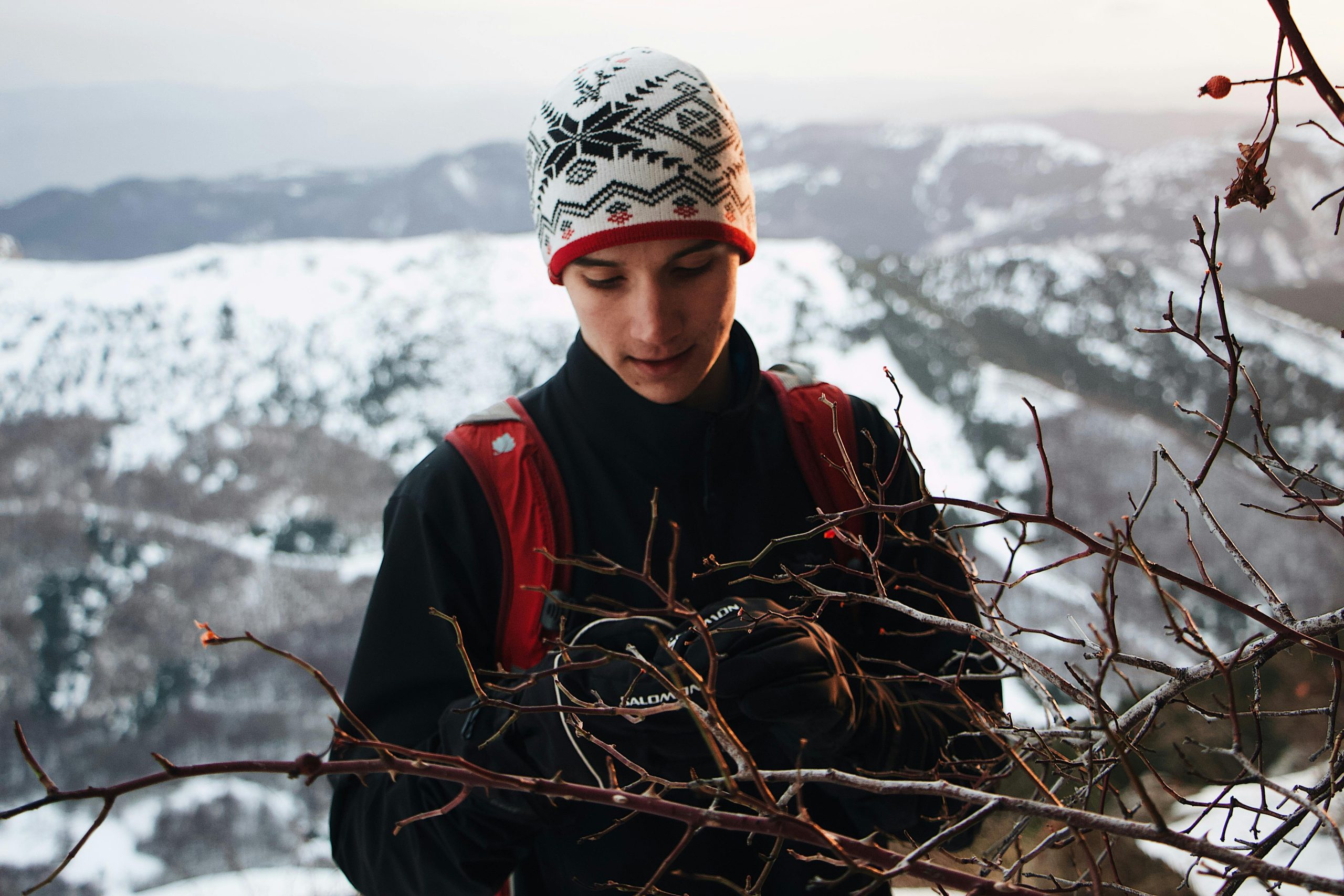
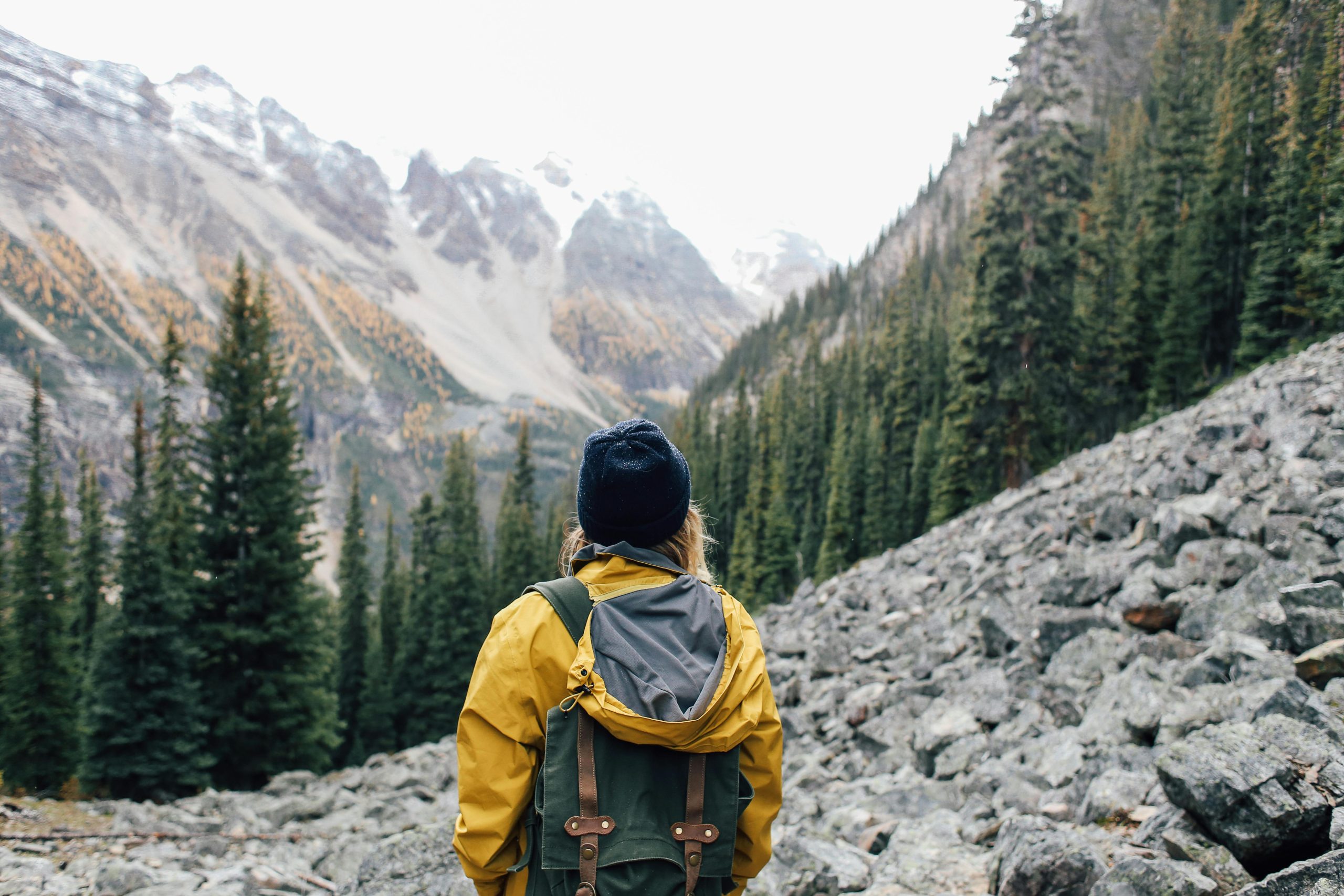
A large portion of body heat escapes from the neck and head, so covering them well greatly improves warmth. Using a lightweight beanie, buff, or hood traps heat without adding much weight. Even adjusting your jacket collar can create a better seal against cold air. These small changes help maintain temperature and reduce the need for thicker layers elsewhere on your body. Protecting these sensitive areas ensures you stay warm using gear you already have, keeping your pack lean and your outdoor comfort reliable.