Human-wildlife encounters are increasing across the United States as development, climate shifts, and population growth reshape natural habitats. Animals adapt by moving closer to people, while communities expand into migration corridors, forests, deserts, and coastlines. Soaring reports of sightings, property damage, and safety concerns now define life in many regions. The following states show the most notable increases, shaped by geography, wildlife populations, and changing land use patterns. They reflect broader trends affecting coexistence between humans and animals nationwide. These dynamics increasingly influence safety planning, conservation strategies, and everyday outdoor behavior for residents nationwide.
California
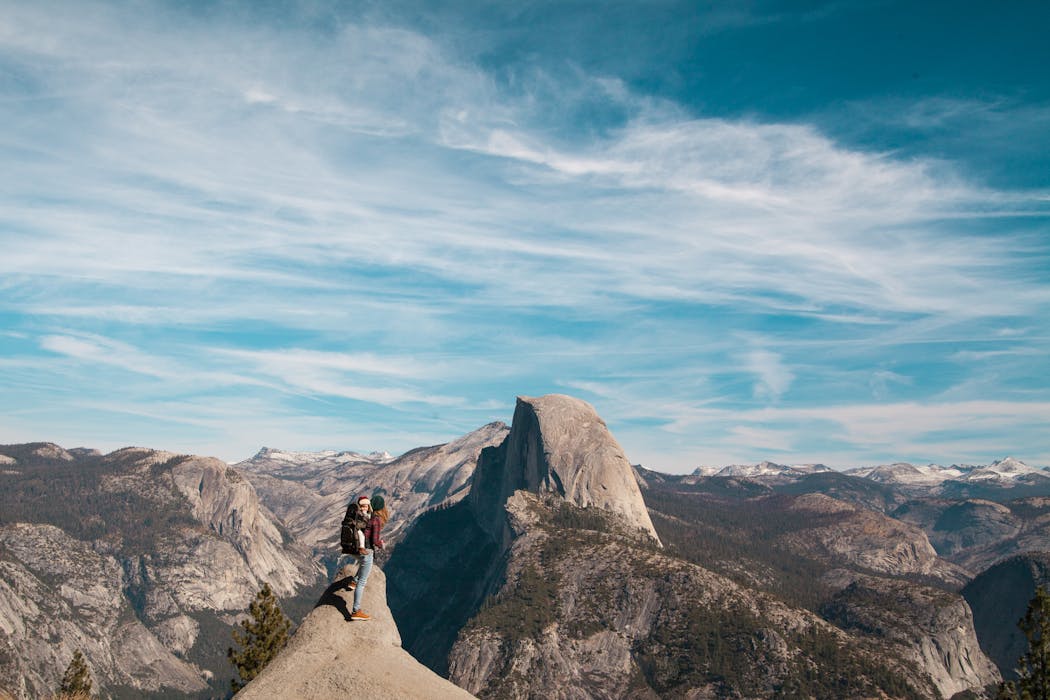
California experiences rising human wildlife encounters as drought, wildfire, and urban expansion compress habitats statewide. Black bears, mountain lions, coyotes, and deer increasingly appear in suburbs and foothill communities. Severe fire seasons displace animals, while water scarcity pushes wildlife toward residential areas. California’s diverse ecosystems amplify encounters across coastal, valley, and mountain regions. State agencies report steady growth in calls involving nuisance animals and safety concerns. Expanding development near open space continues shaping daily interactions between residents, pets, vehicles, infrastructure, and wildlife throughout rapidly changing landscapes in urban and rural zones alike across the state.
Florida
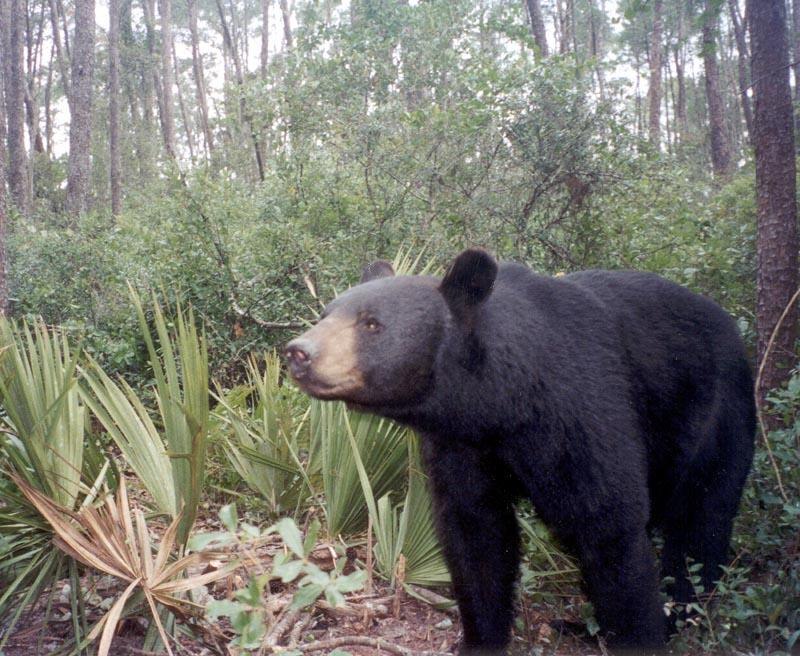
Florida sees increasing encounters as wetlands, coastlines, and forests intersect with dense development. Alligators, black bears, panthers, and invasive species frequently enter residential neighborhoods. Warm climate and year round activity keep wildlife visible across seasons. Expanding suburbs near water bodies raise risks involving pets, pedestrians, and vehicles. Storms and flooding also displace animals into populated areas. State records show climbing reports involving aggressive behavior and property damage. Florida’s unique mix of ecosystems and population growth drives consistent interaction between people and wildlife across inland, coastal, urban, and rural communities statewide.
Colorado
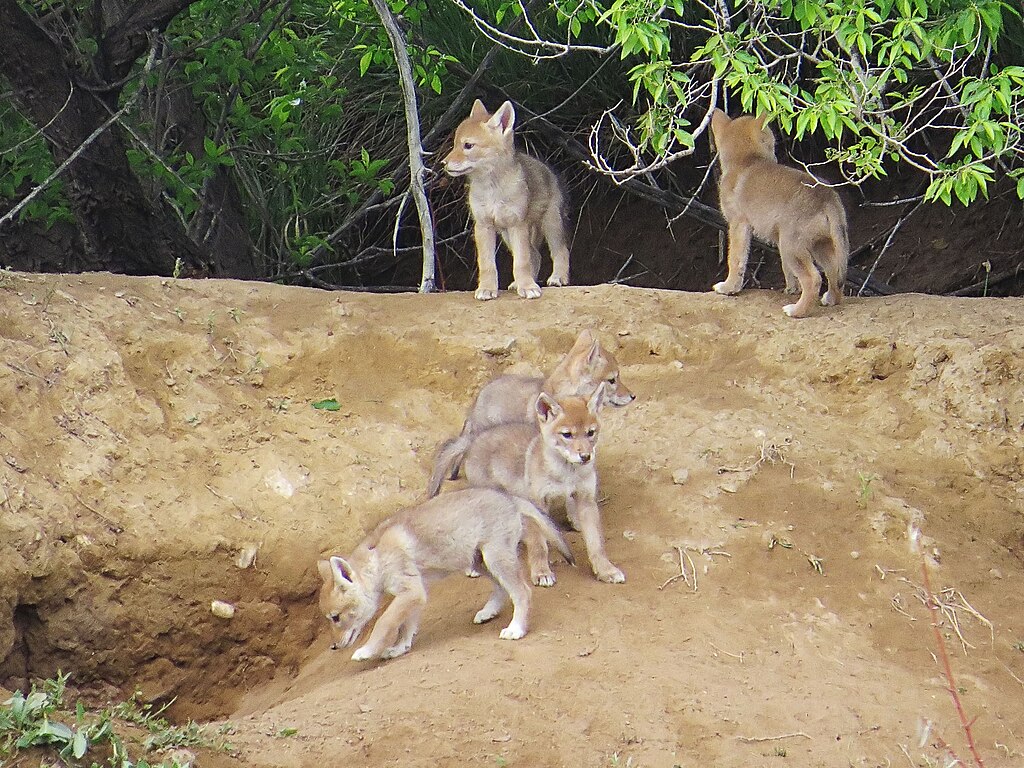
Colorado experiences growing encounters as people settle near foothills, plains, and mountain corridors. Elk, deer, bears, and mountain lions increasingly move through towns and neighborhoods. Seasonal migration routes often intersect with highways and housing developments. Drought and wildfire disrupt traditional food sources, pushing animals closer to human activity. Outdoor recreation also increases visibility and interaction. State wildlife agencies document rising conflicts involving vehicles, pets, and property. Colorado’s expanding population and accessible open spaces create frequent overlap between daily life and wildlife movement across regions.
Texas
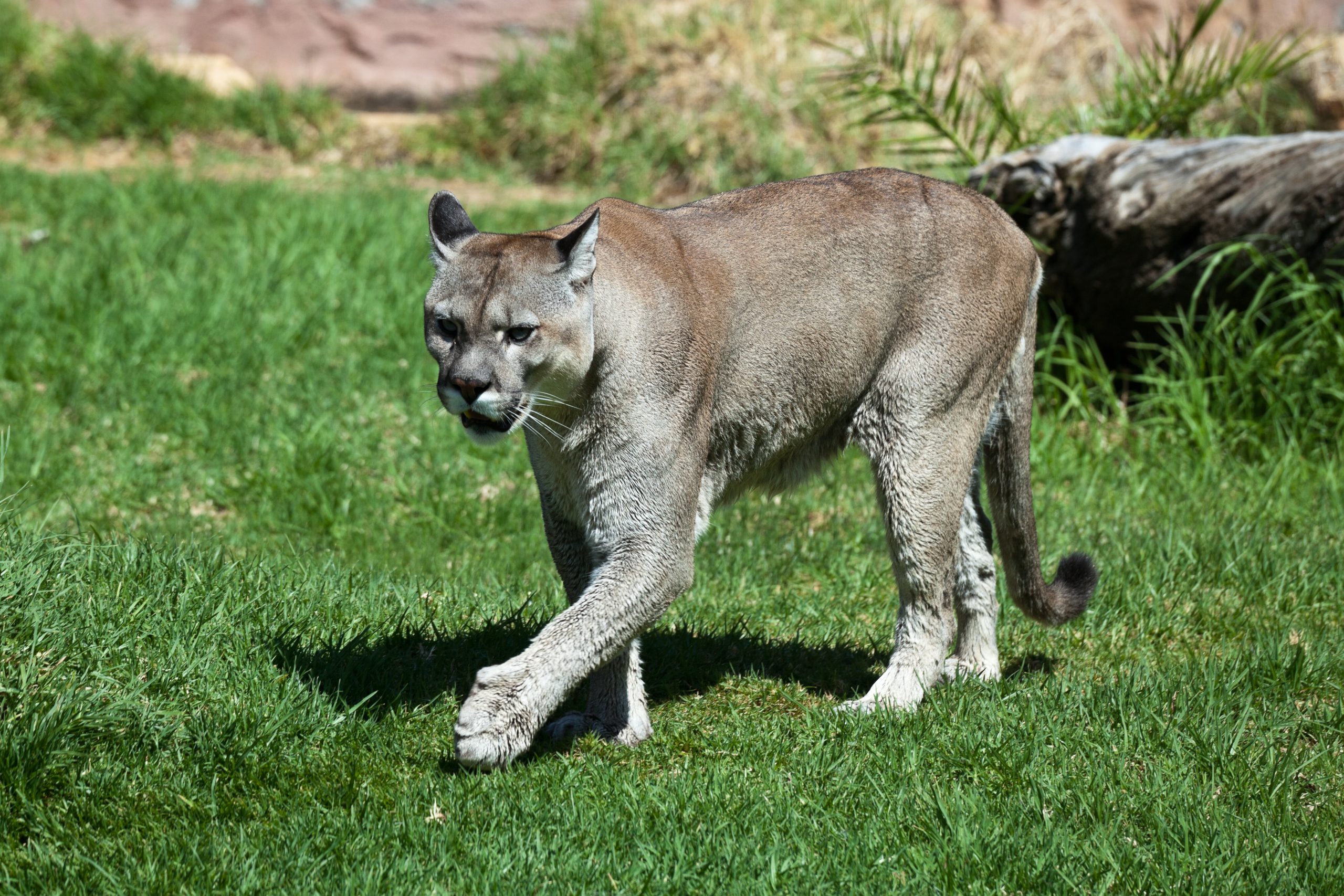
Texas reports increased encounters driven by rapid development and diverse ecosystems. Coyotes, feral hogs, deer, and snakes frequently appear near homes and roads. Large land areas combine urban sprawl with agricultural zones, creating shared space. Drought conditions concentrate wildlife near water sources close to people. Road expansion also increases vehicle collisions with animals. Texas agencies note rising complaints involving damage, safety, and livestock concerns. The state’s size and habitat variety contribute to frequent human wildlife interaction across suburban, rural, and expanding metropolitan regions.
Arizona
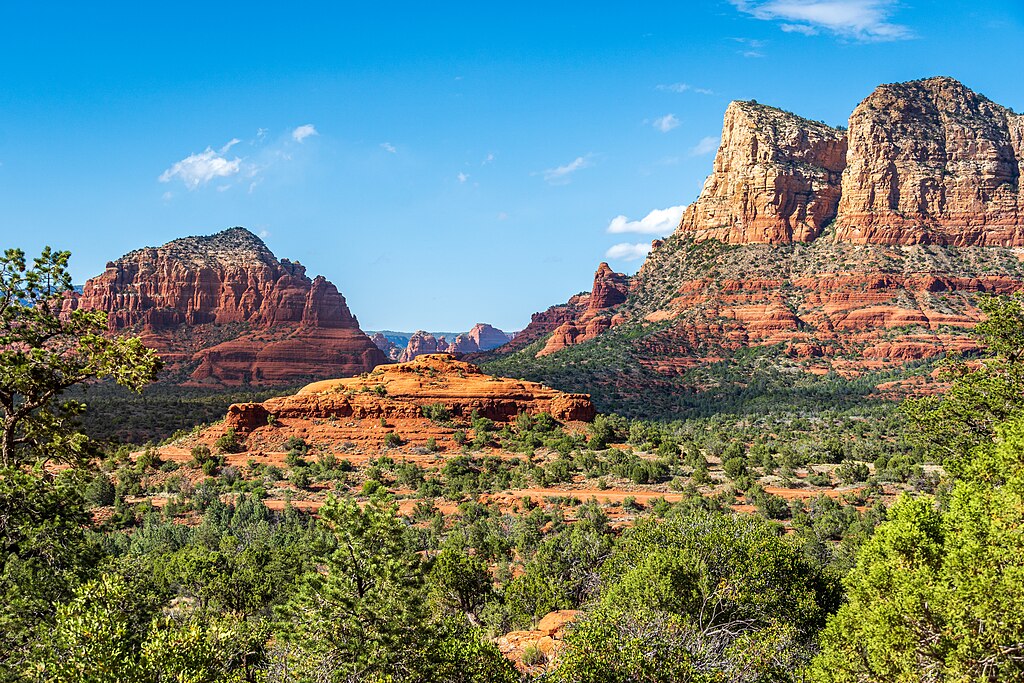
Arizona sees rising encounters as desert cities expand into surrounding habitats. Coyotes, javelinas, bobcats, and snakes regularly enter residential areas. Extreme heat and limited water sources draw animals toward irrigated landscapes. Development near washes and mountain preserves increases overlap. Seasonal tourism and outdoor recreation also elevate contact. Wildlife officials report more incidents involving pets and property. Arizona’s arid environment and growing population create conditions where human infrastructure and wildlife survival increasingly intersect across urban and desert communities.
Washington
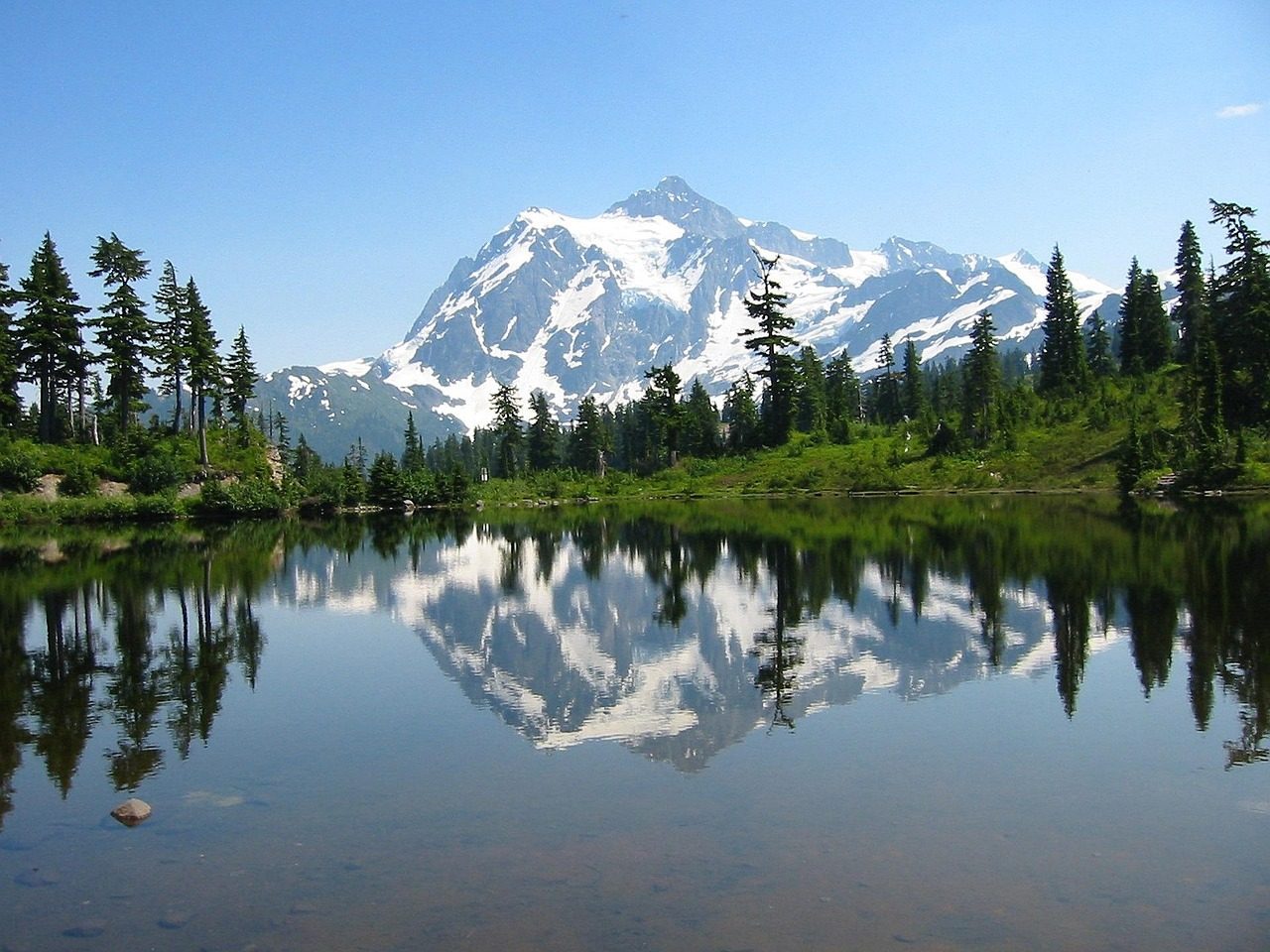
The Washington experiences increased encounters as forests, waterways, and suburbs merge. Black bears, cougars, deer, and coyotes appear more frequently near homes. Logging, development, and wildfire alter traditional habitats. Mild coastal climates keep wildlife active throughout the year. Growing recreation along trails and shorelines adds exposure. State agencies track rising reports involving property damage and safety concerns. Washington’s combination of dense forests and expanding communities fosters consistent interaction between residents and wildlife across western and eastern regions.
Oregon
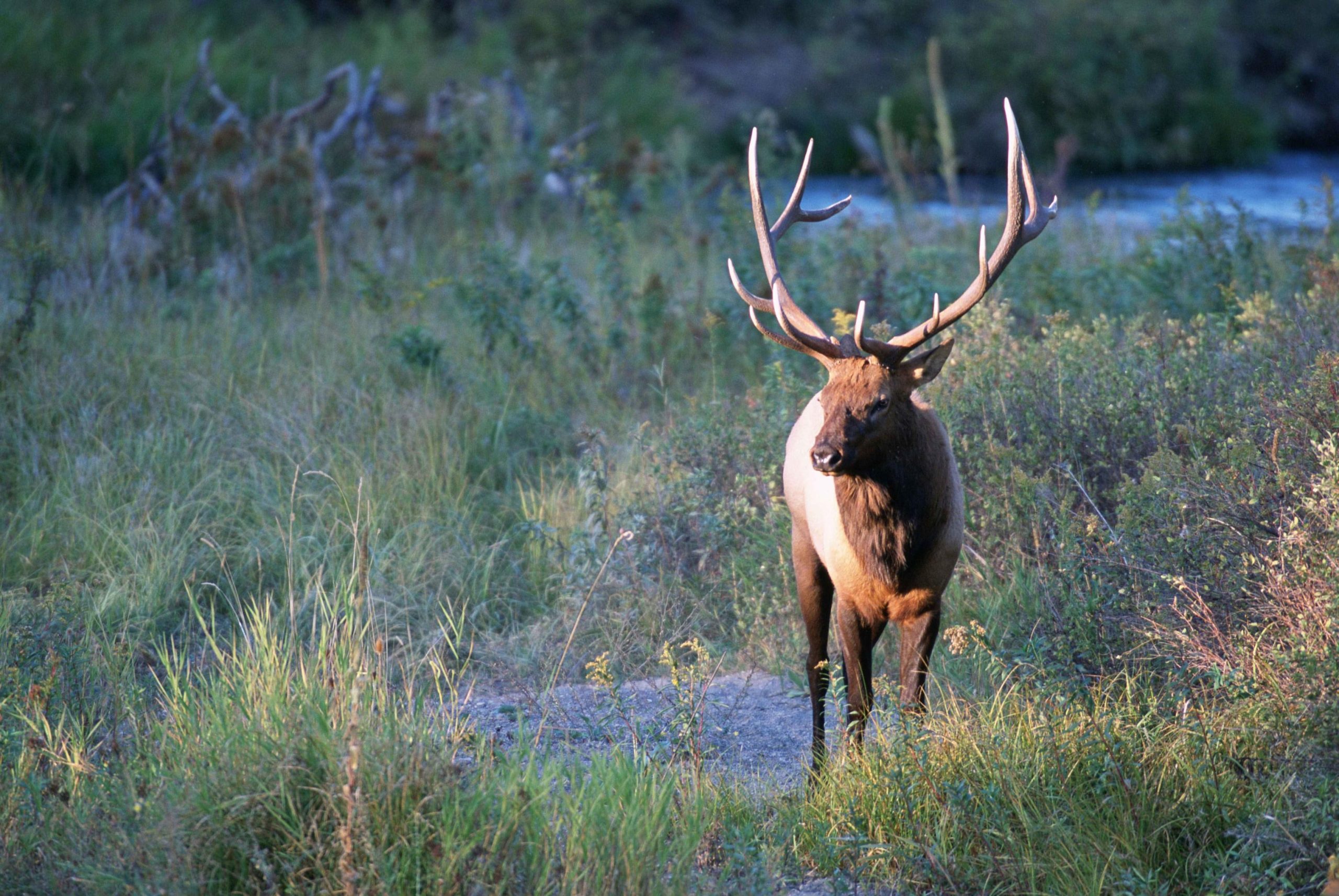
Oregon reports rising encounters as people settle near forests, rivers, and coastal zones. Deer, bears, cougars, and elk increasingly move through towns and rural properties. Wildfires displace wildlife, while drought affects food availability. Outdoor recreation also heightens visibility. Transportation corridors intersect migration paths, increasing collisions. Oregon officials note more calls involving nuisance animals. The state’s varied landscapes and growing population continue to bring humans and wildlife into closer, more frequent contact across regions. These trends increasingly shape safety planning, land management, community awareness, conservation priorities, and public education statewide.
Montana
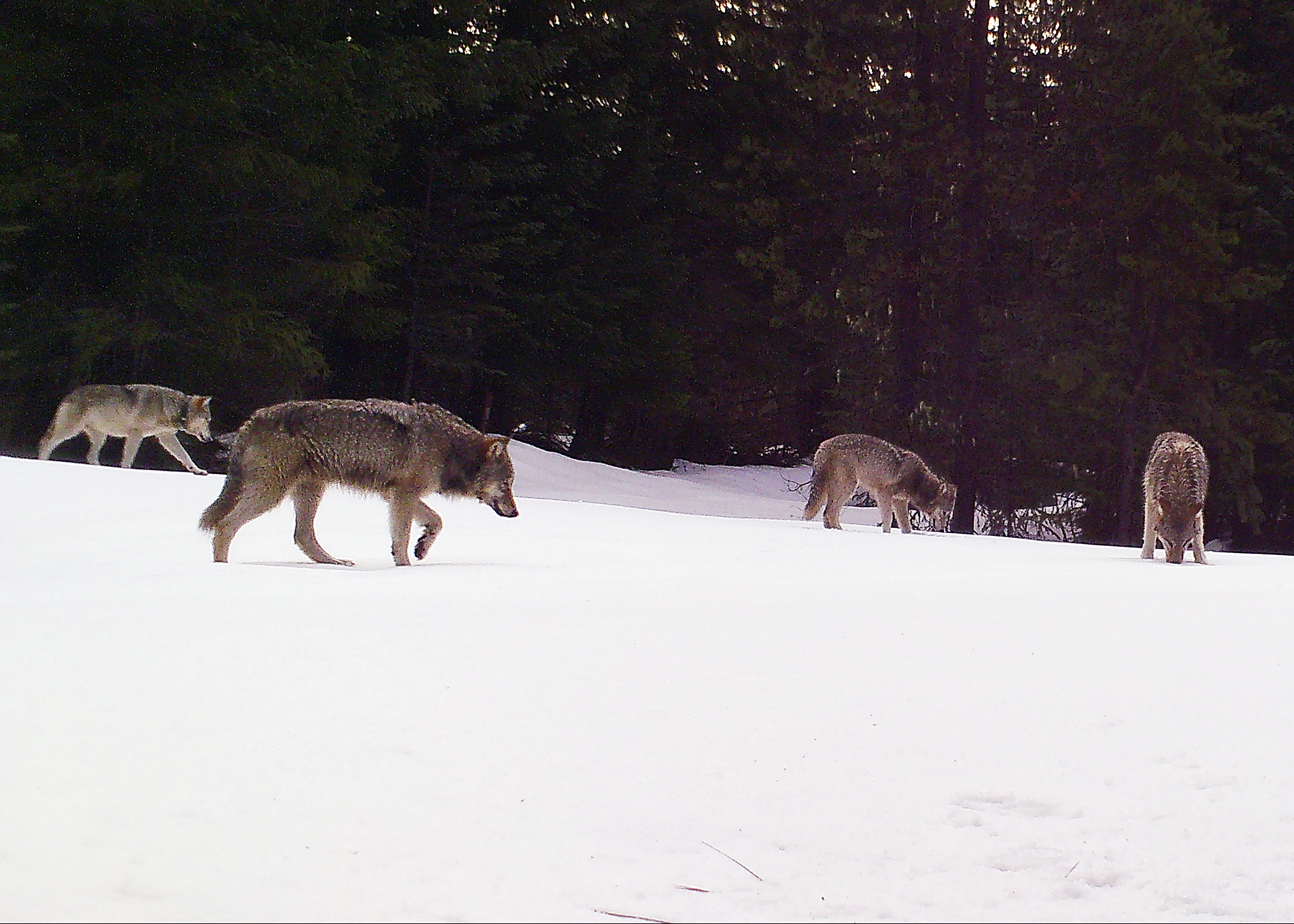
Montana experiences increased encounters as development reaches traditionally remote areas. Grizzly bears, wolves, elk, and deer frequently cross paths with residents. Expanding housing near open land raises safety concerns. Climate shifts alter migration and food patterns. Tourism and recreation place people deeper into wildlife territory. State reports show growth in conflicts involving livestock and property. Montana’s wide open spaces combined with rising population pressures lead to greater overlap between human activity and wildlife movement. These changes influence ranching practices, recreation planning, safety education, conservation policy, community preparedness, and coexistence strategies.
Wyoming
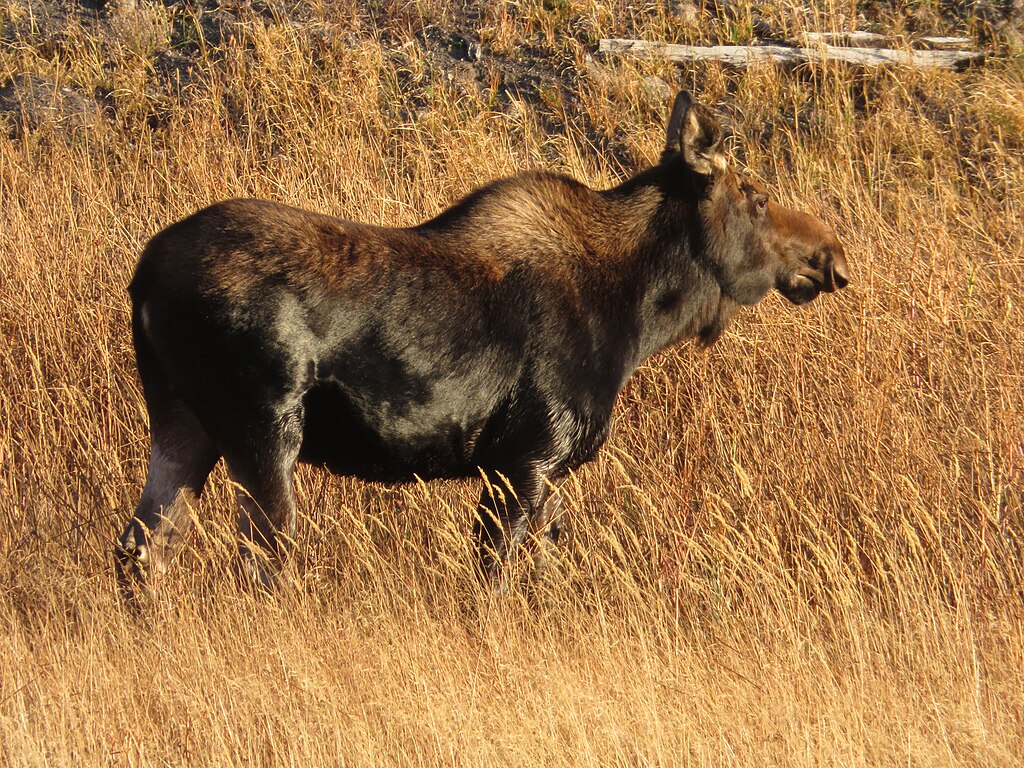
Wyoming sees rising encounters due to shared use of expansive landscapes. Elk, moose, bears, and wolves increasingly interact with ranches and roadways. Energy development and infrastructure fragment habitats. Harsh winters push animals toward lower elevations near people. Vehicle collisions remain a major issue. Wildlife agencies document increased management actions. Wyoming’s reliance on open land industries and transportation corridors contributes to frequent human wildlife interactions across rural and developing areas. These conditions affect safety measures, land use decisions, wildlife monitoring, community awareness, and seasonal management responses.
North Carolina
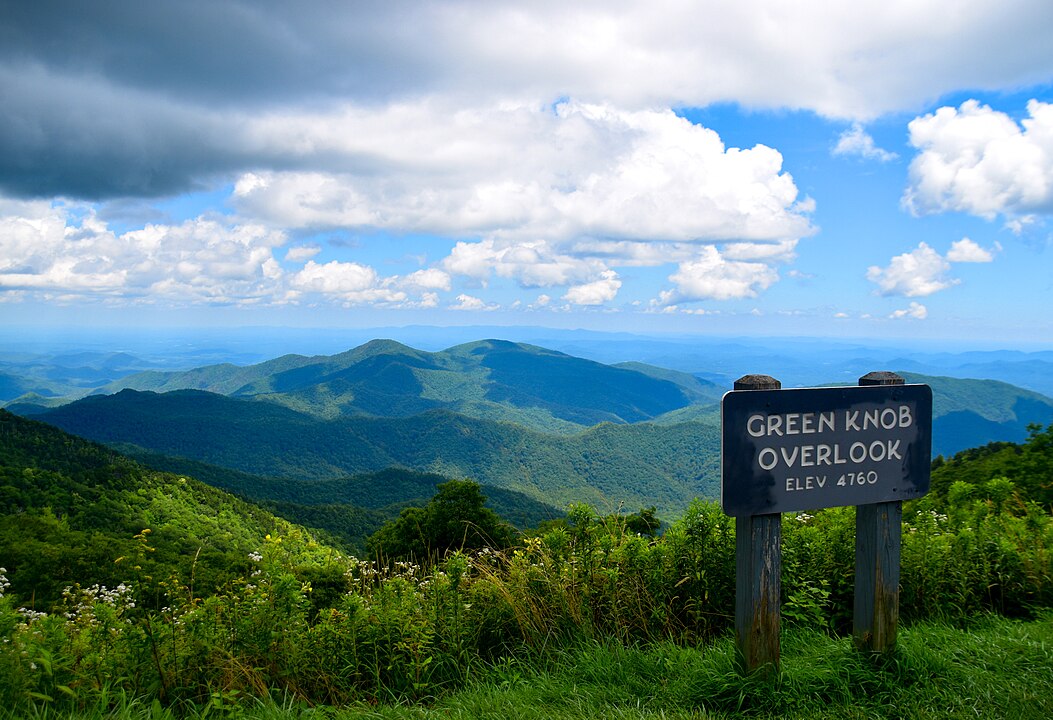
North Carolina reports increased encounters as forests meet growing suburbs. Black bears, deer, coyotes, and foxes appear in residential neighborhoods. Development near coastal and mountain regions disrupts habitats. Mild climate supports active wildlife year round. Road expansion raises collision risks. State agencies note rising complaints involving property damage. North Carolina’s population growth and geographic diversity create repeated interaction between people and wildlife across urban, suburban, and rural communities statewide. These interactions shape safety campaigns, planning policies, habitat protection efforts, and resident education initiatives.
Tennessee

Tennessee experiences growing encounters as wooded areas surround expanding towns. Black bears, deer, and coyotes increasingly enter neighborhoods. Mountain development and tourism pressure natural corridors. Seasonal food shortages drive animals closer to homes. Road networks increase vehicle incidents. Wildlife officials report steady growth in conflict calls. Tennessee’s rolling terrain and population shifts contribute to frequent overlap between daily human activity and native wildlife movement. These patterns influence public safety guidance, land planning, wildlife management practices, and community outreach efforts.
New Jersey
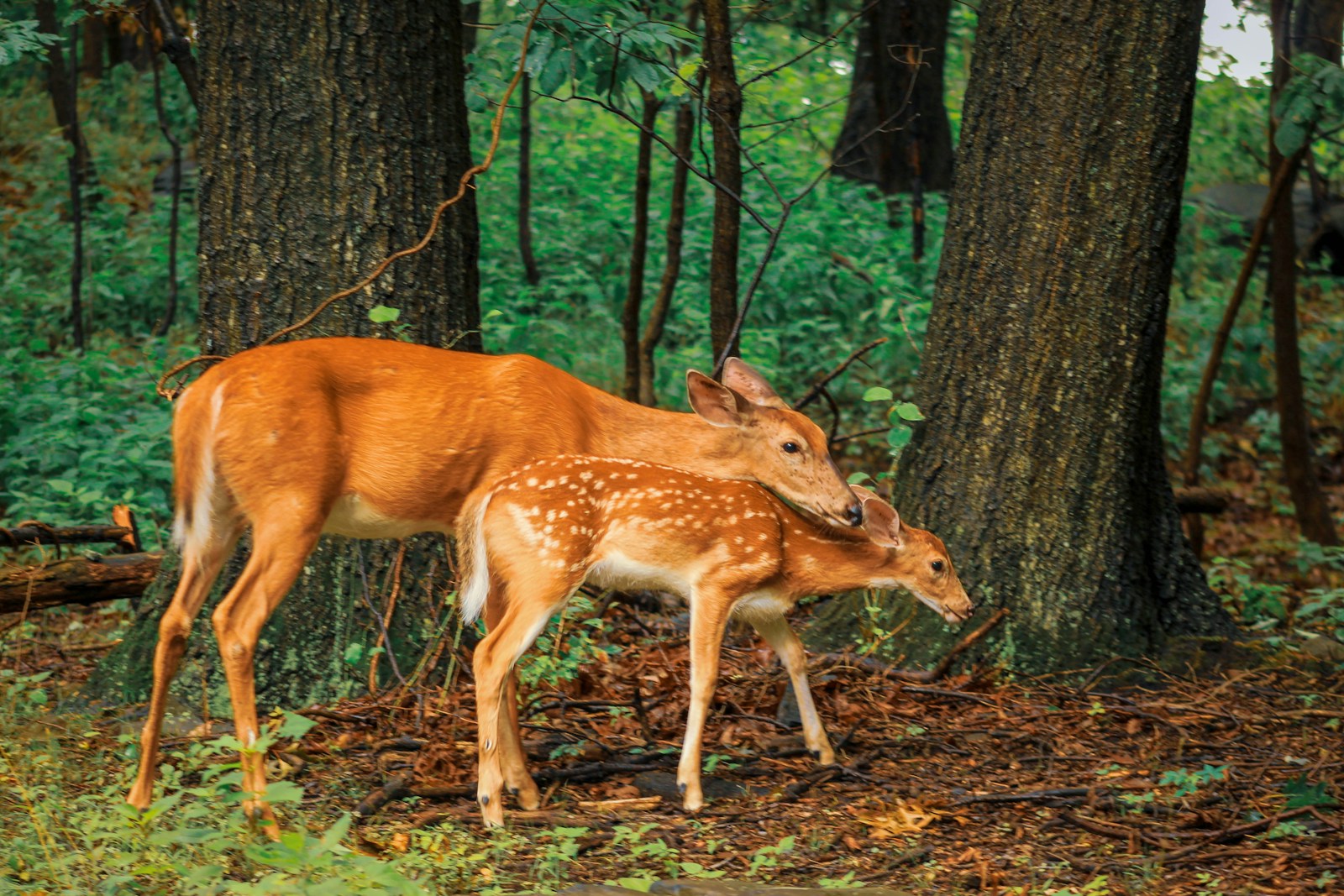
New Jersey sees rising encounters despite dense development. Black bears, deer, and coyotes increasingly inhabit suburban landscapes. Fragmented forests and green spaces concentrate wildlife near people. High traffic volumes increase collision risks. Conservation efforts also support growing animal populations. State agencies record more safety and property reports. New Jersey’s mix of preserved land and heavy population density creates ongoing interaction between residents and wildlife across communities. These dynamics affect transportation planning, safety awareness, conservation balance, land management, and local policy decisions.