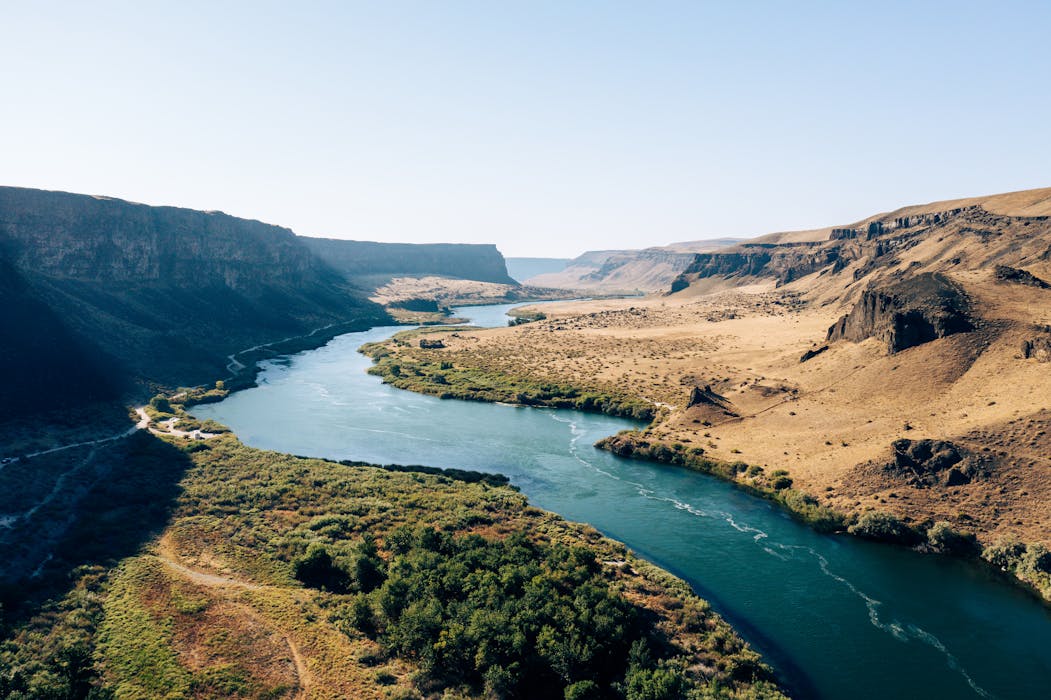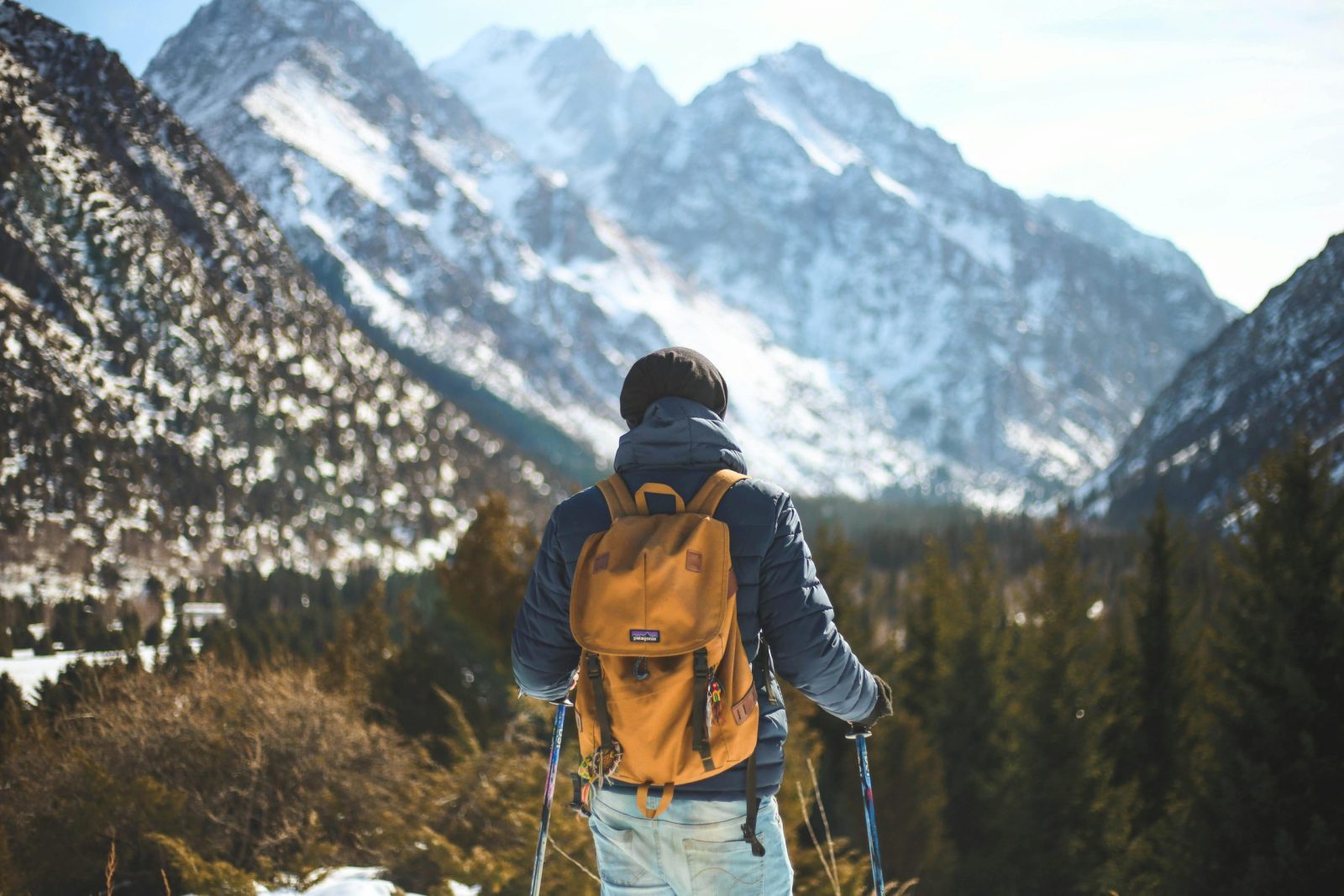
Learning tips to help you feel safer while hiking alone empowers outdoor enthusiasts to explore the vast American wilderness with confidence and peace of mind. Many travelers avoid solitary journeys because they fear potential accidents or unexpected encounters with wildlife far from the nearest road. However implementing a few strategic habits can significantly reduce the risks associated with moving through remote forest landscapes without a companion. This guide explores essential practices ranging from advanced trip planning to the effective use of modern emergency communication devices. Mastering these safety protocols allows for a rewarding and secure solo experience today.
Share Your Detailed Itinerary
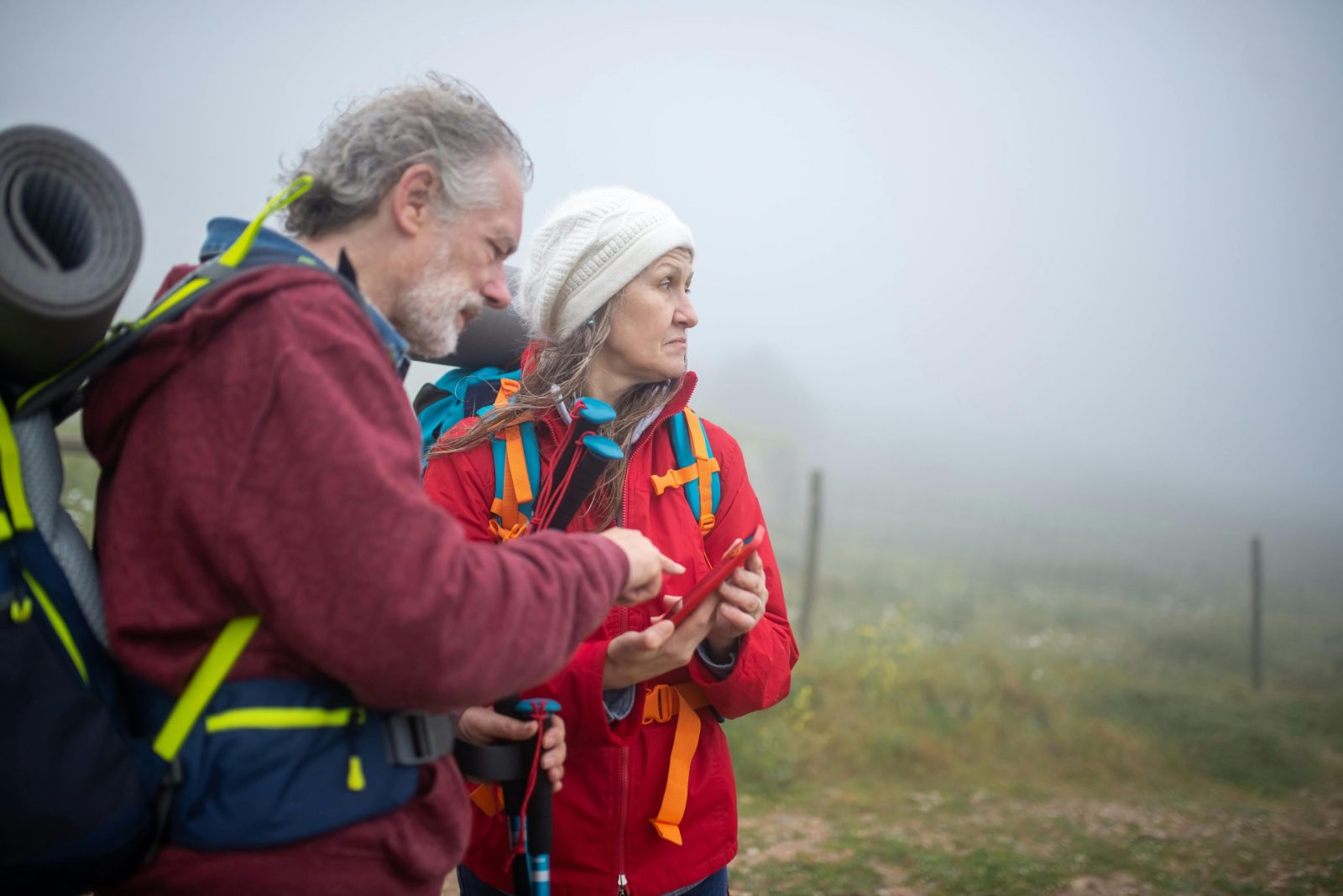
Sharing a detailed itinerary with a trusted friend or family member remains the most critical step before embarking on any solo adventure. This document should include the specific trailhead location and the intended route as well as an estimated time of return. Having a designated person who knows the plan ensures that rescue teams can be deployed quickly if an unexpected delay occurs during the trek. It is important to check in immediately upon returning to civilization to prevent a false alarm and unnecessary search operations. This simple communication habit provides a vital safety net for every solitary traveler.
Carry A Satellite Messenger
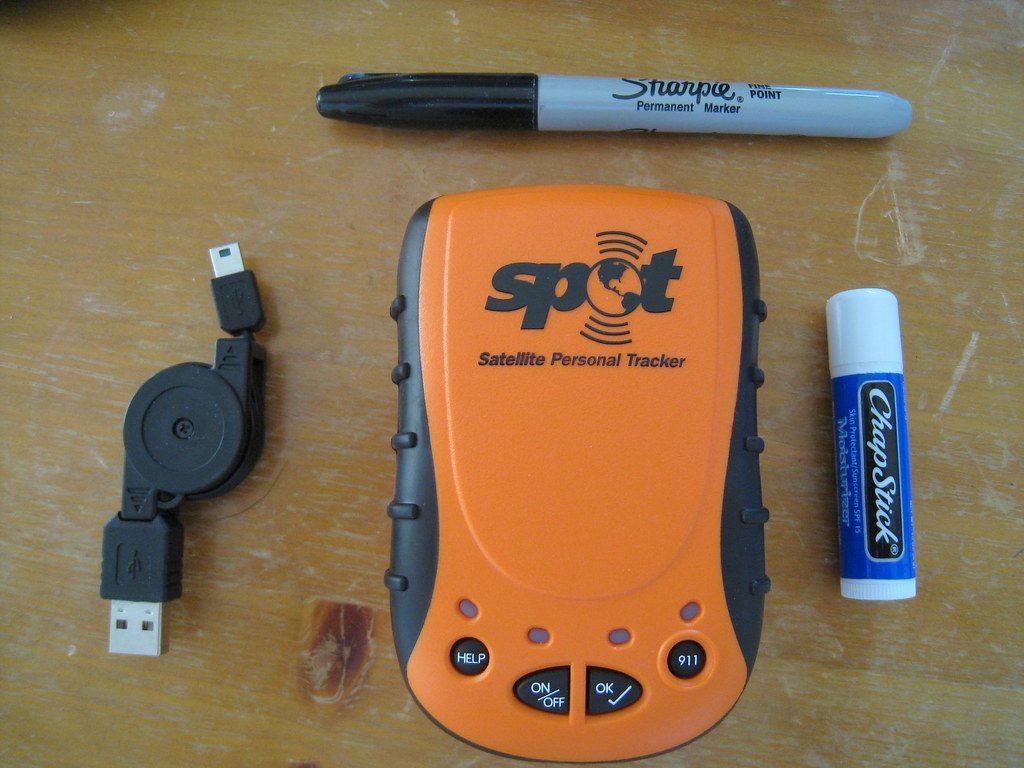
Carrying a reliable satellite messenger provides a dependable way to contact emergency services in areas where cellular signals are completely non-existent. These compact devices allow a hiker to send text messages and share GPS coordinates with loved ones or professional rescuers during a crisis. Many modern models also feature an SOS button that triggers an immediate response from local search and rescue organizations. Unlike standard smartphones these tools utilize satellite networks to ensure a connection even in the deepest canyons or most remote mountain ranges. Investing in this technology offers incredible peace of mind during any trek.
Research Local Wildlife Risks
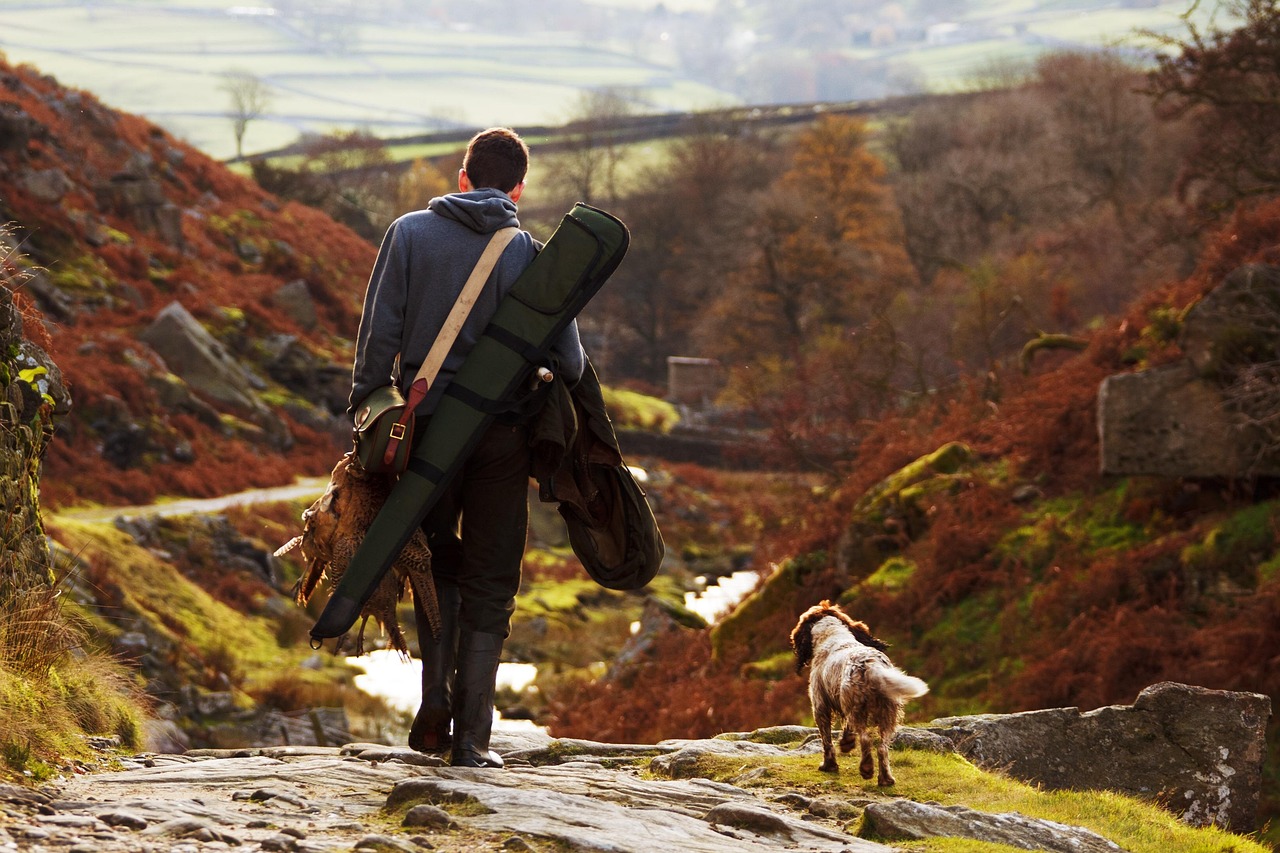
Researching the specific wildlife risks of a destination allows a traveler to prepare for potential encounters with large predators like bears or mountain lions. Understanding the behavior of local animals helps a person identify the appropriate deterrents and safety protocols for each unique environment. Carrying bear spray and knowing how to use it effectively can prevent a dangerous situation from escalating into a tragedy. It is also important to learn how to store food properly to avoid attracting curious animals to a campsite or a resting spot. Knowledge of the ecosystem is a powerful tool for safety.
Trust Your Natural Instincts
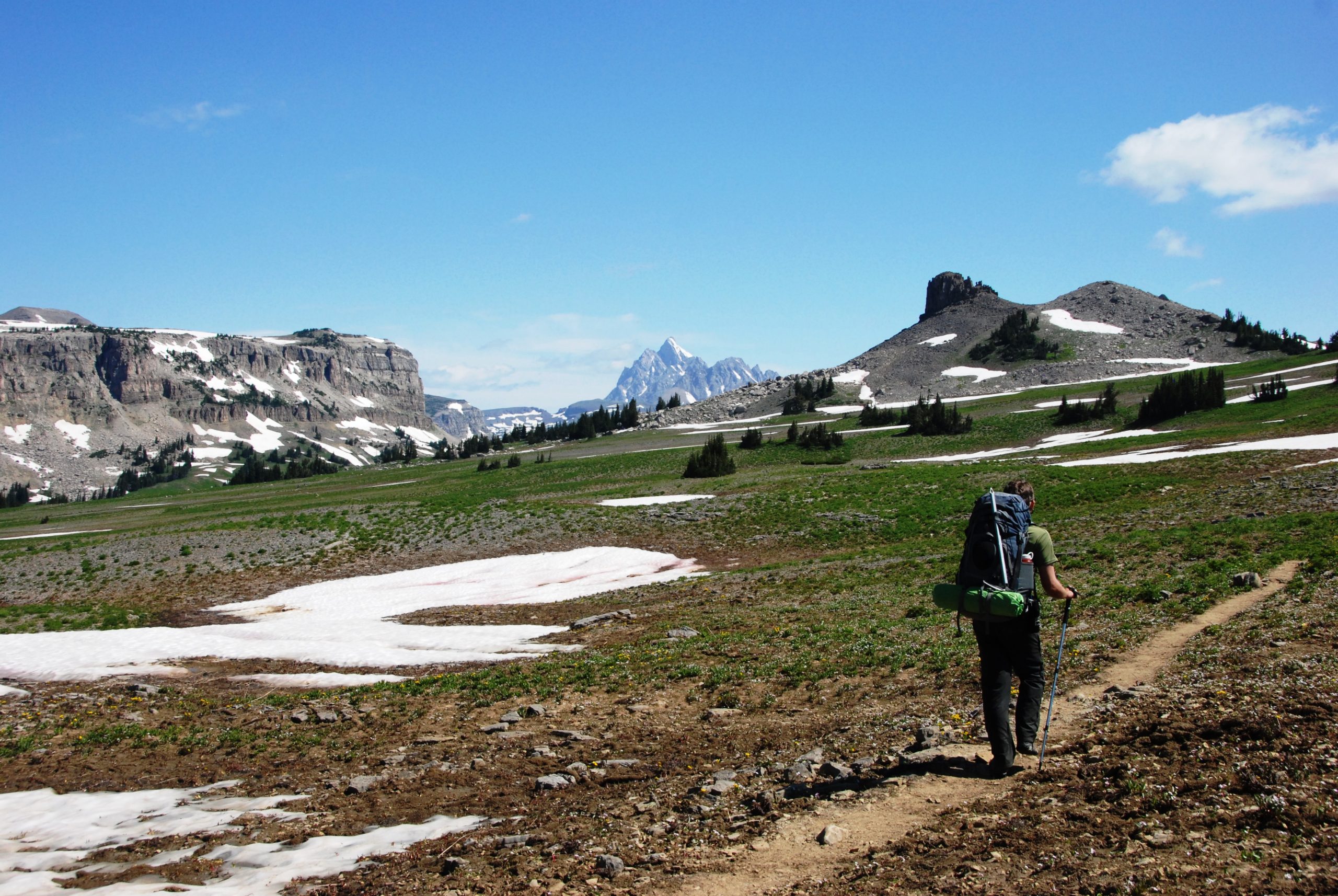
Trusting your natural instincts is a vital skill that helps a solo traveler identify potential dangers before they become a serious threat. If a particular trail or a specific group of people feels suspicious it is always better to turn back or change the plan immediately. Intuition often detects subtle environmental clues or social red flags that the conscious mind might overlook during a busy day. Staying alert and listening to that inner voice provides an extra layer of protection when moving through unfamiliar and isolated territories. Safety should always take priority over reaching a specific destination or peak.
Stick To Established Trails
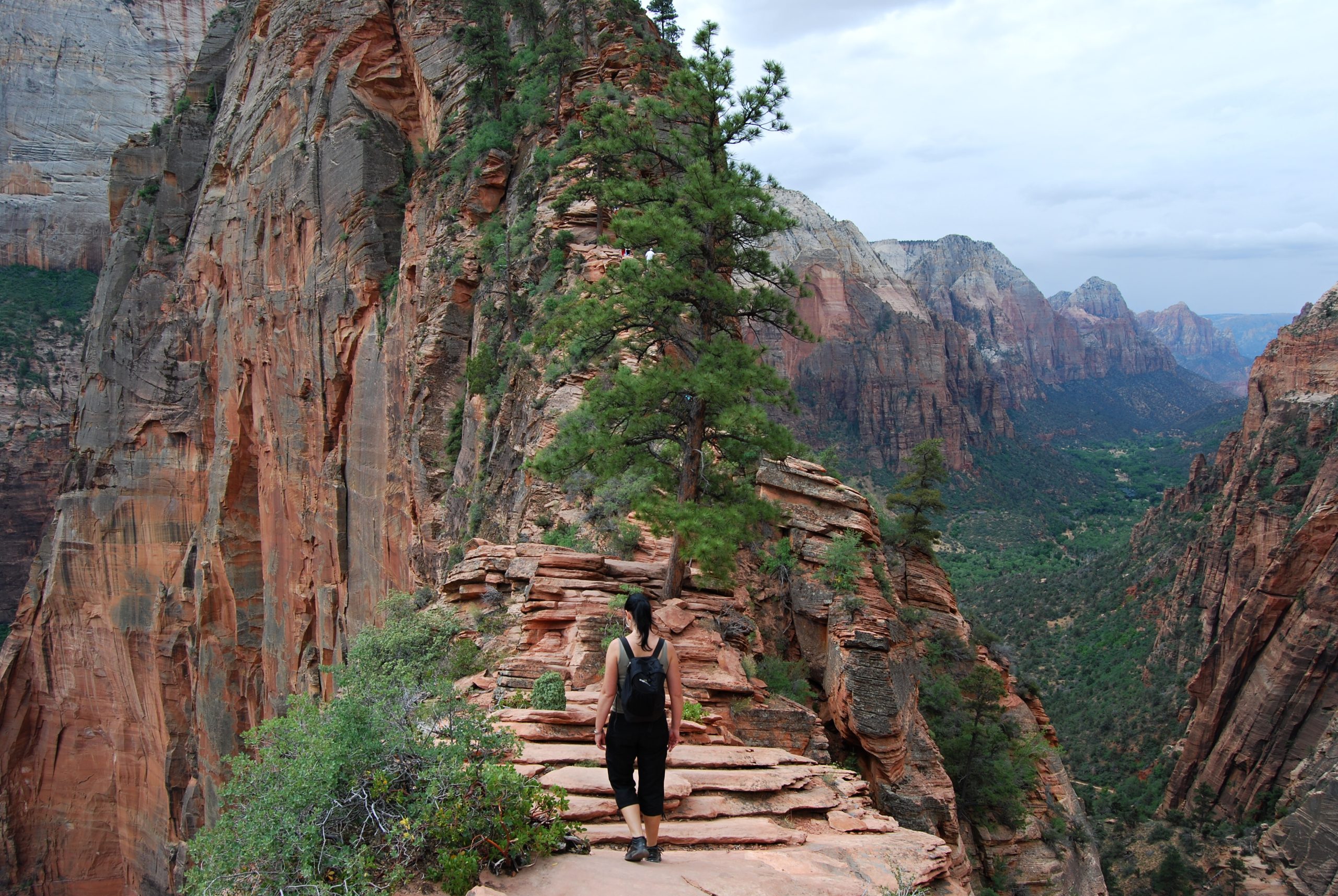
Sticking to established and well marked trails reduces the likelihood of becoming lost or injured in rugged and unpredictable terrain. Well traveled paths are much easier to navigate and provide a higher probability of encountering other hikers if assistance is ever needed. Wandering off trail increases the risk of damaging delicate ecosystems or falling into hidden hazards like steep drop-offs or deep glacial crevasses. Most search and rescue incidents occur when individuals lose their way after attempting a shortcut through thick brush or unknown forest areas. Staying on the path ensures a much more predictable and secure journey.
Monitor Local Weather Forecasts
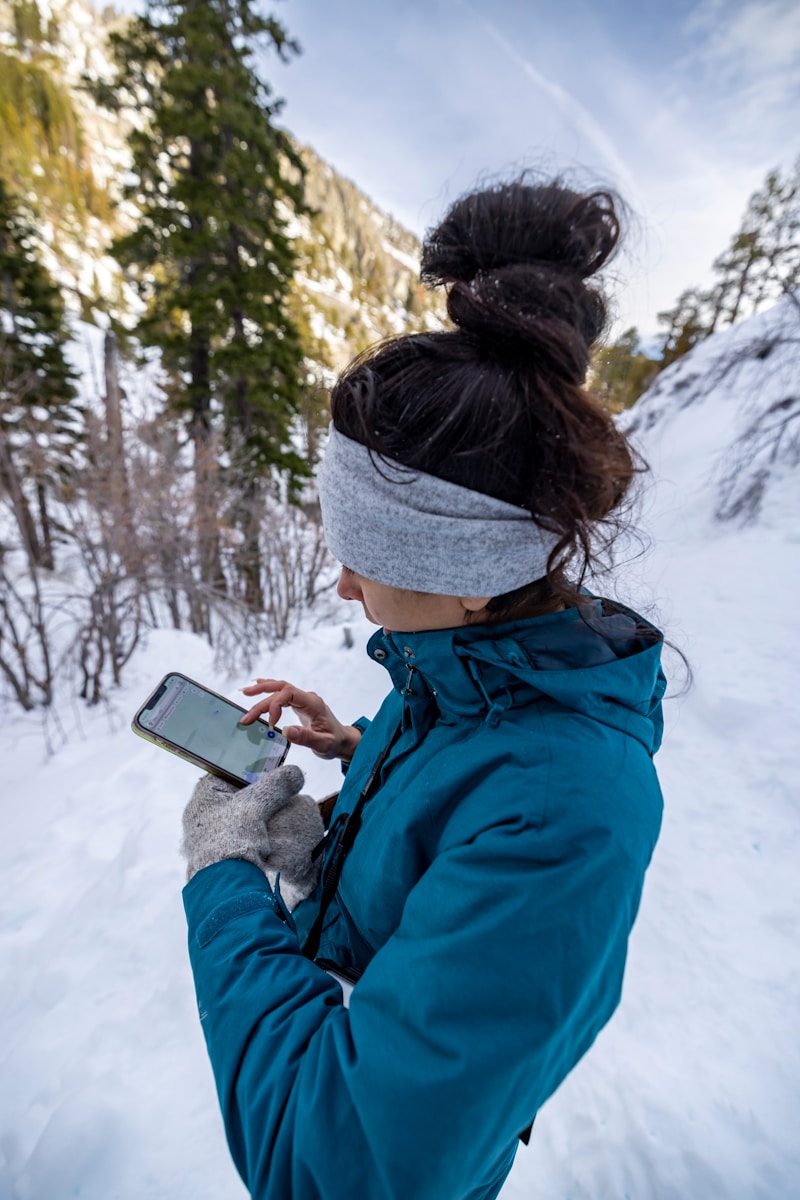
Monitoring local weather forecasts before and during a hike is essential for avoiding dangerous conditions like sudden thunderstorms or extreme heat. Mountain environments often experience rapid changes that can catch a solo traveler unprepared for the cold or heavy rainfall. Carrying the appropriate layers and waterproof gear ensures that a person can remain warm and dry during a volatile weather shift. If the sky begins to darken or the wind intensifies it is wise to seek lower ground or return to the trailhead immediately. Being proactive about the weather prevents many common wilderness emergencies.
Pack Essential Survival Gear
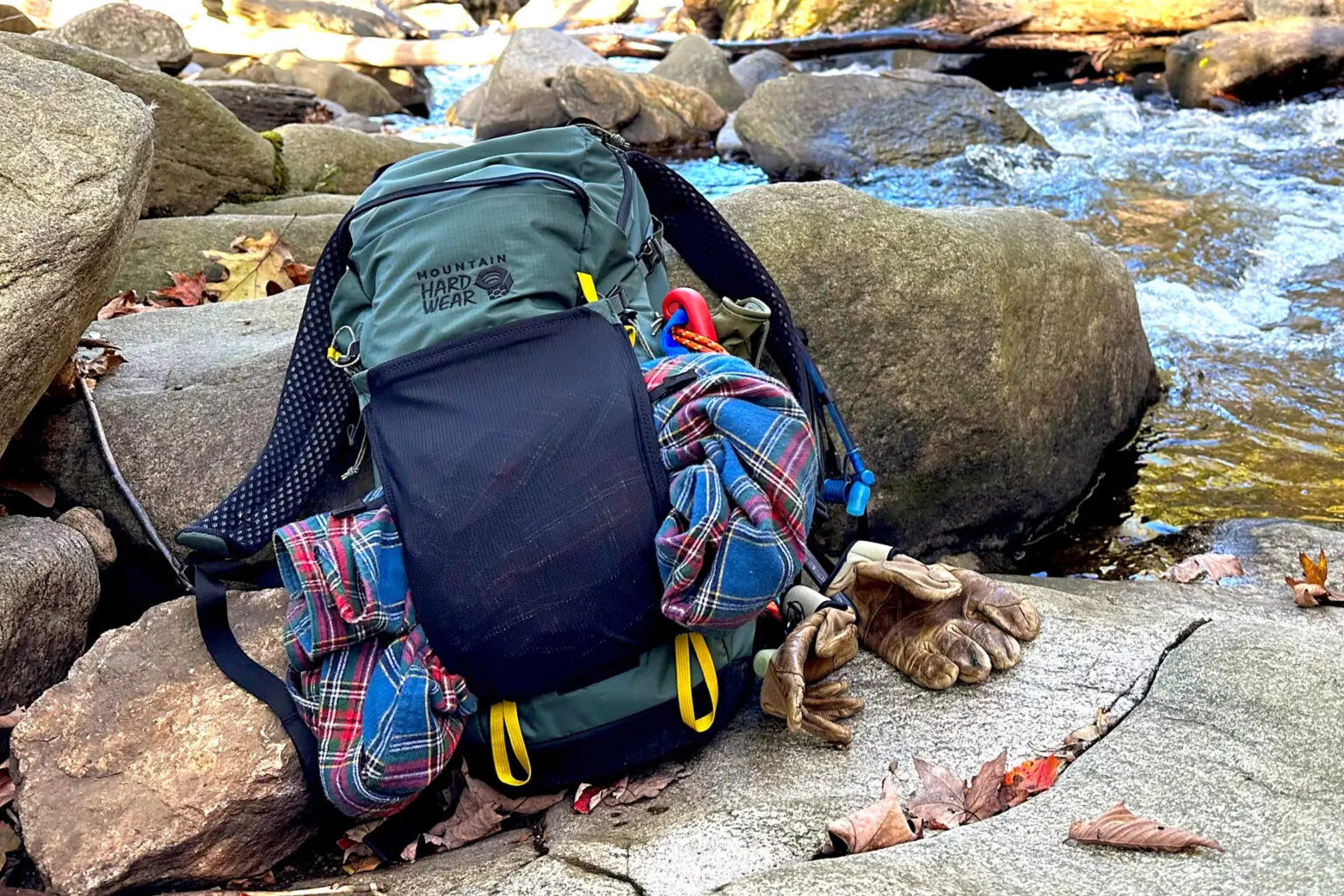
Packing essential survival gear in a small daypack ensures that a hiker can handle an unexpected night in the woods if necessary. This kit should include a first aid set and a reliable fire starter as well as an emergency bather and extra high energy food. Having the tools to stay warm and hydrated during a crisis significantly improves the chances of a successful outcome while waiting for help. Many people carry a whistle and a signal mirror to help rescuers locate them in dense forest or rugged mountain terrain. Preparation turns a potential disaster into a manageable situation.
Master Basic Navigational Skills
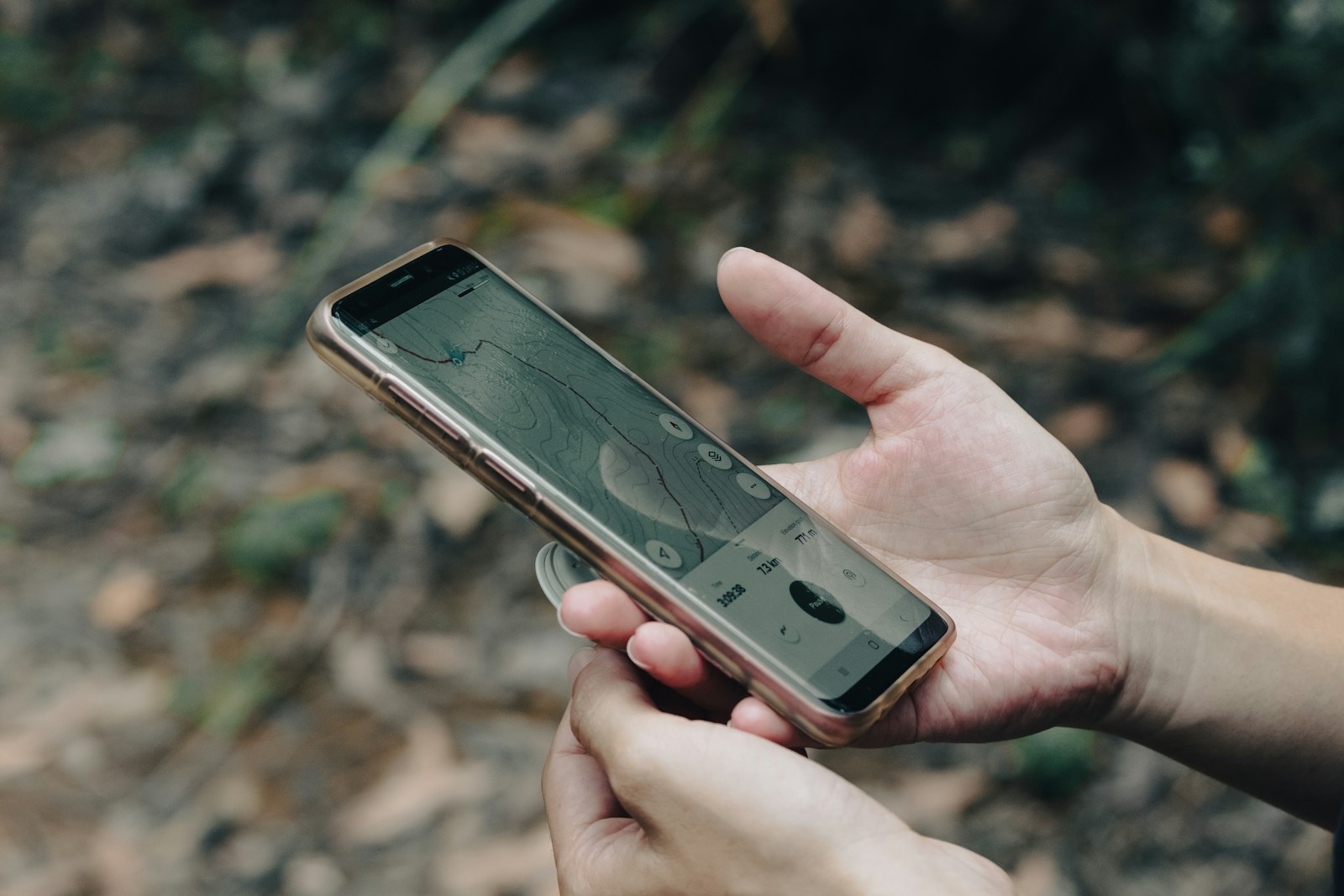
Mastering basic navigational skills involves learning how to read a physical topographic map and use a traditional compass effectively in the wild. While digital applications are convenient they can fail due to dead batteries or electronic malfunctions during a long day. Understanding how to identify landmarks and follow the contours of the land provides a sense of security and independence. Practicing these techniques on local trails builds the confidence required to explore more remote and challenging wilderness areas alone. A skilled navigator is much less likely to become disoriented or panic when the trail becomes difficult.
Stay Hydrated And Fed
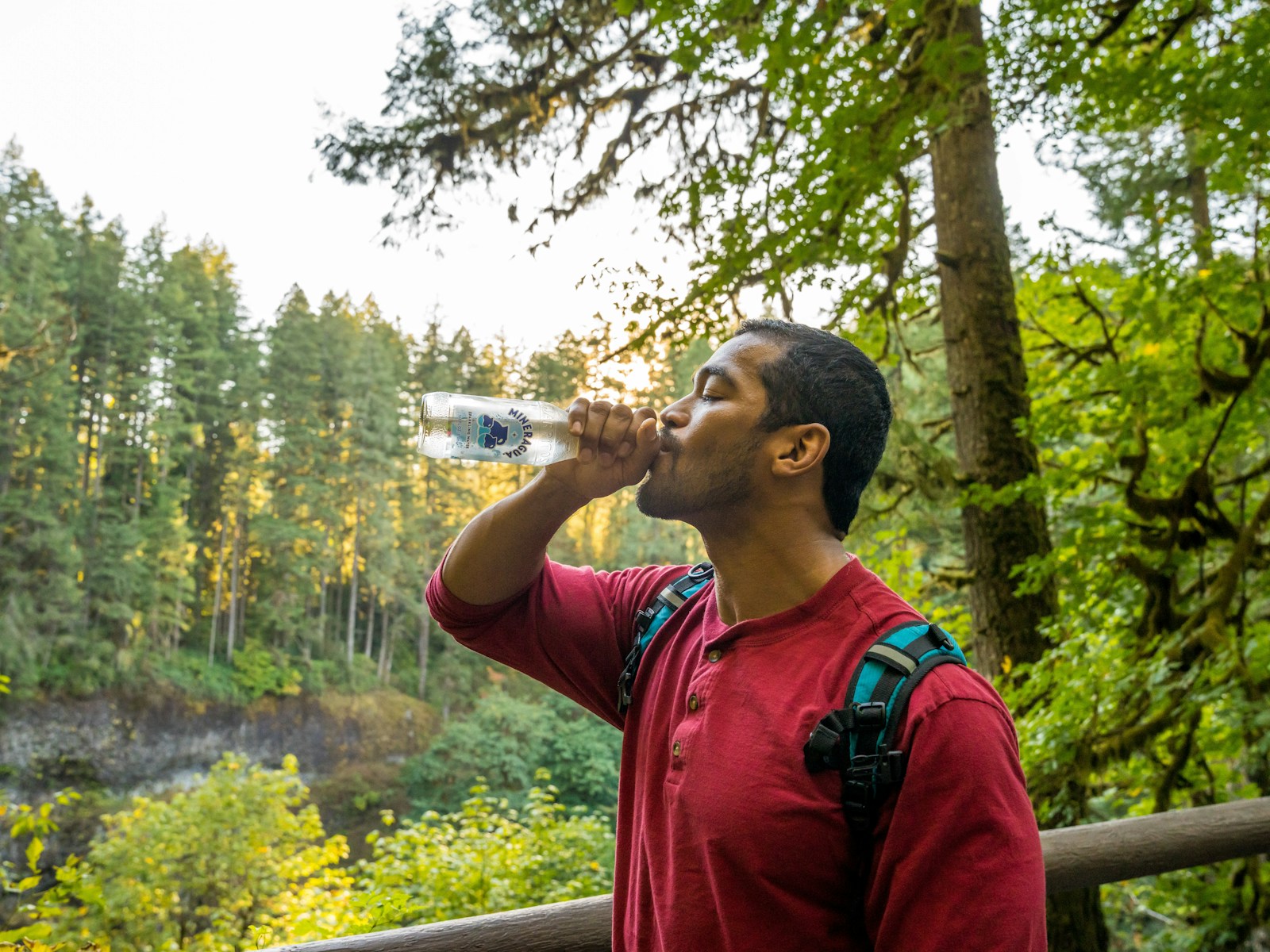
Staying properly hydrated and well fed maintains the physical stamina and mental clarity needed to make safe decisions during a long hike. Dehydration and low blood sugar can lead to poor judgment and physical exhaustion which increases the risk of accidental slips or falls. It is important to drink water consistently and consume small high energy snacks throughout the day to keep the body functioning at its peak. Carrying extra water or a reliable filtration system ensures a steady supply of clean fluids from natural sources. Maintaining energy levels is essential for a safe and successful solo trek.
Wear Appropriate Protective Footwear
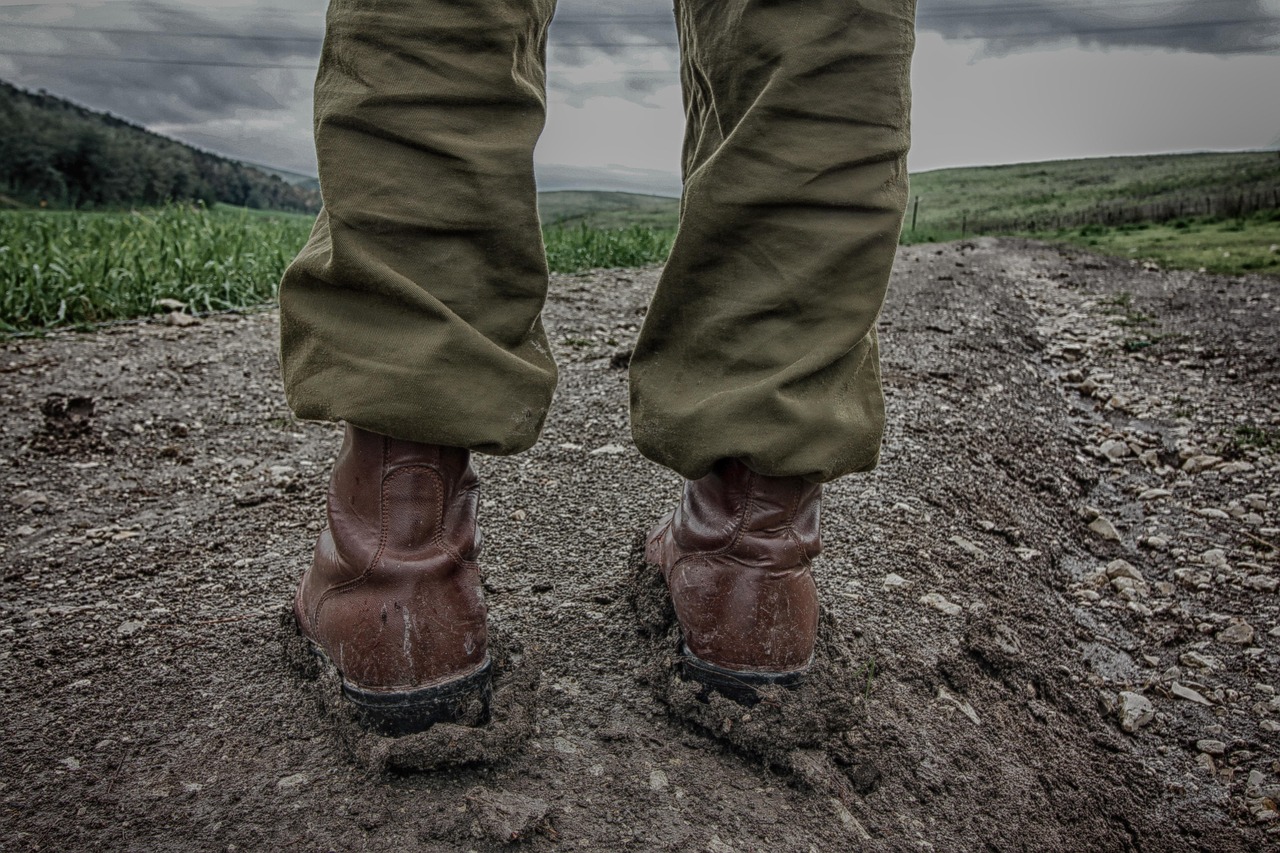
Wearing appropriate protective footwear provides the necessary traction and ankle stability required to navigate uneven and often slippery wilderness trails. Sturdy hiking boots or high quality trail runners help prevent common injuries like sprained ankles or deep blisters during a long day of movement. It is important to choose shoes that are properly broken in and suitable for the specific terrain and weather conditions of the destination. Good footwear reduces physical fatigue and allows a person to maintain a steady and confident pace across various surfaces. Protecting the feet is the foundation of any comfortable outdoor adventure.
Keep Your Phone Charged
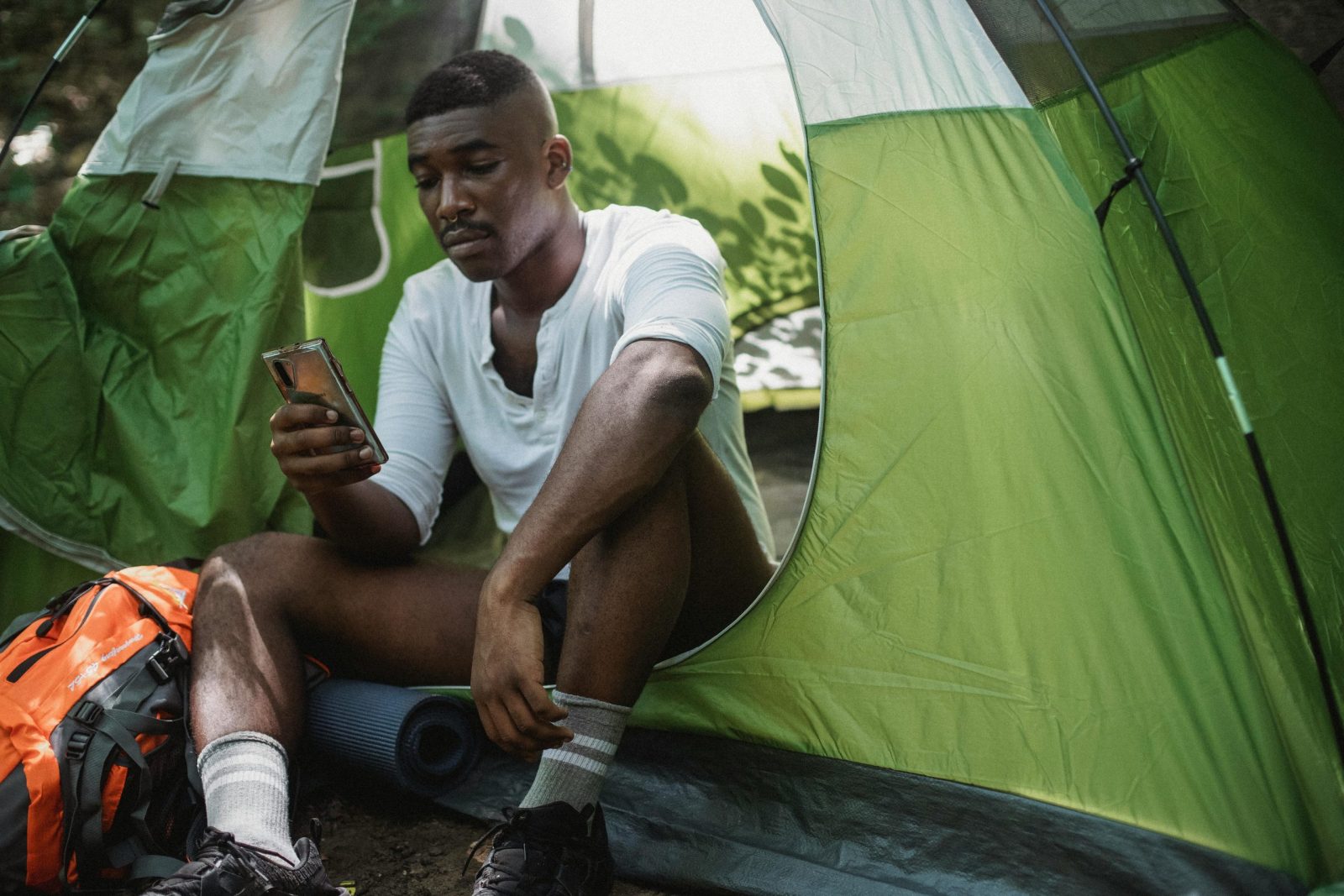
Keeping your phone fully charged and stored in a waterproof case is a simple but effective way to maintain a connection. While cellular service may be spotty a working phone can still be used to take photos or access downloaded maps and emergency contacts. Carrying a small portable power bank provides enough energy to recharge the device during a multi day trip for added security. It is also wise to keep the phone in airplane mode to conserve the battery while moving through areas with poor reception. Having a functioning communication tool is a vital part of modern safety.
Practice Strict Situational Awareness
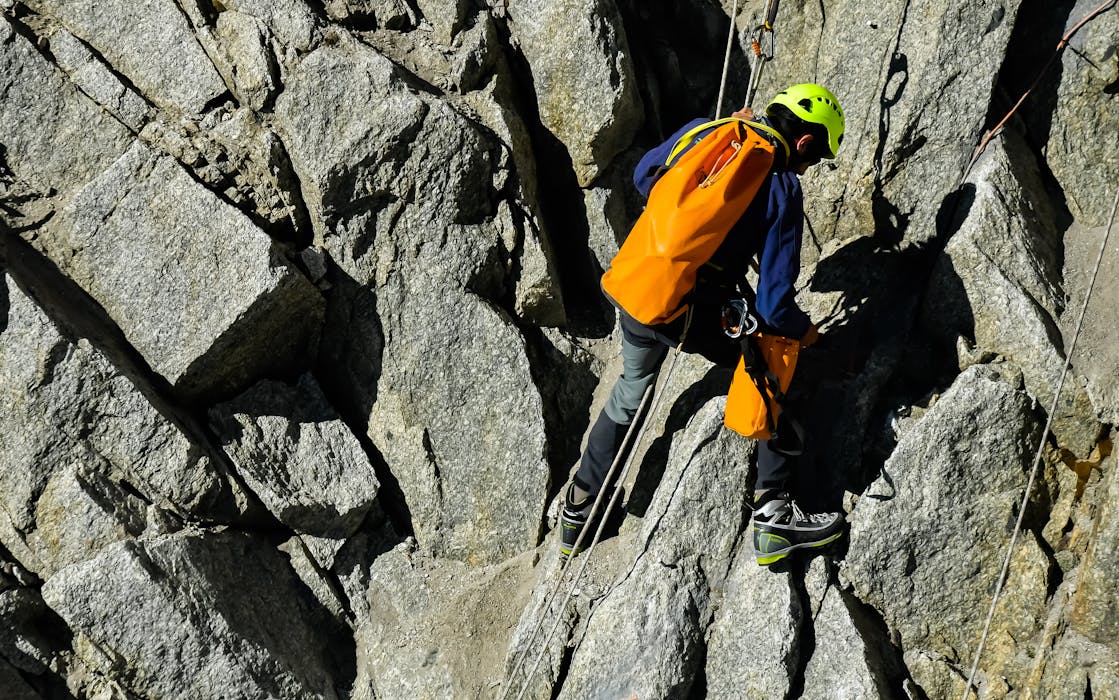
Practicing strict situational awareness involves staying focused on the immediate environment and being aware of any changes in the terrain or weather. Avoid using headphones or being distracted by digital devices to ensure that all senses remain engaged with the surrounding natural world. This high level of alertness allows a hiker to detect the sound of approaching animals or see potential hazards on the trail ahead. Being present in the moment enhances the overall experience while providing the necessary information to stay safe and secure. Mindfulness is one of the most effective tools for any solo.