Packing the right food for a long hike makes a huge difference in your energy, comfort, and safety. Some snacks may seem convenient, but they can lead to fatigue, dehydration, or stomach issues once you hit the trail. Understanding what to avoid helps you stay fueled and focused. Choosing trail-friendly food ensures smoother adventures and prevents small dietary mistakes from turning into big setbacks in the wild.
Foods High in Sodium
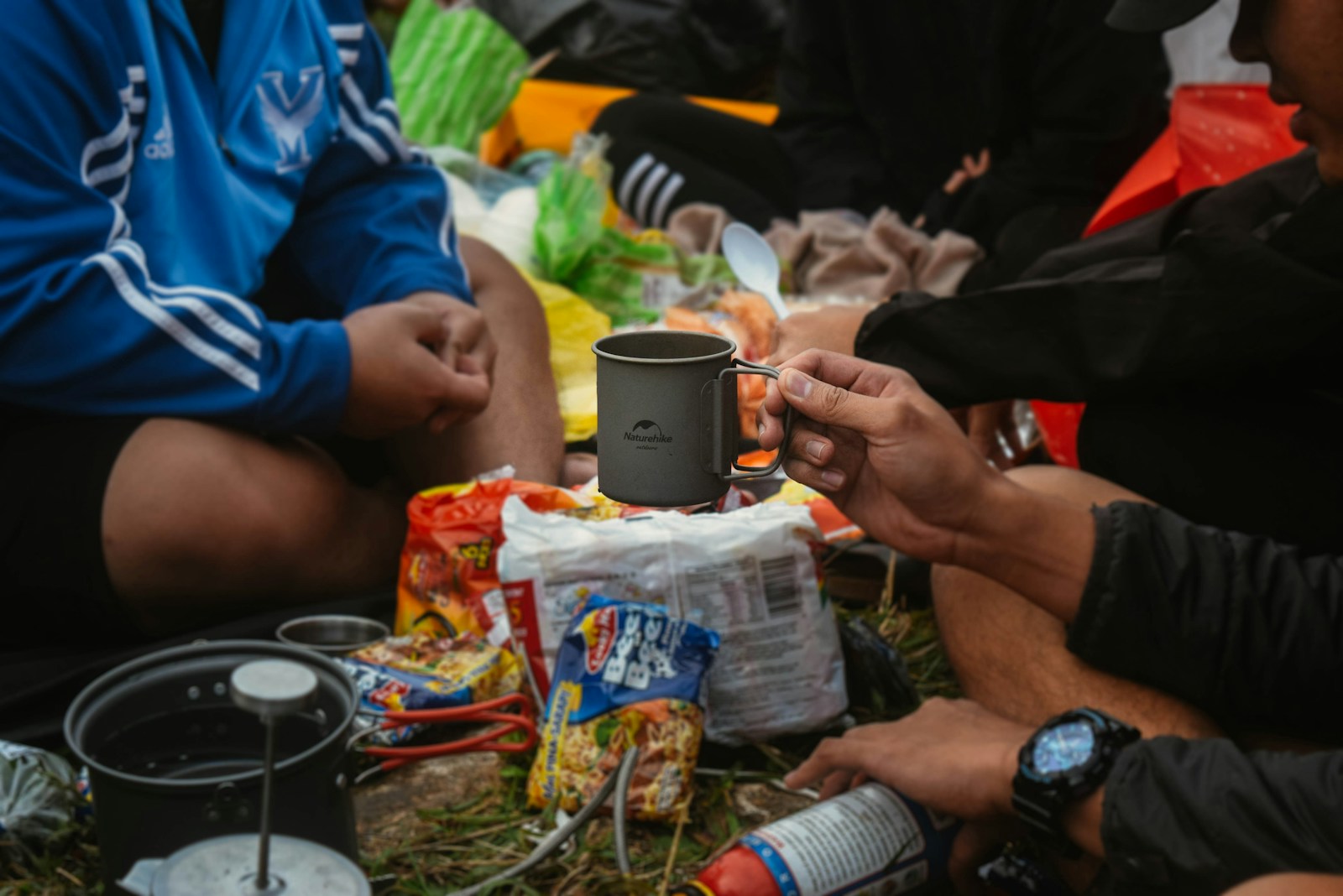
Salty snacks may seem satisfying, but they can quickly dehydrate you during a long hike. Excess sodium pulls water from your body, leaving you thirsty and fatigued. Even packaged jerky or chips can cause cramps if eaten too often. It’s better to choose balanced options that replenish electrolytes without overloading on salt.
Dairy Products

Milk, cheese, and yogurt are risky on long trails, especially without proper refrigeration. These products spoil easily and can cause digestive discomfort when you’re far from restrooms. Even if they seem fine at first, bacteria multiply quickly in warm conditions. Opting for shelf-stable or plant-based alternatives keeps you safer and more comfortable.
Fried and Greasy Foods
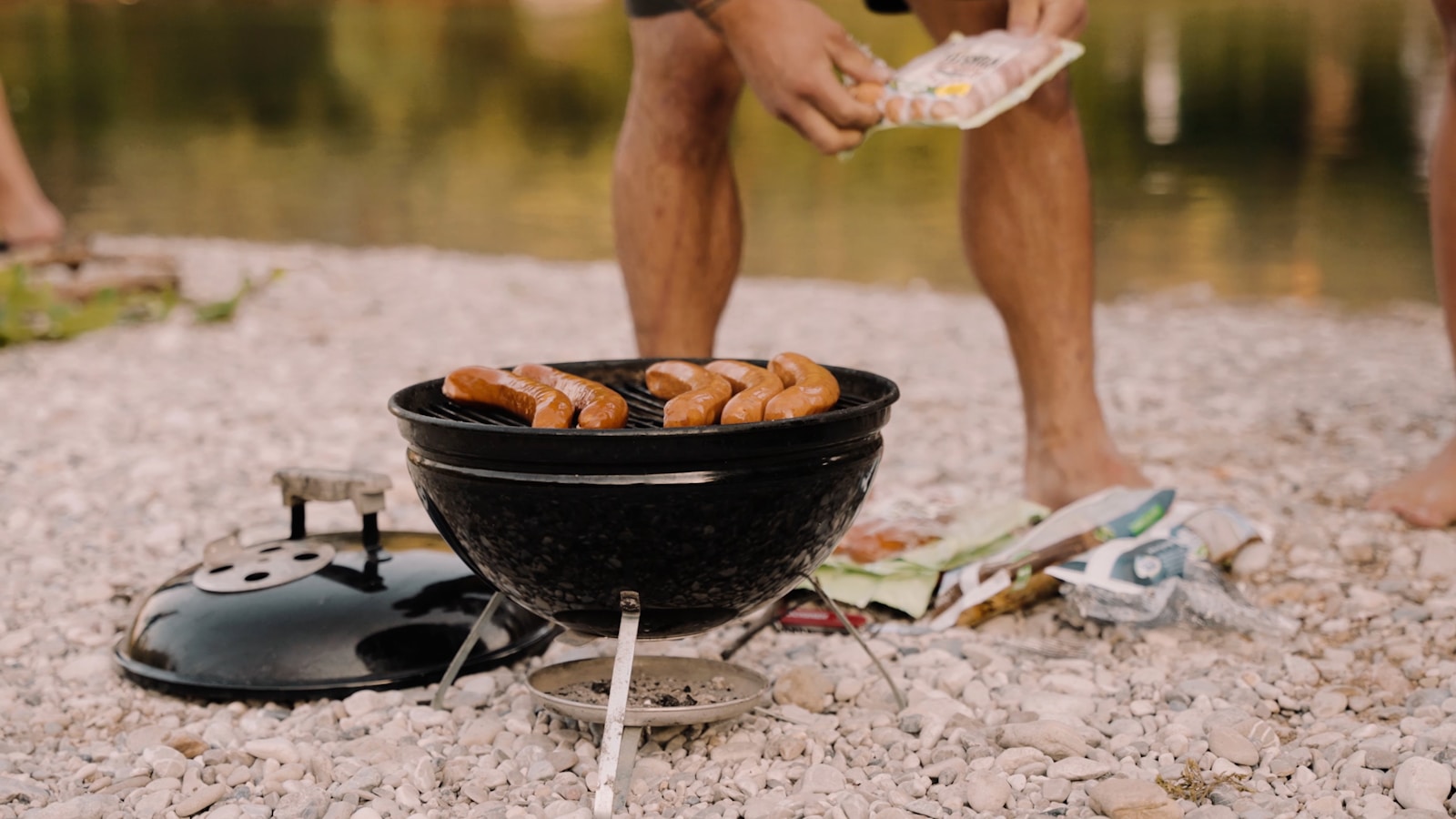
Heavy, greasy foods slow digestion and make you feel sluggish on uphill climbs. Fried snacks like chips or pastries can also upset your stomach under physical stress. Since greasy items offer little sustained energy, they often lead to mid-hike fatigue. Lighter, nutrient-dense options help maintain stamina and steady energy levels.
Sugary Snacks and Candy
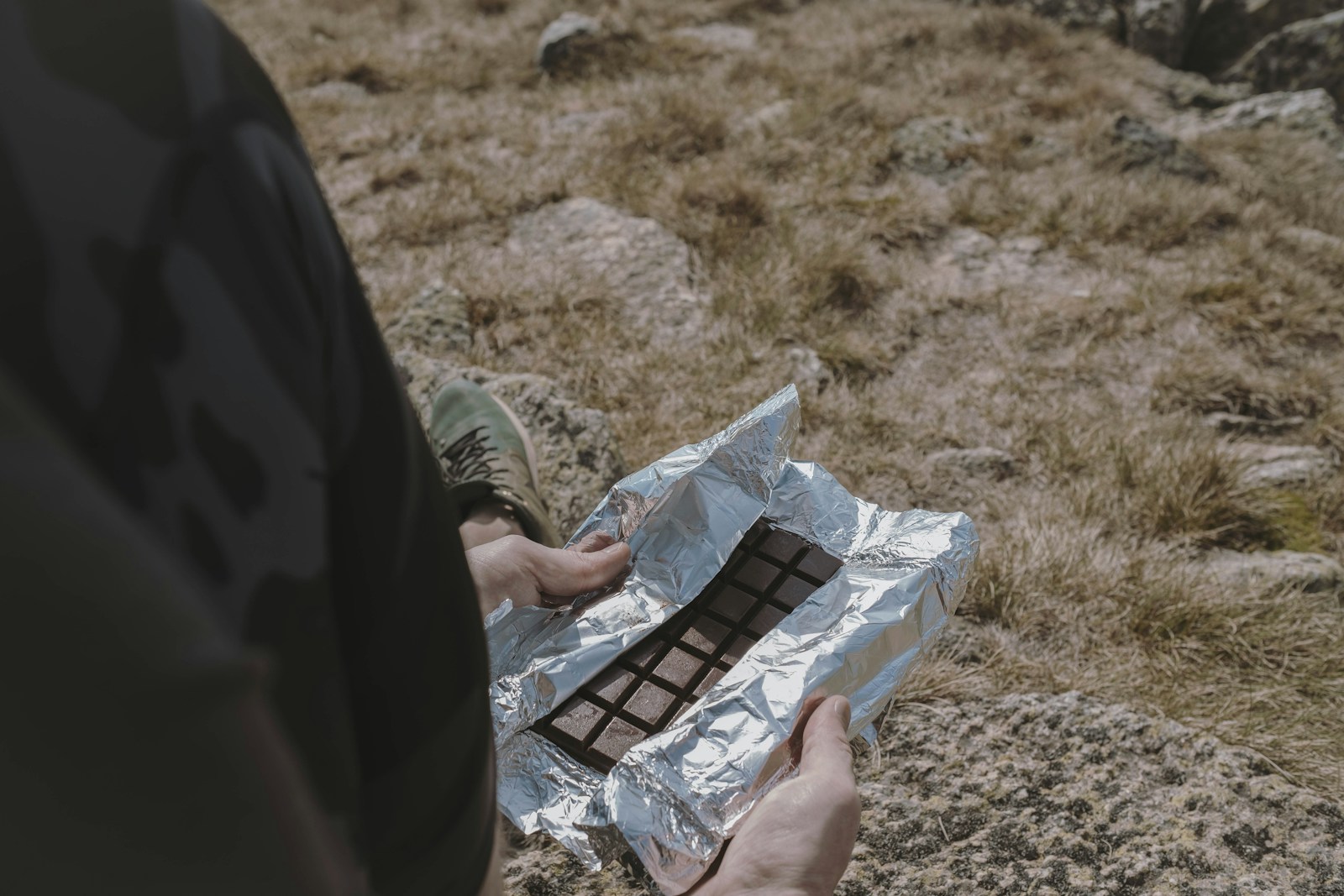
Candy bars and sugary treats give a quick energy boost but cause a crash soon after. Rapid spikes in blood sugar leave you feeling drained once the effect wears off. Excess sugar can also lead to dehydration and thirst. Instead, choose natural sources like dried fruits or trail mixes that provide slower, sustained energy.
Carbonated Drinks
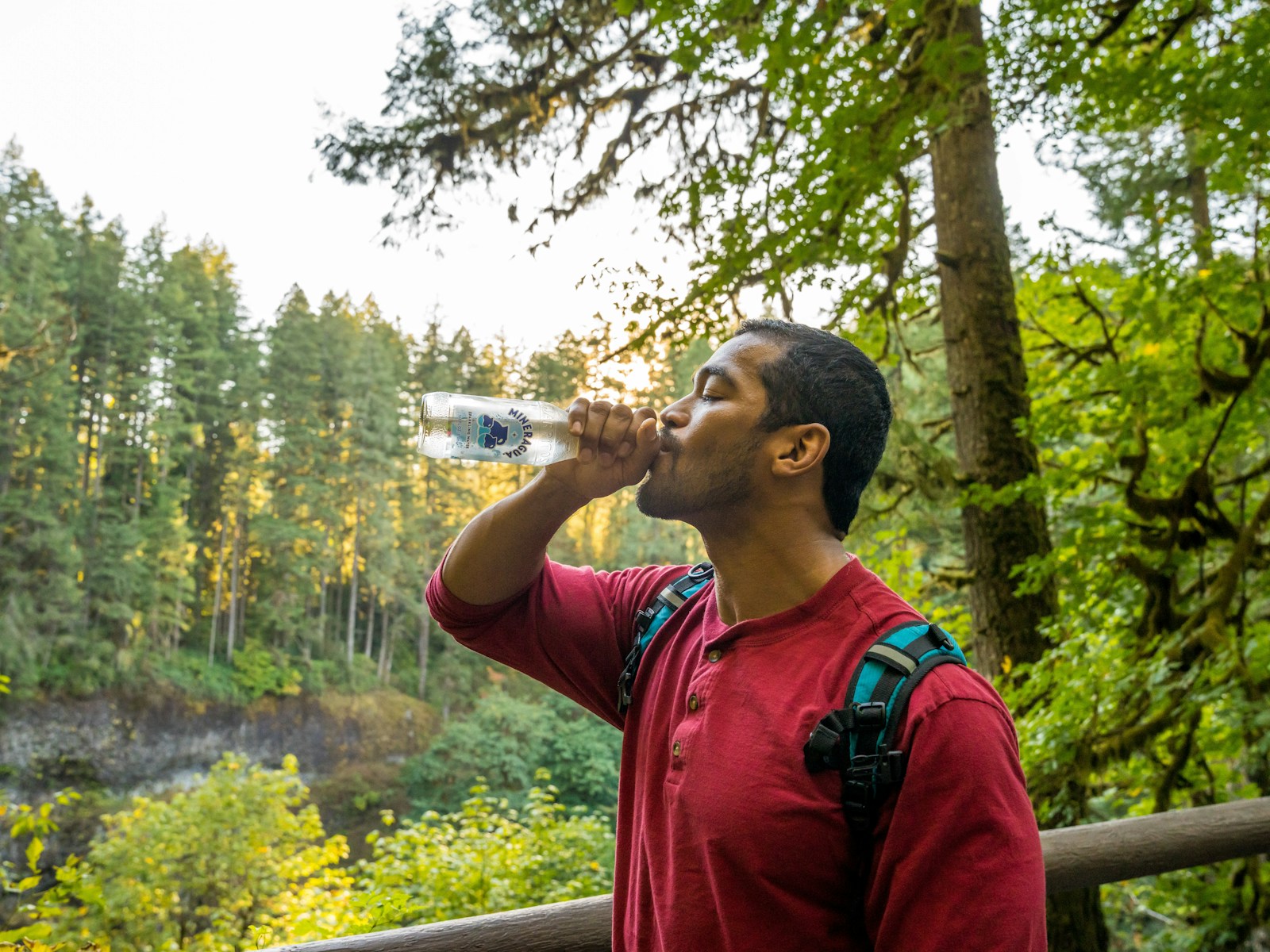
Soda and sparkling beverages may seem refreshing, but they can cause bloating and discomfort during long hikes. The carbonation expands in your stomach, especially at higher altitudes. They also contain excess sugar that dehydrates rather than hydrates. Sticking to water or electrolyte drinks keeps your body balanced and ready for exertion.
Raw Meat or Seafood
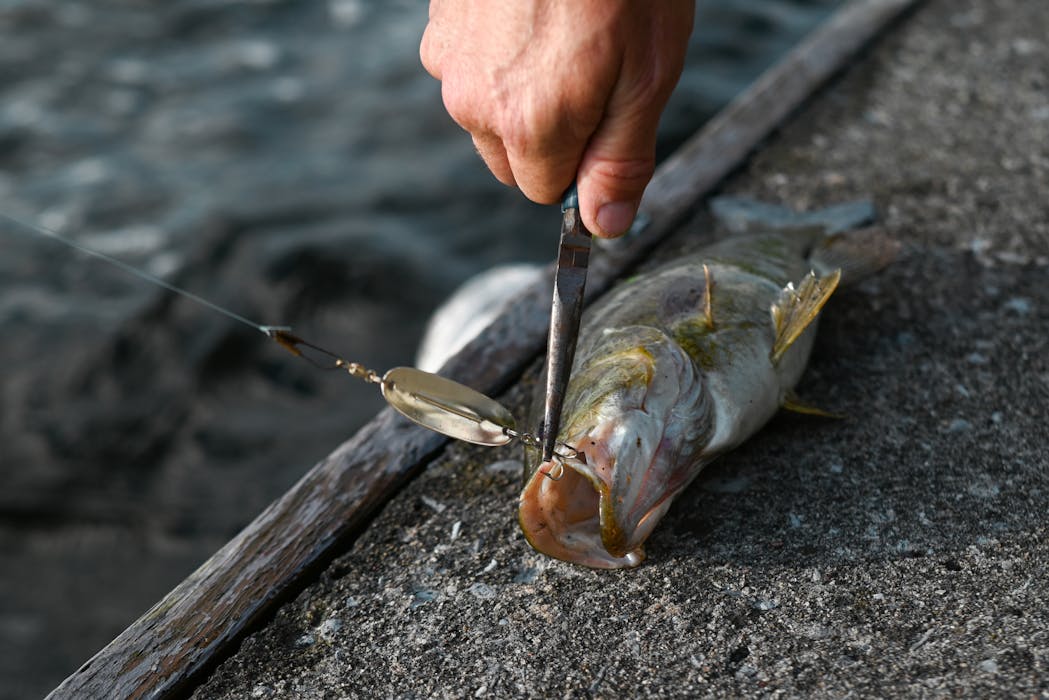
Raw meat or fish should never be part of trail food, as they spoil quickly and risk bacterial contamination. Without refrigeration, they can become unsafe within hours. Cooking on the trail might seem adventurous, but improper handling can cause food poisoning. Pack pre-cooked, sealed protein options for safety and convenience.
Alcoholic Beverages
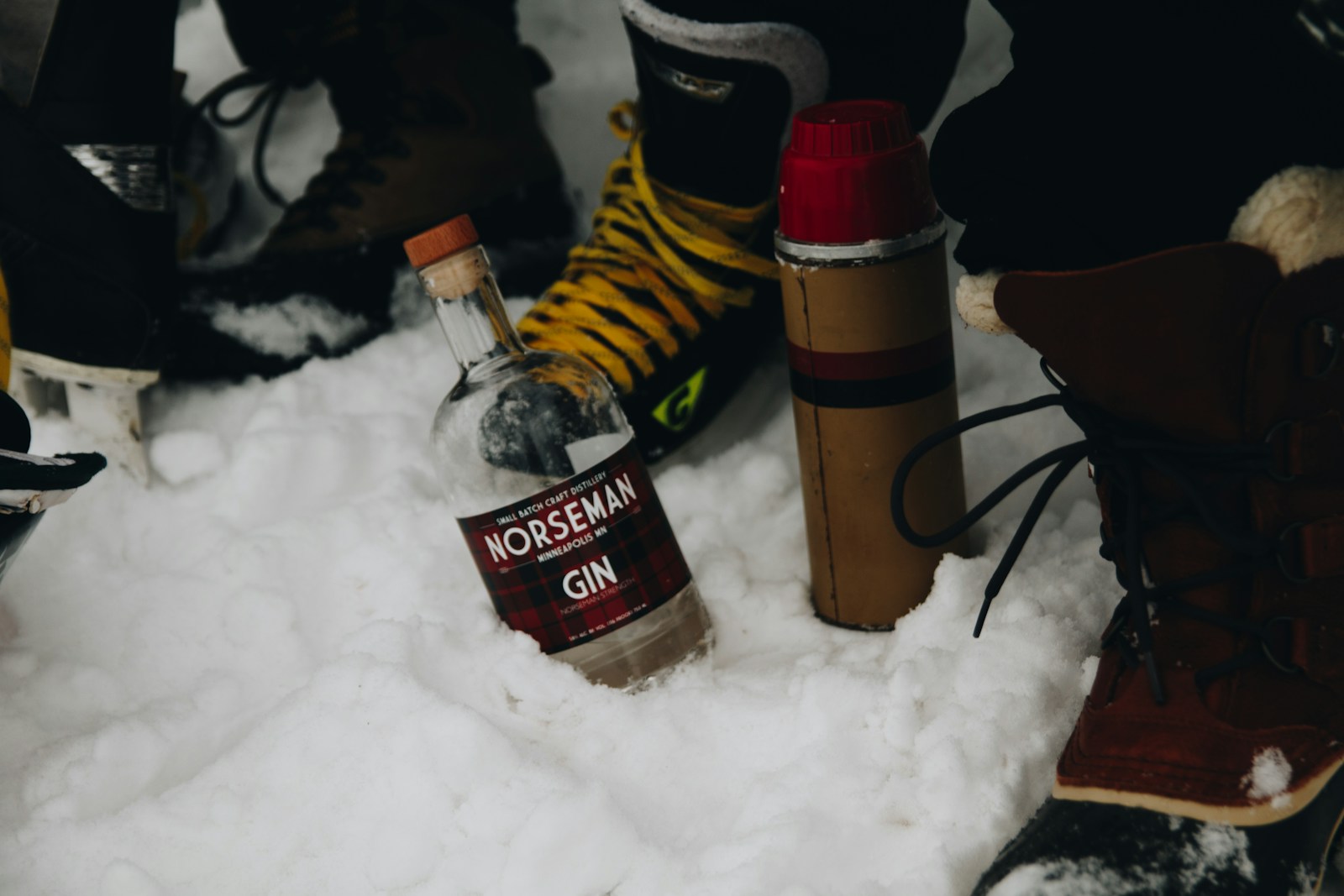
Drinking alcohol while hiking can dull judgment, slow reflexes, and increase dehydration risk. Even small amounts make balance and focus harder to maintain on uneven terrain. Alcohol also interferes with recovery and sleep after a long day outdoors. Staying hydrated with water or electrolyte-rich drinks keeps you alert and energized.
Creamy Sauces and Condiments

Items like mayonnaise or cream-based dressings are unsafe without refrigeration. They spoil quickly and can make you sick if left in a backpack too long. Besides, they add unnecessary weight and mess to your pack. Choosing dry seasonings or mustard packets keeps your meals flavorful and safe to eat.
Perishable Fruits
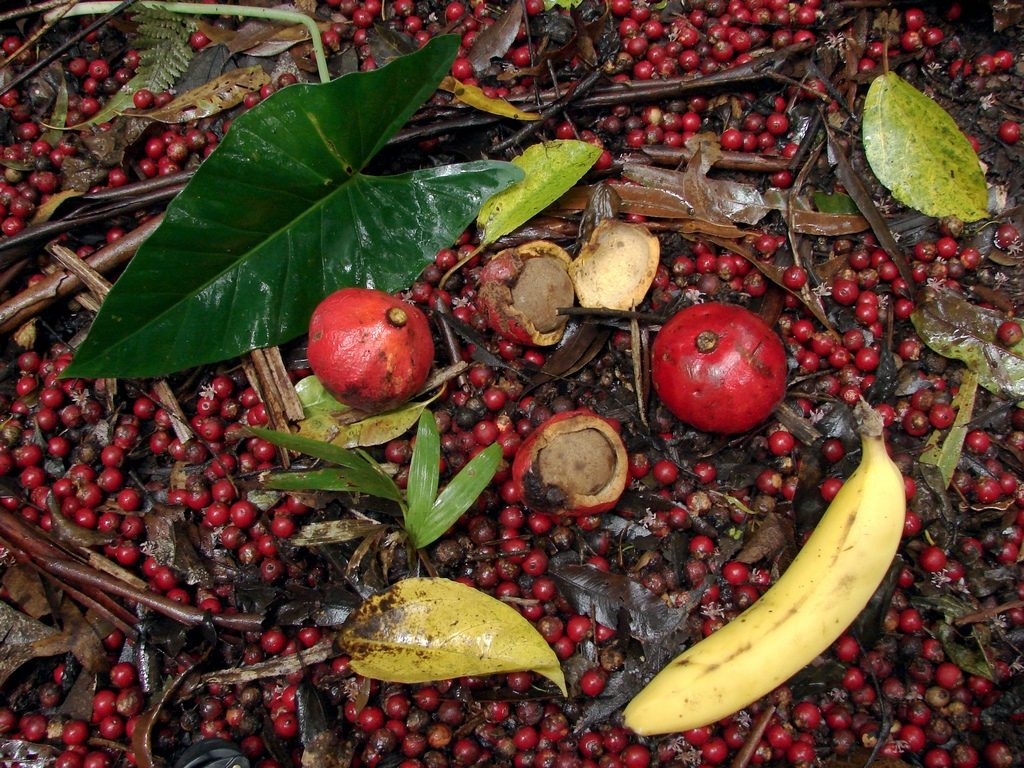
Fruits like bananas or peaches bruise easily and spoil under heat. Once damaged, they attract insects and create unwanted messes. While they’re nutritious, they’re better suited for shorter hikes. Dried or freeze-dried fruits provide the same vitamins without the risk of spoilage, making them ideal trail snacks.
Processed Meats
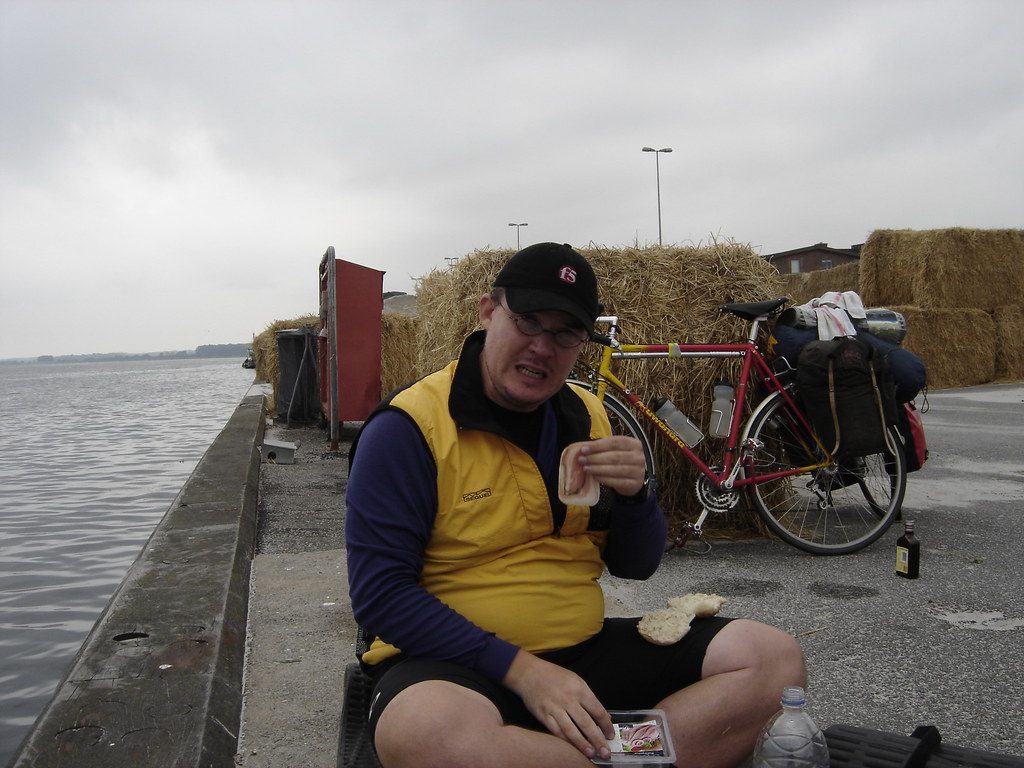
Processed meats such as sausages or cold cuts are high in sodium and fat, both of which can dehydrate you quickly. They also spoil faster than you might expect in warm weather. Instead, consider protein bars, nuts, or vacuum-sealed jerky made for long-term storage. These options deliver energy without the risk of contamination.
Energy Drinks
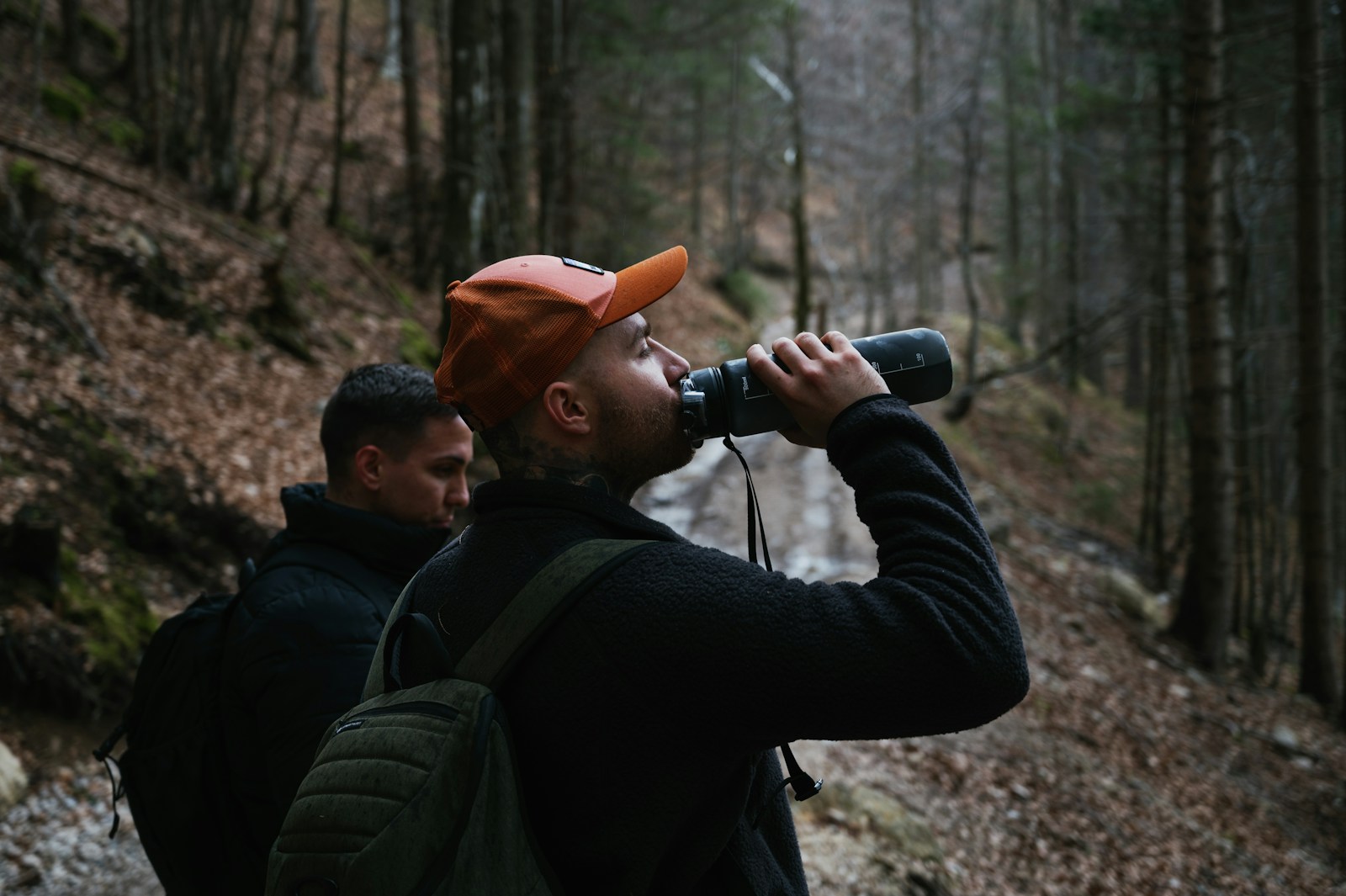
Energy drinks promise quick stimulation but often lead to rapid crashes and dehydration. The high caffeine and sugar content put unnecessary strain on your body. Combined with physical activity, they can cause jitteriness or nausea. Water with electrolyte tablets provides steady hydration and alertness without the side effects.
Unfiltered Water from Streams
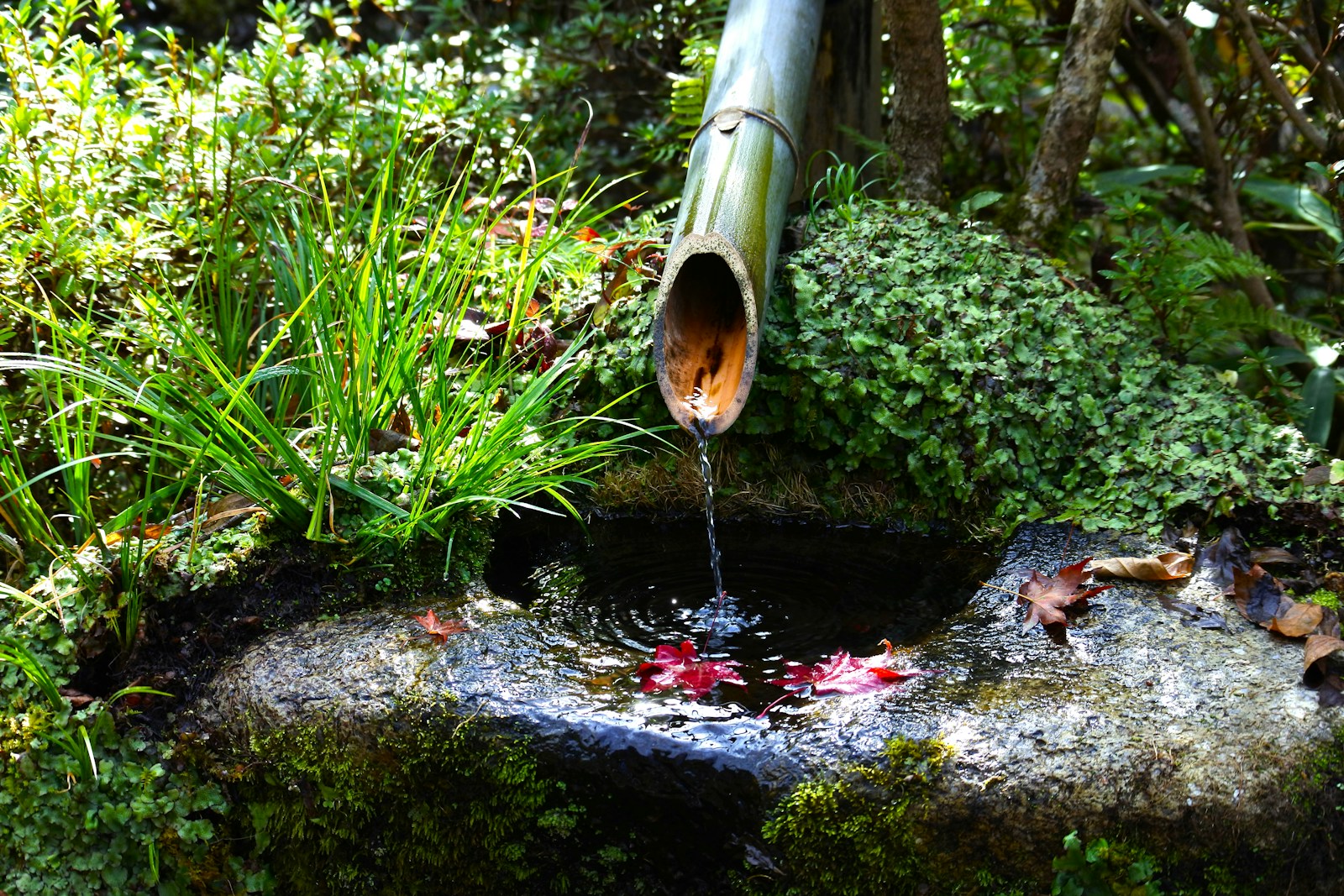
Even the clearest mountain stream can contain harmful bacteria and parasites. Drinking untreated water increases the risk of severe illness. Always carry a portable water filter or purification tablets. Staying hydrated safely ensures that your energy and focus remain strong throughout your entire hike.