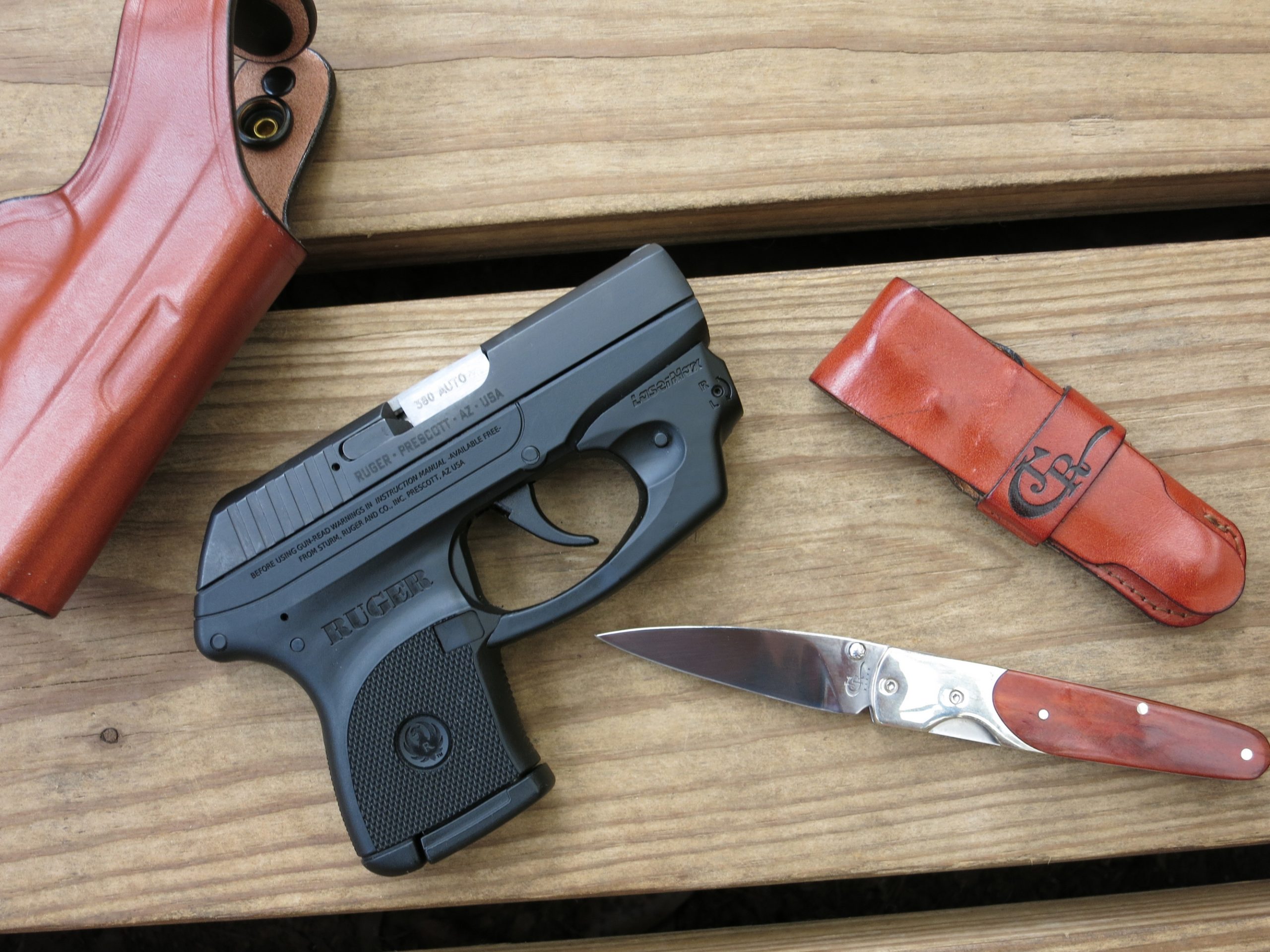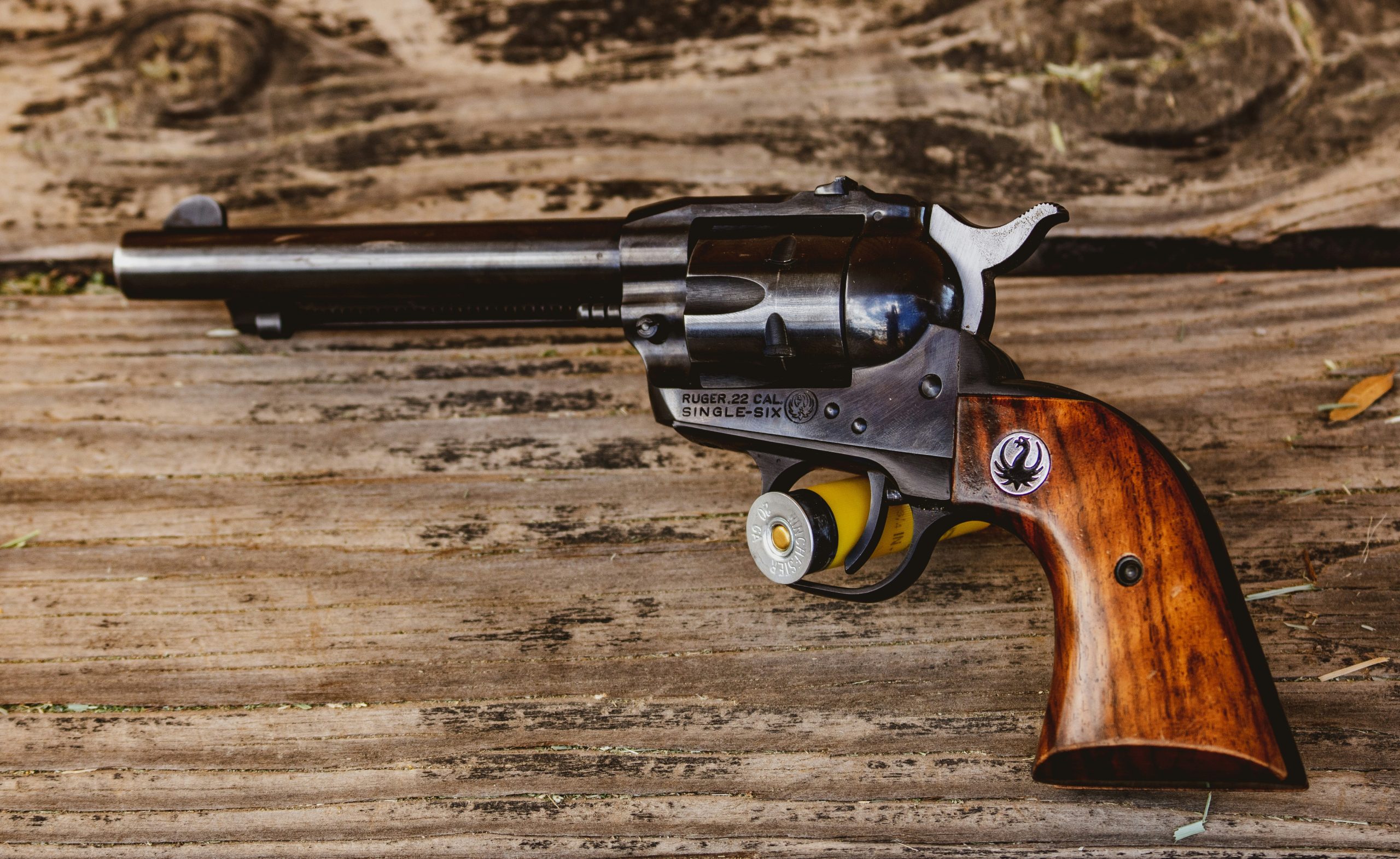
Owning a firearm in the United States carries serious responsibilities that go far beyond simply following the law. Whether you’re new to firearms or have been shooting for decades, responsible ownership requires consistent judgment, awareness, and a respect for how quickly small mistakes can become life-altering. These guidelines aren’t about restricting freedoms; they’re about keeping you, your family, and everyone around you safe. Here are twelve things legal gun owners must never do, no matter the situation.
1. Never Handle a Firearm Without Checking if It’s Loaded
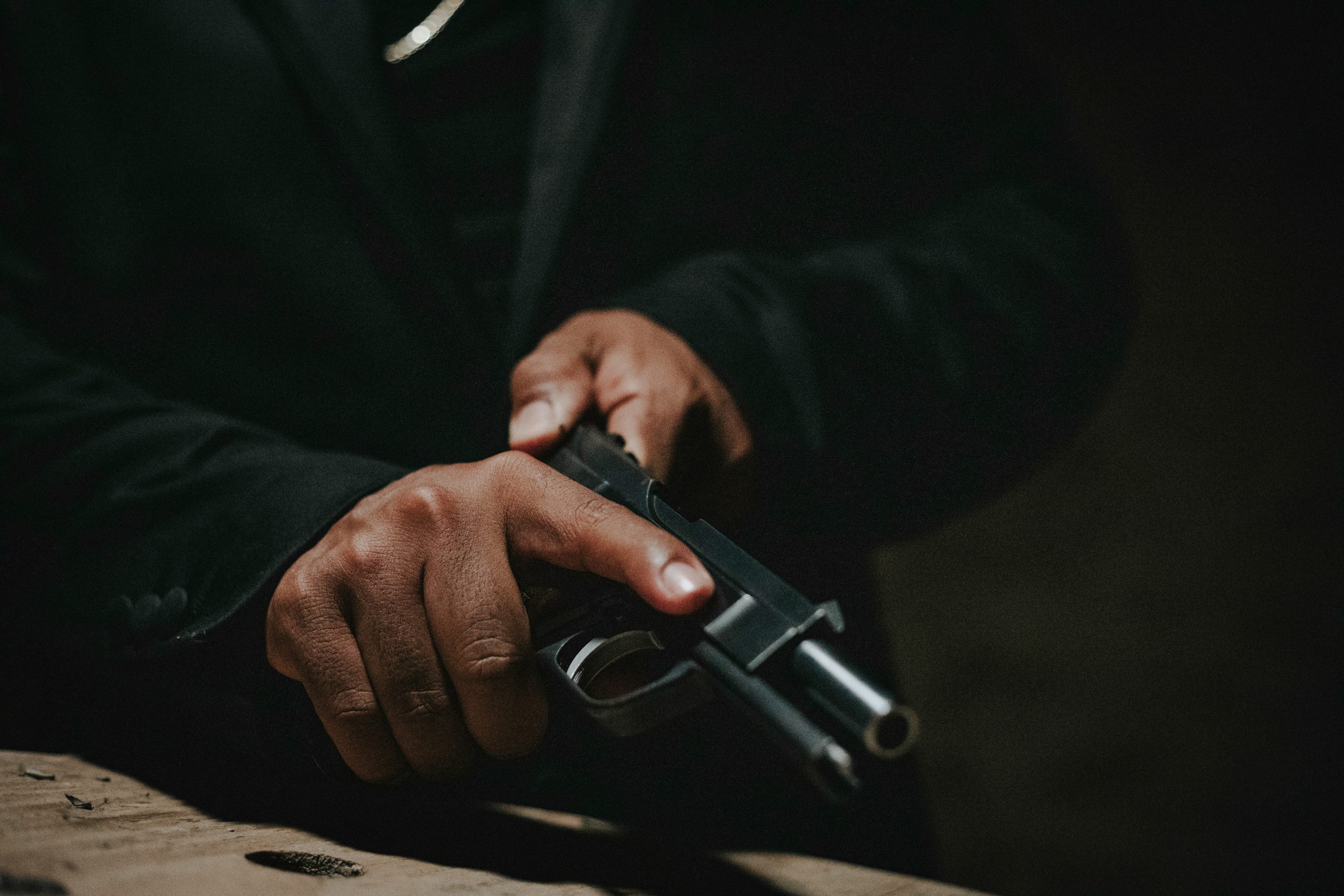
A fundamental rule of gun safety is to treat every firearm as if it’s loaded, but that only works if you physically confirm it each time you pick one up. Failing to check the chamber can lead to negligent discharges, especially when you assume someone else cleared it. Make it routine to inspect the chamber and magazine the moment a gun enters your hands. This builds muscle memory and reduces the risk of complacency that can cause dangerous accidents.
2. Never Point a Gun at Anything You Aren’t Willing to Destroy
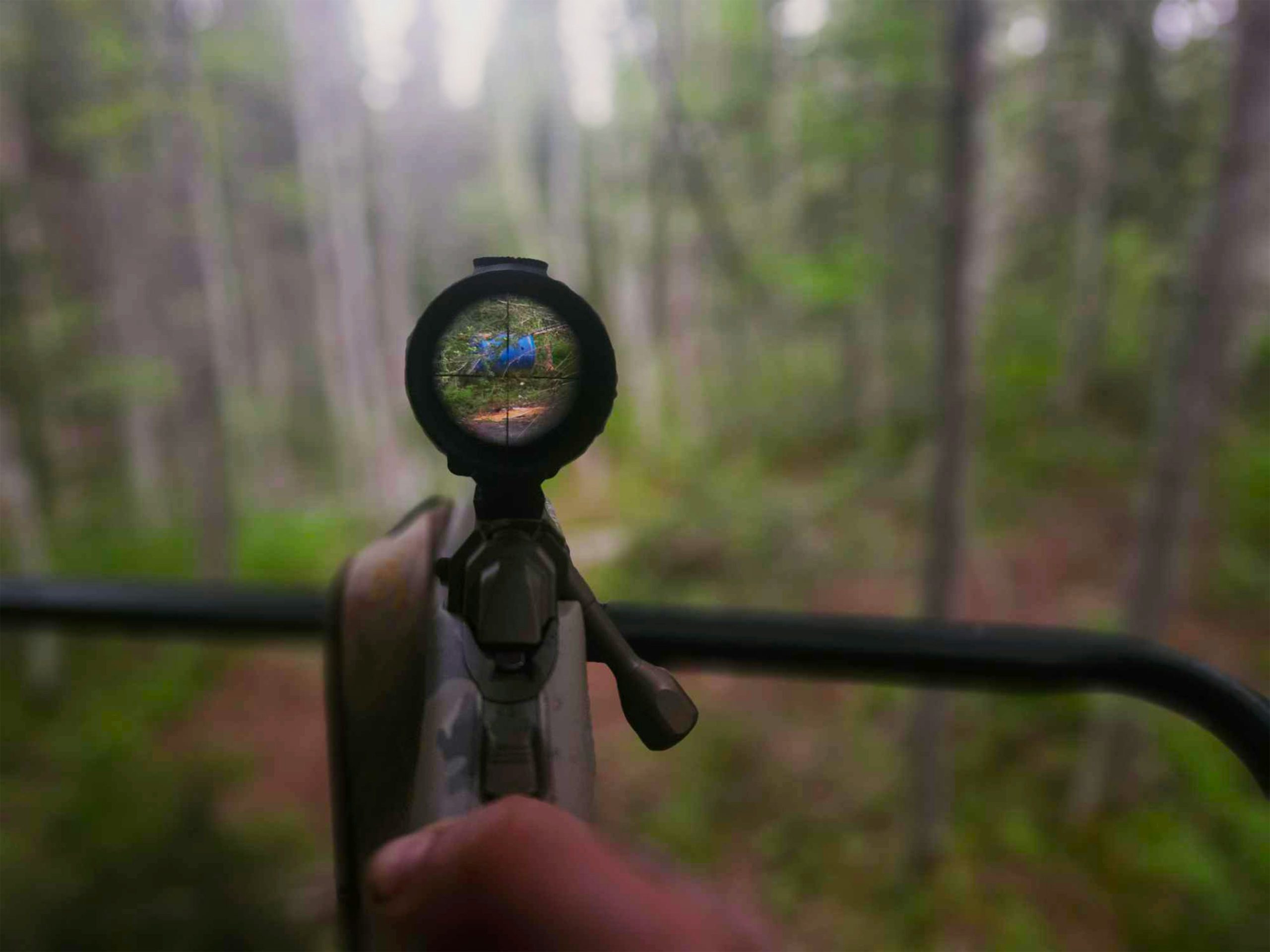
Muzzle discipline is non-negotiable. Even experienced shooters sometimes allow the barrel to drift toward people or objects during conversation or when adjusting their stance. This tiny slip can turn catastrophic if a sudden discharge occurs. Keeping the muzzle pointed in a safe direction at all times protects everyone around you and reinforces responsible habits. Always be deliberate with how you move, carry, and set down your firearm.
3. Never Place Your Finger on the Trigger Unless Ready to Shoot
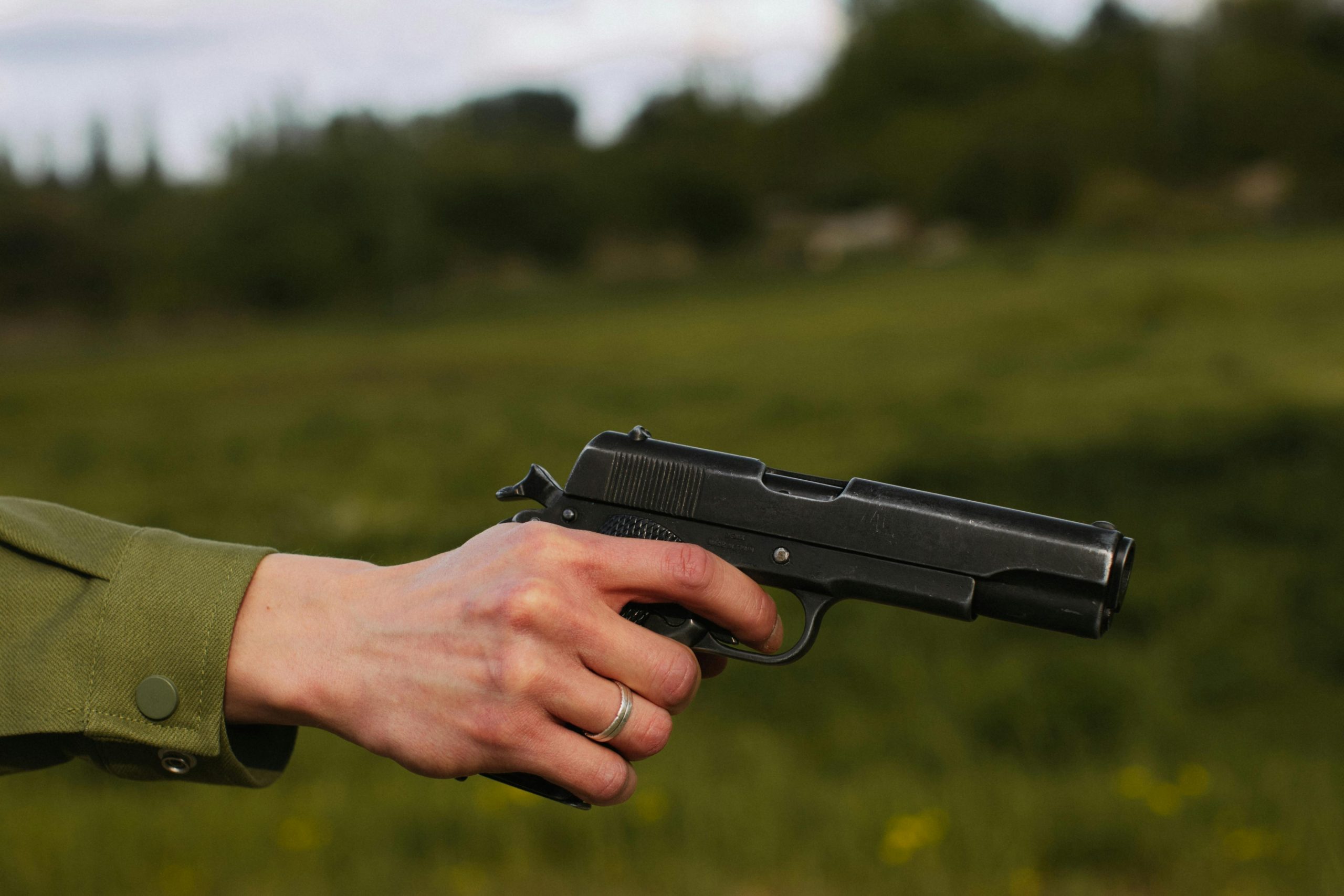
Trigger discipline is one of the simplest yet most crucial habits. Resting your finger on the trigger while walking, loading, or scanning around puts you seconds away from an unintended shot. Instead, keep your finger along the frame or guard until you’ve identified a target and made the conscious decision to fire. This prevents startle responses or pressure slips that could send a bullet where you never intended it to go.
4. Never Rely Solely on a Safety Mechanism
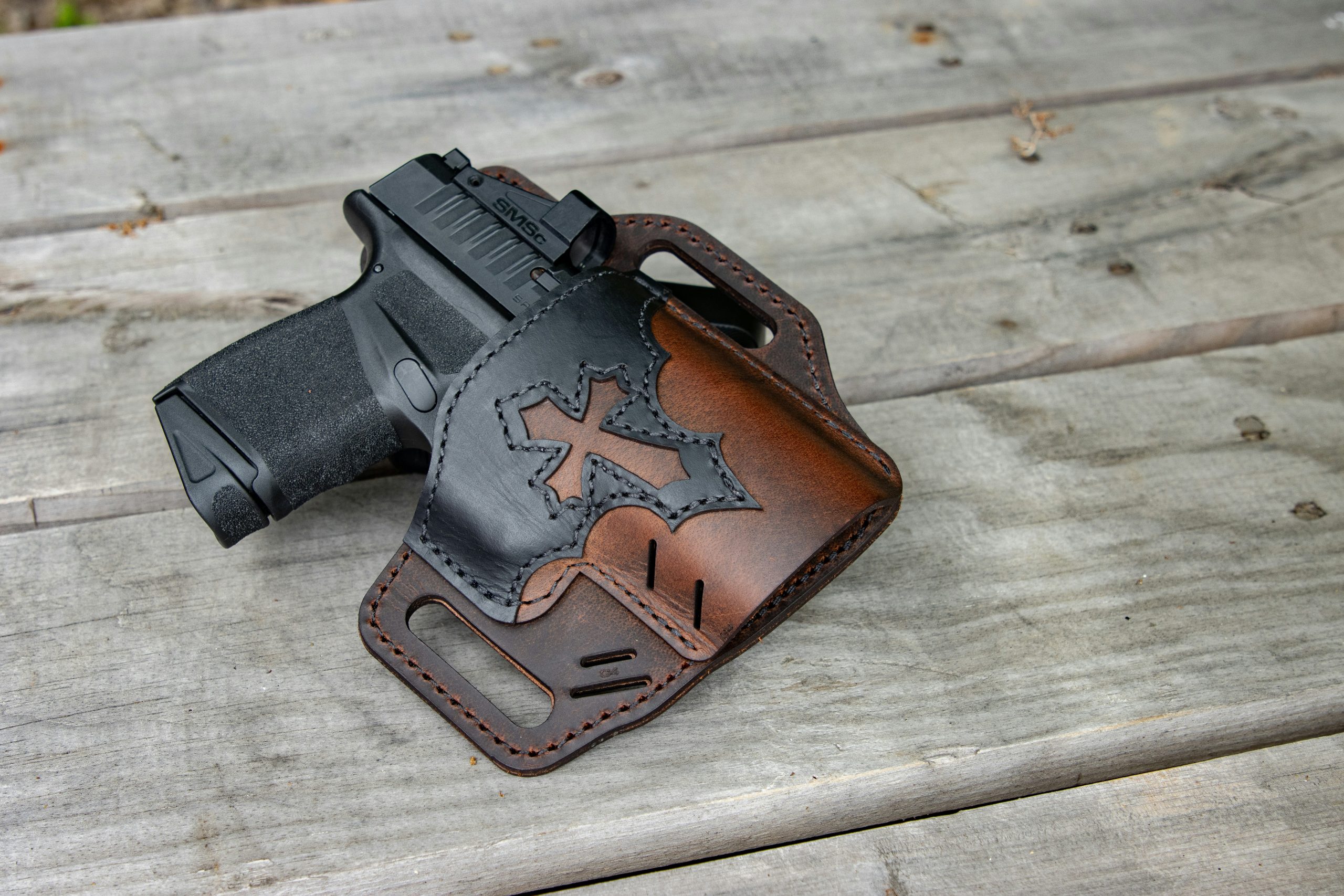
Mechanical safeties can fail, freeze, or be disengaged without you noticing, which is why they should never be your only layer of protection. Safeties are useful features, but overconfidence in them creates an illusion of security. Good gun handling practices must always be your primary safeguard. By respecting the safety as a backup rather than a guarantee, you ensure your behavior, not a switch, keeps everyone secure.
5. Never Use Alcohol or Drugs While Handling Firearms
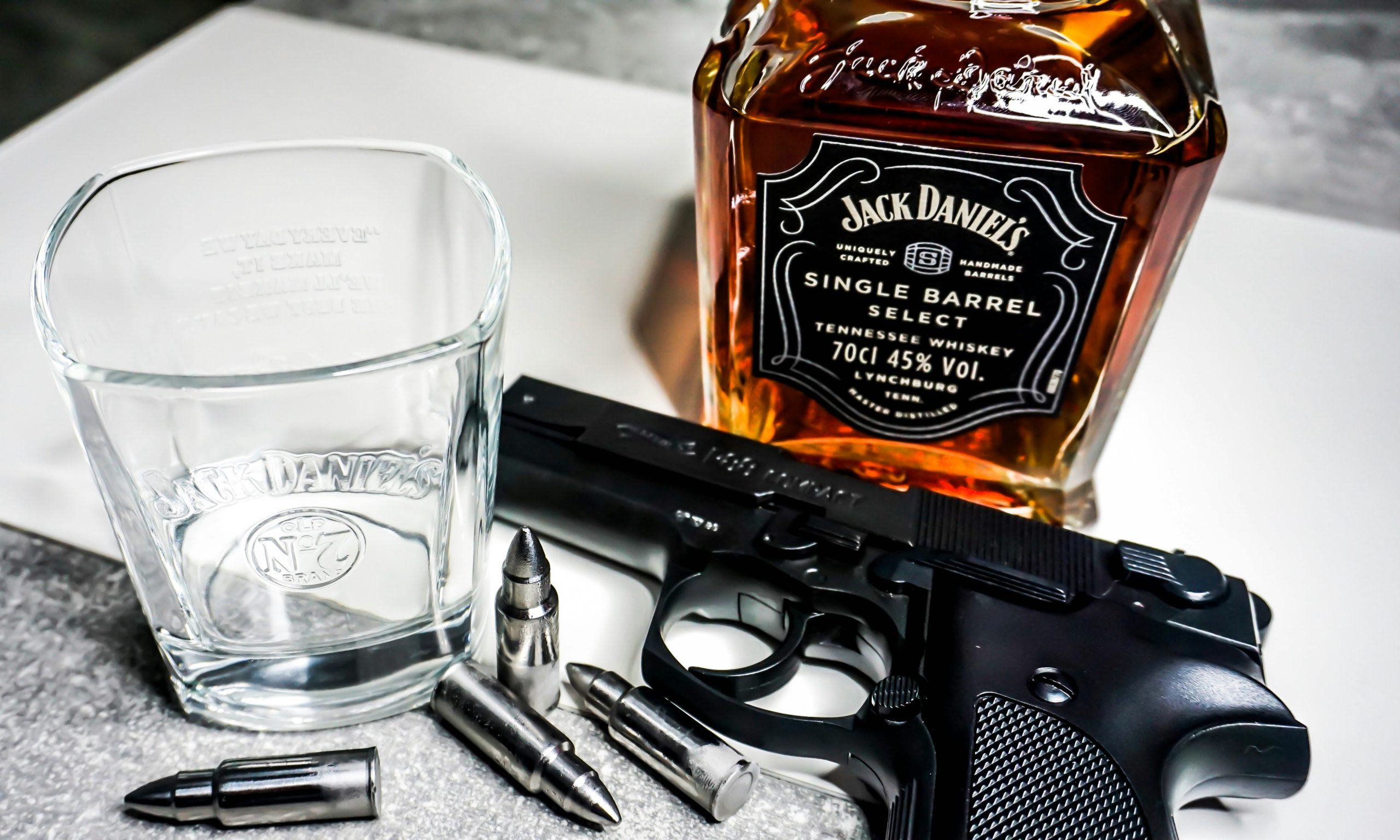
Even small amounts of alcohol or recreational drugs can impair judgment, slow reaction time, and make you overconfident. The same goes for certain prescription medications that can cause drowsiness or reduce focus. Firearms demand full mental clarity, and anything that alters your thinking increases the chance of a tragic mistake. If you’re celebrating, relaxing, or taking medication that affects alertness, keep your guns secured and untouched.
6. Never Store Firearms Carelessly or Unsecured
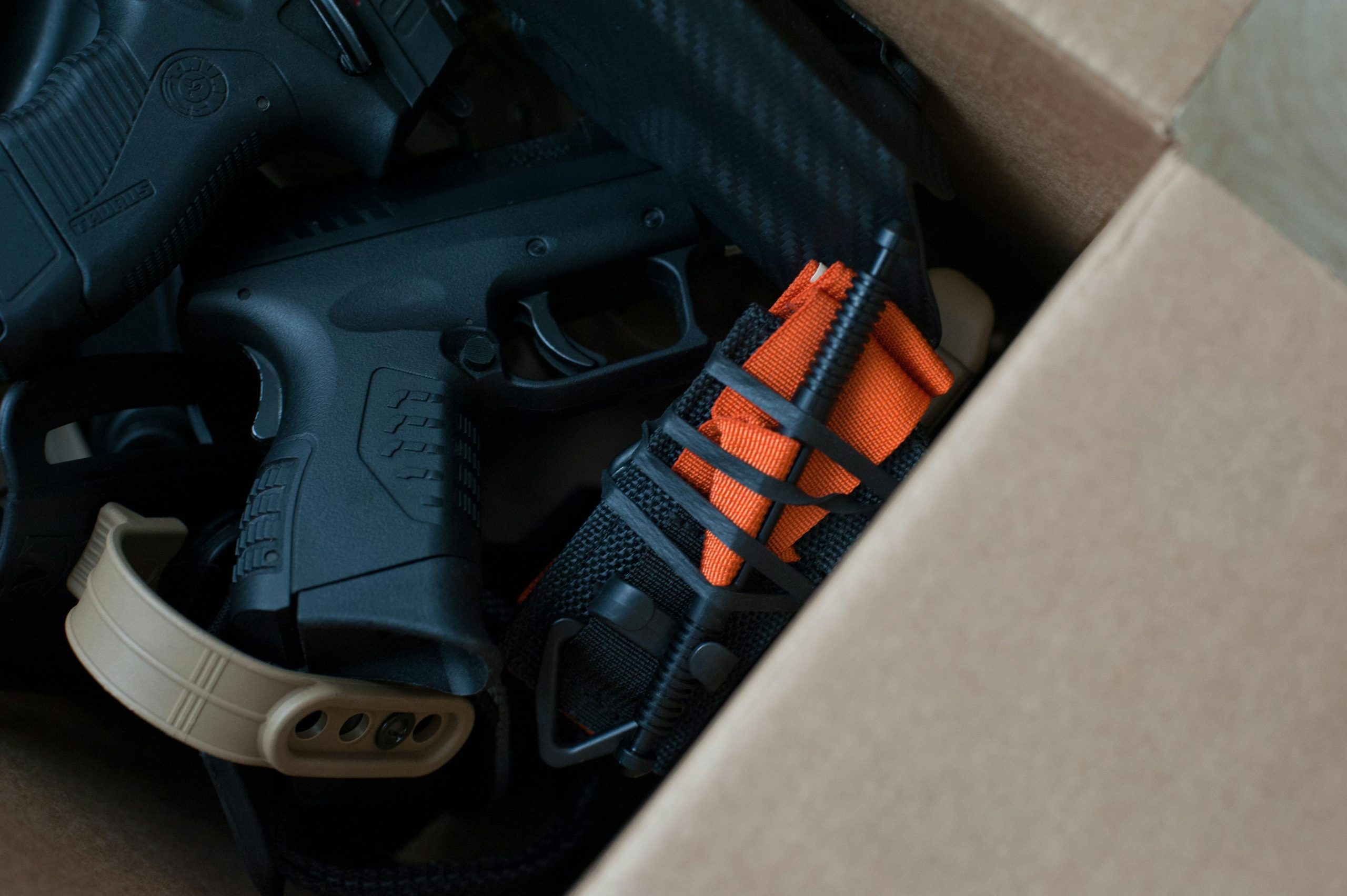
Leaving guns accessible to children, guests, or strangers invites disaster. Responsible owners store weapons in locked safes or cabinets and keep ammunition separate when appropriate. Quick-access safes offer both security and readiness, but careless storage puts everyone at risk. Whether you live alone or with family, your firearms should never be left unattended, hidden casually in closets, or placed where curious hands could find them.
7. Never Ignore Your Local and State Firearm Laws
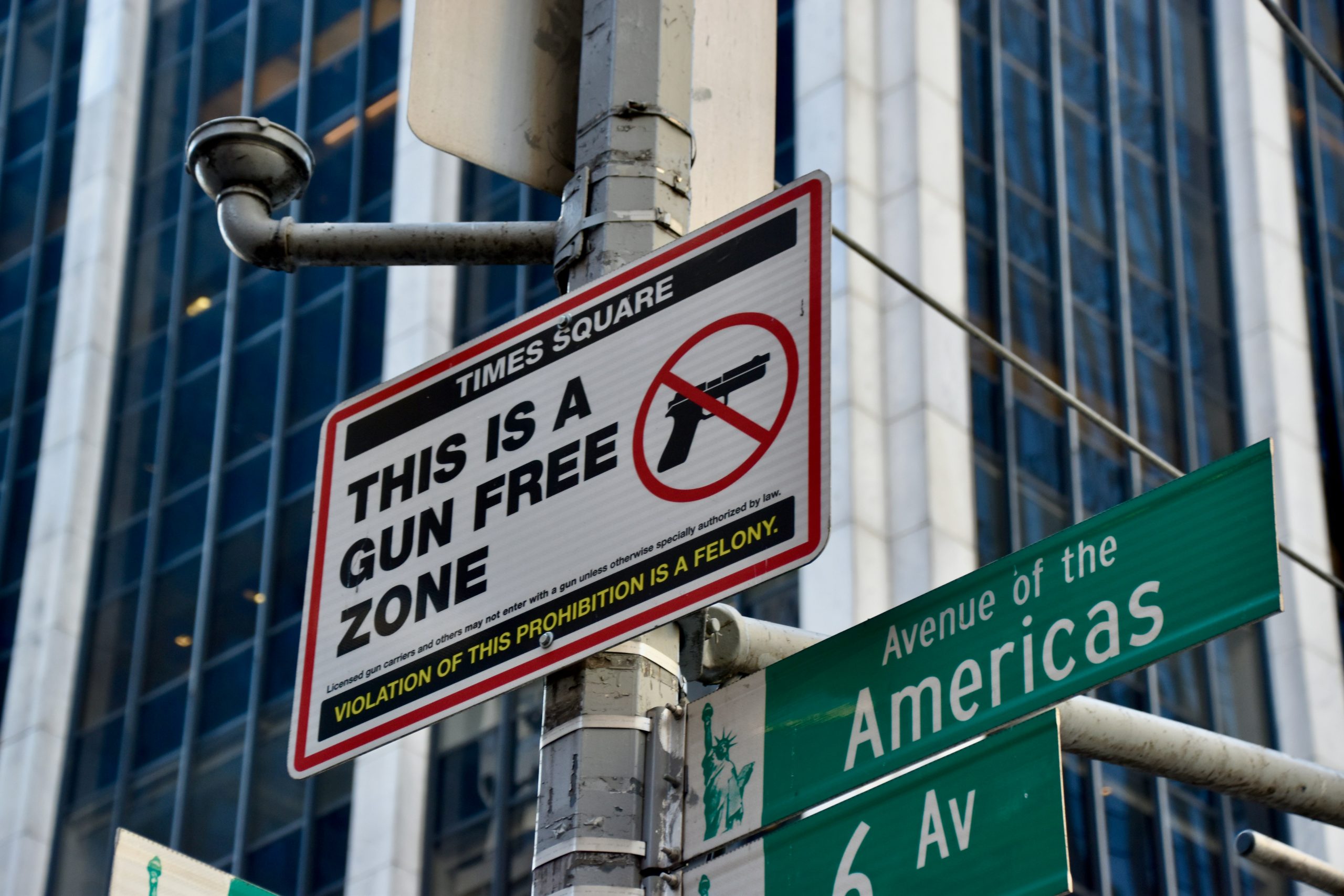
Gun laws vary dramatically across states, and ignorance doesn’t protect you from legal trouble. Transport rules, magazine limits, storage requirements, and carry permits differ by location. A responsible owner takes time to stay updated on these regulations, especially when traveling. Failing to do so can lead to fines, confiscation, or charges that permanently impact your rights. Knowing the law is part of owning a firearm responsibly.
8. Never assume a Shooting Situation Will Play Out like a movie
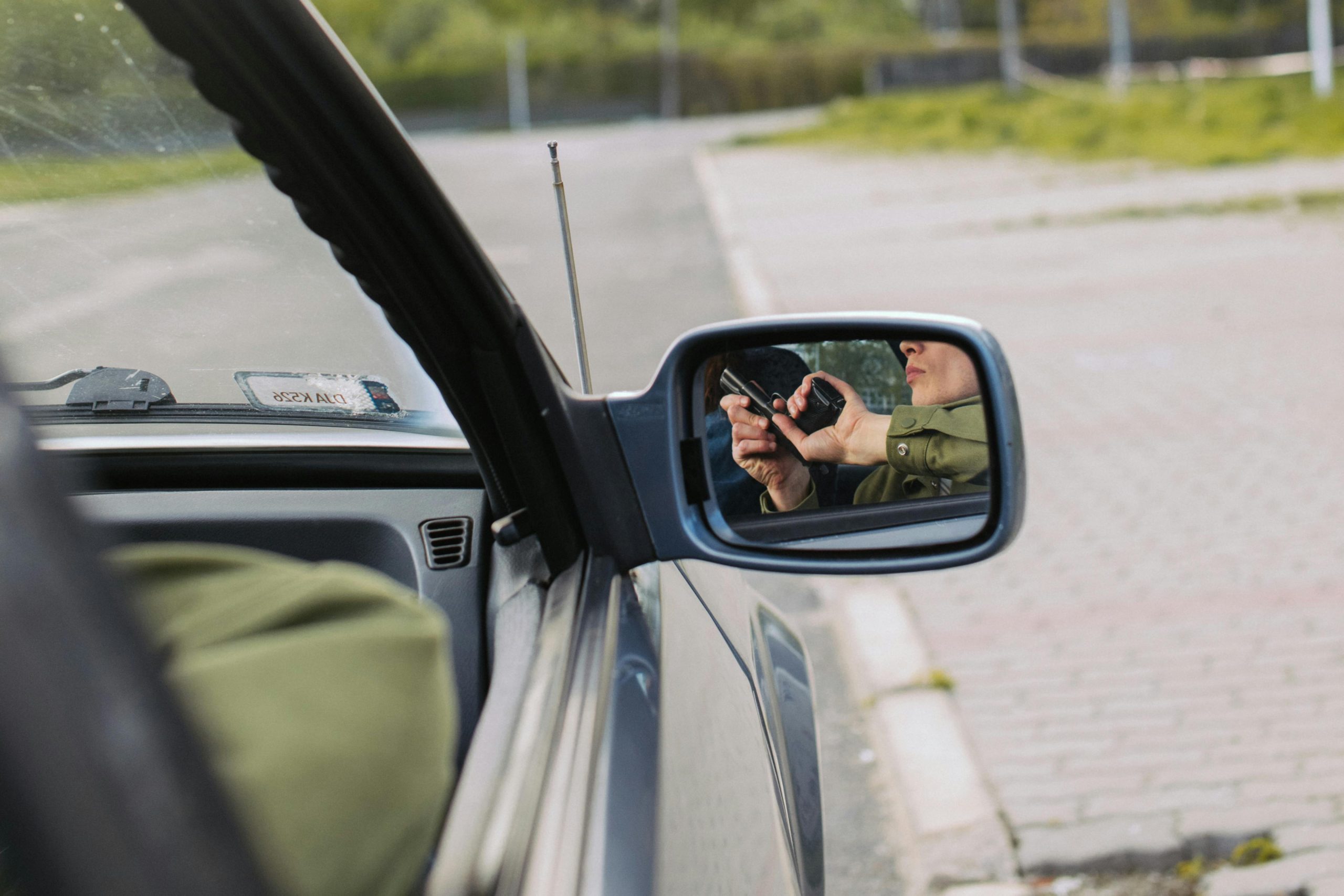
Hollywood portrays firearms unrealistically, often showing perfect accuracy, endless ammunition, and slow, dramatic reactions. Real-life encounters are chaotic, fast, and legally complex. Assuming you’ll perform flawlessly under pressure is dangerous. Instead, focus on proper training, situational awareness, and understanding legal self-defense standards. Movies are entertainment, not instruction, and treating them as guidance can lead to deadly decisions.
9. Never Use a Gun to Intimidate or “Send a Message”
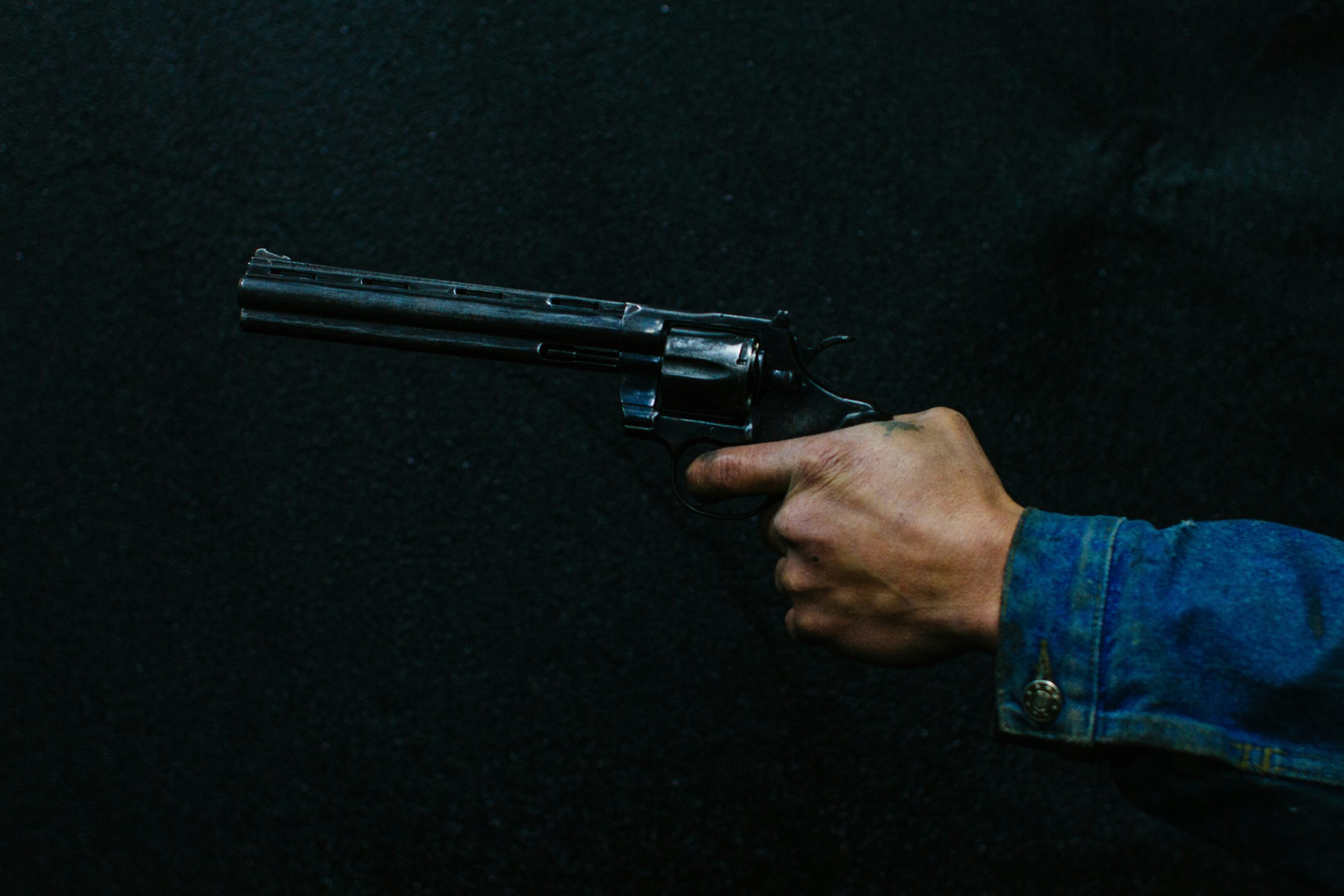
Displaying or brandishing a firearm outside of lawful self-defense is not only irresponsible but criminal in many jurisdictions. Using a gun to scare someone or win an argument escalates conflict and shows reckless disregard for safety. A firearm is a defensive tool, not a negotiation tactic. Responsible owners understand that revealing a gun is a last resort, only justified when life or serious injury is immediately threatened.
10. Never Shoot Without Being Sure of Your Target and Beyond
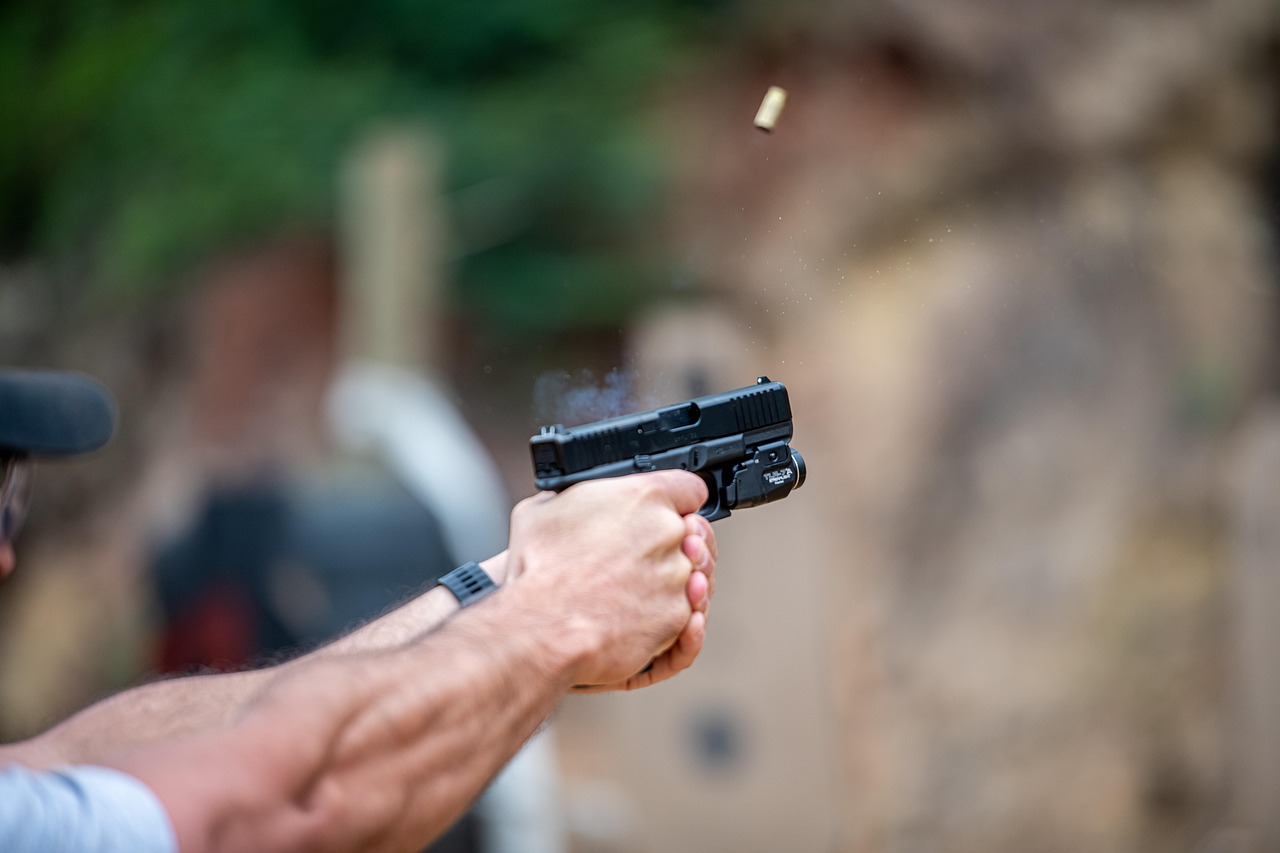
Bullets don’t stop at your intended target, and failing to identify what’s behind it can harm innocent people or damage property. Whether you’re at the range, in rural areas, or dealing with a self-defense situation, you must know where every round will go. Hard surfaces can cause ricochets, while soft backgrounds may not stop a round at all. Understanding your environment ensures your shots are deliberate and safe.
11. Never Modify a Firearm Recklessly or Illegally
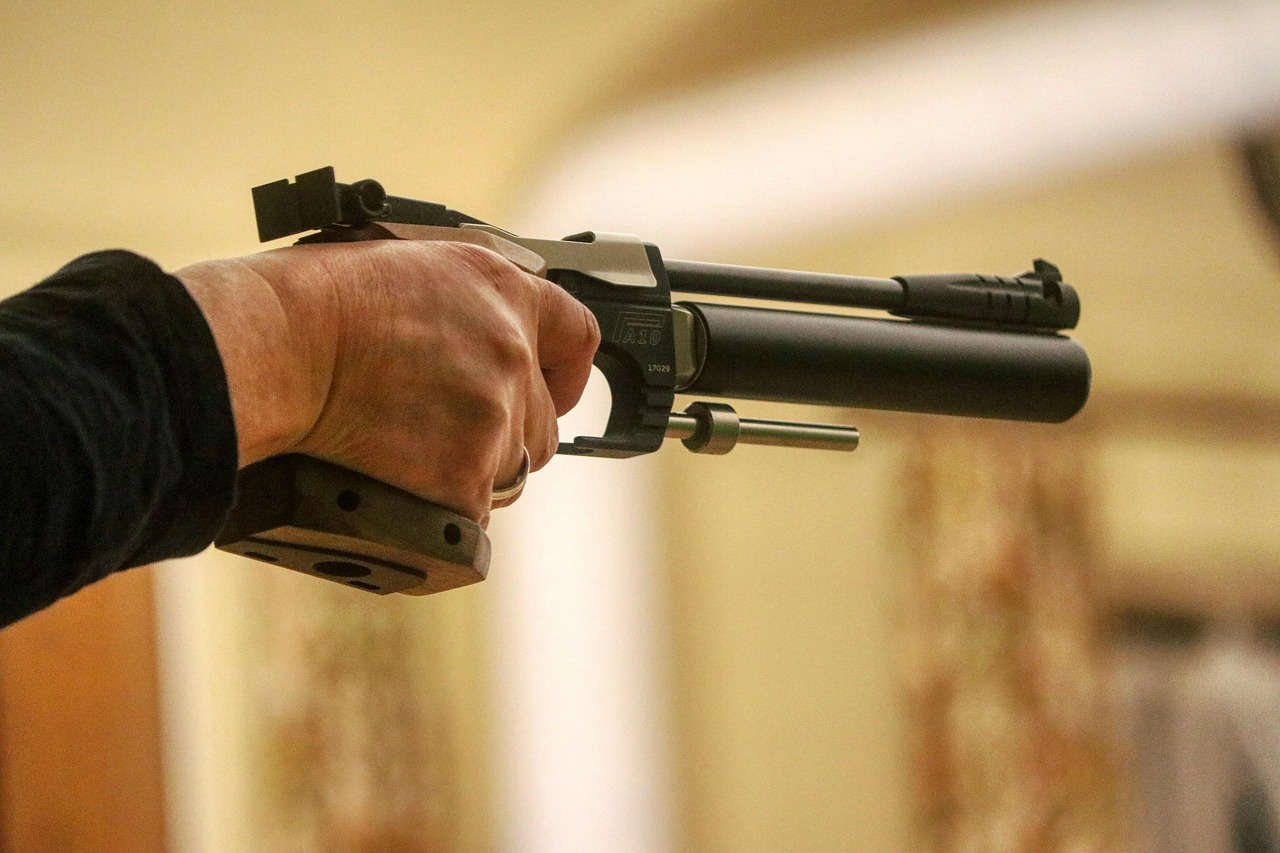
Aftermarket parts can improve performance, but untested or poorly installed modifications can compromise safety and reliability. Some changes may also violate state or federal law, turning a legal owner into an accidental offender. Before altering triggers, barrels, or internal components, consult professionals and verify legality. A firearm meant to protect you should never become unreliable or unlawful because of careless adjustments.
12. Never Assume One Training Session Is Enough
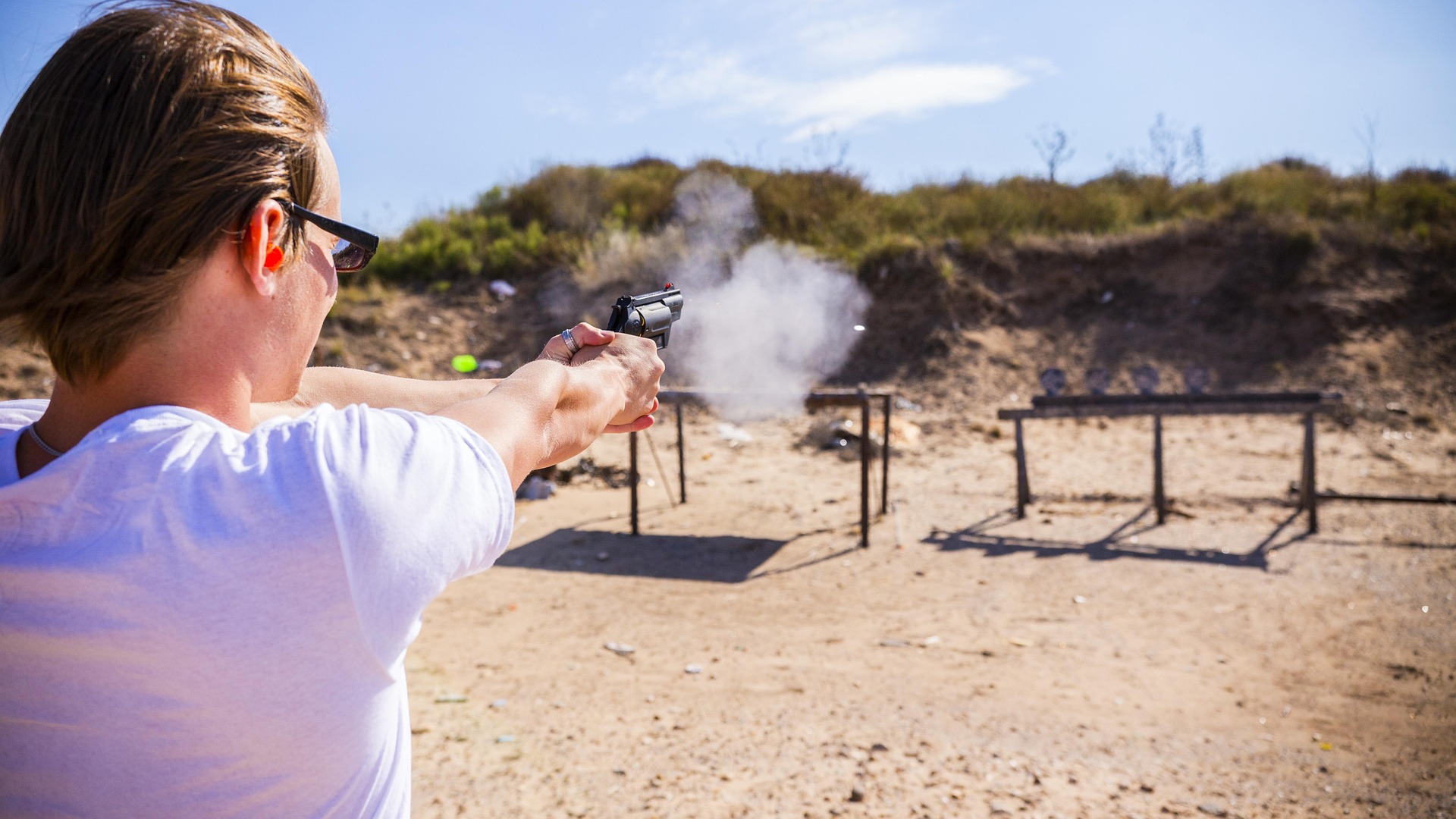
Firearm skills deteriorate without repetition, and self-defense knowledge requires continuous practice. Taking a single class doesn’t make you fully prepared for real-world stress. Responsible owners train regularly, reviewing fundamentals, learning new techniques, and staying informed about legal updates. Consistent training builds confidence, sharpens decision-making, and prevents dangerous habits from forming over time.