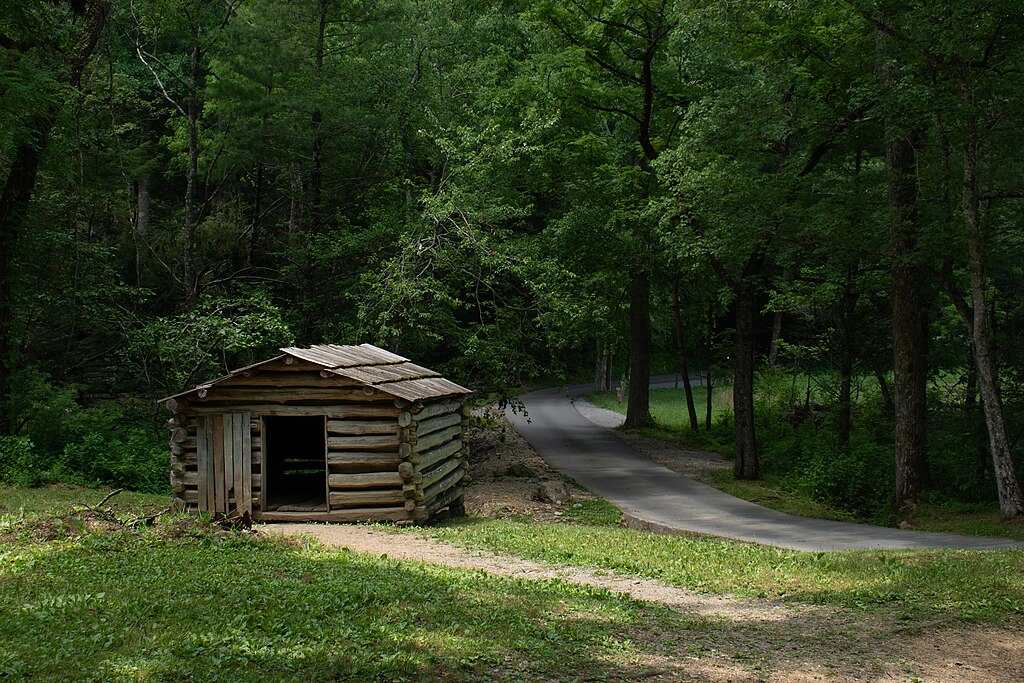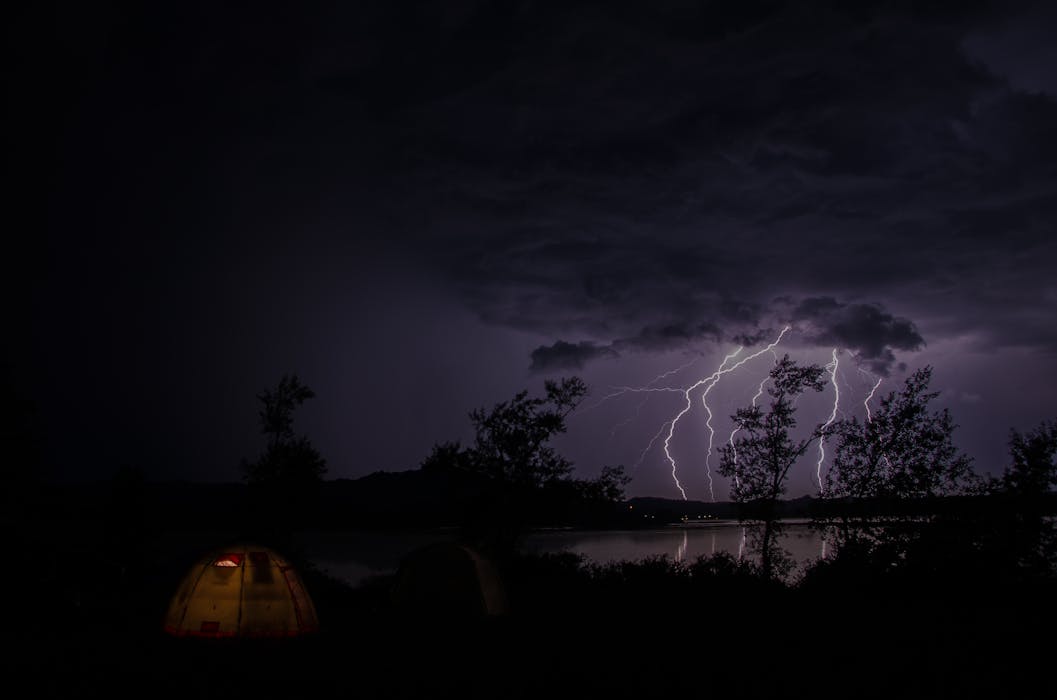
Camping in consistently wet regions demands a different mindset than fair weather trips. Rain alters terrain, temperature, visibility, and daily routines in ways that magnify small oversights. Many campers pack familiar gear yet forget details that matter most once moisture becomes constant. Wet conditions challenge shelters, clothing, food storage, and morale. Preparation extends beyond rain jackets to planning drainage, insulation, and organization. Learning from experience helps avoid discomfort and safety issues. The following items are often overlooked but become critical in rainy environments, where staying dry, warm, and functional shapes the entire camping experience. These lessons grow clearer through repeated exposure to sustained wet conditions.
Waterproof Storage Systems
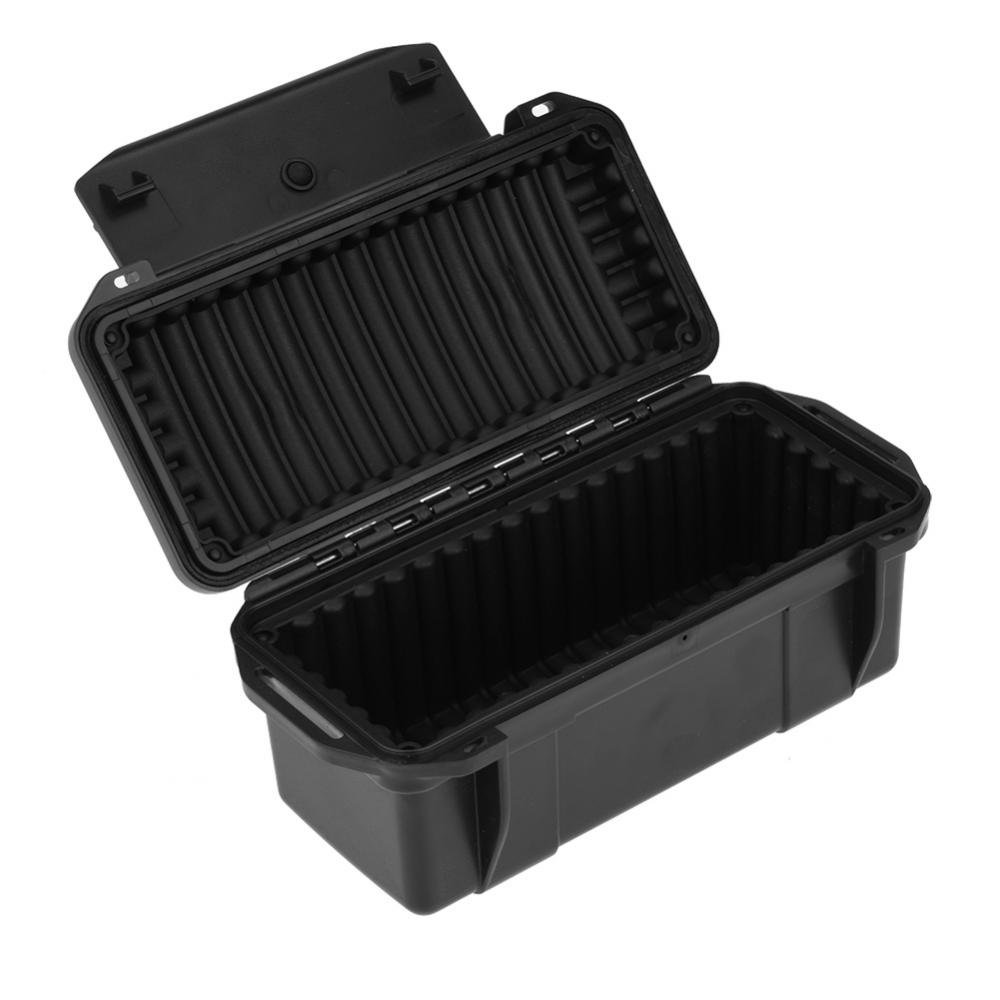
Campers often underestimate how quickly moisture infiltrates packs and tents. Waterproof storage systems protect clothing, electronics, and food from constant dampness. Dry bags, sealed bins, and pack liners prevent saturation during prolonged rain. Plastic grocery bags are unreliable substitutes. Wet gear increases weight and discomfort. In rainy regions, organization inside waterproof containers saves time and stress. Separating critical items reduces exposure during access. Campers who skip proper storage frequently struggle with mold, ruined supplies, and morale loss. Reliable waterproof systems preserve functionality and comfort when rain becomes continuous rather than occasional. These systems consistently prevent preventable losses during extended storms and wet travel.
Ground Drainage Awareness
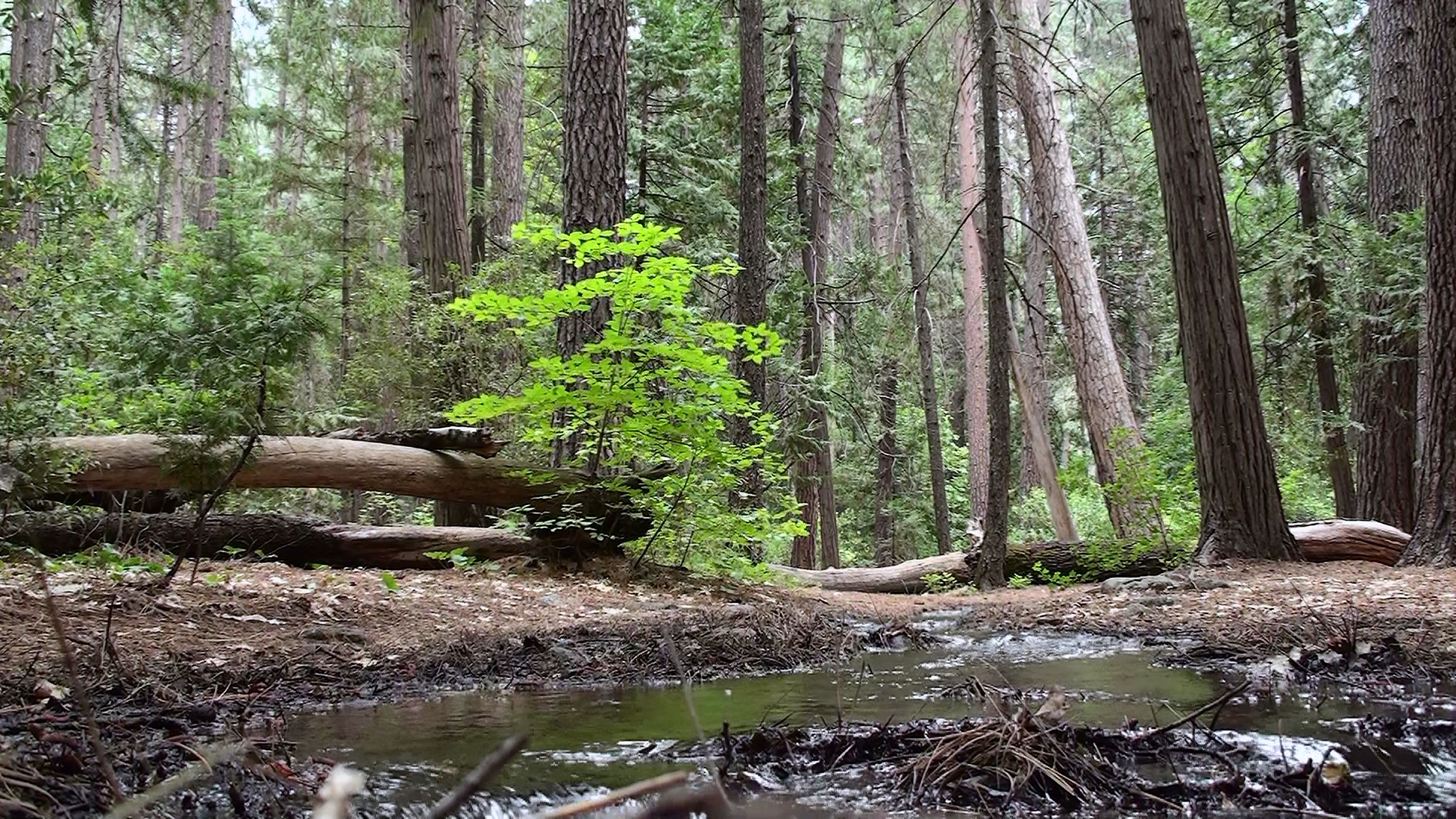
Selecting camp without evaluating drainage creates problems overnight. Rain transforms slight depressions into puddles and flowing channels. Campers forget to observe slopes, soil type, and runoff patterns. Proper site choice prevents water pooling beneath tents. Elevated ground with gentle runoff reduces flooding risk. In rainy regions, ignoring drainage leads to soaked floors and cold conditions. Small adjustments in placement matter. Campers who assess terrain before pitching shelters remain drier and warmer. Drainage awareness often separates comfortable camps from miserable, waterlogged experiences during extended storms. Experience reinforces how critical terrain assessment becomes under persistent rainfall.
Tent Seam Maintenance
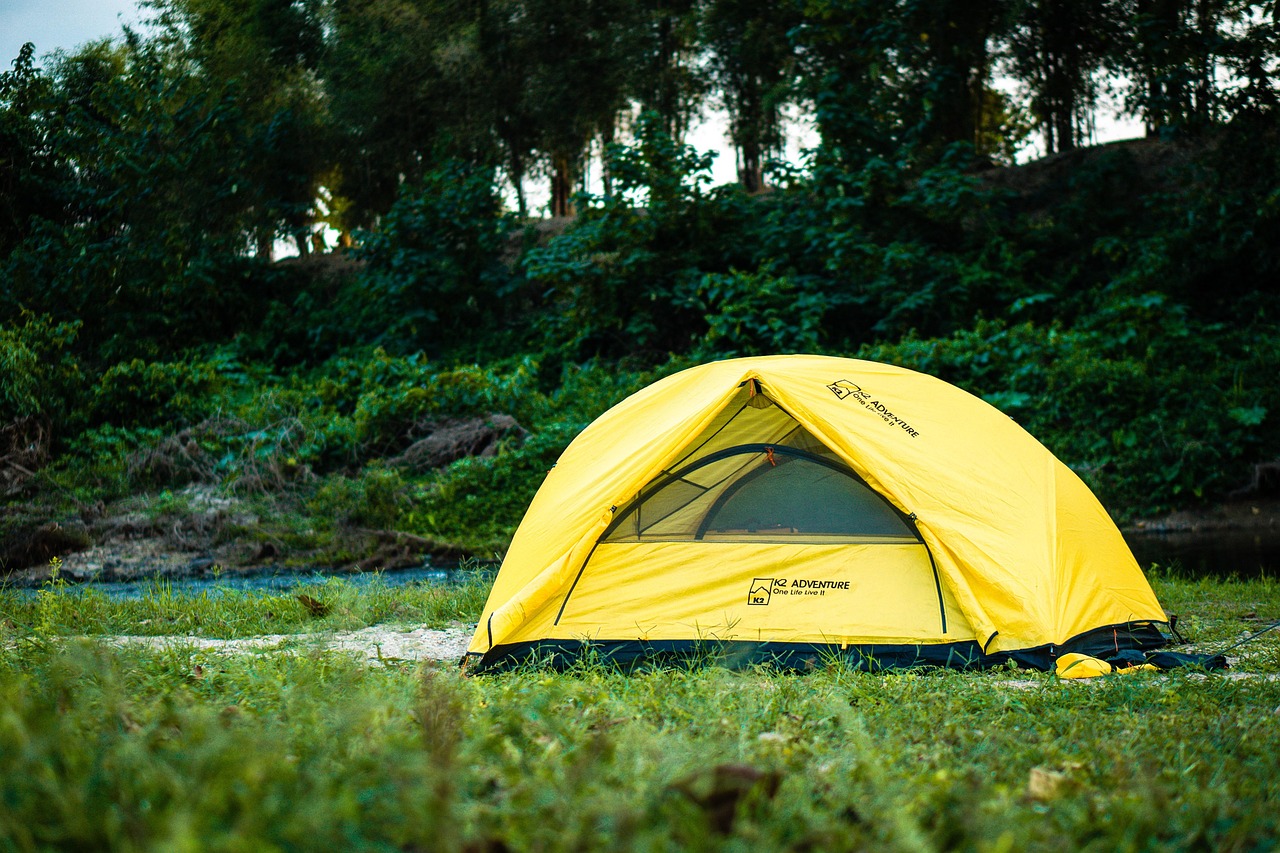
Many campers assume tents remain waterproof indefinitely. Seam tape and coatings degrade over time, especially in humidity. Forgotten maintenance allows leaks during sustained rain. Campers in wet regions must regularly inspect and reseal seams. Small drips quickly soak interiors. Reapplying seam sealer extends tent life and performance. Ignoring this step results in damp sleeping gear and discomfort. Seam maintenance often feels unnecessary until heavy rain arrives. Prepared campers avoid unpleasant surprises by ensuring shelters remain truly waterproof under prolonged exposure. Regular inspections prevent failures when weather conditions become especially unforgiving.
Proper Ventilation Planning

Rainy weather tempts campers to seal tents tightly. Poor ventilation traps moisture inside, causing condensation. Campers forget airflow balances dryness and warmth. Strategic vent use reduces interior dampness even during storms. Mesh panels and adjustable vents help manage humidity. Without ventilation, sleeping bags and clothing become wet from condensation. In rainy regions, managing airflow prevents mold and discomfort. Campers who plan ventilation remain drier than those who simply block rain. Balanced airflow is essential for maintaining comfort during long wet nights. This balance supports sleep quality despite constant external moisture.
Insulated Sleep Systems
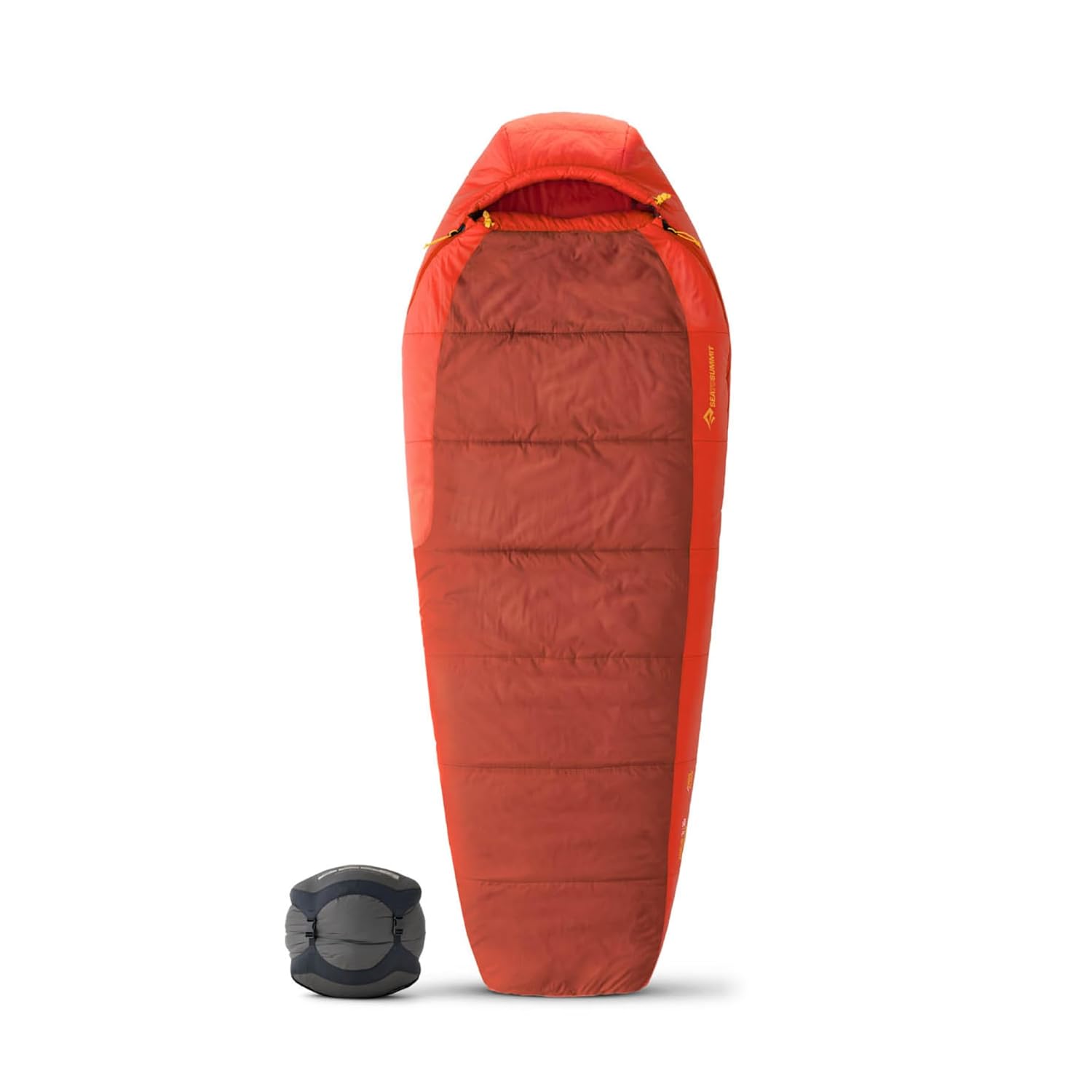
Cold follows moisture quickly. Campers often forget insulation beyond sleeping bags. Wet ground drains body heat. Insulated sleeping pads create critical barriers. In rainy regions, pads prevent heat loss and improve rest. Campers relying solely on bags wake chilled. Elevating sleep systems reduces dampness. Choosing appropriate insulation matters more than bag ratings alone. Overlooking ground insulation leads to restless nights. Prepared campers prioritize layered insulation to stay warm despite rain and humidity affecting surrounding temperatures consistently. Reliable insulation preserves energy and comfort across consecutive damp nights.
Rain-Ready Clothing Rotation
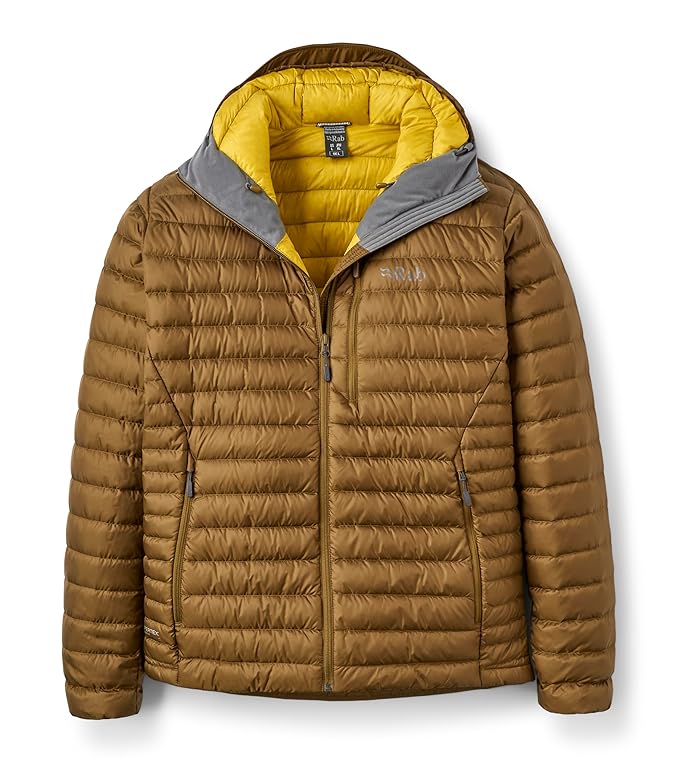
Campers pack rain jackets but forget clothing rotation. In wet environments, clothes rarely dry fully. Wearing damp layers lowers morale and warmth. Campers benefit from separating dry sleep clothing from daytime wear. Waterproof storage supports rotation. Lightweight insulating layers perform better than cotton. Forgetting extra socks is common. In rainy regions, maintaining a dry clothing reserve matters greatly. Campers who plan rotations stay warmer and more comfortable. Thoughtful clothing management prevents prolonged exposure to dampness and chilling conditions. Consistent routines help sustain comfort when drying opportunities remain limited.
Cooking Area Shelter
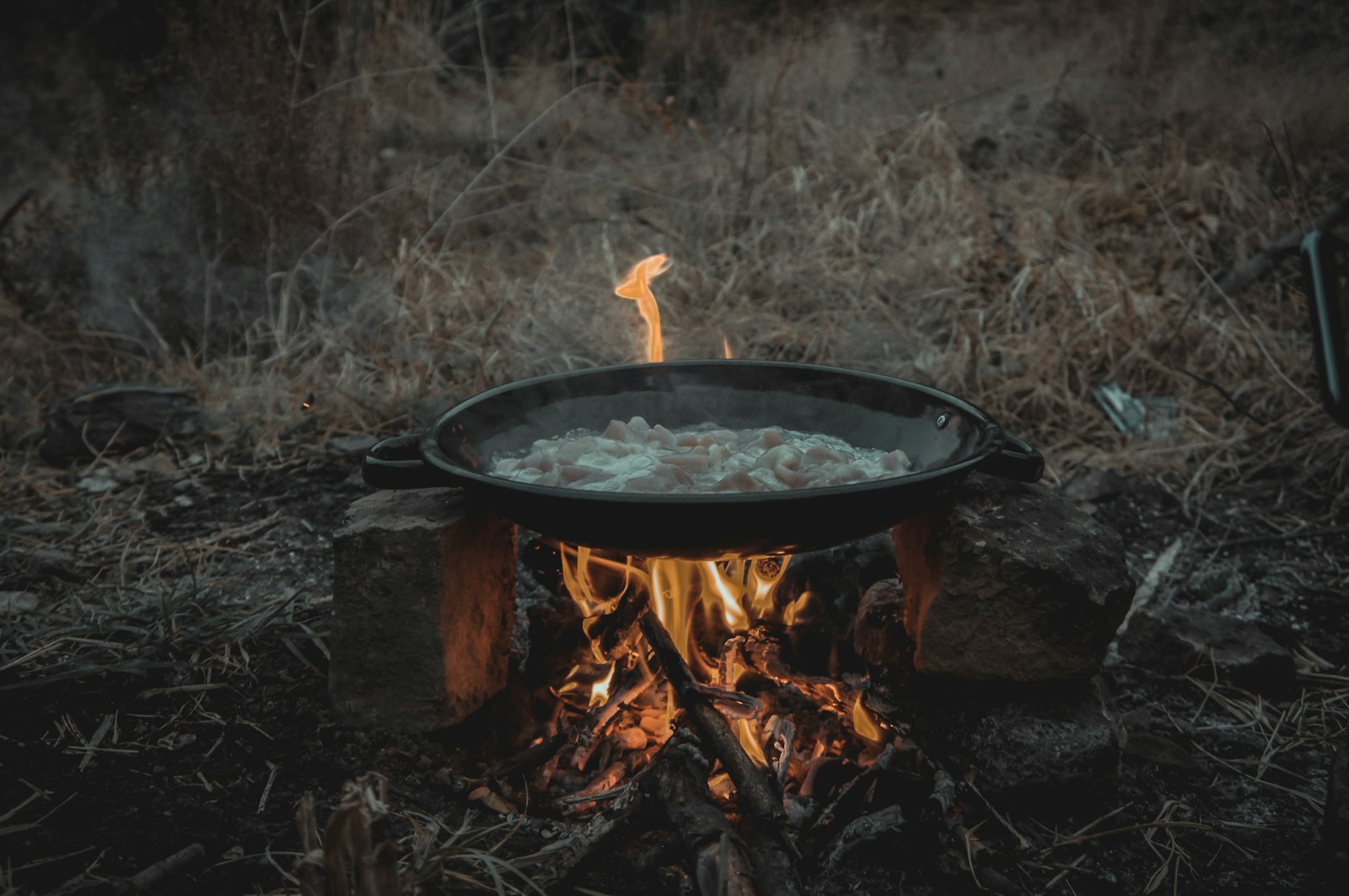
Rain disrupts meal preparation quickly. Campers often forget to plan sheltered cooking spaces. Without protection, stoves malfunction and food preparation suffers. Tarps or vestibules provide essential cover. Cooking inside tents creates safety hazards. In rainy regions, dedicated shelter keeps meals possible and morale higher. Campers who ignore cooking shelter face cold meals or delays. A simple tarp transforms rainy evenings. Planning cooking protection maintains routines and energy during extended wet weather. Reliable shelter preserves safety while supporting consistent nutrition habits during long storms and unpredictable changing conditions outdoors.
Food Moisture Protection
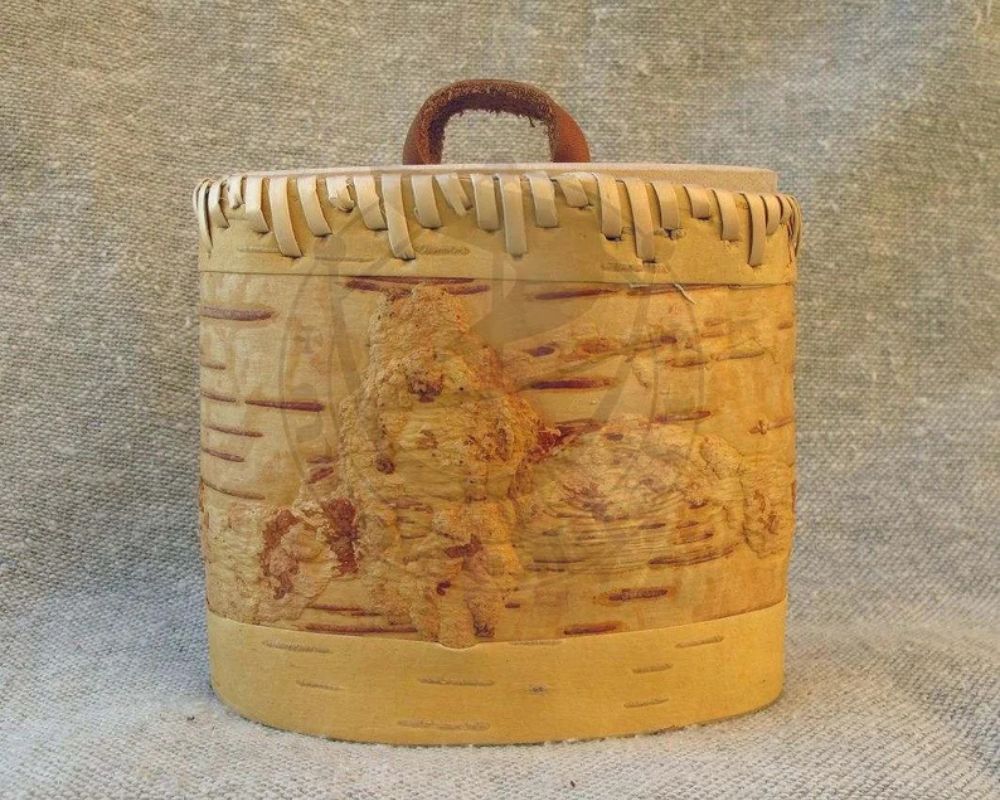
Rain compromises food packaging rapidly. Campers forget moisture affects dry goods, spices, and fuel. Sealed containers prevent soggy meals. In rainy regions, humidity penetrates cardboard and thin plastic. Wet food increases waste and frustration. Separating food from cooking gear reduces exposure. Campers who protect food remain nourished and organized. Overlooking moisture control leads to spoiled supplies. Effective food storage supports nutrition and morale when rain limits resupply or drying opportunities. Proper storage prevents small problems from becoming trip ending issues during extended backcountry travel.
Reliable Footwear Drying
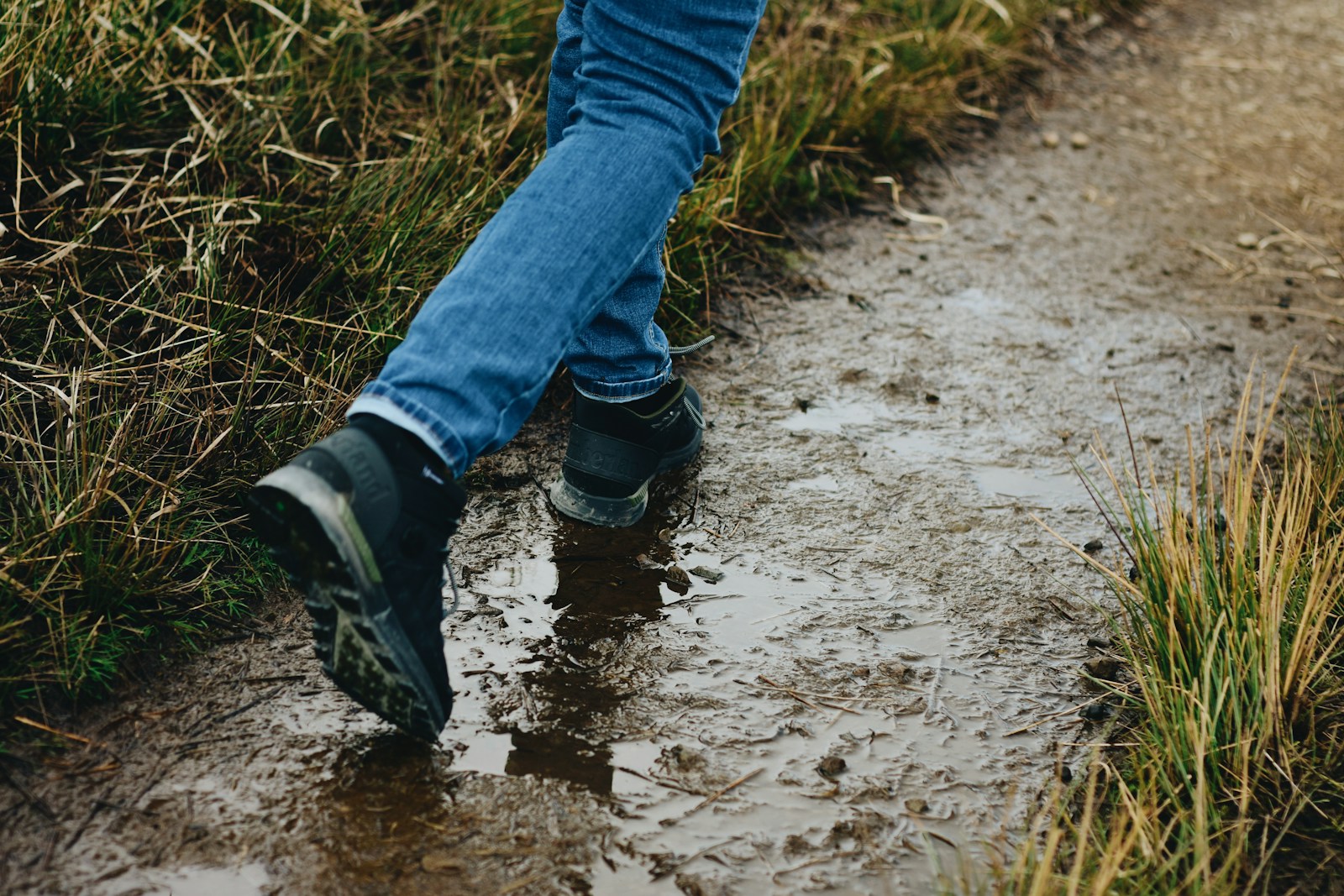
Wet footwear becomes unavoidable in rainy regions. Campers often forget drying strategies. Stuffing boots with dry materials absorbs moisture. Elevating footwear improves airflow. Wearing damp boots increases blister risk and discomfort. Campers who plan drying routines recover faster. Spare insoles help. Ignoring footwear care leads to cold, unhappy feet. Effective drying extends footwear life and comfort. Campers who manage wet boots maintain mobility and morale during persistent rain. Dry feet significantly improve endurance and overall daily campsite comfort across consecutive wet travel days.
Headlamp Accessibility

Rain shortens daylight and visibility. Campers forget to keep headlamps accessible. Searching for light in darkness worsens stress. Waterproof headlamps function reliably. Extra batteries matter. In rainy regions, hands-free lighting supports shelter adjustments and cooking. Campers who store lights deep in packs struggle unnecessarily. Keeping headlamps ready improves safety. Visibility remains essential during storms. Prepared campers treat lighting as critical equipment, not an afterthought. Immediate access reduces mistakes during urgent weather related tasks and nighttime emergency responses.
Camp Organization Discipline
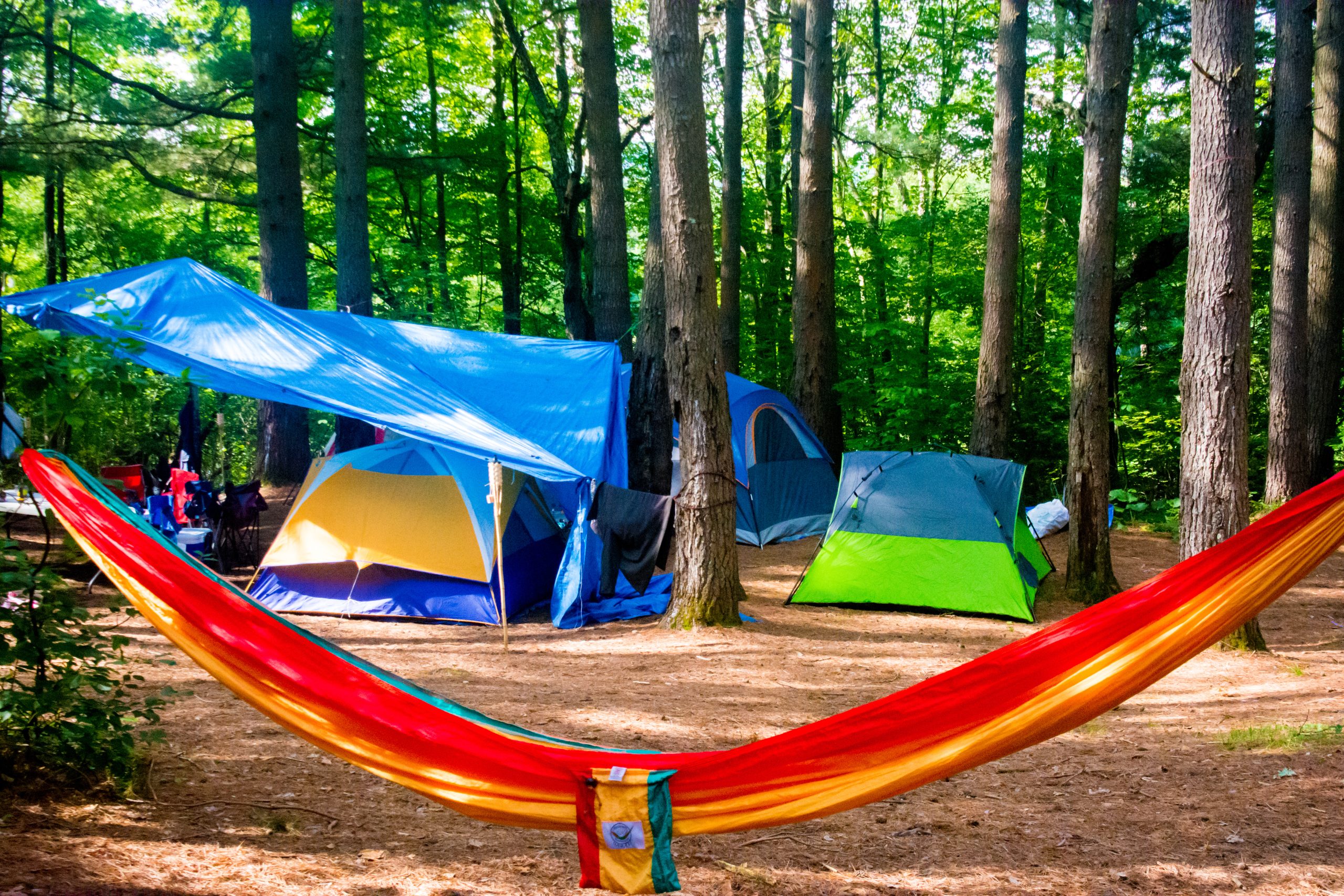
Rain magnifies clutter problems while camping. Campers forget organization prevents exposure. Items left out become soaked quickly. Establishing designated storage areas limits chaos. Routine organization saves time and dryness. In rainy regions, disciplined habits matter. Campers who maintain order adapt better. Disorganization leads to lost gear and frustration. Structured camps remain functional despite weather challenges. Good organization supports efficiency and comfort throughout wet conditions. Order reduces stress when rain complicates every simple action throughout extended multiday camping trips.
Mental Preparation For Rain
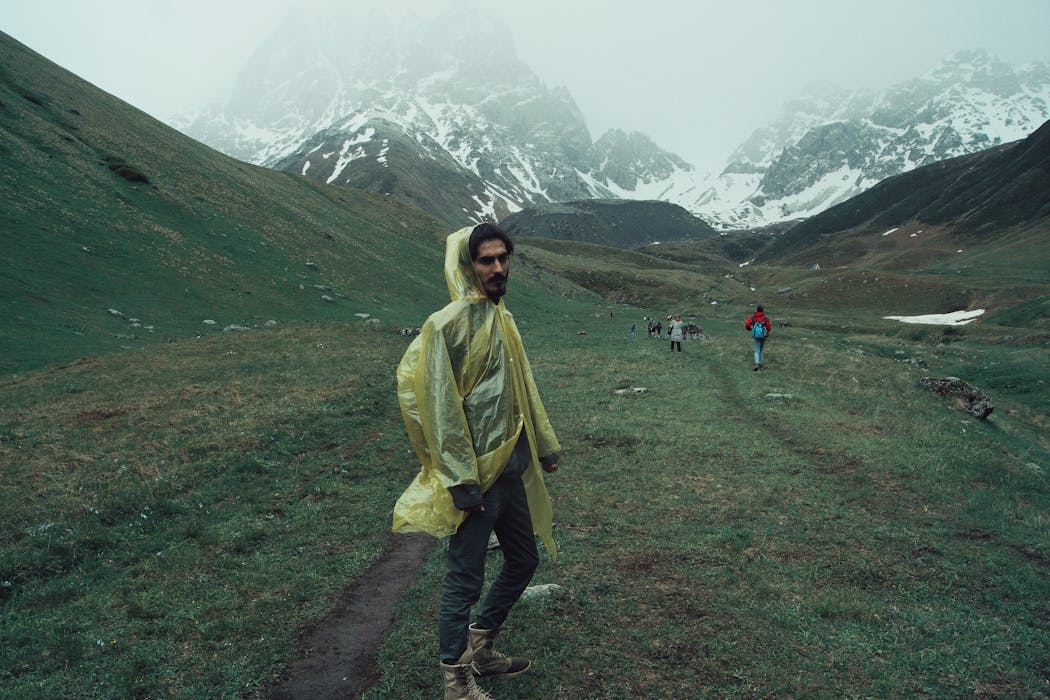
Perhaps most forgotten is mindset. Campers expect rain but underestimate its persistence. Mental preparation influences experience. Accepting wet conditions reduces frustration. Planning activities and rest prevents boredom. Campers who adjust expectations remain resilient. Rainy regions reward flexibility. Forgetting mental readiness leads to discouragement. Prepared campers view rain as manageable, not ruinous. A resilient mindset sustains enjoyment when conditions test patience and adaptability continuously. Mental readiness often determines whether trips feel challenging or rewarding during prolonged inclement weather conditions.