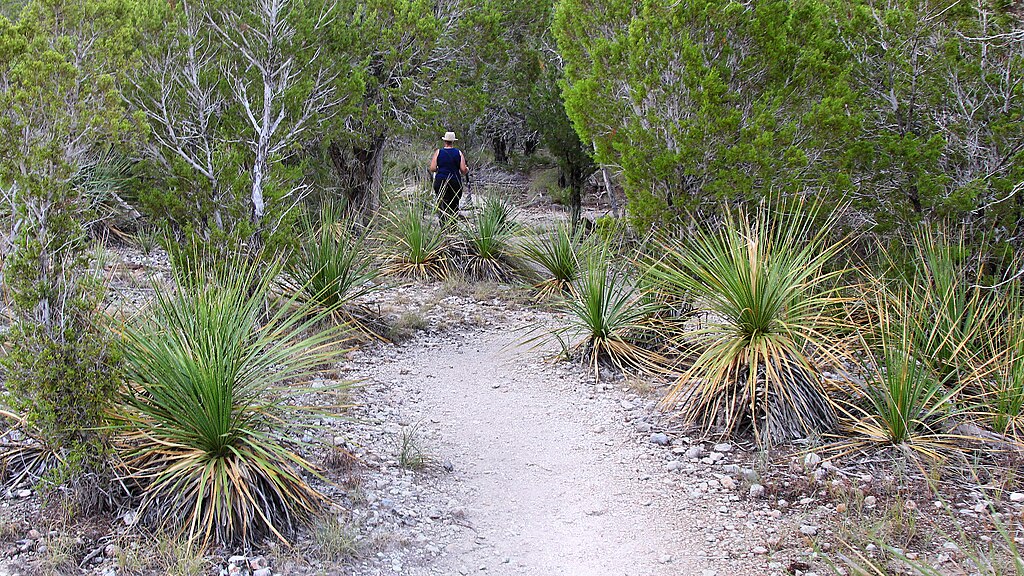
Rattlesnakes are a natural part of Texas’s diverse environments, and sightings tend to increase in areas where warm temperatures, varied terrain, and abundant prey create ideal conditions. Many regions combine rocky ground, brushy cover, and sunlit surfaces that support regular movement throughout the day. Understanding where these reptiles are most active helps promote awareness during outdoor travel and land management. Each region presents its own ecological factors that contribute to consistent rattlesnake presence across the seasons.
West Texas Desert Basins
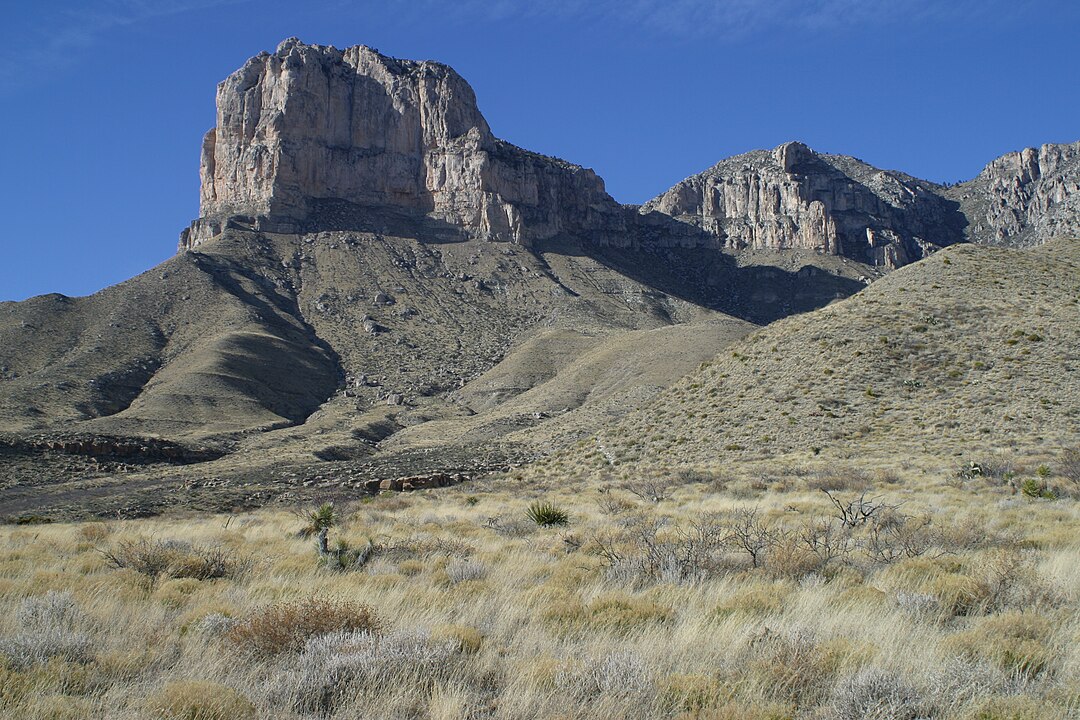
West Texas desert basins contain wide stretches of arid ground where rocky soil and sparse vegetation create dependable habitat for several rattlesnake species. Long periods of heat extend daily activity, while open land offers efficient basking spots throughout the year. Rodents and small reptiles thrive in these dry ecosystems, providing steady food sources. Shallow crevices and scattered brush create a natural shelter that supports frequent sightings across both remote and accessible areas.
Big Bend Region
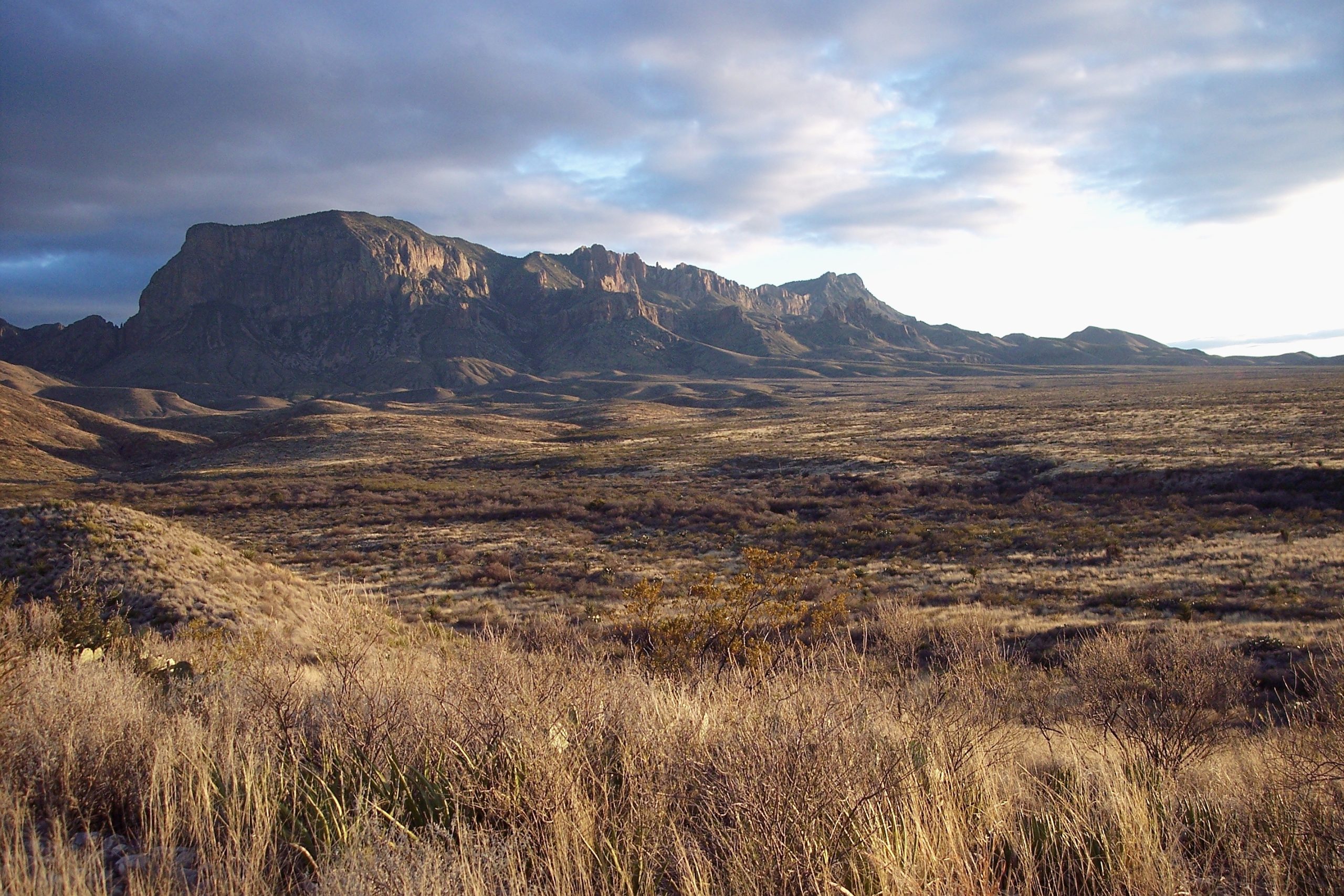
The Big Bend region features rugged canyons, desert flats, and sun-exposed slopes that support one of the highest concentrations of rattlesnakes in the state. Rock outcrops warm quickly during the day, allowing snakes to regulate temperature easily. Desert plants and scattered brush create reliable concealment that blends with the landscape. Seasonal rainfall boosts prey populations, increasing movement near trails, river corridors, and rocky ledges during warm months.
South Texas Brush Country
South Texas brush country includes dense mesquite thickets, tall grass, and thorny scrubland that create excellent cover for rattlesnakes. Prolonged heat in the region helps maintain extended active periods from early spring into late fall. The varied terrain supports rodents, birds, and lizards that attract snakes into both open and shaded areas. Encounters often occur along ranch roads, fence lines, and transitional spaces between brush clusters and open ground.
Hill Country Limestone Ridges
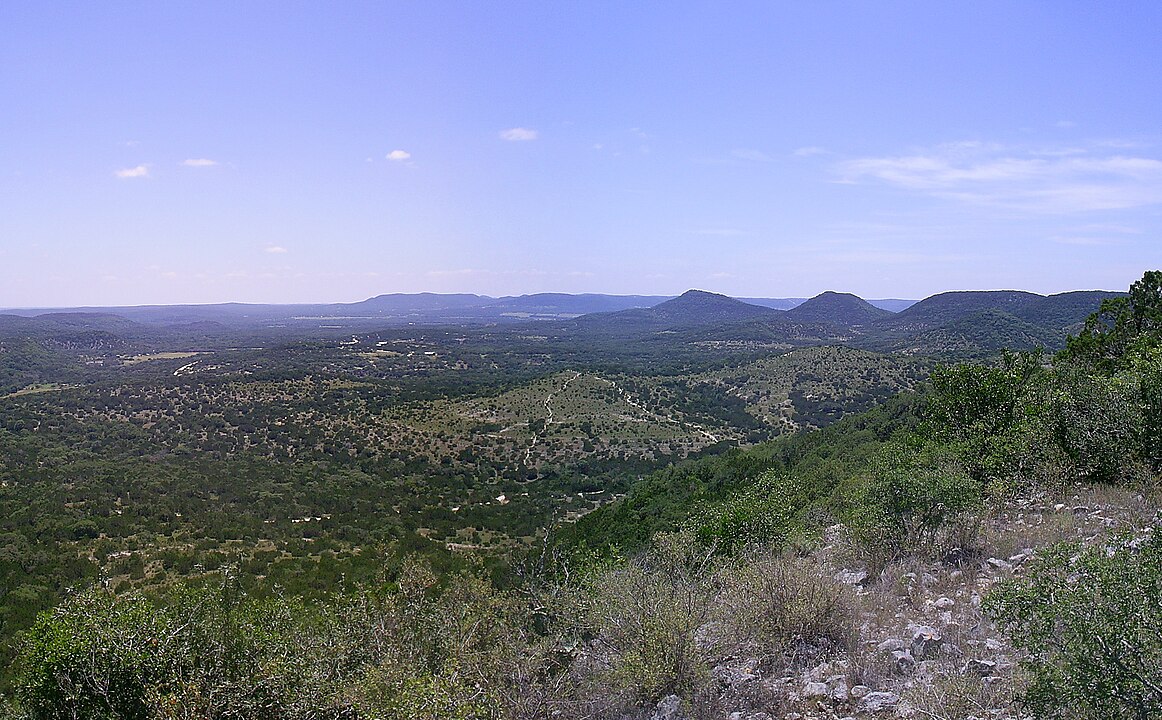
The Hill Country is known for limestone ridges, rolling hills, and rocky pockets that provide ideal dens and hiding places. Sun-exposed rocks warm throughout the day, while cool crevices offer retreat during hotter hours. Oak woodlands, cedar breaks, and grassy fields support strong prey communities. These characteristics make sightings common along hiking paths, rural properties, and outcrops with layered stone formations.
Edwards Plateau
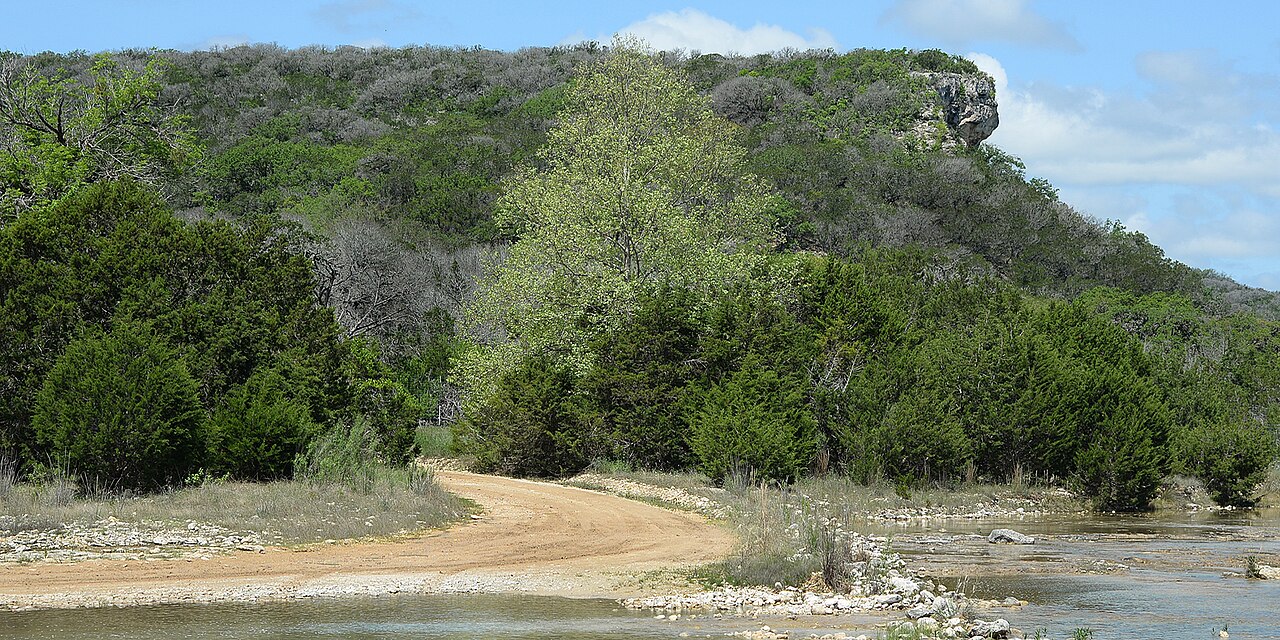
The Edwards Plateau blends semi-arid plains with rugged rock formations that create favorable conditions for rattlesnakes seeking both heat and protection. Eroded limestone pockets and shallow caves serve as dependable shelters. Grasslands supply ample prey that draws snakes toward open areas at the edges of ranchlands. Variations in elevation and vegetation also support several species across different parts of the plateau.
Panhandle Plains
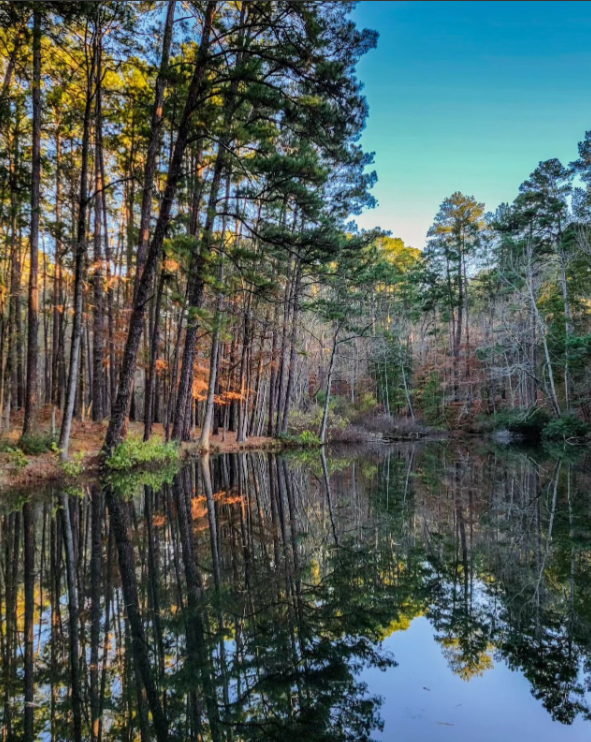
The Panhandle Plains region contains expansive prairies, canyon rims, and dry riverbeds where rattlesnakes remain active during warm seasons. Flat terrain provides broad hunting grounds, while breaks near cliffs create shaded refuges. Surface temperatures rise quickly in summer, increasing movement in early mornings and late afternoons. Sparse vegetation enhances visibility, making sightings more frequent compared with denser regions.
Pineywoods Region
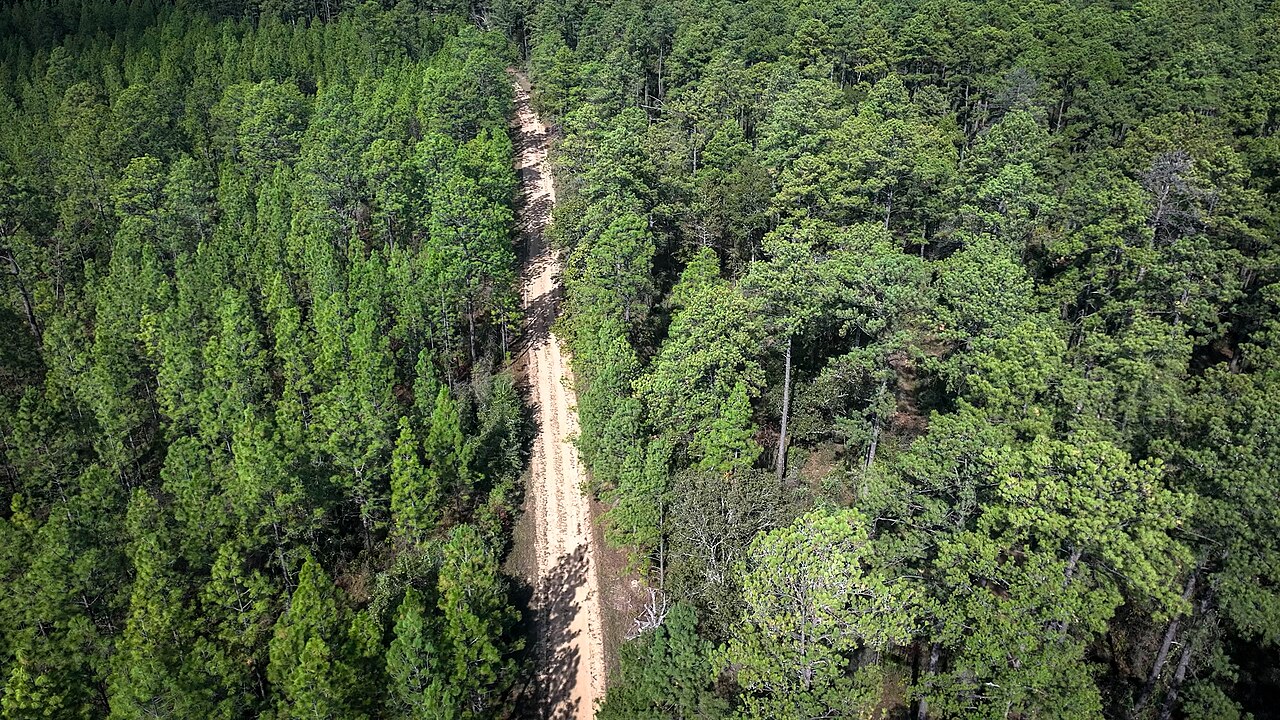
The Pineywoods region offers humid forests, thick underbrush, and fallen logs that create natural shelter for rattlesnakes adapted to wooded environments. Leaf litter and dense vegetation allow discreet movement while supporting plentiful small mammals. Moist soil and shaded areas help moderate temperature swings throughout the day. Sightings often occur near forest edges, creek corridors, or quiet footpaths where cover and prey intersect.
Coastal Prairies
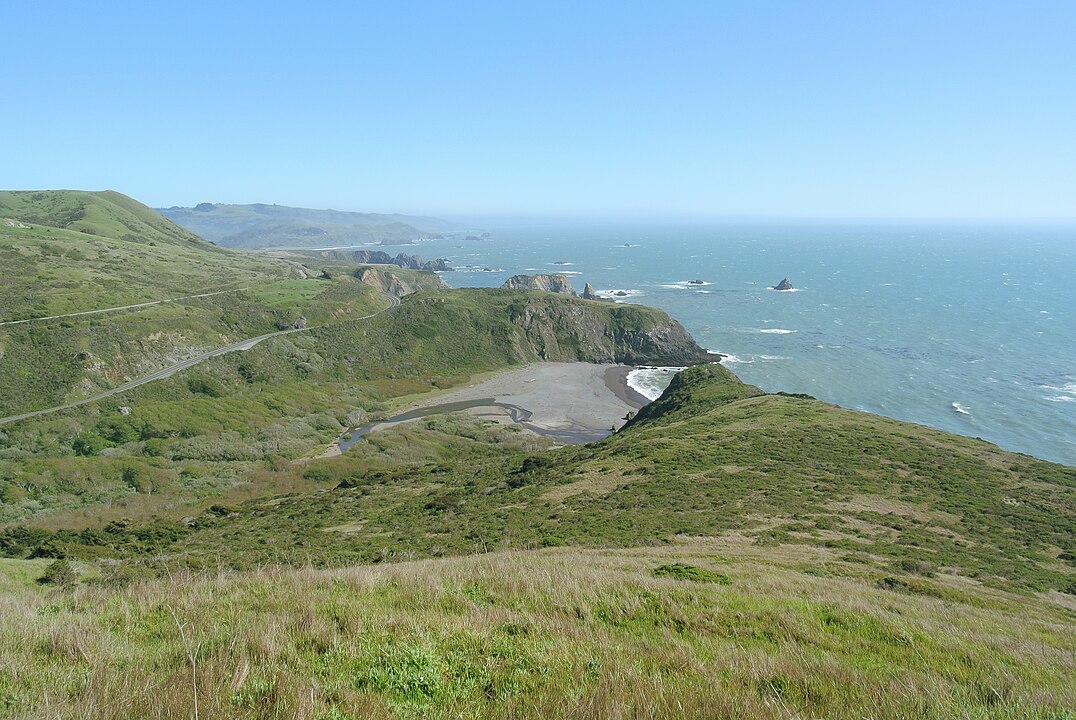
Texas coastal prairies contain tall grasses, marsh boundaries, and sandy soil that suit rattlesnake activity during warm months. Mild winters and high humidity maintain longer periods of movement throughout the year. Rodent populations flourish in these coastal ecosystems, drawing snakes toward open fields and drainage areas. Encounters often increase near dunes, pasture edges, and lightly traveled walking routes.
Rio Grande Valley
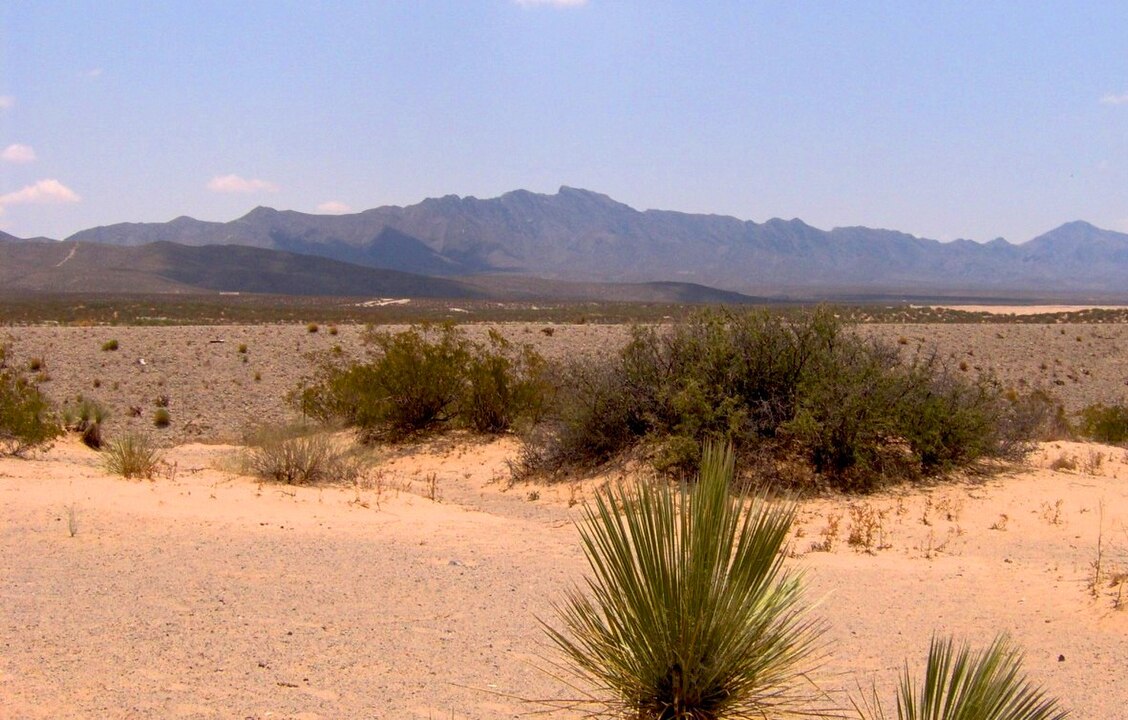
The Rio Grande Valley features a subtropical climate, brushy expanses, and diverse plant communities that support a steady rattlesnake presence. Warm temperatures persist almost year-round, encouraging regular feeding and activity. Dense thorn scrub, palm groves, and agricultural edges offer varied hiding locations. Snakes often travel near irrigation canals, orchards, and field borders where prey populations are highest.
Rolling Plains
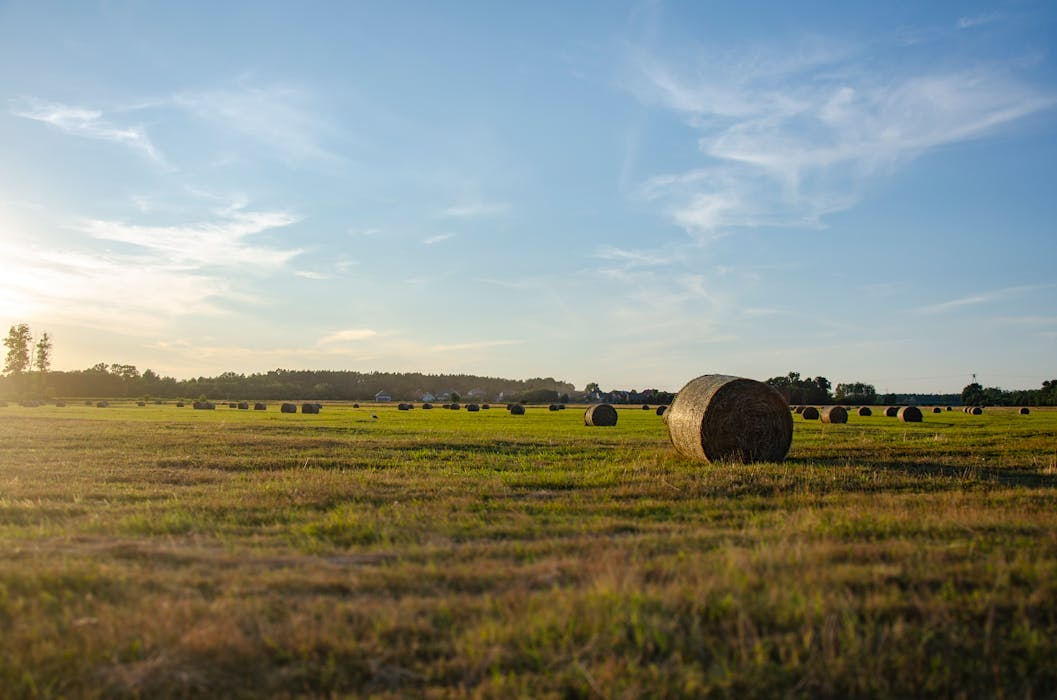
The Rolling Plains region includes tall grass prairies, rocky breaks, and shallow canyons that create strong rattlesnake habitat. Seasonal heat draws reptiles onto open surfaces for warming, while nearby shrubs and rock piles offer quick concealment. Wildlife corridors along streams support rodents and birds that attract snakes throughout the season. Sightings increase during calm evenings and moderate mornings.
Trans Pecos Mountains
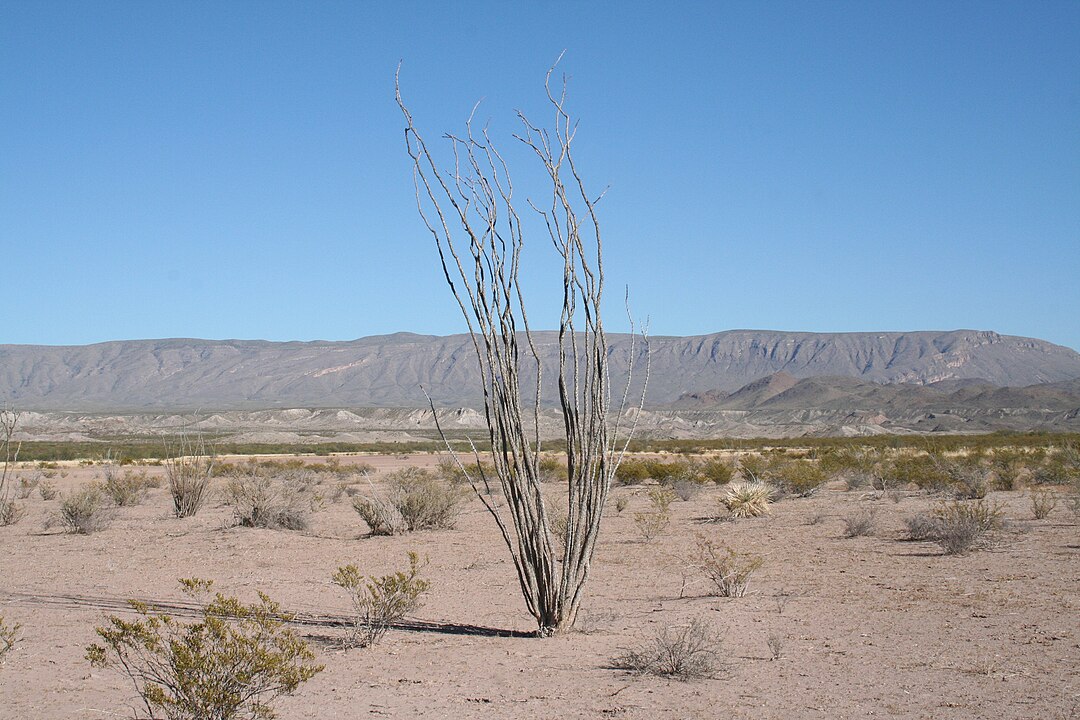
The Trans Pecos mountains contain rugged slopes, desert foothills, and high elevation basins that support numerous rattlesnake species. Sunlit rock faces provide excellent basking areas, while deep cracks and boulder piles offer secure shelter. The area’s diverse microhabitats allow movement between warm and shaded terrain throughout the day. Encounters can occur across both steep trails and lower desert flats.
Central Texas Prairies
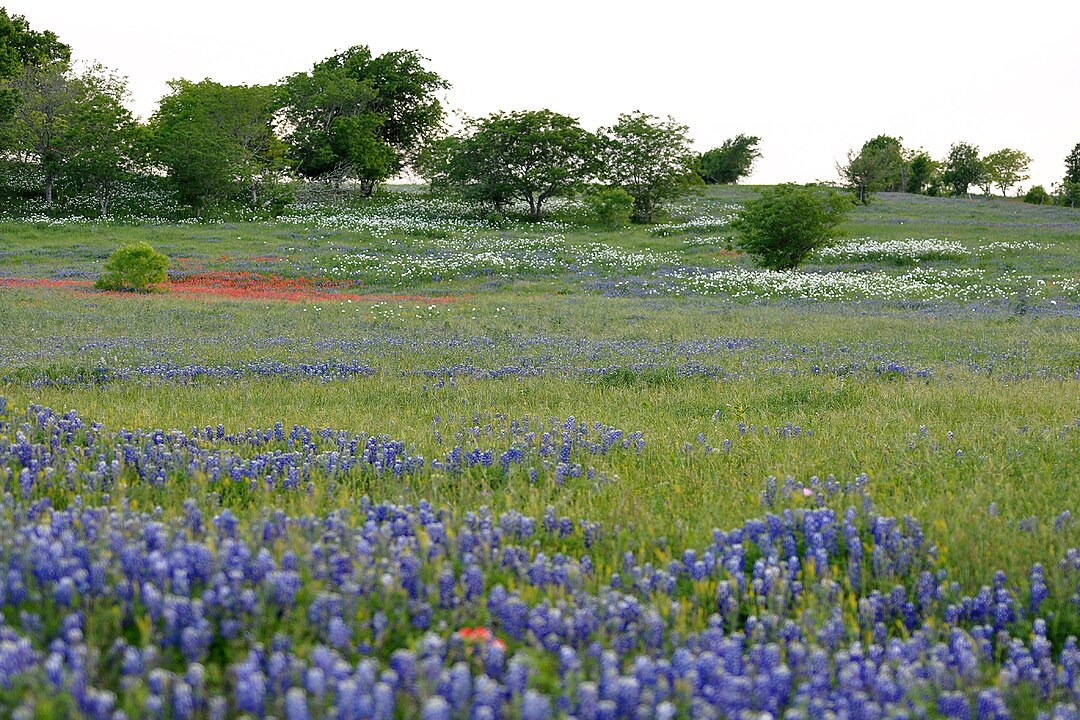
Central Texas prairies feature a mix of grasslands, scattered brush, and rocky soils that create favorable environments for rattlesnakes in warmer weather. Seasonal growth of vegetation attracts small mammals, drawing snakes into open fields and fencerow corridors. Shallow burrows, stone piles, and shaded pockets provide reliable cover throughout the day. Encounters often happen near agricultural zones, creek bottoms, and lightly wooded edges where habitat types intersect.