Survival tools that most people use the wrong way can dramatically improve outdoor safety. Many hikers carry expensive equipment without truly understanding proper operation methods. Television shows often display exaggerated techniques that completely fail in actual wilderness emergencies. Relying on incorrect habits creates severe danger when extreme weather suddenly arrives. Proper education helps adventurers maximize the hidden potential of standard camping accessories. Mastering basic survival items requires patience and dedicated practice in controlled environments. Experienced guides always recommend testing new gadgets thoroughly before attempting ambitious mountain expeditions. Correct usage guarantees much safer outdoor journeys today.
Space Blankets
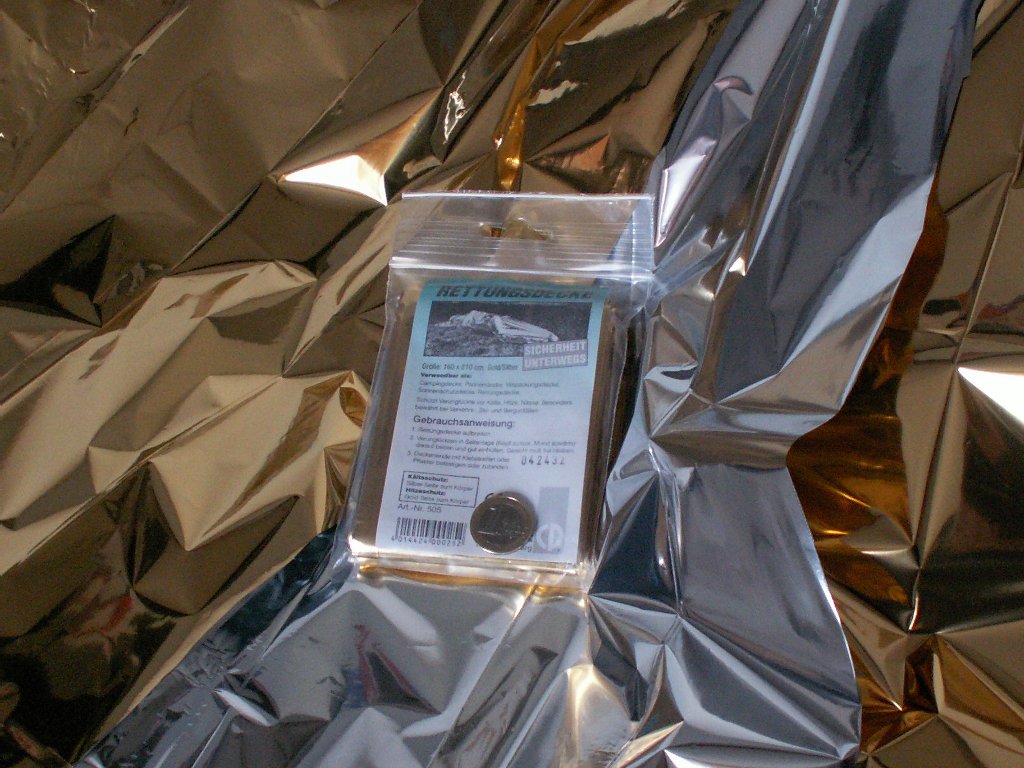
Most beginners simply wrap emergency space blankets loosely around their shoulders during cold-weather stops. This thin metallic foil actually works by reflecting escaping body heat directly back toward the skin. A loose fit allows freezing wind to blow underneath and instantly steal all trapped warmth. Proper application requires wrapping the material tightly around the entire body like a sealed cocoon. Campers must secure the edges firmly to prevent any cold air from entering the temporary shelter. Using the reflective side facing inward remains absolutely critical for maximizing thermal retention during severe winter storms and freezing nights.
Magnesium Fire Starters
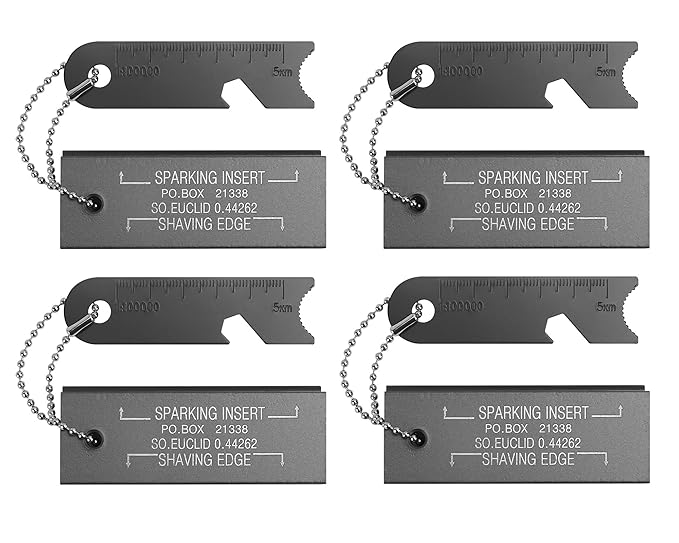
Amateur hikers frequently struggle while striking magnesium fire blocks because they shave off far too little metallic material. Generating a sustainable blaze requires creating a pile of shavings roughly the size of a large coin. People incorrectly scrape the integrated flint rod simultaneously while trying to produce the initial fuel flakes. This frantic motion scatters the lightweight metal dust across the damp ground before it can catch a spark. Slowly shaving the soft magnesium block first creates a concentrated fuel source. Only then should hikers forcefully strike the separate sparking rod to ignite their prepared tinder bundle easily.
Compass Navigation

Many novices purchase expensive compasses but completely ignore the crucial concept of magnetic declination when reading their topographical maps. True north and magnetic north differ significantly depending on the exact geographical location of the hiking trail. Failing to adjust the instrument dial leads travelers miles away from their intended destination over long distances. Holding the compass near heavy metal belt buckles or electronic smartphones also disrupts the delicate magnetic needle severely. Users must hold the device perfectly flat and far away from any metallic interference to guarantee accurate directional readings. Accurate navigation requires understanding these basic environmental influences.
Water Purification Tablets
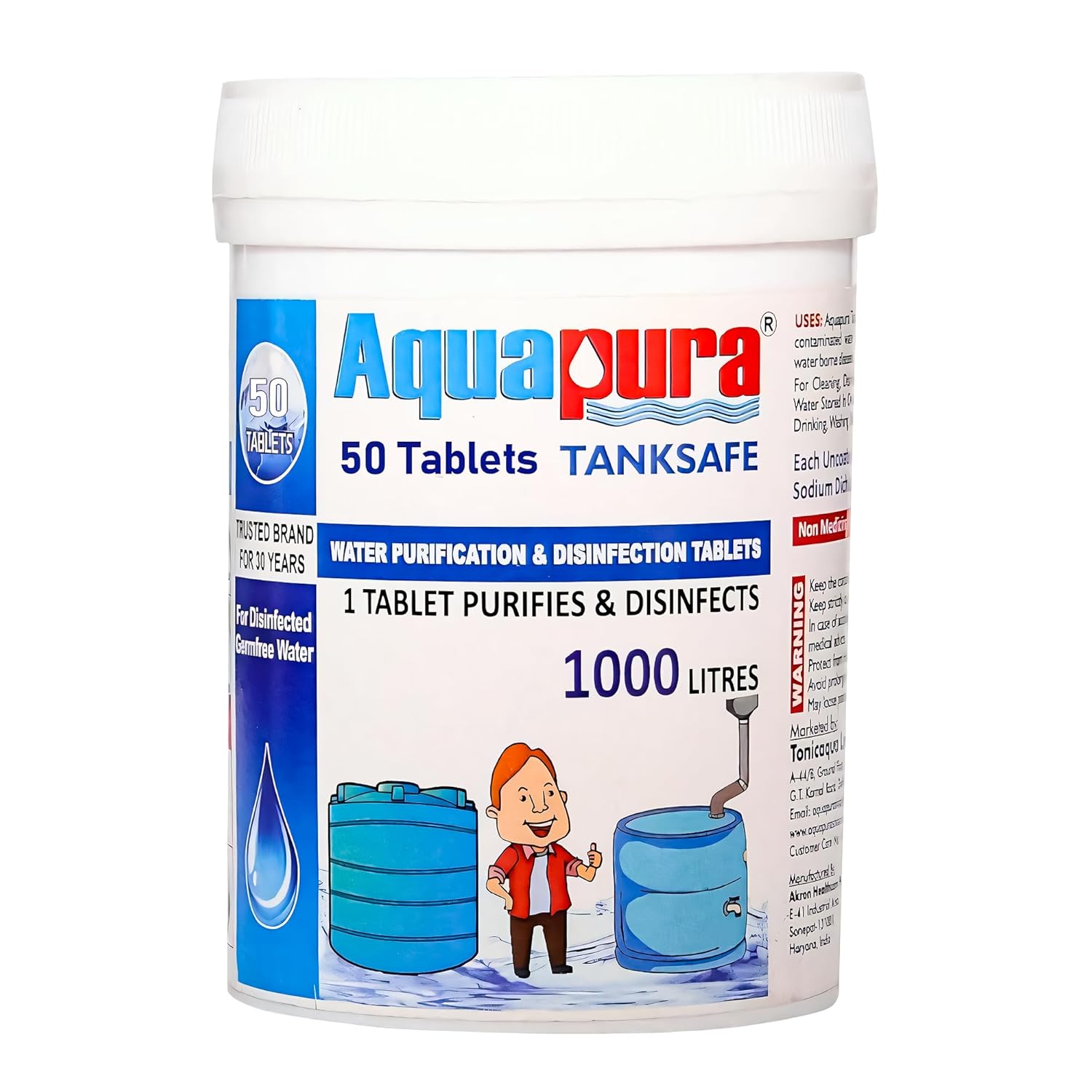
Thirsty hikers regularly drop purification tablets into cold stream water and drink immediately without waiting for the required treatment time. Chemical purifiers need at least thirty minutes to destroy harmful bacteria and dangerous microscopic parasites. Extremely cold mountain water actually slows down this vital chemical reaction and demands even longer waiting periods. Failing to loosen the bottle cap and splash treated water onto the threaded rim leaves hidden pathogens perfectly intact. Drinking too early completely defeats the purpose of carrying these essential survival chemicals. Patience ensures every single drop becomes entirely safe for human consumption during long wilderness trips.
Survival Knives
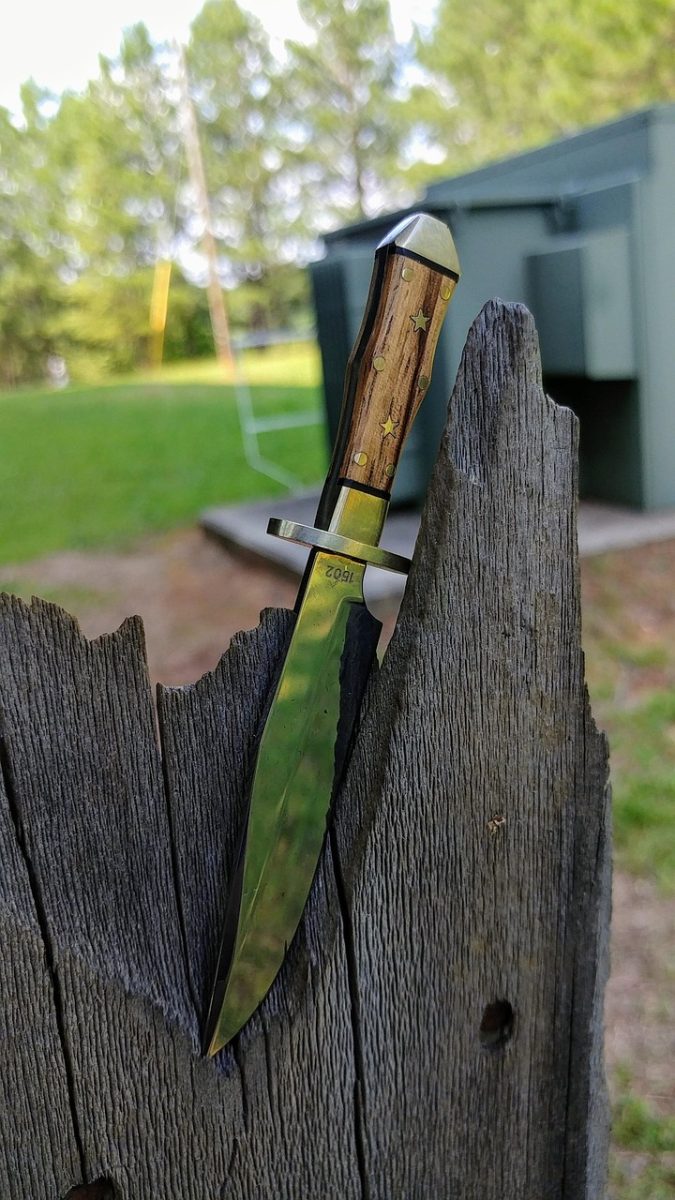
Outdoor enthusiasts constantly dull their expensive survival knives by violently chopping thick firewood instead of carving smaller branches. Heavy chopping aggressively damages the fine metal edge and ruins the blade for delicate tasks like preparing daily food. Using a sturdy rock to hammer the metal spine through thick logs causes permanent structural damage over time. Proper wilderness processing requires carrying a dedicated camping hatchet or folding saw for heavy timber removal. A high-quality knife should only handle precision carving and basic camp chores. Treating this essential tool with respect guarantees lasting sharpness during unexpected outdoor survival situations.
Signal Mirrors

Lost individuals regularly wave their reflective signal mirrors randomly toward the sky, hoping a passing airplane spots the brief flash. This frantic sweeping motion rarely directs the concentrated light beam into the actual cockpit of a rescue vehicle. Successful signaling requires looking directly through the tiny center sighting hole to aim the bright reflection accurately. Users must gently angle the shiny surface until the bright sunlight spot perfectly aligns with the distant target. A steady and deliberately aimed flash easily catches the immediate attention of searching pilots soaring high above the dense forest canopy during critical daytime emergencies.
Tourniquets
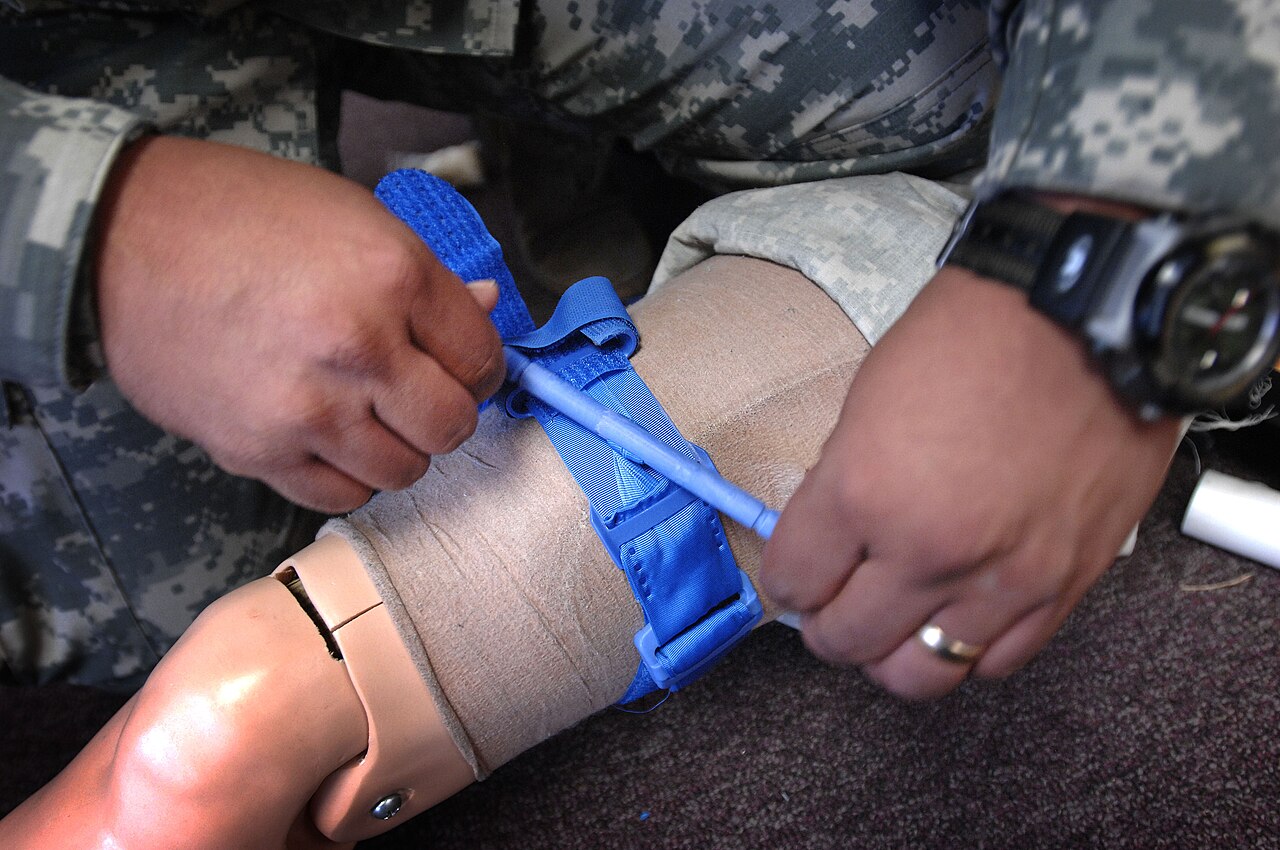
Inexperienced hikers often apply medical tourniquets entirely too loosely during severe bleeding emergencies. A weak application temporarily restricts venous blood returning to the heart while allowing arterial blood to continue pumping outward freely. This dangerous mistake actually increases overall blood loss and causes immense unnecessary pain for the injured victim. Properly securing this vital medical device requires turning the windlass rod until the bleeding stops completely. The nylon strap must bite deeply into the muscle tissue to compress the damaged artery effectively. Proper medical training remains absolutely vital before carrying these powerful lifesaving tools into remote wilderness environments.
Bivouac Sacks
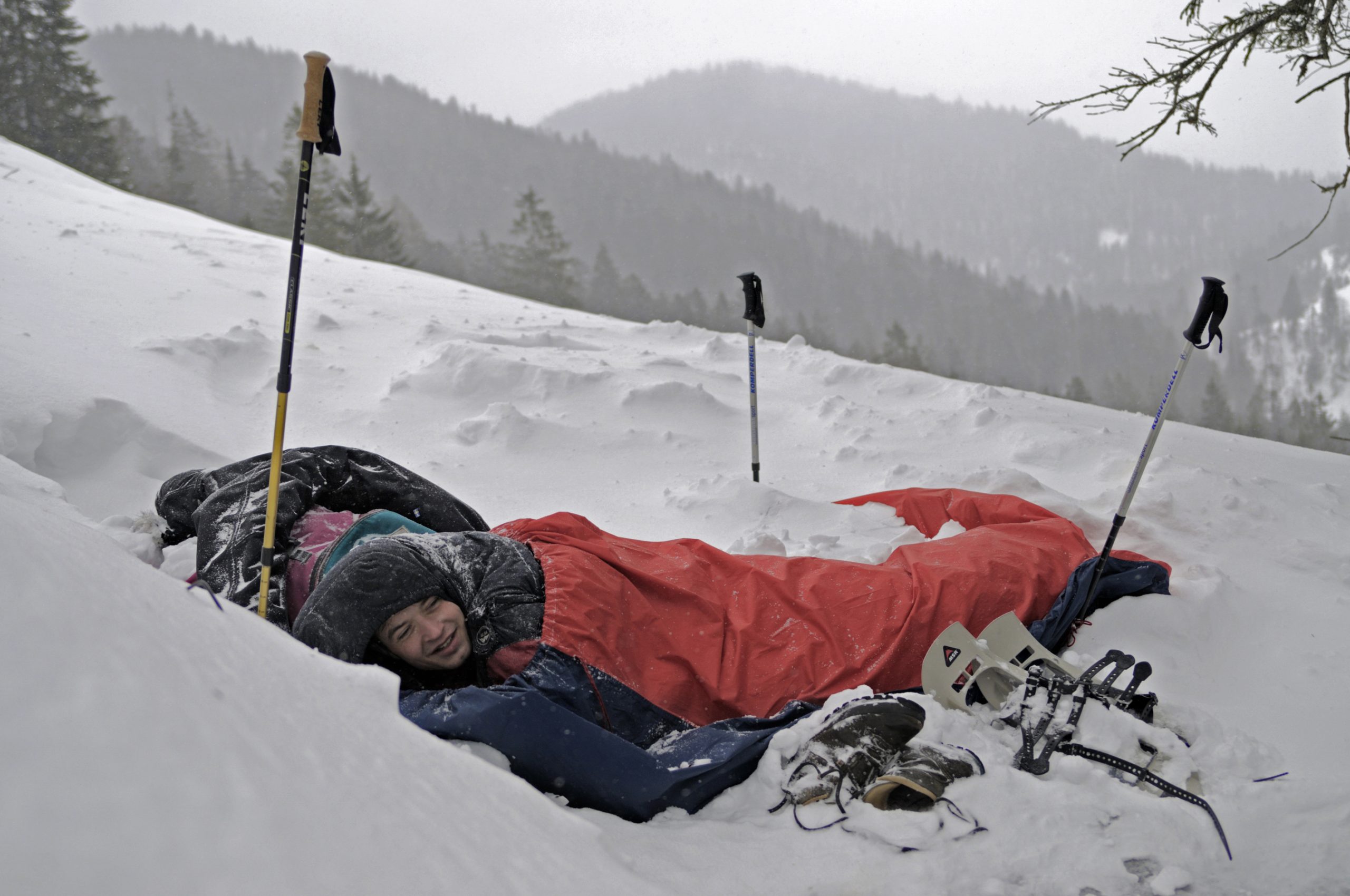
Novice campers frequently pull completely waterproof bivouac sacks entirely over their heads to block out freezing nighttime winds. Sealing the enclosed sleeping bag tightly traps every single exhalation inside the restricted interior space. This invisible moisture quickly condenses on the cold fabric walls and drips heavily onto the insulation below. The trapped condensation violently drops the internal temperature and causes severe shivering throughout the dark night. Users must always leave a small ventilation gap near their face to allow moist breath to escape safely. Proper airflow management prevents damp clothing and guarantees a much warmer sleeping experience outdoors.
Personal Locator Beacons
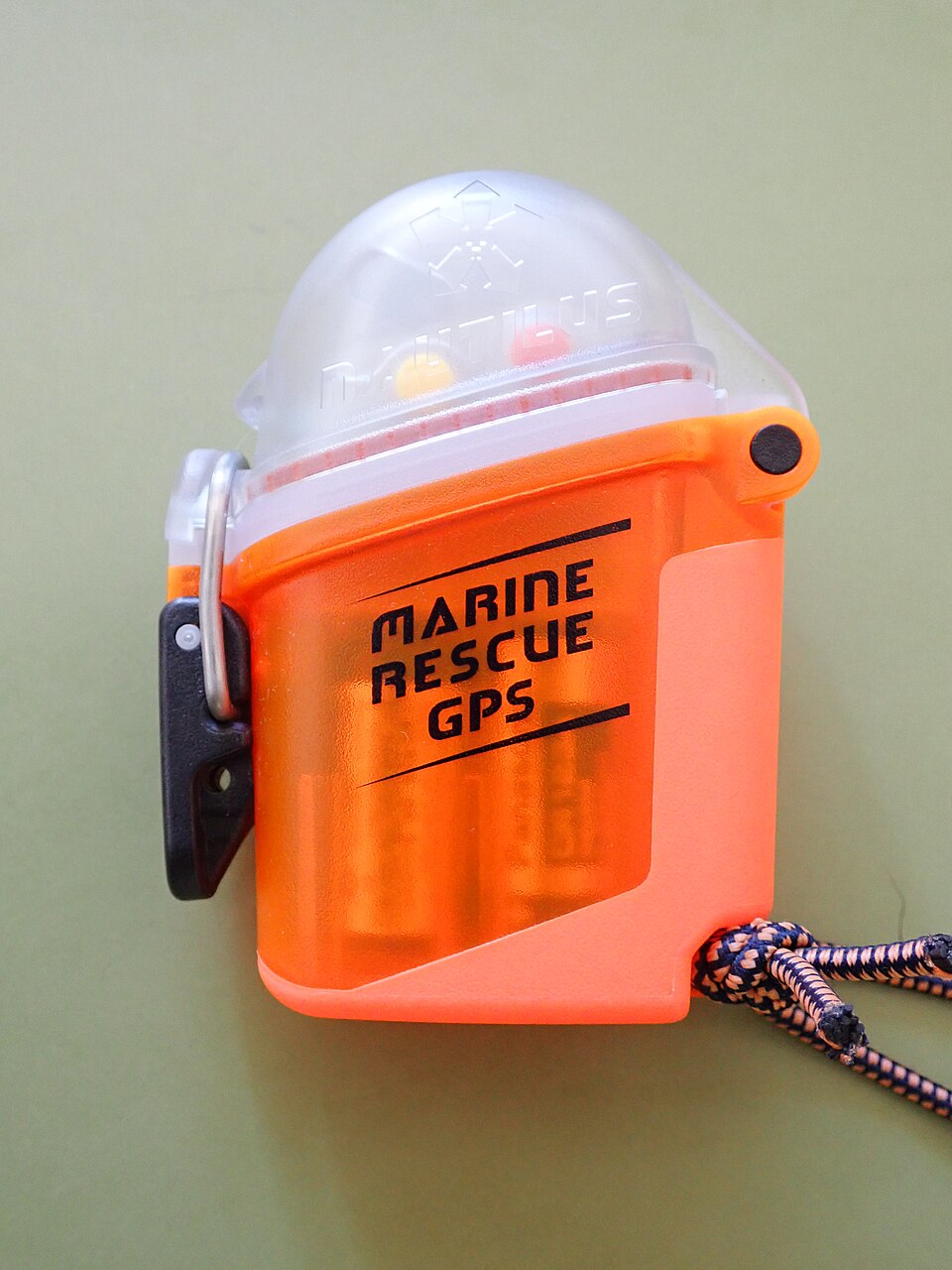
Hikers frequently pack their expensive emergency satellite beacons at the very bottom of their heavy outdoor backpacks. Burying this vital communication device completely beneath sleeping bags and extra clothing severely delays rapid emergency activation. Injured explorers often lack the physical strength required to dig through tightly packed gear during massive sudden trauma. Users must always secure these digital transmitters directly onto their shoulder straps for immediate tactile access. Keeping the antenna clear of thick obstructions ensures maximum signal strength reaching the orbiting satellites above. Immediate accessibility constantly saves lives when unexpected violent accidents suddenly occur on steep rocky trails.
Emergency Whistles

Panicked individuals blow their emergency whistles wildly without any recognizable rhythm or purposeful pause between loud blasts. Continuous random blowing exhausts the lungs quickly and sounds exactly like normal background bird noises. Rescuers listen specifically for the international distress signal consisting of three distinct blasts followed by profound silence. Stopping to listen carefully after blowing allows trapped hikers to hear approaching voices or distant answering sirens clearly. Conserving precious physical energy remains completely essential when waiting several long hours for professional wilderness extraction teams. Strategic signaling ensures the sharp sound travels much further across deep, echoing valley walls.
Bear Spray
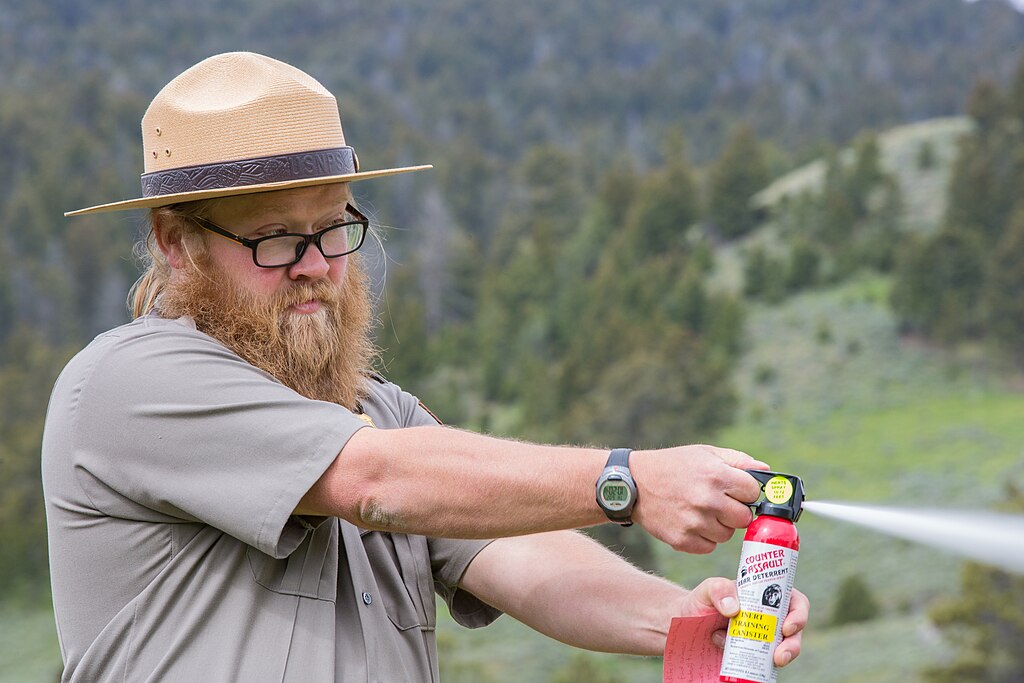
Frightened tourists routinely deploy bear spray canisters much too early when spotting large animals grazing across distant grassy meadows. The pressurized chemical cloud dissipates entirely within thirty feet and becomes completely useless against charging predators far away. Proper defensive deployment requires waiting until the aggressive animal crosses into an uncomfortably close proximity. Spraying a steady horizontal wall of intense pepper chemical creates an impenetrable barrier directly into the breathing zone. Aiming slightly downward prevents unpredictable wind gusts from blowing the painful irritants straight back into the unprotected eyes of the terrified hiker. Training improves crucial reaction timing considerably.
Strong Paracord
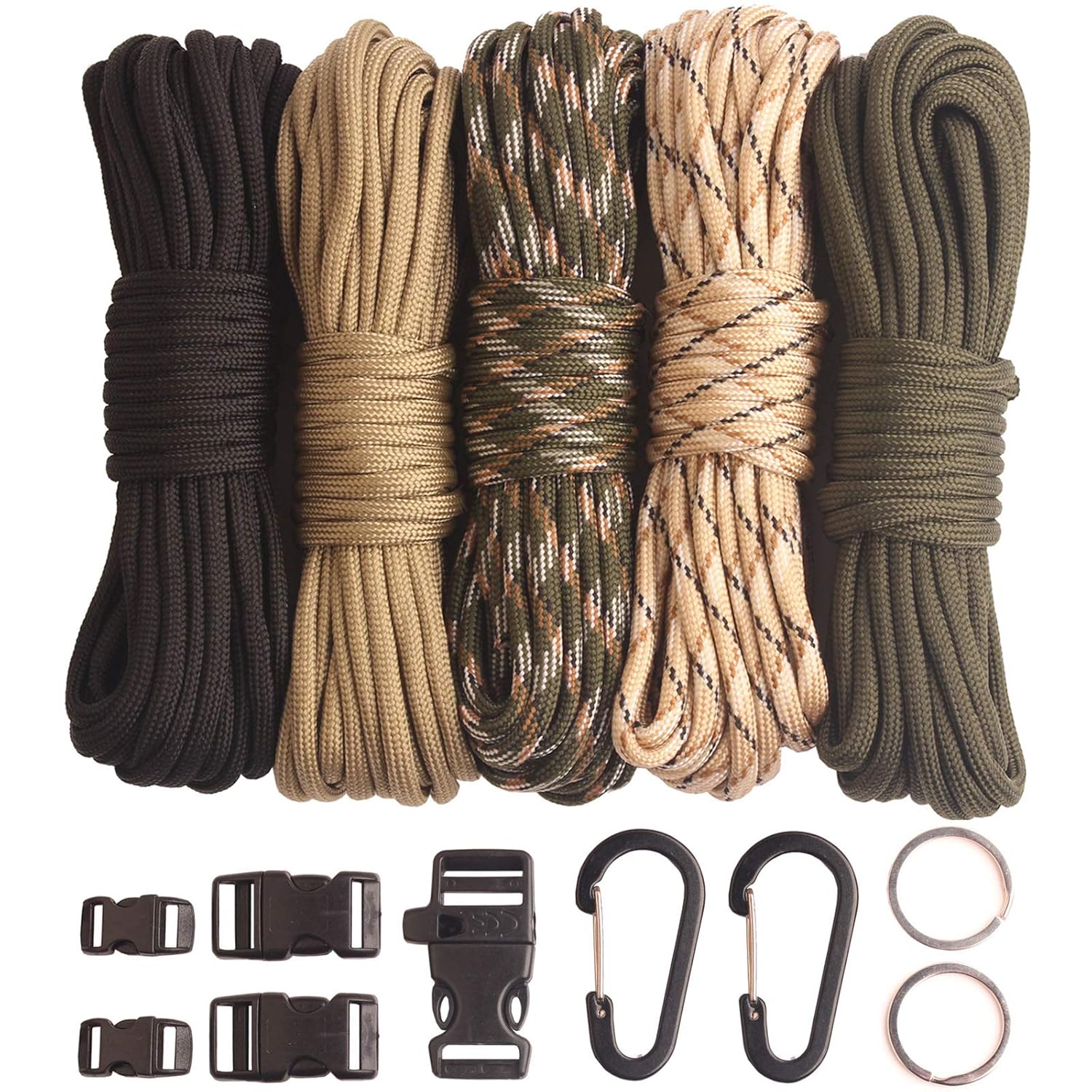
Beginners often cut long lengths of strong paracord into tiny, useless fragments when securing a basic camping tarp. Slicing the expensive rope destroys its incredible structural integrity for future climbing rescues or heavy lifting needs. Experienced survivalists learn traditional secure knots that safely anchor temporary shelters without ever severing the main cordage line. Proper knot tying allows adventurers to unpack the entire length smoothly when breaking camp the next sunny morning. Keeping the thick rope fully intact provides endless, versatile options during unpredictable, extended wilderness survival emergencies. Respecting high-quality materials saves considerable money and effort today.