Survival principles are often taught as universal rules, but the reality is far more nuanced. The priorities that keep someone alive in a dense forest can be dangerously misleading in a desert environment. Terrain, climate, water availability, and vegetation all reshape what matters most and when it matters. Understanding these differences is not about memorizing lists, but about learning how environments dictate decision-making under stress. A forest may offer shade, fuel, and water, while a desert demands restraint, timing, and heat management. This article explores how survival priorities shift between desert and forest settings, explaining not just what changes but why those changes matter when every choice affects energy, safety, and long-term survival.
1. Water Strategy Becomes Opposite in Urgency and Method

In desert survival, water is the dominant priority and must be managed with extreme discipline. Sources are rare, often unreliable, and reaching them can cost more water than they provide if done incorrectly. Movement is minimized, and travel is planned during cooler hours. In forest environments, water is usually more accessible through streams, rainfall, and vegetation, shifting focus toward purification rather than location. Forest survival emphasizes steady intake and contamination control. The contrast is critical: deserts punish unnecessary movement, while forests allow more flexibility. Understanding when to search aggressively and when to conserve energy determines whether hydration efforts extend survival or accelerate dehydration.
2. Shelter Focus Shifts From Cold Protection to Heat Control
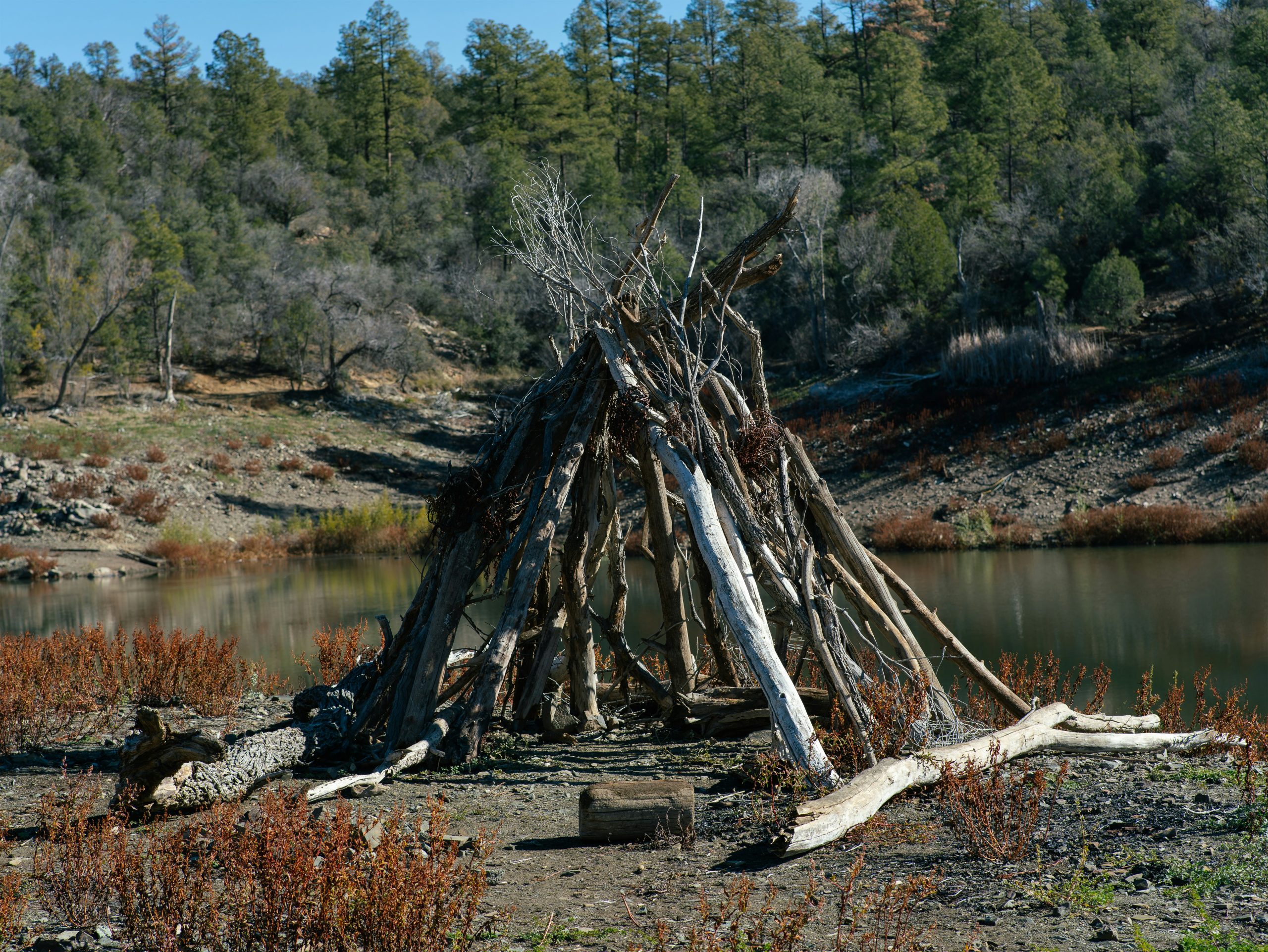
Forest shelters are often built to retain warmth, block wind, and shed rain. Materials are abundant, and insulation is a primary concern, especially in cooler climates. In deserts, shelter design focuses on shade, airflow, and heat deflection rather than warmth. Trapping heat can be deadly. A desert shelter aims to reduce sun exposure during the day and radiate heat at night. Forest survivors often build enclosed structures, while desert survivors rely on low-profile shade shelters. The priority shift is subtle but vital: forests challenge heat loss, deserts challenge heat gain. Misapplying shelter concepts between environments can quickly lead to hypothermia or heat exhaustion.
3. Fire Importance Changes From Optional to Situational
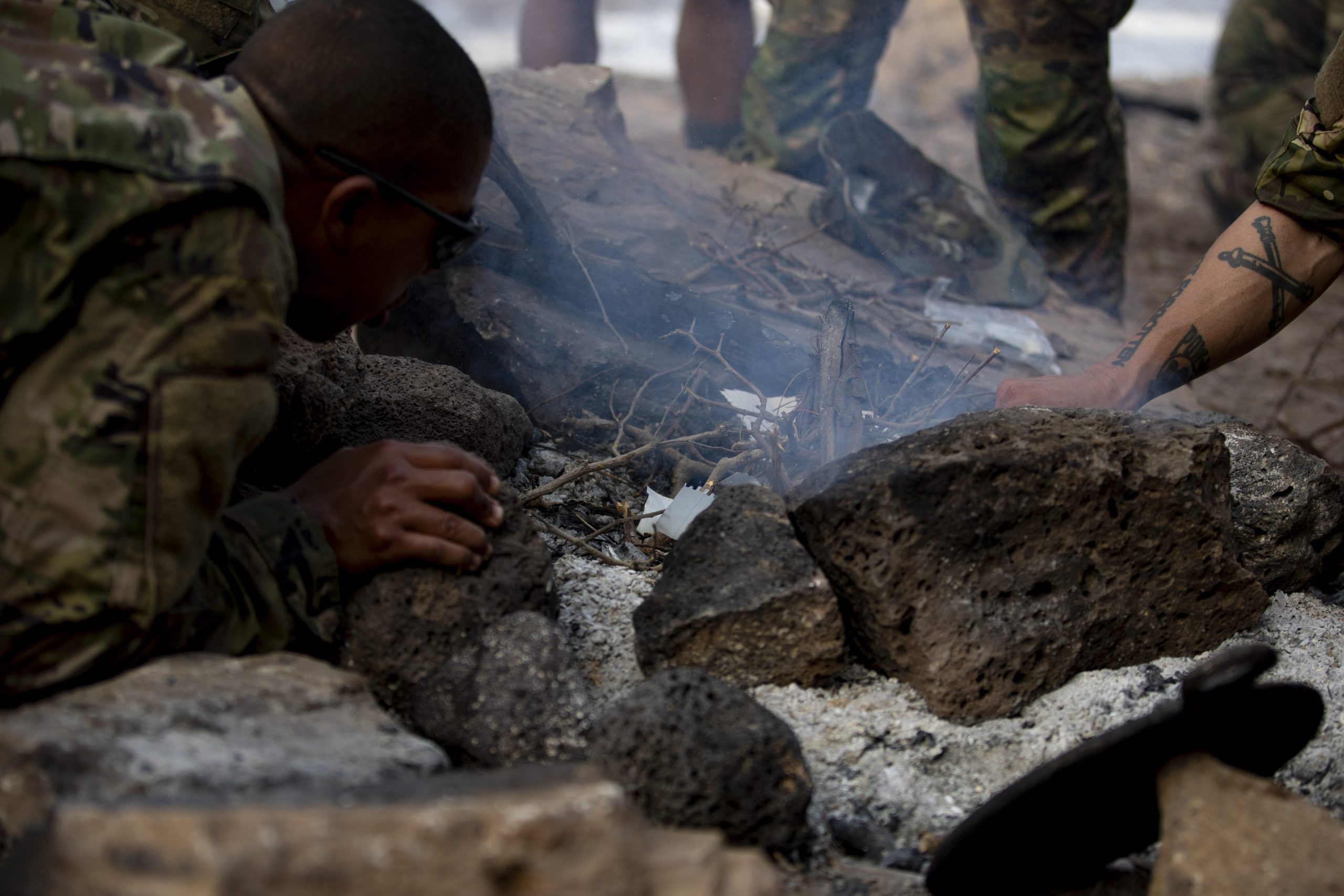
In forest environments, fire is a central survival tool used for warmth, cooking, signaling, and morale. Fuel is plentiful, and fire can be maintained for long periods. In deserts, fire becomes a situational tool rather than a constant priority. Fuel is scarce, and fire increases dehydration risk by raising body temperature. Desert fire use is often limited to signaling or brief cooking tasks, usually at night. Forest survival encourages fire mastery, while desert survival demands restraint. Understanding when fire supports survival and when it drains resources helps prevent energy waste and physical stress, especially in environments where mistakes compound quickly.
4. Navigation Relies on Different Environmental Clues

Forests provide abundant navigation references such as tree growth patterns, water flow, terrain contours, and moss direction. These cues help survivors maintain orientation even without tools. Deserts strip away many of these references, replacing them with distant landmarks, sun position, wind patterns, and subtle terrain shifts. Getting lost in a forest often means slower progress, while getting lost in a desert can be fatal due to exposure. Desert navigation prioritizes precision and planning before movement. Forest navigation allows correction over time. The difference highlights how deserts punish small errors immediately, while forests offer more forgiveness through environmental feedback.
5. Food Acquisition Becomes Secondary Versus Opportunistic

In forest survival, food acquisition often becomes a practical priority once water and shelter are addressed. Edible plants, small game, and insects are usually present, allowing gradual calorie replacement. In deserts, food is rarely an immediate concern. Hunting and foraging expend more energy and water than they provide. Desert survival emphasizes caloric conservation rather than intake. Eating too soon can increase thirst and heat production. Forest environments allow experimentation and learning, while deserts reward patience and restraint. Understanding when food helps and when it hurts survival prevents dangerous energy miscalculations that shorten endurance in extreme environments.
6. Movement Strategy Changes From Exploration to Conservation
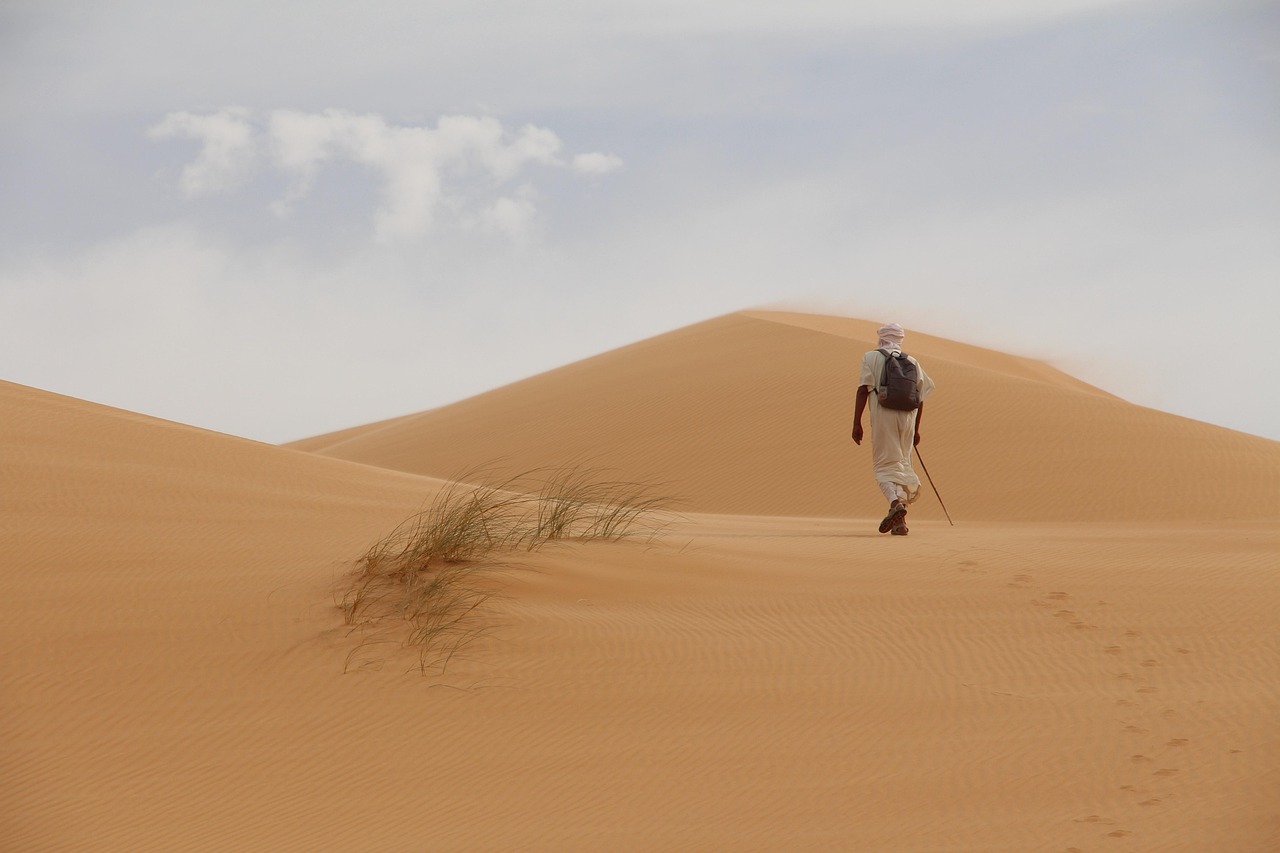
Forests encourage cautious exploration. Moving allows access to water, resources, and better shelter locations. Shade and cover reduce exposure risk, making movement safer. In deserts, movement is one of the greatest threats to survival. Walking under direct sunlight rapidly accelerates dehydration and heat stress. Desert movement is deliberate, minimal, and often delayed until night. Forest movement prioritizes efficiency; desert movement prioritizes timing. This shift is crucial because instinct often pushes survivors to keep moving. Knowing when staying still improves survival odds can feel counterintuitive, but it often makes the difference between rescue and collapse in arid environments.
7. Clothing Priorities Reverse Conventional Assumptions
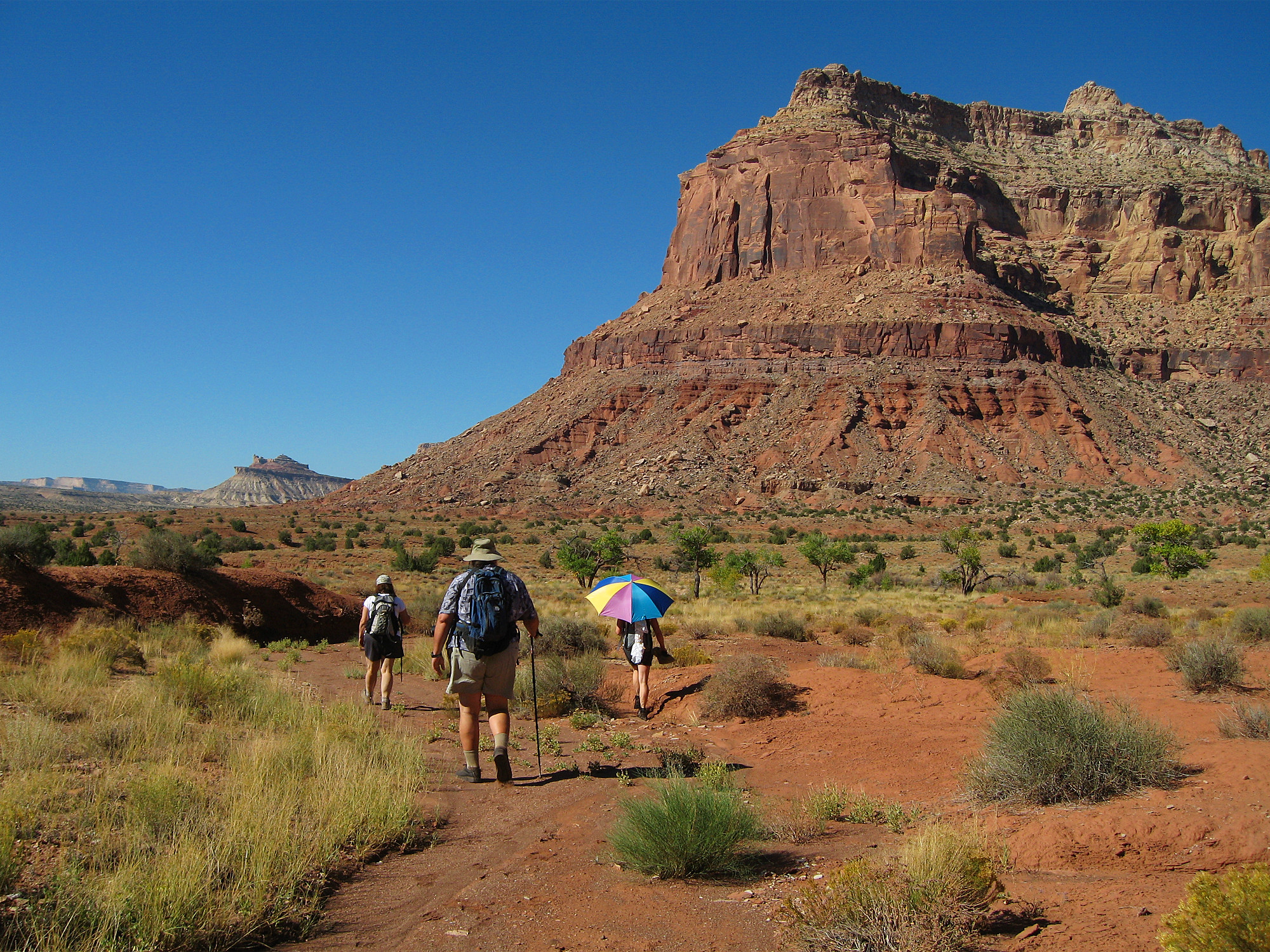
Forest survival clothing focuses on insulation, moisture management, and protection from insects and vegetation. Layers help regulate body temperature during activity and rest. In deserts, clothing must shield skin from sun exposure while allowing airflow. Loose, light-colored garments reduce heat absorption and slow moisture loss. Removing clothing in deserts increases dehydration and sunburn risk, contrary to common belief. Forest clothing emphasizes warmth retention; desert clothing emphasizes heat reflection. Recognizing this reversal prevents common mistakes that worsen exposure injuries. Proper clothing choices directly influence hydration rates, comfort, and long-term survival capability in both environments.
8. Signal Visibility Depends on Contrast, Not Size
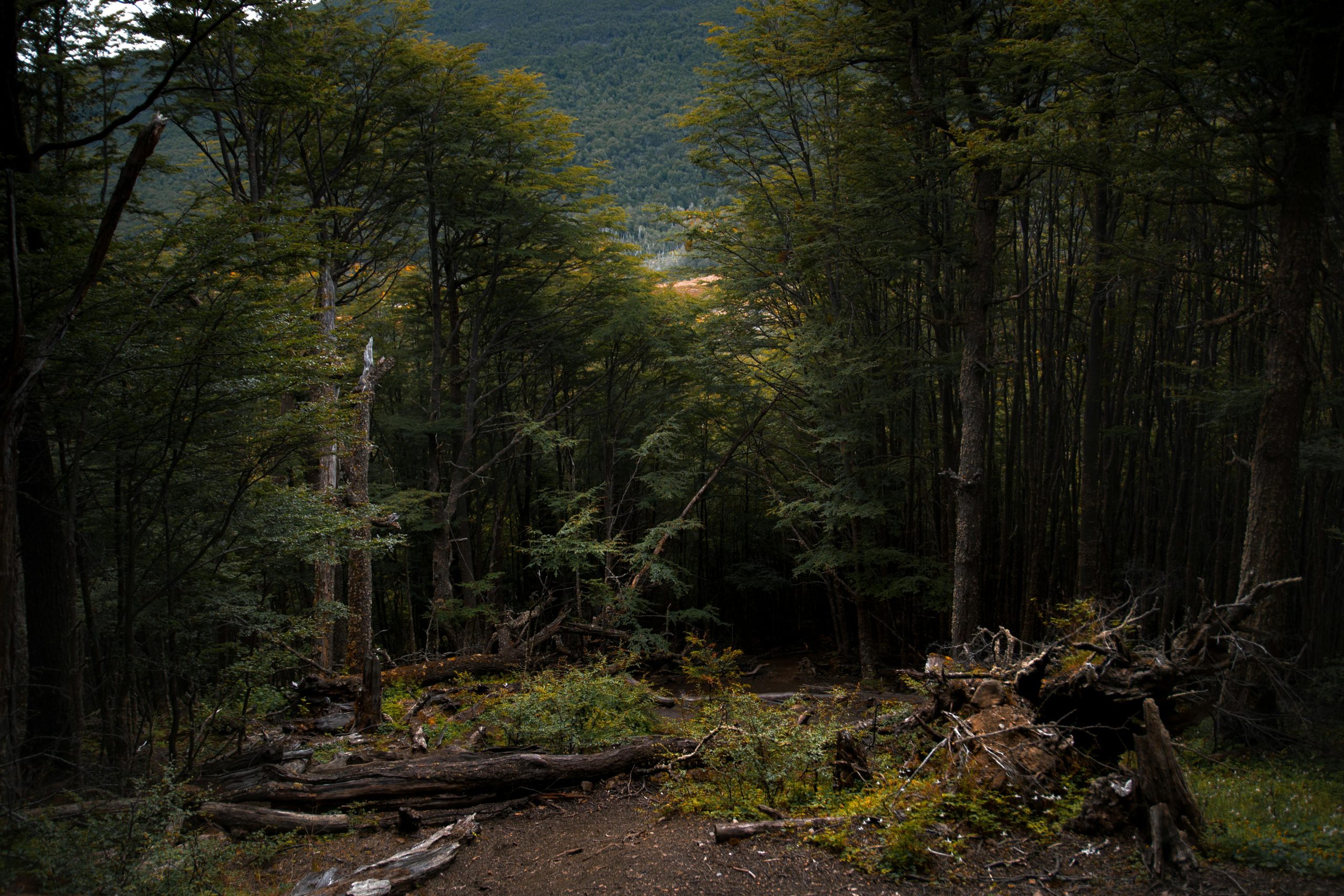
In forest environments, signaling focuses on elevation, sound, and clearing vegetation. Smoke, whistles, and reflective surfaces must break through visual clutter. In deserts, visibility is vast, but contrast is limited. Signals must stand out against uniform terrain and bright light. Mirrors, ground symbols, and movement are often more effective than smoke. Forest signals fight obstruction; desert signals fight monotony. Understanding how rescuers scan environments helps survivors choose effective methods. A signal that works well in trees may be invisible in open sand. Matching signaling techniques to terrain dramatically increases rescue probability without unnecessary energy loss.
9. Injury Management Carries Different Hidden Risks
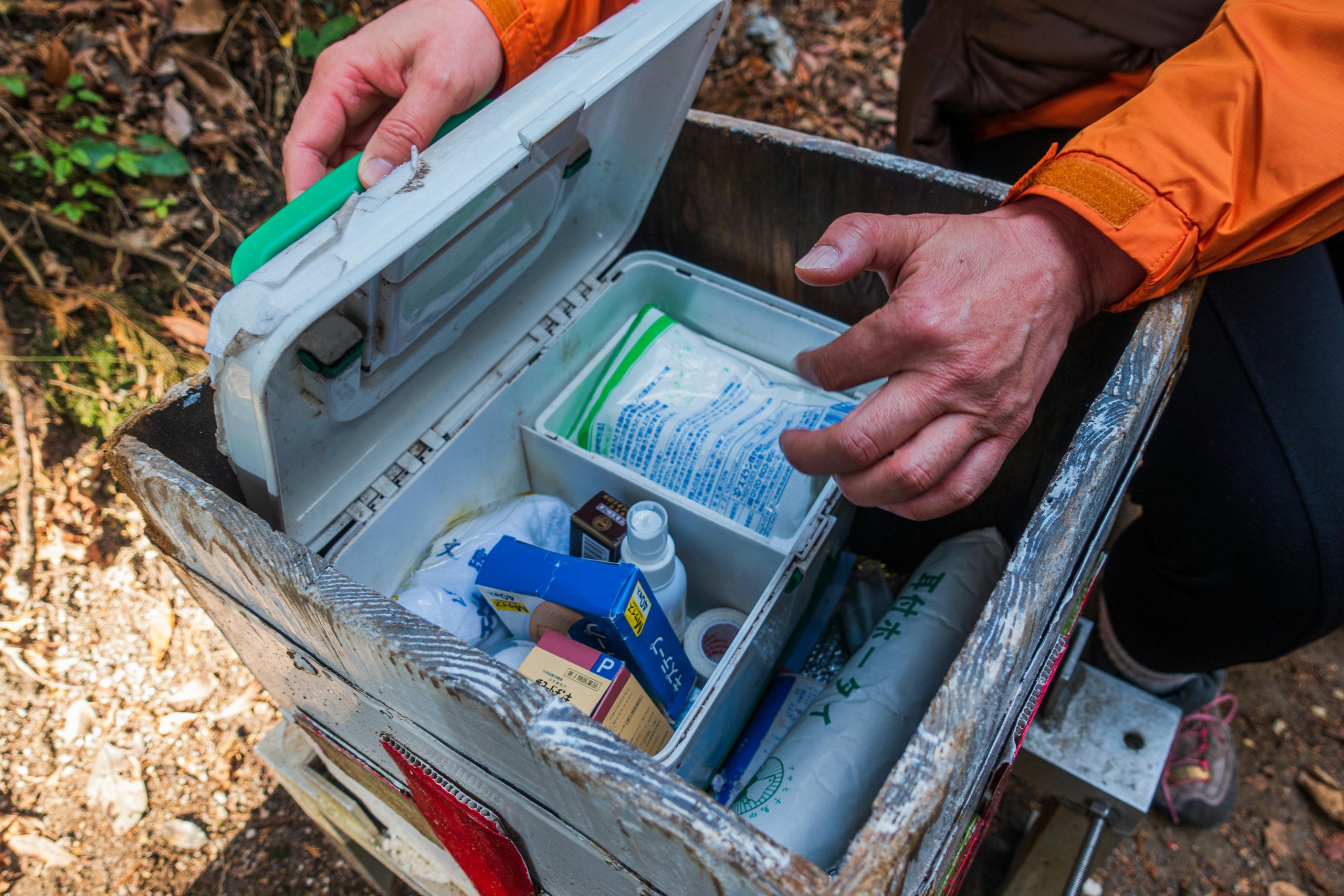
In forests, injuries increase infection risk due to moisture, bacteria, and insects. Wound care focuses on cleanliness and protection. In deserts, injuries increase the risk of dehydration and mobility limitations. Bleeding accelerates fluid loss, and reduced movement increases heat exposure. Desert injuries must be stabilized quickly to conserve energy and water. Forest injuries demand long-term care; desert injuries demand immediate control. Recognizing these differences changes first aid priorities. Treating wounds correctly for the environment reduces secondary complications that often become more dangerous than the original injury during extended survival situations.
10. Mental Stressors Shift With Environmental Feedback
Forests provide constant sensory input, which can reduce feelings of isolation but increase anxiety through noise and limited visibility. Deserts create psychological stress through silence, heat, and perceived emptiness. Forest survival challenges focus and patience; desert survival challenges restraint and hope. The mind reacts differently to confinement versus exposure. Understanding these mental shifts helps survivors manage panic, impulsive movement, and energy waste. Psychological resilience must adapt to the environment. Recognizing that stress feels different but is equally dangerous allows survivors to consciously slow decisions, conserve resources, and maintain clarity during prolonged survival scenarios.
11. Tool Use Priorities Reflect Resource Availability
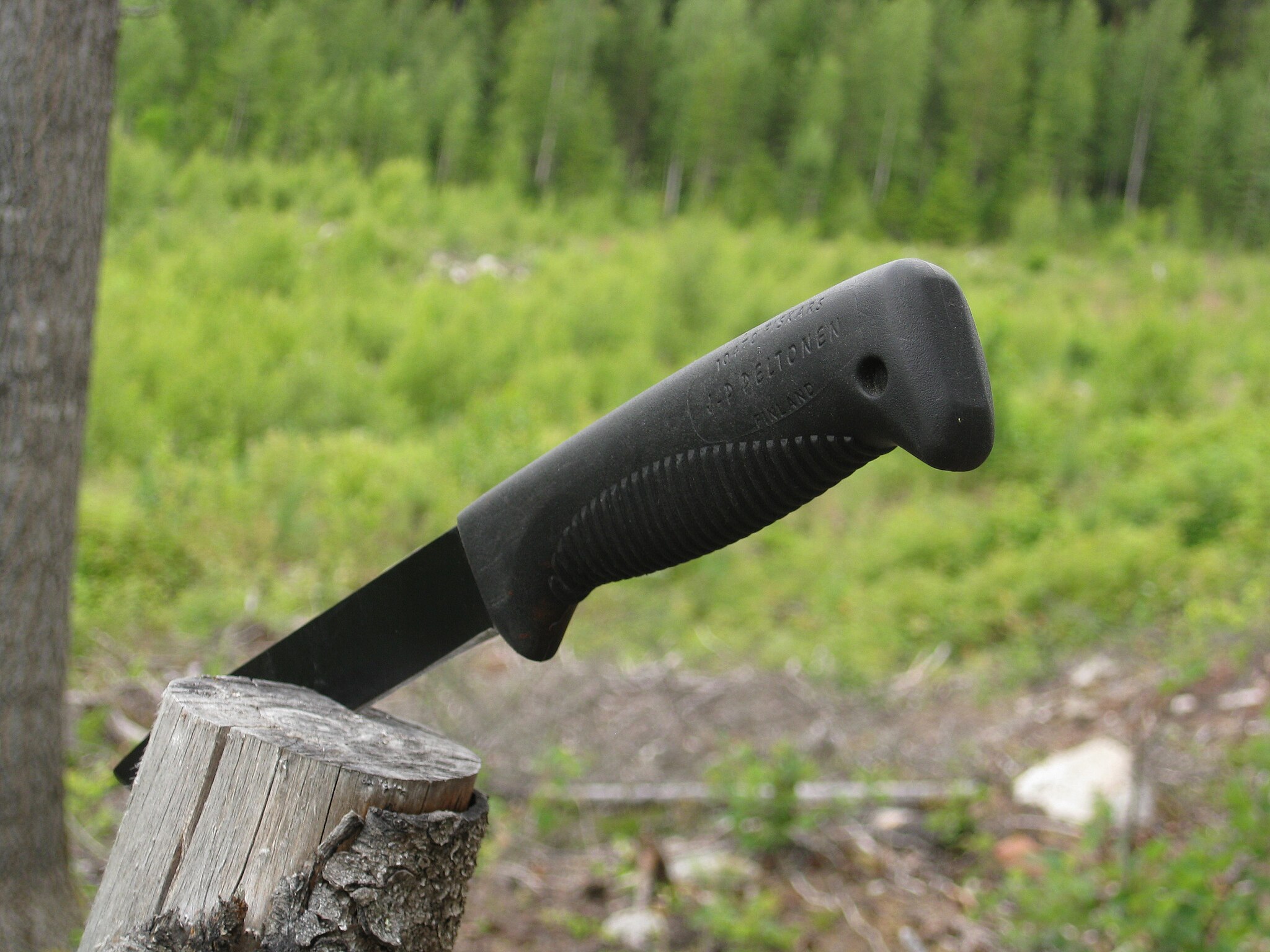
In forests, tools emphasize cutting, carving, and processing wood for shelter and fire. Knives, saws, and cordage become central assets. In deserts, tools focus on shade creation, signaling, and water collection. Cutting tools are less critical than reflective surfaces or containers. Carrying heavy gear in deserts increases heat strain, while forests allow more tool-based construction. Understanding which tools offer real survival value prevents overloading and misuse. A tool that is indispensable in one environment may offer minimal benefit in another. Matching gear priorities to terrain improves efficiency and reduces unnecessary physical stress.
12. Time Perception Changes Survival Decision-Making
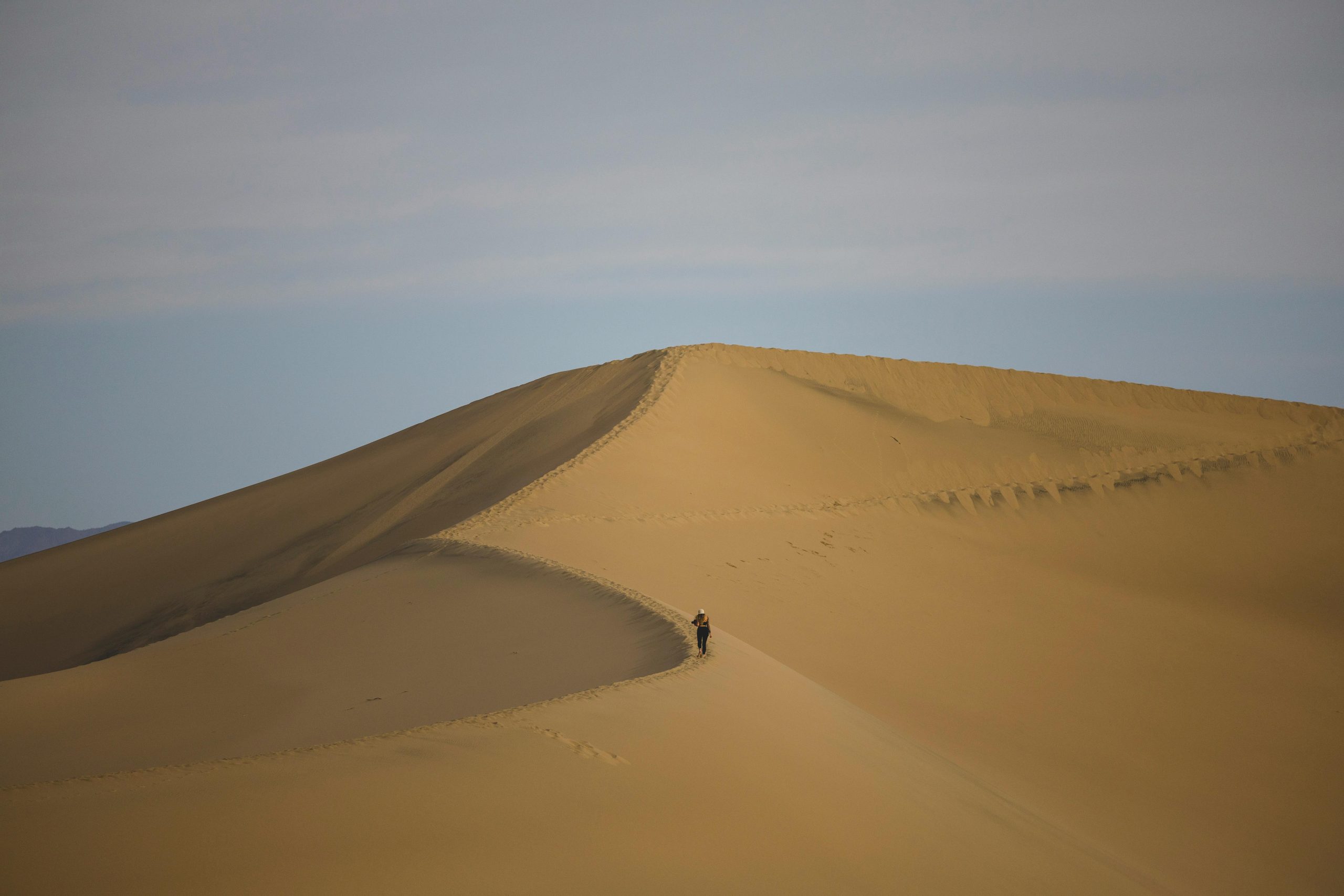
Forest survival often unfolds gradually, allowing time to adjust plans and recover from mistakes. Deserts compress timelines. Dehydration and heat injury can become life-threatening within hours. This changes how survivors evaluate risk and reward. Decisions must be slower, but consequences arrive faster. Forests allow learning through trial; deserts demand caution from the start. Understanding how quickly conditions can deteriorate prevents reckless choices driven by urgency. Time management becomes a survival skill. Recognizing that deserts punish impatience while forests punish complacency helps survivors adapt behavior to the environment rather than relying on instinct alone.