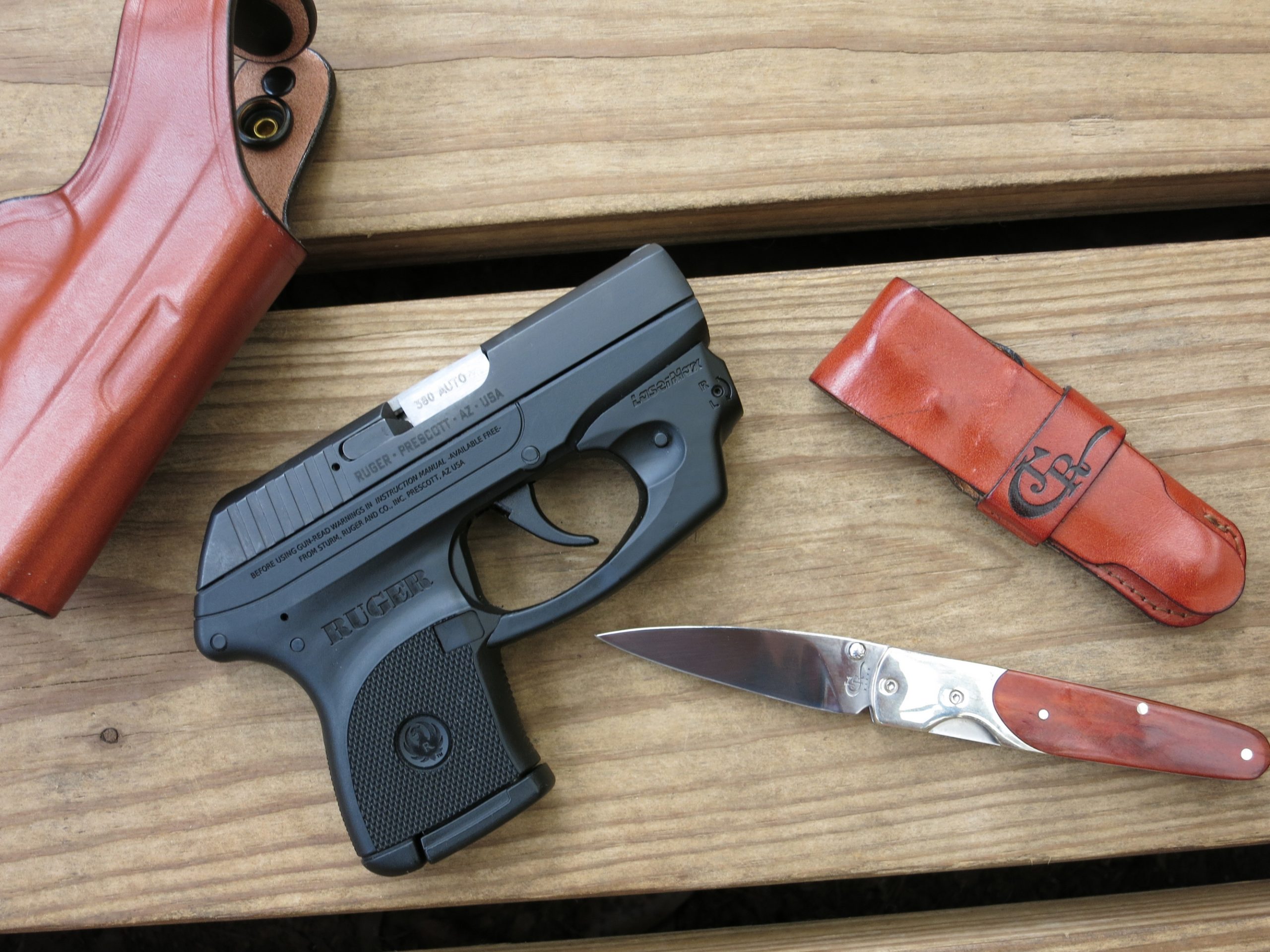
Pocket pistols have a reputation that doesn’t quite match reality. At a glance, they look friendly, simple, and unintimidating, small firearms meant for convenience rather than complexity. That assumption is exactly where many shooters go wrong. These ultra-compact handguns shrink everything: grip surface, sight radius, recoil control, and mechanical tolerance. What remains is a firearm that demands more skill, more discipline, and more realistic expectations than most people realize. Pocket pistols are often chosen for concealment, backup roles, or discreet carry, yet they punish sloppy technique and rushed decisions. Understanding their quirks matters because size alone does not make a handgun forgiving. In many ways, these pistols are harder to shoot well than their larger cousins.
1. Small Size Magnifies Every Shooting Error
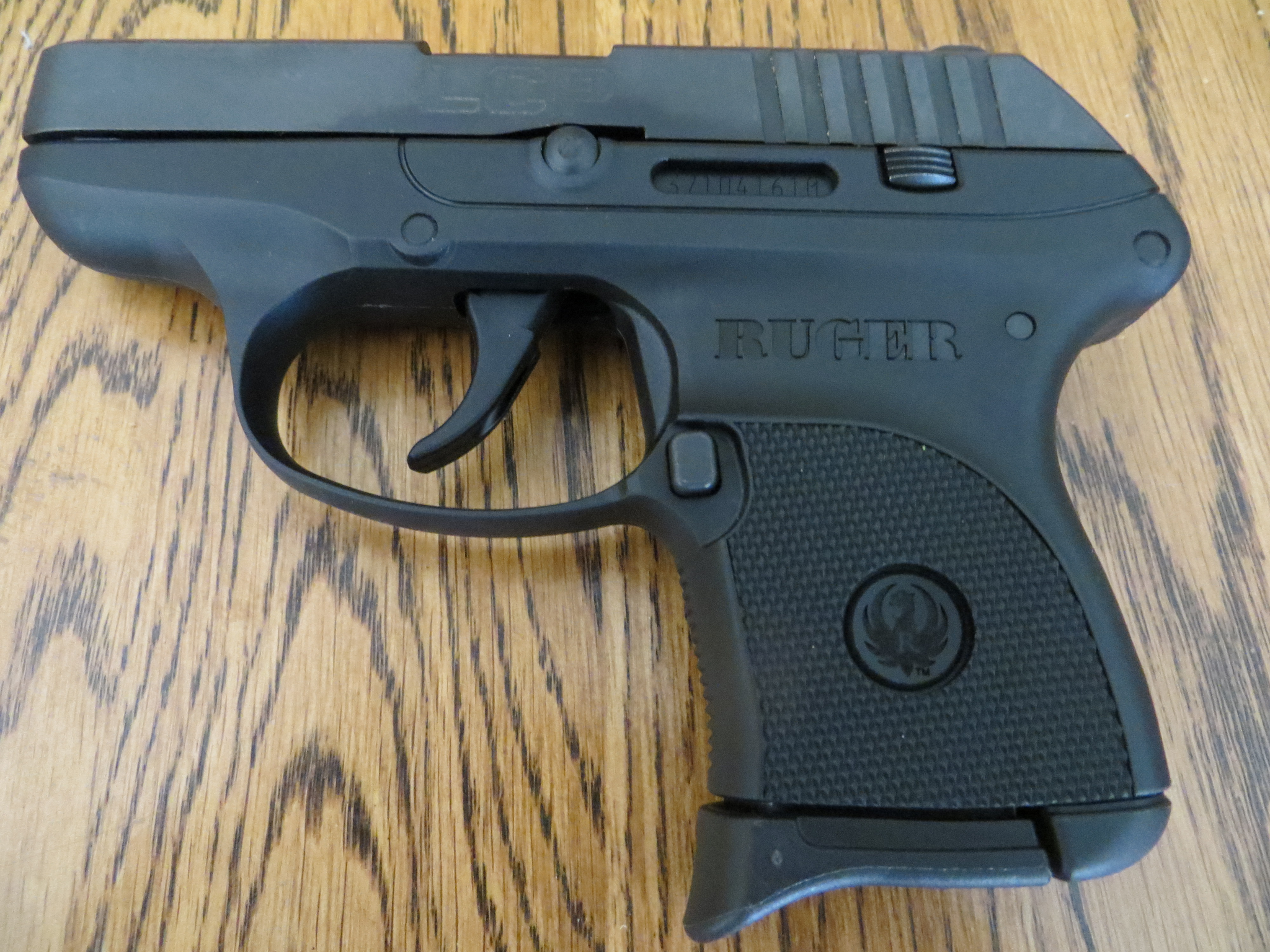
Pocket pistols exaggerate mistakes in ways full-size handguns rarely do. The short sight radius makes even slight misalignment obvious on target, while the minimal grip area leaves little room to correct a bad hold. Poor trigger control shows up instantly because there’s less mass to absorb movement during the press. Even experienced shooters are often surprised by how unforgiving these guns feel at the range. Recoil impulse tends to be sharper, not heavier, causing the muzzle to dip or rise unpredictably. This combination means fundamentals matter more, not less. Pocket pistols reward deliberate technique and punish casual shooting habits faster than almost any other handgun category.
2. Recoil Feels Snappier Than Expected
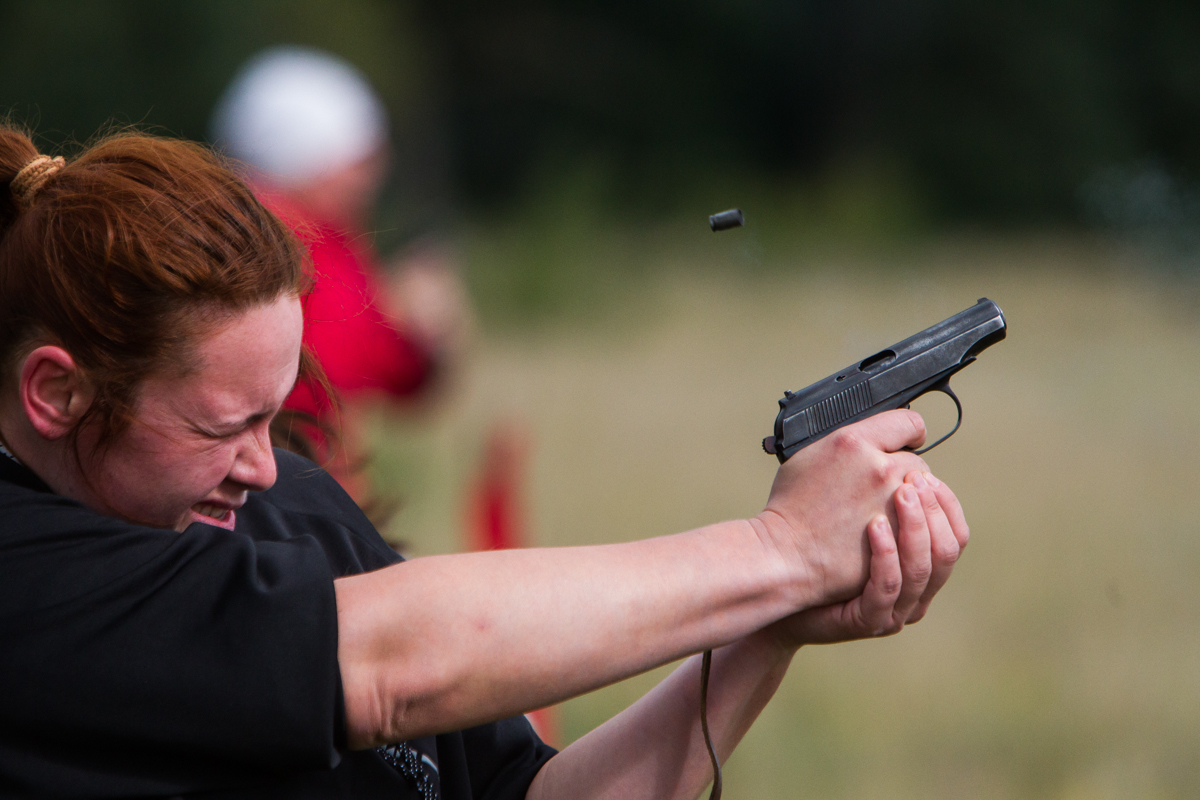
Despite firing modest calibers, pocket pistols often feel harsher than larger guns using the same ammunition. Their lightweight frames transmit recoil directly into the shooter’s hand with little dampening. Short barrels also mean recoil happens faster, creating a quick snap rather than a long push. This sensation can surprise new owners who expect a gentle shooting experience. Grip texture and shape play a huge role here, and many pocket pistols prioritize concealment over comfort. The result is a firearm that can feel lively, even unpleasant, during extended practice sessions. Managing recoil effectively becomes a learned skill rather than an automatic response.
3. Triggers Are Usually Heavier for a Reason
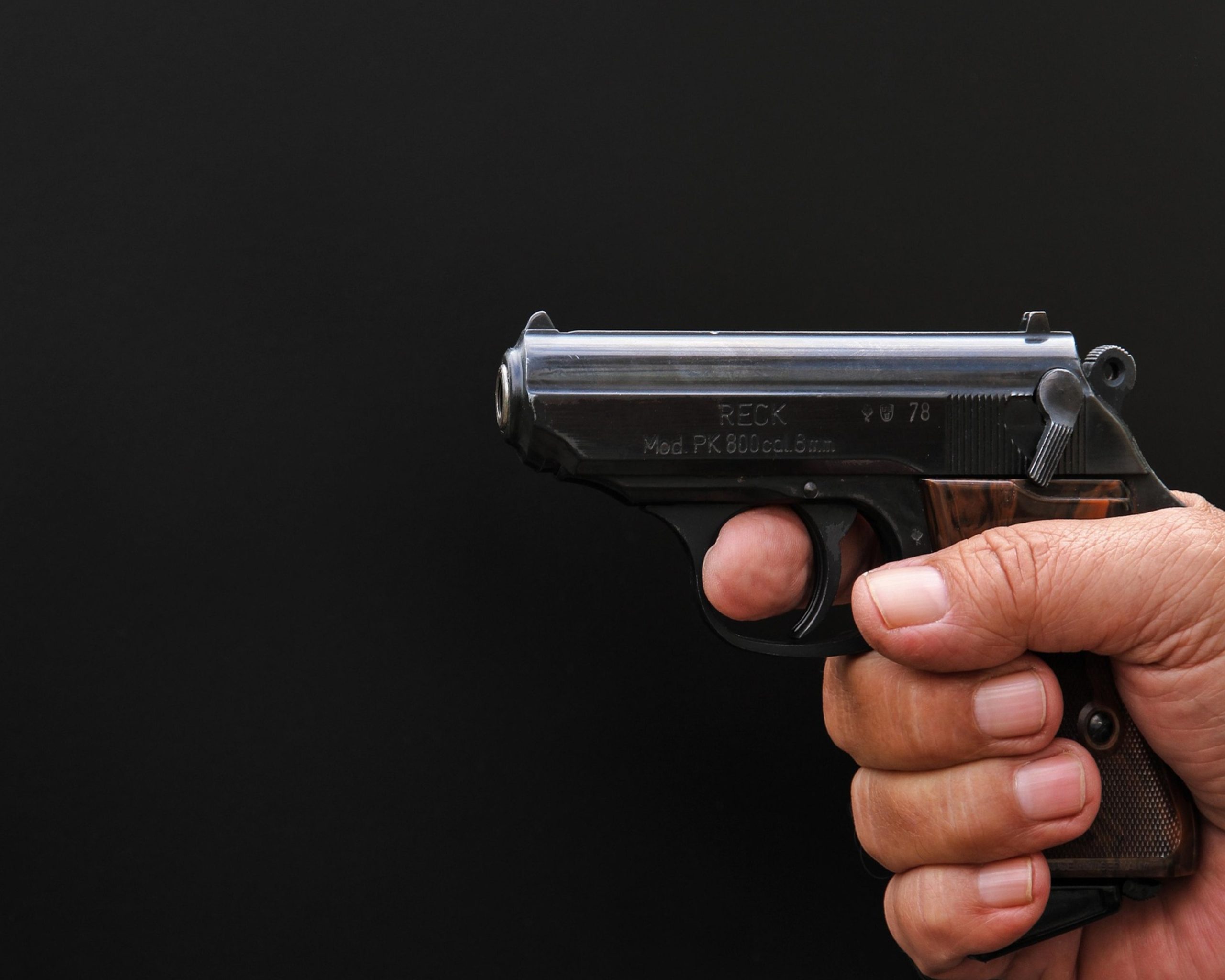
Pocket pistol triggers are rarely light or crisp, and that’s intentional. Manufacturers often design them with heavier pulls to reduce the risk of unintentional discharge during close-quarters carry. While this adds a layer of safety, it also demands more finger strength and control. Heavy triggers magnify poor technique, especially when combined with a short grip. Shooters accustomed to refined triggers often struggle at first, pulling shots low or off target. Learning to stage or smoothly press these triggers takes time. The design tradeoff favors safety over shootability, which is sensible but not always comfortable for inexperienced users.
4. Sight Systems Are Minimal by Necessity
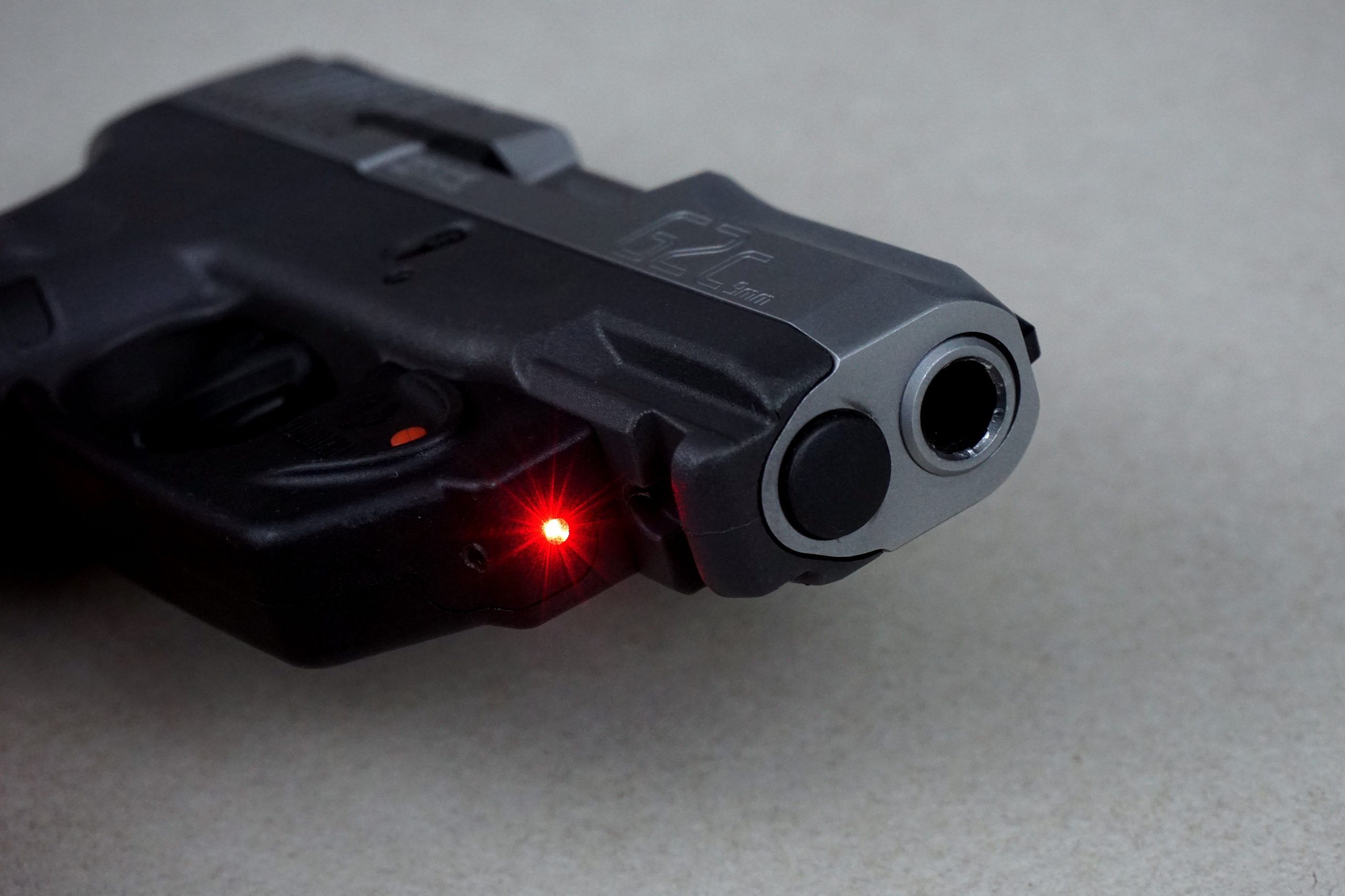
Many pocket pistols feature extremely small sights, and some rely on simple notches or grooves. These designs keep the gun snag-free and compact, but they also limit precision. Acquiring a clean sight picture under stress can be challenging, especially in low light. The short distance between front and rear sights leaves little margin for alignment error. As a result, shooters often rely more on instinctive pointing at close range. This works within limits, but it requires practice. Pocket pistols remind users that accuracy is earned, not guaranteed, especially when visual references are intentionally reduced.
5. Grip Ergonomics Are Compromised
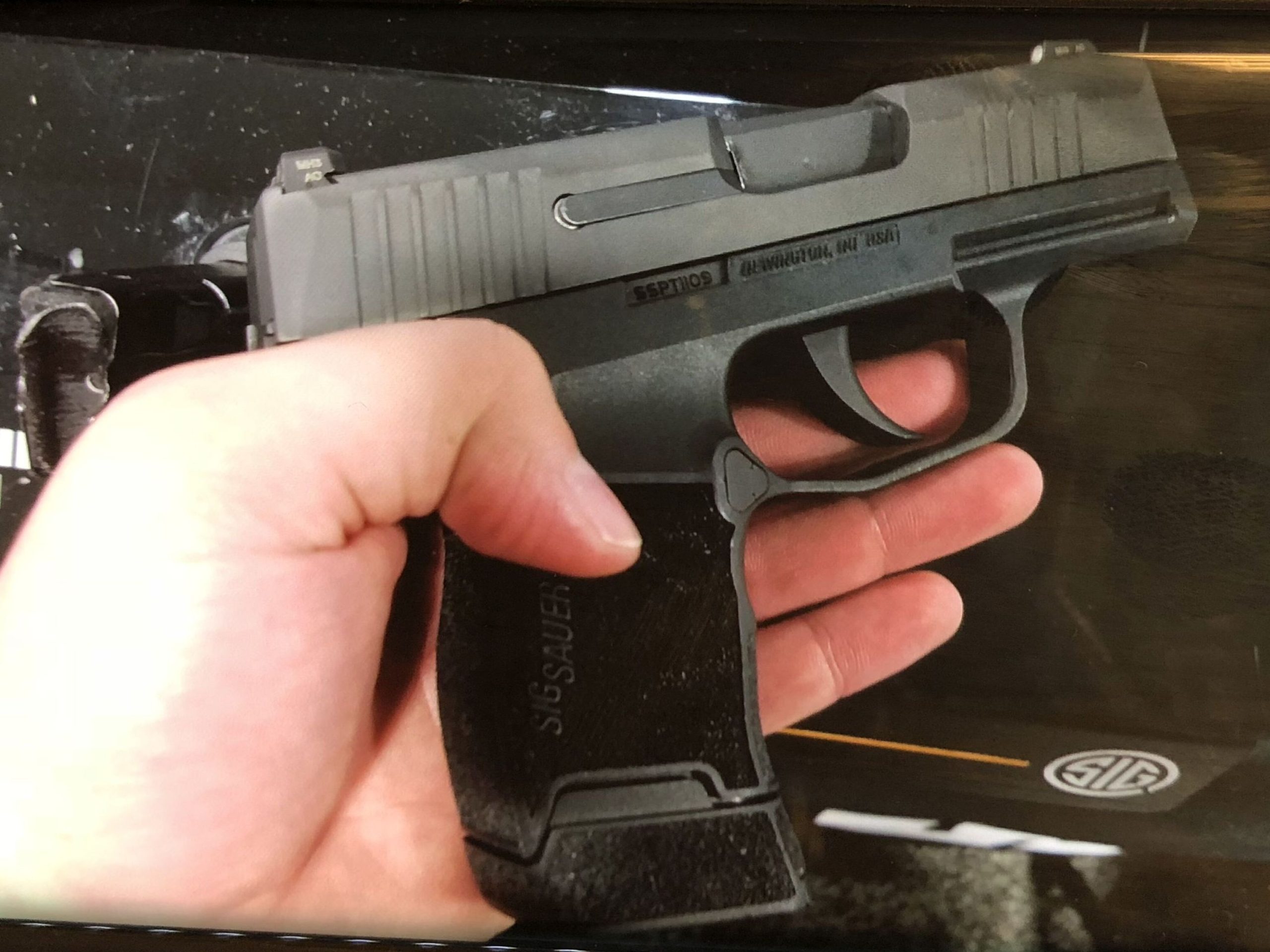
A pocket pistol grip is often just large enough to hold onto, nothing more. Many shooters can’t fit their entire hand on the frame, leaving fingers stacked or dangling. This reduces leverage and stability, especially during recoil. Extended magazines can help, but they often defeat the purpose of concealment. The compact grip also increases the likelihood of shifting during firing, which affects follow-up shots. Learning a consistent grip is harder when there’s less surface to work with. Pocket pistols force shooters to adapt their hands to the gun, rather than the other way around.
6. Reliability Depends Heavily on Shooter Technique
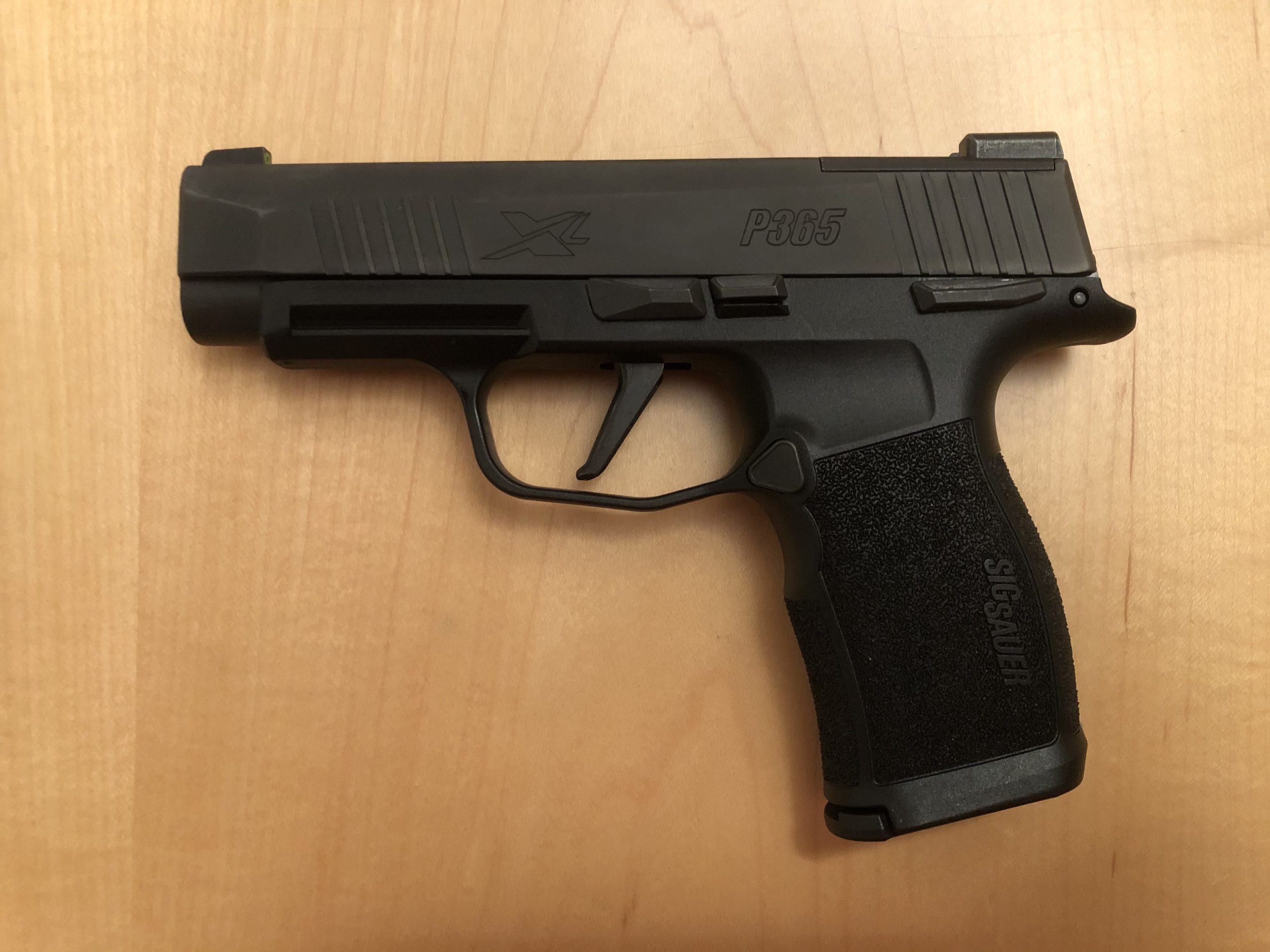
Pocket pistols tend to be more sensitive to grip strength and stance. Because they are lightweight, they rely on resistance from the shooter’s hand to cycle properly. A loose grip can cause malfunctions that wouldn’t appear in heavier handguns. This surprises many users who assume smaller guns are simpler. In reality, consistent technique matters more. Limp-wristing, poor support, or awkward angles can interrupt reliability. These pistols are machines that expect cooperation. When held correctly, they can run flawlessly. When handled casually, they can quickly reveal their limits.
7. Ammunition Choice Matters More Than You Think
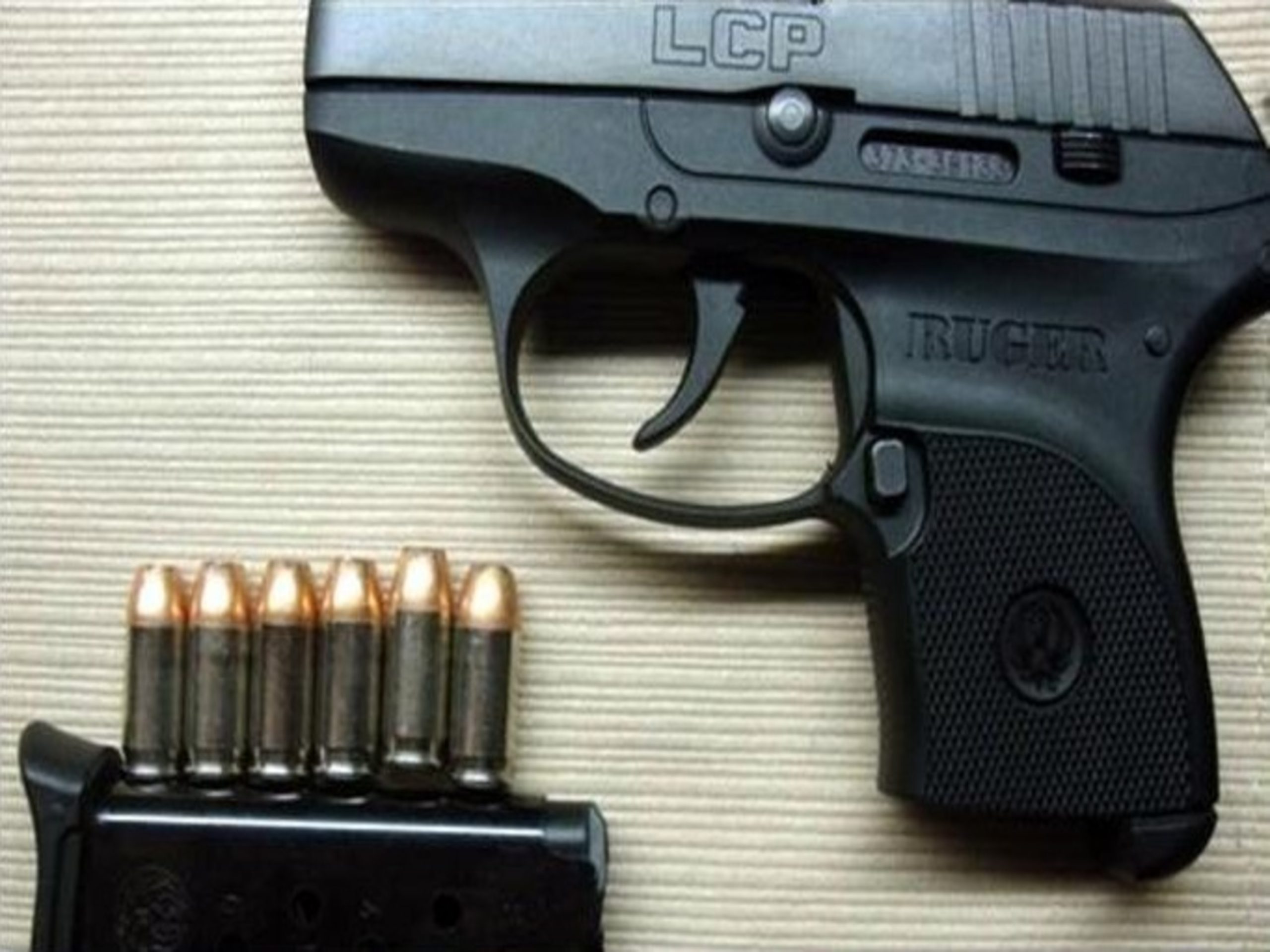
Not all ammunition behaves the same in short barrels. Pocket pistols often lose velocity compared to longer firearms, which can affect performance. Some loads are optimized for compact use, while others fail to expand or cycle reliably. Recoil characteristics also vary widely depending on bullet weight and pressure. A load that feels manageable in a larger handgun may feel abrupt or unpleasant in a pocket pistol. Testing ammunition isn’t optional; it’s essential. Pocket pistols demand careful selection to balance reliability, controllability, and practical effectiveness.
8. Practice Sessions Can Be Fatiguing
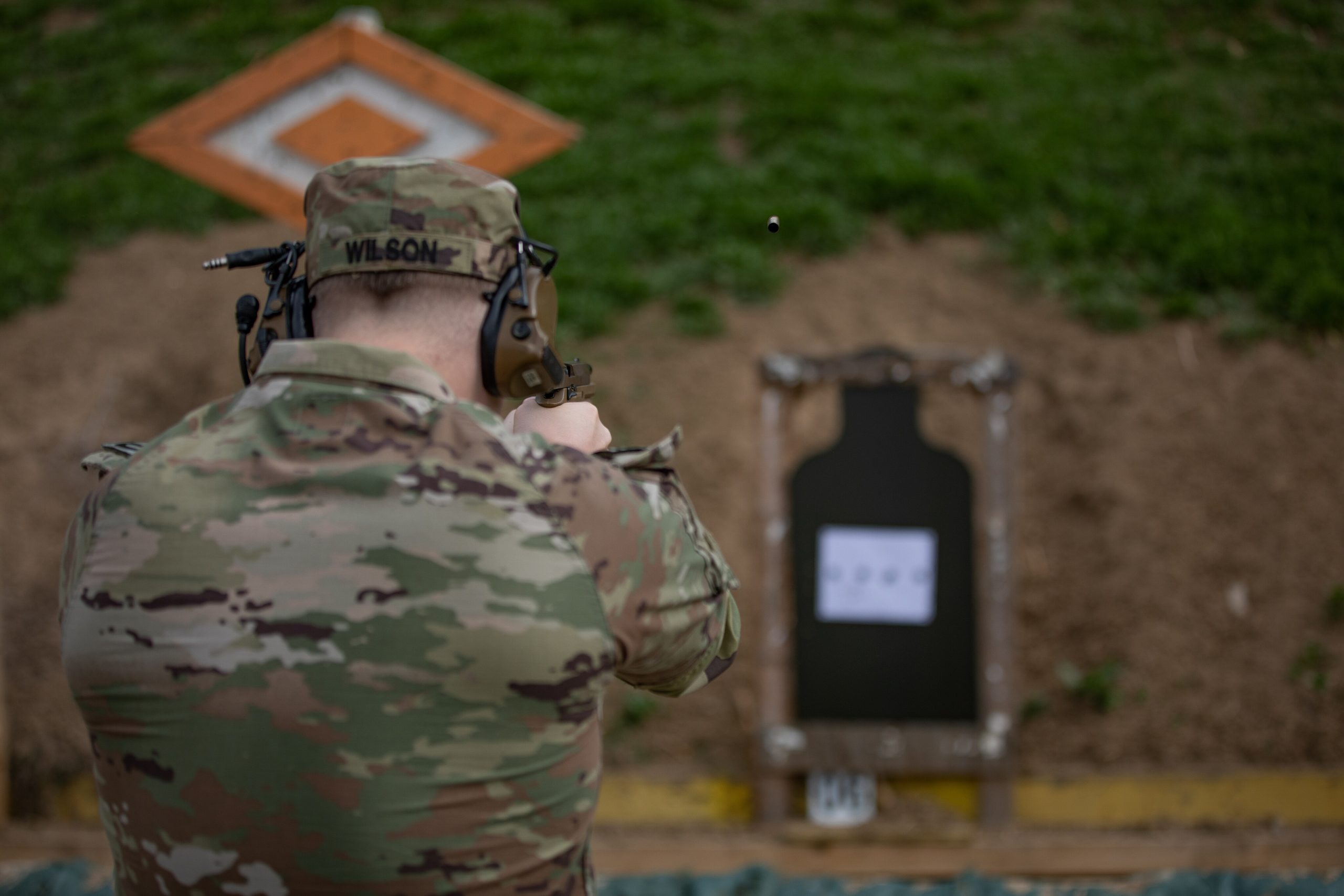
Pocket pistols are rarely fun range guns. Their sharp recoil, small grips, and heavy triggers can wear out hands quickly. Extended practice sessions often become uncomfortable, especially for shooters with larger hands. This leads some owners to avoid training, which is exactly the opposite of what these guns require. Short, focused practice sessions work better. Dry fire training is especially valuable, helping build trigger control without recoil. Pocket pistols reward consistency over volume. Mastery comes from repetition, not endurance.
9. Draw Speed Requires Precision

Drawing a pocket pistol isn’t as simple as grabbing and shooting. Pocket carry introduces challenges like fabric interference, awkward angles, and limited grip access. A sloppy draw can result in fumbling or poor initial control. Holster selection becomes critical, as does practice from realistic positions. Unlike belt-carried handguns, pocket pistols demand refined motion and careful setup. Speed comes from smoothness, not rushing. Training matters here more than raw reflexes, because mistakes during the draw can be costly.
10. Maintenance Is More Important Than It Looks
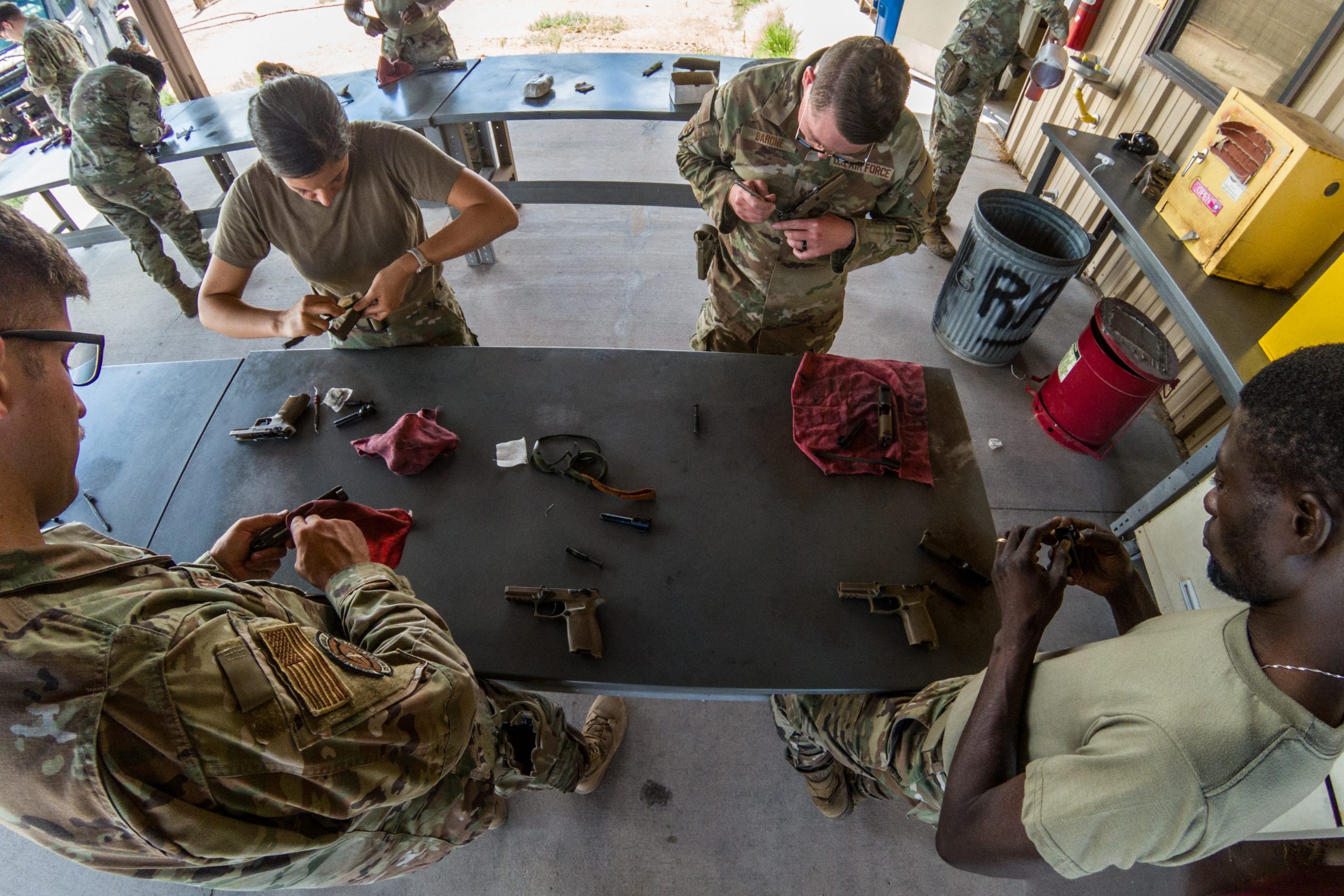
Small firearms accumulate dirt and lint quickly, especially when carried daily. Pocket pistols are often exposed to debris that larger holstered guns avoid. Their tight tolerances leave less room for neglect. Regular cleaning and inspection are essential to maintain reliability. Springs and small components experience more stress due to the compact design. Ignoring maintenance increases the risk of failure. Pocket pistols may look simple, but they demand attention to stay dependable.
11. Accuracy Expectations Should Be Realistic
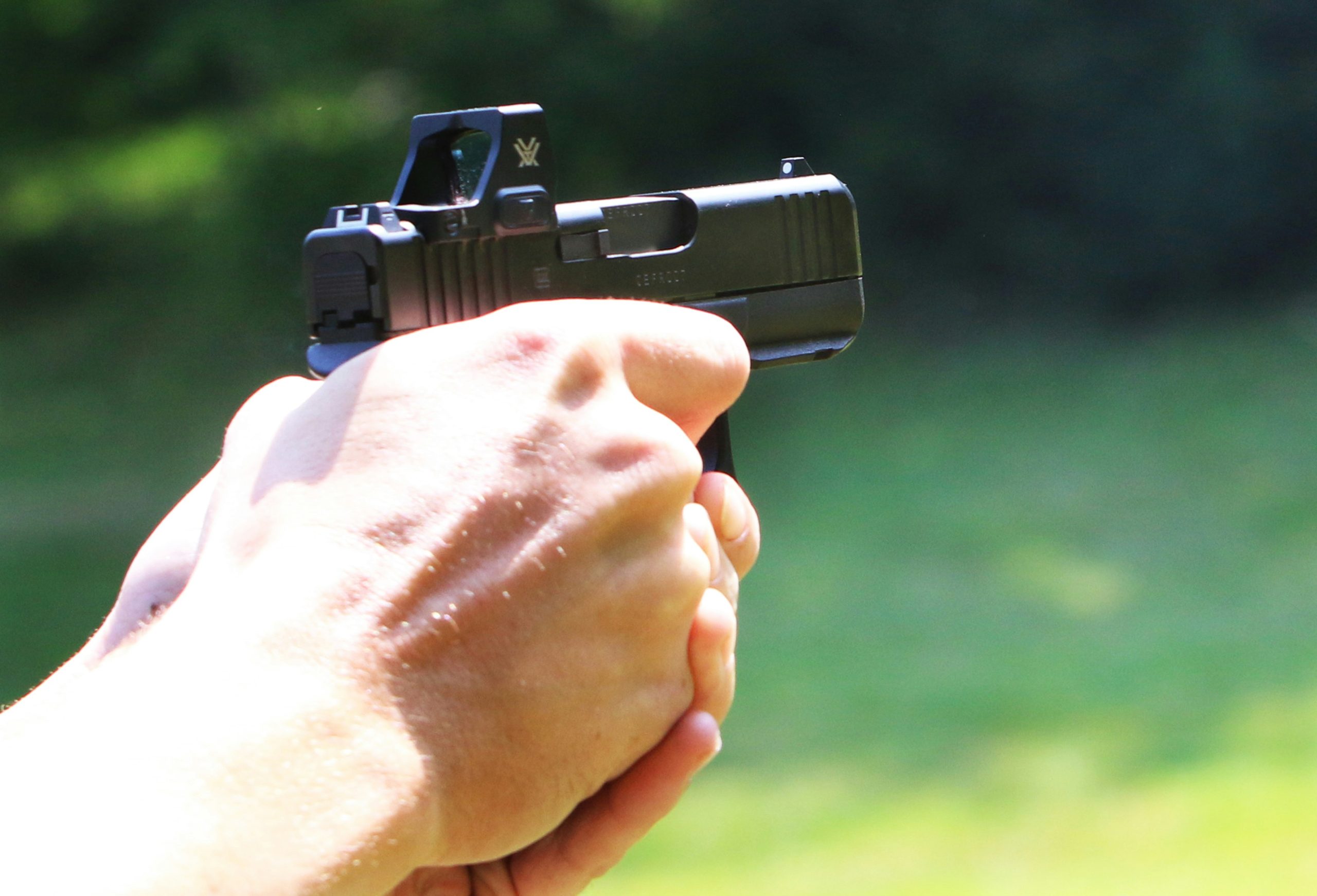
Pocket pistols are designed for close-range effectiveness, not precision shooting competitions. Expecting tight groups at a distance often leads to frustration. Their strengths lie in portability and accessibility, not pinpoint accuracy. That said, good shooters can achieve respectable results with practice. Understanding the intended role of the firearm helps set realistic goals. Pocket pistols excel when used within their design envelope. Pushing beyond that requires skill, patience, and honest self-assessment.
12. They Reward Skill More Than Size Suggests
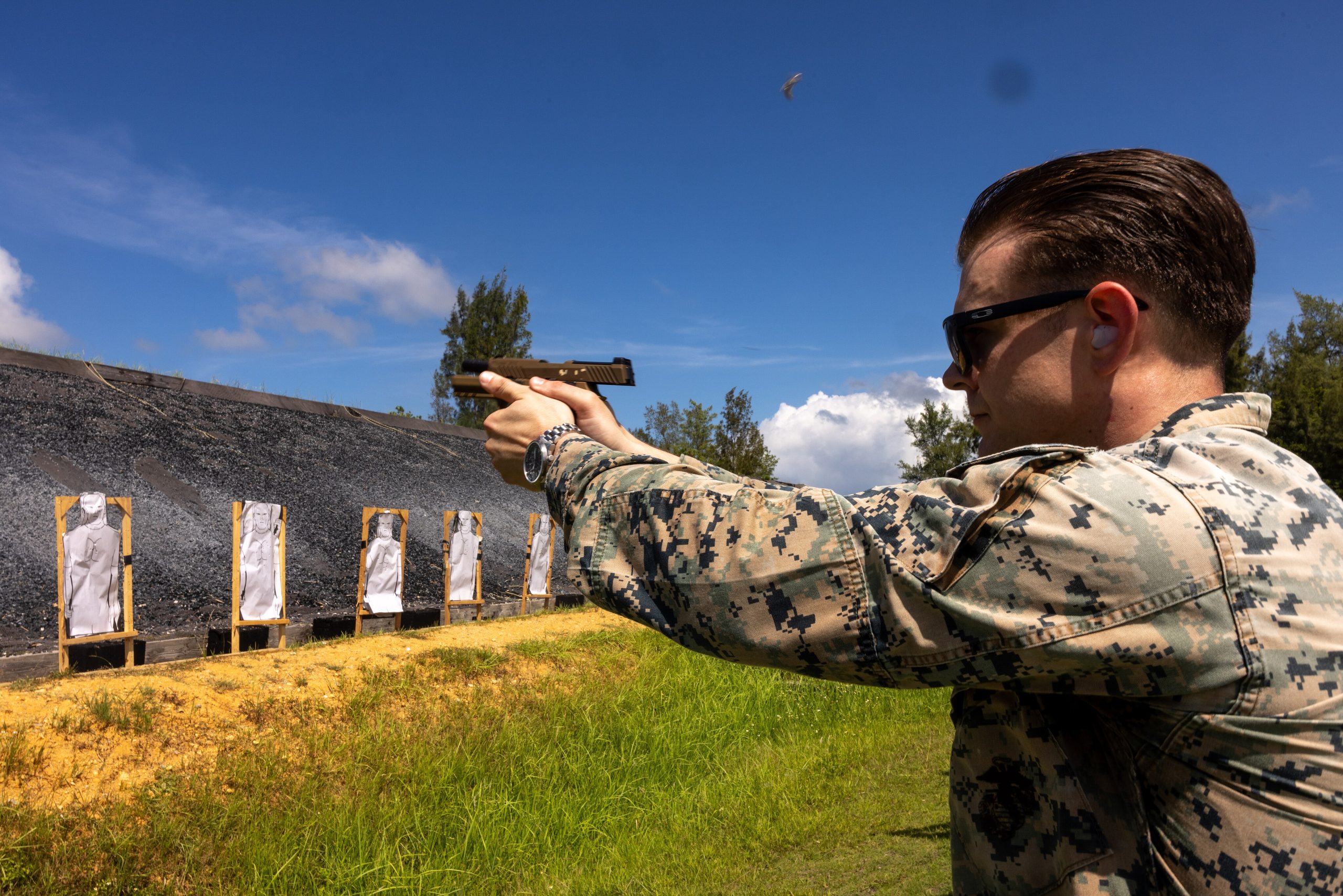
Pocket pistols look unintimidating, but they are not beginner-friendly tools. They demand refined fundamentals, disciplined practice, and thoughtful setup. Shooters who invest the time often develop better trigger control, grip awareness, and recoil management overall. In that sense, these small guns can make better shooters out of those willing to learn. Pocket pistols aren’t shortcuts; they’re tests. And those who pass them gain skills that translate to every other handgun they pick up.