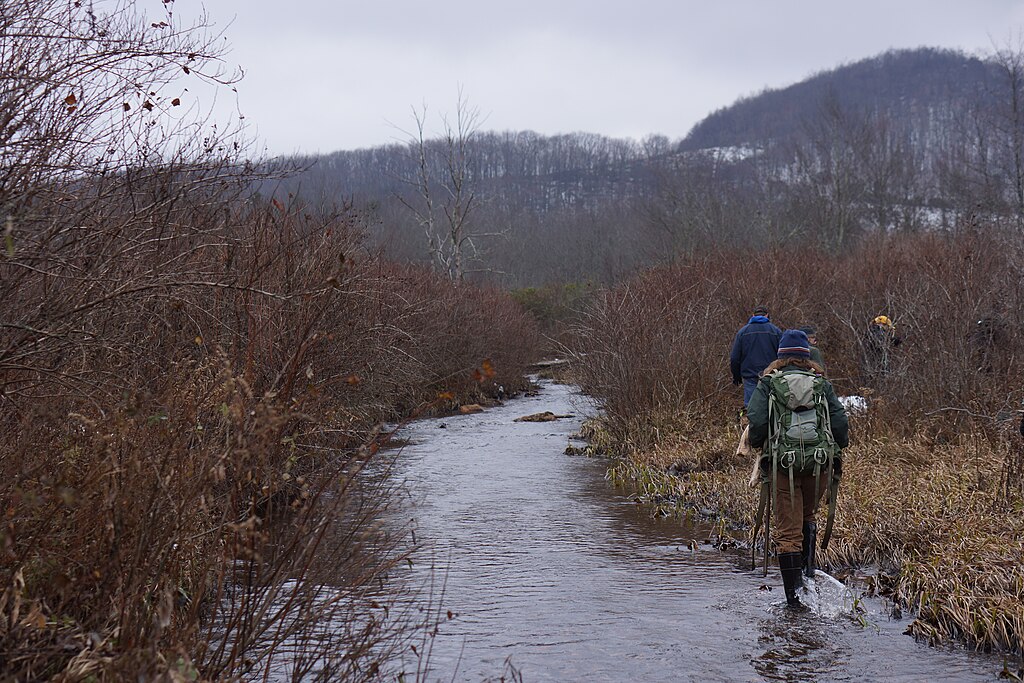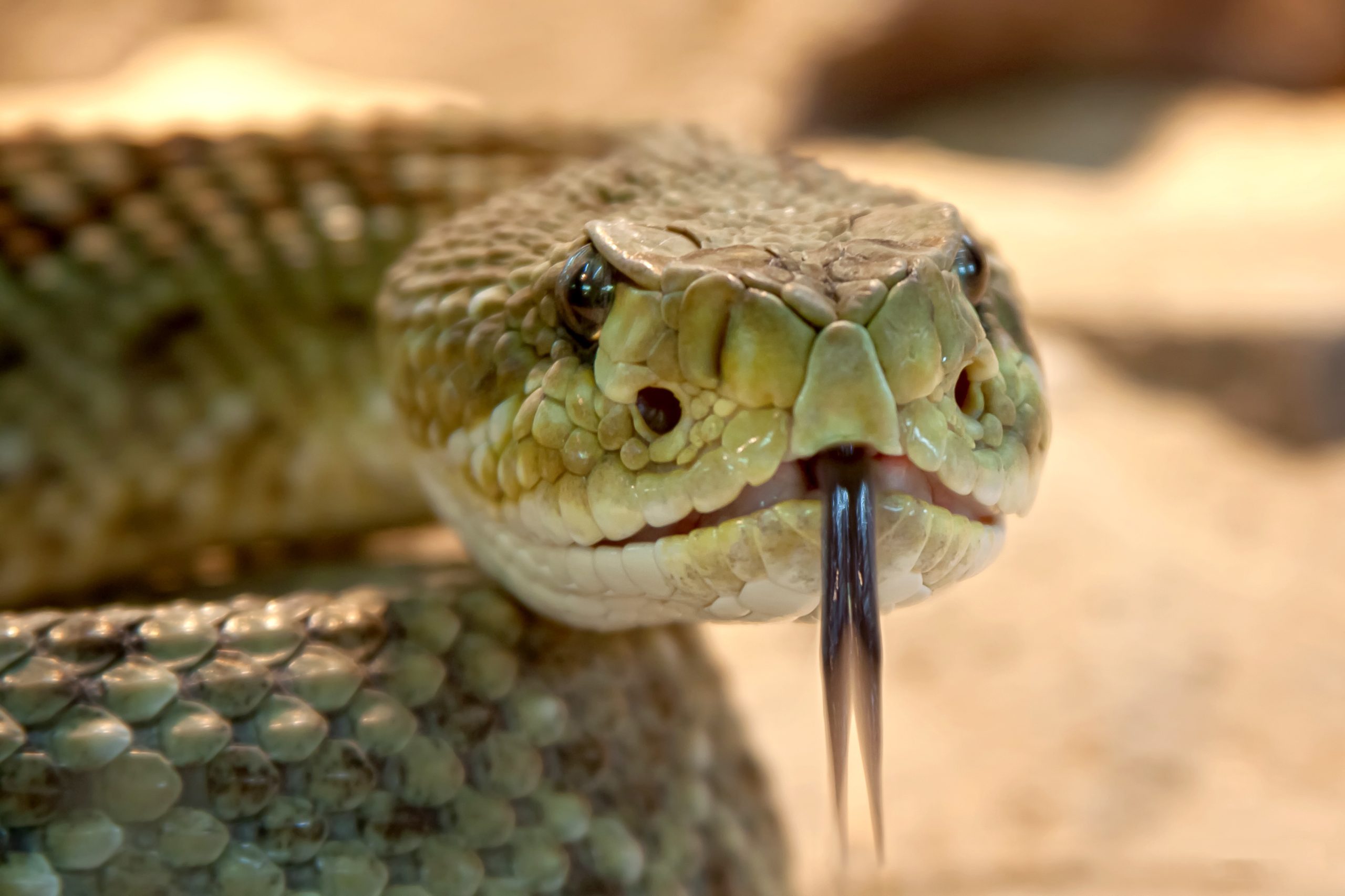
Rattlesnakes are among the best-known snakes in North America, recognized for the warning sound produced by the rattle at the end of their tails. Despite their reputation, these snakes rarely seek confrontation with humans. In most situations, a rattlesnake prefers to remain hidden and avoid contact entirely. However, hikers, campers, and outdoor enthusiasts sometimes encounter them unexpectedly because the warning signs can be subtle. Rattlesnakes blend extremely well with their surroundings, especially in dry grasslands, rocky hillsides, and desert terrain. Learning to recognize small environmental clues can make a big difference when spending time outdoors. By paying attention to the landscape, sounds, and unusual animal behavior, people can often detect a rattlesnake nearby before getting too close. The following signs highlight common clues that experienced hikers and wildlife observers watch for when moving through rattlesnake habitat.
1. A Sudden Rattling Sound in the Brush
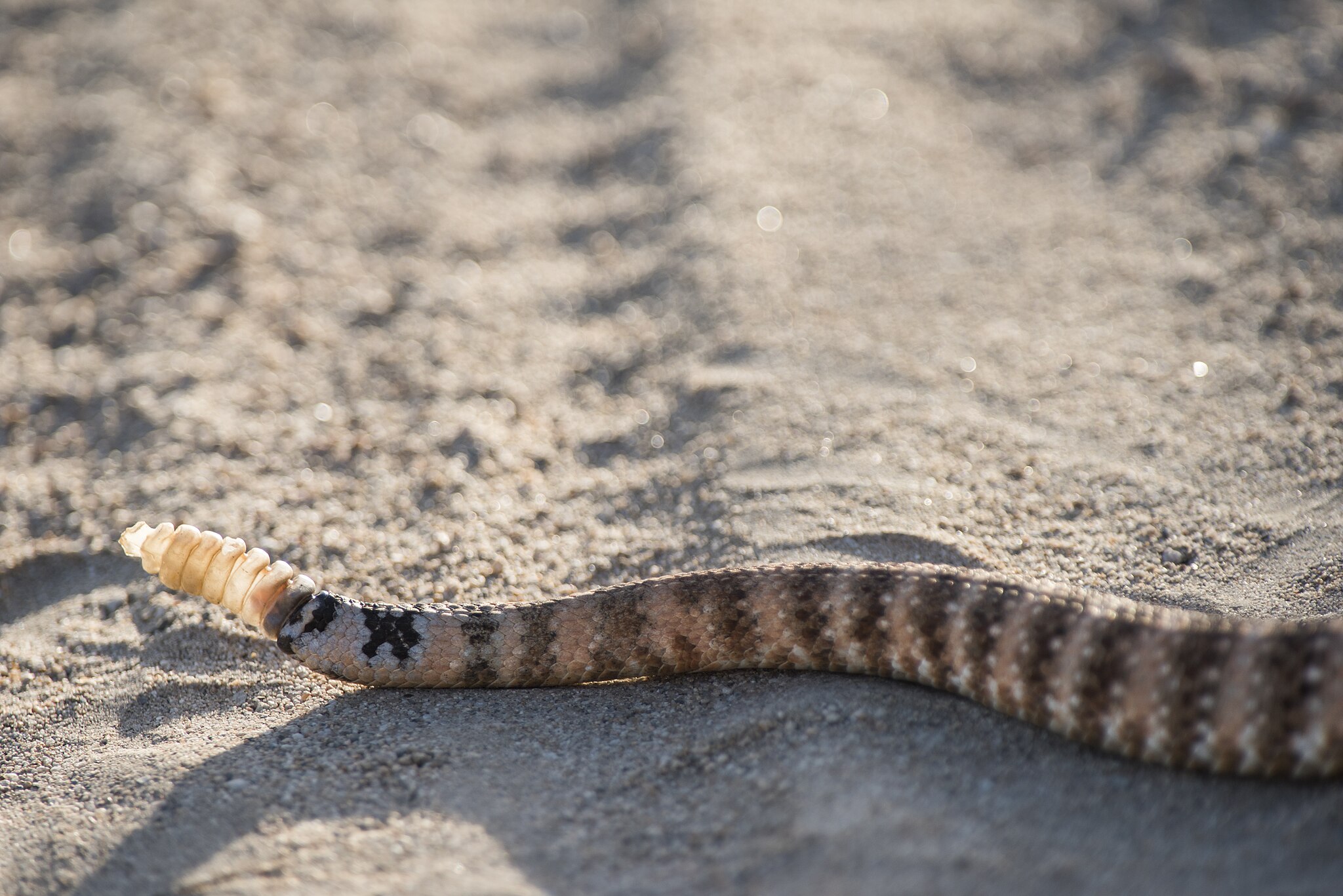
The most recognizable sign of a nearby rattlesnake is the sound produced by its rattle. This dry, buzzing noise occurs when the snake rapidly shakes the segments at the end of its tail. The sound is designed to warn potential threats rather than invite conflict. If you hear a rattling noise while hiking or walking through brush, it is important to stop immediately and look carefully around you. Rattlesnakes often rely on camouflage, so the snake may not be easy to see at first. The sound can sometimes echo off rocks or vegetation, making it difficult to determine the exact location. Remaining calm and slowly stepping back usually gives the snake enough space to retreat. Ignoring the warning or moving closer out of curiosity can increase the risk of a defensive strike.
2. Distinctive S-shaped Tracks in Dust
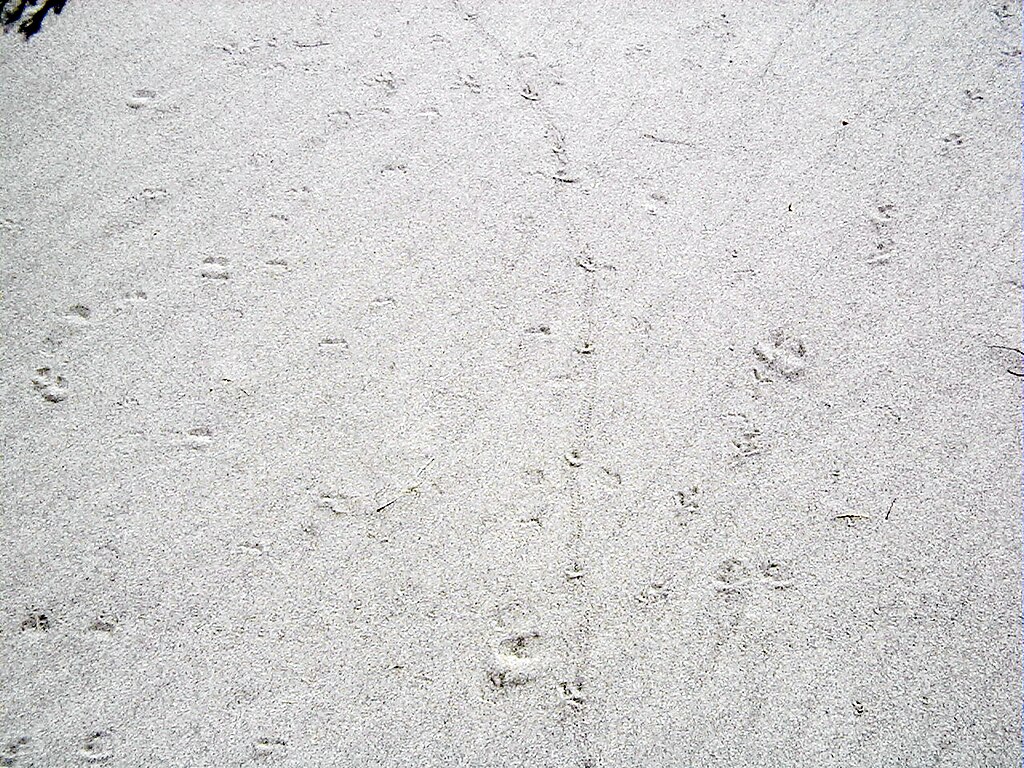
In dry regions, rattlesnakes often leave clear movement patterns in sand or dust. These tracks usually appear as smooth, flowing curves that resemble a loose S pattern across the ground. Because snakes move by pushing against the surface beneath them, their bodies create continuous wavy marks that differ from the footprints of mammals or birds. Fresh tracks may indicate that a snake recently moved through the area and could still be nearby. Outdoor enthusiasts who travel through deserts or sandy trails sometimes scan the ground ahead for these patterns as an early warning sign. While the tracks alone do not confirm that a rattlesnake is still present, they suggest that suitable habitat exists in the area and that caution is wise.
3. Unusual Silence Among Small Animals
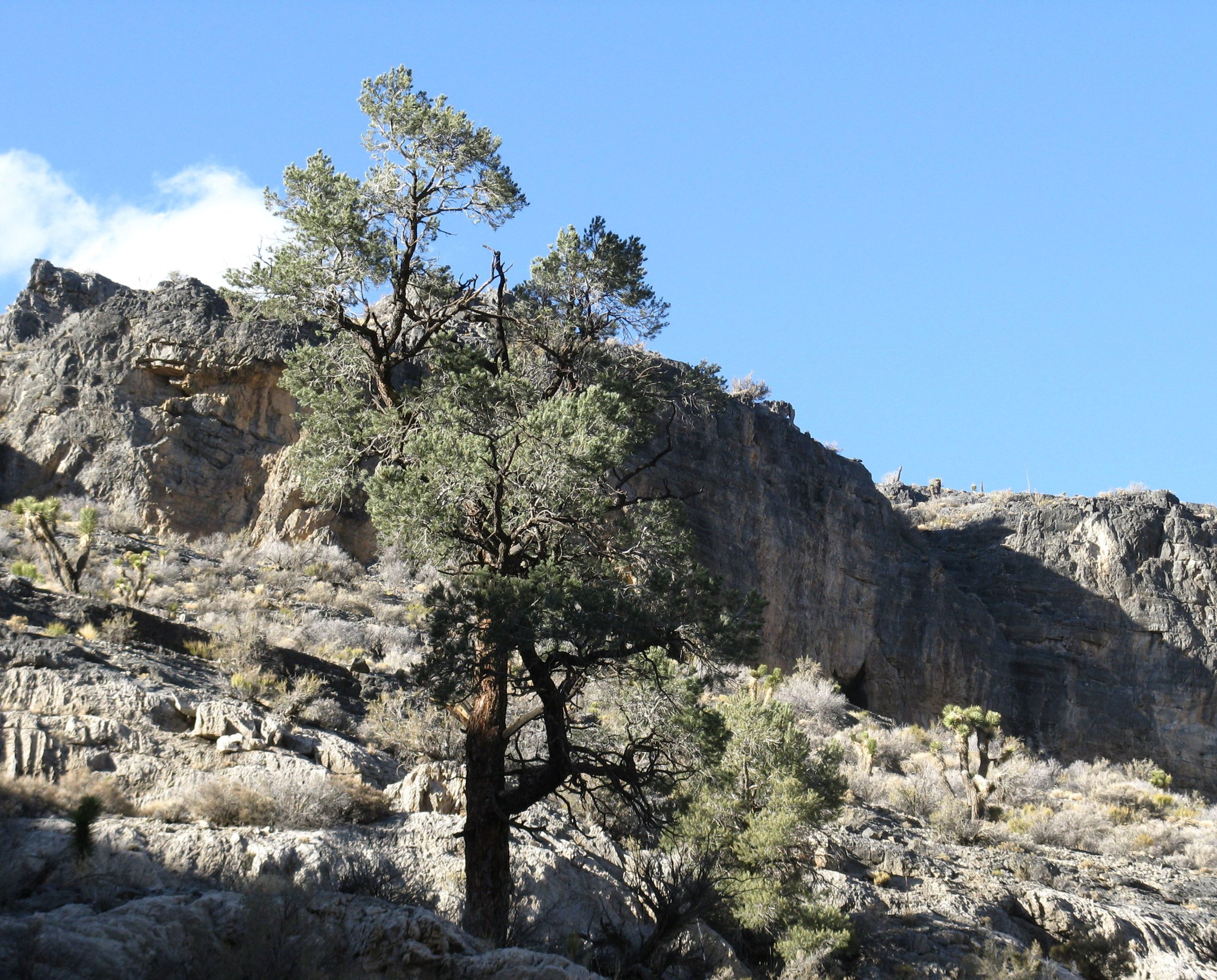
Wild animals often react to predators long before humans notice anything unusual. When birds suddenly stop singing, or small mammals become quiet, it can signal the presence of a potential threat nearby. Rattlesnakes are skilled ambush predators that wait quietly for prey such as rodents, birds, or lizards. If you notice a sudden change in the usual background sounds of nature, it may be worth pausing and scanning the area carefully. Silence alone does not confirm a snake’s presence, but it can serve as a subtle environmental clue that something in the ecosystem has changed. Experienced hikers often pay close attention to these shifts because wildlife frequently reacts first to hidden dangers.
4. A Coiled Shape Near Rocks or Logs
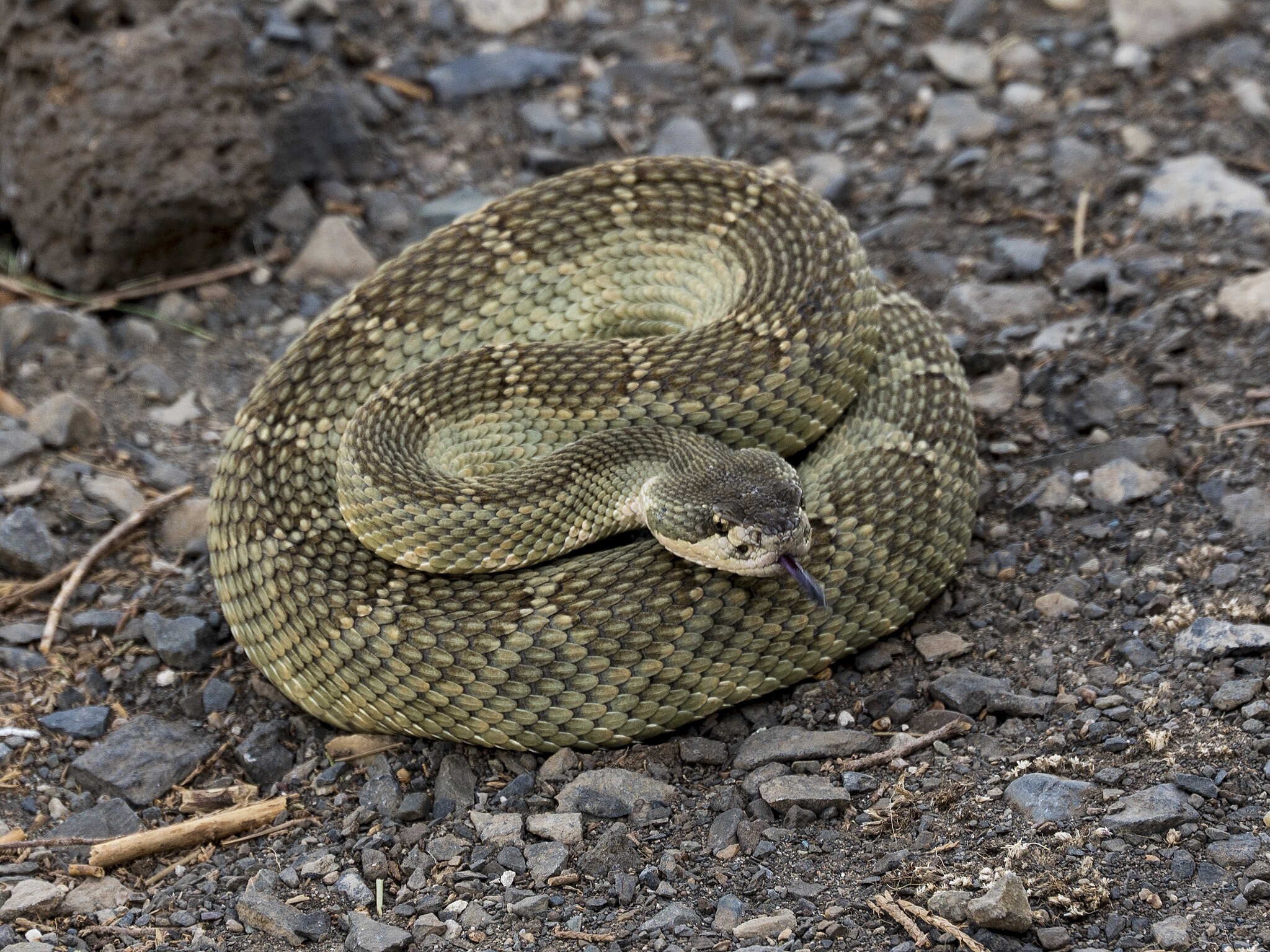
Rattlesnakes frequently rest in sheltered areas that provide both camouflage and protection. Rocky outcrops, fallen logs, and shaded crevices are common hiding spots. When resting, the snake often coils its body into a compact spiral. This position allows it to conserve heat and prepare for a quick defensive movement if needed. To an untrained eye, the coiled body may look like a pile of leaves or a twisted piece of rope. Because of this resemblance, hikers sometimes overlook the snake until they are dangerously close. Scanning carefully around rocks and logs before stepping over them is a simple habit that can reduce the risk of accidental encounters in rattlesnake habitat.
5. Shed Snake Skin on the Trail
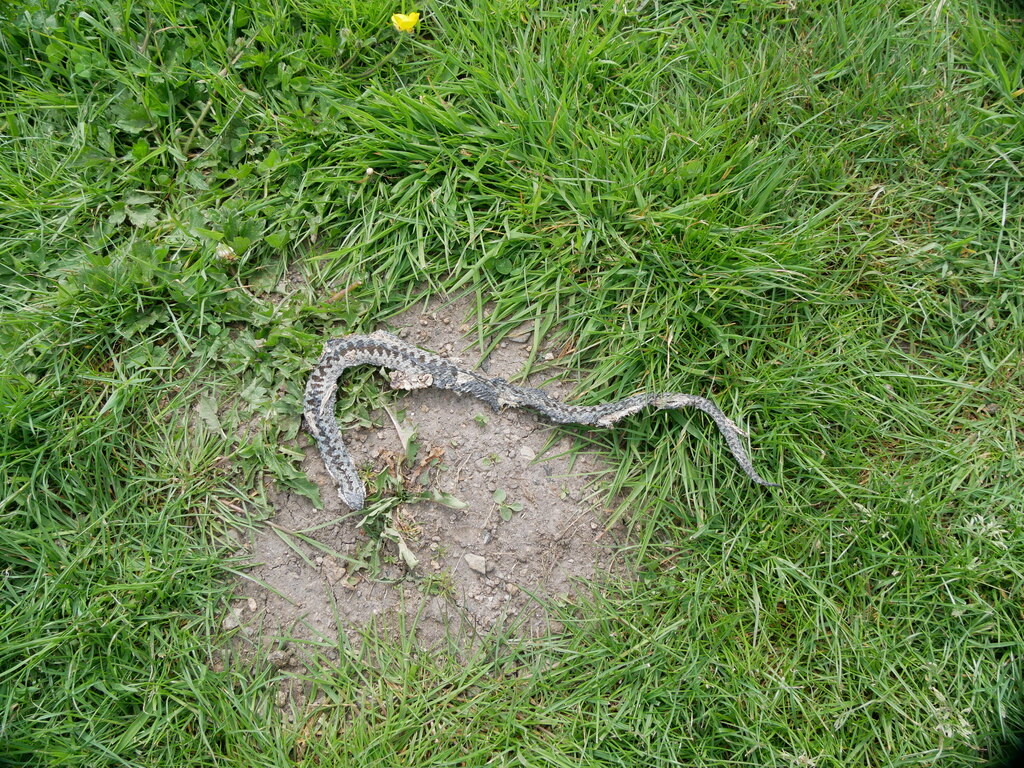
Like all snakes, rattlesnakes shed their skin periodically as they grow. The shed skin often appears as a thin, transparent layer that retains the pattern of scales from the original snake. Finding a shed skin on a trail or near a campsite can indicate that snakes frequent the area. Although the snake that shed the skin may have moved on, the presence of the shed skin suggests that the habitat provides suitable shelter and prey. Outdoor travelers sometimes treat shed skins as a reminder to stay alert and watch where they step. Because snakes often return to favorable hiding places, areas where shed skins appear may host the same species again in the future.
6. Rodent Activity Near Rocks or Holes
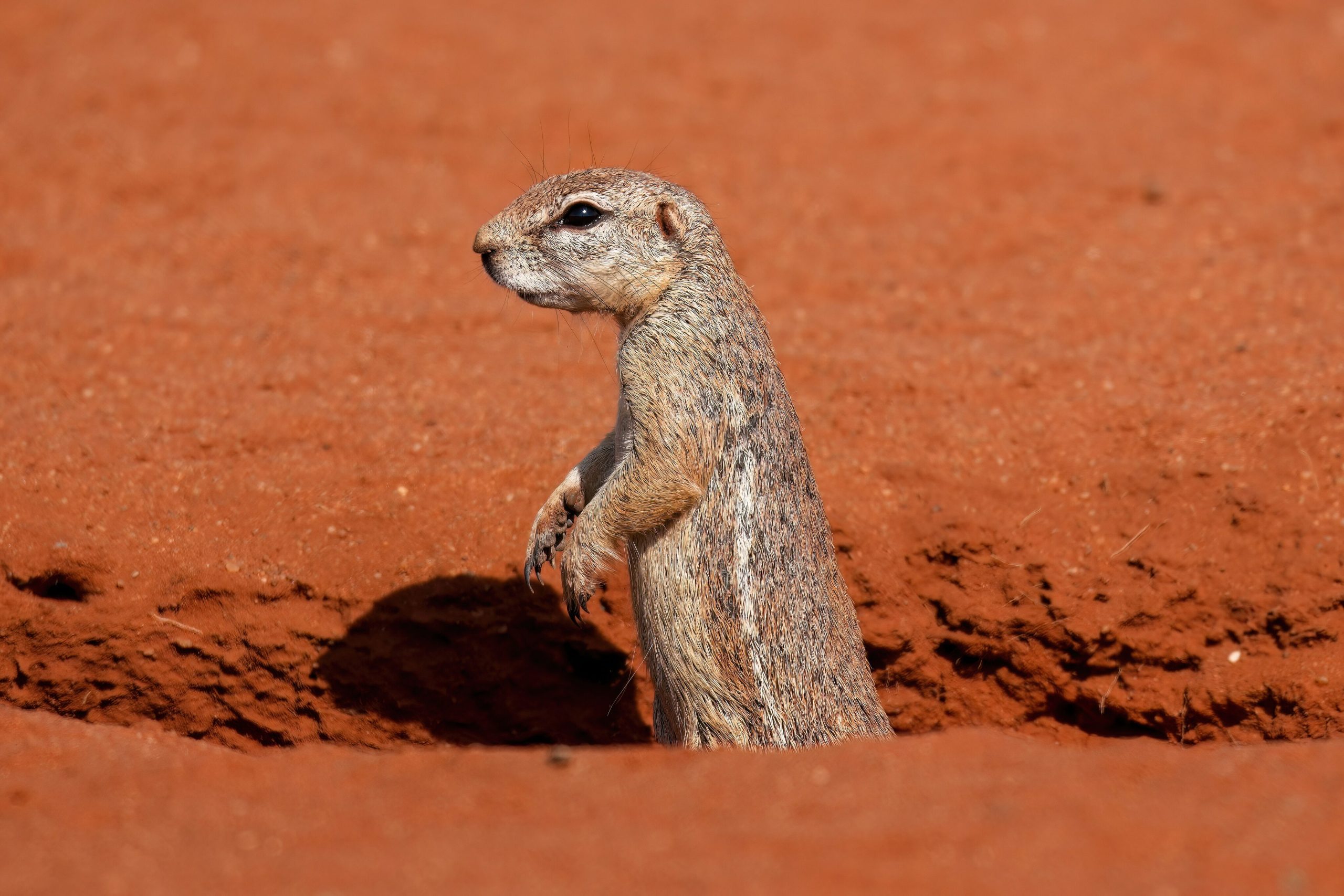
Rattlesnakes rely heavily on rodents as a primary food source. Areas with large populations of mice, rats, or ground squirrels can attract snakes searching for an easy meal. If you notice many burrows, scattered seed shells, or signs of active rodent colonies, it may indicate that predators such as snakes are also present nearby. Rattlesnakes often position themselves near these burrows, waiting patiently for prey to emerge. For hikers and campers, this means that areas with heavy rodent activity deserve extra caution. Checking the ground carefully before sitting near rocks or digging into brush can help avoid accidental encounters.
7. A Sudden Movement in Dry Leaves
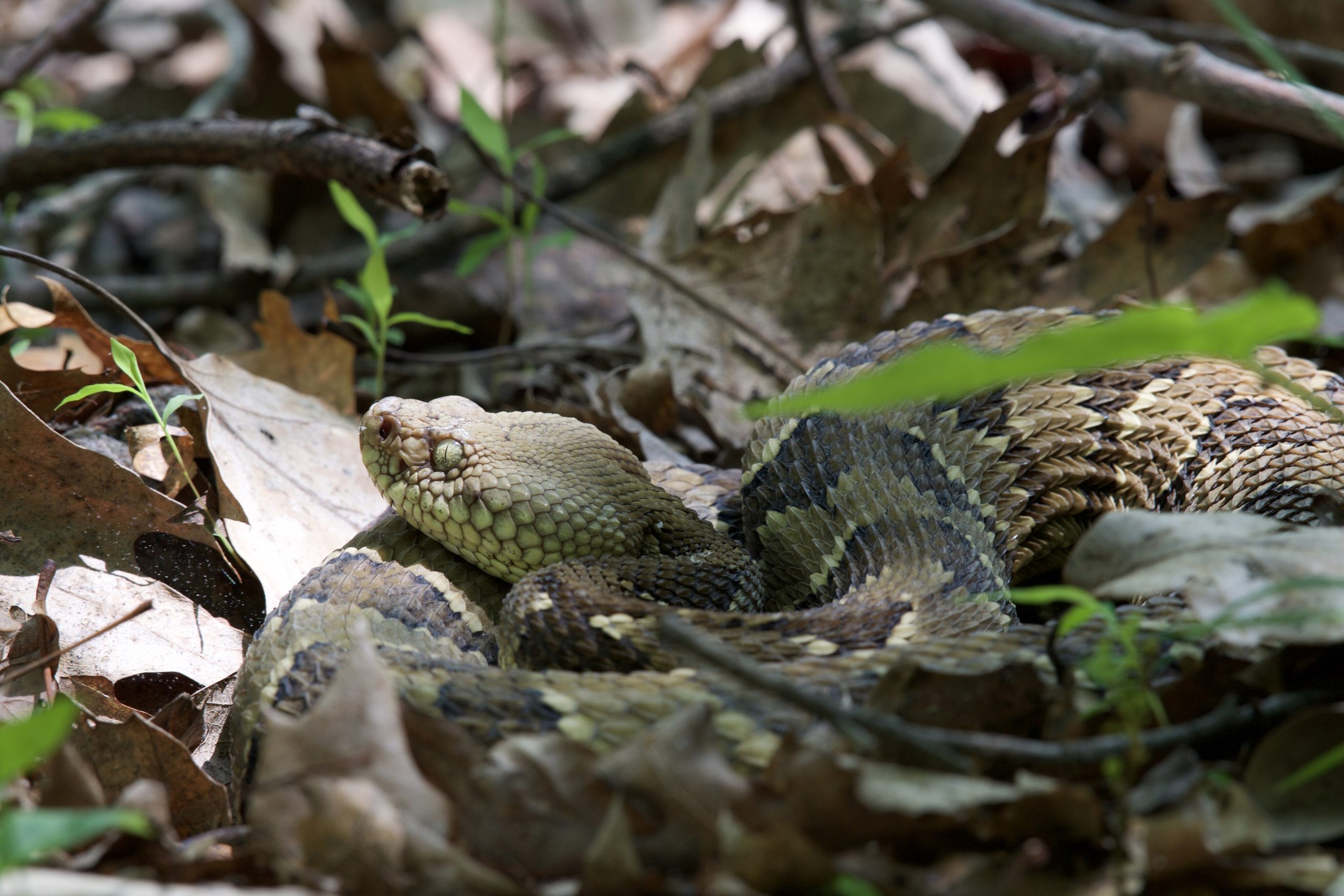
In forested or grassy environments, rattlesnakes sometimes hide beneath leaf litter where their patterns blend with the surrounding colors. When disturbed, the snake may shift position slightly or slide across the leaves to reach better cover. This movement can produce a faint rustling sound that differs from the quick hopping noises of small animals. Because the snake moves smoothly and steadily, the leaves often slide quietly rather than scatter abruptly. If you hear this kind of subtle movement while walking through thick ground cover, slowing down and scanning the area carefully can help you spot the animal before stepping too close.
8. Heat Seeking Behavior on Warm Surfaces
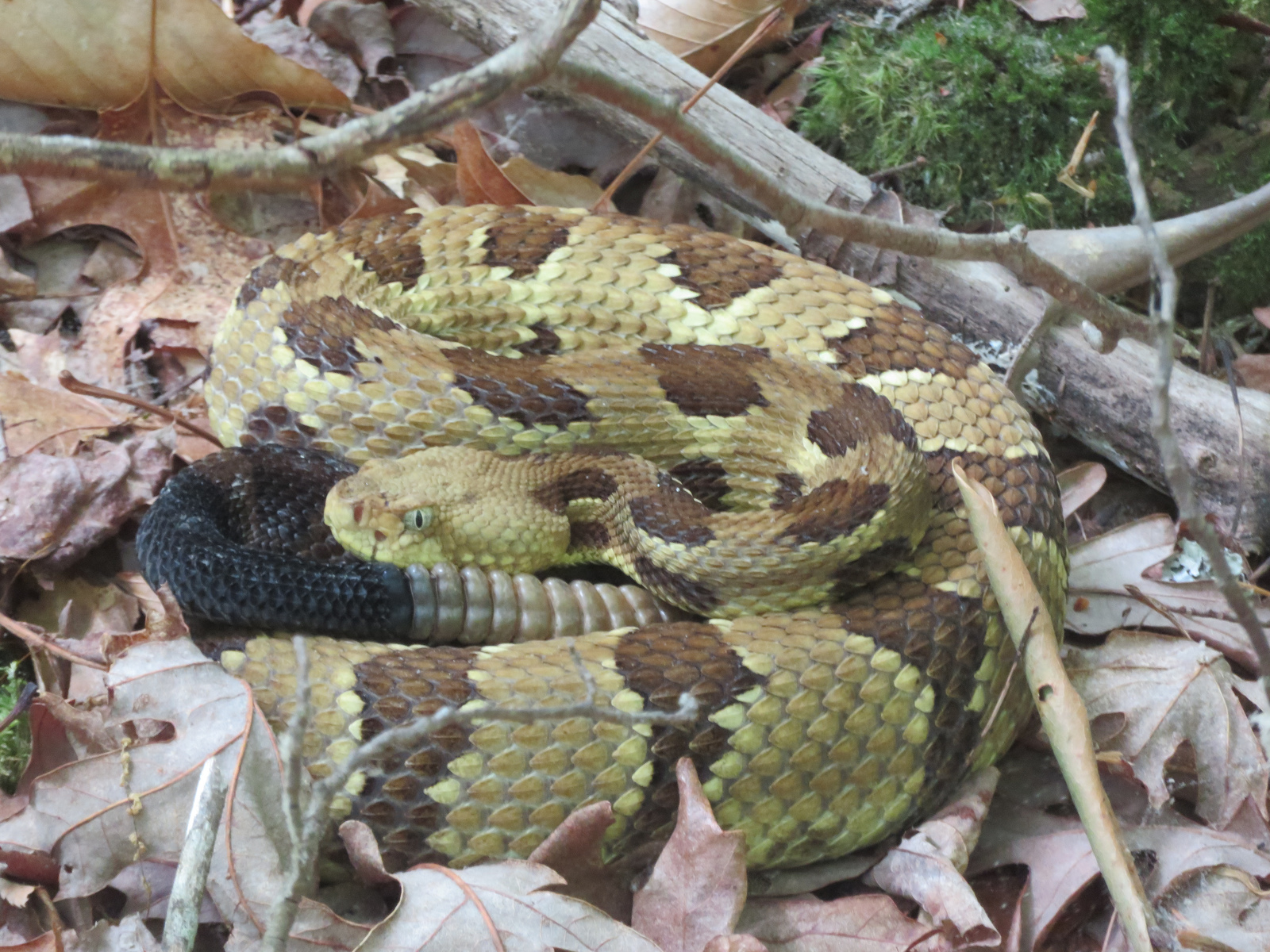
Rattlesnakes are cold-blooded animals that rely on external heat sources to regulate their body temperature. On cool mornings or evenings, they may lie on warm surfaces such as sunlit rocks or dirt paths. These spots provide warmth that helps the snake remain active. Because of this behavior, hikers occasionally encounter rattlesnakes resting directly on trails or open ground. The snake may remain still to absorb heat, making it appear almost lifeless until approached. Observing where sunlight falls on rocks or trails can sometimes reveal a snake resting quietly in the warmth. Giving these areas a quick visual check before stepping forward is a useful precaution.
9. A Triangular Head Shape Peeking Out
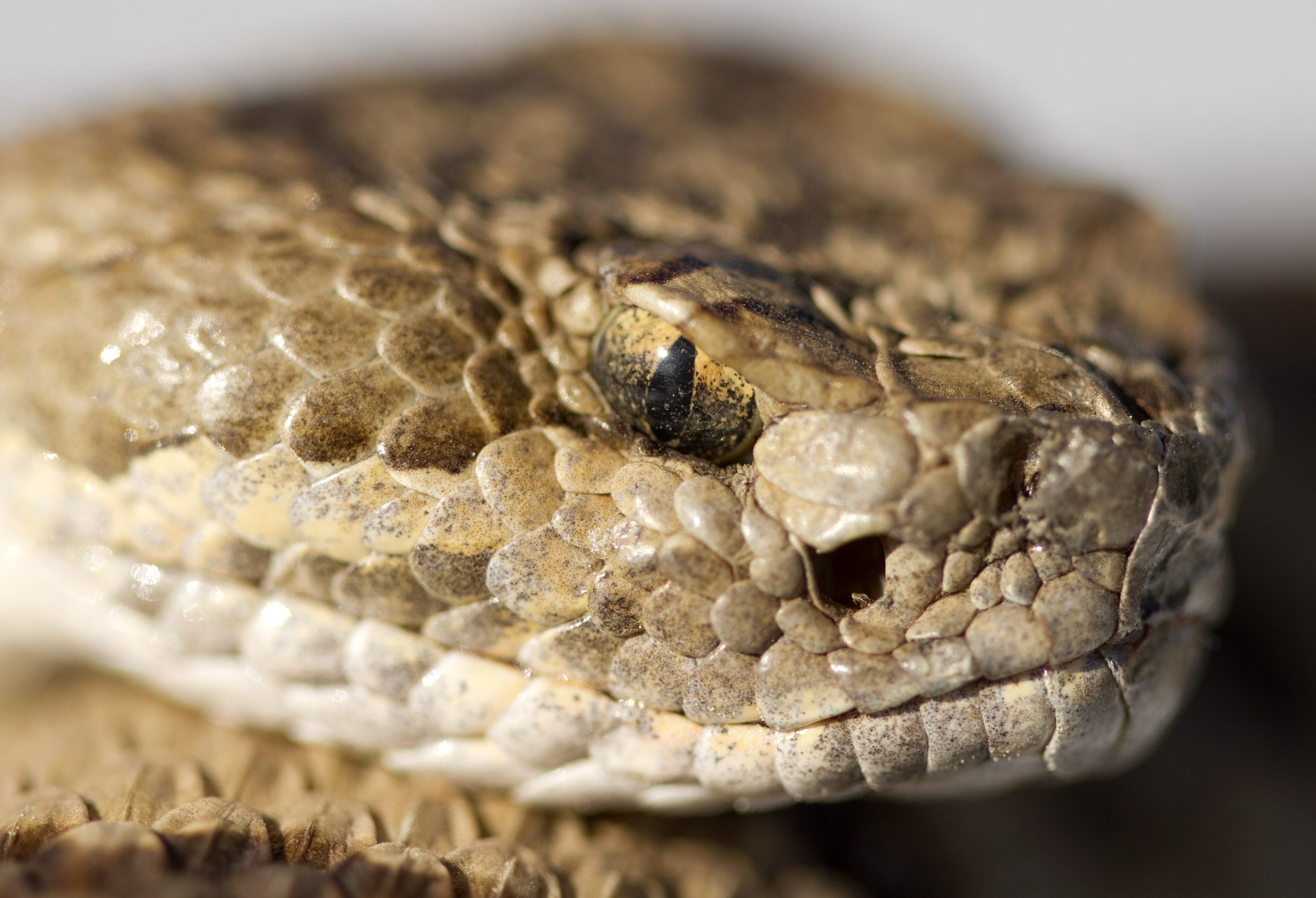
Many rattlesnakes have a broad, triangular head that is wider than their neck. This distinctive shape helps them house venom glands and powerful jaw muscles. When a rattlesnake hides under vegetation or inside a rock crevice, its head may be the only visible part of the body. To someone scanning the ground carefully, the triangular outline can be a subtle clue that a snake is present. Because rattlesnakes rely heavily on camouflage, their patterns often blend with soil, bark, or stones. Recognizing the head shape is sometimes the first sign that reveals the animal’s location.
10. A Distinct Diamond Pattern on the Ground
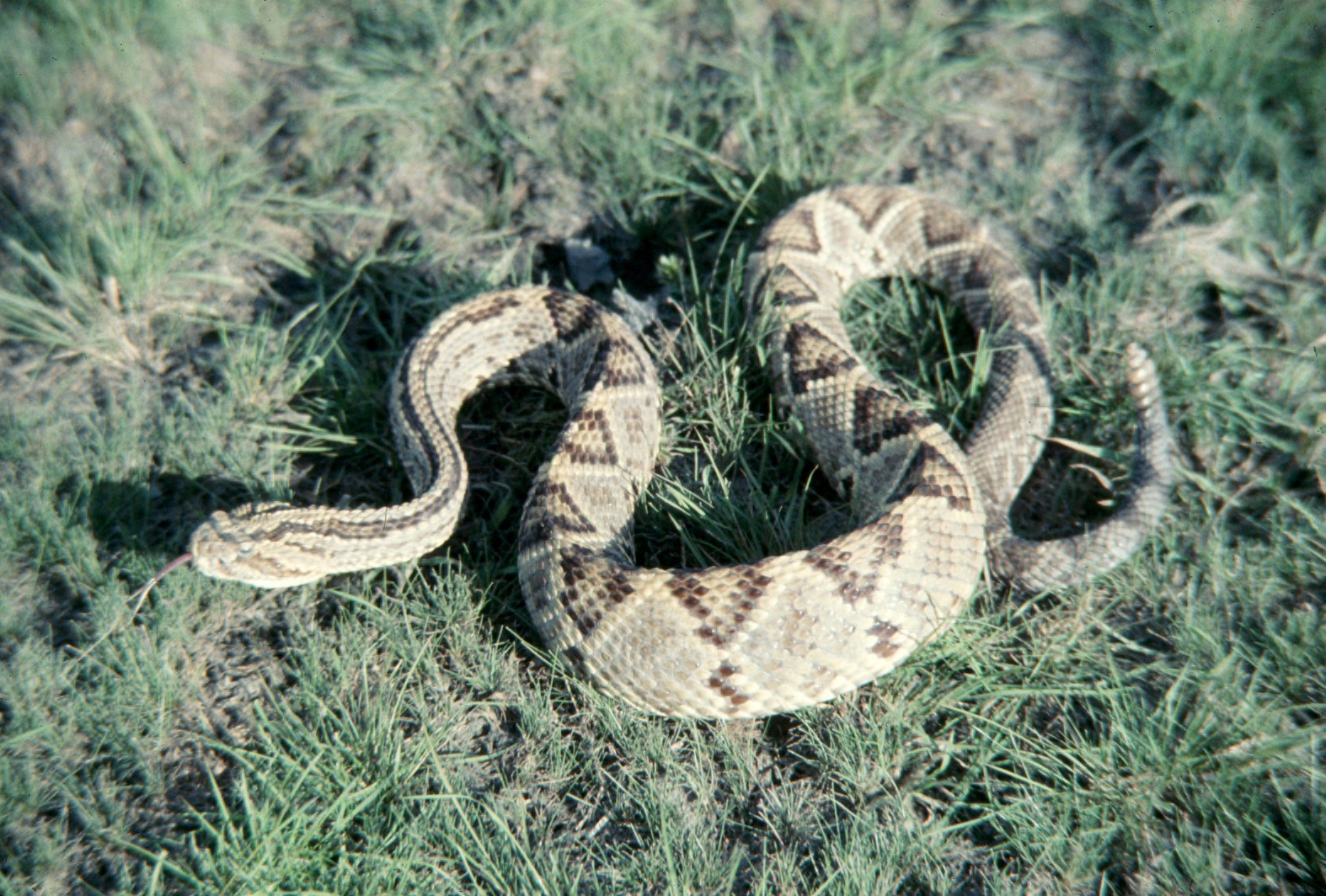
Many rattlesnake species display diamond-shaped patterns along their backs that help them blend into rocky or sandy landscapes. These markings break up the outline of the snake, making it harder for predators and prey to notice them. Occasionally, a hiker may catch a glimpse of these shapes before realizing that the pattern belongs to a living animal. Because the diamonds often match the colors of surrounding rocks or soil, they can appear almost invisible from a distance. Paying attention to unusual repeating patterns on the ground can sometimes reveal a rattlesnake before it moves or produces its warning rattle.
11. A Snake Crossing the Trail Quickly
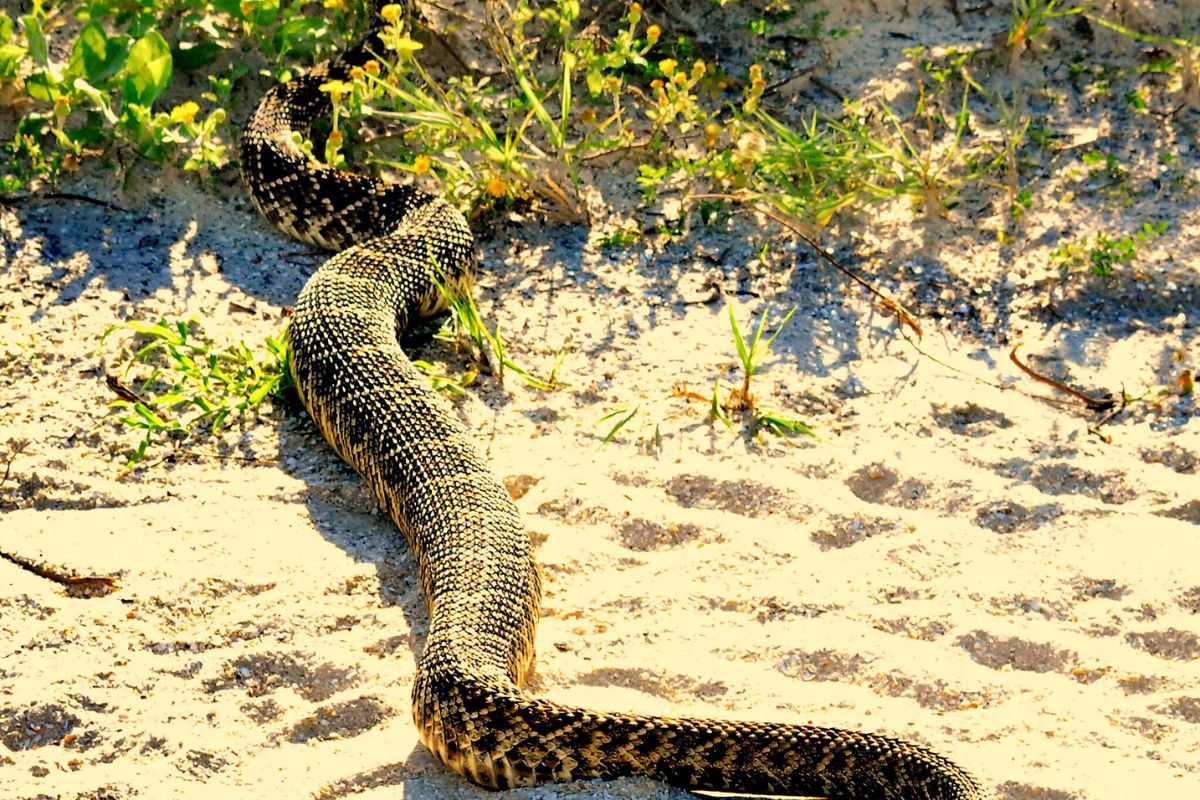
Sometimes, the most obvious sign of a rattlesnake nearby is seeing one move across a path or trail. Snakes often travel during warmer parts of the day when searching for food or shelter. If you spot a snake crossing ahead, it is best to stop and allow it to move away on its own. Most rattlesnakes prefer to retreat quickly when they notice human presence. Observing the direction of movement can also help you understand where the snake may be heading. Giving the animal plenty of distance ensures that both you and the snake avoid unnecessary stress.
12. A Persistent Warning Buzz
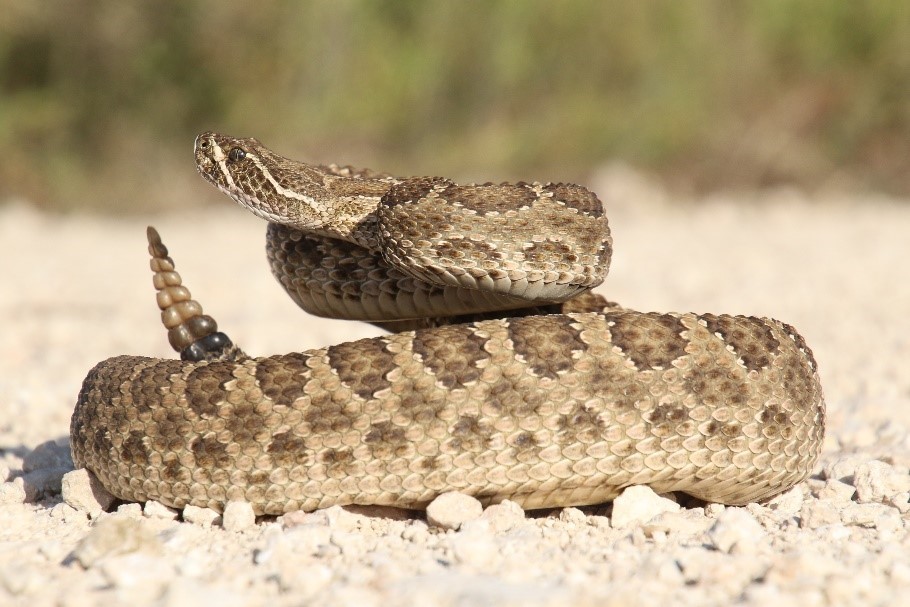
Although the rattle is often used as a short warning, some rattlesnakes will continue producing the buzzing sound if they feel cornered or threatened. This persistent noise usually indicates that the snake believes a predator is too close for comfort. If the sound continues after you stop moving, it may mean the snake is nearby and cannot easily escape. In such cases, remaining calm and slowly backing away is the safest response. The snake is not attempting to chase or attack but rather asking for space. Respecting that warning allows both humans and wildlife to avoid dangerous encounters in the wild.