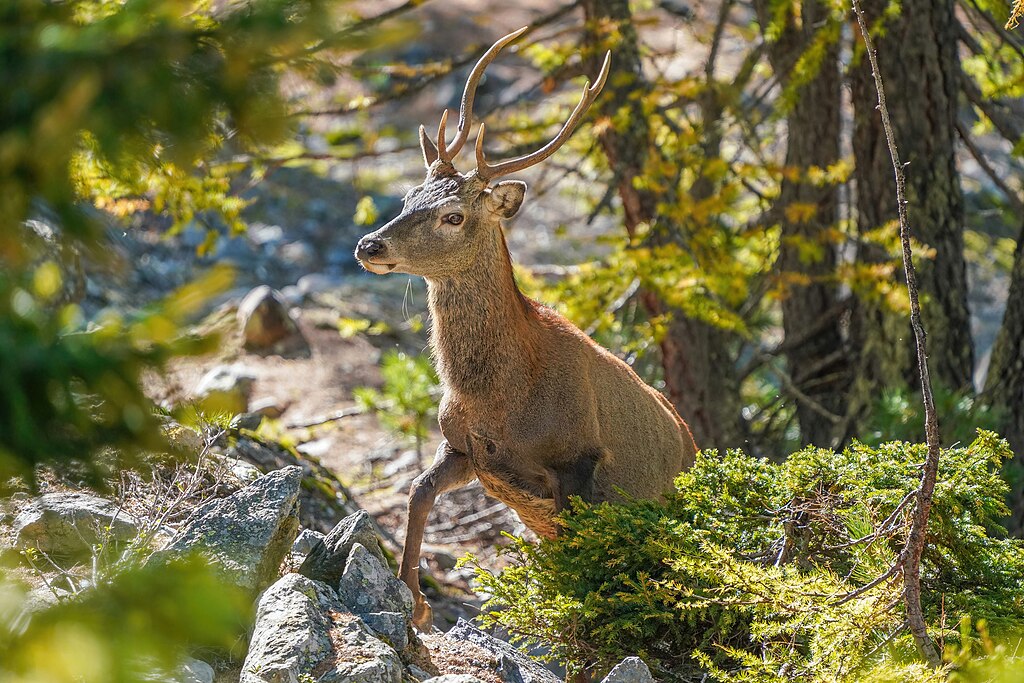
Chronic Wasting Disease continues to spread across parts of the United States, slowly moving through wild deer, elk, and other free-ranging cervids. While not every county in each affected state has documented cases, wildlife agencies remain alert due to the disease’s ability to persist in soil and spread through deer contact or contaminated environments. The following twelve states represent regions where CWD has been confirmed in wild deer, along with the factors that influence how hunters, hikers, and wildlife staff respond to this ongoing challenge.
1. Colorado
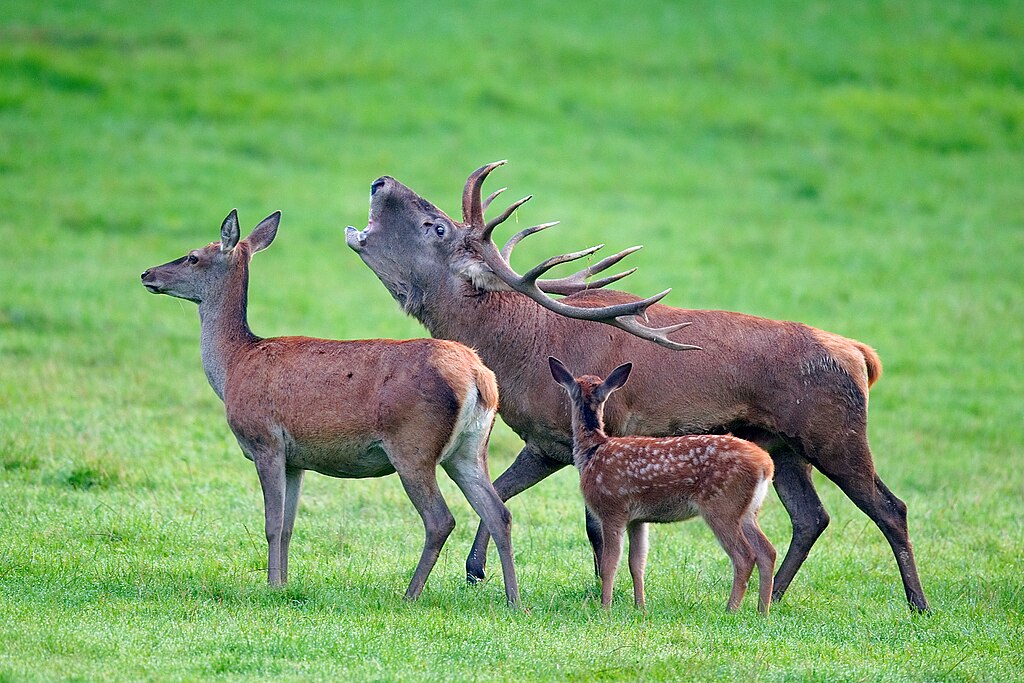
Colorado is often mentioned first in discussions about Chronic Wasting Disease because the earliest cases in free-ranging deer were identified here decades ago. The state’s mix of rugged mountain habitat and open plains allows deer and elk herds to mingle freely, which increases transmission potential. Wildlife officials frequently update sampling rules so hunters know where testing is required or recommended. Large public-land regions make year-to-year monitoring important, and many visitors take extra precautions when handling harvested game or observing wild deer in high-risk areas.
2. Wisconsin
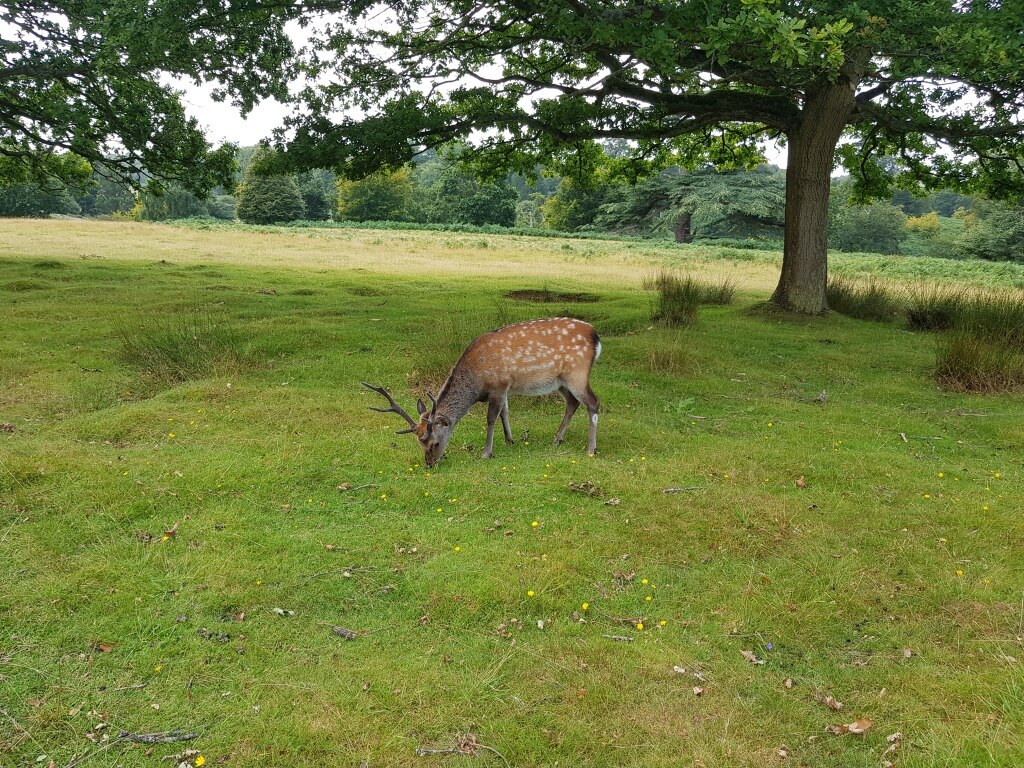
Wisconsin remains one of the most closely watched states regarding CWD in wild deer due to its dense whitetail population and high hunter participation. The disease initially appeared in the southern portion of the state but gradually reached additional management zones. Because deer move freely across farmland, forests, and suburban edges, surveillance efforts are spread widely. Hunters often use drop-off testing kiosks, which help officials track patterns over time. The state also encourages safe carcass disposal to keep prions from entering new landscapes where deer frequently gather.
3. Missouri
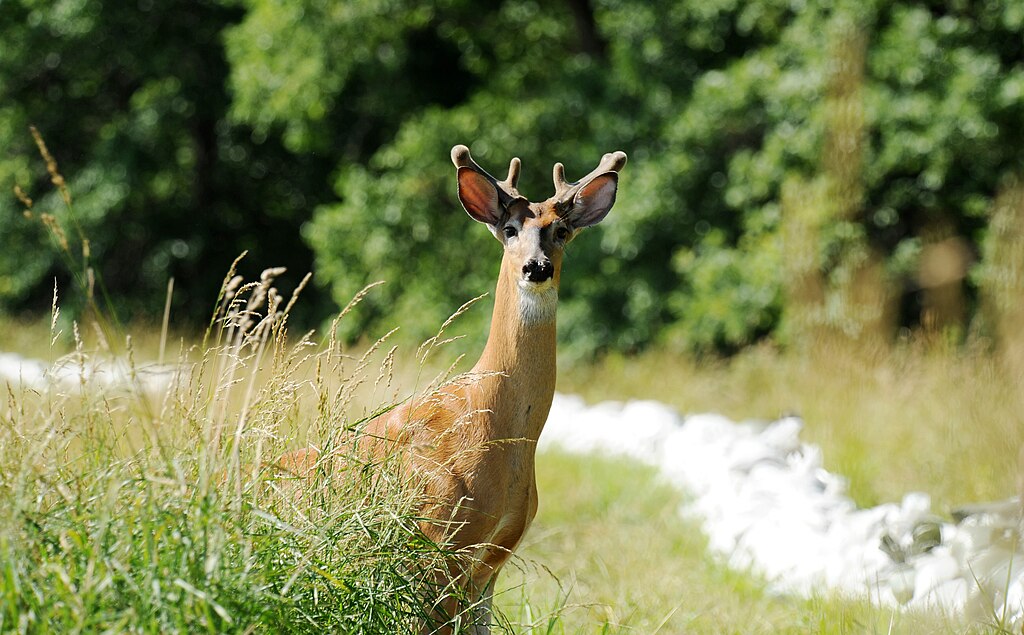
Missouri’s first wild deer cases prompted the creation of focused management zones aimed at identifying how the disease spreads within specific counties. The state maintains an active surveillance program that includes road-killed deer, hunter-harvested deer, and targeted removal efforts where needed. Many hunters appreciate clear map updates so they know where testing stations are located before planning a trip. Picture-friendly landscapes like rolling hardwood ridges and open bottomlands make sightings common, and wildlife staff remain cautious because these travel corridors help deer cross county boundaries.
4. Pennsylvania
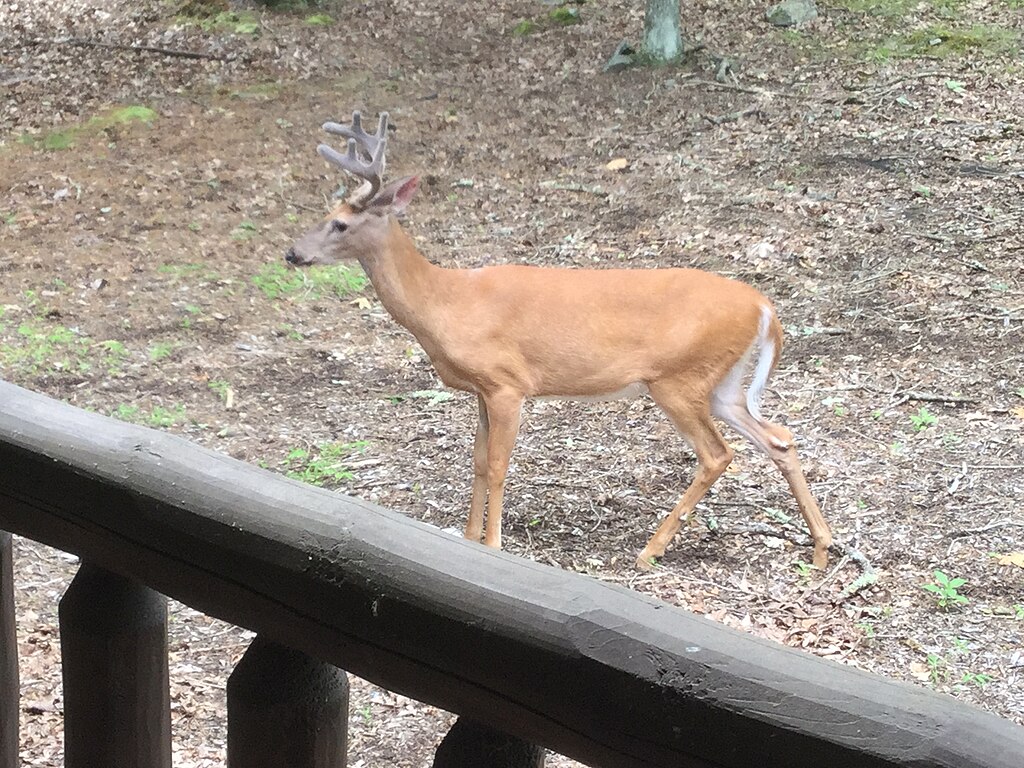
CWD detection in Pennsylvania gained attention due to the state’s large whitetail population and strong hunting culture. The disease appears in pockets rather than statewide, but those pockets require consistent sampling to understand how far prions may spread. Forested ridges and farmland edges allow deer to cover long distances, which can shift infection patterns over seasons. Many residents follow wildlife agency updates that outline testing regions and disposal rules. Visitors taking wildlife photos often encounter signs informing them about CWD awareness zones and reporting guidelines.
5. New York
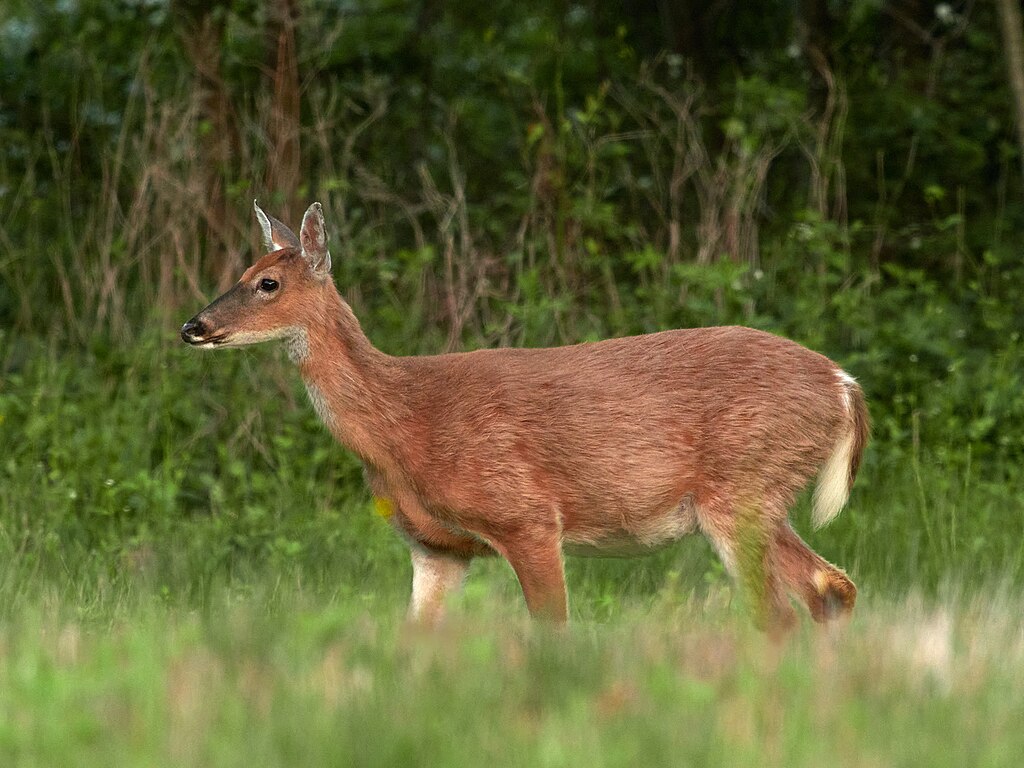
New York detected CWD in free-ranging deer years ago, prompting swift containment practices that limited additional spread for a long time. Even though cases remain rare compared to other states, officials still monitor the situation closely because neighboring regions continue to report infections. The mix of wooded hills, river valleys, and agricultural land creates natural pathways for deer movement. Hunters and photographers traveling upstate often follow agency recommendations about transport restrictions and the importance of avoiding baiting practices that could increase animal-to-animal contact.
6. Texas
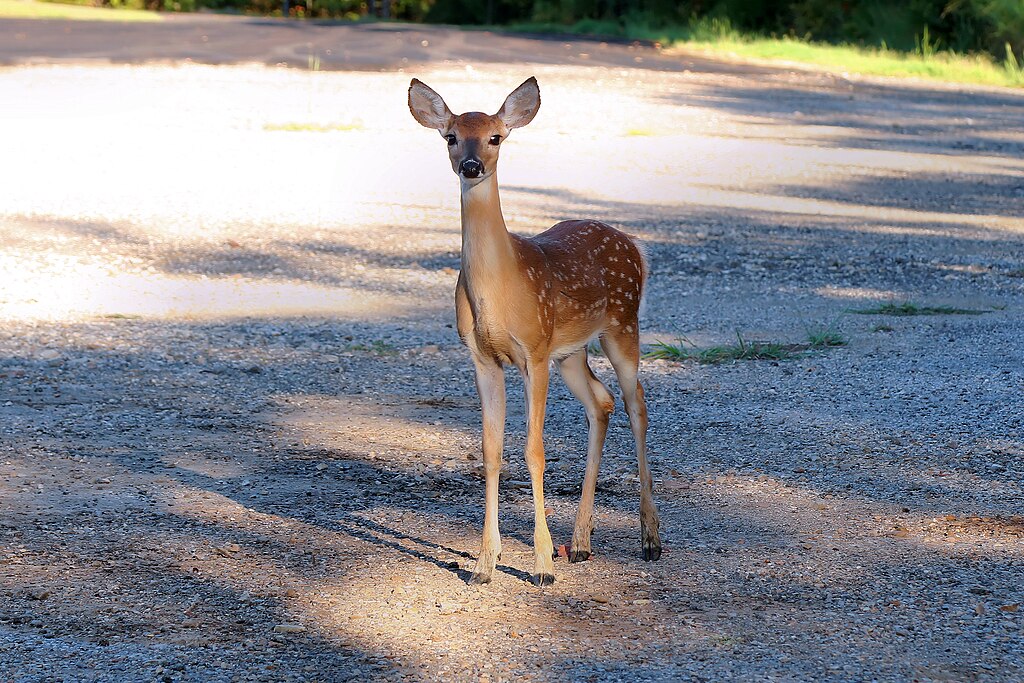
Texas has documented CWD in both captive and free-ranging cervids, with some wild deer cases appearing in remote and rugged areas. The state’s varied terrain, from brush country to mountain foothills, creates numerous travel corridors where deer might interact. Because Texas supports large hunting participation and extensive private land ownership, communication with landowners is essential. Wildlife officials often emphasize careful carcass handling, testing availability, and proper waste disposal. Many people visiting ranchland or parks also watch for posted signs explaining local CWD protocols.
7. Kansas
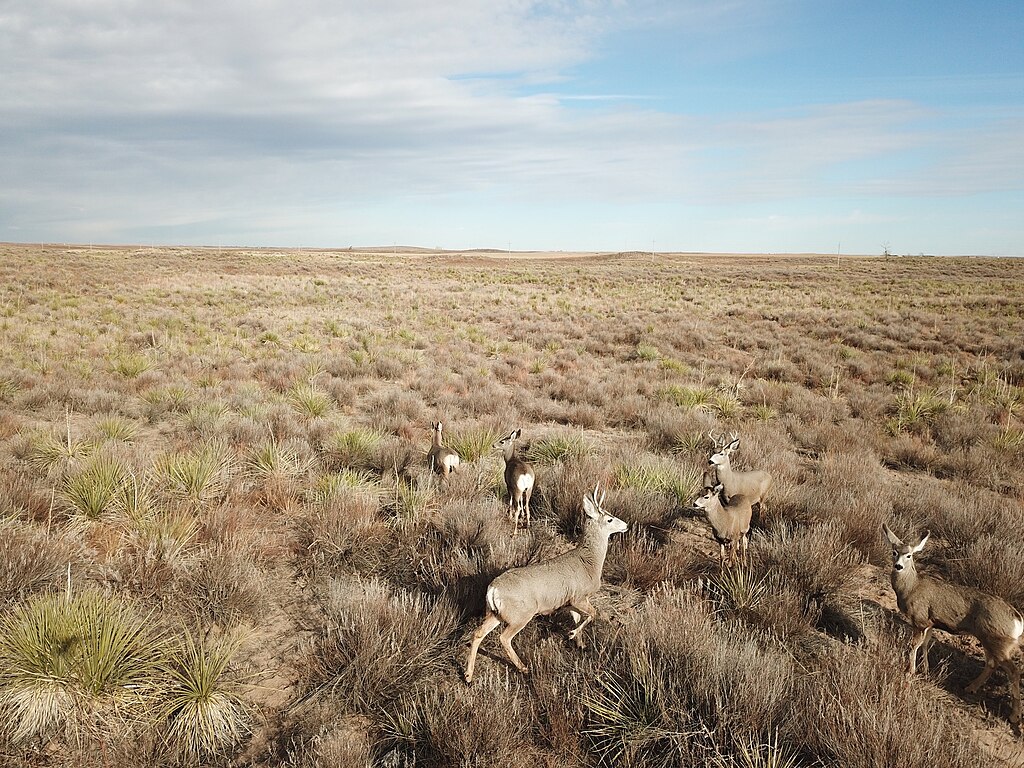
Kansas continues to track CWD in wild deer across several western and central counties. The state’s open prairies and river corridors allow deer to move easily between habitats, contributing to their gradual spread. Hunters often pay attention to updated surveillance maps so they know where testing is encouraged. The state promotes clean transport rules that reduce contamination risks when traveling long distances after a successful hunt. Because Kansas landscapes are ideal for wildlife photography, visitors may see informational signs near popular viewing routes.
8. Nebraska
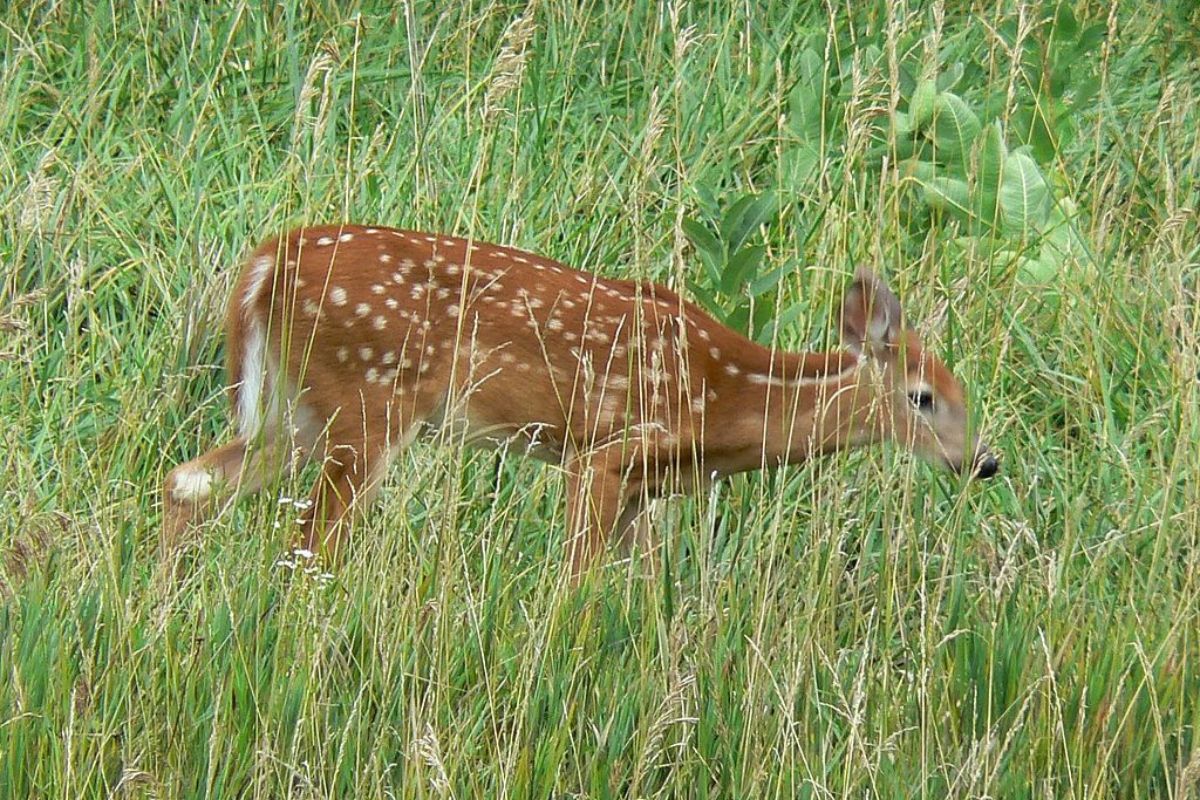
Nebraska’s wild deer population has experienced expanding CWD detection in recent years, particularly in regions connected by river valleys and open grasslands. The state’s terrain allows deer to travel long distances with few barriers, making surveillance an ongoing priority. Hunters who harvest deer in designated areas often participate in voluntary testing programs, which help biologists assess the scale of infection. Trail photographers and hikers often encounter outreach materials that explain the importance of reporting unusual deer behavior, which helps track potential clusters of new cases.
9. Idaho

Idaho’s rugged mountain country and wide forested regions make CWD management challenging once wild cases appear. The state has focused on targeted monitoring where infected deer were first discovered, paying close attention to migration routes that connect winter and summer ranges. Because outdoor recreation is popular, many residents encounter agency notices along trailheads and forest access points. Hunters play a key role by submitting samples, especially in counties where CWD was recently detected. This coordinated effort helps officials watch for early patterns of spread.
10. Michigan
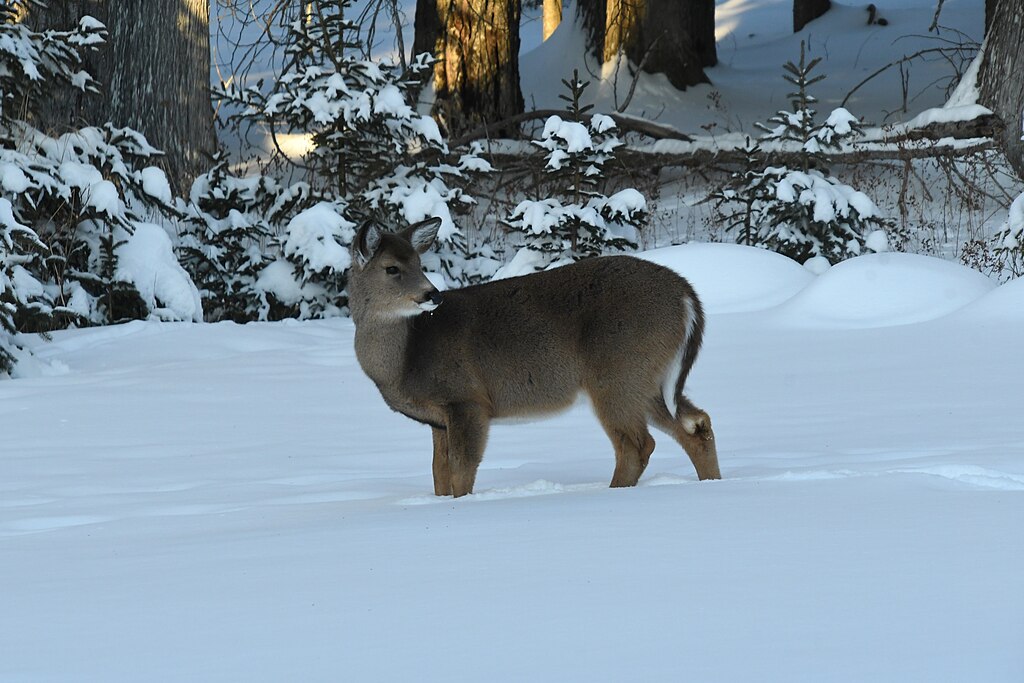
Michigan’s mix of farmland, wooded ridges, and suburban edges creates diverse movement patterns for wild deer. When CWD appeared in free-ranging populations, the state designated specific management units requiring ongoing monitoring. Hunters often rely on interactive maps to stay informed about testing centers before the season begins. Because many areas attract wildlife watchers, educational signs are sometimes placed near public viewing sites. Michigan also stresses clean carcass transport to limit environmental contamination and reduce the chances of prions entering new deer gathering areas.
11. Alabama
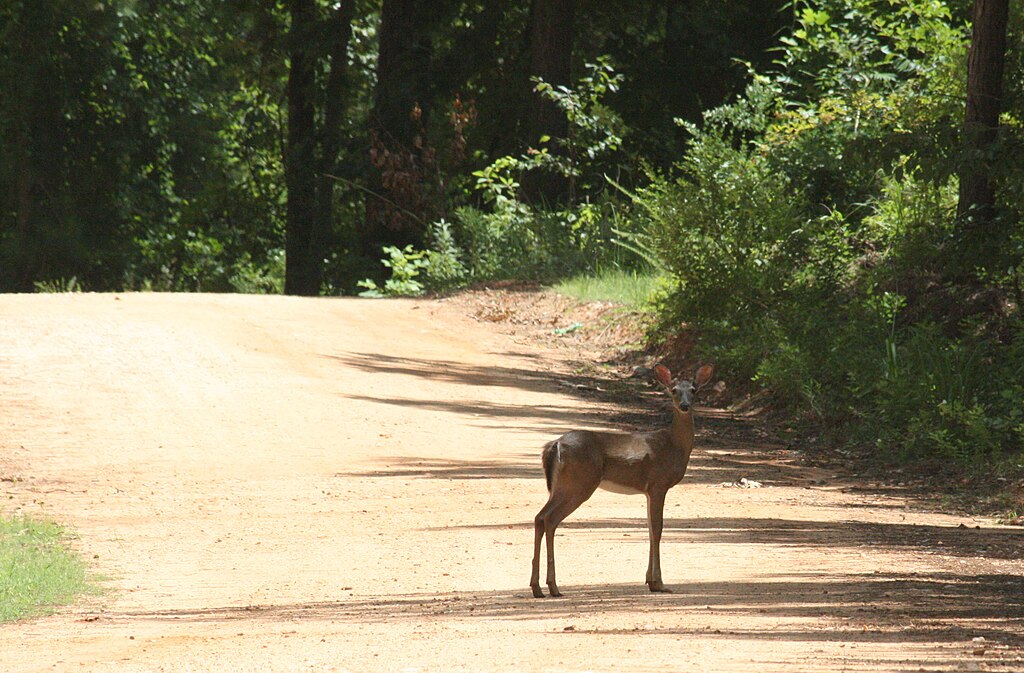
Alabama confirmed CWD in wild deer more recently compared to long-affected states, which prompted immediate action to understand how widely it might be circulating. The state established management zones that focus sampling efforts and provide clear communication to hunters. Rolling woodlands and small creek bottoms offer natural travel paths for deer, so monitoring emphasizes these connecting areas. Many residents who enjoy wildlife observation see posted notices encouraging them to report sick deer or unusual behavior, helping officials track early changes in distribution.
12. California
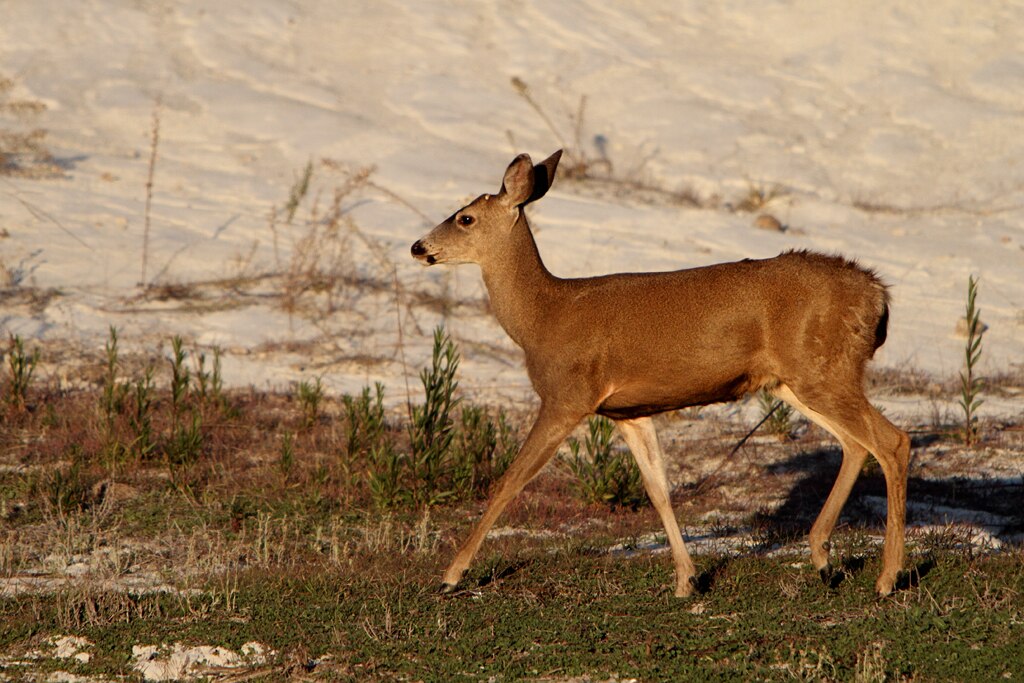
California’s detection of CWD in wild deer drew national attention because western states had been increasing their testing in anticipation of potential spread. The terrain varies sharply from forests to foothills, creating many natural corridors where deer can move freely. Wildlife agencies quickly initiated targeted sampling and educational outreach to communities near detection sites. Outdoor enthusiasts exploring parks or photographing wildlife may notice signs about the importance of reporting unusual deer sightings. Continued monitoring helps the state identify whether the disease is isolated or expanding.