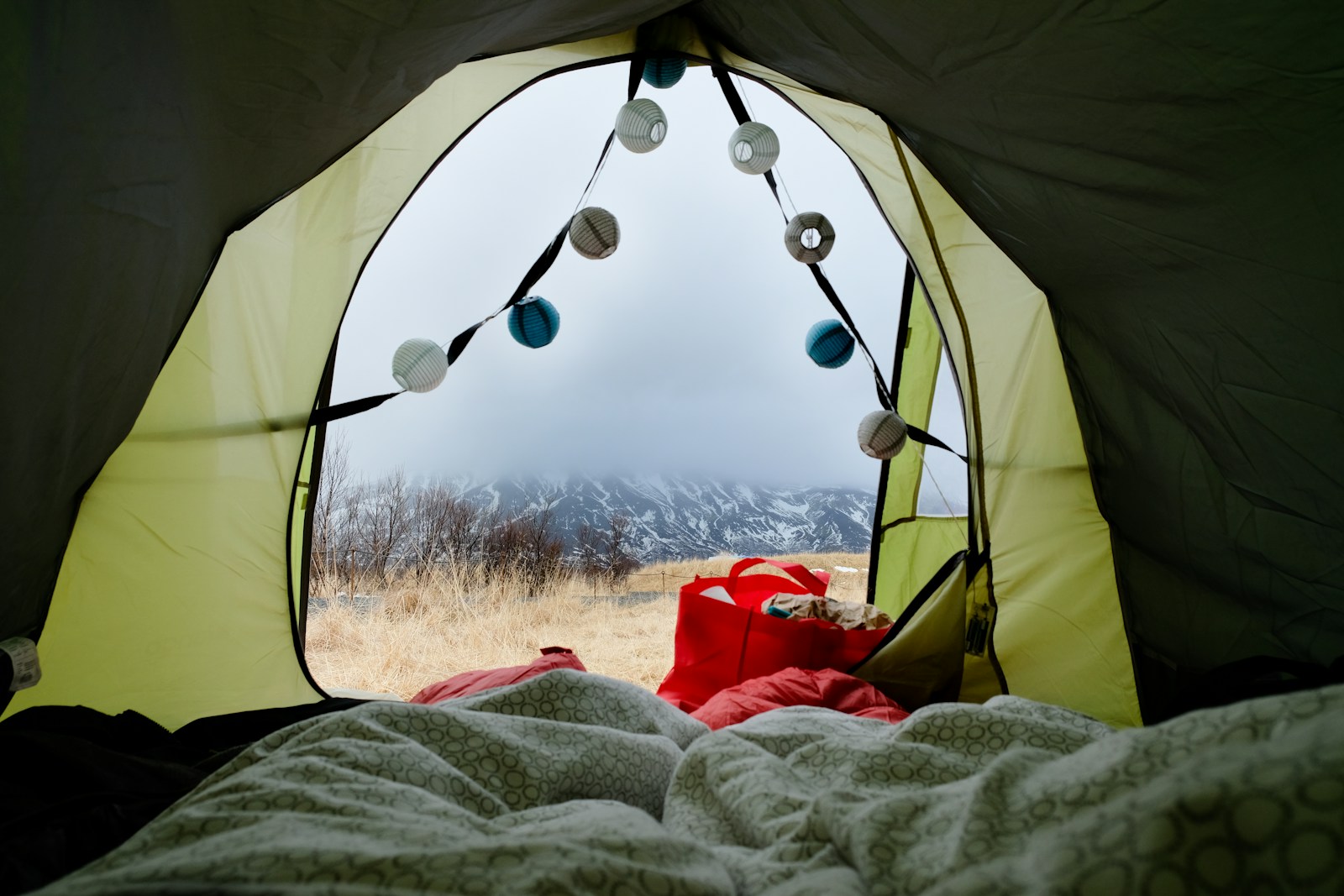
Many campers carry long-held beliefs about sleeping bags that seem harmless but can create unexpected risks once temperatures drop and conditions turn challenging. Misconceptions about insulation, temperature ratings, moisture handling, and layering often develop from outdated advice or casual trail chatter rather than factual knowledge. These myths persist partly because sleeping bags appear simple at first glance, even though their performance depends on complex interactions between fabric, fill, humidity, and body heat. When campers rely on inaccurate assumptions, they may unintentionally expose themselves to cold stress, moisture buildup, or reduced insulation during crucial moments of rest. Understanding how sleeping bags truly function helps reveal why certain practices fail in real outdoor environments and highlights the importance of approaching cold-weather preparation with a clearer sense of what gear can and cannot do safely.
Sleeping Bags Rated to a Certain Temperature Guarantee Warmth
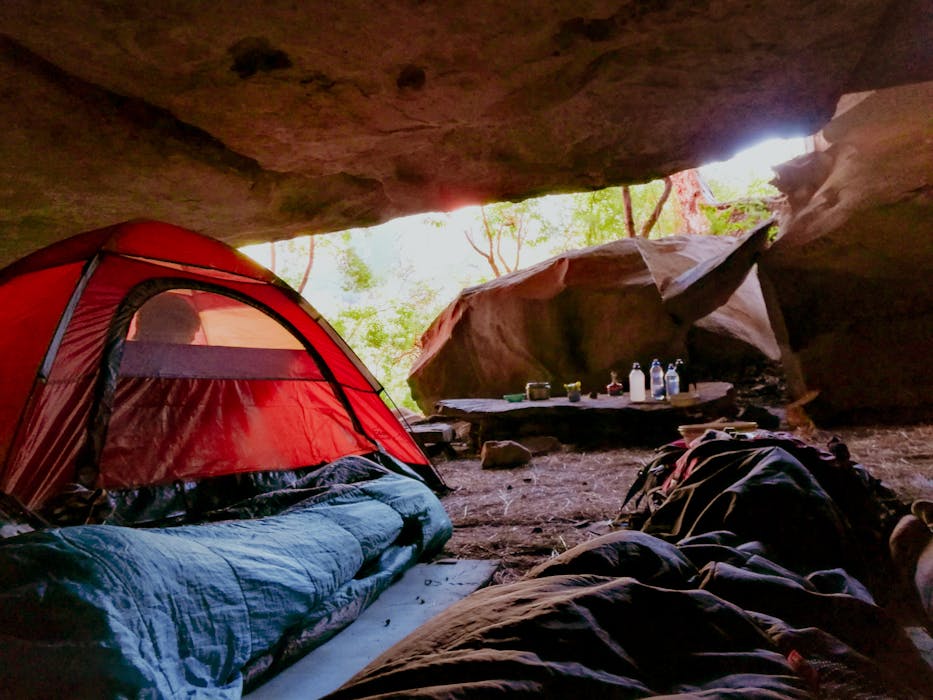
A common myth suggests that a sleeping bag rated to a specific temperature will keep every camper warm at that exact number, yet temperature ratings represent standardized laboratory tests rather than personal comfort levels. Individual metabolism, humidity, ground insulation, wind exposure, and clothing layers all influence how warm a person feels during the night. Many manufacturers use EN or ISO ratings, which identify survival thresholds rather than guaranteed comfort. Relying solely on a number printed on a tag can lead to underprepared campers who do not consider environmental variations. A sleeping bag functions as part of a system that includes a sleeping pad, shelter, and personal physiology. When outdoor conditions shift suddenly, understanding these factors becomes more important than trusting a rating at face value.
Wearing Too Many Layers Makes a Bag Warmer
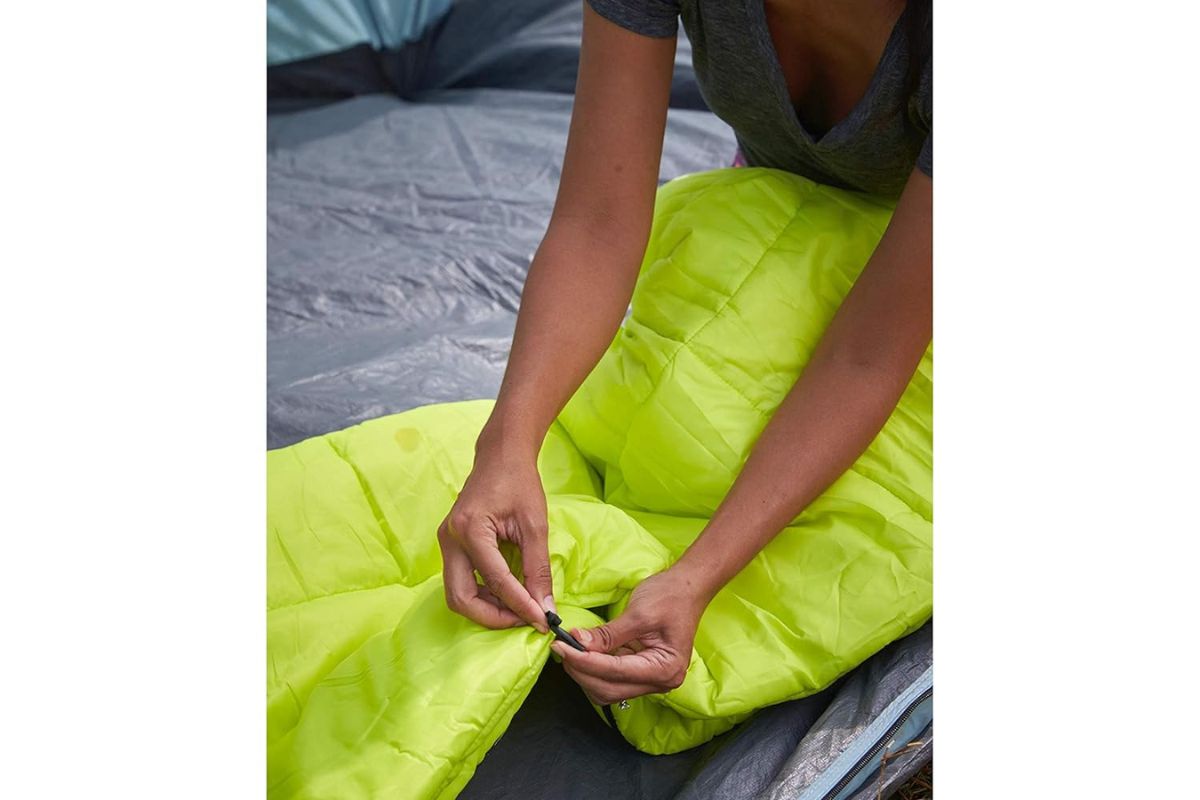
Many campers believe that piling on layers inside a sleeping bag increases warmth, yet excessive clothing restricts the bag’s ability to trap and circulate warm air effectively. Insulation works best when the loft remains fully expanded, but bulky layers compress that loft and reduce overall thermal performance. Thick clothing also creates uneven hot and cold spots that make temperature control harder throughout the night. Lightweight base layers remain helpful, though heavy layering can trap sweat and contribute to moisture buildup. This moisture decreases insulation efficiency and increases the risk of waking up chilled. Understanding how insulation behaves within a sleeping bag allows campers to dress strategically rather than relying on the assumption that more fabric always equals more warmth.
A New Sleeping Bag Does Not Need to Be Tested at Home

Some assume that a new sleeping bag will perform perfectly right out of the package, yet each bag behaves differently based on fit, insulation type, and environmental conditions. Testing a bag at home or during a mild overnight trip helps campers understand how quickly it warms up, whether drafts occur, and how the hood and zipper operate under low-light conditions. Familiarity becomes especially important when using a bag with technical features such as draft collars or adjustable foot vents. Skipping this step increases the risk of discovering issues only after reaching remote terrain where adjustments prove difficult. Gaining experience beforehand prevents discomfort, improves efficiency, and ensures the sleeping bag functions properly during demanding outdoor situations.
Down Bags Always Outperform Synthetic Bags
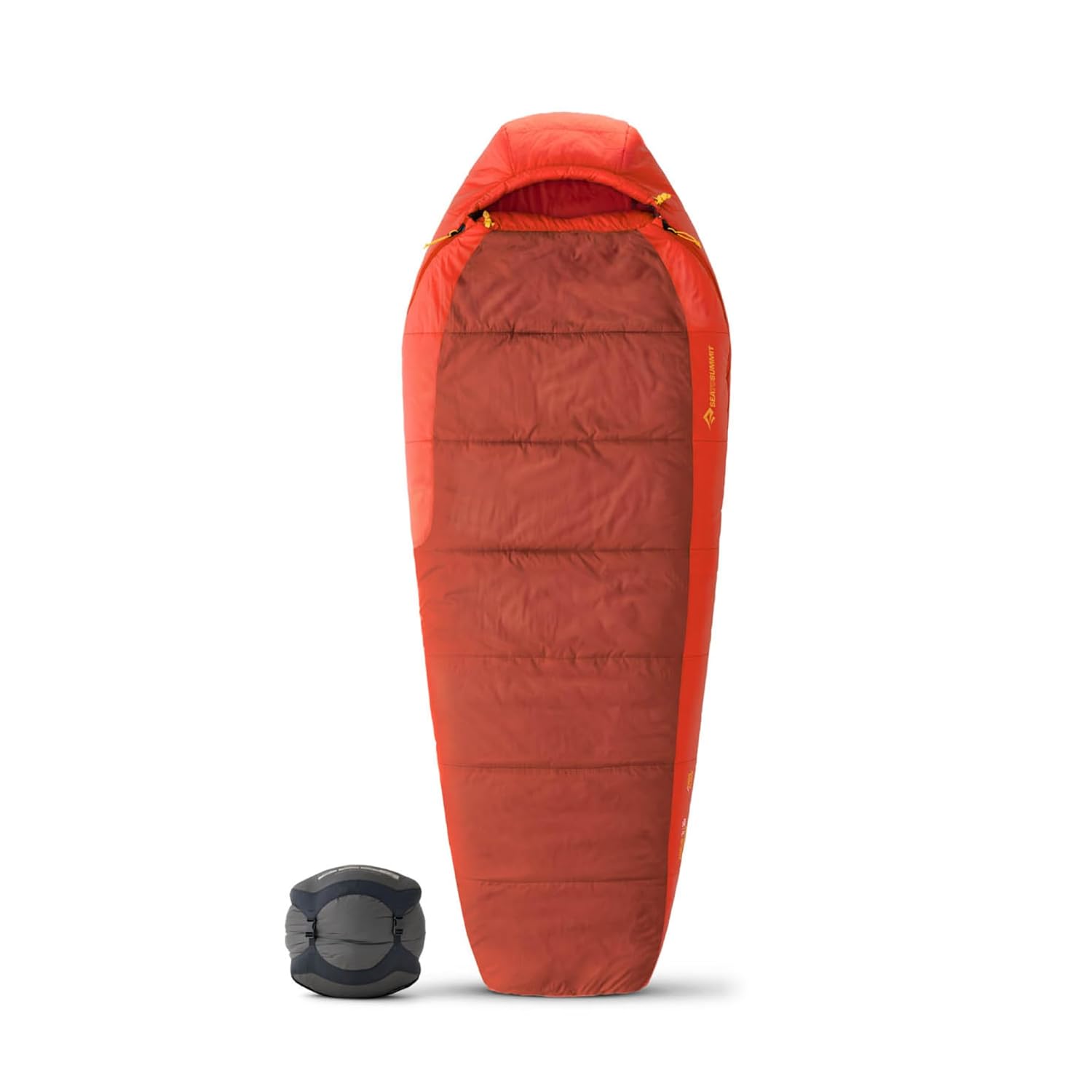
Some believe down sleeping bags outperform synthetic versions in all conditions, but each insulation type offers advantages and limitations that shift depending on the environment and moisture exposure. Down delivers an outstanding warmth-to-weight ratio and compressibility, making it ideal for dry, cold climates. However, once down becomes wet, the loft collapses dramatically, and heat retention decreases. Synthetic insulation retains warmth when damp and dries faster, making it more reliable during humid or rainy trips. Campers who assume down always perform best may underestimate the importance of weather patterns and campsite selection. Choosing between down and synthetic should involve evaluating terrain, climate, and trip duration rather than relying on a blanket generalization about performance.
A Sleeping Bag Alone Provides Enough Insulation
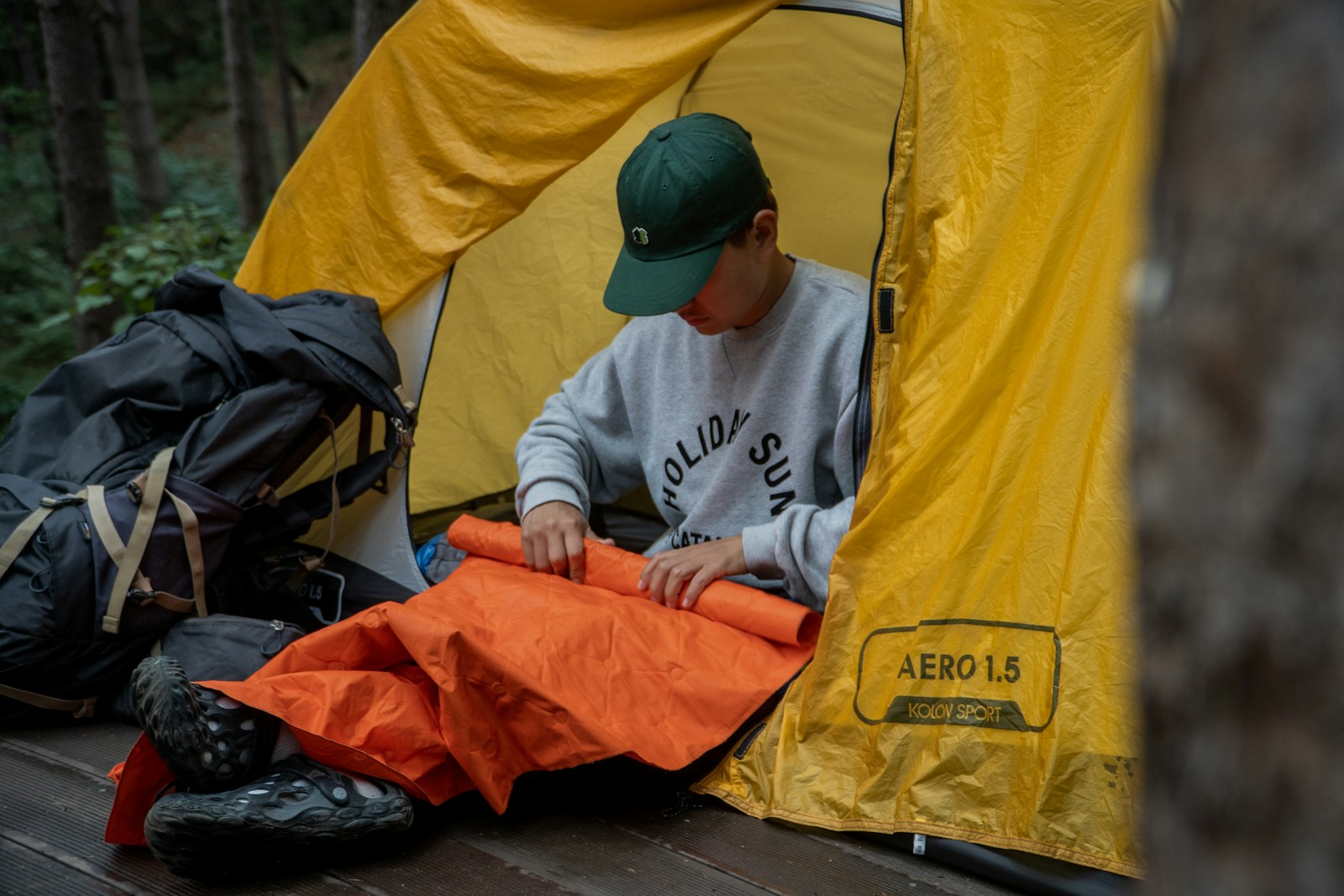
A widespread misconception suggests that a sleeping bag offers complete insulation, yet most heat loss occurs through the ground rather than the air. Without a proper sleeping pad, insulation beneath the body compresses and loses its effectiveness, leaving campers exposed to cold surfaces. Even a high-quality sleeping bag performs poorly when paired with inadequate ground insulation during cold nights. R-value, pad thickness, and material type all influence comfort and safety. Ignoring this relationship increases the risk of nighttime shivering or dangerous drops in body temperature. Understanding how a sleeping bag and sleeping pad work together helps campers create a more effective insulation system suited to varied outdoor environments.
A Heavier Bag Automatically Means a Warmer Bag
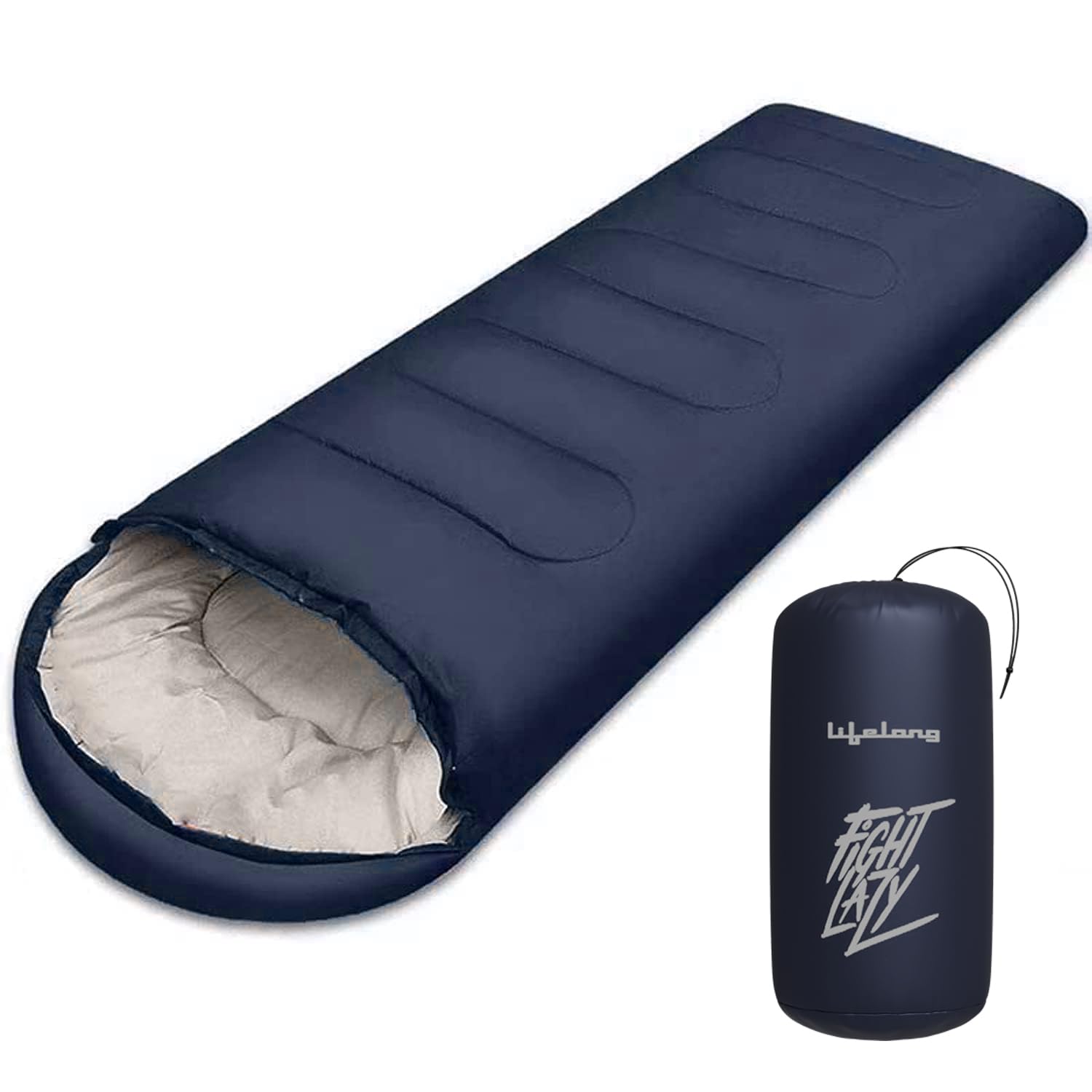
A common myth suggests that heavier sleeping bags guarantee greater warmth, yet added weight often comes from durable fabrics, unnecessary features, or outdated insulation rather than increased thermal performance. Modern materials allow lightweight bags to deliver impressive warmth without bulk. Weight alone does not reveal how insulation behaves under compression, how effectively it traps heat, or how well it resists moisture. Assuming that heaviness equates to warmth may cause campers to overlook more efficient designs. Evaluating loft, temperature ratings, construction quality, and material properties provides a clearer sense of actual performance. A well-designed lightweight bag can prove significantly warmer than a heavier option that relies on inferior insulation.
Zipping Two Sleeping Bags Together Keeps Campers Warmer
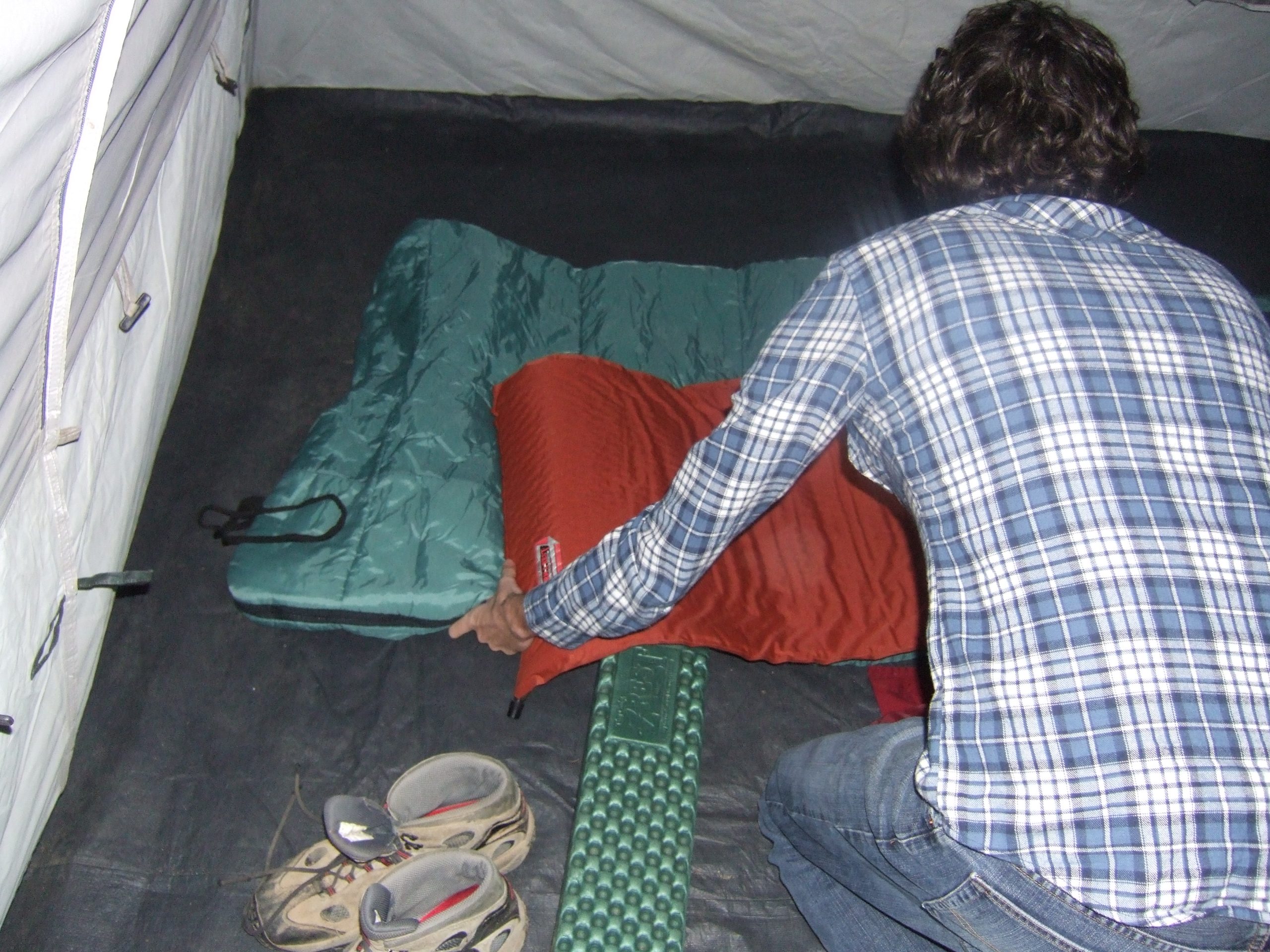
Many believe that combining two sleeping bags creates more warmth, yet pairing bags often introduces gaps, drafts, and reduced insulation where fabric layers overlap. Different bag shapes and zipper placements may also cause uneven heat distribution. Body heat escapes easily through these openings, especially during windy or freezing nights. While doubled-up systems work for mild temperatures, they often fail during cold-weather trips where consistent insulation becomes essential. Understanding how individual bags retain warmth more effectively than combined systems helps campers make better choices when planning for demanding overnight conditions.
Wet Bags Always Dry Quickly Inside a Tent

Some assume that a wet sleeping bag will dry easily inside a tent using body heat or mild airflow, yet enclosed spaces often trap humidity and slow the drying process significantly. Down insulation becomes especially vulnerable because wet feathers clump, losing loft and extending drying time. Synthetic bags dry faster but still struggle without strong ventilation. Moisture persistence increases discomfort and heat loss while raising risks associated with prolonged dampness. Relying on tent drying can lead to unsafe situations during multi-day trips where insulation must remain functional. Planning for proper drying techniques becomes essential when navigating environments prone to rain, snow, or condensation.
Sleeping Bags Last Indefinitely Without Maintenance
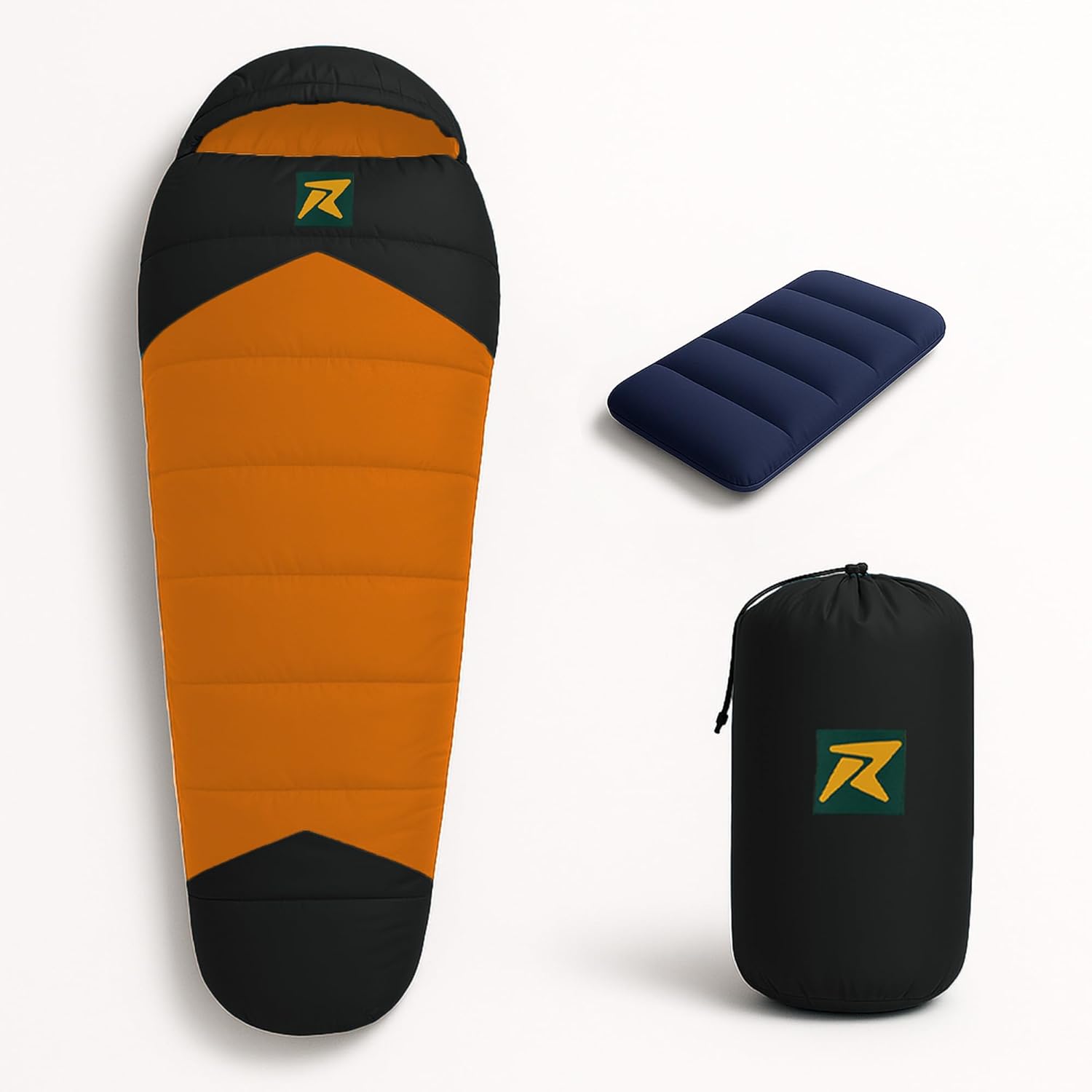
A persistent myth suggests that sleeping bags remain reliable for years without upkeep, yet insulation gradually loses loft due to compression, dirt, oils, and moisture. Regular cleaning restores performance, and proper storage prevents long-term damage. Down bags require careful handling to protect delicate feathers, while synthetic insulation benefits from reduced compression to maintain structure. Ignoring maintenance leads to reduced warmth and a shorter lifespan. Treating a sleeping bag as a piece of long-term gear rather than disposable equipment helps preserve its safety and functionality. Consistent attention ensures insulation remains effective and prevents avoidable failures during demanding outdoor trips in winter conditions.
Heat Packs Inside Sleeping Bags Always Improve Warmth
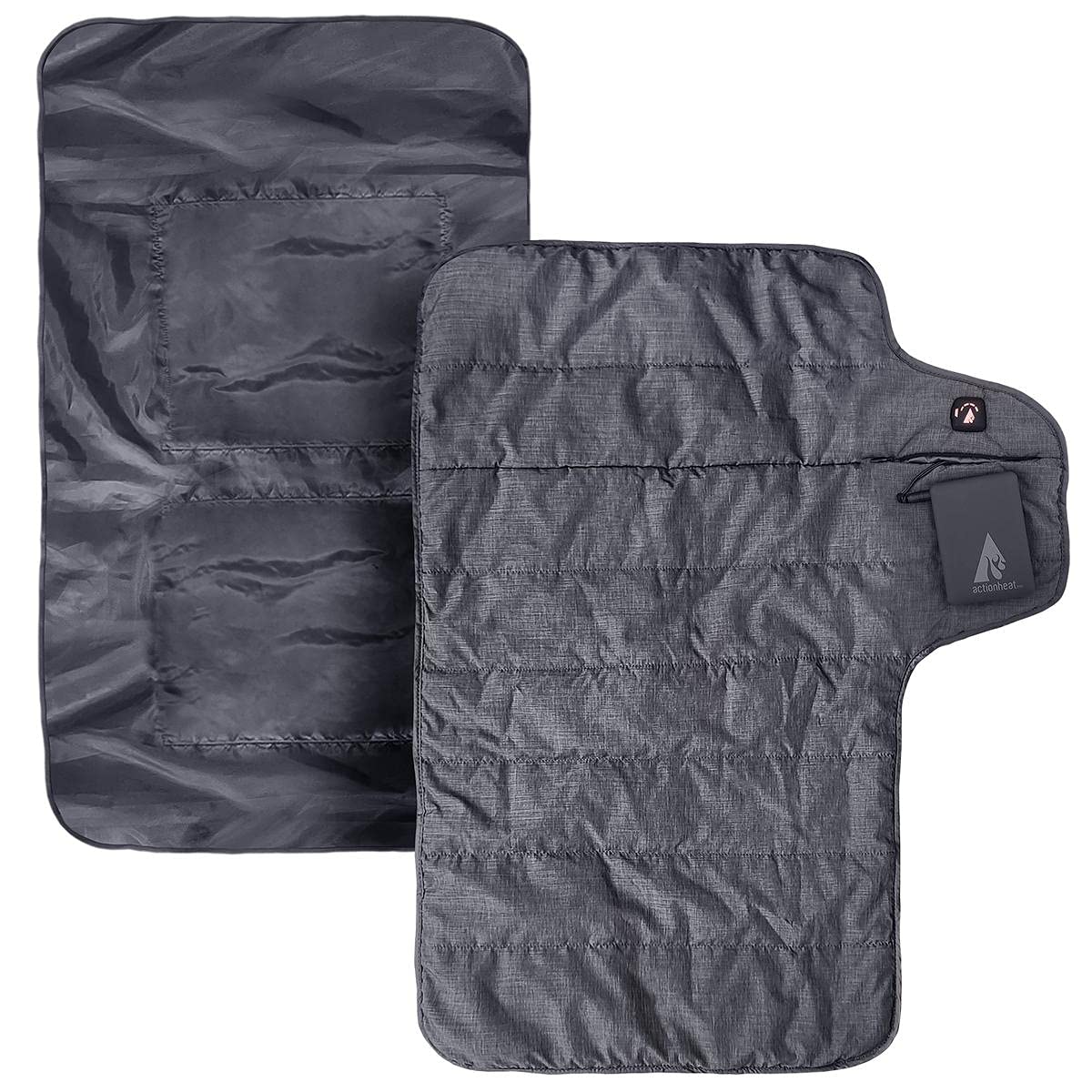
Some campers believe that heat packs used inside sleeping bags improve warmth throughout the night, yet these packs lose intensity quickly and may create uncomfortable hot spots. Prolonged use can introduce moisture from condensation, weakening insulation and increasing chill once the pack cools. Chemical warmers depend on oxygen, making performance inconsistent when buried beneath layers of fabric. While useful for momentary warmth, heat packs cannot replace reliable insulation. Understanding their limitations helps prevent false expectations during cold nights in the backcountry. Using them incorrectly often worsens temperature control and reduces overall comfort during long, bitterly cold wilderness nights.
All Sleeping Bags Perform the Same in Humid Conditions
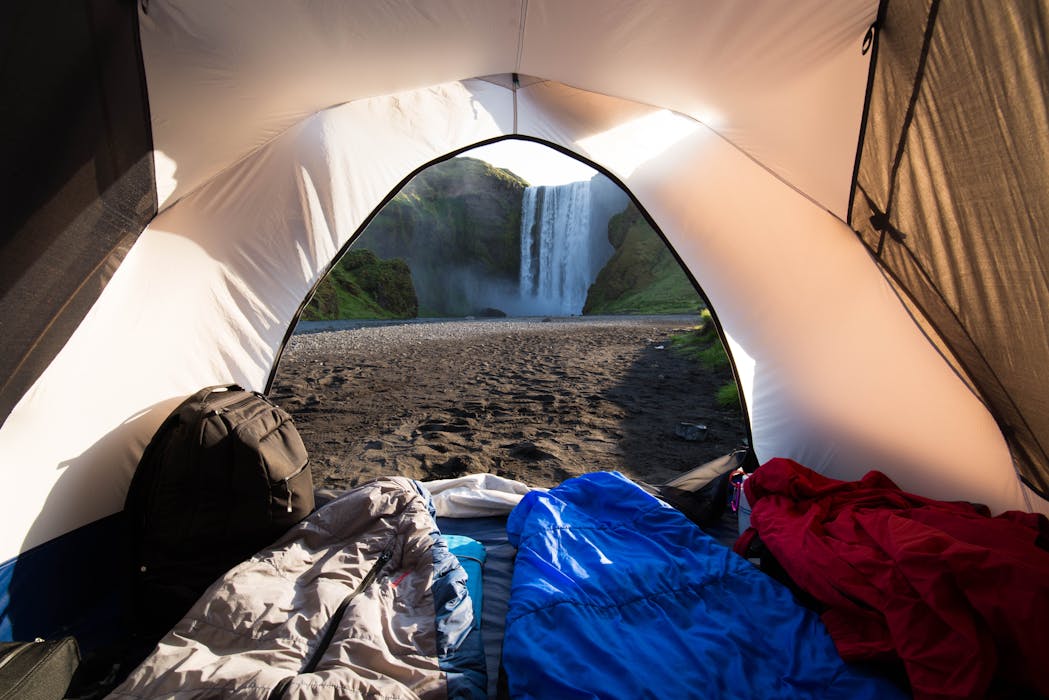
The myth that all sleeping bags function equally well in humidity overlooks how moisture affects insulation differently across materials. Down loses loft rapidly when exposed to damp air, while synthetic insulation retains structure more effectively. High humidity also slows evaporation, impacting breathability and comfort. Campers who expect identical performance in wet environments often encounter reduced warmth, heavy fabric, and increased drying time. Selecting gear suited to regional weather patterns helps avoid discomfort and potentially hazardous heat loss. Moisture-sensitive sleepers benefit greatly from understanding these differences before embarking on trips involving consistently humid environments.
A Tight Sleeping Bag Is Always Warmer
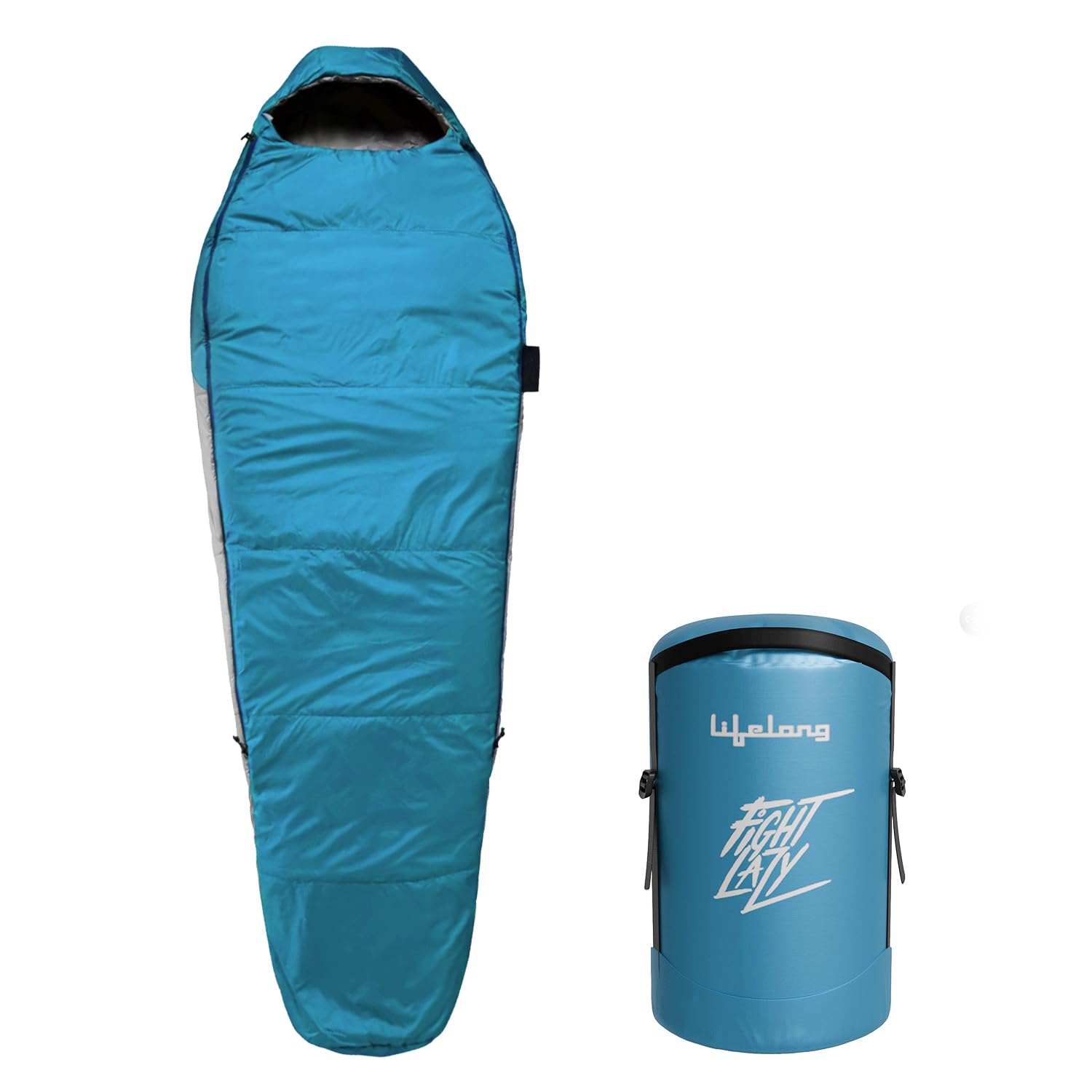
Some believe that a snug sleeping bag maximizes warmth, yet overly tight bags restrict air circulation and compress insulation. Without adequate loft, insulation cannot trap heat efficiently, causing cold spots and discomfort. Tight bags also limit movement, increasing restlessness that disrupts sleep cycles. While a proper fit reduces empty space, extreme constriction undermines performance. Finding the right balance between comfort and insulation enhances safety during cold-weather travel. Overly restrictive designs also increase fatigue, reduce nighttime recovery, and complicate rest during challenging multiday outdoor excursions.