RV travel often inspires interest in equipment designed to enhance comfort, but not every accessory is necessary for those who spend limited time on the road. Many advanced products primarily support travelers who maintain long-term routes, extended boondocking schedules, or continuous regional movement. Their advantages become noticeable only when used repeatedly across varied environments. Travelers with shorter timelines usually find that basic gear meets most needs. Understanding which upgrades benefit long-distance use helps reduce unnecessary purchases while improving overall organization and efficiency for those who travel frequently.
Automatic Satellite Systems
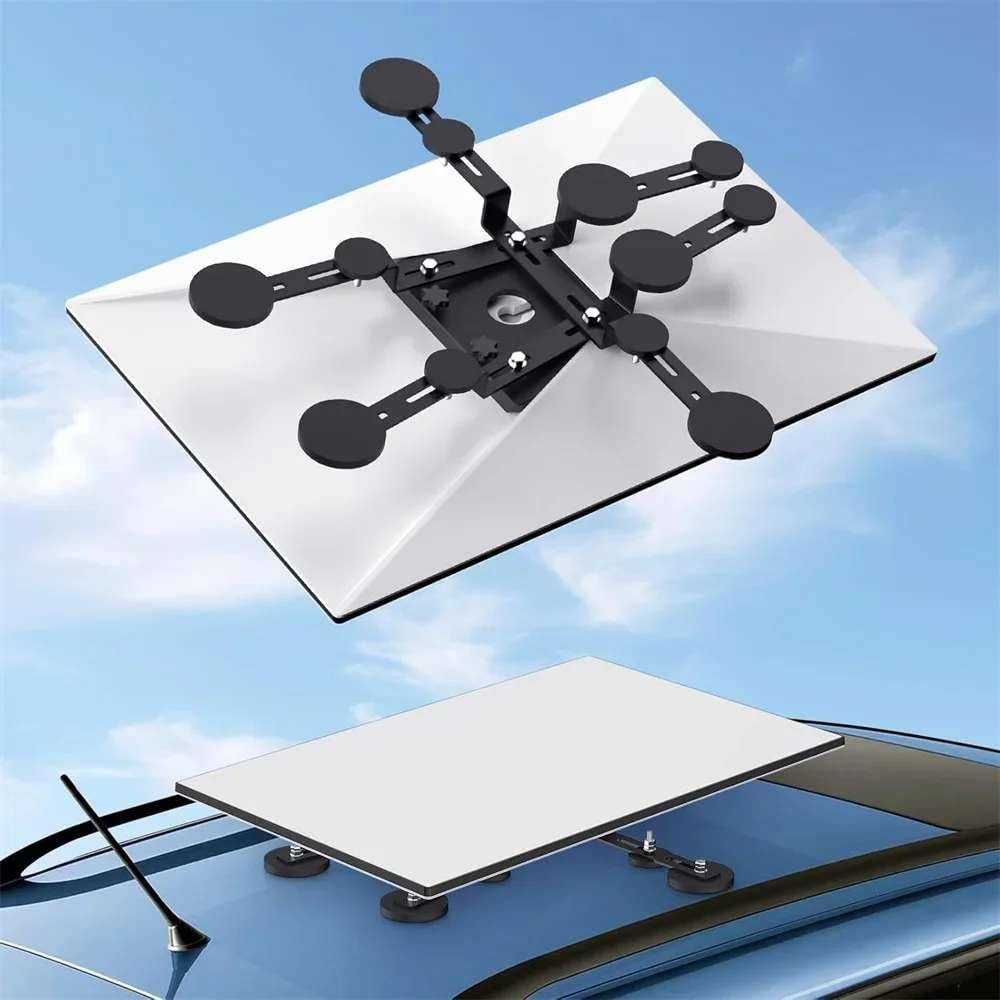
Automatic satellite systems provide reliable television access across remote regions, an advantage that becomes meaningful for extended stays involving long-term entertainment needs. These systems require professional installation, ongoing maintenance, and subscription services that add cost over time. Occasional travelers often find campground Wi-Fi or portable streaming devices more than sufficient for brief trips. Satellite units perform best for those covering large distances or living seasonally in their RV. Their capabilities match the needs of travelers who prioritize uninterrupted connectivity throughout changing landscapes.
High-Capacity Solar Arrays
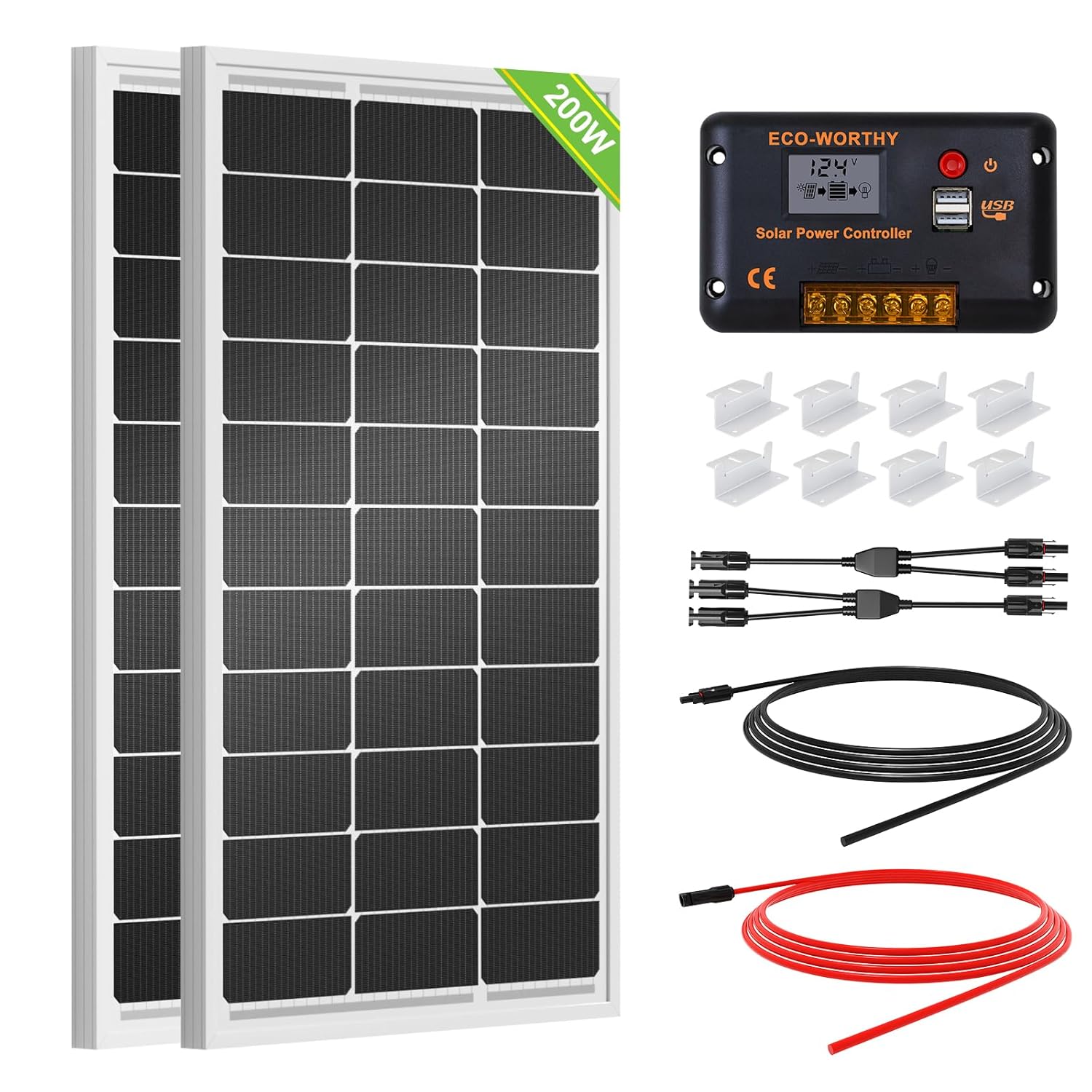
High-capacity solar arrays generate significant power for refrigerators, electronics, and inverters during extended boondocking. Travelers spending months off-grid benefit from consistent energy production that reduces generator use and fuel consumption. For shorter trips, standard RV batteries and compact solar panels usually meet daily charging needs without added expense. The larger arrays also require additional roof space and careful system monitoring. This investment makes sense only when extended power independence becomes a regular requirement. Their performance proves most valuable for travelers who remain off-grid for long stretches.
Washer-Dryer Combos
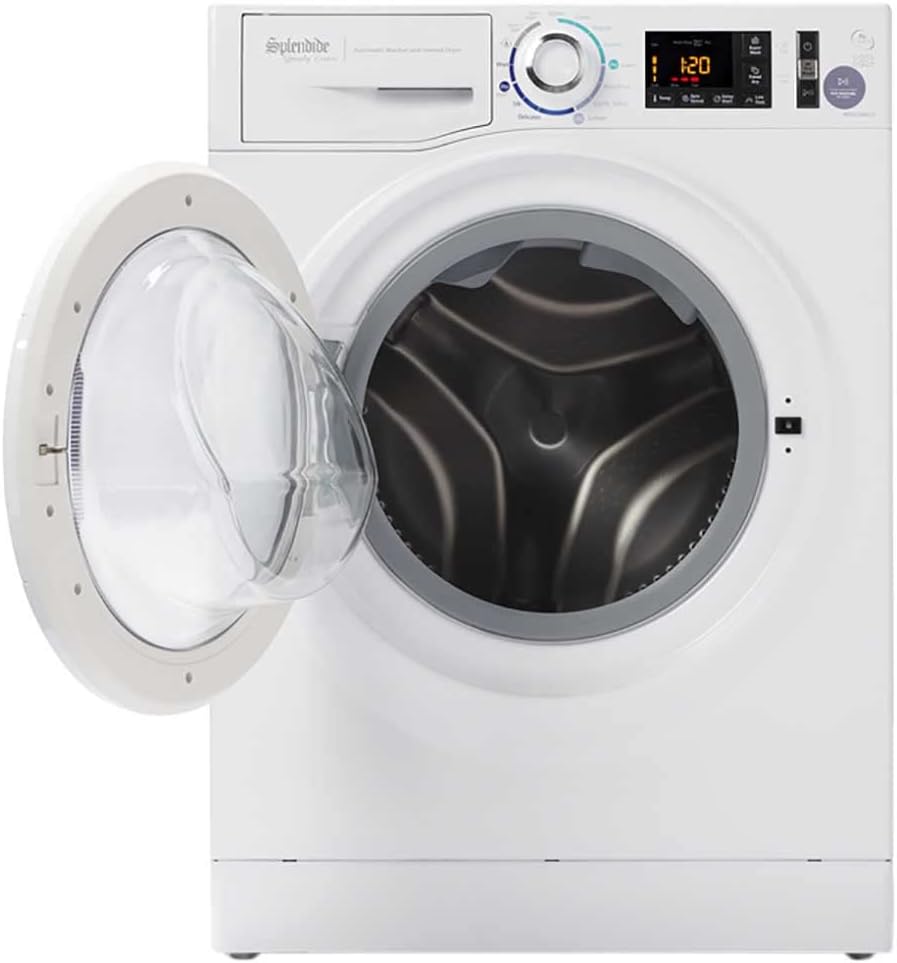
Washer-dryer combos offer a major convenience for RV residents who travel for months without reliable access to laundromats. These appliances require dedicated electrical capacity, stable water pressure, and significant interior space, making them inefficient for shorter trips. Occasional travelers often prefer compact laundry loads handled off-site. The installation reduces storage areas that many short-term travelers rely on for gear. The combo becomes a practical upgrade only when laundry becomes a frequent and time-consuming part of extended travel routines. Its value increases with longer schedules on the road.
Automatic Leveling Systems
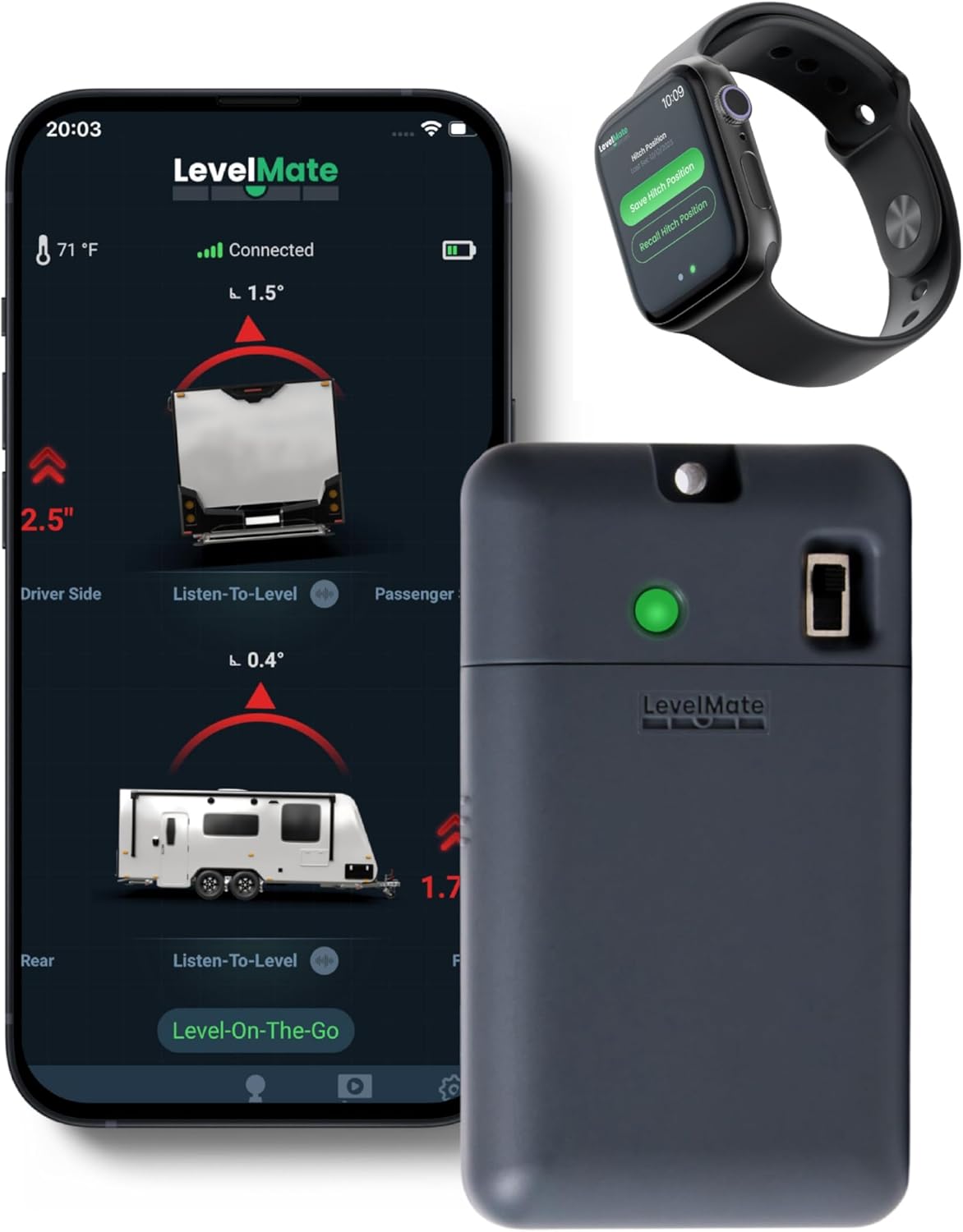
Automatic leveling systems appeal to long-term travelers who move between campsites frequently and benefit from rapid setup. These systems adjust the RV’s position with precision and save considerable time during repeated transitions. For shorter seasonal trips, manual leveling blocks typically provide enough accuracy without the high installation cost. Automated systems add mechanical complexity that requires periodic service. Their advantages become clear only when repeated campsite changes occur throughout the year. Travelers who remain on the road for extended periods experience the greatest improvement in convenience and comfort.
High-End Water Filtration Systems
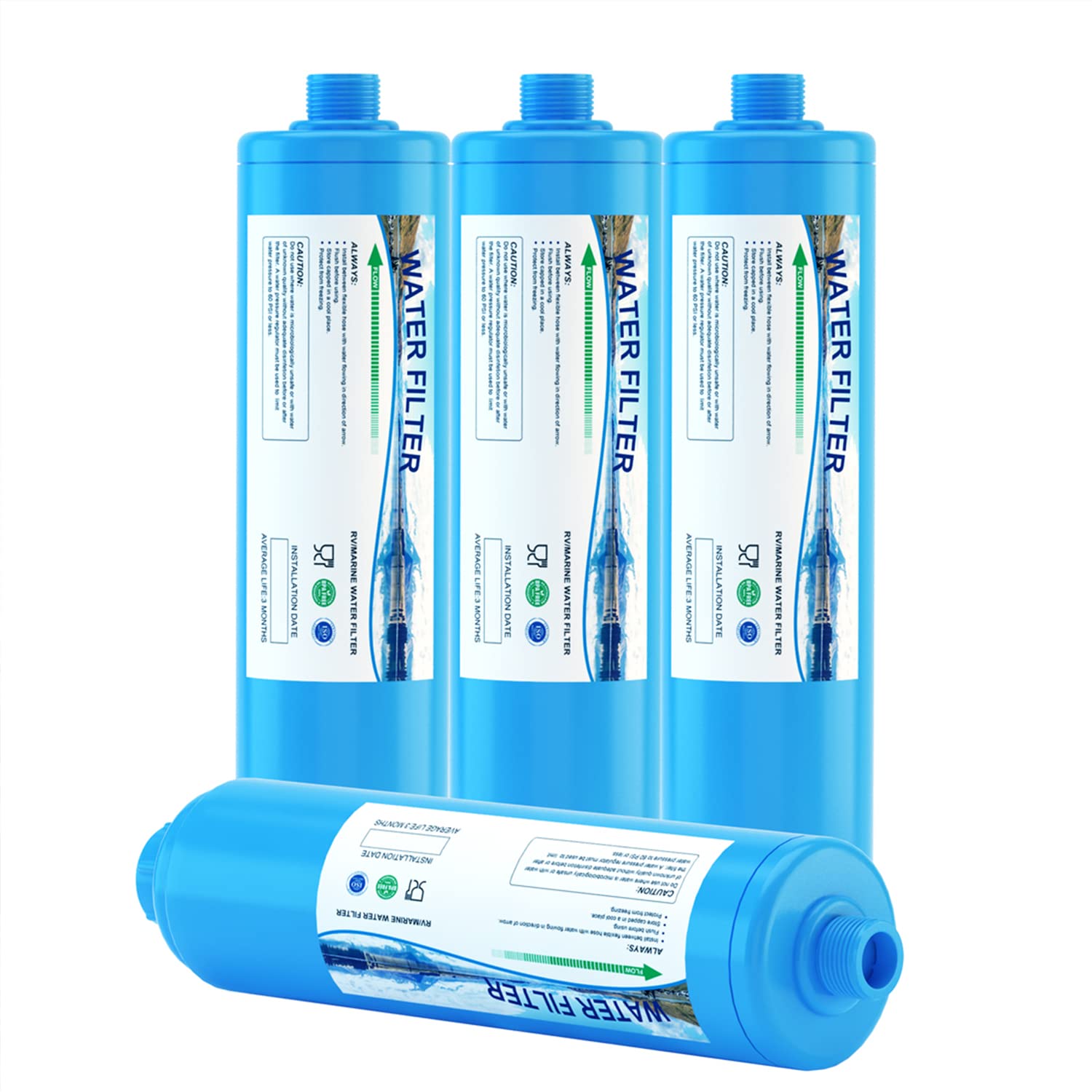
High-end water filtration systems excel during multi-month travel across regions with inconsistent water quality. These systems use multiple stages to address sediment, chemical residues, and mineral content, resulting in safer and better-tasting water. Shorter trip schedules often rely on bottled water or standard campground hookups, making advanced filtration unnecessary. The filters also require routine replacement and maintenance, adding cost and effort. This investment becomes worthwhile only when frequent travel through rural or unfamiliar areas demands reliable long-term water purification.
Large Exterior Storage Pods
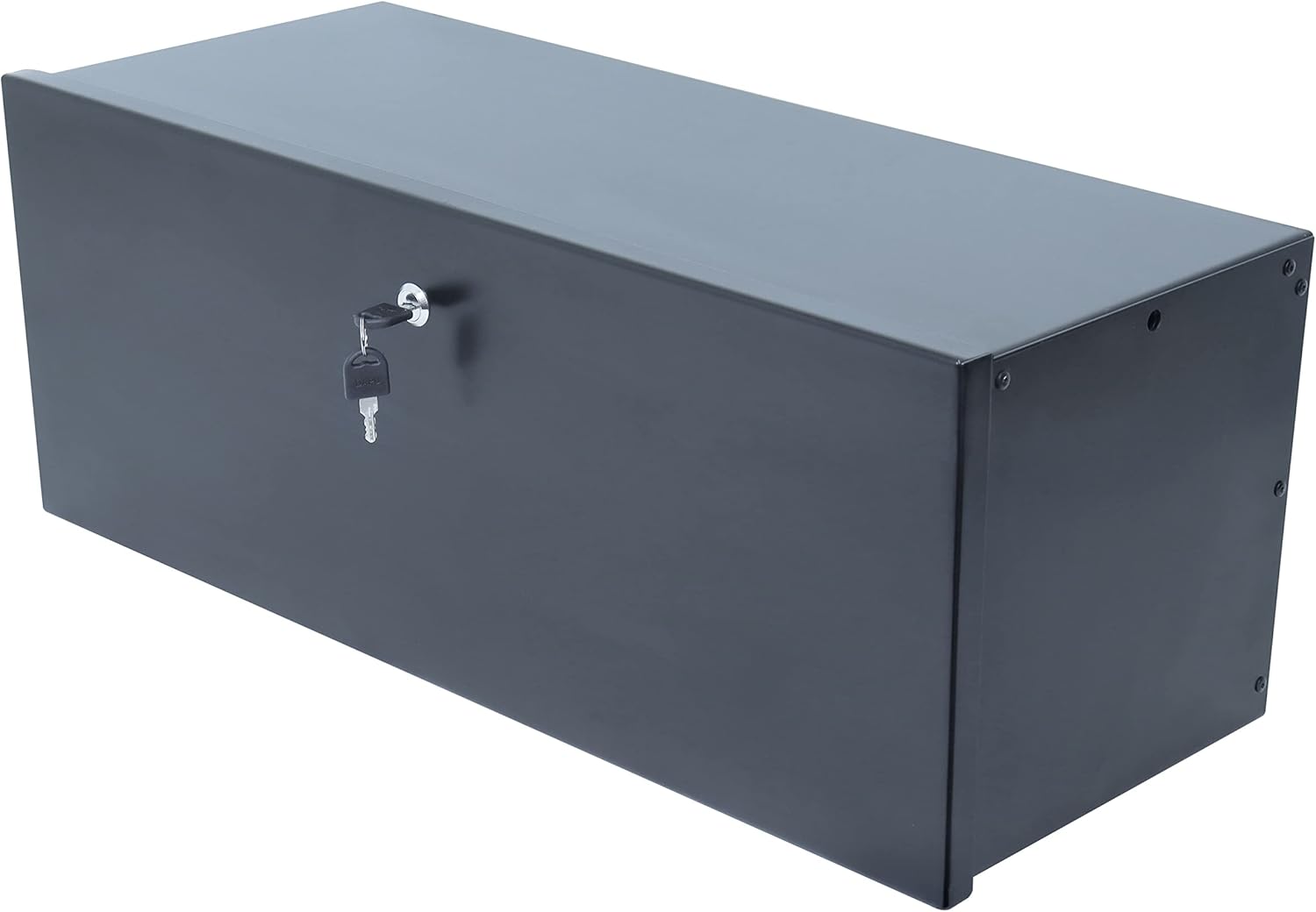
Large exterior storage pods serve travelers who carry significant gear for long-term routes, such as seasonal clothing, tools, or recreational equipment. These pods expand storage capacity but increase vehicle weight and reduce fuel efficiency. Occasional travelers typically pack lightly, relying on existing compartments that handle shorter trips effectively. Storage pods also require secure mounting and can affect driving aerodynamics. Their benefits align with those who treat the RV as a primary residence for extended periods, where additional space remains essential for organization and comfort.
High-Capacity Inverter Systems
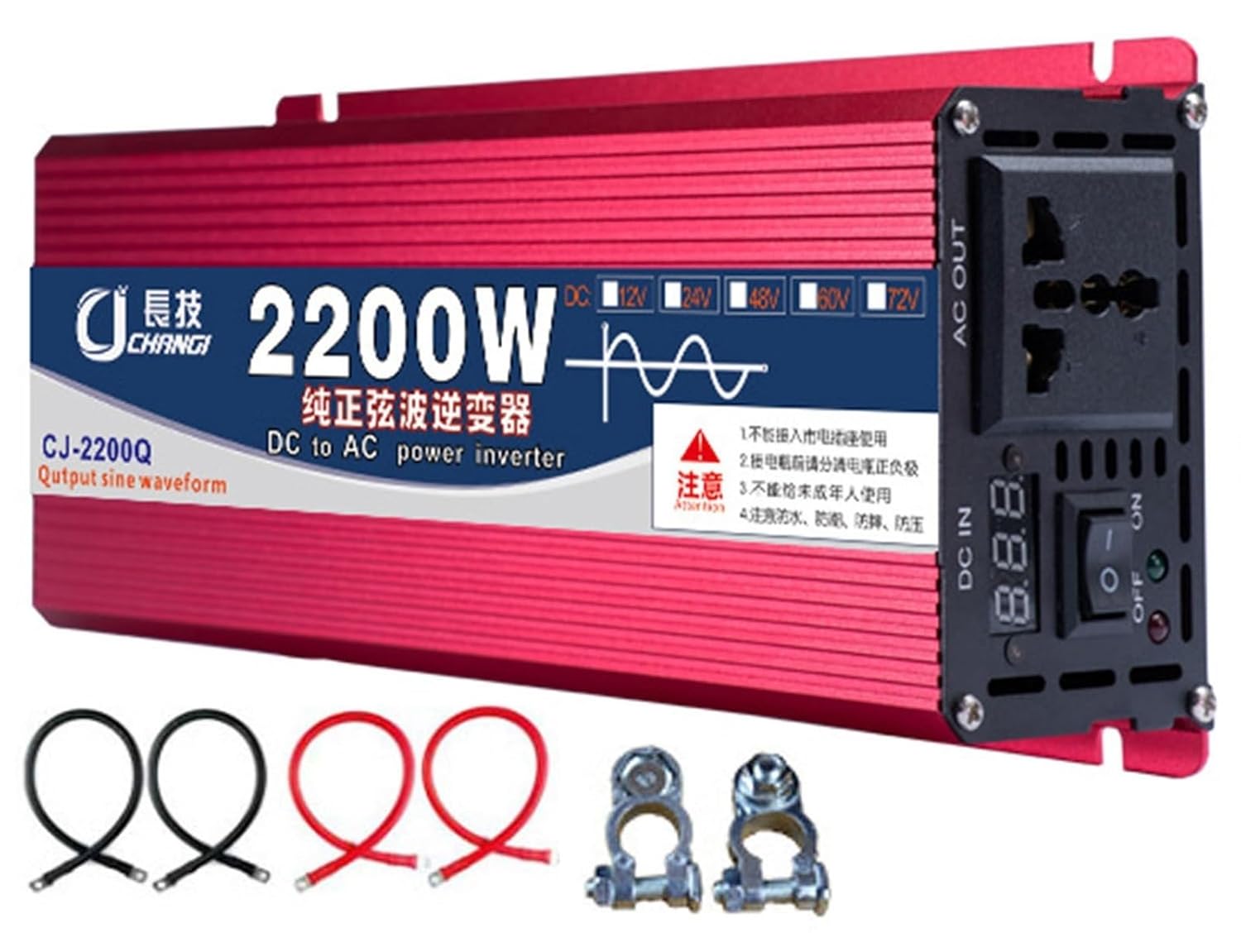
High-capacity inverter systems support the simultaneous operation of multiple appliances during extended off-grid stays. This allows microwaves, laptops, and entertainment devices to run without shore power. Occasional travelers often rely on campground hookups, reducing the need for advanced electrical conversion. Larger inverter systems demand more battery capacity and regular system checks. Their value appears most clearly when extended dry camping becomes routine. Travelers committed to long-term routes benefit from the reliability and power flexibility these systems offer during remote operations.
Integrated GPS Navigation Units
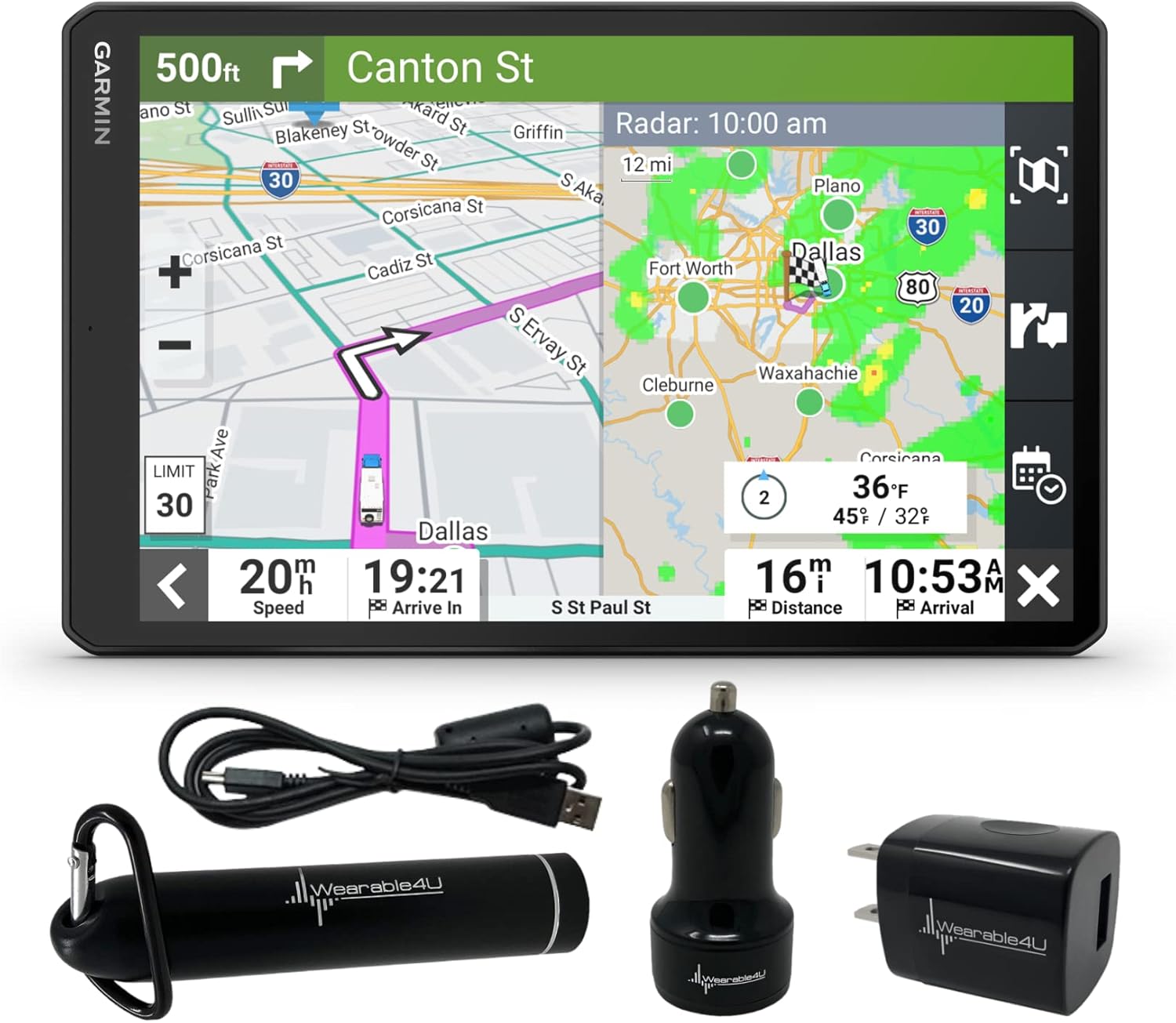
Integrated GPS navigation units designed for RV dimensions provide route planning that accounts for low bridges, weight limits, and narrow roads. Long-distance travelers navigate varied terrain where specialized mapping becomes essential. Those who take occasional regional trips usually rely on smartphone apps that provide adequate navigation. Integrated units require periodic updates and cost significantly more than mobile options. Their value lies in year-round travel that crosses states with differing restrictions. Frequent travelers gain the most from this tailored and comprehensive guidance.
Climate-Controlled Storage Bays
Climate-controlled storage bays protect sensitive items such as electronics, adhesives, and pantry goods from temperature fluctuations during long-term travel. These systems maintain stable conditions that prevent warping, spoilage, or equipment malfunction. Occasional travelers rarely carry items requiring such precision and usually experience fewer extreme temperature cycles during storage. Climate control systems add weight and require ongoing energy use. Their benefits align best with RV travelers who remain mobile across seasonal shifts, making them a specialized upgrade for high-mileage routines.
Heavy-Duty Suspension Upgrades
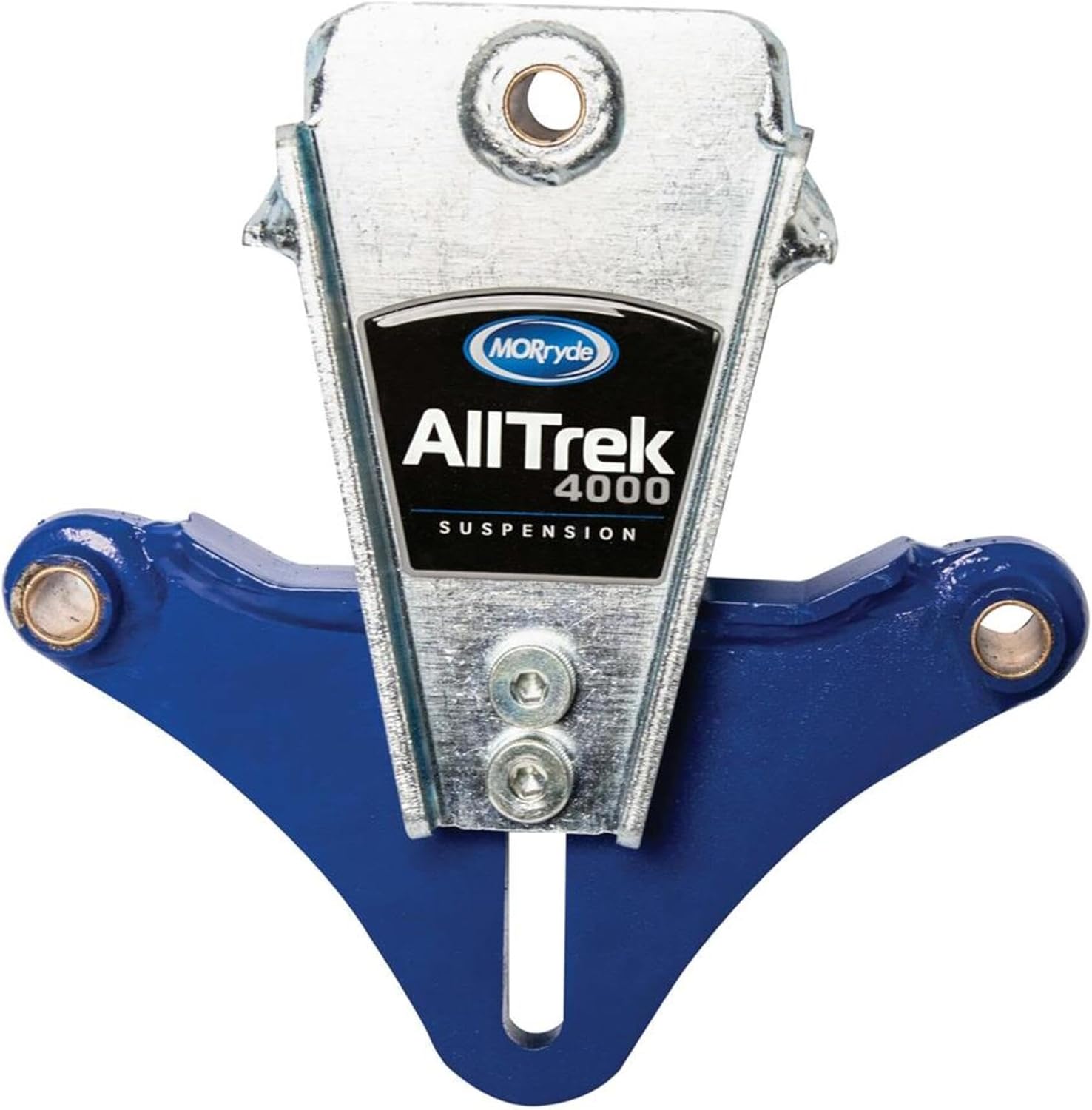
Heavy-duty suspension upgrades improve ride stability, reduce sway, and enhance towing performance during long-distance trips across mixed road conditions. These systems absorb repeated vibration and provide smoother handling during high-mileage travel. Occasional users typically drive shorter distances on standard highways where factory suspension performs adequately. Upgraded systems require significant investment and add complexity to maintenance schedules. Their value becomes clear only when extended travel exposes the vehicle to continuous movement, making ride quality a long-term priority.
Central Vacuum Systems
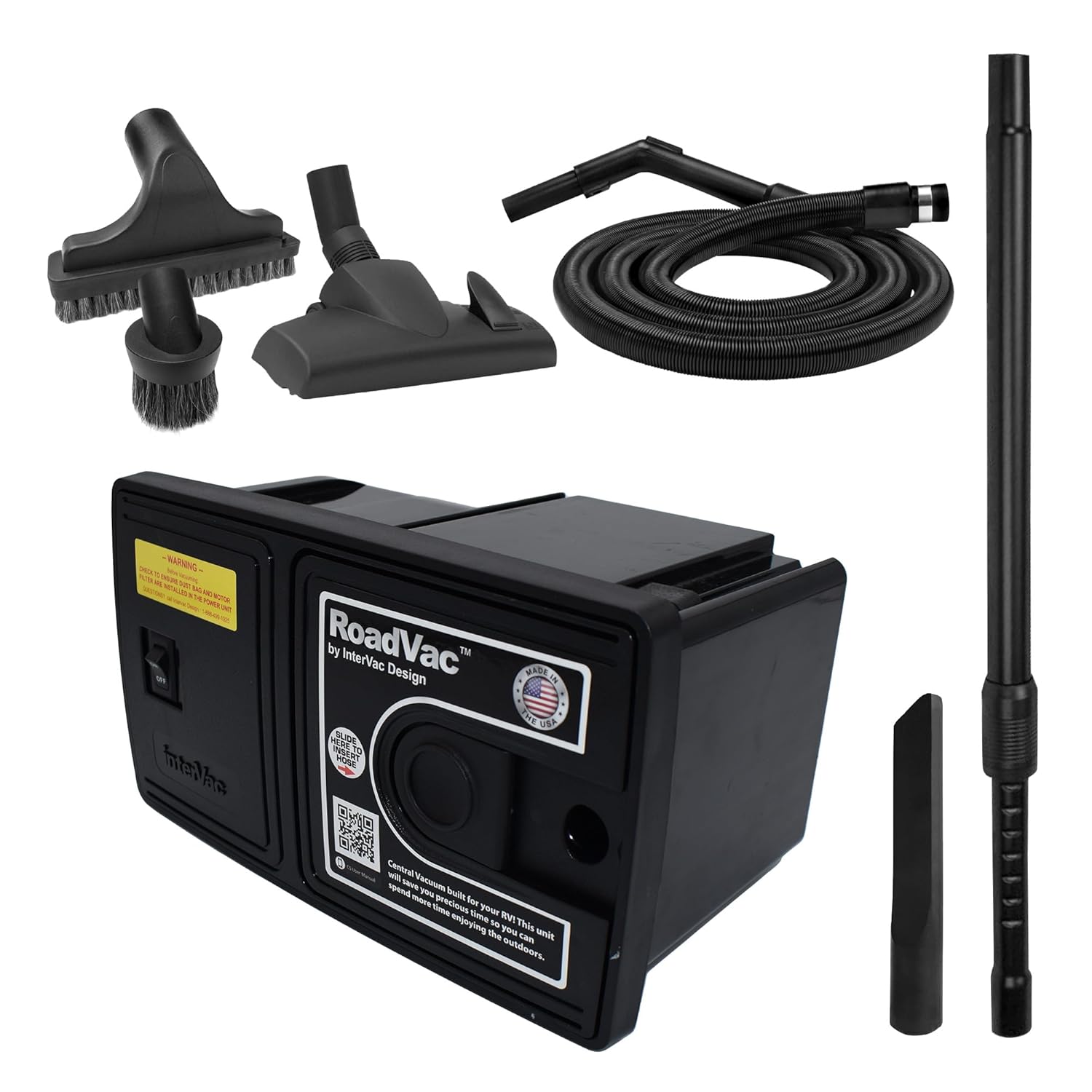
Central vacuum systems offer strong cleaning performance for RVs used as long-term residences, where daily activity generates consistent debris. These built-in units reduce the need for handheld vacuums and manage dirt tracked in from extended outdoor travel. Short-term users often find small portable vacuums sufficient for limited messes. Central systems require installation space and regular filter maintenance. Their benefits become meaningful only when cleaning demands increase during seasonal or year-round travel. They serve as a convenience upgrade for those with extensive time on the road.
Satellite-Based Internet Units
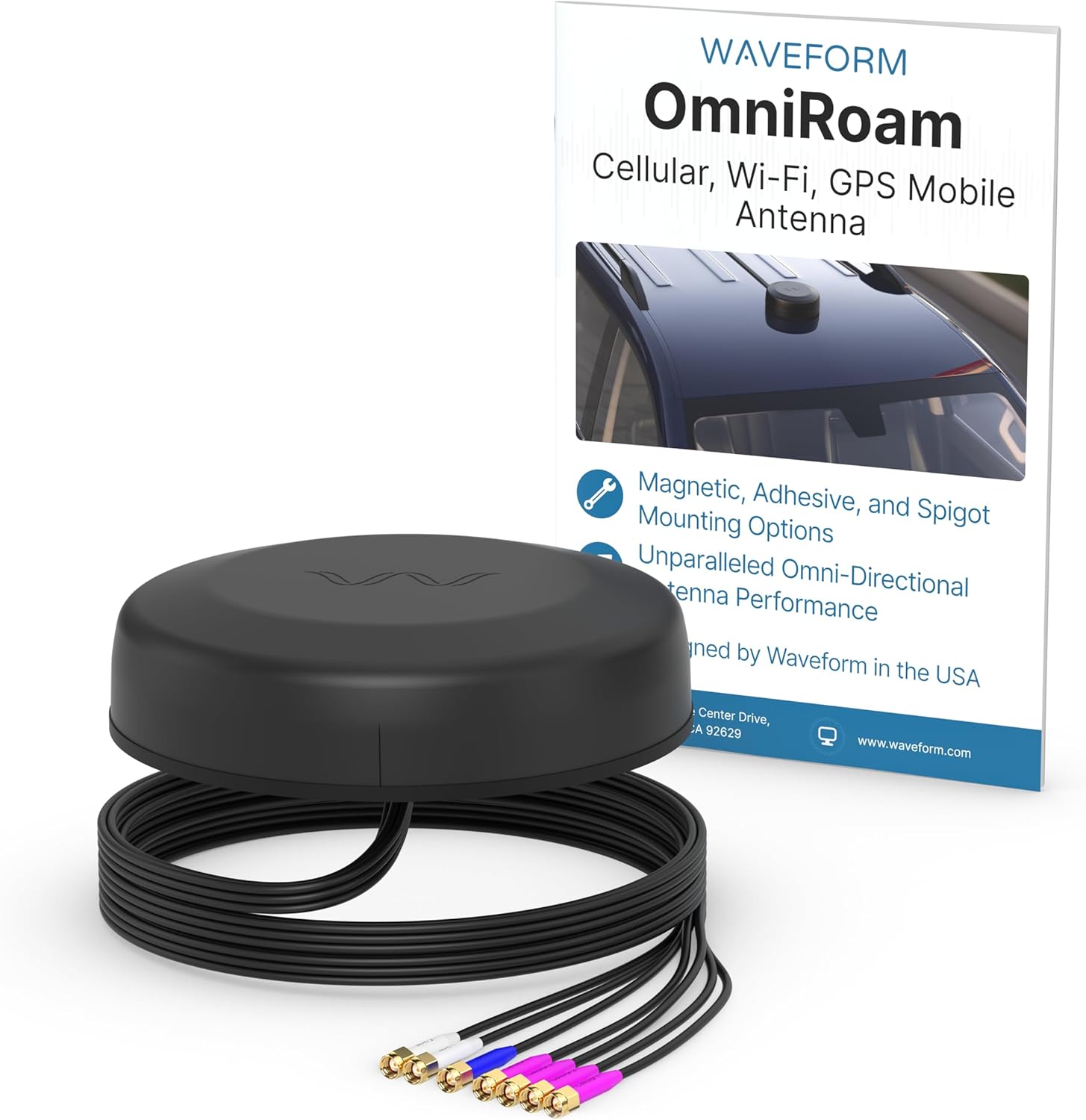
Satellite-based internet units deliver strong connectivity in rural regions where cellular service remains limited, supporting remote work and steady communication during long travel periods. These systems require expensive subscriptions, dish calibration, and additional storage space for equipment. Short-term travelers typically depend on campground Wi-Fi or mobile hotspots that meet basic needs. Satellite systems become worthwhile only for travelers who consistently explore remote areas or spend months off-grid. Their capabilities align with long-haul RV lifestyles rather than occasional trips.