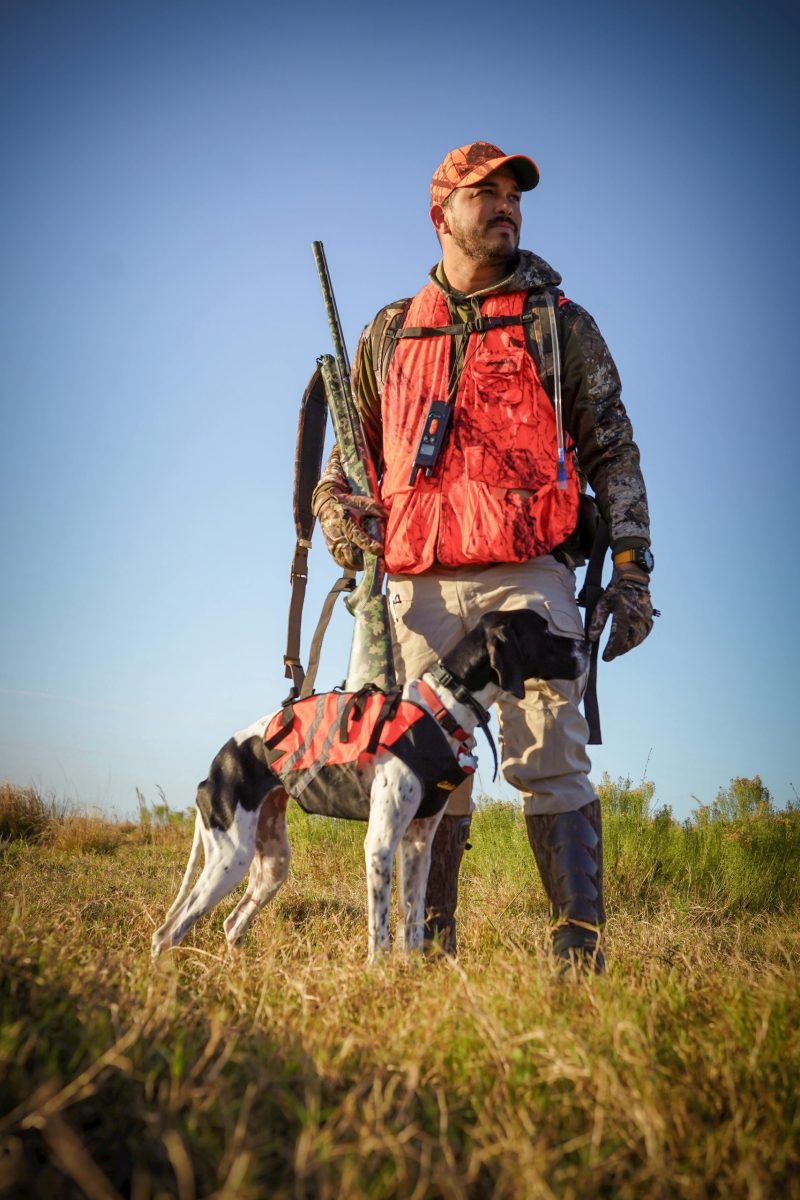
Avoid dangerous outdoor hazards by correcting common field errors. Exploring nature with firearms requires absolute dedication to safety and proper handling protocols. Identifying the 12 rookie gun mistakes in the wild helps beginners prevent dangerous accidents during hunting trips or wilderness hikes. Exploring these 12 rookie gun mistakes in the wild reveals how simple oversights create massive risks for everyone nearby. Proper training and consistent practice remain the best defense against common errors. Understanding basic outdoor safety principles ensures a responsible and enjoyable experience for all participants. Recognizing these frequent missteps allows novice outdoor enthusiasts to build confidence while maintaining secure environments throughout their entire wilderness adventure.
Ignoring Muzzle Discipline

Maintaining strict control over where the barrel points serves as the fundamental rule of outdoor safety. Many beginners carelessly swing their rifles while turning to speak with hunting partners on the trail. This dangerous behavior instantly sweeps the muzzle across vulnerable individuals walking nearby. The barrel must constantly remain pointed in a completely safe direction regardless of the current terrain or unexpected distractions. Pointing a weapon at the ground or directly up into the sky prevents catastrophic accidents if an unintentional discharge occurs. Developing strict muzzle awareness protects every single person enjoying the beautiful remote forest environment.
Relying Solely On Mechanical Safeties
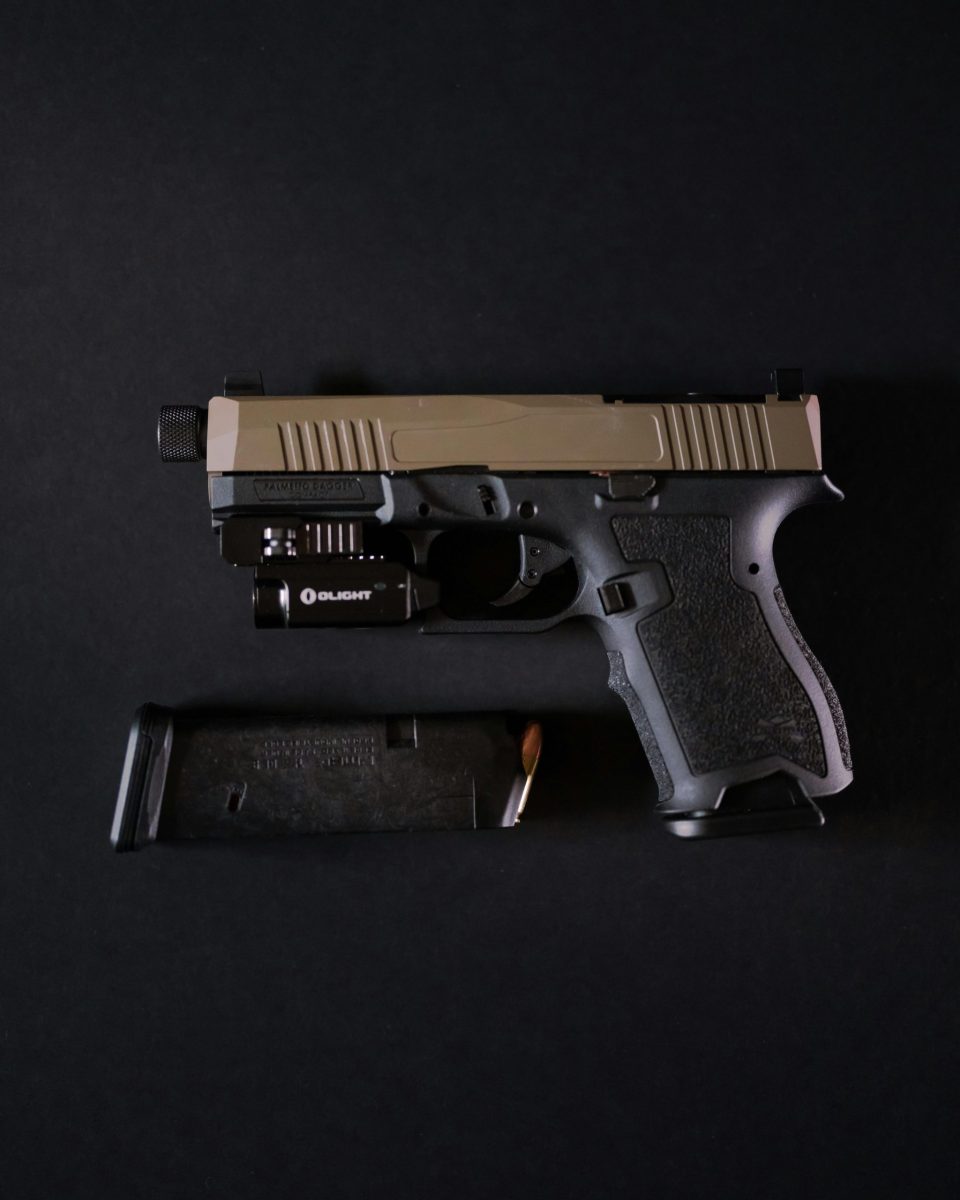
Trusting a mechanical switch to prevent accidents remains a notoriously frequent mistake among inexperienced shooters. Physical safety levers provide an important secondary layer of protection but frequently fail due to dirt accumulation or internal wear. A responsible handler never pulls the trigger, expecting the mechanical lock to catch the firing pin safely. Treat every single weapon as if it lacks a mechanical safety completely during the entire wilderness excursion. Relying entirely on mindful handling prevents tragedy when equipment malfunctions unexpectedly in harsh weather conditions. Proper trigger discipline always outweighs the false security provided by tiny mechanical locking switches.
Failing To Identify The Target Background
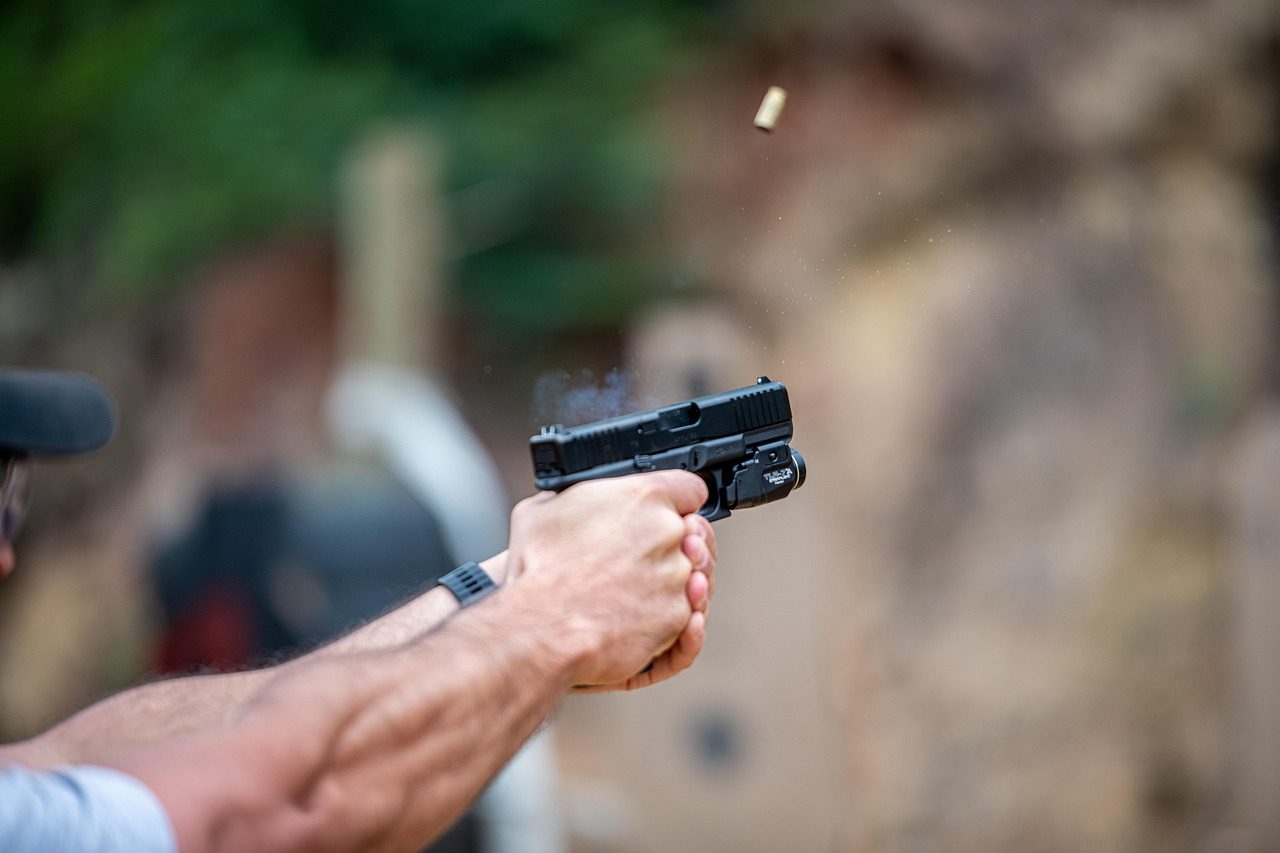
Shooting at an object without fully understanding what lies beyond it creates an incredibly hazardous situation. High-powered rifle bullets easily penetrate thick vegetation and travel for several miles before losing kinetic energy. Novices frequently spot a moving animal and hastily pull the trigger without confirming that an adequate dirt backstop exists. Firing blindly over the crest of a hill sends dangerous projectiles into completely unknown neighboring valleys. Responsible marksmen carefully evaluate the entire background landscape before even considering releasing the firing mechanism. Confirming an absolutely safe bullet impact zone protects innocent bystanders and unseen property perfectly.
Keeping The Finger On The Trigger
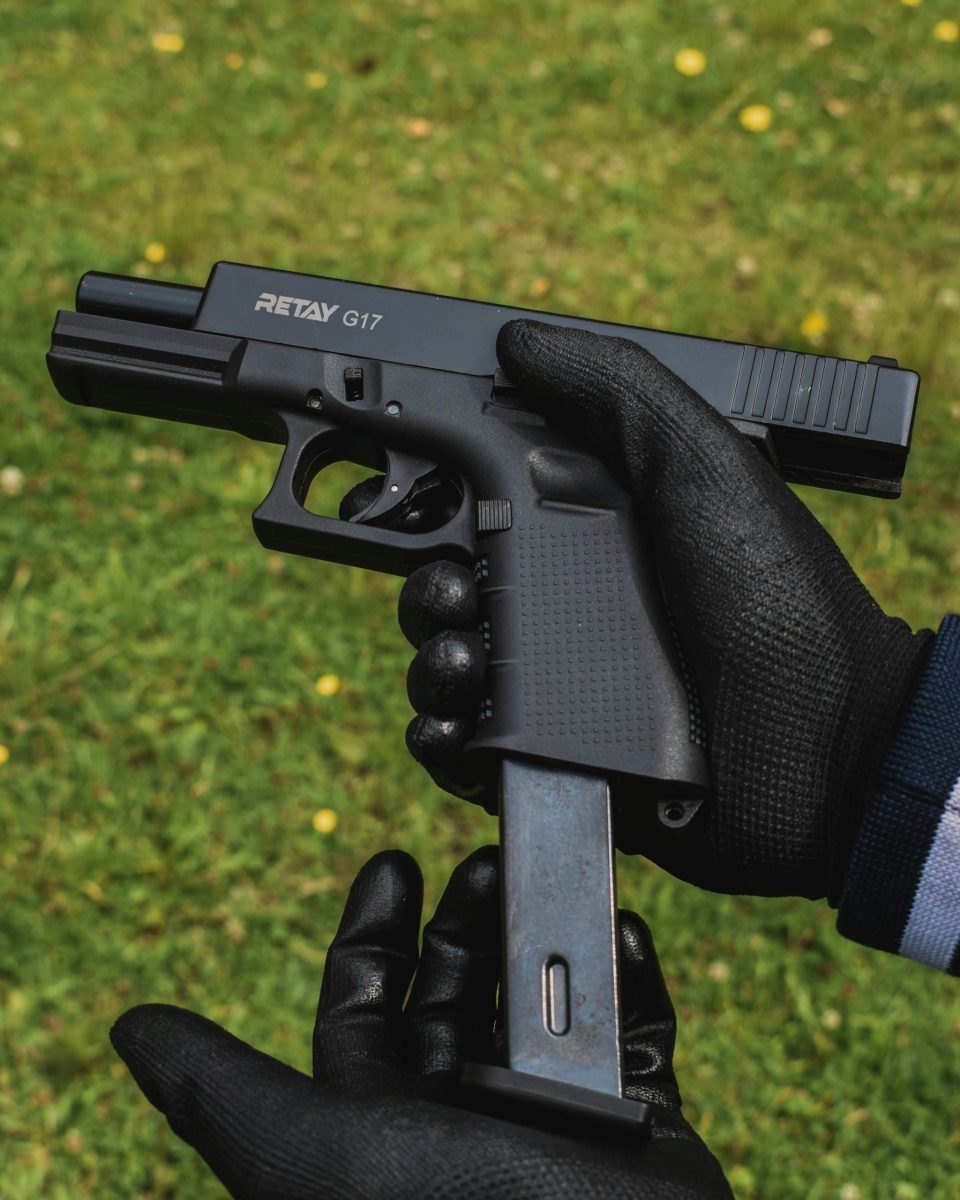
Resting an index finger inside the trigger guard while simply carrying a firearm represents a terrible amateur habit. Uneven wilderness terrain features countless hidden roots and slippery rocks that easily cause sudden, unexpected trips. A stumbling hiker naturally clinches their hands to break the fall, which instantly causes a negligent discharge if the finger rests improperly. The trigger finger must remain completely straight and resting along the exterior frame until the sights align perfectly on the target. This critical safety rule prevents loud surprises when walking miles through dense brush or climbing over large fallen tree trunks.
Crossing Obstacles With A Loaded Chamber

Climbing over tall fences or crossing slippery streams demands two free hands to maintain proper balance. Carrying a loaded rifle during these physically awkward maneuvers dramatically increases the likelihood of a terrible accident. Novices mistakenly assume they can safely juggle their weapon while simultaneously navigating difficult physical barriers. The correct procedure requires completely unloading the chamber and opening the action before attempting any tricky physical crossings. Setting the unloaded firearm securely on the opposite side of a fence guarantees absolute safety while climbing. Taking a few extra seconds prevents a permanent disaster from ruining an exciting trip.
Mixing Ammunition Types Carelessly

Transporting different ammunition calibers inside the same jacket pocket invites catastrophic weapon failures later in the day. A smaller cartridge can accidentally slip deep into a larger chamber and cause an explosive malfunction upon firing. Beginners sometimes grab the wrong ammunition box from a dark closet before heading out for a morning hunt. Carefully checking the specific barrel stamping against the box label ensures absolute compatibility every single time. Organizing gear properly at home prevents dangerous pressure spikes that instantly destroy expensive barrels. Mismatched ammunition destroys beautiful hunting trips and severely injures careless individuals standing nearby.
Leaning Weapons Unsecurely Against Vehicles
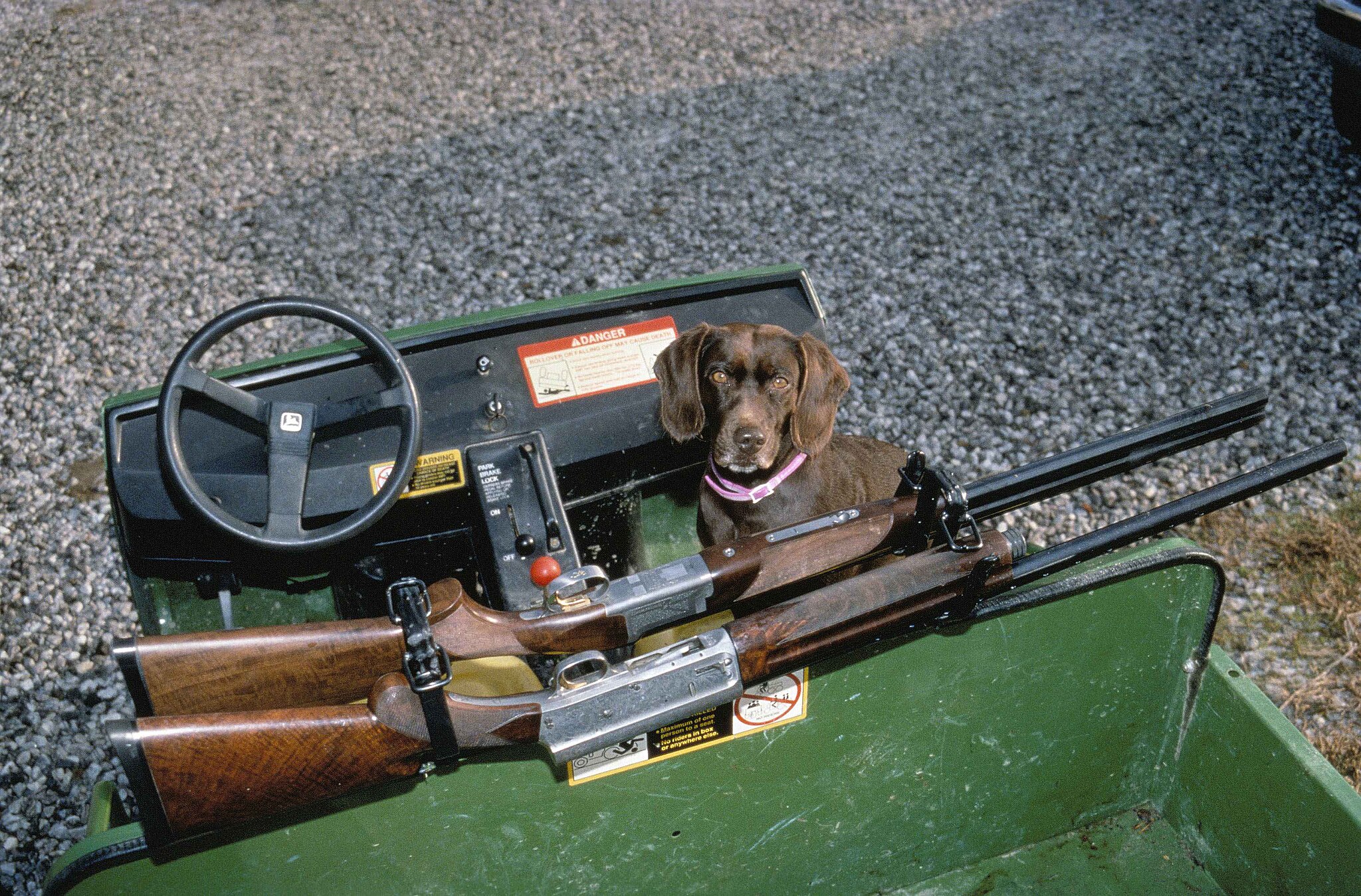
Resting a heavy rifle against the slick paint of a truck bumper frequently results in frustrating damage and dangerous drops. An energetic hunting dog jumping out of the truck bed will easily knock over unsecured equipment onto the rocky dirt road. The sudden impact against hard ground might damage delicate optical scopes or bend sensitive barrel components. More importantly, dropping a loaded weapon introduces the terrible risk of a mechanical malfunction firing a loose round. Always place the unloaded gear securely inside a padded case or lie it completely flat on a designated clean blanket.
Ignoring Proper Ear And Eye Protection

Discarding basic safety glasses and protective earmuffs while exploring the wilderness permanently degrades delicate sensory organs. Many rookies complain that bulky hearing protection prevents them from locating distant animal sounds accurately. A single loud muzzle blast causes immediate and irreversible damage to the sensitive inner ear structures over time. High-velocity hot gas and unburned powder frequently blow backward into the unprotected faces of careless shooters. Modern electronic earmuffs perfectly amplify quiet forest noises while instantly blocking dangerous ballistic soundwaves. Prioritizing basic protective equipment guarantees many more years of enjoyable outdoor hunting adventures without lasting health consequences.
Plinking Without A Suitable Backstop
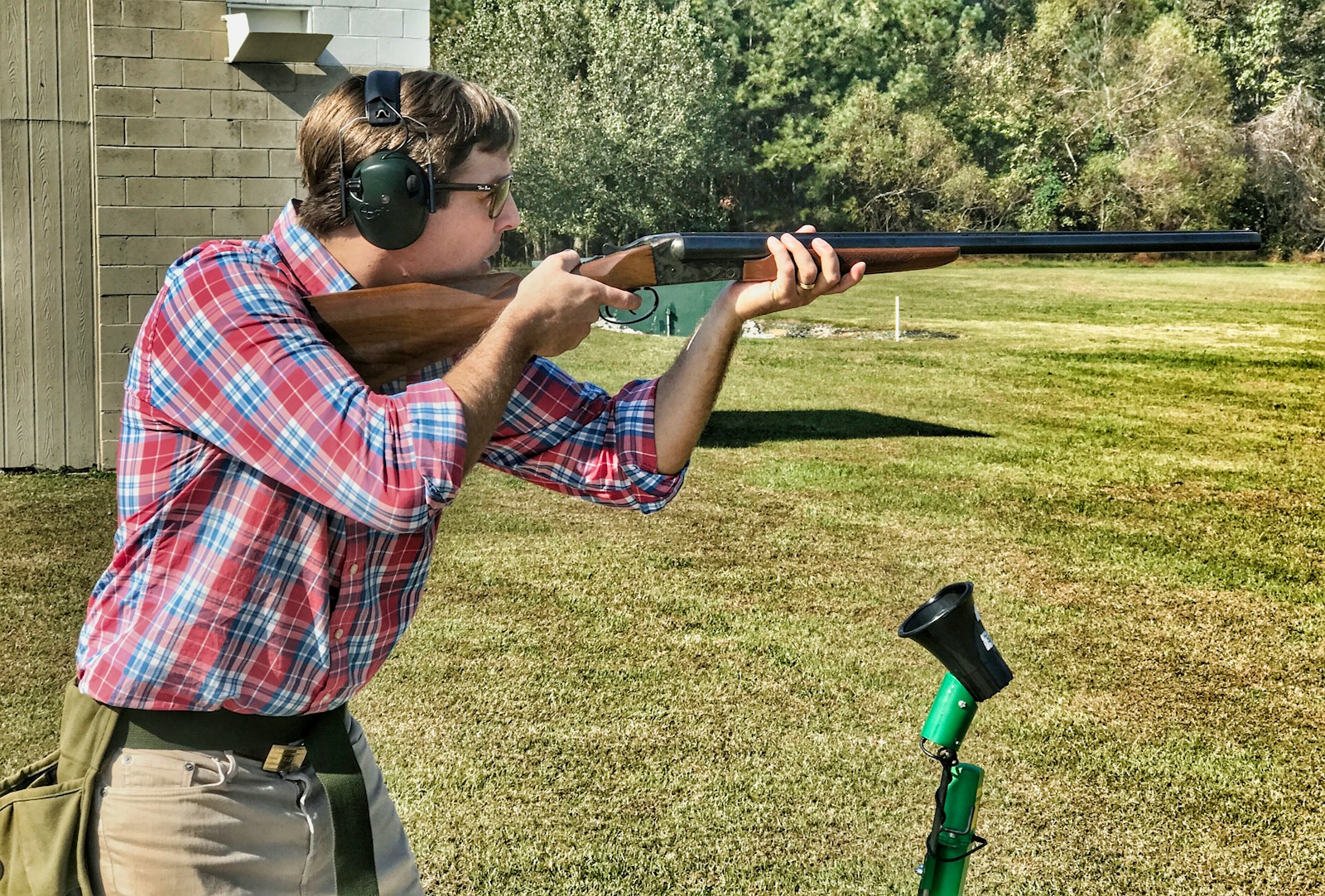
Target practice in an open field requires absolute certainty regarding where the fired projectile will ultimately stop. Setting up paper targets against a thin wooden pallet allows powerful rounds to pass cleanly through the makeshift barrier. Novices fail to realize that those flying bullets retain enough lethal energy to travel vast distances into populated neighboring properties. A steep dirt berm or a solid sandy hillside provides the only genuinely acceptable backdrop for outdoor recreational shooting. Firing into water or flat rocky surfaces often causes dangerous ricochets that launch hot lead back toward the firing line unpredictably.
Storing Wet Firearms Inside Soft Cases
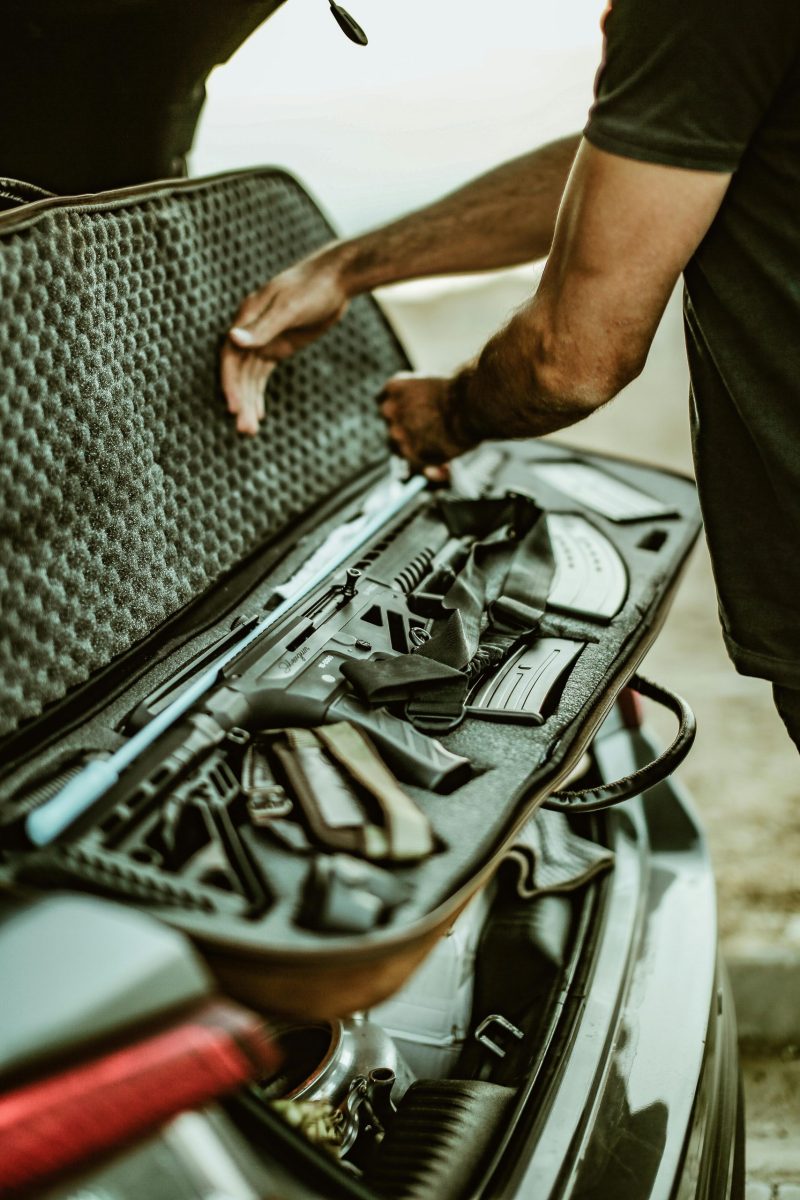
Returning from a rainy hunting trip demands immediate cleaning rather than lazily tossing a damp rifle into the closet. Storing a wet gun inside a padded soft case creates a humid microclimate that attacks blued steel rapidly. Bright orange rust develops across the barrel surface in less than twenty-four hours under these extremely damp conditions. Rookie hunters mistakenly believe the thick exterior canvas provides adequate protection from atmospheric moisture. Uncasing the weapon and wiping down all exterior metal surfaces with a lightly oiled rag guarantees long-lasting preservation. Neglecting this crucial maintenance ruins expensive sporting equipment permanently.
Attempting To Catch A Dropped Weapon
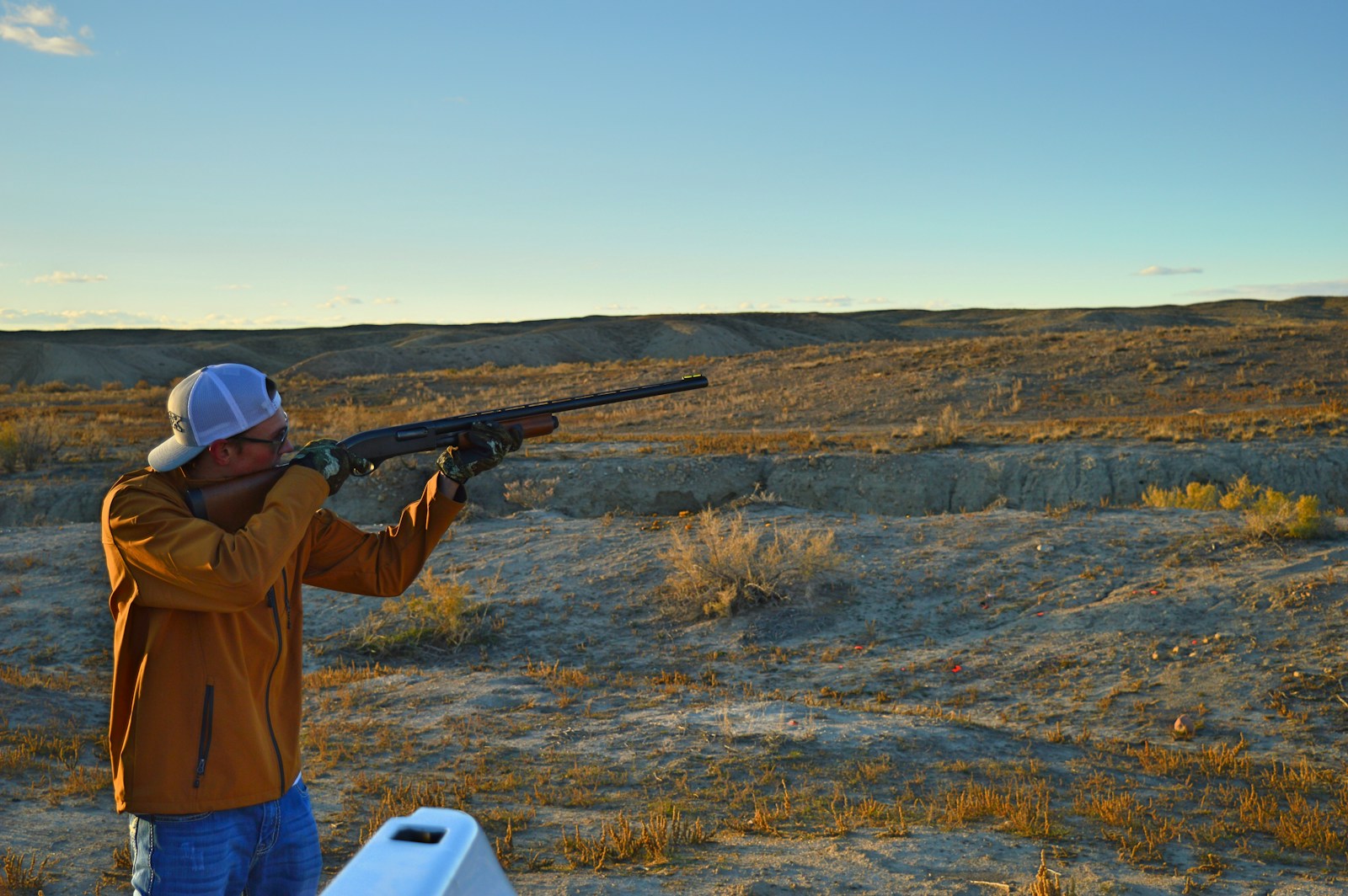
Instinctively grabbing for a falling rifle represents an incredibly dangerous reflex that requires intense mental discipline to overcome. Snatching at a dropping firearm drastically increases the probability of a stray finger striking the delicate trigger mechanism accidentally. Modern steel firearms undergo rigorous drop testing during the engineering phase to ensure they survive hard impacts intact. Letting the heavy item fall freely to the soft dirt remains significantly safer than risking a fatal discharge. Inspecting the weapon thoroughly after it safely hits the ground ensures no serious structural damage occurred. Fighting natural reflexes prevents disastrous accidents out in nature.
Handing Over A Loaded Firearm
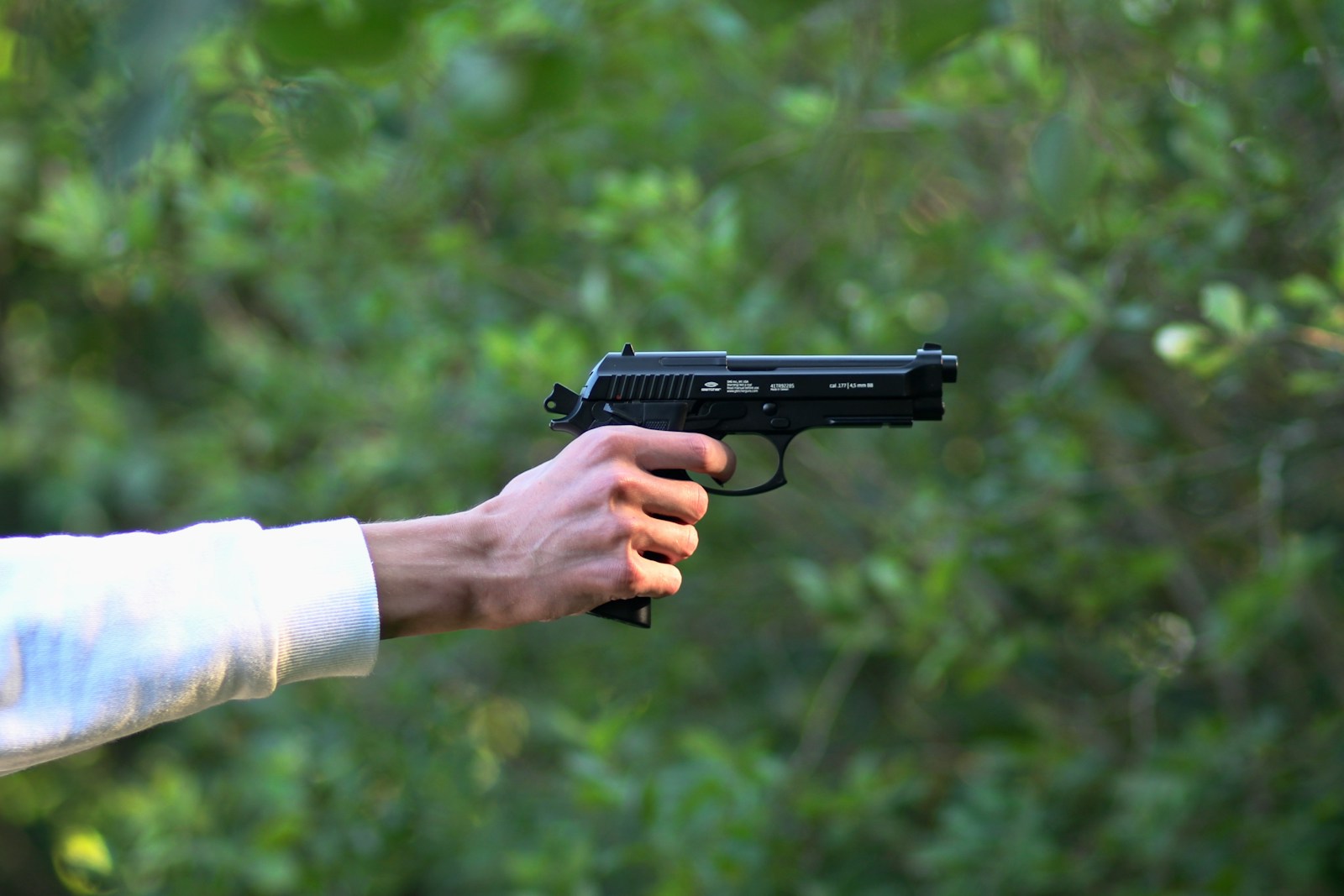
Passing a weapon to another person requires a specific procedure to guarantee absolute safety for both individuals. Novices frequently pass loaded rifles across deep ditches while keeping the action completely closed and ready to fire. The receiving party has zero confirmation regarding the internal chamber status when grasping the wooden stock. The current holder must manually extract any live ammunition and lock the metallic bolt backward before passing the equipment. Visually inspecting the empty chamber together establishes clear communication and shared responsibility. This simple handover process eliminates dangerous assumptions and protects everyone navigating challenging outdoor environments.