Overlanding introduces travelers to remote landscapes where rough roads, shifting surfaces, and steep climbs demand stronger equipment than standard vehicles can provide. Many U.S. routes feature rocky ledges, deep sand, or narrow mountain passes that challenge clearance and traction. Understanding these conditions helps ensure safe and responsible exploration while preserving fragile terrain. Each route highlights how geography and weather shape the need for a properly equipped high-clearance 4×4.
Mojave Road, California
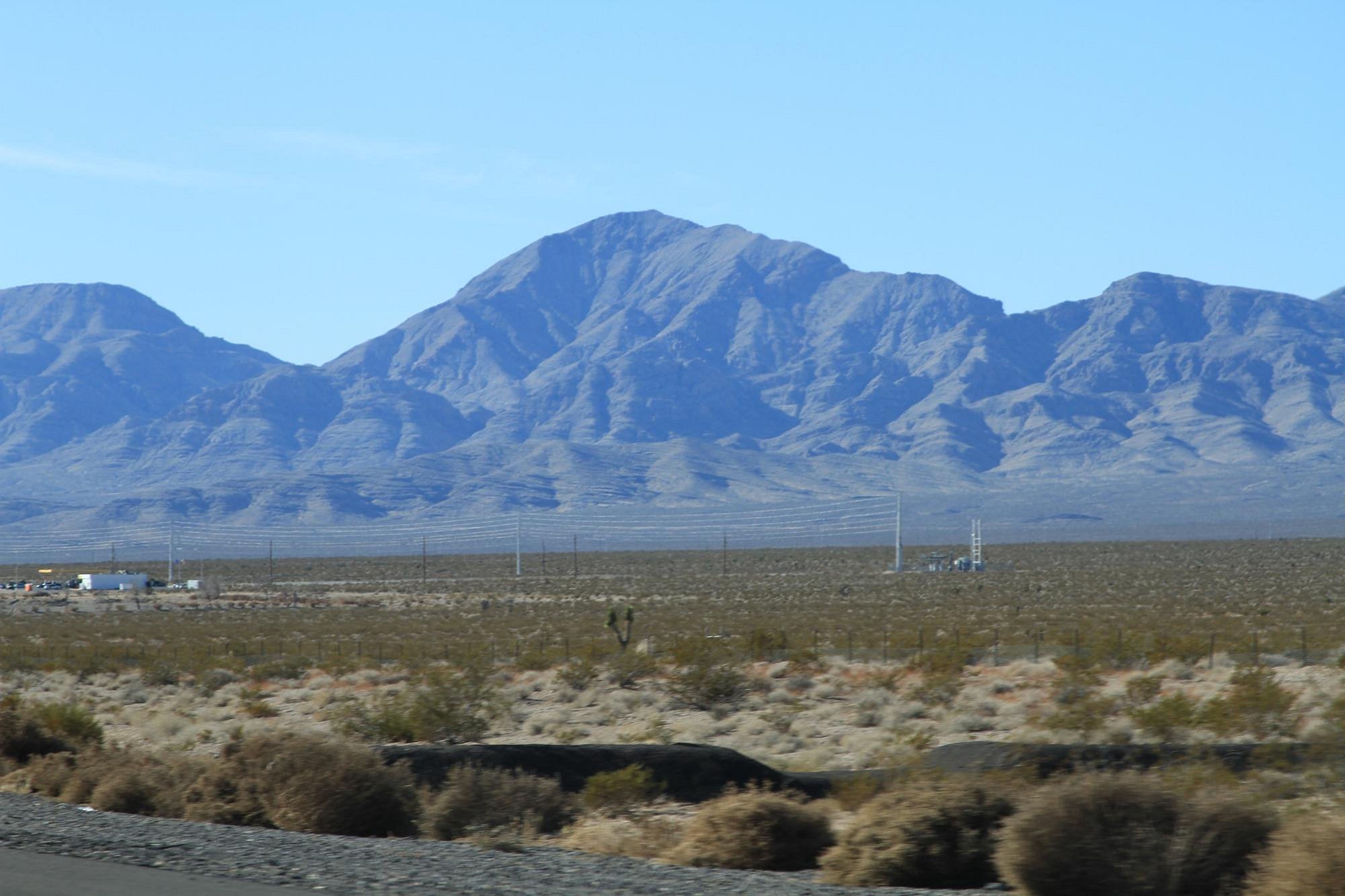
The Mojave Road crosses desert basins filled with deep sand, lava rock shelves, and uneven tracks that create constant challenges for low vehicles. High clearance becomes essential as ruts vary in depth and dry lakebeds shift with the season. Long stretches without support require equipment strong enough to handle rocky climbs and soft terrain. The route’s historic path through the desert rewards preparation with sweeping views and rugged solitude.
Alpine Loop, Colorado
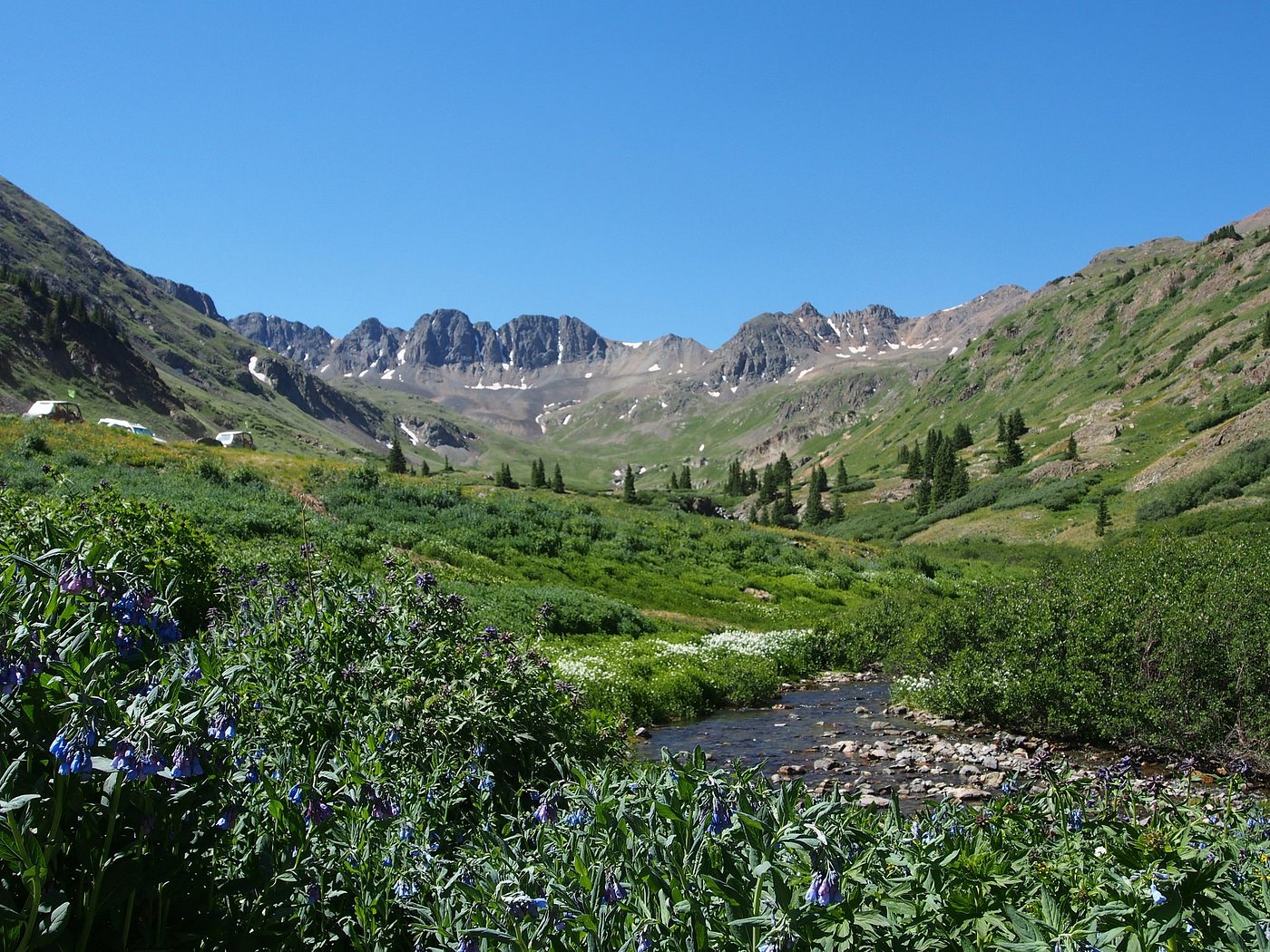
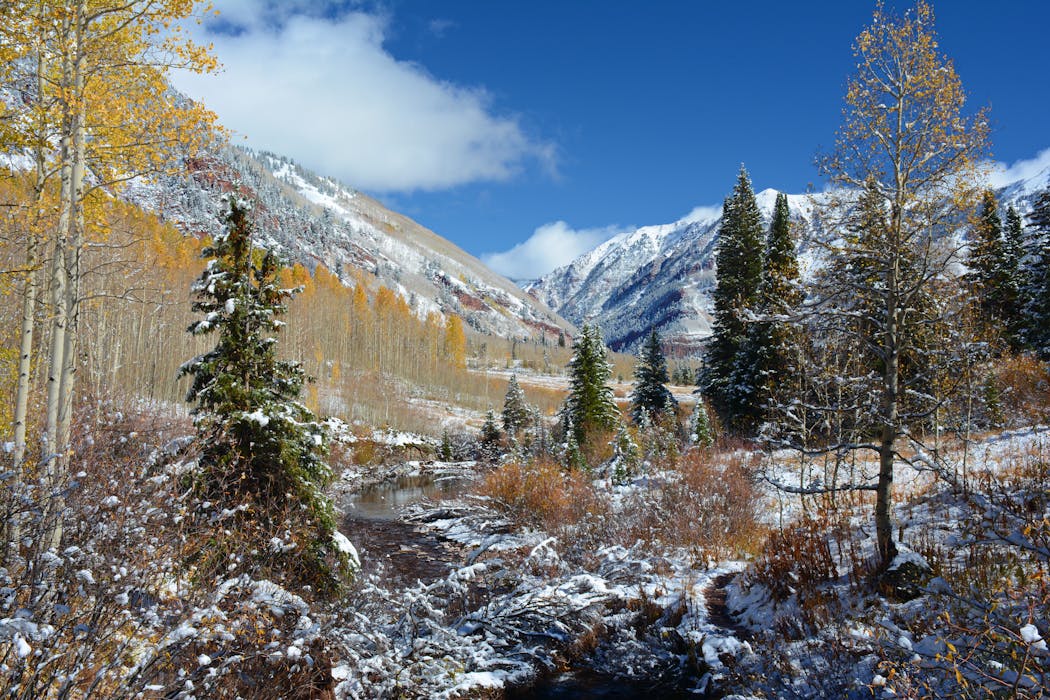
The Alpine Loop winds through the San Juan Mountains, climbing narrow shelf roads and steep grades that require strong traction and reliable clearance. High elevation passes introduce unpredictable weather, adding complexity to tight turns and rocky ledges. Thin air and sudden storms create potential hazards along exposed segments. A capable 4×4 allows drivers to manage the terrain while taking in expansive mountain scenery and historic mining remnants.
Dalton Highway, Alaska
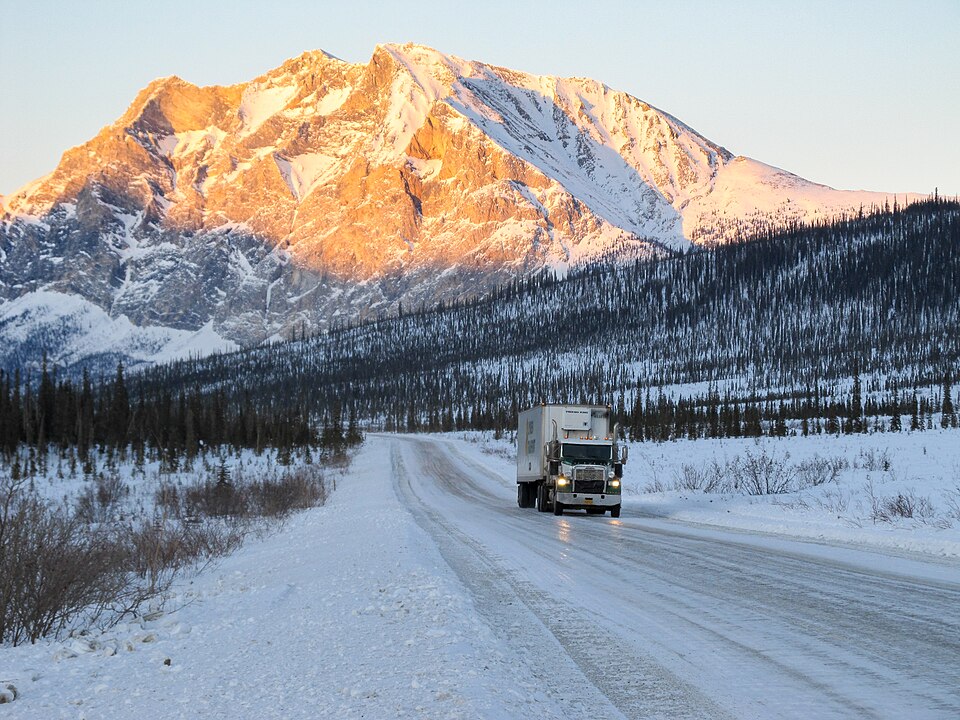
The Dalton Highway spans remote tundra and mountain regions where rough gravel, deep potholes, and frequent washouts demand durable vehicles. Seasonal thaw cycles transform sections into mud that can trap underprepared rigs. Sparse services and long distances between communities increase the need for strong suspension and clearance. The highway’s unforgiving environment makes high capability essential for travel north toward the Arctic.
White Rim Road, Utah
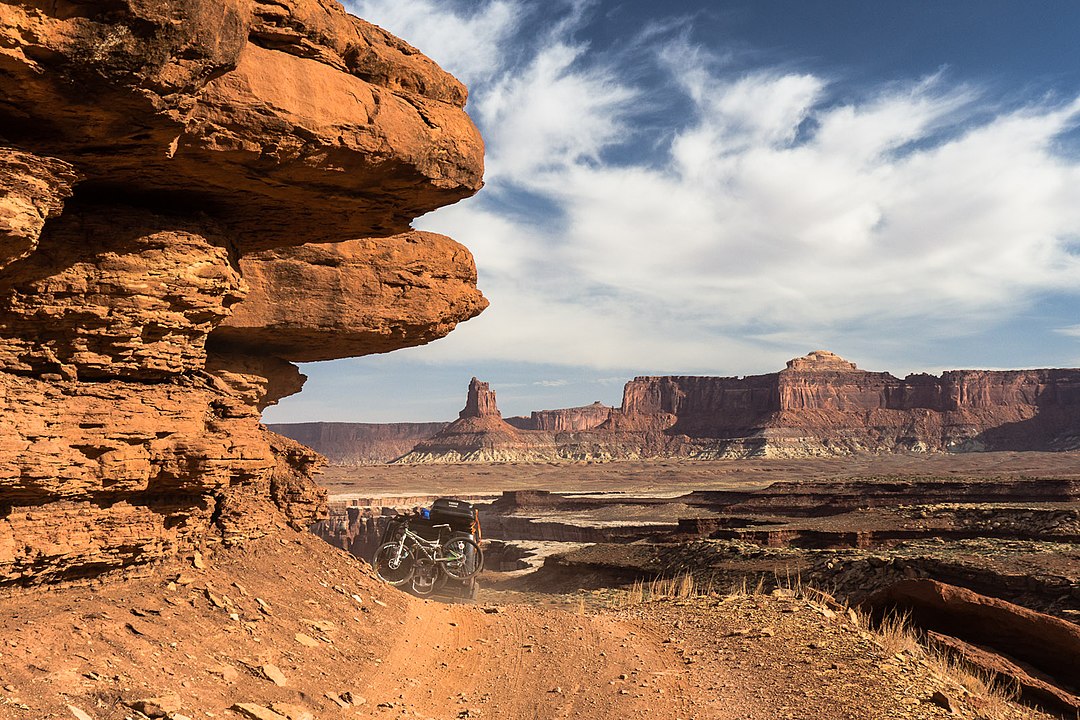
White Rim Road curves along canyon edges and descends into sandy basins where steep drop-offs and rock shelves pose risks for standard vehicles. Sharp turns along narrow ledges require both clearance and controlled maneuvering. Soft sand in lower sections shifts quickly under spinning tires, adding unpredictability to the route. Its dramatic scenery contrasts sharply with the technical drive demanded by the terrain.
El Camino Del Diablo, Arizona
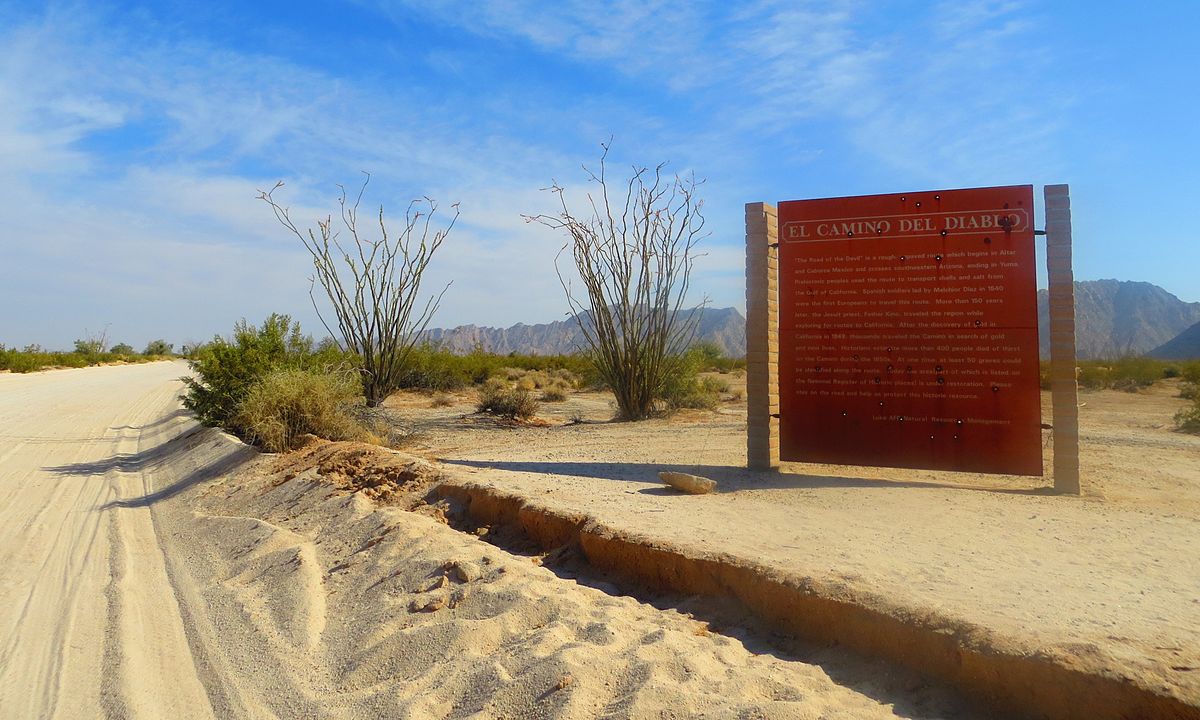
El Camino Del Diablo runs through a remote desert where deep sand, rugged washes, and volcanic rock fields require clearance and dependable traction. Extreme heat and long stretches without nearby support heighten the importance of mechanical reliability. Flash floods reshape soft areas overnight, altering obstacle difficulty from day to day. The route’s isolation highlights the need for sturdy equipment across its vast desert expanse.
Black Bear Pass, Colorado
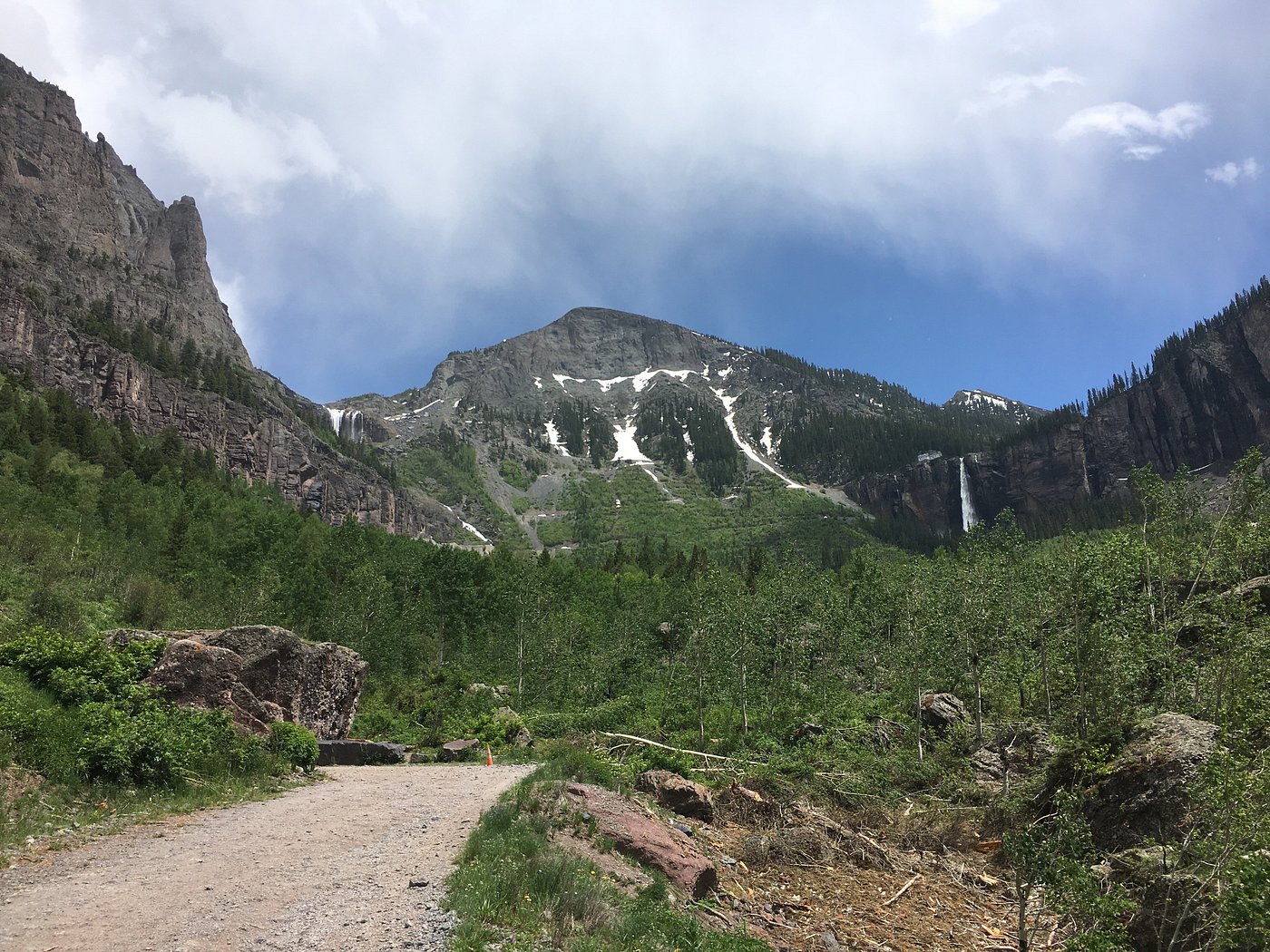
Black Bear Pass descends through some of the most demanding mountain terrain in the Rockies, featuring tight switchbacks and steep drop-offs that leave minimal room for error. Loose rock surfaces and narrow ledges push vehicles to their limits, especially during sudden weather changes. High clearance and low-range gearing are essential for maintaining control. The dramatic descent requires a well-prepared driver and a strong 4×4.
Hell’s Revenge, Utah
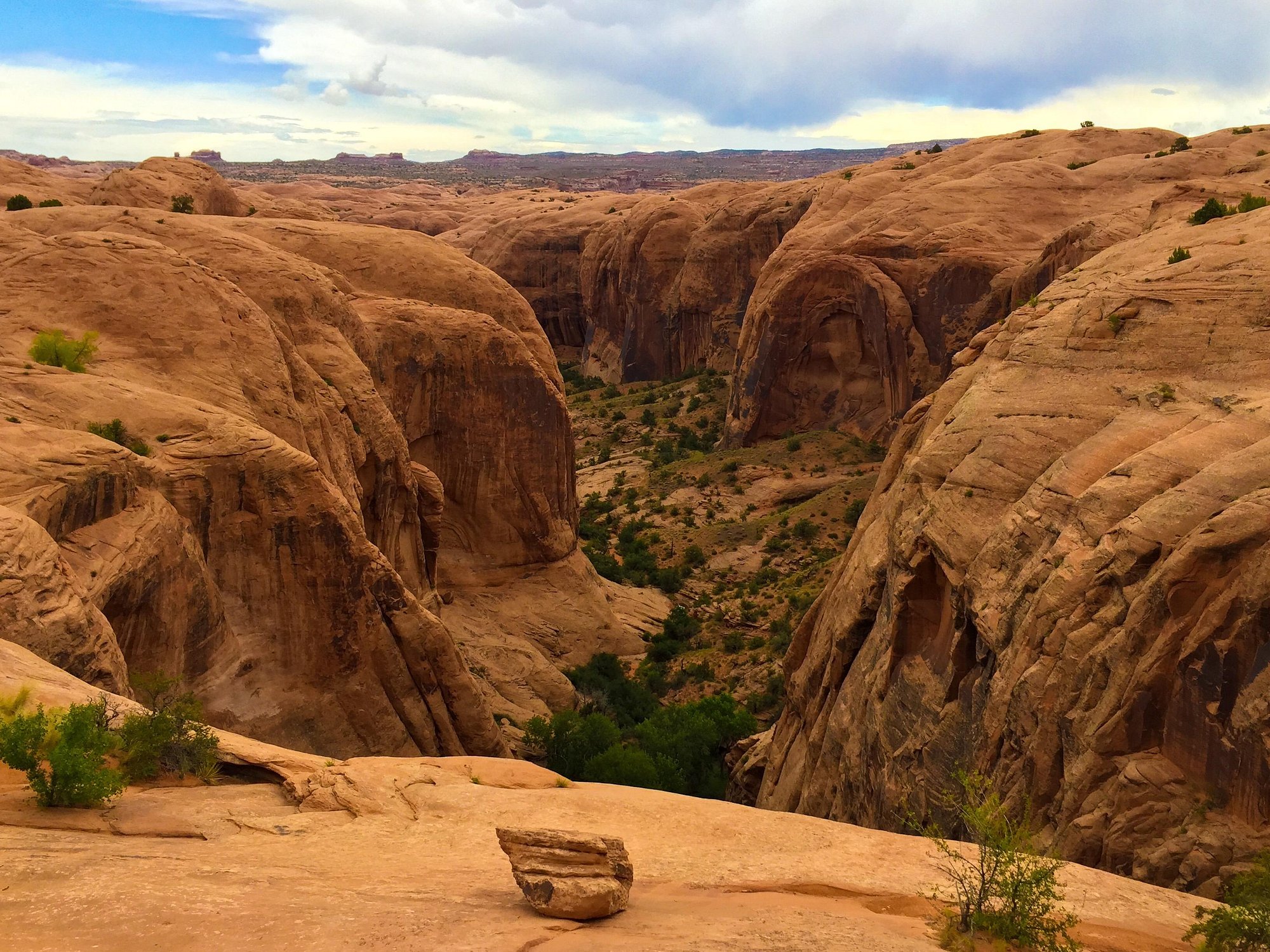
Hell’s Revenge presents steep slickrock climbs, narrow sandstone fins, and technical descents that test ground clearance on nearly every obstacle. Sharp angles require precise tire placement and careful throttle control on exposed features. Hidden sand pockets create unpredictable traction, especially after dry winds or sudden showers. The route’s unique formations make it a visually striking but physically demanding trail for any vehicle.
Titus Canyon Road, Nevada
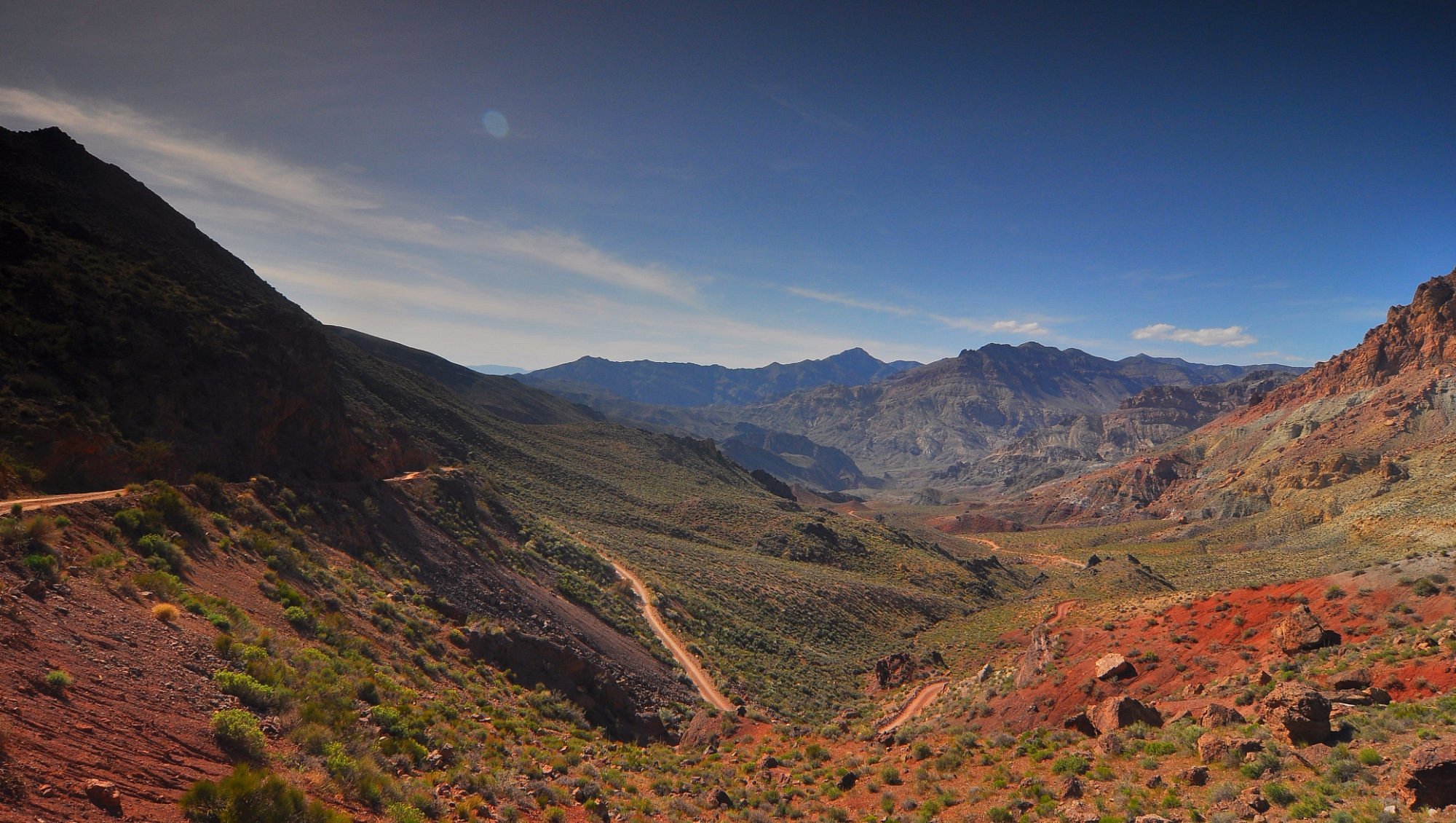
Titus Canyon Road traverses narrow passages and gravel washes where sharp rocks and sudden dips challenge vehicles with limited clearance. The canyon’s tight walls restrict maneuvering, requiring slow, steady driving through blind turns. Flash flood debris can appear without notice, altering the route’s shape from one season to the next. Its combination of geological features and isolation necessitates a capable high-clearance rig.
Imogene Pass, Colorado
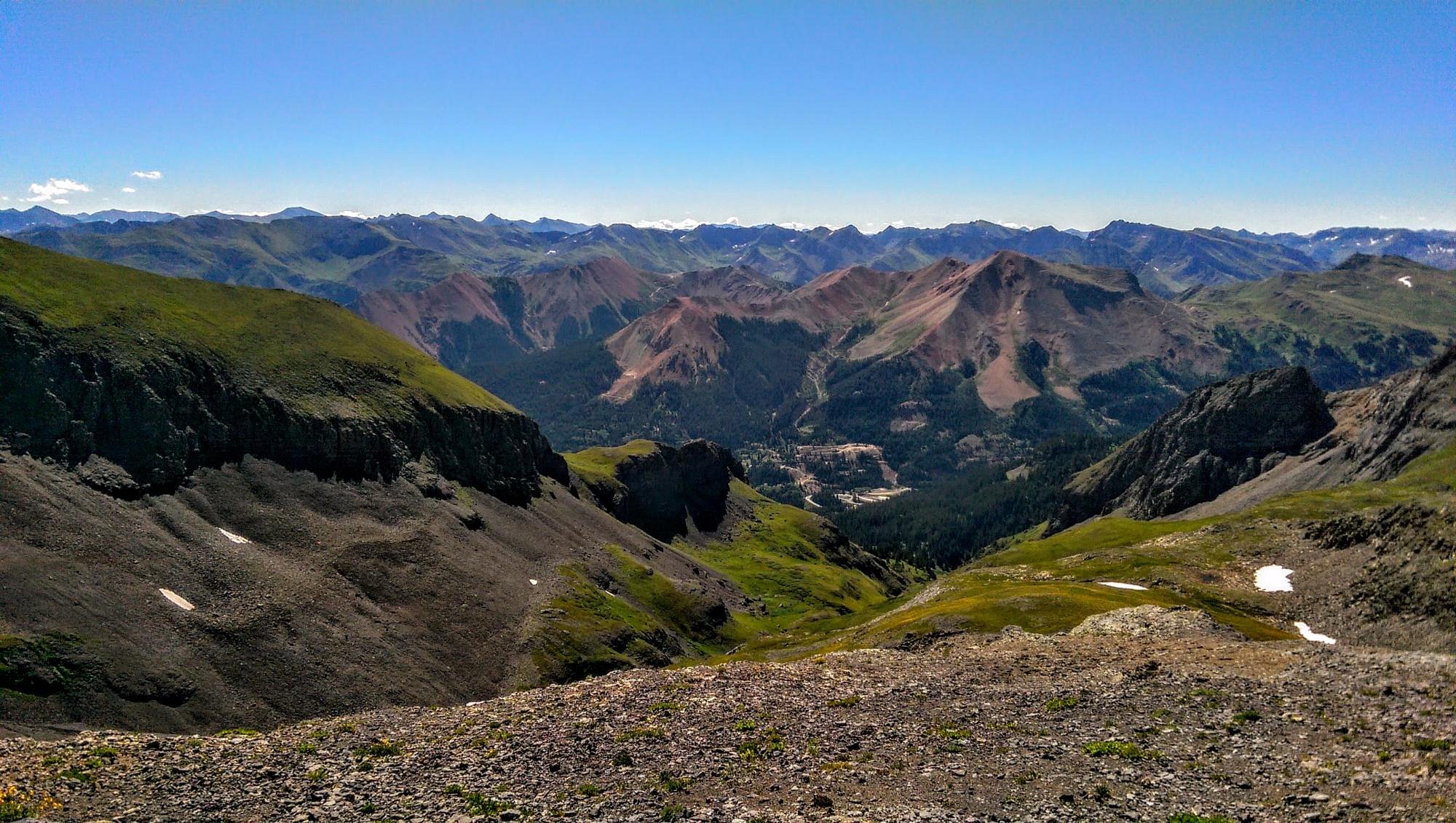
Imogene Pass climbs through high alpine terrain where rocky steps, scree-covered slopes, and steep inclines demand strong articulation and clearance. Weather changes rapidly near the summit, creating muddy or icy conditions even during summer. Water crossings near the base swell during seasonal melt, adding additional complexity. Only well-equipped 4×4 vehicles can manage the elevation and rugged surfaces safely.
Outer Banks Sand Route, North Carolina
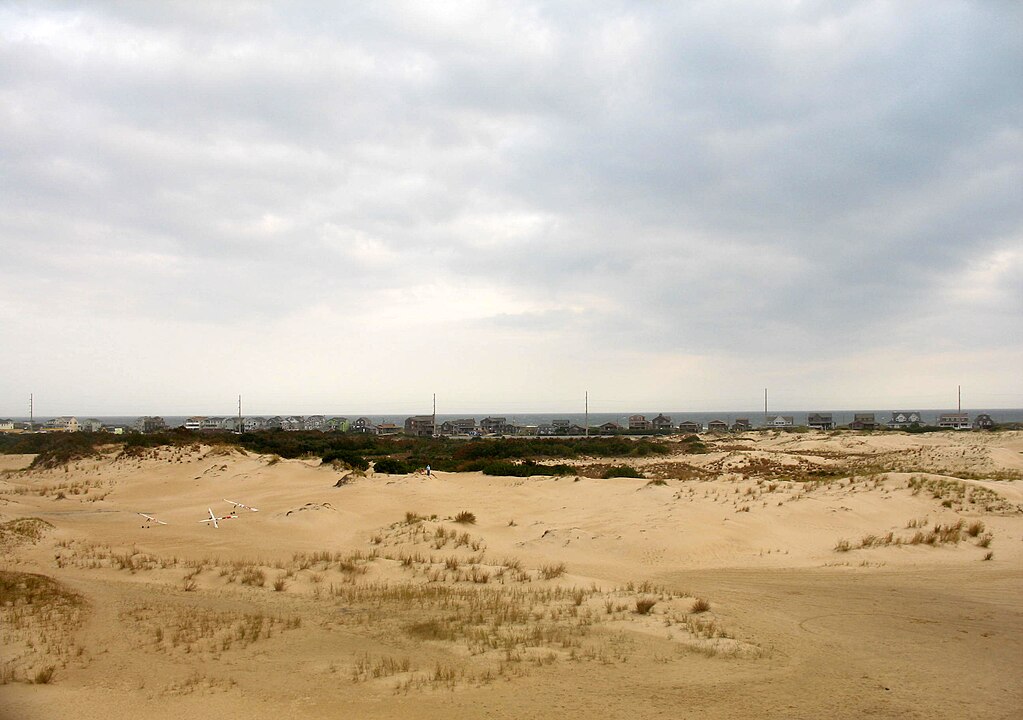
The Outer Banks sand route follows long stretches of soft beach where deep sand frequently traps standard vehicles. Tides, wind, and shifting dunes reshape the terrain throughout the day, requiring high clearance and consistent traction. Airing down tires becomes essential for movement across loose sections. The coastline’s natural beauty contrasts with the constant need to monitor changing surface conditions.
Dusy-Ershim Trail, California
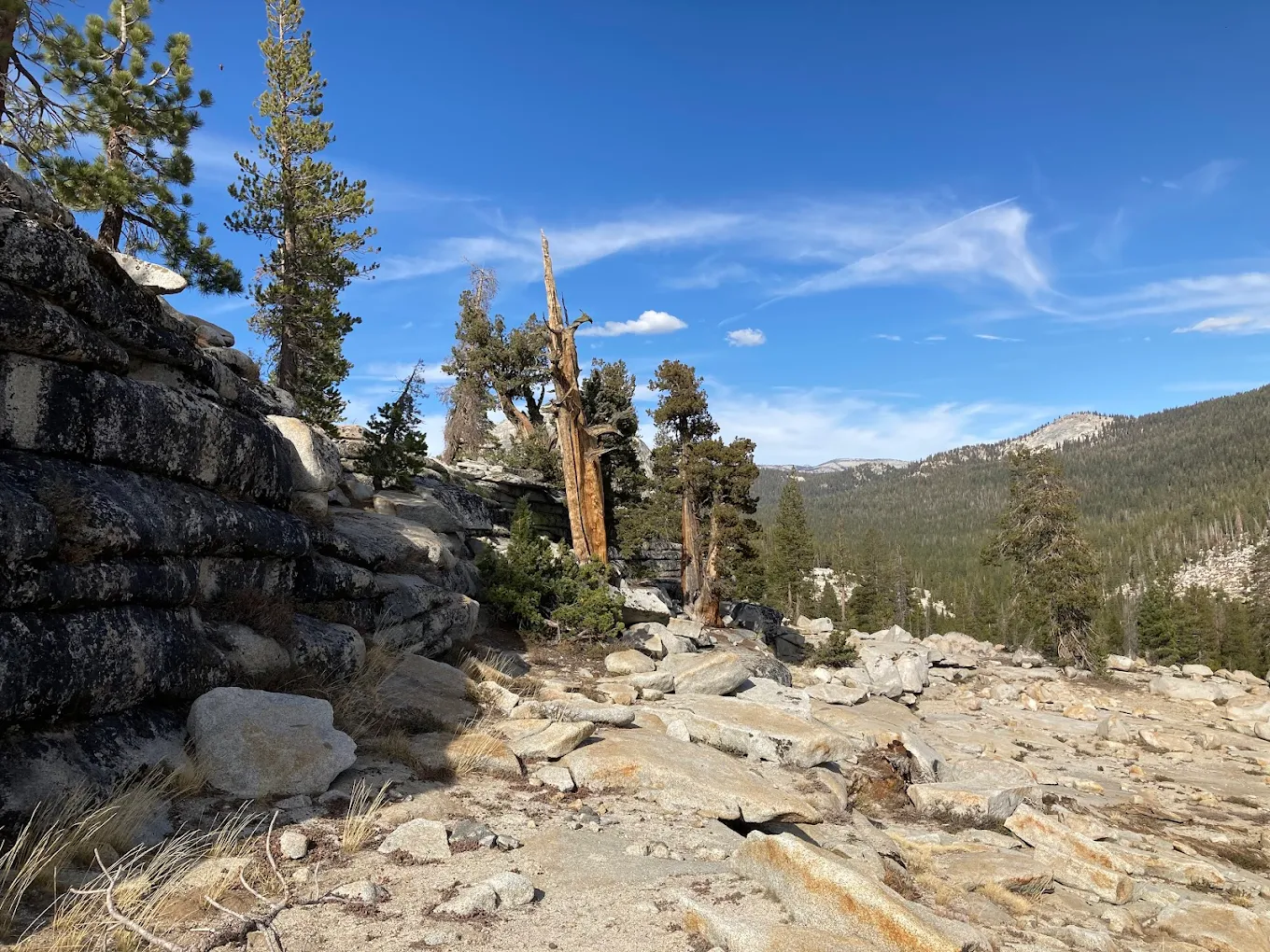
The Dusy-Ershim Trail challenges drivers with long boulder fields, narrow forest corridors, and granite ledges that demand strong suspension and underbody protection. Obstacles vary widely in difficulty, with some requiring slow, technical maneuvering around large rock formations. The remote location increases reliance on durable equipment and thoughtful planning. The trail’s rugged route rewards capable vehicles with access to pristine mountain scenery.
Valley Of The Gods Road, Utah
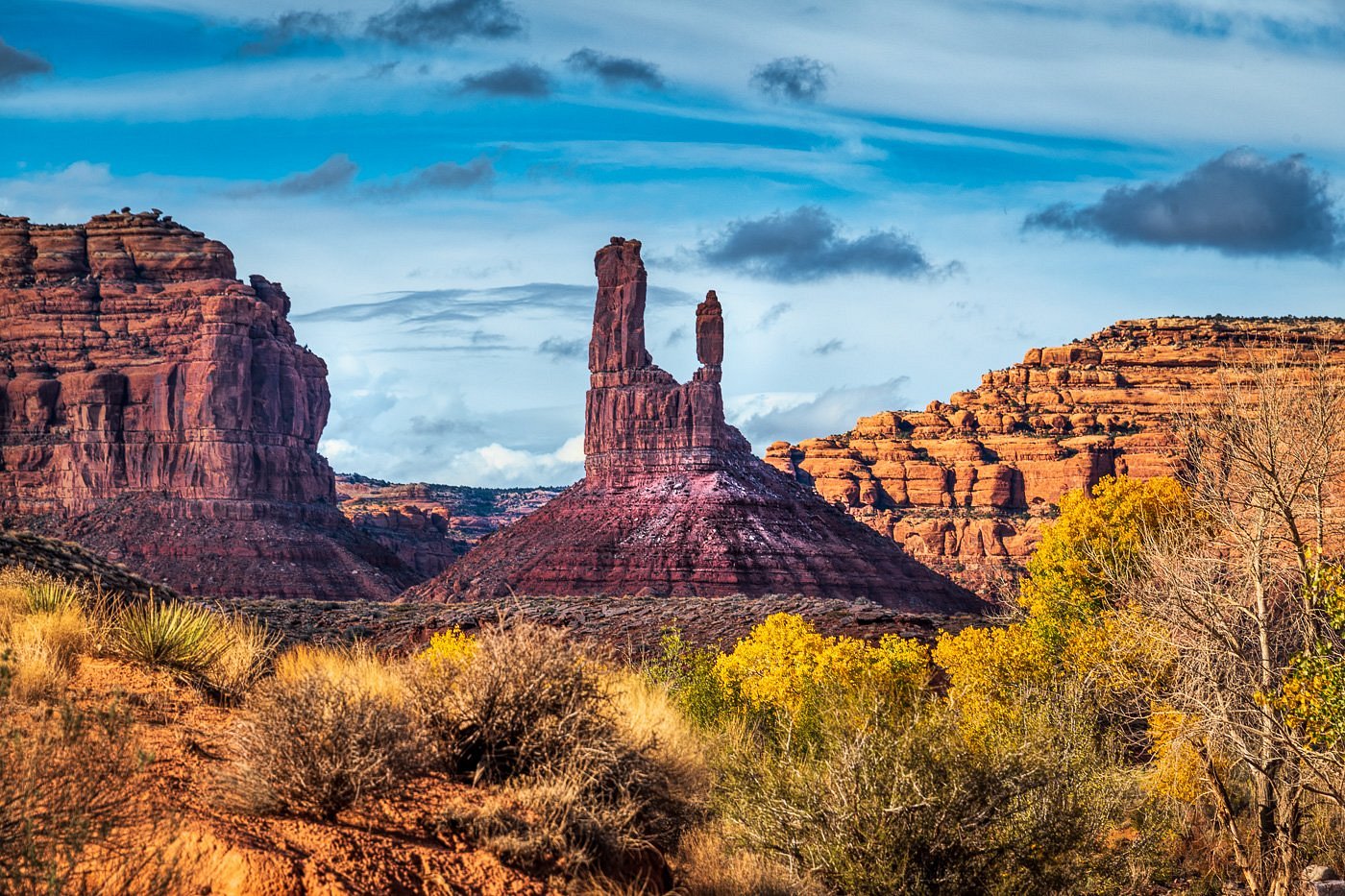
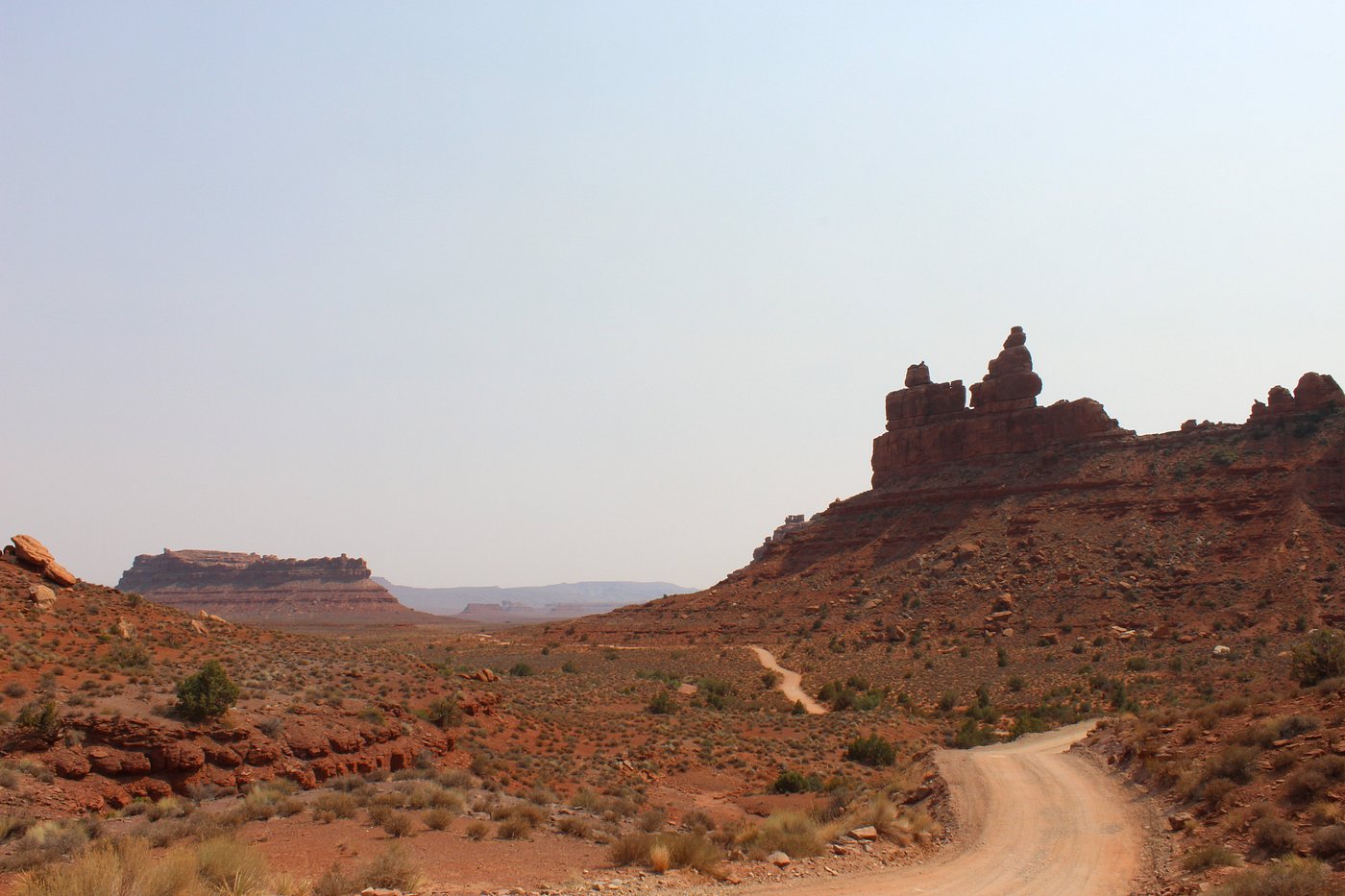
Valley of the Gods Road winds through towering sandstone formations and clay-based surfaces that shift dramatically during storms. Washouts, embedded rocks, and uneven ruts create hazards for vehicles without sufficient clearance. Clay becomes slick when wet, complicating traction across otherwise manageable sections. The route’s isolated desert landscape requires a dependable 4×4 to navigate its changing and often unpredictable terrain.