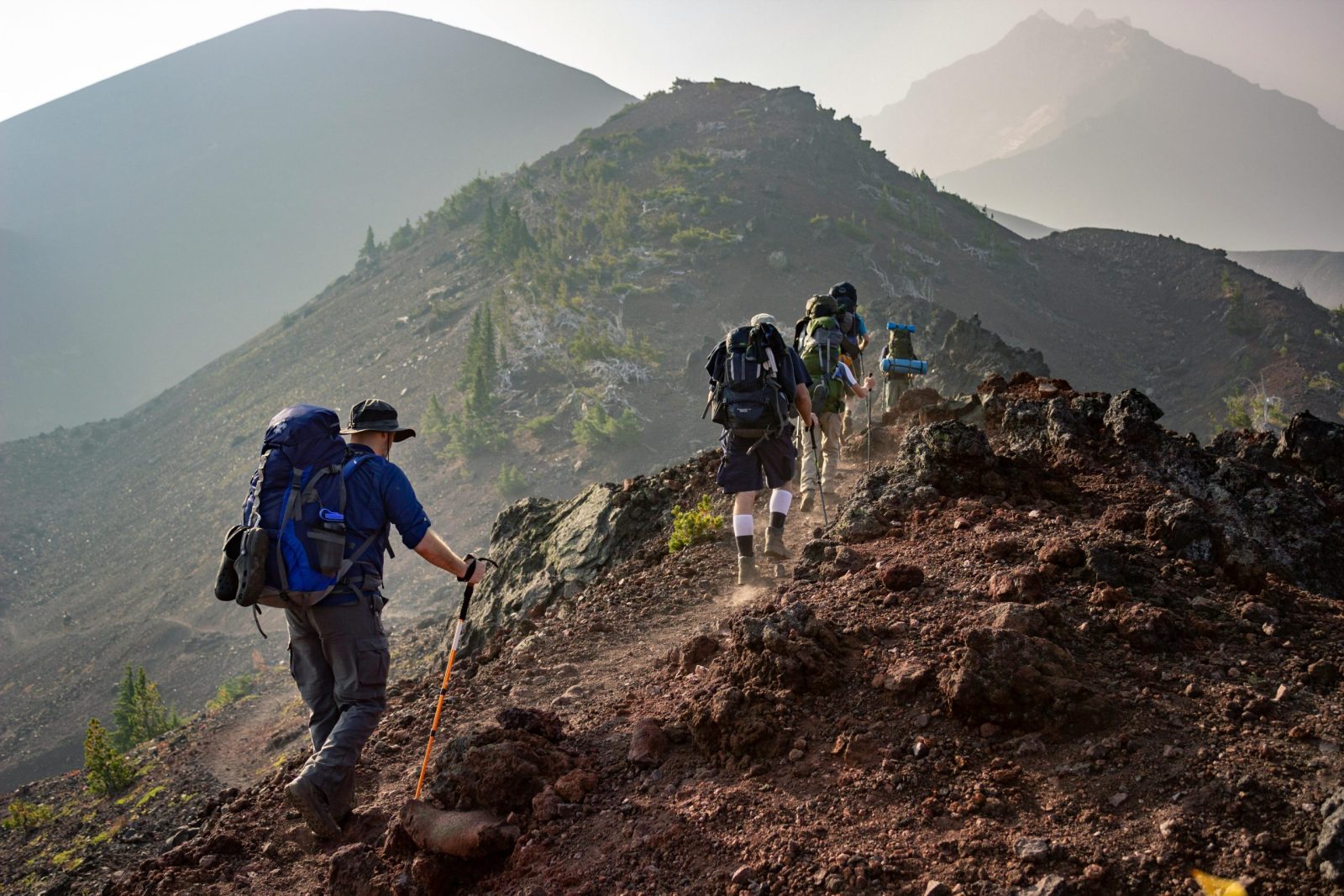
Hiking across the diverse landscapes of America offers breathtaking scenery but certain trails present life-threatening hazards to even the most experienced adventurers. Many outdoor enthusiasts underestimate the power of nature and the technical demands of specific high stakes routes found in our national parks. These locations require advanced skills and specialized equipment as well as a deep respect for the volatile environment. Navigating these perilous paths can lead to tragic results if hikers make even a single minor mistake or encounter sudden bad weather. This guide highlights the twelve most dangerous trails that demand total preparation across the country today.
Angel’s Landing, Zion National Park
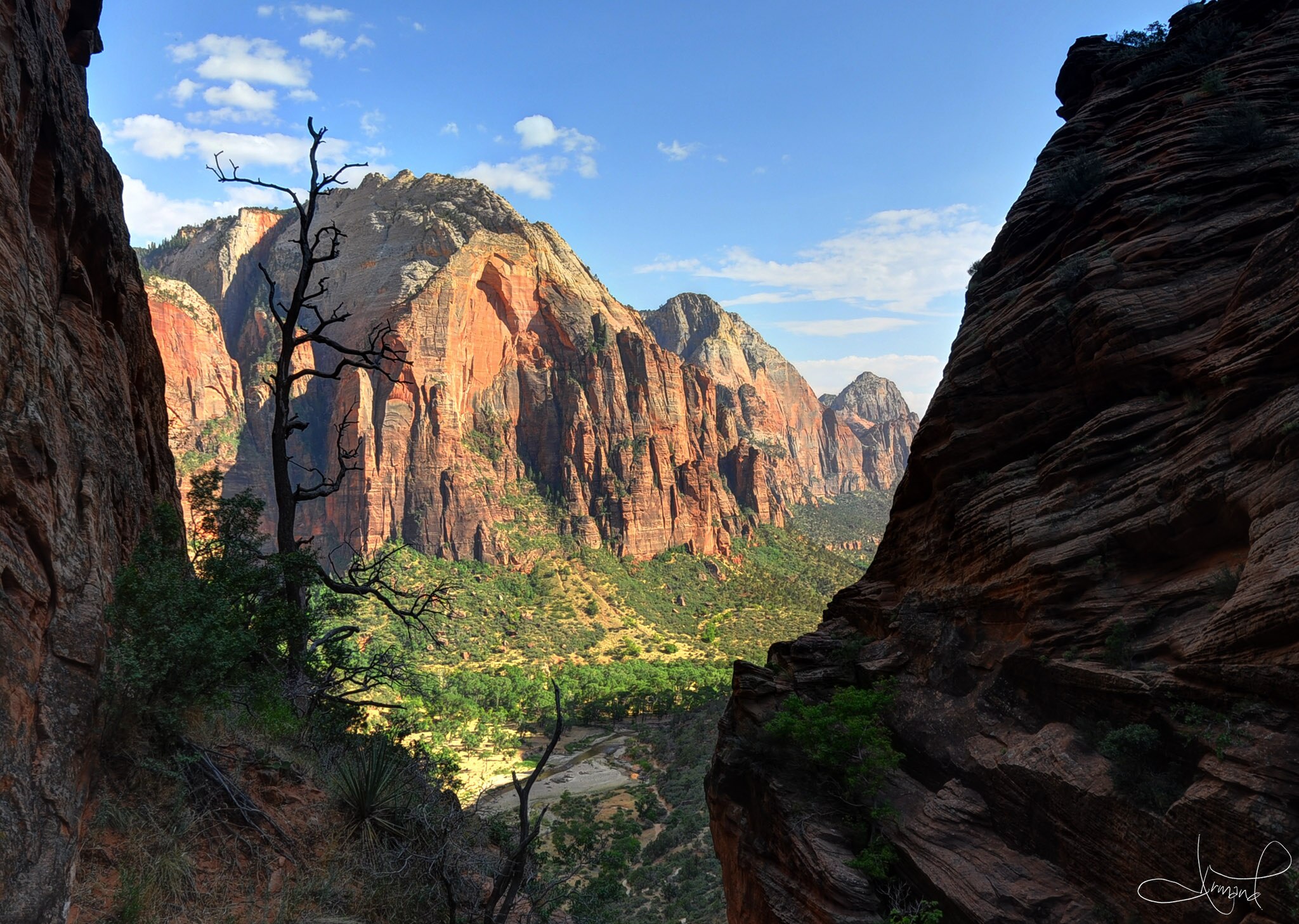
Angel’s Landing in Zion National Park is famous for its dizzying heights and narrow sandstone ridges that offer no room for any error. Hikers must navigate a steep trail where drop-offs of over one thousand feet exist on both sides of the final path. While metal chains provide some security during the final ascent the human traffic jams and vertigo-inducing views create a very high stress environment. More than eighteen people have tragically fallen to their deaths here since the late nineties despite the recent permit system. This iconic hike remains one of the most perilous trails in America today.
Kalalau Trail, Kauai, Hawaii
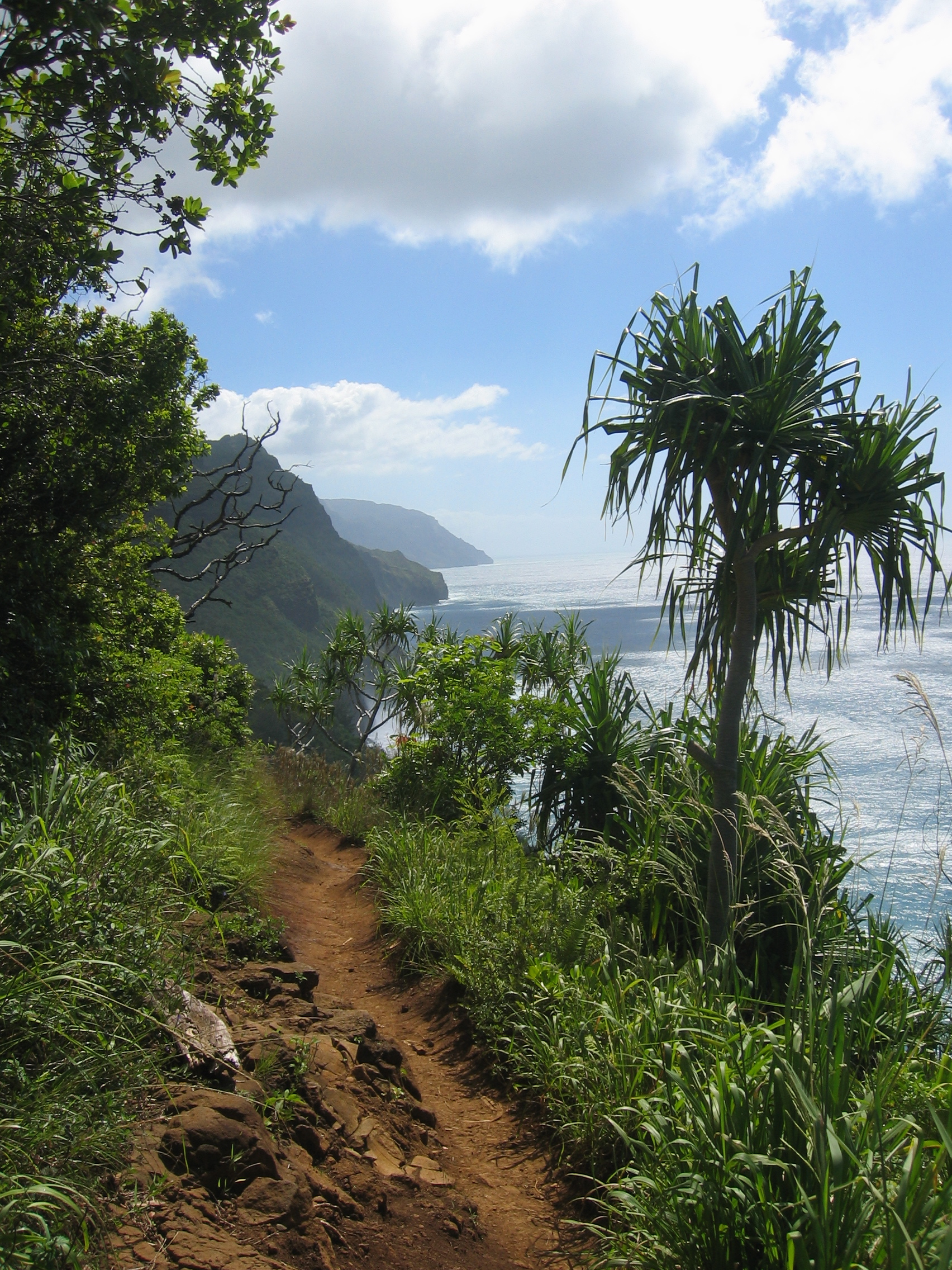
The Kalalau Trail along the Na Pali Coast of Hawaii pairs stunning ocean views with terrifying exposure on narrow and crumbly volcanic ledges. Hikers must traverse steep cliffs where a single slip can result in a fall of hundreds of feet into the sea below. Rapid rainfall frequently turns the clay soil into a slick mud that makes footing extremely unstable and dangerous for everyone. Flash floods also trap visitors at stream crossings without any warning during the tropical rainy season on the island. The remote nature of the coast makes rescue operations incredibly difficult and very slow always.
Half Dome, Yosemite National Park
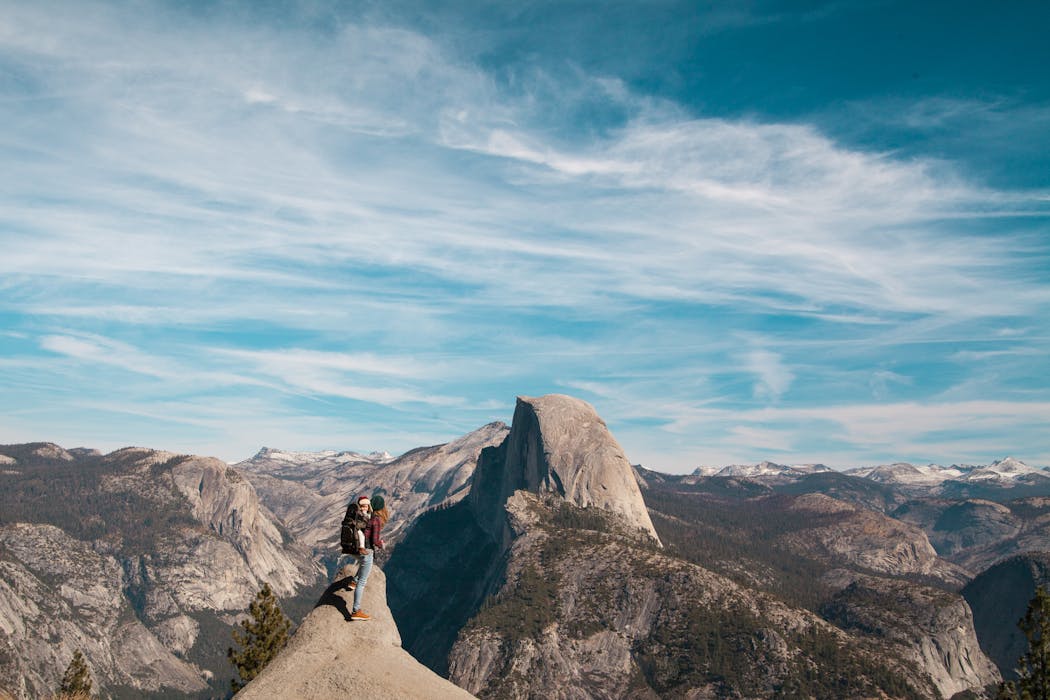
Half Dome in Yosemite National Park presents a formidable challenge that culminates in the infamous steel cables section on sheer granite rock. Thousands of visitors attempt this grueling sixteen mile round trip every year without being physically prepared for the final vertical climb. Rainfall can turn the smooth stone into a dangerously slick surface where maintaining a secure grip becomes nearly impossible for any hiker. Lightning strikes also pose a significant threat because the exposed summit offers no protection from sudden afternoon storms in California. These hazards have resulted in dozens of fatalities over the many decades of use.
Mount Washington, New Hampshire
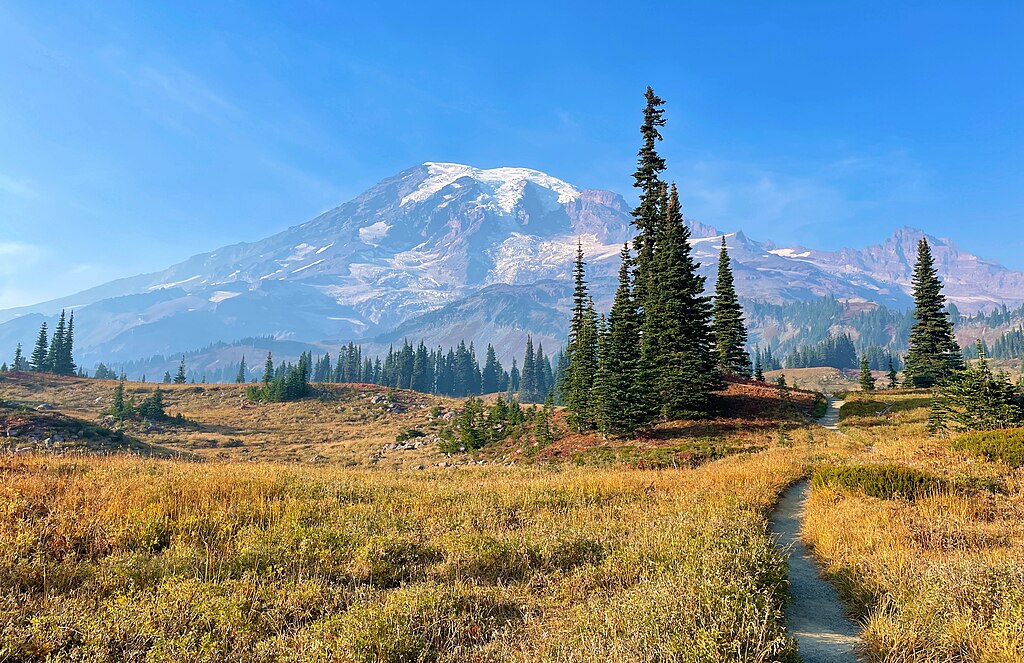
Mount Washington in New Hampshire is notorious for having the worst weather in the world with wind speeds that can exceed two hundred miles per hour. This peak stands at only sixty two hundred feet but its unique geography creates volatile conditions that change in an instant. Hikers often experience freezing temperatures and blinding fog even during the middle of the summer months. More than one hundred and sixty fatalities have occurred on its slopes due to hypothermia and falls in treacherous terrain. The Presidential Range is a place where nature displays absolute power and demands total survival.
Bright Angel Trail, Grand Canyon
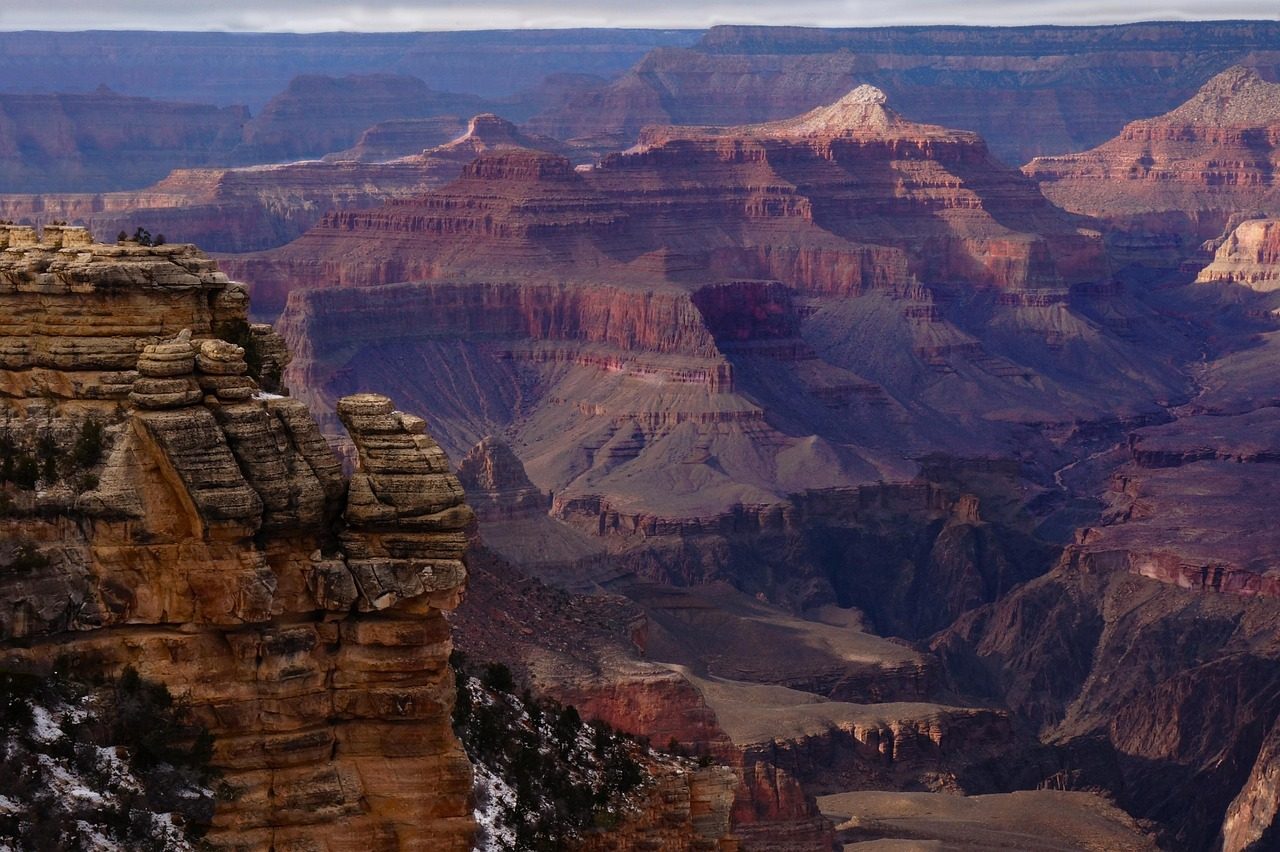
Bright Angel Trail in the Grand Canyon seems deceptively easy during the descent but the return trip is often deadly for many hikers. Extreme summer heat trapped within the canyon walls regularly exceeds one hundred and ten degrees which causes hundreds of medical emergencies every year. Dehydration and heat exhaustion occur quickly as people underestimate the physical effort required to climb back to the South Rim. Many travelers suffer from hyponatremia after drinking too much water without replacing essential salts and electrolytes. This trail serves as a major rescue trap for those who are not prepared for the journey today.
Capitol Peak, Colorado
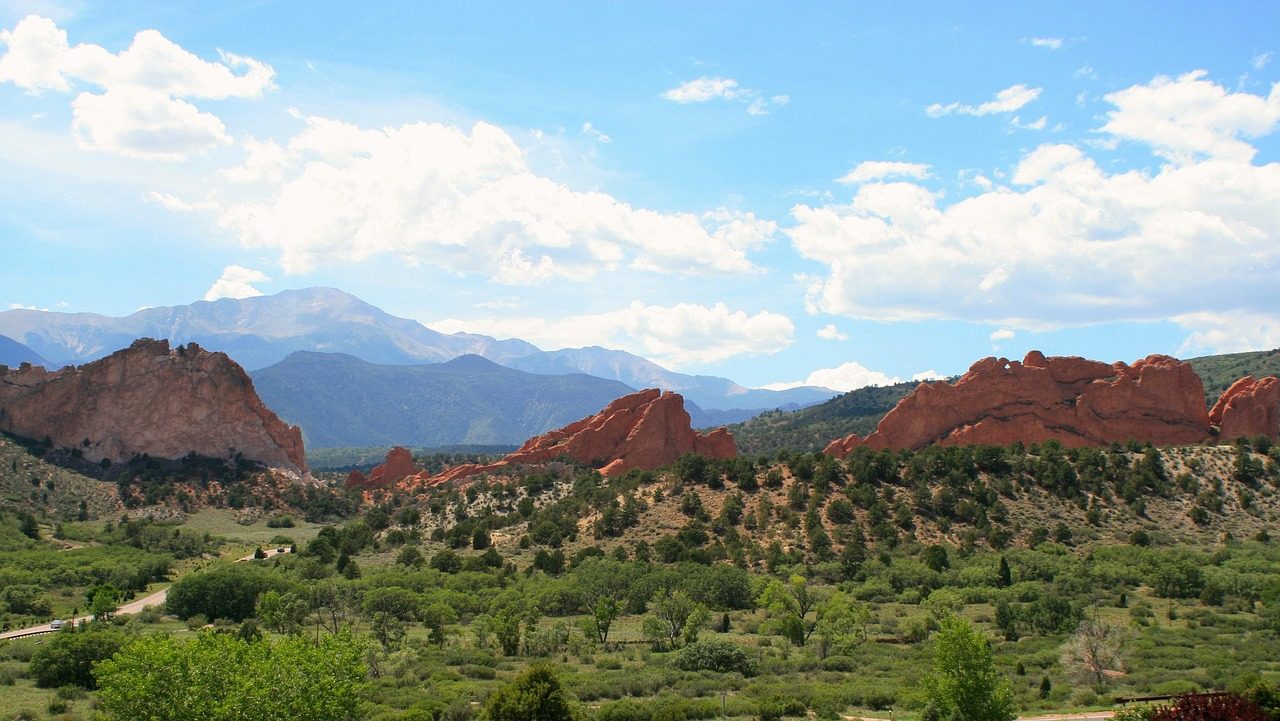
Capitol Peak in Colorado is home to the infamous Knife Edge where climbers must shuffle across a sharp and exposed granite ridge. This technical section features massive drop-offs of over one thousand feet on both sides which test the nerves of even experienced mountaineers. Sudden afternoon thunderstorms bring the threat of lightning and hail that can make the high altitude rock dangerously slippery within seconds. Colorado leads the nation in lightning fatalities and this peak is a hotbed for electrical activity during the summer months. Navigating this terrain requires specialized gear and a significant amount of mental focus.
The Maze, Canyonlands National Park
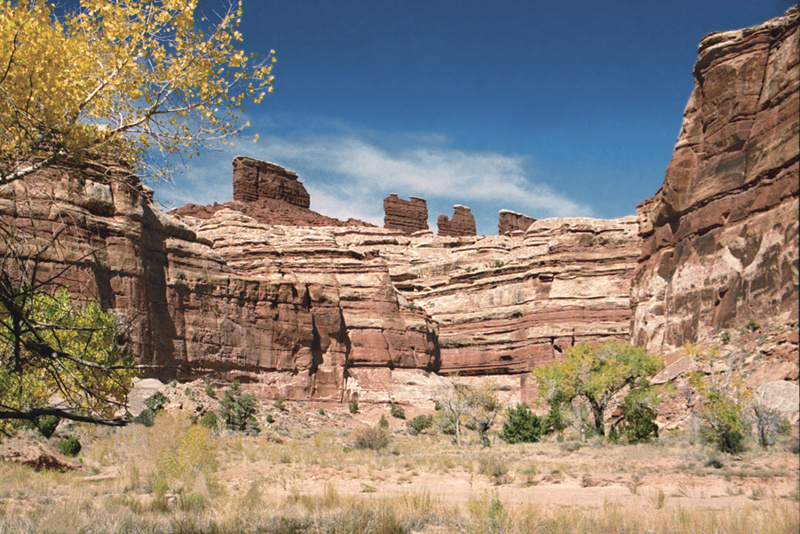
The Maze in Canyonlands National Park is a remote labyrinth of deep sandstone canyons that tests the navigation skills of even advanced explorers. This wilderness area offers no marked trails and requires visitors to be completely self sufficient for several days at a time. Temperatures in the Utah desert frequently reach over one hundred degrees while water sources remain extremely scarce and difficult to find. Rescues are exceptionally complicated due to the rugged terrain and the long distances from any paved roads or services. It is a place where isolation and the unforgiving heat create a survival scenario.
Muir Snowfield, Mount Rainier
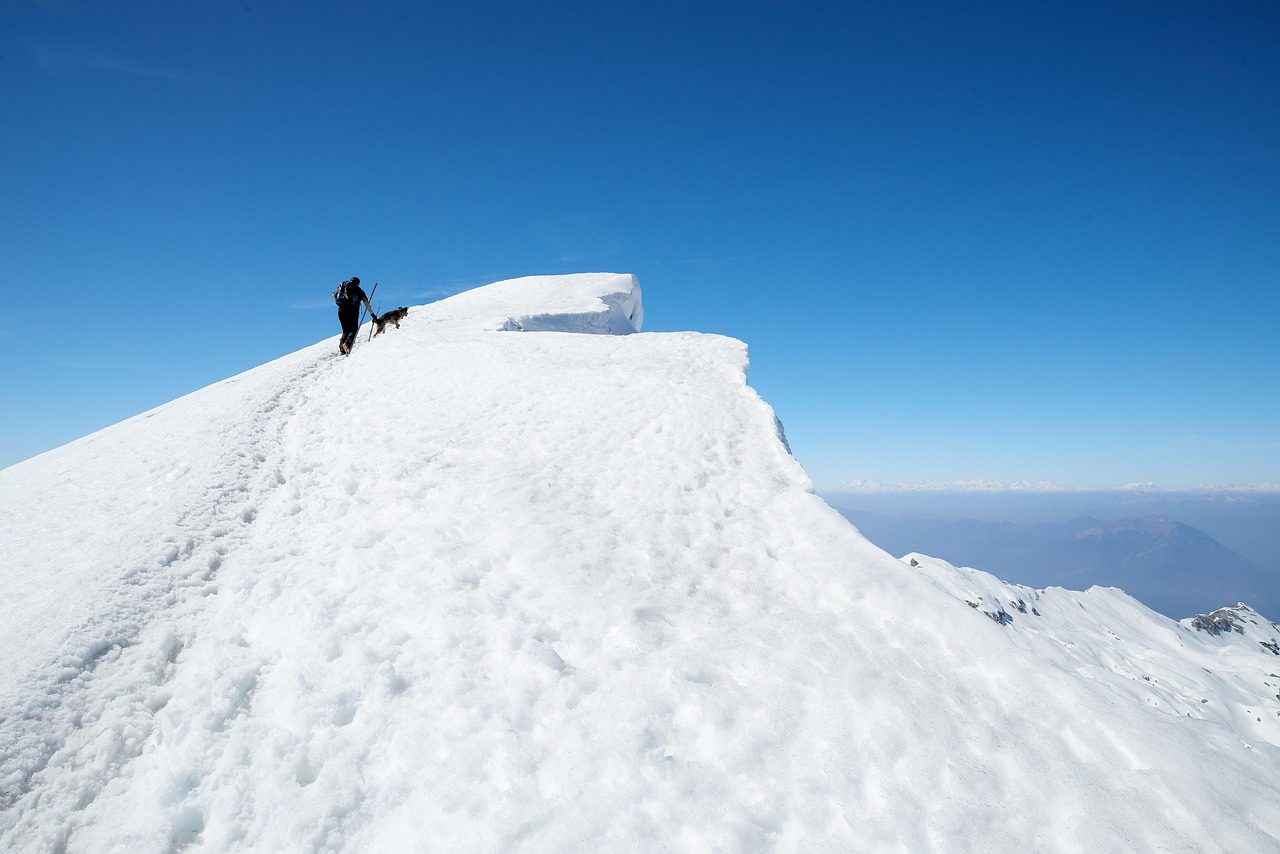
Muir Snowfield on Mount Rainier in Washington state is a high altitude environment where weather conditions change with startling speed every day. Hikers often venture onto the snow toward Camp Muir without recognizing the dangers of sudden whiteouts and hidden glacial crevasses nearby. Disorientation in the heavy fog has led many people to wander off course and into treacherous terrain where survival becomes nearly impossible. The bitter cold and intense wind can cause hypothermia even during the summer when the lower trails seem warm. More than ninety fatalities have occurred on this mountain making it very deadly.
Devil’s Path, Catskill Mountains
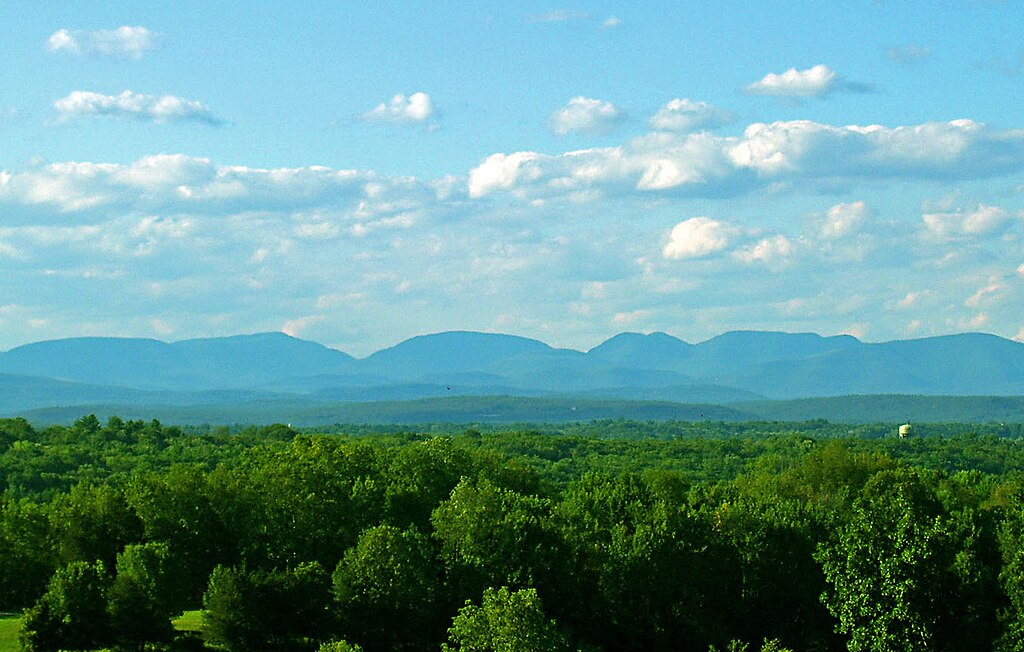
Devil’s Path in the Catskill Mountains is widely considered the most difficult and dangerous hiking trail in the entire northeastern United States. This rugged path features six major peaks with steep rocky scrambles and vertical sections that require hands and feet for balance. Hikers face continuous elevation changes that drain physical energy quickly while creating numerous opportunities for serious slips and falls. The trail is often wet and slippery due to frequent rainfall which makes the jagged rock formations even more hazardous for travelers. Completing this grueling traverse requires exceptional stamina and a high level of technical hiking skill.
Huckleberry Trail, Glacier National Park
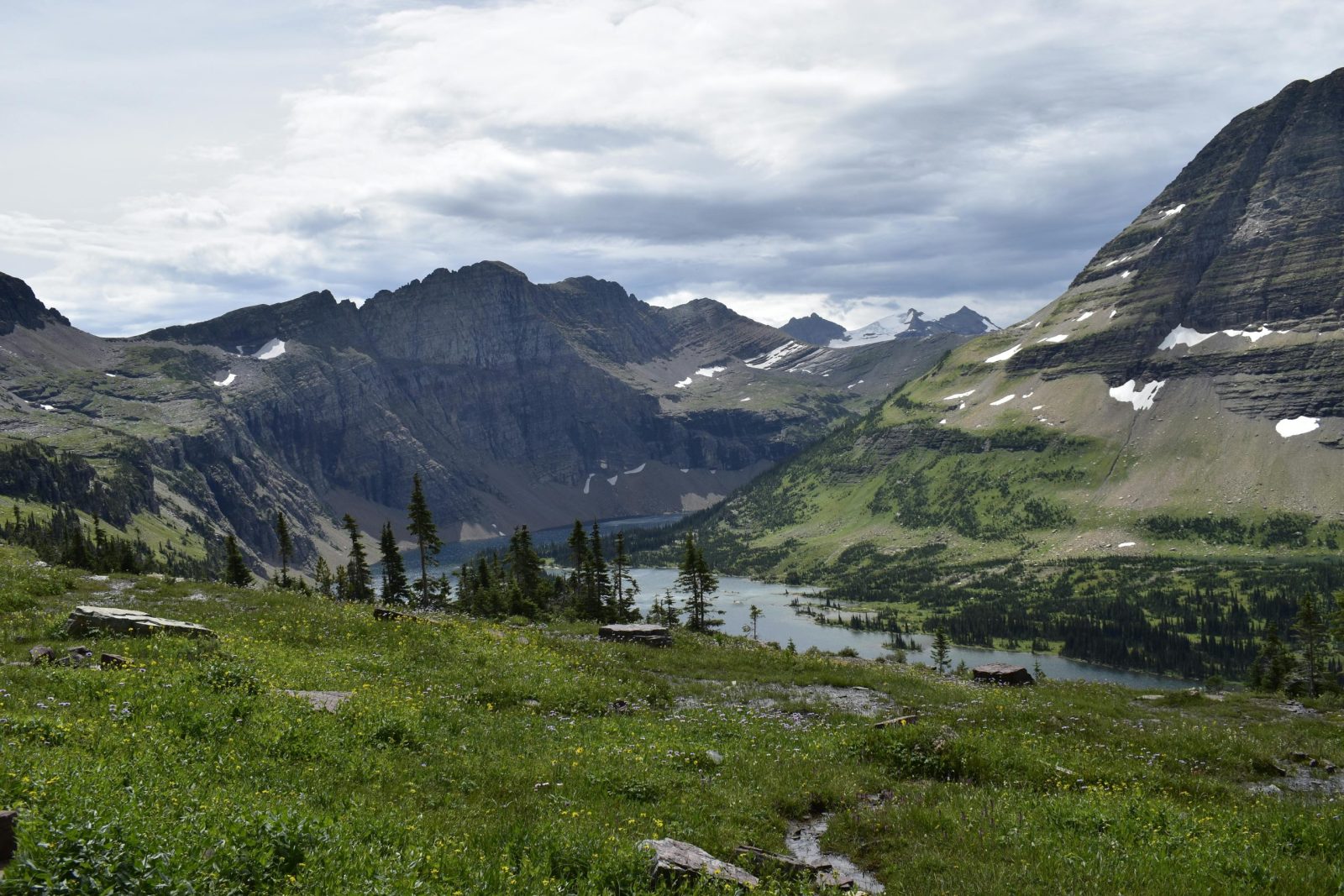
Huckleberry Trail in Glacier National Park is a beautiful destination that holds the highest grizzly bear population density in the entire country. This trail passes through dense berry patches that serve as primary feeding grounds for these massive predators during the late summer months. Hikers often inadvertently surprise bears in the thick brush which can lead to aggressive and life-threatening encounters on the path. Carrying bear spray and making constant noise are essential safety requirements for anyone who chooses to explore this remote wilderness area. The risk of animal attacks makes this a spot that demands respect always and forever.
Precipice Trail, Acadia National Park
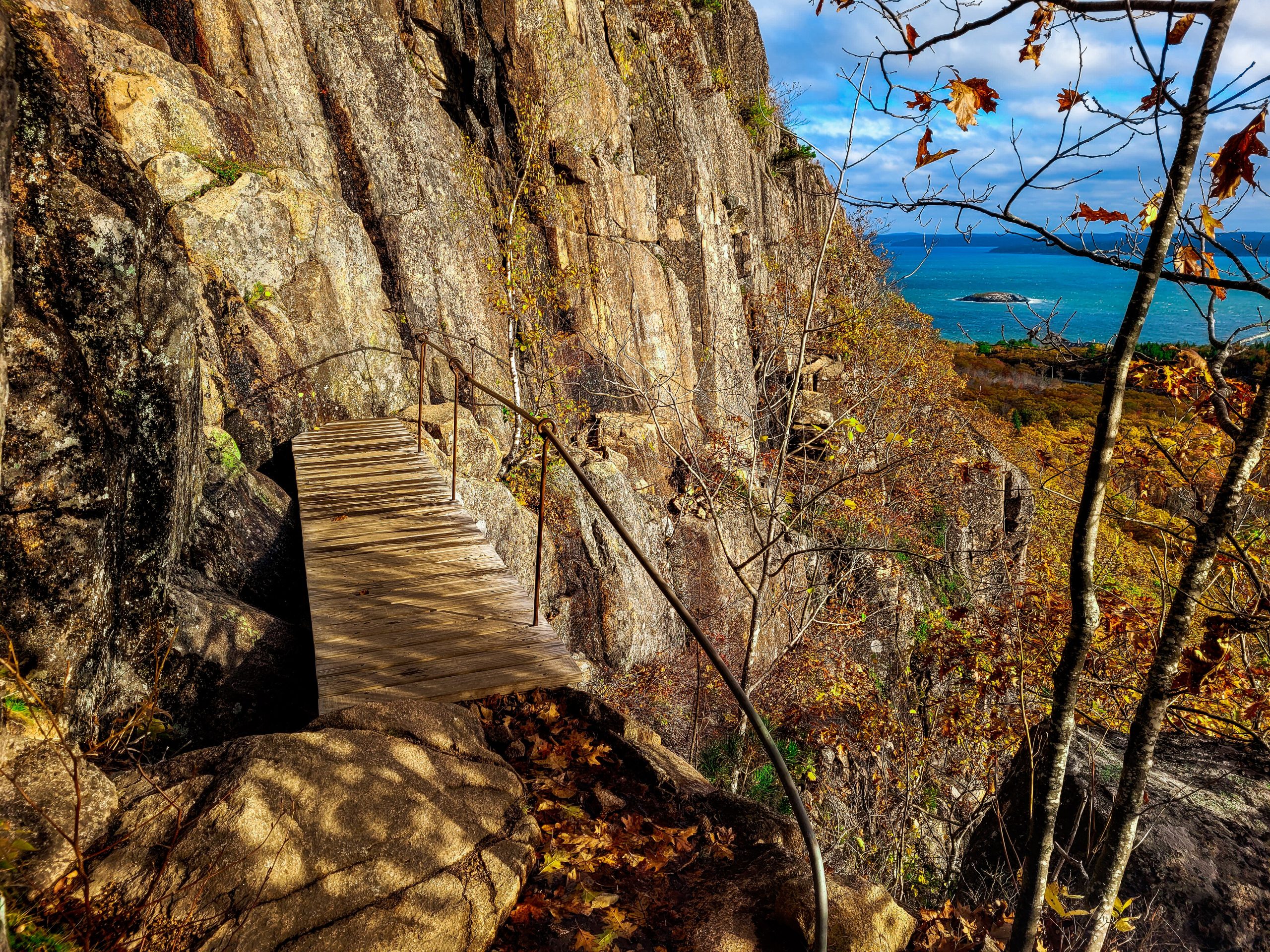
The Precipice Trail in Acadia National Park offers a short but brutal climb featuring iron ladder rungs punched into a granite cliff. Hikers must scale vertical sections with minimal iron railings that provide little protection from a potential fall. This trail is notorious for human traffic jams that turn a daring scramble into a dangerous bottleneck high above the ground. While fatalities are rare the number of helicopter rescues and emergency extractions increases every year as crowds grow larger. Lightning and rain also make the granite incredibly slick and hazardous for those who are not physically prepared for this trek.
Mist Trail, Yosemite National Park
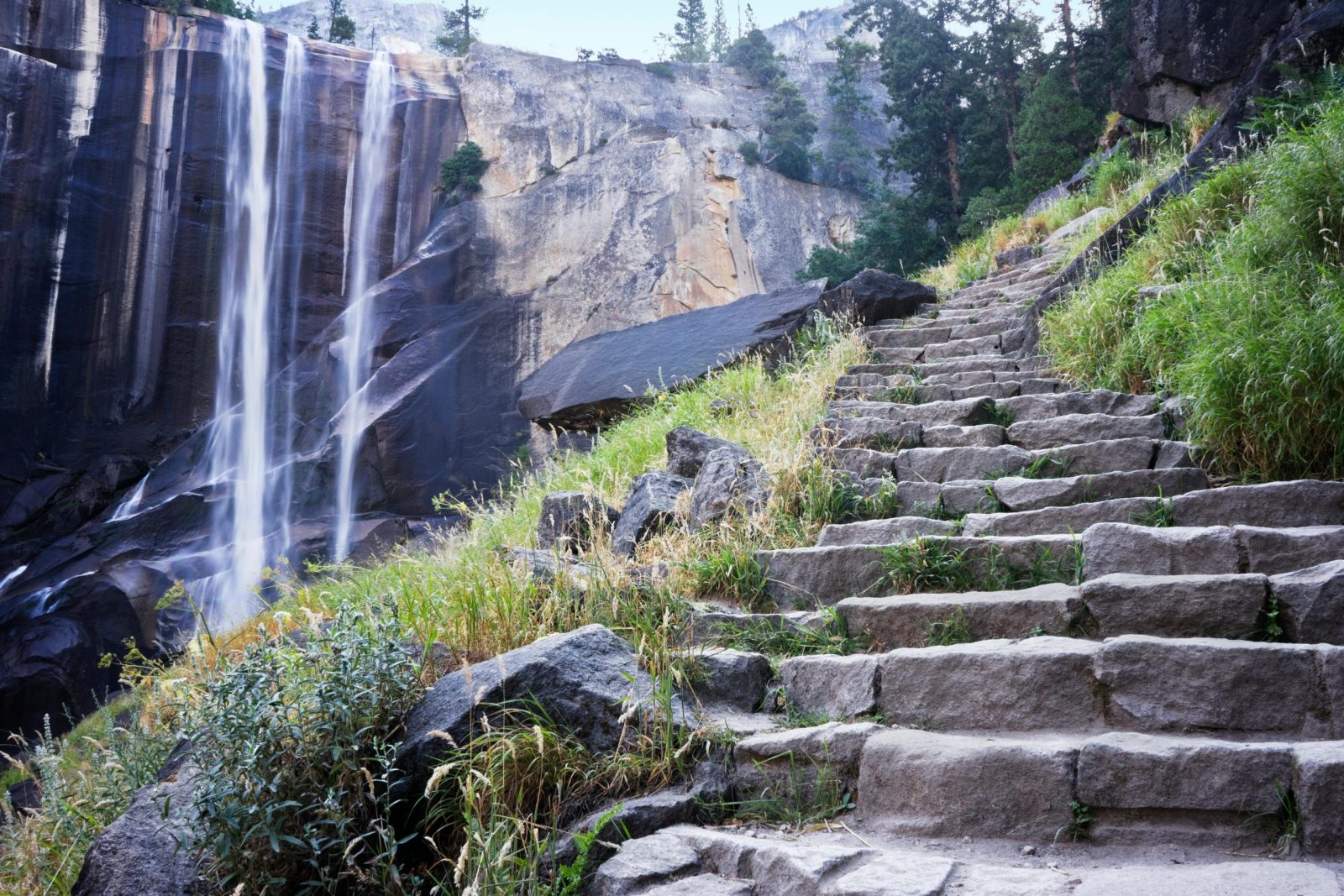
The Mist Trail in Yosemite National Park features a steep stone staircase that remains perpetually wet from the spray of powerful waterfalls. Thousands of tourists climb these slippery steps every day without wearing proper footwear or understanding the risk of falling into the churning river. The sheer volume of water during the spring runoff creates a hazardous environment where a single slip can lead to a tragic outcome. Many people ignore safety barriers and climb over railings to get a better photo which often results in certain death. This beautiful trail is a deceptive trap for the unwary and unprepared.