A sleeping bag is designed to trap body heat, but many campers unknowingly reduce its effectiveness through small but critical mistakes. Even a high-quality sleeping bag can feel cold if it is used incorrectly or paired with poor campsite habits. Cold nights are often blamed on gear failure when the real problem is technique, moisture control, or setup. Understanding how insulation works and what interferes with heat retention can greatly improve comfort. The following mistakes explain why sleeping bags lose warmth and how simple changes can dramatically improve cold-weather sleep.
1. Sleeping Directly on Cold Ground Without a Pad
One of the most damaging mistakes is sleeping without insulation beneath the sleeping bag. When body weight compresses the bag against the ground, the insulation underneath becomes nearly useless. Cold earth pulls heat away through direct contact, causing rapid heat loss. Even a sleeping bag rated for cold temperatures will feel ineffective without a proper sleeping pad. Foam or inflatable pads create a critical thermal barrier that prevents heat from draining into the ground. This mistake often explains cold nights more than the sleeping bag itself, especially in early spring or fall conditions.
2. Trusting Temperature Ratings Without a Safety Margin
Sleeping bag temperature ratings are often misunderstood. Many ratings represent survival limits rather than comfort levels. A bag rated for 20 degrees does not guarantee warmth at that temperature for every sleeper. Factors like wind, humidity, fatigue, and metabolism all affect how warm you feel. Cold sleepers may feel chilled well above the listed rating. Choosing a bag that matches the forecast exactly leaves no margin for error. Selecting a bag rated at least 10 degrees colder than expected conditions provides a safer and more comfortable buffer.
3. Wearing Too Many Tight Clothes Inside the Bag
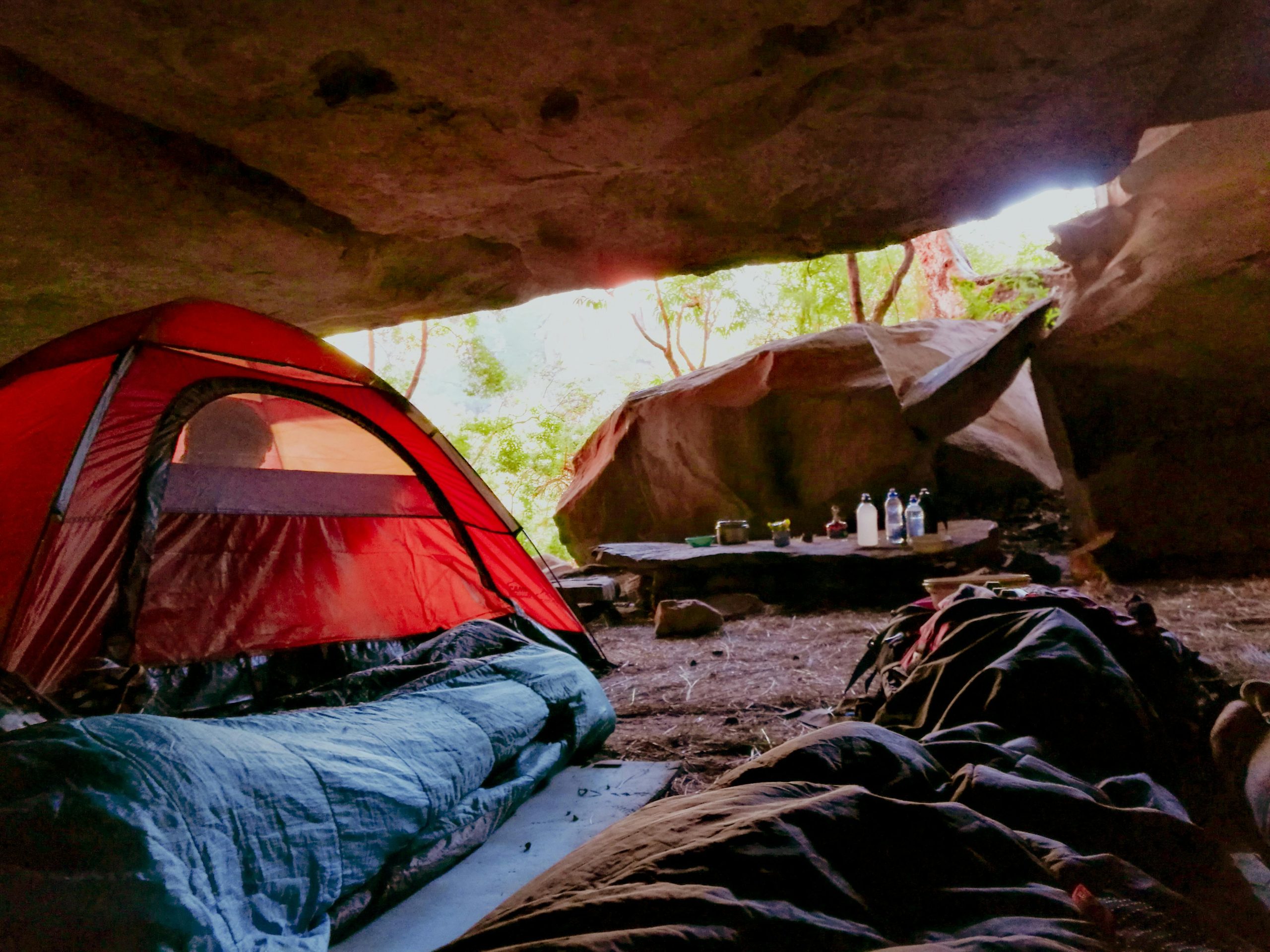
Wearing excessive or tight clothing inside a sleeping bag can actually reduce warmth. Tight layers restrict blood circulation, making it harder for your body to produce and distribute heat. Bulky clothing also prevents the sleeping bag from trapping warm air efficiently. The goal is to allow the insulation to create an even pocket of warm air around your body. Loose, dry base layers work far better than thick or restrictive outfits. Many people feel colder simply because they overdressed in the bag.
4. Allowing Moisture to Build Up Overnight
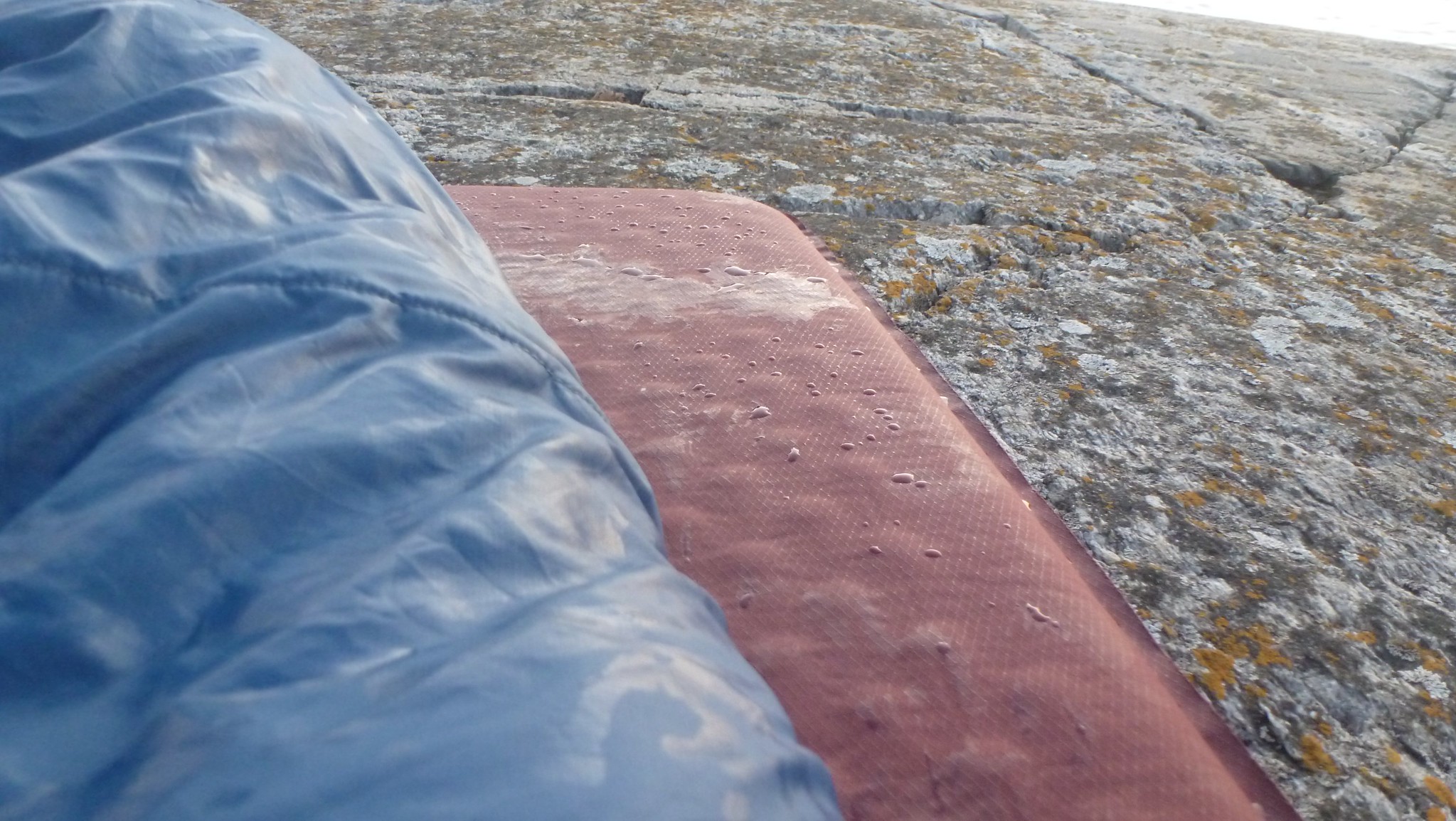
Moisture is one of the fastest ways to destroy sleeping bag warmth. Sweat, damp clothing, wet hair, or condensation introduce moisture that collapses insulation and increases heat loss. Down insulation is especially sensitive, but synthetic materials also lose efficiency when damp. Even small amounts of moisture can noticeably reduce warmth overnight. Changing into dry clothes before bed and ventilating the bag when possible helps preserve insulation. Moisture management is essential for staying warm, especially during multi-day trips.
5. Using the Bag Immediately Without Letting It Loft
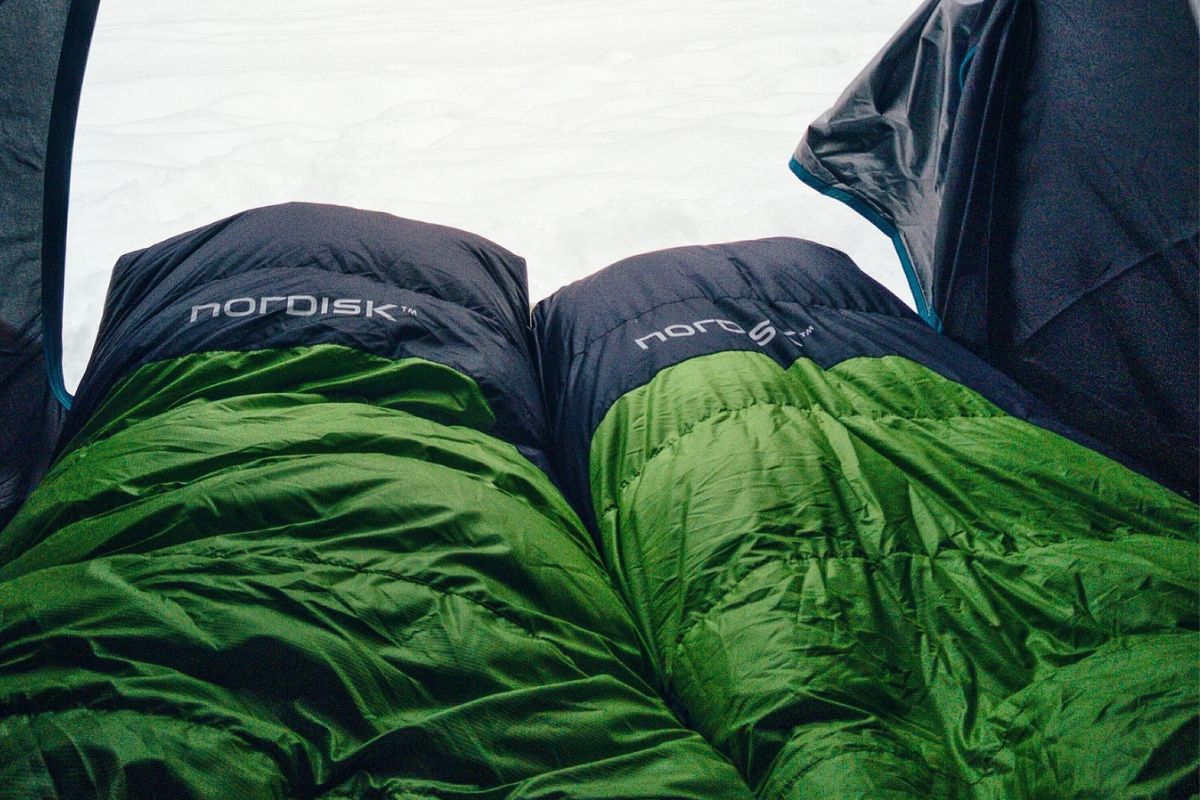
Sleeping bags need time to regain their loft after being compressed in a stuff sack. Climbing in immediately limits insulation performance because flattened fibers cannot trap air effectively. Many campers unpack their bag and use them right away, especially after a long hike. Allowing the bag to expand for at least 20 to 30 minutes restores much of its warmth. Shaking and fluffing the bag helps speed up the process. Proper loft is critical for insulation to function as designed.
6. Leaving the Hood and Neck Area Unsealed
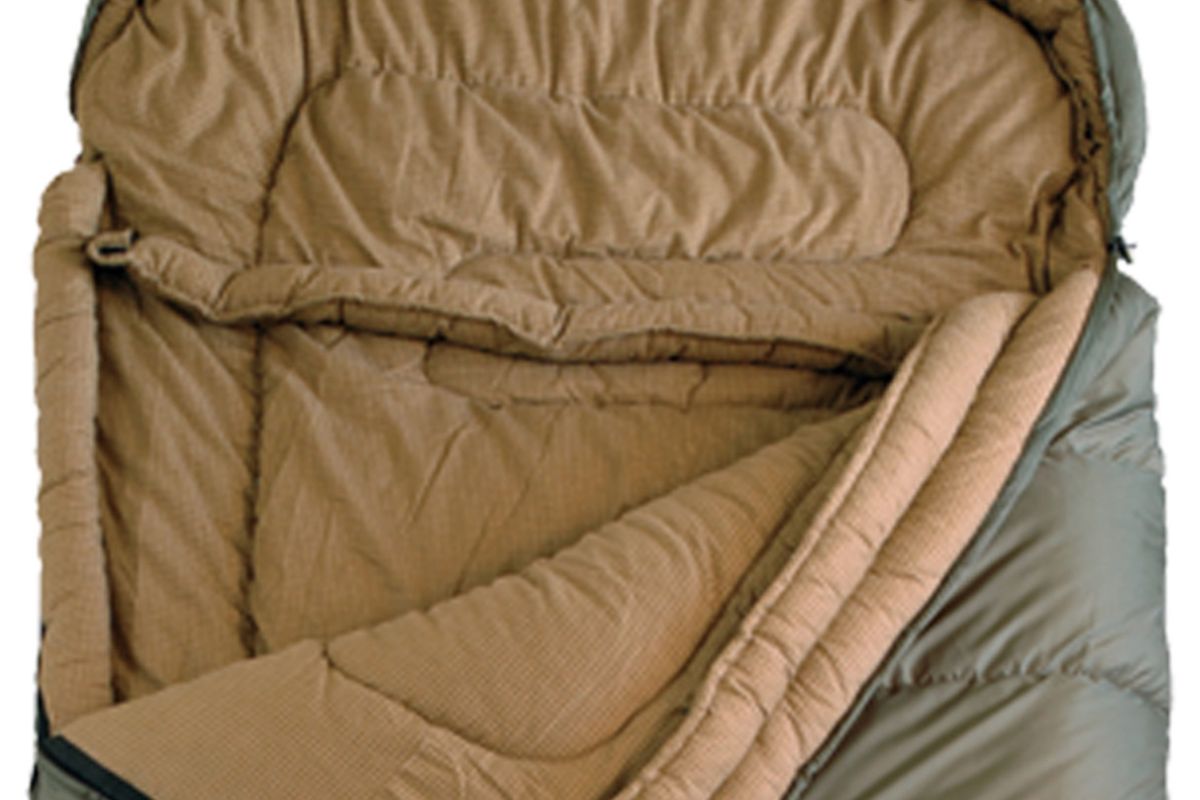
A large amount of body heat escapes through the neck and head area. Many sleepers forget to properly adjust the hood and draft collar. Even small gaps allow warm air to escape and cold air to enter the bag. This mistake becomes very noticeable on windy or colder nights. Properly cinching the hood and closing the collar helps seal warmth inside. Using these features correctly can make a sleeping bag feel significantly warmer without adding any extra layers or gear.
7. Going to Sleep Without Enough Calories

Your body needs energy to generate heat. Going to bed hungry reduces your ability to stay warm throughout the night. Campers often underestimate how many calories cold conditions demand. Eating a small snack before bed, especially one with fats and carbohydrates, helps fuel heat production. Warm drinks can provide short-term comfort, but food offers longer-lasting warmth. Skipping this step can leave you feeling cold even in an adequately rated sleeping bag.
8. Wearing Dirty or Damp Sleep Clothes

Dirty clothing holds sweat, body oils, and moisture, all of which reduce insulation efficiency. Oils flatten fibers and interfere with heat retention. Damp clothing increases evaporative cooling, pulling heat away from your body. Changing into clean, dry sleep clothes before getting into the bag helps maintain warmth and comfort. This mistake is common on longer trips when people try to limit clothing changes. Clean layers make a noticeable difference in how warm a sleeping bag feels overnight.
9. Choosing the Wrong Sleeping Bag Shape
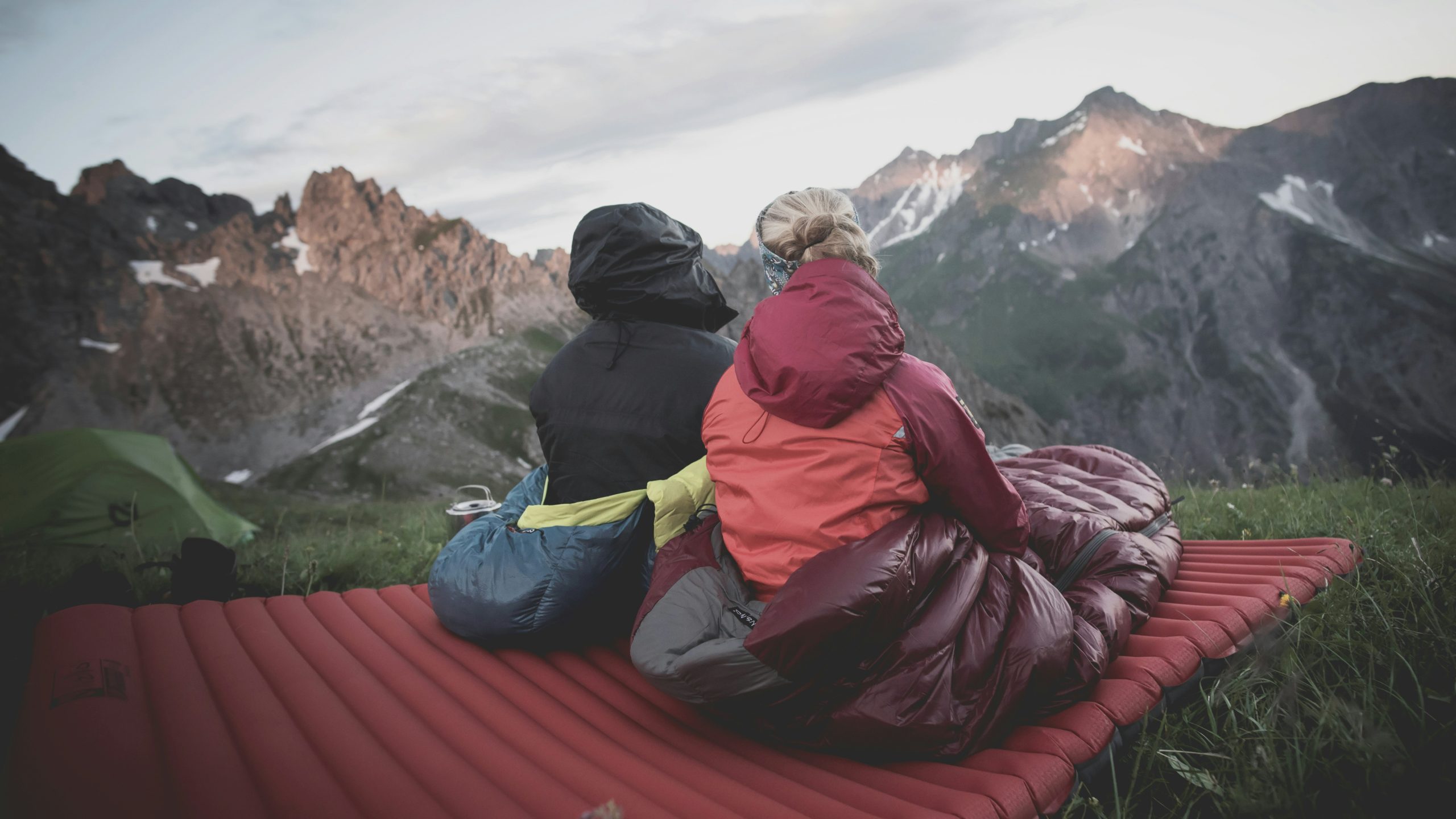
Sleeping bag shape plays a major role in warmth. Rectangular bags provide room to move but contain more space that must be heated by your body. In cold conditions, this extra air volume reduces efficiency. Mummy-shaped bags are designed to reduce dead space and improve heat retention. Using a wide or oversized bag in cold weather often leads to heat loss. Matching bag shape to temperature conditions helps maximize warmth without increasing weight or bulk.
10. Exposing the Bag to Wind Without Shelter
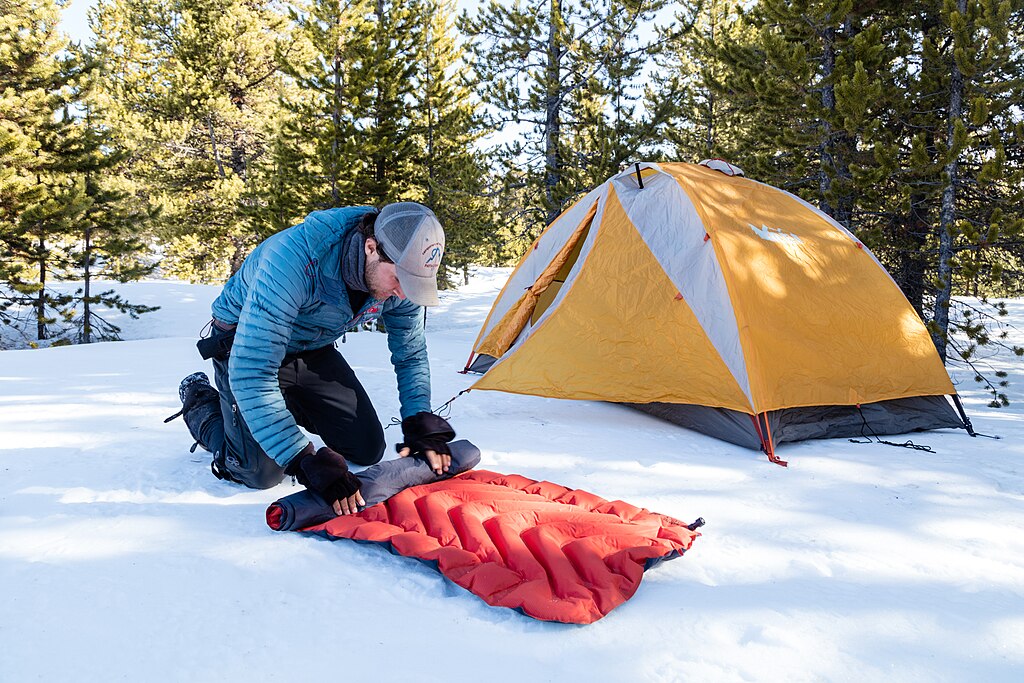
Wind strips heat quickly, even through a sleeping bag. Sleeping without a tent, bivy, or wind protection allows cold air to pull warmth away through convection. Wind can also compress insulation, further reducing effectiveness. Many people blame their sleeping bag when the real problem is exposure. Proper shelter placement and wind blocking dramatically improve warmth. Even a well-rated sleeping bag struggles to perform when wind protection is ignored.
11. Storing the Sleeping Bag Compressed Long Term
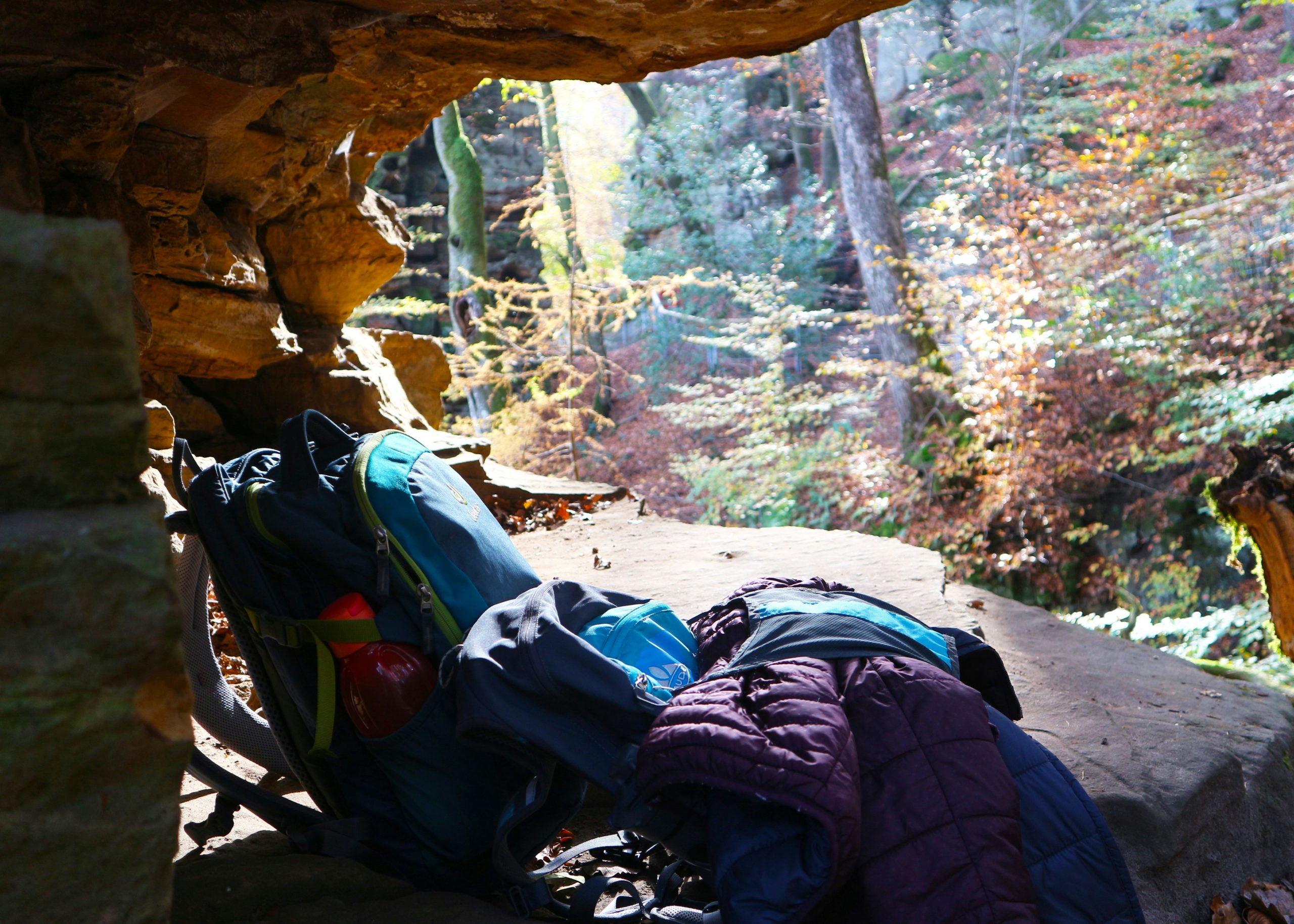
Long-term storage habits directly affect sleeping bag warmth. Keeping a bag compressed for months damages insulation fibers and reduces loft permanently. Many people store sleeping bags tightly packed between trips, slowly degrading performance. Proper storage involves keeping the bag loose in a large sack or hanging it uncompressed. A bag that has lost loft cannot trap heat effectively. Storage mistakes often explain why an older bag no longer feels as warm as it once did.
12. Assuming One Sleeping Bag Works for Every Trip
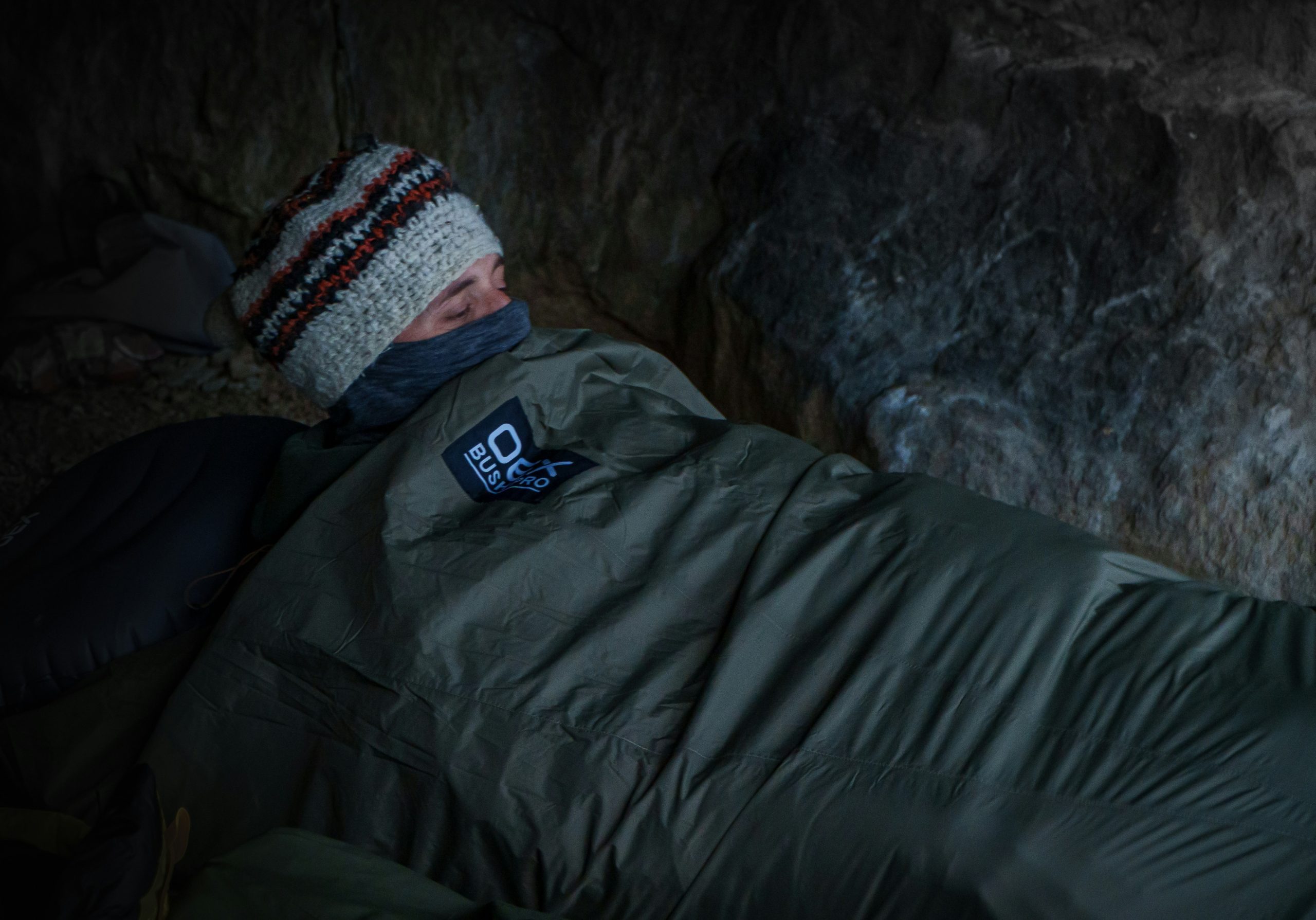
No sleeping bag is perfect for all conditions. Using the same bag for summer camping and cold-weather trips often leads to discomfort at one end of the temperature range. Weather, elevation, humidity, and season all influence warmth needs. Expecting one bag to handle every situation usually results in cold nights. Matching the sleeping bag to the specific trip conditions ensures better performance and comfort. Proper gear selection is just as important as technique when staying warm outdoors.