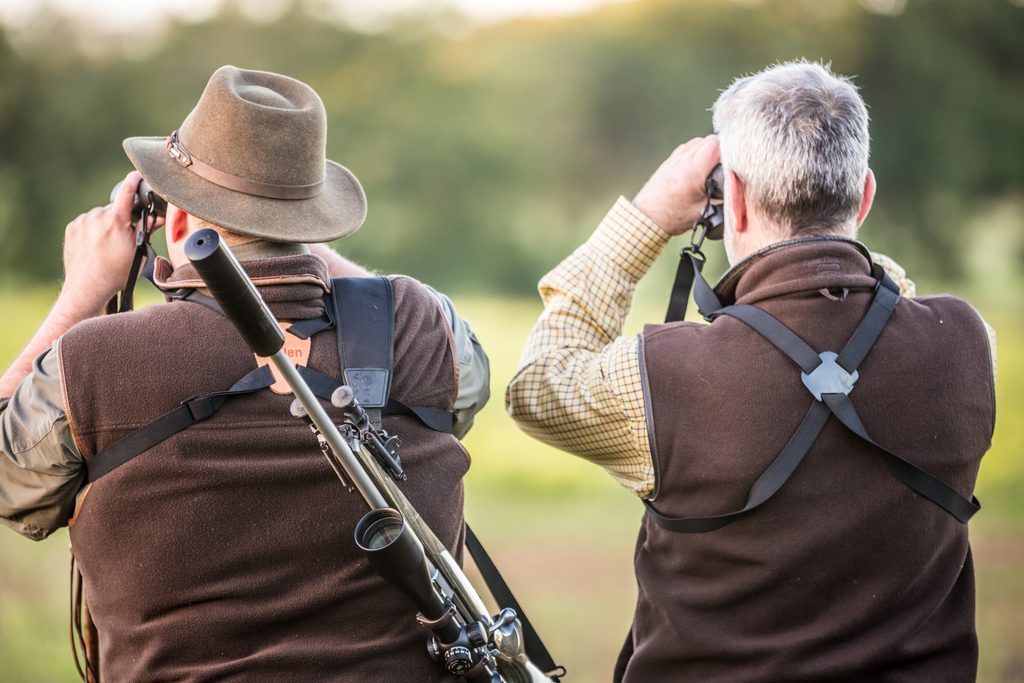
Many hunters over 50 developed essential outdoor skills long before digital navigation and modern gear reshaped common field practices. These techniques relied on observation, patience, and direct interaction with natural surroundings. Map reading, animal tracking, and weather interpretation formed the foundation of safe travel and successful hunts in remote locations. Mastery required repeated experience and attention to detail. Although technology now assists most outdoor activities, these time-tested abilities remain valuable for understanding landscapes and wildlife behavior in diverse environments.
Reading Topographic Maps
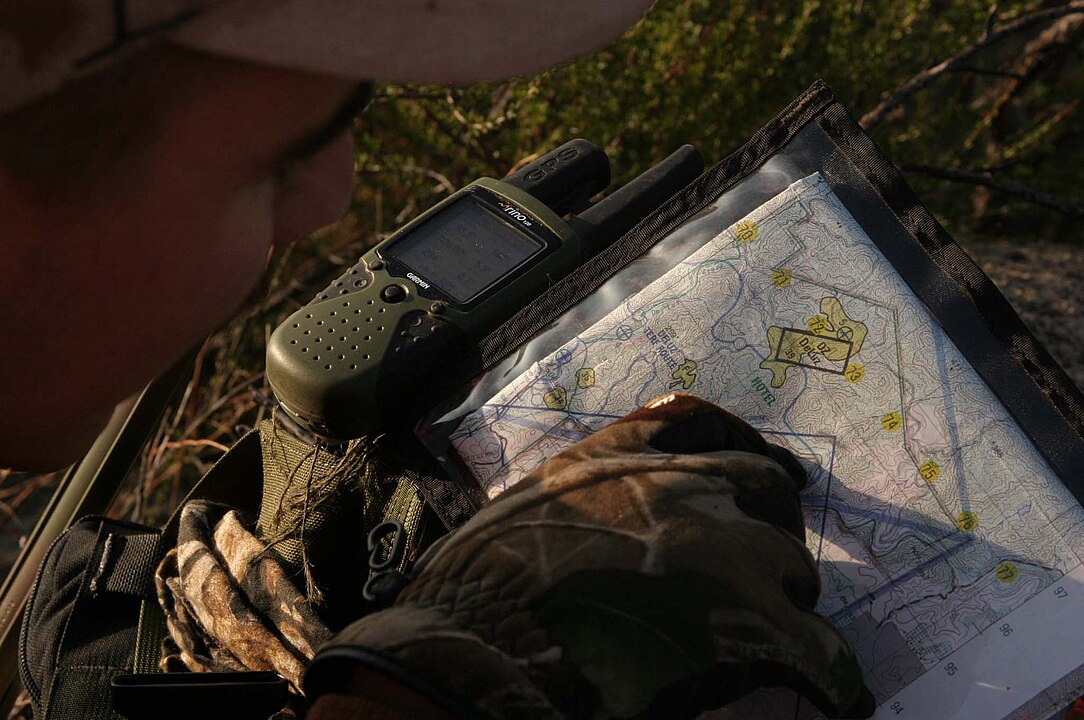
Reading topographic maps required understanding contour lines, elevation changes, and terrain symbols to plan safe and efficient travel across unfamiliar areas. Hunters studied how ridges, valleys, and slopes influenced the movement patterns of wildlife. This skill supported strategic decisions by helping identify bedding zones, travel corridors, and feeding areas. Map reading encouraged strong spatial awareness and reduced dependence on visible landmarks when weather-limited visibility. The method remains relevant today for those who prefer detailed landscape interpretation in remote settings.
Following Game Trails
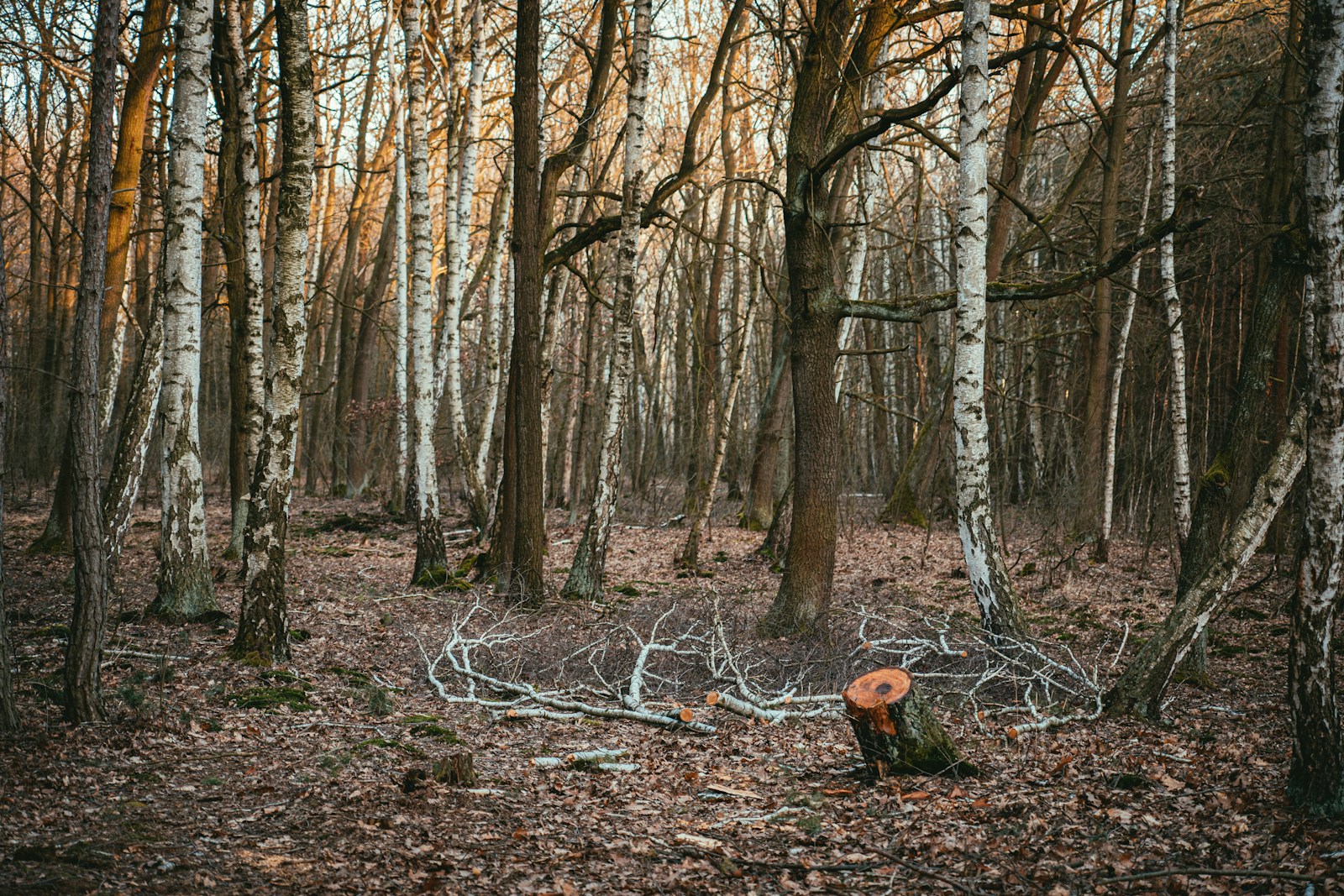
Following game trails involved analyzing subtle signs such as hoofprints, bent grasses, and disturbed soil to understand how animals moved across terrain. Hunters learned to recognize fresh tracks by examining moisture, depth, and clarity. Seasonal changes affected the trail’s appearance, requiring adaptability and continuous observation. Skillful tracking helped determine travel routes between feeding and bedding areas, improving opportunities for effective positioning. This experience encouraged patience and careful movement through dense cover while limiting unnecessary disruption to wildlife patterns.
Navigating by Landmarks
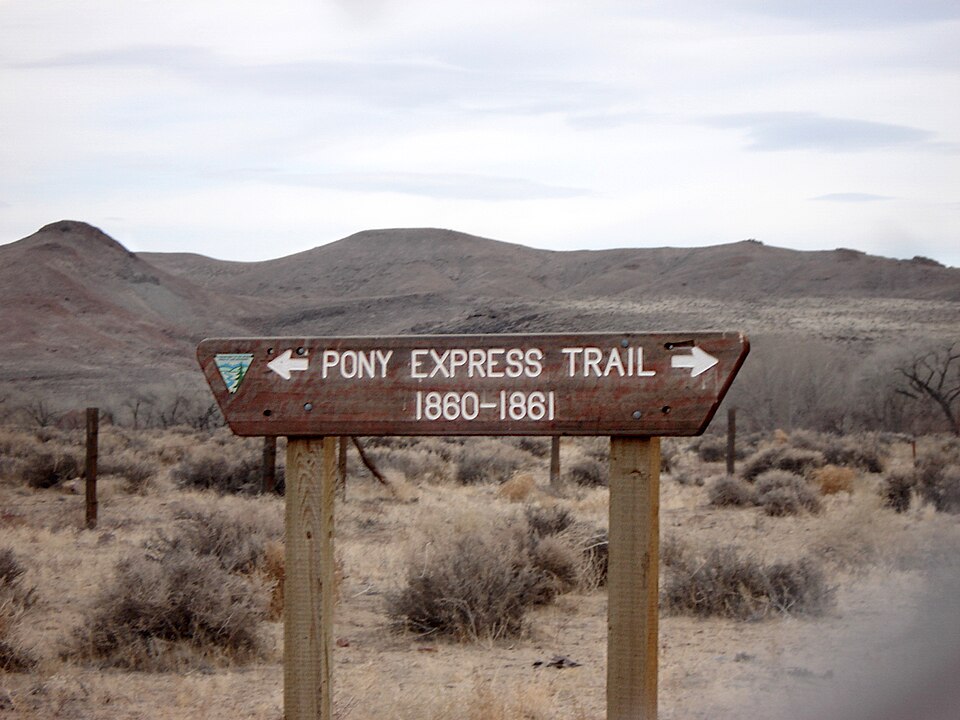
Navigating by landmarks depended on recognizing natural features such as hillsides, streams, large trees, and rock formations while creating mental maps of the surrounding terrain. Hunters memorized sequences of visible markers and used them to stay oriented during long treks. This approach required strong observational habits and confidence in personal judgment. Changes in lighting or weather forced constant reassessment of visible points. Landmark-based navigation fostered a deeper connection with the environment and offered reliable guidance when tools were unavailable or conditions shifted unexpectedly.
Interpreting Weather Patterns
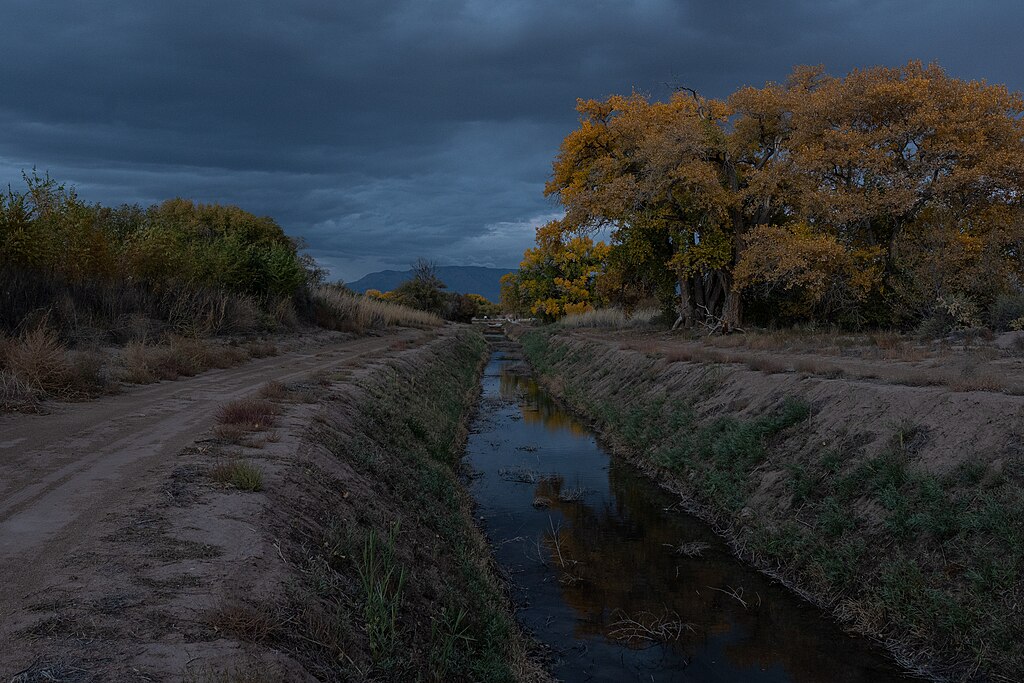
Interpreting weather patterns required close attention to sky color, wind direction, cloud formation, and humidity shifts. Hunters recognized early signs of storms, temperature drops, or improving conditions and adjusted plans accordingly. This understanding improved safety by helping avoid hazardous weather and supported better predictions of wildlife movement, as animals often respond to changing conditions. Mastery is developed through repeated exposure to varied climates. Weather interpretation remains valuable in regions where forecasts change rapidly, and accurate timing influences field success.
Using a Compass
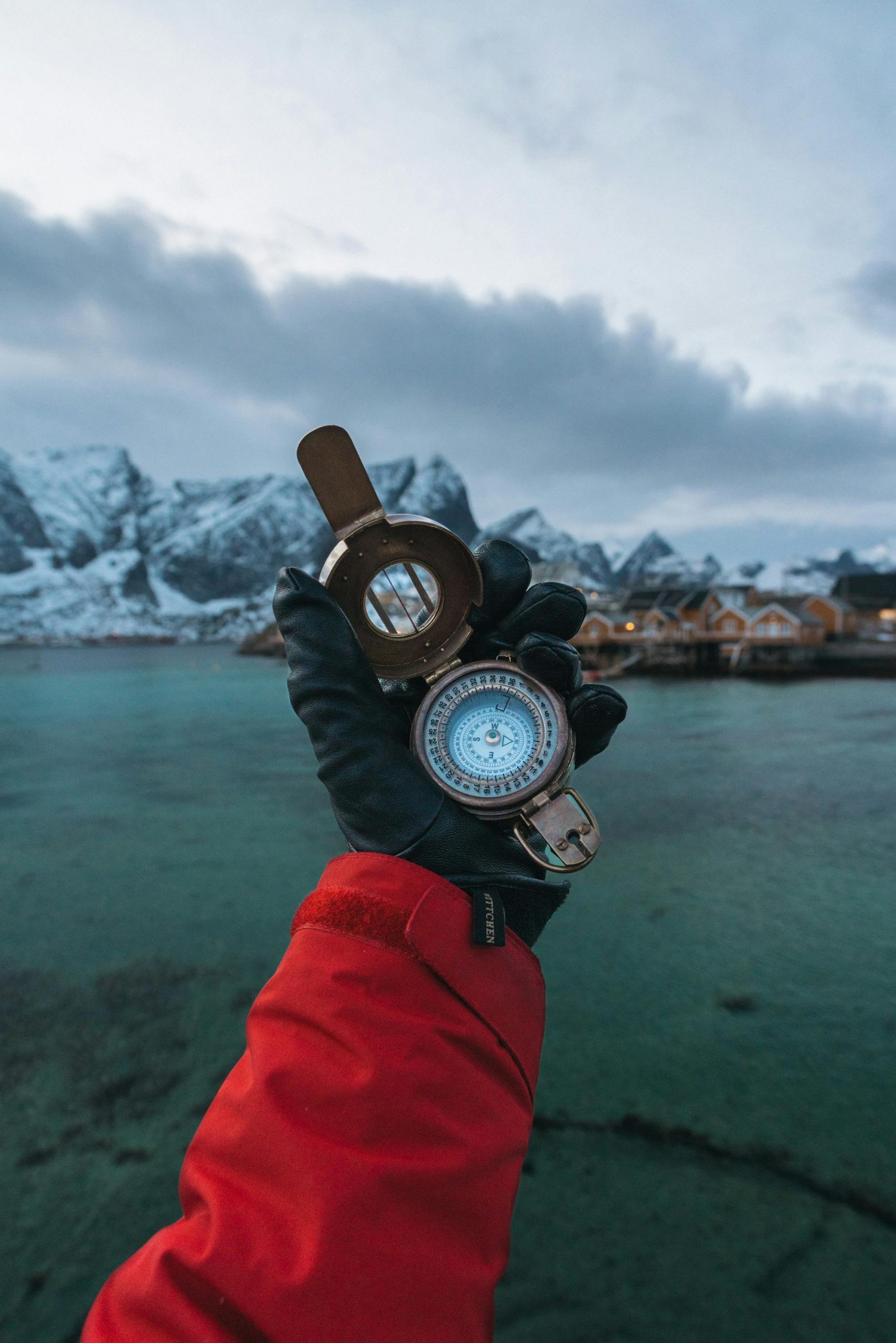
Using a compass provided consistent directional guidance when dense vegetation or rugged terrain limited visibility. Hunters learned to account for magnetic declination, follow bearings accurately, and pair compass readings with mental or physical maps to maintain orientation. The skill emphasized steady pacing, calm decision-making, and trust in basic instruments. Compass use proved especially important during long-distance travel or after dark. Despite modern electronic navigation, the compass remains a dependable tool that never loses signal or battery power in isolated environments.
Identifying Animal Sounds
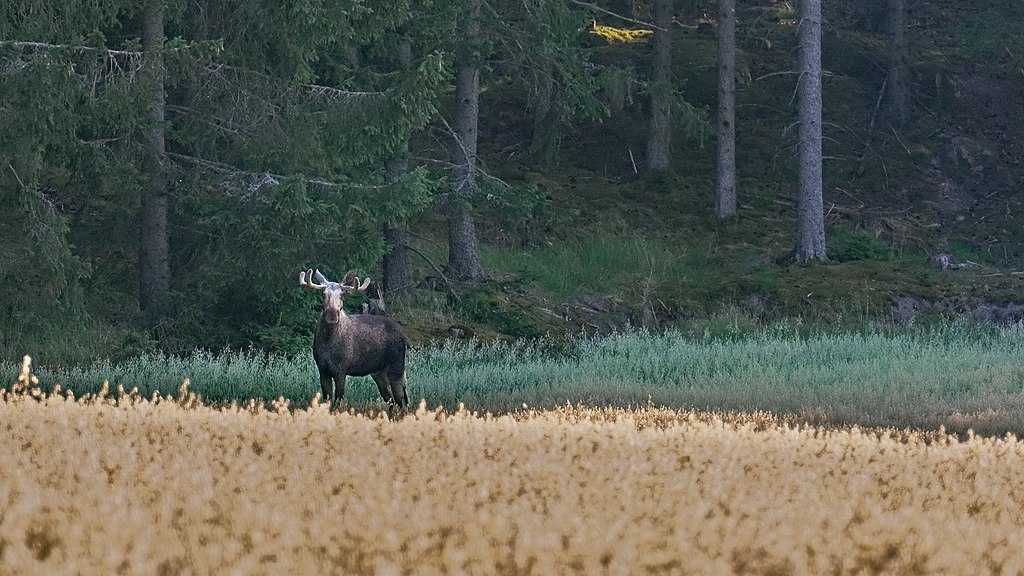
Identifying animal sounds helped hunters understand which species were nearby and how they behaved at different times of day. Rustling leaves, hoof impacts, alarm calls, and feeding noises offered detailed clues about direction and activity level. Skilled listeners distinguished subtle differences between similar sounds produced by various animals. This knowledge supported better positioning and reduced unnecessary disturbance. Learning these sounds demanded prolonged exposure to natural habitats. The skill continues contributing to wildlife awareness for those who value deep environmental understanding.
Field Dressing Game
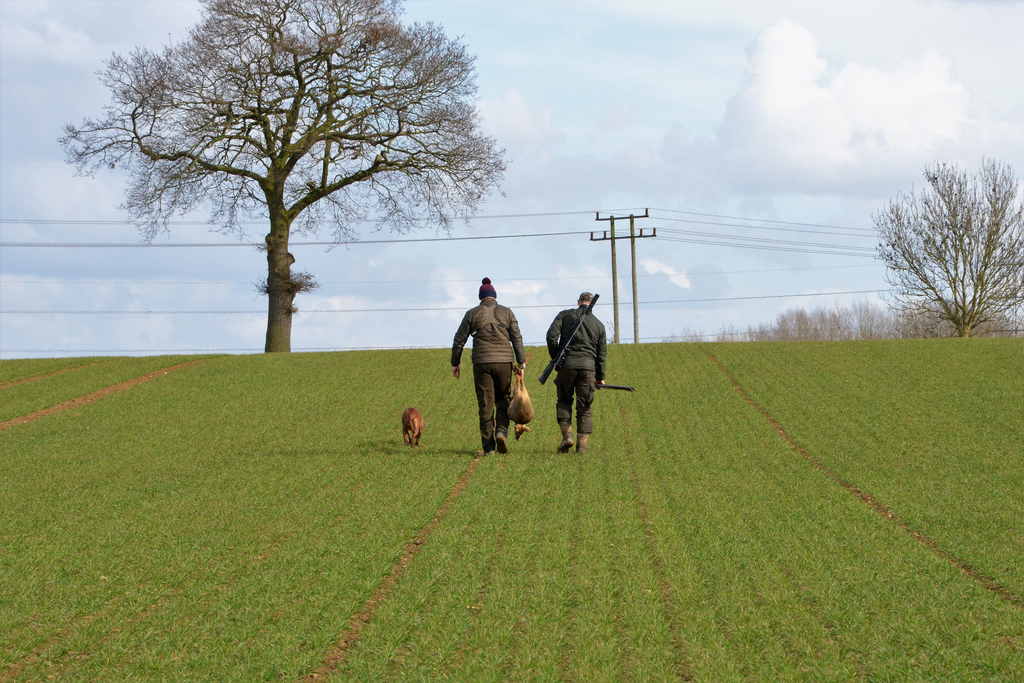
Field dressing game required knowledge of anatomy, steady technique, and attention to hygiene to preserve meat quality in varied weather conditions. Hunters learned to avoid puncturing organs that could spoil meat and practiced quick, precise cuts to cool the carcass efficiently. Terrain, temperature, and distance from camp influenced the method used. Mastery ensured safe transport and reduced waste. Field dressing remains vital for ethical practice, supporting respect for harvested animals and maintaining high standards during outdoor food preparation.
Using the Stars for Direction

Using the stars for direction helped hunters navigate open terrain at night by recognizing constellations such as the Big Dipper and locating the North Star. Mastery involved understanding seasonal changes in star position and using celestial patterns to maintain straight travel. This method demanded patience, clear skies, and familiarity with nighttime landscapes. Star navigation built confidence during long excursions and served as a dependable backup when other tools were unavailable. Although rarely used today, it remains a memorable example of traditional outdoorsmanship.
Estimating Distances
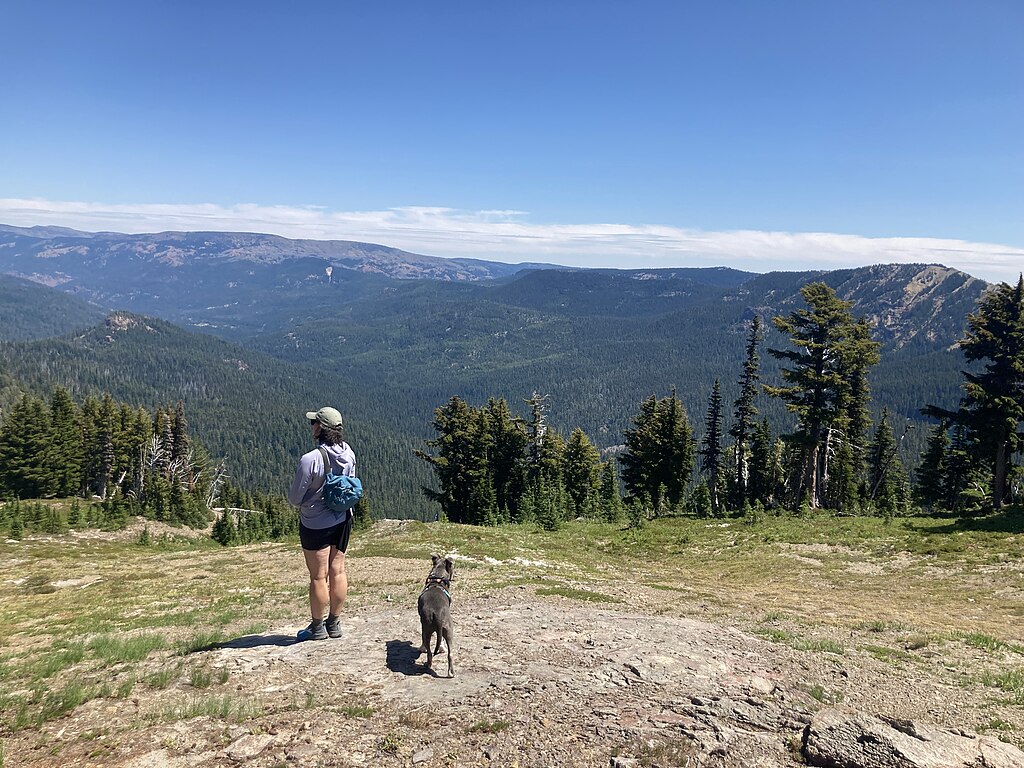
Estimating distances depended on experience with terrain features, object size, and visual perception under varying light conditions. Hunters practiced comparing known yardages to objects in the field to improve accuracy. This skill supported responsible shot placement and informed travel decisions during long hikes. Wind, angle, and vegetation affected perceived distance and required constant adjustment. Although modern rangefinders offer precision, distance estimation remains valuable when evaluating terrain or responding quickly to movement in open environments.
Scent Control Tactics
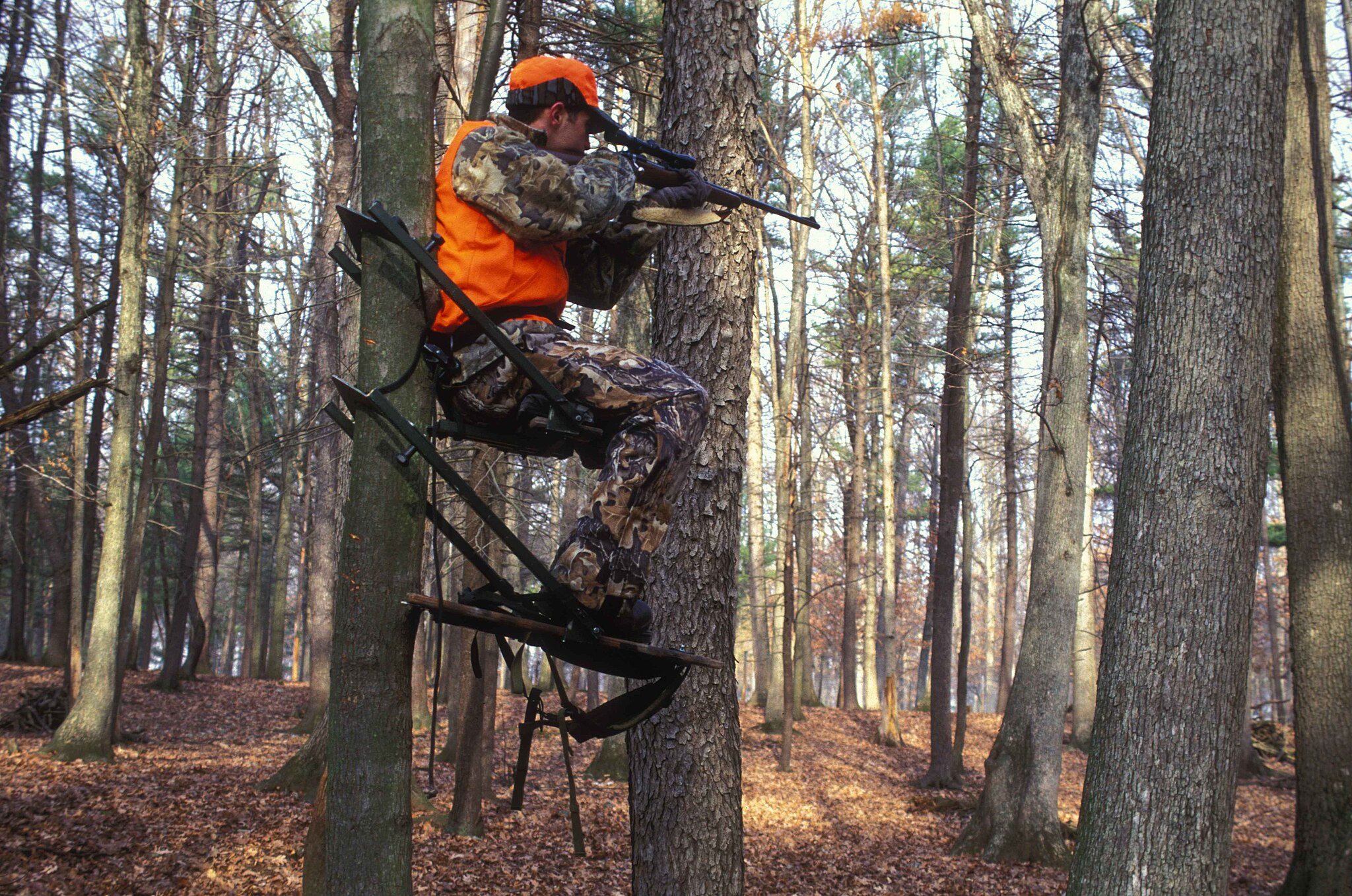
Scent control tactics focused on reducing human odor through understanding airflow, wind direction, and humidity. Hunters positioned themselves downwind and selected routes that minimized scent spread across the terrain. Natural materials helped mask odor, while careful movement prevented excessive contact with vegetation. Knowledge of scent behavior increased opportunities to observe wildlife without detection. Despite modern sprays and specialized clothing, foundational scent principles continue guiding effective field strategies and reinforce awareness of how environmental factors influence animal alertness.
Building Natural Blinds
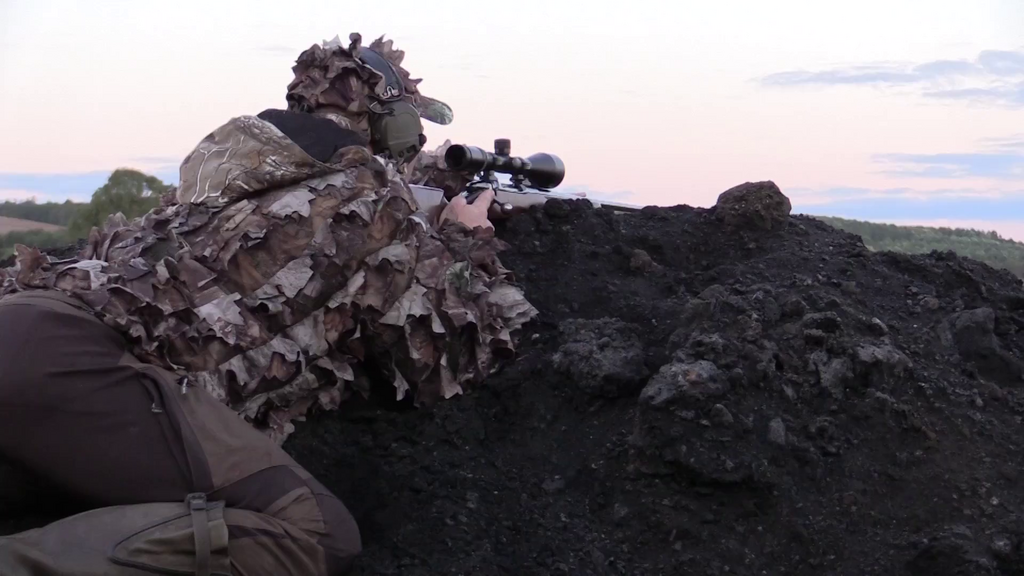
Building natural blinds required selecting materials such as branches, leaves, and ground cover to create concealment that blended with the surrounding habitats. Hunters evaluated wind, visibility, and animal travel routes before choosing a location. Effective blinds minimized disturbance and allowed stable positioning for extended periods. Construction required patience and understanding of how wildlife perceives movement and shape. Natural blinds remain popular among those who favor low-impact methods that integrate closely with landscape features.
Tracking Wounded Game
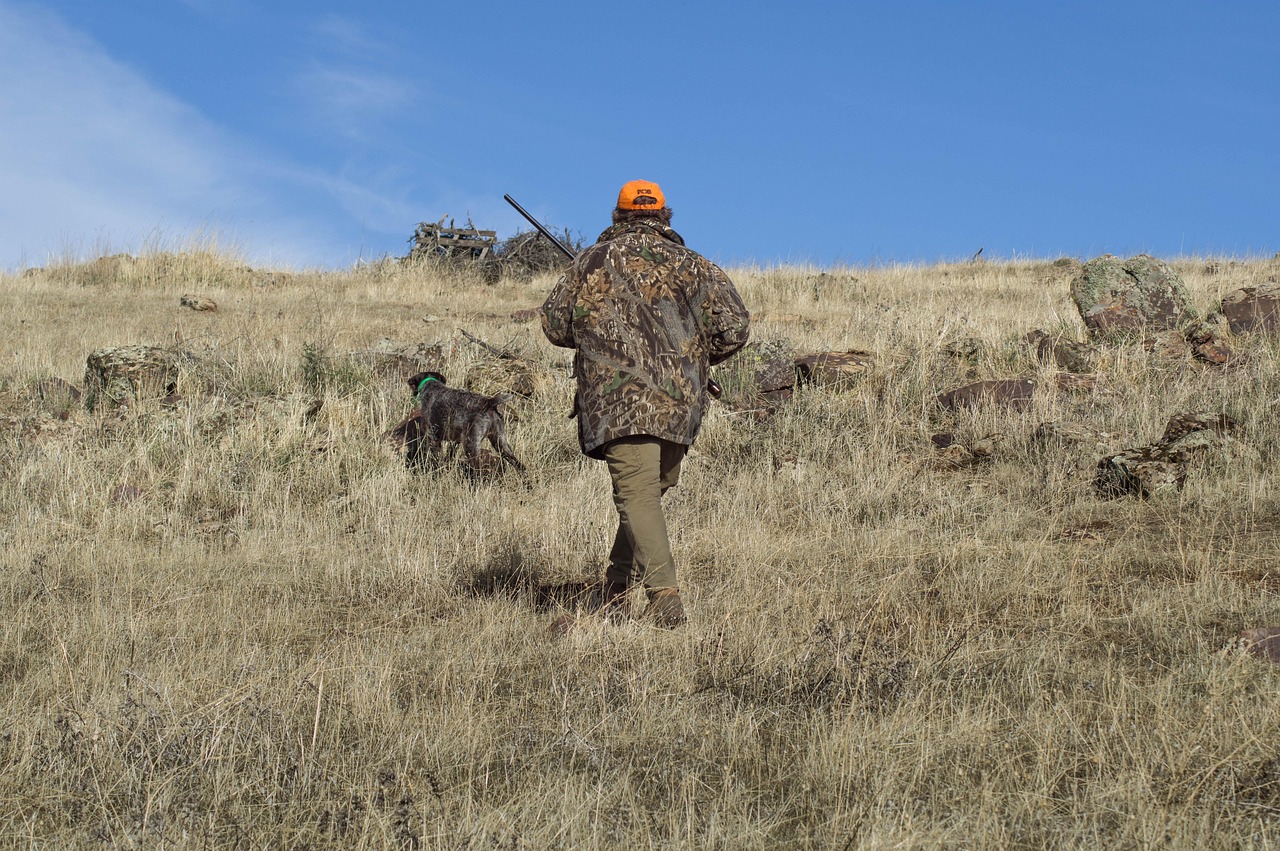
Tracking wounded game involved interpreting blood patterns, disturbed ground, broken branches, and directional signs to follow an animal’s path. Hunters used knowledge of anatomy to predict how far an animal might travel based on shot placement. Tracking required persistence, slow movement, and careful attention to subtle details in changing terrain. Weather, lighting, and ground conditions influenced difficulty. This practice ensured ethical recovery and reduced waste while promoting responsibility during every stage of the hunting process.