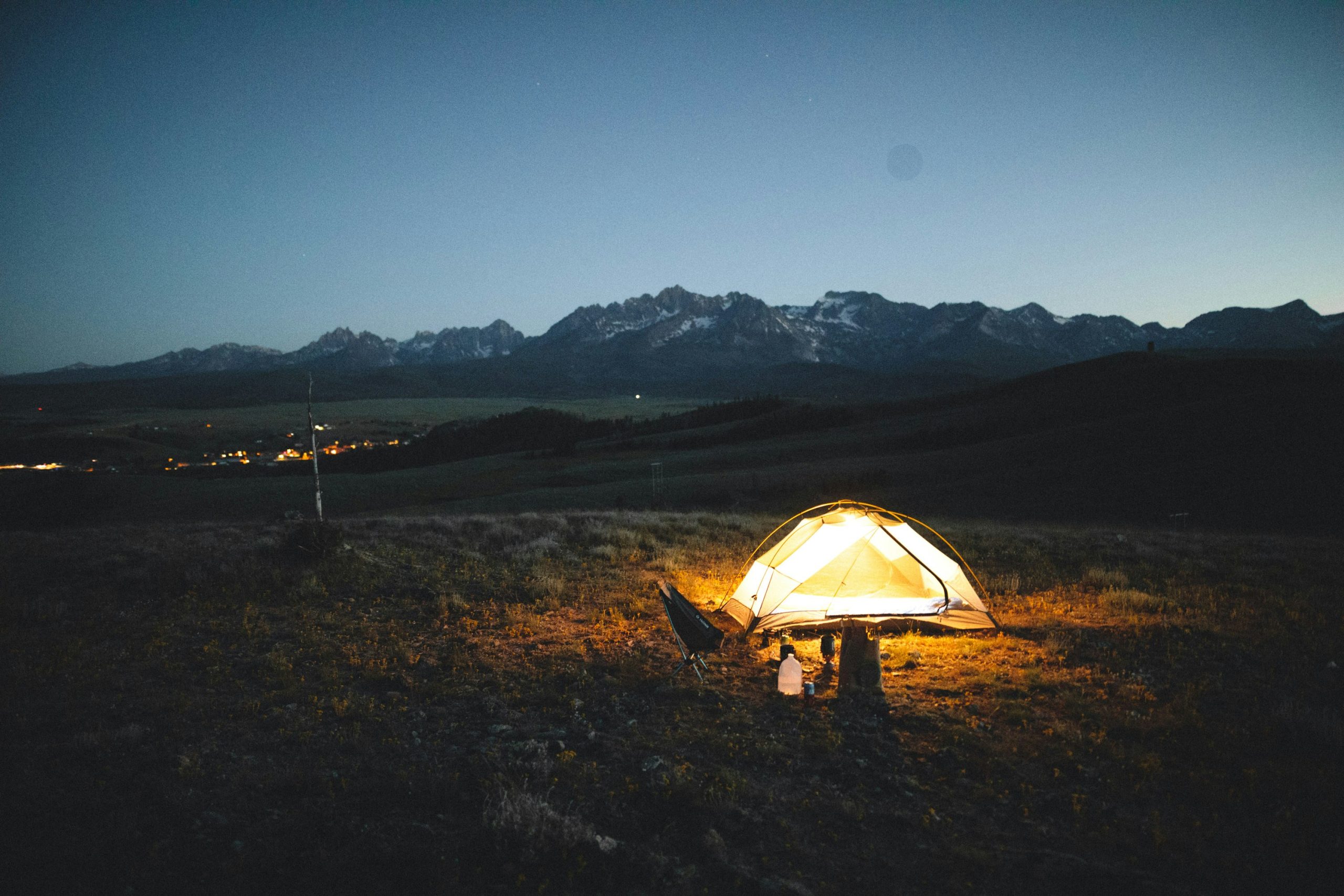
A tent is supposed to be the place where your body recovers, but many campers unknowingly bring problems inside with them. Sleep issues in the outdoors are rarely caused by just noise or cold. More often, they come from small hazards hiding inside the tent itself. These problems build slowly through the night, disrupting comfort, warmth, and rest without obvious warning. Understanding what can quietly sabotage your sleep helps you fix issues before exhaustion affects safety, mood, and performance the next day.
1. Cold Ground Stealing Heat All Night
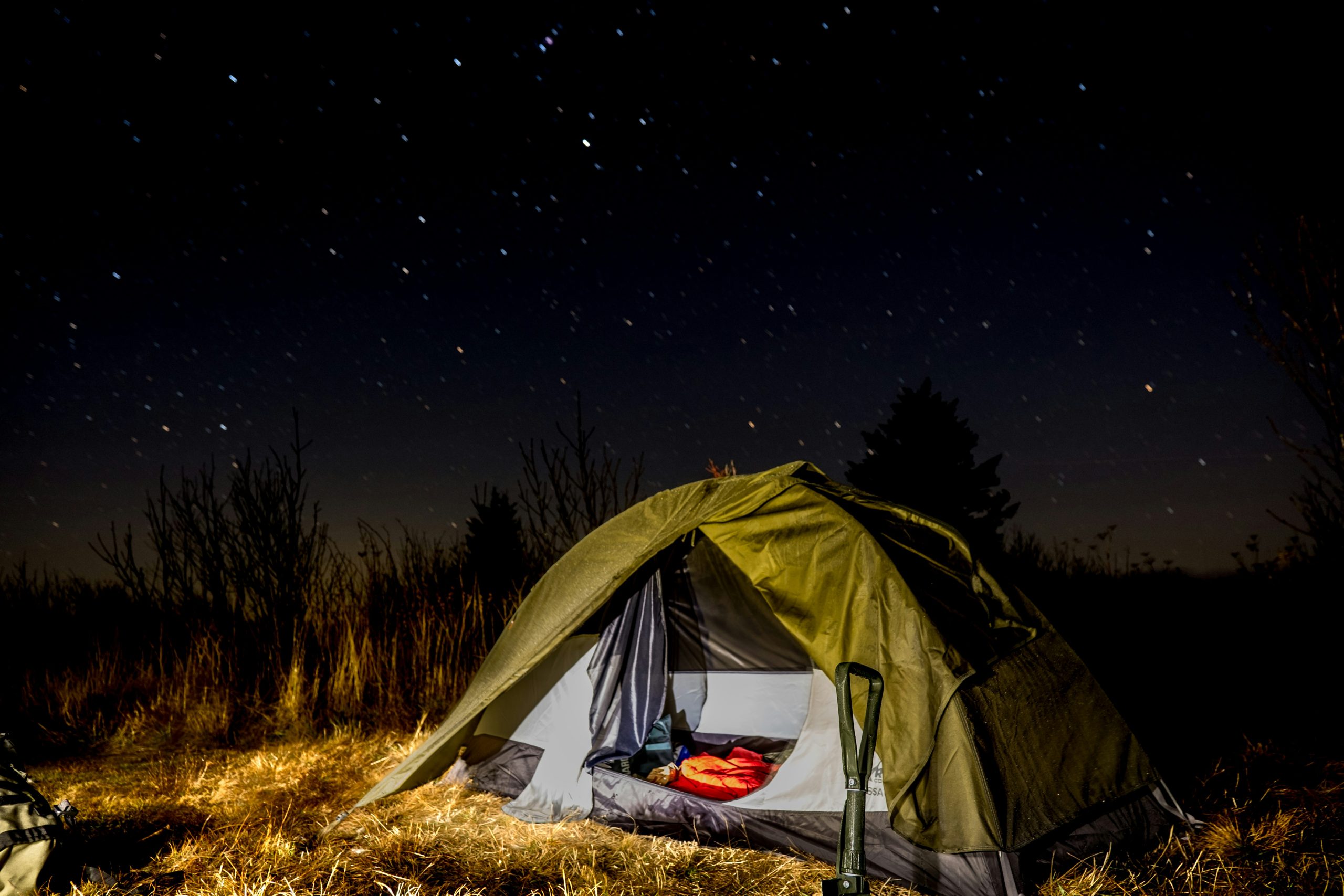
The ground beneath your tent pulls warmth away from your body faster than most campers expect. Even with a quality sleeping bag, heat loss through compressed insulation underneath can quietly drain body warmth for hours. Thin pads flatten under pressure and lose effectiveness quickly. As heat escapes, muscles tense and sleep becomes lighter. You may not wake up fully, but rest quality drops. Cold transfer increases on damp soil or rocky terrain. Proper insulation beneath you matters as much as what covers you. Picture a thin tent floor resting directly on cold earth.
2. Condensation Soaking Gear and Fabric
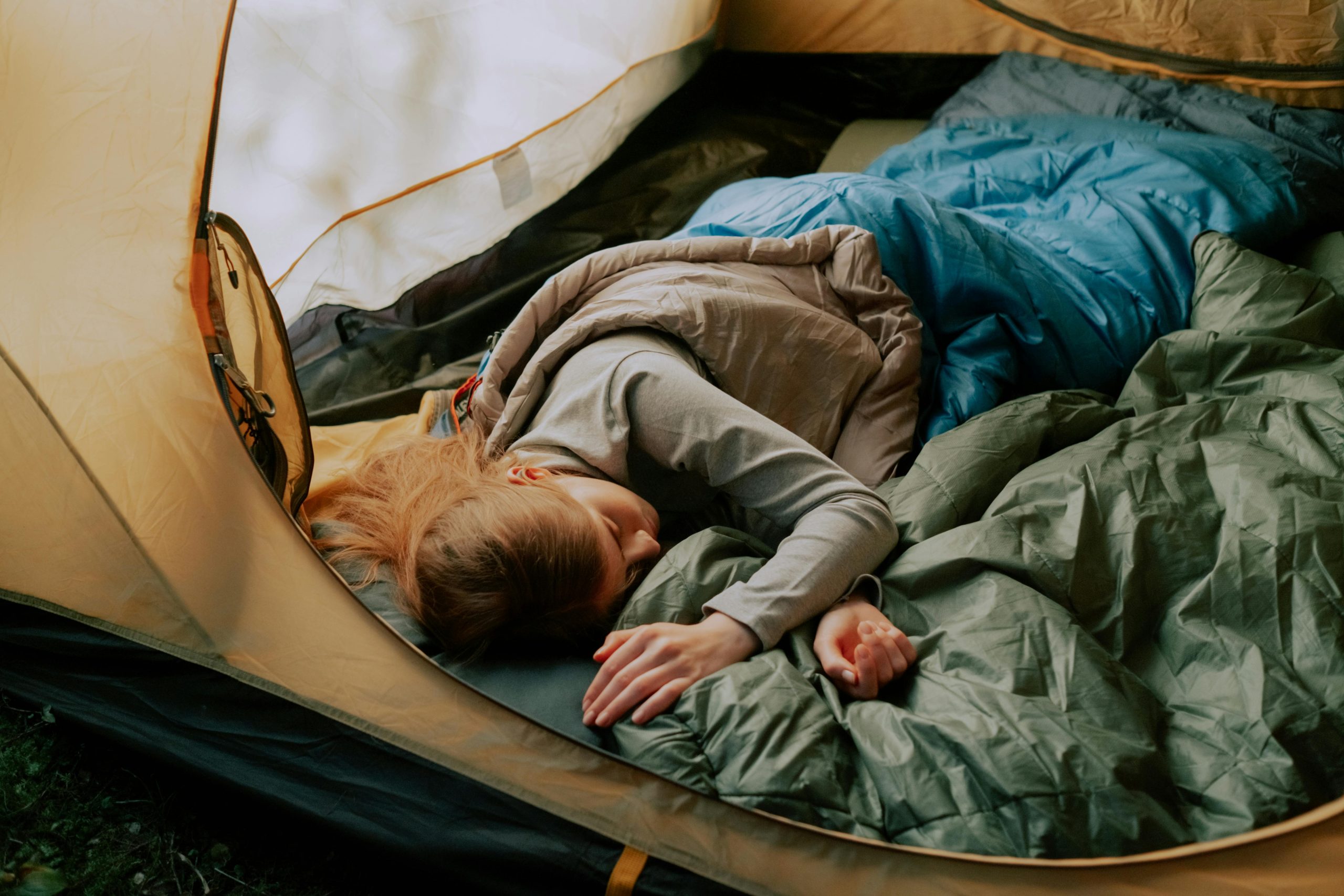
Moisture builds inside tents when warm breath meets cool fabric. Overnight, condensation forms silently on walls and ceilings, sometimes dripping onto sleeping bags or clothing. Damp materials lose insulation and feel clammy against the skin. The air inside becomes cooler and heavier, making it harder to stay comfortable. Many campers assume condensation means rain leakage and miss the real cause. Poor airflow traps humidity inside. Over time, moisture steals warmth and disrupts deep sleep cycles. Visualize fogged tent walls with droplets forming before sunrise.
3. Slight Slopes Creating Constant Body Strain
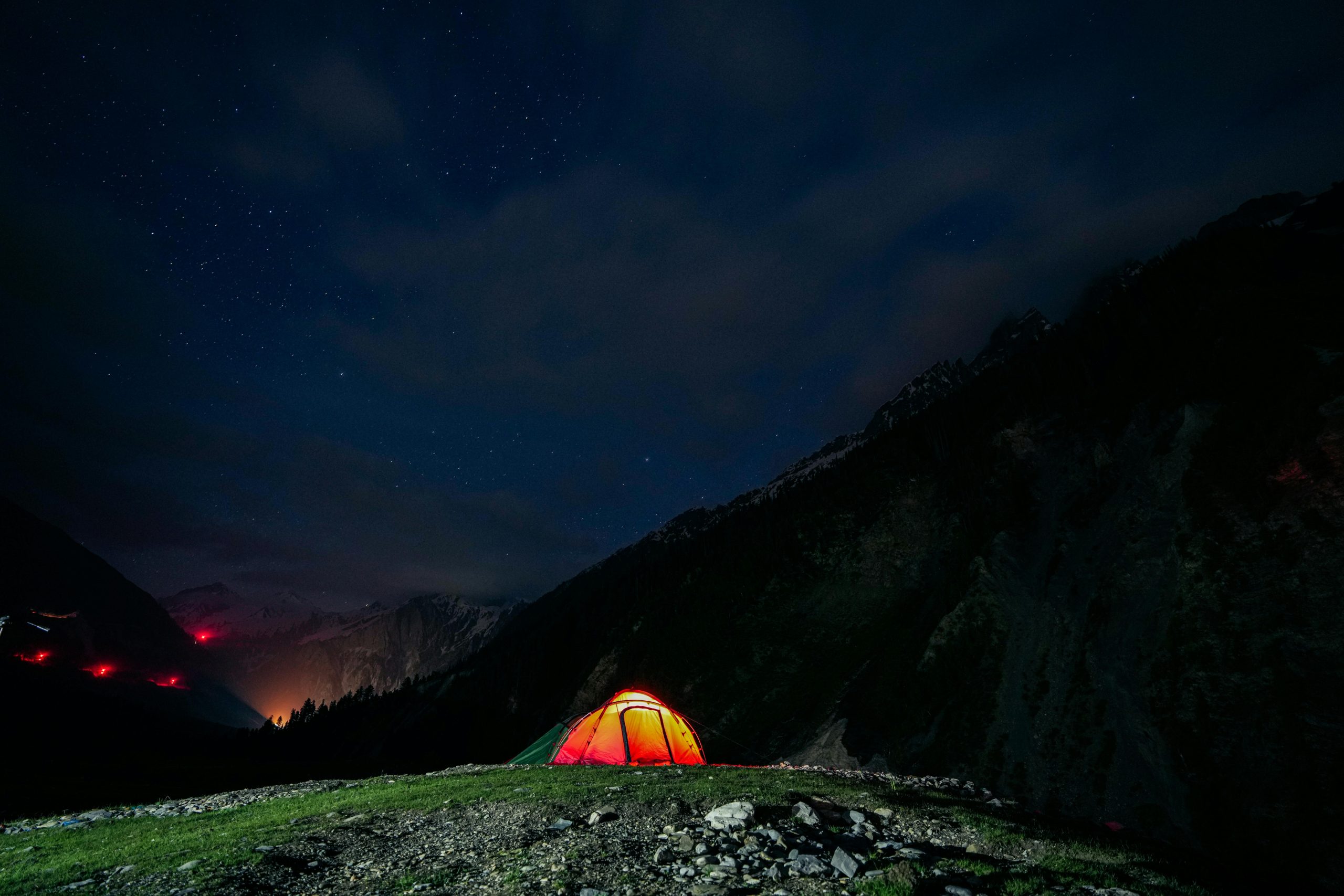
A campsite that looks level at dusk can feel very different after hours of rest. Even small slopes cause your body to slide slowly, forcing muscles to tense all night. Hips and shoulders absorb pressure as you subconsciously fight gravity. Frequent repositioning breaks sleep cycles without fully waking you. The problem worsens on slick tent floors or inflatable pads. Many campers underestimate how sensitive sleep posture is. Proper site leveling prevents subtle strain that builds discomfort hour by hour. Imagine waking repeatedly after sliding inches downhill.
4. Drafts Sneaking Through Seams and Zippers
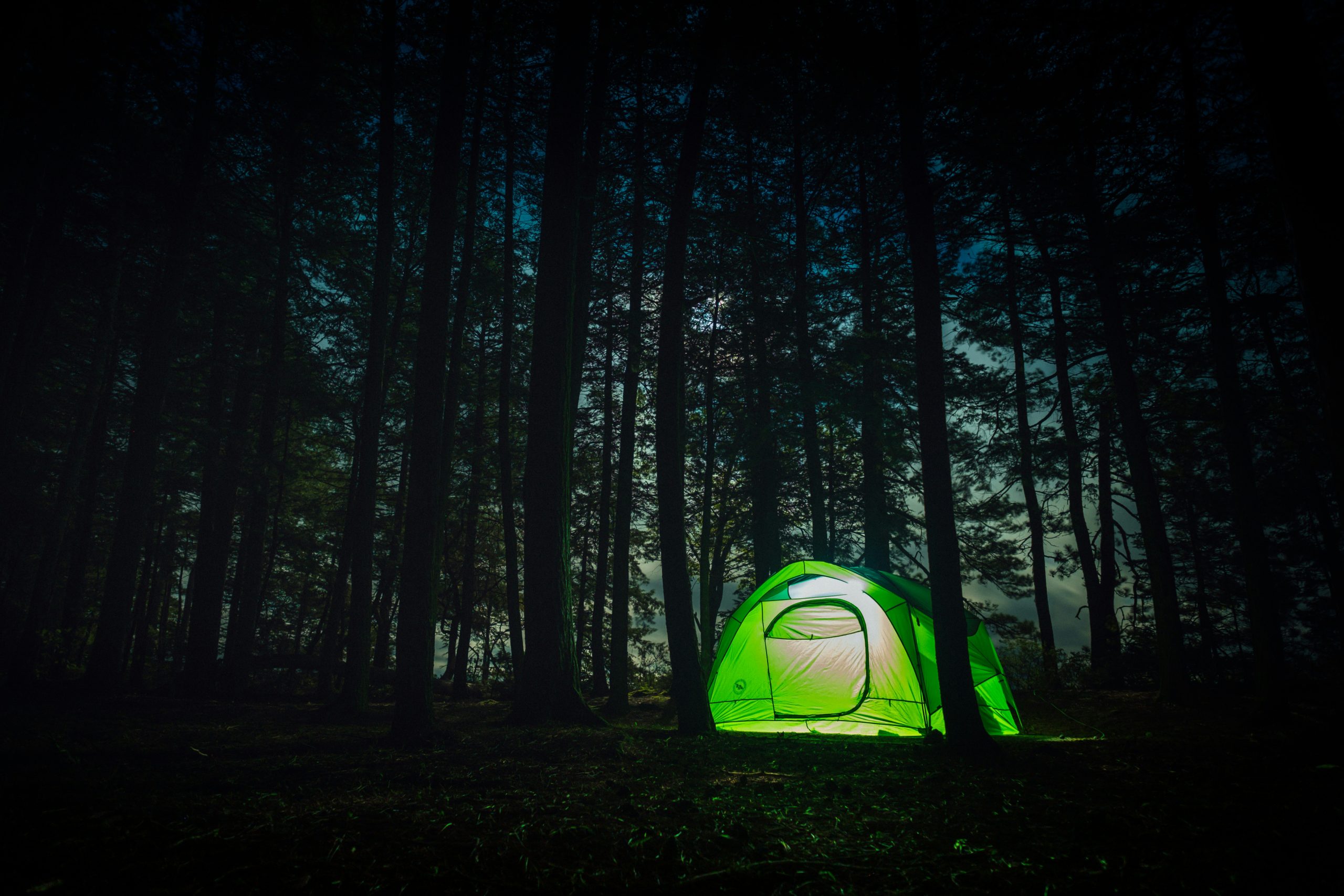
Cold air finds its way through tiny gaps in tent seams, zippers, and vents. These drafts are easy to ignore early, but become disruptive as temperatures drop overnight. Air flowing across exposed skin triggers micro awakenings that prevent deep rest. Even mild airflow can chill feet or face repeatedly. Loose flaps and poorly aligned doors are common causes. Blocking drafts stabilizes interior temperatures. Picture a faint breeze brushing your sleeping bag every few minutes without stopping.
5. Noisy Fabric Amplified by Wind
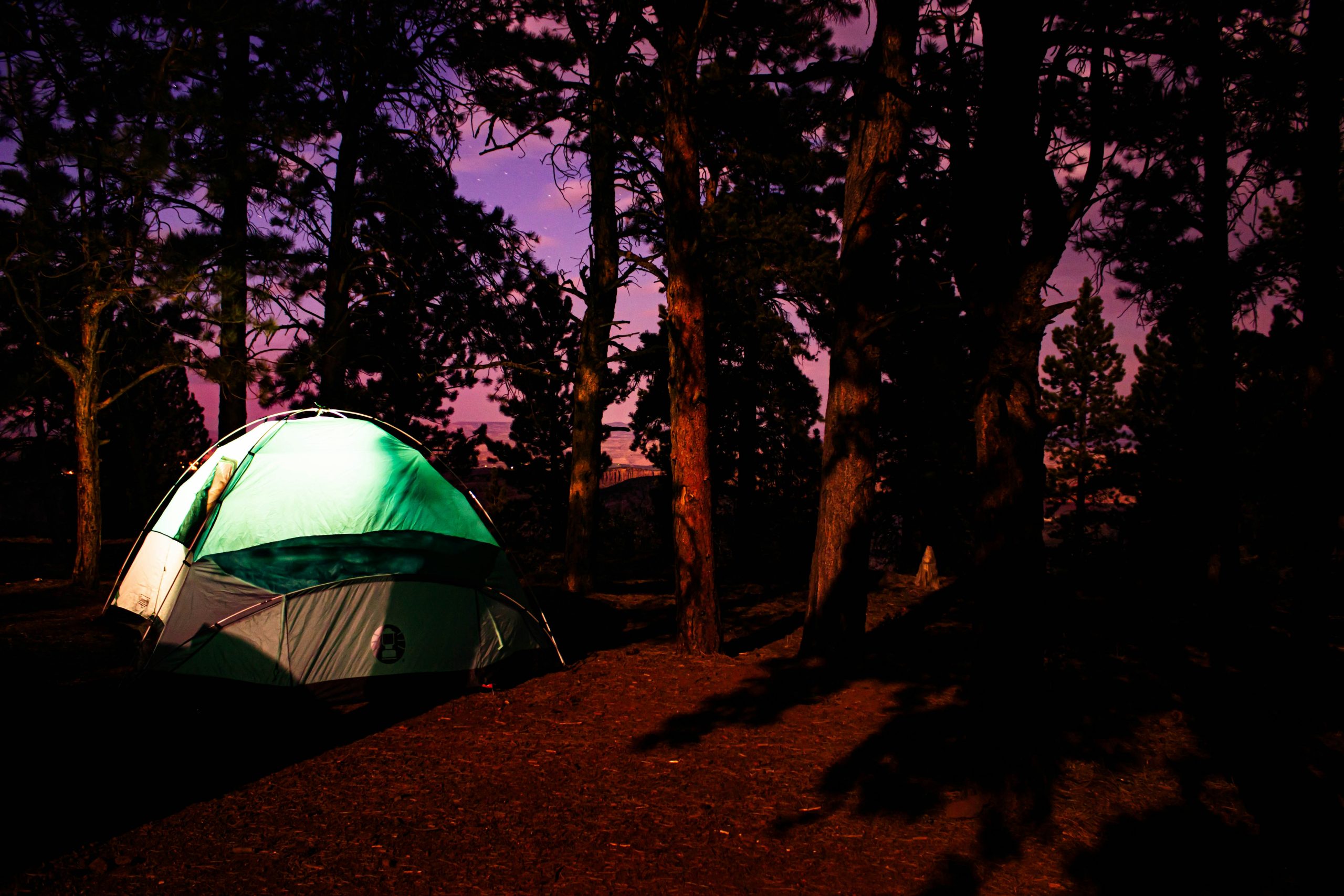
Lightweight tent materials often amplify sound instead of reducing it. When the wind picks up, the fabric snaps, flutters, or crackles loudly. Each gust creates sharp noises that keep the brain alert. Even gentle movement outside can sound dramatic at night. The mind stays half awake, anticipating the next sound. Many campers blame the weather rather than the tent design. Noise sensitivity increases when tired, making sleep shallow and fragmented. Imagine thin fabric rattling sharply with every shift in wind direction.
6. Crowded Gear Limiting Movement
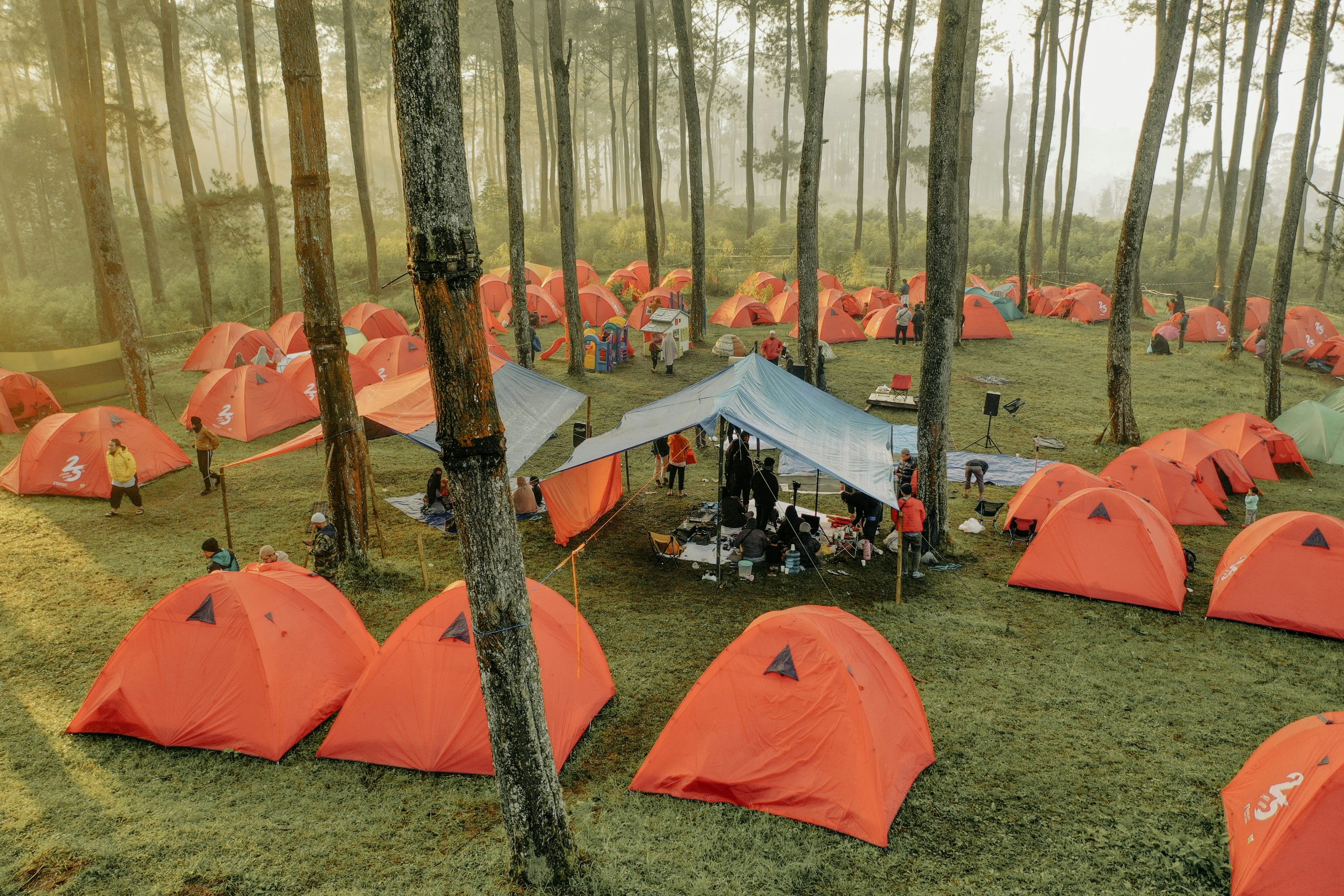
Storing too much gear inside the tent restricts natural movement during sleep. Packs, boots, and loose items press into sleeping areas as you roll over. Hard edges create pressure points that build discomfort. Tangled straps and buckles catch on clothing or pads. Each adjustment interrupts rest. Crowding also reduces airflow, increasing humidity. Keeping gear organized and separated protects comfort. Picture turning over and bumping into cold, rigid equipment repeatedly through the night.
7. Poor Ventilation Trapping Stale Air
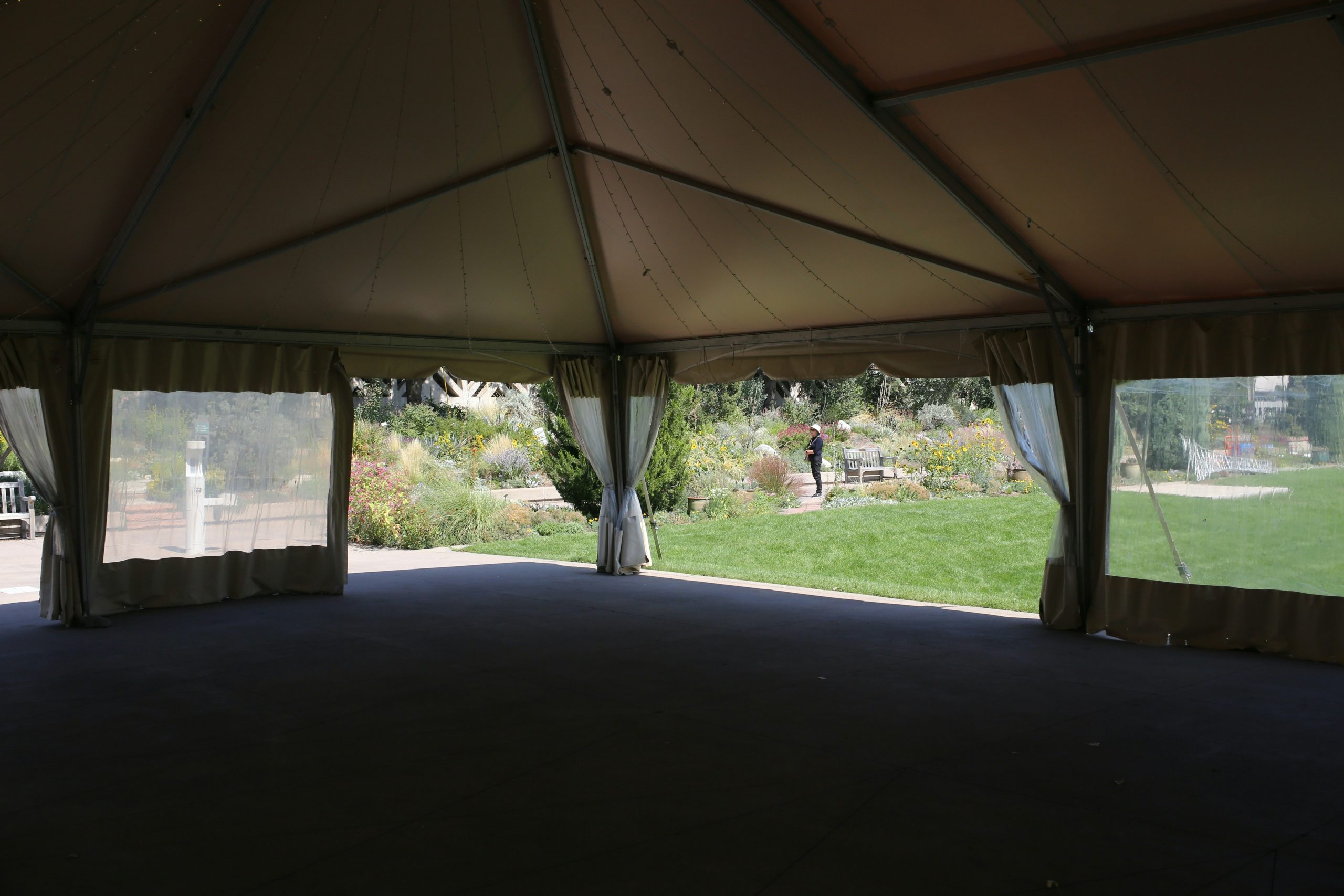
Fresh airflow is critical for quality sleep, yet many campers seal tents completely to stay warm. Trapped air becomes stale and humid, making breathing feel heavier overnight. This can cause headaches, a dry throat, or restless sleep. Moisture buildup worsens condensation and chills the interior. Balanced ventilation improves oxygen levels while controlling humidity. Even small vent openings make a difference. Visualize foggy air lingering inside the tent with every breath adding more moisture.
8. Insects Slipping Through Tiny Openings
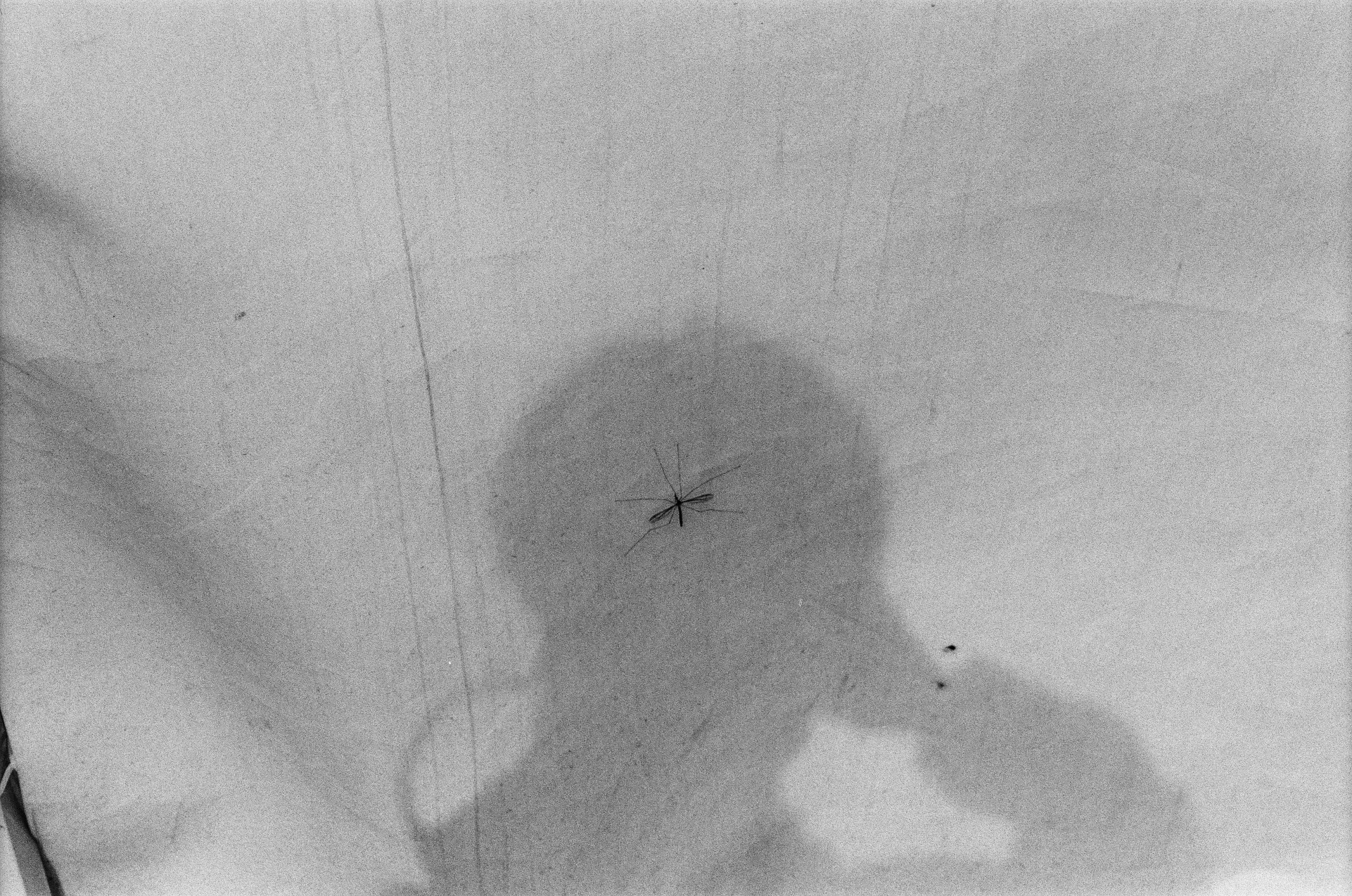
Small gaps in mesh, seams, or zippers allow insects inside after dark. Even a few buzzing intruders can ruin sleep quickly. Anticipation of bites keeps your mind alert. Swatting and scratching interrupt rest repeatedly. Once insects are inside, removing them in the dark is difficult. Many campers overlook tiny entry points during setup. Imagine shadows moving along tent walls as insects circle near your face.
9. Temperature Swings Disrupting Comfort
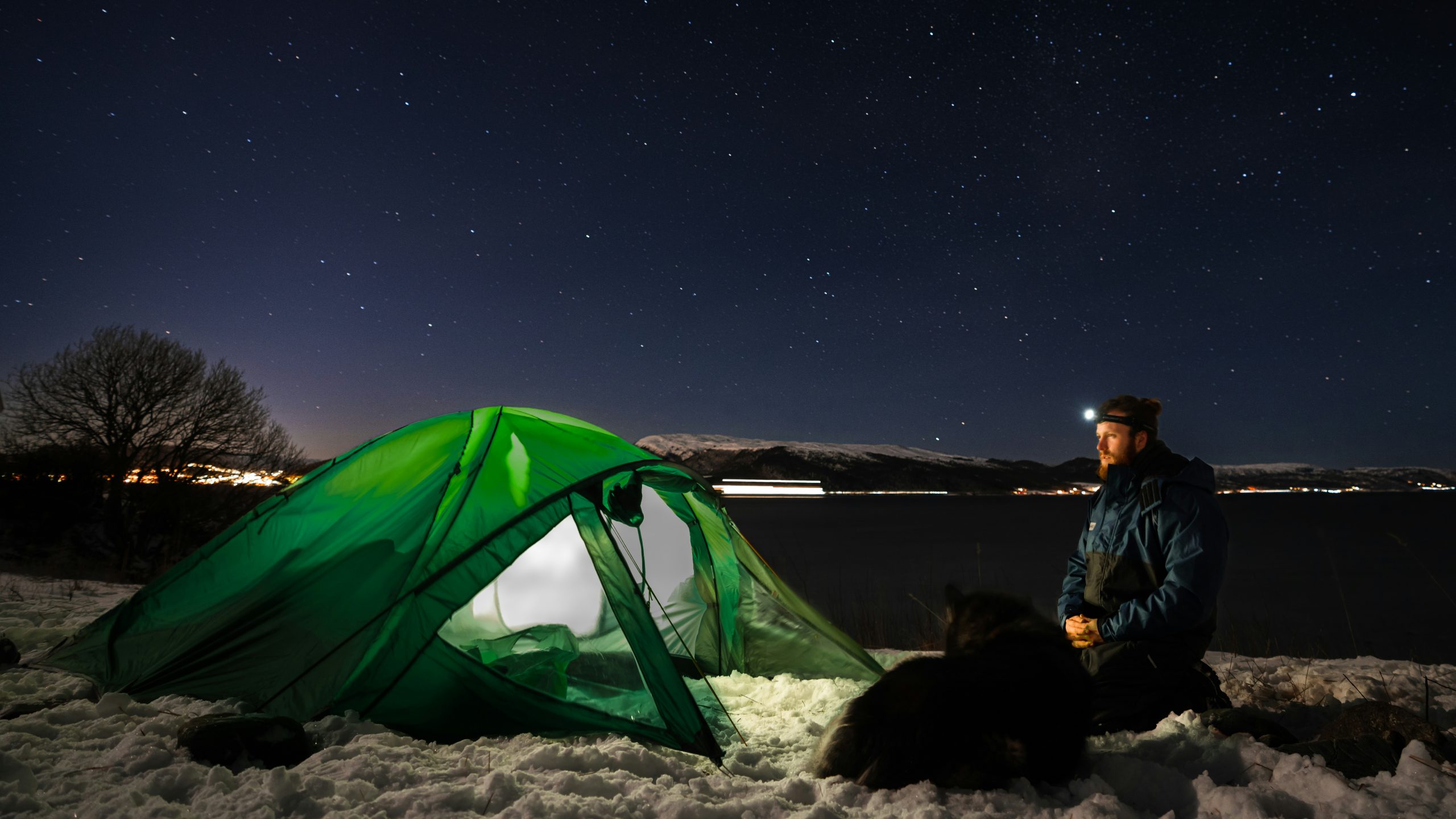
Nighttime temperatures rarely stay constant. A tent that feels warm at bedtime can trap heat early and lose it rapidly later. Campers often overdress, sweat, then chill as moisture cools the body. Repeated adjustments break the sleep rhythm. Misjudging insulation causes restless nights. Managing layers properly keeps the temperature steady. Picture pushing covers away, then pulling them back hours later as cold settles in.
10. Light Leaks Interfering With Sleep Cycles
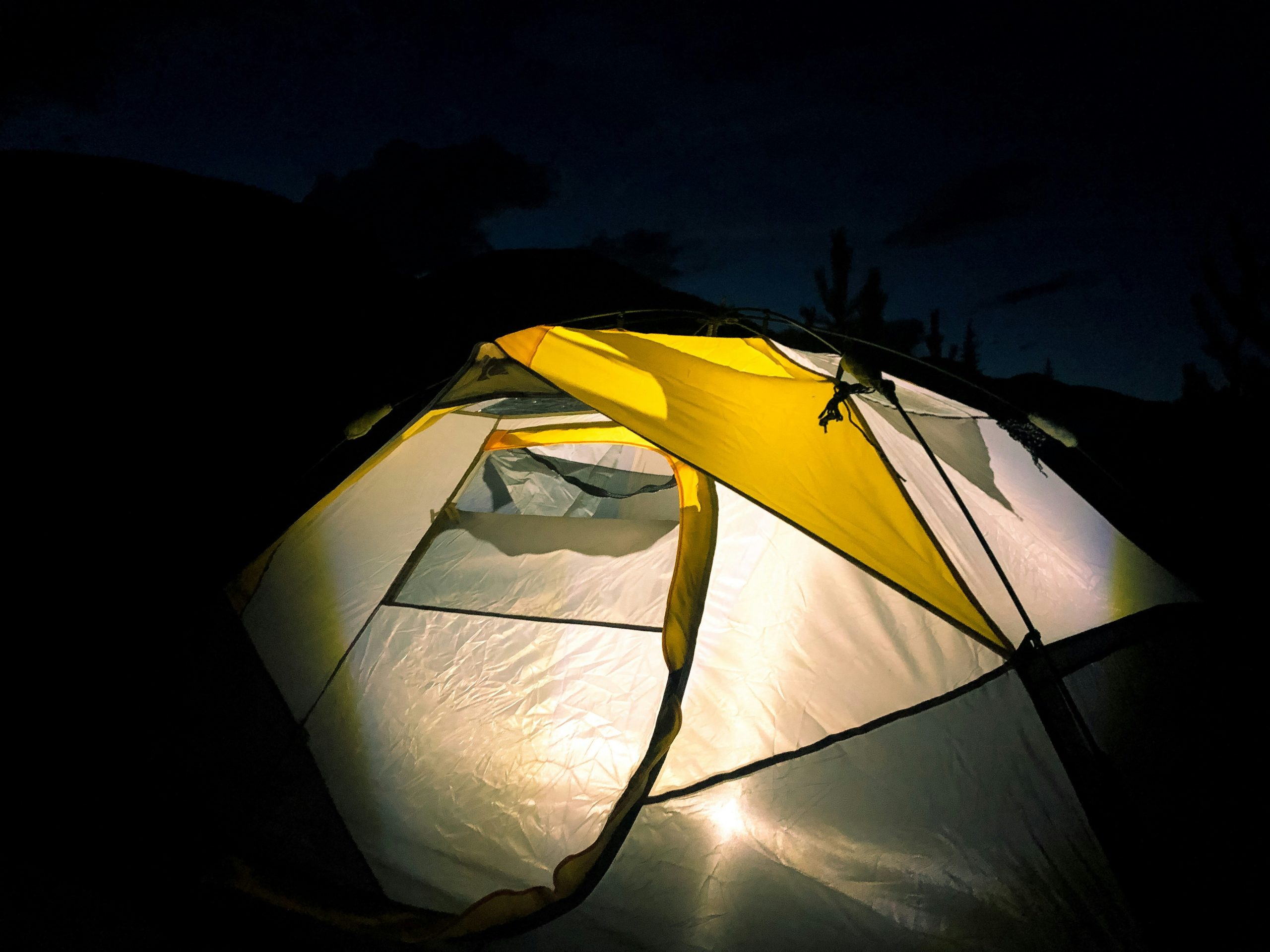
Thin tent fabric allows moonlight, headlamps, or nearby campsite lights inside. Even low light levels affect melatonin production and sleep depth. The brain remains partially alert, preventing full rest. Some tents glow softly all night. Darker interiors support deeper sleep. Imagine shifting light patterns moving across the tent walls whenever someone walks nearby.
11. Sound Traveling Easily Through Fabric
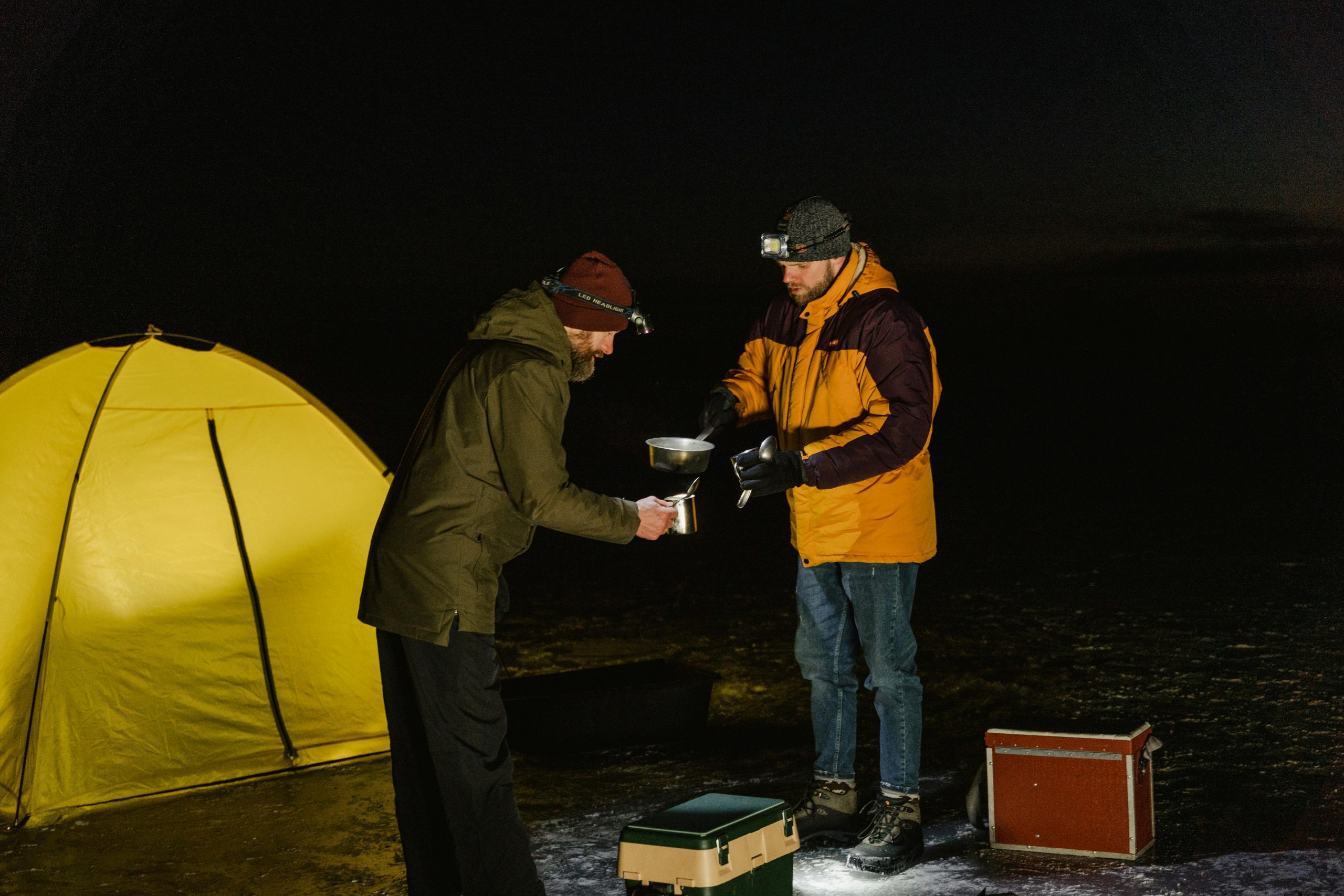
Tents provide almost no sound insulation. Voices, footsteps, and gear movement nearby carry clearly at night. Sounds feel closer and louder in the darkness. The brain reacts defensively to unfamiliar noise, keeping sleep shallow. Even quiet campsites produce disruptive sounds. Campsite selection matters more than most expect. Picture distant zipper sounds snapping your attention awake repeatedly.
12. Poor Tent Placement Affecting Stability
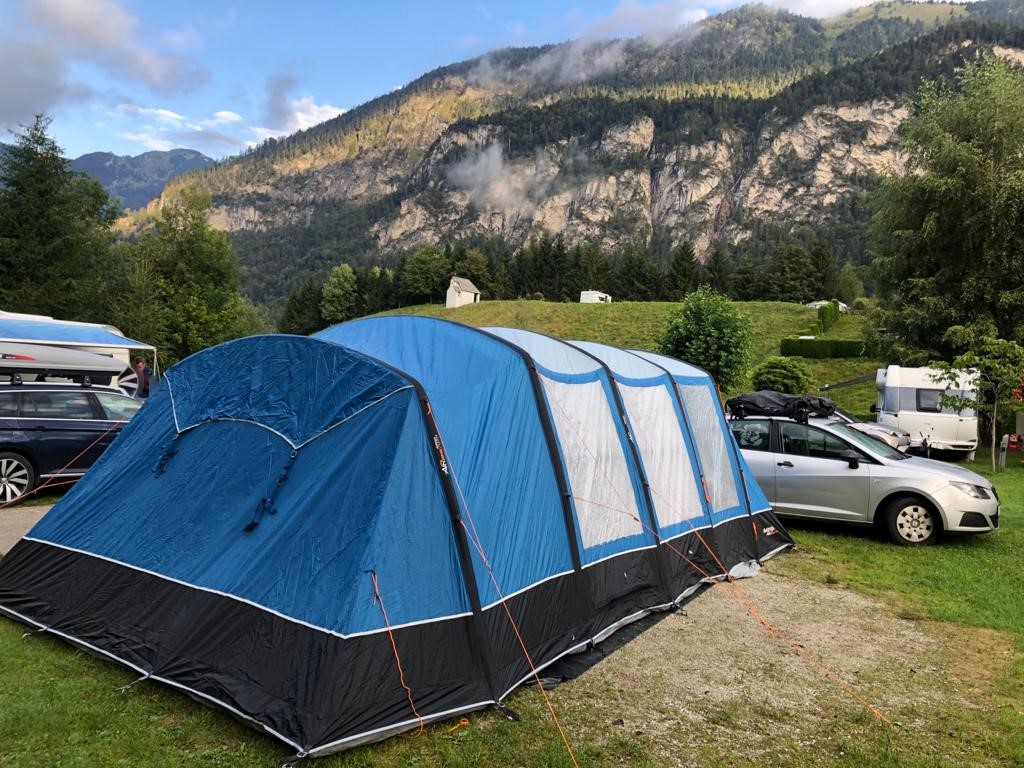
Where your tent sits influences comfort all night. Low spots collect moisture and cold air. Wind exposure increases drafts and noise. Slight slopes cause slow sliding. Many campers rush to set up and ignore terrain details. Poor placement compounds multiple issues at once. Proper positioning reduces condensation, noise, and strain. Visualize waking to damp gear and uneven footing by morning.