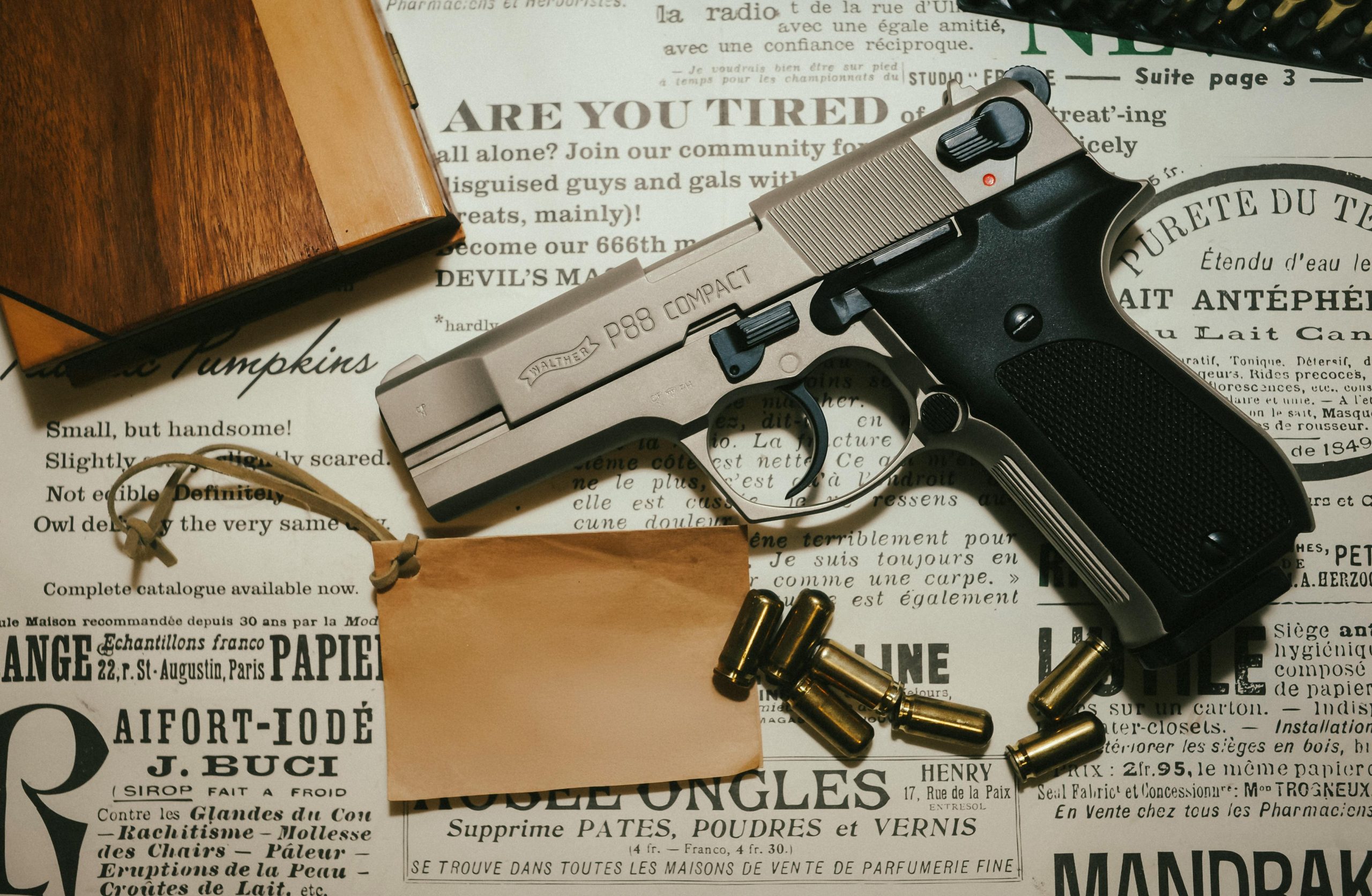
Compact and lightweight handguns are popular because they are easy to conceal, comfortable to wear for long hours, and convenient for daily carry. Slim frames, short barrels, and reduced weight allow these pistols to disappear under clothing, making them attractive to both new and experienced carriers. However, the same features that make them easy to carry often work against the shooter once firing begins. Reduced grip surface limits leverage, lighter frames increase felt recoil, and shorter sight radii reduce forgiveness during fast shooting. Under stress, these factors compound quickly, making control far more difficult than many expect. This article focuses on handguns that excel at concealment but require extra discipline, training, and realistic expectations to shoot effectively.
1. Smith & Wesson M&P Shield .40
The M&P Shield chambered in .40 S&W is slim, lightweight, and easy to conceal, but its shootability suffers once recoil enters the picture. The pistol’s narrow grip offers limited contact with the shooter’s hand, making it difficult to maintain a consistent grip during repeated shots. The .40 caliber produces a sharp recoil impulse that feels amplified in such a light platform, causing noticeable muzzle flip and slower recovery between rounds. Extended shooting sessions often lead to hand fatigue, especially for shooters with larger hands. While accurate in slow, deliberate fire, rapid strings reveal how quickly control can degrade. The Shield .40 carries all day comfortably, but mastering recoil control demands focused practice and strong fundamentals.
2. Glock 26
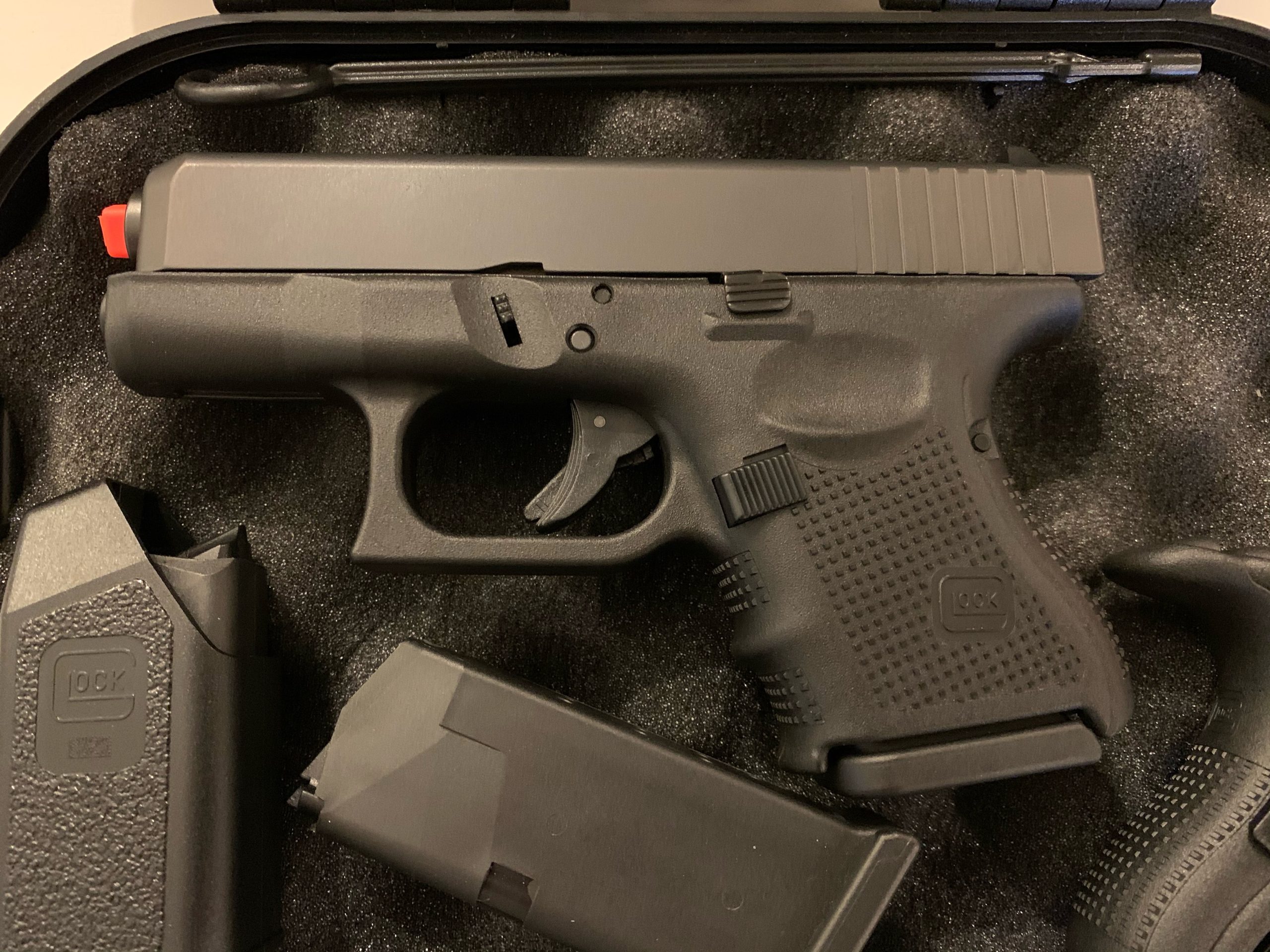
The Glock 26 is frequently described as a compact version of Glock’s full-size reliability, yet its control challenges become apparent under faster shooting conditions. The short grip prevents many shooters from achieving a full three-finger hold, forcing the little finger to curl beneath the frame or rely on magazine extensions. Without a solid grip foundation, recoil energy pushes the muzzle upward, slowing follow-up shots. The pistol’s thick slide and relatively high bore axis contribute to noticeable muzzle rise during rapid fire. While the Glock 26 is mechanically dependable and easy to conceal, consistent control requires deliberate grip technique and regular training to overcome its compact dimensions.
3. Ruger LCP
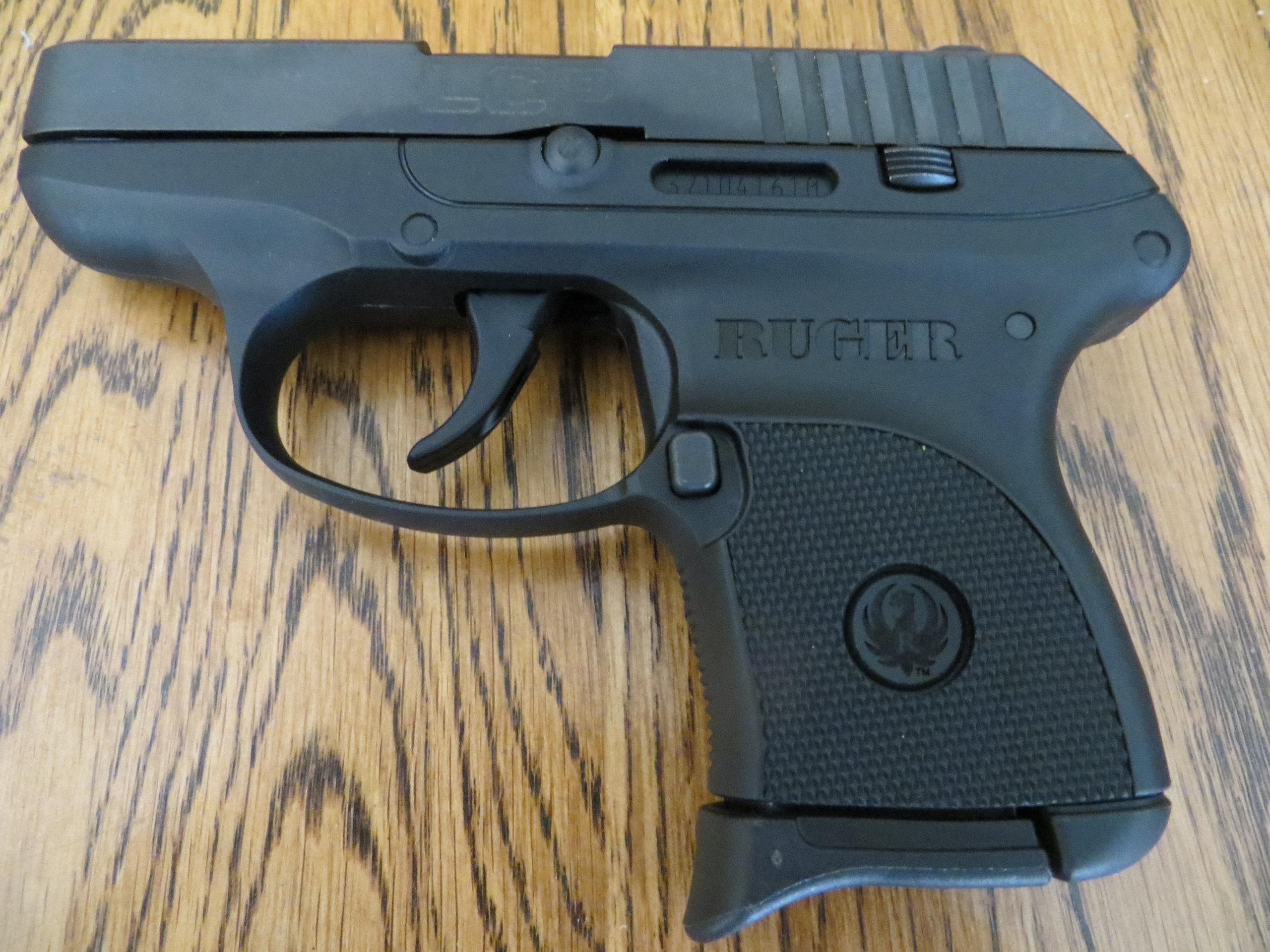
The Ruger LCP is designed for maximum concealability, and it succeeds almost to a fault. It’s extremely lightweight, and the minimal grip surface makes recoil feel abrupt even with the mild .380 ACP cartridge. The small frame offers little leverage for recoil control, causing the pistol to shift in the hand during firing. Tiny sights and a long, heavy trigger further complicate accurate shooting, especially under stress. Extended practice sessions can become uncomfortable, with sharp recoil transferring directly into the shooter’s palm. The LCP excels as a last-resort carry option when nothing else fits, but controlling it effectively requires patience, restraint, and realistic expectations.
4. SIG Sauer P365
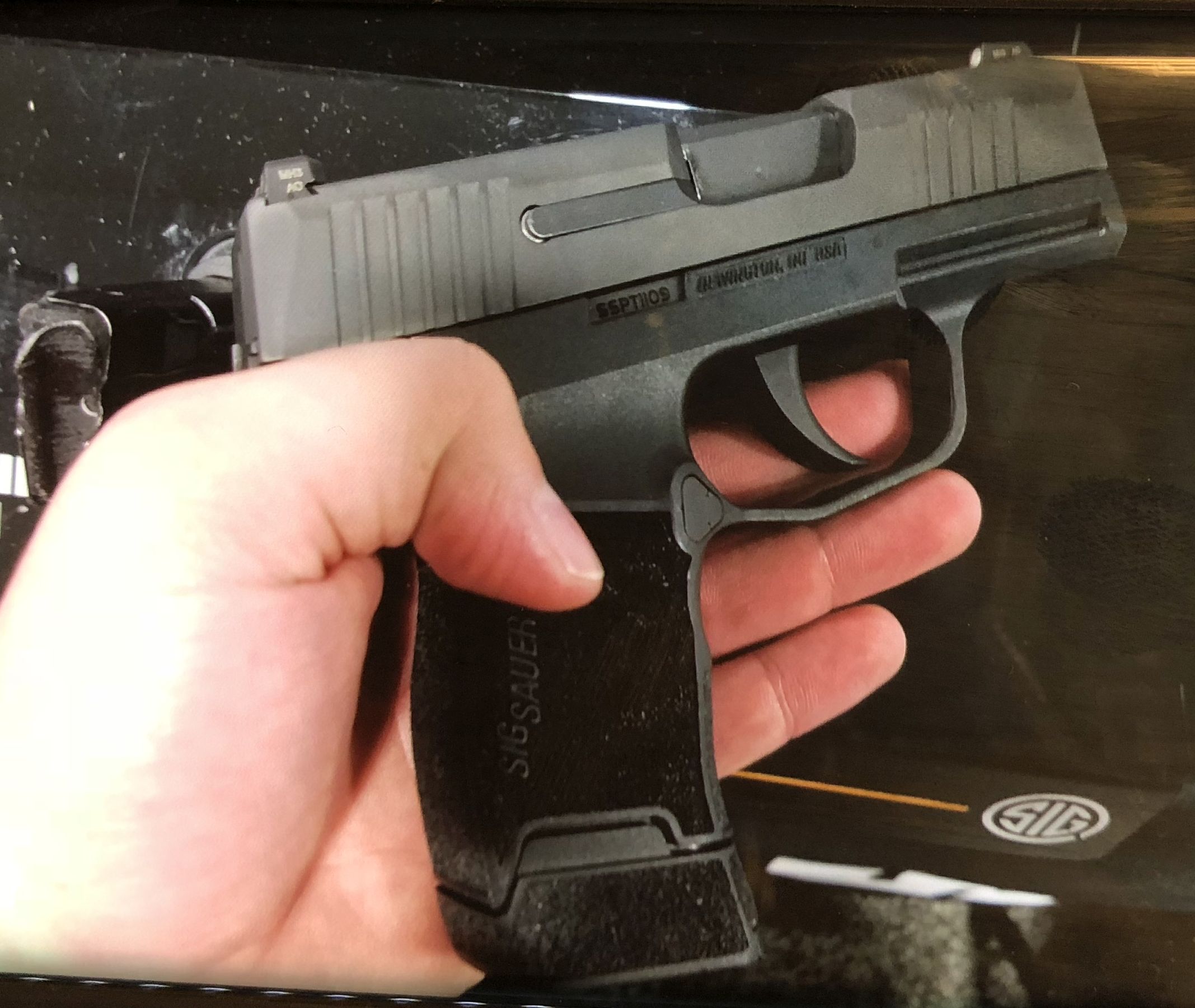
The SIG P365 changed expectations for capacity in a micro-compact handgun, but its small size still presents real control challenges. The narrow grip frame limits surface contact, making consistent hand placement critical shot to shot. Despite good ergonomics, the lightweight slide and short barrel produce a snappy recoil impulse that can disrupt sight alignment during rapid fire. Shooters with larger hands may find their grip shifting under recoil, especially without extended magazines. While the P365 is accurate and reliable, it demands strong fundamentals to manage recoil effectively. Its concealability is excellent, but speed and precision require disciplined practice.
5. Springfield Armory Hellcat
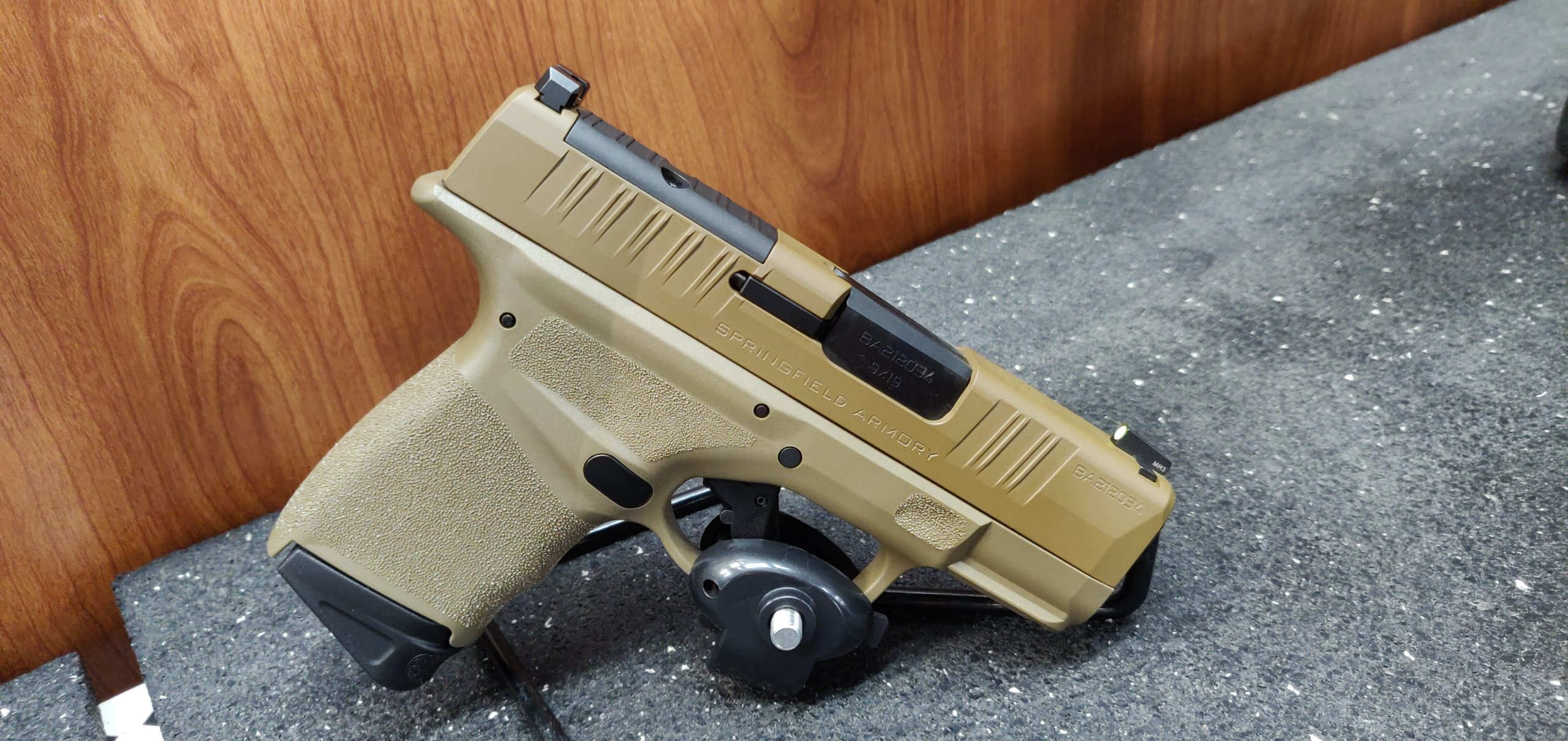
The Hellcat packs impressive firepower into a very small frame, but that density comes at a cost when shooting quickly. Recoil feels sharp and abrupt, with noticeable muzzle flip during rapid strings. The aggressive grip texture helps maintain control, yet the short grip length still limits leverage. A reduced sight radius means small errors are magnified at a distance. While the pistol performs well in trained hands, newer shooters often struggle to keep shots tight during stress drills. The Hellcat carries comfortably and confidently, but controlling it consistently requires focused training and realistic expectations
6. Kahr Arms PM9
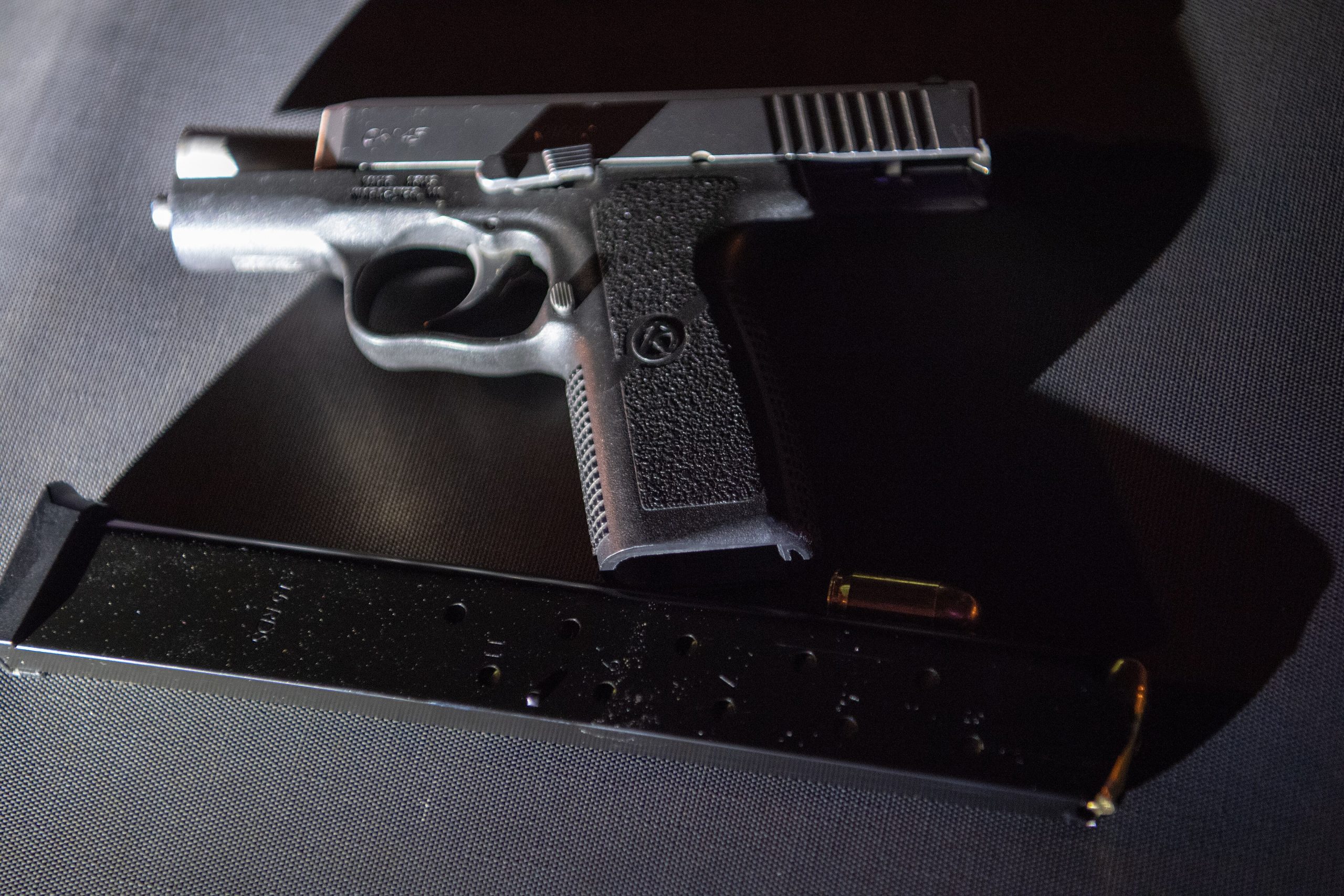
The Kahr PM9 is sleek, lightweight, and easy to conceal, but its shooting characteristics can be demanding. The long, smooth trigger pull requires careful control, slowing follow-up shots for many users. Combined with a slim grip and light frame, recoil feels sharper than expected for its size. The pistol tends to shift in the hand during rapid fire, especially without deliberate grip pressure. While accurate when fired deliberately, the PM9 is less forgiving at speed. It excels as a carry gun but asks more from the shooter in terms of patience and technique.
7. Kel-Tec PF-9
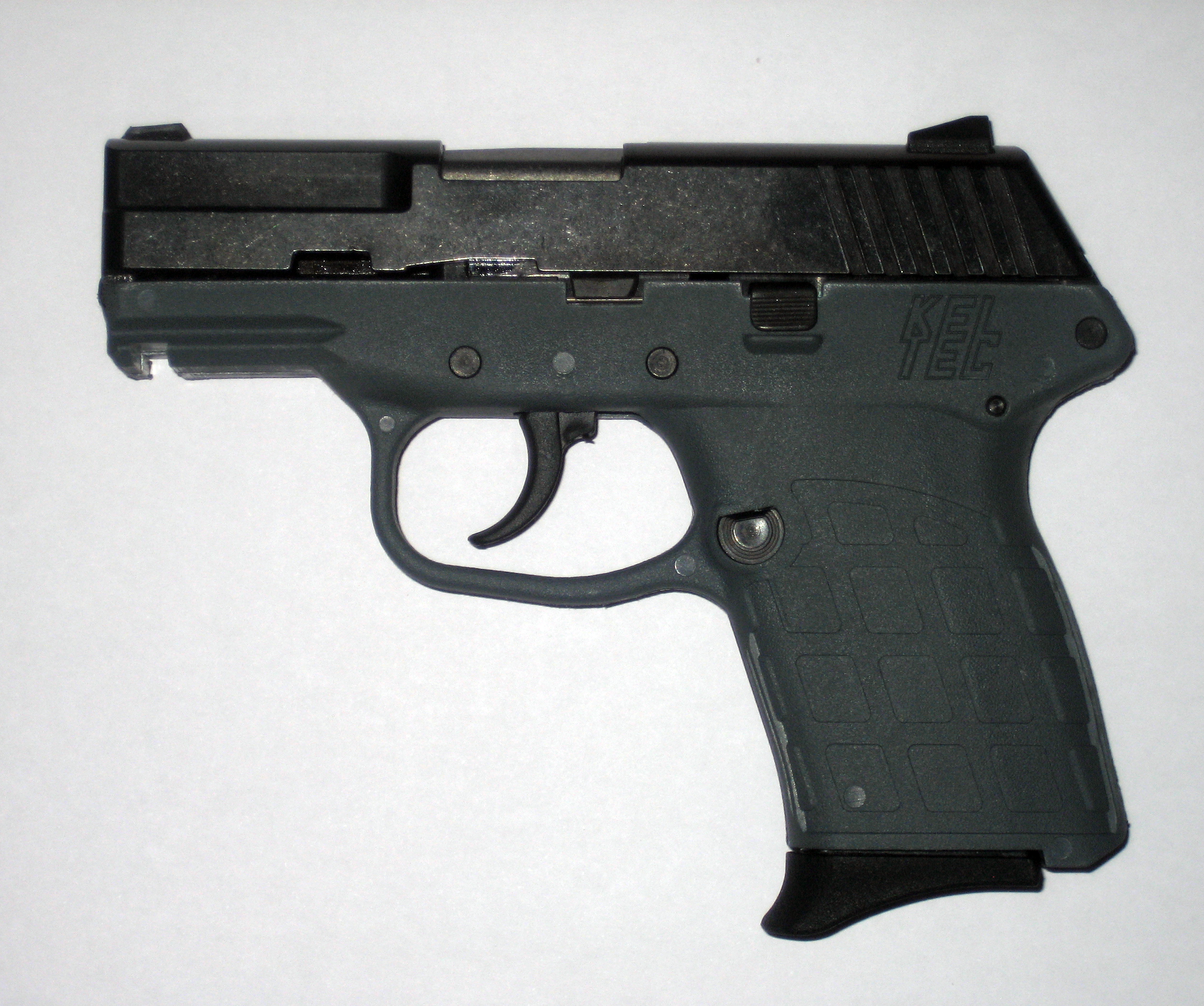
The Kel-Tec PF-9 prioritizes extreme lightness and concealability, but those traits come at the expense of controllability. Its thin polymer frame and minimal grip texture offer little assistance in managing recoil, causing the pistol to snap sharply during firing. The recoil impulse feels abrupt, often pushing the muzzle upward and slowing recovery between shots. Many shooters report the pistol shifting in the hand after each round, requiring constant grip readjustment. While functional and easy to carry, the PF-9 can be uncomfortable during extended practice sessions. Effective use demands strong grip discipline and conservative shooting cadence.
8. Beretta Nano
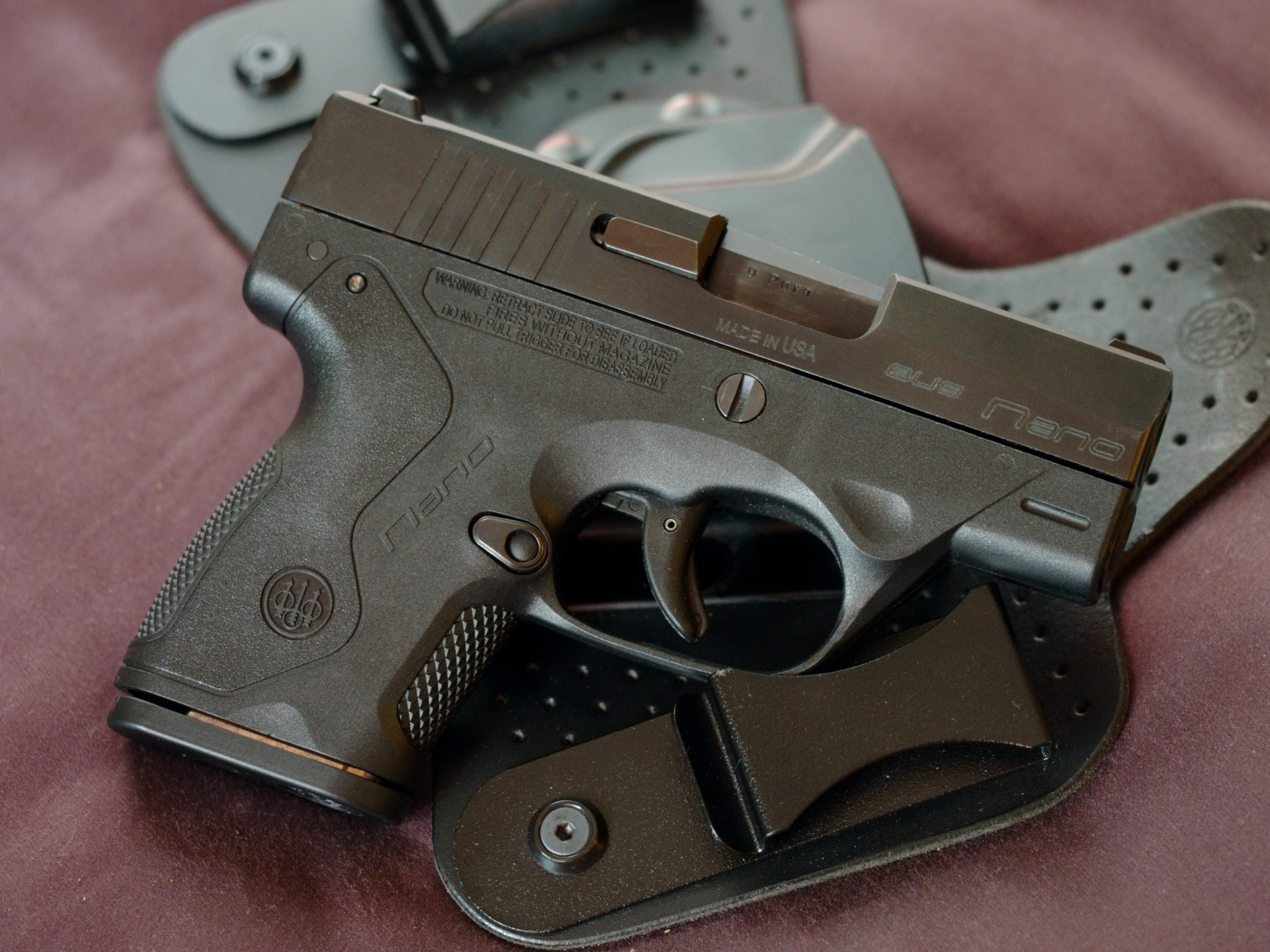
The Beretta Nano features smooth, snag-free contours that make it easy to conceal, but those same features reduce grip traction. With few external surfaces to anchor the hand, recoil management becomes more difficult during rapid fire. The heavy trigger pull adds another layer of challenge, often pulling shots off target when rushed. The Nano’s short sight radius offers little margin for error, especially under stress. While reliable and compact, the pistol requires focused technique to maintain accuracy. It carries comfortably, but its shooting dynamics reward patience over speed.
9. Taurus Spectrum
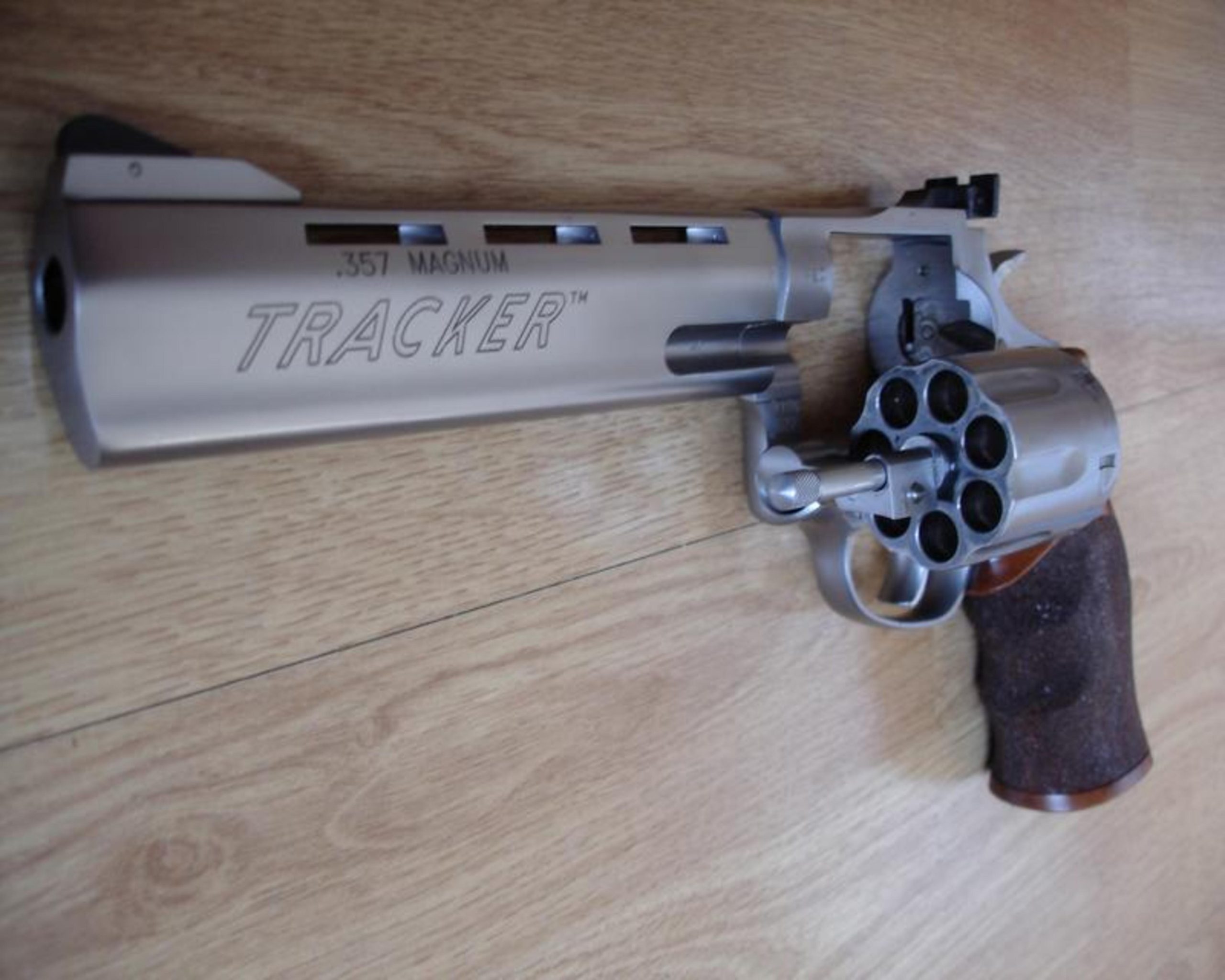
The Taurus Spectrum emphasizes comfort and aesthetics, but its soft exterior materials affect control. The rubberized grip compresses under recoil, reducing consistency between shots. This compression can cause the pistol to feel unstable during rapid firing, particularly for shooters with smaller hands. Combined with its lightweight frame, recoil feels sharper than expected for its caliber. While comfortable to carry and visually distinct, the Spectrum struggles to deliver predictable recoil behavior. Maintaining accuracy requires a slower, more deliberate shooting pace.
10. Kimber Micro 9
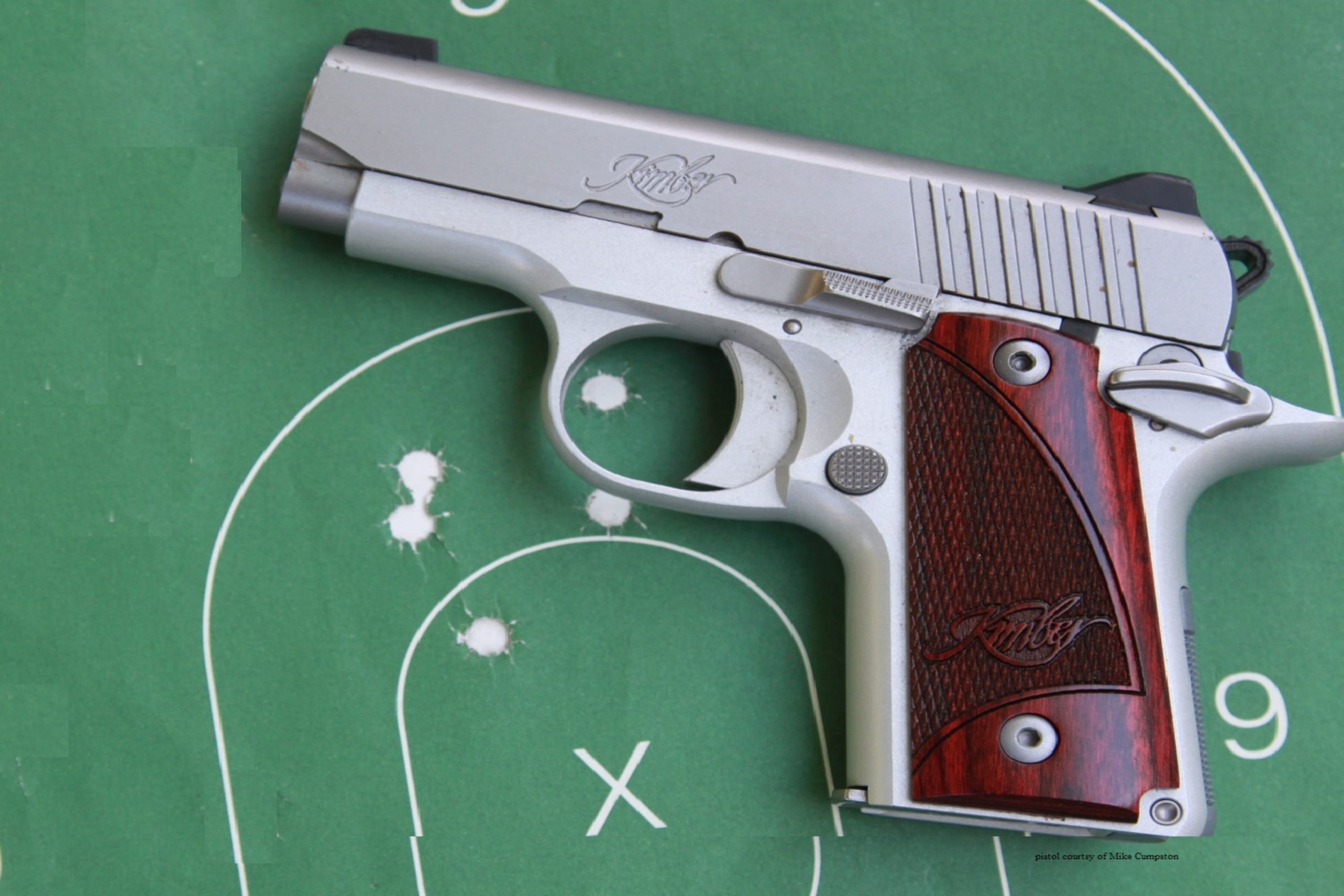
The Kimber Micro 9 delivers premium styling in a compact package, but its lightweight makes recoil management challenging. The aluminum frame transfers recoil sharply into the shooter’s hand, creating a noticeable snap even with standard-pressure ammunition. Its narrow grip limits leverage, and the short barrel contributes to pronounced muzzle rise during fast shooting. While the trigger is crisp, the pistol demands careful grip discipline to maintain control. Extended practice sessions can be tiring, especially for shooters sensitive to recoil. The Micro 9 is easy to carry and visually appealing, but effective control requires steady technique and deliberate pacing.
11. CZ RAMI
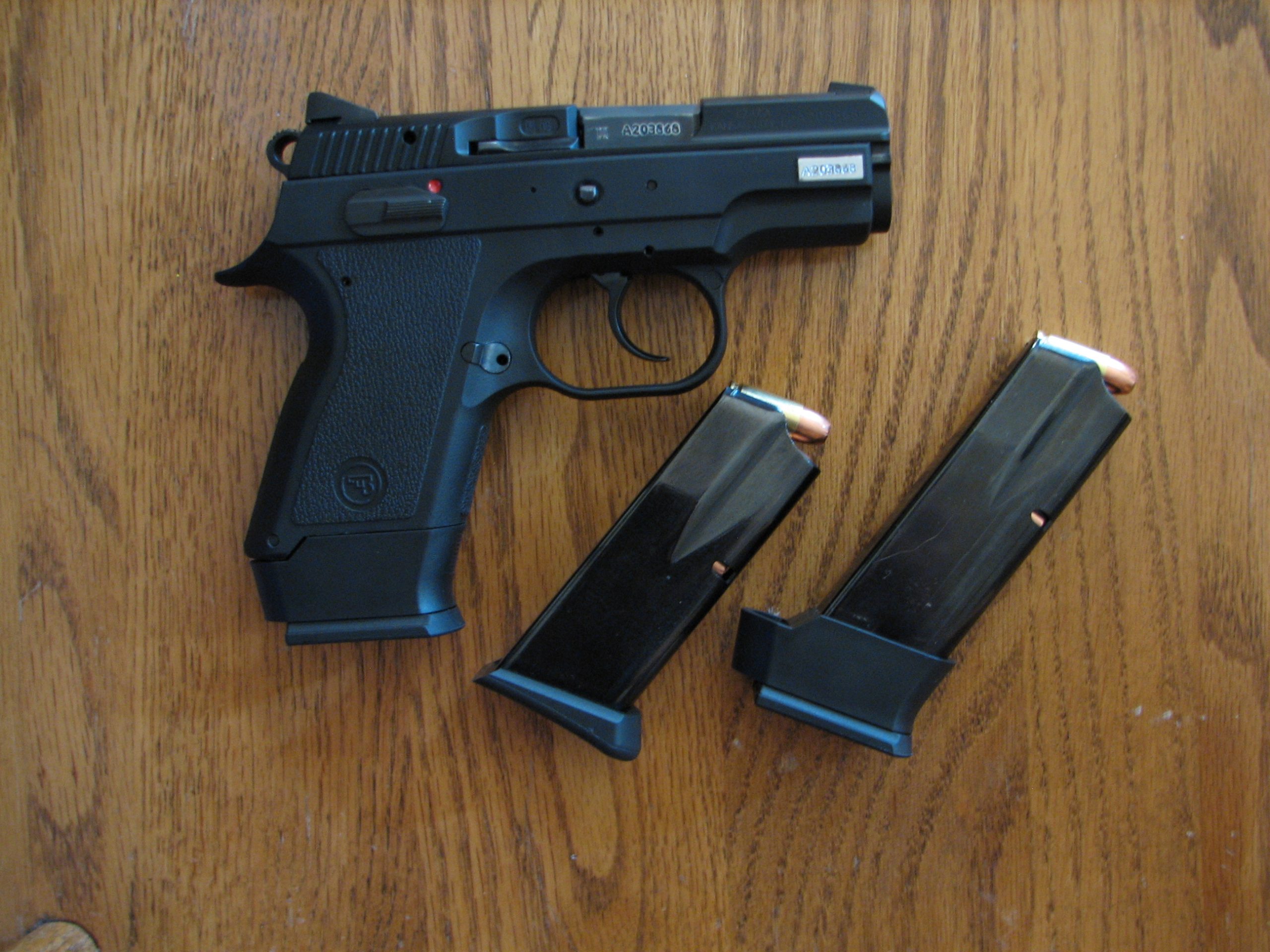
The CZ RAMI benefits from solid construction, but its compact dimensions still introduce control challenges. The short grip frame restricts full hand placement, making recoil management less predictable during rapid fire. Although its weight helps absorb some recoil, the pistol’s abbreviated slide and sight radius reduce forgiveness. Shooters often find accuracy strong in slow fire but less consistent when speed increases. The RAMI conceals well for its size, yet demands focused grip pressure and proper stance to remain controllable under stress.
12. Walther PPS M2
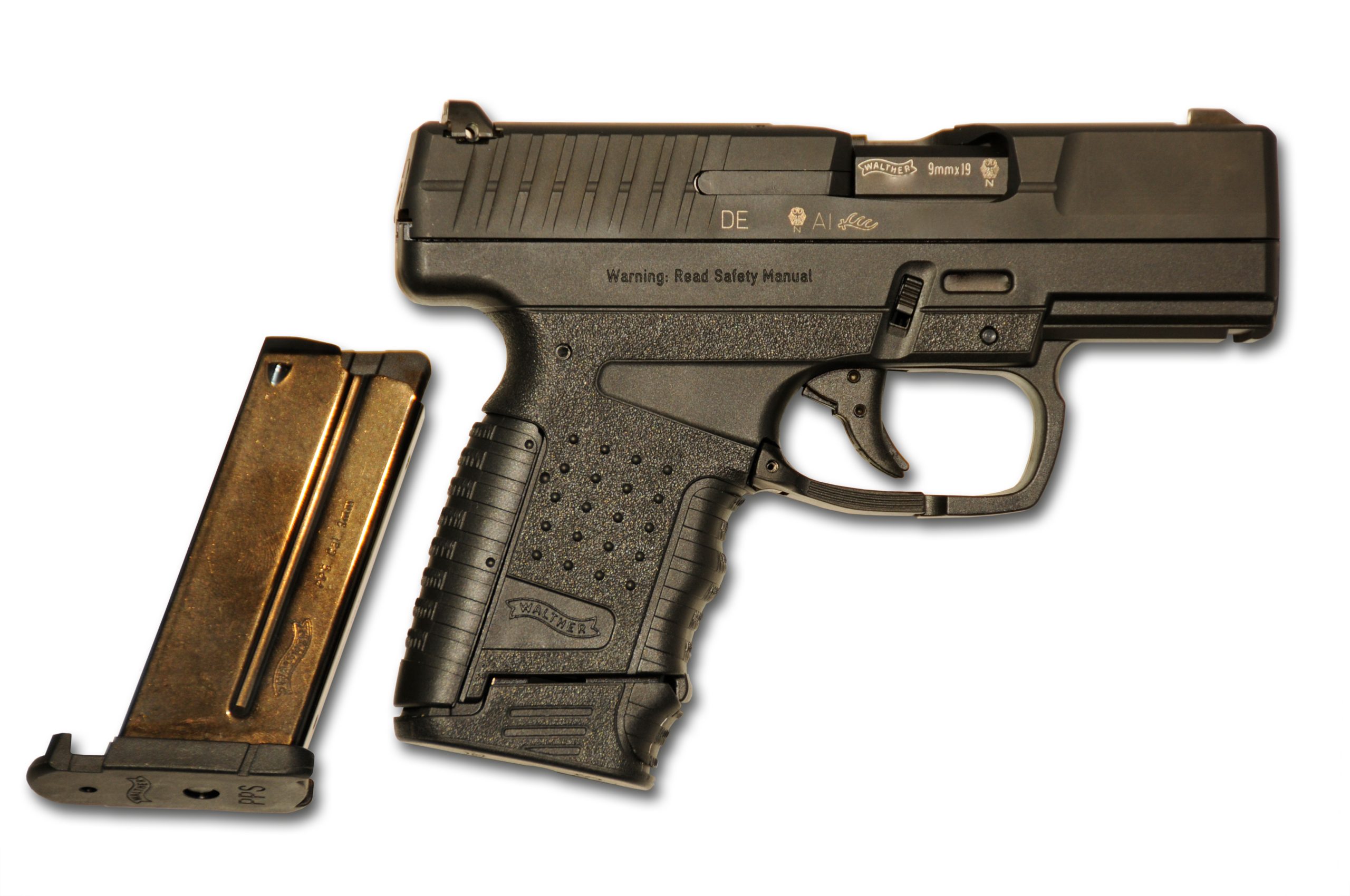
The Walther PPS M2 is slim, lightweight, and exceptionally easy to conceal, but its compact dimensions make control more demanding than its refined appearance suggests. The single-stack grip limits hand contact, especially for shooters with larger hands, reducing leverage during recoil. While ergonomics are well thought out, the short grip and light frame allow recoil to feel sharper than expected, particularly during rapid fire. The pistol’s short sight radius leaves little room for error, making fast follow-up shots harder to manage. Although accurate in deliberate shooting, the PPS M2 requires careful grip pressure and disciplined trigger control to stay stable under speed. It carries effortlessly, but effective control comes only with consistent practice.