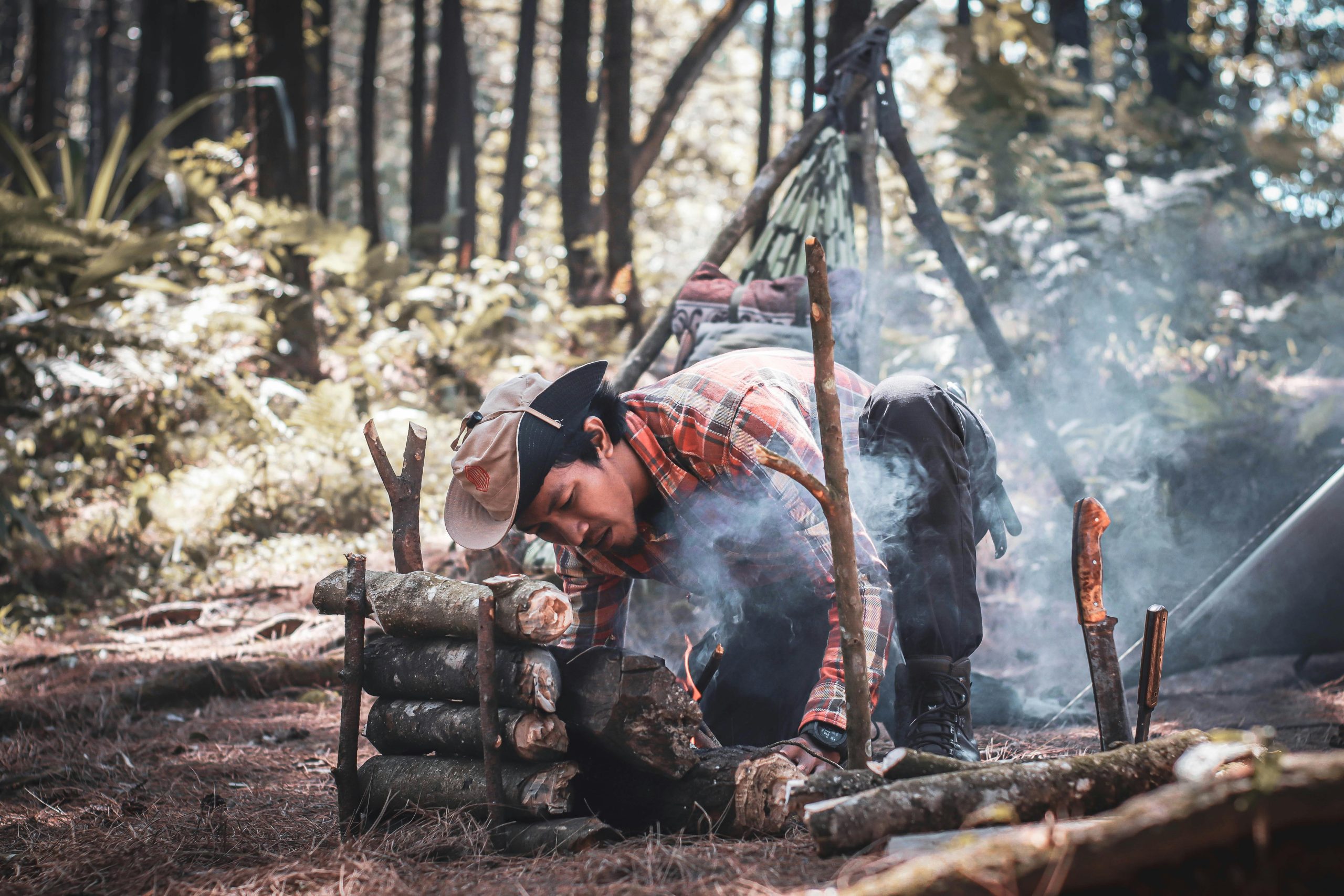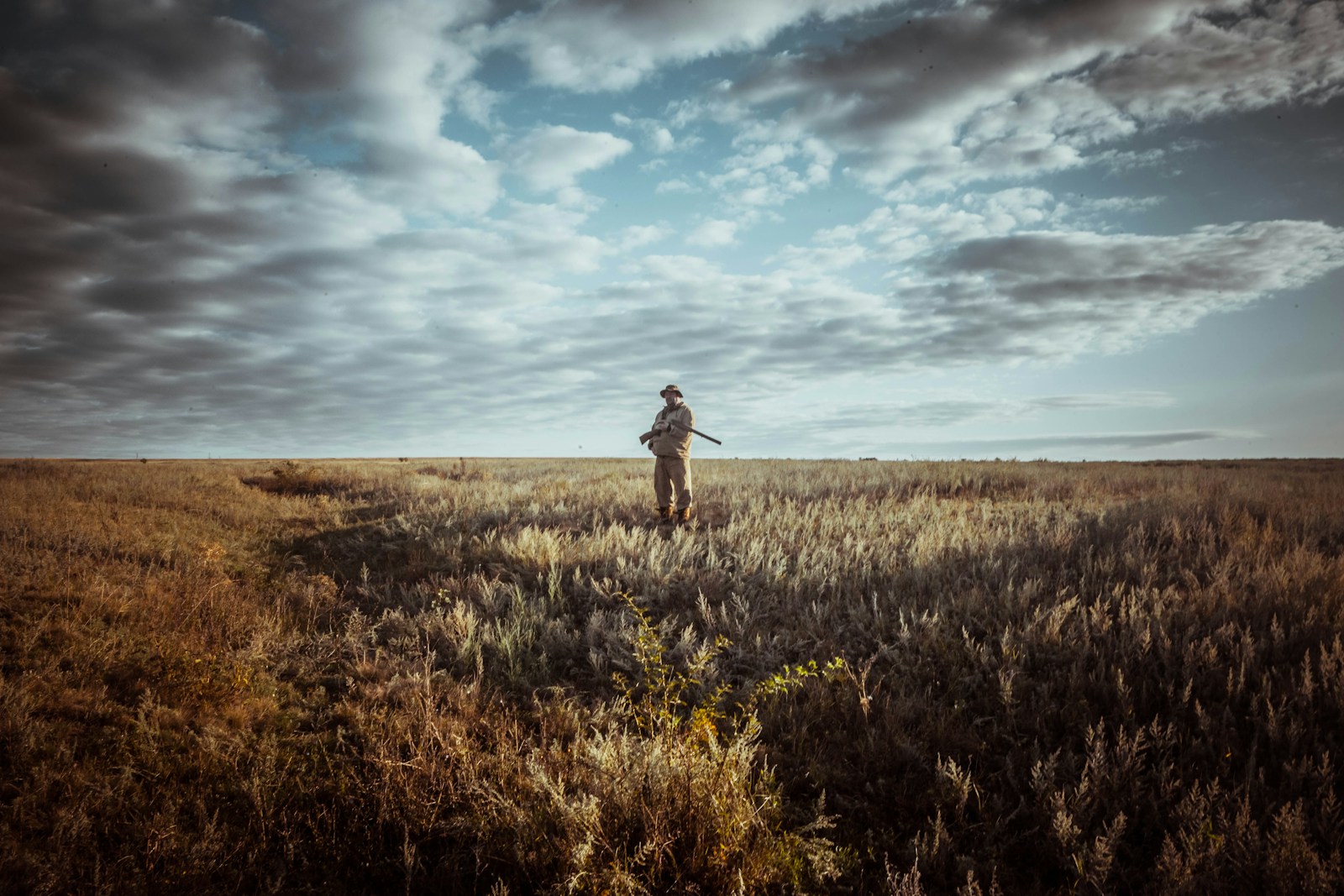
Moving quietly through the woods demands more than camouflage clothing or luck. Experienced hunters develop habits that reduce sound, scent, and visual disruption. These behaviors come from years of observation and respect for wildlife behavior. Animals notice patterns long before people realize mistakes. Staying unseen involves slowing down, blending movement, and understanding surroundings. Wind direction, light, and terrain all influence visibility. The most skilled hunters treat the forest as an active partner. They adjust habits constantly rather than forcing progress. This guide explores twelve proven habits hunters rely on to remain unnoticed. Each habit reflects discipline, patience, and careful awareness developed over time afield.
Moving With The Wind
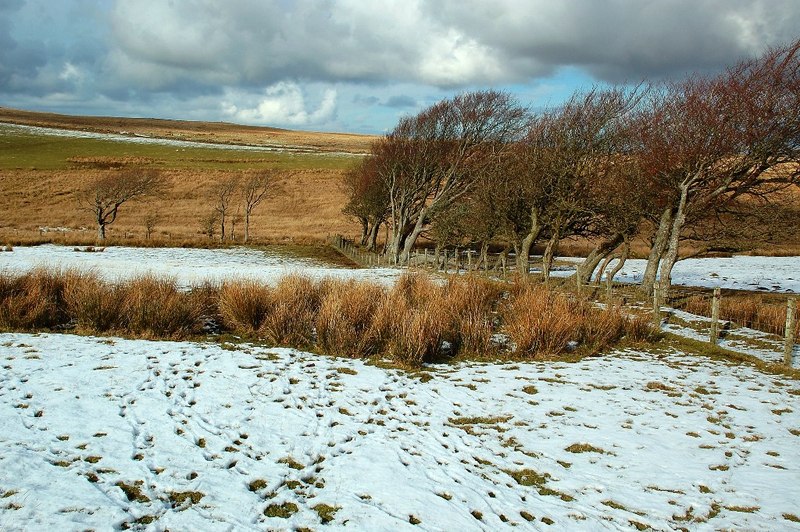
Skilled hunters constantly monitor wind direction before and during movement. Human scent travels farther than sound in forested environments. Moving into the wind keeps scent drifting away from animals. Hunters pause often to test airflow using natural indicators. Milkweed fibers, grass, or breath reveal subtle changes. Wind shifts require route adjustments and patience. Charging ahead ignores how animals interpret danger. Experienced hunters circle bedding areas cautiously. This habit reduces detection long before visual contact occurs. Consistent wind awareness separates successful hunts from encounters that end prematurely. It remains fundamental regardless of terrain season or species pursued quietly daily.
Slow Deliberate Steps
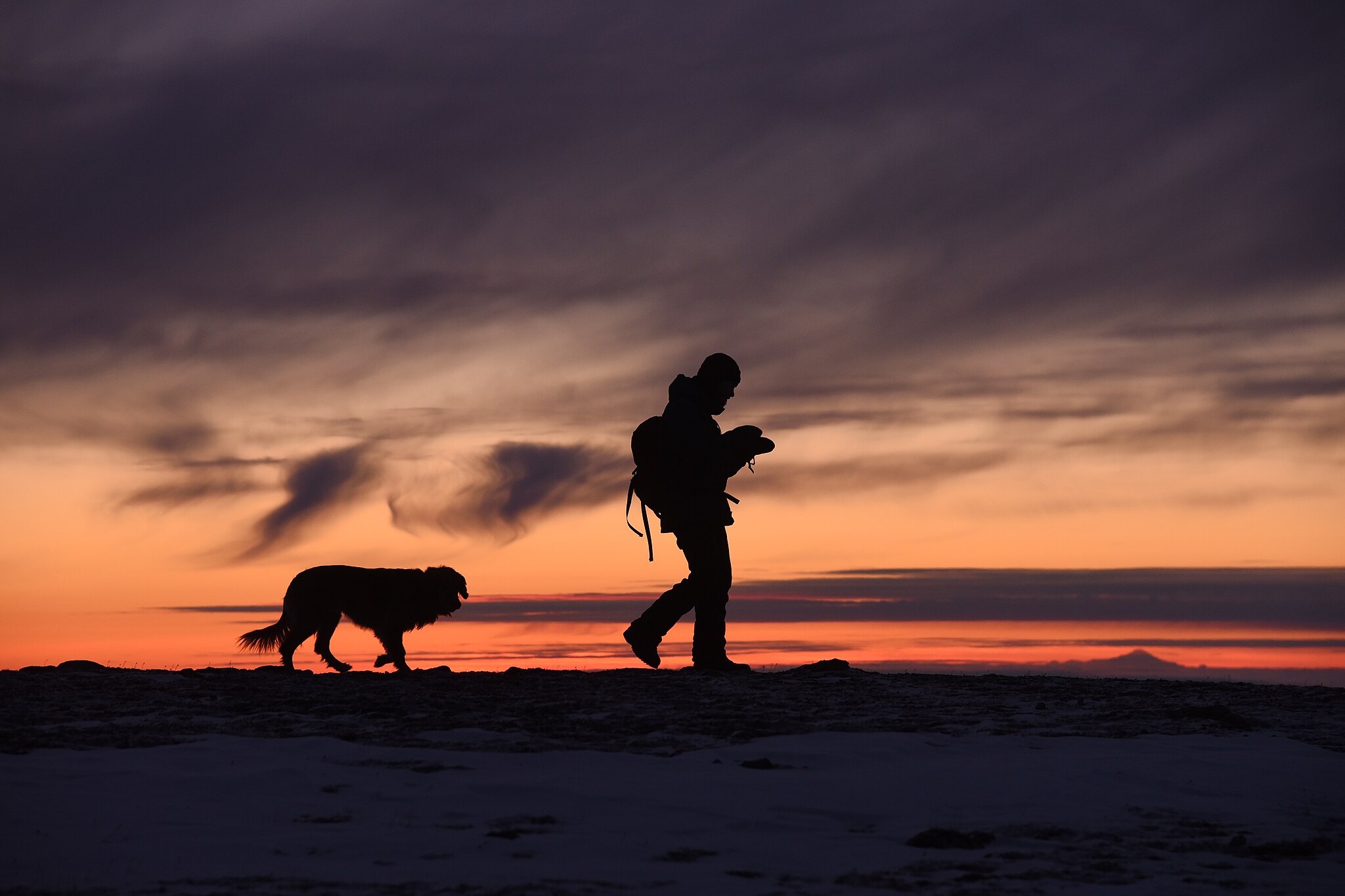
Experienced hunters walk far slower than casual hikers in woods. Each step is placed carefully to avoid snapping debris. They scan ground ahead before shifting weight. Pauses between steps break predictable movement patterns. Animals detect rhythm as easily as sound. Moving slowly allows time to observe behavior. It also reduces noise from clothing and gear. Patience replaces urgency in productive hunting. This habit demands discipline but dramatically improves concealment. Slowness aligns human presence with natural forest pacing and expectations. Wildlife reacts less when movement mirrors surrounding environmental cues during undisturbed conditions throughout daily feeding cycles.
Breaking The Outline
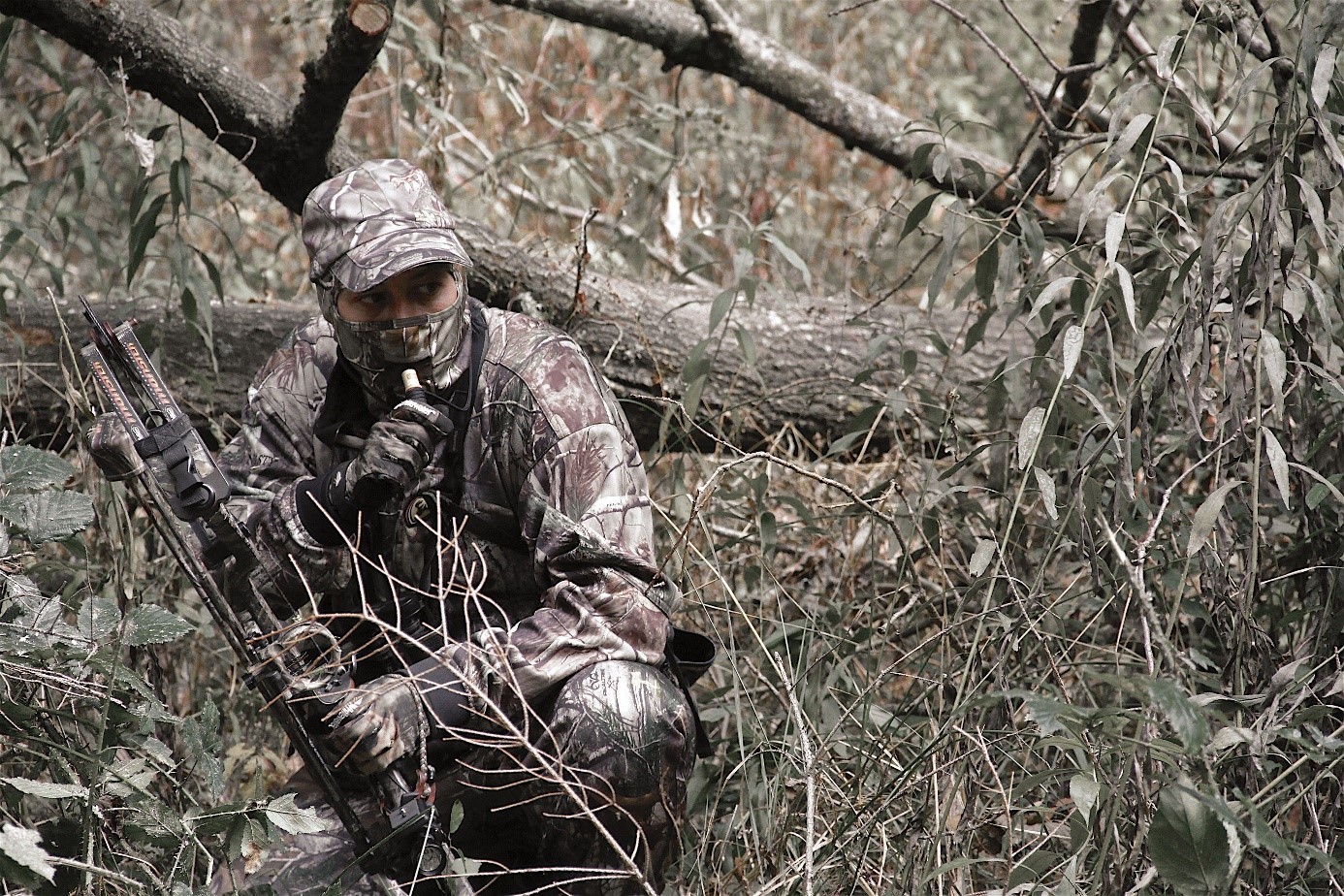
Hunters avoid skylining by staying below ridges and horizons. Animal eyes detect shapes faster than colors. A straight human silhouette signals danger immediately. Skilled hunters use trees terrain and shadows. They stop beside cover rather than standing exposed. Breaking outline confuses animal depth perception. Even slight background cover improves invisibility. Movements stay low controlled and irregular. This habit matters especially during dawn and dusk. Low light exaggerates contrast making outlines easier to detect. Blending shape with surroundings reduces alarm responses significantly across open hardwood ridges fields and sparse timber areas during transitional seasonal movement periods.
Managing Clothing Noise
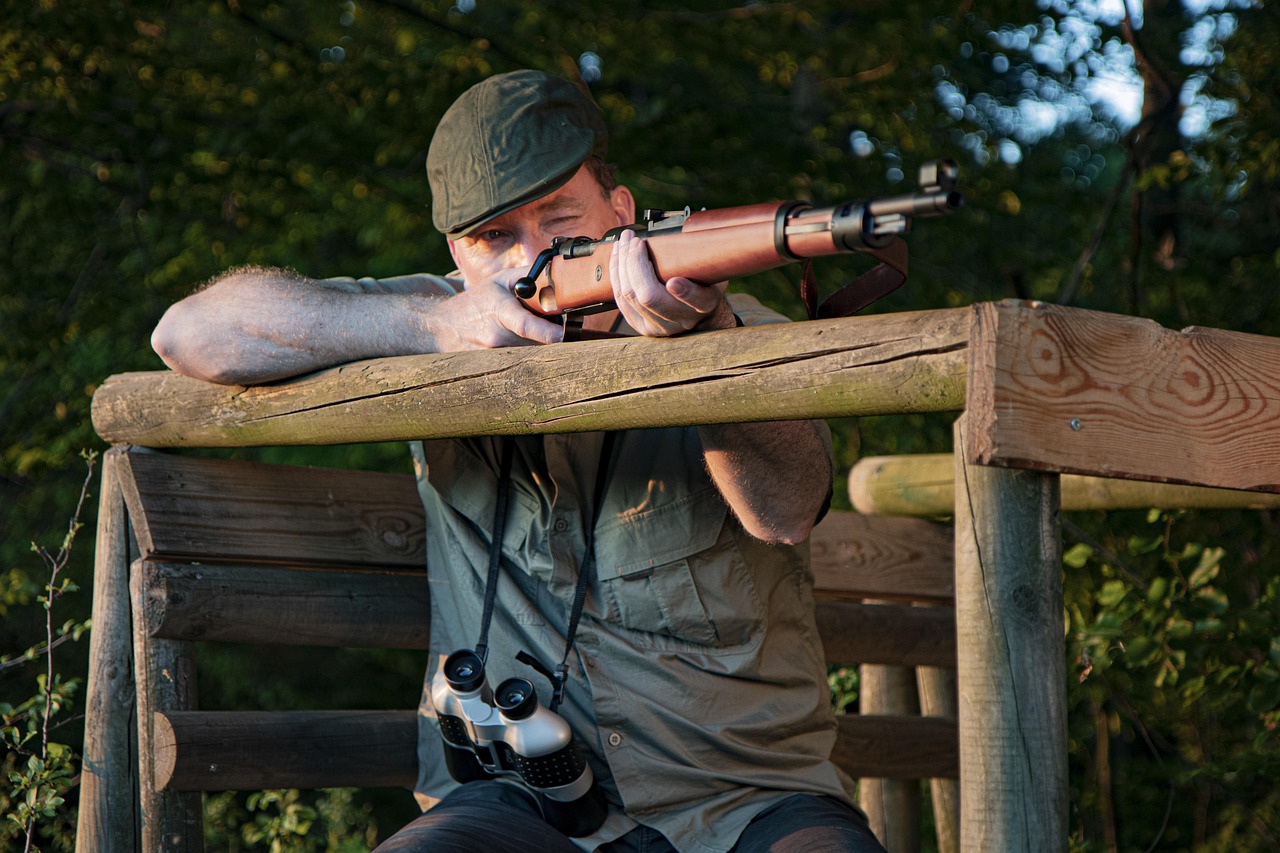
Skilled hunters select clothing that minimizes friction and rustling. Synthetic shells often create unwanted sound. Natural fabrics and brushed surfaces stay quieter. Loose layers flap during wind or movement. Experienced hunters secure straps zippers and accessories. Silence matters when animals rely on hearing. Noise travels unpredictably through cold air. Quiet clothing supports close range encounters. This habit complements careful movement and patience. Attention to fabric choice prevents unnecessary alerts before animals appear. Many hunters test gear outdoors rather than indoors to understand sound behavior under realistic conditions.
Controlling Scent Beyond Wind
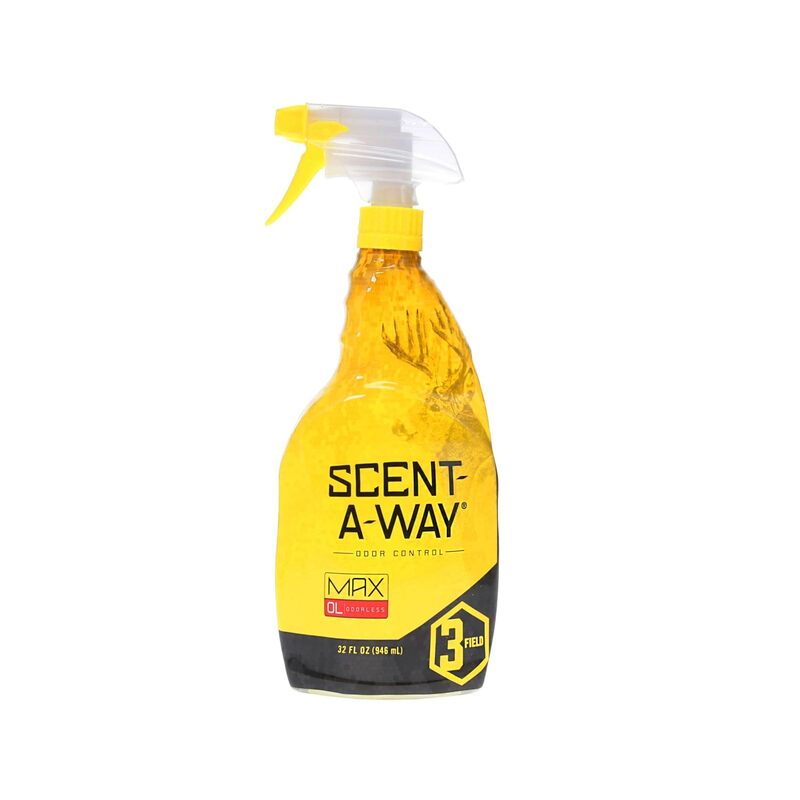
Experienced hunters manage scent through habits beyond wind awareness. Clean gear reduces lingering human odors. Fuel food and smoke smells transfer easily. Boots absorb ground level scents quickly. Hunters store clothing separately from daily wear. Natural surroundings amplify unfamiliar smells. Minimal disturbance keeps animals relaxed. Scent discipline supports closer encounters. This habit works silently before movement begins. Avoiding scented detergents soaps and products reduces detection risk. Careful handling of equipment limits contamination during travel from vehicles camps and storage areas before entering woods at dawn hours quietly.
Using Natural Cover Frequently
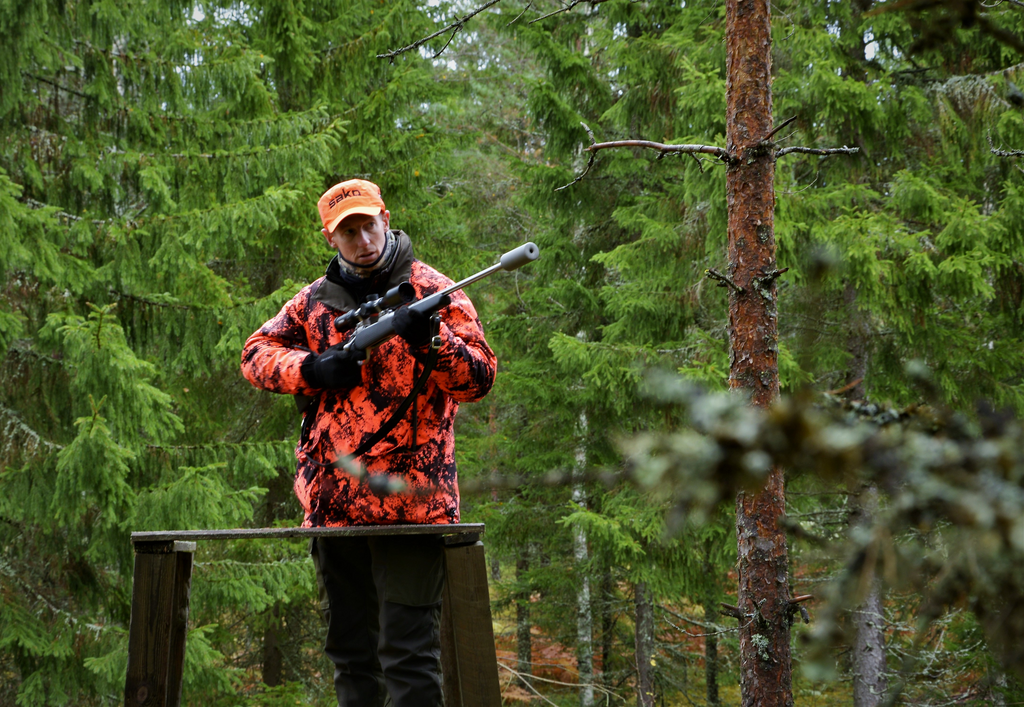
Skilled hunters move between natural cover points deliberately. Trees brush and terrain breaks hide movement. Open spaces increase exposure and risk. Hunters pause behind cover before advancing. This leapfrogging approach limits visibility windows. Animals notice continuous motion across open ground. Cover creates visual interruption. It also offers time to assess surroundings. This habit becomes essential near feeding or bedding areas. Strategic use of cover aligns movement with natural forest structure. Reducing exposure decreases chances of sudden detection by alert animals positioned beyond immediate visual range within dense habitat.
Watching Birds And Small Animals

Experienced hunters observe birds and small animals closely. Sudden alarm calls often indicate approaching danger. Squirrels birds and rodents react before larger game. Movement patterns reveal unseen disturbances. Hunters pause when forest behavior changes. This awareness provides early warning. Calm woods suggest safe movement. Agitation signals caution. This habit turns the forest into an information network. Paying attention prevents accidental spooking of nearby game before visual contact ever occurs during careful progression through varied habitat types under changing daily conditions including wind shifts light changes and seasonal pressure patterns across hunted landscapes throughout the year.
Limiting Unnecessary Gear
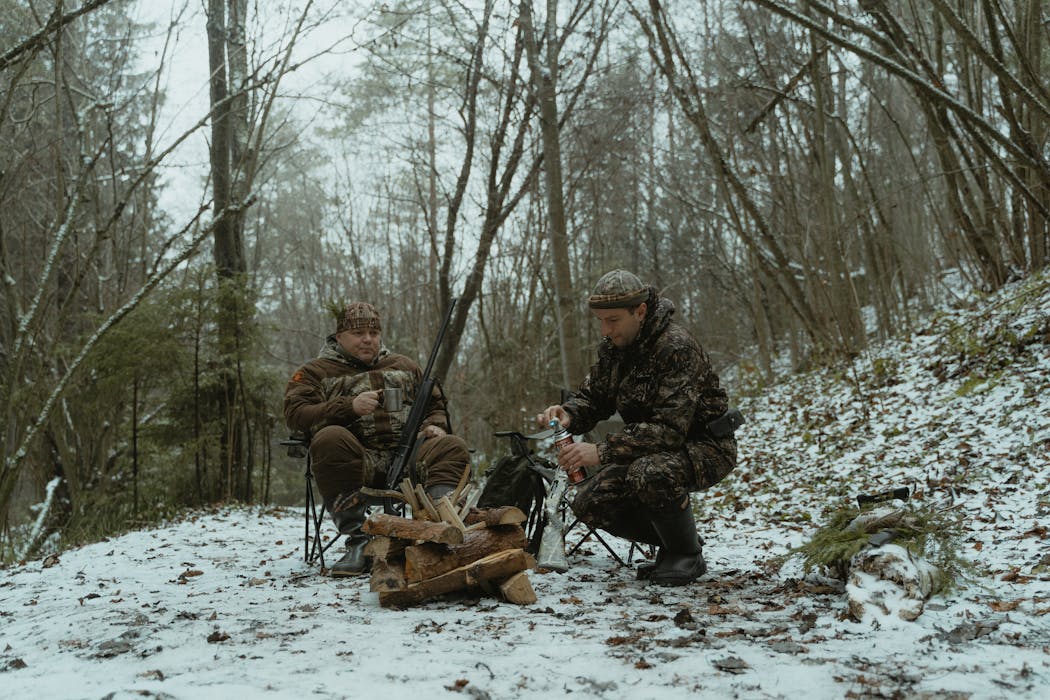
Skilled hunters carry only essential gear into the woods. Extra equipment increases noise weight and movement. Minimalism improves agility and focus. Fewer items mean fewer distractions. Hunters organize gear for silent access. Pockets and straps stay secured. Clutter creates opportunities for mistakes. Simplicity supports awareness of surroundings. This habit prioritizes function over convenience. Essential tools are chosen carefully based on conditions rather than habits formed by overpacking tendencies. Reducing load allows smoother quieter movement through dense terrain and improves endurance during long hunts in variable winter conditions daily.
Staying Low And Using Terrain
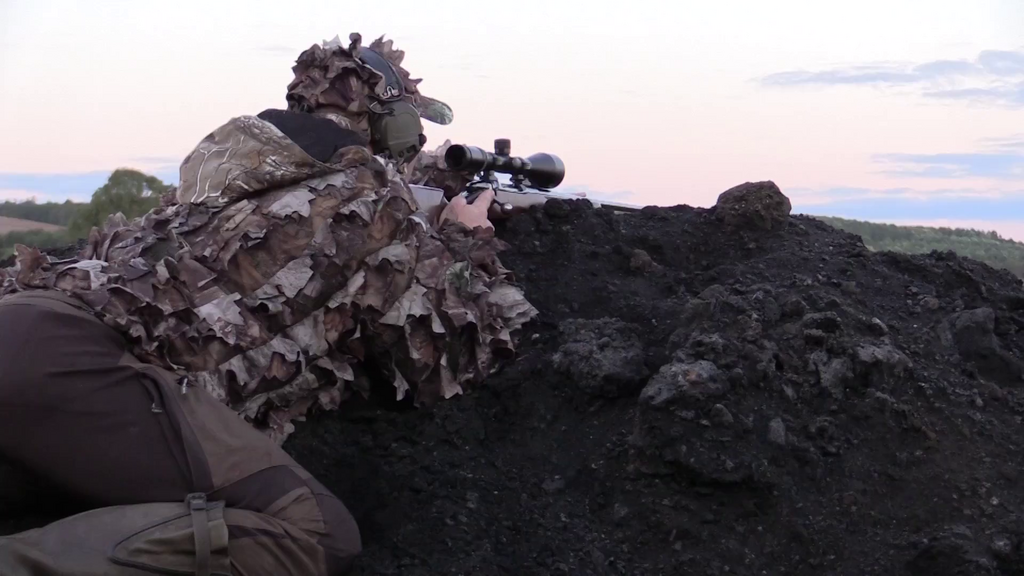
Skilled hunters use terrain features to remain unseen. Low spots ditches and folds hide movement. Higher ground increases exposure to animals. Hunters crawl or crouch when needed. Terrain dictates posture and speed. Moving low reduces silhouette size. It also blocks lines of sight. Elevation awareness prevents accidental skylining. This habit blends movement into natural contours. Using land effectively requires study and patience. Hunters read maps and terrain long before entering areas to anticipate cover opportunities and movement routes during approach and exit phases of each hunt.
Freezing When Necessary
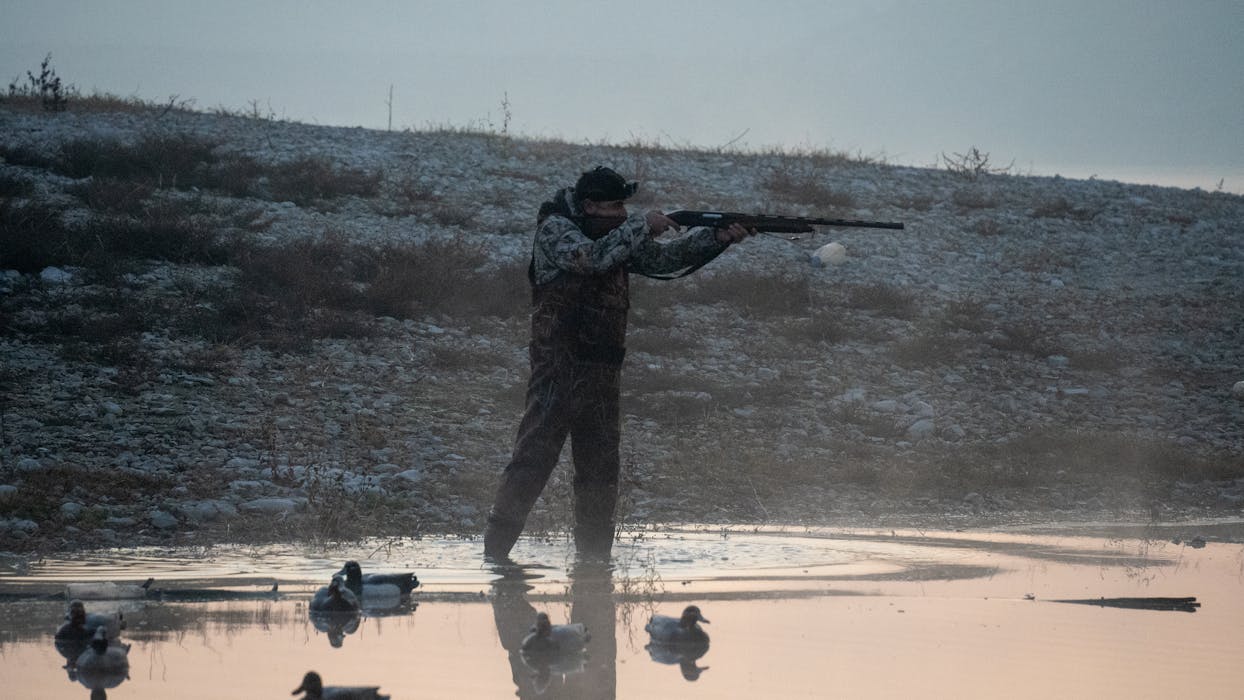
Experienced hunters stop moving when animals appear alert. Freezing breaks motion patterns that trigger alarm. Many animals key on movement first. Remaining still allows curiosity to fade. Skilled hunters control breathing during pauses. Blinking slow and minimal prevents detection. Stillness requires mental discipline. It often feels counterintuitive. This habit frequently determines success at close range. Waiting calmly reduces pressure and resets animal confidence. Sudden movement after freezing often spooks game instantly. Patience during these moments separates experienced hunters from beginners in unpredictable close encounters within dense cover.
Matching Pace To Conditions
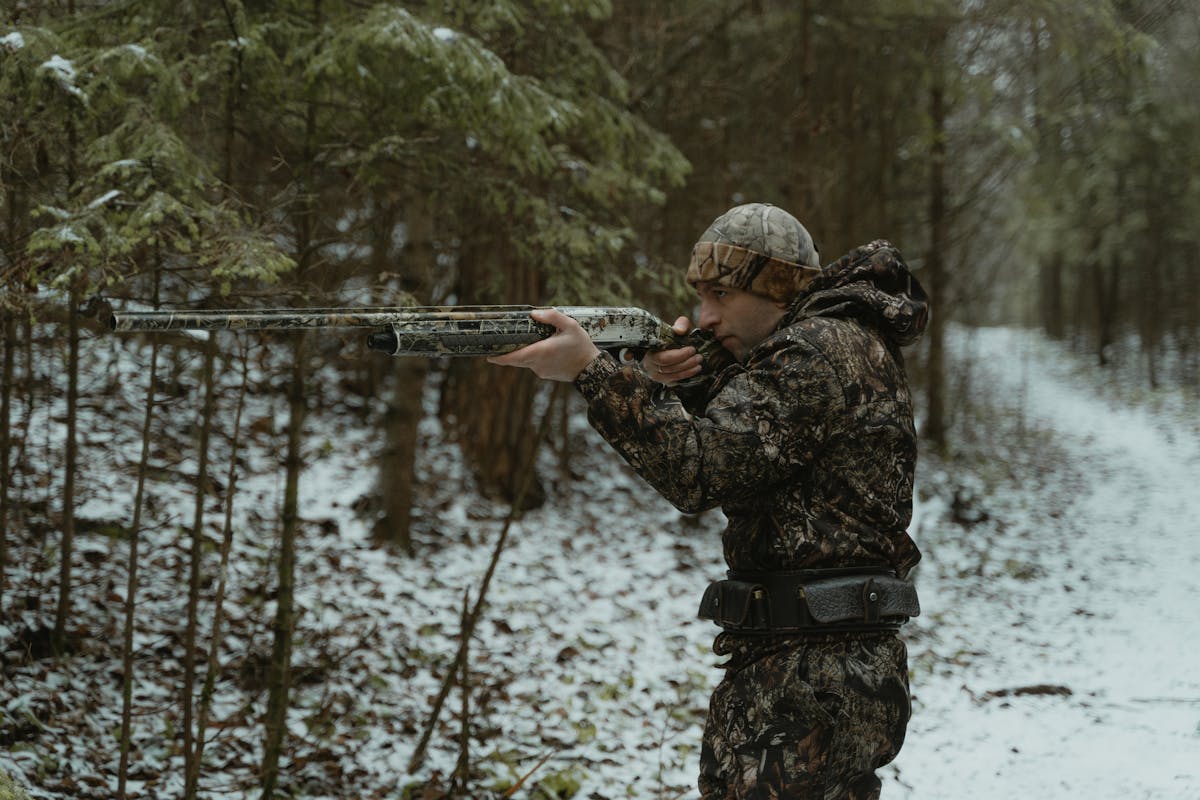
Skilled hunters adjust pace based on weather and terrain. Wind rain and snow affect sound. Fast movement increases mistakes. Slow days demand even more caution. Hunters move quicker only when conditions allow. Pace matches visibility and noise levels. Adapting speed keeps movement natural. Animals expect variation, not constant rhythm. This habit aligns effort with environmental feedback. Rigid pacing ignores how conditions change throughout the day. Successful hunters flow with surroundings rather than fighting them. This flexibility preserves stealth during long hours afield in shifting winter weather.
Leaving No Trace Of Presence
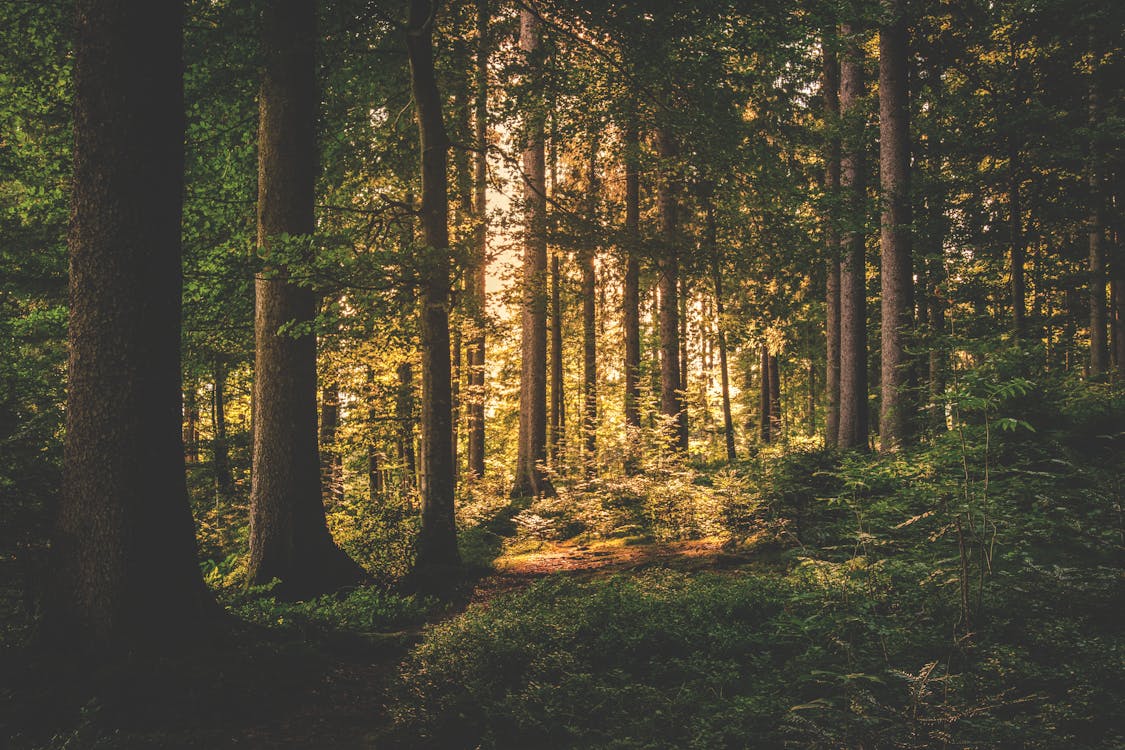
Skilled hunters minimize disturbance long after passing through areas. Broken branches displaced leaves and tracks alert animals. Careful foot placement preserves natural appearance. Hunters avoid brushing vegetation unnecessarily. Entry and exit routes differ when possible. Animals remember recent disruptions. Minimal impact encourages animals to resume behavior. This habit supports repeated use of productive areas. Leaving little sign prevents long term avoidance patterns. Respectful movement keeps habitats functioning naturally and maintains hunting opportunities across seasons and generations for wildlife managers conservation goals and ethical traditions within shared public lands systems.