
Collectors often regret passing on firearms that were once sold for pennies in hardware stores. 12 guns that were ignored for decades but are now priceless highlight the volatile nature of the surplus market. Many of these weapons were dismissed as heavy junk or cheap imports by serious shooters during the late twentieth century. Crates of foreign service rifles sat collecting dust while buyers focused on modern tactical gear instead. Time and scarcity have transformed these ugly ducklings into highly desirable investment pieces. Understanding why values exploded helps enthusiasts spot the next big opportunity before prices climb out of reach.
Mosin-Nagant M91/30
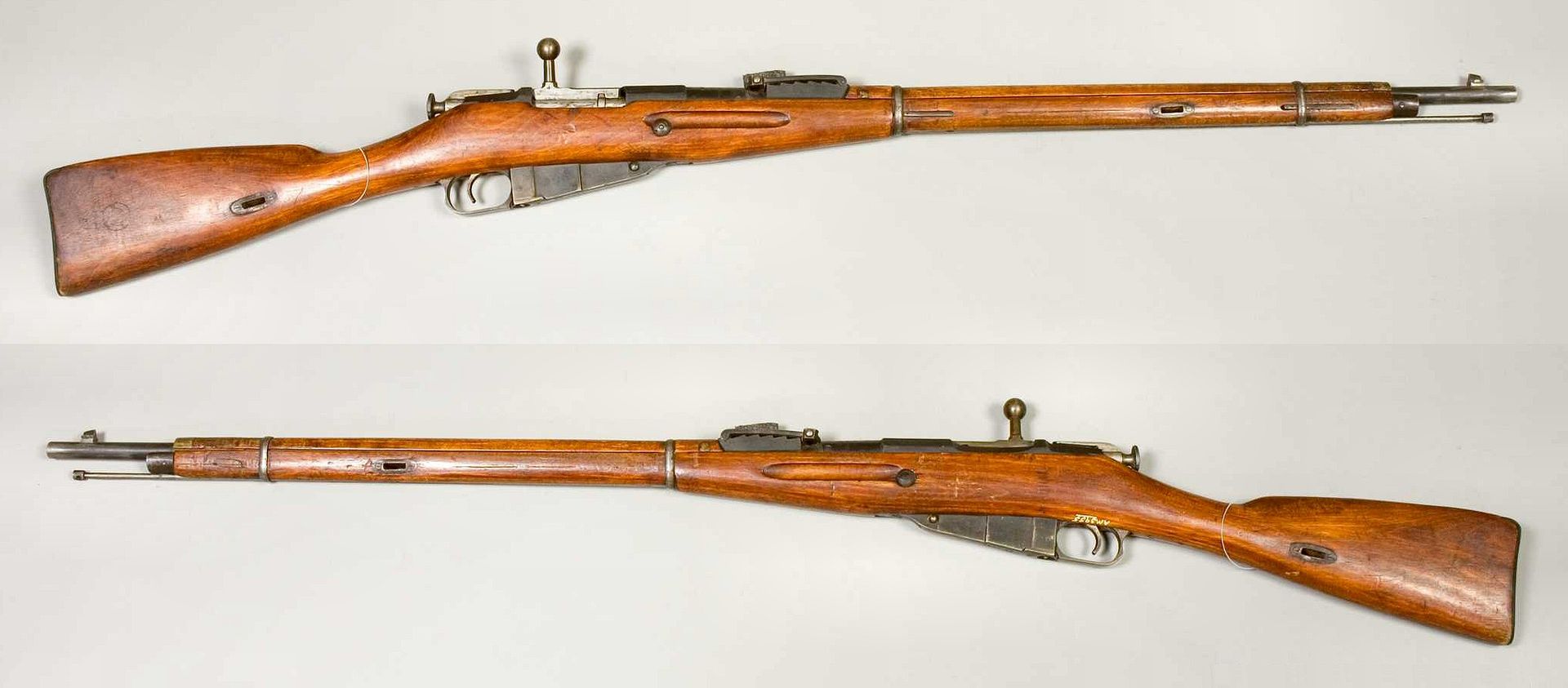
The Mosin-Nagant M91/30 was once the laughingstock of the gun rack due to its rough finish. Gun shops frequently sold these Soviet relics for less than one hundred dollars just ten years ago. Shooters ignored them because the actions were stiff and the sights were crude compared to modern rifles. However, the supply of surplus crates finally dried up, and prices skyrocketed overnight as nostalgia set in. Collectors now realize that these rugged rifles represent a significant piece of World War II history. Finding a matching numbers example with original accessories has become a serious financial investment.
Russian SKS

Hunters and farmers bought the Russian SKS by the crate because they were cheaper than most air rifles. This semi-automatic carbine was viewed as a disposable tool for pest control rather than a collectible firearm. The importation bans and drying up of foreign stockpiles changed the perception of this rugged platform completely. Enthusiasts now praise the machined receiver and durable chrome-lined barrel that modern manufacturing rarely replicates. A rifle that once cost seventy dollars can now fetch nearly one thousand dollars on the used market. It transitioned from a truck gun to a safe queen rapidly.
Heckler & Koch P7
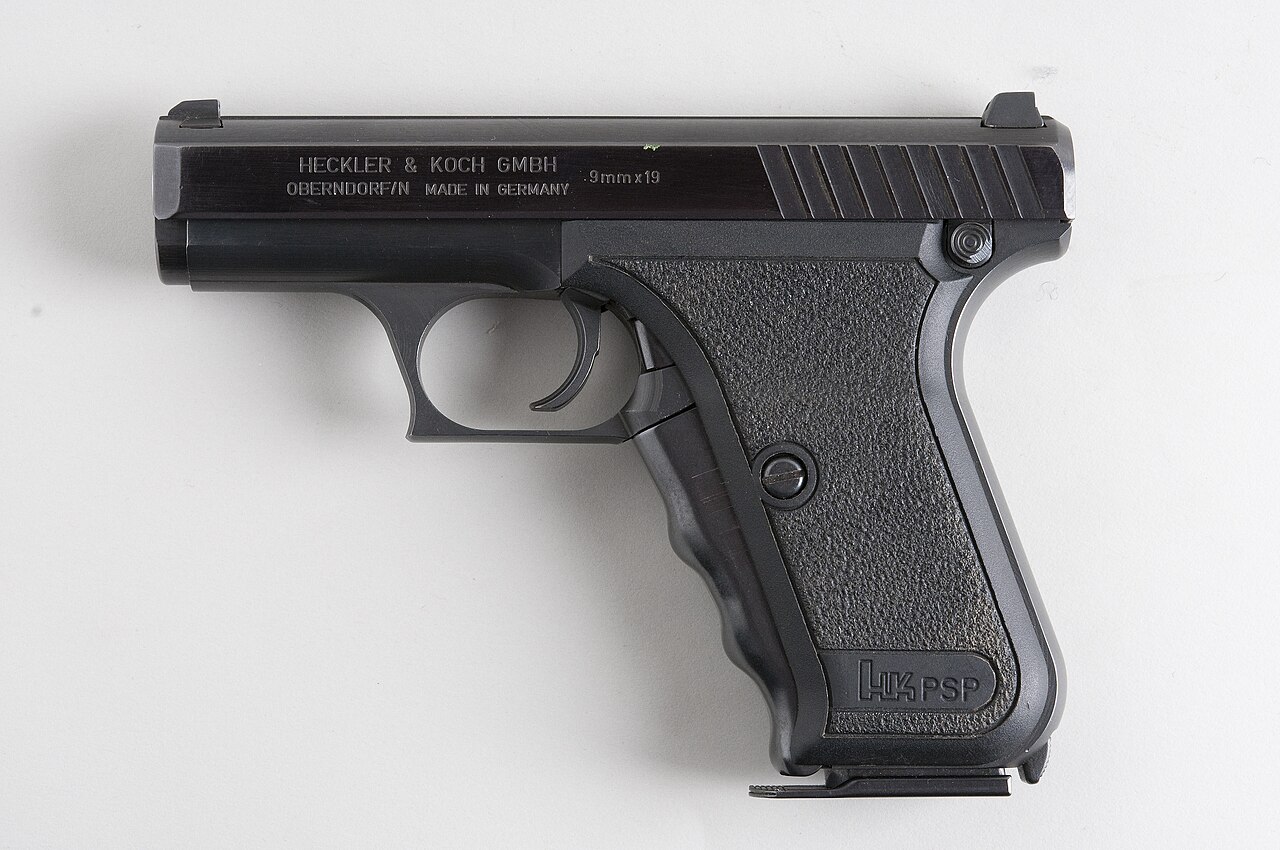
Police departments traded in the Heckler & Koch P7 in droves because officers disliked the unique squeeze-cocking mechanism. These German pistols sat in display cases for years with low price tags and very little interest from buyers. Modern shooters eventually recognized the inherent safety and speed of the distinct gas-delayed blowback design. The fixed barrel provides accuracy that rivals custom target pistols costing three times as much money. Production costs were incredibly high, which makes a return to the market impossible today. Prices have soared as collectors scramble to own this fascinating piece of engineering history.
Swiss K31
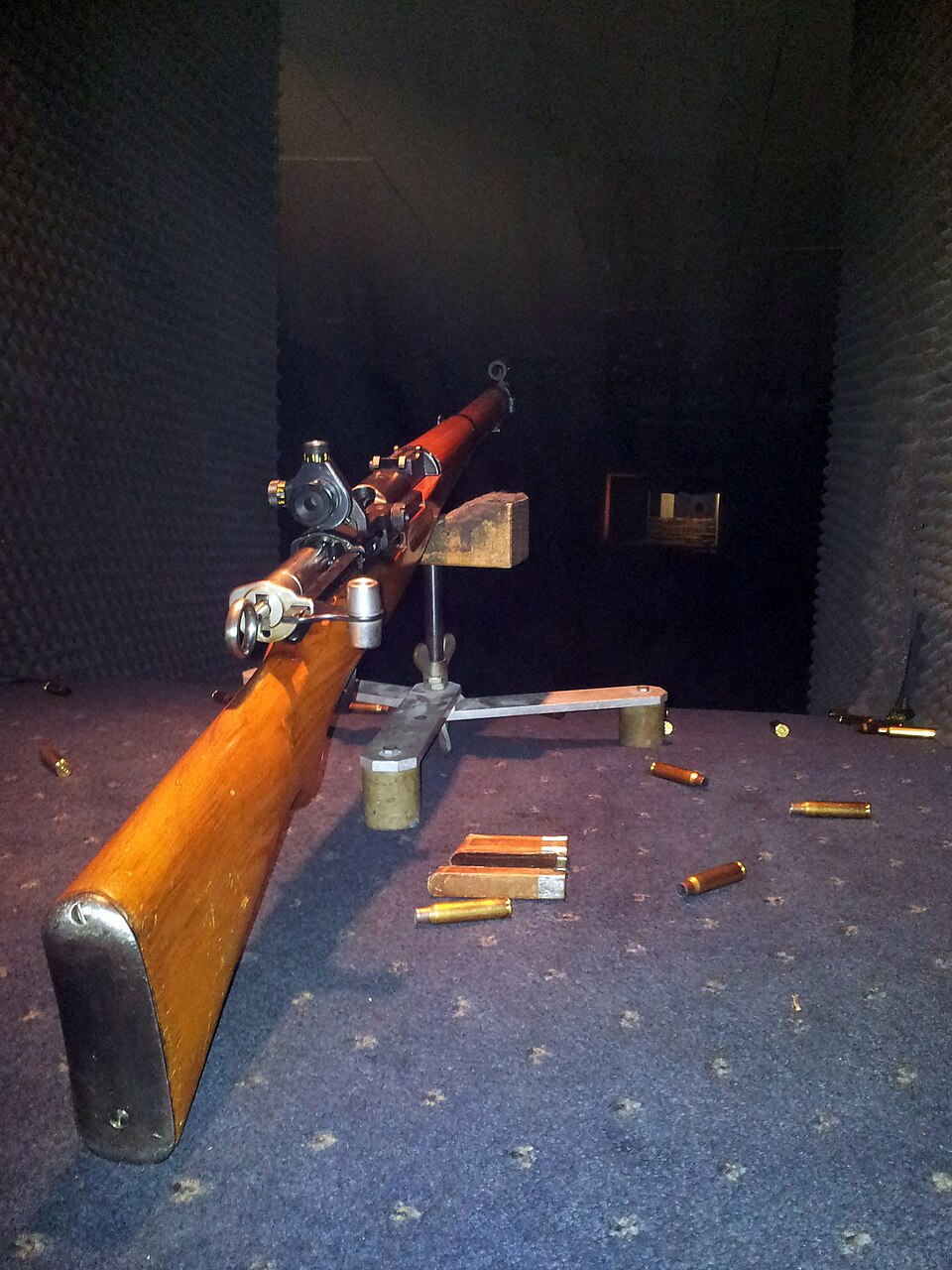
The Swiss K31 sat on surplus racks for decades because unique ammunition was scarce and expensive in America. Shooters overlooked the exquisite craftsmanship of the straight-pull action in favor of more common bolt-action designs. Once the secret got out about the match-grade accuracy of these standard infantry rifles, the market exploded. The machining quality of the bolt and receiver is superior to almost anything produced in modern factories. Surplus supplies have vanished and left latecomers searching for expensive examples on auction sites. It is widely considered one of the finest military rifles ever issued to soldiers.
Franchi SPAS-12

Movie fans loved the Franchi SPAS-12, but practical shooters hated its excessive weight and complicated manual of arms. This dual-mode shotgun was often criticized for being too bulky for effective home defense or tactical use. It languished on shelves until a federal ban stopped importation and solidified its status as a forbidden fruit. The cultural impact of films like Jurassic Park eventually drove demand far higher than the limited supply could handle. Collectors now pay exorbitant sums for a weapon that is arguably terrible to shoot. It is a prime example of pop culture driving value.
Colt Python
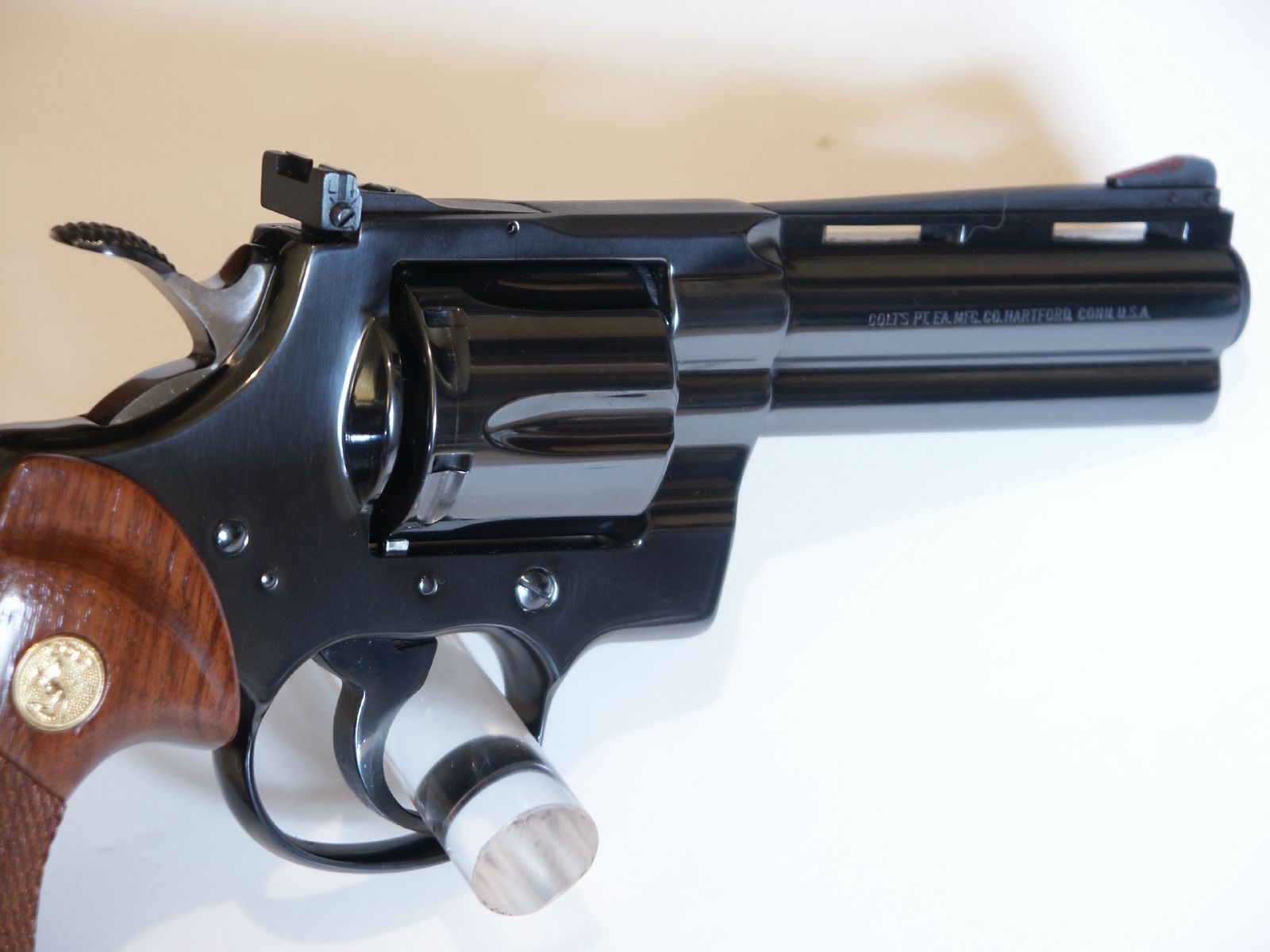
The original Colt Python was always a premium revolver, but it was readily available for purchase at retail prices. Sales slowed down significantly in the late nineties as police departments switched to high-capacity polymer semi-automatics. Colt eventually discontinued the line, which instantly turned every existing model into a finite commodity. The Walking Dead television show later sparked a frenzy that pushed prices into the stratosphere for pristine examples. Owners who bought them for a few hundred dollars suddenly found themselves holding a gold mine. The hand-fitted action is something that mass production simply cannot replicate today.
SVT-40
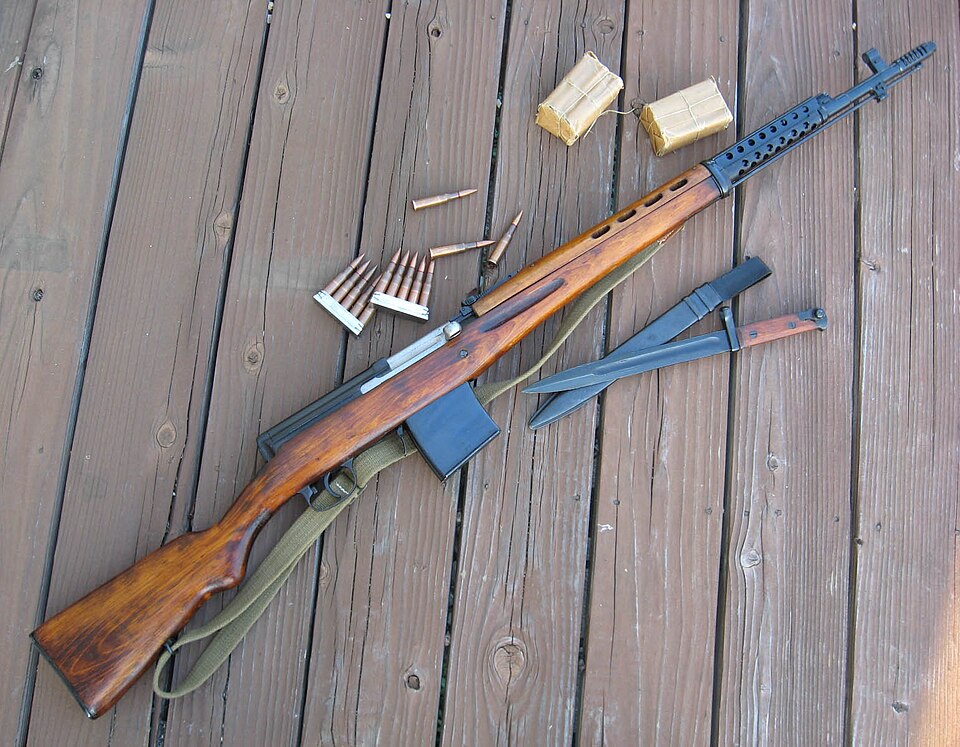
The Soviet SVT-40 was often dismissed as a finicky and unreliable alternative to the more robust Mosin-Nagant rifle. Importers brought them in during the nineties, but buyers were wary of the complex gas system. Maintenance was difficult, and spare parts were virtually nonexistent for the average American gun owner. Today, history views this rifle as an important predecessor to modern battle rifles, and values have adjusted accordingly. A working example commands a premium price that would have seemed laughable twenty years ago. It represents a bridge between bolt-action antiques and the modern assault rifle era.
Johnson M1941 Rifle
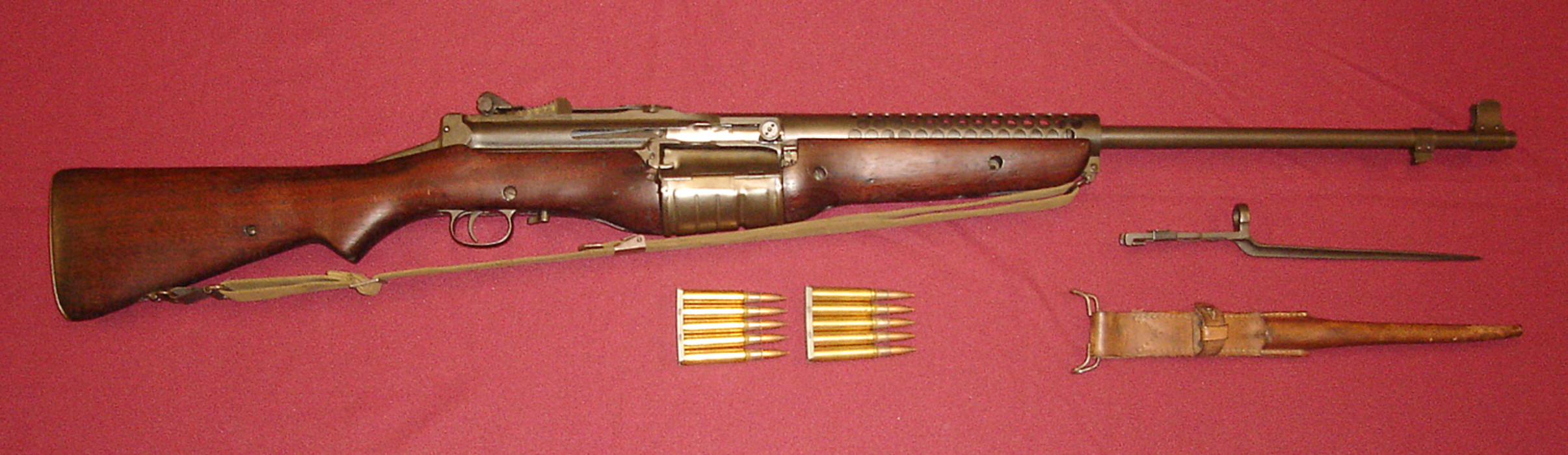
The Johnson M1941 lost the military contract to the famous M1 Garand and faded into obscurity quickly. Surplus outlets sold them cheaply because they looked ungainly and used a strange recoil-operated mechanism. Few people realized that the rotary bolt design would later influence the famous M16 rifle platform. The limited production numbers meant that once collectors started paying attention, the supply vanished instantly. Owning one today is a mark of a serious military historian who appreciates unique engineering solutions. It went from a forgotten runner-up to a centerpiece in many prestigious firearm collections.
Mateba Unica 6
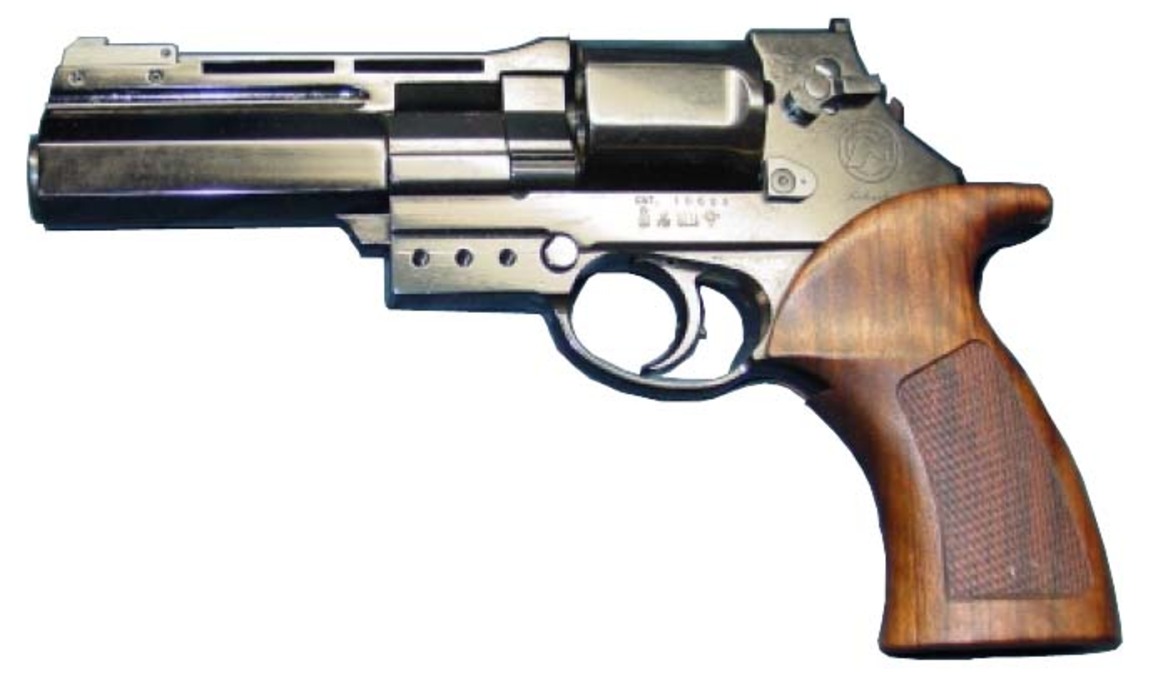
The Mateba Unica 6 auto-revolver was a commercial failure that confused almost every shooter who handled it. It’s barrel-fired from the bottom cylinder chamber to reduce muzzle flip, which looked incredibly strange. Gun stores struggled to move inventory because the design solved problems that few people actually had. Anime and video games later popularized the unique silhouette and created a cult following among younger collectors. The sheer mechanical complexity and rarity of the pistol now command prices that rival luxury cars. It is a bizarre footnote in firearms history that became an accidental investment asset.
Polytech Legend AK-47

American shooters once considered Chinese firearms to be inferior junk made with sloppy tolerances and cheap wood. The Polytech Legend AK-47 was sold for a fraction of the cost of domestic sporting rifles. Then the importation ban hit and sealed the border to any future shipments of these weapons. Enthusiasts realized too late that the milled receivers and chrome-lined barrels were actually of exceptional quality. These pre-ban rifles are now considered the gold standard for Kalashnikov collectors in the United States. What was once a budget option is now a holy grail for serious investors.
U.S. M1 Carbine
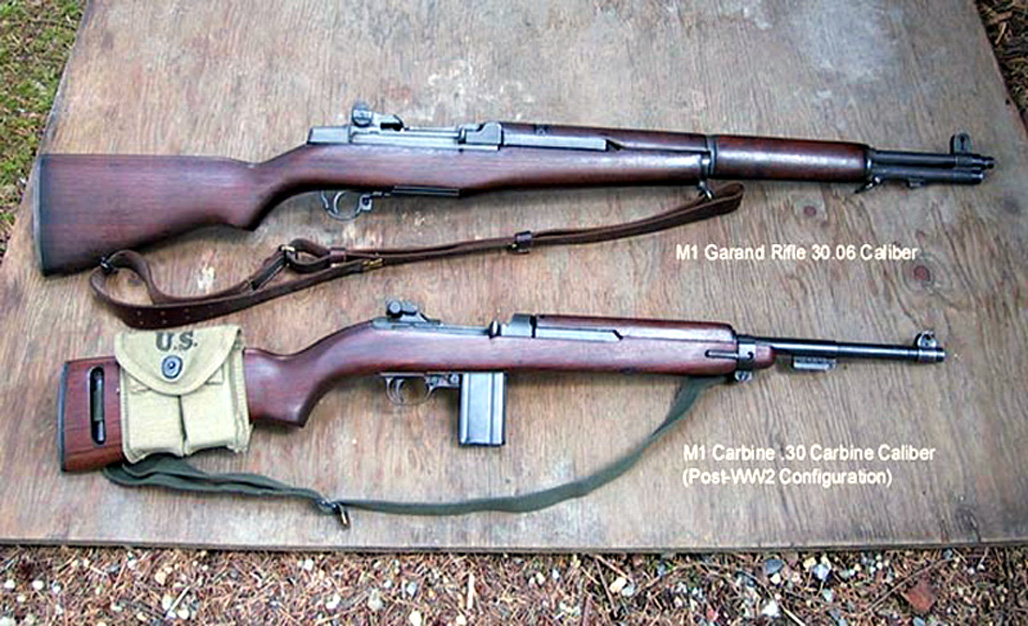
The United States government once sold surplus M1 Carbines to citizens for twenty dollars through civilian marksmanship programs. These light rifles were so common that people often modified them or let them rust in barns. They were viewed as underpowered plinkers rather than serious tools for hunting or defense. As World War II veterans passed away, the nostalgia for this handy little weapon grew intensely. Unmodified examples with original parts are now exceedingly rare and command thousands of dollars at auction. The days of cheap barrels of carbines at the hardware store are gone forever.
Whitney Wolverine
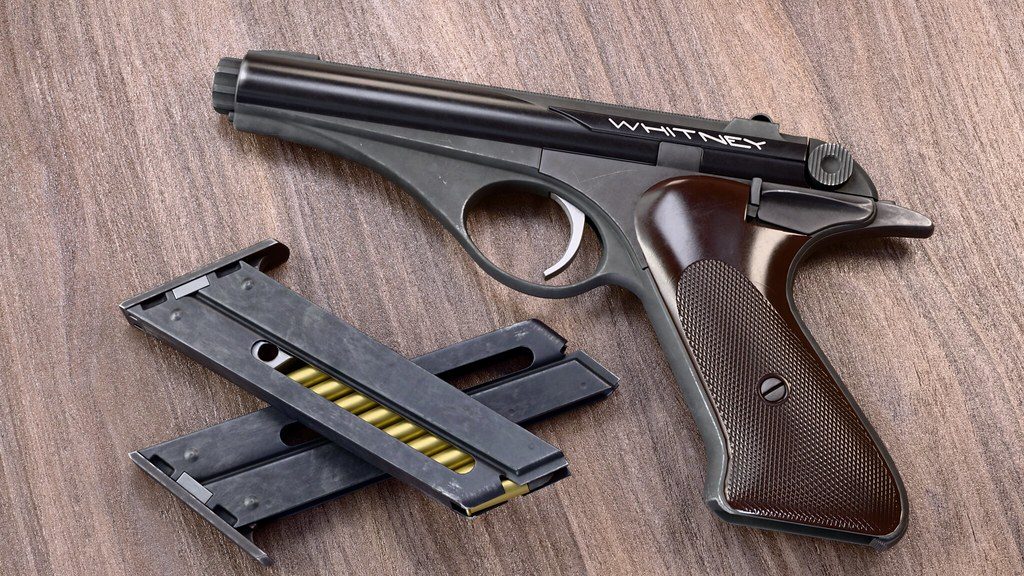
The Whitney Wolverine looked like a ray gun from a science fiction movie when it debuted. Its cast aluminum frame was revolutionary, but the market preferred traditional steel and wood at the time. The company failed quickly, and the few pistols produced were relegated to the back of used gun counters. Modern design appreciation has turned this space-age plinker into a highly sought-after piece of mid-century modern art. The futuristic lines and limited production numbers drive values higher every single year. It serves as a reminder that being ahead of your time is often a curse.