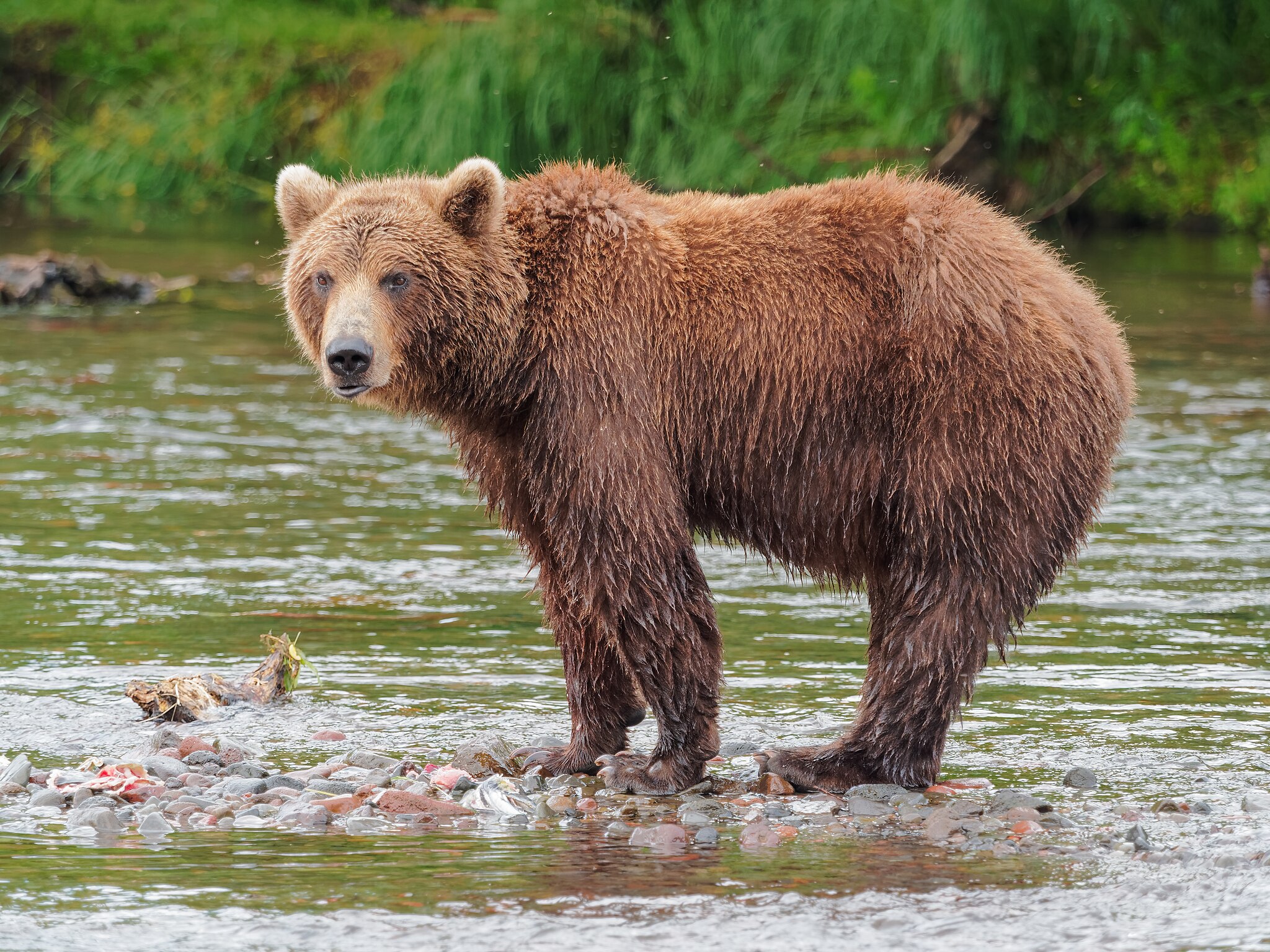
When people venture into bear country, choosing the right defensive tool becomes a serious matter. Many outdoors enthusiasts assume that any firearm is better than nothing, but that belief can be dangerously misleading. Bears are large, incredibly fast, and extremely resilient animals. When a defensive encounter happens, you usually have only a few seconds to react. A firearm that lacks sufficient power, penetration, or reliability can quickly turn from a sense of security into a fatal mistake. Unfortunately, many commonly owned guns were never designed for stopping large predators at close range. Some are simply underpowered, while others are too slow, too fragile, or difficult to control under pressure. In real-world wildlife encounters, the wrong gun may fail to penetrate thick muscle, bone, and fat before a bear reaches you. This list highlights twelve firearms people sometimes carry for bear defense but probably should not. Understanding their limitations may help prevent a dangerous misunderstanding in the wilderness.
1. Ruger 10/22
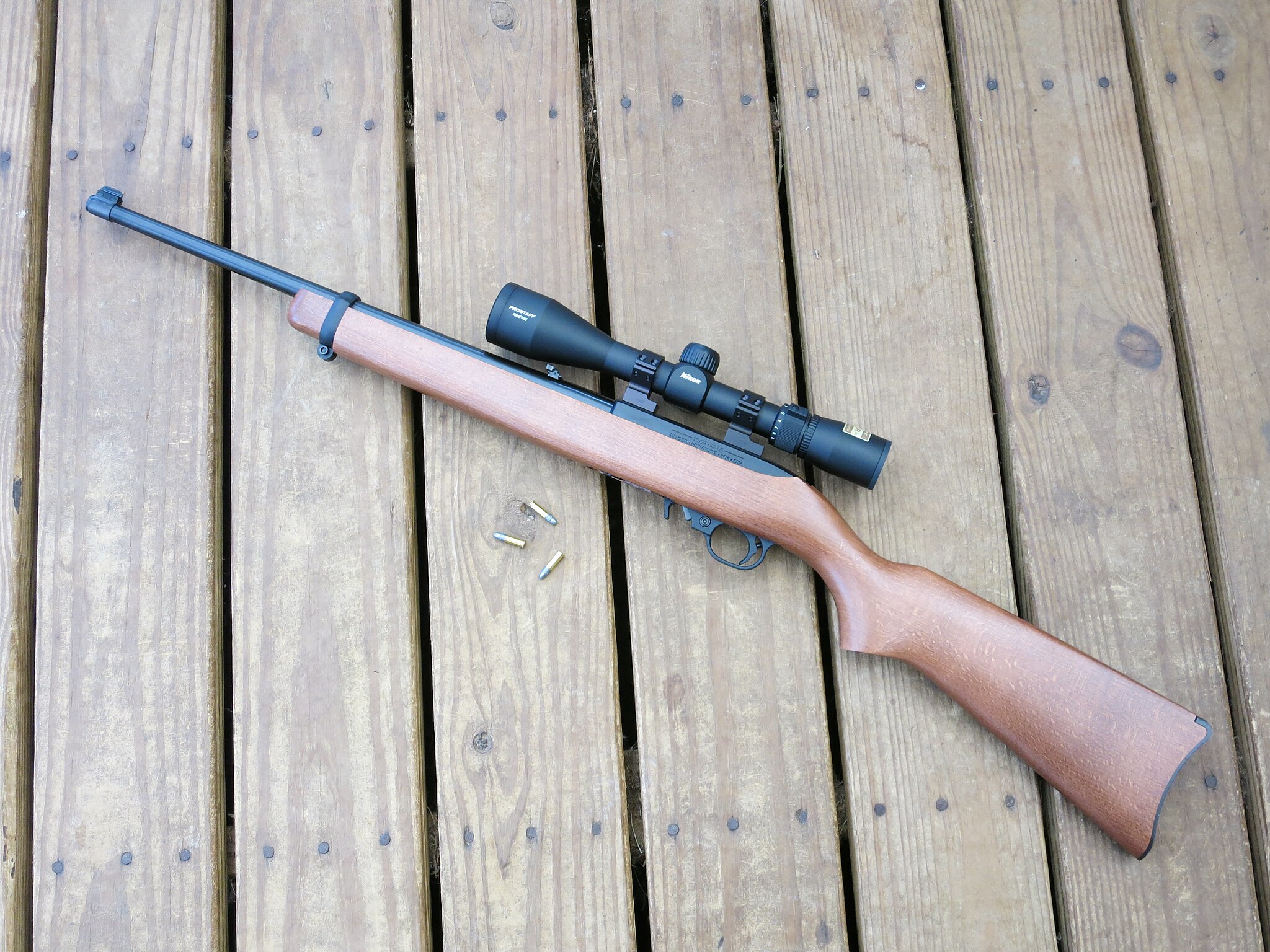
The Ruger 10/22 is one of the most popular rifles in America, prized for its reliability, low recoil, and affordable ammunition. However, those same qualities make it a poor choice for defending yourself against a charging bear. The .22 LR cartridge is designed primarily for small game such as squirrels or rabbits. While it is capable of penetrating small animals effectively, it lacks the stopping power needed to slow or stop a large predator weighing several hundred pounds. Bears have thick fur, dense muscle, and heavy bone structure that a .22 LR bullet struggles to penetrate deeply. In a panic situation, even accurate shots may fail to reach vital organs quickly enough. Additionally, the light bullet often deflects when striking bone. People sometimes assume a high-capacity magazine will compensate for low power, but bears can cover thirty feet in a second or two. A rifle like this may provide false confidence rather than meaningful protection.
2. Smith & Wesson Model 63
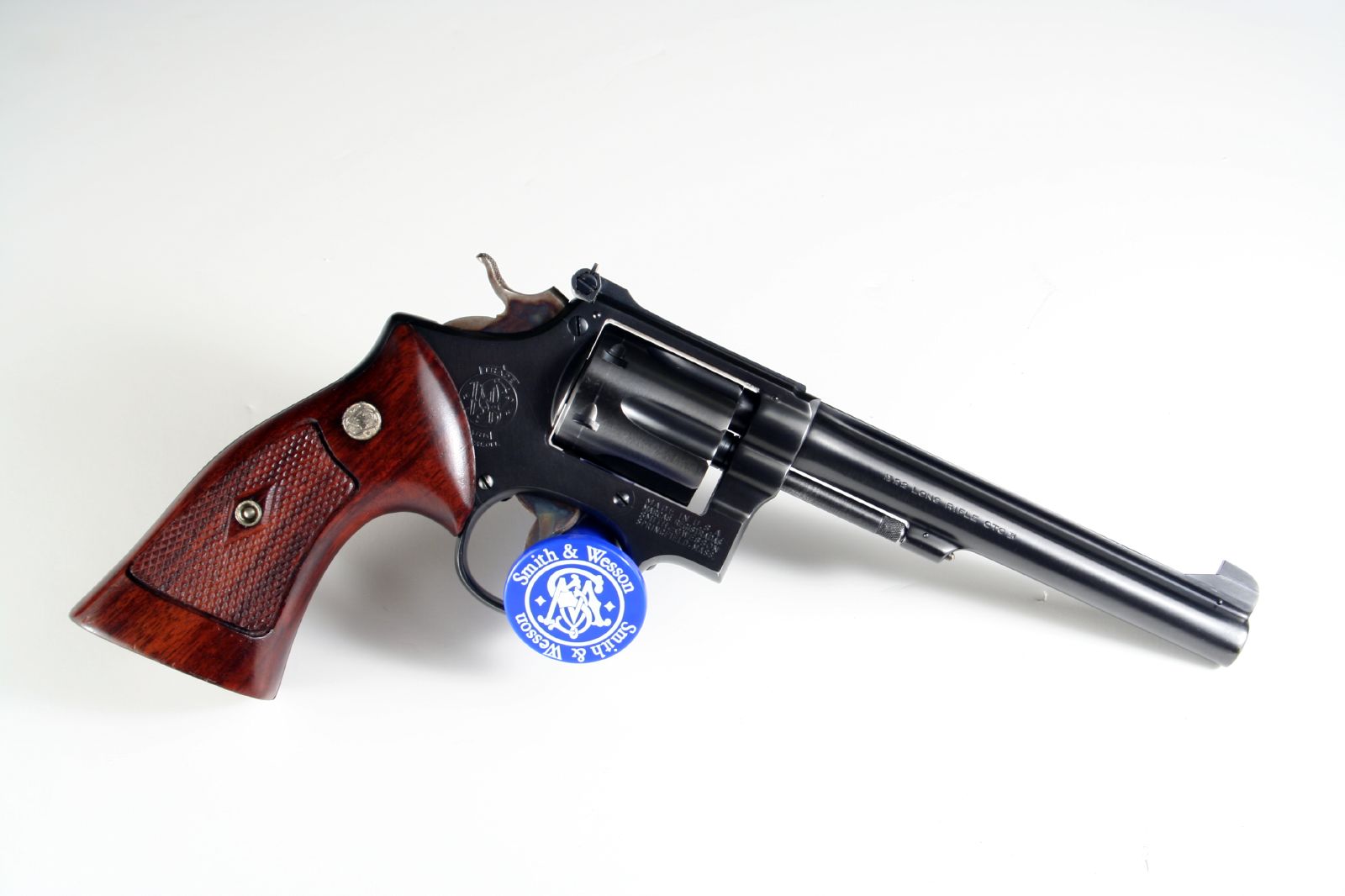
Small .22 caliber revolvers such as the Smith & Wesson Model 63 are excellent training guns and useful tools for casual target shooting. In wilderness situations, they are sometimes carried because they are lightweight and easy to pack. Unfortunately, their size and chambering make them extremely ineffective against large predators like bears. The .22 LR round produces very little energy compared with cartridges designed for defensive use against dangerous animals. Even with perfect shot placement, the round may fail to penetrate a bear’s skull or reach vital organs through layers of muscle and fat. In addition, small revolvers typically hold only six or eight rounds, limiting follow-up shots during a high-stress encounter. When a bear charges, the time window for effective defense is incredibly short. A firearm with minimal penetration and limited capacity becomes a serious liability. What feels convenient on the trail can quickly become useless when facing a massive animal at close range.
3. Kel-Tec PMR-30
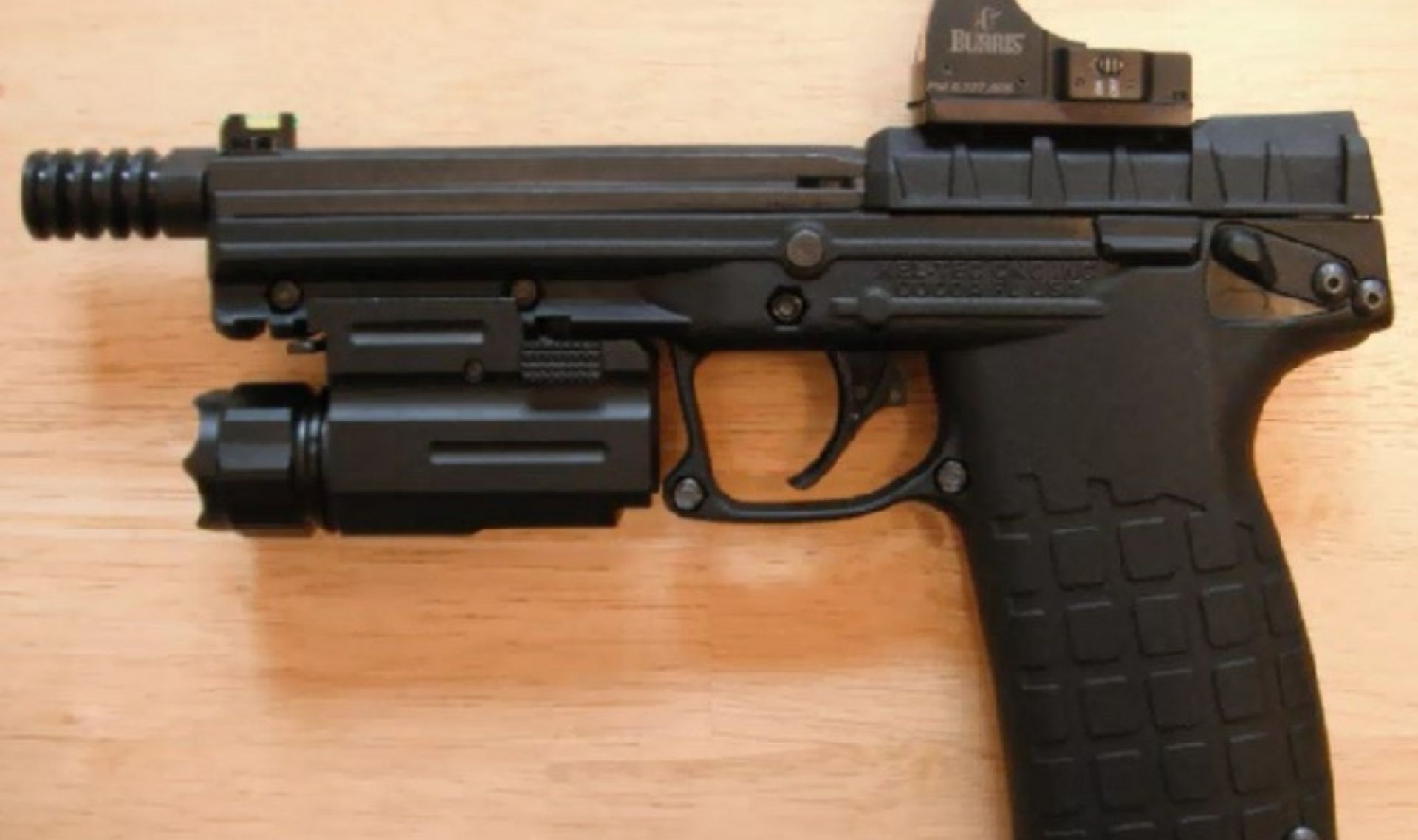
The Kel-Tec PMR-30 often attracts attention because of its large thirty-round magazine and lightweight design. Chambered in .22 Winchester Magnum Rimfire, it offers higher velocity than the standard .22 LR cartridge. Some hikers mistakenly believe that the combination of speed and capacity makes it suitable for bear defense. In reality, the .22 WMR still lacks the deep penetration required to reliably stop a large predator. Bears possess thick skulls and dense shoulder bones that small rimfire rounds frequently fail to penetrate. Even if multiple shots are fired, the lightweight bullets may only cause superficial wounds rather than immediate incapacitation. Another concern is that lightweight pistols can be difficult to control when firing rapidly, especially in stressful situations. The idea of relying on thirty rounds sounds reassuring on paper, but in a real attack, there may only be seconds to react. A firearm built for small game and recreational shooting is simply not designed to stop a charging bear.
4. Walther P22
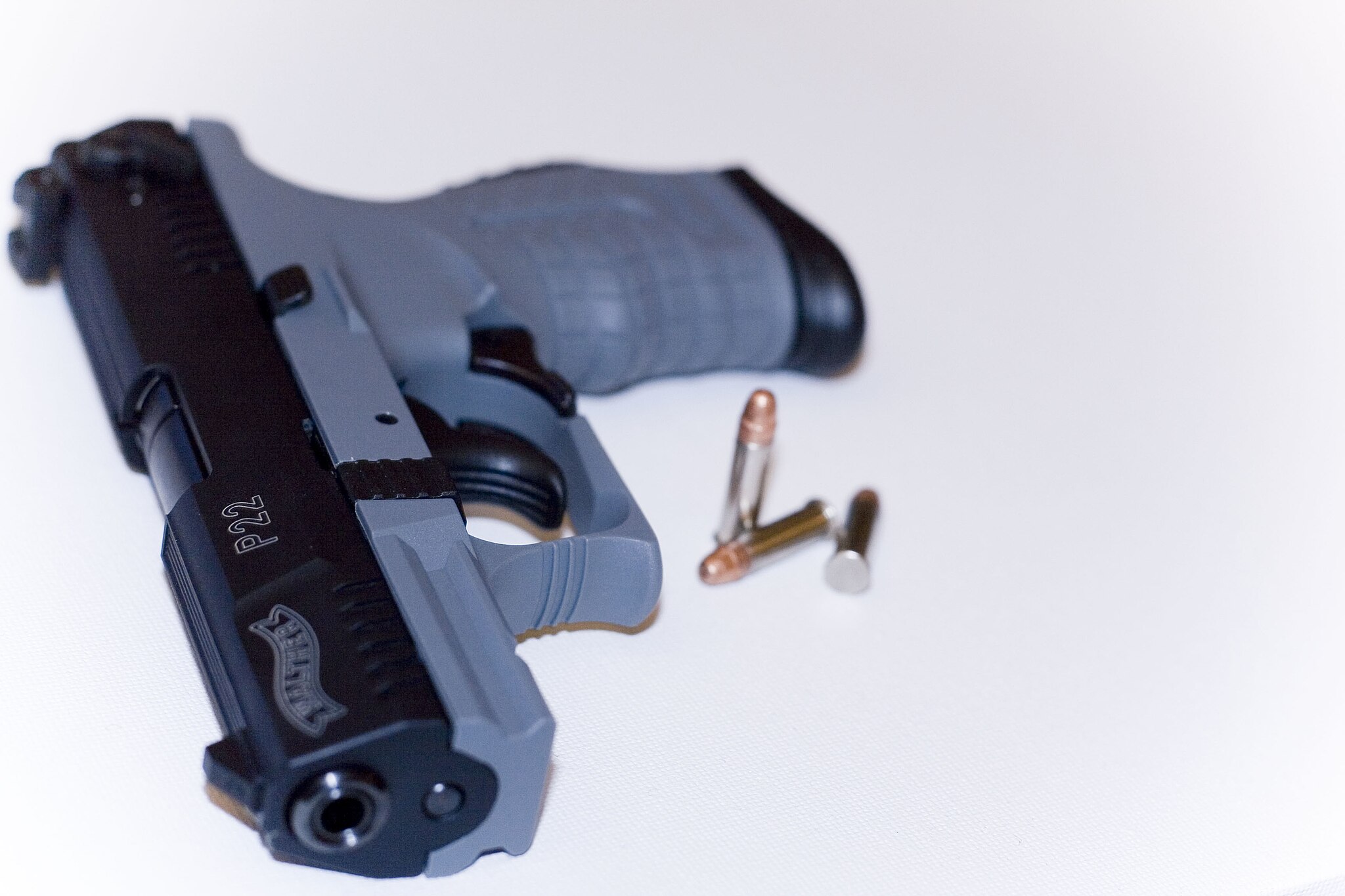
The Walther P22 is a compact semi-automatic pistol that many shooters enjoy for recreational range practice. It is lightweight, easy to handle, and relatively inexpensive to shoot. Those qualities make it appealing to hikers who want to carry something small in the wilderness. Unfortunately, it is among the worst possible choices for bear defense. The .22 LR cartridge fired from a short pistol barrel produces very limited energy and shallow penetration. When facing an animal that may weigh five hundred pounds or more, such a round is extremely unlikely to cause immediate stopping effects. Another issue is reliability under harsh outdoor conditions. Rimfire ammunition is generally less reliable than centerfire cartridges, increasing the chance of a misfire during a critical moment. In a real encounter, every second counts, and a malfunction could be disastrous. While the Walther P22 is fun for target shooting, it simply lacks the power and reliability required for life-saving defense in bear country.
5. Hi-Point C9
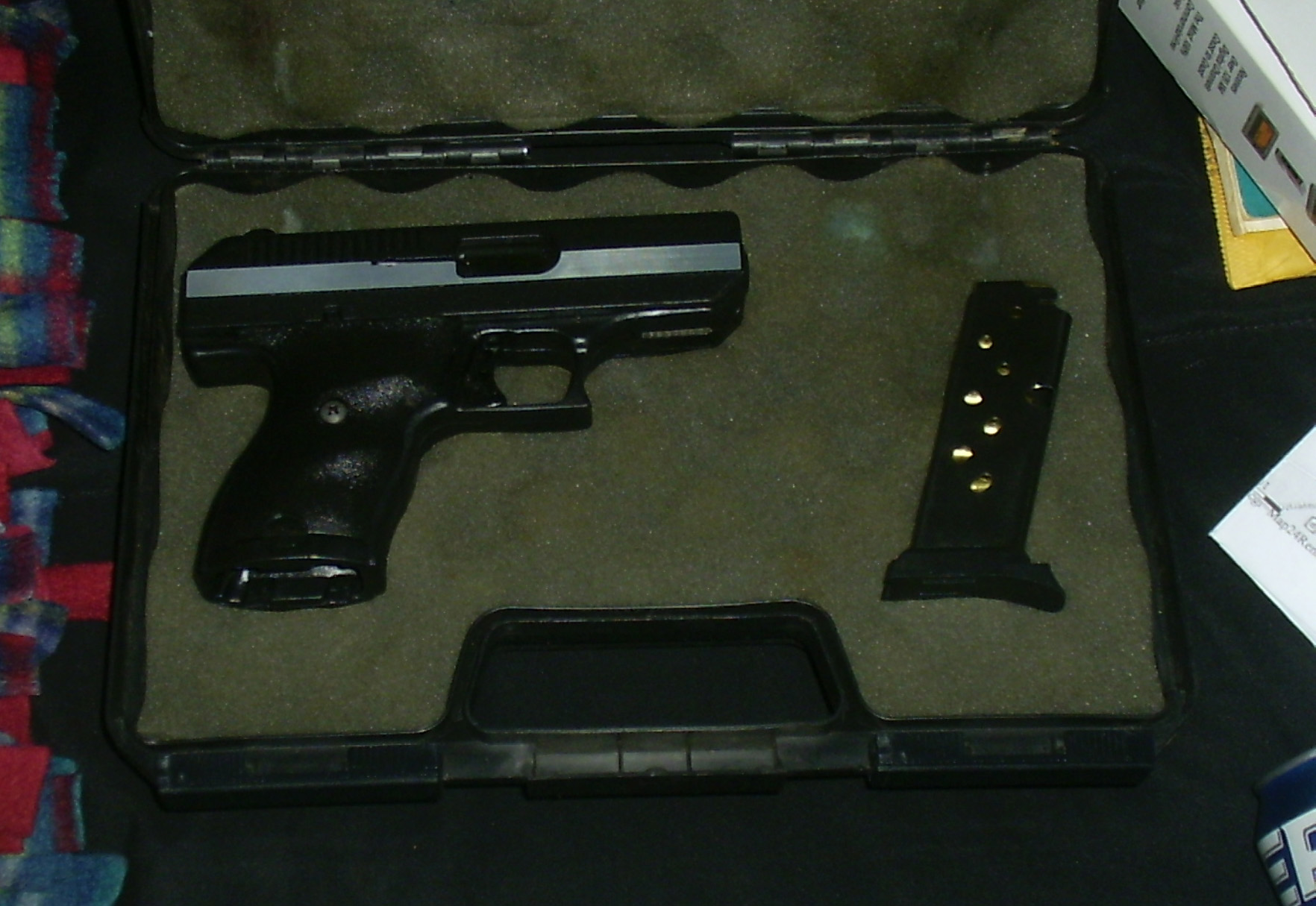
The Hi-Point C9 is widely known as an affordable entry-level handgun. Chambered in 9mm, it offers more power than rimfire pistols and is often considered a basic self-defense firearm for urban environments. However, defending against a bear presents a completely different challenge than defending against a human attacker. Standard 9mm ammunition typically lacks the penetration needed to reach vital organs through a bear’s thick hide, heavy muscle, and fat layers. Even well-placed shots may fail to stop the animal quickly enough. The pistol’s heavy slide and simple construction can also make rapid follow-up shots difficult for some shooters. In addition, budget firearms may not always perform flawlessly in rugged wilderness environments where dirt, moisture, and debris are common. Although a 9mm handgun might provide minimal protection in a desperate situation, it is generally considered inadequate for reliable bear defense. A firearm designed for personal protection in cities does not necessarily translate into effective protection in the wild.
6. Glock 19
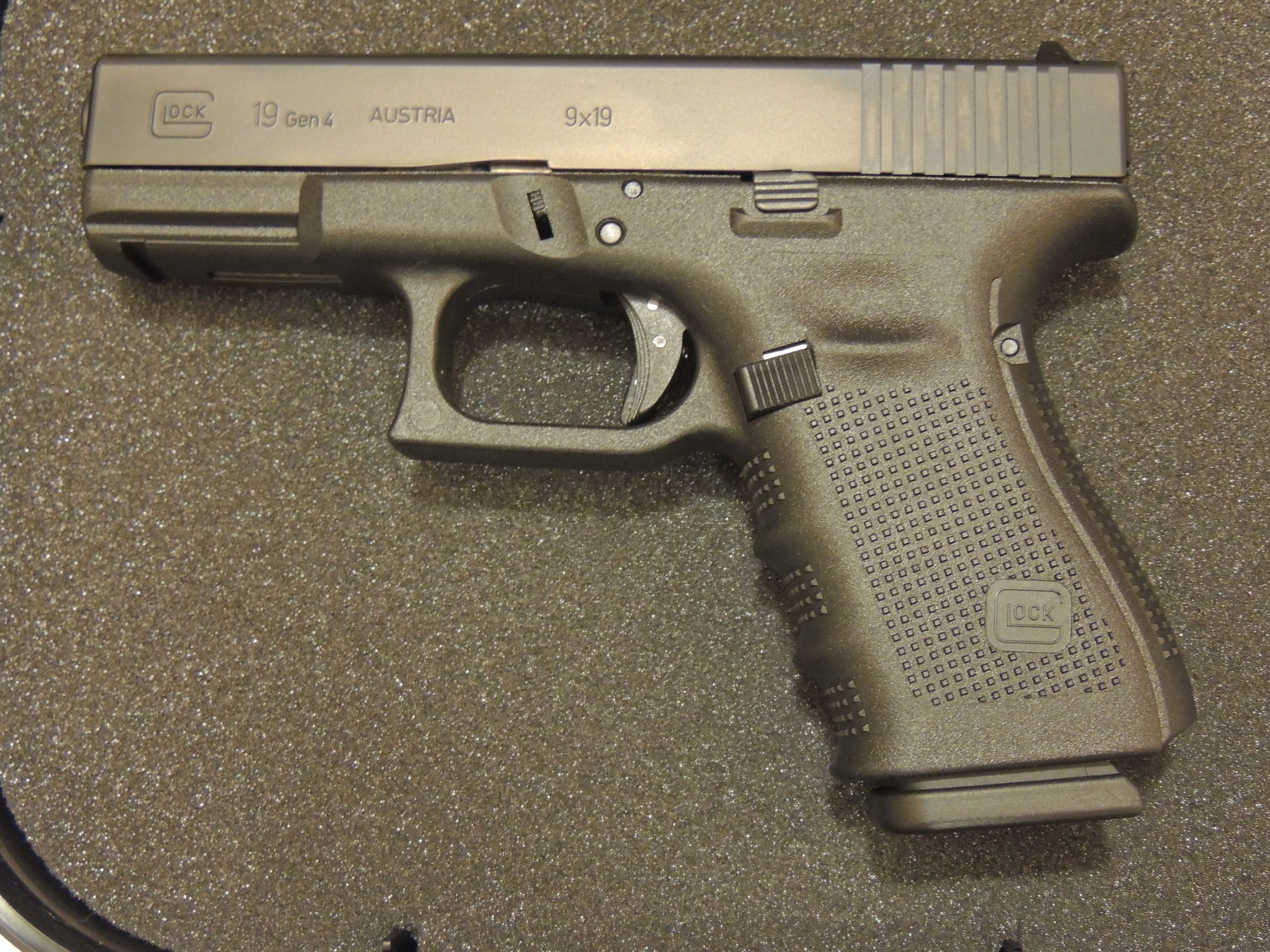
The Glock 19 is one of the most trusted handguns in the world and is widely used by law enforcement and civilians alike. Its reliability, manageable recoil, and fifteen-round magazine make it a fantastic personal defense pistol. However, bear defense is a completely different scenario that demands far greater power and penetration. Standard 9mm ammunition is optimized for human threats, not animals that may weigh several hundred pounds. When fired at a bear, many common defensive loads may fail to penetrate deep enough to reach vital organs quickly. Even solid hits might only injure the animal rather than stop it. In a fast-moving wildlife encounter, that delay can be fatal. Another challenge is that bears often attack from very close range, giving the shooter little time to aim precisely. While the Glock 19 is an outstanding everyday handgun, it was never designed as a primary tool for stopping large and aggressive wildlife.
7. Taurus Judge
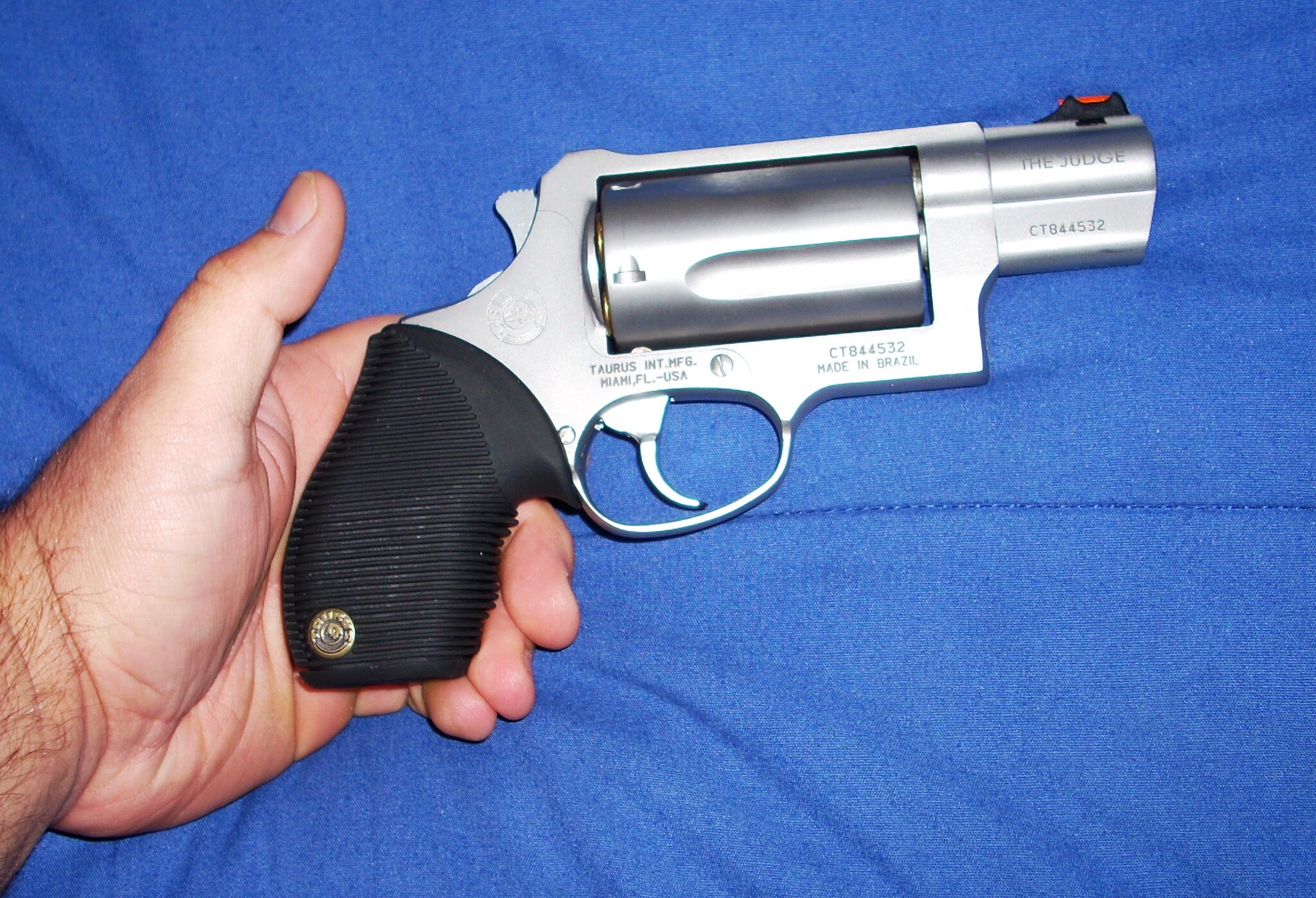
The Taurus Judge is famous for its ability to fire both .410 shotgun shells and .45 Colt cartridges. Its unusual design often attracts buyers who believe it offers versatile defensive capability. Some people even assume the shotgun option makes it effective against bears. In practice, the short barrel and small .410 shells significantly limit performance. Most .410 defensive loads lack the power and penetration required to reach vital organs in a large animal. The pellets spread quickly and lose energy rapidly, reducing their effectiveness even further. While the .45 Colt cartridge can be more powerful, many factory loads are relatively mild and still fall short of cartridges specifically recommended for bear defense. Additionally, the large revolver frame and heavy trigger can make accurate shooting difficult under stress. The concept sounds powerful, but real-world ballistic performance often tells a different story when facing an aggressive predator.
8. Heritage Rough Rider

The Heritage Rough Rider is a classic style single-action revolver commonly used for target shooting and casual plinking. Its affordable price and nostalgic design make it popular among recreational shooters. However, it is extremely unsuitable for defending against a charging bear. The revolver fires the .22 LR cartridge, which lacks the energy required to penetrate a bear’s thick muscle and bone. Even more problematic is the single-action design, which requires the shooter to manually cock the hammer before every shot. In a sudden wildlife encounter, this slows down the firing process dramatically. When a bear is closing the distance at incredible speed, losing even a fraction of a second can make a critical difference. The revolver also holds a limited number of rounds, meaning there are very few chances to deliver effective hits. Although it is enjoyable for range use, this firearm offers almost no realistic defensive capability against large predators.
9. Ruger LCP
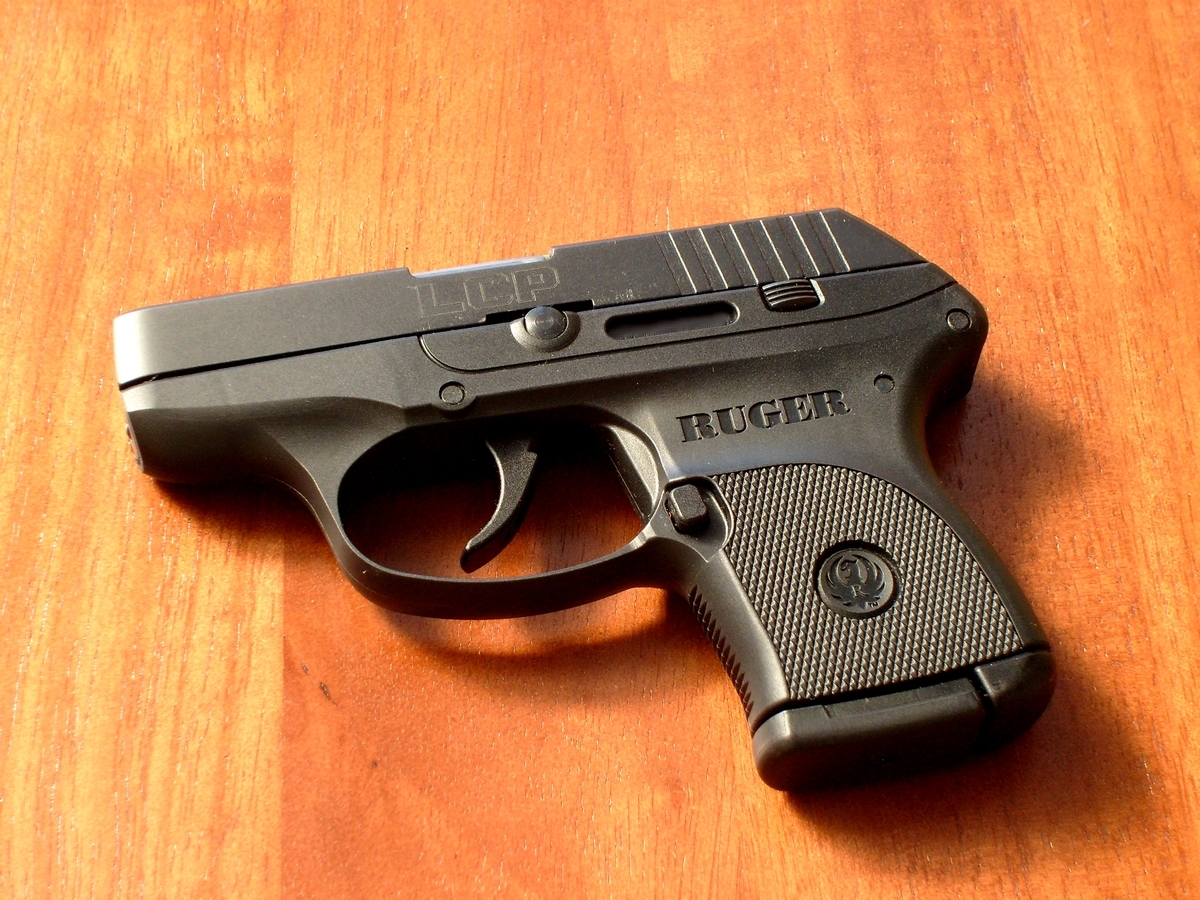
The Ruger LCP is designed specifically as an ultra compact concealed carry pistol. Its lightweight frame and small size make it easy to carry discreetly in everyday situations. Some hikers bring it along simply because it is convenient and barely noticeable in a pocket or small holster. Unfortunately, convenience does not translate into effectiveness when confronting a bear. The .380 ACP cartridge produces significantly less energy than larger handgun rounds and struggles with deep penetration. Bears possess thick layers of fur, fat, and muscle that can slow or stop smaller bullets before they reach vital organs. Additionally, the small grip and short sight radius of pocket pistols can make accurate shooting difficult under extreme stress. During a bear encounter, the ability to place powerful, penetrating shots quickly is essential. A tiny defensive pistol built for concealed carry simply does not provide the level of stopping power needed for such a dangerous situation.
10. Mossberg 500

The Mossberg 500 is a highly respected pump-action shotgun platform used for hunting, defense, and law enforcement. However, the .410 bore version of this shotgun is much less powerful than its 12-gauge or 20-gauge counterparts. While it can be effective for small game and certain hunting applications, it is not an ideal tool for stopping a large bear. The smaller shell carries significantly less shot or slug mass, resulting in reduced penetration and stopping power. Many .410 loads are designed for birds or small animals, which means they disperse quickly and lack the energy required for deep penetration. In a bear encounter, a defensive firearm must deliver powerful hits capable of reaching vital organs immediately. The lighter .410 shell often fails to meet that requirement. Although the Mossberg platform itself is excellent, the smaller chambering dramatically limits its usefulness against large and aggressive wildlife.
11. Kel-Tec SUB-2000
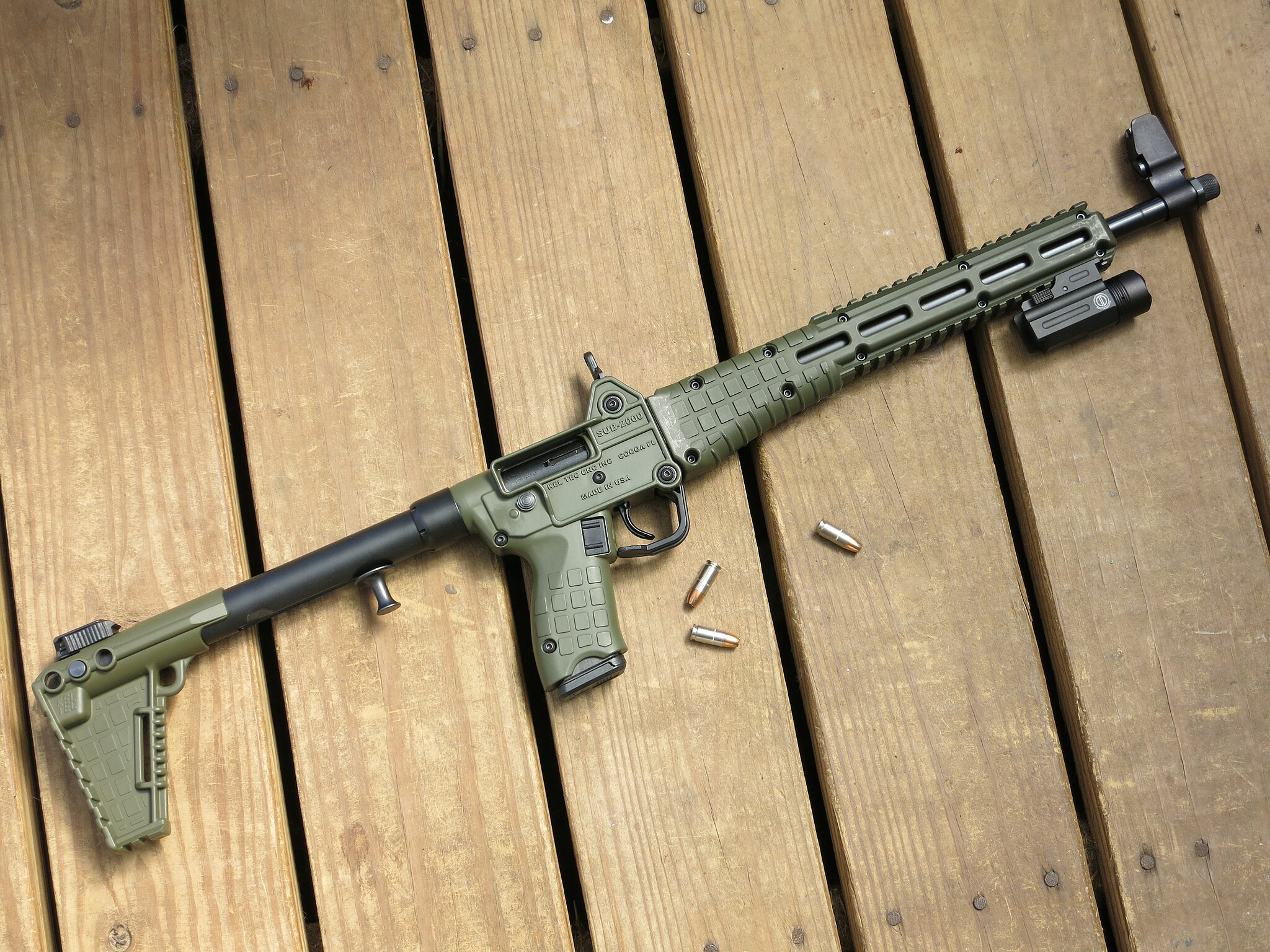
The Kel-Tec SUB-2000 is a lightweight folding carbine that appeals to many shooters because of its compact storage design. Chambered in 9mm, it often uses common handgun magazines, making it convenient for recreational shooting and backpack storage. Some outdoor enthusiasts assume that a longer barrel gives the 9mm cartridge enough power for bear defense. While the added velocity can improve performance slightly, the cartridge still lacks the penetration needed for reliably stopping large predators. A charging bear presents a massive, heavily muscled target that requires deep penetration to reach vital organs quickly. Even multiple hits from a 9mm carbine may fail to stop the animal in time. Another concern is that lightweight carbines can be awkward to deploy quickly when folded or stored in a pack. In a sudden wildlife encounter, there may be no time to unfold and ready the firearm before the threat is already too close.
12. Charter Arms Undercover
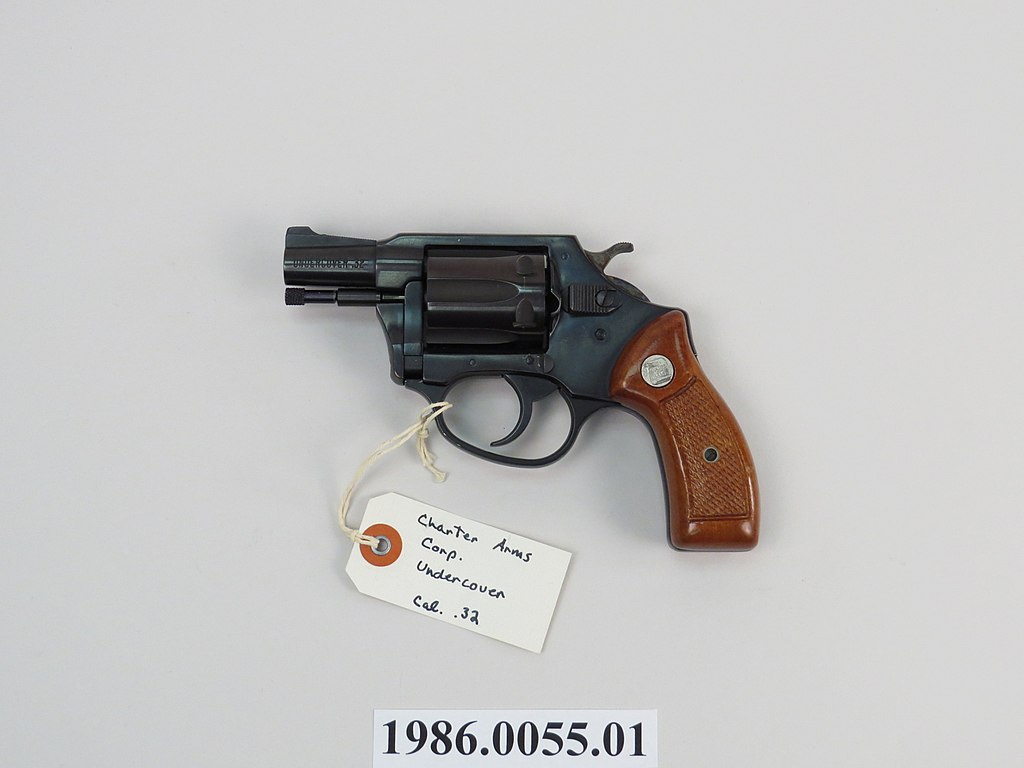
The Charter Arms Undercover revolver is a compact handgun commonly used for concealed carry and personal defense. Chambered in .38 Special, it provides moderate power in a small and easily portable package. While the cartridge has a long history in law enforcement and civilian defense, it is generally considered underpowered for stopping large wildlife. Bears possess thick bones, dense muscle, and heavy fat layers that can prevent standard .38 Special bullets from penetrating deeply enough. In many cases, even accurate shots may fail to reach vital organs before the animal reaches the shooter. Small revolvers also have limited capacity, typically holding only five rounds, which reduces the chances of delivering multiple effective hits. Under the extreme stress of a wildlife attack, recoil control and rapid shot placement become even more difficult. Although the revolver is useful for personal protection, it does not provide the level of power normally recommended for bear defense.