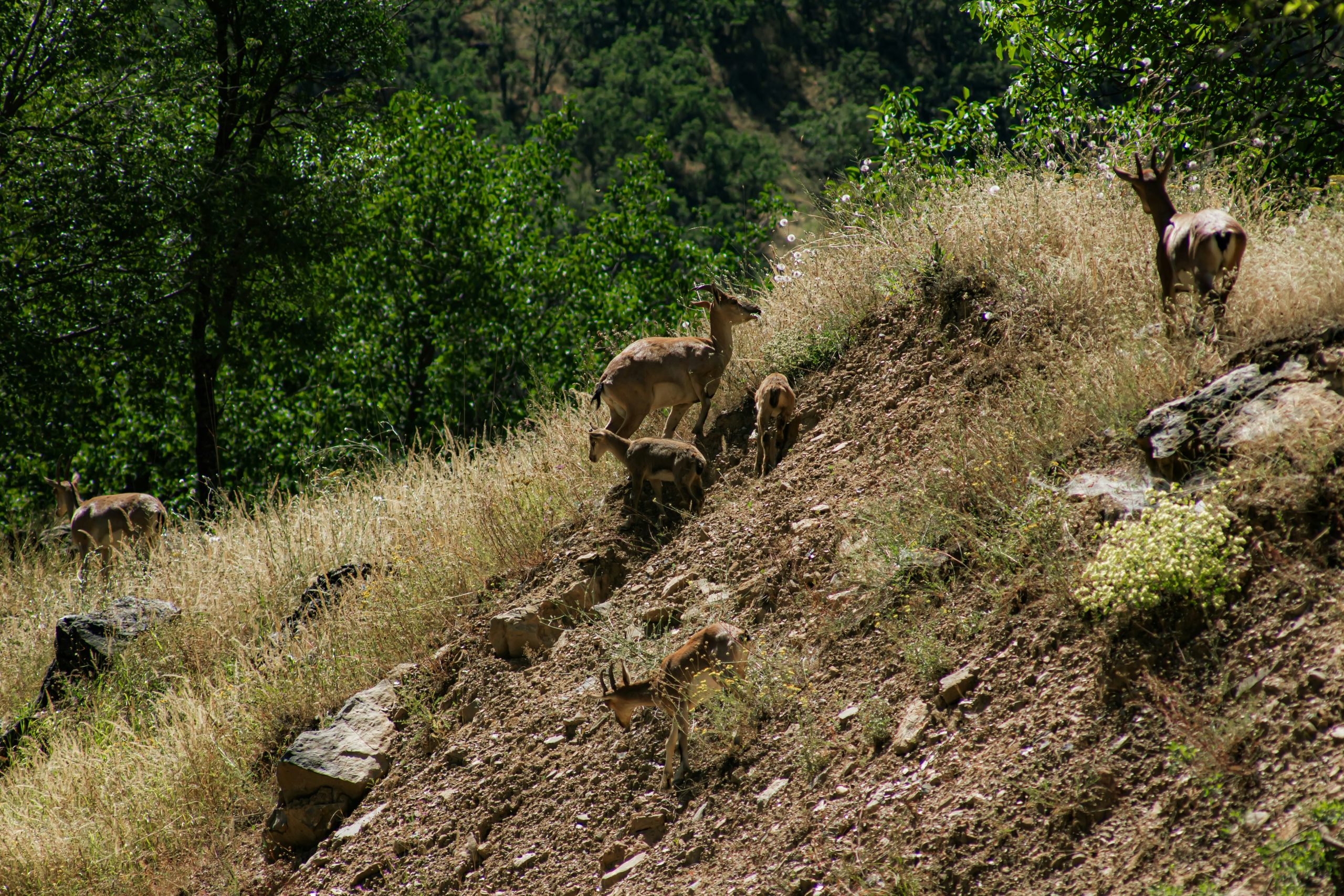
Reading ground patterns is one of the oldest and most reliable skills used by hunters, trackers, and experienced hikers to understand animal movement. Large animals leave behind subtle but meaningful signs that reveal not only their presence but also how recently they passed through an area. Soil disturbance, vegetation damage, and surface compression all tell a story when observed carefully. These signs are especially useful in forests, wetlands, and transitional terrain where visibility is limited. Learning to recognize fresh ground patterns helps hunters anticipate movement, hikers stay alert, and outdoor travelers better understand their surroundings. Timing, moisture, and consistency matter, making observation as important as experience.
1. Deep, Soft Soil Impressions
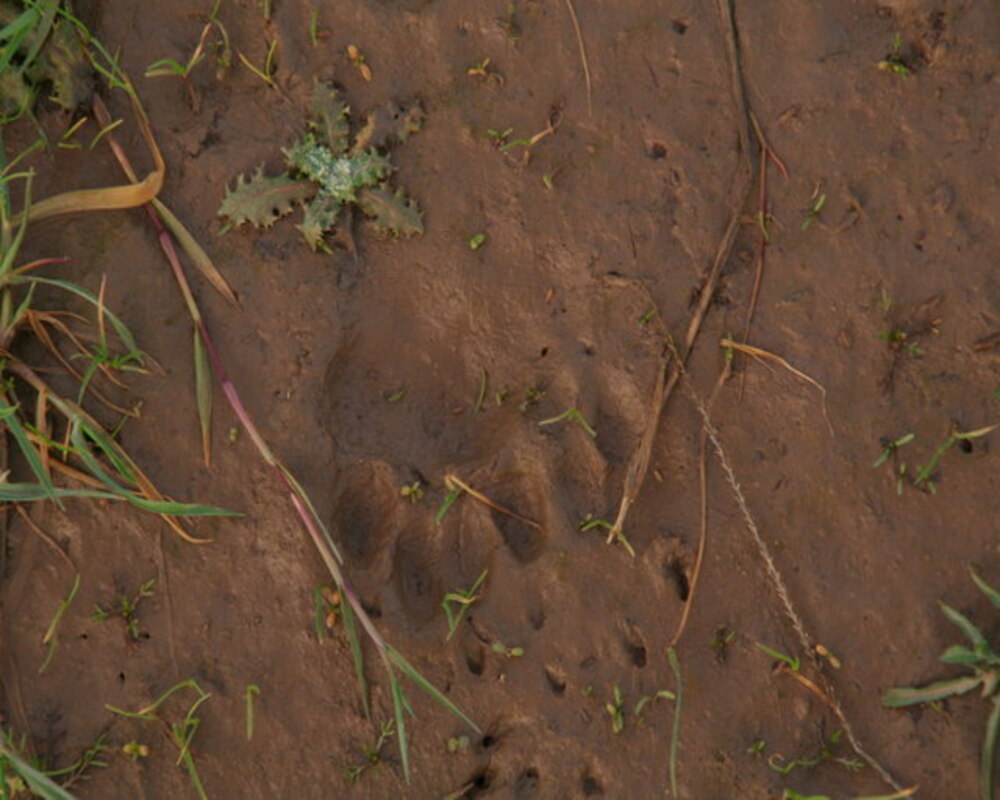
Deep impressions in soft soil are one of the clearest signs that a large animal passed through recently. Heavy-bodied animals compress the ground noticeably, especially in damp earth near creeks, trails, or shaded forest floors. Fresh impressions often have sharp edges and visible texture from hooves or pads. The soil may still appear slightly raised around the edges, indicating recent displacement. If the ground has not dried or crumbled, the track is likely hours old rather than days. Large animals moving with purpose leave consistent depth and spacing, making these impressions reliable indicators of size, weight, and direction of travel.
2. Broken or Pressed Vegetation
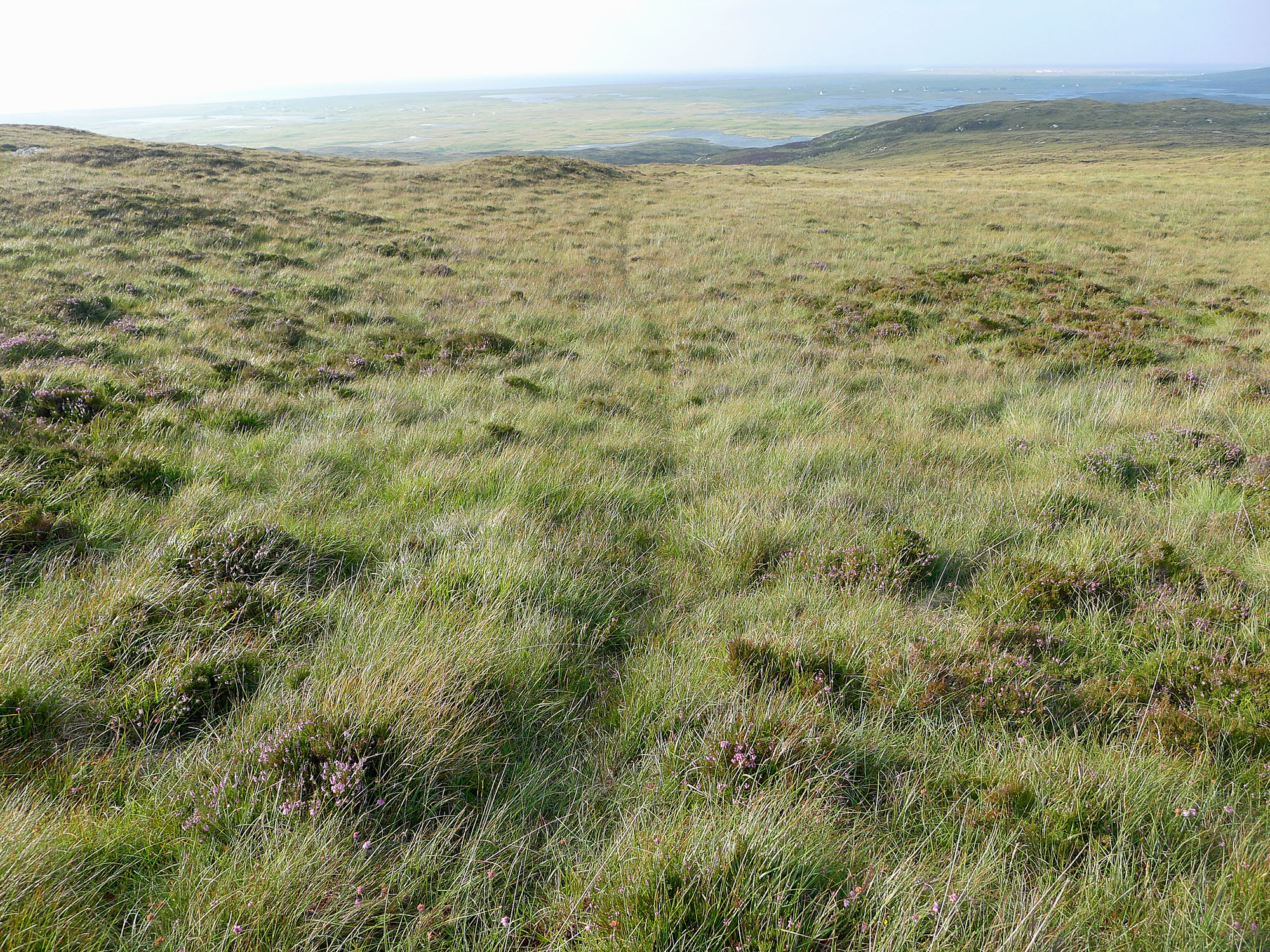
When large animals move through undergrowth, they leave vegetation pressed flat or snapped under their weight. Recently disturbed plants appear greener and more flexible, often bending rather than breaking cleanly. Broken stems may still show moisture or sap at the fracture point. Grasses pressed into the soil will slowly rebound, so flattened paths with sharp outlines suggest recent movement. Taller plants pushed aside often lean in the direction of travel. Unlike wind damage, animal movement tends to form narrow, continuous paths that align naturally with terrain features, offering strong clues about size and direction.
3. Scuffed Leaf Litter
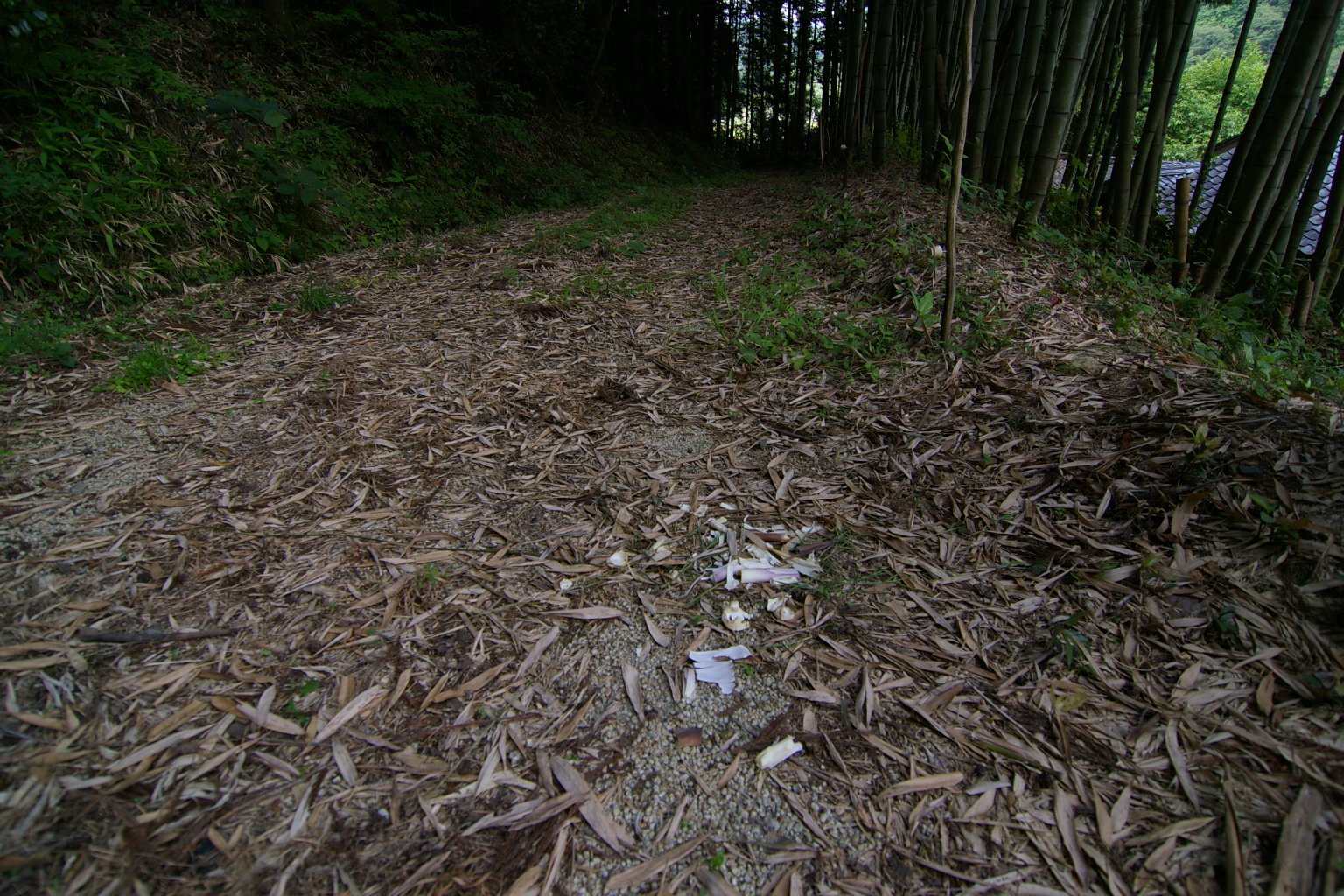
Leaf litter can reveal recent animal passage when scuffed or displaced unevenly. Large animals often drag hooves or push off forcefully, scraping away surface leaves and exposing darker soil beneath. Fresh scuffs have clean edges and contrast sharply with the surrounding leaf cover. The disturbed leaves may still rest loosely, not yet settled by wind or moisture. In wooded environments, these scuffs often appear along travel corridors or near feeding areas. When multiple scuffs align in a consistent direction, they indicate purposeful movement rather than random disturbance, helping determine both path and recent timing.
4. Mud Transfer on Rocks or Roots
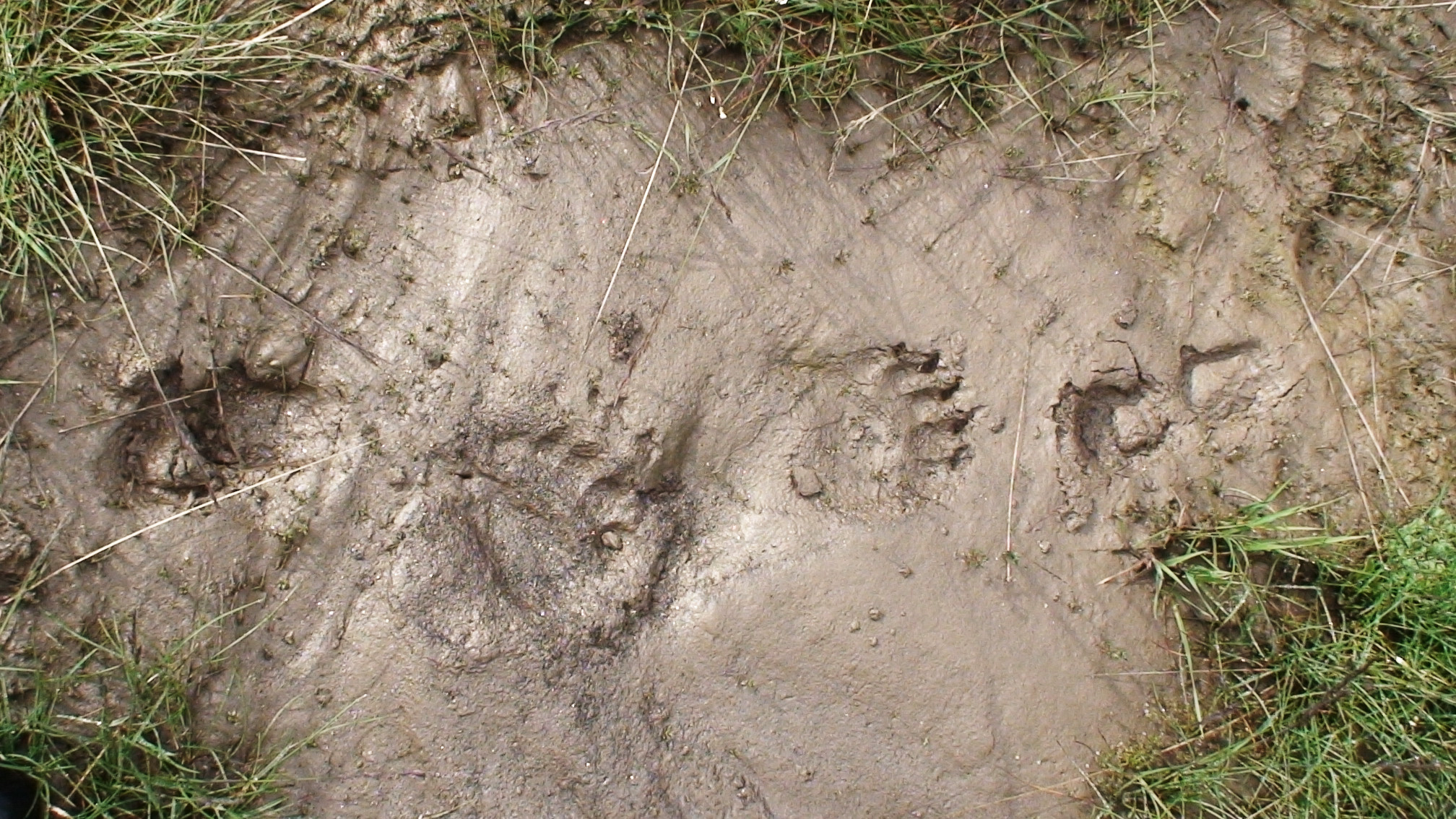
Mud transferred onto rocks, roots, or fallen logs is a strong indicator of recent movement. Large animals crossing wet ground often carry mud on their hooves or feet, which rubs off on hard surfaces. Fresh mud appears dark, moist, and textured, sometimes showing partial track shapes. As time passes, it dries, cracks, or fades. These marks often appear at natural crossing points such as stream edges or trail bottlenecks. Because mud transfer fades quickly, especially in warm or windy conditions, its presence usually means the animal passed through within a short time window.
5. Disturbed Moss or Soft Ground Cover
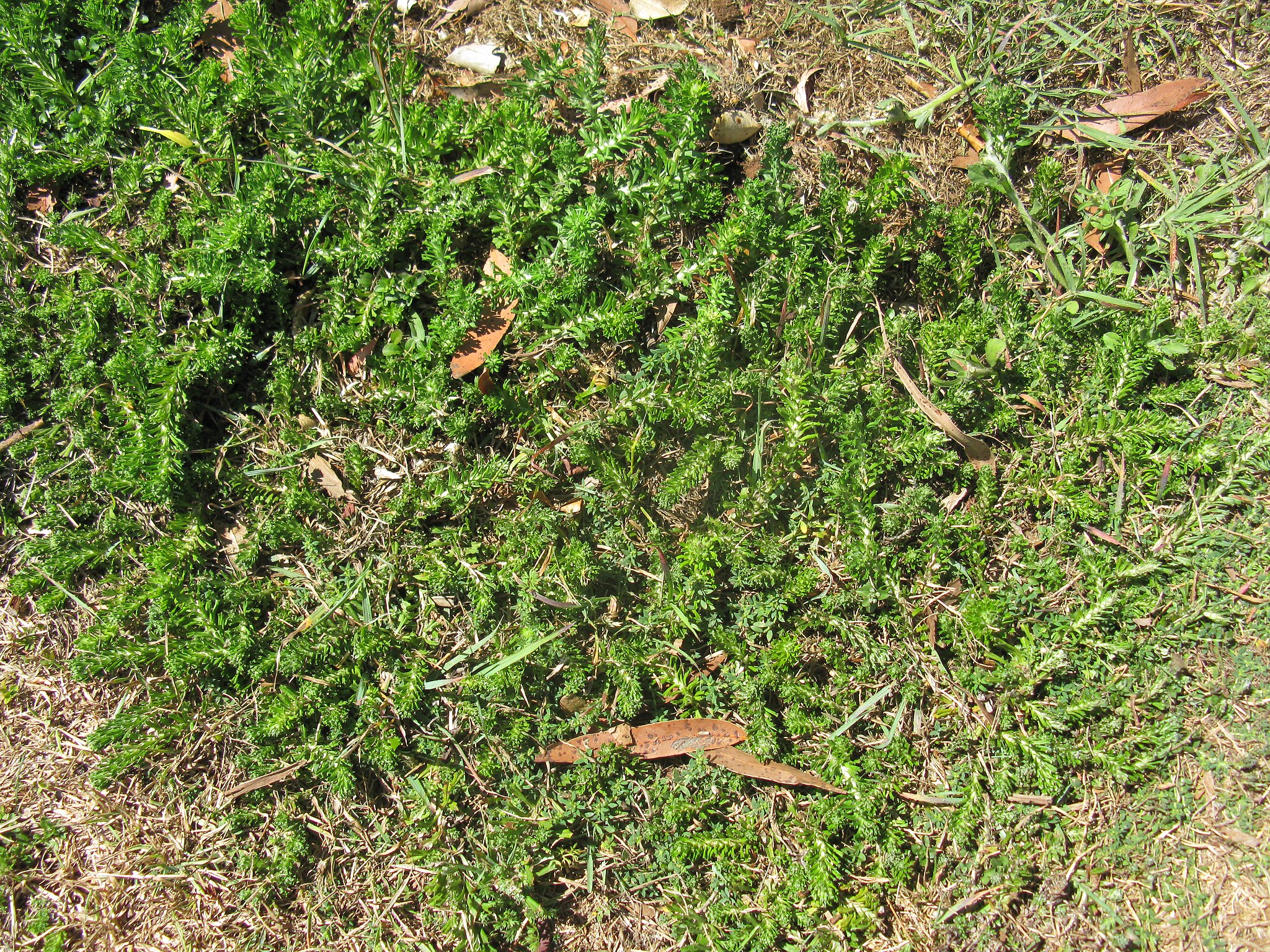
Moss, pine needles, and forest duff compress easily under weight, making them useful indicators of recent animal movement. Fresh compression appears darker and more saturated, with fibers bent rather than broken. Over time, these materials fluff back up or dry out, losing definition. Large animals leave wide, consistent depressions rather than scattered disturbances. When the ground cover remains compacted and cool to the touch, the passage was likely recent. These signs are especially useful in shaded forests where tracks in soil may be limited, but surface layers still record movement.
6. Slide Marks on Slopes
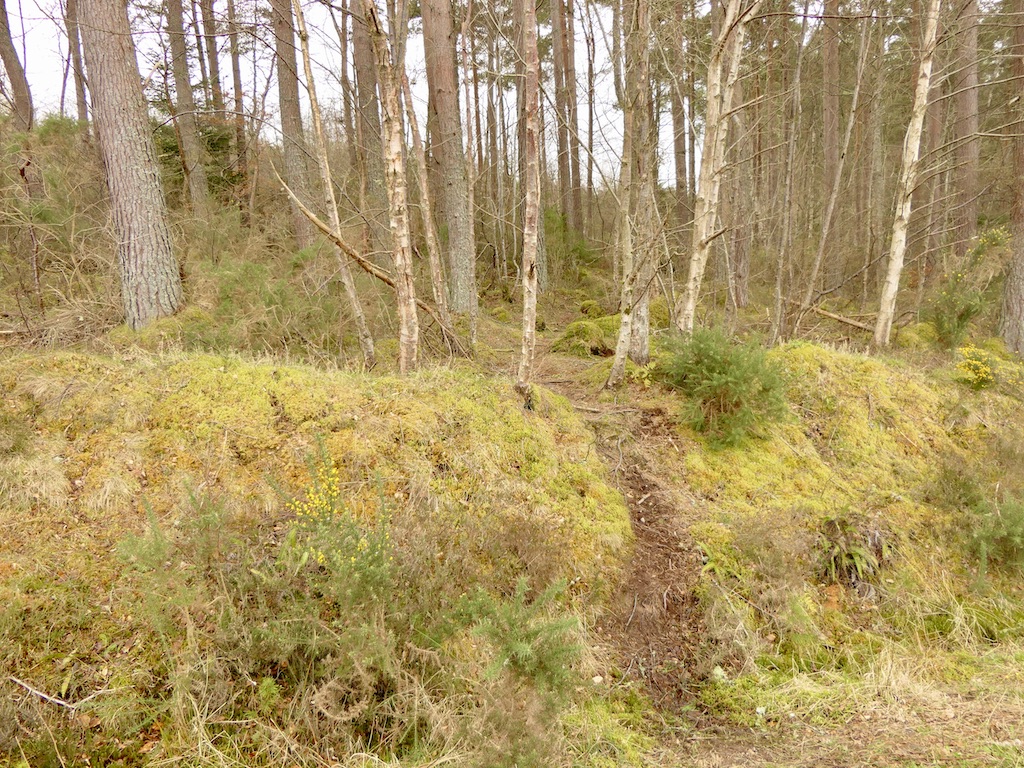
On slopes or embankments, large animals often leave slide marks where footing is unstable. These marks appear as smooth, elongated streaks where soil or leaves have been displaced downhill. Fresh slides expose darker earth and lack debris buildup. Over time, wind and gravity soften these edges. Slide marks often occur near game trails or steep access points. Because erosion and weather quickly alter these features, clean slide marks strongly suggest recent passage. Observing the direction and length of the slide can also indicate speed, weight, and confidence of the animal’s movement.
7. Compressed Trail Edge
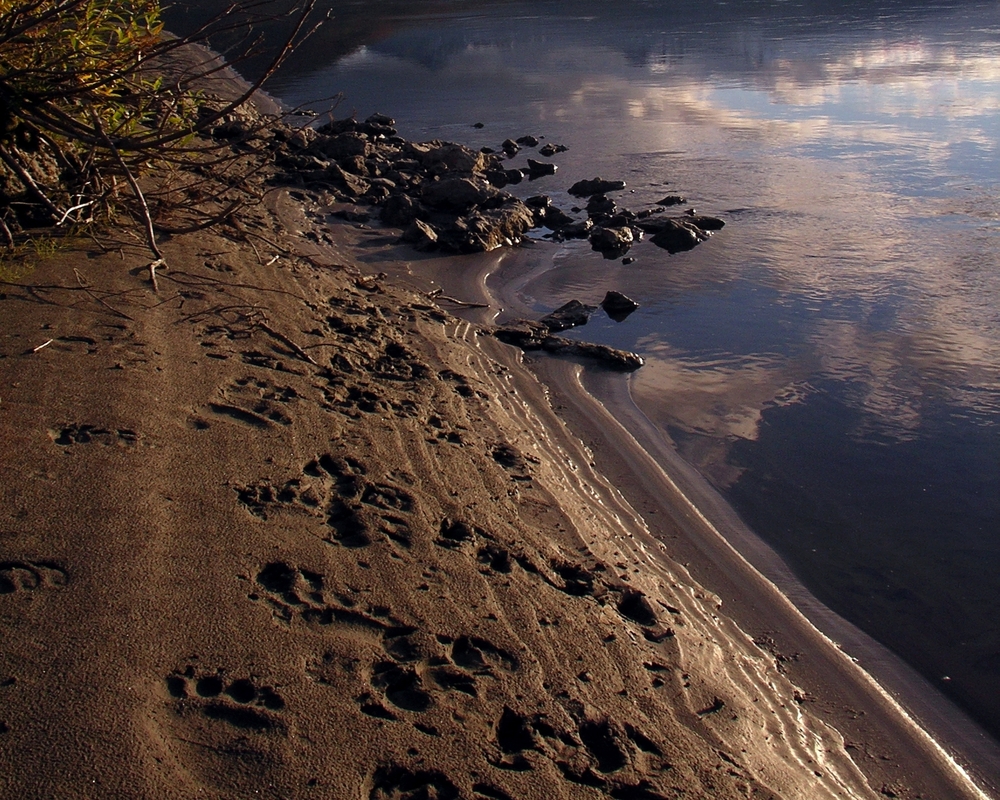
Large animals tend to widen existing trails by compressing edges as they pass. Fresh compression appears darker and firmer than the surrounding ground. Small stones may be pressed into soil, and loose material displaced outward. These signs are most noticeable where trails narrow between trees or rocks. Recently compressed edges feel solid underfoot and lack plant regrowth. Over time, rain and foot traffic soften these signs. Consistent compression on one side of a trail can also suggest the preferred direction of travel, helping determine movement patterns within the area.
8. Fresh Root Exposure
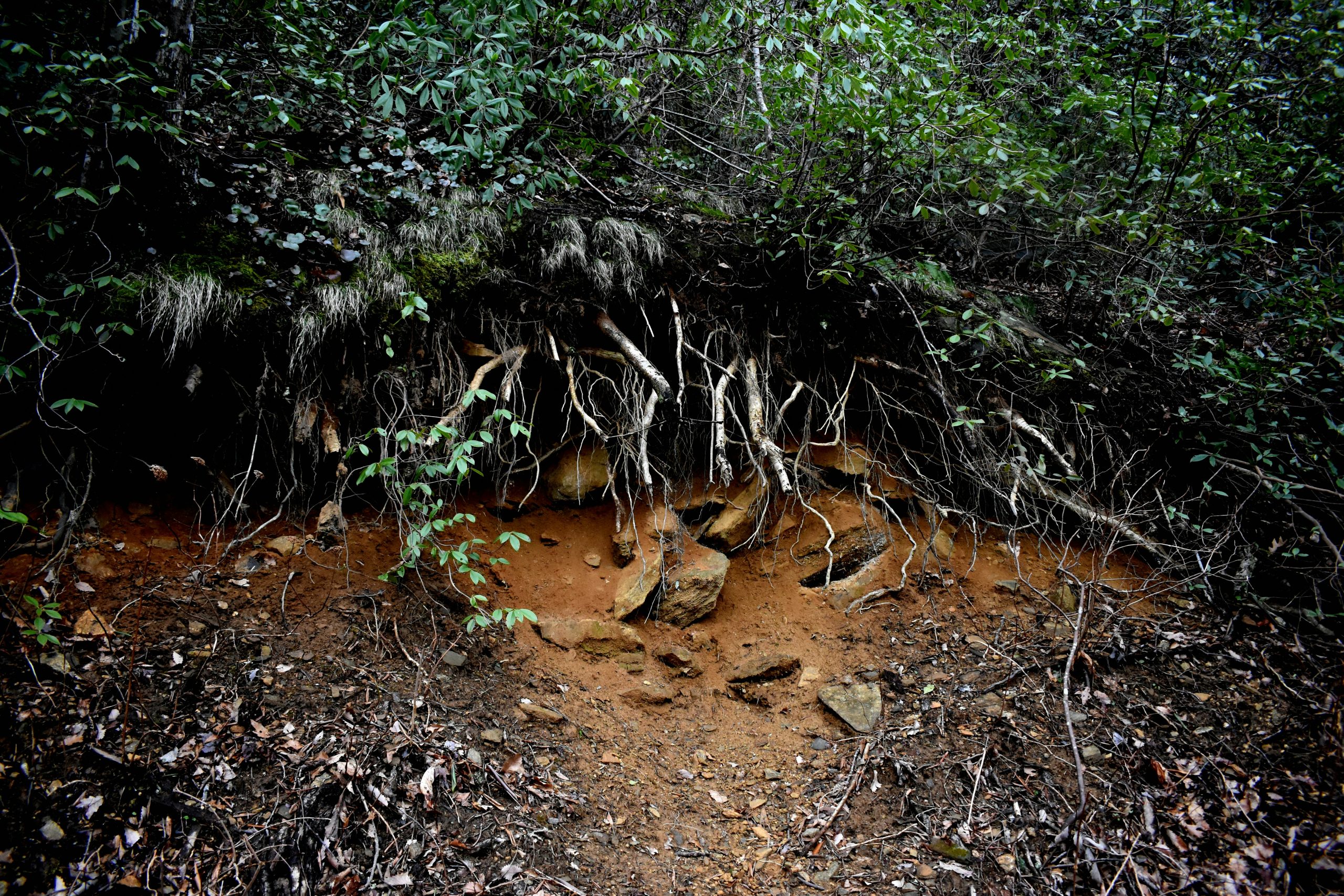
Roots exposed by heavy footfalls indicate recent disturbance. Large animals stepping on soft ground can force soil aside, revealing roots that were previously covered. Freshly exposed roots appear moist and lighter in color. Surrounding soil often shows uneven displacement and sharp edges. Over time, exposed roots darken, and debris accumulates. These signs are common on slopes, creek banks, or well-used crossings. Because natural erosion usually affects larger areas, localized root exposure often points directly to animal movement rather than weather-related changes.
9. Indented Stream Banks
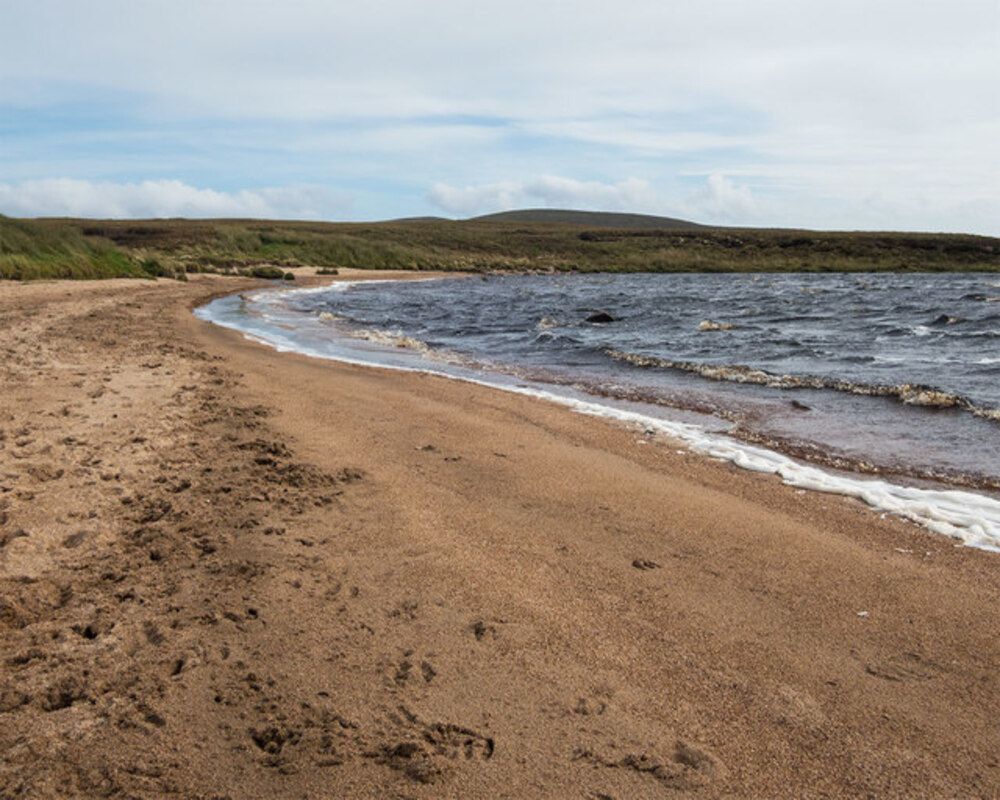
Stream banks are sensitive indicators of recent animal passage. Large animals entering or exiting water leave indented edges where soil collapses under weight. Fresh bank impressions have crisp outlines and moist surfaces. Water may still be slowly seeping into the depression. Over time, flowing water smooths these edges. Paired entry and exit points often appear slightly downstream from one another. Because banks change quickly with water movement, clear indentations strongly suggest recent activity, making them valuable for tracking near water sources.
10. Crushed Leaf Stems and Twigs
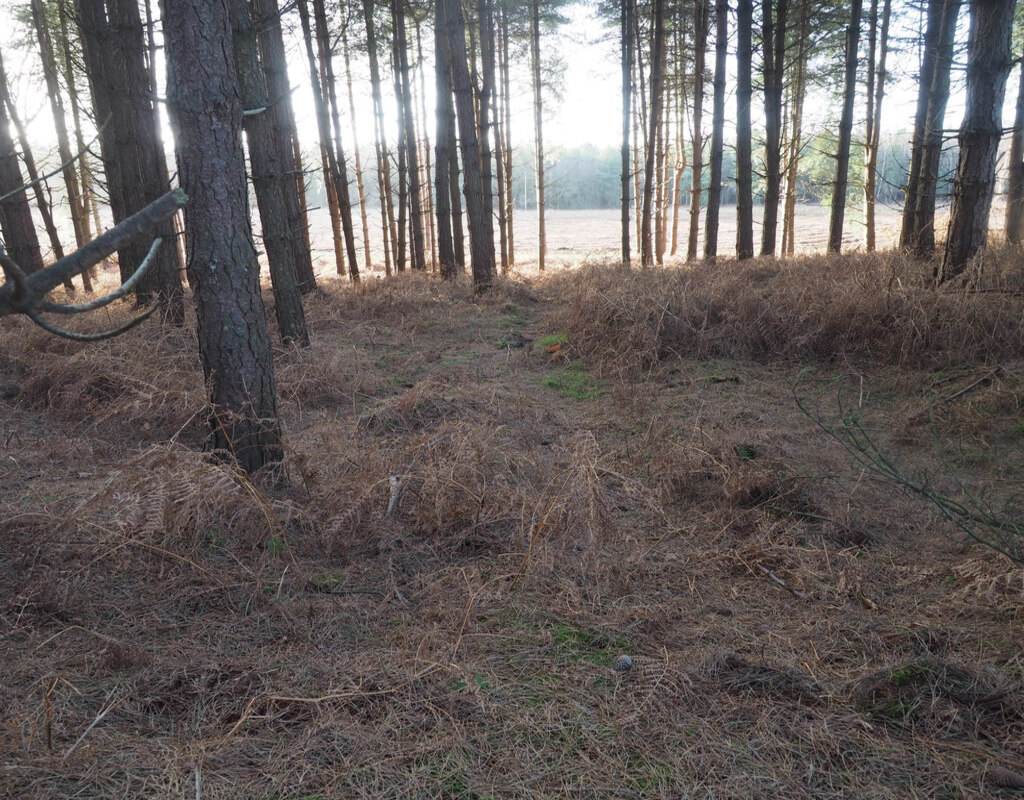
When large animals walk through wooded areas, they crush twigs and leaf stems beneath their weight. Freshly crushed material feels pliable and may release scent when bent. Broken ends appear lighter in color and may still be damp. Unlike snapped branches caused by wind, animal-caused damage usually occurs low to the ground and aligns with travel direction. These signs fade as materials dry and darken. Concentrated clusters of crushed stems often indicate well-used routes or feeding paths, offering insight into recent movement.
11. Uneven Soil Kick-Outs
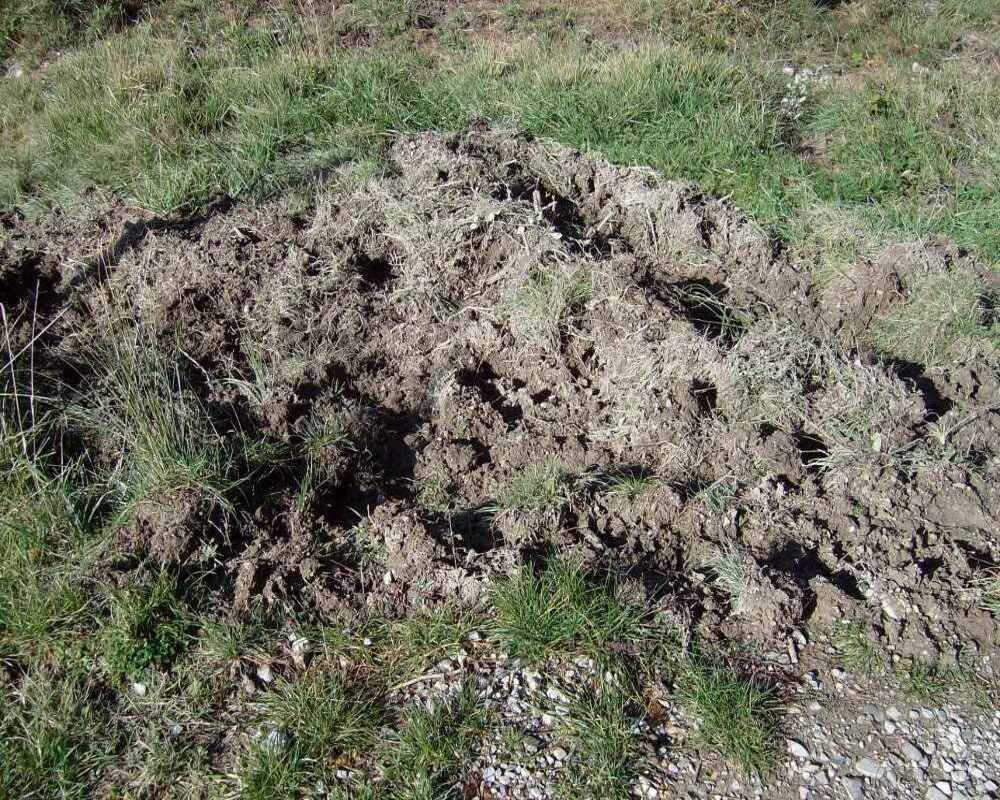
Soil kick-outs occur when large animals push off forcefully, sending dirt backward. These appear as small mounds or scattered soil behind tracks. Fresh kick-outs have a loose texture and sharp contrast with the surrounding ground. Rain and wind quickly soften these features, making them short-lived. Kick-outs often appear when animals accelerate, climb slopes, or change direction. Their presence suggests purposeful movement rather than slow feeding. Observing the direction of soil displacement helps determine travel direction and behavior at that point.
12. Flattened Ground with Body Imprints
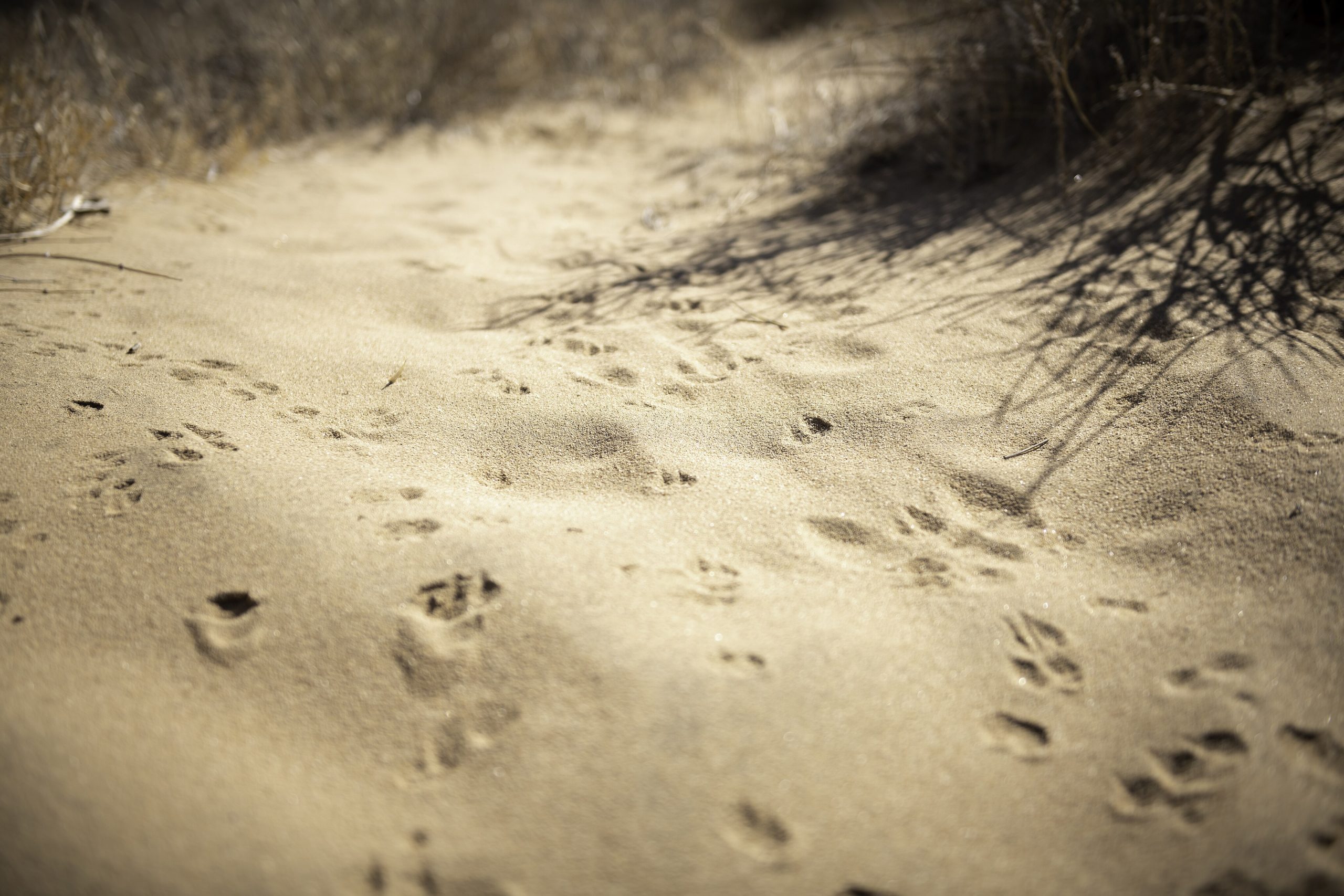
In resting or bedding areas, large animals leave flattened ground that retains body shape impressions. Recently used beds show compressed soil or vegetation with clear outlines. The center may feel warm or slightly damp, depending on conditions. Surrounding debris is pushed outward, forming a shallow depression. Over time, vegetation rebounds and edges blur. Fresh beds often include nearby tracks or exit paths. These signs are strong indicators of recent presence and can reveal size, orientation, and preferred resting locations.