Earth’s history is filled with powerful predators that once ruled their environments. These animals shaped entire ecosystems by controlling prey populations and influencing how other species evolved. Over millions of years, changing climates, natural competition, and sometimes human activity led to the disappearance of many remarkable hunters. While fossils and scientific research allow us to understand how they lived, these creatures will never return to the wild. Studying extinct predators helps scientists learn how ecosystems change and why conservation is so important today. The following twelve predators once dominated their worlds, but they are now completely gone from Earth.
1. Tyrannosaurus rex
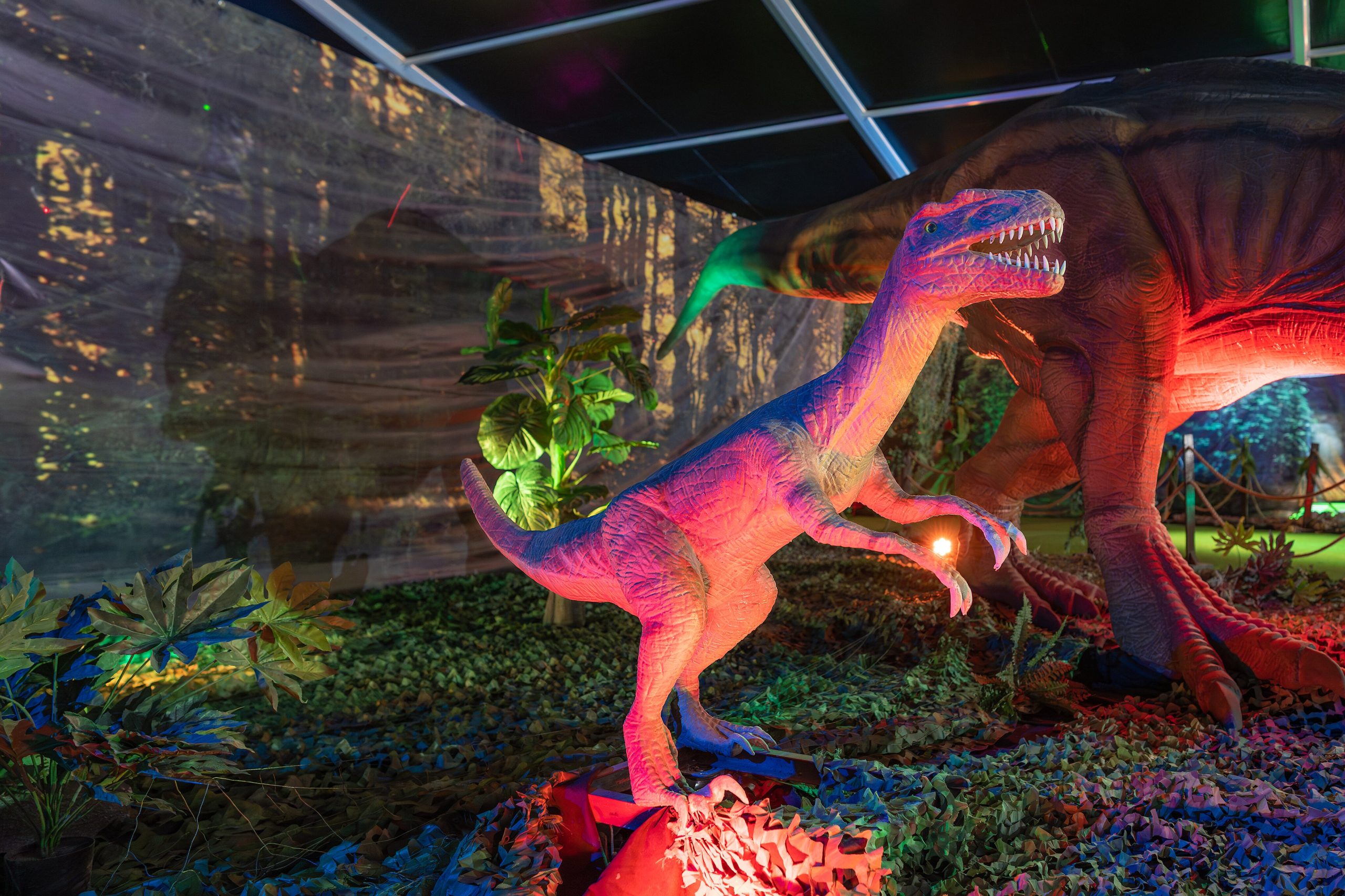
Tyrannosaurus rex remains one of the most famous predators in natural history. This enormous dinosaur lived during the late Cretaceous period and dominated ancient landscapes that are now part of North America. Fossil evidence shows it possessed powerful jaws filled with thick bone-crushing teeth capable of delivering one of the strongest bites ever recorded among land animals. Scientists believe it hunted large herbivorous dinosaurs while also scavenging when opportunities appeared. Its massive skull, strong legs, and excellent sense of smell made it an efficient hunter. Despite its dominance millions of years ago, the species vanished during the mass extinction event that ended the age of dinosaurs.
2. Megalodon
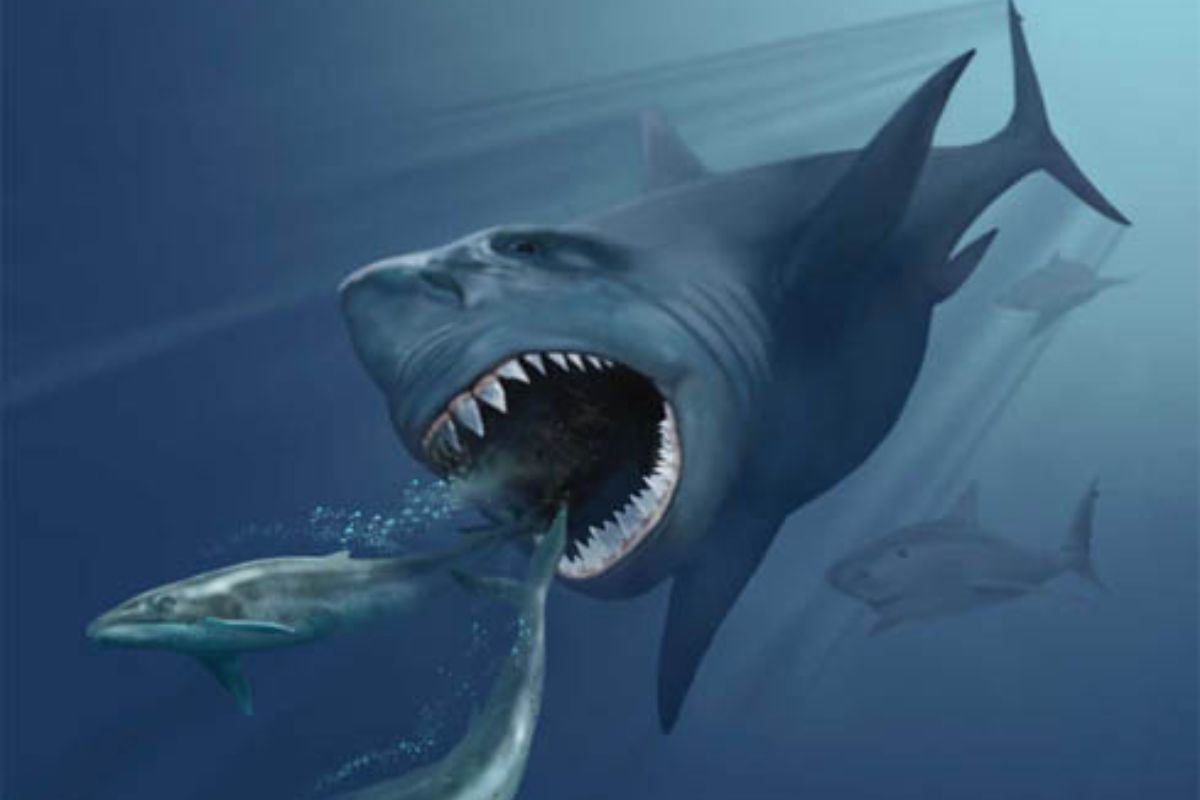
Megalodon was the largest shark known to have existed in Earth’s oceans. This giant marine predator lived roughly between 23 and 3.6 million years ago and ruled ancient seas around the world. Scientists estimate that some individuals may have reached lengths exceeding fifty feet. Its enormous triangular teeth, some larger than a human hand, were designed to tear through thick flesh and bone. Megalodon likely hunted whales, large fish, and other marine mammals. Changes in ocean temperatures and shifting prey populations may have contributed to its extinction. Today, only fossilized teeth and vertebrae remain as evidence of this legendary ocean hunter.
3. Smilodon
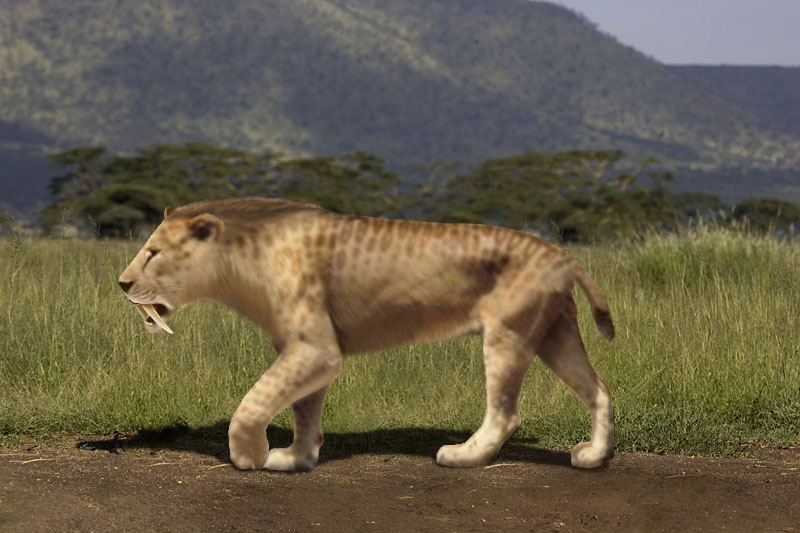
Smilodon, often called the saber-toothed cat, lived throughout the Americas during the Ice Age. It is instantly recognizable for its long, curved canines that can grow several inches in length. Unlike modern big cats, Smilodon had a powerful upper body and shorter legs, suggesting it relied on ambush tactics rather than long chases. Fossil discoveries indicate it hunted large Ice Age mammals such as bison and giant ground sloths. Many skeletons have been recovered from the La Brea Tar Pits, providing valuable scientific information about the lives of the people who lived there. The species eventually disappeared around ten thousand years ago as climates changed and large prey animals declined.
4. Dire Wolf
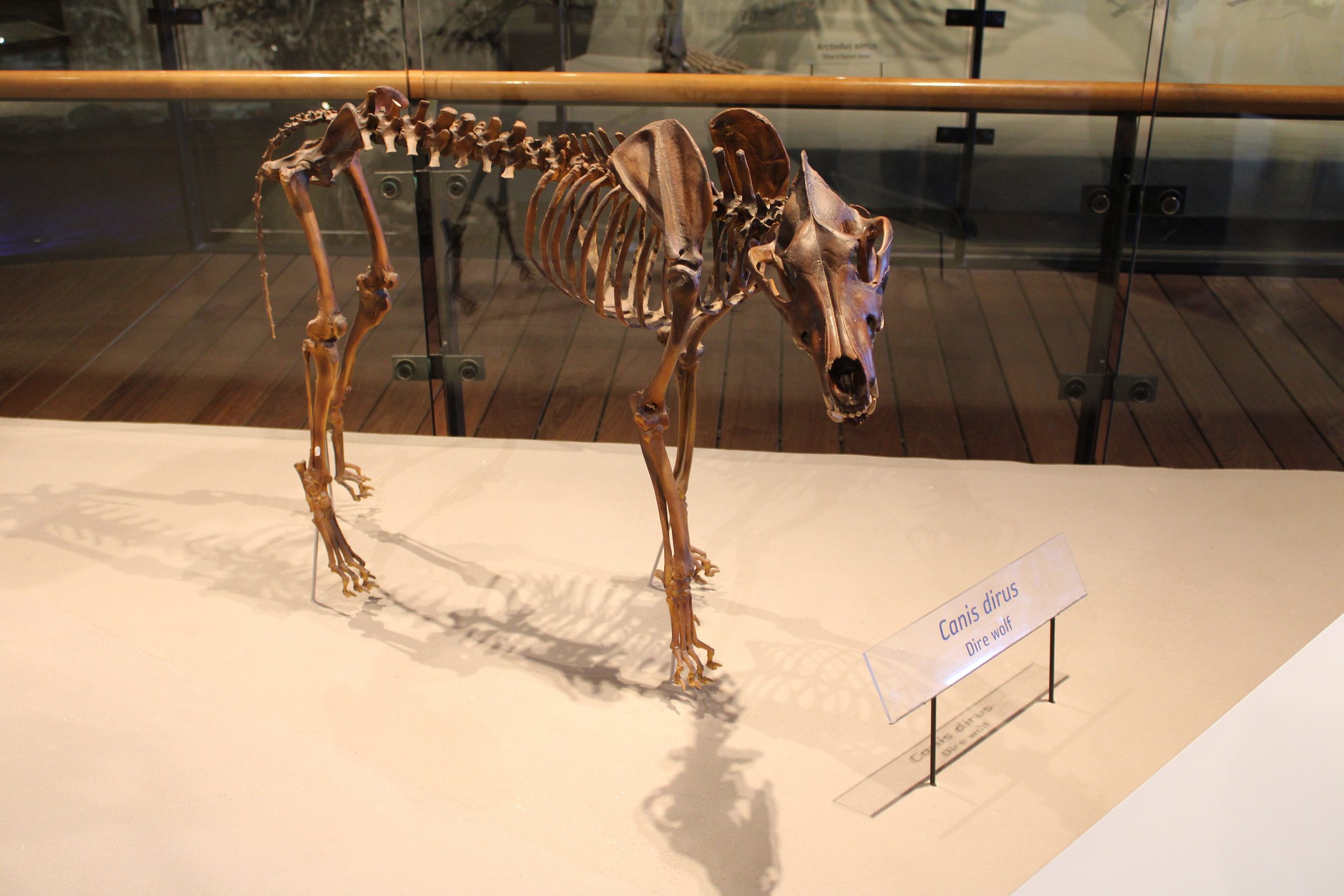
The Dire Wolf was a powerful Ice Age predator that once roamed across North and South America. It resembled modern wolves but had a heavier build, stronger jaws, and larger teeth designed for crushing bone. Dire wolves likely hunted in packs, allowing them to challenge large prey such as ancient horses, bison, and young mammoths. Fossil discoveries show that thousands of individuals became trapped in tar pits while attempting to scavenge animals already stuck there. This predator thrived for many thousands of years before disappearing near the end of the last Ice Age. Environmental shifts and declining prey populations likely played major roles in its extinction.
5. Spinosaurus
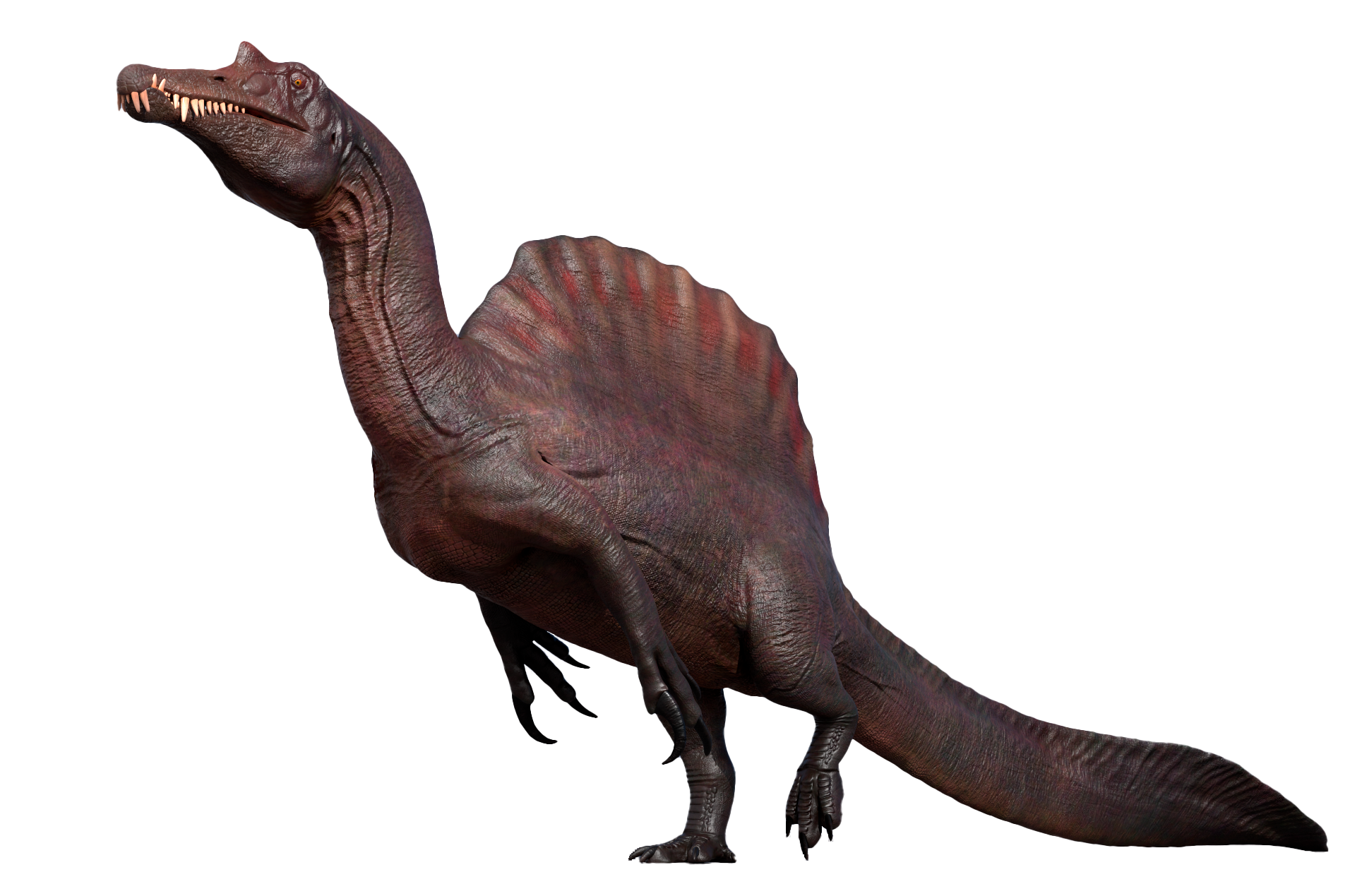
Spinosaurus was one of the most unusual large predators ever to exist. This enormous dinosaur lived during the Cretaceous period and is known for the tall sail structure along its back. Unlike many other giant dinosaurs, Spinosaurus spent much of its time near water. Fossil evidence suggests it hunted fish and other aquatic animals using its long crocodile-like jaws. Its body structure included adaptations that helped it swim, making it one of the earliest known semi-aquatic dinosaurs. Although it thrived in ancient river systems millions of years ago, Spinosaurus disappeared along with many other dinosaurs during the global extinction event.
6. Andrewsarchus
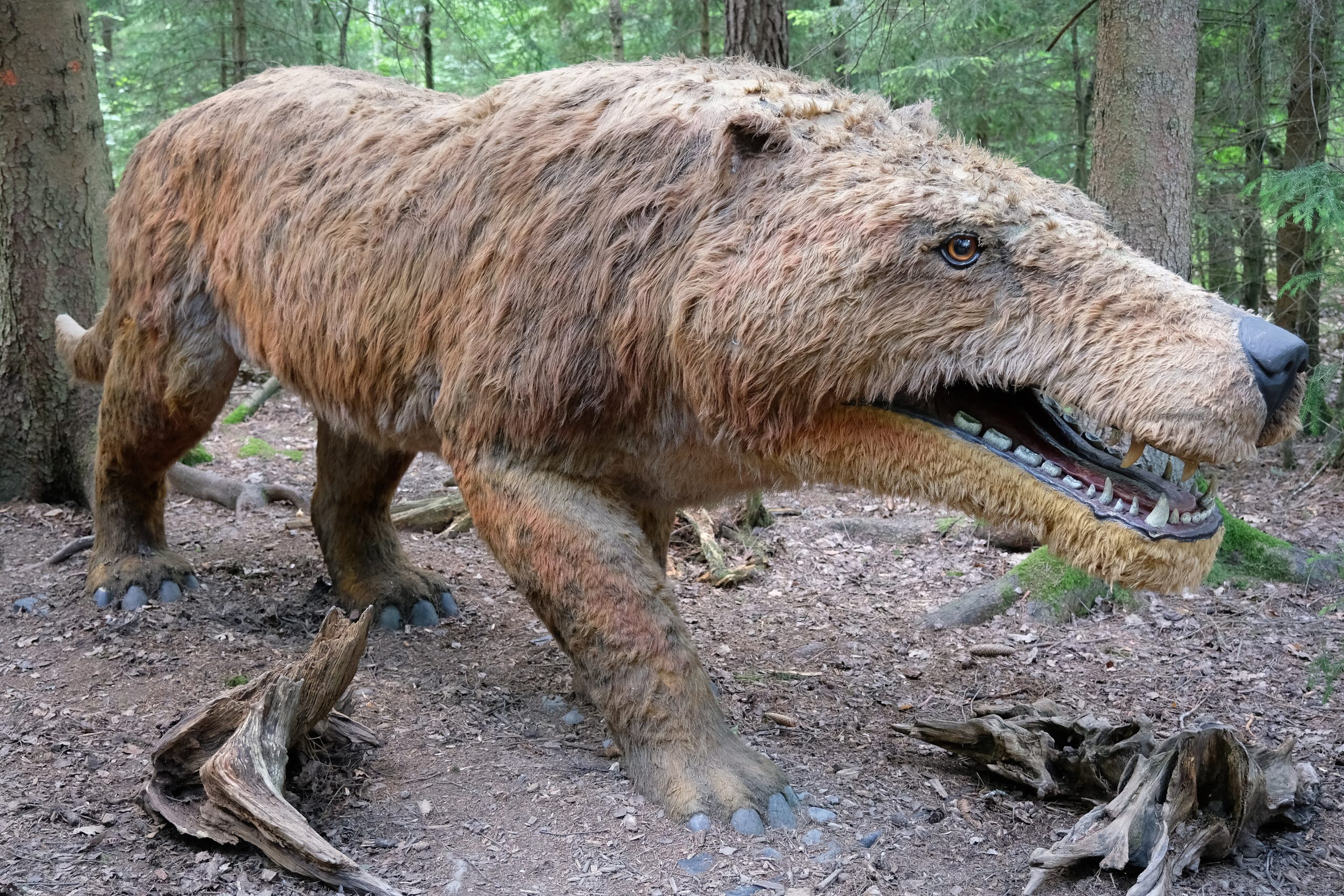
Andrewsarchus is known from a massive fossilized skull discovered in Mongolia. Scientists believe it lived around 45 million years ago and may have been one of the largest land dwelling carnivorous mammals ever recorded. The skull reveals powerful jaws capable of crushing bones and consuming large prey. Although only limited fossil remains have been found, researchers estimate that Andrewsarchus had a long body and strong limbs built for pursuing animals across open terrain. Its exact lifestyle is still debated among scientists, but it was almost certainly an apex predator of its time. Like many ancient mammals, it eventually vanished as environments and competing species evolved.
7. Titanoboa
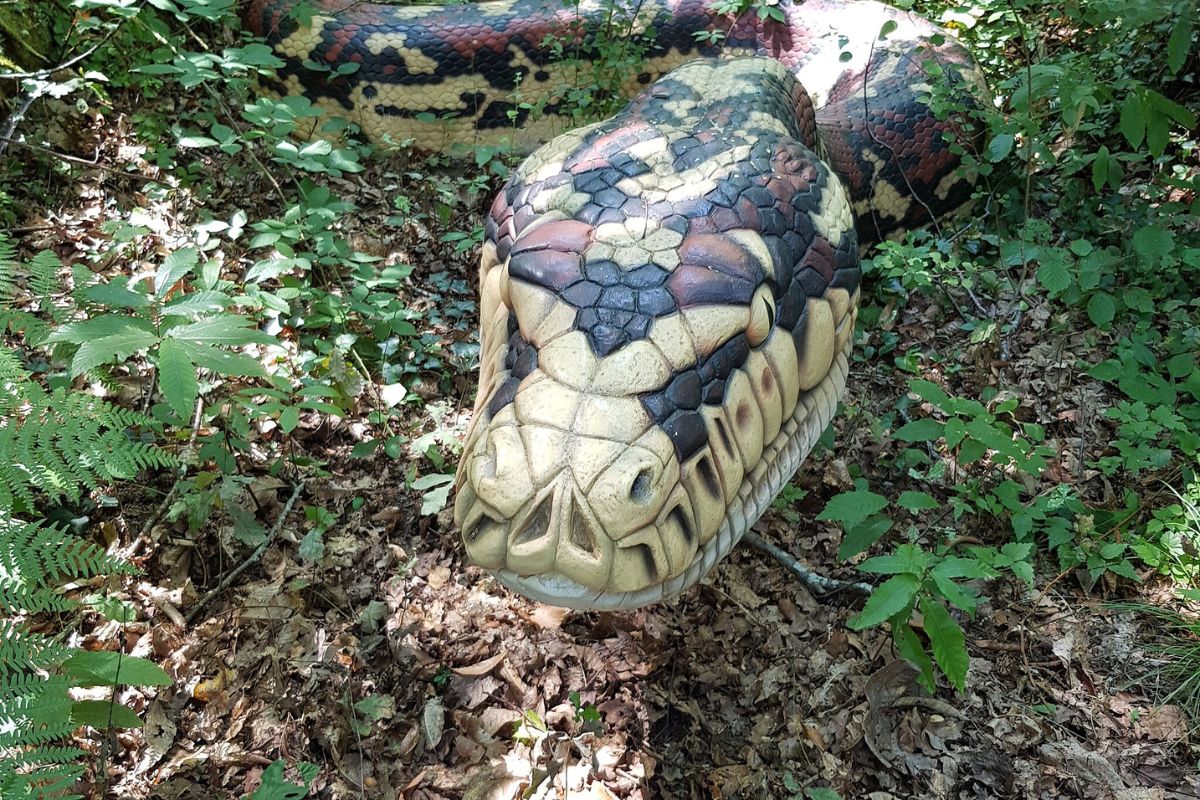
Titanoboa was the largest snake ever discovered, living around 60 million years ago during a time when Earth’s climate was much warmer. Fossils found in South America indicate that this enormous reptile could reach lengths of over forty feet. Titanoboa likely lived in swampy forests where it hunted large fish, crocodiles, and other animals. Like modern constrictor snakes, it probably killed prey by wrapping its powerful body around victims and squeezing until breathing stopped. The size of this snake suggests that ancient ecosystems supported very large reptiles. As global temperatures cooled and habitats changed, Titanoboa eventually disappeared from the planet.
8. Quinkana
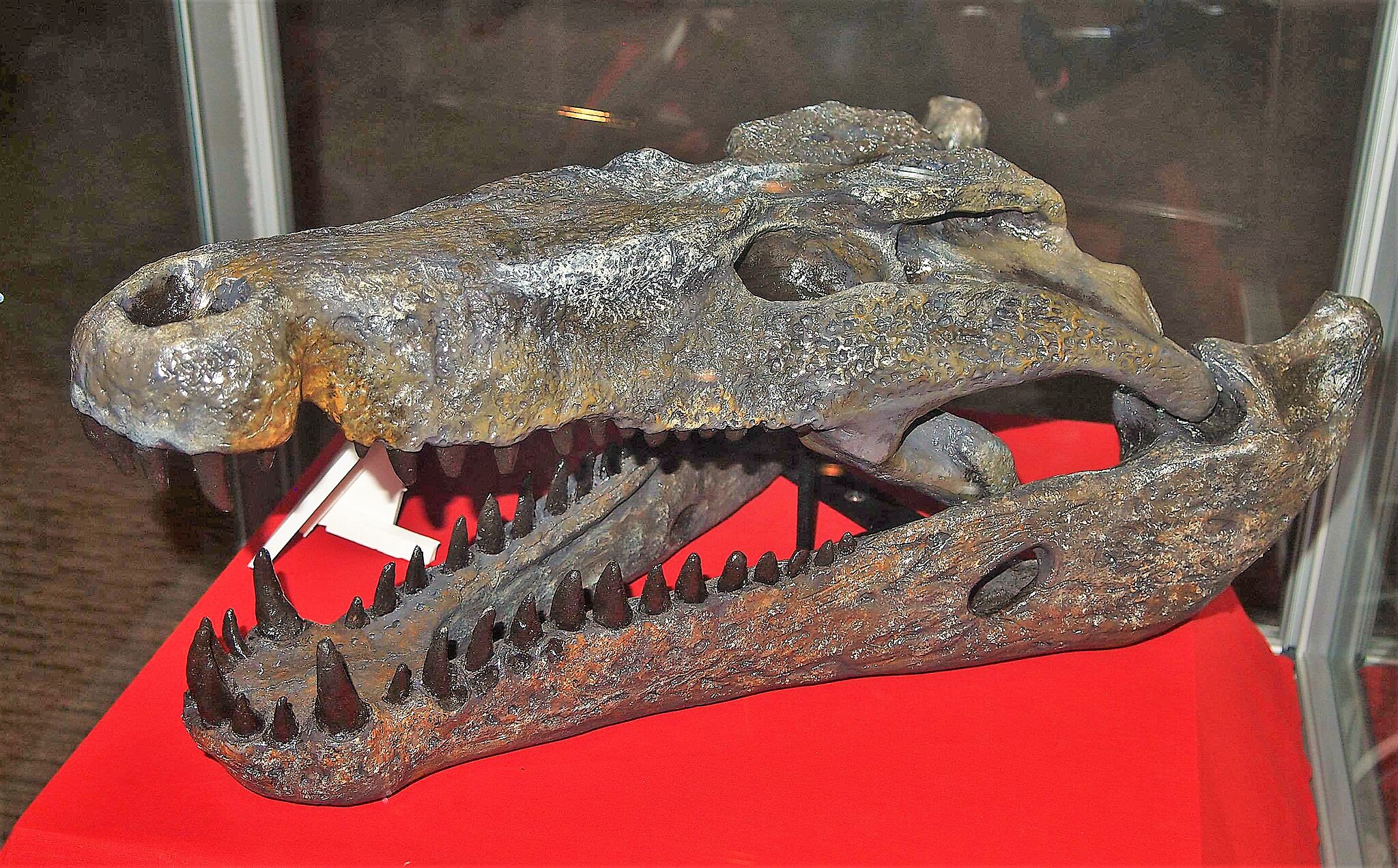
Quinkana was a prehistoric crocodile that lived in Australia and differed significantly from modern crocodiles. Unlike its aquatic relatives, this predator spent much of its life on land. Fossils reveal long legs and sharp serrated teeth that were ideal for slicing through flesh. Quinkana likely hunted mammals and other animals across ancient Australian landscapes. Its ability to move effectively on land made it a unique reptilian predator. Over time, environmental changes and the arrival of new species may have placed pressure on its survival. Eventually, Quinkana disappeared, leaving behind fossil evidence of one of the most unusual crocodilians ever discovered.
9. Thylacoleo
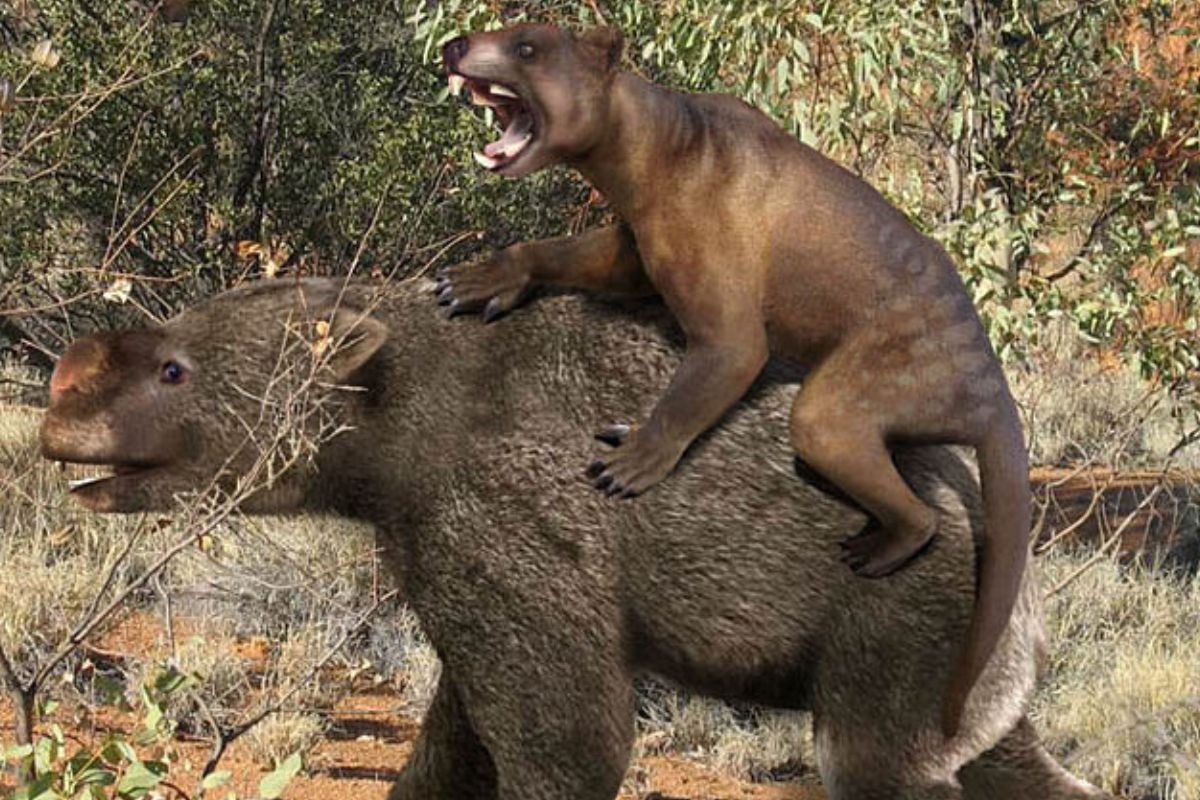
Thylacoleo, often called the marsupial lion, lived in prehistoric Australia and was the continent’s most powerful mammalian predator. Despite the name, it was not related to modern lions. Instead, it belonged to a group of carnivorous marsupials. Thylacoleo had incredibly strong jaws and sharp blade-like teeth designed for cutting through meat. Fossil evidence also suggests it possessed powerful forelimbs with large claws that helped it grasp prey. Scientists believe it hunted medium to large animals across forests and open terrain. The species disappeared around forty thousand years ago, possibly due to climate changes and human arrival in Australia.
10. Dunkleosteus
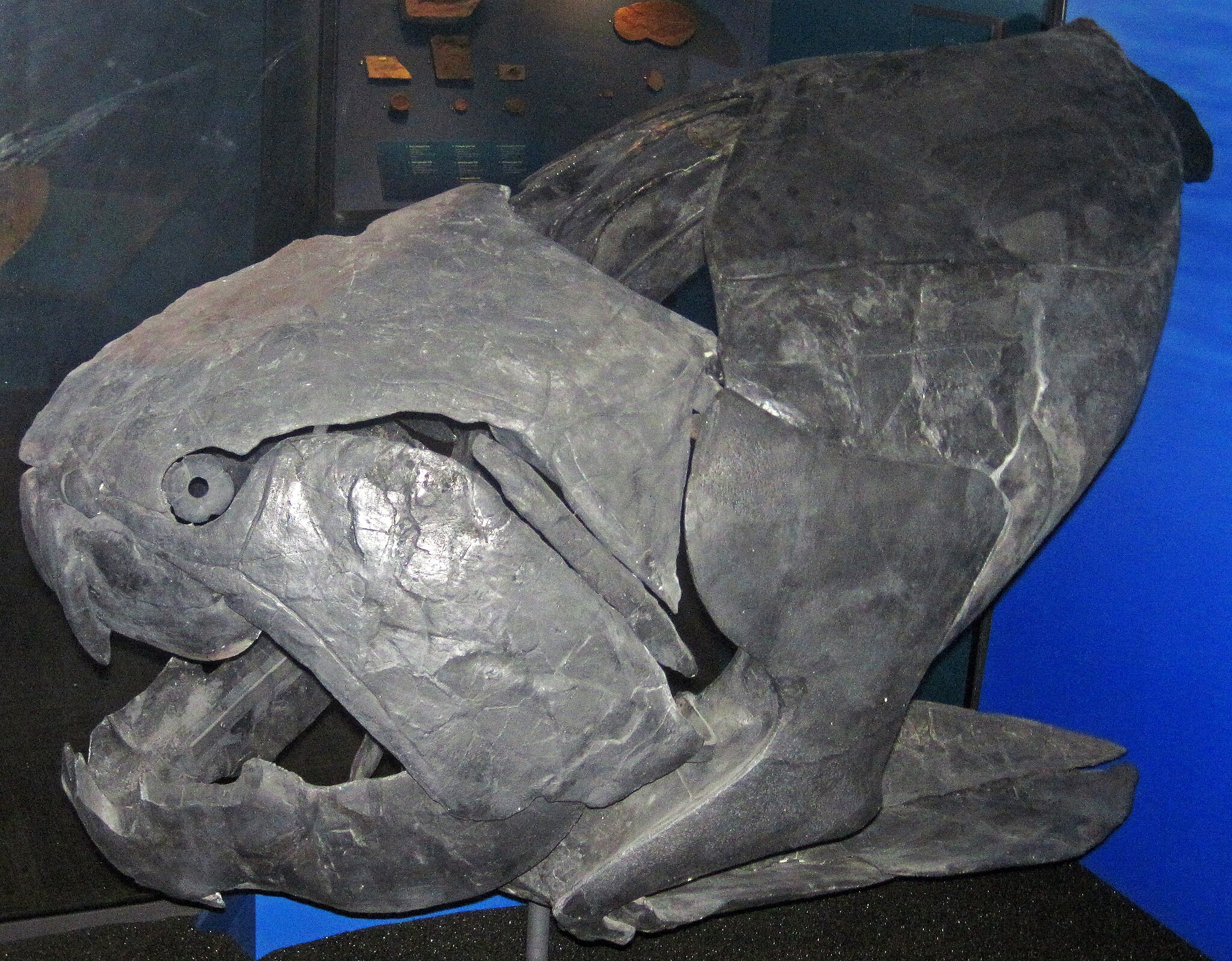
Dunkleosteus was a terrifying predator that lived in ancient seas more than 350 million years ago during the Devonian period. This armored fish had a massive head covered in thick bony plates that acted as protective armor. Instead of traditional teeth, it possessed sharp bony edges that functioned like powerful cutting blades. Scientists believe its bite force was extremely strong, allowing it to crush shells and slice through prey quickly. Dunkleosteus likely hunted large fish and other marine animals. Despite its dominance in ancient oceans, this formidable predator disappeared during environmental changes that affected many marine species.
11. Haast’s Eagle
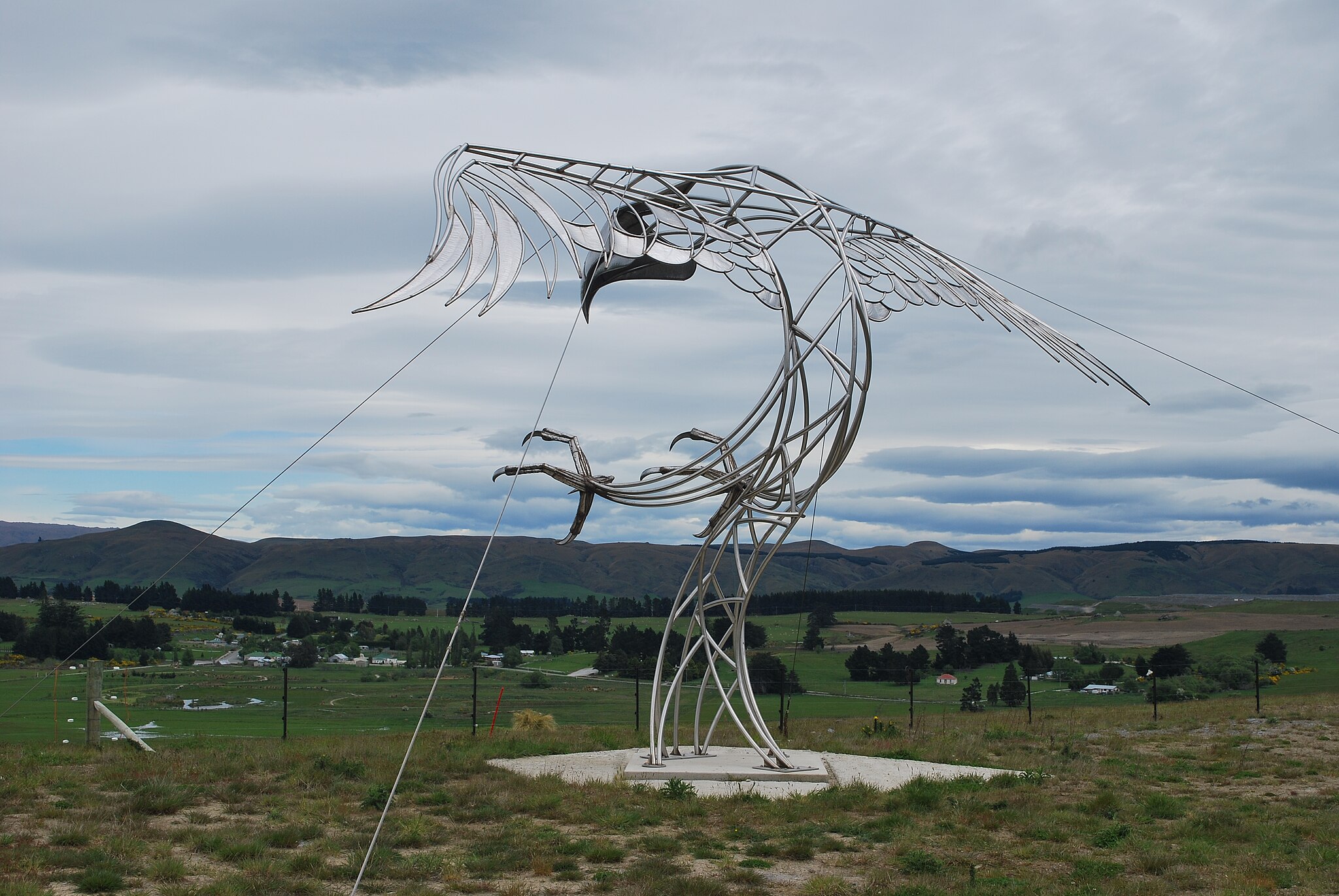
Haast’s Eagle was the largest eagle ever known to exist. It lived in New Zealand and hunted enormous flightless birds called moas. With a wingspan reaching nearly ten feet and extremely powerful talons, it was capable of attacking prey much larger than itself. Scientists believe it launched powerful aerial strikes from above, using its weight and claws to bring down animals on the ground. The extinction of the moa population removed its primary food source. When early human settlers arrived in New Zealand and hunted moas extensively, the eagle eventually disappeared as well.
12. Arctodus simus
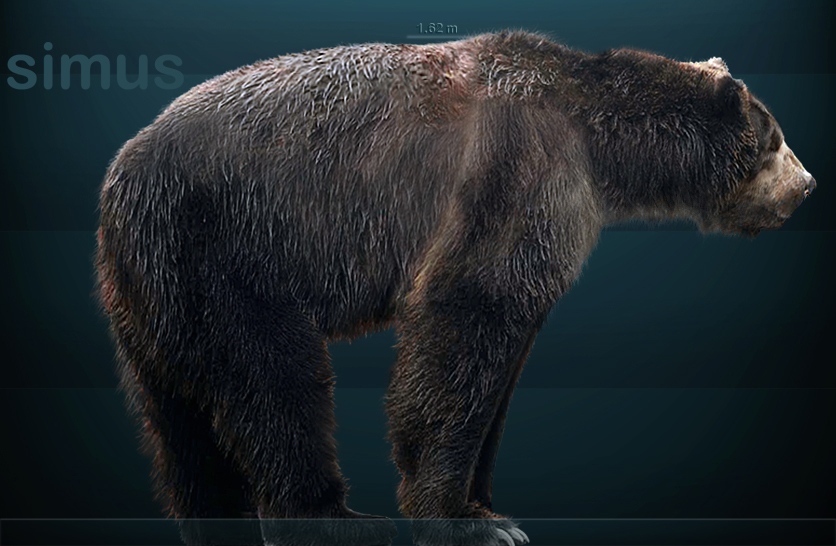
Arctodus simus, often called the short-faced bear, was one of the largest land carnivores that lived during the Ice Age. This massive bear inhabited parts of North America and could stand extremely tall when upright. Its long legs suggest it was capable of traveling long distances while searching for food. Scientists debate whether it primarily hunted prey or relied heavily on scavenging from other predators. Either way, its size and strength made it a dominant presence within ancient ecosystems. Like many large Ice Age animals, it disappeared near the end of the last glacial period.