
Survival failures rarely begin with dramatic events. More often, they start with ordinary decisions that feel harmless at the time. People tend to imagine extreme scenarios, yet overlook the small habits that quietly increase risk during travel, hiking, or even everyday outdoor activities. Weather shifts, fatigue, and stress magnify minor errors into serious problems. Understanding these common mistakes is less about fear and more about awareness. Good survival outcomes typically depend on prevention, sound judgment, and effective energy management rather than heroic skill. Here are twelve dangerously common missteps that frequently catch people off guard, along with the practical thinking that helps prevent them.
1. Underestimating Environmental Exposure
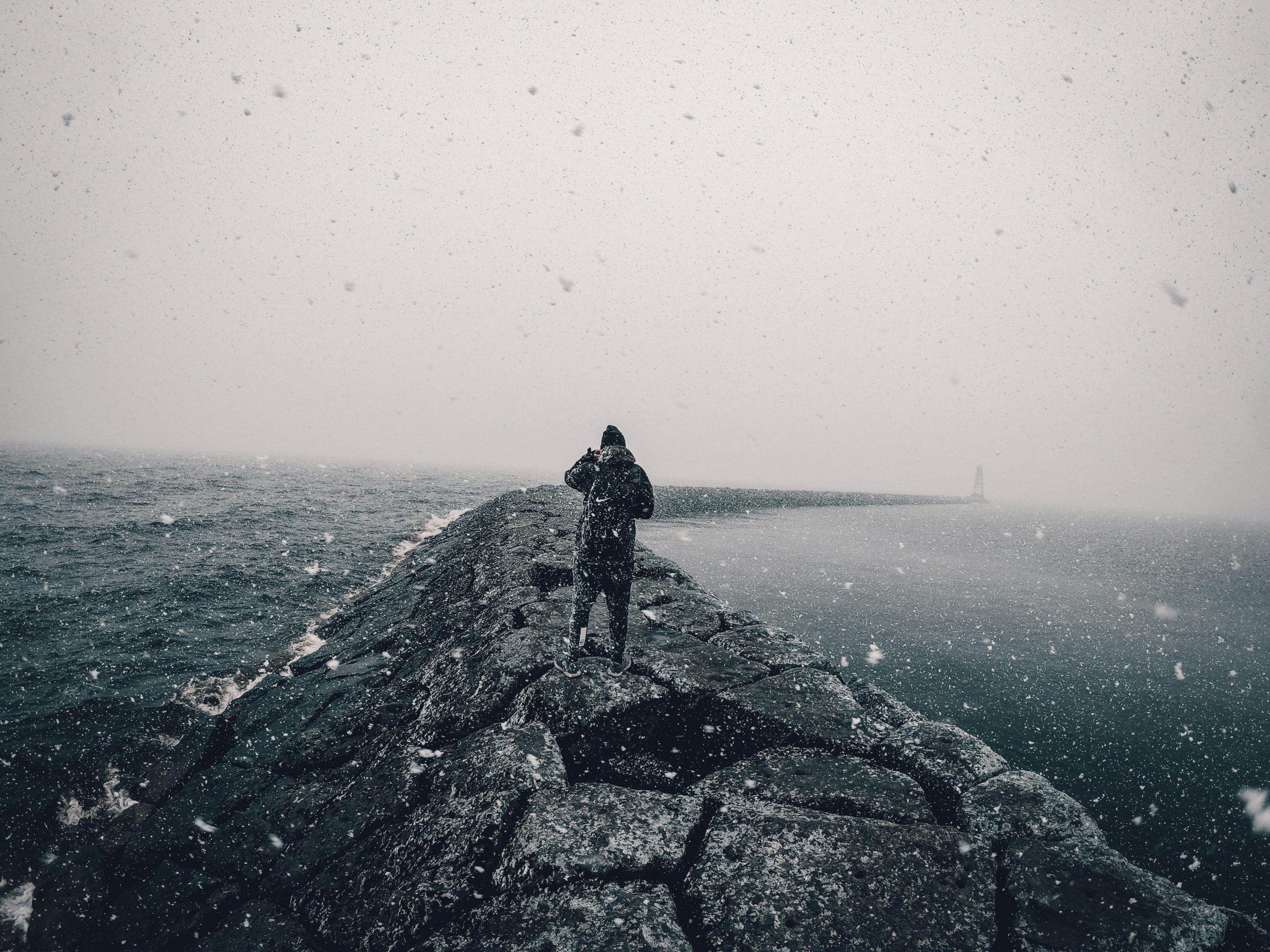
Exposure remains one of the most consistent threats in outdoor emergencies, yet many people associate danger only with extreme cold or heat. In reality, mild conditions can become hazardous when combined with wind, rain, or exhaustion. Wet clothing strips warmth faster than most realize, while direct sun steadily drains fluids and energy. Small discomforts often mask early warning signs. A light breeze, damp socks, or prolonged shade can quietly push the body toward hypothermia or overheating. Survival situations worsen when individuals delay protective adjustments. Adding layers, seeking shelter, or reducing exertion early preserves vital energy. Environmental stress accumulates gradually, making early intervention far more effective than a late reaction.
2. Delaying Hydration Until Thirst Appears

Thirst is a poor indicator of hydration status, especially during physical activity. By the time thirst becomes noticeable, the body may already be experiencing reduced performance, slower thinking, and diminished endurance. Dehydration subtly impairs decision making, which compounds other survival risks. Many individuals ration water too aggressively or forget to drink during cooler weather, assuming lower temperatures reduce fluid needs. Consistent intake matters more than volume at any single moment. Small, frequent sips stabilize energy and cognitive clarity. Water discipline is not simply about comfort, it directly affects awareness, balance, and stamina. Proper hydration habits prevent a cascade of errors driven by fatigue and mental fog.
3. Ignoring Early Signs of Fatigue

Fatigue distorts judgment long before physical collapse occurs. Tired individuals tend to take shortcuts, misread terrain, and underestimate hazards. What feels like a manageable inconvenience can evolve into a serious navigation or injury problem. Many survival incidents escalate because people push beyond reasonable limits, assuming progress outweighs rest. In reality, exhaustion increases accident probability and slows recovery after setbacks. Strategic breaks maintain coordination and awareness. Rest is not wasted time, it is a protective investment. Even short pauses help regulate breathing, restore concentration, and reduce impulsive decisions. Managing energy intelligently often prevents emergencies entirely, while stubborn overexertion frequently triggers them.
4. Overconfidence in Navigation Ability

Modern travelers often trust familiarity or intuition instead of reliable navigation tools. Trails shift, landmarks change, and memory proves unreliable under stress. Small directional errors compound quickly, especially in forests, deserts, or low visibility conditions. Overconfidence encourages continued movement in the wrong direction rather than careful reassessment. Carrying a map, compass, or offline digital reference dramatically reduces risk, yet many neglect these basics. Navigation discipline requires periodic verification, not occasional guesswork. Stopping to confirm position prevents hours of unnecessary wandering. Confidence should come from confirmation, not assumption. Consistent orientation checks transform navigation from gamble into controlled decision making.
5. Prioritizing Speed Over Situational Awareness

Moving quickly can feel productive, but haste narrows perception. Individuals focused on pace often miss terrain changes, weather signals, and physical warning signs. Uneven ground, unstable footing, or subtle environmental shifts demand attention. Speed without awareness increases injury likelihood and accelerates exhaustion. Survival success favors steady, deliberate progress rather than rushed movement. Pausing to scan surroundings, listen for environmental cues, and evaluate conditions maintains safety margins. Efficiency is not merely about covering distance, it is about sustaining safe decision cycles. Controlled pacing preserves balance, reduces accidents, and prevents avoidable setbacks. Rushing frequently converts manageable situations into emergencies.
6. Neglecting Minor Injuries or Discomfort
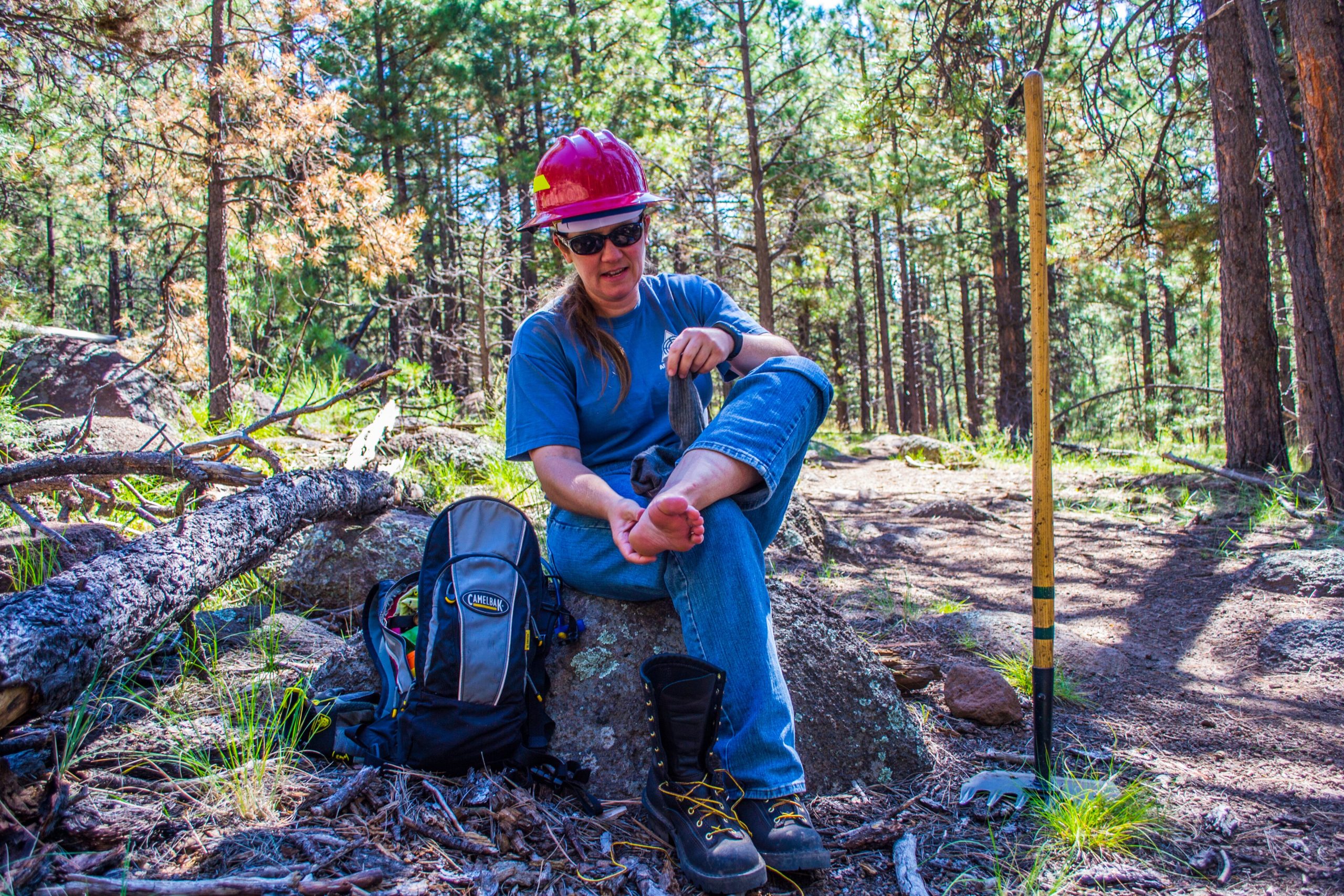
Small injuries rarely remain small in survival contexts. Blisters alter gait, leading to muscle strain or falls. Minor cuts risk infection when untreated. Mild pain can distract attention and degrade mobility. Many individuals dismiss early discomfort, assuming resilience will compensate. In reality, small physical issues often grow into major limitations. Prompt care stabilizes performance and prevents escalation. Cleaning wounds, adjusting footwear, or redistributing weight reduces strain. Survival demands proactive maintenance rather than reactive endurance. Treating minor problems immediately preserves long term capability. Ignored discomfort steadily erodes efficiency, increasing vulnerability to larger threats.
7. Poor Thermal Regulation Decisions

Temperature management is not limited to extreme climates. Overdressing leads to sweating, which later accelerates cooling. Underdressing increases energy expenditure as the body struggles to maintain warmth. Many people misjudge clothing choices based on initial comfort rather than evolving activity levels. Effective regulation requires continuous adjustment. Ventilation during exertion, insulation during rest, and moisture control remain critical. Clothing strategy directly influences stamina and mental clarity. Thermal imbalance drains energy silently. Consistent adjustments prevent stress accumulation. Smart layering, rather than static clothing choices, protects against both overheating and chilling.
8. Failing to Communicate Plans or Locations

Isolation magnifies risk in any survival scenario. When others lack knowledge of routes or timelines, delays in assistance become inevitable. Many incidents worsen simply because no one knows where to search. Informing a reliable contact about destinations and expected return times significantly improves safety. Communication planning costs little but yields substantial protection. Even informal trip details can guide rescue efforts. Survival resilience includes preparation for unexpected delays. Clear communication transforms uncertainty into traceable information. Simple notifications often determine how quickly help arrives.
9. Misjudging Risk Due to Familiarity
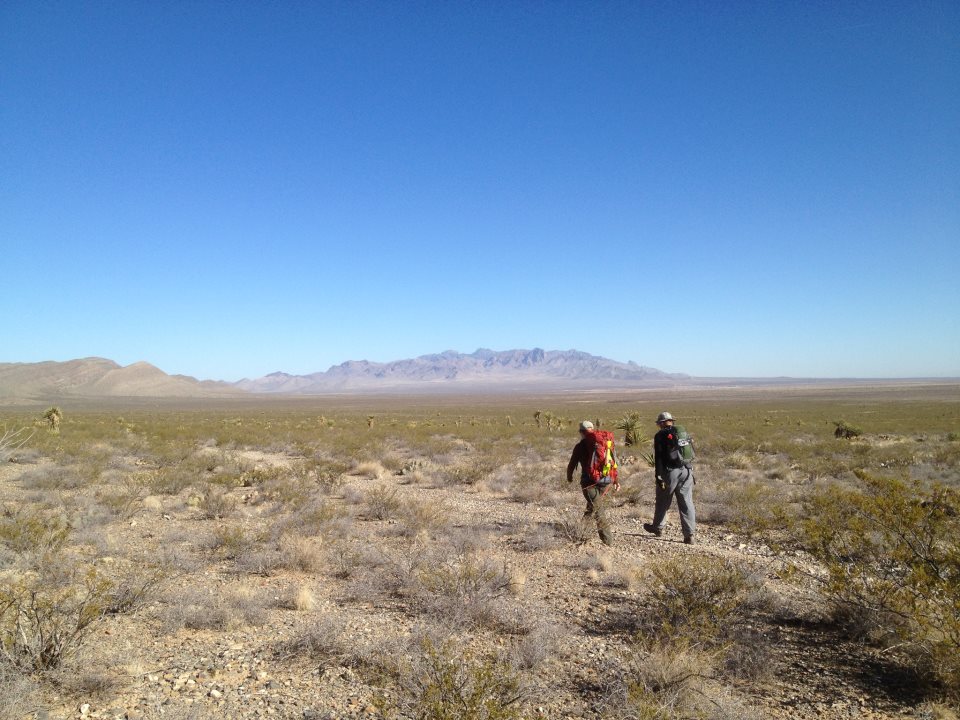
Familiar environments encourage relaxed caution. Regular trails or routine outings can create a false sense of security. Complacency reduces vigilance, increasing vulnerability to unusual events such as weather shifts or equipment failure. Familiarity does not eliminate risk, it often masks it. Maintaining consistent safety habits prevents oversight. Conditions vary even in well known locations. Respect for variability preserves awareness. Routine situations demand the same attention as unfamiliar ones. Overconfidence rooted in familiarity frequently precedes avoidable mistakes.
10. Improper Resource Management

Survival resources extend beyond food and water. Energy, daylight, and physical strength represent equally critical assets. Many individuals deplete supplies or stamina too quickly, assuming short term comfort outweighs long term stability. Balanced consumption preserves options. Conservation does not mean extreme rationing, but measured use aligned with realistic needs. Efficient management stabilizes morale and performance. Resource awareness prevents desperation driven decisions. Consistency, rather than abundance, sustains survival capability.
11. Panic Driven Decision Making

Stress narrows perception and encourages impulsive choices. Panic often triggers unnecessary movement, poor judgment, and wasted energy. Emotional control directly influences survival outcomes. Pausing to breathe, assess, and prioritize actions restores rational thinking. Many survival errors originate from urgency rather than necessity. Deliberate calm supports accurate evaluation. Emotional discipline stabilizes performance. Clear thinking emerges when reactions yield to assessment. Panic rarely improves situations, while composure frequently prevents deterioration.
12. Assuming Survival Depends on Dramatic Skills
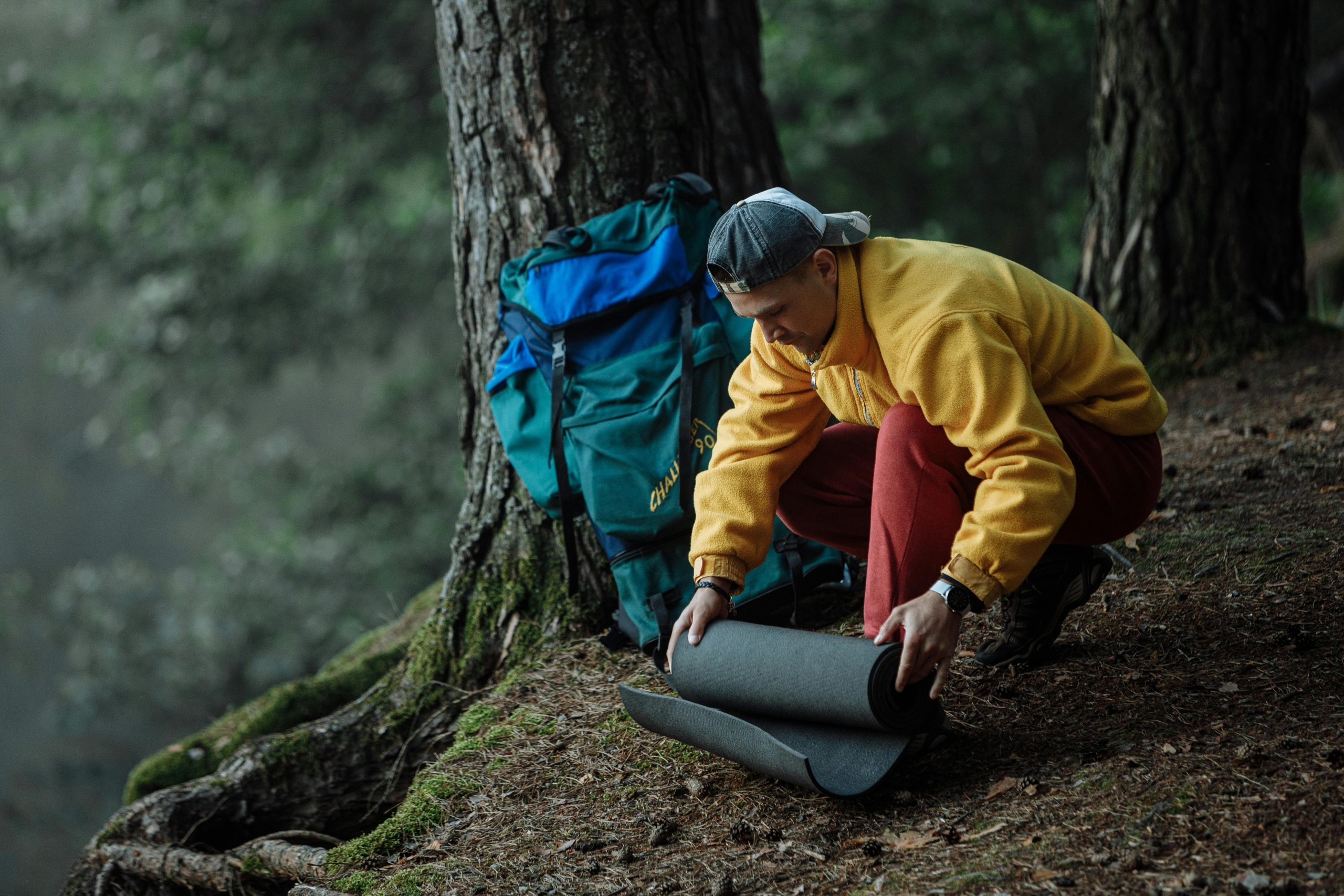
Survival is often portrayed as a test of extreme abilities, yet real outcomes typically hinge on basic judgment and prevention. Small, consistent decisions shape safety more than rare heroic actions. Awareness, pacing, hydration, and planning dominate success. Dramatic techniques matter far less than steady discipline. Avoiding mistakes proves more valuable than mastering advanced tricks. Survival resilience grows from habits, not spectacle. Practical thinking, patience, and adaptability consistently outperform bravado.