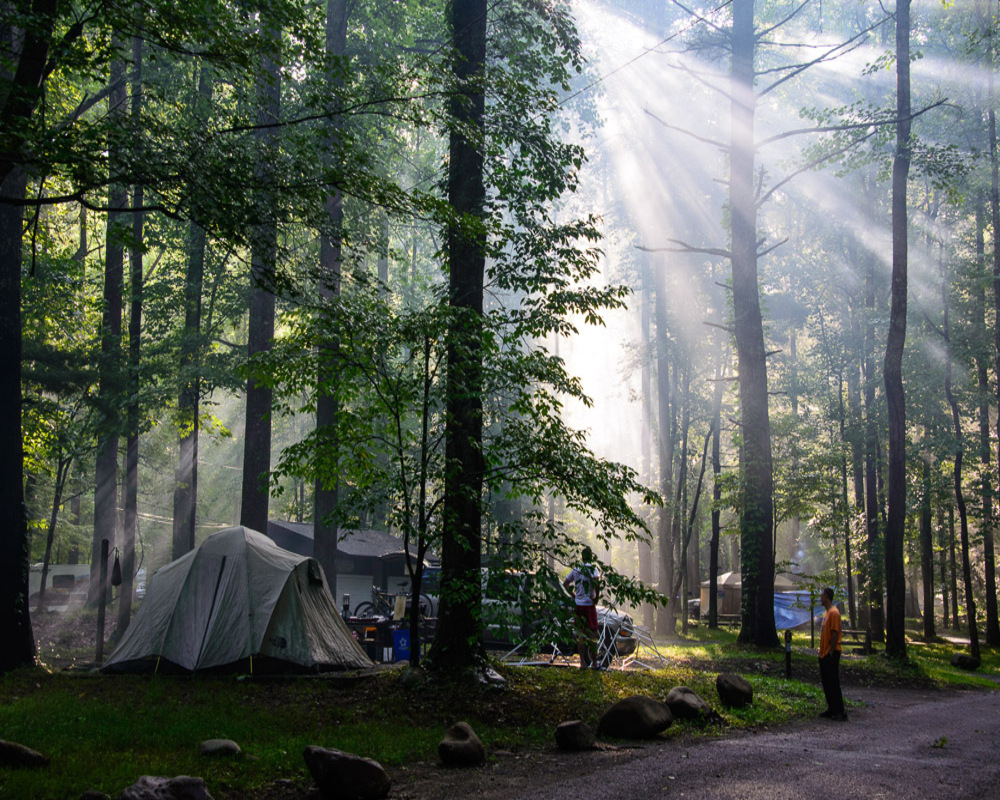
Camping often feels removed from everyday risks, yet theft remains a real concern at many campgrounds. Shared spaces, predictable routines, and relaxed attitudes can attract opportunistic thieves. Many incidents stem not from bad luck, but from common habits campers overlook. Simple behaviors signal vulnerability without intent. Understanding these patterns helps explain why some campsites experience repeated issues. Awareness encourages smarter habits without diminishing enjoyment. The following camping habits highlight actions that unintentionally draw attention. Each example shows how routine choices, convenience, or distraction can make campsites easier targets, especially in busy parks, roadside campgrounds, or popular outdoor destinations nationwide.
Leaving Campsite Unattended For Long Periods
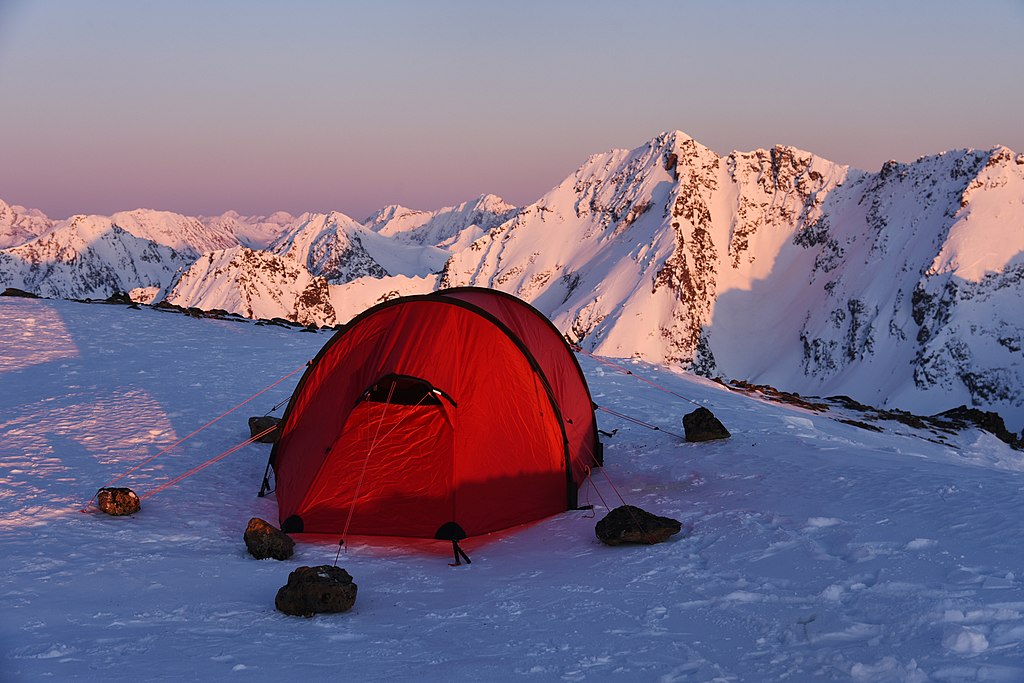
Leaving a campsite unattended for extended periods increases theft risk significantly. Empty camps signal opportunity. Thieves watch for routines and absence patterns. Vehicles parked without movement draw attention. Coolers, chairs, and gear remain exposed. Day trips create predictable windows. Camps without neighbors nearby feel safer to criminals. Valuables left openly invite quick grabs. Campers often underestimate visibility from roads or trails. Even remote sites get foot traffic. Unattended campsites lack deterrence. This habit makes theft easier because no confrontation occurs. Reducing absence time or securing items limits opportunities and discourages opportunistic theft in shared outdoor environments.
Displaying Valuables In Plain Sight
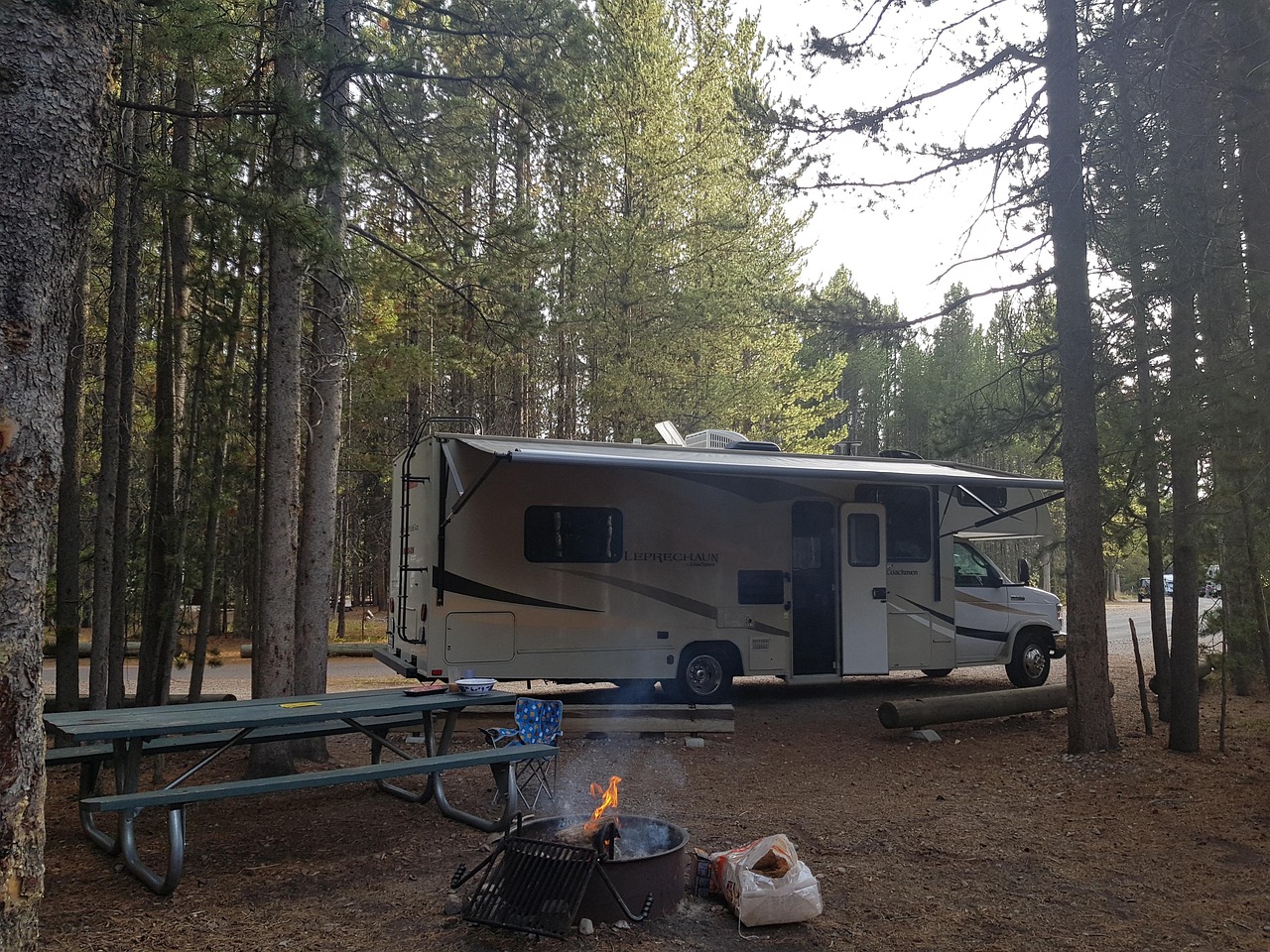
Displaying valuables openly invites theft quickly. Expensive coolers, electronics, and gear signal worth. Thieves scan camps visually. Items left on tables or tailgates stand out. Campers assume trust within campgrounds. Passing visitors notice unattended valuables. Nighttime visibility increases risk. Lantern light highlights gear. Open tents reveal contents. Vehicles with visible items attract break ins. Even low value items tempt opportunists. This habit creates easy targets without effort. Keeping valuables out of sight reduces temptation. Camps that appear modest draw less attention, helping protect belongings in crowded or high traffic camping areas.
Using Poor Lighting At Night
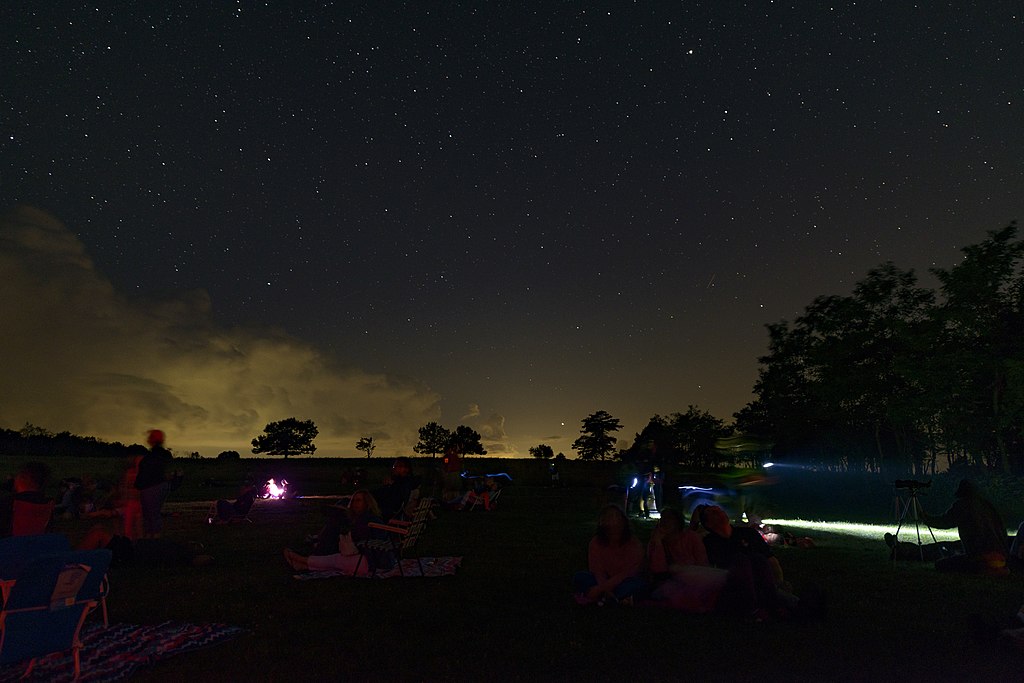
Poor lighting makes campsites vulnerable after dark. Dim or absent lighting conceals movement. Thieves operate more easily unseen. Campers feel relaxed at night. Shadows hide approach paths. Poor visibility limits awareness. Camps without light appear unoccupied. Lantern placement matters. Lighting only inside tents leaves surroundings dark. Thieves exploit blind spots. Campers underestimate nighttime activity nearby. Adequate lighting deters approach. This habit unintentionally creates cover for theft. Strategic, outward facing lighting increases visibility, discourages trespassing, and improves awareness in campgrounds where darkness reduces natural surveillance and increases opportunity for crime.
Leaving Gear Outside Overnight
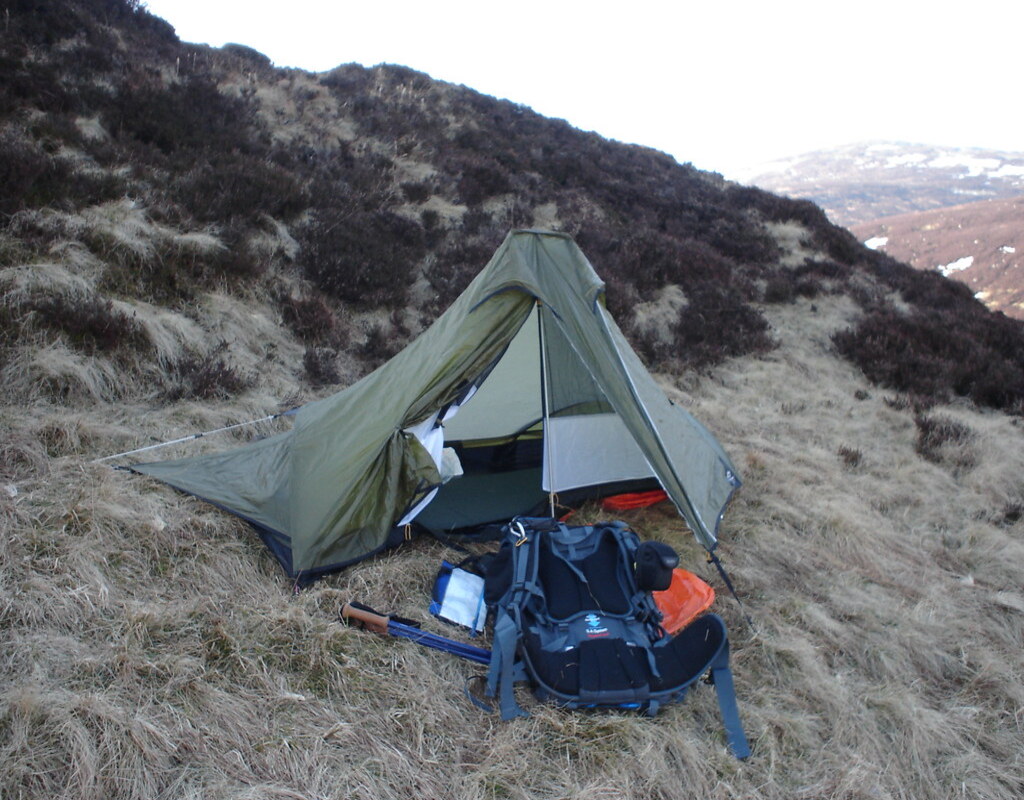
Leaving gear outside overnight increases theft risk. Chairs, grills, and coolers remain accessible. Nighttime reduces observation. Thieves move quietly after dark. Campers assume items stay safe. Tents offer little deterrence. Gear near roads disappears quickly. Even heavy items get taken. Morning reveals losses. Outdoor storage invites temptation. Campgrounds see foot traffic overnight. This habit removes barriers entirely. Storing gear inside vehicles or tents limits access. Securing items reduces visibility and opportunity. Overnight organization helps protect belongings in shared spaces where unfamiliar people move freely under cover of darkness.
Failing To Lock Vehicles
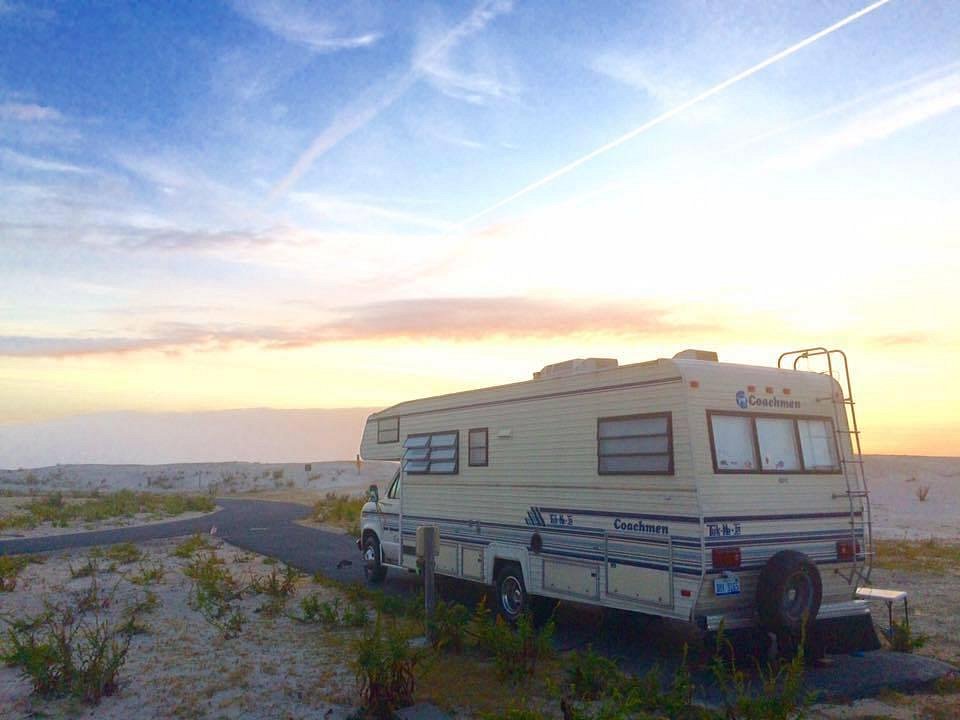
Failing to lock vehicles invites theft easily. Unlocked doors signal carelessness. Thieves check handles quickly. Vehicles store valuable gear. Maps, electronics, and bags attract attention. Campers trust campground safety. Remote locations create false security. Quick access enables silent theft. Windows remain intact. Stolen items often go unnoticed until departure. Locking takes seconds. This habit removes basic protection. Locked vehicles force effort and noise. Thieves prefer easy targets. Simple locking practices reduce risk significantly, especially in busy campgrounds where vehicles line roads and strangers pass through regularly throughout the day and night.
Advertising Travel Plans Publicly
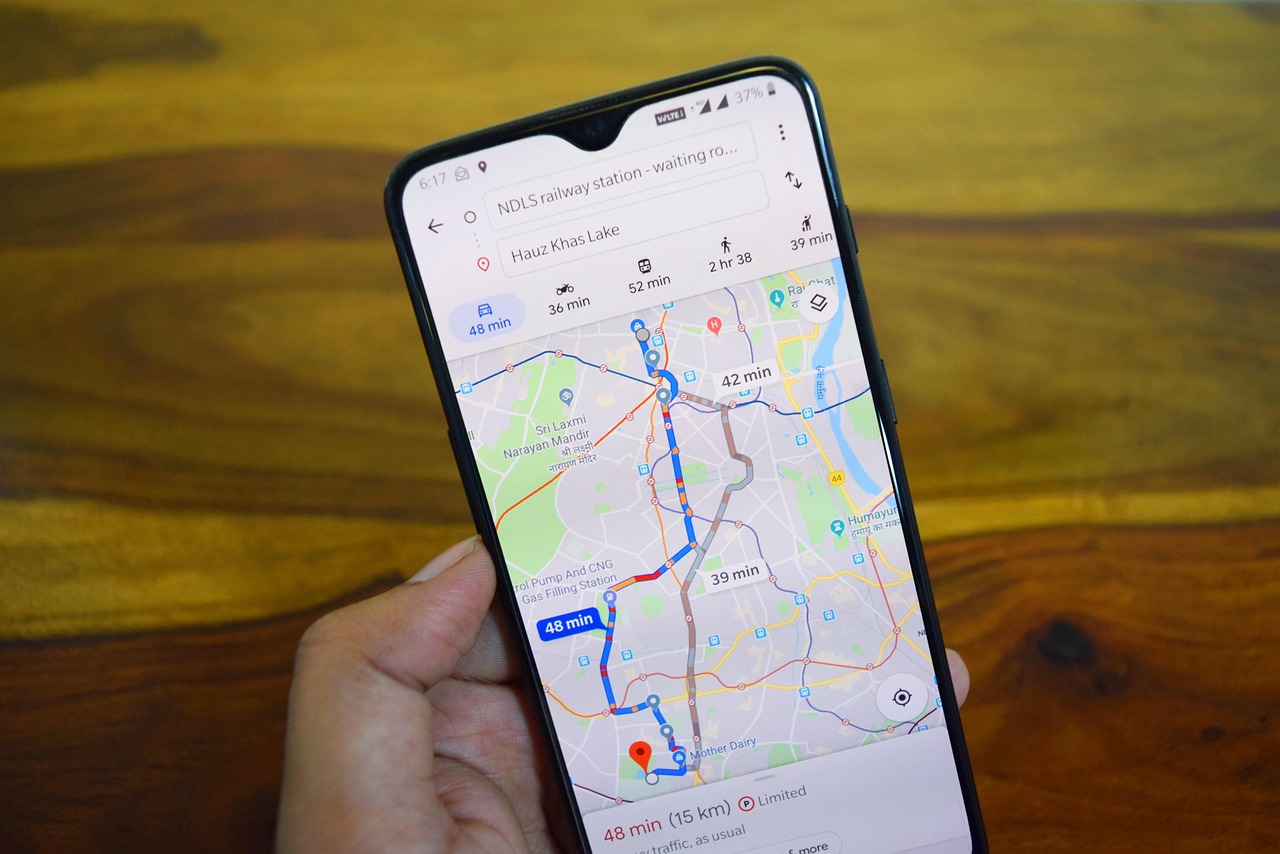
Advertising travel plans publicly increases vulnerability. Campers discuss schedules openly. Social media posts reveal absence. Signs of extended trips appear obvious. Thieves monitor routines. Camps left empty attract attention. Posting locations invites unwanted interest. Conversations overheard nearby spread information. Predictability creates opportunity. This habit exposes timing. Thieves plan around known absences. Limiting shared details protects camps. Keeping plans discreet reduces risk. Avoiding public announcements preserves uncertainty. Camps with unpredictable schedules appear occupied, discouraging theft in areas where information spreads easily among fellow campers, passersby, or online audiences following shared travel updates.
Setting Up Near High Traffic Areas
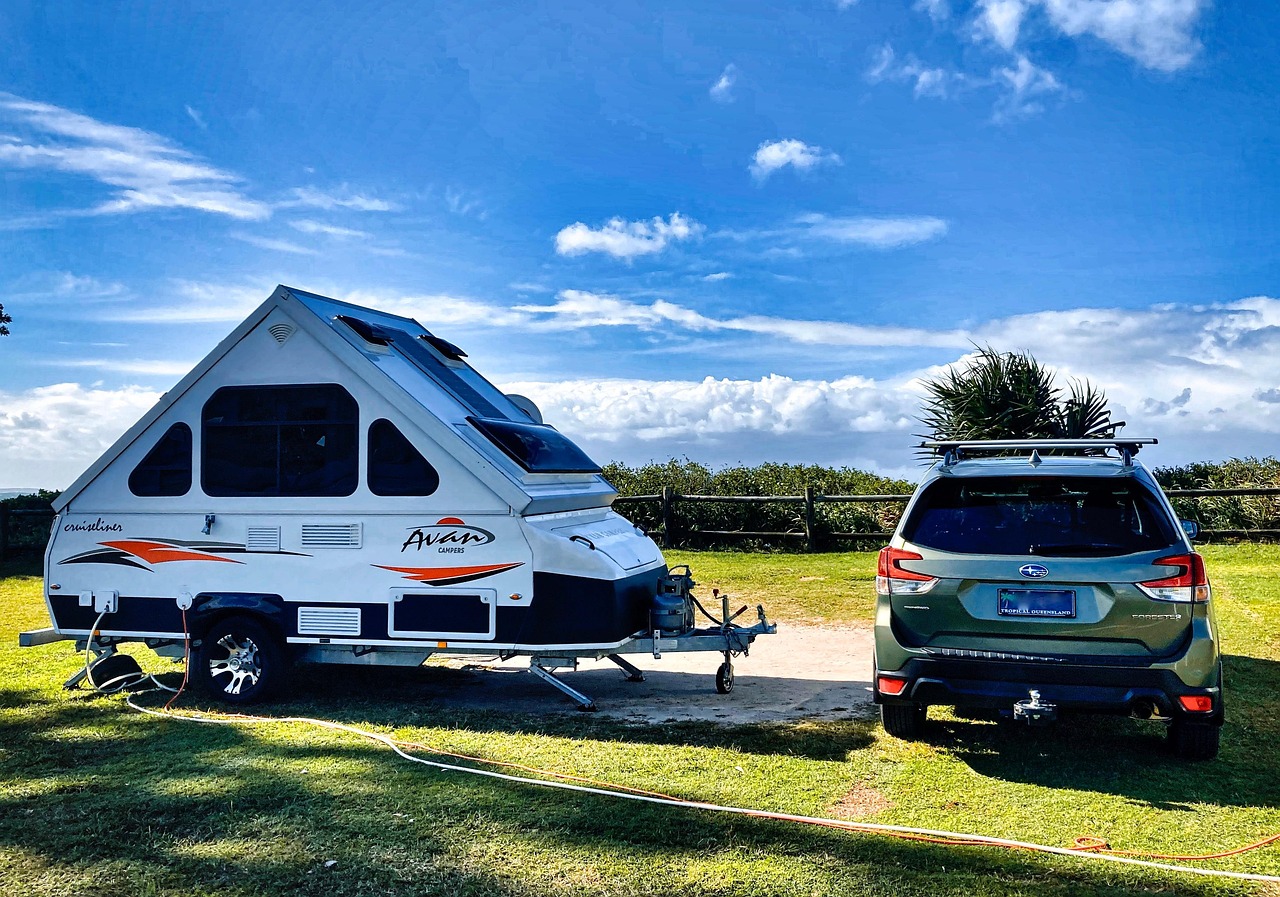
Setting up near high traffic areas increases theft risk. Roads and trails bring constant movement. Visibility works both ways. Thieves blend with passersby. Easy access aids quick exits. Camps near restrooms attract foot traffic. Parking areas increase exposure. Campers choose convenience over security. High traffic masks suspicious behavior. Theft occurs unnoticed. This habit prioritizes location convenience. Selecting quieter sites reduces exposure. Distance from roads limits access. Campsites with fewer passersby offer better natural security, reducing opportunity for theft in busy campgrounds where strangers circulate continuously.
Leaving Food And Coolers Unsecured
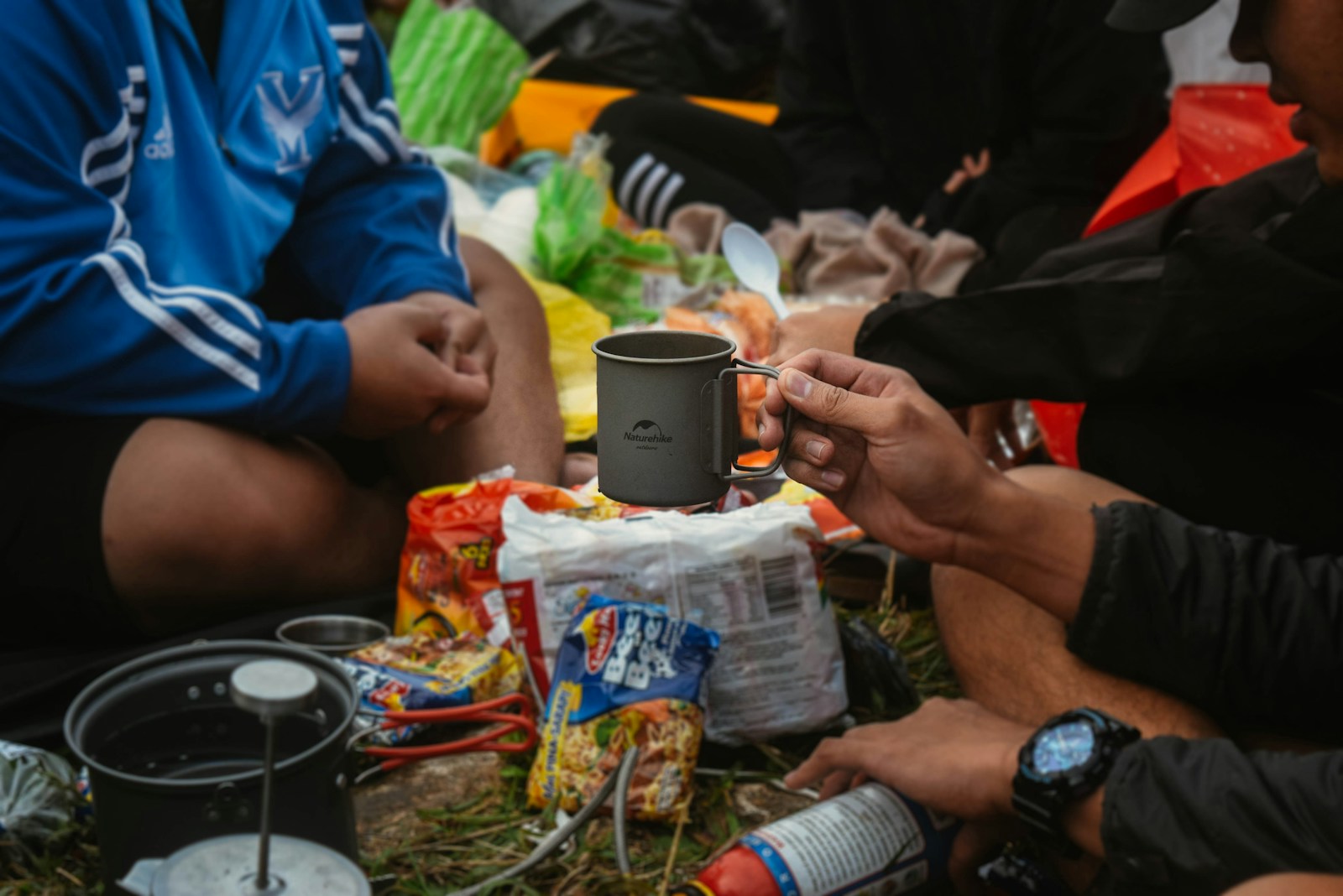
Leaving food and coolers unsecured attracts attention. High value coolers draw thieves. Food scents signal supplies. Coolers often remain outside. Thieves target popular brands. Campers assume wildlife risk only. Human theft occurs quietly. Unsecured coolers get taken whole. Food loss disrupts trips. This habit combines visibility and value. Securing coolers reduces temptation. Locking or storing inside vehicles adds protection. Minimizing visible food storage limits theft risk in campgrounds where opportunists seek easy, portable items with resale or immediate value.
Ignoring Campsite Boundaries

Ignoring campsite boundaries increases vulnerability. Campers spread gear beyond assigned areas. Items drift closer to roads. Boundaries define visibility zones. Thieves exploit unclear ownership. Shared spaces confuse responsibility. Gear outside boundaries appears abandoned. Campers lose track of placement. This habit creates ambiguity. Thieves capitalize on uncertainty. Keeping gear within defined areas signals ownership. Clear boundaries discourage interference. Organized camps appear monitored. Respecting campsite limits improves security by reducing confusion and preventing opportunistic theft where unclear space usage suggests items lack supervision.
Trusting Strangers Too Easily
Trusting strangers too easily increases theft risk. Friendly interactions feel safe. Campers share information freely. Strangers observe routines. Theft often follows casual contact. Familiarity reduces suspicion. Thieves exploit friendliness. Not all campers share good intentions. Oversharing invites problems. This habit lowers guard. Maintaining polite distance protects security. Friendly does not require disclosure. Being cautious preserves safety. Balanced interactions help protect belongings while still fostering positive campground experiences without revealing vulnerabilities that opportunistic individuals might exploit later.
Failing To Use Locks Or Cables
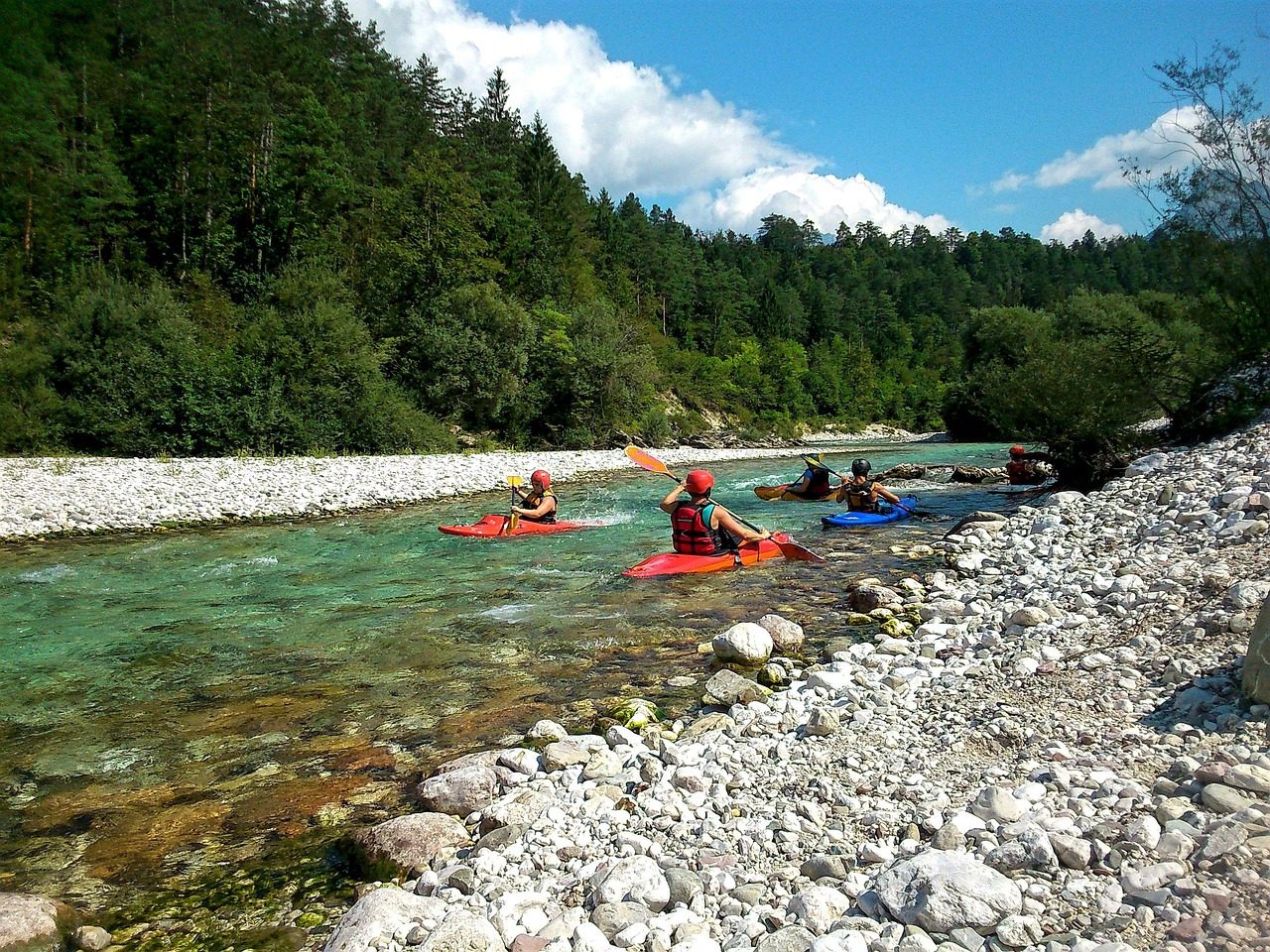
Failing to use locks or cables leaves gear vulnerable. Bikes, kayaks, and coolers lack protection. Thieves seek unsecured items. Simple cables deter quick theft. Campers skip locks for convenience. Nighttime theft increases without restraints. Locks signal awareness. Unlocked items disappear easily. This habit removes deterrence entirely. Using basic security tools adds friction. Thieves avoid resistance. Simple locks protect expensive gear in campgrounds where theft relies on speed, low risk, and unattended items easily removed without confrontation.
Leaving Campsite Messy And Disorganized
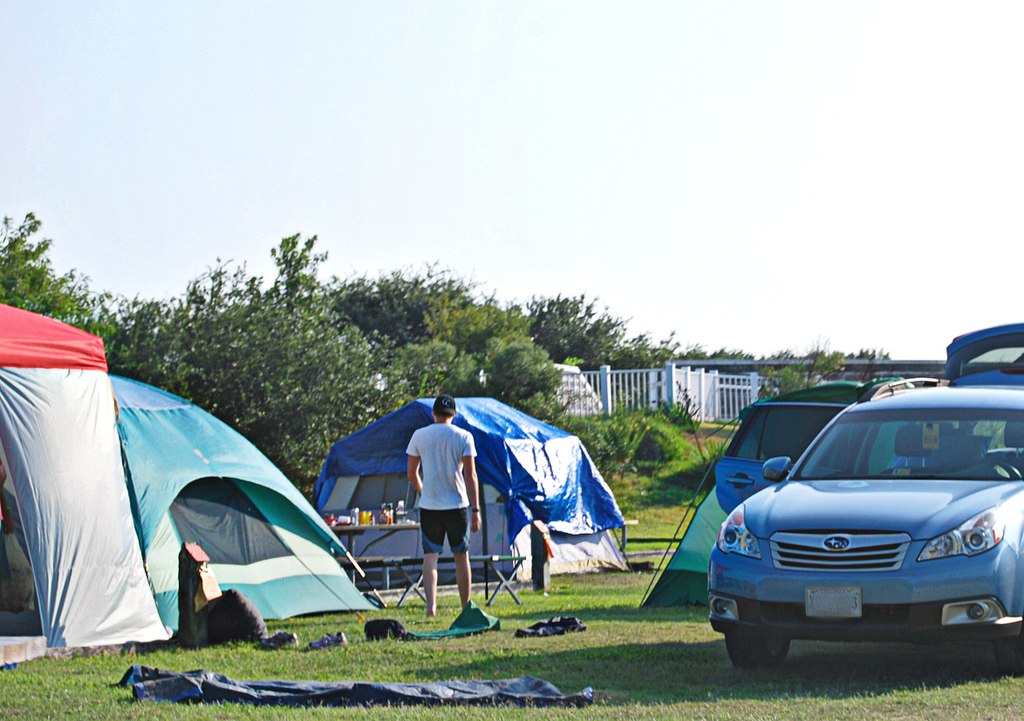
Leaving campsites messy increases theft risk. Disorganization signals inattention. Valuables hide among clutter. Campers lose track of items. Thieves exploit confusion. Mess suggests temporary absence. Gear scattered lacks accountability. Disarray masks missing items initially. This habit creates opportunity. Organized camps show awareness. Clean setups signal presence. Maintaining order improves security. Visible organization deters theft by indicating attentiveness, making it harder for opportunists to assess value or remove items unnoticed in shared camping environments with regular foot traffic.