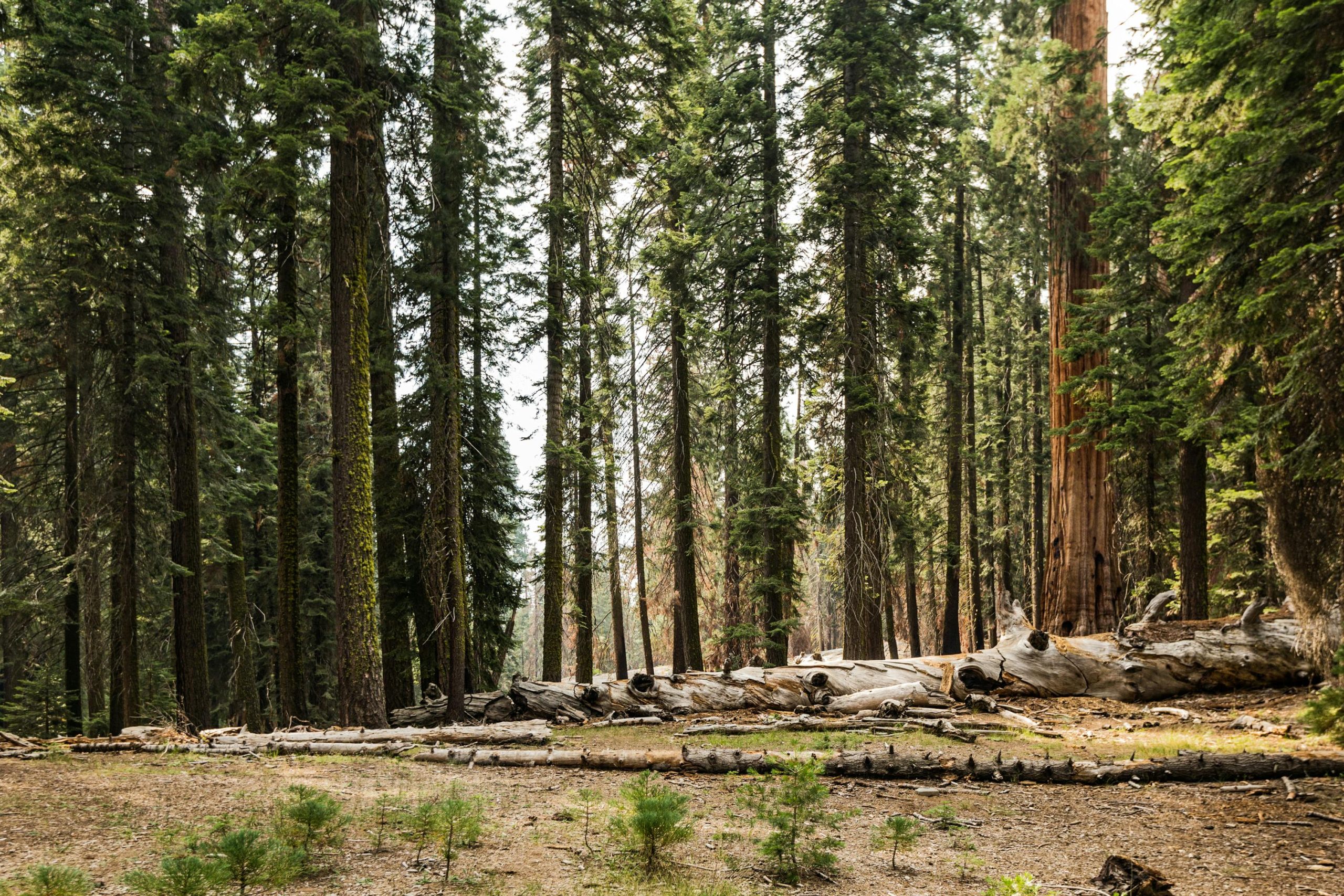
Deadfall trees are often seen as obstacles on the trail or simple sources of firewood, but they are far more valuable than most campers realize. A fallen tree already offers cut, seasoned material shaped by nature and time, saving energy and reducing impact on living forests. Because deadfall has already dried to some degree, it behaves differently from green wood and can be used immediately for many bushcraft tasks. From shelter building to food preparation and safety solutions, deadfall trees provide ready-made resources that tools alone cannot replace. Learning to recognize stable, safe deadfall and understanding how its condition affects strength, moisture, and decay opens up many practical uses. The following twelve uses highlight overlooked ways deadfall trees can improve comfort, efficiency, and safety in the outdoors.
1. Natural Shelter Framework
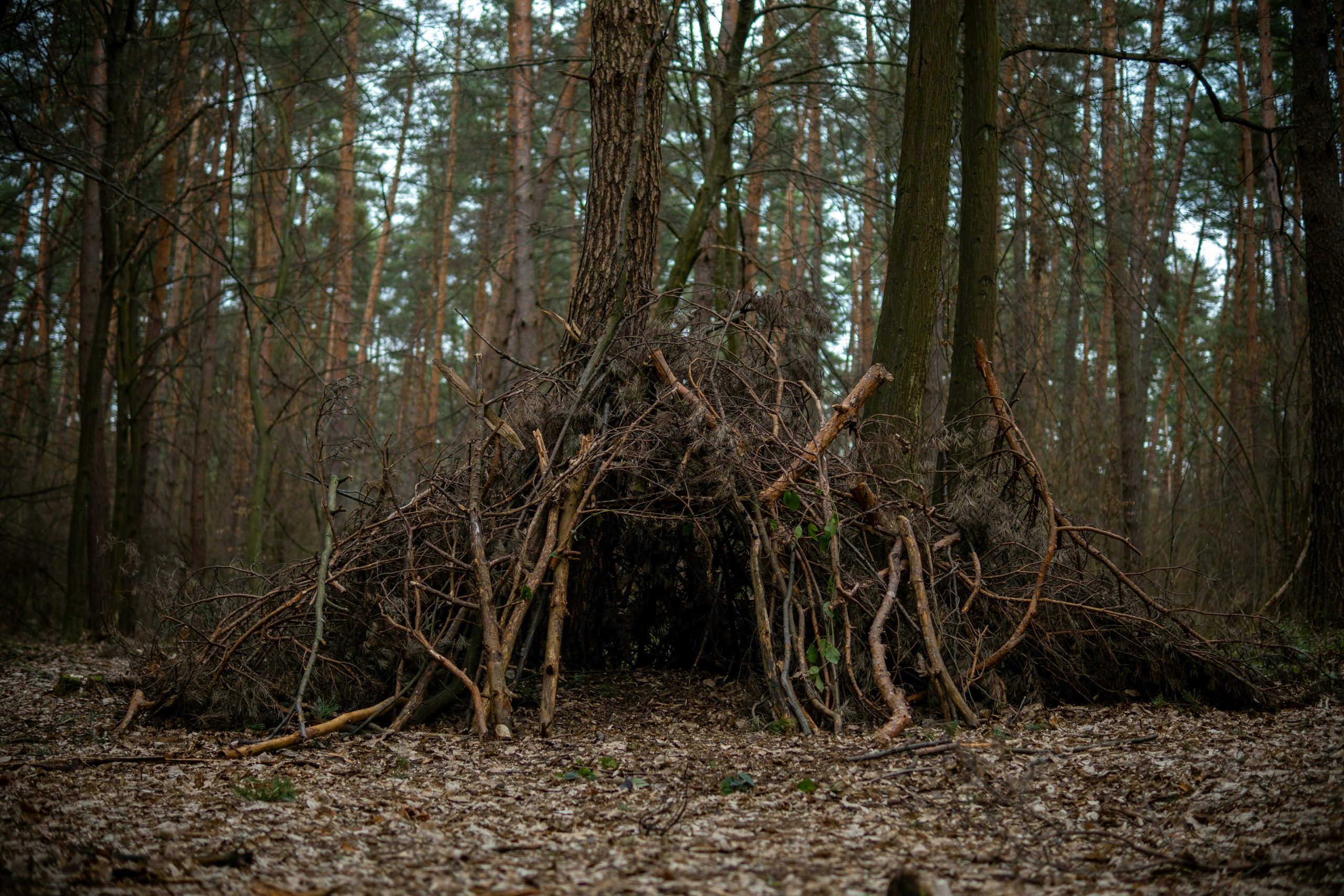
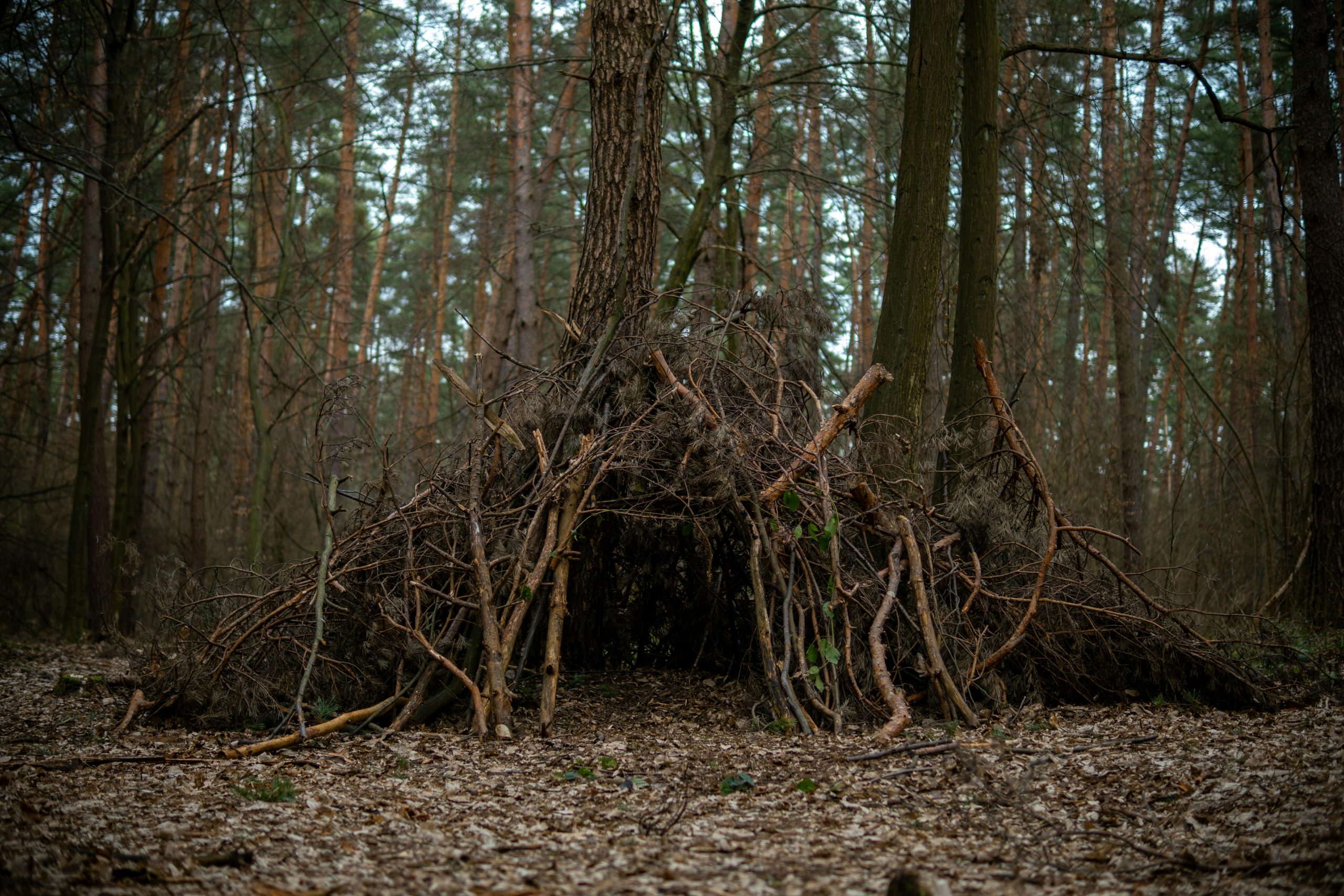
Deadfall trees make excellent shelter frames without cutting standing timber. Their existing length and rigidity allow quick construction of lean tos or debris shelters with minimal effort. Because they have already fallen, using them reduces environmental damage and saves energy. Temperature and weather exposure often dry deadfall just enough to provide strength without excessive weight. Branch angles and natural forks can support roofing materials securely. Campers who overlook deadfall often waste time cutting poles that already exist on the ground. Properly selected deadfall forms a stable skeleton that can be reinforced with smaller debris, improving insulation and wind resistance with very little tool use.
2. Elevated Sleeping Platforms
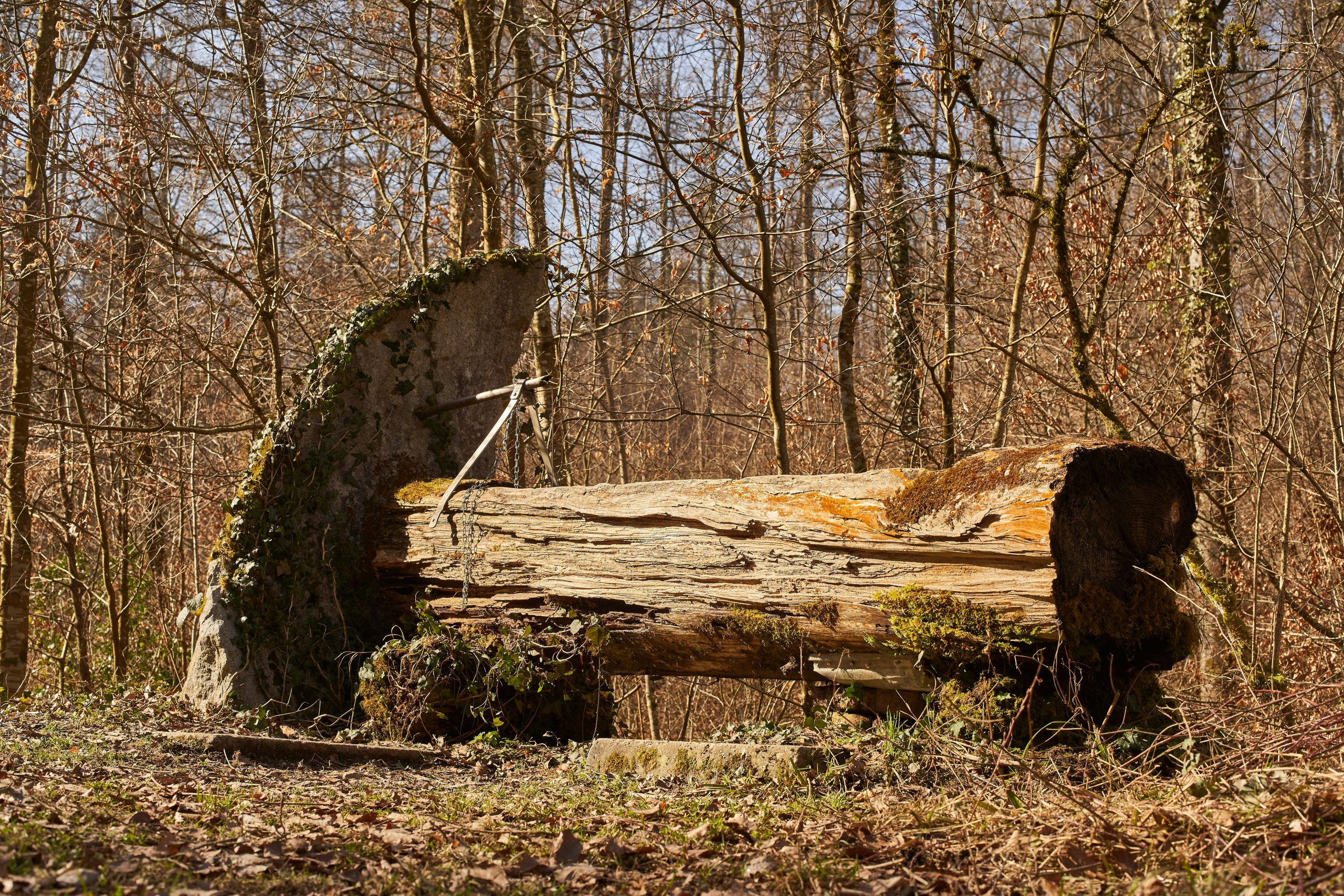
Using deadfall to build an elevated sleeping platform improves comfort and safety in damp or uneven terrain. Fallen trunks and thick branches can be stacked or notched to create a raised base that keeps sleepers off cold ground. Temperature plays a role here because ground contact increases heat loss overnight. Deadfall allows airflow beneath while still providing insulation when covered with natural bedding. Many campers ignore this option and sleep directly on the ground, losing warmth and rest quality. Properly arranged deadfall distributes weight evenly and reduces pressure points, creating a surprisingly effective bed with minimal effort and no need for processed lumber.
3. Fire Reflector Walls
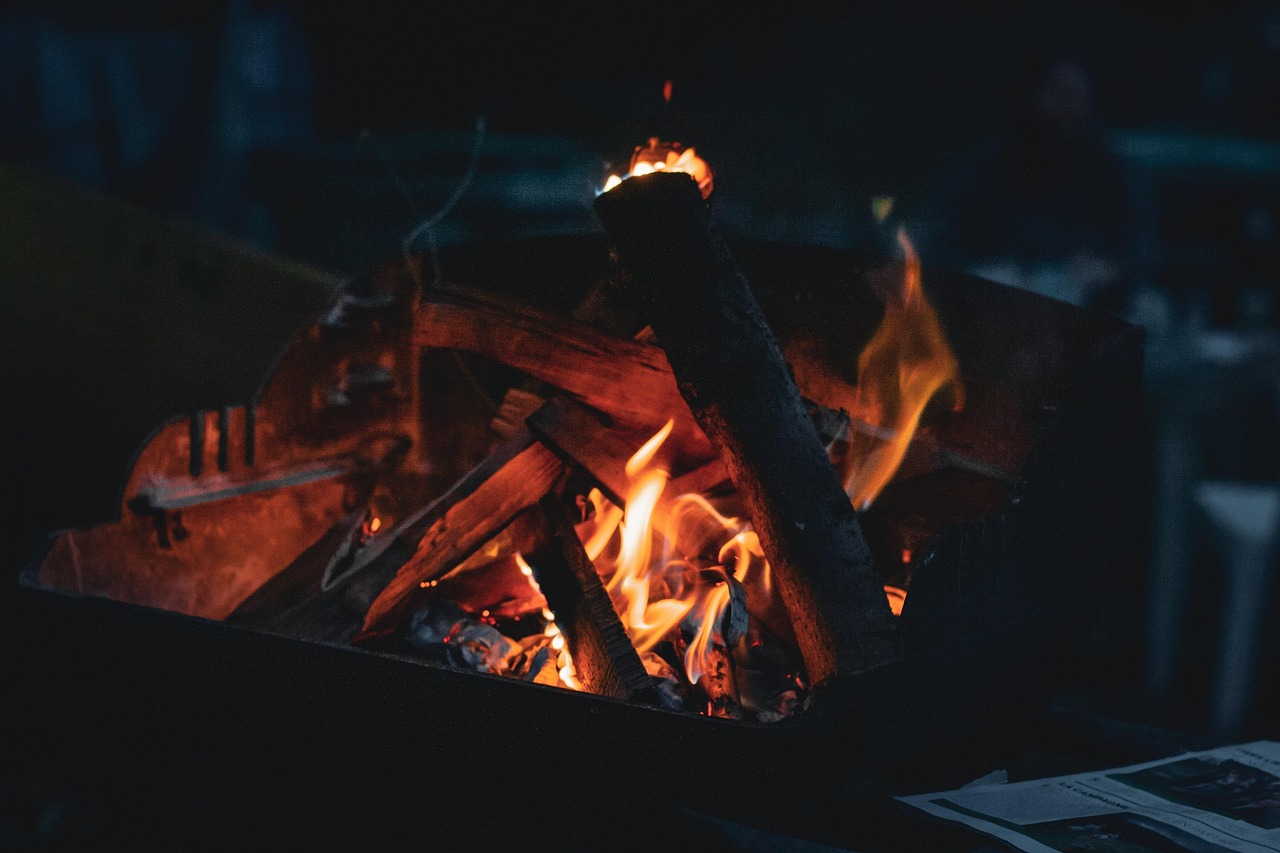
Deadfall logs are ideal for building fire reflector walls that direct heat toward camp. Thick, solid logs absorb and radiate warmth long after flames settle, making cold nights more manageable. Campers often focus only on fire size, overlooking how heat is directed. Using deadfall as a reflector increases efficiency without burning extra fuel. Placement matters, as damp or rotten wood performs poorly. Properly chosen deadfall withstands heat exposure and improves thermal comfort. This technique relies more on understanding heat behavior than on tools, turning fallen trees into passive heating systems that quietly improve survival and comfort.
4. Windbreak Construction
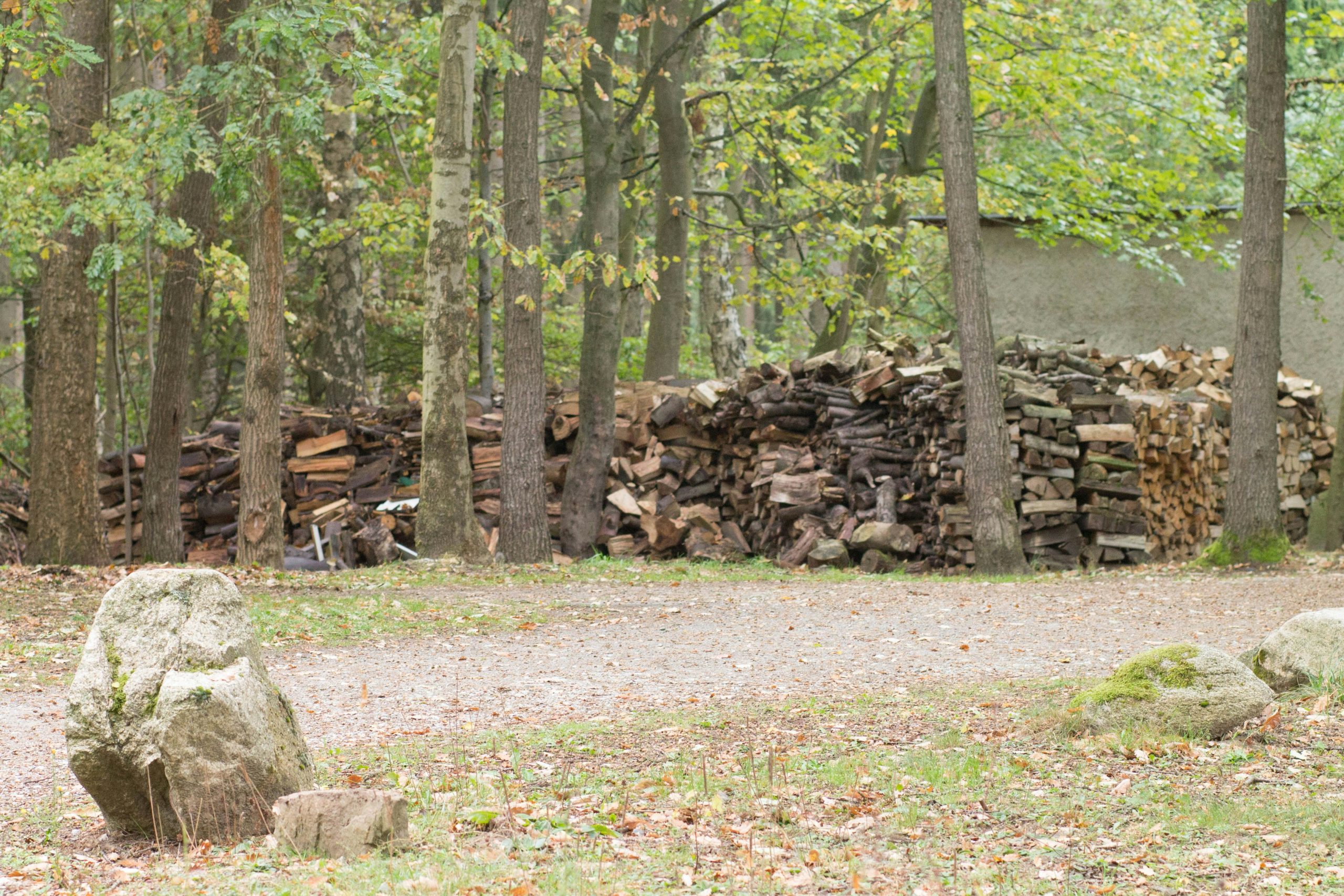
A well-placed windbreak can dramatically improve camp conditions, especially in exposed areas. Deadfall trees provide ready-made barriers that block wind and reduce heat loss. Campers often underestimate how much wind lowers perceived temperature. Aligning deadfall logs perpendicular to prevailing wind creates immediate relief. Unlike fabric shelters, log windbreaks remain stable and require no anchors. Their weight and natural shape resist shifting. Selecting solid deadfall ensures durability. This use highlights how fallen trees can manage environmental exposure more effectively than many modern items, improving warmth, cooking efficiency, and overall camp comfort.
5. Cooking Supports and Pot Rests
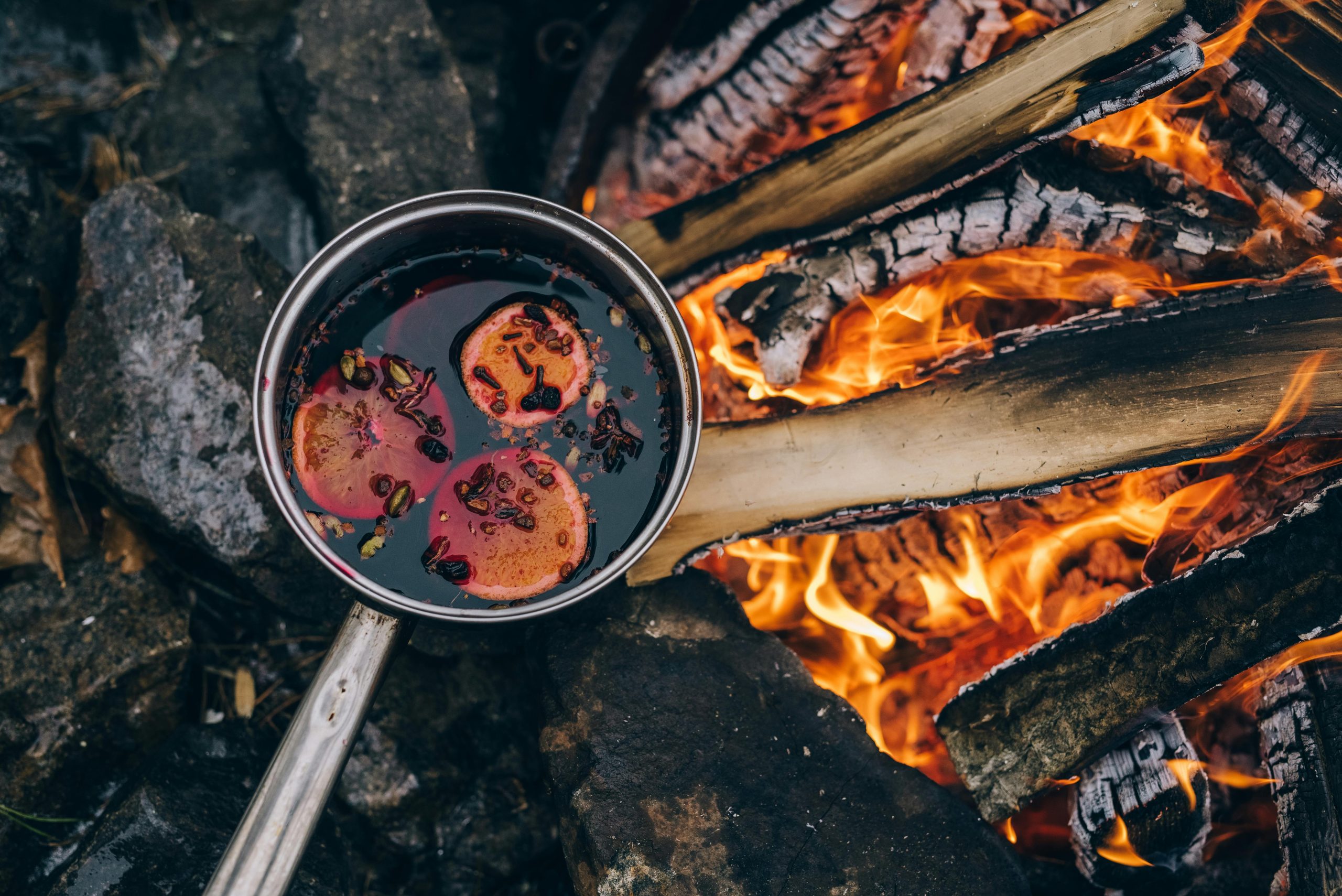
Deadfall branches can be arranged to create stable cooking supports over a fire. Y-shaped branches or naturally curved limbs work well as pot rests or spit supports. Campers often rely solely on metal cookware stands, ignoring natural alternatives. Temperature affects wood strength, so selecting dry, solid deadfall is important to avoid collapse. These supports can be quickly adjusted for different fire heights. Using deadfall reduces the need to balance pots on unstable rocks. With careful placement, cooking becomes safer and more efficient, showing how fallen wood can replace gear when used thoughtfully.
6. Food Smoking Racks
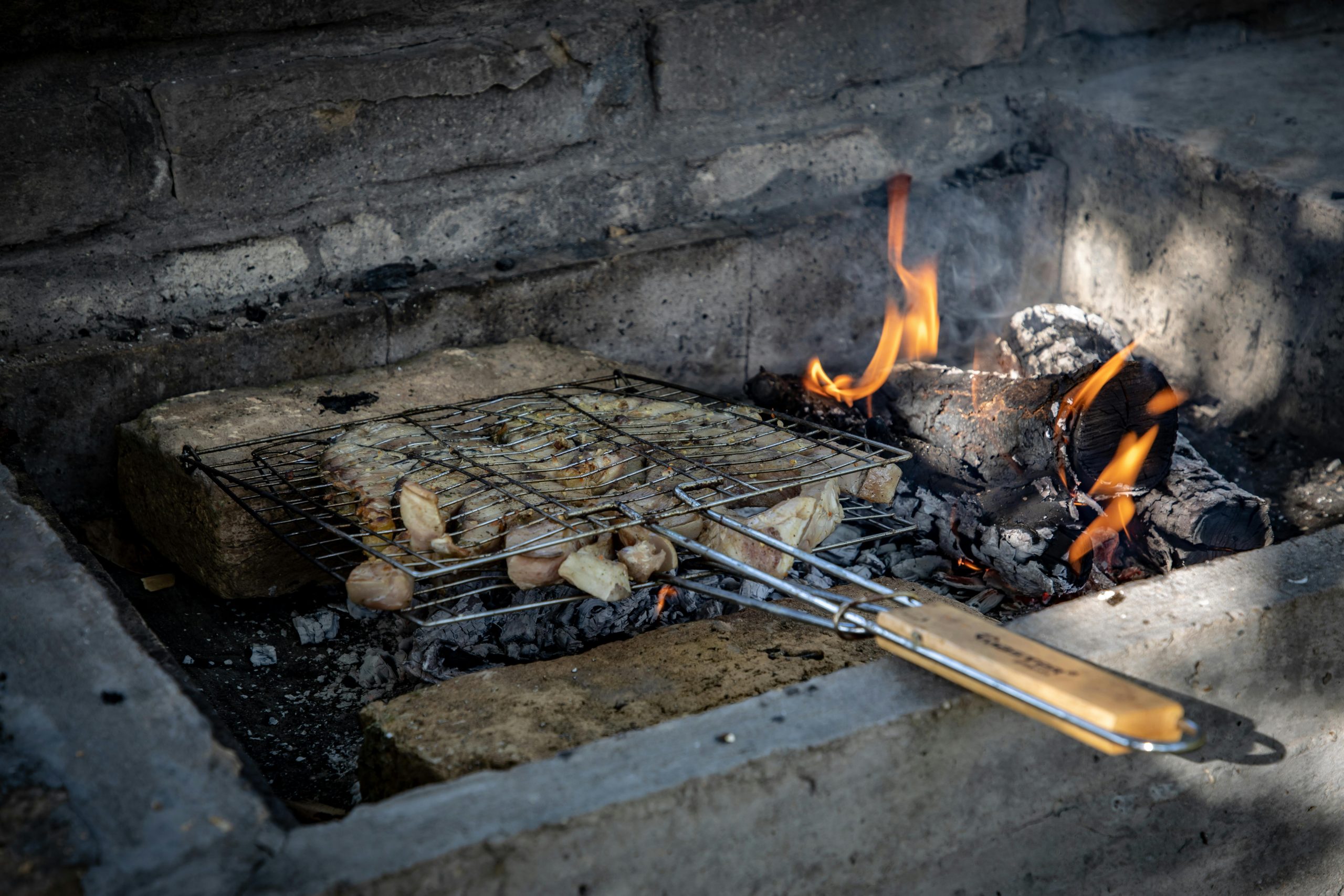
Deadfall trees can be turned into simple smoking racks for preserving meat or fish. Straight branches serve as crossbars while thicker logs support the structure. This method depends on low, consistent heat rather than tools. Campers rarely think of food preservation during short trips, but temperature control through smoking extends food life significantly. Deadfall wood, already dried, produces steady smoke when managed correctly. Proper spacing prevents direct flame contact. This use transforms fallen trees into long-term food security tools, especially valuable in remote or extended stays.
7. Camp Furniture
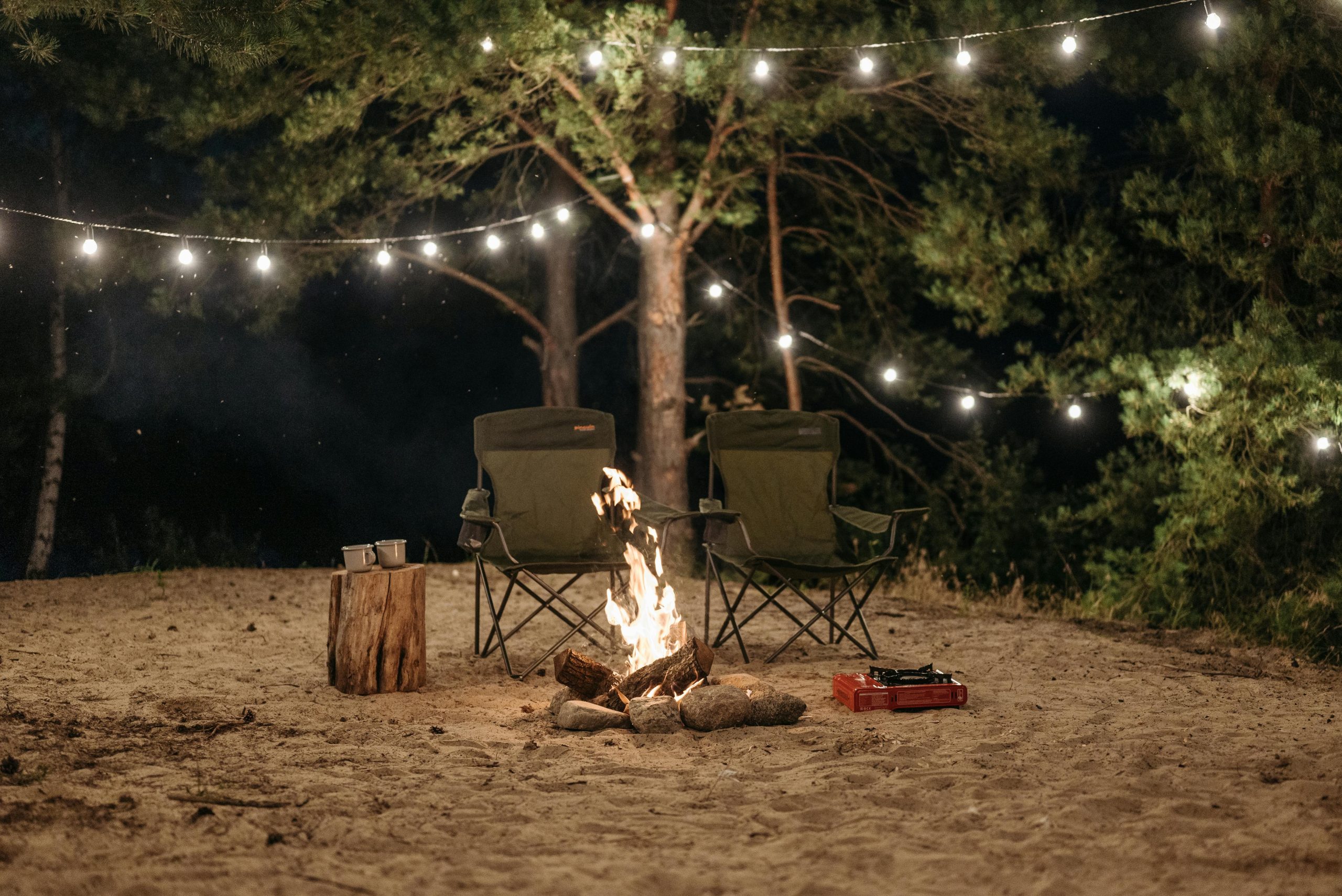
Logs from deadfall trees make sturdy camp seating and tables. Sitting directly on the ground increases heat loss and discomfort, especially in cold conditions. Deadfall provides instant elevation and insulation. Campers often accept discomfort as normal rather than using available resources. A flat log becomes a bench, while stacked rounds form a table. Stability matters, so selecting solid pieces is key. Camp furniture improves morale and rest quality, which directly affects decision-making and energy levels. Deadfall offers comfort solutions that many overlook despite being readily available.
8. Trail and Area Markers
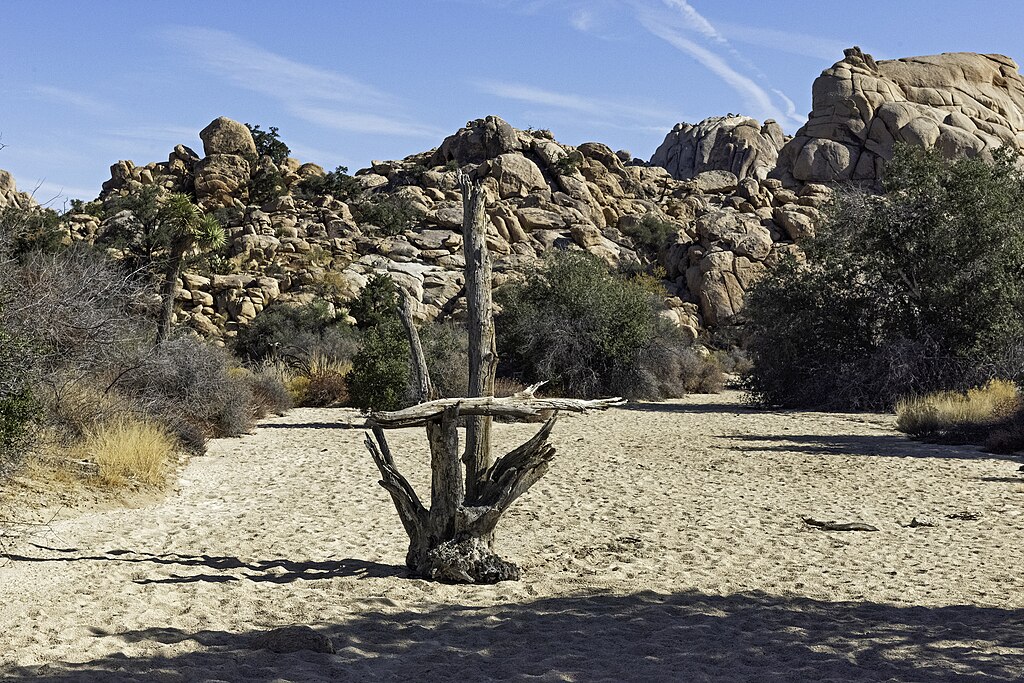
Deadfall branches can be arranged as clear markers for campsites, trails, or hazard warnings. In wooded environments, visual markers prevent disorientation. Campers often rely only on electronic navigation, ignoring simple physical cues. Deadfall blends naturally while remaining visible when shaped intentionally. Temperature changes can affect visibility through snow or leaf cover, making raised markers useful. This technique improves safety and navigation without cutting live vegetation. Fallen wood provides a reversible, low-impact way to communicate information in the landscape.
9. Natural Tool Handles
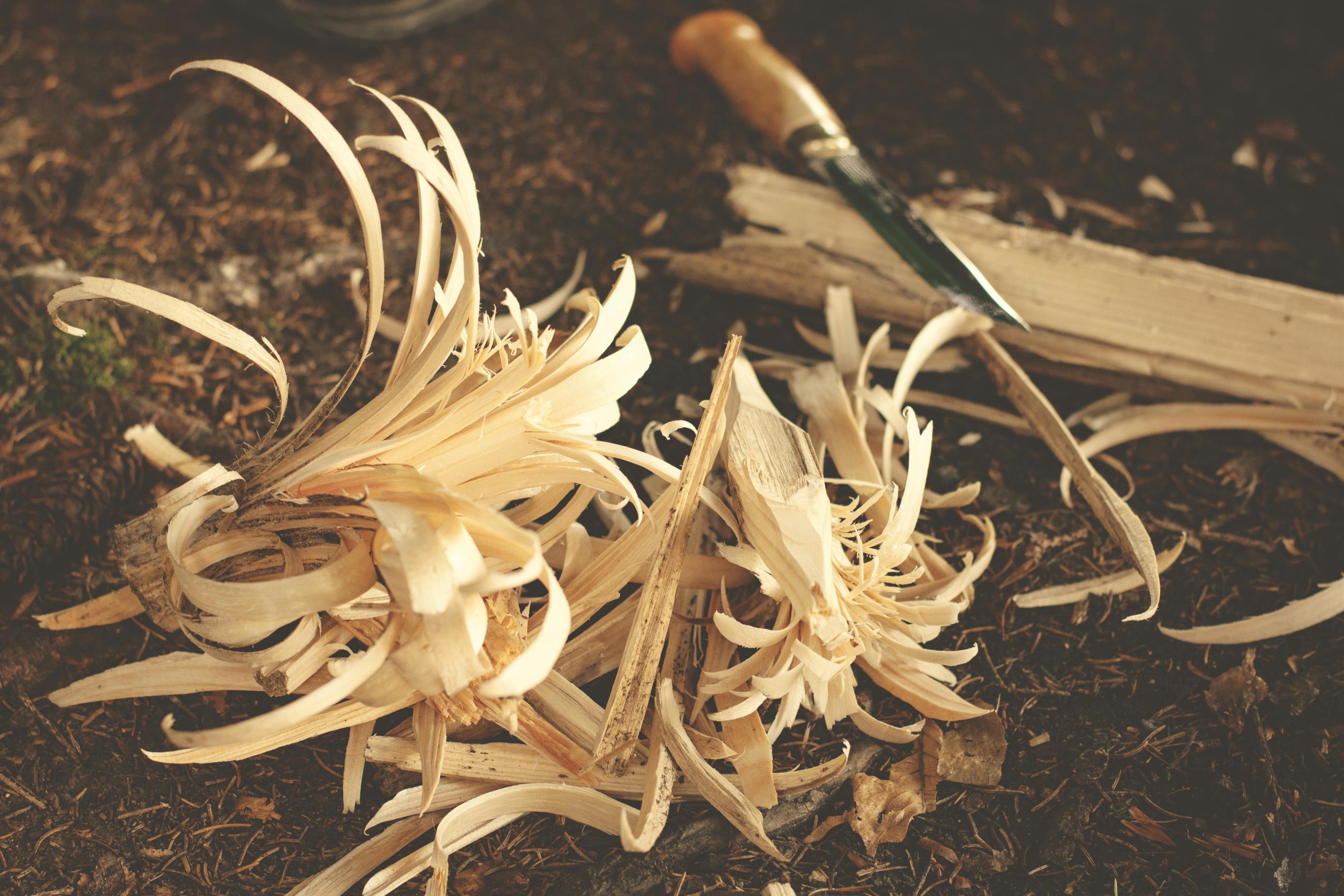
Solid sections of deadfall can be shaped into handles for improvised tools. Because deadfall has already dried, it shrinks less and grips better than green wood. Campers often struggle with loose handles because they use freshly cut material. Temperature influences wood moisture, making seasoned deadfall superior. A sturdy handle improves control and reduces injury risk. This use shows how fallen trees provide functional components that improve tool performance rather than just fuel for fire.
10. Ground Insulation Layers
Deadfall branches laid beneath bedding act as insulation layers that reduce heat loss to the ground. Cold ground rapidly draws body heat away during rest. Campers often pile leaves directly on soil, which compresses and loses insulating value. Branch layers create air gaps that trap warmth. Deadfall is ideal because it supports weight without collapsing. Understanding how temperature affects heat transfer makes this use especially valuable. Proper ground insulation can mean the difference between restful sleep and a miserable night.
11. Emergency Stretcher Construction
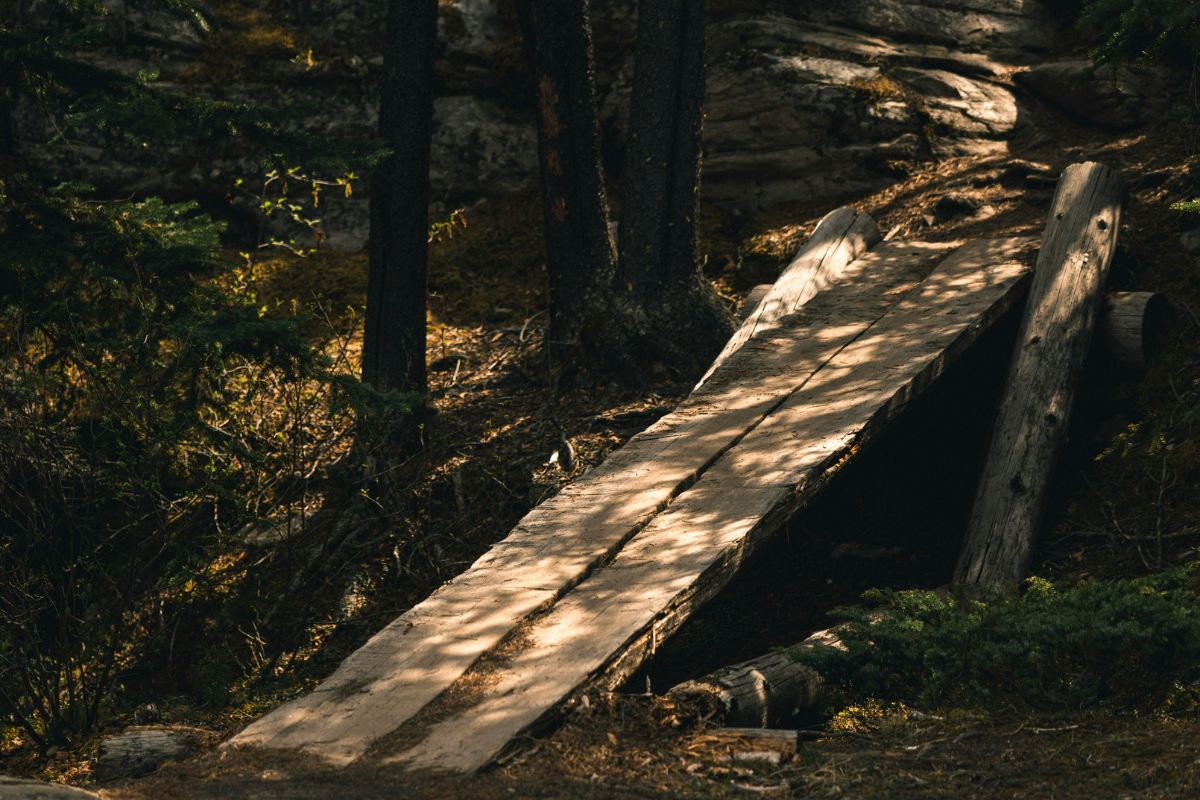
In emergencies, deadfall trees can be used to build improvised stretchers. Straight branches form rails while smaller limbs create support. Campers rarely plan for medical evacuation, but deadfall provides immediate materials. Temperature stress worsens injuries, making quick transport essential. Using fallen wood avoids cutting live trees during emergencies. Properly selected deadfall offers strength without excessive weight. This application highlights how fallen trees contribute directly to safety and emergency readiness in ways most campers never consider.
12. Firewood Sorting and Drying Racks
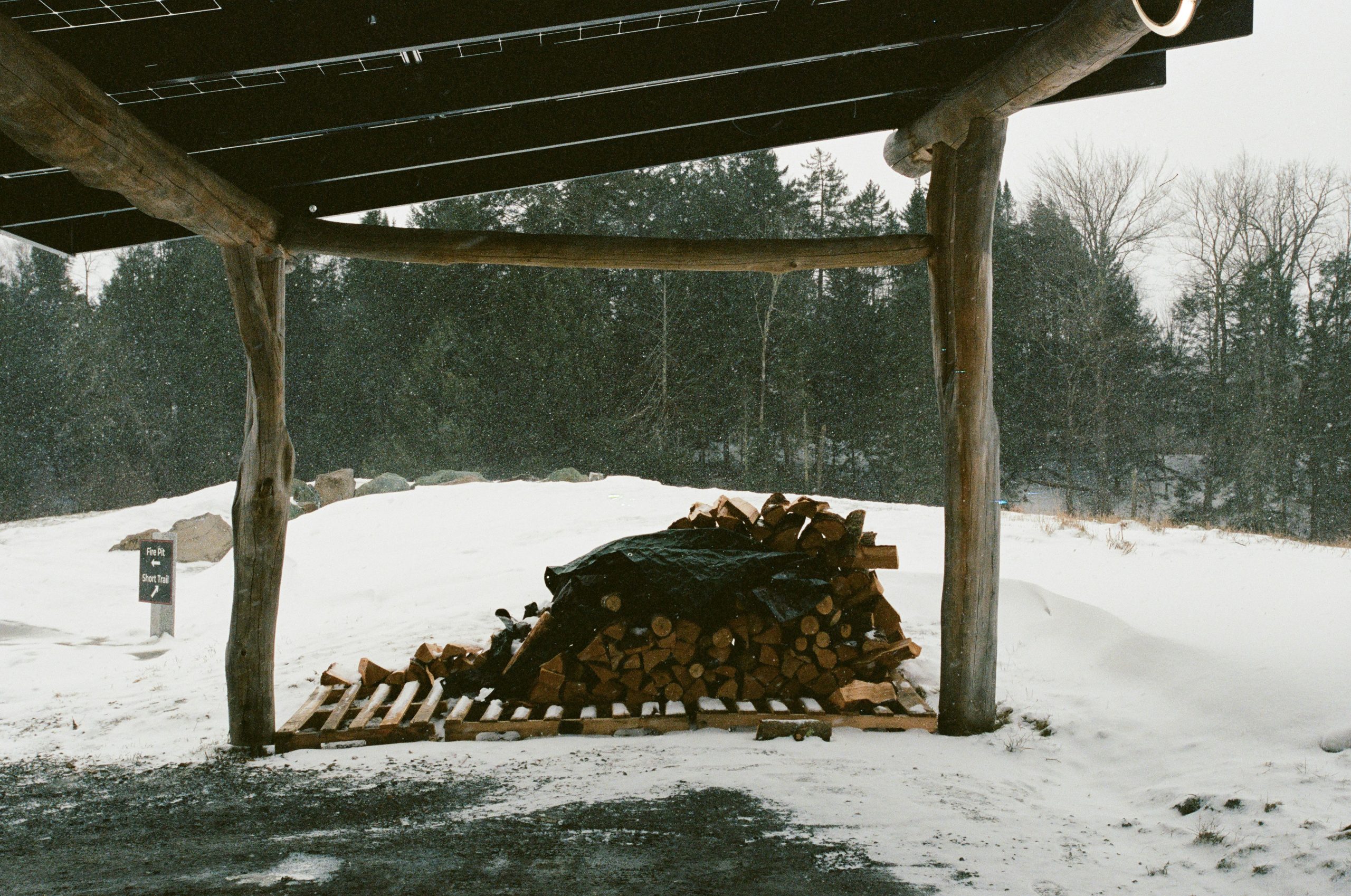
Deadfall trees can be used to create firewood drying racks that improve fuel efficiency. Wet wood wastes energy and produces smoke. Campers often burn whatever is nearby without preparation. Using fallen logs to elevate firewood improves airflow and drying, especially in cool or damp conditions. Temperature and airflow determine burn quality more than fire starters. This method turns deadfall into a system that improves all future fires, showing how thoughtful use of fallen trees multiplies their value beyond immediate burning.