Bushcraft may look simple in videos, but many of the most advanced skills demand years of practice, in-person correction, and a careful understanding of nature that cannot be explained safely on the internet. Experienced instructors avoid teaching certain techniques online because small mistakes can lead to injuries, wasted resources, or real danger in survival situations. The following rarely shared techniques reveal why true bushcraft still relies on hands-on learning.
1. Flint Knapping That Produces Reliable Cutting Edges

True flint knapping is much more complex than striking rocks together. The craft requires reading the stone’s internal lines, applying steady pressure, and controlling tiny fractures with careful wrist movements. Missing these details can send sharp flakes flying or weaken the blade. Experts avoid teaching the full method online because beginners cannot judge force or angle correctly without real-time supervision, which creates risks during early attempts.
2. Crafting a Fire Drill That Creates Embers Every Time
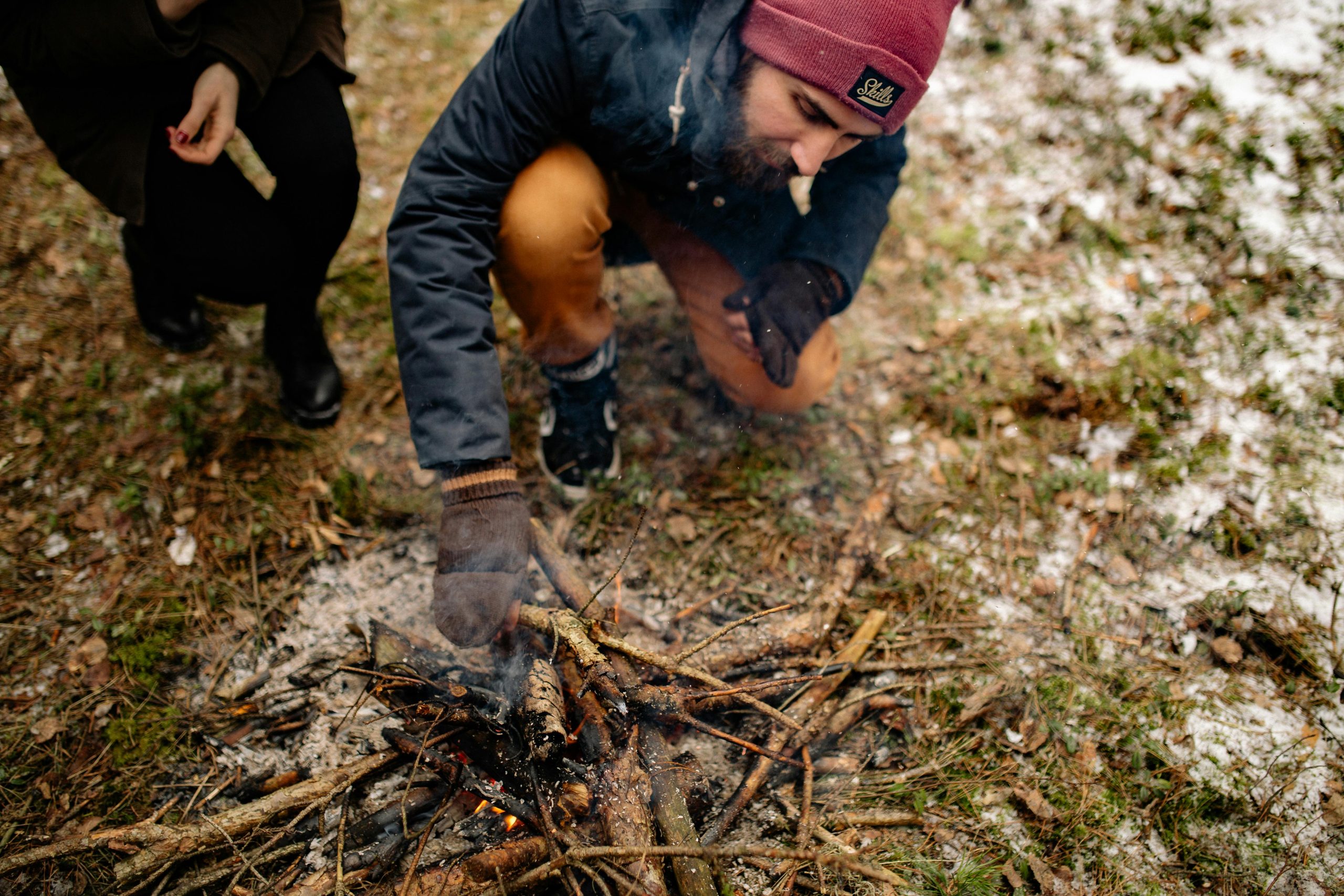
Creating a dependable fire drill involves more than shaping a spindle. The builder must choose compatible woods, match humidity levels, carve a perfect notch, and pair the bow cord to the right tension. Even a small error can stop the spindle from generating friction or cause it to slip dangerously. Instructors usually teach this only in person because the learning process depends on correcting posture, speed, and pressure as the student practices.
3. Trigger-Based Traps That Require Precise Calibration

Survival traps rely on balanced pressure points that release instantly when touched. These trigger systems can harm the user or wildlife if built incorrectly. Experts rarely teach full designs online because beginners may adjust the tension incorrectly or misunderstand how friction affects the mechanism. The difference between a safe trigger and a dangerous one is usually a few millimeters, and that margin is far too small to explain through written instructions.
4. Turning Raw Animal Hide Into Strong Working Rawhide

Rawhide production is far more technical than many people realize. The hide must be scraped at a precise angle, stretched under firm tension, and dried slowly at the correct temperature. If the process goes wrong, the rawhide becomes brittle, smelly, or unusable. Professionals also worry about hygiene issues and the dangers of attracting predators in the wild. Because these steps require accuracy, they prefer to teach them face-to-face rather than online.
5. Building Log Notches for Shelters Without Rope or Nails
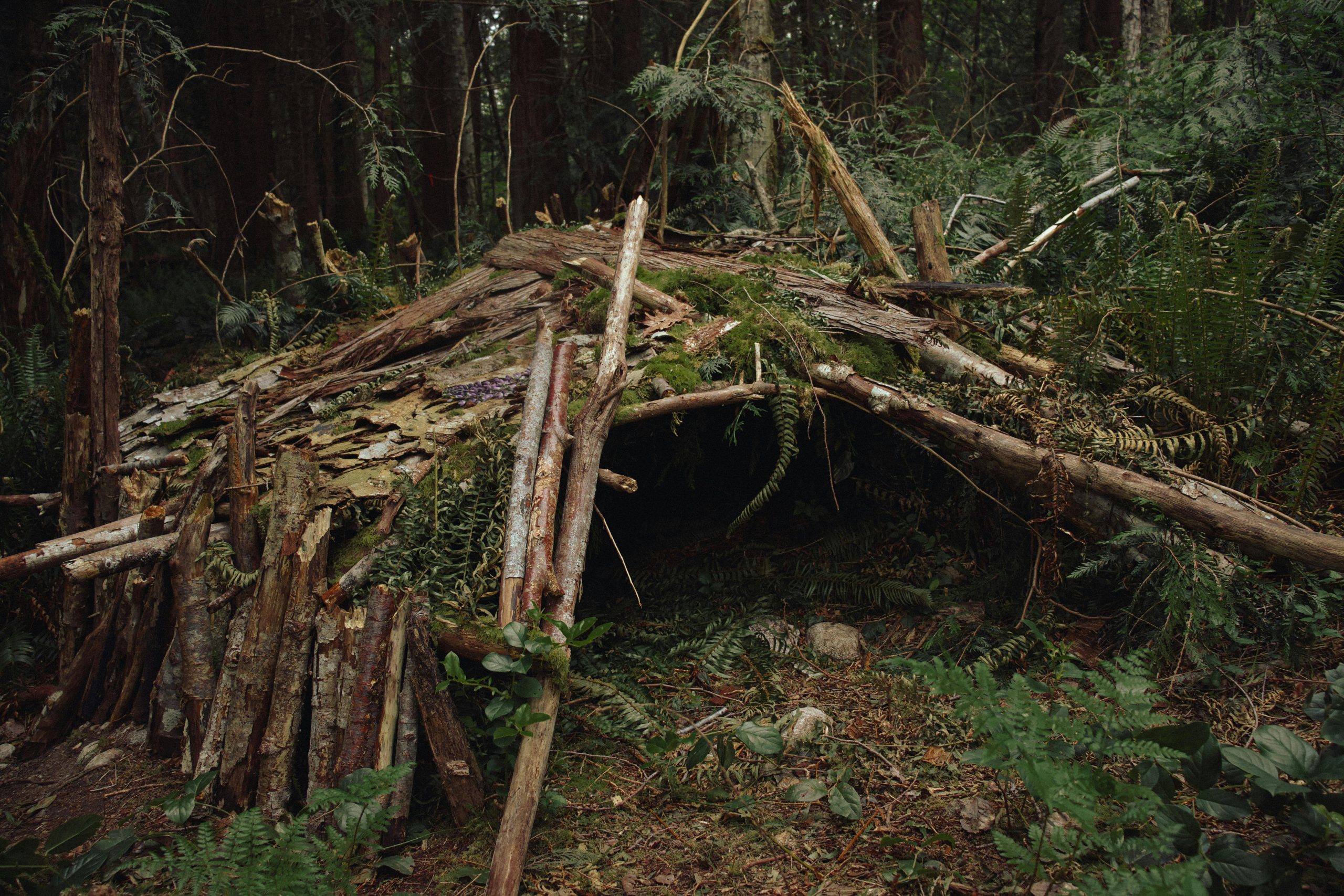
Advanced shelter notching requires a deep understanding of wood grain, weight distribution, and joint stability. A notch that is too shallow weakens the structure, while one that is too deep can cause collapse under stress. These cuts must match perfectly for the logs to lock together securely. Bushcraft instructors avoid sharing the full method online because the technique demands hands-on correction that videos or diagrams cannot provide for beginners.
6. Reading Subtle Land Features to Locate Hidden Water
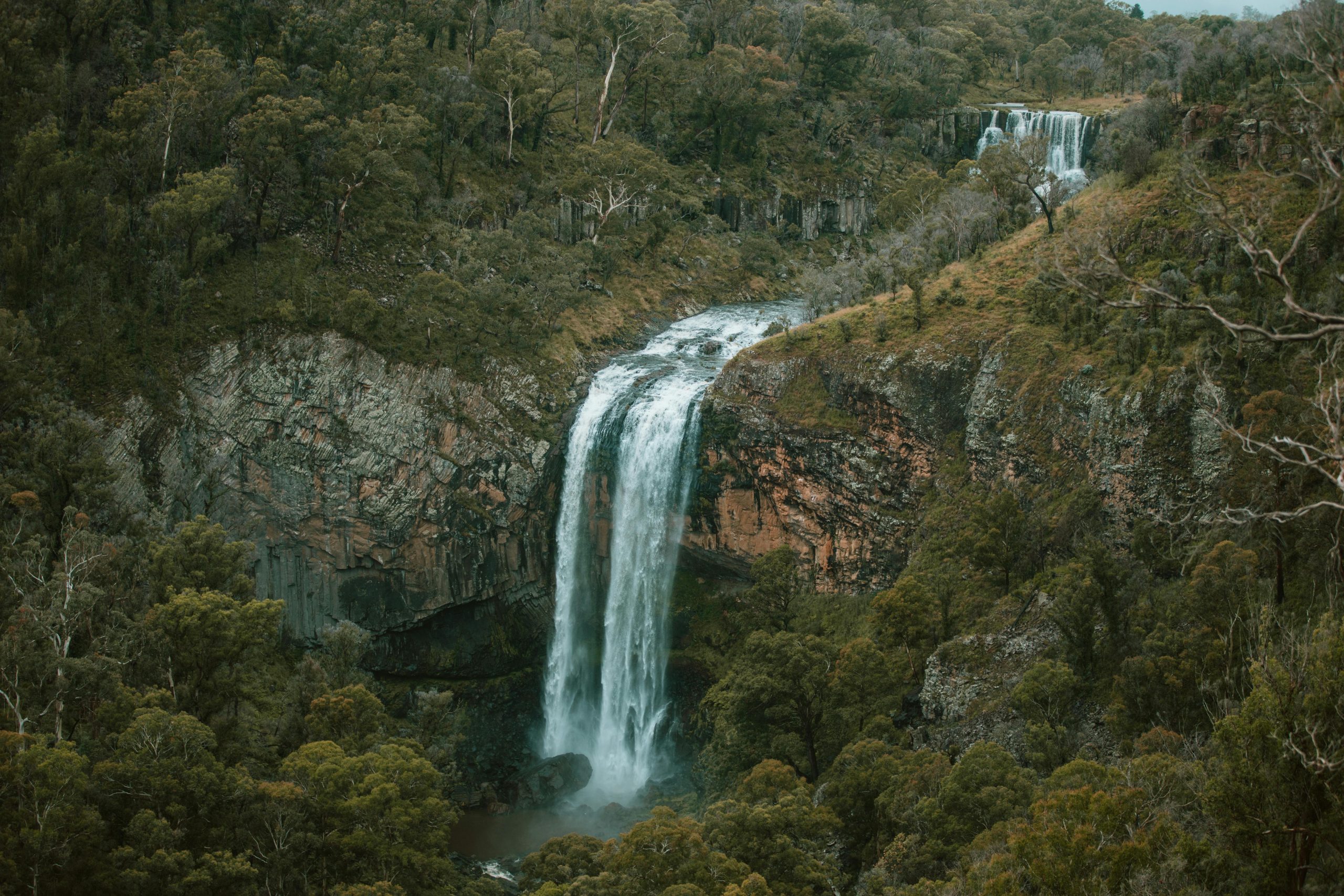
Finding water in the wild often depends on tiny clues such as changes in soil texture, specific plant density, or insect activity. These signs vary by region and season, which makes them difficult to explain accurately online. Misreading them can lead someone far off course or toward unsafe water sources. Experts teach this only in the field where they can show how each sign interacts with terrain and how to confirm water without taking risks.
7. Making Bark Containers That Can Handle Boiling Water
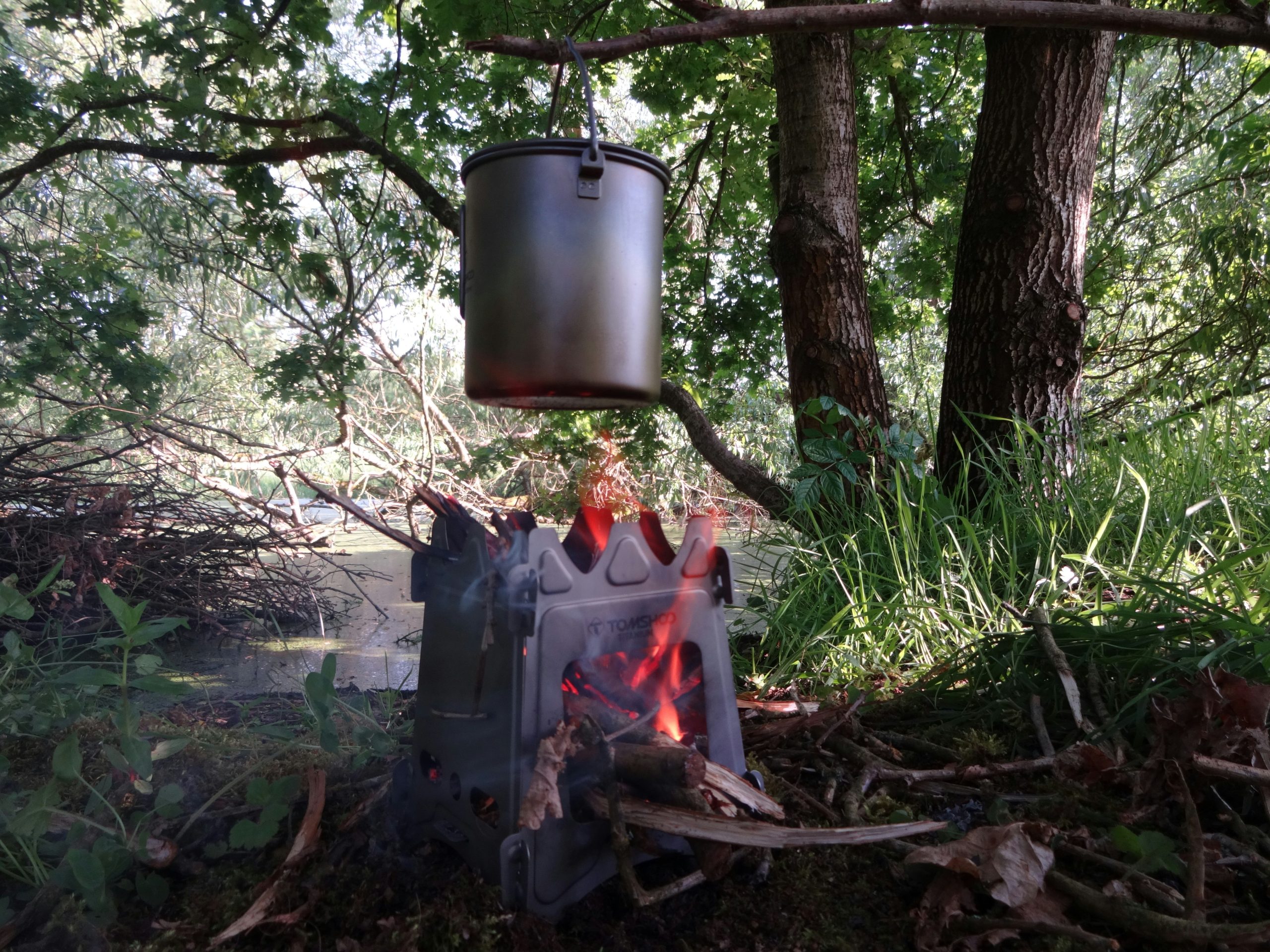
A bark container looks simple, but building one strong enough to hold boiling water is already a high-level bushcraft skill. The bark must be scored gently, softened with steam, folded without cracking, and sealed with a resin mixture that requires perfect timing. Without guidance, learners may burn themselves or ruin the material. Instructors avoid posting full guides because the risk of injury is high during the heating and sealing process.
8. Managing Heat in Primitive Metalworking Without Modern Tools
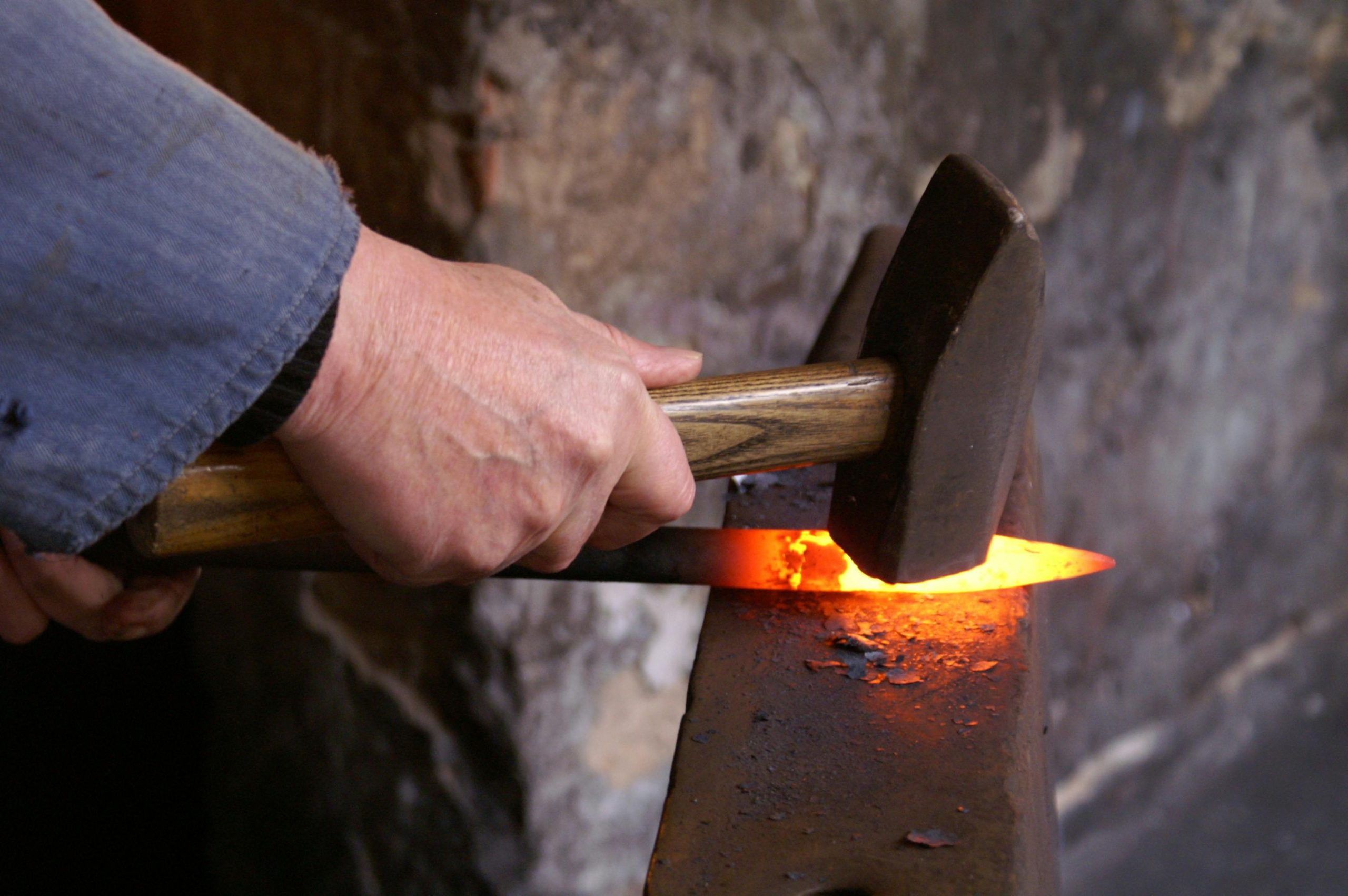
Primitive metalworking demands the ability to judge temperature by color, airflow, and sound alone. Overheating weakens the metal while uneven hammering creates fractures. These risks make it unsafe to teach the full technique online. Instructors prefer hands-on sessions where they can control the fire, monitor the student, and prevent the burns or eye injuries that often occur when beginners attempt metalwork without supervision.
9. Neutralizing Wild Plant Toxins Through Traditional Processing
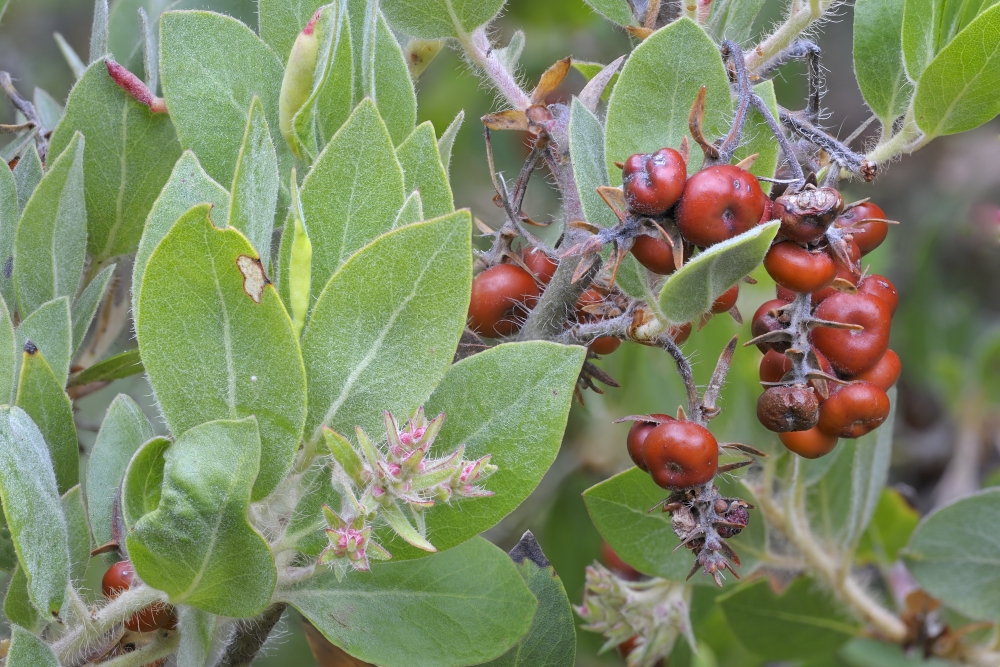
Some wild plants become edible only after several rounds of boiling, leaching, or roasting. Leaving out even one step can lead to dangerous toxins remaining in the food. Because regional plant species look similar yet have different toxin levels, experts avoid teaching the full process online. Proper instruction requires plant-by-plant confirmation, supervised preparation, and tasting only after an instructor verifies the safety of each step.
10. Moving Through Forest Terrain Silently for Stealth Travel
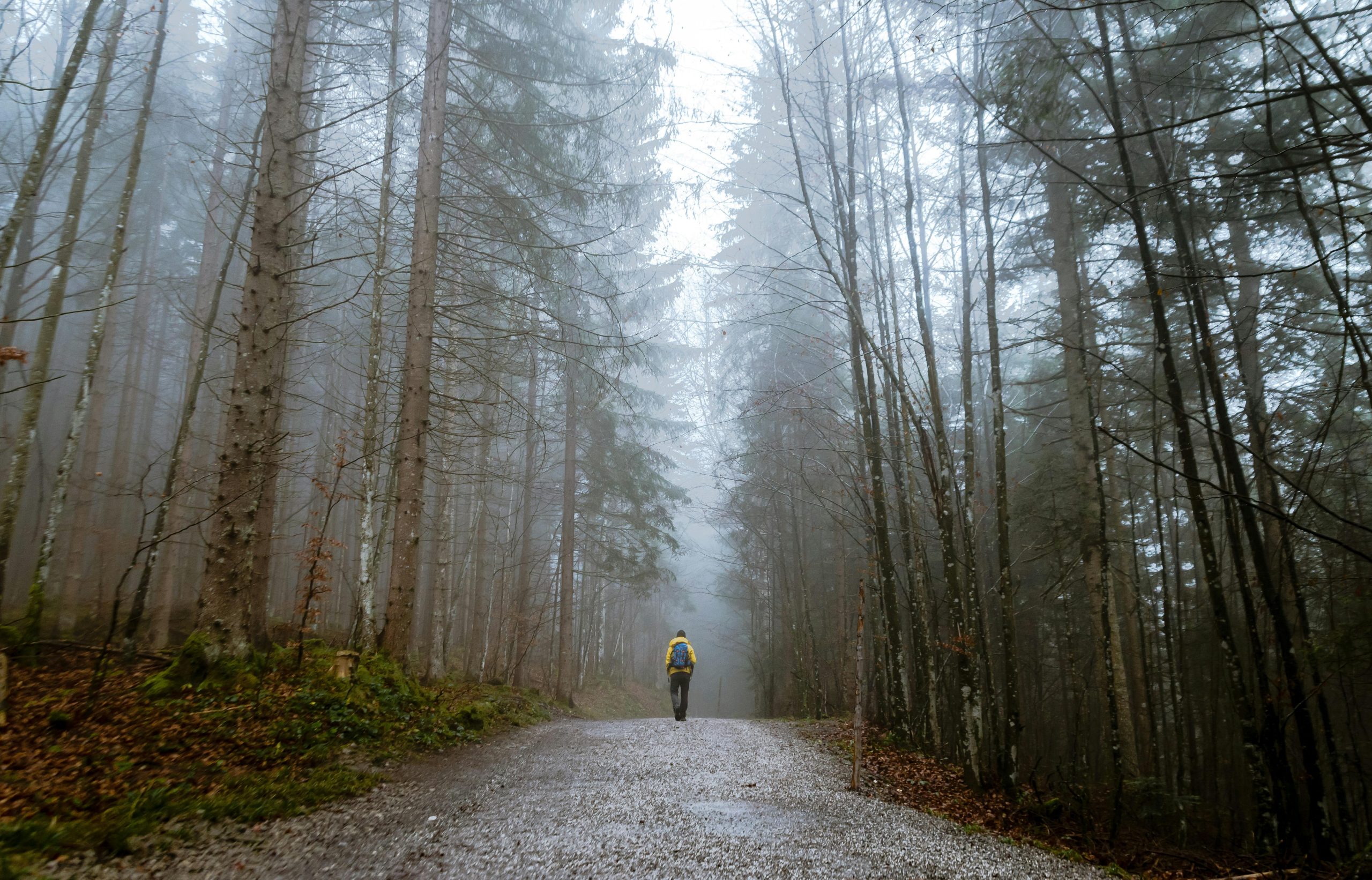
Stealth movement involves controlled breathing, coordinated foot placement, and careful timing that changes with ground softness and vegetation. A small mistake can lead to twisted ankles, noise, or startling wildlife. Teachers avoid offering full lessons online because proper stealth must be observed and corrected in real time. Students learn best by following an instructor through the forest and adjusting posture and pace according to direct feedback.
11. Harvesting Tree Bark Without Damaging the Tree

Removing bark safely requires knowledge of sap flow, seasonal timing, and the delicate cambium layer that keeps a tree alive. If this layer is cut too deeply or at the wrong time of year, the tree may never recover. Experts avoid teaching these details online because beginners may unintentionally kill healthy trees. Sustainable harvesting is best demonstrated in the woods, where the instructor shows exactly how much bark to remove.
12. Navigating Only With Natural Shadows and Landscape Signs
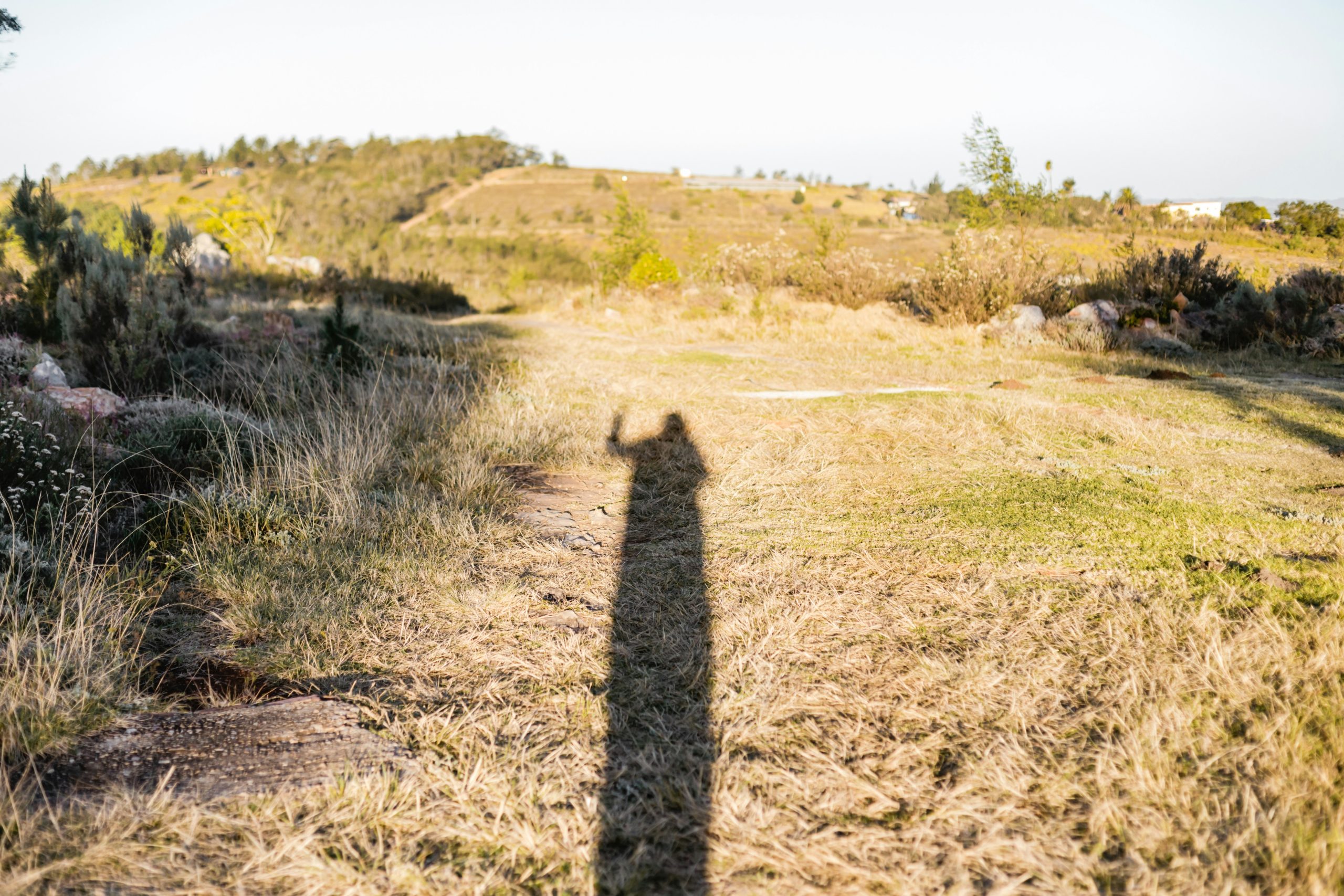
Direction finding without tools requires noticing subtle changes in shadow length, terrain tilt, wind direction, and tree growth patterns. These signs vary so much by region that online guides can easily mislead a learner. Mistakes could cause someone to travel miles in the wrong direction. Instructors prefer teaching this in person, where they can adjust the method to local terrain and help students interpret nature’s signals accurately.